

Revive History: Transform Classic Tractors With Cutting-Edge 3D Printing
By Tom Seest
At ClassicTractorNews, we help tractor lovers keep up with the latest news for classic and vintage tractors.
Please share this post with your friends, family, or business associates who may like old classic or vintage tractors.
Best 3D Printers for Classic Tractor Restoration Projects
When diving into the world of classic tractor restoration, the journey takes us beyond mechanics and paint; it’s about breathing new life into machines that once thudded across fields, tethered to hopes and dreams. A 3D printer can become your closest ally in this venture, transforming your workshop into a playground of creativity and precision.
Picture this: you’re sifting through piles of rusty parts, the remnants of a once-mighty tractor, knowing that somewhere in that chaos lies the heart of what it was meant to be. You feel the weight of history, the stories of farmers who relied on it. Each facet of restoration is an act of reverence, and that’s where a 3D printer shines. It allows you to replicate those hard-to-find or damaged pieces with a level of detail that respects the tractor’s legacy, crafting replacement parts that fit like a glove.
Now, let’s ground this in reality. The choices in 3D printers are vast, but the ideal ones for tractor restoration share a few common traits: durability, ease of use, and precise output. Look for machines that handle tough materials like ABS or nylon, capable of withstanding the vibrations and the grime of the workshop. These aren’t just machines; they’re gateways to preservation. With a solid printer, you’re not just creating parts; you’re forging a connection to the past, ensuring that future generations can appreciate the grit and craftsmanship that brought these marvels of engineering to life.
From my experience, the best moments happen when you’re knee-deep in grease, occasionally glancing up at that shiny new 3D-printed piece, freshly pulled from the printer, feeling an unexplainable rush of pride. It’s a tangible representation of your hard work, your dedication to preserving history, and proving that perseverance can resurrect the soul of a machine.
In this shared community of restoration enthusiasts, each completed project isn’t just a personal victory; it’s a story that resonates, connecting you with others who appreciate the old iron’s subtle complexities. You’re not alone in this. During those late nights in the shed, when the only sound is the hum of the printer, there’s a silent camaraderie, echoing across workshops and fields, reinforcing your commitment to the craft.
In every bolt you tighten, in every piece you create, you’re not just restoring a tractor; you’re ensuring that a part of history rolls on. Embrace the challenge with a reliable 3D printer, and watch as your labor of love transforms into a legacy.
Best 3D Printers for Classic Tractor Restoration Projects
Best 3D Printers for Classic Tractor Restoration Projects
- Classic tractor restoration involves more than mechanics; it revitalizes machines tied to history and aspirations.
- A 3D printer aids in the restoration process, allowing for high-quality reproduction of hard-to-find parts.
- Ideal 3D printers for this purpose are durable, user-friendly, and capable of using tough materials like ABS or nylon.
- Creating replacement parts fosters a connection to the past and preserves the legacy of these engineering marvels.
- Personal satisfaction comes from the pride of seeing a 3D-printed part amidst the restoration journey.
- The restoration community shares camaraderie, celebrating completed projects as collective victories.
- Every restoration effort contributes to preserving history and ensuring it continues for future generations.
Best 3D Printers for Classic Tractor Restoration Projects
Table Of Contents
- Best 3D Printers for Classic Tractor Restoration Projects
- What Inspires Your Passion for Classic Tractor Restoration?
- How Can 3D Printing Enhance Your Restoration Projects?
- Are You Aware Of the Cost-Effectiveness Of Using 3D Printing?
- Which Materials Are Best Suited for 3D Printing Classic Tractor Parts?
- How Does 3D Printing Contribute to Sustainable Restoration Efforts?
- What Challenges Have You Faced In Sourcing Parts for Your Tractor?
- Conclusion
- Other Resources
- Glossary Of Terms
- Other Questions
- Haiku
- Poem
- Checklist
What Inspires Your Passion for Classic Tractor Restoration?
Restoring classic tractors isn’t just a hobby; it’s a heartfelt journey that connects us to our roots and pays homage to a bygone era of American ingenuity. Picture an old, rusting tractor sitting in a field, its paint chipped and faded, standing as a silent witness to decades of labor and perseverance. In that weathered machine lies a story—a history waiting to be uncovered. It’s not merely about getting it running again; it’s about resurrecting memories, preserving an art form, and honoring the sweat of those who worked the land long before us.
The passion for classic tractor restoration ignites a fire within us, rooted in nostalgia and a longing for authenticity. It’s a call to our sensibilities. Each rivet, each cog has a personality and a purpose that deserves recognition. When we turn the wrenches and wield the sanders, we become not just mechanics but caretakers of history. The connection to the past reinforces our understanding of where we come from. We’re reminded that this country was built on grit and hard work, values that resonate profoundly in our own lives.
But there’s more than just sentimentality at play. Engaging in restoration is a profoundly rational endeavor. As we invest time and resources into these machines, we’re also honing our skills—developing a keen eye for detail and a respect for craftsmanship. It’s an exercise in patience and perseverance, traits that are increasingly rare today. By reviving these tractors, we also contribute to a sustainable future—keeping older equipment from the scrapyard and minimizing waste.
Ethically, we are fostering a sense of community. Every restoration project paves the way for shared experiences, stories exchanged in workshops, and camaraderie found at tractor shows. We connect with fellow enthusiasts who understand the joy and pride of restoring something that others have overlooked. This collective passion creates a network of trust, a silent pact among restorers to protect our heritage and share our knowledge.
Consider the satisfaction that comes with transforming a discarded relic into a gleaming symbol of resilience. Each completed project tells a story of triumph over neglect, echoing the reality of our own struggles and victories. That classic tractor isn’t just a machine; it becomes a testament to our commitment—to uphold tradition, embrace challenge, and keep the spirit of hard work alive. So the next time you wrench on that old tractor, remember: you’re not just restoring metal; you’re reviving the very heart of our shared history.
What Inspires Your Passion for Classic Tractor Restoration?
What Inspires Your Passion for Classic Tractor Restoration?
- Restoring classic tractors connects individuals to their roots and pays tribute to American ingenuity.
- Old tractors symbolize decades of labor and carry stories waiting to be uncovered.
- The process is about reviving memories and honoring those who worked the land.
- Restoration develops skills, patience, and a respect for craftsmanship.
- Contributes to sustainability by keeping older equipment out of scrapyards.
- Fosters a sense of community among enthusiasts through shared experiences and knowledge.
- Each restoration project becomes a testament to resilience and a commitment to tradition.
What Inspires Your Passion for Classic Tractor Restoration?
How Can 3D Printing Enhance Your Restoration Projects?
Restoration projects are more than just fixing things; they are about breathing new life into the past. Picture this: an old tractor, weather-beaten and rusting away in your backyard. Every dent represents a story, every scratch a memory. It’s a piece of history, and you feel a duty to preserve it, yet the challenge can feel Herculean. Enter 3D printing—a transformative tool that not only streamlines the process but adds a new dimension to restoration.
Imagine you’re knee-deep in a restoration project. You’ve spent countless hours searching for that elusive part, perhaps a specific bracket or panel that’s no longer manufactured. The frustration can be palpable. 3D printing changes the game. It allows you to create those hard-to-find components right in your workshop, tailored exactly to your specifications. The beauty here is twofold: the thrill of creation and the satisfaction of precision. Combining innovation with nostalgia, 3D printing isn’t just about making parts; it’s about making connections to the very essence of what that tractor represents—hard work, heritage, and a sense of community.
Consider this a modern form of craftsmanship. What once required an expensive trip to the specialty shop or a lengthy wait for shipments can now be accomplished in the comfort of your home. It’s like having your own armory of tools, where every failed attempt adds value to your journey. You can print, test, adjust, and perfect—creating a conversation with the machine itself, forging a partnership that honors both technology and tradition.
Ethically, 3D printing goes beyond mere convenience. It opens doors to sustainable practices by minimizing waste and reducing reliance on mass-produced parts. You’re not just saving time or money; you’re actively participating in a responsible form of restoration that respects the environment and the stories held within each vintage piece.
Furthermore, think of how this technology fosters social connection. Sharing your successes and challenges online can ignite enthusiasm and inspire others. Each printed part is a story waiting to be told—about resilience, ingenuity, and the preservation of history.
In this respect, 3D printing becomes a bridge between generations. Handing down not just a restored tractor, but the skills and stories intertwined with it—the heart, the head, and the gut working together to revive not just machinery, but the memories that make them whole. It’s a call to action—so fire up that printer and let the restoration begin.
How Can 3D Printing Enhance Your Restoration Projects?
How Can 3D Printing Enhance Your Restoration Projects?
- Restoration projects aim to revitalize history, like preserving an old tractor with personal significance.
- 3D printing simplifies the search for hard-to-find parts, enabling custom creation directly in the workshop.
- This technology merges innovation with nostalgia, reinforcing connections to hard work and heritage.
- Modern craftsmanship allows restoration from home, reducing the need for specialty shops or long waits.
- Ethically, 3D printing promotes sustainability by minimizing waste and decreasing reliance on mass production.
- Sharing restoration experiences online fosters social connections, inspiring community engagement.
- 3D printing bridges generations, preserving not just machinery but the stories and skills associated with them.
How Can 3D Printing Enhance Your Restoration Projects?
Are You Aware Of the Cost-Effectiveness Of Using 3D Printing?
Are you aware of the cost-effectiveness of using 3D printing? Picture a farmer standing next to his trusty tractor, not just any tractor, but one that has been modified and enhanced with parts created right in his own workshop using 3D printing technology. This farmer is not simply adapting to the times; he’s embracing a revolution that’s changing how we think about production and resources.
Imagine the burden of waiting weeks for a replacement part that could keep your equipment idle and your project stalled. Traditional manufacturing is slow and costly, with long lead times and hefty shipping fees. Now, consider the farmer’s newfound ability to scan a broken part, tweak the design if necessary, and print a replacement in just hours. It’s a narrative that resonates with many; the farmer represents the everyday person tackling challenges head-on while optimizing costs and minimizing downtime.
The rational side of the matter is hard to ignore. 3D printing drastically reduces material waste and allows for on-demand production. There’s no overstock, no excess inventory taking up valuable space and resources. When you shift to a model where you can produce items as needed—whether it’s a custom tractor part or tools for the farm—you’re not just saving money; you’re being efficient. You’re making every dollar count, and in today’s economy, that’s no small feat.
Ethically speaking, 3D printing empowers communities. It can foster local economies by enabling small businesses to compete without the massive overhead of traditional manufacturing. Think about it—small-town artisans and innovators can meet demands right from their backyards, strengthening social ties and creating jobs. This isn’t just innovation; it’s a movement towards resilience.
On a personal level, many of us can relate to the thrill of creation and the satisfaction of solving problems rather than merely buying their solutions. The feeling of holding a physical object that was once just an idea—crafted with your own hands, or hands that are connected to a machine—is profoundly impactful. It’s both a learning curve and an expression of ingenuity.
This accessibility gives everyone a chance to be a creator, engaging all of us in a new way of thinking about what it means to make something. It empowers not only the farmer with his tractor but every individual willing to roll up their sleeves. Embracing 3D printing is not just about being cost-effective; it’s about belonging to a community of makers and innovators, ready to tackle the future, one layer at a time.
Are You Aware Of the Cost-Effectiveness Of Using 3D Printing?
Are You Aware Of the Cost-Effectiveness Of Using 3D Printing?
- 3D printing enhances cost-effectiveness and production for farmers and small businesses.
- Farmers can quickly replace broken parts, minimizing project delays and downtime.
- This technology significantly reduces material waste through on-demand production.
- There is no excess inventory, leading to better resource management and efficiency.
- 3D printing empowers local economies by allowing small businesses to compete effectively.
- Individuals experience a sense of creation and problem-solving by making their own products.
- Using 3D printing fosters a community of makers and innovators ready for the future.

Are You Aware Of the Cost-Effectiveness Of Using 3D Printing?
Which Materials Are Best Suited for 3D Printing Classic Tractor Parts?
When we think about classic tractors, we’re not just looking at machinery; we’re reminiscing about a lifestyle that has plowed through generations. That nostalgic connection is what drives many enthusiasts to restore these mechanical marvels, ensuring they continue to perform their important task on the land. But in this new era of technology, where traditional craftsmanship meets modern innovation, 3D printing has emerged as a game-changer. Choosing the right materials for 3D printing classic tractor parts is pivotal, not just for mechanical integrity, but for preserving the legacy these tractors represent.
Let’s start with ABS. This sturdy thermoplastic isn’t just a plastic; it’s like the dependable old friend who shows up on time every time. Known for its strength and resistance to impact, ABS can handle the rigors of farm life while maintaining the charm of the original parts. When I think about a farmer fixing up an iconic tractor, I picture him holding an ABS part, feeling the weight of both the material and the history it carries.
Then we have PLA, a biodegradable option that’s more than environmentally friendly. It’s a reminder of the simpler times when things were made to last. Ideal for components that don’t face extreme strain, PLA can evoke a sense of nostalgia, serving as a gentle nod to the ethics of sustainability, something all of us can rally around in our quest for innovation.
Now let’s talk about metal materials, particularly Steel and Aluminum. These are for those who want to ensure that their restoration job isn’t merely cosmetic but functional and rugged, just like the tractors themselves. Steel parts add a weighty assurance of durability; they can withstand the pressure of being out in the fields, much like the tractors that have been farmed hard throughout their lives. Aluminum offers a lightweight alternative, reflecting the evolution of technology while keeping the original contours and aesthetics intact.
Yet, the unique take here is the notion of customization through resin-based 3D printing, allowing passionate individuals to recreate parts that may no longer be available. Imagine crafting that hard-to-find vintage hood ornament or the control levers that feel just right in your hands. This isn’t just about restoring a tractor; it’s about inviting new stories into its history, ensuring future generations can connect with the past in a tangible way.
The materials chosen in 3D printing classic tractor parts are a testament to the human spirit, a blend of innovation and tradition that creates not just machines, but connections to our roots. Every part produced is a chance to tell a new story, to keep the engines of history running, one carefully crafted piece at a time.
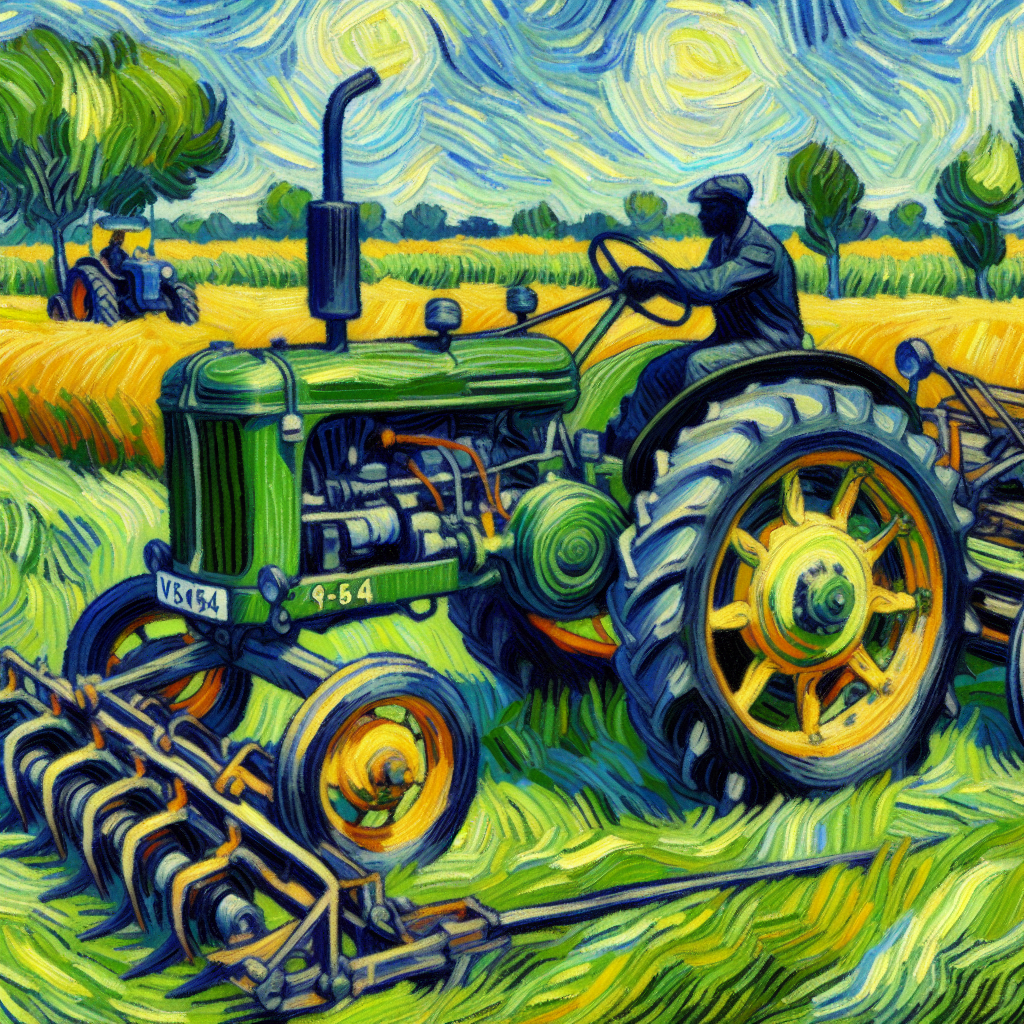
Which Materials Are Best Suited for 3D Printing Classic Tractor Parts?
Which Materials Are Best Suited for 3D Printing Classic Tractor Parts?
- Classic tractors symbolize a lifestyle and heritage that have persisted through generations.
- Nostalgia motivates enthusiasts to restore tractors, blending traditional craftsmanship with modern technology.
- 3D printing plays a crucial role in creating parts while preserving the legacy of classic tractors.
- ABS is highlighted for its strength and durability, suitable for farm life conditions.
- PLA is a biodegradable material, ideal for non-stressful components, emphasizing sustainability and nostalgia.
- Steel and aluminum provide functional, robust restoration options, maintaining original aesthetics.
- Customization through resin-based 3D printing allows for the creation of rare parts, enriching the tractor’s history.
Which Materials Are Best Suited for 3D Printing Classic Tractor Parts?
How Does 3D Printing Contribute to Sustainable Restoration Efforts?
In the quiet hum of a workshop or the brisk pace of a restoration site, the marriage of 3D printing technology and sustainable practices emerges as a daunting yet exhilarating answer to environmental degradation. Picture a vintage tractor, its paint chipped and its engine silent. Once a tool of progress, it now stands as a reminder of time passed. Enter 3D printing, the unsung hero ready to breathe new life into this faded relic, transforming it into more than just a machine—it becomes a bridge to our ecological future.
Restoration, at its core, is about more than fixing old things; it’s about weaving a narrative, one where past and present dance together in harmony. A father might find his grandfather’s tractor in disrepair, a symbol of hard work and family heritage, only to discover that many parts are no longer manufactured. Yet, with 3D printing, he can recreate those obsolete components from sustainable materials, embracing a solution that doesn’t merely patch a problem but builds a legacy anew. It’s the kind of story that stirs our emotions and connects generations, encouraging us to restore not just objects, but value and purpose.
From a rational perspective, consider the environmental footprint of traditional manufacturing. Producing new parts often requires extensive resources and energy, while 3D printing allows for localized production, using exactly what’s needed with minimal waste. It’s akin to harvesting only what you need from a garden rather than clear-cutting the entire orchard. By reducing resource consumption and energy use, 3D printing stands as a resolute champion for sustainability—a choice that resonates with those who want to protect our planet.
Ethically, this approach reflects a growing responsibility toward our environment. Restoration becomes not just a craft but a necessary ethic in cultivating a culture of respect for our resources. Imagine communities coming together, using shared 3D printers to help their neighbors restore machinery or buildings, creating bonds stronger than steel, grounded in cooperation and collective purpose.
In this age of innovation, let’s not forget the gut feeling—when you see that restored tractor, gleaming as it once did, ready to return to the fields or roll gleefully in parades. It’s an image of hope and resilience, reminding us that we can take what was left behind and make it valuable again. As we harness the power of 3D printing to revive the past, we find ourselves not just restoring objects, but reigniting connections and nurturing a brighter, sustainable future.

How Does 3D Printing Contribute to Sustainable Restoration Efforts?
How Does 3D Printing Contribute to Sustainable Restoration Efforts?
- The combination of 3D printing and sustainable practices offers solutions to environmental degradation.
- Restoration transcends mere repair, creating narratives that connect past and present.
- 3D printing enables the recreation of obsolete components using sustainable materials.
- Traditional manufacturing has a high environmental footprint, while 3D printing minimizes waste through localized production.
- This approach encourages a culture of respect for resources, fostering community cooperation.
- Restored items symbolize hope and resilience, demonstrating the value of reviving the past.
- Utilizing 3D printing in restoration helps nurture a brighter, sustainable future.
How Does 3D Printing Contribute to Sustainable Restoration Efforts?
What Challenges Have You Faced In Sourcing Parts for Your Tractor?
Sourcing parts for your tractor can often feel like navigating a labyrinth, where every turn presents another obstacle. As anyone who’s tackled this challenge knows, it’s not just about finding the right component; it’s a journey filled with twists that test our patience and resolve.
Consider the farmer, watching the sun dip below the horizon, with the day’s work undone because a simple bolt is missing. Just one part can stall an entire operation, causing stress that ripples through family and community. It’s not merely machinery; it’s the heart of their livelihood, the engine of their dreams. That tractor represents not just an investment, but years of hard work, sacrifice, and the hope of future harvests.
When sourcing parts, we often face a mix of rational calculations and emotional turmoil. There’s the logical side—the need to find a reliable supplier, compare prices, and ensure compatibility. Yet, lurking beneath that logic is a gut feeling that can’t be ignored. It’s the voice that reminds you of the time you painstakingly reconstructed your tractor only to find you had the wrong part, stranding you for days. It’s a reminder that each decision carries weight, not just for you, but for the people who rely on your work.
In a world where flashy advertisements tempt you to buy the latest model or an upgrade, there’s a certain ethical responsibility to repair and maintain what you already own. There’s wisdom in that worn-out seat that molded to your shape, in the scratches that tell stories of hard-earned labor and resilience. Choosing to source parts responsibly connects you not only to the machine but to a community of fellow ranchers and mechanics who share in your trials, triumphs, and teachings.
Let’s not forget the authority of experience—many of us have learned the hard way which suppliers deliver and which ones leave you high and dry. The stories we share in local diners or online forums bind us in understanding. Each tale of woe or success reinforces that we are not alone in this arduous dance with equipment.
So, the next time you find yourself at a crossroads in your tractor’s journey, remember: it’s not just about the part. It’s about community, legacy, and the unyielding spirit of perseverance that binds us all together in this rural tapestry. Embrace those challenges; they’re part of the narrative that makes every farm, every tractor, and every success story uniquely powerful.
What Challenges Have You Faced In Sourcing Parts for Your Tractor?
What Challenges Have You Faced In Sourcing Parts for Your Tractor?
- Sourcing tractor parts is a challenging journey with many obstacles.
- A missing component can stall operations and impact families and communities.
- There is a combination of logical and emotional considerations when finding parts.
- Experience teaches the importance of reliable suppliers and the weight of decisions made.
- Repairing and maintaining existing equipment fosters ethical responsibility and community connection.
- Experiences shared in local settings create a bond among ranchers and mechanics.
- Challenges in sourcing parts contribute to the rich narrative of rural life and agriculture.
What Challenges Have You Faced In Sourcing Parts for Your Tractor?
Conclusion
Reviving classic tractors is more than a pastime; it’s an emotional journey steeped in history and craftsmanship. As enthusiasts, we dive into the depths of these machines, sifting through rust and nostalgia, with the goal of breathing new life into once-mighty workhorses. Enter 3D printing, a technological ally that transforms a daunting restoration task into an accessible and rewarding endeavor. These printers enable us to recreate hard-to-find components, allowing us to maintain the integrity of these vintage machines. Each new piece we print is not merely a replacement but a tribute to the legacy of farming that defines our past.
Choosing the right 3D printer is crucial. The best models embody durability, ease of use, and precision, enabling us to work with resilient materials like ABS and nylon. This hands-on process fosters a connection to the past, reminding us of the grit and hard work that our forebears embodied. When we emerge from the workshop, covered in grease, with a freshly printed part in hand, that sense of accomplishment connects us not just to the machinery, but to the stories they hold.
The communal aspect of restoration is equally important. Each completed project not only signifies a personal victory but also intertwines our narratives with others who share in this passion. The late nights spent in the workshop are not isolating but rather a chorus of shared experiences. Together, we cultivate a network of support and knowledge, reinforcing the values of resilience and dedication.
Sustainability also tells a compelling story in this movement. In a world where waste is rampant, 3D printing offers a green solution, drastically reducing the need for mass production and the environmental impact that comes with it. We’re not just reviving tractors; we’re embracing an ethical responsibility to our planet.
As we embrace this modern era of restoration, the act of creating becomes intertwined with a profound respect for history. The parts we design and print are tangible symbols of our commitment to preserving the essence of classic tractors. Each machine we restore isn’t just about its physical condition; it’s a testament to our shared heritage, our resolve to keep history alive, and our ability to forge meaningful connections—both with the past and each other. The legacy of classic tractors lives on, one part at a time, inspiring generations to come.
Conclusion
Conclusion:
- Reviving classic tractors is an emotional journey rooted in history and craftsmanship.
- 3D printing transforms daunting restoration tasks into accessible and rewarding projects.
- Printing hard-to-find components helps maintain the integrity of vintage machines.
- Choosing the right 3D printer is vital for durability, ease of use, and precision.
- The communal aspect of restoration fosters support and shared experiences among enthusiasts.
- 3D printing offers a sustainable solution by reducing waste and environmental impact.
- Restoring tractors is a testament to preserving heritage and forging connections with history.
Conclusion
Other Resources
Other Resources
Here is a list of other resources you can review online to learn more:
- Bristol
- AgTrac
- Jackson County Iowa Fair Antique & Classic Tractor Show
- GBT
- Johnson Manufacturing
- SE Indiana F.A.R.M. Club’s Antique Machinery Show
- Heider
- IMR Rakovica
- Antique Tractor Values
- Cletrac
- Case
- Monarch Tractor
- Pioneer Tractor
- Ranch Hand
- Case IH
- Wingin
- Tytan
- Minsk Tractor Works
- Steyr
- Haas
Use This Prompt To Get More Resources With Your Favorite Online AI Tool: Please provide me with a list of online articles with their URLs in a bulleted list that I can read regarding Best 3D Printers for Classic Tractor Restoration Projects
Other Resources
Glossary Terms
Best 3D Printers for Classic Tractor Restoration Projects – Glossary Of Terms
1. FDM (Fused Deposition Modeling): Layered thermoplastic extrusion process common in hobby and workshop printers; good for tough, functional parts used in tractor restoration like brackets and knobs.
2. SLA (Stereolithography): Resin-based printing that produces high-detail parts ideal for small precision components, master patterns, or molds for casting replacement tractor fittings.
3. SLS (Selective Laser Sintering): Powder-bed process that fuses nylon powders to create durable, complex geometries without supports—useful for strong, wear-resistant replacement parts.
4. DMLS/SLM (Direct Metal Laser Sintering / Selective Laser Melting): Metal 3D printing methods for producing load-bearing metal components or prototypes when casting or machining is impractical.
5. Build volume: Maximum printable part size in X, Y, Z; critical for matching printer capability to large tractor components or splitting models for assembly.
6. Layer height (resolution): Vertical thickness of each printed layer; smaller heights yield finer detail but increase print time—balance needed between fit/finish and production speed.
7. Nozzle diameter: Size of the printer’s extrusion opening; smaller nozzles produce finer detail, larger nozzles extrude stronger, faster layers—important when printing robust tractor parts.
8. Print bed / Heated bed: Flat surface where prints adhere; a heated bed reduces warping for engineering plastics (ABS, nylon) commonly used for durable restoration parts.
9. Enclosure: Ambient-controlled chamber that keeps temperature stable; reduces warping and improves print quality for temperature-sensitive filaments used in restoration work.
10. Extruder type (Direct drive vs Bowden): Mechanism feeding filament—direct drive handles flexible and abrasive filaments better; Bowden systems reduce moving mass for faster prints.
11. PLA (Polylactic Acid): Easy-to-print, rigid plastic with good detail; suitable for non-structural mockups, templates, or masters for casting, but limited for high-temperature or load-bearing tractor parts.
12. ABS (Acrylonitrile Butadiene Styrene): Tough, heat-resistant thermoplastic favored for functional parts and housings; prints benefit from heated bed and enclosure to minimize warping.
13. PETG (Polyethylene Terephthalate Glycol): Combines strength, toughness, and easier printability—common choice for durable, weather-resistant restoration parts.
14. Nylon (Polyamide): Highly durable, wear-resistant, and slightly flexible; ideal for gears, bushings, and mechanical components that require strength and abrasion resistance.
15. Composite filaments (carbon/glass-filled): Thermoplastics reinforced with chopped fibers for increased stiffness and strength—useful for lightweight, rigid replacement parts on tractors.
16. Support material: Structures printed to hold overhangs during printing; correct support strategy ensures accurate geometry for complex tractor components.
17. Raft / Brim / Skirt: Adhesion-boosting base features; rafts and brims help large or warped-prone parts stick to the bed, reducing print failures for long flat tractor pieces.
18. Infill and infill density/pattern: Internal structure of printed parts; higher density or specific patterns increase strength for load-bearing tractor components while minimizing material use.
19. Slicer software: Converts 3D models to printer instructions (G-code) and controls settings like layer height, supports, and infill—essential for optimizing prints for restoration requirements.
20. G-code: Machine language generated by the slicer that directs printer motions, temperatures, and extrusion—knowing key commands helps troubleshoot and tune prints.
21. Calibration and bed leveling: Processes to ensure nozzle-to-bed distance and machine accuracy; precise calibration is critical for dimensional accuracy of replacement tractor parts.
22. Tolerance and fit (clearance, press fit): Specified dimensional allowances between mating parts; controlling tolerances during design and printing ensures proper assembly and function on vintage tractors.
23. Heat-set / threaded inserts: Brass or steel inserts embedded into printed thermoplastics to provide durable machine threads for bolts and fasteners in restoration assemblies.
24. Lost-PLA / burnout casting: Technique using printed patterns (often PLA or special resins) to create molds for metal casting—enables reproduction of complex cast tractor parts.
25. Reverse engineering / 3D scanning: Capturing existing part geometry with scanners to create CAD models for printing accurate replacement components when original drawings are unavailable.
26. Post-processing: Finishing steps such as sanding, filing, painting, filling, or chemical smoothing to achieve proper fit, corrosion resistance, and period-correct appearance for tractor parts.
27. Annealing (thermal post-treatment): Controlled heating of printed parts to relieve stresses and improve mechanical properties or thermal resistance—useful for strengthening functional restoration components.
28. Warping and adhesion issues: Common defects caused by thermal contraction; management strategies (bed temp, enclosure, adhesion aids) are essential when printing large flat tractor parts.
29. Bridging and overhang performance: A printer’s ability to span gaps without supports and handle angled features; important for designing components like brackets or housings with cantilevers.
30. Resolution vs strength tradeoff: Design and slicer decisions (layer height, shell thickness, infill) that balance fine detail against mechanical durability required for reliable tractor restorations.
Glossary Of Terms
Other Questions
Best 3D Printers for Classic Tractor Restoration Projects – Other Questions
If you wish to explore and discover more, consider looking for answers to these questions:
- Which specific 3D printer models are best for classic tractor restoration and why?
- What is an appropriate budget range for a printer suitable for restoration projects?
- What build volume is needed to print common tractor parts?
- Which materials (PLA, ABS, PETG, nylon, carbon-fiber composites, metal) are appropriate for different tractor parts?
- How do printed plastics compare to original metal parts in strength and durability?
- Can 3D-printed parts safely be used for load-bearing or structural components?
- How do you determine material and print settings for parts exposed to heat, oil, UV, or chemicals?
- What post-processing (sanding, annealing, coating, plating) is required for durability and appearance?
- How do you achieve reliable threaded holes, bolt fits, and wear surfaces in printed parts?
- When should you use threaded inserts, heat-set inserts, or metal reinforcements?
- What infill, wall thickness, and layer height settings are recommended for functional parts?
- How do you prevent warping and ensure dimensional accuracy for large or thin parts?
- What are the best practices for orienting parts on the print bed to maximize strength and minimize supports?
- How do you digitize broken or missing parts (photogrammetry, 3D scanning, manual measurement)?
- Which CAD or modeling tools are best for recreating vintage tractor parts?
- How accurate do scans and models need to be to ensure a proper fit?
- How do you modify designs to compensate for material properties or printing limitations?
- Where can you find or buy existing 3D models for classic tractor parts?
- How do you verify that a printed replacement matches OEM specifications or fits correctly?
- What testing procedures should you perform before installing a printed part on a working tractor?
- How cost-effective is 3D printing compared to sourcing original parts or machining replacements?
- What are the estimated material and time costs for common replacement parts?
- How do you estimate print time and plan multiple prints for a single restoration?
- What maintenance does a 3D printer require in a dusty, greasy workshop environment?
- How durable are printed parts long-term and how do they age under real-world use?
- When is metal 3D printing or CNC machining a better choice than filament printing?
- What safety or workshop considerations (ventilation, dust, fire risk) should be addressed when printing?
- Are there legal or ethical issues with reproducing discontinued or trademarked tractor parts?
- How do you handle serial numbers, identification plates, or provenance when recreating parts?
- How can you protect and archive digital CAD files for future restorations or community sharing?
- What community resources, forums, or file repositories are helpful for tractor restorers?
- How do you collaborate with local machine shops, restoration clubs, or makerspaces?
- What are common failure modes of printed tractor parts and how can they be mitigated?
- How do environmental conditions (temperature swings, moisture, UV) affect different printed materials?
- What finishing techniques best match original paint, texture, and patina for authenticity?
- How do you integrate printed parts with remaining original metal components (adhesives, fasteners, gaskets)?
- What are the best practices for creating jigs, molds, or templates with 3D printing to assist restoration?
- How do you prioritize which parts to print versus which to source or fabricate traditionally?
Other Questions
Haiku
Best 3D Printers for Classic Tractor Restoration Projects – A Haiku
Old iron, reborn fast,
3D dreams lift rusted past,
History’s heartbeat.
Haiku
Poem
Best 3D Printers for Classic Tractor Restoration Projects – A Poem
In rust’s embrace, the history lies,
Tractors of old, neath expansive skies.
Each dent tells a tale of sweat and toil,
Memories woven through sun and soil.
With 3D printers as modern-day crafts,
Reviving the past through digital drafts.
Sturdy ABS, or light aluminum sway,
New life for the weary, come what may.
Past meets present in each printed part,
Craftsmanship cherished, a work of heart.
No longer stifled by scarcity’s weight,
Innovation brings forth a future so great.
Communities gather, sharing their dreams,
In workshops where passion and purpose gleam.
Every component, a story reborn,
Threads of connection, through labor, adorn.
Sustainable futures, in layers, we build,
Restoring old engines, our planet fulfilled.
Not just machines, but legacies preserved,
With every turn, the soul of history swerved.
So heed the call — let your hands create,
Transform relics into vessels of fate.
Through grit and patience, together we strive,
In the heart of a tractor, our spirits alive.
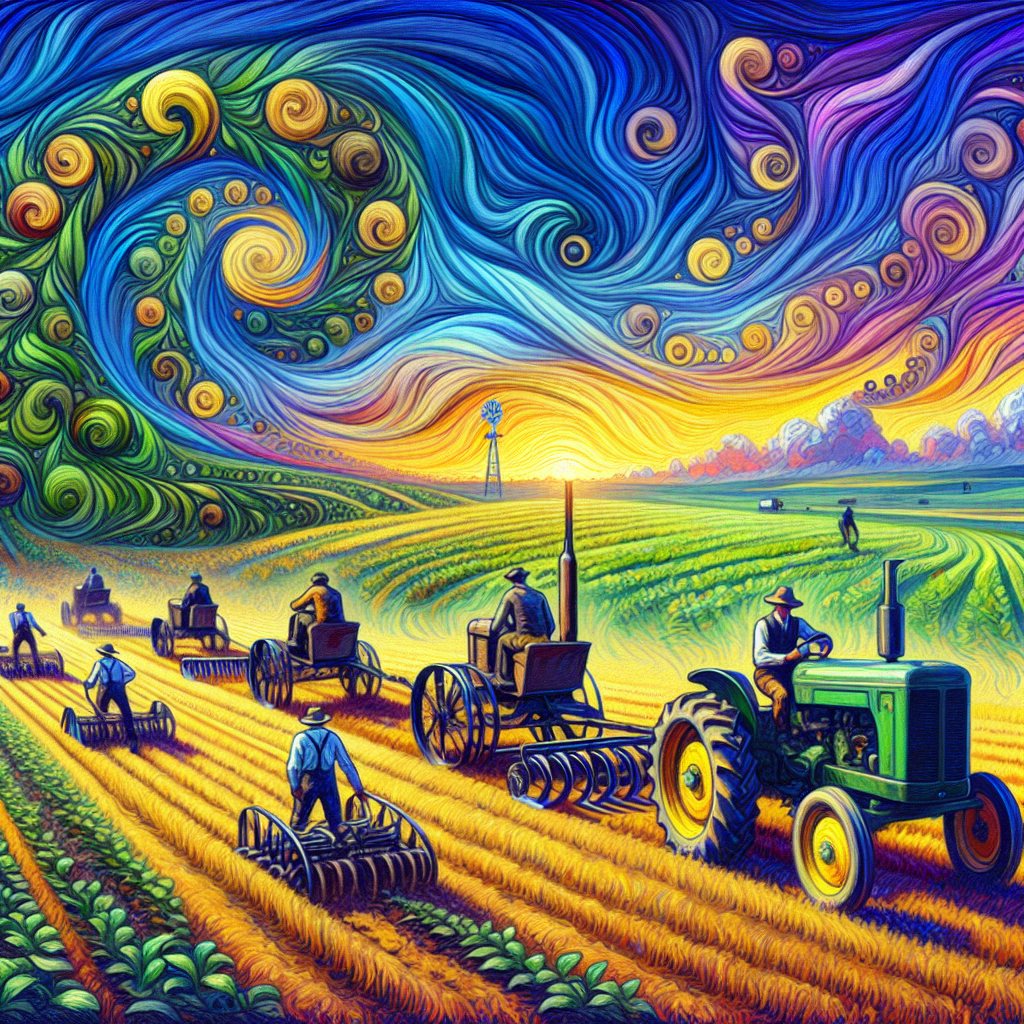
Poem
Checklist
Best 3D Printers for Classic Tractor Restoration Projects – A Checklist
Emotional Appeals
✅______ Remember the history: Reflect on the stories behind the tractors you restore.
✅______ Capture the legacy: Consider how your work preserves memories for future generations.
✅______ Celebrate achievements: Acknowledge each restored part as a personal victory.
Rational Appeals
✅______ Assess 3D printer capabilities: Ensure your printer can handle ABS, PLA, or metal materials for durability.
✅______ Evaluate cost-effectiveness: Compare the savings of 3D printing versus traditional sourcing for parts.
✅______ Optimize your workspace: Organize your tools and materials for efficient restoration processes.
Ethical Appeals
✅______ Choose sustainable materials: Opt for biodegradable or recycled options in 3D printing.
✅______ Foster community engagement: Share your restoration journey and learn from others in forums or local groups.
✅______ Embrace responsible sourcing: Commit to repairing and preserving machinery rather than discarding it.
Authority Appeals
✅______ Research reliable suppliers: Verify experienced vendors for your 3D printing materials and parts.
✅______ Refer to expert guides: Consult restoration manuals or online resources for best practices.
✅______ Learn from seasoned restorers: Join workshops or community events to gain knowledge from others.
Narrative Appeals
✅______ Share your journey: Document your restoration process through stories or social media.
✅______ Connect with fellow restorers: Build relationships that inspire and motivate your projects.
✅______ Inspire others: Highlight successful restorations that demonstrate the art of preservation.
Social Appeals
✅______ Participate in local events: Attend tractor shows or restoration gatherings to strengthen community ties.
✅______ Engage with online communities: Join forums where enthusiasts share tips and successes.
✅______ Collaborate with peers: Partner with other restorers to tackle challenging projects together.
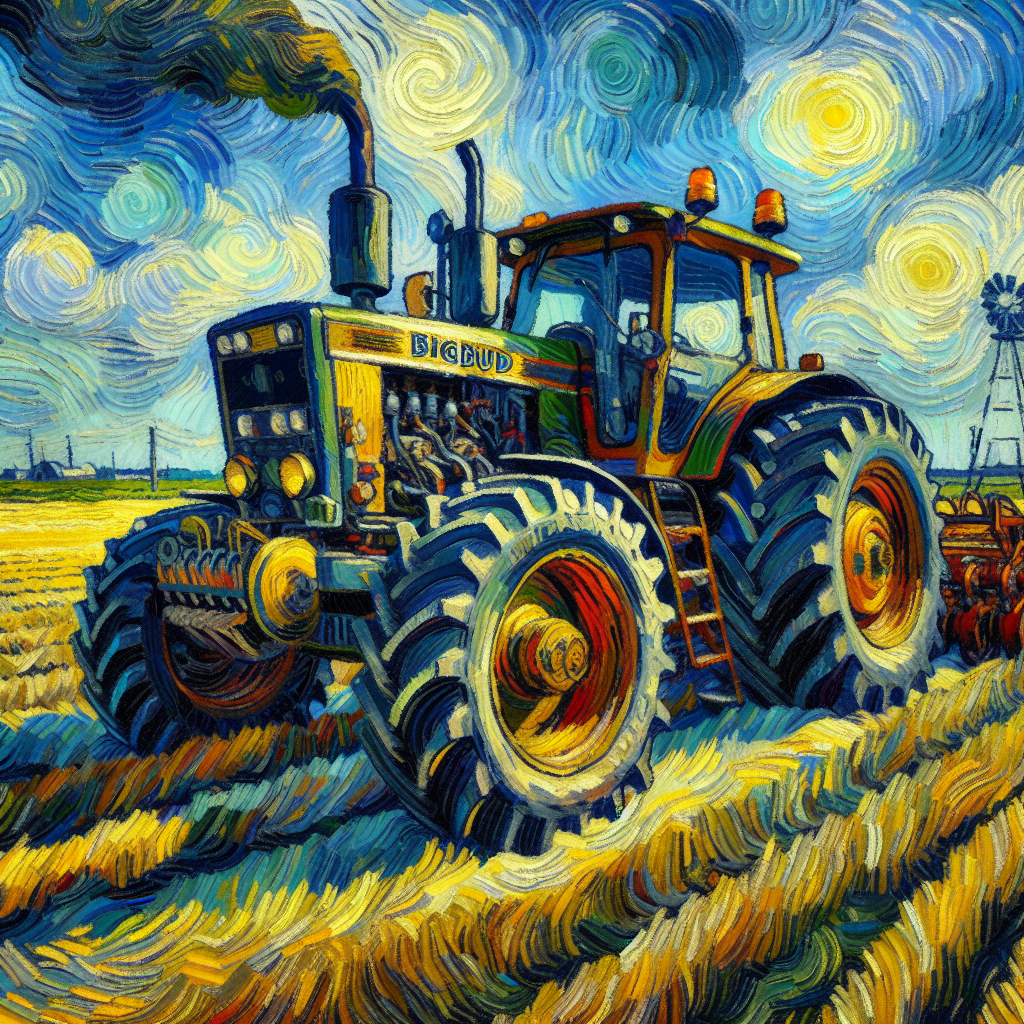
Checklist
At ClassicTractorNews, we help tractor lovers keep up with the latest news for classic and vintage tractors.
Please share this post with your friends, family, or business associates who may like old classic or vintage tractors.