


Rediscover Resilience: Embrace The Enduring Power Of Classic Iron
By Tom Seest
At ClassicTractorNews, we help tractor lovers keep up with the latest news for classic and vintage tractors.
Please share this post with your friends, family, or business associates who may like old classic or vintage tractors.
Back to Basics – the Timeless Strength Of Classic Iron
Back to Basics – the Timeless Strength Of Classic Iron
In a world that’s increasingly drawn to the latest gadgets and instant solutions, there’s something profoundly reassuring about the enduring weight of classic iron. When you hear the rumble of a tractor in the fields, it’s not just machinery in motion; it’s a callback to a time when things were built to last. Picture this: the farmer, weathered hands gripping the wheel, laboring under an open sky, the sound of the tractor echoing through the valleys. Each rev of that engine reflects years of trust, craftsmanship, and resilience—a symphony of iron and grit that speaks to the heart and gut of anyone who values the beauty of hard work.
Rationally, consider the mechanics of it all. Classic tractors, often passed down through generations, symbolize more than just agricultural power. They represent a commitment to the land, to sustainability, and to a way of life that values skill and perseverance over fleeting trends. These machines are not just tools; they’re an extension of the farmer’s identity. Every dent and rust mark tells a story—of battles won against the elements, of seasons of struggle and triumph. You don’t just operate a classic tractor; you forge a connection, understanding its nuances and rhythms. It’s this layer of relational engagement that modern machinery often lacks.
Ethically, there’s an argument to be made for preserving these machines as cultural artifacts. In an age where we’re quick to discard the old for the shiny new, preserving a classic tractor becomes an act of rebellion against disposability. It’s our duty to respect what has come before us—to honor the labor and innovation that birthed these iconic machines. They hold lessons about sustainability, reliability, and the value of time-tested tools.
Socially, the classic iron community fosters camaraderie. Gatherings at tractor fairs and festivals aren’t just about machines; they’re about sharing stories, skills, and traditions. They remind us of our roots and the strength found in community—a network of shared experiences that often transcend generations.
Ultimately, the timeless strength of classic iron isn’t merely about nostalgia; it’s an invitation to reconnect with what matters. So, the next time you hear that unmistakable roar of an old tractor, pause for a moment. Let it remind you of the enduring values of strength, legacy, and connection, urging us to dig deeper—not just into the soil, but into our hearts and communities.

Back to Basics – the Timeless Strength Of Classic Iron
Back to Basics – the Timeless Strength Of Classic Iron
- Classic iron, like tractors, represents durability in a fast-paced, gadget-driven world.
- These machines reflect craftsmanship, resilience, and a deep connection to the agricultural lifestyle.
- Classic tractors symbolize a commitment to the land and sustainable practices, passed down through generations.
- Each imperfection on a classic tractor tells a story of perseverance and history.
- Preserving classic tractors is an act of rebellion against disposability and a way to honor past labor and innovation.
- The classic iron community fosters connections, sharing stories and traditions at gatherings and fairs.
- Classic iron encourages a reconnection with enduring values of strength, legacy, and community.

Back to Basics – the Timeless Strength Of Classic Iron
Table Of Contents
- Back to Basics – the Timeless Strength Of Classic Iron
- What Timeless Lessons Can Classic Iron Teach Us?
- How Does Classic Iron Enhance Our Daily Lives?
- What Emotions Does Classic Iron Evoke In Our Homes?
- In What Ways Can Classic Iron Be a Sustainable Choice?
- Why Do We Feel a Connection to Classic Iron Through History?
- How Does Classic Iron Symbolize Strength In Our Environment?
- Conclusion
- Other Resources
- Glossary Of Terms
- Other Questions
- Haiku
- Poem
- Checklist
What Timeless Lessons Can Classic Iron Teach Us?
In a world often enamored with sleek technology and instant gratification, classic iron—those sturdy tractors and machines crafted in a bygone era—stands as a testament to the values we may have lost in our rush to modernity. These hulking beasts are more than just tools; they embody lessons about hard work, perseverance, and the satisfying grit of the human spirit.
Imagine that old tractor in your neighbor’s barn, the one with rust creeping across its body and a heart that still beats strong. It’s a relic, sure, but it has stories to tell, echoing tales of early mornings spent in the fields, hands caked in earth, and the scent of freshly turned soil wafting in the air. Each scratch and dent represents not just wear and tear but the triumphs and struggles of its operator, a silent witness to generations of labor. This isn’t mere nostalgia; it’s a reminder that lasting value often requires patience and grit. Just like that formidable piece of iron, our own journeys demand the same resilience.
Consider the tractor as a metaphor for life’s challenges. Much like navigating through rough terrain, we encounter obstacles that seem insurmountable, both in our personal lives and within our communities. Yet, those robust machines teach us that a little perseverance can transform adversity into achievement. Every time we rev up that engine after it sputters or creaks, we’re essentially claiming victory over the setback, reinforcing an essential truth: progress requires effort.
Furthermore, classic iron reminds us that community matters. These machines often served as the heart of farming communities, drawing families together for harvests, repairs, and celebrations. They symbolize a time when people had each other’s backs, proving that collaboration enhances our successes. In an age characterized by isolation, the tractor’s legacy can inspire us to rebuild those connections, reminding us that support systems are vital to our collective ability to thrive.
At the end of the day, the lessons of classic iron invite us to reflect on our values. Embracing their spirit means acknowledging that while technology may change, the foundations of hard work, community, and resilience remain timeless. As you gaze at that old tractor, remember that it’s not just a piece of machinery; it’s a call to action—a prompt to dig deep, push forward, and cultivate the kind of lives we envision, one determined drive at a time.

What Timeless Lessons Can Classic Iron Teach Us?
What Timeless Lessons Can Classic Iron Teach Us?
- Classic iron tractors symbolize timeless values lost in modernity.
- They embody lessons of hard work, perseverance, and resilience.
- Old tractors recount stories of labor, connection to the earth, and genuine effort.
- They serve as metaphors for life’s challenges, emphasizing the importance of perseverance.
- Classic machinery fosters community, encouraging collaboration and support.
- The legacy of these machines inspires rebuilding connections in a time of isolation.
- Lessons from classic iron encourage reflection on values and a commitment to cultivate meaningful lives.

What Timeless Lessons Can Classic Iron Teach Us?
How Does Classic Iron Enhance Our Daily Lives?
Classic iron, in its many forms—whether the sturdy tractor that tirelessly plows fields or the elegant cast iron skillet that sizzles under the weight of a home-cooked meal—connects us to our roots in a way that goes beyond mere utility. It embodies the spirit of craftsmanship and durability, drawing a line from the past into our everyday experiences.
Picture this: a farmer rises before dawn, the air thick with the scent of dew and anticipation. He climbs aboard his trusted tractor, a hulking piece of classic iron that has been in his family for generations. As the engine roars to life, it signifies more than just the start of another workday; it symbolizes tradition, resilience, and the very fabric of rural life. This moment is more than a chore; it’s a ritual that fosters a deep connection with the land, a profound appreciation for the cycles of nature, and an understanding that hard work yields rewards—not only in bushels but also in a legacy that can be passed down.
Now, let’s consider the kitchen, where that trusty cast iron skillet sits waiting. It’s not just another cooking tool; it’s a portal to memories—a family gathering, laughter echoing off the walls as the aroma of a sizzling dinner fills the air. Each mark on that skillet tells a story of meals shared and lessons learned. It invites us to slow down, to gather around the table, and foster connections over something as simple as a meal. It represents a return to authenticity in a world increasingly dominated by disposable convenience.
Classic iron also holds a unique place in our collective consciousness, stirring a sense of nostalgia, pride, and responsibility. When we choose to invest in items that are built to last—crafted from raw, enduring materials—we are also making a statement about our values. We embrace sustainability and reject the throwaway culture that has come to characterize modern life. In a society overwhelmed by the fleeting and the fragile, classic iron stands as a testament to what it means to build something that can withstand the tests of time.
So, whether it’s the rumble of a tractor on the horizon or the sight of a well-used skillet on your stove, classic iron is more than metal; it’s a woven thread in the tapestry of our lives. It reminds us to cherish our connections, embrace our heritage, and appreciate the beauty in the rugged and real. Every scratch and scar tells a story—one that resonates with heart, head, and gut, connecting us not just to each other, but to the legacy we are building for the future.

How Does Classic Iron Enhance Our Daily Lives?
How Does Classic Iron Enhance Our Daily Lives?
- Classic iron, including tractors and skillets, connects us to our roots beyond mere utility.
- It symbolizes craftsmanship, durability, tradition, and resilience in rural life.
- Family traditions are reflected in the usage of classic iron tools, emphasizing connection to land and nature.
- A cast iron skillet serves as a memory portal, representing shared meals and family gatherings.
- Classic iron encourages a return to authenticity amid a disposable culture.
- Investing in durable goods reflects values of sustainability and responsibility.
- Classic iron acts as a reminder to cherish connections and appreciate the enduring beauty of life.

How Does Classic Iron Enhance Our Daily Lives?
What Emotions Does Classic Iron Evoke In Our Homes?
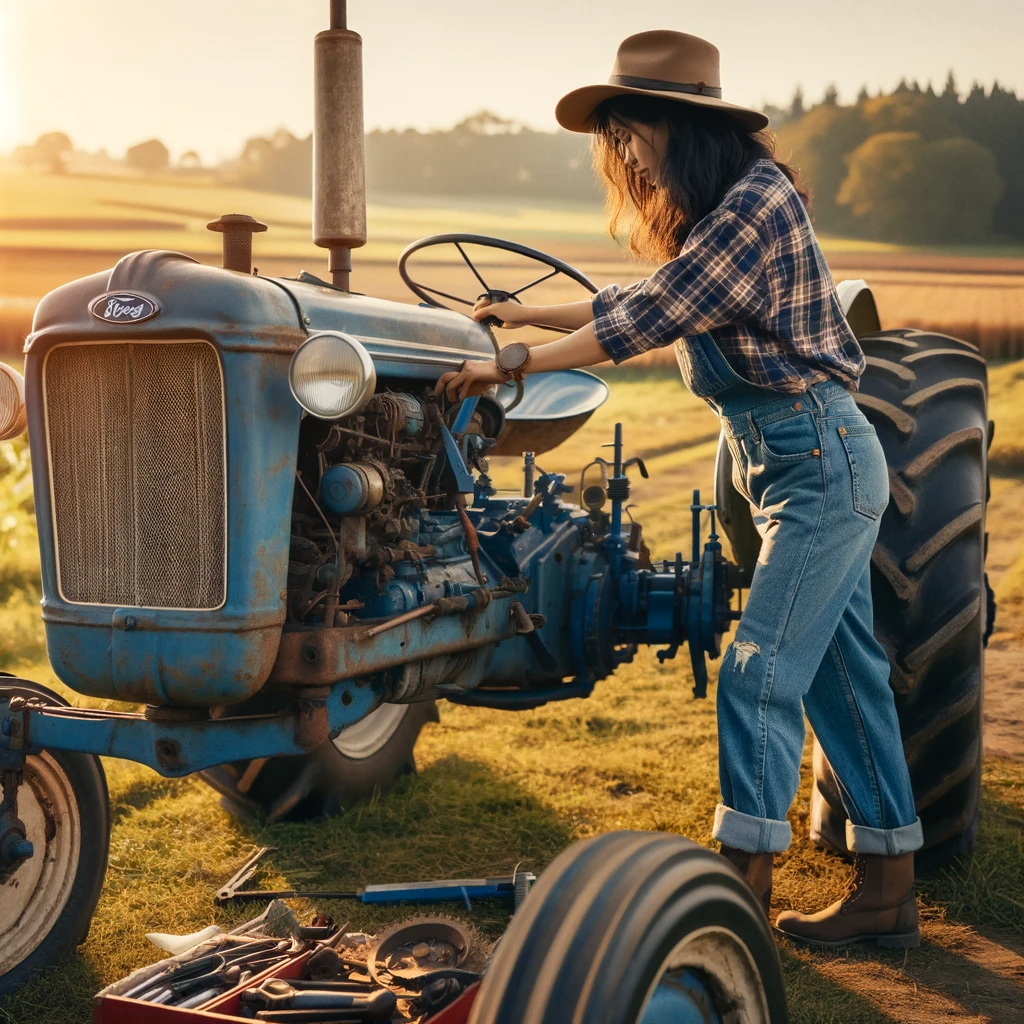
Classic iron evokes a spectrum of emotions that resonate deeply within the heart of any home. Imagine standing in your garage, the familiar scent of motor oil mingling with the subtle hint of rust—each whiff serves as a time capsule, transporting you back to a simpler era. The sturdy structure of a classic tractor, with its weathered surface and enduring lines, speaks to durability, reliability, and a connection to the land that modern machinery often overlooks. This is not just equipment; it’s a legacy, a bond forged between man and machine that transcends generations.
The parallel between classic iron and the family story is striking. Each dent or scratch tells a tale of hard work and perseverance. Picture an old tractor, not just as a tool but as a trusted partner in countless summers spent tilling the earth, crops harvested, and memories forged in the fields. Just as that tractor stands as a testament to years gone by, so too do the stories shared over dinners, where laughter and wisdom flow as freely as the sweet tea. It’s a visceral reminder that our lives are intertwined with the very things we cherish—objects that, in their simplicity, evoke a deeper appreciation for what it means to cultivate, nurture, and build.
Classic iron embodies the notion of time and craftsmanship, an ethical appeal that urges us to consider the value of sustainability. In an age where everything seems disposable, classic iron stands firm, a beacon of what’s crafted to last. It invites us to reflect on our consumption habits, urging a more mindful approach to what we bring into our homes. This reflects our values and influences how we connect with the world around us—turning our living spaces into sanctuaries of authenticity.
But perhaps the most powerful emotional thread is the sense of community that classic iron fosters. It’s not uncommon at local fairs for neighbors to gather around, sharing stories about that old tractor parked at the edge of a field. These shared experiences cultivate connections, fostering an environment where relationships flourish—often over the very machines that have shaped our lives. Classic iron is more than just an object; it’s an invitation to embrace nostalgia, to celebrate shared histories, to recognize the dignity of labor, and to honor the feet that trod the same paths as our forebears.
So, as you look at that classic tractor—its vibrant paint worn and its engine still humming—take a moment to appreciate how it embodies both the heartbeat of family and the pulse of community, stirring emotions that reach far beyond its metal frame. It’s a symbol, a storyteller, and in its presence, we find a little piece of ourselves.
What Emotions Does Classic Iron Evoke In Our Homes?
What Emotions Does Classic Iron Evoke In Our Homes?
- Classic iron evokes deep emotions, symbolizing home and nostalgia.
- The scent of motor oil and rust serves as a time capsule, connecting to simpler times.
- A classic tractor represents durability and a bond between man and machine, transcending generations.
- Each mark on a tractor tells stories of hard work and shared family memories.
- Classic iron promotes sustainability and invites mindful consumption in an age of disposability.
- It fosters community, encouraging connections through shared experiences at local fairs.
- The presence of classic iron symbolizes family heartbeats and community spirit, holding personal significance.

What Emotions Does Classic Iron Evoke In Our Homes?
In What Ways Can Classic Iron Be a Sustainable Choice?
When you think about classic iron, whether it’s a trusty tractor rumbling through the fields or a piece of timeless furniture, what resonates is the story it tells. These are not just products; they are legacies, built to last through generations, echoing the sweat and toil of those who came before us. Sustainable choices are often wrapped up in the durability and reliability of the materials we use, and classic iron stands as a testament to both.
Consider the humble tractor. For many, it’s more than a farming tool; it’s an emblem of hard work, community, and time-honored traditions. A tractor built decades ago can still chug along, performing the same tasks it did when it first rolled off the assembly line. This longevity is critical. Each classic iron machine represents not just an investment in immediate productivity but a commitment to reducing waste. When you choose a durable, well-constructed piece of machinery over a flimsy alternative, you’re not just saving money; you’re conserving resources and energy that would otherwise be consumed in the production of replacements.
Emotionally, there’s a bond formed when you maintain and operate classic iron. Each scratch and dent on that tractor isn’t just wear and tear; it symbolizes countless hours spent tending to the earth, nurturing crops, and even fostering relationships with neighbors during harvest time. These machines connect us to our roots and remind us of our shared responsibilities toward the planet and each other. That’s the gut-level appeal—understanding that each use of classic iron is a step toward sustainability.
Rationally, classic iron often comes from recycled metals or materials that are easier to repair than their modern counterparts. This approach isn’t just ethical; it’s a smart economic decision for anyone mindful of their budget and environmental footprint. When you invest in iron products, you’re tapping into a cycle that values resourcefulness. Think about it: repairing and repurposing these items rather than tossing them aside is not just ethical; it’s smart.
In a world where fast fashion and fleeting trends reign supreme, embracing classic iron is about forging connections with something steadfast and enduring. It’s an invitation to be part of a larger narrative—a community that values sustainability and practicality, breeding a sense of trust. Each piece tells a story, your story, creating a legacy that future generations will appreciate. It’s not just about the iron; it’s about the impact on our lives and the lives of those who come after us. So when you choose classic iron, you’re choosing a brighter, more sustainable future for all.

In What Ways Can Classic Iron Be a Sustainable Choice?
In What Ways Can Classic Iron Be a Sustainable Choice?
- Classic iron products, like tractors and furniture, represent legacies that convey stories of hard work and tradition.
- Durability and reliability of classic iron contribute to sustainability by reducing waste and resource consumption.
- Tractors are seen not just as tools but as symbols of community and time-honored practices.
- Maintaining classic iron fosters emotional bonds and connections to shared responsibilities toward the planet.
- Classic iron often utilizes recycled materials, making it a smart and ethical investment.
- Choosing classic iron promotes resourcefulness, encouraging repair and repurposing over disposal.
- Embracing classic iron connects individuals to a community that values sustainability and leaves a positive legacy for future generations.

In What Ways Can Classic Iron Be a Sustainable Choice?
Why Do We Feel a Connection to Classic Iron Through History?
There’s something undeniably captivating about classic iron—the tractors that carved our agricultural landscape, the locomotives that powered our journeys, and the machines that embody decades of grit, labor, and innovation. These timeless pieces of machinery hold stories and memories, whispering the legacy of our nation’s hardworking spirit through every rusty bolt and painted frame.
Take a moment to think about the old tractor that sits in your neighbor’s barn. It’s not merely a tool; it’s a monument to the sweat of generations. That rugged machine has plowed fields and harvested crops, standing tall against the seasons, much like the families it has served. For many, these tractors symbolize resilience, connecting us to a shared heritage where hard work is honored and celebrated. The very act of using such machinery fosters a community that values labor, tradition, and cooperation.
Emotionally, we’re drawn to these metal giants because they encapsulate the essence of our roots. They evoke nostalgia for simpler times when life thrived at a different pace. Whether it’s the laughter shared during a family tractor-pulling contest or the quiet pride of repairing that old engine, these experiences forge a bond that transcends generations. They remind us that amidst our fast-paced, digital lives, there exists a world grounded in tangible effort and shared history.
Rationally, consider how classic iron serves as an emblem of ingenuity. These machines were, and still are, vital in revolutionizing farming practices, making them not only functional but iconic. Innovations emerged from necessity, showcasing human creativity that persists today, urging us to respect our technological roots while pushing for modern advancements. They remind us of the foundational principles of efficiency and durability, lessons that still resonate in today’s fast-evolving landscape.
Ethically, think about the sustainable practices linked to this history. Many who restored these machines often did so to preserve the past while advocating for more environmentally friendly farming. Their commitment to breathing new life into classic tractors represents a larger movement towards sustainability in agriculture, showing how honoring our past can pave the way for a greener future.
Lastly, our collective connection to classic iron transcends mere nostalgia; it invites us into a narrative that celebrates craftsmanship, commitment, and the pulse of our agricultural heart. Every scratch and dent tells a story, inviting us to cherish not just what we’ve built but who we are. The next time you see a vintage tractor, remember—it’s not just iron; it’s history, loyalty, and heart, all rolled into one enduring story.

Why Do We Feel a Connection to Classic Iron Through History?
Why Do We Feel a Connection to Classic Iron Through History?
- Classic iron, including tractors and locomotives, represents decades of hard work, labor, and innovation.
- Old tractors symbolize resilience and serve as monuments to generations of effort in agriculture.
- These machines foster community values of labor, tradition, and cooperation.
- They evoke nostalgia for simpler times and shared experiences that connect generations.
- Classic iron embodies ingenuity, revolutionizing farming practices while showcasing human creativity.
- Sustainable practices are linked to restoring classic machines, advocating for environmentally friendly agriculture.
- Every vintage tractor tells a story, celebrating craftsmanship and our agricultural heritage.

Why Do We Feel a Connection to Classic Iron Through History?
How Does Classic Iron Symbolize Strength In Our Environment?
Classic iron, in its many forms, tells a story of resilience and grit—a narrative as robust as the metal itself. Picture a weathered tractor, its body bearing the scars of countless seasons spent plowing through unforgiving soil, a testament to the strength found in labor and perseverance. But this isn’t just about machinery; it’s a reflection of us—our struggles, our triumphs, and our determination to endure.
In our environment, classic iron symbolizes a raw kind of strength that goes beyond mere physical durability. It’s about the hands that have wielded it—the farmers who rose before dawn to work the land, their hands calloused and faces sun-kissed, embodying a spirit unyielding to the elements. This is where the heart of our story lies. The tractor is not merely a tool; it’s a lifeline connecting generations, each scratch and dent representing not just wear and tear, but a history of challenges faced and conquered. It evokes a deep sense of nostalgia, reminding us of the foundational values we live by—hard work, perseverance, and commitment to the greater good.
On a rational level, iron’s unmatched durability speaks volumes about reliability. This metal has long been the backbone of industries, forming the skeleton of countless machines that power our lives. The value it brings extends to our daily existence, from the hardware in our homes to the infrastructure of our cities. When we rely on classic iron, we are not just choosing a material; we are endorsing a legacy of steadfastness that stands the test of time.
Ethically, the use of classic iron in various forms encourages us to reflect on the sustainability of our practices. Investing in materials that can endure is an acknowledgment of our responsibility to future generations. It invites us to think critically about our consumption patterns and the impact on our environment, urging a collective movement towards more sustainable choices.
Finally, the societal bond we share through classic iron is undeniable. It connects us across backgrounds and generations, fostering a sense of community among those who respect and appreciate the stories behind these timeless objects. This connection nurtures trust—a belief that we can still rely on what’s tried and true amid a rapidly changing world.
In embracing classic iron, we celebrate not just its physical strength, but the stories it tells and the values it reinforces. It’s a reminder that enduring strength is born not just of material, but of the hearts and hands that wield it, shaping our environment with every turn of the wheel.

How Does Classic Iron Symbolize Strength In Our Environment?
How Does Classic Iron Symbolize Strength In Our Environment?
- Classic iron represents resilience and grit, echoing the strength found in labor and perseverance.
- Weathered tractors symbolize the struggles and triumphs of those who work the land, connecting generations.
- The narrative of classic iron embodies essential values like hard work, commitment, and a spirit unyielding to the elements.
- Iron’s durability relates to its reliability, forming the backbone of various industries and everyday life.
- Investing in classic iron encourages sustainable practices and consideration for future generations.
- Classic iron fosters community bonds across diverse backgrounds, nurturing trust in timeless objects.
- Embracing classic iron celebrates not just physical strength but the stories and values it reinforces.

How Does Classic Iron Symbolize Strength In Our Environment?
Conclusion
Classic iron stands as a pillar of resilience, a potent reminder of our roots and the values that define us. In a world fixated on sleek technology and instant gratification, the weight and sturdiness of classic iron—be it a tractor or a piece of cookware—offer a stark contrast to today’s disposable culture. It evokes a profound sense of nostalgia and connection to the past, celebrating the hard work and perseverance that have shaped our communities. Each rust mark and dent on a vintage tractor isn’t just a sign of wear; it’s a testament to countless stories of labor and triumph, echoing the spirit of those who came before us.
Classic iron embodies the narrative of our collective history, fostering a sense of identity and belonging. The communities surrounding classic machinery, built on shared experiences at tractor fairs and gatherings, celebrate skills passed down through generations. These machines bridge gaps, reminding us of the importance of collaboration and camaraderie in a world often marked by isolation.
On a rational level, classic iron demonstrates unmatched durability and reliability, serving as a sustainable choice against the backdrop of modern consumerism. The longevity of these machines implies a commitment to preserving resources and reducing waste, inviting us to reconsider our consumption patterns. Ethically, preserving classic iron means respecting the craft and innovation behind its creation, rebelling against the notion of disposability that pervades our culture.
Moreover, classic iron speaks to our emotional landscape, reminding us of the joy found in hard work and the connections forged through shared labor. It calls to mind not just a way of life but a way of thinking—one that values grit, patience, and the beauty of building something that stands the test of time.
Ultimately, classic iron is more than metal; it’s a call to embrace our past, cherish our connections, and cultivate a future grounded in responsibility and authenticity. It reminds us that the strength of our communities, like that of classic iron, comes from enduring values and the stories we choose to carry forward. So the next time you hear the familiar rumble of an old tractor, let it stir something deep within you—a recognition of the intrinsic worth of hard work, connection, and a life lived with purpose.

Conclusion
Conclusion:
- Classic iron represents resilience and a connection to our roots.
- It contrasts sharply with modern disposable culture through its weight and sturdiness.
- Each mark on classic machinery tells a story of labor and triumph from the past.
- Classic iron fosters identity and belonging in communities through shared experiences.
- It promotes sustainability by highlighting durability and resource preservation.
- Classic iron symbolizes the values of hard work, patience, and building for the future.
- Ultimately, it calls for a recognition of the intrinsic worth of connection and purpose in life.

Conclusion
Other Resources

Other Resources
Here is a list of other resources you can review online to learn more:
- Happy Farmer
- Zetor
- VST
- Fiat
- Schilter
- Shaktimaan
- Fiat-Hesston
- GBT
- Woods & Copeland
- Nuffield
- Atlantic Farm Mechanization Show
- Racine County Fair Antique Tractors
- Buhler Industries
- Bolens
- Wagner
- CO-OP
- Titan Machinery
- Huber
Use This Prompt To Get More Resources With Your Favorite Online AI Tool: Please provide me with a list of online articles with their URLs in a bulleted list that I can read regarding Back to Basics – the Timeless Strength Of Classic Iron

Other Resources
Glossary Terms
Back to Basics – the Timeless Strength Of Classic Iron – Glossary Of Terms
1. Cast iron — high-carbon iron alloy poured into molds; prized for heat retention, wear resistance, and rigidity but relatively brittle.
2. Wrought iron — low-carbon iron with fibrous slag inclusions; ductile and historically used for decorative and structural work.
3. Ductile iron — nodular graphite iron produced to improve toughness and elongation compared with traditional cast iron.
4. Pig iron — crude iron product from a blast furnace with very high carbon used as a feedstock for castings and steelmaking.
5. Smelting — extracting iron from ore by heating with a reducing agent to separate metal from impurities.
6. Bloomery — early furnace that produces a spongy mass of wrought iron (a bloom) without fully melting the ore.
7. Foundry — workshop where molten iron is poured into molds to produce cast parts.
8. Blacksmithing — craft of heating and shaping iron by hammering, bending, and cutting while hot.
9. Forging — shaping metal by compressive forces, often at high temperature, to refine grain structure and increase strength.
10. Annealing — controlled heating and slow cooling to soften iron, relieve stresses, and improve ductility.
11. Tempering — reheating quenched iron or steel to reduce brittleness and achieve desired hardness-toughness balance.
12. Quenching — rapid cooling of heated metal (usually in oil or water) to harden its microstructure.
13. Heat treatment — suite of thermal processes (anneal, quench, temper) used to tailor mechanical properties.
14. Seasoning — building a polymerized oil layer on cast-iron cookware to create a natural nonstick surface and corrosion barrier.
15. Patina — stable surface finish formed by oxidation or deliberate treatment that protects and aesthetically ages iron.
16. Corrosion — chemical degradation of iron, commonly rust (iron oxides), caused by moisture and oxygen.
17. Galvanization — applying a protective zinc coating to iron to prevent rusting.
18. Oxidation — reaction in which iron combines with oxygen, often initiating corrosion.
19. Scale — brittle oxide layer formed on iron surfaces during high-temperature processing that is later removed or worked in.
20. Malleability — ability of iron to deform plastically under compressive stress without fracturing.
21. Brittleness — propensity of a material to fracture suddenly with little plastic deformation.
22. Tensile strength — maximum stress iron can withstand under tension before failure.
23. Compressive strength — capacity of iron to resist forces that crush or shorten it.
24. Grain structure — microscopic arrangement of crystals in iron that determines many mechanical properties.
25. Carbon content — proportion of carbon in iron that controls hardness, strength, and brittleness.
26. Alloy — iron combined with other elements (carbon, silicon, manganese, etc. ) to achieve targeted properties.
27. Structural iron — iron components engineered to bear loads in construction and infrastructure.
28. Ornamental iron — decorative ironwork (rails, gates, fixtures) emphasizing form and craftsmanship.
29. Longevity — long service life achievable for classic iron objects when properly made and maintained.
30. Maintenance — routine cleaning, lubrication, protective coatings, and repairs that preserve iron’s function and appearance. Glossary Of Terms
Other Questions
Back to Basics – the Timeless Strength Of Classic Iron – Other Questions
If you wish to explore and discover more, consider looking for answers to these questions:
- How do I identify the make, model, and year of a classic tractor or machine?
- Where can I find original parts, service manuals, and schematics?
- How much does a typical restoration cost and what factors drive the price?
- What tools and mechanical skills are required for basic restoration and maintenance?
- How long does a full restoration usually take from start to finish?
- How do I decide whether to restore to original condition or preserve the patina?
- What are best practices for long‑term storage to prevent rust and deterioration?
- How do I safely operate an antique tractor or heavy iron on private property and public roads?
- Can classic tractors be retrofitted with modern safety features, brakes, or emissions controls?
- What legal, registration, or emissions regulations affect vintage agricultural equipment?
- How sustainable is restoring and maintaining classic iron compared with buying new equipment?
- Where can I buy, sell, or auction classic tractors, parts, and cast‑iron cookware?
- Which brands and models are most collectible and why?
- How do I estimate resale or collectible value after restoration?
- What are the most common mechanical problems and troubleshooting tips for vintage engines?
- How do I source replacement tires, hydraulics, electrical parts, and bespoke components?
- How do I find reputable restoration specialists, machinists, or restoration shops?
- What insurance, appraisal, or valuation considerations apply to classic machinery?
- Are there grants, tax incentives, or programs that support preservation or sustainable reuse?
- How do I document provenance, ownership history, and restoration records?
- What are the environmental impacts of running older engines vs. modern equipment?
- How can classic iron be integrated into modern, sustainable farming practices?
- How do I season, clean, and care for cast‑iron cookware to maintain performance and longevity?
- What safety precautions and personal protective equipment are essential during restoration?
- How should I dispose of or recycle hazardous fluids, old parts, and lead‑based paints?
- What are ethical considerations around restoring, modifying, or altering historically significant pieces?
- How can I repurpose or upcycle nonworking pieces into furniture, decor, or functional art?
- Where and when are tractor shows, fairs, rallies, and community events I can attend?
- What skills and learning resources are available for younger generations interested in classic iron?

Other Questions
Haiku
Back to Basics – the Timeless Strength Of Classic Iron – A Haiku
Classic iron endures,
Stories of grit and of heart,
Roots in strength, unite.

Haiku
Poem
Back to Basics – the Timeless Strength Of Classic Iron – A Poem
In fields where iron giants stand tall,
Their tales echo through time, where shadows fall,
Rust and grit, a farmers embrace,
Lifes labor sung in each weathered trace.
A rumble of trust from engines aged,
In echoes of hard work, wisdom is staged,
Not just machines, but a legacy sworn,
Crafted in struggle, through seasons reborn.
Their stories of sweat, of earth, and of toil,
Roots intertwined in the rich, fertile soil,
Connections of community, gathered as one,
In laughter and labor beneath the sun.
Ethics of care, they whisper and call,
To honor whats lasting, to cherish it all,
In moments of stillness, as engines rest still,
Classic iron beckons—its passion and will.
A skillet, a tractor—each mark tells a tale,
Of feasts shared in kitchens, and harvests that sail,
Nostalgia for roots, for traditions so bright,
In forged iron stories, our spirits take flight.
Strength isn’t just in what stands without sway,
But in hearts that persist, come what may,
So let’s celebrate iron—the lessons it shares,
Of resilience, connection, and the love that it dares.

Poem
Checklist
Back to Basics – the Timeless Strength Of Classic Iron – A Checklist
Heart Appeal
✅______ Reflect on personal stories or memories associated with classic iron (e.g., family gatherings, shared labor).
✅______ Recognize the emotional connection to traditional machinery and craftsmanship.
✅______ Engage in community activities that celebrate classic iron (e.g., tractor fairs, restoration projects).
Head Appeal
✅______ Research the durability and longevity of classic iron machinery compared to modern alternatives.
✅______ Analyze the economic advantages of maintaining classic iron (cost-effectiveness over time).
✅______ Evaluate the sustainability benefits of using and preserving classic iron (reduced waste, resource efficiency).
Gut Appeal
✅______ Consider the symbolic strength of classic iron as a representation of resilience and hard work.
✅______ Reflect on the value of perseverance in your own life, drawing parallels to the stories behind classic iron.
✅______ Acknowledge the physical connection to nature and labor that classic iron represents.
Ethical Appeal
✅______ Make a commitment to preserving classic iron as a means of honoring history and craftsmanship.
✅______ Advocate for the sustainable practices associated with maintaining older machinery.
✅______ Choose to invest in durable, reliable products that emphasize sustainability.
Authority Appeal
✅______ Consult experts or historical texts on the significance of classic iron in agriculture and industry.
✅______ Attend workshops or seminars that focus on the restoration and maintenance of classic iron.
✅______ Share insights and learnings with others in your community to foster appreciation for classic iron.
Narrative Appeal
✅______ Share personal narratives or stories within your community about classic iron and its impact on family heritage.
✅______ Create a blog or social media series that highlights the history and significance of classic iron.
✅______ Use storytelling to illustrate the lessons learned from classic iron in overcoming challenges.
Social Appeal
✅______ Join or form groups focused on classic iron restoration and appreciation.
✅______ Participate in community events that celebrate agricultural traditions and classic machinery.
✅______ Promote storytelling sessions in your community about the role of classic iron in personal and communal histories.

Checklist
At ClassicTractorNews, we help tractor lovers keep up with the latest news for classic and vintage tractors.
Please share this post with your friends, family, or business associates who may like old classic or vintage tractors.