

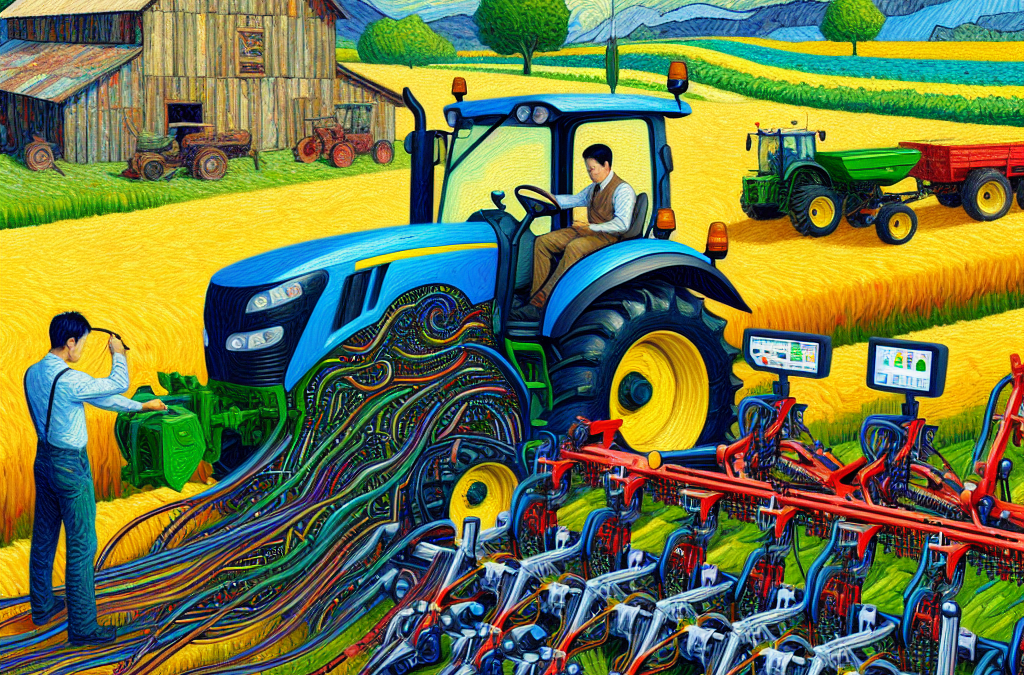
Reviving Tradition: The Timeless Power Of Classic Tractors
By Tom Seest
At ClassicTractorNews, we help tractor lovers keep up with the latest news for classic and vintage tractors.
Please share this post with your friends, family, or business associates who may like old classic or vintage tractors.
Are You Ready to Trust In Classic Tractors for Today’s Challenges
In a world racing towards new technologies and flashy advancements, it’s easy to overlook the rugged reliability of the classic tractor. These mechanical workhorses are not just machines; they’re the backbone of countless farms, the silent defenders of our food supply, and symbols of a simpler time when hard work meant something. They’ve been weathered by seasons and tasked with challenges that seemed insurmountable, yet they still stand proud, ready to tackle the difficulties of today.
Let’s talk about trust. Trust isn’t something that just appears; it’s built, piece by piece, over time. When you climb onto the worn seat of a classic tractor, you’re not just stepping into a machine—you’re stepping into history. Each dent and scratch tells a story, a testament to the land it’s worked, the rows it’s plowed, and the countless hours spent under the sun. This history breeds a confidence that no modern gadget can replicate. When you operate a classic tractor, you feel that pull—a connection to the past and a dialogue with the soil beneath your feet.
Sure, you could opt for the latest model with a dashboard full of screens and a list of features so long it might as well come with a user manual the size of a phone book. But will that connection be there? Will it whisper to you when the storm clouds gather or roars to life on those cold, early mornings? The truth is, these classic tractors have been farmed with, loved, and sometimes cried over. They harness an ethical responsibility that modern machines often forget—being a steward of the land, respecting its rhythms, and understanding the sweat and toil that go into cultivating it.
Now, think of the community that rallies around these machines. Farmers gather in barns, share stories, and swap advice like family. This social fabric is woven with pride, resilience, and a love for the land that transcends generations. Are you ready to be a part of that? To stand shoulder to shoulder with those who understand that sometimes, the old ways are the best ways? When it comes to today’s challenges—rising costs, unpredictable weather, and the ever-present need for sustainability—these classic tractors stand as a testament to our enduring spirit. They challenge us to embrace a time-tested tool as we forge ahead into the future, reminding us that sometimes, it’s the steadfast machines of yesterday that can help pave the way for tomorrow.
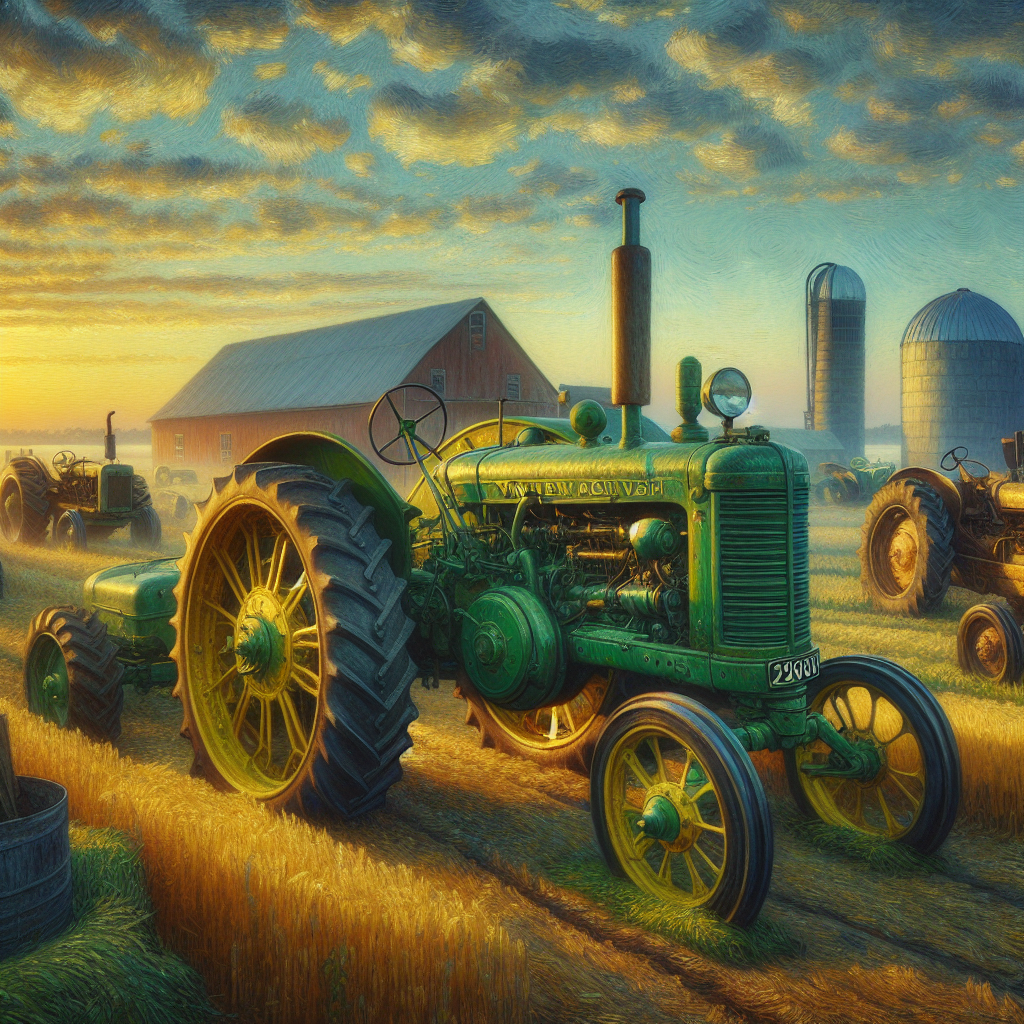
Are You Ready to Trust In Classic Tractors for Today’s Challenges
Are You Ready to Trust In Classic Tractors for Today’s Challenges
- Classic tractors are reliable workhorses crucial to farming and food supply.
- These machines embody a rich history and a legacy of hard work, evoking trust and connection.
- Each scratch and dent on a classic tractor represents a story of labor and dedication.
- Modern machines lack the emotional connection and legacy found in classic tractors.
- Classic tractors emphasize stewardship of the land and understanding agricultural rhythms.
- A community of farmers forms around classic tractors, sharing stories and knowledge.
- Classic tractors remind us that enduring solutions can support sustainable practices and future challenges.
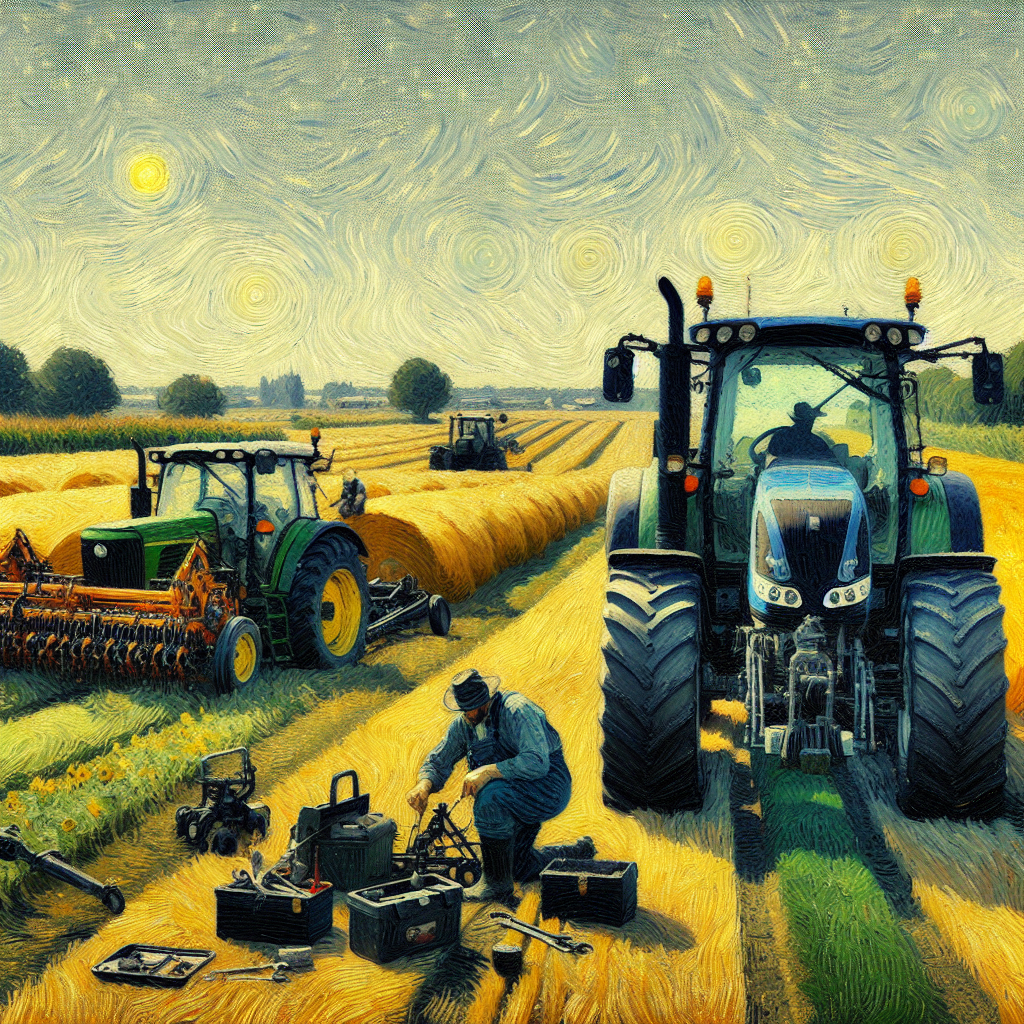
Are You Ready to Trust In Classic Tractors for Today’s Challenges
Table Of Contents
- Are You Ready to Trust In Classic Tractors for Today’s Challenges
- Can Vintage Machinery Teach Us Valuable Lessons About Sustainability?
- What Do Experts Say About The Efficiency Of Classic Tractors Today?
- Why Do Many Farmers Choose Classic Tractors Over Modern Alternatives?
- Are Classic Tractors The Key To Sustainable Farming Practices?
- How Can Classic Tractors Improve Your Connection To The Land?
- What Stories Can Classic Tractors Tell About Our Farming Heritage?
- Conclusion
- Other Resources
- Glossary Of Terms
- Other Questions
- Haiku
- Poem
- Checklist
Can Vintage Machinery Teach Us Valuable Lessons About Sustainability?
Let’s take a moment to reflect on the humble tractor. This iconic piece of vintage machinery is far more than a rusted hunk of metal; it’s a symbol of resilience, ingenuity, and the unwavering spirit of the human experience. When you stare at a well-used tractor, you see more than just gears and grease; you see the sweat of ancestors who relied on its power to grow crops, feed families, and build a community. Each dent and scratch tells a story, a narrative of hard work and dedication passed down through generations.
Now, let’s get into the meat and potatoes. What can these relics of our industrial past teach us about sustainability today? For one, vintage machines challenge us to rethink our approach to consumption. While modern technology advocates for the latest gadgets and instant gratification, tractors remind us that sometimes, the best solutions are those that serve us for decades, not just years. They were built to last—showcasing materials and craftsmanship that prioritized durability over disposability. We’ve strayed from that wisdom. In our quest for progress, we’ve often overlooked the value of a long-term partnership with our tools and technologies.
You don’t have to look far to find the ethical implications of this. The tractor’s legacy calls for us to respect our resources—soil, machinery, and the very air we breathe. It encourages us to engage in responsible practices, advocate for local farming, and support sustainable agriculture. The more we understand these principles, the more we can foster community resilience, drawing strength from shared knowledge and collective action.
Let’s also consider the social appeal. Vintage tractors aren’t just past relics; they connect us to a community of passionate individuals who respect tradition while adapting it for the future. Think about local fairs, restoration workshops, and vintage machinery exhibits—these gatherings aren’t just events; they’re a celebration of shared values and the promise of a sustainable future. They teach us that progress isn’t a solo journey; it’s a collective endeavor grounded in collaboration and mutual respect.
Insofar as we take these lessons to heart, we can harness the age-old wisdom encapsulated in that tractor. We can transform our approach to sustainability—not as a sacrifice, but as a fulfilling journey that honors the past and builds a better tomorrow. So let’s roll up our sleeves, rev up our passion for the vintage, and rekindle the timeless lessons it has to offer.
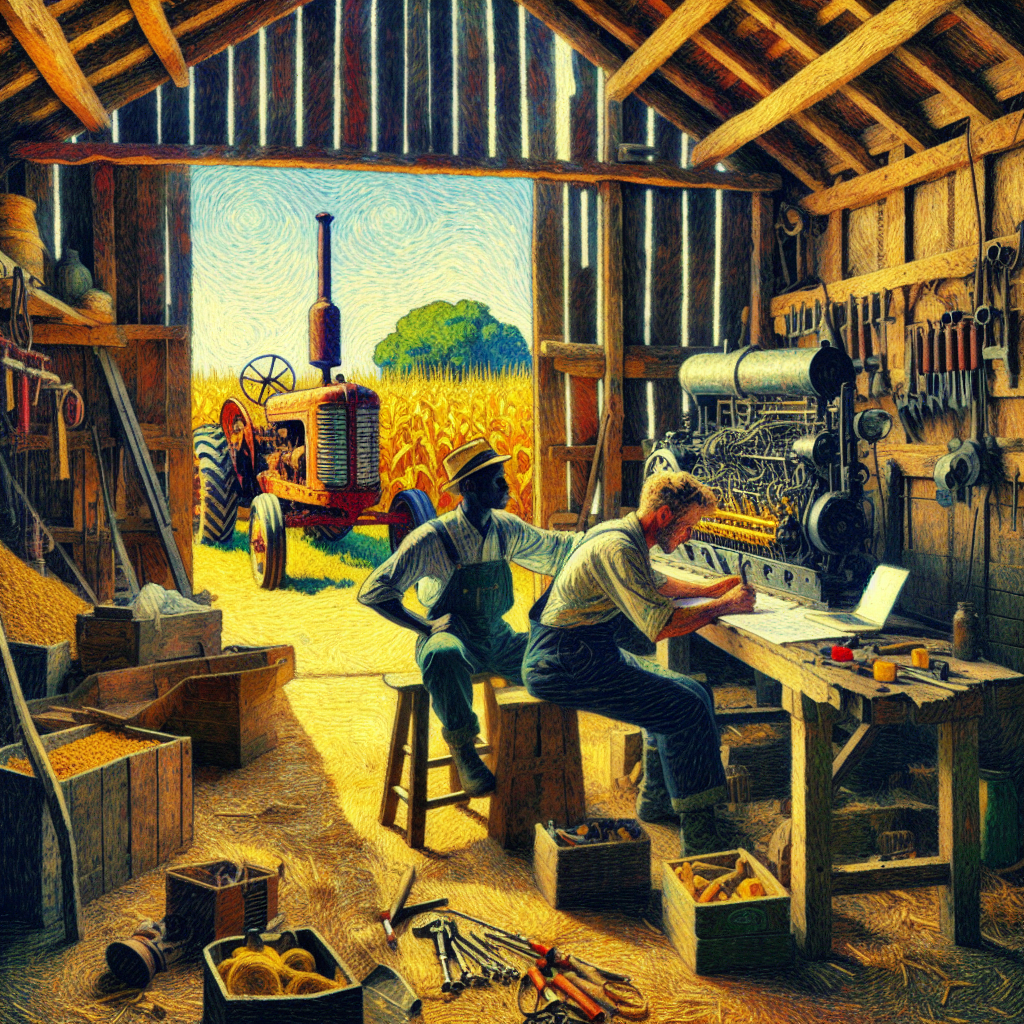
Can Vintage Machinery Teach Us Valuable Lessons About Sustainability?
Can Vintage Machinery Teach Us Valuable Lessons About Sustainability?
- The tractor symbolizes resilience, ingenuity, and the human spirit, embodying generations of hard work.
- Vintage tractors challenge modern consumption by emphasizing durability and long-term use over disposability.
- Respect for resources, including soil and air, is a key lesson from the tractor’s legacy.
- Engaging in responsible practices and supporting sustainable agriculture fosters community resilience.
- Vintage tractors connect passionate individuals through local events and restoration workshops, promoting shared values.
- Progress is depicted as a collective endeavor supported by collaboration and mutual respect.
- Embracing the wisdom of the past can transform our approach to sustainability into a fulfilling journey.
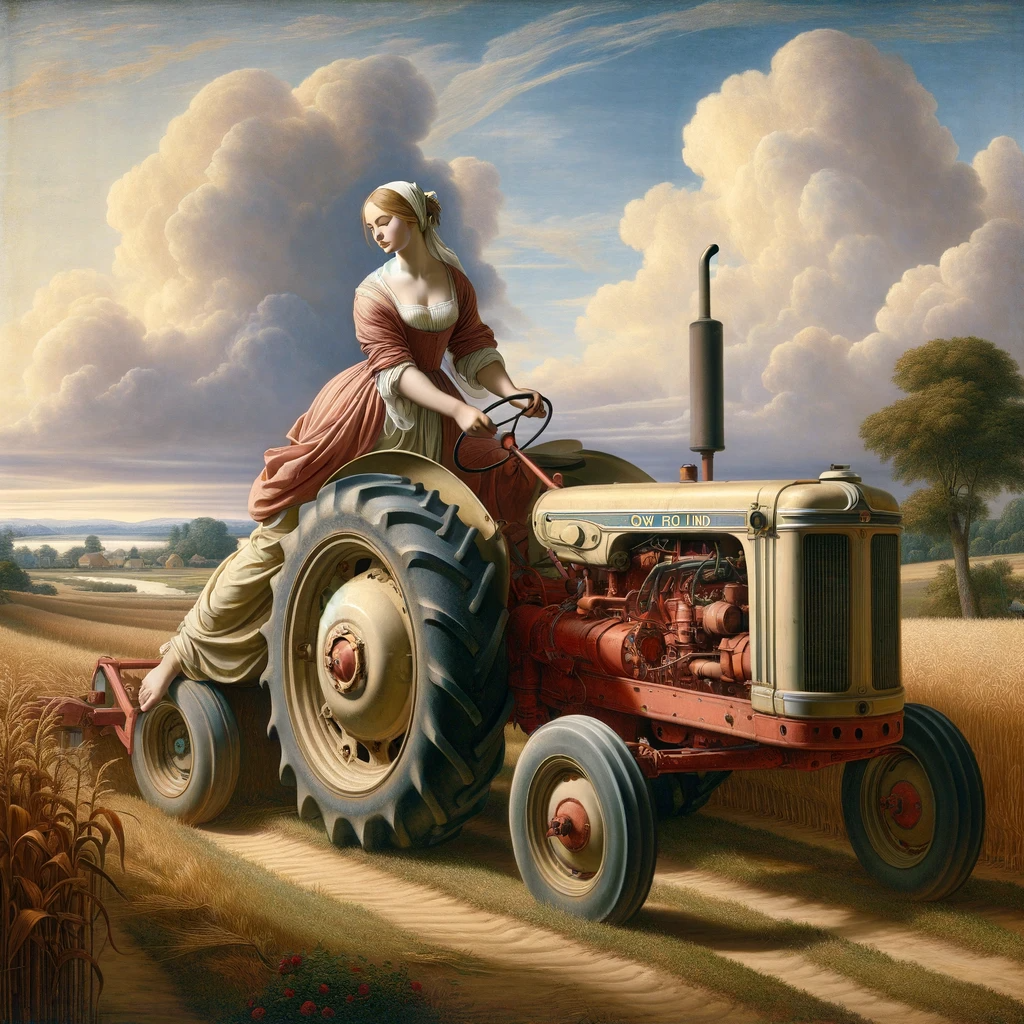
Can Vintage Machinery Teach Us Valuable Lessons About Sustainability?
What Do Experts Say About The Efficiency Of Classic Tractors Today?
You might pass one of those classic tractors chugging along a dirt road and think it’s a relic of a bygone era. But if you pause for a moment and look a little deeper, what you see is not just a machine; it’s a testament to resilience, dedication, and enduring craftsmanship. Experts deeply invested in agricultural technology stress that these sturdy tractors have something to teach us about efficiency today, even as modern innovations whir and beep around them.
From a rational perspective, classic tractors, often praised for their simplicity, are less reliant on sophisticated computer systems that can fail at the most critical moments. A farmer doesn’t want to be stranded in the middle of a field because a sensor malfunctioned. The mechanics behind these robust machines are straightforward, allowing for easier repairs and maintenance. That’s a compelling argument—when the chips are down, having something you can fix with hand tools and a little elbow grease trumps high-tech gadgets that might leave you stranded and scratching your head.
But it isn’t just about logic—it’s about heart, too. The stories told by generations of farmers who grew up alongside these tractors resonate with a sense of duty and connection. Picture a father teaching his son how to drive a trusty old tractor, learning not just how to plow the fields but also how to work hard, nurture the land, and appreciate the value of persistence. The bond formed in that dusty cab, the laughter and the lessons learned, link us all to the essential work of feeding a nation.
Ethically speaking, as we face the consequences of climate change and a shifting agricultural landscape, the efficiency of classic tractors reminds us of the importance of sustainable practices. Many experts highlight that these machines, often more fuel-efficient than some modern models, offer a viable path toward more responsible farming. They might not always have the latest features, but they can be part of a more conscious farming movement that respects both resources and the terrain.
So next time you’re traversing rural America and see that classic tractor diligently making its rounds, know that it’s not just a piece of history but a living, breathing argument for the power of simplicity and efficiency in agriculture. Without a doubt, professionals in the field recognize that these tractors are much more than a nostalgic nod to the past; they’re chugging towards a sustainable future, and there’s wisdom in that.
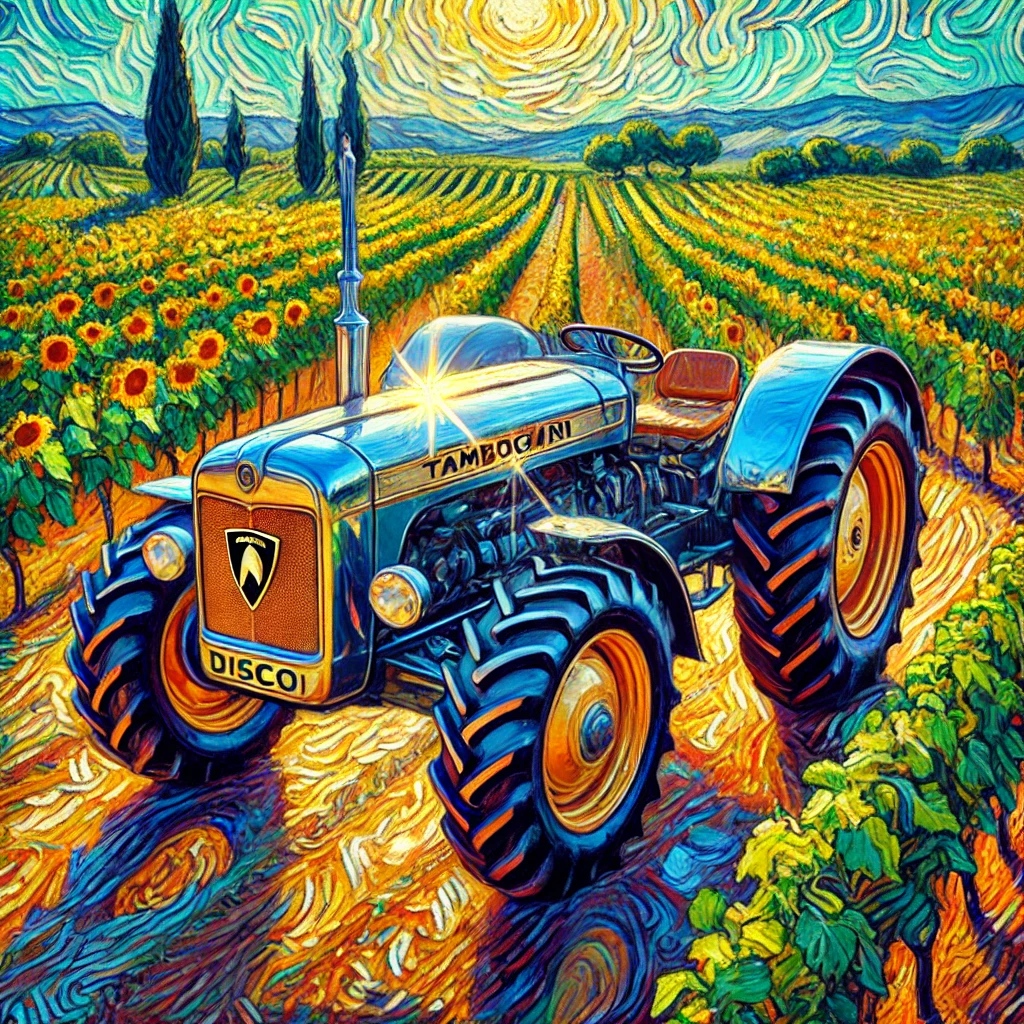
What Do Experts Say About The Efficiency Of Classic Tractors Today?
What Do Experts Say About The Efficiency Of Classic Tractors Today?
- Classic tractors symbolize resilience, dedication, and enduring craftsmanship.
- They are simpler and less reliant on sophisticated technology, making them easier to repair.
- Classic tractors provide a practical solution for farmers, reducing the risk of malfunction in critical moments.
- Generational stories connect farmers to these machines, fostering a sense of duty and hard work.
- The bond formed through learning to operate these tractors emphasizes the importance of nurturing the land.
- Classic tractors can be more fuel-efficient and promote sustainable farming practices compared to some modern models.
- They represent a blend of historical significance and a sustainable future in agriculture.
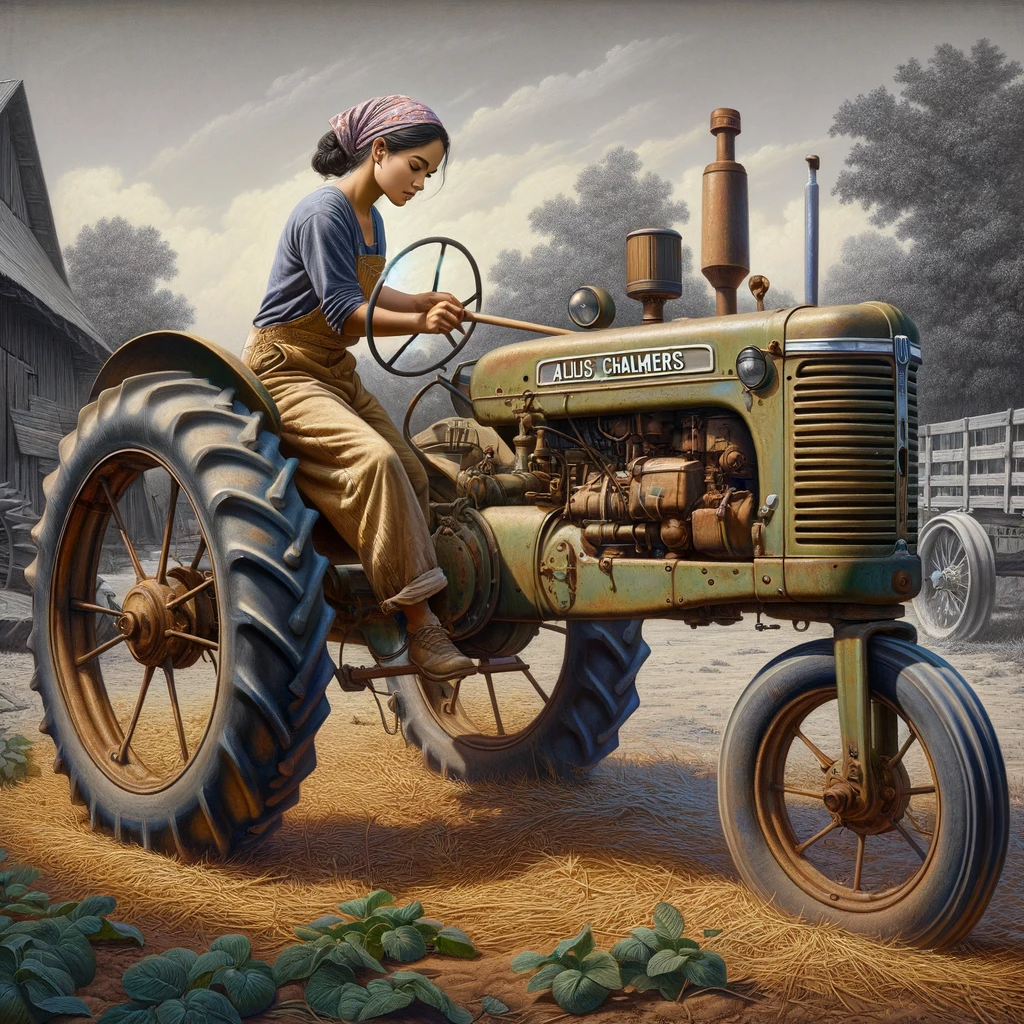
What Do Experts Say About The Efficiency Of Classic Tractors Today?
Why Do Many Farmers Choose Classic Tractors Over Modern Alternatives?
It’s a crisp dawn on the farm, and you can’t help but feel a sense of reverence as the sun breaks over the horizon. There, parked quietly in the barn, stands a classic tractor—a steadfast companion that has seen seasons change, generations grow, and soil turned. For many farmers, these machines aren’t just tools; they’re trusted partners in a life filled with hard work and dedication.
Now, let’s be honest. Modern tractors come packed with shiny bells and whistles, promising efficiency almost unheard of a few decades ago. Yet, for many farmers, the allure of those technological marvels pales in comparison to the rugged reliability of a classic tractor. This choice isn’t merely about specs; it’s about connection. It’s the heartbeat of a farm, where every scratch and dent tells a story—branded into the metal just like the farmer’s own hands, weathered yet strong.
From a rational standpoint, classic tractors offer practicality. They are often simpler to repair, and parts can be found without a frantic search. The mechanical knowledge of past generations is born into these machines, making them accessible for farmers who don’t want to spend hours deciphering high-tech electronics. This authenticity fosters a special kind of confidence as each worker learns to interact with their equipment in a hands-on manner, embracing the mechanics of farming in its purest form.
Ethically speaking, choosing classic over modern can affirm a commitment to sustainability. Older tractors often consume less fuel and are built from materials designed to last. They challenge the throwaway culture we often find ourselves in, reminding us that sometimes, old is gold. These machines carry with them a responsibility to honor the land and the labor that has come before.
There’s a powerful narrative woven into classic tractors that resonates on a deep level; it’s about tradition, heritage, and resilience. Colleagues in the field share knowing nods when a trusty old tractor fires up, recalling the stories and shared struggles—not just of individual farmers but of an entire farming community.
So, as the sun rises higher, illuminating the fields, consider the timeless appeal of classic tractors. Every farmer knows that in this life, a tractor is more than just a means to an end; it’s a legacy. A legacy that speaks to our hearts, engages our minds, and calls to our guts, urging us to choose wisely. Embrace the old, as we honor the road that brought us here.
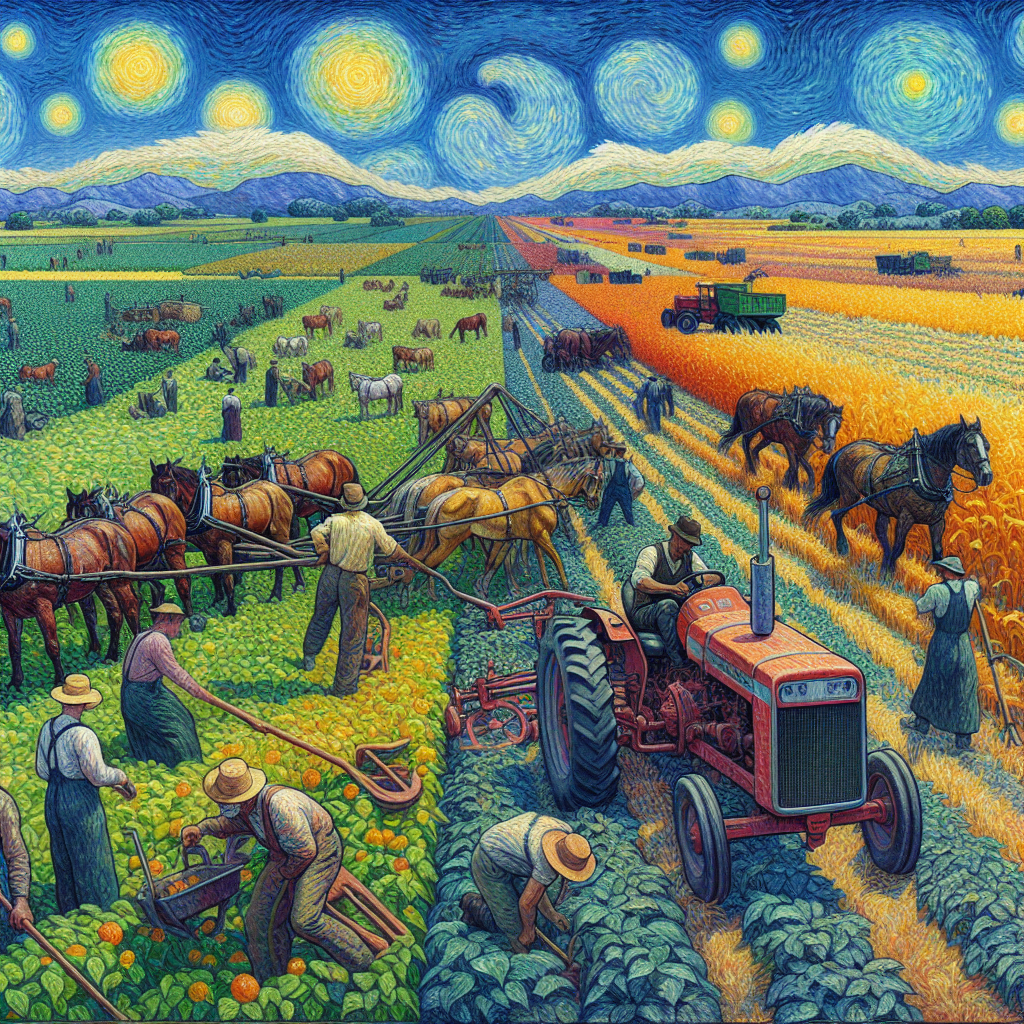
Why Do Many Farmers Choose Classic Tractors Over Modern Alternatives?
Why Do Many Farmers Choose Classic Tractors Over Modern Alternatives?
- The dawn on the farm evokes reverence as the sun rises over a classic tractor.
- For many farmers, classic tractors symbolize trust and dedication rather than just tools.
- Modern tractors offer advanced technology, but classic models maintain an appeal rooted in connection and reliability.
- Classic tractors are easier to repair, making them practical for farmers without technical know-how.
- Choosing classic tractors supports sustainability, as they often consume less fuel and emphasize durability.
- They embody a narrative of tradition, heritage, and resilience within farming communities.
- A tractor represents a farmer’s legacy, urging thoughtful choices and honoring agricultural history.
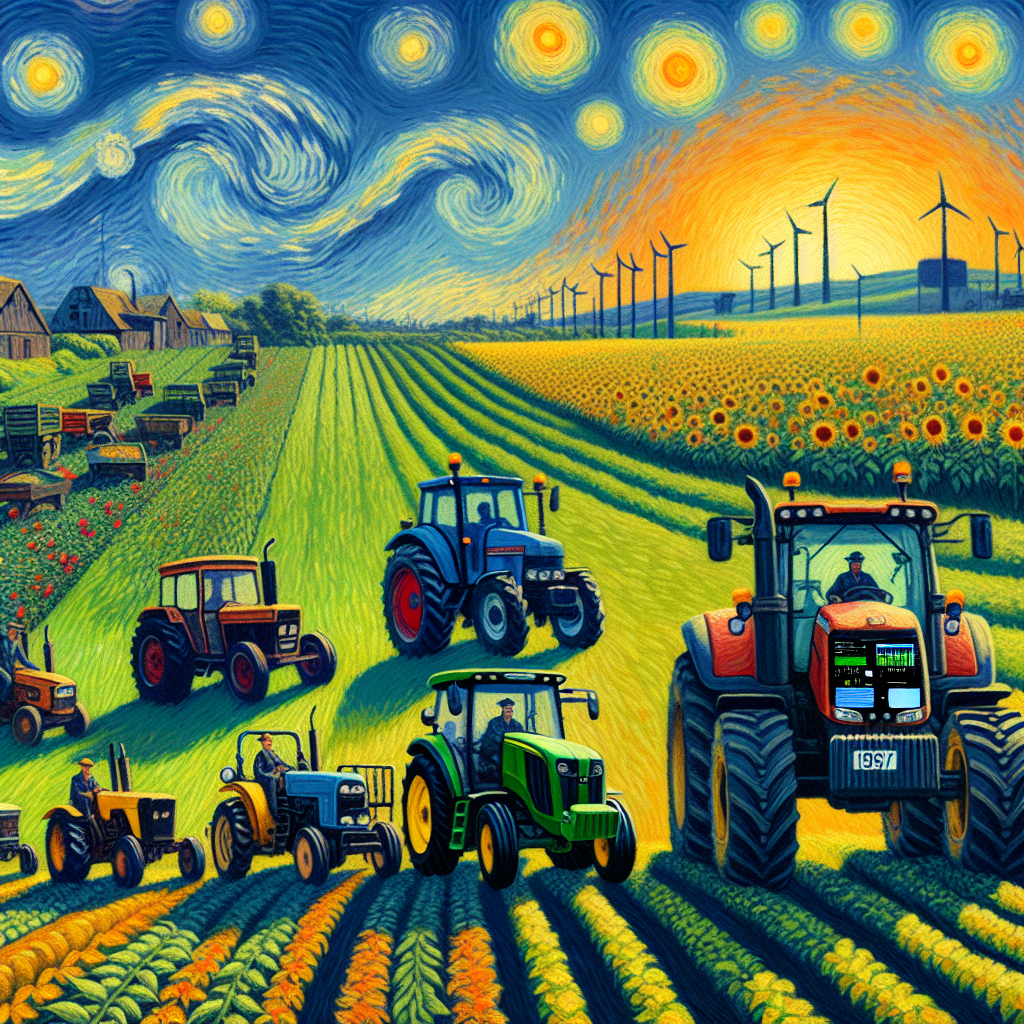
Why Do Many Farmers Choose Classic Tractors Over Modern Alternatives?
Are Classic Tractors The Key To Sustainable Farming Practices?
When you see a classic tractor rolling through the fields, it’s hard not to feel a sense of nostalgia wash over you. Those well-worn machines—symbols of grit and perseverance—tell stories of a time when farmers truly understood their relationship with the land. As we navigate the modern world of agriculture, characterized by rapid advancements and sprawling machinery, a question emerges: Can these relics from the past guide us toward more sustainable farming practices?
To start with, there’s something inherently gut-wrenching about the environmental impact of today’s farming methods. The sheer weight of modern tractors, with their shiny gadgets and towering structures, often leads to soil compaction and erosion—a reality that echoes through generations. In contrast, classic tractors, with their simpler design and lower weight, can work the land without imposing the same toll. They remind us that farming doesn’t have to come at the expense of the soil’s health.
Rationally, it’s clear that these vintage models offer a unique blend of efficiency and ecological mindfulness. With fewer moving parts and a straightforward mechanical framework, classic tractors are easier and less expensive to maintain. They don’t require the latest software updates or fancy electronics, leading to lower operational costs. Adopting these machines in our fields isn’t just a choice; it’s a pragmatic step toward reducing farming’s carbon footprint.
Ethically, there’s a powerful narrative in preserving this slice of agricultural history. Supporting local farmers who utilize classic tractors fosters a sense of community, highlighting the importance of sustainable and responsible farming. It’s a return to grassroots values, encouraging us to prioritize connections over profits. Farmers driving these iconic machines often share a deep commitment to stewardship of the land, reinforcing our collective responsibility to protect the environment for future generations.
Moreover, in a world where social media flourishes, sharing the stories of those who champion sustainable practices with classic tractors can inspire a movement. It brings a human touch to the often sterile discussions of modern agriculture. Who doesn’t love a good story about tenacity and heritage?
So, as we ponder the future of farming, let’s consider not just the machines we use, but the values they represent. Classic tractors may be the key to unlocking a sustainable farming future—one that honors tradition while nurturing the land we all depend on. Let’s join hands to cultivate a healthier planet, one turn of the wheel at a time.
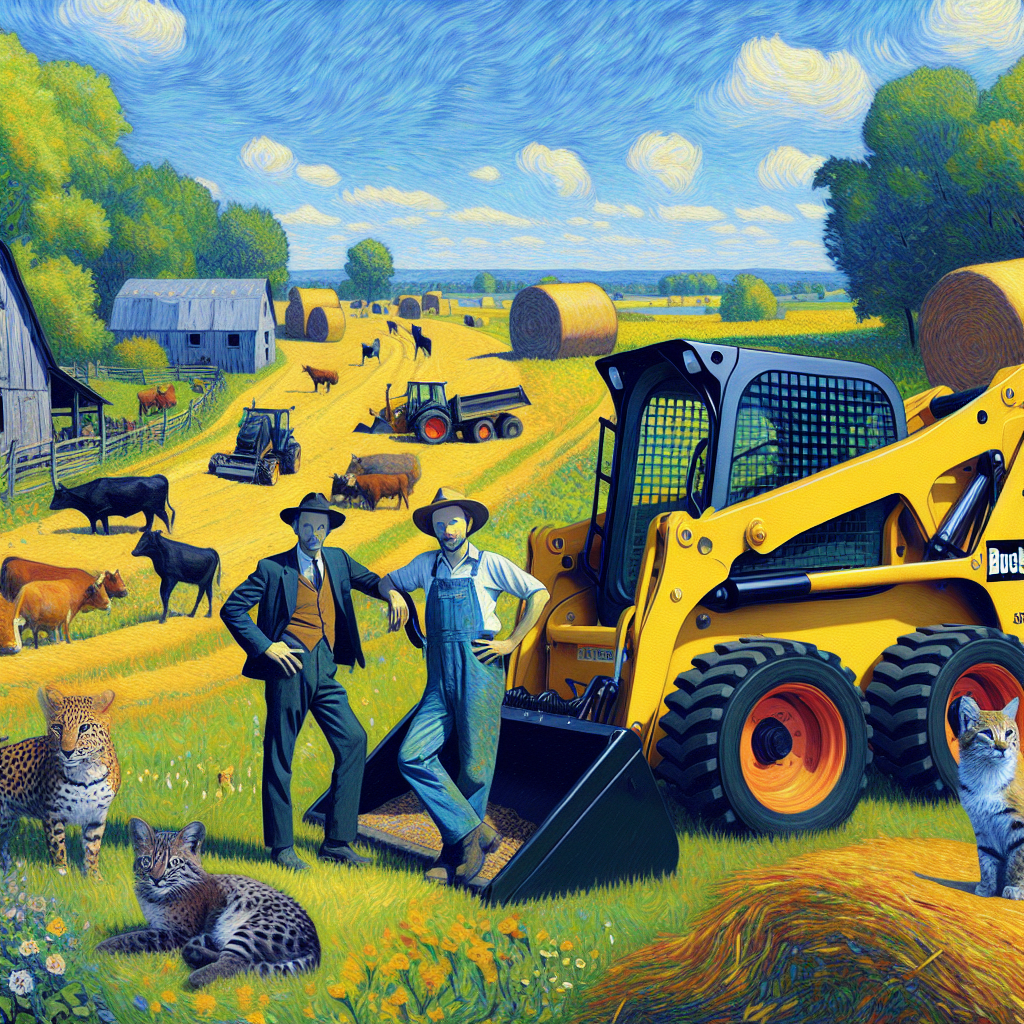
Are Classic Tractors The Key To Sustainable Farming Practices?
Are Classic Tractors The Key To Sustainable Farming Practices?
- Classic tractors evoke nostalgia and symbolize grit and perseverance in farming.
- Modern farming methods cause environmental issues like soil compaction and erosion.
- Classic tractors have a simpler design, lower weight, and less ecological impact on soil health.
- They are easier and cheaper to maintain due to fewer moving parts and no need for modern technology.
- Using classic tractors helps reduce the carbon footprint of farming.
- Supporting local farmers with these machines fosters community and reinforces responsible farming values.
- Sharing stories of sustainable practices through classic tractors can inspire a movement in agriculture.
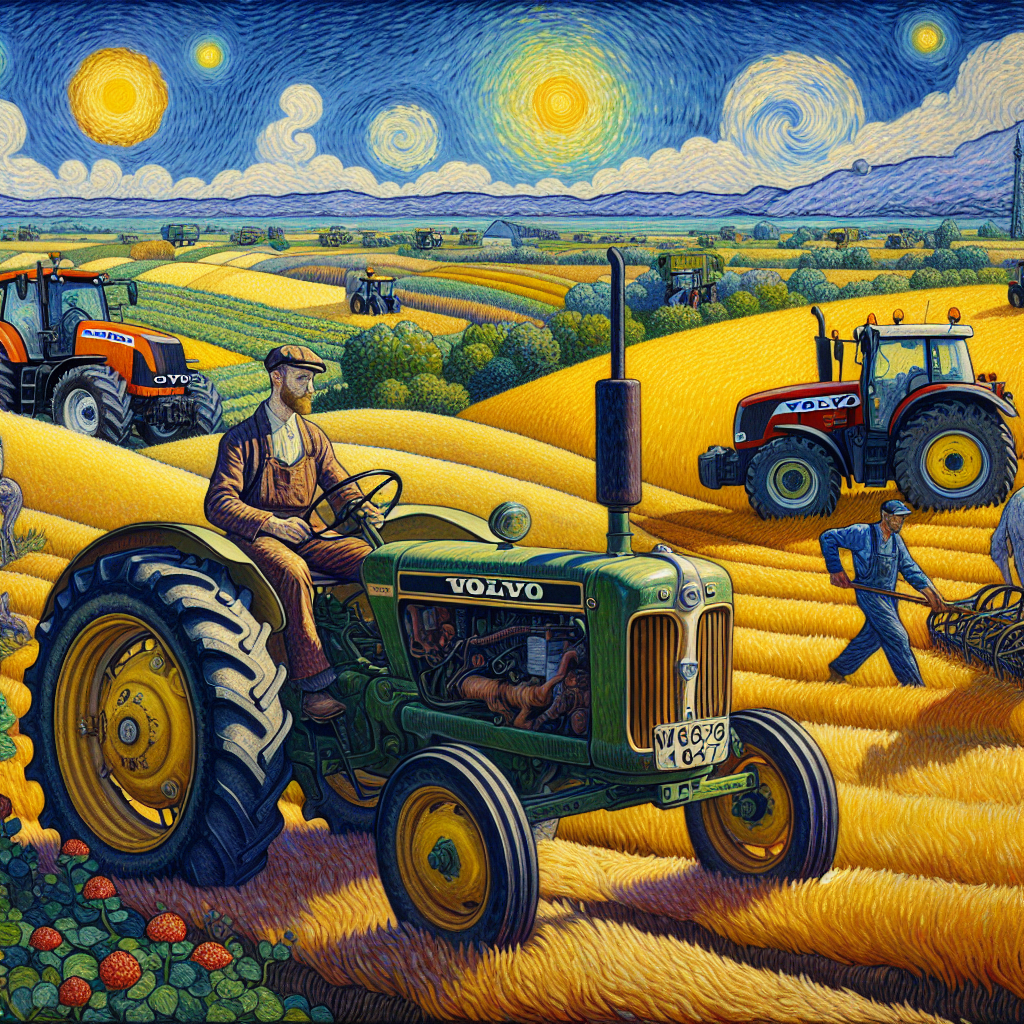
Are Classic Tractors The Key To Sustainable Farming Practices?
How Can Classic Tractors Improve Your Connection To The Land?
How Can Classic Tractors Improve Your Connection to the Land?
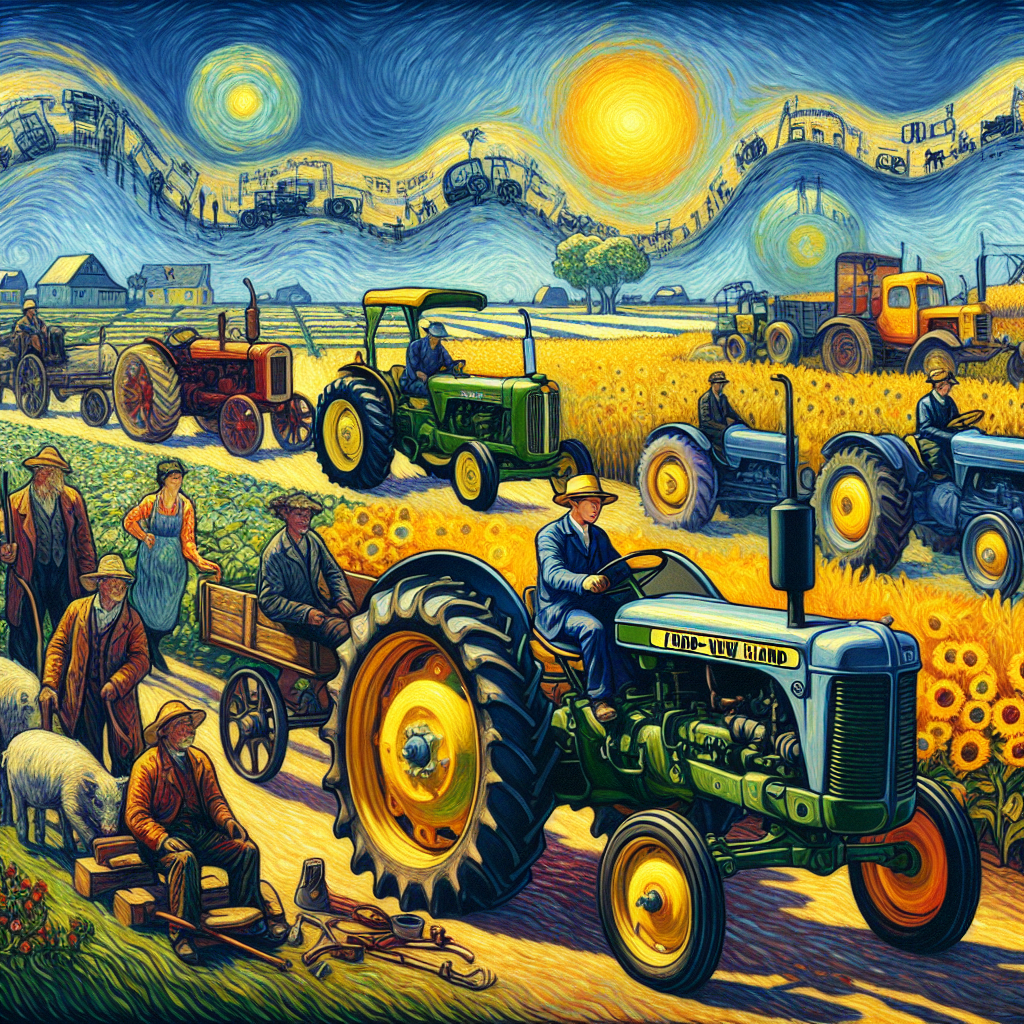
Every time you step onto a classic tractor, it’s more than just a vehicle; it’s a tangible link to a simpler, more grounded way of life. Feel the cool metal beneath your hands and listen to the rhythmic growl of the engine—these machines are not just tools; they are the lifeblood of our connection to the earth. When you climb aboard, you’re not just driving; you’re stepping into a legacy.
Classic tractors represent the values of hard work and perseverance that have shaped our agricultural heritage. They whisper stories of families who toiled under the sun, sowing seeds of hope and reaping the rewards of resilience. Each scratch and dent tells a tale, a narrative that resonates with anyone who’s felt the sweat on their brow while laboring in a field. In a world overflowing with digital distractions, these machines draw us back to the soil, to the roots that ground us both literally and metaphorically.
These tractors often serve as symbols of ethical stewardship. They remind us that we are caretakers of this land, responsible for preserving its health for future generations. With the global food system becoming increasingly mechanized and detached, classic tractors bring us back to a slower pace where we can recognize the beauty in sustainable practices. They challenge us to reflect on our impact on the earth, fostering an ethical connection that extends beyond the machinery itself; it’s about the land that nurtures us and the communities we cultivate.
Moreover, there’s a community aspect that cannot be overlooked. Whether you’re at a local tractor show or participating in a community harvest, you’re surrounded by folks who share your passion. Discussions about the intricacies of vintage machinery, the thrill of a well-timed crop rotation, or the nostalgic smell of freshly turned soil make you feel like part of something bigger than yourself. You forge connections with fellow enthusiasts—friends who understand the innate joy that comes from working the land.
In an age where we often feel disconnected, classic tractors invite us to reconnect with our roots, engage our senses, and respect the land that sustains us. They remind us that while technology may change, the fundamental relationship between people and the earth remains ever relevant. So grab that steering wheel, feel the engine roar to life, and let that classic tractor guide you back to what truly matters: our bond with the land.
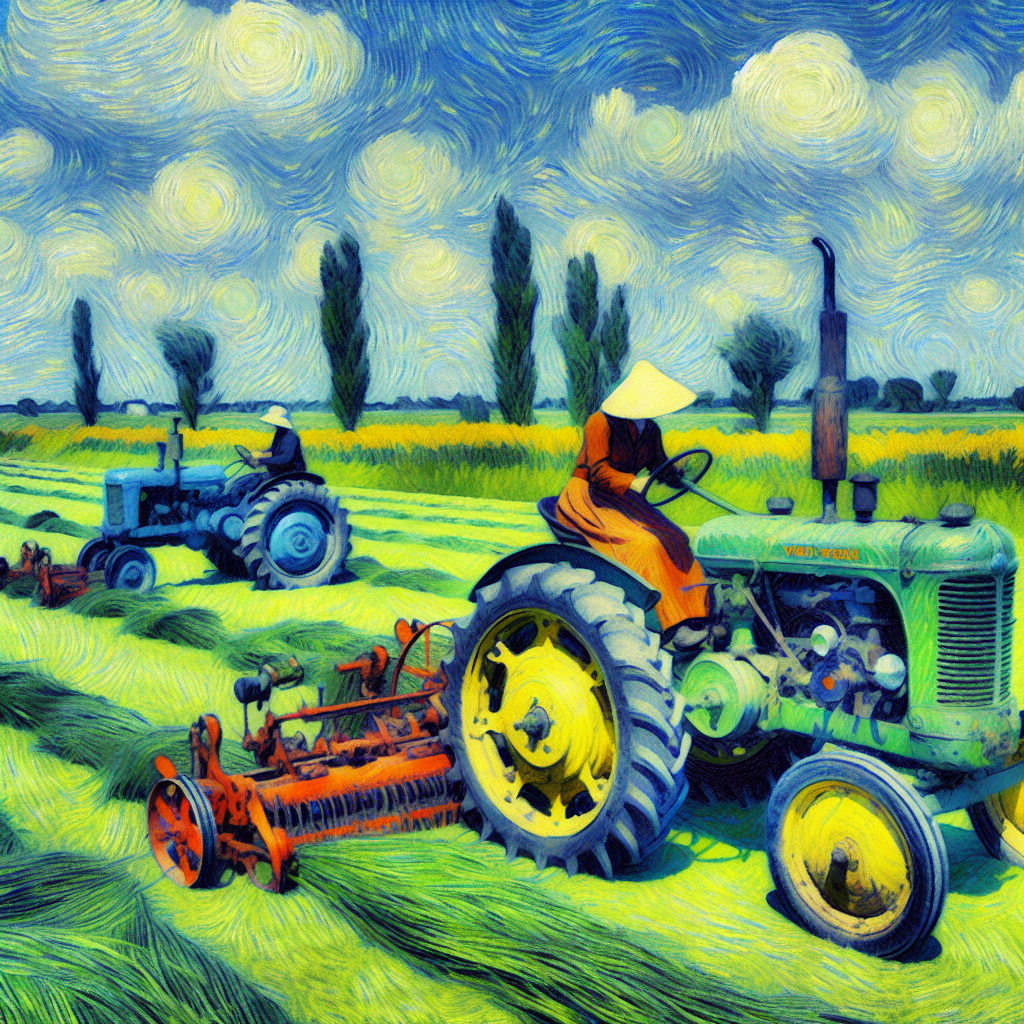
How Can Classic Tractors Improve Your Connection To The Land?
How Can Classic Tractors Improve Your Connection To The Land?
- Classic tractors serve as a tangible link to a simpler, grounded way of life.
- They embody hard work, perseverance, and the agricultural heritage of families who toiled on the land.
- Each tractor tells a story through its scratches and dents, resonating with those who have labored in fields.
- Classic tractors symbolize ethical stewardship, emphasizing responsibility for preserving land for future generations.
- They foster a slower pace that encourages sustainable practices and reflection on our environmental impact.
- Community connections arise from shared enthusiasm for vintage machinery and agricultural practices.
- Classic tractors encourage reconnection with our roots and respect for the land, highlighting an enduring bond between people and the earth.
How Can Classic Tractors Improve Your Connection To The Land?
What Stories Can Classic Tractors Tell About Our Farming Heritage?
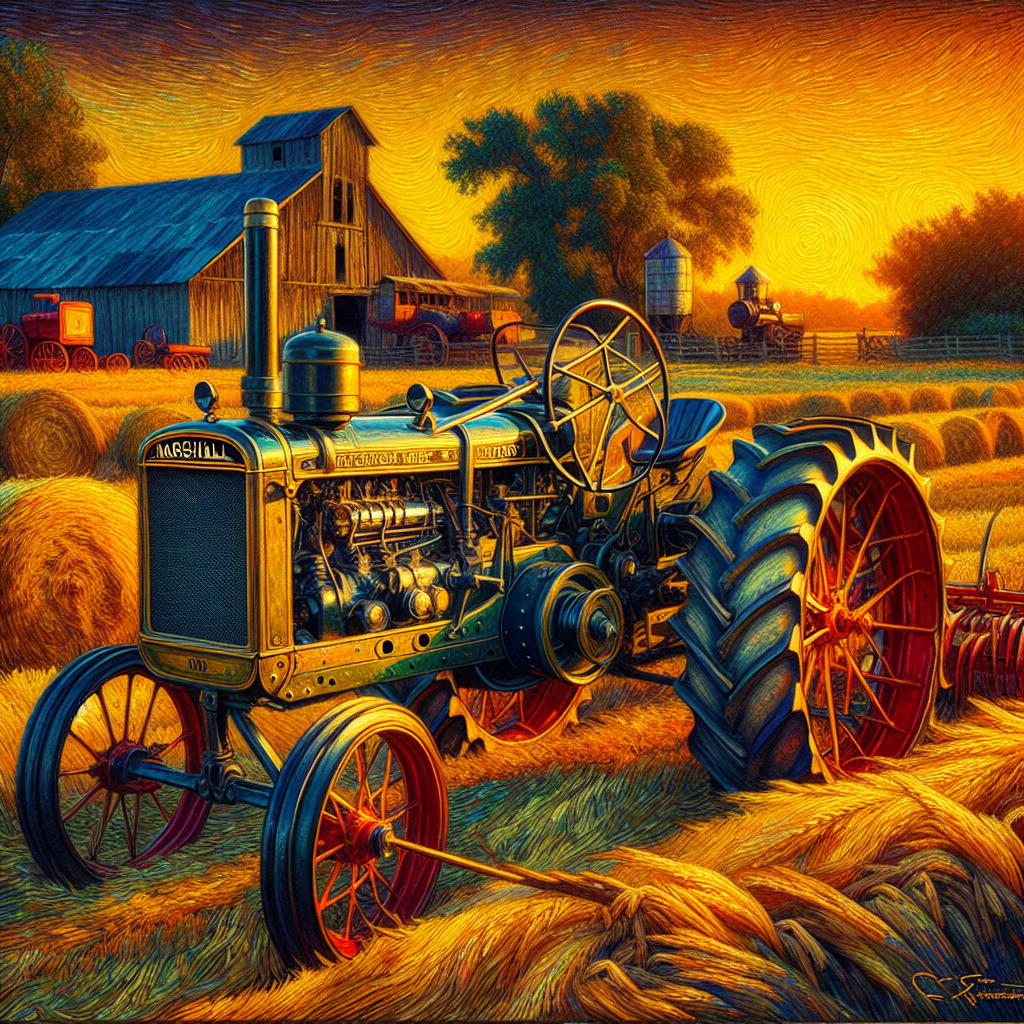
When you gaze upon a classic tractor, what do you see? It’s easy to dismiss it as mere rusting metal, but if you look closely, you can almost hear the stories woven into its very framework. Each scratch and dent tells a tale of hard work, dedication, and a way of life that shaped our communities. These majestic machines aren’t just relics of the past; they are the backbone of a farming heritage rich with narratives that resonate at the heart of our agricultural identity.
Picture a farmer, hands calloused and face sun-kissed, climbing onto his trusted tractor for the day’s toil. That tractor becomes not just a tool but an extension of who he is—a symbol of resilience and resourcefulness. Generations have relied on these machines, plowing fields, sowing seeds, and harvesting crops. They represent the labor of countless men and women whose sweat and dreams helped build the very foundation of our society. It’s in these moments of grit and determination that we find inspiration, remembering the values of hard work and perseverance that they instilled in us.
But beyond the nostalgia, there’s a rational recognition of the role these tractors played in revolutionizing agriculture. They paved the way for modern farming practices, increasing efficiency and transforming how we feed the world. By understanding this evolution, we gain insight into our past while paving the way for a sustainable future. These stories of progress remind us that while we embrace new technologies, we must honor the traditions that got us here—the ethical obligation to respect our heritage while forging a path ahead.
Moreover, as we gather around these classic tractors at shows or auctions, we don’t just connect with the machinery; we connect with one another. Here we find a community—farmers, collectors, and enthusiasts—passionate about preserving the tales of yesteryear. These gatherings become an invitation to share experiences, fostering discussions that foster trust and camaraderie. It’s an acknowledgment that, regardless of where we come from, we share a bond founded on our love for the land and respect for those who have tilled it before us.
So, the next time you encounter a classic tractor, take a moment to feel the weight of its legacy. Embrace its stories, reflect on its significance, and perhaps, find a way to celebrate that heritage in your own life. After all, within those worn-out wheels is a world of memories just waiting to be rediscovered.
What Stories Can Classic Tractors Tell About Our Farming Heritage?
What Stories Can Classic Tractors Tell About Our Farming Heritage?
- Classic tractors embody stories of hard work and dedication, reflecting a vital farming heritage.
- For farmers, tractors symbolize resilience and resourcefulness, becoming extensions of their identities.
- These machines signify the labor of generations who built the foundation of our society through agriculture.
- Tractors revolutionized farming, increasing efficiency and transforming food production methods.
- Understanding the evolution of tractors helps us appreciate our past while pursuing a sustainable future.
- Gatherings around classic tractors foster community connections among farmers, collectors, and enthusiasts.
- Engaging with classic tractors invites reflection on their legacy and encourages the celebration of agriculture’s history.
What Stories Can Classic Tractors Tell About Our Farming Heritage?
Conclusion
Conclusion: Embracing the Legacy of Classic Tractors
As we navigate this fast-paced, tech-driven world, it’s easy to lose sight of the simple, hardworking tools that once stood as champions in the agricultural arena. Classic tractors, with their rugged charm and unwavering reliability, beckon us to pause and reflect. These machines are not just relics of past innovation; they embody the heart and soul of a farming tradition that has shaped our communities and nourished generations.
Trust is earned, and there’s something about climbing aboard a classic tractor that fosters an immediate connection. The worn leather seat, the smell of aged metal, and the comforting roar of the engine all tell tales of relentless toil and unyielding dedication. Each scratch on its surface holds a story—a bond between the farmer and the land that transcends time. These machines represent a relationship built on resilience and stewardship, reminding us to respect and nurture the soil beneath our feet.
Let’s be honest. Sure, modern tractors dazzle us with innovation and high-tech gadgets. But amidst the flashing lights and electronic wizardry, is that deep-rooted connection still there? The truth is, classic tractors are simple, adaptable, and built to last. They thrive on hands-on know-how, allowing farmers to engage intimately with their equipment—an experience that nurtures a profound respect for the work they do and the land they tend.
This isn’t just a nostalgic tale; it carries an ethical weight. The throwaway mentality of today’s consumerist culture clashes with the durability and wisdom that classic tractors possess. They challenge us to reconnect with sustainable practices, advocating for a simpler yet more responsible approach to farming that honors our resources rather than exploiting them.
Moreover, the community surrounding classic tractors is a vibrant tapestry of shared experiences and knowledge—a collective spirit built on stories of perseverance, laughter, and tears shed while tilling the soil. Every event, restoration workshop, and tractor show stands as a testament to this social fabric, reminding us that we aren’t alone in our pursuits but rather part of something much larger.
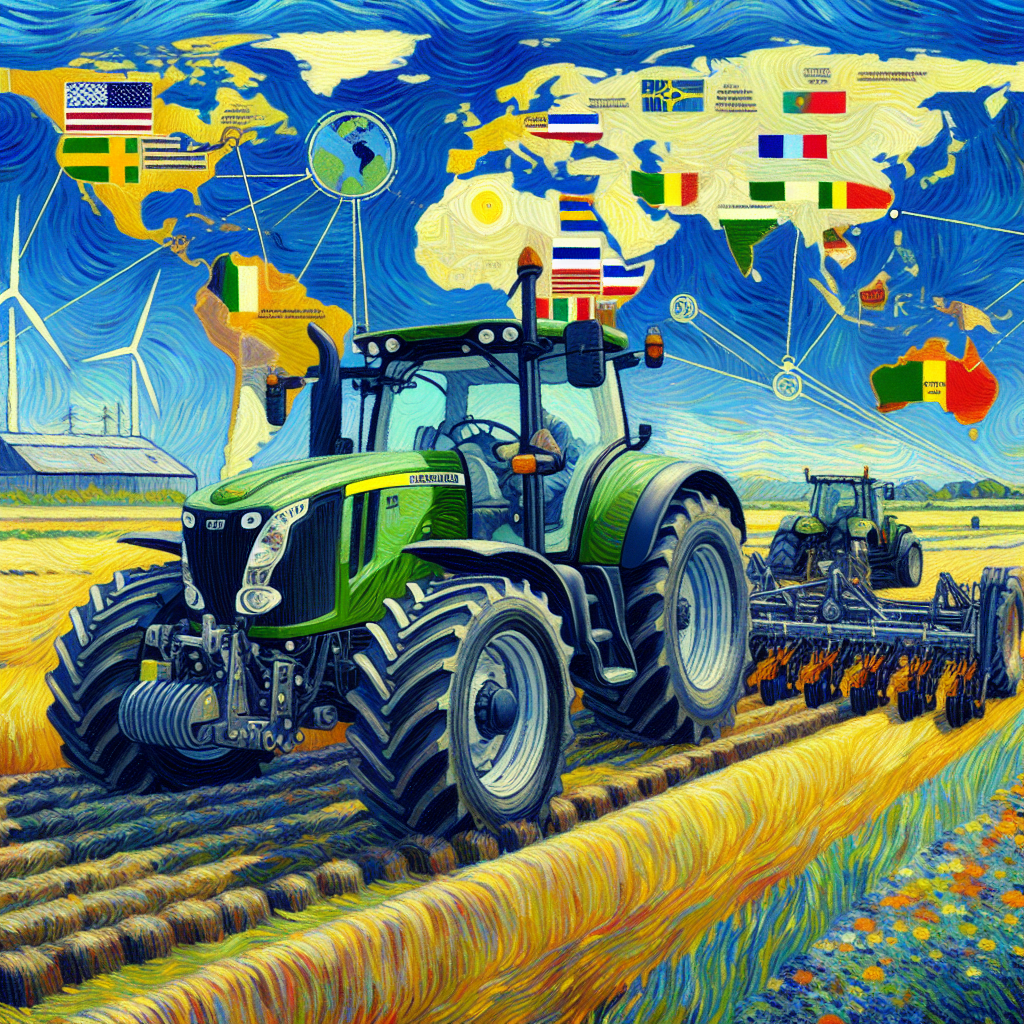
In turbulent times marked by environmental challenges, skyrocketing costs, and a quest for sustainability, it’s clear that these timeless machines offer valuable lessons for navigating modern agricultural dilemmas. So let’s take a lesson from the past and embrace the enduring spirit of classic tractors. Trust in their legacy, and in doing so, we can grow not just crops, but a healthier planet, one loyal turn of the wheel at a time. Together, let’s honor tradition while boldly steering into a sustainable future.
Conclusion
Conclusion:
- Classic tractors symbolize the heart and soul of farming traditions that nourish communities.
- Climbing aboard a classic tractor fosters a deep connection through its history and craftsmanship.
- These machines represent resilience and stewardship, encouraging respect for the land.
- While modern tractors offer advanced technology, classic models cultivate a hands-on connection with the farmer.
- Classic tractors challenge the throwaway mentality, promoting sustainable and responsible farming practices.
- The community around classic tractors is rich with shared experiences and collective knowledge.
- In facing modern agricultural dilemmas, classic tractors offer valuable lessons for sustainability and tradition.
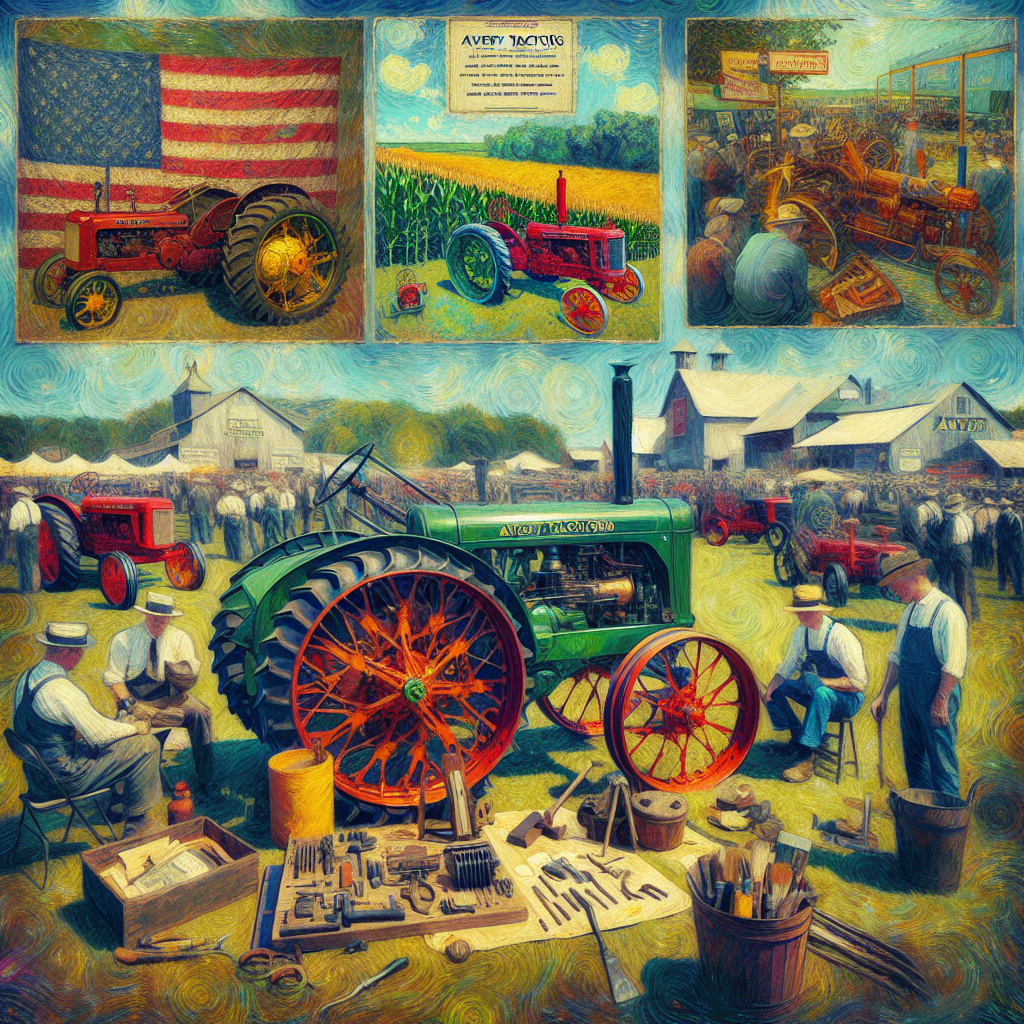
Conclusion
Other Resources
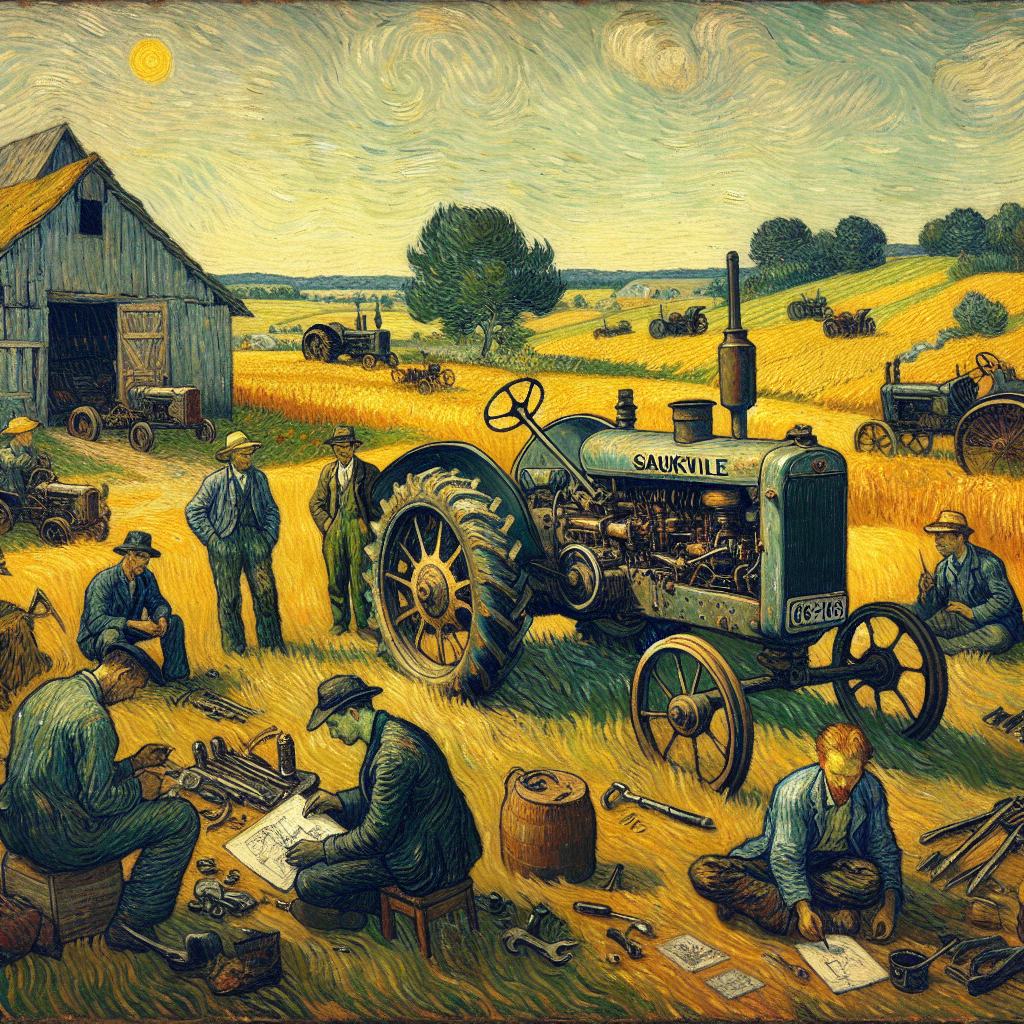
Other Resources
Here is a list of other resources you can review online to learn more:
- Allis Chalmers
- Fox River Tractor Company
- Thieman Harvester
- Acremaster
- Big Iron Farm Show
- Wilke’s Classic Tractors
- Antique Farm Equipment Museum
- Antonio Carraro
- KUHN
- Newark Vintage Tractor & Heritage Show
Use This Prompt To Get More Resources With Your Favorite Online AI Tool: Please provide me with a list of online articles with their URLs in a bulleted list that I can read regarding Are You Ready to Trust In Classic Tractors for Today’s Challenges
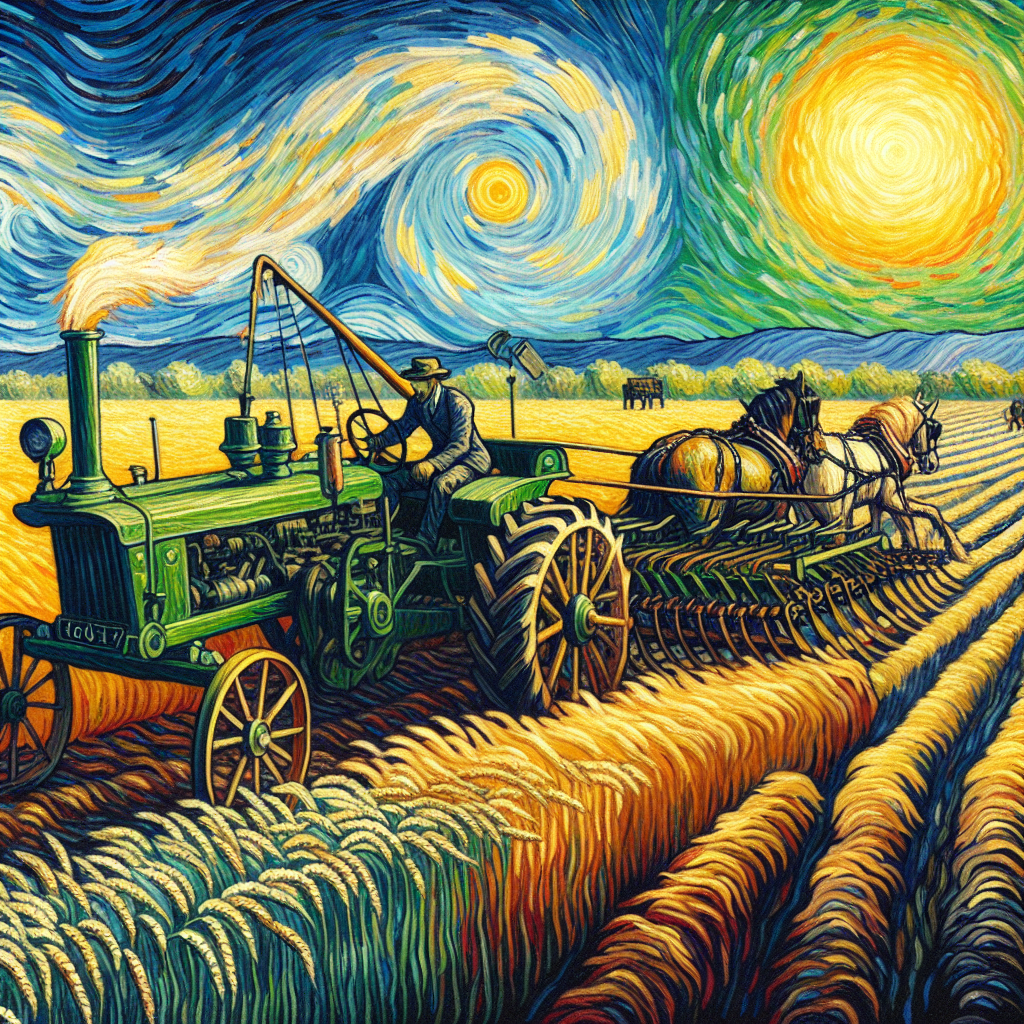
Other Resources
Glossary Terms
Are You Ready to Trust In Classic Tractors for Today’s Challenges – Glossary Of Terms
1. Classic Tractors: Vintage agricultural machinery typically manufactured before the 1980s, revered for their simple design and reliability.
2. Agriculture: The science or practice of farming, including cultivation of the soil, growing of crops, and rearing of animals for food.
3. Restoration: The process of returning a classic tractor to its original condition or improving its function, often involving mechanical repairs and cosmetic enhancements.
4. Sustainability: The practice of using resources in a way that meets present needs without compromising the ability of future generations to meet theirs, often a consideration in choosing equipment.
5. Durability: The ability of classic tractors to withstand the rigors of agricultural work over extended periods, highlighting their robust construction.
6. Economical: Relating to cost-effectiveness; classic tractors can often be more affordable to maintain compared to modern equipment.
7. Heritage: The legacy of agricultural practices and equipment, fostering a connection to historical farming methods and values.
8. Maintenance: Regular upkeep required to ensure a tractor functions efficiently, including oil changes, tire rotations, and other repairs.
9. Versatility: The capability of classic tractors to perform various tasks, from tilling soil to transporting goods, making them valuable assets on the farm.
10. Reliability: A characteristic of classic tractors indicating they consistently perform well under expected conditions without frequent breakdowns.
11. Mechanics: The branch of engineering dealing with the design, construction, and use of machines, important for understanding how tractors work.
12. Community: A network of individuals, often enthusiasts or collectors, who share interests in classic tractors and provide support and knowledge.
13. Vintage Rallies: Events where enthusiasts gather to showcase, display, and celebrate classic tractors and agricultural heritage.
14. Fuel Efficiency: The ability of a tractor to perform its tasks using less fuel, an important consideration for modern farming sustainability.
15. Retrofitting: The process of updating a classic tractor with newer technologies or equipment to improve its performance or capabilities.
16. Tractor Implements: Tools or attachments used with tractors for various agricultural tasks, such as plows, seeders, or hay balers.
17. Cultivation: The process of preparing and working the land to grow crops, often requiring the use of tractors for effective soil management.
18. Plowing: The act of turning over the soil in preparation for planting, a task traditionally performed by tractors fitted with plows.
19. Harvesting: The process of gathering mature crops from the fields, where tractors often play a crucial role at the peak of the farming season.
20. Tillage: The agricultural preparation of soil through mechanical agitation, often using tractors to facilitate the process.
21. Tracking: The method by which tractors are steered or guided, often assessing how well classic designs align with modern standards for precision.
22. Torque: A measure of rotational force that is important in assessing a tractor’s capability to handle heavy loads or tough terrain.
23. Gallery: A collection of images or exhibits showcasing classic tractors, often used to educate and inspire current and future farmers.
24. Collecting: The practice of acquiring classic tractors for preservation, restoration, or enjoyment among enthusiasts and historians.
25. PTO (Power Take-Off): A device that transfers mechanical power from a tractor’s engine to auxiliary equipment, enhancing versatility.
26. Fieldwork: Various agricultural activities performed using tractors, including planting, fertilizing, and irrigating crops.
27. Biodiversity: The variety of plant and animal life in a particular habitat, often improved by traditional farming techniques carried out with classic tractors.
28. Innovation: The process of introducing new ideas or methods in agriculture, sometimes integrating classic tractors with modern technology.
29. Soil Conservation: Practices that aim to protect soil from erosion and degradation, which can be aided by the careful use of tractors in farming.
30. Legacy: The lasting impact of classic tractors on agricultural practices and the cultural significance they hold within farming communities.
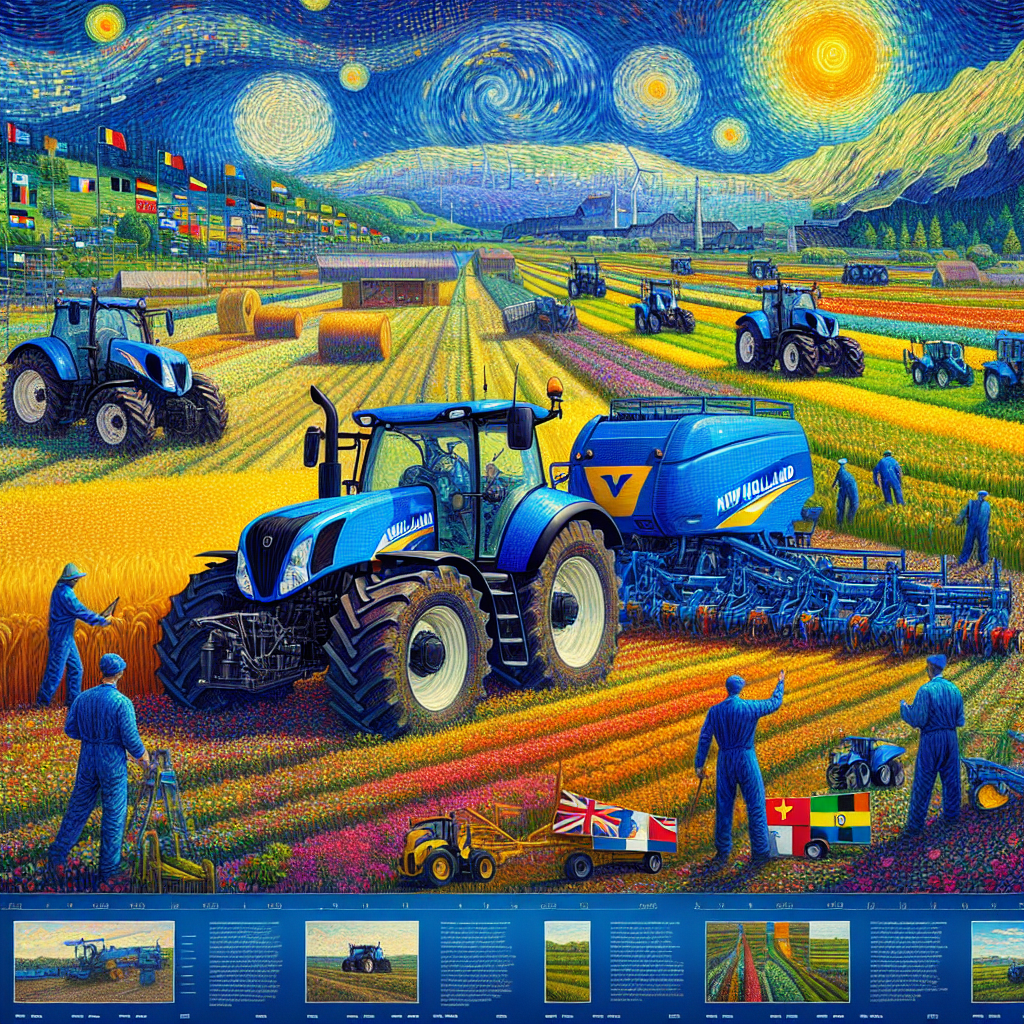
Glossary Of Terms
Other Questions
Are You Ready to Trust In Classic Tractors for Today’s Challenges – Other Questions
If you wish to explore and discover more, consider looking for answers to these questions:
- What are the key benefits of using classic tractors in modern farming?
- How do classic tractors compare in fuel efficiency to modern models?
- What maintenance practices are involved in keeping classic tractors operational?
- How can classic tractors contribute to community building among farmers?
- What challenges do farmers face when using classic tractors today?
- Are there any specific brands or models of classic tractors that are particularly recommended?
- How can vintage tractors influence modern agricultural practices?
- What resources are available for restoring classic tractors?
- How do classic tractors impact soil health compared to heavy modern machinery?
- What role do classic tractors play in local agricultural fairs and events?
- Can classic tractors be adapted for modern eco-friendly farming techniques?
- What stories do farmers share about their experiences with classic tractors?
Other Questions
Haiku
Are You Ready to Trust In Classic Tractors for Today’s Challenges – A Haiku
Classic machines stand,
Whispers of soil and toil,
Heritage’s true heart.
Haiku
Poem
Are You Ready to Trust In Classic Tractors for Today’s Challenges – A Poem
Reviving Tradition: A Poem in Praise of Classic Tractors
In dawn’s soft light, where shadows play,
A classic tractor stands, weathered, gray.
Not just a machine, but a living tale,
Of hands that toiled, of hearts that prevail.
Each dent a whisper, each scratch a sign,
Of seasons endured and fields intertwined.
Where modernity dazzles, with slick screens aglow,
What warmth in these gears, what stories to show!
Trust is the bridge, that spans years and toil,
Built in the soil, where love meets the soil.
When you mount this steed, you’re not just a man,
You’re part of a lineage, a deep-rooted plan.
With simple precision, it chugs down the lane,
Less tech to betray you, more grit to sustain.
A lesson unfolds in its sturdy embrace,
That progress needn’t forget its own sacred space.
The community thrives at the barn doors ajar,
Sharing old stories by the flicker of stars.
Fingers stained with earth, laughter fills the air,
In vintage revivals, we find friendships rare.
Through storms and through trials, it teaches us true,
A bond with the land—an ethical cue.
Fueling our futures by learning from past,
These classic machines, forever steadfast.
So let’s honor tradition, with wheels set to roam,
With each turn of the soil, we cultivate home.
For in reviving the old, we secure what we’ve sought—
In tractors, the strength of our heritage is caught.
Embrace the resilience, the grit and the grace,
As we forge a new path, in this familiar place.
For sometimes it’s wisdom from yesteryears’ grace,
That guides us forward, at a timeless pace.
Poem
Checklist
Are You Ready to Trust In Classic Tractors for Today’s Challenges – A Checklist
Checklist: Trusting in Classic Tractors for Today’s Challenges
Appealing to the Heart:
1. Reconnect with History: Reflect on the stories behind each scratch and dent of a classic tractor. What memories do they evoke for you?
2. Celebrate Community: Attend a local tractor show or vintage machinery event and share your passion with like-minded individuals.
3. Emotional Connection: When you drive a classic tractor, think about how it connects you to past generations of farmers. Share these sentiments with others.
Appealing to the Head:
4. Assess Efficiency: Consider the mechanical simplicity of classic tractors. How does this simplicity contribute to their reliability and ease of repair?
5. Evaluate Environmental Impact: Research the ecological benefits of using vintage tractors in farming. What advantages do they have over modern machines in terms of sustainability?
6. Analyze Costs: Look into the long-term costs of maintaining classic tractors versus modern ones. What financial benefits might you gain?
Appealing to the Gut:
7. Embrace Your Responsibility: Reflect on your ethical obligation to practice sustainable farming. How does using a classic tractor align with this commitment?
8. Experience Authenticity: Spend a day working on a farm with classic machinery. Feel the connection to the earth and the land.
9. Challenge Modern Values: Consider how the culture of disposability in farming today contrasts with the sustainability embodied by classic tractors.
Appealing to Ethical Considerations:
10. Support Local: Make a conscious choice to support local farmers who rely on classic tractors. Connect with farmers to learn about their practices and values.
11. Sustainability Advocacy: Advocate for responsible farming practices that prioritize environmental health and community resilience. What role can classic tractors play in this?
Appealing to Authority:
12. Seek Expert Opinions: Research agricultural experts who advocate for the benefits of classic tractors. What can you learn from their insights?
13. Share Knowledge: Host a discussion or workshop on the benefits of classic tractors, inviting knowledgeable speakers or local farmers to share their experiences.
Appealing to Narrative:
14. Tell Your Story: Document your journey with classic tractors. Share your experiences on social media or forums, weaving in personal anecdotes.
15. Collect Community Stories: Gather stories from fellow farmers or vintage tractor enthusiasts about their favorite memories and lessons learned. How can you contribute to this narrative?
Appealing to Social Considerations:
16. Join a Community: Become part of a local or online community dedicated to classic tractors. Engage with fellow enthusiasts and learn from their experiences.
17. Participate in Collective Actions: Organize or join community events aimed at promoting sustainable practices in agriculture using classic tractors. What impact can you make together?
Use this checklist to deepen your understanding and appreciation of classic tractors, fostering a connection to both their history and their potential in facing today’s agricultural challenges.
Checklist
At ClassicTractorNews, we help tractor lovers keep up with the latest news for classic and vintage tractors.
Please share this post with your friends, family, or business associates who may like old classic or vintage tractors.