


Embrace Tradition: The Timeless Appeal Of Classic Tractors
By Tom Seest
At ClassicTractorNews, we help tractor lovers keep up with the latest news for classic and vintage tractors.
Please share this post with your friends, family, or business associates who may like old classic or vintage tractors.
Are You Ready to Join The Wave Of Farmers Choosing Classic Tractors
Imagine standing in a lush, expansive field, the sun kissing your skin, as a gentle breeze carries the earthy scent of freshly turned soil. There, in the distance, you see it: a classic tractor, its vibrant paint weathered but proud, a testament to generations of hard work and dedication. This isn’t just machinery; it’s a symbol of heritage, community, and a commitment to the land. As farmers increasingly turn back to these timeless machines, the question beckons: Are you ready to join the wave of farmers choosing classic tractors?
Let’s talk about the heart first. Those vintage tractors have soul, a character that newer models simply can’t match. Each scratch on their surface tells a story, each rusted bolt a chapter of forgotten labor. When you step onto a classic tractor, you’re not just driving; you’re stepping into a narrative that connects you with those who toiled before you. It’s as if the land itself whispers its secrets through the very steel you’re gripping. The emotional resonance is palpable.
Now, let’s engage the head. Classic tractors are often simpler and easier to repair than their high-tech counterparts. With advances in DIY resources and a wealth of online communities, farmers can save significant money on repairs. Furthermore, the durability of these machines allows for greater longevity, meaning fewer replacements and less landfill waste. By choosing a classic tractor, you’re embracing sustainability while ensuring your farming practices remain grounded in practicality. It’s a smart choice that honors both wallet and earth.
Ethically speaking, think about the farming legacy you’re preserving. Each classic tractor you see in action is a defiance of disposability. It’s a stand against the culture of the new, where life cycles are quick and often lead to wastefulness. When you choose a classic, you’re not just opting for nostalgia; you’re advocating for a sustainable farming future, rooted in the principles of integrity and resilience.
Lastly, let’s not forget the community aspect. By joining others in this movement, you become part of a growing tribe—a fellowship of farmers who share ideas, swap stories, and rally around this modern revival of timeless values. Your choice resonates far beyond your own fields, creating a ripple effect that strengthens the agricultural community and nurtures a collective ethos of respect for the craft.
So, as you contemplate the field ahead, think about the legacy you wish to leave behind. Classic tractors are more than just tools; they’re pathways to reconnecting with your roots. Are you ready to step up your game and join the movement? The fields await your decision.

Are You Ready to Join The Wave Of Farmers Choosing Classic Tractors
Are You Ready to Join The Wave Of Farmers Choosing Classic Tractors
- Classic tractors symbolize heritage, community, and commitment to the land.
- They possess unique character and soul, connecting modern farmers with past generations.
- Simpler to repair and maintain than high-tech models, saving money and reducing waste.
- Durability of classic tractors promotes sustainability and fewer replacements.
- Choosing classic tractors advocates for a sustainable future within farming practices.
- Joining the movement fosters a sense of community and shared values among farmers.
- Classic tractors offer a pathway to reconnect with agricultural roots and legacies.

Are You Ready to Join The Wave Of Farmers Choosing Classic Tractors
Table Of Contents
- Are You Ready to Join The Wave Of Farmers Choosing Classic Tractors
- How Do Classic Tractors Compare To Modern Machines In Efficiency?
- What Role Do Classic Tractors Play In Preserving Farming History?
- How Can Owning A Classic Tractor Redefine Your Farming Identity?
- What Stories Do Classic Tractors Tell About Our Agricultural Heritage?
- Why Do You Believe Classic Tractors Foster A Sense Of Community?
- How Does The Craftsmanship Of Classic Tractors Reflect Our Values?
- Conclusion
- Other Resources
- Glossary Of Terms
- Other Questions
- Haiku
- Poem
- Checklist
How Do Classic Tractors Compare To Modern Machines In Efficiency?
When you think of classic tractors, what comes to mind? Maybe it’s the smell of fresh earth after a rainstorm, the sound of a throaty engine chugging away as it breaks the early morning silence, or the sight of those well-worn tires tracing the same paths that generations have walked before you. These machines weren’t just tools; they were heart and soul, the lifeblood of farms that have nourished our communities for decades. But how do these iconic pieces of machinery stack up against the shiny new models rolling off production lines today in terms of efficiency?
First, let’s get into the nitty-gritty. Modern tractors are equipped with advanced technology that can boost efficiency to levels our ancestors could only dream of. With precision farming tools, GPS tracking, and state-of-the-art engines, these machines can optimize fuel consumption and reduce waste significantly. However, running a classic tractor is like stepping into a living history. You’re not just behind the wheel of a machine; you’re participating in a narrative where every scratch tells a story. It’s a connection to the past that today’s tech can’t replicate.
Yet, efficiency isn’t just about numbers; it’s about the experience of using these machines. A classic tractor might not match the fuel efficiency of its modern counterparts, but it boasts something invaluable: a sense of purpose. When you pull that lever, you’re not just engaging an engine; you’re engaging with tradition, with your family’s history, and with a community that appreciates hard work. There’s an ethical dimension here too. Classic tractors often run on simpler designs and materials, which cuts down on electronic waste and the ruthless cycle of consumerism that often accompanies modern agricultural machinery.
Now, let’s talk about the gut feeling that comes from knowing every part of that classic tractor. While modern machines can sometimes feel like an impenetrable black box, a classic tractor lets you connect with every nut, bolt, and gear. You can fix it, modify it, and care for it, fostering a relationship that transcends mere function. Ultimately, the choice between a classic and a modern tractor isn’t just a decision based on efficiency metrics; it’s a decision about values—values rooted in sustainability, craftsmanship, and a respect for the land we work.
So, whether you’re a seasoned farmer or a weekend enthusiast, take a moment to ponder what efficiency really means to you. Efficiency isn’t just about getting the job done faster; it’s about how we connect with our past while we cultivate our future. Wouldn’t you want to drive something with a story?

How Do Classic Tractors Compare To Modern Machines In Efficiency?
How Do Classic Tractors Compare To Modern Machines In Efficiency?
- Classic tractors evoke nostalgia, representing the heart and soul of farming traditions.
- Modern tractors feature advanced technology, enhancing efficiency and optimizing fuel use.
- Using a classic tractor connects you to history and fosters a deep emotional engagement.
- Classic tractors emphasize a sense of purpose and tradition over mere fuel efficiency.
- They promote sustainability with simpler designs, reducing electronic waste and consumerism.
- Classic tractors allow for hands-on engagement, letting users connect with their machinery on a personal level.
- The choice between classic and modern tractors reflects underlying values of craftsmanship and respect for land.

How Do Classic Tractors Compare To Modern Machines In Efficiency?
What Role Do Classic Tractors Play In Preserving Farming History?
Pulling into the dirt driveway of an old family farm, your eyes can’t help but wander to the hulking outlines of classic tractors dotted around the property. These machines are more than mere relics from a bygone era; they are the heartbeats of farming history. Each rusted frame and chipped paint tells a story of labor, resilience, and determination—the spirit of those who toiled under open skies to feed generations.
First, let’s appeal to the heart. When you climb onto a classic tractor, you feel the weight of its history. You can almost hear the echoes of laughter and hard work, the conversations shared around weather-beaten fences, and the struggles endured during harsh seasons. These tractors are more than mechanical wonders; they symbolize family legacies and traditions that have been passed down like cherished heirlooms. They evoke a sense of belonging, knitting together the community of farmers who have relied on them to turn the earth and cultivate nourishment.
Now, let’s engage the head. From a practical standpoint, preserving classic tractors is vital. They serve as tangible connections to agricultural advancements and innovations. Understanding how these machines evolved helps us appreciate the foundational work that paved the way for today’s automated farming techniques. They are living testimonies to the ingenuity and grit of farmers who adapted, persevered, and thrived. By engaging with these mechanical beasts, we honor the trial and error that got us to where we are today, all while providing a framework for future improvements.
Ethically speaking, preserving classic tractors presents a duty to future generations. It’s not just about nostalgia; it’s about safeguarding our agricultural heritage. Every time one of these tractors is restored and showcased, we are honoring those who committed their lives to this noble profession.
Finally, there’s the social appeal. Classic tractors foster a sense of community, drawing people together at fairs and restoration events. They ignite conversations around shared experiences, sparking connections among those who might never have met otherwise. In our fast-paced world, these gatherings remind us of the importance of slowing down and appreciating our rooted connections.
So, take a moment to ponder—what role do you want to play in preserving this vital piece of history? Whether that means attending a local tractor show, restoring an old model, or simply sharing stories from your own family farm, every action counts. Classic tractors are not just relics; they are powerful symbols that bridge our farming past with the future. Let’s ensure their stories continue to resonate for generations to come.

What Role Do Classic Tractors Play In Preserving Farming History?
What Role Do Classic Tractors Play In Preserving Farming History?
- The classic tractors on a family farm symbolize the heart of farming history, representing labor and resilience.
- Each tractor evokes a sense of belonging, connecting the community of farmers through shared traditions.
- Preserving classic tractors helps us appreciate the agricultural advancements that led to modern farming techniques.
- Classic tractors are living testimonies to the ingenuity and perseverance of farmers over the years.
- Ethically, preserving tractors safeguards agricultural heritage and honors the dedication of past farmers.
- Classic tractors foster community connections by bringing people together at events, sparking conversation and camaraderie.
- Engaging with classic tractors allows individuals to play a role in preserving this vital piece of history for future generations.

What Role Do Classic Tractors Play In Preserving Farming History?
How Can Owning A Classic Tractor Redefine Your Farming Identity?
Now, let’s be honest. When you think about a tractor, it’s easy to see just a piece of machinery—an engine, wheels, and gears, doing the heavy lifting on your farm. But owning a classic tractor? That’s a different story. It’s like holding a tangible piece of agricultural history in your hands, a metal muscle of the past that pulls not only your plow but also your sense of self.
Picture this: It’s early morning, and the sun is just kissing the horizon. You’re out there, standing alongside your vintage tractor, its bright paint gleaming like it just came off the showroom floor. There’s something raw and powerful about the hum of that engine, a sound that echoes the decades of farming stories it has witnessed. It’s not just a tractor; it encapsulates resilience and hard work, the very backbone of farming identity. The pride you feel as you climb aboard connects you to generations before you, folks who faced that same rising sun with hope and grit.
Rationally speaking, classic tractors often boast durability and simplicity that modern models sometimes overlook. These beloved machines are easier to maintain, often outlasting their flashy counterparts. They serve as a reminder that agriculture doesn’t always need to be about cutting-edge technology; sometimes, it’s about the straightforward efficiency and reliability of a well-crafted tool.
Ethically, there’s an undeniable level of responsibility that comes with preserving this piece of history. Owning a classic tractor isn’t just about you; it’s about honoring the craft of farming and the lives of those who tended the land before the conveniences of today. You become part of a larger agricultural narrative, weaving your story into the fabric of your community.
And let’s not forget the social aspect. Owning a classic tractor can spark conversations and forge connections—not just with fellow farmers but with every person who admires it parked on your land. You’ll find yourself part of a brotherhood, a network of enthusiasts who share tips, stories, and even experiences.
So as you stand before that classic tractor, consider what it represents. This is more than just an antique; it’s a vessel for your identity, merging the past, present, and future. It’s a revolution in how you see yourself—not merely as a farmer, but as a steward of both land and legacy. Embrace it, and let that timeless machine help redefine who you are in this ever-evolving journey of agriculture.

How Can Owning A Classic Tractor Redefine Your Farming Identity?
How Can Owning A Classic Tractor Redefine Your Farming Identity?
- Classic tractors symbolize agricultural history, representing resilience and identity in farming.
- The powerful hum of a classic tractor connects owners to past generations of farmers.
- Classic tractors are known for their durability and simplicity, often outlasting modern models.
- Owning a classic tractor honors the craft of farming and those who worked the land before.
- They encourage community and conversation among enthusiasts and admirers alike.
- A classic tractor serves as a vessel for personal identity, merging past, present, and future.
- Owning one can redefine a farmer’s role as a steward of land and legacy.

How Can Owning A Classic Tractor Redefine Your Farming Identity?
What Stories Do Classic Tractors Tell About Our Agricultural Heritage?
There’s an unshakeable bond between a farmer and their tractor; it’s a relationship built on trust, resilience, and the hard-worn ethos of a life spent nurturing the land. When you stand beside a classic tractor, you’re not just gazing at metal and machinery; you’re witnessing a saga of sweat and toil that threads through generations. The stories these tractors tell are as diverse as the fields they’ve plowed—stories rich with triumph, heartbreak, and an unwavering commitment to the land.
Picture an old Fordson, its paint weathered and battered. This wasn’t just a piece of equipment; it was a lifeline for families struggling through the Great Depression. Each crack in its chassis speaks of long days spent in the dirt, each dent a reminder of the storms weathered together. These machines transformed agriculture, giving farmers the power to break new ground and innovate—as if each tractor was a chapter in a testament to the human spirit’s resolve.
On a rational level, the evolution of classic tractors is a testament to human ingenuity and adaptability. From the steam-powered giants of the early 1900s to the nimble, efficient models of the mid-century, tractors symbolize the evolution of agriculture itself. They transformed farming from backbreaking labor into a mechanized dance of precision, mirroring society’s march into modernity. Studying these machines sheds light on our past, revealing a time when communities were tightly knit, and every harvest had a direct impact on families’ lives.
But there’s an ethical angle here, too. As we reminisce about these mechanical marvels, we must ask ourselves: What legacy do we want to leave for future generations? The stories embedded in these classic tractors prompt us to consider the preservation of our agricultural roots. It’s a call to action; to not just remember, but to engage actively in sustainable practices that honor the land that has fed us for centuries.
Each classic tractor tells a story that transcends mere mechanics—it’s about people, and the lineage of knowledge passed down through fathers, mothers, and mentors. So next time you see a classic tractor, dive deeper. Seek out its story, and in doing so, you may just find a piece of yourself among the rust and grit. These machines invite us to reconnect and reflect, reminding us that in a world rapidly changing, our agricultural heritage is worth cherishing.

What Stories Do Classic Tractors Tell About Our Agricultural Heritage?
What Stories Do Classic Tractors Tell About Our Agricultural Heritage?
- Farmers share a deep bond with their tractors, rooted in trust and resilience.
- Classic tractors represent a history of hard work and perseverance across generations.
- The story of an old Fordson illustrates its significance as a vital tool during the Great Depression.
- Tractors have transformed agriculture, empowering farmers and innovating practices.
- The evolution of tractors showcases human ingenuity and the mechanization of farming.
- Reflecting on these machines encourages considerations of agricultural sustainability for future generations.
- Each tractor signifies a narrative connecting people and their agricultural heritage, inviting reflection on our roots.

What Stories Do Classic Tractors Tell About Our Agricultural Heritage?
Why Do You Believe Classic Tractors Foster A Sense Of Community?
There’s something undeniably magnetic about classic tractors. They’re more than just rusted machinery; they’re vessels of history, embodying hard work, perseverance, and an agrarian lifestyle that many have long revered. When you see a classic tractor, you’re not just looking at metal and paint; you’re gazing into the soul of a community built on shared values and traditions.
At first glance, it’s easy to see how a simple tractor fosters connection. These machines act as time capsules, transporting us back to simpler times when life revolved around the land and the labor it demanded. They remind us of our roots. Take a moment to visit a local tractor show, and you’ll witness what feels like a reunion. People gather, exchanging stories like old friends. They bond over the sound of an engine rumbling to life or the joy of restoring a beloved piece of machinery to its former glory. This is the essence of community; it’s where laughter meets nostalgia, and friendships are forged in the grease and grime of hard work.
From an emotional standpoint, classic tractors appeal to a sense of pride. They represent the sweat equity of generations past—the farmers who tilled the soil and created a sustainable future for their families. Seeing these tractors shine at local fairs or parades is a reminder that hard work is worth celebrating. They serve as a testament to our capabilities, linking us to the ethical foundations of diligence and responsibility. Families gather, children play, and stories are shared among those who share a vision and reverence for a time when community mattered as much as productivity.
Yet, it’s not just the nostalgia that connects people; it’s the community forged in a collective passion. Whether you’re a seasoned tractor enthusiast or a curious newcomer, there’s an unspoken bond that comes from sharing knowledge about restoration, mechanics, and the pride of ownership. The camaraderie extends beyond mechanics, fostering an enduring network of support where enthusiasts—neighbors and newcomers alike—can lean on each other for advice, encouragement, or just a helping hand.
In a world where individualism often reigns, classic tractors remind us that we are stronger together. They bring people together in a way few things can, uniting hearts and minds around a common love. So the next time those wheels start turning, consider how those familiar sounds echo the friendships and stories of a community that thrives on connection, trust, and shared dreams.

Why Do You Believe Classic Tractors Foster A Sense Of Community?
Why Do You Believe Classic Tractors Foster A Sense Of Community?
- Classic tractors serve as vessels of history, representing hard work and an agrarian lifestyle.
- They act as time capsules, evoking nostalgia for simpler times and fostering connections among people.
- Local tractor shows create a sense of community, where stories are exchanged and friendships are forged.
- Classic tractors symbolize pride and celebrate the efforts of generations of farmers.
- They link people to values of diligence and responsibility, emphasizing the importance of hard work.
- The community around classic tractors fosters support and shared knowledge among enthusiasts.
- Classic tractors remind us of the strength found in connection and shared passions in a world dominated by individualism.

Why Do You Believe Classic Tractors Foster A Sense Of Community?
How Does The Craftsmanship Of Classic Tractors Reflect Our Values?
When you look at a classic tractor, it’s impossible not to feel a swell of appreciation. These machines are not just metal and grease; they are a testament to an era when craftsmanship mattered. Every rivet, every curve, speaks of hard work and dedication—values that resonate deeply with us today. Picture that old red tractor, plowing through fields, chewing through the earth like an artist carving a masterpiece. It’s not just a piece of equipment; it’s a vessel of our shared history, making a statement about who we are and what we cherish.
Now, let’s break this down. At its core, the craftsmanship of these classic tractors represents the hard-earned integrity found in manual labor. They were built not just to function, but to endure. Some might argue that durability is a dead value in our ever-disposable society. Yet, every time someone lovingly restores a classic tractor, they make a stand for durability, for artistry, and for the ethos of doing things right. This craftsmanship musters our gut feelings about what it means to work hard, to take pride in a job well done.
From a rational standpoint, classic tractors serve as a connection to our roots in agriculture and innovation. They remind us where we came from, laying down the trails that lead to modern farming practices. This legacy has provided the very food we put on our tables. When we value the craftsmanship of these machines, we’re paying homage not just to a bygone era, but to the agricultural families that built this country.
Ethically, there’s something profound about valuing quality over quantity. In a world increasingly driven by quick fixes and instant gratification, a classic tractor stands as an icon of sustainability. This isn’t just a machine; it’s a conversation starter that connects generations. Families gather around at shows, sharing stories of their ancestors who relied on these tractors. That sense of community is invaluable, drawing people together while reminding us that we’re all part of something greater.
So, the next time you see a classic tractor, stop for a moment. Reflect on what it represents: a commitment to hard work, a respect for durability, and most importantly, a set of values that connect us all. In that rusted metal, you’ll find echoes of our past—calling us to foster the future we want.
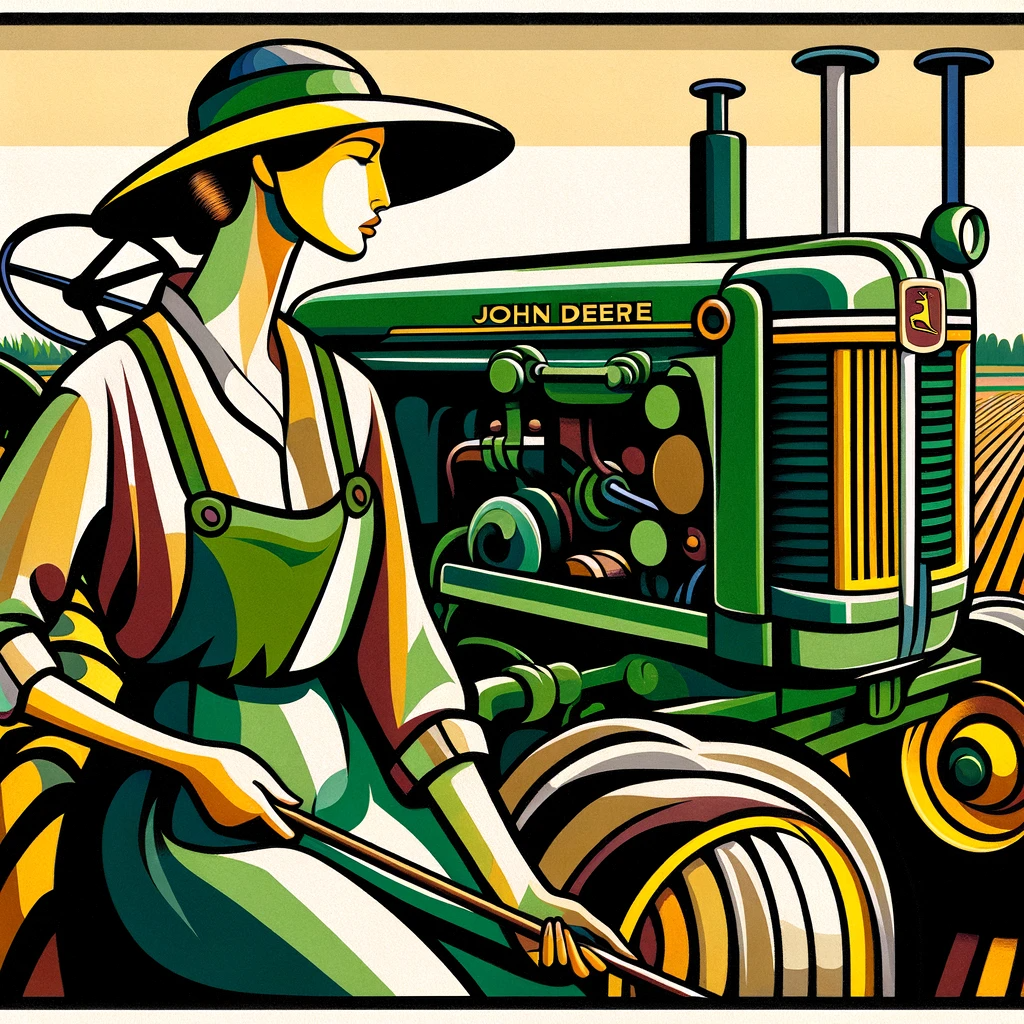
How Does The Craftsmanship Of Classic Tractors Reflect Our Values?
How Does The Craftsmanship Of Classic Tractors Reflect Our Values?
- Classic tractors symbolize an era of craftsmanship and dedication.
- The craftsmanship represents integrity and the value of manual labor.
- Restoring classic tractors signifies a commitment to durability and artistry.
- They serve as a connection to our agricultural roots and innovation.
- Valuing craftsmanship pays homage to agricultural families that built our country.
- Classic tractors promote sustainability and foster community connections.
- They remind us of our shared values and the importance of reflecting on our past.

How Does The Craftsmanship Of Classic Tractors Reflect Our Values?
Conclusion
As we stand at the intersection of tradition and modernity, an undeniable wave is sweeping through the agricultural world—a revival that beckons a return to classic tractors. Picture, if you will, the familiar hum of a vintage machine churning through vast fields, each rev of its engine a reminder of the grit and perseverance that has sustained generations of farmers. Those classic tractors are more than mere tools; they are vessels of heritage, community, and resilience, grounding us in a messy but beautiful tapestry woven from sweat, toil, and love for the land.
Let’s connect emotionally—we all crave a sense of belonging, and owning a classic tractor provides that connection to our roots. Every dent and scratch tells a story, an echo of the men and women who faced hardship with tenacity. These machines invite us to step into a narrative that doesn’t just span decades; it encompasses the very essence of who we are as stewards of the land.
Now, let’s engage the rational side of you—classic tractors are not merely nostalgic relics; their simplicity often makes them easier and less expensive to maintain compared to their high-tech counterparts. More importantly, they herald a sustainable practice in agriculture: repairing rather than replacing, reducing waste, and preserving those lumbering beasts of yesteryear for future generations. This isn’t just about farming; it’s a movement grounded in common sense and stewardship.
Ethically, choosing a classic tractor stands as an act of defiance against a throwaway culture that often prioritizes the new over the meaningful. It’s not merely a flirtation with nostalgia; it’s a pledge to uphold the values of hard work and integrity, to cherish the craftsmanship that has brought us to where we are today. When you choose a classic tractor, you’re echoing a commitment to sustainability, its very existence a protest against the disposability that pervades our lives.
Finally, let’s not ignore the social fabric that these machines weave. They create community, bonding farmers and enthusiasts alike in shared stories, knowledge, and dreams. Each tractor show is not just an event; it’s a celebration of legacy, camaraderie, and mutual respect—a gathering of those who resonate with the principles that have shaped our agricultural paths.
So, as you ponder your own identity in this ever-evolving journey of agriculture, consider whether you’re ready to embrace the wave. Classic tractors are not just muscle; they’re a testament to a lifestyle that honors history while surging into the future. Are you prepared to step into the story, drive the tradition, and join a community that holds those timeless values close to the heart? The fields await your decision, and with them, the stories that are yet to be told.

Conclusion
Conclusion:
- Classic tractors represent a revival that merges tradition and modernity in agriculture.
- They serve as vessels of heritage, community, and resilience for farmers.
- Each classic tractor has its own story, connecting owners to their roots and shared history.
- These machines are often easier and less expensive to maintain than modern, high-tech tractors.
- Choosing a classic tractor supports sustainable practices by promoting repair over replacement.
- Owning a classic tractor signifies a commitment to values like hard work and integrity.
- Classic tractors foster community among farmers and enthusiasts through shared experiences and events.

Conclusion
Other Resources

Other Resources
Here is a list of other resources you can review online to learn more:
Use This Prompt To Get More Resources With Your Favorite Online AI Tool: Please provide me with a list of online articles with their URLs in a bulleted list that I can read regarding Are You Ready to Join The Wave Of Farmers Choosing Classic Tractors

Other Resources
Glossary Terms
Are You Ready to Join The Wave Of Farmers Choosing Classic Tractors – Glossary Of Terms
1. Classic Tractor: A vintage or older tractor model, typically manufactured before the 1980s, valued for its design, durability, and simplicity.
2. Restoration: The process of rehabilitating an old tractor to bring it back to working condition, often involving mechanical repairs and cosmetic improvements.
3. Vintage Farming: Agricultural practices that utilize traditional farming equipment, including classic tractors, often emphasizing sustainability and heritage methods.
4. Heritage Farming: An approach that prioritizes cultural practices and older farming techniques, often involving the use of vintage tractors for authenticity.
5. Collectors: Individuals or enthusiasts who seek to acquire and preserve classic tractors, often participating in shows, rallies, and exhibitions.
6. Rally: An event where vintage tractor enthusiasts gather to showcase their classic tractors, share knowledge, and celebrate agricultural heritage.
7. Fields of Dreams: A phrase referring to the nostalgic connection many farmers have with classic tractors, often evoking memories of family farms and traditions.
8. Simplicity: The design philosophy of classic tractors, typically featuring fewer electronic components, making them easier to maintain and repair.
9. Farm Equipment: Tools and machinery used in agricultural production, of which tractors are a central component.
10. Agricultural Heritage: The culture and practices passed down through generations of farmers, often celebrated through the use of classic tractors.
11. Plowing: The act of turning over the soil using a tractor and plow, an essential farming practice historically carried out with classic tractors.
12. Restoration Projects: Initiatives focused on refurbishing classic tractors, often involving engine overhaul, bodywork, and paint jobs.
13. Tractor Show: An exhibition where classic tractors are displayed, often including competitions, awards, and opportunities for networking among enthusiasts.
14. Auction: A sale event where classic tractors can be purchased, sometimes involving bidding wars among collectors and farmers.
15. Farm Mechanic: A professional skilled in the repair and maintenance of tractors and other farm equipment, critical for keeping classic machines operational.
16. Cultivator: A tool used alongside tractors for loosening the soil and controlling weeds, vital in traditional farming setups.
17. Auxiliary Equipment: Additional tools that can be attached to tractors, such as plows, harrows, and seeders, enhancing their functionality.
18. Tractor Restoration Clubs: Groups formed by enthusiasts who share a common interest in restoring and preserving classic tractors, often providing support and resources.
19. Farm Heritage Association: Organizations dedicated to preserving agricultural history, often including efforts to maintain and promote classic tractors.
20. Fuel Efficiency: A growing concern for modern farmers; while classic tractors may not match modern efficiency, their simplicity can offer other advantages.
21. PTO (Power Take-Off): An integral component allowing tractors to transmit power to auxiliary implements, a feature available in many classic models.
22. Nostalgia: A sentimental longing for the past that drives many to appreciate classic tractors and their role in farming history.
23. DIY Repair: The practice of farmers repairing their classic tractors themselves, facilitated by the simpler designs of older machines.
24. Safety Features: Improvements made in modern tractors that may be lacking in classics, such as roll-over protection and better visibility.
25. Tractor Enthusiast: A person passionate about tractors, particularly vintage models, often involved in collecting, restoring, or learning about them.
26. Farm Shows: Events that showcase agricultural products, equipment, and practices, often featuring classic tractors as a highlight.
27. Power and Torque: Measurements of a tractor’s ability to perform work; classic tractors often displayed a different balance between these attributes compared to modern ones.
28. Farming Community: The network of individuals who share a common interest in agriculture, often rallying around classic tractors as a point of discussion and connection.
29. Sustainable Practices: Agricultural methods that minimize environmental impact; using classic tractors can sometimes align with these by prioritizing fewer chemical inputs and more traditional methods.
30. Legacy: The enduring impact of classic tractors on farming culture and practices, representing a link between past and present in agriculture.

Glossary Of Terms
Other Questions
Are You Ready to Join The Wave Of Farmers Choosing Classic Tractors – Other Questions
If you wish to explore and discover more, consider looking for answers to these questions:
- What are the most popular models of classic tractors among modern farmers?
- How does maintaining a classic tractor differ from maintaining a modern tractor?
- What resources are available for beginners interested in restoring classic tractors?
- What are some common challenges faced when using classic tractors for modern farming?
- Can classic tractors be used for precision farming techniques?
- What events or communities exist for classic tractor enthusiasts?
- How can classic tractors contribute to sustainable farming practices?
- What are the financial implications of owning a classic tractor versus a modern one?
- Are there any government incentives or programs for using classic tractors?
- How can vintage tractors be showcased or celebrated in the community?
- What safety considerations should be taken into account when operating classic tractors?
- How do classic tractors impact the perception of farming in today’s society?
- What stories do famous classic tractors tell about agricultural advancements?
- How can classic tractors serve as educational tools for young farmers?

Other Questions
Haiku
Are You Ready to Join The Wave Of Farmers Choosing Classic Tractors – A Haiku
Timeless steel whispers,
Heritage blooms in each rust,
Farms unite through tales.

Haiku
Poem
Are You Ready to Join The Wave Of Farmers Choosing Classic Tractors – A Poem
A Tribute to the Classic Tractor
In fields where whispers of histories sigh,
Beneath the warmth of the sunlit sky,
Stands a classic tractor, proud and bold,
A living tale of labor, of stories retold.
Oh, beloved machine, in your weathered grace,
Each scratch on your frame holds a farmer’s embrace.
You speak of the sweat, the dreamers’ despair,
Of hands that have toiled, of hearts laid bare.
With engines that rumble like thunderous songs,
You connect us to past, where each story belongs.
A beacon of hope when the seasons are tough,
You remind us that roots run deep—enough is enough.
For in your simplicity lies wisdom profound,
Easier to mend than new tech unwound.
You teach us to honor the land that we tend,
With each turn of your wheel, our futures blend.
Ethics in motion, you defy fleeting waste,
A testament to craft that time cannot haste.
For in every repair, our legacy breathes,
A commitment to earth that nourishes, feeds.
Together we gather, a community formed,
In laughter and labor, our spirits warmed.
A wave of farmers, united we stand,
Sharing tales of our tractors, a fellowship grand.
Craftsmanship sings in the depths of your steel,
A union of hands that made dreams become real.
You echo endurance, the fruit of our toil,
Reminding us daily of life rich with soil.
So, as you enchant us with your ageless appeal,
Reflect on your journey, our shared ideal:
In this world of machines, let’s not lose the art,
For classic tractors are pathways to heart.
Join the revival, embrace what we’ve learned,
With eyes on the future, let legacy burn.
In fields where the sun kisses skin with delight,
We’ll cultivate stories, our souls take flight.

Poem
Checklist
Are You Ready to Join The Wave Of Farmers Choosing Classic Tractors – A Checklist
Classic Tractor Journey Checklist
Heart Appeals
Emotional Connection
_____ Reflect on your personal experiences around classic tractors. What stories do they evoke from your past?
_____ Consider the legacy you want to create. How do classic tractors symbolize this for you?
_____ Take a moment to appreciate the craftsmanship behind classic tractors. What feelings arise when you see one?
Community & Belonging
_____ Attend a local tractor show or event. Who might you meet there that shares your passion?
_____ Share your own stories about tractors with friends and family. How might this strengthen your relationships?
Head Appeals
Rational Thinking
_____ Research the benefits of classic tractors over modern models. What practical advantages can you identify?
_____ Assess the economic implications of owning a classic tractor. Where can you save or invest your resources more wisely?
_____ Explore DIY repair resources for classic tractors. How can you empower yourself to maintain your own machine?
Preservation of History
_____ Investigate the history and evolution of classic tractors. What valuable lessons have come from their design and usage?
_____ Consider how preserving classic tractors can contribute to environmental sustainability. What actions can you take to advocate for this?
Gut Appeals
Instinct & Values
_____ Stand beside a classic tractor and take a moment to feel the connection to its history. What gut feelings arise?
_____ Reflect on the craftsmanship of classic tractors: How does it resonate with your values around hard work and integrity?
Social Responsibility
_____ Engage with your local agricultural community. How can you use your love for classic tractors to build new connections?
_____ Reflect on the impact of consumerism in agriculture. How can choosing a classic tractor align with your ethical beliefs?
Authority and Narrative Appeals
Learning from Experts
_____ Read articles or books from respected authors in the farming community. What insights do they provide regarding classic tractors?
_____ Join online forums or social media groups focused on classic tractors. How can these conversations enhance your understanding?
Action Steps
_____ List out classic tractor restoration projects you might be interested in. What’s your first step to get started?
_____ Create a plan to share your journey with classic tractors on social media or within your community. How can you inspire others?
This checklist aims to engage your heart, head, and gut, guiding you through the decision to embrace classic tractors in your farming journey. Embrace the rhythm of tradition and become part of a legacy that values history, community, and craftsmanship.

Checklist
At ClassicTractorNews, we help tractor lovers keep up with the latest news for classic and vintage tractors.
Please share this post with your friends, family, or business associates who may like old classic or vintage tractors.