

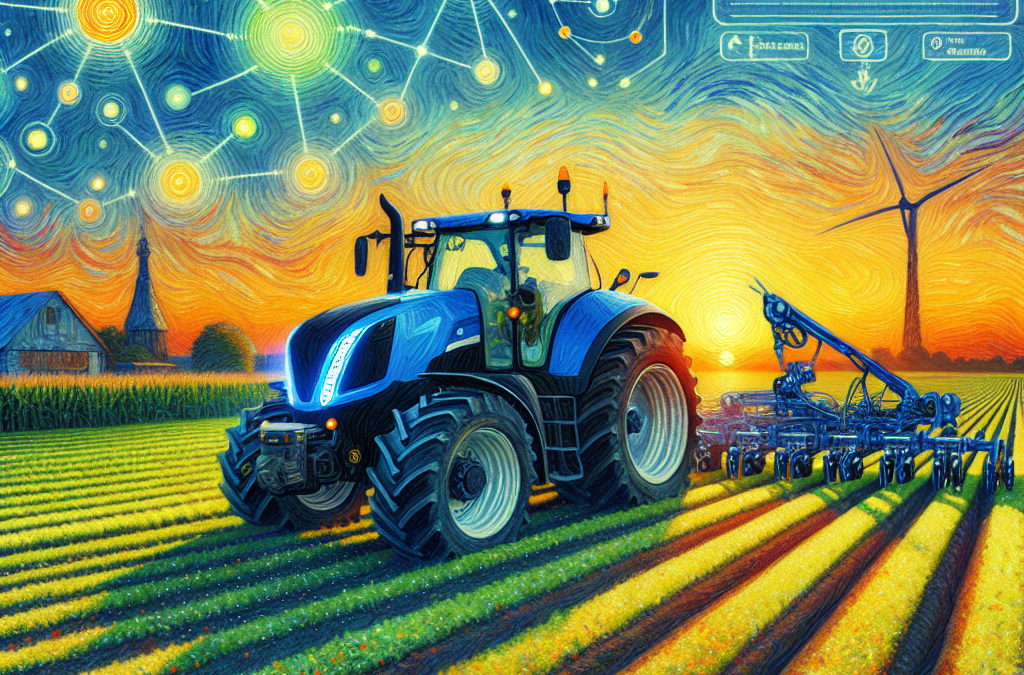
Rediscover The Timeless Charm Of Classic Tractors
By Tom Seest
At ClassicTractorNews, we help tractor lovers keep up with the latest news for classic and vintage tractors.
Please share this post with your friends, family, or business associates who may like old classic or vintage tractors.
Are You Ready to Embrace The Magic Of Classic Tractors Again
Are you ready to embrace the magic of classic tractors again? Picture this: a sprawling field kissed by the morning sun, the gentle hum of a well-loved engine, and the satisfying certainty that comes from knowing real work is getting done. Classic tractors aren’t just machines; they’re a connection to our roots, a reminder of simpler times when craftsmanship was paramount and hard labor earned respect.
Every scratch and dent on these beloved workhorses tells a story, a narrative woven from the sweat and dedication of farmers who toiled from dawn till dusk. Each time you grip that steering wheel, you’re not merely turning metal; you’re steering through the annals of history, feeling the pulse of generations past. These tractors were once the lifelines of family farms, symbols of resilience and hard-earned rewards.
Now, you might wonder: “Why gravitate toward the past in a world racing towards the future?” Let’s tap into the head space. Owning a classic tractor is more than just a nostalgic trip; it’s also a smart investment. With the rise of sustainable farming practices and a newfound appreciation for quality craftsmanship, these machines have retained their value, proving to be a practical choice instead of just an emotional one. Vintage tractors often come with simpler mechanics, leading to easier repairs and a more hands-on approach to learning about machinery. They speak to the do-it-yourself spirit, inviting enthusiasts to roll up their sleeves and get grease under their nails.
There’s an ethical component, too. In an era where mass production threatens authenticity, owning a classic tractor means supporting a culture that values heritage and sustainability. It’s about making conscious choices that reflect a commitment to preserving the past for future generations.
Peer into the gathering crowd at a tractor show or a local plowing event and you’ll witness camaraderie like no other. Enthusiasts congregate not just to admire but to share, swap stories, and forge bonds over common passions. These gatherings foster community ties that can last a lifetime.
So, whether you’re nostalgic for those bygone days or curious about the robust performance that a classic tractor can offer, the time has come. Step into the magic, embrace tradition, and get ready to rekindle that passion as you dust off a piece of history and fire up your own piece of the agricultural tapestry. Are you in?
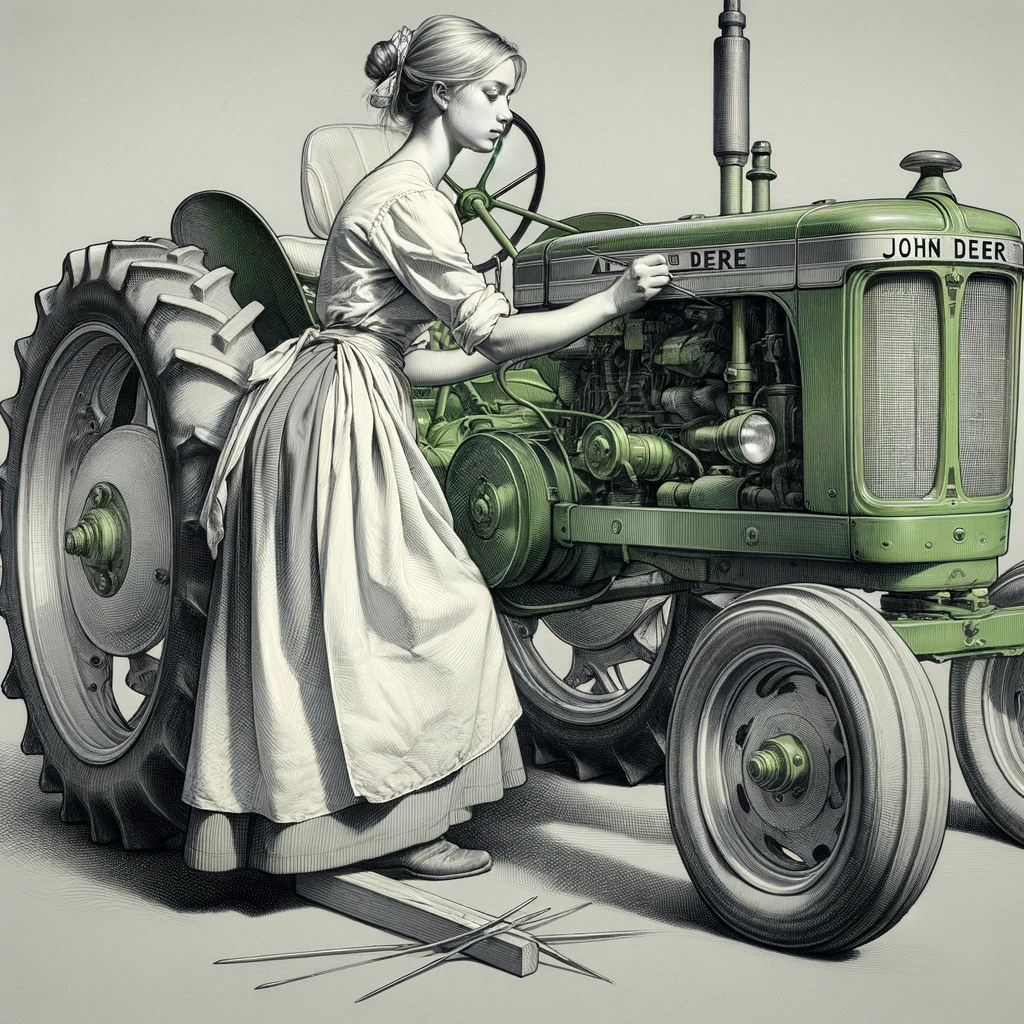
Are You Ready to Embrace The Magic Of Classic Tractors Again
Are You Ready to Embrace The Magic Of Classic Tractors Again
- Classic tractors symbolize a connection to our agricultural roots and simpler times.
- Each scratch on a classic tractor tells a story of the hard work of farmers who operated them.
- Owning a classic tractor is a nostalgic trip that also serves as a smart investment.
- They often feature simpler mechanics, making repairs easier and promoting hands-on learning.
- Supporting classic tractors fosters a culture that values heritage and sustainability.
- Tractor shows and plowing events create a sense of community and shared passion among enthusiasts.
- Embracing classic tractors allows individuals to reconnect with history and tradition in agriculture.
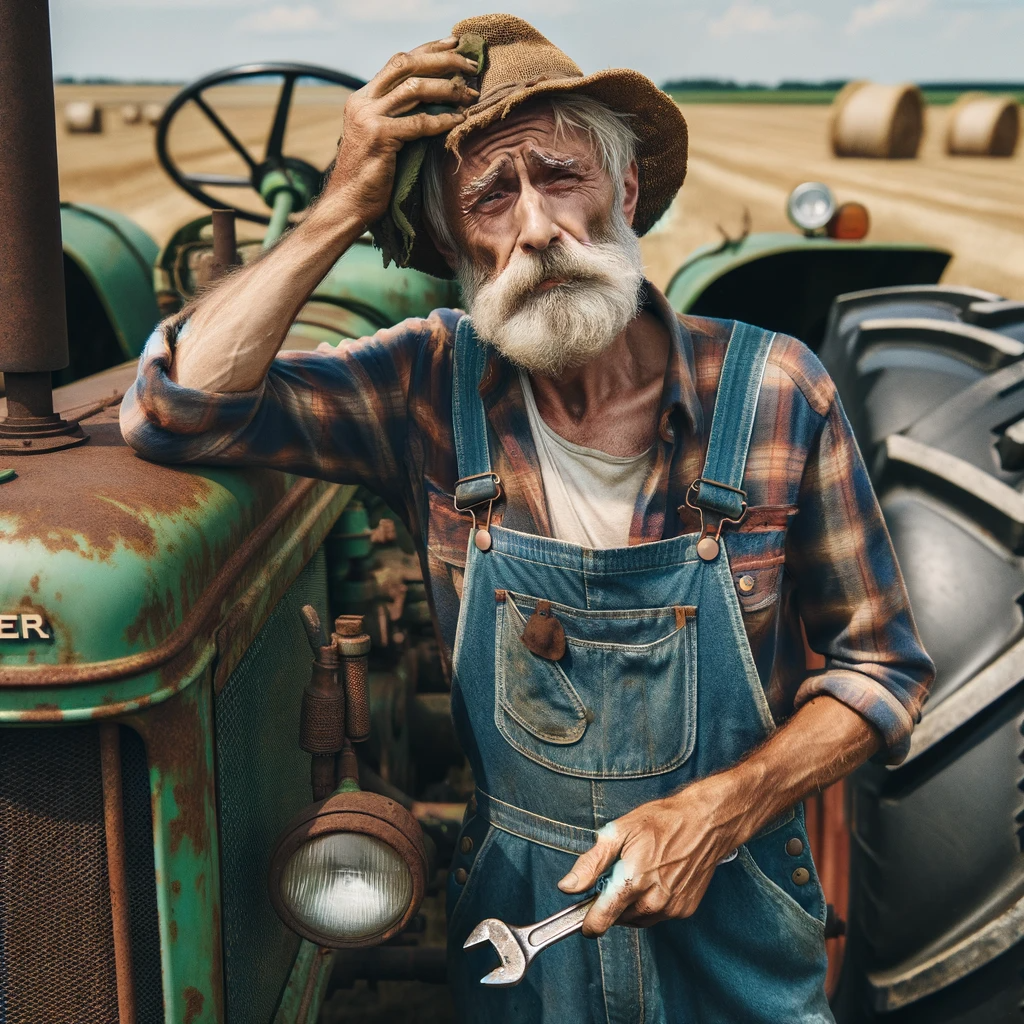
Are You Ready to Embrace The Magic Of Classic Tractors Again
Table Of Contents
- Are You Ready to Embrace The Magic Of Classic Tractors Again
- How Do Classic Tractors Symbolize Resilience In Farming History?
- What Stories Do Your Favorite Tractors Tell About Your Past?
- How Do Classic Tractors Represent Sustainable Farming Practices Today?
- What Practical Benefits Do Classic Tractors Offer In Modern Farming?
- Are You Aware Of The Community Dedicated To Preserving These Machines?
- How Can Owning A Classic Tractor Foster Deeper Family Connections?
- Conclusion
- Other Resources
- Glossary Of Terms
- Other Questions
- Haiku
- Poem
- Checklist
How Do Classic Tractors Symbolize Resilience In Farming History?
When we think about the classic tractor, it’s easy to conjure up images of endless fields, sun-drenched days, and the love of hard work etched on the faces of those who toil under wide-open skies. These machines symbolize not just a means to an end, but an enduring spirit that has weathered the storms—literal and figurative—of farming history.
In a world that’s perpetually racing toward the next flashy innovation, the classic tractor stands firm as a testament to resilience. Each dent, scratch, and faded paint job tells a story, much like the farmers who operated them. These iconic machines have been the backbone of countless families, serving as the bridge between generations. You don’t just drive a tractor; you experience it. You feel the rumble of the engine as it stirs to life, a powerful reminder of the sweat and determination that fuels agriculture.
But let’s put our emotions aside for a moment and consider the logic that underpins this love affair with old iron. The classic tractor represents a simpler time when ingenuity met necessity. Think about it: many of these tractors were built to last. The engineering behind them often outshines the throwaway culture we sometimes embrace today. They operated without the bells and whistles of modern technology, relying instead on brute force and fundamental design—qualities that mirrored the farmers who used them, right? It’s this reliability that reminds us that resilience isn’t just about enduring hardship; it’s about thriving under pressure.
Ethically speaking, the connection we hold to these machines goes deeper than mere nostalgia. Tractors have historically symbolized independence, self-sufficiency, and the dignity of honest work. When you see someone tending to their land with a classic tractor, you’re witnessing a commitment to community and sustainability. These farmers aren’t just feeding their families; they’re nurturing the soil and ensuring future generations can continue this vital work.
So, let’s celebrate the classic tractor—not just as a relic, but as a powerful emblem of the strength found within the farming community. It’s an enduring symbol that invites us to embrace our roots and remember that in every nook and cranny of rural life, there’s a heartbeat of resilience. So the next time you watch a farmer in their field, think about how much more is at stake than just crops and land. It’s about heritage, respect, and a legacy of hard-earned lessons that continue to inspire us all to dig a little deeper and weather life’s storms with grace.
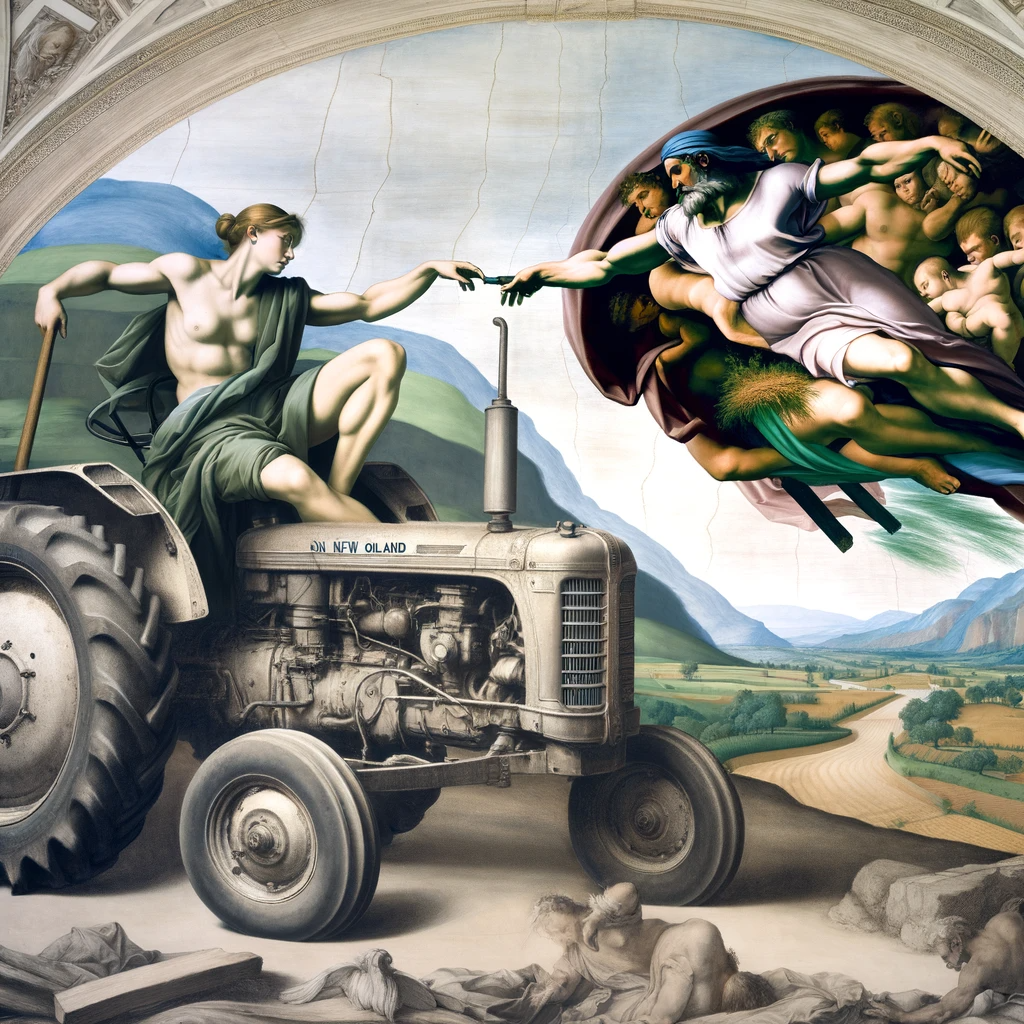
How Do Classic Tractors Symbolize Resilience In Farming History?
How Do Classic Tractors Symbolize Resilience In Farming History?
- Classic tractors evoke imagery of farming life, symbolizing hard work and resilience.
- They tell stories through their wear, representing the generations of farmers who operated them.
- Classic tractors stand as a testament to enduring quality amidst rapid technological advancements.
- Designed for durability, they rely on fundamental engineering rather than modern technology.
- The connection to classic tractors deeply intertwines with themes of independence and honest work.
- Farmers using these machines illustrate a commitment to community and sustainable practices.
- Celebrating classic tractors recognizes their role in preserving agricultural heritage and resilience.
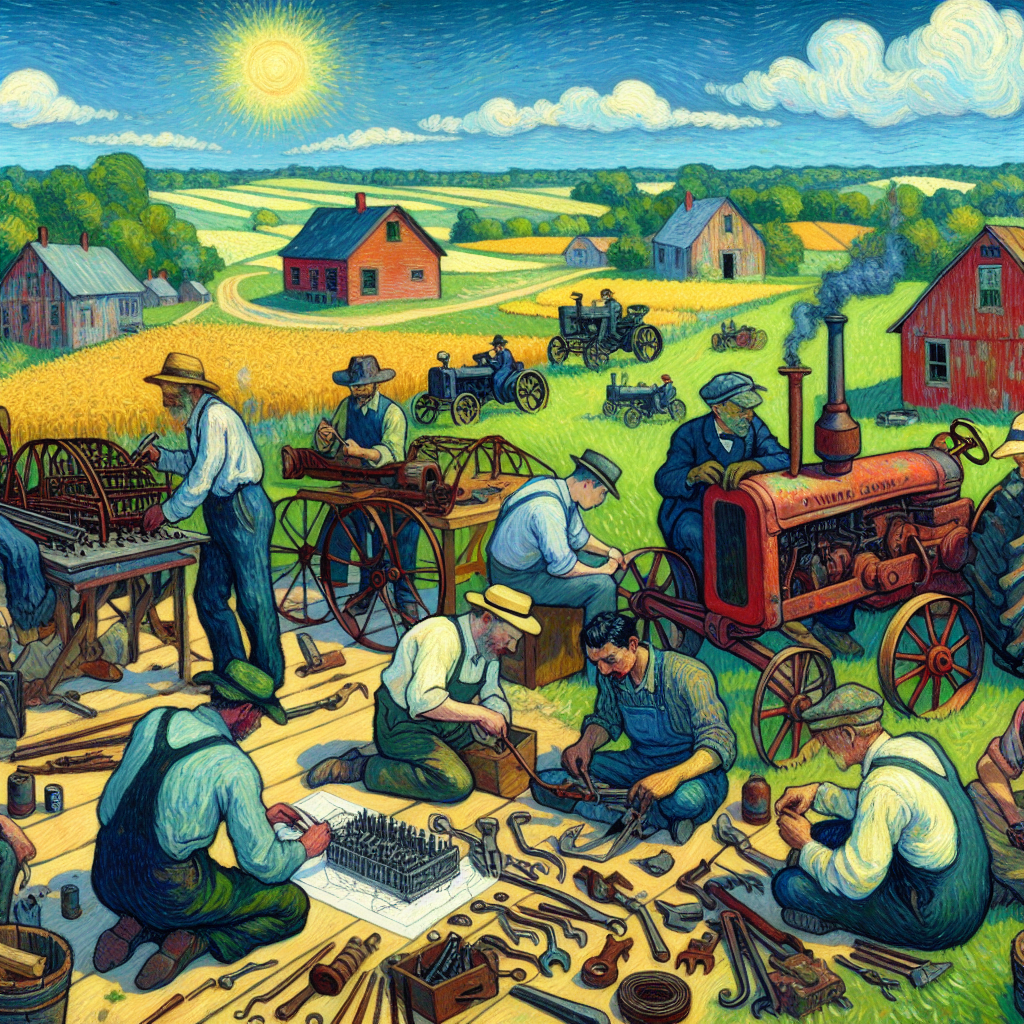
How Do Classic Tractors Symbolize Resilience In Farming History?
What Stories Do Your Favorite Tractors Tell About Your Past?
Take a moment to visualize the hum of an engine, the rich scent of freshly turned soil, and just beyond the horizon, a line of powerful tractors standing sentinel. These machines—scrappy, dependable, and often covered in dirt from hard work—are more than just mechanical beasts; they’re storytellers, harboring tales from your past that connect us to our roots.
Think back to the first tractor you ever laid eyes on. Was it your grandfather’s trusty old workhorse, the one that braved rain and shine, tilling fields with the same unwavering strength you found in his stories? Or maybe it was your first ride on a neighbor’s bright red beauty, the thrill of soaring above the earth on a sound machine. These machines are the architects of our memories, marking the milestones in our lives. They embody the grit and glory of hard work, lessons learned, and bonds forged.
Consider the logic: a tractor isn’t just a tool; it’s an investment in a livelihood. It teaches us about responsibility, perseverance, and the importance of caring for our resources. Every time you climb aboard, you’re reminded of the labor put into both the land and the family—people who toiled for the sake of tomorrow. It’s a lesson in ethics; using such machinery comes with a responsibility to farm sustainably, to respect both the land and the family legacy.
Now think about social bonds. Gather your friends and family, and the conversation will inevitably steer toward those legendary tales—of breakdowns, barn dances, and seasons of harvest. You’ll hear laughter as each story unfolds, each more vibrant than the last, weaving a community fabric held together by shared experiences. When we sit together reminiscing, we evoke the triumphs and tribulations of our collective pasts, and those stories become a thread that ties us together, uniting generations.
Ultimately, it’s the heart that resonates deepest. A favorite tractor can represent more than metal and wheels; it symbolizes the very essence of rural life. It’s an unyielding companion that witnessed the highs and lows, the successes and failures. Embrace the nostalgia, the legacy, and the lessons embedded in every dent and scratch. Your favorite tractor is a trusty guide to where you’ve come from—don’t just let it sit idly; share its stories, keep the spirit alive, and inspire the next generation to appreciate the tale it tells.
What Stories Do Your Favorite Tractors Tell About Your Past?
What Stories Do Your Favorite Tractors Tell About Your Past?
- Tractors are more than machines; they symbolize our connection to our roots and our past.
- First tractors evoke memories, from grandparent’s workhorses to thrilling neighbor’s rides.
- They embody hard work, teaching responsibility, perseverance, and resource care.
- Tractors are investments that prompt lessons in sustainable farming and family legacy.
- Social bonds strengthen through storytelling about tractors, creating a community fabric.
- Every favorite tractor encapsulates the essence of rural life, witnessing life’s highs and lows.
- Embrace the nostalgia of tractors; share their stories to inspire future generations.
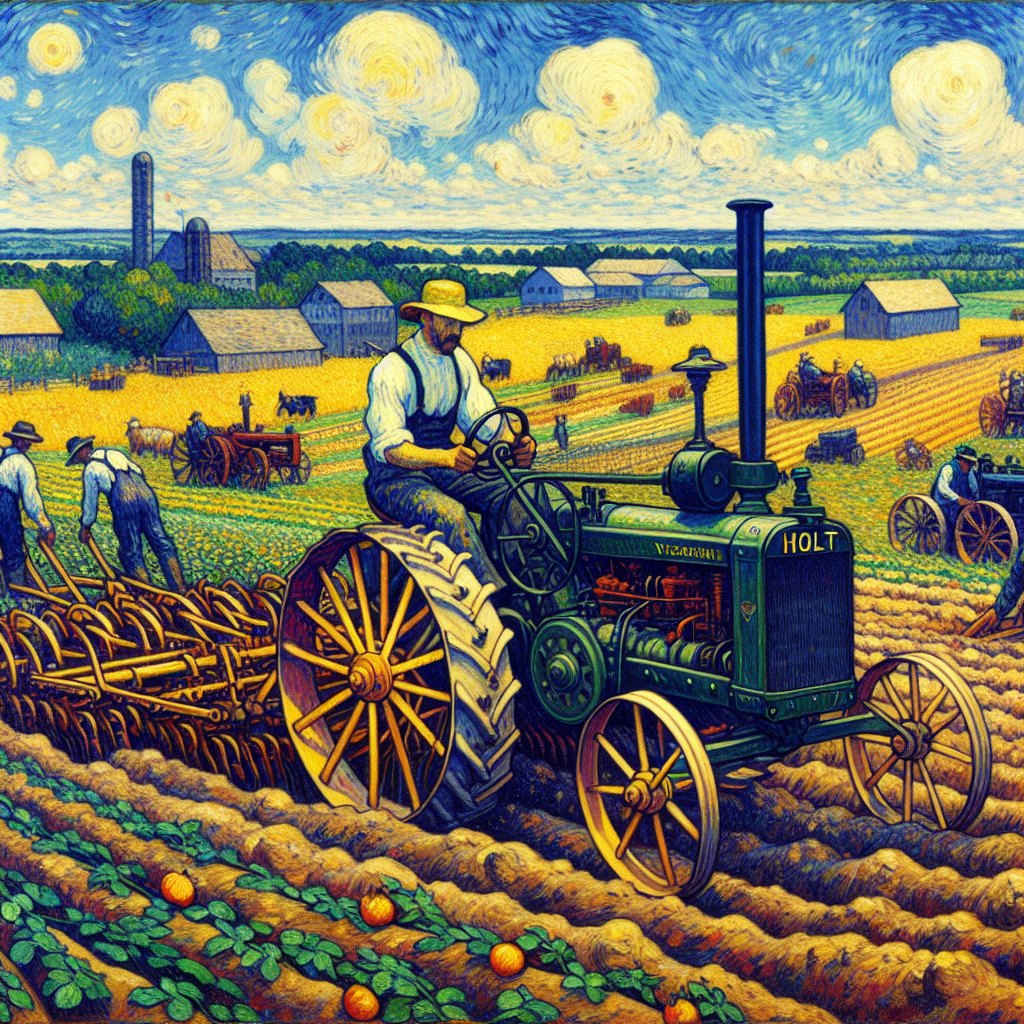
What Stories Do Your Favorite Tractors Tell About Your Past?
How Do Classic Tractors Represent Sustainable Farming Practices Today?
When you see that weathered tractor standing tall in a field, surrounded by golden stalks of grain swaying gently in the wind, it’s not just a relic of a bygone era; it’s a symbol of resilience and practicality. Those classic machines echo the very essence of sustainable farming practices that are coming back into vogue today. There’s something profoundly nostalgic about the way these tractors tether us to our agricultural roots, reminding us of a time when farming was a finely-tuned craft that relied on the land’s natural rhythms rather than synthetic shortcuts.
Now, let’s be clear: classic tractors aren’t merely nostalgic icons, though. They represent a mindset—one that emphasizes efficiency and durability over disposable modern conveniences. These machines, built to last and often passed down through generations, epitomize a commitment to using resources wisely. They teach us that sustainable farming isn’t just about the latest technology but about honoring what’s been learned through years of hard work and dedication. It invites us to reexamine our choices: Would you rather buy into the fleeting trends of shiny gadgets, or invest in something that has stood the test of time?
Picture a farmer, dust-covered hands resting on the warm metal of a vintage tractor, looking out over a biodiverse landscape where diverse crops grow side by side without the need for heavy chemical inputs. That’s not just a picture of efficiency—that’s ethical farming at its finest. Each turn of the wheel moves us toward a more compassionate approach, where the health of soil, water, and air becomes prioritized, nurturing the earth for future generations.
As we face pressing issues like climate change and declining biodiversity, the lessons from classic tractors offer a path forward. They remind us that agriculture can be a restorative practice—one that puts community and ecology before profit margins. And the best part? This movement isn’t just for the experts or the elite; it’s a call to every farmer, every homeowner with a patch of land, and every backyard gardener yearning for connection.
By embracing the enduring appeal of classic tractors in modern farming, we’re not simply echoing the past; we’re carving a future rich in sustainability, one driven by our values, our ethics, and our collective responsibility to the planet. So, the next time you see that shining piece of machinery, take a moment to appreciate its legacy—a tangible link to a sustainable future we can all help cultivate.
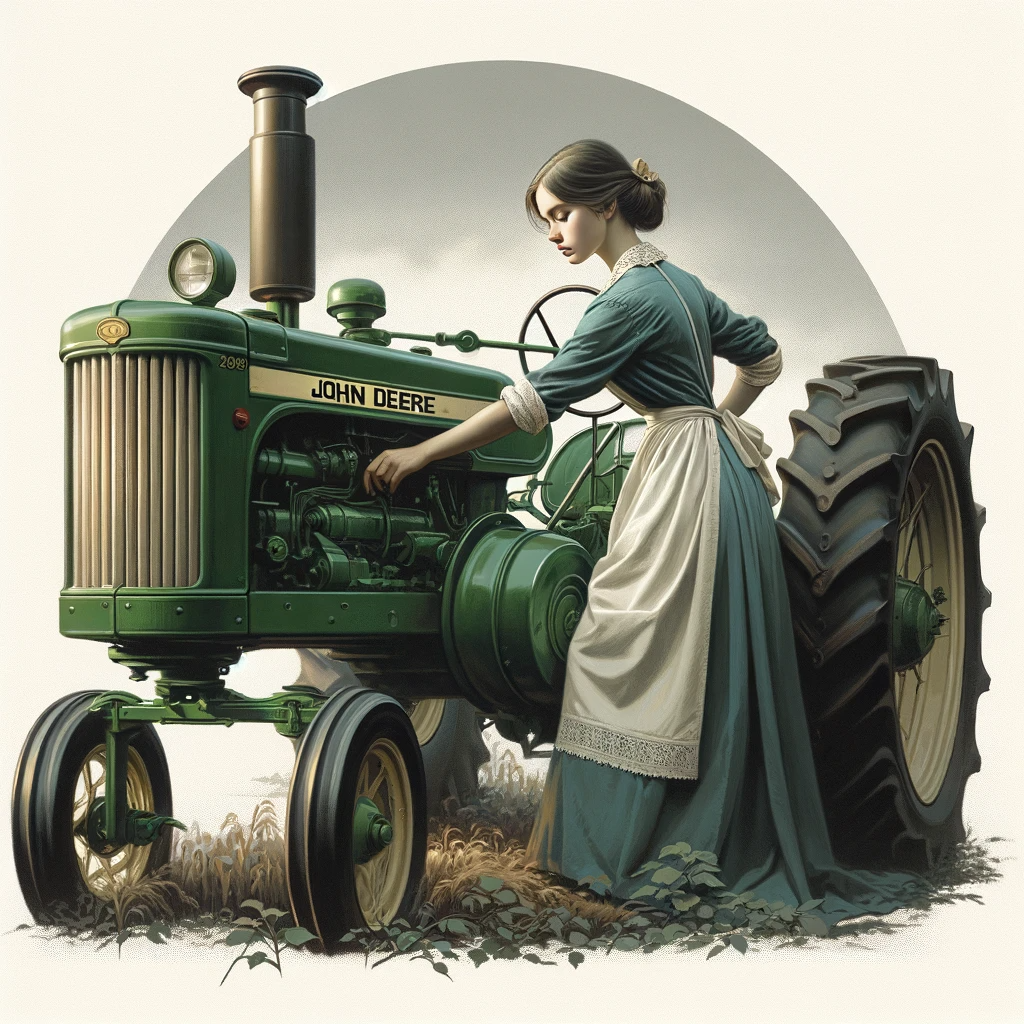
How Do Classic Tractors Represent Sustainable Farming Practices Today?
How Do Classic Tractors Represent Sustainable Farming Practices Today?
- Weathered tractors symbolize resilience and practicality in farming.
- They embody sustainable farming practices, connecting us to agricultural roots.
- Classic tractors focus on efficiency and durability over disposable technology.
- These machines encourage wise resource use and respect for farming traditions.
- They promote ethical farming through biodiversity and reduced chemical usage.
- Lessons from classic tractors provide a restorative approach to agriculture amidst climate challenges.
- This movement is accessible to everyone, fostering a collective commitment to sustainability.
How Do Classic Tractors Represent Sustainable Farming Practices Today?
What Practical Benefits Do Classic Tractors Offer In Modern Farming?
When you step into a field and see a classic tractor – the sturdy lines, the rugged frame – it’s hard not to feel a rush of nostalgia. These machines are not just relics of a bygone era; they represent a connection to our agricultural roots, a time when farming was about hard work and sweat. In the heart of rural America, classic tractors embody a sense of pride and tradition that resonates deeply with anyone who’s ever turned the soil.
Modern farming, with its high-tech gadgets and precision agriculture, might seem worlds apart from the era of the classic tractor. Yet, there’s a beauty in the simplicity of these machines that can’t be ignored. From an emotional standpoint, there’s something grounding about using a tractor that has been the backbone of farming since the days when neighborhoods came together to help one another with harvests. Imagine the stories those engines could tell, the lessons learned, and the friendships forged in the fields.
From a practical perspective, classic tractors are often simpler to repair and maintain than their modern counterparts. Many farmers have learned the ins and outs of these machines through hands-on experience, resulting in a powerful sense of self-reliance. When the world seems unpredictable, knowing you can turn a wrench without relying on a computer diagnostic can be a huge relief.
Furthermore, classic tractors can be incredibly cost-effective. In an age where the price tag of a new tractor can reach sky-high numbers, investing in a quality vintage model offers a chance to keep farming without breaking the bank. Whether it’s plowing, tilling, or reaping, these machines can accomplish the task with grit and determination, gathering respect amidst the rows of crops much like the farmers who operate them.
Ethically, keeping classic tractors operational is a nod to sustainability. They don’t rely on fancy fuel and often produce a smaller carbon footprint compared to more modern equipment. By choosing to repair rather than replace, farmers can contribute to a more sustainable future, preserving their history while forging ahead.
In our fast-paced world, classic tractors serve as a reminder that the heart of farming is about more than just output; it’s about community, resilience, and a deep respect for the land. They invite us to reclaim our roots, reminding us that sometimes the best tools are the ones with a bit of history behind them—reliable companions on the bumpy road of modern agriculture.
What Practical Benefits Do Classic Tractors Offer In Modern Farming?
What Practical Benefits Do Classic Tractors Offer In Modern Farming?
- Classic tractors evoke nostalgia and symbolize a connection to agricultural traditions.
- They represent a simpler, more community-oriented time in farming history.
- Classic tractors are often easier to repair and maintain, fostering self-reliance among farmers.
- Investing in vintage models can be cost-effective compared to purchasing new tractors.
- Owning classic tractors supports sustainability by producing a smaller carbon footprint.
- They serve as a reminder that farming is about community, resilience, and respect for the land.
- Classic tractors highlight the importance of history as a valuable aspect of modern agriculture.
What Practical Benefits Do Classic Tractors Offer In Modern Farming?
Are You Aware Of The Community Dedicated To Preserving These Machines?
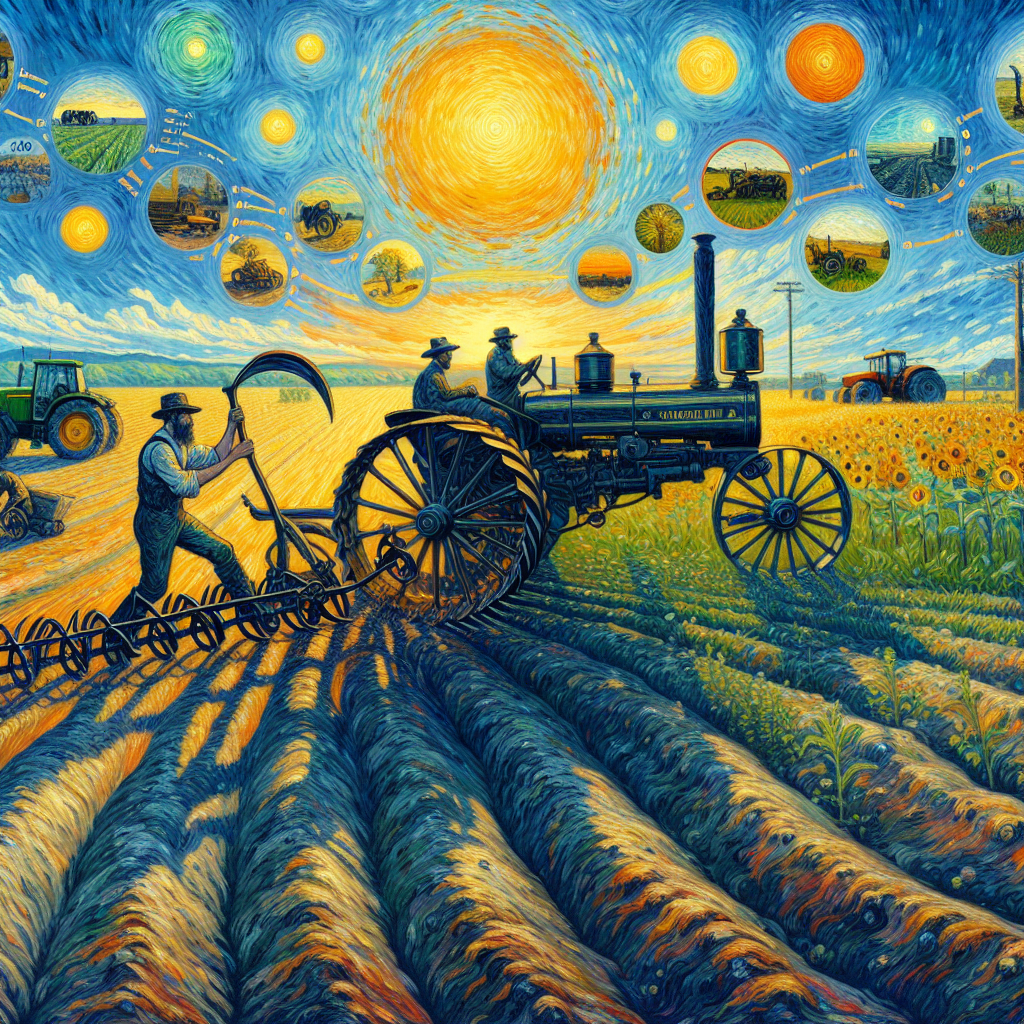
When you think of a tractor, what comes to mind? Perhaps it’s the rhythmic thrum of a hardworking engine, a field stretching out as far as the eye can see, or perhaps a heavy dose of nostalgia tied to your grandparents’ farm. Yet these machines are more than mere tools; they represent a way of life, a hard-earned legacy passed down through generations—and there’s an entire community devoted to preserving that legacy.
Imagine a small town bustling with the enthusiastic chatter of folks who share a passion for all things tractor. They gather regularly, not just to admire the gleaming paint on restored machines but to honor the stories behind them. Each tractor tells a tale—a story of the soil, the sweat, and sometimes even the struggle. These enthusiasts are not just mechanics; they are storytellers, historians, and advocates for the cultural significance of farming. They understand that tractors are more than hunks of metal; they symbolize resilience, tradition, and connection to the land.
In terms of ethics, it’s crucial we recognize the worth of this community. They are tirelessly working to ensure that the craftsmanship of past generations isn’t lost to the relentless march of modern technology. By preserving these machines, they preserve the essence of hard work, stewardship of the land, and community spirit. This undertaking isn’t just about nostalgia; it’s a commitment to keeping history alive for future generations who will take pride in where they came from.
Rationally speaking, consider the impact of these tractors on agriculture and our economy. These machines fundamentally transformed farming, increasing productivity and efficiency. By maintaining and restoring these vital pieces of equipment, enthusiasts keep alive the innovations that have shaped our world. This act of preservation is not merely sentimental; it’s a crucial chapter in our broader narrative about work, sustainability, and respect for the craft.
These enthusiastic custodians invite you to join them in their mission. Whether you’re a seasoned farmer or someone who simply appreciates the grit and grace of rural life, there’s a place for you in this community. You don’t need to own a vintage tractor to contribute; your curiosity and respect for hard work and tradition are the only requirements. So why not dive into this wonderful community and become part of a movement that cherishes the soul of farming? Together, we can ensure that these remarkable machines continue to inspire and connect us for generations to come.
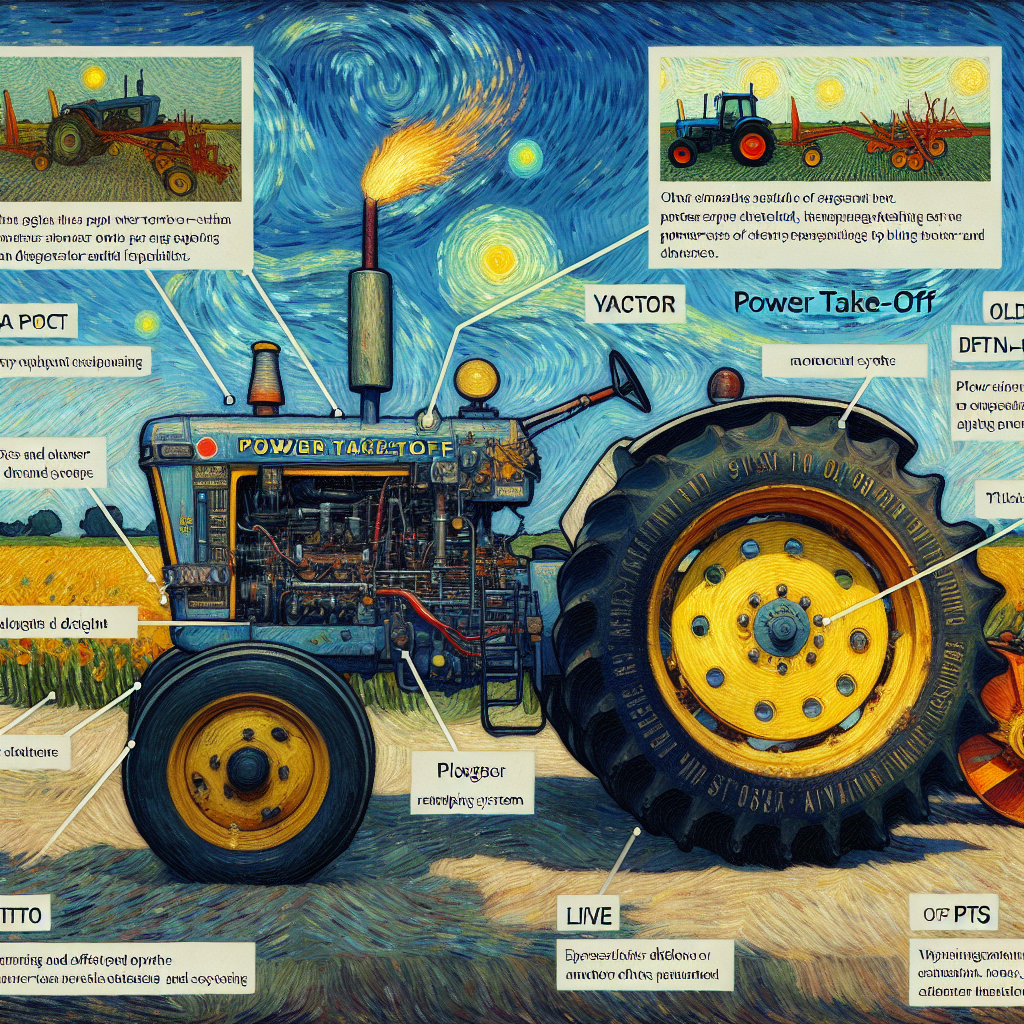
Are You Aware Of The Community Dedicated To Preserving These Machines?
Are You Aware Of The Community Dedicated To Preserving These Machines?
- Tractors symbolize a way of life and a legacy passed down through generations.
- A community exists that shares a passion for tractors and the stories they hold.
- Enthusiasts view tractors as symbols of resilience, tradition, and connection to the land.
- The preservation of tractors is vital for maintaining craftsmanship and community spirit.
- Tractors have significantly transformed agriculture, boosting productivity and efficiency.
- This act of preservation is crucial for sustainability and respect for the craft.
- Everyone is invited to join this tractor-loving community, regardless of whether they own a vintage tractor.
Are You Aware Of The Community Dedicated To Preserving These Machines?
How Can Owning A Classic Tractor Foster Deeper Family Connections?
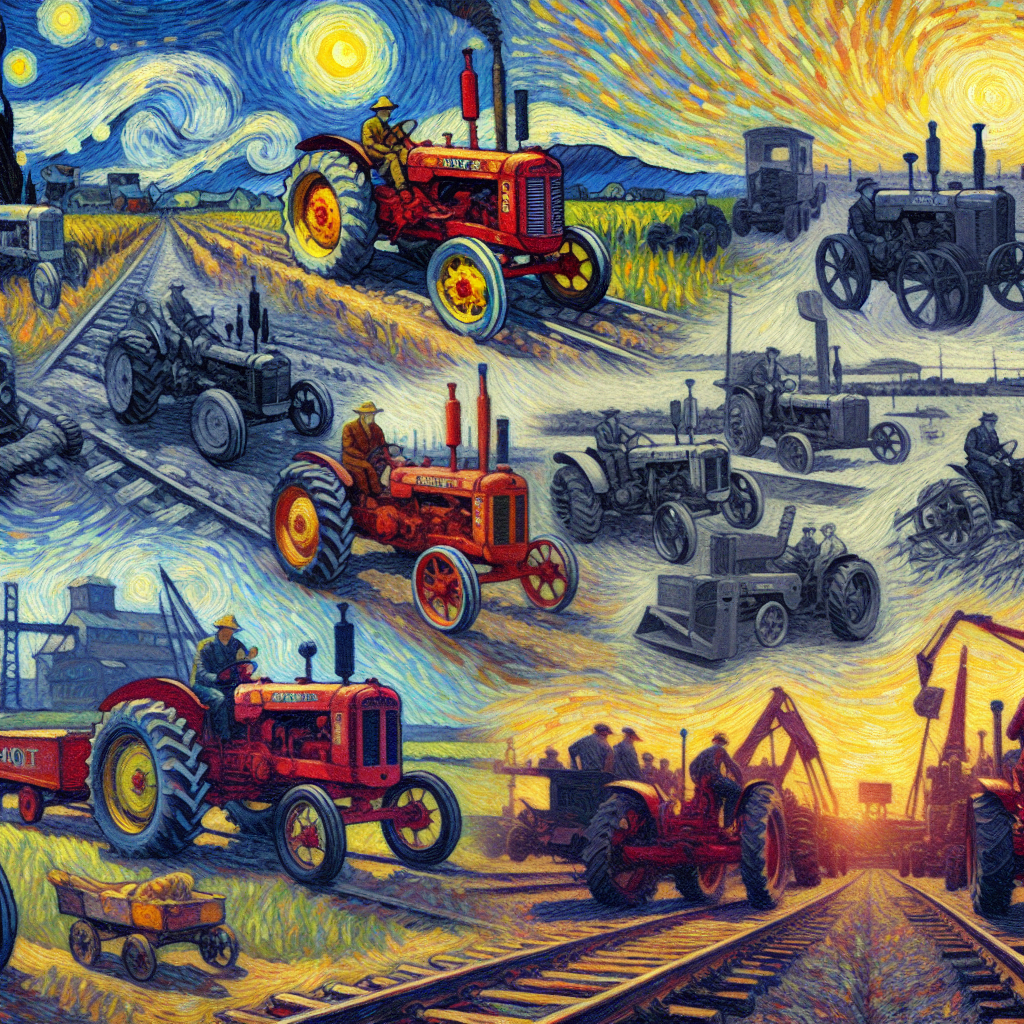
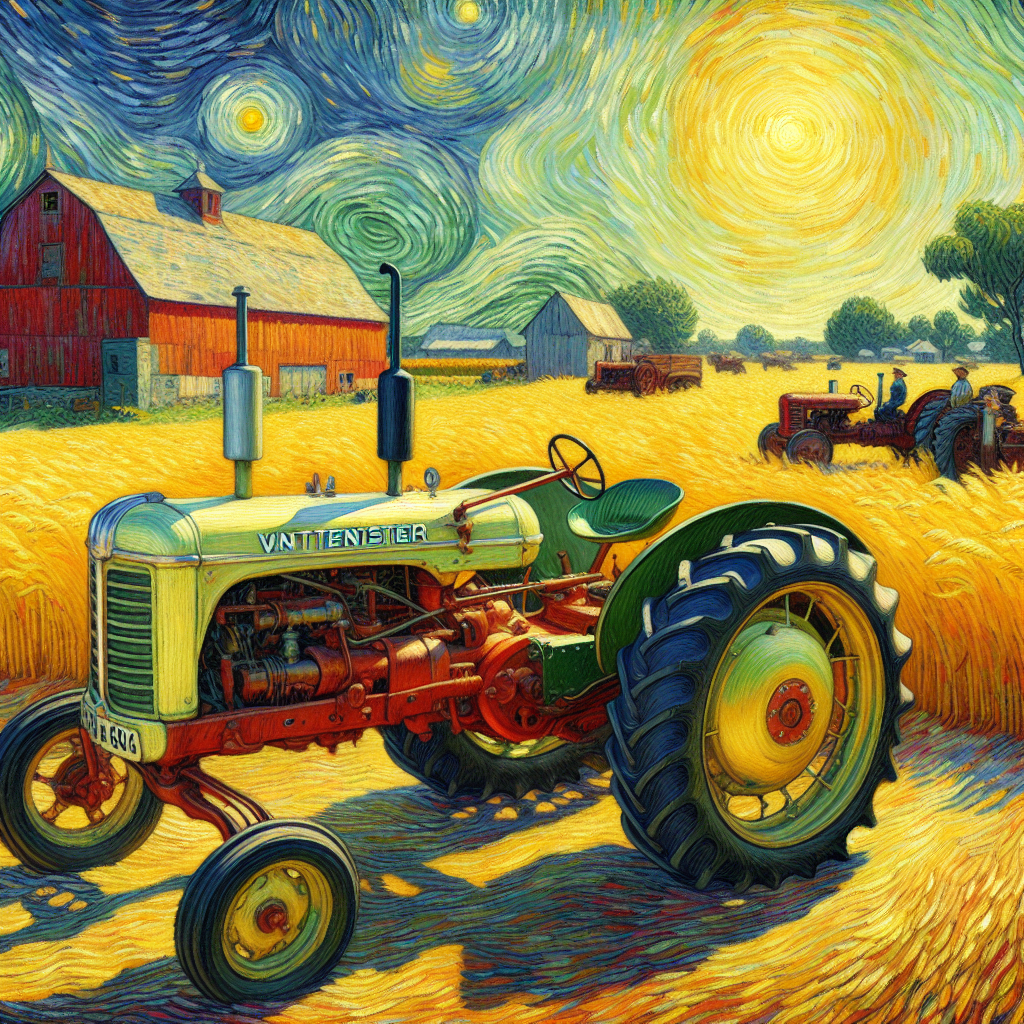
Gather ’round for a moment, and let me tell you about a simple yet profound connection that blossoms when a family takes on the shared adventure of owning a classic tractor. Picture it: a rusty, well-worn piece of machinery, not just a tractor but a lineage of stories, a workhorse in the field of heritage and belonging. It’s amazing how something as unassuming as a tractor can weave the fabric of family ties tighter together—a bridge between generations.
At its heart, owning a classic tractor is about more than just cultivating the land; it’s about cultivating relationships. When you roll up your sleeves to restore it together, you’re engaging in a process much like your ancestors did. There’s a beautiful nostalgia attached to that. Every bolt you tighten and every dent you mend tells a story, and those stories become the foundation upon which you build your family’s legacy. Sharing laughter, frustrations, and that undeniable satisfaction of seeing your hard work reward you with a running tractor—the kind your kids and grandkids can one day appreciate—brings that kinship to life.
Now, let’s address the practicality of it all. It’s true that taking care of a tractor can be a tremendous learning opportunity. Kids learn about mechanics, responsibility, and maintenance. They gain hands-on skills that bring a sense of accomplishment and pride. It’s a chance to teach them something that goes beyond the classroom, preparing them for a world that’s always asking, “What else can I do?”
But consider the ethical dimension too. In a world that’s often materialistic, nurturing a connection to the land and understanding the value of hard work offers ethical grounding. It fosters a respect for where food comes from and the labor it demands—a lesson not easily forgotten in a fast-paced digital age.
And let’s not forget the narrative; the stories of your family’s past are often shared over the rumble of the tractor’s engine. Memories emerge like weeds in springtime, each telling a tale of triumph, laughter, or even hardship. Those stories become the yarns you knit together as a family, solidifying bonds and anchoring your connections.
So, when you decide to take the plunge and invest in a classic tractor, you’re not just acquiring a machine. You’re inviting an experience, a catalyst for deeper relationships, and an enduring legacy within your family—one muddy wheel at a time. Don’t miss the chance to watch your family grow together, fueled by the spirit of connection. A classic tractor might just be the vessel that gets you there.
How Can Owning A Classic Tractor Foster Deeper Family Connections?
How Can Owning A Classic Tractor Foster Deeper Family Connections?
- Owning a classic tractor fosters a profound connection among family members.
- Restoring the tractor together creates a sense of nostalgia and builds family legacy.
- The process of maintenance teaches children valuable skills in mechanics and responsibility.
- It nurtures ethical values, fostering respect for hard work and understanding food sources.
- Family stories are shared during tractor rides, solidifying bonds and anchoring memories.
- Investing in a classic tractor invites an enriching experience and deeper relationships.
- A classic tractor can serve as a vessel for family growth and connection.
How Can Owning A Classic Tractor Foster Deeper Family Connections?
Conclusion
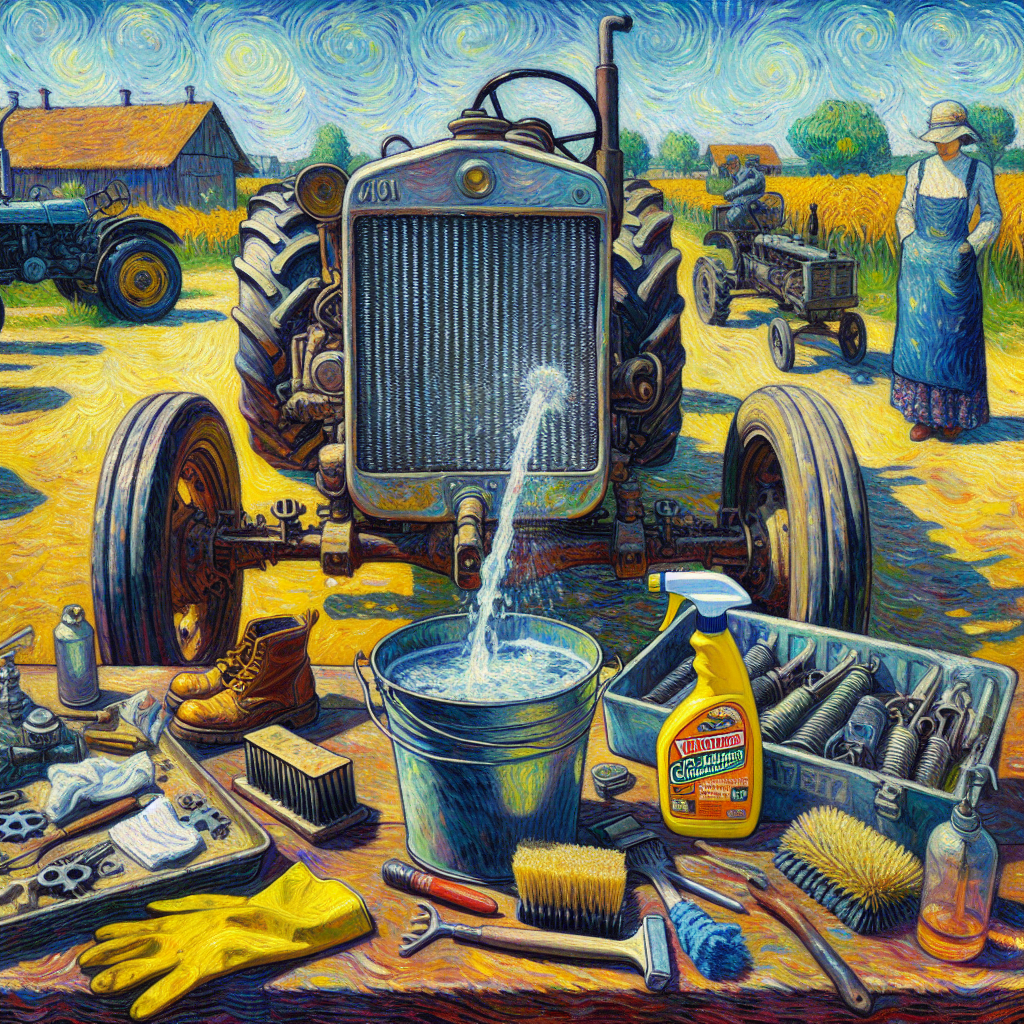
As we rev up the engines of nostalgia and tradition, it’s time to recognize the timeless charm of classic tractors—not merely relics of the past but dynamic symbols of resilience, community, and the heart of agriculture. Picture this: the sun glistening off the metal, the earthy scent of the field, and the unmistakable hum of an engine that’s been a steadfast partner to countless generations. These machines do more than just perform tasks; they connect us deeply to our roots, reminding us of a time when hard work and craftsmanship were revered.
Owning a classic tractor isn’t solely a nod to nostalgia; it’s an intelligent investment in sustainability and simplicity. Modern machinery may be flashy, but these vintage workhorses epitomize durability and practicality. Many were engineered with a brilliance that rivals today’s technology, emphasizing reliable function over disposable convenience. As farming evolves, we find ourselves yearning for the craftsmanship and authenticity represented by these tractors—machines that teach us to respect our land and community.
Emotionally, classic tractors embody stories; they resonate with the laughter and trials of farmers who’ve entrusted them with the land’s care. Consider the community that springs up around them: tractor shows and restoration events foster friendships forged in shared passion. Here, enthusiasts gather not just to celebrate machinery but to strengthen kinship—an unbreakable bond that ties families and communities together.
Ethically speaking, preserving classic tractors is vital. It champions a culture that values heritage over expedience and prompts sustainable farming practices. When we opt for restoration rather than replacement, we respect not just the legacy of our forebears but the promise to future generations. It’s a conscious choice about the kind of world we want to cultivate.
Imagine gathering with family, reminiscing about those dusty days spent restoring a vintage machine together. Through laughter and shared labor, these moments foster deeper connections, reminding us of the values of responsibility, perseverance, and respect for the land.
So let’s embrace not just the charm of classic tractors but the values they embody—community, ethics, resilience, and a connection to our agricultural roots. Whether you’re a lifelong enthusiast or a curious newcomer, the time has come to step into the magic. Dust off a piece of history, fire up your own agricultural tapestry, and join this movement that celebrates not only where we’ve been but where we’re headed. Are you ready to bring the spirit of classic tractors back to life? I know I am.
Conclusion
Conclusion:
Here’s a formatted bulleted HTML list summarizing the key points of the text:
- Classic tractors are symbols of resilience, community, and the heart of agriculture.
- They connect us to our roots, representing hard work and craftsmanship.
- Owning a classic tractor is an investment in sustainability and simplicity.
- Classic tractors emphasize durability and practicality over disposable convenience.
- They foster community through events like tractor shows and restoration gatherings.
- Preserving classic tractors promotes heritage and sustainable farming practices.
- Restoration fosters deeper connections and shared values within families and communities.
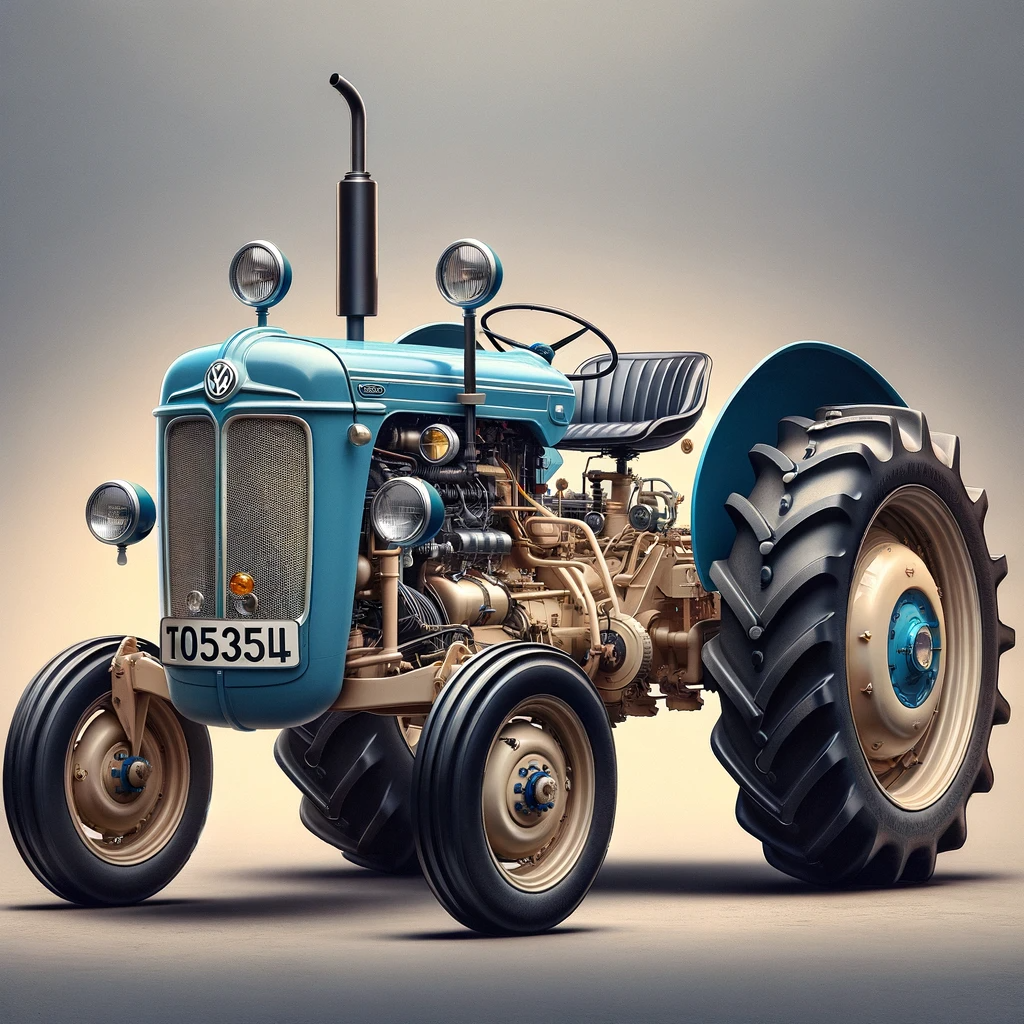
Conclusion
Other Resources
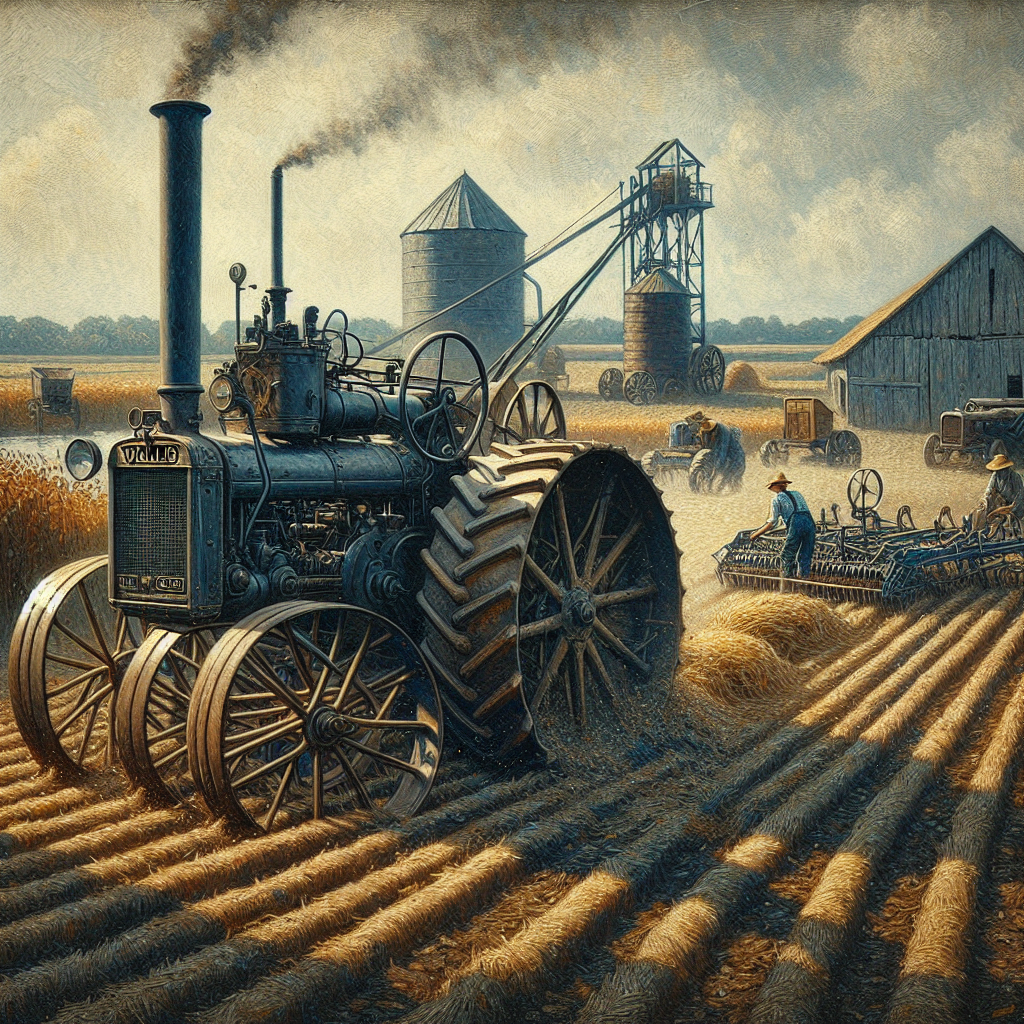
Other Resources
Here is a list of other resources you can review online to learn more:
- Cockshutt
- Fiat
- Tri-State Gas Engine and Tractor Association
- Empire
- Old Tractors
- Belarus
- Fairfield County Antique Tractor Club
- White
- Custom
- B.F. Avery
Use This Prompt To Get More Resources With Your Favorite Online AI Tool: Please provide me with a list of online articles with their URLs in a bulleted list that I can read regarding Are You Ready to Embrace The Magic Of Classic Tractors Again
Other Resources
Glossary Terms
Are You Ready to Embrace The Magic Of Classic Tractors Again – Glossary Of Terms
1. Antique Tractor: A tractor that is typically over 25 years old and is valued for its historical significance and nostalgic appeal.
2. Barn Find: A classic tractor discovered in a barn or shed, often in used conditions and considered a treasure by collectors.
3. Restoration: The process of returning a classic tractor to its original condition, which may include repairs, painting, and mechanical work.
4. Farmall: A popular brand of tractors known for their versatility and iconic design, especially during the mid-20th century.
5. Caterpillar: A brand associated with industrial tractors primarily designed for heavy work, known for their durability and performance.
6. Vintage: Referring to tractors that are a specific age, often defined as being made between 1919 and 1960, characterized by their design and style.
7. John Deere: An iconic tractor brand recognized for its green and yellow color scheme, innovative designs, and long-standing loyalty among farmers.
8. Hydraulics: A system used in tractors that utilizes fluid power to lift and lower attachments, enhancing functionality.
9. Collecting: The hobby of acquiring and maintaining classic tractors, often driven by passion for vintage machinery and agricultural history.
10. Tractor Show: An event where classic tractor enthusiasts gather to showcase their machines, exchange tips, and celebrate vintage farming.
11. Engine: The power source of a tractor, which may be gas or diesel and varies in size and horsepower across models.
12. Tread Pattern: The design of the tire surface, which affects traction and stability; classic tractors often have unique tread patterns.
13. Wheelbase: The distance between the front and rear axles of a tractor, contributing to stability and maneuverability.
14. Plow: An attachment used for breaking up soil, often showcased in traditional farming practices and classic tractor events.
15. PTO (Power Take-Off): A mechanism allowing the tractor to transfer power to implement attachments, enhancing its versatility in farming tasks.
16. Fuel Efficiency: A measure of how effectively a tractor converts fuel into work, an increasingly important consideration in modern farming.
17. Chassis: The base framework of a tractor that supports its engine, drivetrain, and other components.
18. Torque: The rotational force produced by a tractor’s engine, key for tasks like pulling heavy loads and implementing accessories.
19. Cyclopedia: A collection of information or resources related to classic tractors, often found in books or enthusiast groups.
20. Nostalgia: A sentimental longing for the past, which drives many collectors and enthusiasts to restore and celebrate classic tractors.
21. Transmission: The component that transfers power from the engine to the wheels, determining how the tractor moves and its speed.
22. Cultivator: A farming implement attached to tractors to aerate and break up soil, essential in crop preparation.
23. Showroom Condition: A term describing a classic tractor that is in pristine condition, as if it were brand new and ready for display.
24. Retrofit: The act of upgrading a classic tractor with newer technology or features to improve performance while preserving its vintage charm.
25. Drawbar: A sturdy bar on a tractor used to connect various implements for towing or pulling purposes in farming.
26. Collector’s Item: An item or model that is sought after by collectors for its rarity or historical significance, such as a vintage tractor.
27. Restoration Project: A specific classic tractor that is undergoing restoration, often involving community involvement and learning opportunities.
28. Muffler: A component of the tractor’s exhaust system, responsible for reducing noise produced by the engine.
29. Tractor Trek: An organized event where classic tractors are driven across various terrains, often for charity or community engagement.
30. Heritage: The cultural legacy and historical significance behind classic tractors and farming practices, highlighting their role in agricultural development.
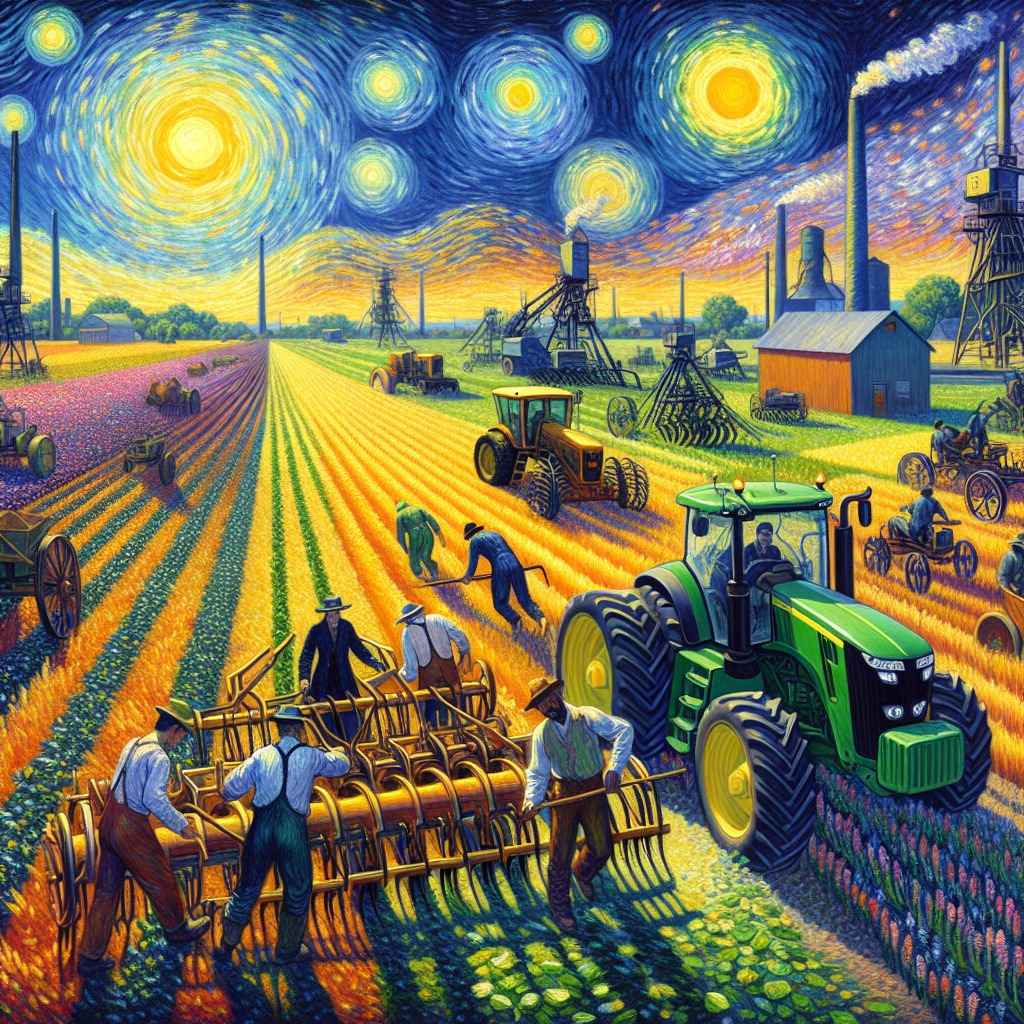
Glossary Of Terms
Other Questions
Are You Ready to Embrace The Magic Of Classic Tractors Again – Other Questions
If you wish to explore and discover more, consider looking for answers to these questions:
- What are some popular classic tractor brands and models?
- How can one start restoring a classic tractor?
- What types of events or shows celebrate classic tractors?
- What is the historical significance of classic tractors in agriculture?
- How can one connect with local communities or clubs that share an interest in classic tractors?
- What is the financial investment needed to buy and restore a classic tractor?
- What maintenance tips should be followed for classic tractors?
- Are there specific challenges one might face when using classic tractors in modern farming?
- How can classic tractors contribute to sustainable farming practices?
- What resources are available for learning more about vintage tractors and their restoration?
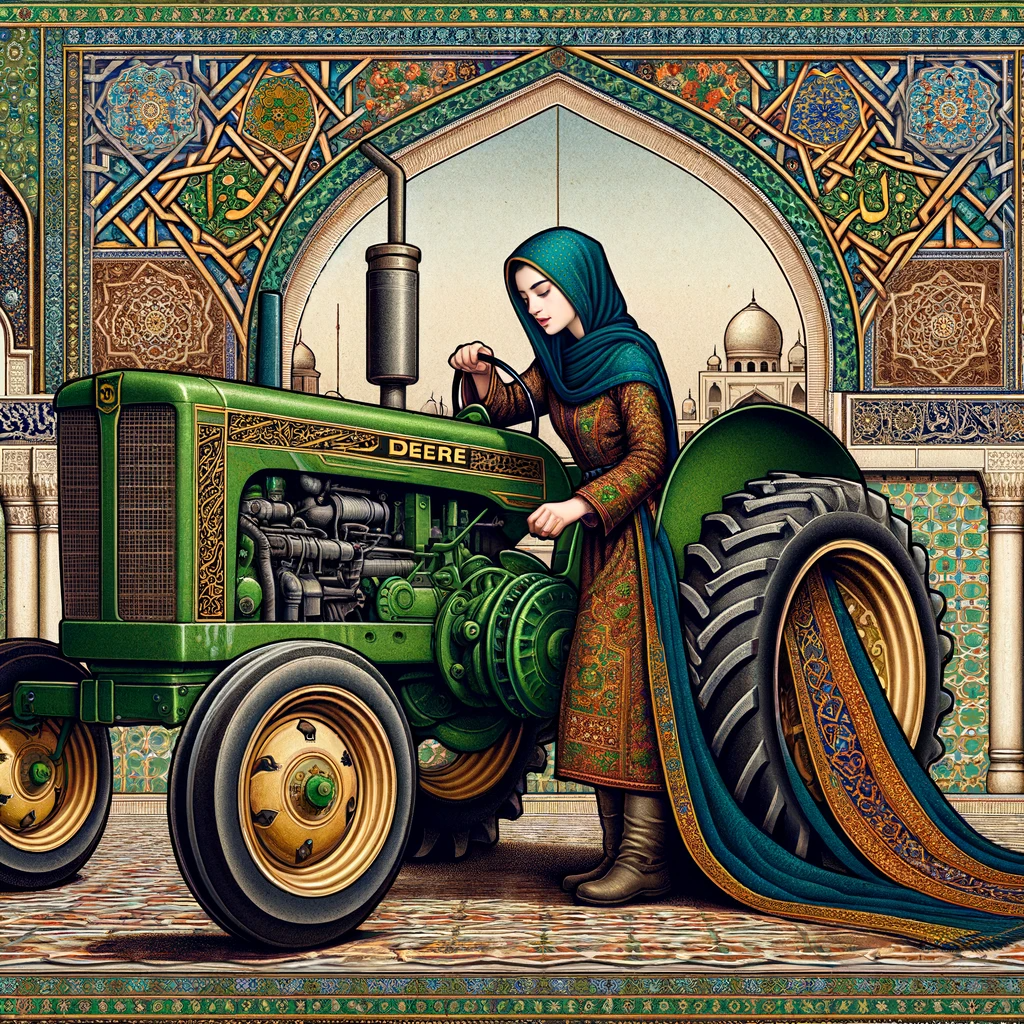
Other Questions
Haiku
Are You Ready to Embrace The Magic Of Classic Tractors Again – A Haiku
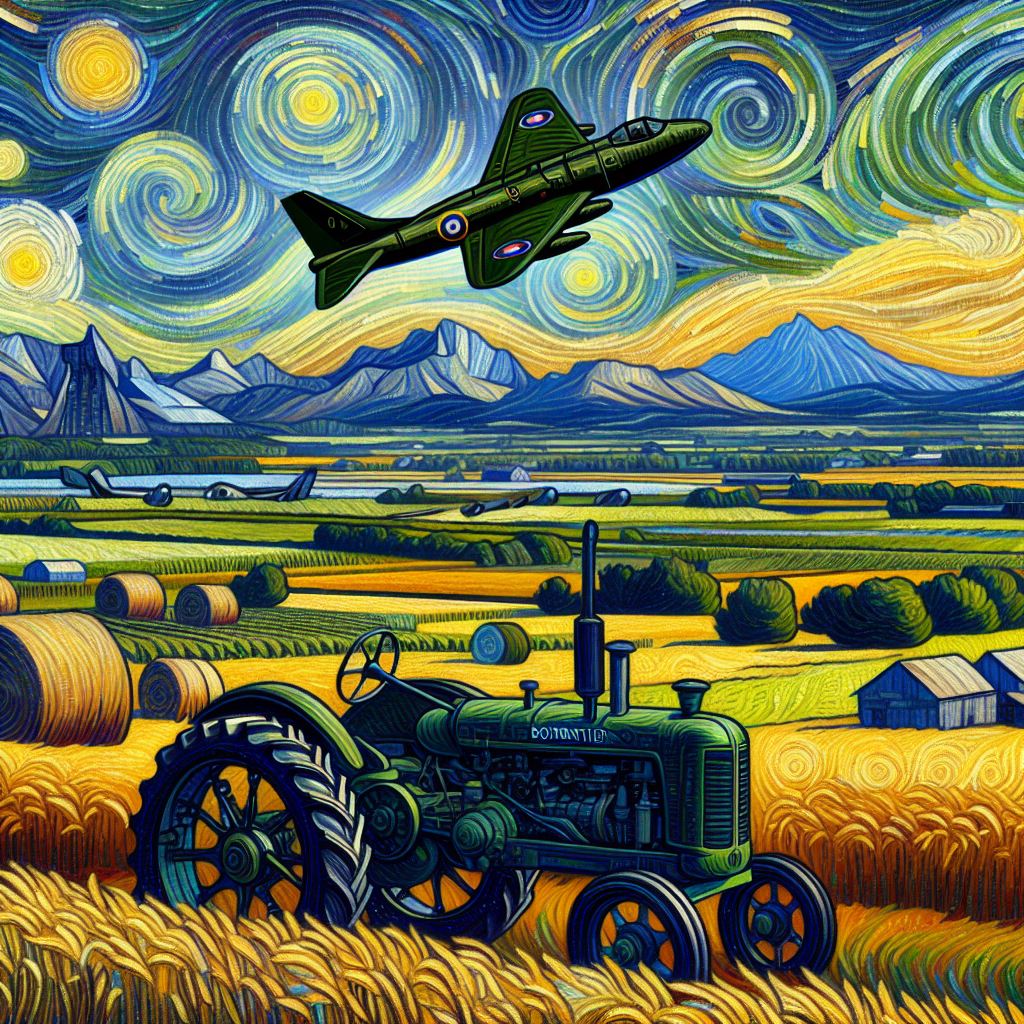
Rusty wheels and fields,
Threads of stories intertwine—
Roots of strength and pride.
Haiku
Poem
Are You Ready to Embrace The Magic Of Classic Tractors Again – A Poem
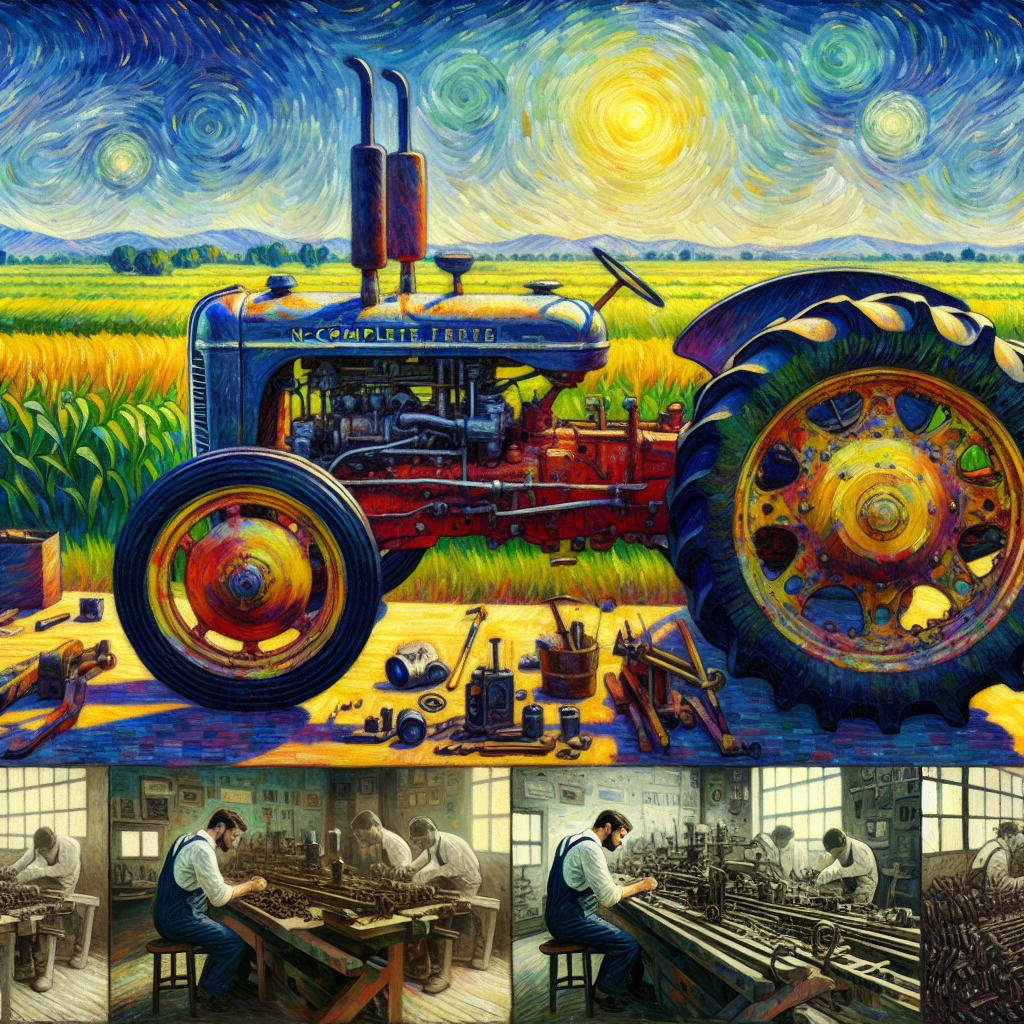
The Heartbeat of Tradition: A Tractor’s Tale
In fields where golden grains sway,
Under sunlit skies at dawn of day,
Classic tractors hum with life anew,
Machines of memory, of toil so true.
With rust and stories etched in every line,
They bear the weight of history, a legacy divine.
Each dent and scratch, a whisper from the past,
Of farmers’ hands and harvests, a bond to last.
Oh, how they echo through generations gone,
Resilience woven in their steadfast brawn.
In a world that rushes towards shiny trends,
Their simplicity, a melody that transcends.
Part investment, part heritage — a mindful choice,
With less to break, they invite us to rejoice.
For under their hoods, there lies an ethic strong,
To nurture the land, to right what’s wrong.
Gather round with friends, and there you’ll find,
A community bound, heart and mind aligned.
The laughter flows as stories intertwine,
In the company of tractors, every moment’s divine.
Hand in hand, as kids learn from the rust,
About hard work, pride, and the soil’s deep trust.
Every turn of the wheel, a legacy bestowed,
Nourishing roots, as new seeds are sowed.
Let us embrace the magic, recall our ties,
To the earth, the family, the simple highs.
In each classic tractor, a tale to unfold,
A heartbeat of tradition, a treasure to hold.
So, are you ready to reignite the flame?
To dust off those memories and honor the name?
Step into that field, where history meets grace,
With a classic tractor, find your rightful place.
Poem
Checklist
Are You Ready to Embrace The Magic Of Classic Tractors Again – A Checklist
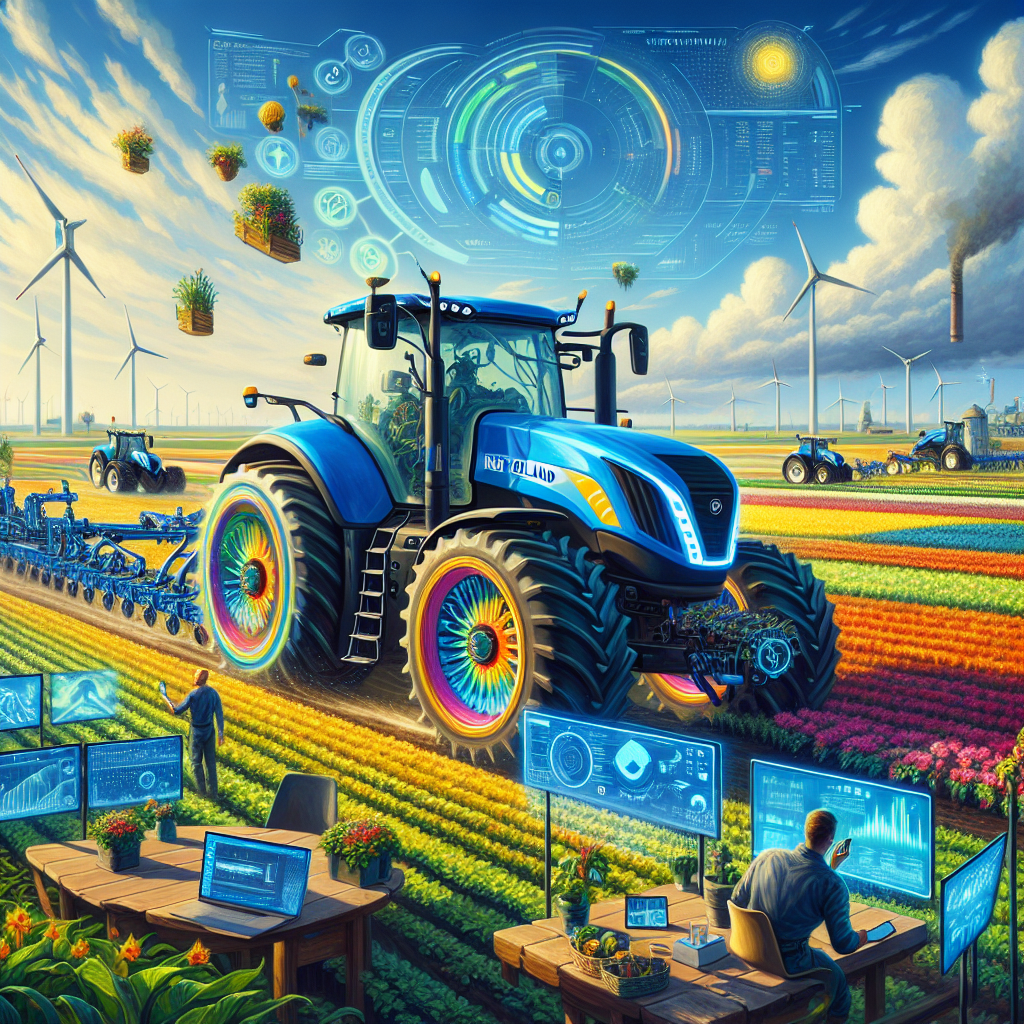
Embrace the Magic of Classic Tractors: A Heart, Head, and Gut Checklist
Emotional Appeals (Heart)
1. Revisit Childhood Memories
Think about the first time you saw a tractor in action. What feelings and stories come to mind?
2. Collect Memories with Family
How can owning a classic tractor create bonding moments with loved ones? Plan activities that involve sharing stories while working on it together.
3. Cherish Heritage
What does your connection to your family’s farming history mean to you? Reflect on how a classic tractor can symbolize your roots.
Rational Appeals (Head)
4. Evaluate Practicality
Research and compare the mechanical simplicity of classic tractors versus modern ones. What cost and maintenance advantages do classic tractors offer?
5. Consider Investment Value
Analyze how owning a classic tractor can be a smart financial decision in the current market. Have you calculated the return on investment or resale potential?
6. Reflect on Sustainability
In what ways can classic tractors align with your values on sustainability and environmental responsibility?
Ethical Appeals (Gut)
7. Support the Craftsmanship
Contemplate the ethical implications of supporting a culture committed to craftsmanship and sustainable farming. How can you contribute to preserving this culture?
8. Foster Community Engagement
Think about how you can participate in or support local tractor shows and gatherings. What benefits do such communal events provide for maintaining traditions?
9. Teach Future Generations
Consider your role in sharing the story and value of sustainable farming practices with the next generation. How can you nurture their appreciation for hard work and history?
Authority Appeals
10. Connect with Experts
Reach out to community leaders or local tractor clubs. What insights and advice can you gain from their expertise and passion for classic tractors?
11. Attend Workshops or Shows
Participate in local events focused on classic tractors. How can these experiences enhance your understanding and appreciation of these machines?
Narrative Appeals
12. Share Your Story
Draft a narrative about your relationship with classic tractors and how they connect to your family’s history. What personal anecdotes illustrate this connection?
13. Engage with the Community’s Stories
Collect testimonies from friends or community members who have owned or repaired classic tractors. How do their stories resonate with you?
Social Appeals
14. Join Online Forums or Groups
Become part of the online community of classic tractor enthusiasts. What insights and friendships can you forge by sharing your passion?
15. Organize Family Gatherings
Plan a family event that revolves around classic tractors—perhaps a restoration day or a tractor show visit. What connections can this foster among multiple generations?
16. Create a Social Media Project
Document your journey with your classic tractor on social media or a blog. How can sharing this journey inspire others and build community around shared interests?
Use this checklist as a guide to reflect on how embracing classic tractors can enrich your life and foster bonds within your family and community. The magic of these machines extends beyond their utility, serving as vessels of history, memory, and connection.
Checklist
At ClassicTractorNews, we help tractor lovers keep up with the latest news for classic and vintage tractors.
Please share this post with your friends, family, or business associates who may like old classic or vintage tractors.