

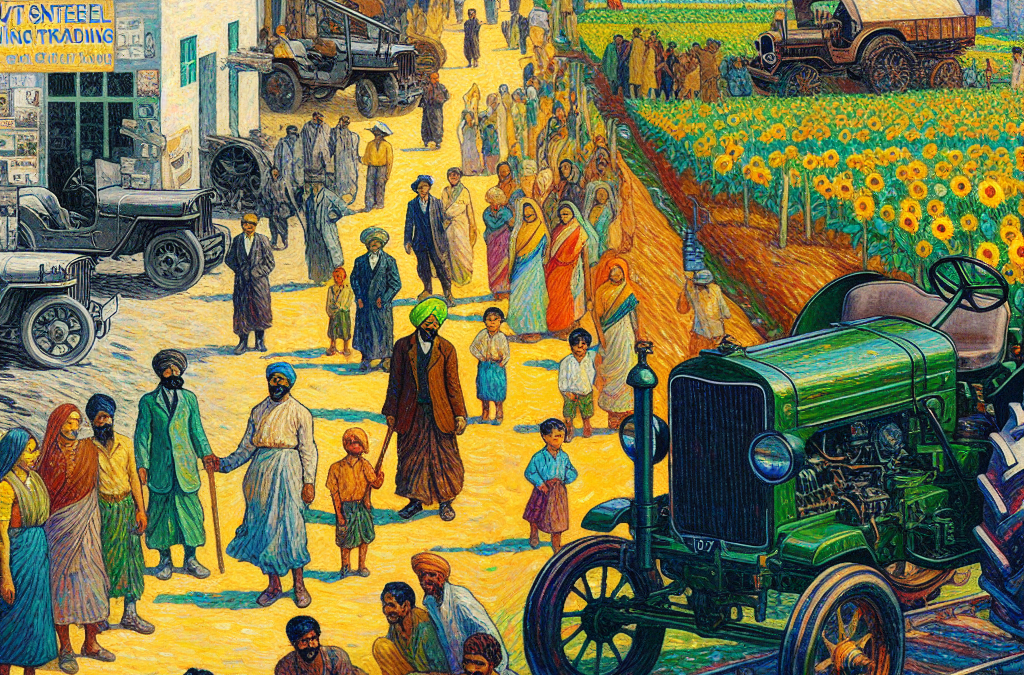
Embracing Tradition: The Timeless Appeal Of Old-Fashioned Tractors
By Tom Seest
At ClassicTractorNews, we help tractor lovers keep up with the latest news for classic and vintage tractors.
Please share this post with your friends, family, or business associates who may like old classic or vintage tractors.
Are You Prepared for The Reliability Of Old-Fashioned Tractors
?
When you hear the word “tractor,” what comes to mind? For many, it evokes images of wide-open fields, fields kissed by sunrises, and the kind of simple, honest labor that plants both crops and character in equal measure. In our fast-paced, tech-driven world, the steadfastness of the old-fashioned tractor stands out, reminding us of a time when things were built to last and work was done with pride.
These rugged machines are more than just tools; they are a bridge to a way of life that values resilience and reliability. An old-fashioned tractor, with its clunky gears and no-nonsense aesthetics, might not have the sleek appeal of the latest farm technology, but therein lies its strength. These tractors have been lovingly maintained through generations, each dent and scratch a testament to countless hours of hard work. It’s this history that connects us, drawing on a well of shared experiences that transcends age and background. You can’t help but feel a sense of camaraderie when you hear a crank start up, a sound that seems to whisper stories of seasons past, of challenges faced and overcome.
Rationally speaking, the reliability of these machines cannot be understated. Old-fashioned tractors are built with practicality at their core. They require minimal maintenance, often relying on simple mechanics that any farmer can understand and fix. In an age of technology that has made our lives easier but sometimes more complicated, the straightforward nature of these tractors offers a breath of fresh air. You know what you’re getting, and you can count on it to perform when the stakes are high. This reliability translates to the heart of farming itself—producing food that nourishes our bodies and builds community.
Ethically, driving an old-school tractor means embracing sustainability. Fewer electronic components and a longer lifespan equate to less waste. You’re becoming part of a movement that values durability over disposability. By choosing a vintage tractor, you’re standing in defiance of a culture that often prioritizes the new over the proven.
So, as you ponder your next steps in farming or simply taking a stroll down memory lane, consider the reliability of those old-fashioned tractors. They aren’t just machines; they are custodians of our agricultural heritage, embodying lessons of hard work, dependability, and the spirit of community. Are you prepared to embrace their legacy? After all, in a world filled with uncertainties, some things remain steadfast, and that’s worth celebrating.
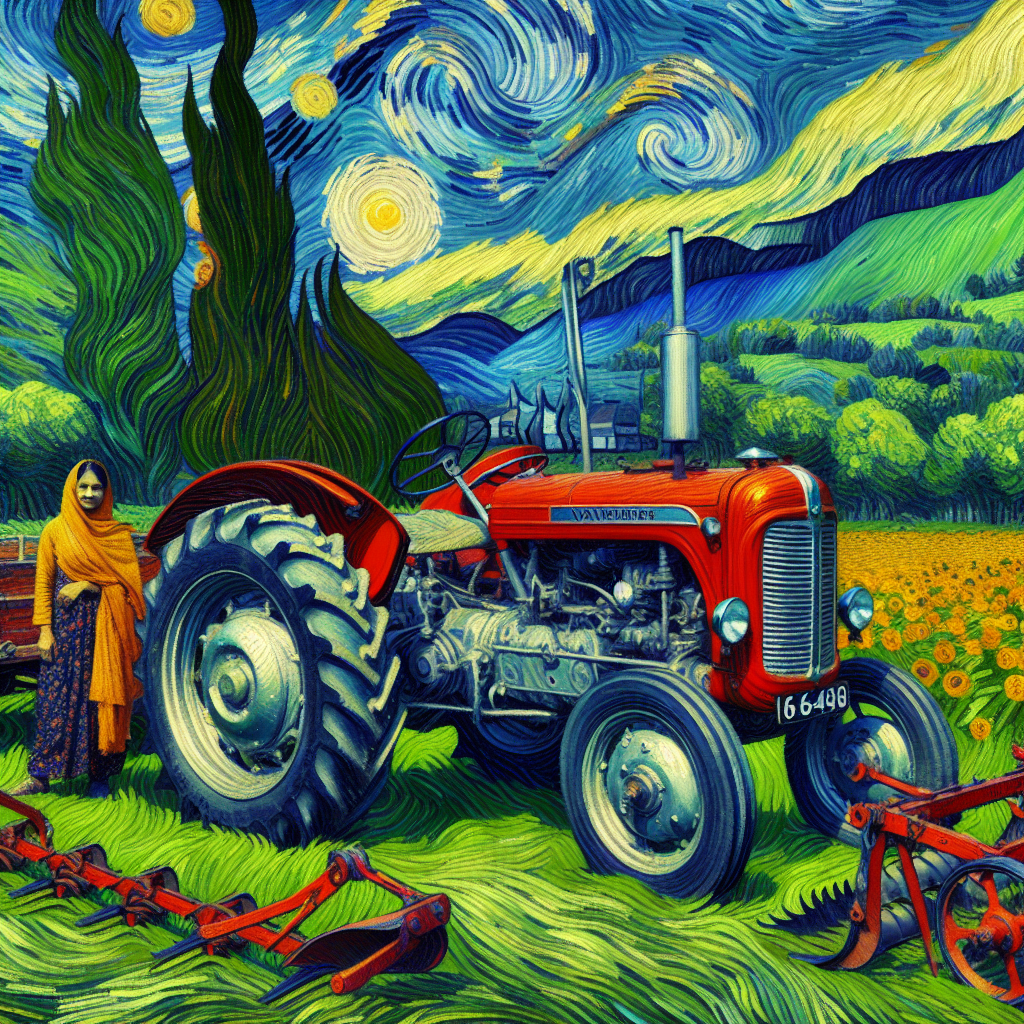
Are You Prepared for The Reliability Of Old-Fashioned Tractors
Are You Prepared for The Reliability Of Old-Fashioned Tractors
- The word “tractor” evokes images of open fields and honest labor, reminiscent of a simpler time.
- Old-fashioned tractors symbolize resilience and reliability, connecting people through shared agricultural experiences.
- These rugged machines, with their clunky designs, have been lovingly maintained, showcasing a history of hard work.
- They offer practical solutions with minimal maintenance and easy-to-understand mechanics, standing out in a tech-driven world.
- Driving an old-school tractor promotes sustainability by reducing waste and emphasizing durability over disposability.
- These tractors embody vital lessons of hard work, dependability, and community spirit within farming.
- Embracing old-fashioned tractors celebrates a steadfast legacy amid a world of uncertainties.
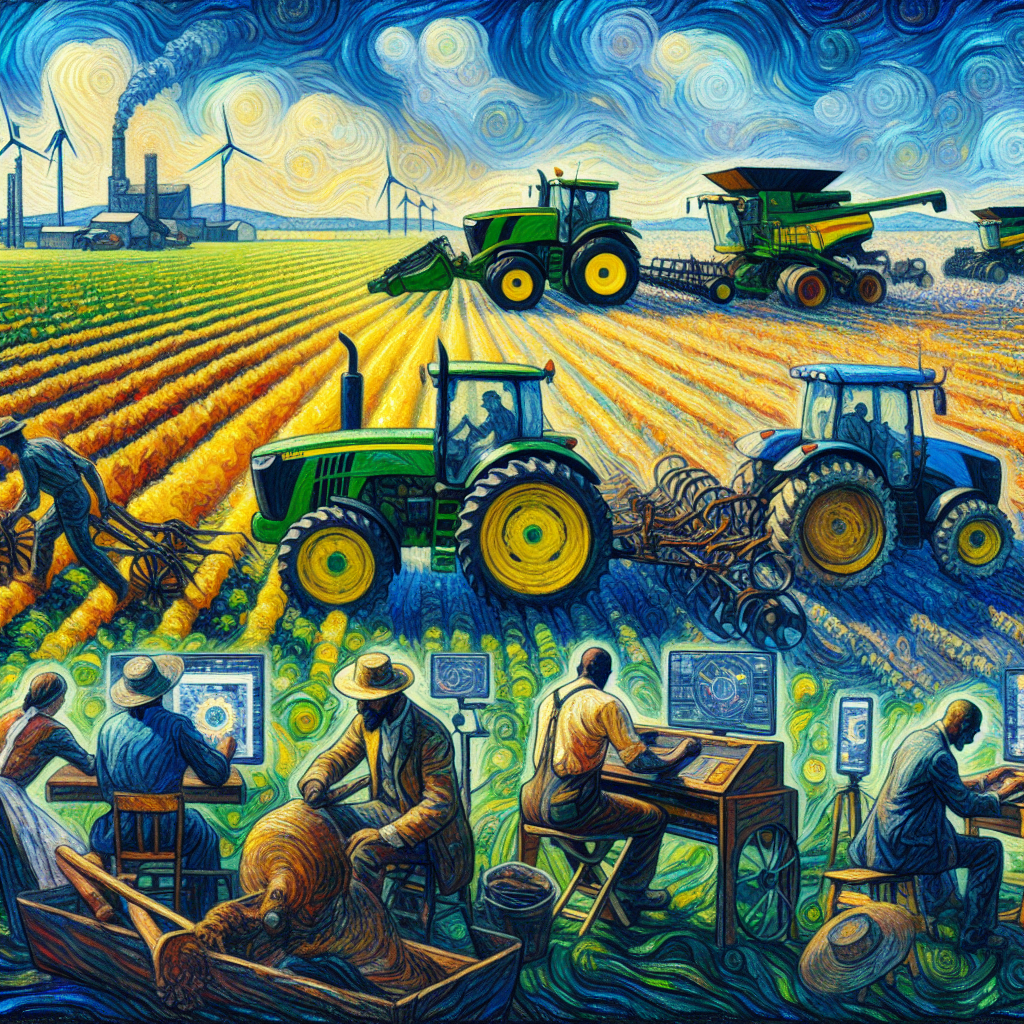
Are You Prepared for The Reliability Of Old-Fashioned Tractors
Table Of Contents
- Are You Prepared for The Reliability Of Old-Fashioned Tractors
- How Do Old-Fashioned Tractors Evoke Memories Of Family Farms?
- Can The Simplicity Of Old Tractors Enhance Your Farming Experience?
- Are Vintage Tractors More Reliable Than Modern Machinery?
- Do You Trust The Craftsmanship Of Old Tractors Over New Ones?
- How Does The Maintenance Of Old Tractors Impact Their Lifespan?
- What Sustainable Benefits Come From Using Older Farming Equipment?
- Conclusion
- Other Resources
- Glossary Of Terms
- Other Questions
- Haiku
- Poem
- Checklist
How Do Old-Fashioned Tractors Evoke Memories Of Family Farms?
How Do Old-Fashioned Tractors Evoke Memories of Family Farms?
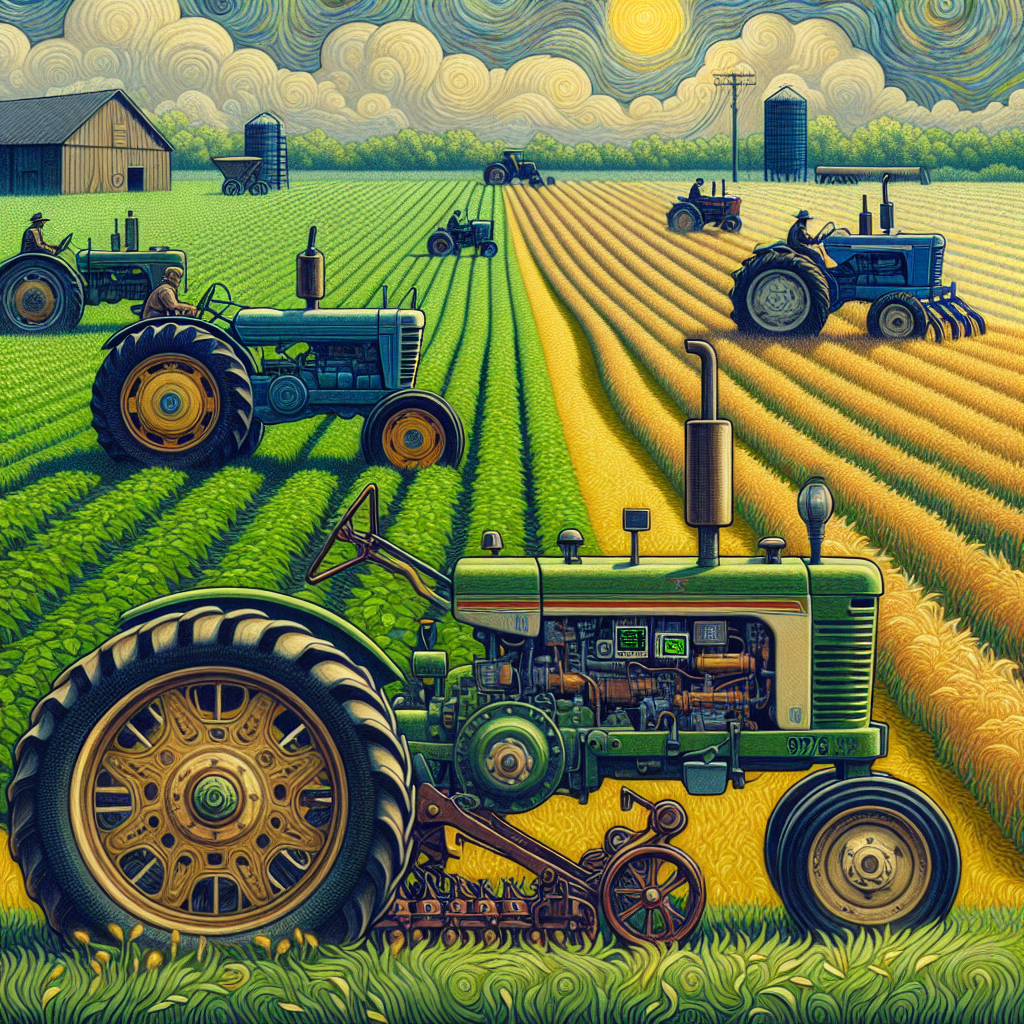
There’s something about the sight of an old-fashioned tractor that stirs deep memories, akin to hearing a beloved tune from childhood. Picture your grandfather, hands weathered by decades of toil, straddling the seat of a vintage tractor, its rusted paint gleaming in the sun. That image isn’t just a nostalgic snapshot; it’s a testament to tradition, hard work, and family roots that run as deep as the furrows they plowed.
Every time that engine sputters to life, it breathes stories of a time when life was intricately woven with the land. This is not just machinery; it’s a vessel of legacy, a conduit through which the sweat and dreams of generations have flowed. As children, we’d race to the window, our hearts thumping with excitement, inhaling the unmistakable scent of diesel and hay, signaling our parents were coming home. It’s an emotional trigger, forging connections to family gatherings, harvests, and long summer days spent under a vast, open sky.
Old tractors didn’t just till fields; they shaped values. They taught us the importance of perseverance and community. When summer storms threatened our harvest, neighbors would rally together, each one bringing their own tractor to lend a hand, embodying the spirit of solidarity. In this way, the tractor symbolizes more than agricultural productivity; it resonates with ethical principles of support and camaraderie.
From a rational standpoint, these machines may seem archaic compared to today’s high-tech models, but their simplicity is what makes them timeless. The craftsmanship in that worn engine speaks to an era when durability was prized over convenience. It evokes trust—trust in the land and in those who work it—and it begs us to consider what we lose when we rush toward innovation at the expense of craft and intimacy with our roots.
Through stories shared around kitchen tables or in dusty barns, these tractors foster a social connection—a communal bond that transcends generations. The stories they hold are a reminder of who we are and where we come from, creating bridges between the past and future.
So, the next time you see an old tractor, take a moment to pause. It’s more than just equipment; it’s an invitation to reflect on the values that have shaped our families and communities, urging us to keep those connections alive for future generations.
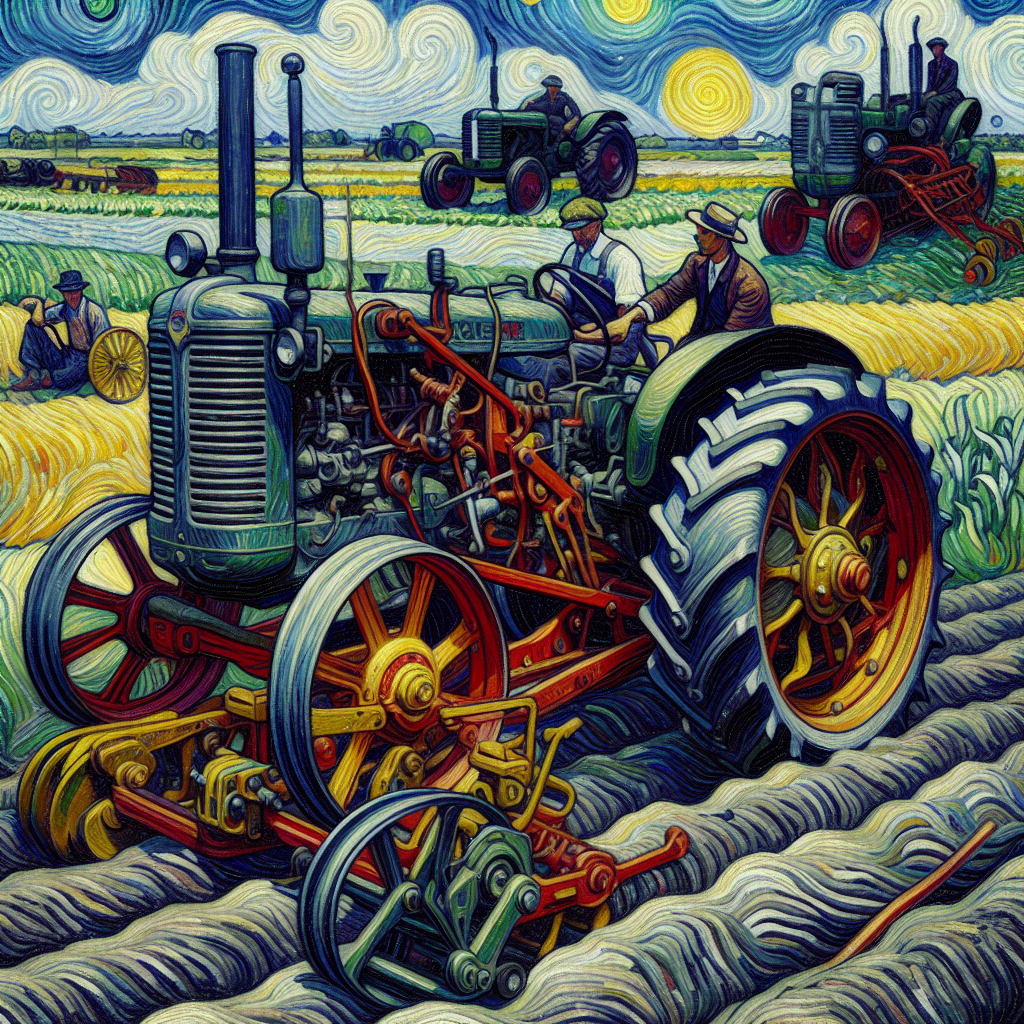
How Do Old-Fashioned Tractors Evoke Memories Of Family Farms?
How Do Old-Fashioned Tractors Evoke Memories Of Family Farms?
- Old-fashioned tractors evoke deep memories of family and tradition, reminiscent of childhood experiences.
- These tractors symbolize hard work and family roots, reflecting the labor of generations on the land.
- The sound of a tractor starting is emotionally significant, triggering memories of homecoming and connection.
- They instill values of perseverance and community, especially during times of need, like family harvests.
- Despite seeming outdated, their simplicity and craftsmanship represent trust and connection to the land.
- Tractors nurture social connections through shared stories, bridging generations and preserving heritage.
- They serve as reminders to reflect on foundational values and maintain connections for future generations.
How Do Old-Fashioned Tractors Evoke Memories Of Family Farms?
Can The Simplicity Of Old Tractors Enhance Your Farming Experience?
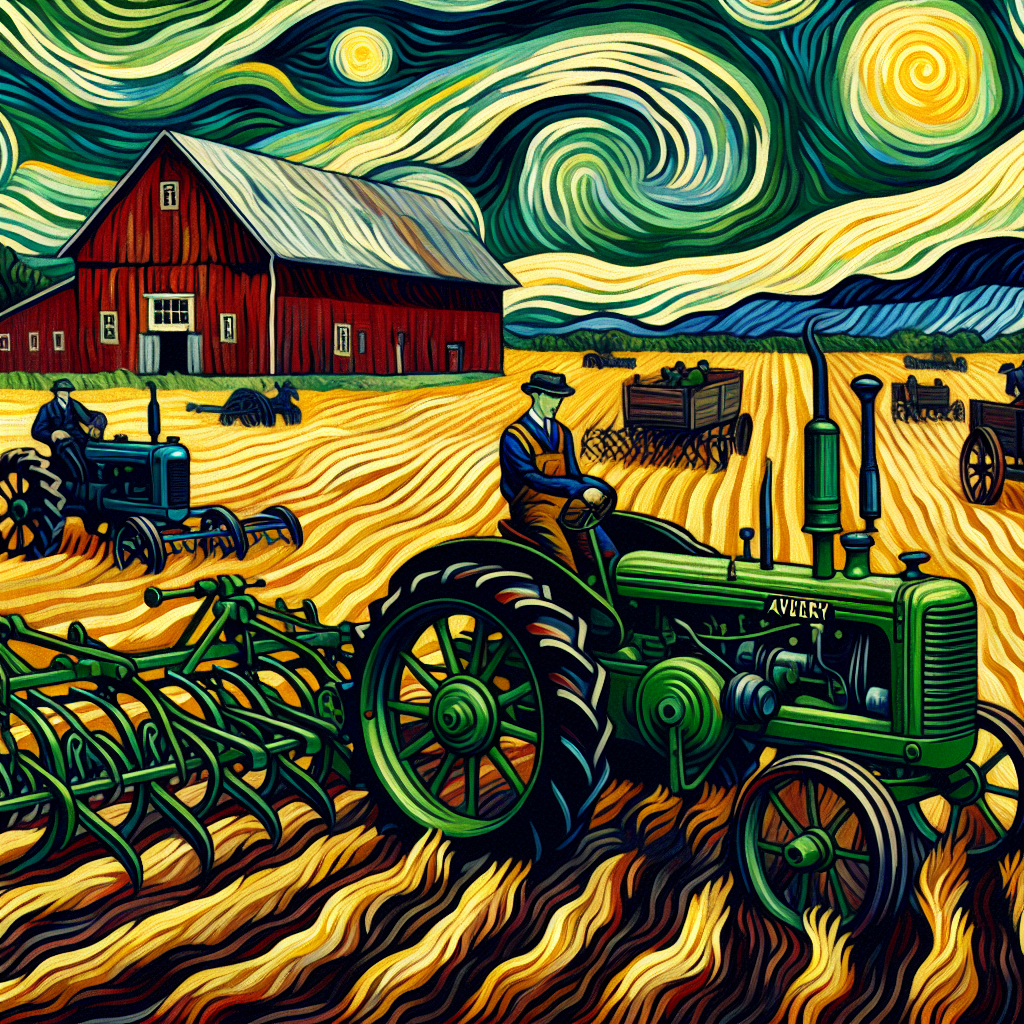
There’s a certain charm in the rumble of an older tractor as it navigates the fields, a sound that beckons to the heart of any true farmer. The simplicity of these machines is not just about gears and horsepower; it’s about a connection to the land and the tradition that shaped it. Think back to simpler times when farming wasn’t dictated by computer screens and endless diagnostics, but by the raw instinct of knowing when to plant, when to harvest, and how to listen to the whispers of nature.
Old tractors, with their straightforward mechanics, offer a unique sense of control that today’s modern marvels often eclipse. When was the last time you felt the satisfaction of fixing something with your own hands? There’s a visceral joy in turning a wrench, adjusting a belt, or simply giving that well-worn steering wheel a firm grip. You aren’t just operating a machine; you’re in a relationship with it, a partnership steeped in respect and responsibility.
Embracing an old tractor means embracing a lifestyle rooted in the values of hard work, patience, and perseverance. It’s about recognizing the profound power of simplicity in an increasingly complex world. Practically speaking, these tractors come with lower maintenance costs and a robust reliability that can forge a trustworthy bond for generations. The last thing you want on those early mornings when the sun begins to rise is a machine that leaves you stranded.
Beyond practicality, there’s an ethical dimension to this choice. By utilizing older equipment, you’re making a statement. You’re engaging in sustainable farming practices by reducing your reliance on new resources, which often come at an environmental cost. You’re part of a community that values legacy over fleeting trends.
And let’s not forget the rich stories these tractors hold. Each dent and scratch tells a tale from fields tilled by hands of the past. They are reminders of your roots, of the farmers who toiled before you, perhaps even your own family. When you lean against that old hood, you’re not just envisioning your future; you’re paying homage to a history that deserves your respect.
So, as you stand on the threshold of your next farming journey, consider the wealth of experience an old tractor can bring. It’s not merely about machinery; it’s about connection, sustainability, and deep-seated pride in the farming community that binds us all. The question isn’t whether these tractors can enhance your experience—the real question is, can you afford not to embrace them?
Can The Simplicity Of Old Tractors Enhance Your Farming Experience?
Can The Simplicity Of Old Tractors Enhance Your Farming Experience?
- The sound of older tractors evokes nostalgia and a connection to farming traditions.
- Old tractors provide a sense of control and satisfaction through hands-on maintenance.
- Embracing an old tractor symbolizes values such as hard work, patience, and simplicity.
- They offer lower maintenance costs and reliability, essential for farmers.
- Using older equipment promotes sustainable farming by reducing resource reliance.
- These tractors carry rich histories and stories, connecting farmers to their roots.
- Choosing an old tractor is about fostering community pride and honoring agricultural heritage.
Can The Simplicity Of Old Tractors Enhance Your Farming Experience?
Are Vintage Tractors More Reliable Than Modern Machinery?
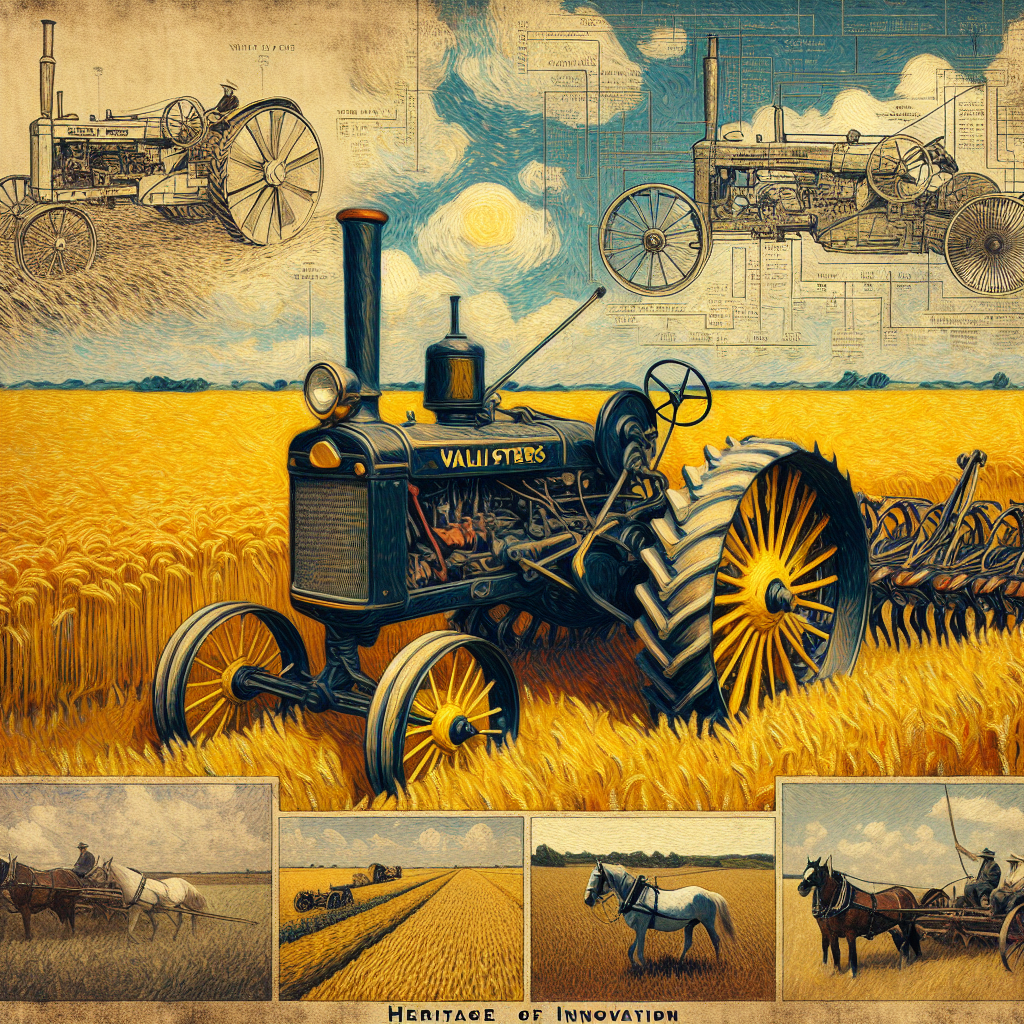
When we think about tractors, it’s easy to get lost in the shiny allure of modern machinery. The flashing lights, the touchscreens, the fancy engineering—they’re impressive, no doubt. But let’s take a breath and consider the heart behind the horsepower. Vintage tractors have a certain charm, a raw, unfiltered connection to our agricultural heritage. They were built during a time when things were designed with simplicity and purpose in mind.
Imagine a farmer, calloused hands gripping a worn steering wheel, the engine humming like a heartbeat as he works the fields. That’s not just a story; that’s an experience shared by generations. Vintage tractors often run on basic principles. There’s something reassuring when you can fix your machine with a wrench and a bit of ingenuity, rather than a diagnosis from a computerized brain. It’s not just nostalgia; it’s reliability bound in sturdy metal and grease.
Now, let’s engage our heads for a moment. When we think about reliability, we need to ask: How often are those modern machines in the shop? Yes, they promise increased efficiency and speed, but with that advanced technology comes an intricate web of potential for breakdowns. Vintage tractors, on the other hand, often have parts that are interchangeable and easier to source. In tough times, when resources are stretched thin, farmers can rely on what they know, what they can fix.
This brings us to the ethical side of things. Sustainability is no longer just a buzzword; it’s a necessity. Running an older tractor means less reliance on rare materials, less electronic waste in landfills, and a smaller carbon footprint. It’s a choice that stands as a testament not just to farming practices, but to the values we hold dear—hard work, stewardship of the land, and respect for tradition.
Consider the community that gathers around these machines. When vintage tractors roll into a field or a county fair, they don’t just show up; they tell stories. They spark conversations across generations. They foster connections—among farmers, enthusiasts, and families.
So, whether you’re a seasoned farmer or simply someone with a soft spot for hard work, take a moment to appreciate the vintage tractor. They embody reliability in a world that often moves too fast, grounding us in principles of craftsmanship and community. So, the next time you see one rumble by, remember—there’s more than meets the eye. Each rusted bolt and faded paint job speaks volumes about our past, our present, and the promise of tomorrow.

Are Vintage Tractors More Reliable Than Modern Machinery?
Are Vintage Tractors More Reliable Than Modern Machinery?
- Modern tractors are impressive with flashy features, but vintage tractors offer a deeper connection to agricultural heritage.
- Vintage tractors exemplify simplicity and purpose, providing an experience that resonates with generations of farmers.
- They are easier to repair due to straightforward mechanics, offering reliability without reliance on advanced technology.
- Modern machines are often in the shop for repairs, while vintage tractors have interchangeable parts that are easier to source.
- Using older tractors promotes sustainability by reducing reliance on rare materials and minimizing electronic waste and carbon footprint.
- Vintage tractors foster community connections, creating conversations and bonds among farmers, enthusiasts, and families.
- These tractors symbolize craftsmanship and community values, reminding us of our past and shaping our future.
Are Vintage Tractors More Reliable Than Modern Machinery?
Do You Trust The Craftsmanship Of Old Tractors Over New Ones?
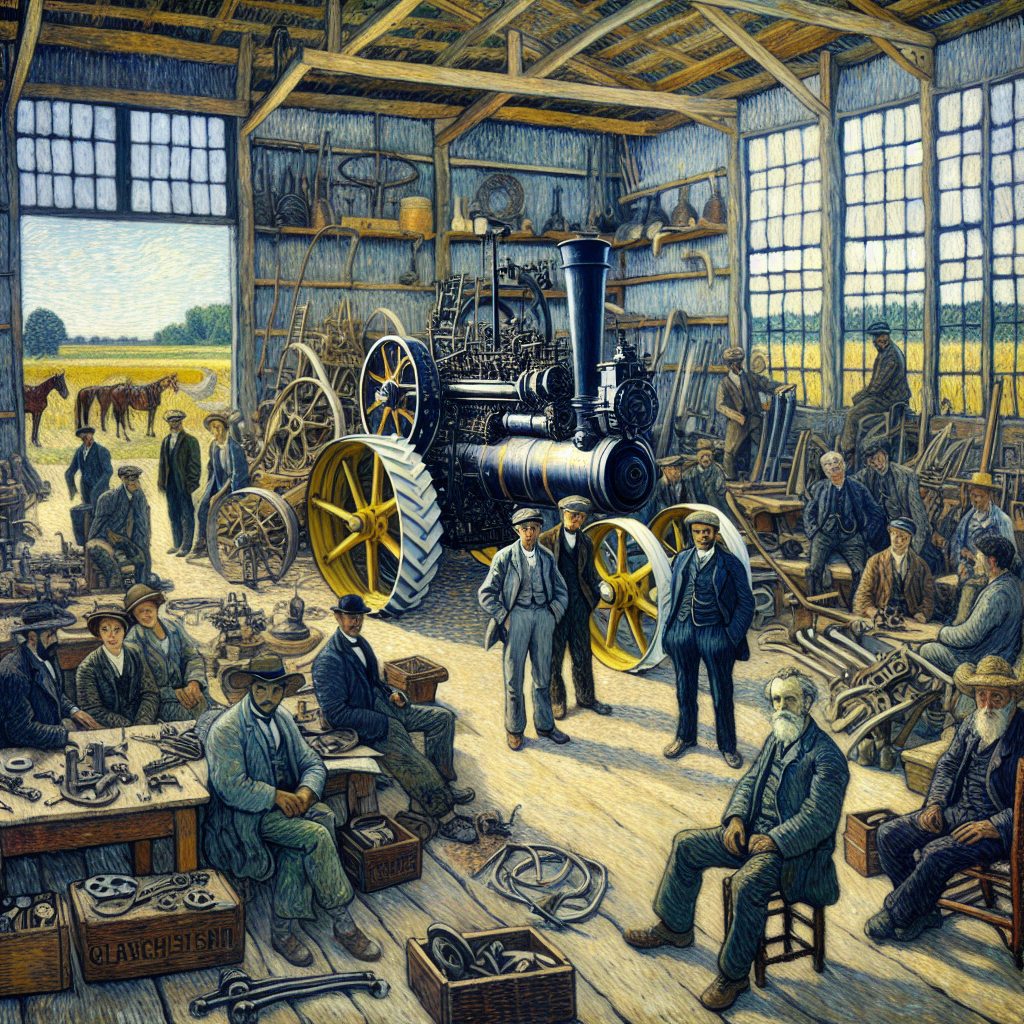
When we talk about tractors, we often wade knee-deep into a debate that’s as old as the farm itself: Do we trust the craftsmanship of old tractors over their shiny, new counterparts? Let’s take a moment to reflect on that, shall we?
Picture a quiet sunrise in a rural landscape—dew still clinging to blades of grass, and the unmistakable sound of metal clanking into motion. It might be an old tractor firing up for another day of hard work. There’s something profoundly honest about that robust rumble, a kind of reassurance that only decades of experience can provide. These older machines were built with a different mindset: rugged, straightforward, and designed to thrive under the kind of labor that modern machines might shy away from.
The emotional connection we forge with these classic tractors runs deeper than mere machinery. They belong to our folklore—each dent and scratch tells a story. They’ve witnessed generations of farmers toil tirelessly, embodying a shared spirit of resilience. It reminds us that tractors aren’t just equipment; they symbolize the grit and determination of those who use them. In a world that often seems disposable, there’s comfort in knowing that some things can withstand the test of time.
Now, let’s sift through the gears of logic. Old tractors may require more elbow grease to maintain, but this often translates to the kind of craftsmanship that new machines, with their computer chips and fragile plastics, might lack. You can almost hear the whispers of engineers from decades past, their blueprints grounded in practicality and simplicity—an ethos that seems to have been lost in the rush towards automation. That’s not progress; that’s a departure from values we should hold dear.
Ethically, there’s also something to be said about sustainability. Choosing an old tractor means cherishing something made to last—repurposing and revitalizing machinery instead of getting lured in by the incessant cycle of consumerism. It’s a conversation we can have within our communities: Shouldn’t we value hard work and longevity over novelty?
In a society that often celebrates the new while forgetting the old, let’s stand together and appreciate the craftsmanship of these classic tractors. They not only have stories to tell; they’re also examples of resilience in the face of rapid change. They connect us to our roots. Each time we choose an old tractor, we’re not just opting for a machine; we’re reinforcing a tradition built on trust, respect, and the relentless pursuit of honest work. Let’s keep that spirit alive.
Do You Trust The Craftsmanship Of Old Tractors Over New Ones?
Do You Trust The Craftsmanship Of Old Tractors Over New Ones?
- The debate between old and new tractors centers on craftsmanship and reliability.
- Older tractors have a unique, dependable sound and are built for hard labor.
- Classic tractors embody emotional connections and the perseverance of generations of farmers.
- While old tractors require more maintenance, they often feature superior craftsmanship compared to new, automated models.
- Choosing old tractors supports sustainability and counters consumerism by repurposing durable machinery.
- Classic tractors connect us to our roots and reinforce values of hard work and tradition.
- Appreciating old tractors means preserving history and promoting resilience amid rapid change.

Do You Trust The Craftsmanship Of Old Tractors Over New Ones?
How Does The Maintenance Of Old Tractors Impact Their Lifespan?
How Does the Maintenance of Old Tractors Impact Their Lifespan?
In the quiet corners of our fields, the old tractor stands like a sentinel, a testament to grit and dedication. It’s not just machinery; it’s a piece of our history, a partner in every tough season. The way we care for these beasts of burden directly influences their longevity, much like the relationships we build in life. When you think about it, maintenance is about more than just oil changes and rust prevention; it’s a promise—the promise to respect the legacy of those who came before us and to honor the work these machines do.
Picture your grandfather, hands calloused yet gentle as he shows you the ropes of tractor care. Each turn of the wrench tells a story, revealing a deeper connection to the land we cultivate. Maintenance becomes an act of love, an acknowledgment of the sacrifices made and a source of pride that transcends generations. That old tractor isn’t just staying in working order; it’s a piece of your identity, echoing values of hard work and perseverance that we hold dear.
Now, let’s talk about what keeping this equipment in good shape means for the bottom line. Rationally, a well-maintained tractor can last decades longer, saving money and resources in the long run. Think about the expensive repairs you could avoid down the line—how a little time spent tuning up that engine or checking the hydraulics can yield years of reliability. This isn’t just sensible; it’s an ethical duty to make wise choices, both for your wallet and the environment.
And let’s not forget the social aspect. When you maintain your tractor, you’re part of a community. You exchange tips and tricks with fellow farmers, sharing knowledge amidst the camaraderie of toil. The conversations about best practices and experiences build not just friendships but a network of support and shared challenges. It’s a reminder that we’re all in it together, navigating the ups and downs of agricultural life.
Every drop of sweat you invest in that old tractor is a tribute—a tribute to the machinery that has served countless seasons and a commitment to the future of farming. So take a minute; pull out the tools, feel that connection, and make sure your old friend is ready for whatever comes next. Because, like any good partnership, it thrives on care and respect, ensuring that both man and machine stand strong against the winds of time.

How Does The Maintenance Of Old Tractors Impact Their Lifespan?
How Does The Maintenance Of Old Tractors Impact Their Lifespan?
- Old tractors symbolize heritage and dedication, reflecting the history of farming.
- Maintenance goes beyond mechanics; it’s a promise to honor past generations and the work of these machines.
- Actively caring for tractors fosters a deeper connection to the land and embodies the values of hard work.
- Proper maintenance can significantly extend a tractor’s lifespan, saving money and resources over time.
- Routine check-ups prevent costly repairs, promoting both economic and environmental responsibility.
- Maintaining tractors fosters community through shared knowledge and camaraderie among farmers.
- Investing effort in tractor care is both a tribute to its service and a commitment to sustainable farming practices.

How Does The Maintenance Of Old Tractors Impact Their Lifespan?
What Sustainable Benefits Come From Using Older Farming Equipment?
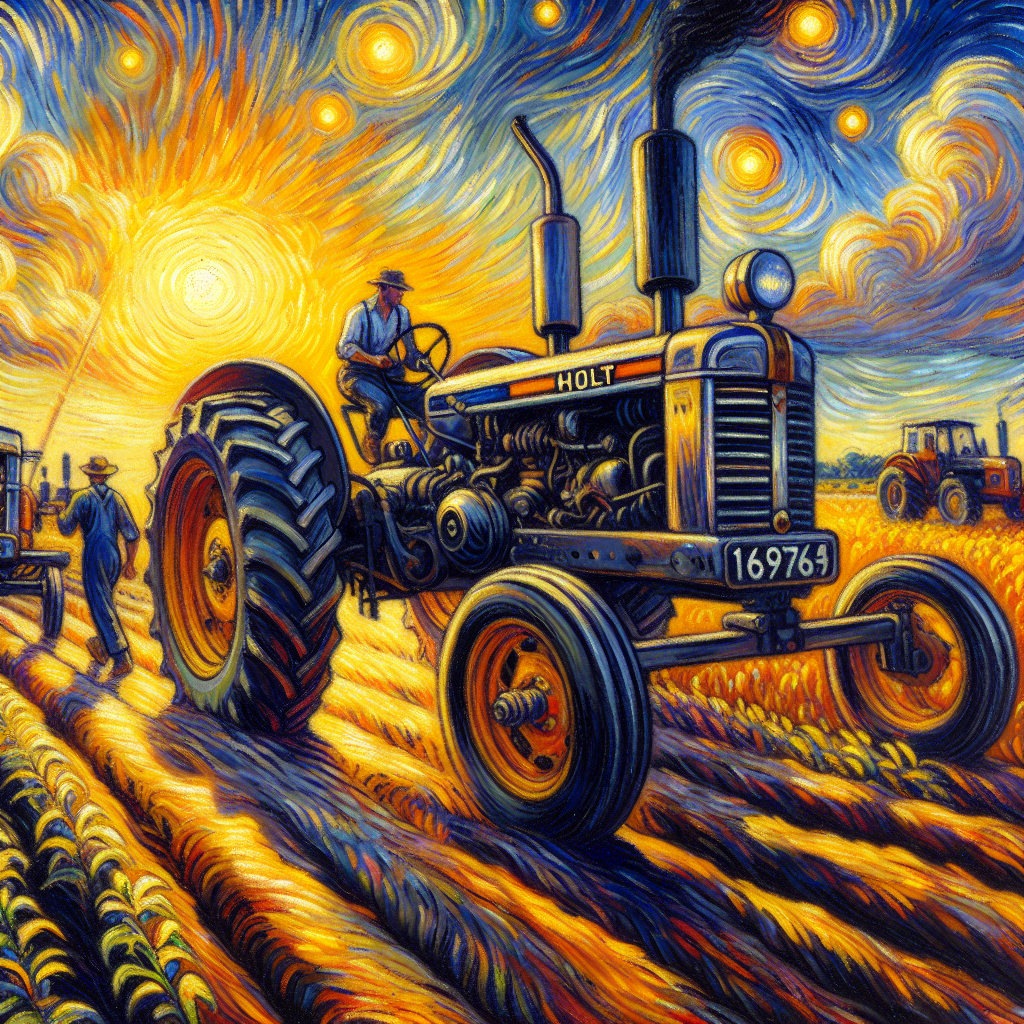
Picture a farmer, grease-stained and sun-kissed, leaning against a weathered tractor that has served as the backbone of his operation for decades. This isn’t just machinery; it’s a symbol of resilience, a testament to the wisdom of tradition. In a world racing toward the latest gadget, older farming equipment quietly champions sustainability, delivering benefits that resonate deeply with our hearts, our heads, and our guts.
Let’s start with the emotional appeal: those vintage tractors aren’t just old—they’re storied. Each scratch on their surface reflects years of toil, triumph, and the kind of hard-won knowledge that can’t be manufactured. When communities rally around farmers who embrace this older technology, they forge connections steeped in respect for craftsmanship and heritage. You can almost hear the collective sigh of relief as local farms find their footing again, proving that value doesn’t just lie in newness but in enduring quality.
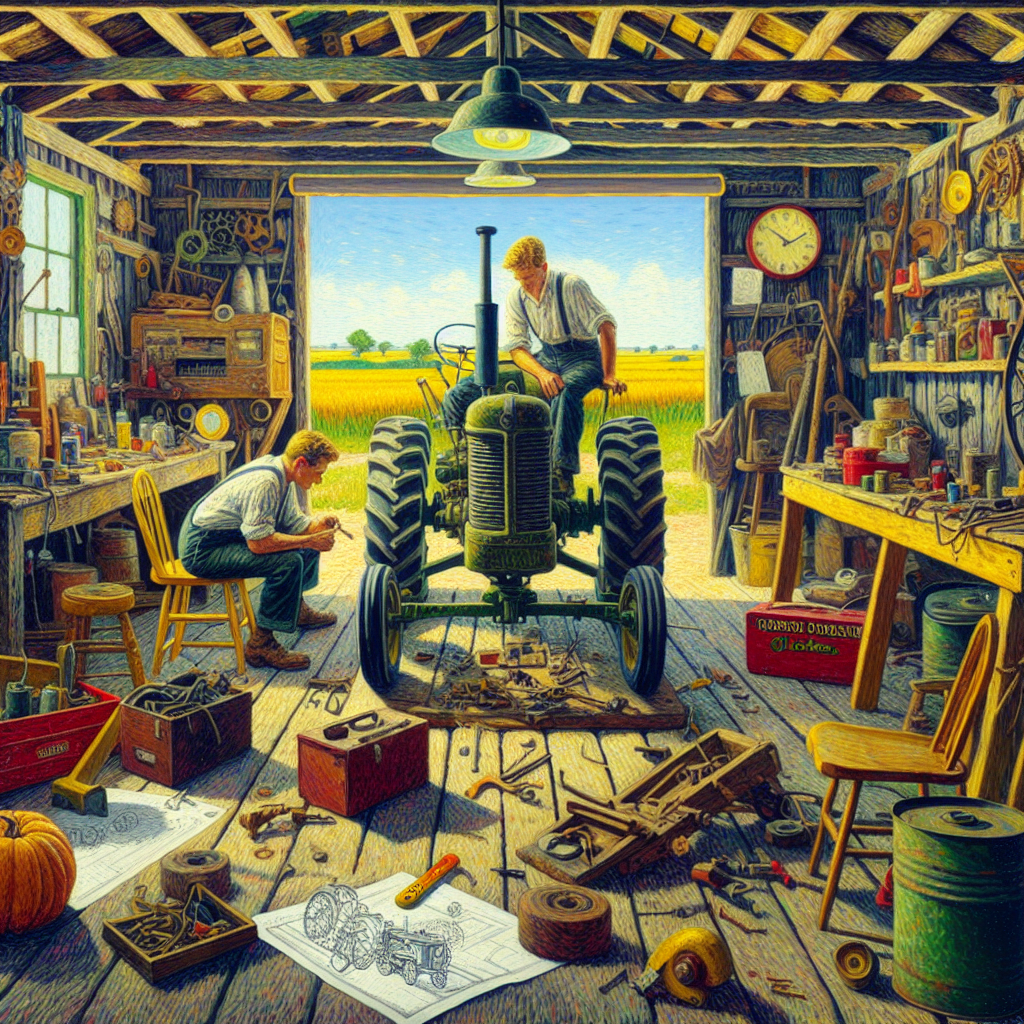
Rationally speaking, using older equipment can be a wise financial decision. Vintage tractors often have simpler mechanics, meaning fewer parts to break down and easier repairs. Farmers can save a substantial amount on maintenance costs and avoid the hefty price tags associated with the latest models. It’s a pragmatic choice that makes cents (and sense) while also nurturing the land by reducing the carbon footprint linked to manufacturing new machinery.
From an ethical standpoint, it’s hard to ignore the impact of conscious consumption. In a society increasingly focused on sustainability, older tractors serve as a reminder: taking care of what we have can be more beneficial than constantly pursuing new acquisitions. Beyond eco-friendliness, farmers utilizing older equipment help to counteract the disposability culture, showcasing a commitment to their community and the environment.
Moreover, there’s an authority that older equipment commands. Generations of farmers have relied on these machines to get the job done, and every creak and rumble tells a story of ingenuity and adaptation. They’re not just equipment; they’re seasoned tools that yield a deeper understanding of sustainable practices.
Let’s unite in celebrating the grassroots movement of farmers who have decided to stick with what works. Each time an old tractor rolls onto a field, it reinforces a promise to the earth, to sustainability, and to the values that make our food system rich and diverse. Choosing older farming equipment isn’t just a personal choice; it’s a statement, a rallying cry to our communities to remember the beauty in longevity. So let’s gather around these symbols of sustainability and trust in the stories they hold, for they remind us that sometimes, what’s old can indeed be new again.
What Sustainable Benefits Come From Using Older Farming Equipment?
What Sustainable Benefits Come From Using Older Farming Equipment?
- Older farming equipment symbolizes resilience and values tradition in agriculture.
- Vintage tractors carry emotional significance, reflecting years of hard work and community connections.
- Utilizing older machinery can be a financially astute choice due to simpler mechanics and lower maintenance costs.
- Using vintage tractors contributes to sustainability by reducing carbon footprints linked to new manufacturing.
- Older equipment encourages conscious consumption, promoting a commitment to community and environmental care.
- These tractors embody authority and a legacy of sustainable practices, passed down through generations of farmers.
- Choosing older equipment is a statement supporting sustainability and the appreciation of enduring quality in agriculture.
What Sustainable Benefits Come From Using Older Farming Equipment?
Conclusion
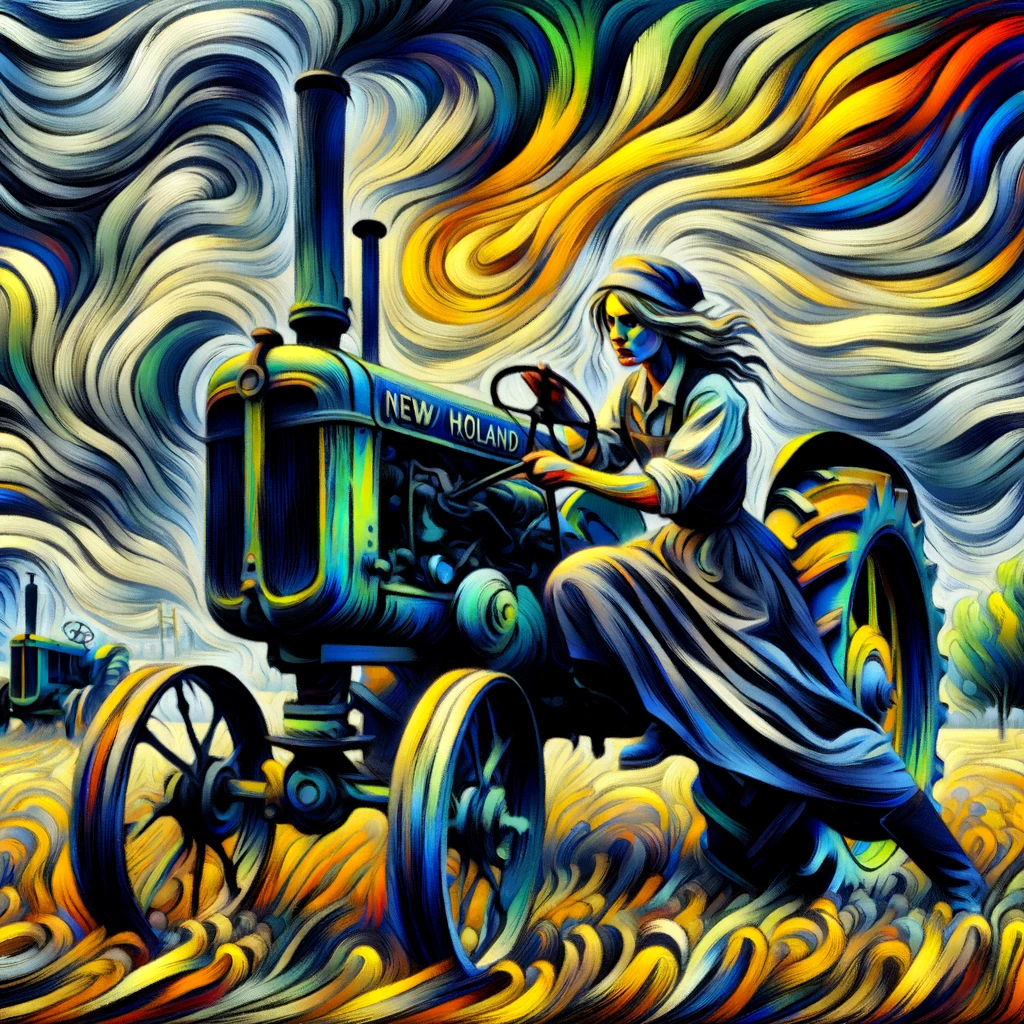
In a world characterized by relentless change, old-fashioned tractors stand as durable artifacts of our agricultural past, urging us to reconnect with the essence of farming and the values that define us. When you think of tractors, it’s about more than horsepower; it’s about heritage—an invitation to appreciate the timeless craftsmanship that crafted these resilient machines. Each dent and paint chip whispers stories of sweat and toil, memories flickering back to days of community harvests and deep-rooted family traditions. There’s nothing flashy about them, but therein lies their power—a kind of dependability that shines through the gloss of today’s high-tech farming gadgets.
Consider what it feels like during an early morning sunrise, knowing you can rely on a trusty old tractor that has been properly maintained over generations. These machines symbolize not just hard work, but ethical choices; they ask us to embrace sustainability. Using vintage equipment means saying no to the throwaway culture that often prioritizes novelty over robustness. Instead, it embraces a lifestyle rooted in endurance, respect, and responsibility to our land. In a time when every farming decision seems steeped in technological complexity, the simplicity of an old tractor offers clarity and peace of mind.
Moreover, these tractors become more than just tools; they forge connections within our communities. They spark conversations across generations, fostering a sense of belonging and collective memory. When farmers band together with their vintage tractors, they honor a spirit of solidarity that goes beyond individual effort—a true testament to the power of togetherness.
So, when you stand on the brink of tomorrow’s farming choices, ask yourself: Are you ready to embrace this legacy? It’s not just about nostalgia. It’s about lived experiences, shared values, and the rational decisions that an older, simpler machine can bring to the table. The choice to invest in an old-fashioned tractor is a step toward acknowledging your roots while cultivating sustainability for future generations. These machines remind us that, in the fast-paced race of modern life, the heartbeat of farming lies in the steadfastness of tradition. Are you ready to sustain that rhythm? Because while technology dazzles, nothing beats the genuine article—the simple, honest toil of an old tractor, driving us toward a future that respects our past. Celebrate that legacy; after all, some things are worth holding on to.
Conclusion
Conclusion:
- Old-fashioned tractors remind us of agricultural heritage and craftsmanship.
- Each tractor bears stories of labor, community, and family traditions.
- They symbolize reliability and sustainability, opposing throwaway culture.
- The simplicity of vintage tractors offers clarity amid technological complexity.
- Tractors foster community connections and intergenerational conversations.
- Investing in old tractors acknowledges our roots and promotes responsibility towards the land.
- The legacy of traditional farming resonates as a powerful force for the future.
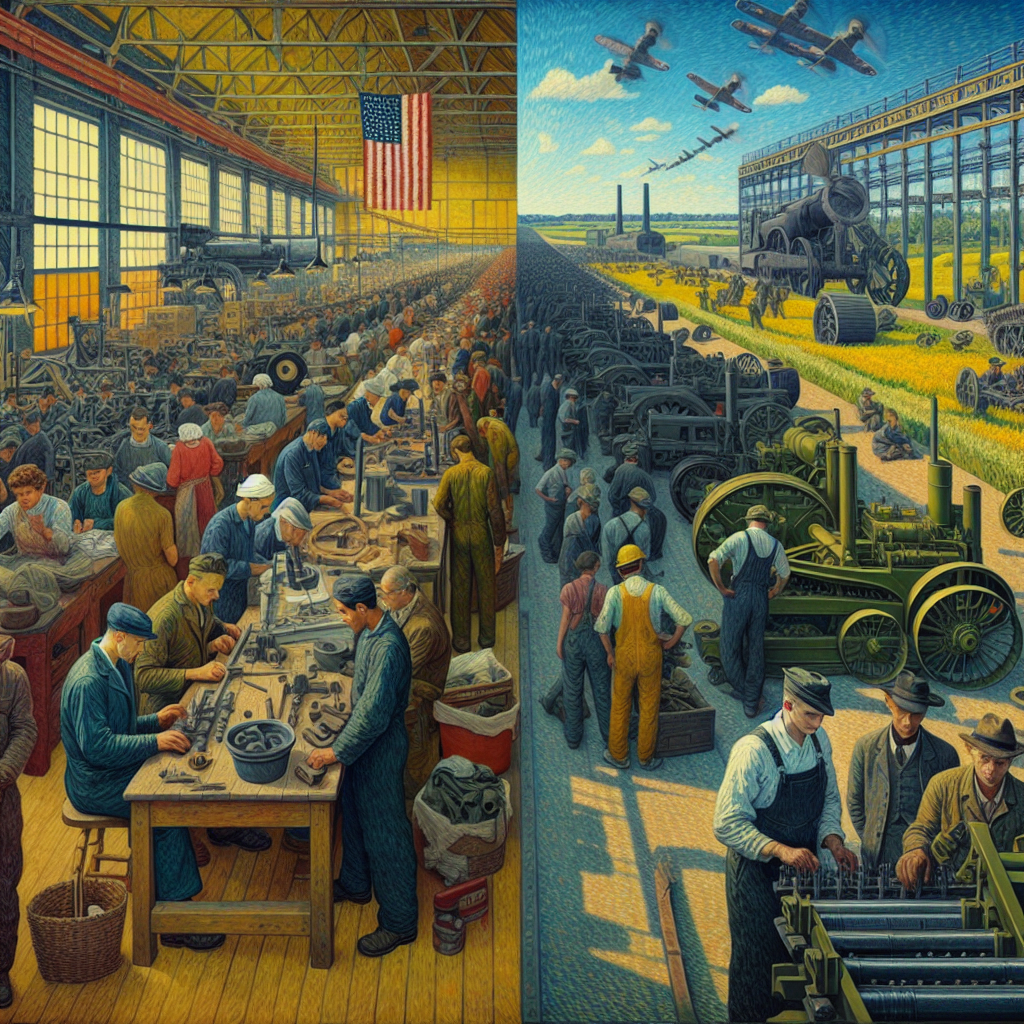
Conclusion
Other Resources
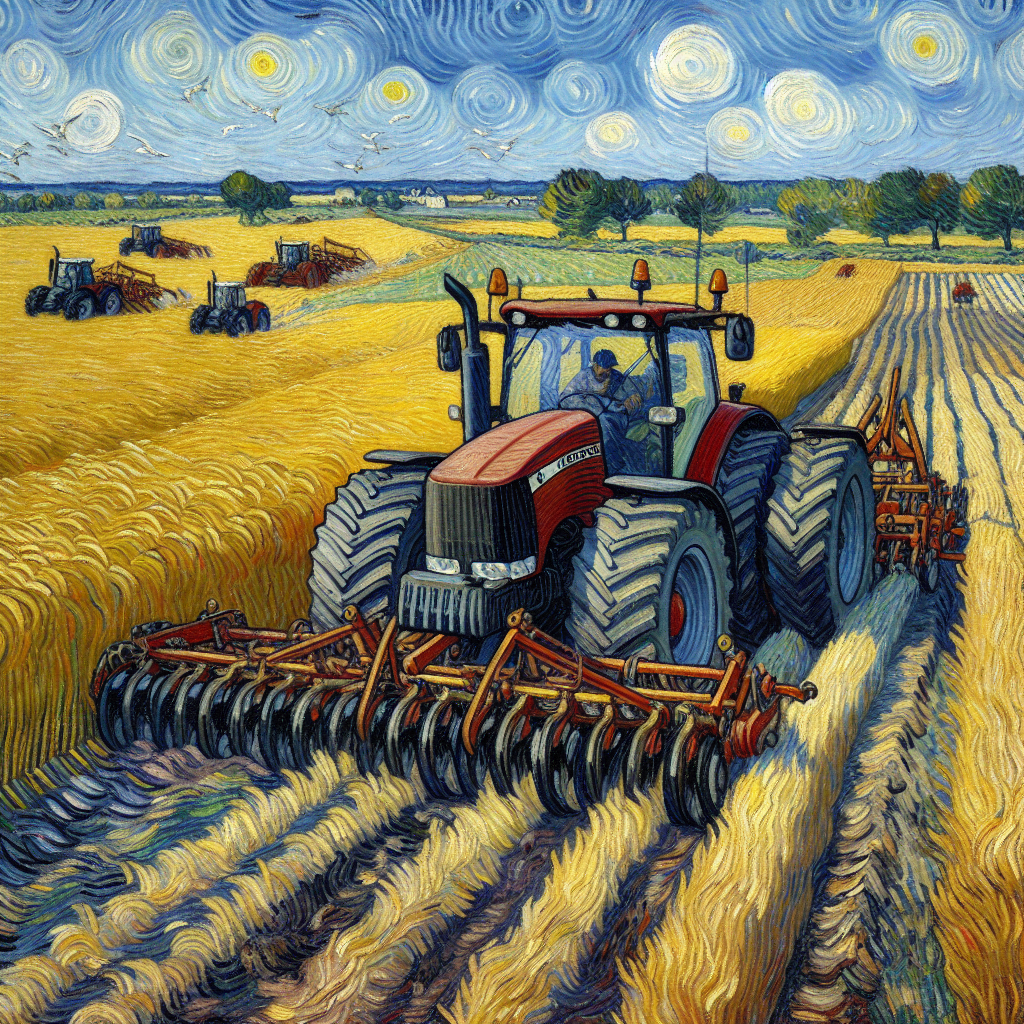
Other Resources
Here is a list of other resources you can review online to learn more:
- Fendt International
- Upton
- Barn Finds
- Escorts
- Louisville Tractor and Truck Pull
- Wagner
- Zanello
- Bobcat
- Oliver
- Schramm
Use This Prompt To Get More Resources With Your Favorite Online AI Tool: Please provide me with a list of online articles with their URLs in a bulleted list that I can read regarding Are You Prepared for The Reliability Of Old-Fashioned Tractors
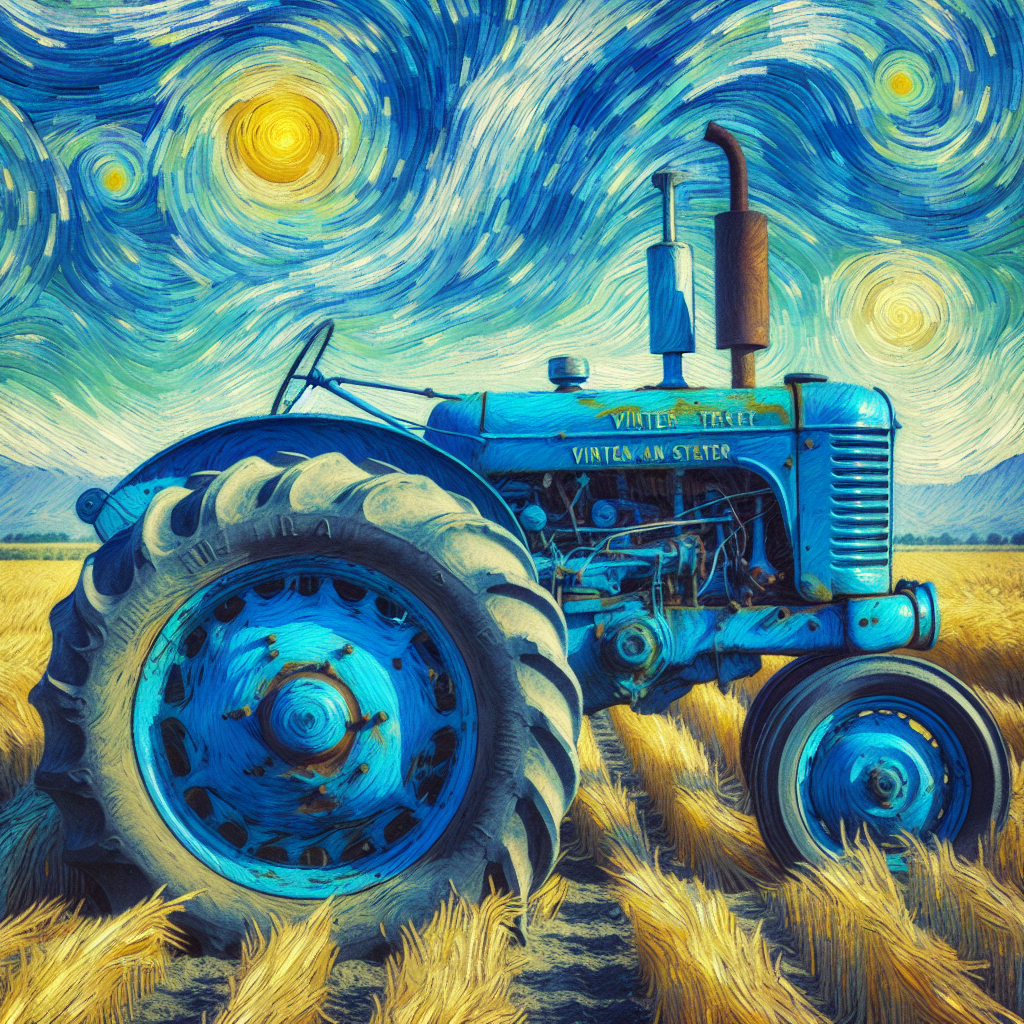
Other Resources
Glossary Terms
Are You Prepared for The Reliability Of Old-Fashioned Tractors – Glossary Of Terms
1. Antique Tractor: A tractor that is typically over 25 years old and often sought after by collectors for its historical value.
2. Maintenance: Regular care and servicing necessary to keep a tractor running efficiently, including oil changes and part replacements.
3. Restoration: The process of repairing and refurbishing an old tractor to return it to its original condition or enhance its functionality.
4. Fuel Efficiency: A measure of how effectively a tractor uses fuel; vintage tractors may have different performance metrics compared to modern models.
5. Mechanical Simple: Refers to the straightforward design of old tractors, which often makes repairs and maintenance easier compared to modern complex machinery.
6. Parts Availability: The accessibility of replacement parts needed for repairs; older tractors might face challenges in sourcing original parts.
7. Durability: The ability of a tractor to withstand wear and tear over time, often a hallmark of older models made with robust materials.
8. Cultivator: An attachment used on tractors for tilling soil, which is often employed in conjunction with vintage farming equipment.
9. Horsepower (HP): A measure of the engine’s power output; vintage tractors often have lower horsepower ratings than modern counterparts.
10. Reliability: The consistency with which a tractor can perform its duties without frequent breakdowns or failures.
11. Transmission: The mechanism that transfers power from the engine to the wheels; older tractors often have simpler manual transmissions.
12. Hydraulics: A system used for lifting and operating implements; older models might have less sophisticated hydraulic systems.
13. Tire Compatibility: The ability of a tractor model to accommodate different tire sizes and types, which can affect handling and traction.
14. Torque: A measure of rotational force; essential for understanding how well a tractor can handle heavy loads.
15. PTO (Power Take-Off): A device that transfers power from the tractor to an implement, crucial for multipurpose farming tasks.
16. Restoration Kits: Packages containing essential parts and tools needed for refurbishing vintage tractors.
17. Tractor Pull: A type of motorsport event where tractors compete to pull a heavy weight, showcasing their power and reliability.
18. Fuel Type: The specific kind of fuel required for operation; older tractors may run on gasoline, diesel, or even alternative fuels.
19. Redesign: The modifications made to upgrade or fix the original design of old tractors, often enhancing their performance.
20. Field Work: The various agricultural tasks performed using tractors, which may include plowing, sowing, and harvesting.
21. Vintage Farming: Refers to agricultural practices and equipment used in past decades, often appreciated for their historical significance.
22. Collector’s Market: A marketplace where enthusiasts buy, sell, and trade antique tractors and parts, often influencing pricing.
23. Garden Tractor: A smaller, lighter version of a tractor suitable for residential use, which may also hold appeal for collectors.
24. Gasoline Engine: An internal combustion engine that powers older tractors, typically less efficient than modern diesel engines.
25. Chassis: The frame of the tractor that supports other components; older models often feature durable and heavier chassis designs.
26. Operator Manual: A guide provided with tractors detailing their operation, maintenance, and safety protocols.
27. Innovation: Refers to advancements in tractor technology that can impact the reliability and efficiency of older machines.
28. Before-and-After: A common term in restoration projects highlighting the difference in appearance and performance of restored tractors.
29. Community: The network of enthusiasts, collectors, and restorer groups dedicated to preserving and celebrating old tractors.
30. Safety Features: Features designed to protect the operator during use, older tractors may lack modern safety enhancements such as roll cages or seat belts.
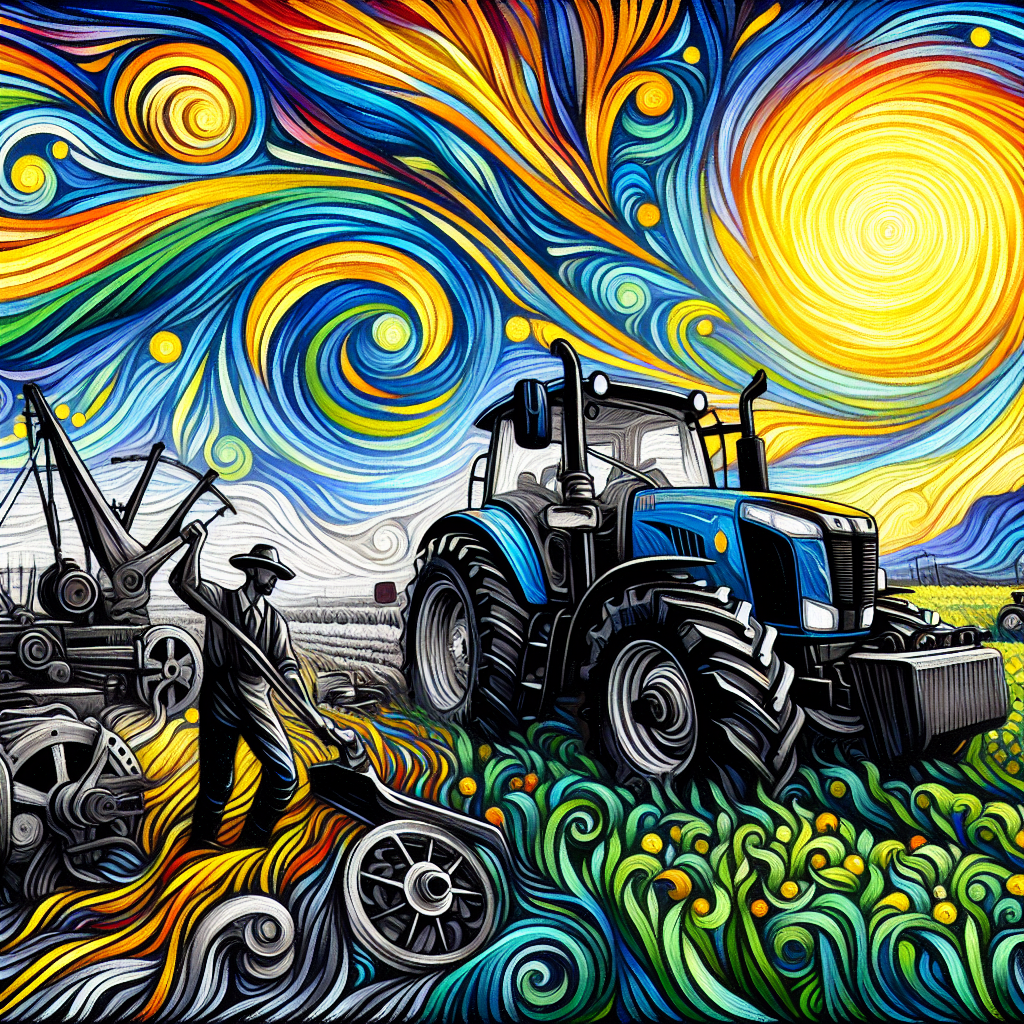
Glossary Of Terms
Other Questions
Are You Prepared for The Reliability Of Old-Fashioned Tractors – Other Questions
If you wish to explore and discover more, consider looking for answers to these questions:
- What are the specific benefits of using old-fashioned tractors over modern ones?
- How do old tractors compare in terms of fuel efficiency?
- What are some common models of vintage tractors that are still reliable today?
- How can I find parts for my old-fashioned tractor if something breaks down?
- What maintenance practices are essential for prolonging the lifespan of old tractors?
- Are there communities or forums dedicated to vintage tractor enthusiasts?
- What are the environmental impacts of restoring old tractors versus purchasing new ones?
- How can old tractors contribute to local farming economies?
- Can old tractors be retrofitted with modern technology?
- How do vintage tractors influence contemporary agricultural practices?
- What skills do farmers need to maintain and repair old tractors?
- How does the culture surrounding old tractors differ from that of modern machinery?
- Are there safety considerations specific to operating vintage tractors?
- What stories or histories are often associated with specific vintage tractors?
- How do vintage tractors help with community bonding among farmers?
Other Questions
Haiku
Are You Prepared for The Reliability Of Old-Fashioned Tractors – A Haiku
Rusty wheels still turn,
Sowing hope in fields of time—
Heritage in toil.
Haiku
Poem
Are You Prepared for The Reliability Of Old-Fashioned Tractors – A Poem
Ode to the Old-Fashioned Tractor
In the dawn’s warm glow, a tale unfolds,
Of steel and grit, of stories told,
A tractor rumbling, steadfast and true,
Echoing whispers of a life we knew.
Once, it plowed through fields of gold,
A farmer’s heart, both brave and bold,
Each dent, each scratch, sings of the past,
A legacy built to endure, to last.
It speaks of summers beneath the sky,
Of laughter and toil, of neighbors nearby,
In every crank and sputter, a familiar song,
Binding generations, where we all belong.
In a world racing forward with screens so bright,
This old machine, it shines a different light,
With simple mechanics, reliable and clear,
It nourishes not just bodies, but bonds we hold dear.
Rational minds find comfort in trust,
For these machines, in their rust,
Require little but care, and wisdom’s grace,
Their value lies in the journeys they trace.
Ethically, the choice feels pure and right,
To embrace sustainability, shun the fleeting flight,
Each turn of the wrench, a promise renewed,
In a culture of discard, fervently imbued.
Craftsmanship echoes through fields and woods,
Amidst the hum of engines, the pulse of the goods,
An authority born from decades of toil,
Roots intertwined with the rich, fertile soil.
So gather ’round tractors, those old friends divine,
In their steadfast presence, let our hearts align,
For in their embrace, we find strength and connection,
A celebration of farming, a timeless reflection.
Embrace the legacy, let memories unite,
In the rhythm of work, the simplicity’s light,
For the old-fashioned tractor, though worn and wise,
Is a testament to living, beneath the vast skies.
Poem
Checklist
Are You Prepared for The Reliability Of Old-Fashioned Tractors – A Checklist
Checklist for Embracing the Reliability of Old-Fashioned Tractors
Heart
_____ Reconnect with Tradition: Reflect on your family’s farming history. What stories can you share about previous generations and their connection to farming?
_____ Embrace Community Spirit: Engage with neighbors or farm groups that share your appreciation for vintage machinery. Have a gathering or workshop to discuss them.
_____ Capture Memories: Take photos and write stories about the old tractors you cherish. What emotions do they invoke for you and your family?
Head
_____ Evaluate Reliability: List the practical benefits of using an old-fashioned tractor versus modern machinery in your farming. Consider maintenance costs, performance, and ease of repair.
_____ Analyze Sustainability: Research the environmental impact of using older tractors vs. modern ones. Write out how your choice contributes to a sustainable farming practice.
_____ Assess Trustworthiness: Compare your experience with maintenance and reliability of vintage tractors against newer models. Which has proved more dependable?
Gut
_____ Reflect on Emotional Investment: Consider how using an old tractor makes you feel. Is it pride, nostalgia, comfort? Journal about it.
_____ Create a Maintenance Routine: Outline a simple maintenance checklist for your old tractor. This can include regular checks and repairs that ensure longevity.
_____ Stand for Sustainability: Join a local initiative or group focused on agricultural sustainability practices that align with using older equipment. How will you contribute?
Emotional Appeal
_____ Watch for Connections: Pay attention to how your old tractor fosters conversations with friends and family. What stories or lessons are shared?
_____ Personal Impact: Write down how the use of an old tractor enhances not just your farming efficiency but also your personal joy or fulfillment from engaging in traditional practices.
Rational Appeal
_____ Cost Analysis: Create a cost-benefit analysis comparing the long-term expenses of maintaining an old tractor versus acquiring new equipment.
_____ Reliability Report: Keep track of the operational efficiency and any breakdowns of your vintage tractors over the season to establish a data-driven perspective on their reliability.
Ethical Appeal
_____ Sustainability Commitment: Indeed your commitment to sustainability by volunteering or participating in community discussions about agricultural practices that lean towards preserving old equipment.
_____ Support Local Economy: Buy parts or services from local businesses and farms that help maintain older equipment, thereby supporting your community.
Authority Appeal
_____ Seek Expertise: Attend workshops or seminars led by vintage tractor enthusiasts and experts. What insights can you gather to enhance your own practices?
_____ Share Your Knowledge: Present what you’ve learned about old-fashioned tractors to your community, perhaps through a blog, social media, or local farming seminars.
Narrative Appeal
_____ Document Stories: Start a blog or journal where you share experiences about farming with older tractors, focusing on personal anecdotes and community stories that highlight their significance.
_____ Create a Legacy: Plan an event that showcases the history and usefulness of vintage tractors to inspire others to appreciate and embrace their value.
Social Appeal
_____ Community Engagement: Form or join a local vintage tractor club or society to enhance connections with others who value tradition and craftsmanship.
_____ Share on Social Media: Use platforms to showcase your old tractors, sharing pictures, maintenance tips, and stories to engage and inspire others in your network.
This checklist is designed to help you deepen your connection with the reliability and craftsmanship of old-fashioned tractors, while also encouraging sustainable practices and community engagement.
Checklist
At ClassicTractorNews, we help tractor lovers keep up with the latest news for classic and vintage tractors.
Please share this post with your friends, family, or business associates who may like old classic or vintage tractors.