

The Timeless Appeal Of Vintage Tractor Reliability
By Tom Seest
At ClassicTractorNews, we help tractor lovers keep up with the latest news for classic and vintage tractors.
Please share this post with your friends, family, or business associates who may like old classic or vintage tractors.
Are You Missing Out on The Reliability Of Vintage Tractors
?
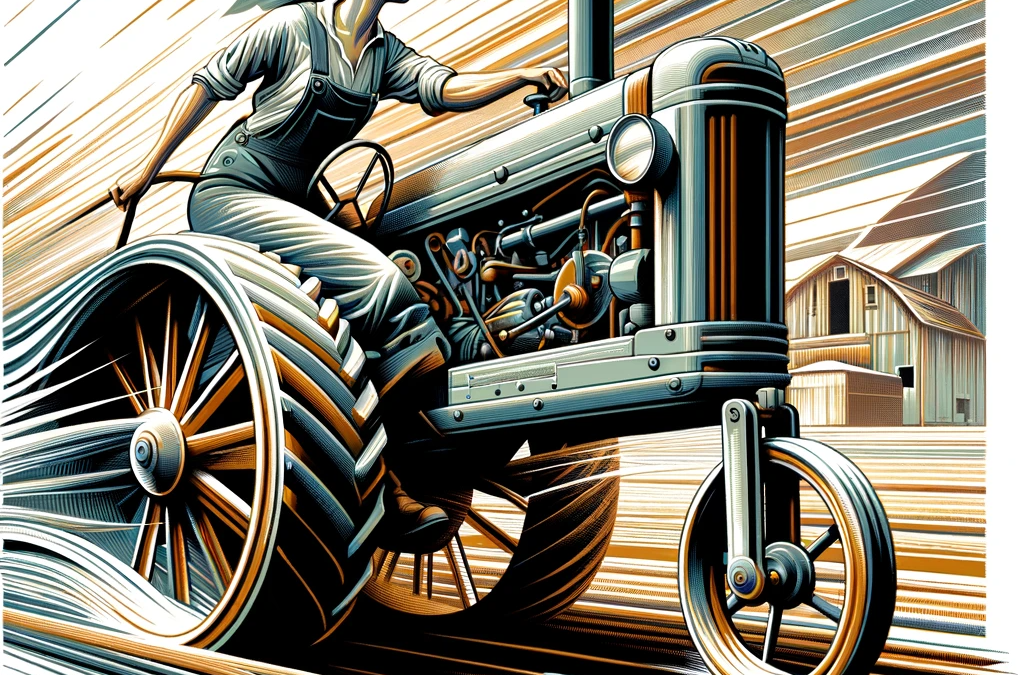
There’s something profoundly stirring about a vintage tractor. It’s not just a piece of machinery; it’s a treasure trove of stories and grit, a connection to our agricultural heritage that too many are willing to overlook. Imagine standing beside a stout piece of iron that has weathered decades of toil, each scratch and blemish telling tales of hard work, family traditions, and sweat-soaked summers.
Now, let’s engage that rational side of you. Picture this: modern tractors are sleek and loaded with tech, but at what cost? More moving parts often translate to more potential breakdowns. Vintage tractors, on the other hand, celebrate simplicity. They’re designed to get the job done with less fuss and a lot less stress. You can fix them in your garage with a wrench and a little elbow grease, rather than scheduling an overpriced service at a dealership. In terms of reliability, you can’t beat the raw, unadulterated power and ease of maintenance that vintage machines provide.
From an ethical standpoint, what do you truly value? Supporting local farmers and craftsmen who restore these mechanical marvels fosters a vibrant community and a marketplace where tradition and sustainability thrive. It’s not just about owning a tractor; it’s about preserving a way of life that respects the land and the laborers who’ve tended it for generations.
And let’s not forget the social appeal. When you roll up to a gathering, whether it’s a local fair or a neighborhood barbecue, that vintage tractor is going to spark conversations. Watch as others gather around, entranced by the heft of history and the nostalgia it conjures. You’ll find common ground in a shared love for simplicity, hard work, and craftsmanship.
But ultimately, it’s about connection. Every time you fire that vintage tractor up, you’re not just starting an engine; you’re igniting a legacy. Let it ripple through you—feel the thrum of history beneath your hands as you work the fields or pull that trailer. Trust in the reliability of these machines is a promise kept in the heart of every farmer. So ask yourself: are you truly missing out? Embrace the legacy and dive into the world of vintage tractors. You might just find that they offer more than you ever imagined.
Are You Missing Out on The Reliability Of Vintage Tractors
Are You Missing Out on The Reliability Of Vintage Tractors
- Vintage tractors embody stories and connections to agricultural heritage, often overlooked by many.
- Each imperfection on a vintage tractor reflects hard work, family traditions, and time-honored practices.
- Modern tractors may have advanced technology but come with increased complexity and potential breakdowns.
- Vintage tractors prioritize simplicity, ease of maintenance, and reliability, allowing for home repairs.
- Supporting the restoration of vintage tractors aids local farmers and promotes sustainable communities.
- Owning a vintage tractor fosters social connections and conversations rooted in nostalgia.
- Using a vintage tractor connects users to a legacy of farming, trust, and history with every operation.
Are You Missing Out on The Reliability Of Vintage Tractors
Table Of Contents
- Are You Missing Out on The Reliability Of Vintage Tractors
- Are Vintage Tractors A More Reliable Choice For Your Farming Needs?
- How Do Vintage Tractors Compare To Modern Machines In Performance?
- Can You Rely On Vintage Tractors To Save Money In The Long Run?
- How Do You Ensure The Maintenance Of Vintage Tractors For Longevity?
- How Do Vintage Tractors Symbolize Resilience In Farming History?
- What Safety Measures Should You Consider With Older Tractor Models?
- Conclusion
- Other Resources
- Glossary Of Terms
- Other Questions
- Haiku
- Poem
- Checklist
Are Vintage Tractors A More Reliable Choice For Your Farming Needs?
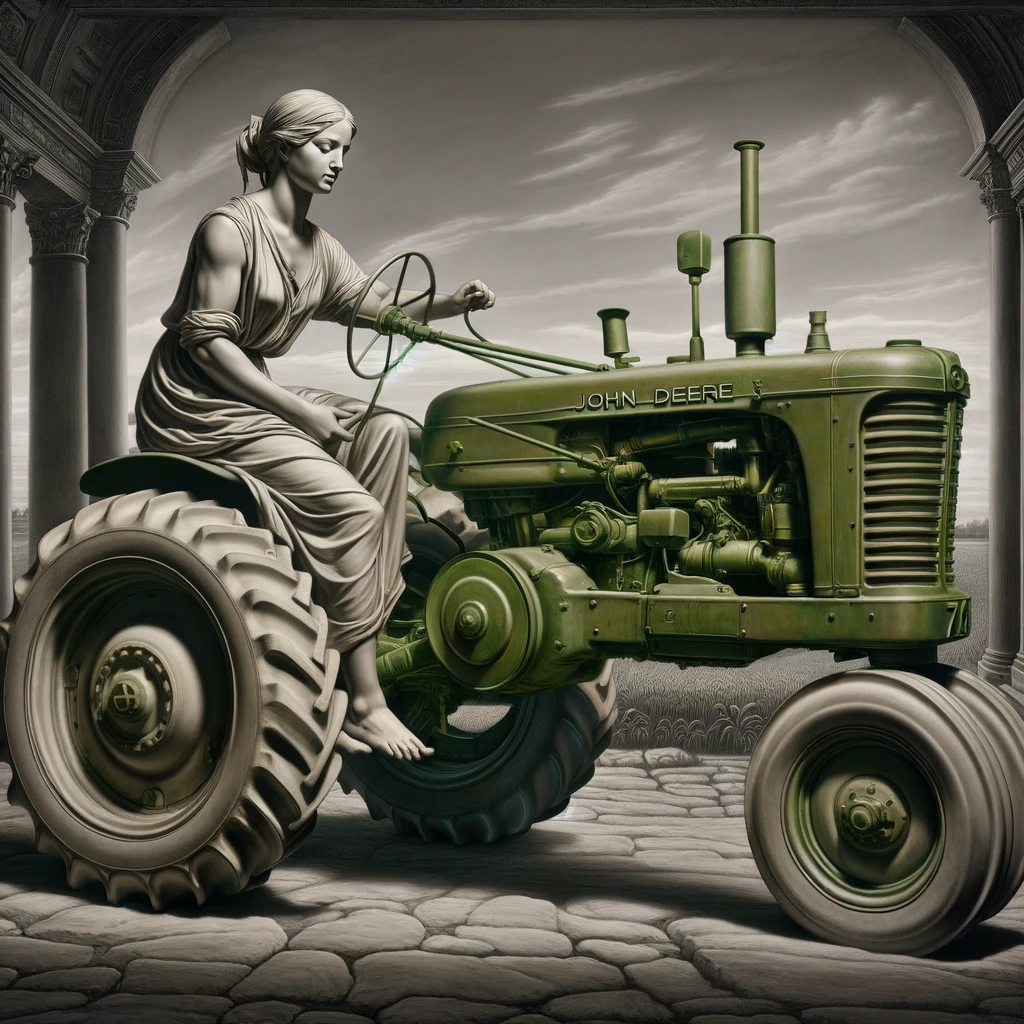
When wandering through a tractor yard, you might find yourself face to face with a classic that’s weathered the years—its paint faded, but its spirit unbroken. These vintage tractors, with their robust design and reliable performance, often represent more than just machinery; they encapsulate an era of grit, determination, and hard work. They embody the values passed down through generations—values familiar to anyone who has ever toiled under the sun.
Now, don’t get me wrong; the allure of shiny, modern equipment is undeniable. But let’s think about what really matters on the farm. When the clouds gather and the work calls, you need a tractor that’s dependable, something that won’t buckle under pressure. Vintage tractors often deliver that peace of mind. Their straightforward mechanics are less prone to the complications that can plague modern machines packed with high-tech gadgets. Want to troubleshoot? With a vintage model, you’re looking at metal and grease, not a maze of electronics and error codes.
Ethically speaking, investing in a vintage tractor can also feel like a nod to sustainability. By breathing new life into an old beast, you’re making a choice that’s kinder to the environment. Instead of contributing to the endless cycle of production and waste, you’re participating in a tradition of repair, reuse, and resilience. This kind of decision fosters a connection not only with the land but with your community. You’re engaging with fellow farmers who share your passion for preserving farming heritage and ensuring its future.
It’s also about the stories that those tractors hold. Each dent and scratch has a tale to tell—of storms weathered, crops harvested, or time spent with family and friends. Imagine stories being shared around the farm, lifting spirits and inspiring the next generation of farmers to appreciate the history that informs their toil. These machines aren’t just tools; they’re storytellers.
So, when considering your farming needs, ask yourself: What does reliability truly mean to you? A vintage tractor isn’t just a relic; it’s a solid partner that can help raise crops, build memories, and carry on traditions. It carries the weight of the past while helping to shape your future, reminding us all that sometimes, the right choice doesn’t come from the latest technology, but from a long-standing, proven legacy of hard work and warmth.
Are Vintage Tractors A More Reliable Choice For Your Farming Needs?
Are Vintage Tractors A More Reliable Choice For Your Farming Needs?
- Vintage tractors symbolize resilience, heritage, and the values of hard work.
- Their robust design and reliable performance stand the test of time.
- While modern equipment has its appeal, vintage tractors offer dependable functionality when needed most.
- They feature straightforward mechanics, making them easier to troubleshoot compared to modern, complex machines.
- Investing in vintage tractors supports sustainability through repair and reuse, minimizing environmental impact.
- Each vintage tractor has unique stories tied to farming history, fostering community and tradition.
- Choosing a vintage tractor reflects a commitment to legacy, reliability, and a connection to the past.
Are Vintage Tractors A More Reliable Choice For Your Farming Needs?
How Do Vintage Tractors Compare To Modern Machines In Performance?
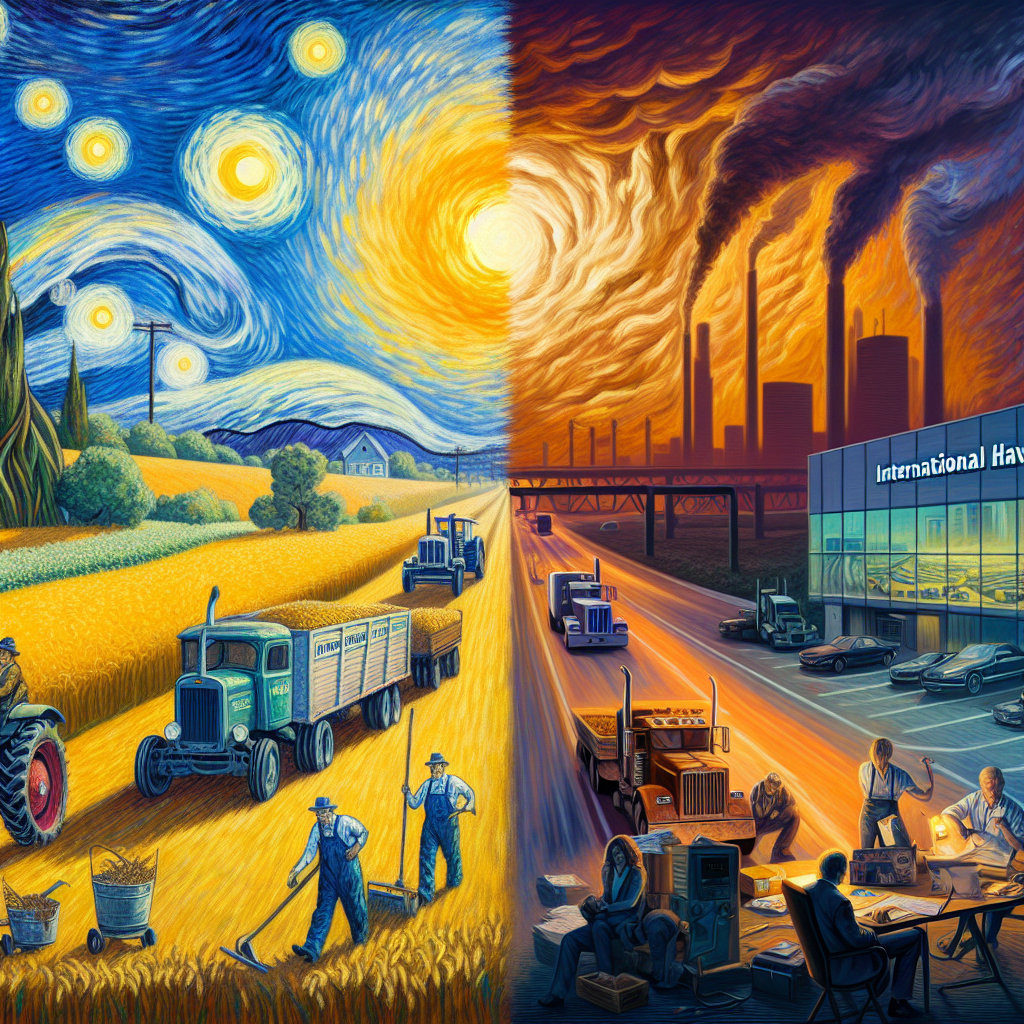
When you look at a vintage tractor, it’s like peering into a time capsule that captures the essence of hard work and perseverance. These machines, built from steel and grit, were not just tools; they were companions in the labor of love that is farming. They tell stories of early mornings and long days, the struggles against the elements, and the triumphs that came with the harvest. In contrast, modern tractors are remarkable feats of engineering, equipped with high-tech gadgets that make them efficient and user-friendly. But do they foster that same heart-and-soul connection?
On the surface, the performance metrics of vintage tractors may seem antiquated when stacked against the capabilities of contemporary equipment. A modern tractor might boast fuel efficiency and GPS-guided precision planting, but it can lack the rugged charm and straightforwardness of those older models. The simplicity of a vintage tractor invites you to roll up your sleeves and get involved. You can actually feel the pulse of the machine beneath your hands. It’s raw power without the layers of technology isolating you from the experience.
From a rational standpoint, let’s look at durability. Vintage tractors were made to last, engineered in an era when quality was paramount. Many still roam fields today, a testament to their solid craftsmanship. While modern tractors offer the allure of innovation, the reliance on technology can come with its own set of complications. Electronic failures and the need for software updates can lead to downtime, sidelining the farmer just when they need to be out in the field. There’s something to be said for a tractor that doesn’t require a manual and computer skills to keep it running smoothly.
Ethically, the choices we make about the machinery we use can reflect our values. Supporting vintage tractors not only honors the legacy of those who toiled on the land before us but also champions sustainability. Older models often require fewer resources and can be restored and repurposed, fostering a connection to the past for generations to come.
Ultimately, whether you’re driving a vintage tractor across a sun-drenched field or navigating the latest models, it’s about understanding where we come from while we cultivate our future. In that moment, whether you’re in the cab of a vintage beast or behind the wheel of a modern marvel, you’re part of the ongoing narrative of agriculture—a story that continues to evolve, and one that’s ripe for new chapters yet to be written.

How Do Vintage Tractors Compare To Modern Machines In Performance?
How Do Vintage Tractors Compare To Modern Machines In Performance?
- Vintage tractors embody hard work and perseverance, acting as companions in farming.
- They evoke memories of early mornings, struggles, and triumphs in agricultural life.
- Modern tractors feature advanced technology for efficiency but may lack the emotional connection of vintage models.
- Vintage tractors provide a hands-on experience, allowing users to feel the machinery’s raw power.
- Durability is a hallmark of vintage tractors, often outlasting modern machines that rely heavily on technology.
- Supporting vintage tractors promotes sustainability and honors agricultural history, as they require fewer resources.
- Both vintage and modern tractors play roles in the evolving narrative of agriculture, reflecting our past while shaping the future.
How Do Vintage Tractors Compare To Modern Machines In Performance?
Can You Rely On Vintage Tractors To Save Money In The Long Run?
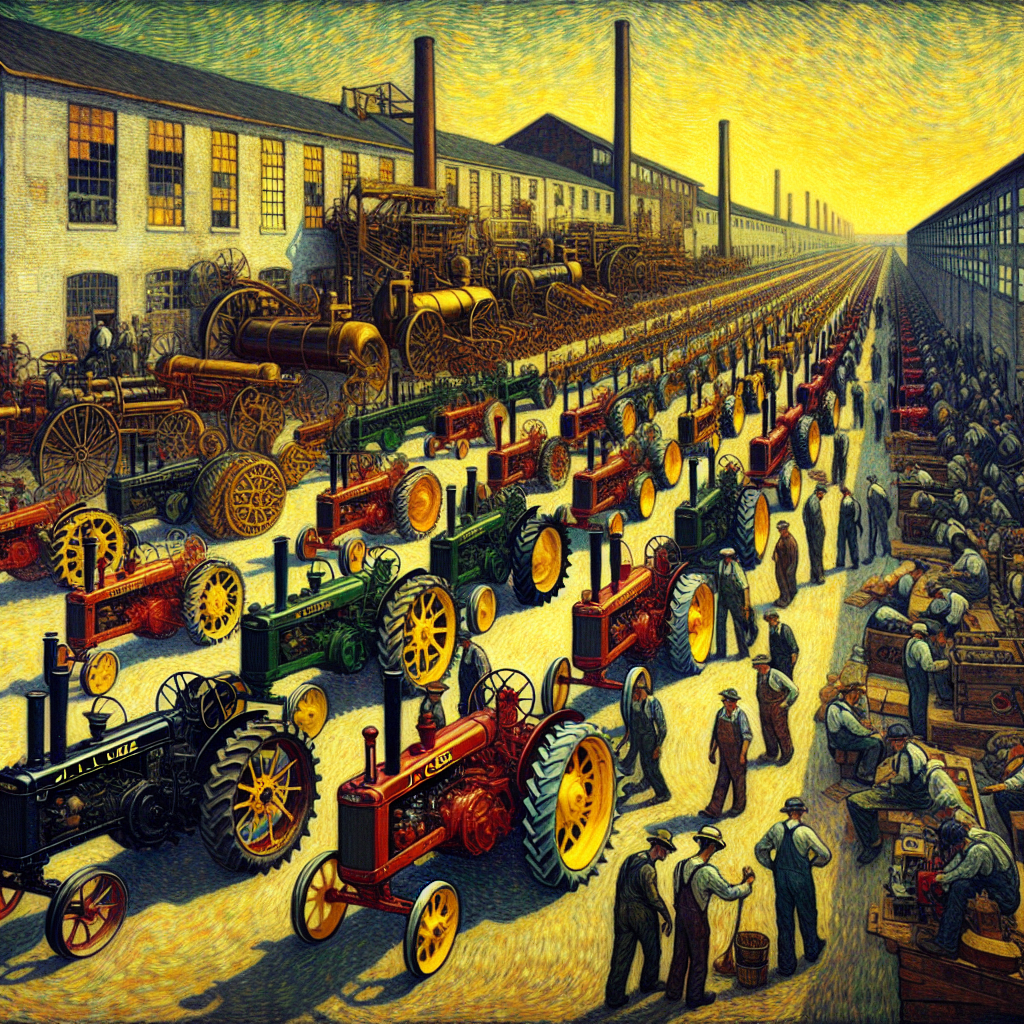
When you think about a tractor, you might envision your grandfather in the field, the sun setting behind him, hard at work. A vintage tractor isn’t just a machine; it’s a slice of history, a testament to a simpler time when things were built to last. The allure of these timeless tractors goes beyond nostalgia; it taps into something deeper—values like resilience, reliability, and simple ingenuity that resonate with all of us.
Now, let’s put the emotional tug aside for a moment and talk turkey. When you consider a vintage tractor, you’re often looking at hefty initial savings. Sure, the upfront cost might be lower than a shiny new model, but let’s ponder a bit further. Vintage tractors, when properly cared for, can serve you faithfully for decades. Unlike their modern counterparts designed with planned obsolescence in mind, these machines often boast straightforward mechanics, meaning less time in the shop and more time where it counts: out in the fields, getting the job done. It’s a hard pill to swallow, but many new tractors come complete with a monthly payment plan that feels more like a mortgage than a purchase.
Ethically speaking, there’s something appealing about keeping these vintage piece-of-art tractors alive. While a new tractor comes steaming off the line fresh from the factory, it often contributes to a cycle of consumption that leaves the planet gasping for breath. By rescuing a vintage model from obscurity, not only are you giving it a new life, but you’re also reducing your environmental footprint, which is a win-win for you and Mother Earth.
And let’s not forget the community aspect. Tinkering with vintage tractors can become a shared passion, a way to connect with fellow enthusiasts who value craftsmanship and tradition. Those garage meet-ups and online forums can ignite friendships that fuel not only your love for vintage equipment but also your farm’s productivity.
So, as you consider whether to invest in a vintage tractor, reflect on these dimensions. Are you ready to embrace a sense of nostalgia and practicality? Can you envision the stories you’ll tell, the savings you’ll reap, and the connections you’ll foster? It might just be time to give a classic tractor a second chance at glory—and in the long run, your wallet and your heart might thank you for it.

Can You Rely On Vintage Tractors To Save Money In The Long Run?
Can You Rely On Vintage Tractors To Save Money In The Long Run?
- Vintage tractors symbolize a connection to history, representing resilience, reliability, and ingenuity.
- They offer hefty initial savings compared to new models, with potential for decades of service when properly maintained.
- Vintage tractors are designed with straightforward mechanics, resulting in less downtime for repairs.
- Investing in vintage models helps reduce environmental impact by avoiding the cycle of consumerism associated with new tractors.
- Owning a vintage tractor fosters a sense of community among enthusiasts who share a passion for craftsmanship and tradition.
- Tinkering with vintage tractors can lead to friendships and connections that enhance productivity on the farm.
- Consider the nostalgic and practical benefits of investing in a classic tractor for both personal fulfillment and financial savings.
Can You Rely On Vintage Tractors To Save Money In The Long Run?
How Do You Ensure The Maintenance Of Vintage Tractors For Longevity?
How Do You Ensure The Maintenance of Vintage Tractors for Longevity?
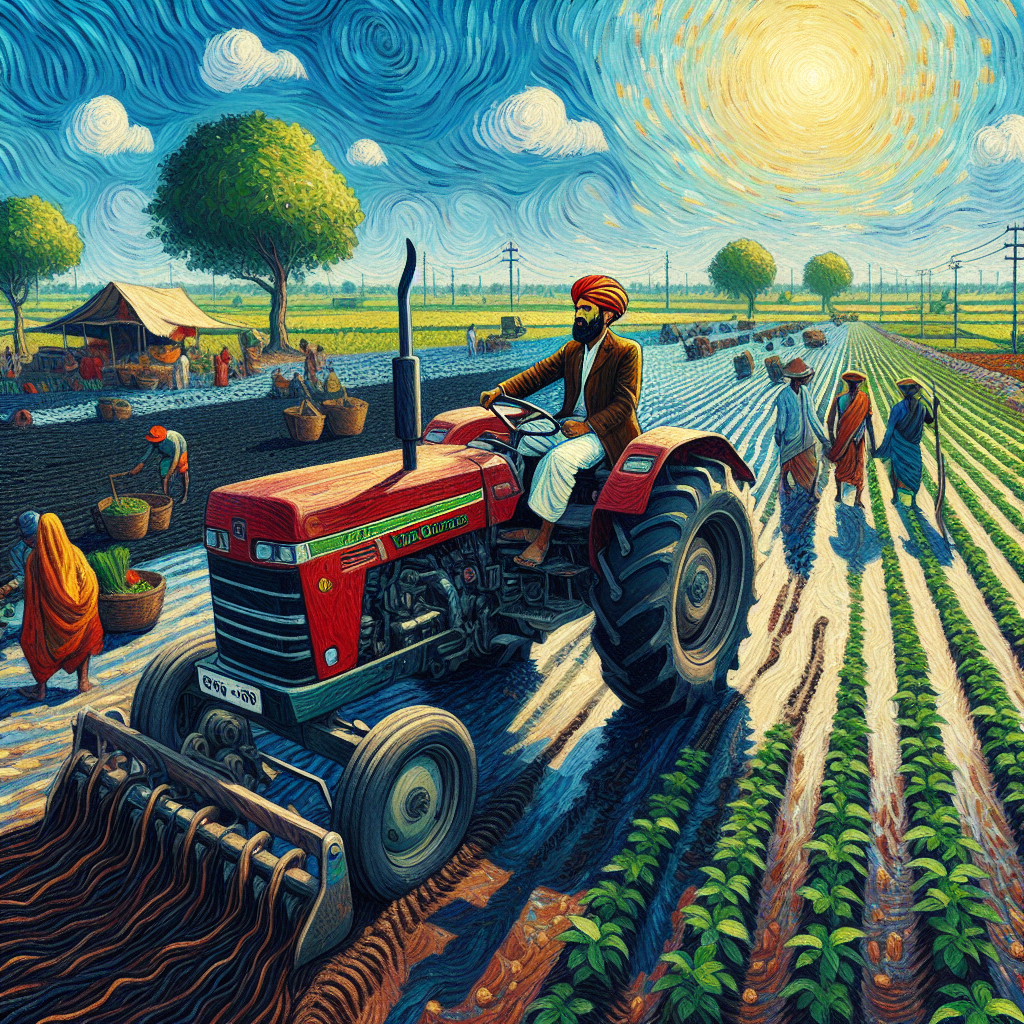
When you stand before a vintage tractor, there’s more than just metal and mechanics; there’s a story. Each scratch, dent, and faded paint job tells a tale of hard work and relentless determination. Maintaining these tractors isn’t just about preservation; it’s about honoring their legacy. Picture this: a farmer tending to fields with a trusty tractor by his side, the very same machine that helped provide for his family. That bond, forged through sweat and toil, is the foundation of what it means to care for these magnificent machines.
To begin this adventure of maintenance, start with the heart of the beast—the engine. Routine oil changes may seem like a mundane task, but to your vintage tractor, it’s akin to a well-deserved spa day. A clean engine purrs with gratitude, resulting in improved performance and longevity. And don’t overlook the fuel system; old tractors can be picky eaters, so high-quality fuel and periodic line checks are essential.
As you dive deeper, don’t forget the power of community. Surround yourself with fellow enthusiasts, perhaps by joining a local vintage tractor club. These gatherings are filled with shared wisdom, from tips on restoring an old Ignition system to finding that obscure part you thought was lost to time. More than just a hobby, vintage tractor preservation can create lasting friendships and foster a sense of belonging. Together, you’re not just maintaining a machine; you’re fostering a legacy.
Now, let’s engage that gut instinct. When you hear that beautiful rumble of an old tractor starting up, it’s a reminder of your own roots. This machine can evoke emotions tied to family gatherings, barbecues, and hard work under the sun. By tending to your tractor, you are not just preserving a piece of machinery; you’re cultivating memories and values that will be passed down through generations.
But there’s a more profound call here; it’s an ethical commitment. By ensuring your vintage tractor remains in top shape, you’re taking a stand for sustainable practices. Using these old machines means less reliance on new production, lower emissions, and an appreciation for craftsmanship that is vanishing in our fast-paced world.
In nurturing these incredible pieces of agricultural history, we foster trust in ourselves and our ability to keep the past alive. So roll up those sleeves, grab your tools, and remember: every bit of love and effort you put into maintaining that vintage tractor is more than just maintenance; it’s a promise to the future. The legacy continues—one turn of the wrench at a time.
How Do You Ensure The Maintenance Of Vintage Tractors For Longevity?
How Do You Ensure The Maintenance Of Vintage Tractors For Longevity?
- Vintage tractors tell stories of hard work, representing the bond between farmers and their machines.
- Maintenance begins with the engine; regular oil changes and fuel checks are crucial for optimal performance.
- Joining a local vintage tractor club fosters community, friendship, and access to shared knowledge.
- Maintaining tractors helps preserve memories and values associated with family traditions and hard work.
- Using vintage tractors promotes sustainable practices by reducing reliance on new production and emissions.
- Efforts in maintenance reflect a commitment to craftsmanship and preserving agricultural history.
- Every act of care is a promise to nurture the legacy of vintage tractors for future generations.
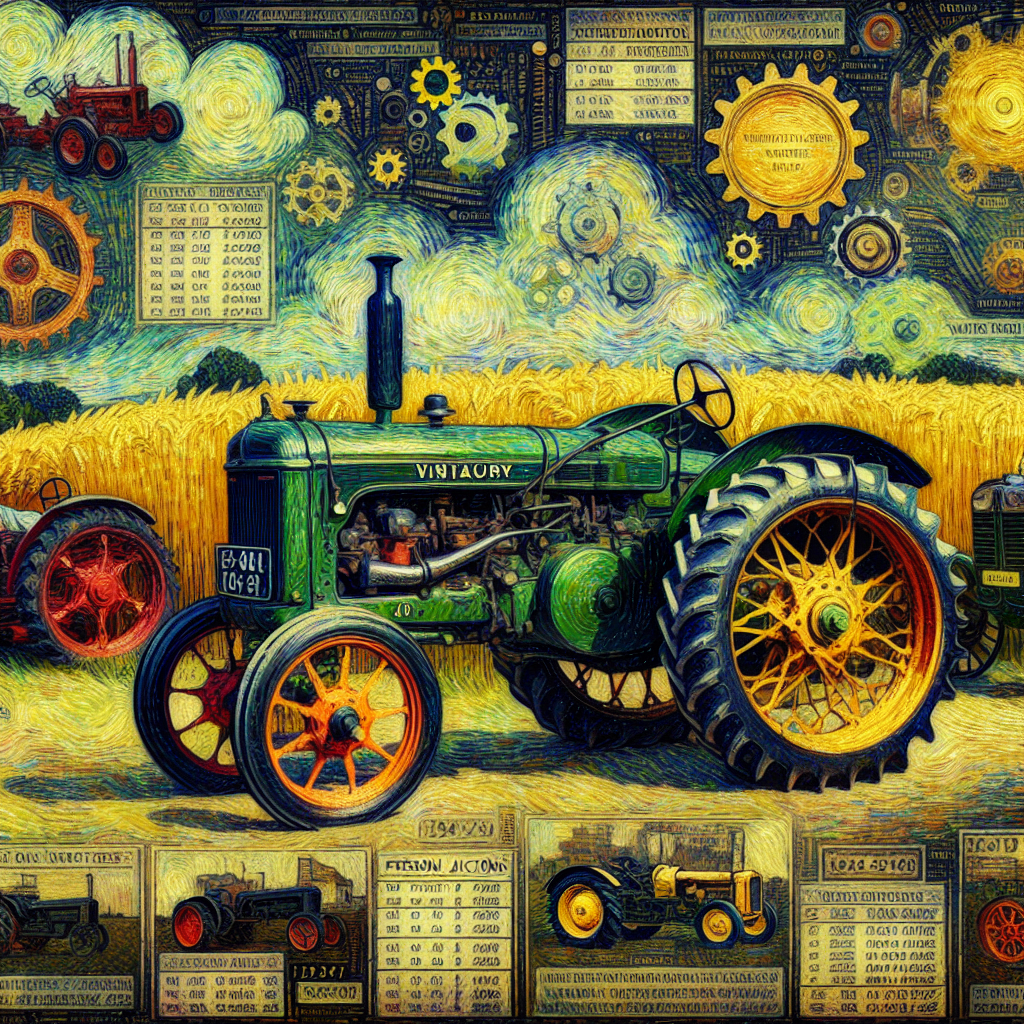
How Do You Ensure The Maintenance Of Vintage Tractors For Longevity?
How Do Vintage Tractors Symbolize Resilience In Farming History?
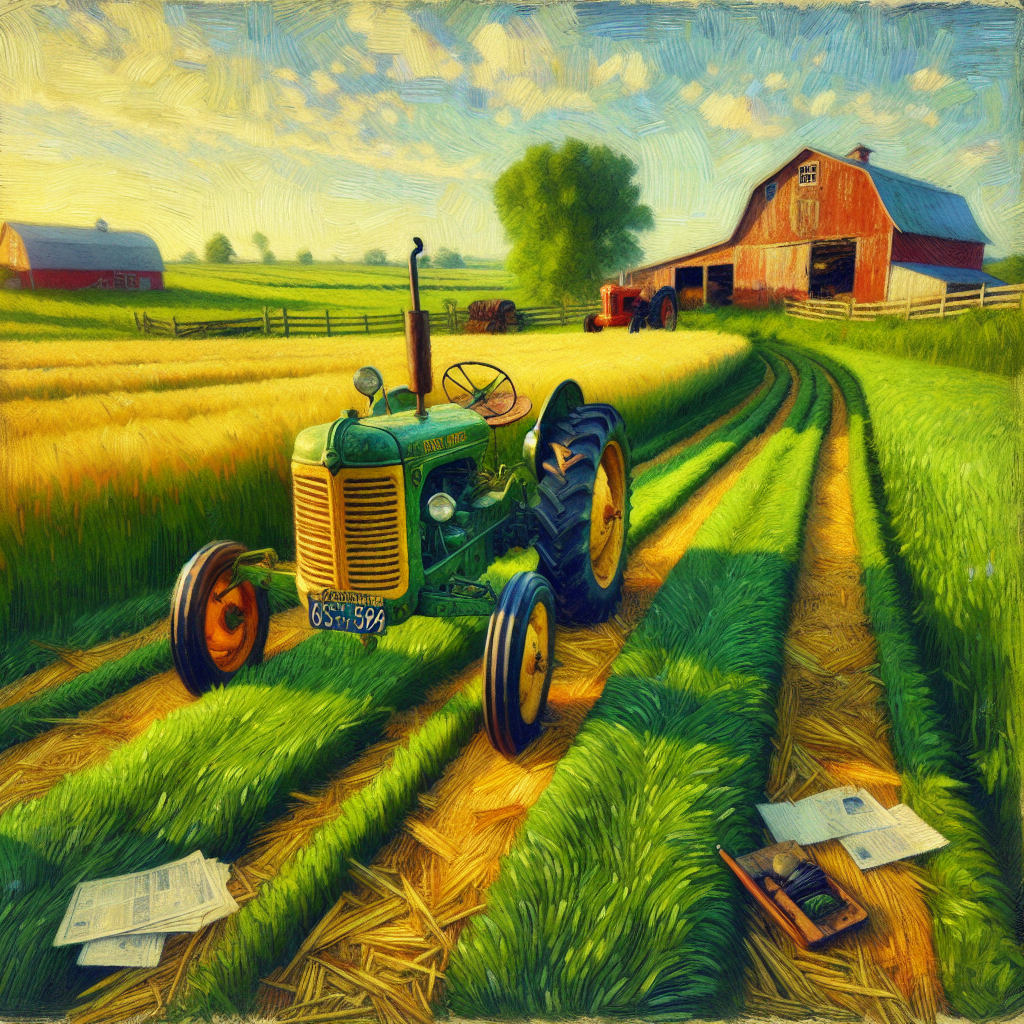
Picture a field at dawn, dew glistening like diamonds on the clover, and there, cutting through the silence, is an old tractor. The rusted paint may be peeling, but its engine purrs with a fierce, unwavering spirit, echoing tales of the farmers who once rode it into the wild unknown. To many, these vintage tractors are not just relics of a bygone era—they stand as towering beacons of resilience in farming history.
Every dent and scratch tells a story, offering a glimpse into the lives of those who struggled against the elements, droughts, and the ever-present uncertainty that comes with the land. These machines were once the friendly giants of the fields, helping to turn soil, plant seeds, and harvest crops when hope hung in the balance. Their mechanical heartbeats symbolize a commitment to the land and a collective endeavor to cultivate not only crops but community.
In a world increasingly characterized by speed and convenience, the vintage tractor reminds us that patience and perseverance are virtues worth holding onto. Farmers knew that success wasn’t a straight, paved road; it was often a bumpy ride filled with setbacks. Yet, just as these tractors powered through mud and muck, so too did the farmers forge ahead, driven by a profound love for their land and families. It’s that indomitable spirit that still inspires today’s generation, urging them to value commitment and hard work.
Moreover, vintage tractors are treasures of our agricultural heritage—an ethical obligation to respect those who toiled before us. The craftsmanship and ingenuity that went into building these machines reflect the very essence of human creativity and determination. Keeping them alive in today’s world isn’t just about restoring rust; it’s about honoring the legacy of resilience.
When we gather at vintage tractor shows or share stories across generations, we form connections that unite us. It’s more than just nostalgia; it’s a reminder of our shared humanity, our struggles, and triumphs. Each engine that roars back to life serves as a rallying cry, inviting us to remember where we’ve been and where we’re going.
So, the next time you see a vintage tractor, pause and let it sink in. Embrace its history, its stories, and most importantly, the spirit of resilience it embodies—a timeless testament to the strength found in the heart of farming.
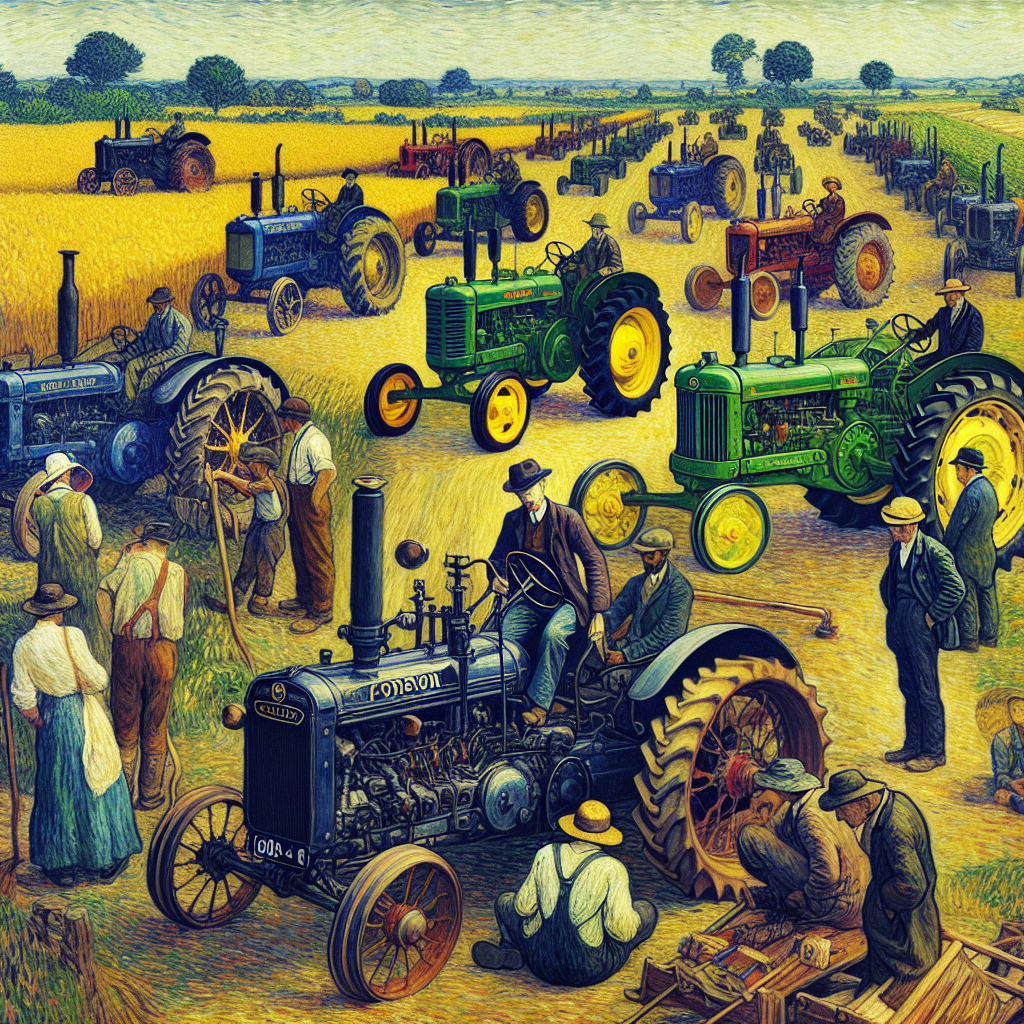
How Do Vintage Tractors Symbolize Resilience In Farming History?
How Do Vintage Tractors Symbolize Resilience In Farming History?
- A picturesque dawn field with dew-covered clover and an old tractor symbolizes resilience in farming history.
- The vintage tractor, despite its rust and peeling paint, resonates with the spirit of farmers who faced challenges in the wild unknown.
- Every dent and scratch on these machines tells a story of struggle against nature and uncertainty, representing commitment to land and community.
- In a fast-paced world, vintage tractors remind us of the importance of patience and perseverance in achieving success.
- Vintage tractors are treasures of agricultural heritage, reflecting the craftsmanship and determination of those who came before us.
- Gathering at tractor shows fosters connections across generations, celebrating our shared humanity, struggles, and triumphs.
- Vintage tractors are a timeless testament to the strength found in farming, encouraging us to honor their history and the spirit they embody.
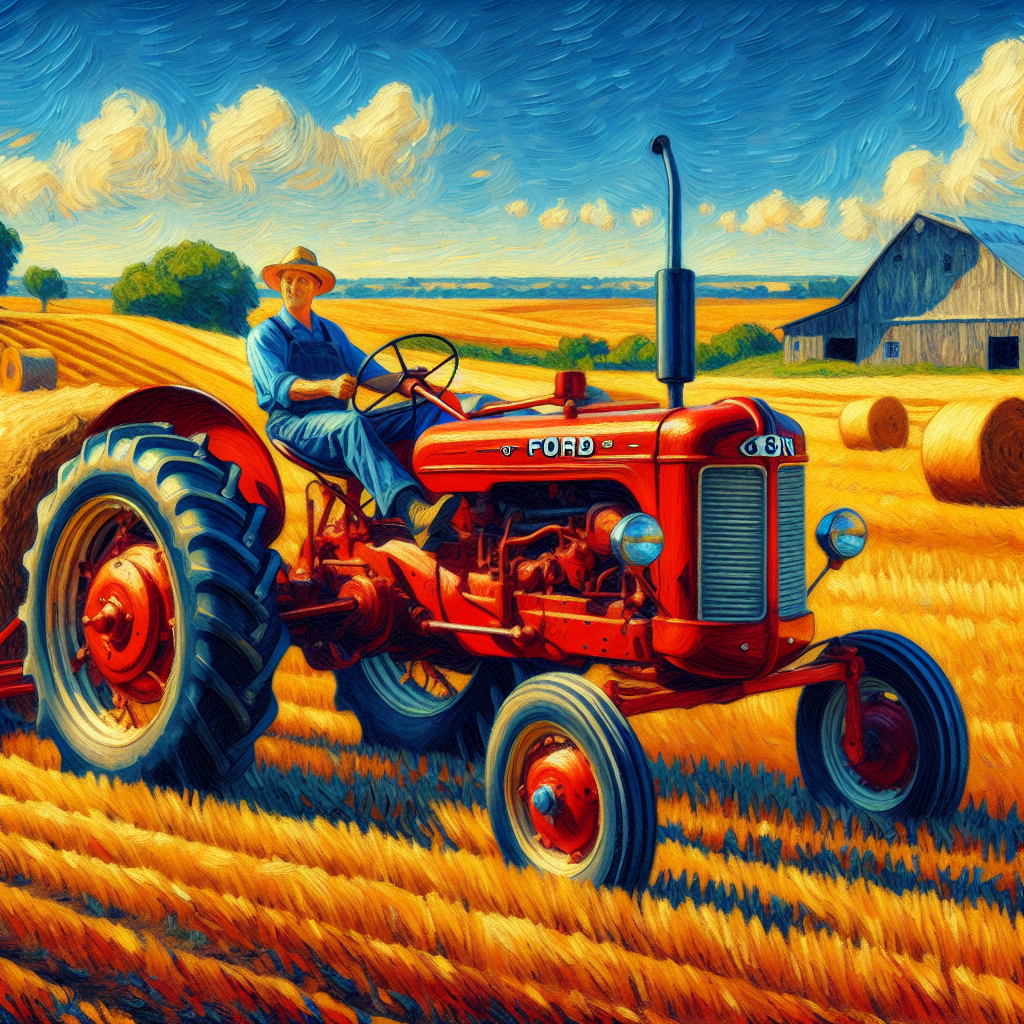
How Do Vintage Tractors Symbolize Resilience In Farming History?
What Safety Measures Should You Consider With Older Tractor Models?
When it comes to older tractors, there’s a certain charm that many of us can appreciate. They’ve stood the test of time, weathered the storms, and brought forth harvests that feed generations. But with that nostalgia comes a profound responsibility—one that calls for vigilance and care. These machines, while sturdy and dependable, lack many of the modern safety features that are now commonplace. So, as you fire up that cherished piece of equipment, take a moment to consider the safety measures you need to put in place.
First off, let’s talk about the heart of the machine: the operator. The human element is irreplaceable, and it’s essential to ensure that you’re equipped to handle the power of an older tractor. Take the time to familiarize yourself with its quirks and mechanisms. Know that, while it may feel like a trusty steed, it can also be temperamental. This isn’t just about operating machinery; it’s about respecting it. Embrace the responsibility that comes with that connection. Your safety, and the safety of those around you, depends on it.
Now, let’s engage the head. Mechanics don’t lie, and the statistics are clear: accidents often occur when operators are unfamiliar with their equipment. Investing in safety gear is not just an option; it’s a necessity. A well-fitted helmet, sturdy boots, and visibility vests can make the difference between a close call and a tragic accident. Reach out to local agricultural safety programs for resources that can better equip you. These are not just recommendations; they’re calls to action that could save a life.
Finally, let’s not forget the ethical imperative that comes with operating older tractors. Think of the legacy you’re building—not only for your own family but for the entire community. Keeping everyone safe means being a responsible steward of the land and those who work it. Talk about your safety practices with friends and neighbors. When you share your stories, you inspire others to take the same precautions, creating a culture of safety that can ripple through your community.
In short, engaging with these yellowed machines from our past is a privilege, but with it comes the weight of our choices. Equip yourself with knowledge, arm yourself with safety gear, and nurture that deep-rooted connection for a better tomorrow on the farm. Trust me; it’s a ride you’ll want to last.
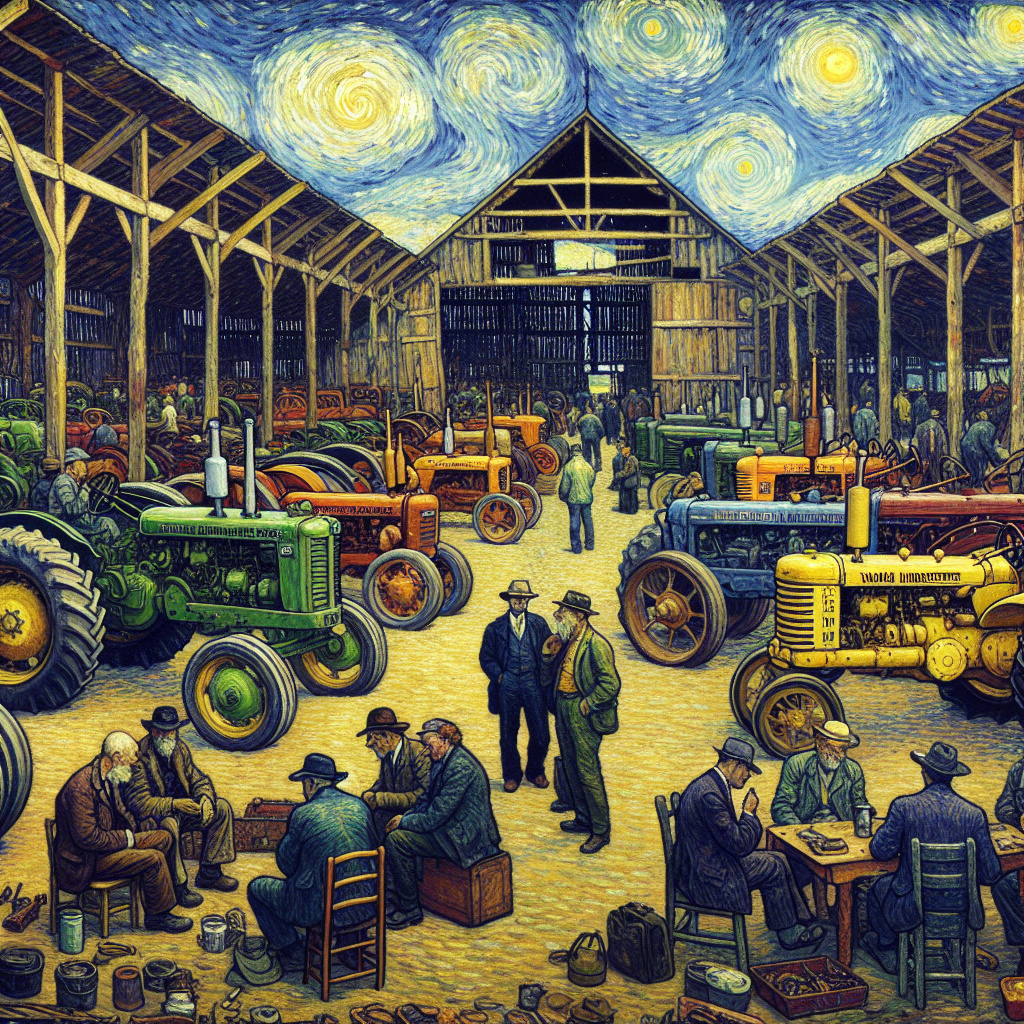
What Safety Measures Should You Consider With Older Tractor Models?
What Safety Measures Should You Consider With Older Tractor Models?
- Older tractors hold nostalgic value and have proven their durability over time.
- They lack modern safety features, necessitating greater vigilance and care from operators.
- Familiarity with the tractor’s quirks is essential for safe operation.
- Investing in personal safety gear (helmet, boots, visibility vests) is crucial to prevent accidents.
- Engage with local agricultural safety programs for resources and training.
- Promoting safety practices within the community fosters a culture of shared responsibility.
- Operating older tractors offers a privilege that comes with the duty of ensuring safety for oneself and others.
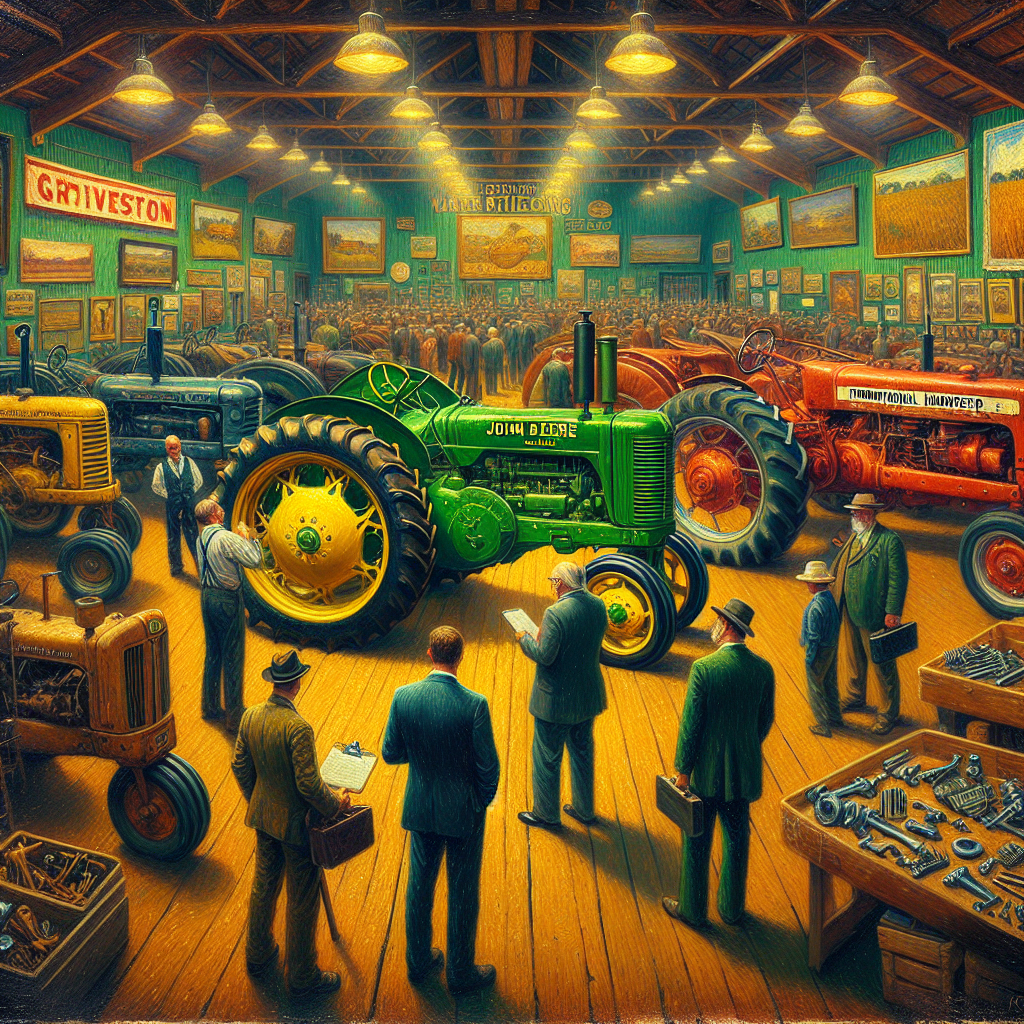
What Safety Measures Should You Consider With Older Tractor Models?
Conclusion
Conclusion: Embracing the Legacy of Vintage Tractors
So here we are, at the end of our journey through the rusted souls of vintage tractors, and I need you to sit with that image for a moment. Picture these stalwarts of our agricultural past—a steadfast friend in the fields, each scratch and dent a testament to a life well-lived, rich with stories of perseverance and hard work. It’s not just about machinery; it’s a call to connect with our roots, to embrace a heritage steeped in resilience and tradition.
Now let’s engage our rational side. Modern technology is impressive, no arguing that, but let’s consider the reality: more tech often means more headaches. Those vintage tractors, with their simple yet powerful mechanics, allow for repairs with a mere wrench and a dash of ingenuity, rather than a panic call to the dealership. They’re built solid, and they don’t play tricks—when you need them, they’re ready to roll.
Ethically, let’s reflect on what our choices say about us. Supporting vintage tractors is about more than nostalgia; it’s about fostering a vibrant community of craftsmen and farmers committed to sustainability. By choosing to restore these mechanical marvels, we’re not just preserving history—we’re also making a concerted effort to lessen our environmental impact. This endeavor strengthens ties between generations, making memories while honoring the labor of those who worked the land before us.
And socially? Oh, the connections to be made! There’s nothing quite like pulling up to a gathering with a vintage tractor to spark conversations that flow easily into stories of yesteryear. You’ll find camaraderie among fellow enthusiasts, celebrators of simple joys and craftsmanship—those who understand that farming is as much about heart as it is about hard work.
At the end of the day, every time you fire up that vintage tractor, you’re igniting a legacy—not just for yourself, but for the entire community bonded by shared values and collective history. You’re embracing a lifestyle that echoes the soul of agriculture, nourishing more than just crops; you’re nurturing a spirit of resilience, connection, and purpose tied deeply to the land.
So I ask you: Are you missing out? It’s time to dig deeper into the heart of farming, to trust in the steadfastness of vintage tractors. Dive in and discover that they might just offer you more than you could ever imagine—a rich tapestry of history, connection, and the timeless promise of hard work. Grab hold of that legacy; the fields are waiting.
Conclusion
Conclusion:
- Vintage tractors represent a connection to our agricultural heritage, symbolizing resilience and tradition.
- They offer simplicity in mechanics, allowing for easy repairs and maintenance compared to modern technology.
- Supporting vintage tractors promotes sustainability and strengthens community ties among craftsmen and farmers.
- Restoration efforts contribute to preserving history while addressing environmental concerns.
- Owning a vintage tractor fosters social connections and camaraderie among enthusiasts.
- Each vintage tractor signifies a shared legacy that nourishes a spirit of purpose and resilience.
- Engaging with vintage tractors encourages a deeper appreciation for farming and its values.
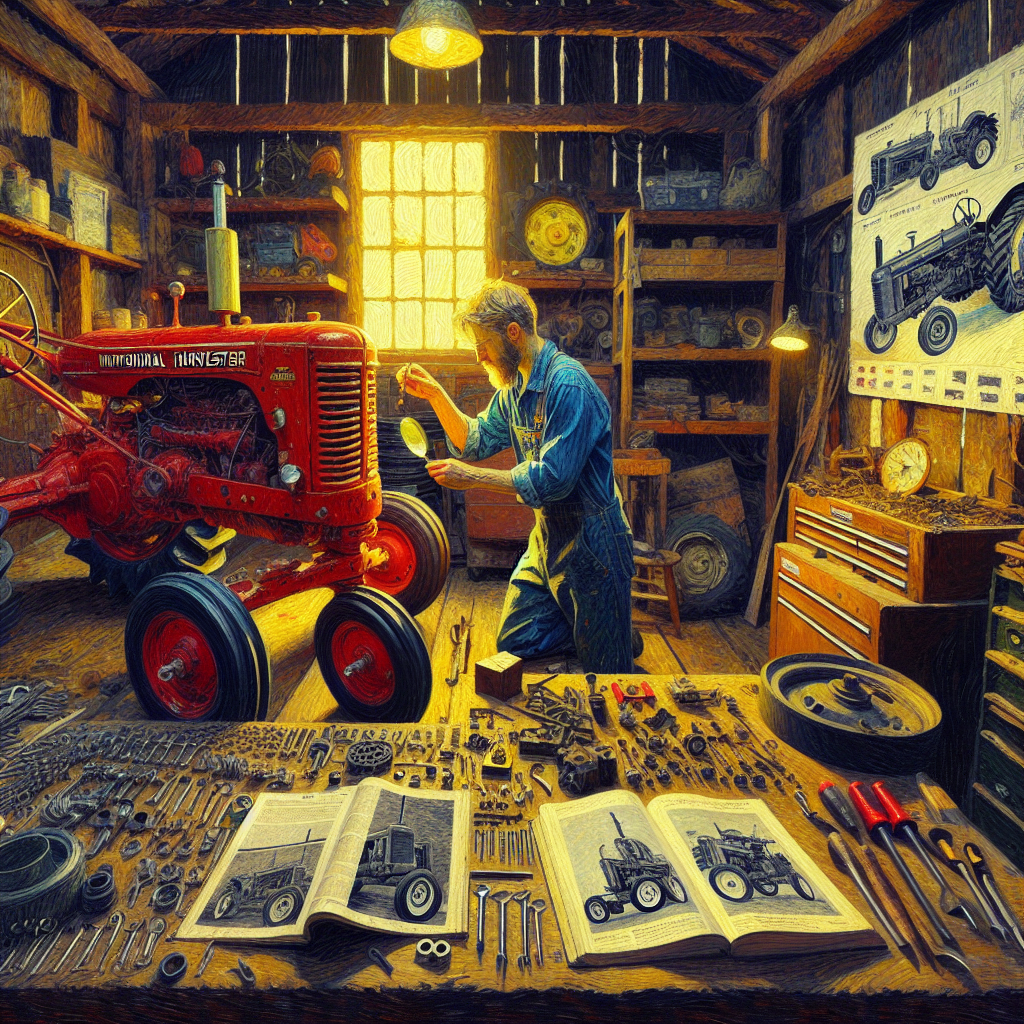
Conclusion
Other Resources
Other Resources
Here is a list of other resources you can review online to learn more:
- Ag King
- Nittany Antique Machinery Association
- Bolens
- Massey-Harris
- Ultimate Antique Tractor Guide
- Silver King
- Mahindra Gujarat
- NH Farm Museum
- Big Bud
- Saukville
Use This Prompt To Get More Resources With Your Favorite Online AI Tool: Please provide me with a list of online articles with their URLs in a bulleted list that I can read regarding Are You Missing Out on The Reliability Of Vintage Tractors
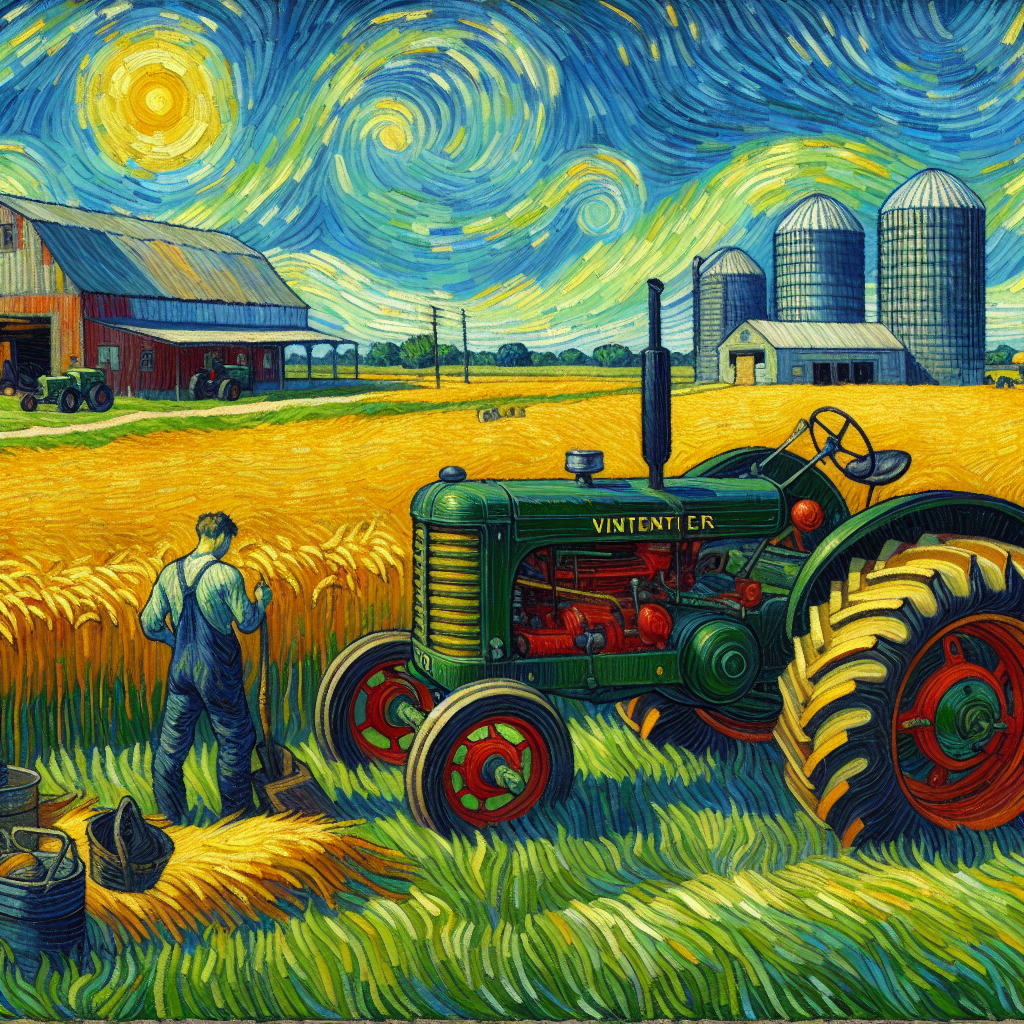
Other Resources
Glossary Terms
Are You Missing Out on The Reliability Of Vintage Tractors – Glossary Of Terms
1. Vintage Tractors: Old agricultural machines typically built between the early 1900s and the 1980s, known for their durability and simplicity.
2. Reliability: The ability of a tractor to consistently perform its intended function without frequent breakdowns or failures.
3. Restoration: The process of repairing and refurbishing vintage tractors to restore them to their original condition.
4. Mechanics: The branch of engineering dealing with the design, construction, and use of machines, including tractors.
5. Maintenance: Regular servicing done to keep tractors in good working order, ensuring longevity and reliability.
6. Versatility: The ability of a vintage tractor to perform various agricultural tasks, such as plowing, towing, and hauling.
7. Fuel Efficiency: A measure of how effectively a tractor uses fuel, which can vary widely among vintage models.
8. Simplicity: The straightforward design of vintage tractors, making them easier to repair and maintain compared to modern machines.
9. Durability: The capacity of a vintage tractor to withstand physical stress and operate effectively over long periods.
10. Engine Type: The specific kind of engine used in vintage tractors, often including gasoline, diesel, or steam engines.
11. Power Take-Off (PTO): A system that allows the tractor to power other equipment, enhancing versatility.
12. Torque: A measure of rotational force; important for understanding a tractor’s power in handling heavy loads.
13. Cultivation: The agricultural process of preparing and cultivating soil, often a primary use of vintage tractors.
14. Hydraulics: Systems that use fluid pressure to operate equipment and attachments, crucial for modern adaptations of vintage tractors.
15. Transmission: The mechanism that transmits engine power to the tractor’s wheels, influencing speed and performance.
16. Field Test: An assessment of a tractor’s performance under various farming conditions to gauge reliability.
17. Condition Assessment: Initial evaluation of a vintage tractor’s mechanical state, determining its readiness for work or restoration.
18. Collectibles: Vintage tractors that are sought after by collectors and enthusiasts for their historical value.
19. Aftermarket Parts: Components not made by the original manufacturer but available for vintage tractors to facilitate repairs.
20. Community Support: Groups or forums where vintage tractor enthusiasts share knowledge, parts, and restoration tips.
21. Sourcing Parts: Finding original or compatible parts for vintage tractors, essential for effective maintenance and restoration.
22. History: The background and evolution of vintage tractors, reflecting on their impact on agriculture.
23. Owner’s Manual: A guide provided with vintage tractors detailing operation, maintenance, and specifications.
24. Certification: Formal recognition that a tractor meets specific historical or operational standards, often enhancing its value.
25. Rarity: The degree to which a model is scarce, influencing both its collectibility and perceived reliability.
26. Tires: The rubber components that provide traction and support on various terrains, crucial for performance.
27. Load Capacity: The maximum weight a vintage tractor can handle safely, affecting its usability in farming tasks.
28. Resale Value: The market value of a vintage tractor when sold, often influenced by its condition and reliability.
29. Agricultural Heritage: The cultural and historical importance of vintage tractors in farming communities, reflecting traditional practices.
30. Operational Lifespan: The average duration a vintage tractor can function effectively before major repairs or replacement parts are needed.
Glossary Of Terms
Other Questions
Are You Missing Out on The Reliability Of Vintage Tractors – Other Questions
If you wish to explore and discover more, consider looking for answers to these questions:
- What are the most popular vintage tractor models and their features?
- How can I find a vintage tractor that is in good condition?
- What are the costs associated with restoring a vintage tractor?
- Are there any specific brands known for their vintage tractors?
- What are the common issues faced with vintage tractors?
- How can I determine the age and history of a vintage tractor?
- What parts are typically available for vintage tractors?
- What resources or communities exist for vintage tractor enthusiasts?
- How can I assess the reliability of a particular vintage tractor?
- What modifications can be made to improve the performance of a vintage tractor?
- How do I properly store a vintage tractor to prevent deterioration?
- What are the environmental impacts of maintaining vintage tractors?
- What are the advantages and disadvantages of owning a vintage tractor compared to a modern one?
- Can vintage tractors be used for modern farming practices?
- What safety equipment is essential for operating older tractors?
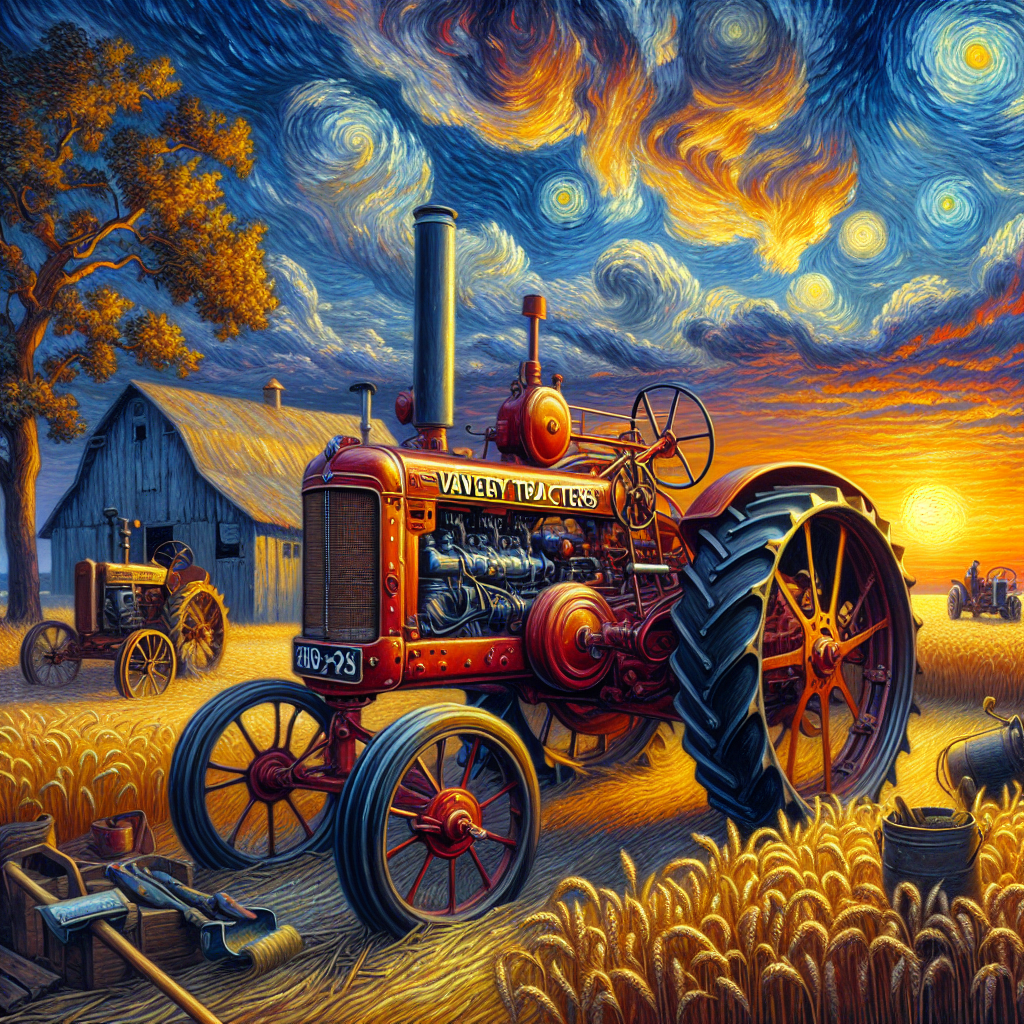
Other Questions
Haiku
Are You Missing Out on The Reliability Of Vintage Tractors – A Haiku
Rusty beasts of pride,
Echo tales of toil and trust,
Sow bonds through the fields.
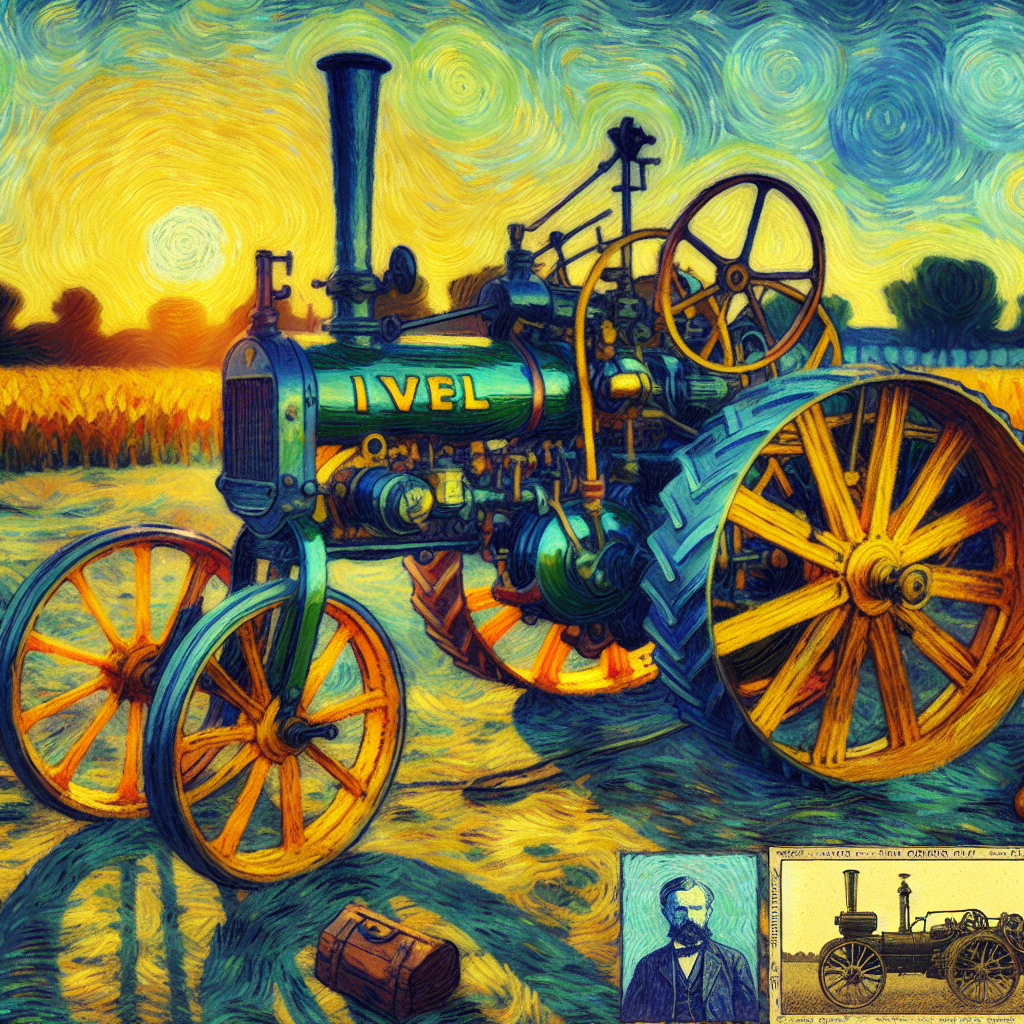
Haiku
Poem
Are You Missing Out on The Reliability Of Vintage Tractors – A Poem
In Praise of Vintage Tractors
In fields where sunlight dances low,
Stands an iron giant, weathered and slow,
With stories etched in rusty sheen,
A legacy born of sweat and green.
Not mere machinery, but tales of toil,
From sun-soaked summers to rich, arable soil,
Every scratch, every dent, a family’s song,
Of resilience echoing, steadfast and strong.
Modern wonders, sleek in design,
Offer convenience—yet fail to align,
With the heart that beats in a farmer’s chest,
In simplicity’s warmth, we find our rest.
For beneath their polished, high-tech grace,
Rests a labyrinth of codes we must face;
Yet the vintage beast, with its rugged wheel,
Whispers of trust in every field it’ll peel.
Embrace the old, the craftsmanship rare,
Restoring a bond between earth and air,
With each engine purr, recalls the past,
In a world spinning fast, these values hold fast.
Ethical echoes of sustainability ring,
A nod to tradition, the new life we bring.
Support local hands, the crafters of steel,
In fostering community, our roots we reveal.
Gather at fairs, let stories collide,
Connect over grease, where memories reside.
These gatherings of heart, of laughter and lore,
Bring the old machines to life, and spirits soar.
In pondering choices of futures not bleak,
What lies at the center, rare treasures we seek?
Each vintage model—a partner, a friend,
To help us navigate, on whom we depend.
So roll up your sleeves, let the maintenance flow,
With love and care, let that old engine glow.
For in every movement, a promise we make,
To honor the legacy, our hearts can awake.
Embrace the nostalgia, the stories unsung,
With every turn of the wrench, the sweet songs are sung.
For vintage tractors aren’t just metal and gears,
They are a bridge to our roots and our collective years.
So, when you stand by that steadfast frame,
Remember the power of love in a name.
It’s not just a tractor; it’s history’s heart,
In every thrum of the engine, we play our part.

Poem
Checklist
Are You Missing Out on The Reliability Of Vintage Tractors – A Checklist
Vintage Tractor Reliability Checklist: Heart, Head, and Gut Appeals
Emotional Appeals:
1. Reconnect with Heritage: Reflect on the stories and history embodied in vintage tractors.
2. Create Lasting Memories: Think about the joy and connections formed when using vintage tractors with family and friends.
3. Celebrate Resilience: Acknowledge the perseverance symbolized by vintage machinery and how it resonates with your values.
Rational Appeals:
4. Consider Maintenance Simplicity: Assess how vintage tractors’ straightforward mechanics can reduce repair costs and downtime.
5. Evaluate Long-Term Savings: Calculate potential savings from lower initial costs and reduced maintenance compared to modern models.
6. Leverage Durability: Review performance metrics that emphasize vintage tractors’ longevity and reliability.
Ethical Appeals:
7. Support Sustainable Practices: Reflect on how restoring vintage tractors reduces waste and promotes a culture of repair and reuse.
8. Honor Agricultural Heritage: Think about the importance of preserving the legacy of those who farmed before us.
9. Encourage Community Engagement: Engage with local farmers and vintage tractor enthusiasts to cultivate a sense of belonging and shared values.
Authority Appeals:
10. Join Local Clubs: Connect with fellow enthusiasts by joining vintage tractor clubs for advice and support.
11. Seek Expert Advice: Consult restoration specialists or mechanics familiar with older models for guidance.
12. Utilize Resources: Take advantage of local agricultural safety programs for training and safety best practices.
Narrative Appeals:
13. Share Your Stories: Document and share personal experiences of using vintage tractors with family and friends to inspire others.
14. Continue the Tradition: Pass down stories of resilience and hard work associated with vintage tractors to future generations.
15. Encourage Younger Generations: Motivate younger family members to learn about vintage farming machinery and their significance.
Social Appeals:
16. Engage at Gatherings: Bring your vintage tractor to local fairs or community events to spark conversations and foster connections.
17. Participate in Tractor Shows: Attend vintage tractor shows to meet like-minded individuals and share knowledge.
18. Promote a Safety Culture: Talk about safety practices with your community to inspire shared vigilance and responsibility.
This checklist can serve as a resource for anyone exploring the world of vintage tractors, helping them engage emotionally, rationally, ethically, and socially while recognizing the deep legacy and community values tied to these remarkable machines.
Checklist
At ClassicTractorNews, we help tractor lovers keep up with the latest news for classic and vintage tractors.
Please share this post with your friends, family, or business associates who may like old classic or vintage tractors.