


The Timeless Value Of Classic Farm Tools
By Tom Seest
At ClassicTractorNews, we help tractor lovers keep up with the latest news for classic and vintage tractors.
Please share this post with your friends, family, or business associates who may like old classic or vintage tractors.
Are We Underestimating The Reliability Of Classic Farm Equipment
When we talk about classic farm equipment, we often bounce around shiny new tech and radical innovations, but let’s pause for a moment—and remember the workhorses that have been silently giving their all for generations. The tractor, for instance, isn’t just a metal behemoth painted in nostalgic hues; it’s a symbol of hard work, a testament to generations of farmers who’ve toiled under the sun and battled the elements.
Now, I know what you’re thinking: “Aren’t we better off with the latest model?” While it’s true that modern machinery boasts some mind-boggling advancements—GPS, automation—the classic tractor stands tall, a reliable companion in the field that also carries the weight of our agricultural heritage. There’s something oddly comforting about climbing into a well-worn seat, feeling the gentle hum of the engine, knowing thousands of other hands have navigated that very machine through seasons of sweat and determination.
There’s a rational side to this loyalty, too. Classic tractors often have simpler mechanical configurations. You don’t need a degree in engineering to figure out how to fix them—or at least keep them kicking! The tools to restore and maintain these machines often cost a fraction of what it takes to service their digital counterparts. In these times of economic uncertainty, where every dollar counts, folks are rediscovering the long-lost value of reliability over flash.
Ethically, we owe it to the farmers who paved the way for modern agriculture to honor that legacy. They built the foundation of today’s food systems while nurturing communities around them. Restoring a classic tractor isn’t just about fixing a piece of machinery; it’s about preserving a story—a story that connects us to the land and to one another.
It’s also a social movement. Renowned restorations are popping up all over social media, igniting a passion in young generations and bringing them back to their roots. They share their triumphs and mishaps, forming communities bonded by the grease and grit of this noble endeavor.
So the next time you spot a weathered tractor plowing a field, give it a nod of respect. It might be old, but it’s a reliable giant that has weathered storms just like the farmers who drive them, and it carries a timeless message: trust in tradition can coexist with innovation. The two don’t have to be at odds; often, they are allies. Let’s not underestimate the power embedded in that classic machinery—it embodies history, practicality, and unwavering resilience.

Are We Underestimating The Reliability Of Classic Farm Equipment
Are We Underestimating The Reliability Of Classic Farm Equipment
- Classic farm equipment, such as tractors, symbolizes hard work and agricultural heritage.
- Modern machinery features advanced technology, but classic tractors remain reliable companions in the field.
- Older tractors have simpler mechanical designs, making them easier to repair and maintain.
- Restoring classic tractors aligns with values of reliability and cost-effectiveness during economic uncertainty.
- Preserving these machines honors the legacy of farmers who laid the foundation for modern agriculture.
- The restoration movement creates communities, especially among younger generations, fostering a connection to farming roots.
- Classic tractors represent a balance between tradition and innovation, showcasing the importance of both in agriculture.

Are We Underestimating The Reliability Of Classic Farm Equipment
Table Of Contents
- Are We Underestimating The Reliability Of Classic Farm Equipment
- How Do We Measure The True Reliability Of Vintage Machinery?
- Are Emotionally Attached To Your Family’s Farming Legacy?
- Can Older Tractors Outperform Modern Models In The Right Conditions?
- How Can Classic Equipment Be A Sustainable Farming Option Today?
- What Stories Do You Have About Your Experiences With Older Tractors?
- How Does The Community View The Value Of Vintage Farming Tools?
- Conclusion
- Other Resources
- Glossary Of Terms
- Other Questions
- Haiku
- Poem
- Checklist
How Do We Measure The True Reliability Of Vintage Machinery?
When we talk about vintage machinery, the phrase “true reliability” takes on a whole new meaning. It’s not just about numbers on a dial or the glow of an engine’s gauge; it’s about the spirit of those machines, the hands that built them, and the stories they helped create. Take, for instance, an old tractor, rusted and weathered yet standing tall like a sentinel of the past. Each dent and scratch tells a story—a testament to hard work, perseverance, and a different way of life.
But how do we measure the reliability of such machines? We can’t simply look at the mileage or the model year. That’s like judging a book by its cover. To truly assess these vintage giants, we must peer deeper into their guts, examining the heart of their mechanics. A reliable tractor isn’t just a collection of metal and bolts; it’s a living piece of history that has felt the tireless touch of dedicated hands, run through pulling stubborn plows, and tackled challenging terrain.
Rationally speaking, we need to break down every aspect of functionality. Check the engine compression, inspect the transmission, and assess the hydraulic systems. But beyond the mechanical, it’s crucial to connect with the stories those machines carry. Ask the farmers whose livelihoods depended on that tractor. Listen to the laughter and sweat of generations who relied on it to till the earth and bring forth sustenance. It’s these narratives that give life to what we casually label as “vintage.”
Ethically, we owe it to the craftsmen and women who built these relics to preserve their legacy. By ensuring these tractors remain functional, we not only keep our agricultural history alive but also honor the hard work that went into the craftsmanship. Supporting the restoration and maintenance of such machinery creates a community bound by shared values—of pride, respect, and a love for the craft.
So the next time you find yourself gazing at a vintage tractor, consider the journey it’s taken. Evaluate it not only for its mechanical prowess but also for the familial bonds and community connections it represents. Therein lies true reliability—an enduring bridge between past, present, and future, reminding us all of the values we hold dear.

How Do We Measure The True Reliability Of Vintage Machinery?
How Do We Measure The True Reliability Of Vintage Machinery?
- “True reliability” in vintage machinery transcends mere mechanical metrics.
- Each old machine, like a rusted tractor, is a testament to hard work and perseverance.
- Assessing reliability requires a deep understanding of the machine’s mechanics, not just surface-level attributes.
- A reliable vintage tractor embodies a rich history and the dedication of the craftsmen who built it.
- Connecting with the stories behind these machines enriches their value beyond mere functionality.
- Preserving vintage machinery honors the legacy of its creators and fosters a community of shared values.
- True reliability lies in the journey of the machine and the connections it symbolizes across generations.

How Do We Measure The True Reliability Of Vintage Machinery?
Are Emotionally Attached To Your Family’s Farming Legacy?
Embracing Your Family’s Farming Legacy
When you hear the rumble of a tractor cutting through the silence of dawn, it’s more than just an engine starting; it’s the heartbeat of a legacy. This isn’t just about tilling land or planting seeds; it’s a powerful testament to generations of hard work, sacrifice, and love rooted in the soil. That tractor, weathered but steadfast, stands as a symbol of resilience and commitment—a reminder that every furrow carved is a story told, every crop harvested is a shared victory.
Think about it: the farm is more than any plot of land; it’s a living, breathing testament to your family’s history. Each brick in the barn and every rusted tool embodies sweat, triumph, and sometimes even heartache. This legacy is not just a heritage passed down through blood; it’s a responsibility bestowed with the sweat of those who came before you. It’s about standing tall in the face of challenges while embracing innovation to preserve what truly matters.
In a world driven by rapid change and urbanization, the ethical responsibility to honor your family’s farming legacy becomes clearer. Farming is an ancient practice, feeding not only your family but communities far and wide. You are not just cultivating crops; you’re fostering relationships, building trust, and contributing to a sustainable future. There is an honor in that, a profound social contract that ties us all together. As the world shifts, that bond between the land, the farm family, and the community becomes increasingly vital.
So, let’s talk about courage. Courage is what it takes to jump into that tractor and face the day, knowing that you are part of something much larger than yourself; a tapestry woven through trials and triumphs. Each decision you make—whether to plant a new crop or adopt sustainable practices—echoes in your family’s history and shapes the future.
You’ve got the potential to inspire others, to lead change that your ancestors would be proud of. Your farming legacy is not solely yours; it’s shared with every farmer who’s faced the sun and every child who dreams of returning home. Embrace that legacy; nurture it; carry it into the future with pride. The stories are yours to write, and with each choice, you can cultivate not only that land but also a deeper connection to everyone who stands beside you—in the cab of that tractor and beyond. This is your moment. Own it.
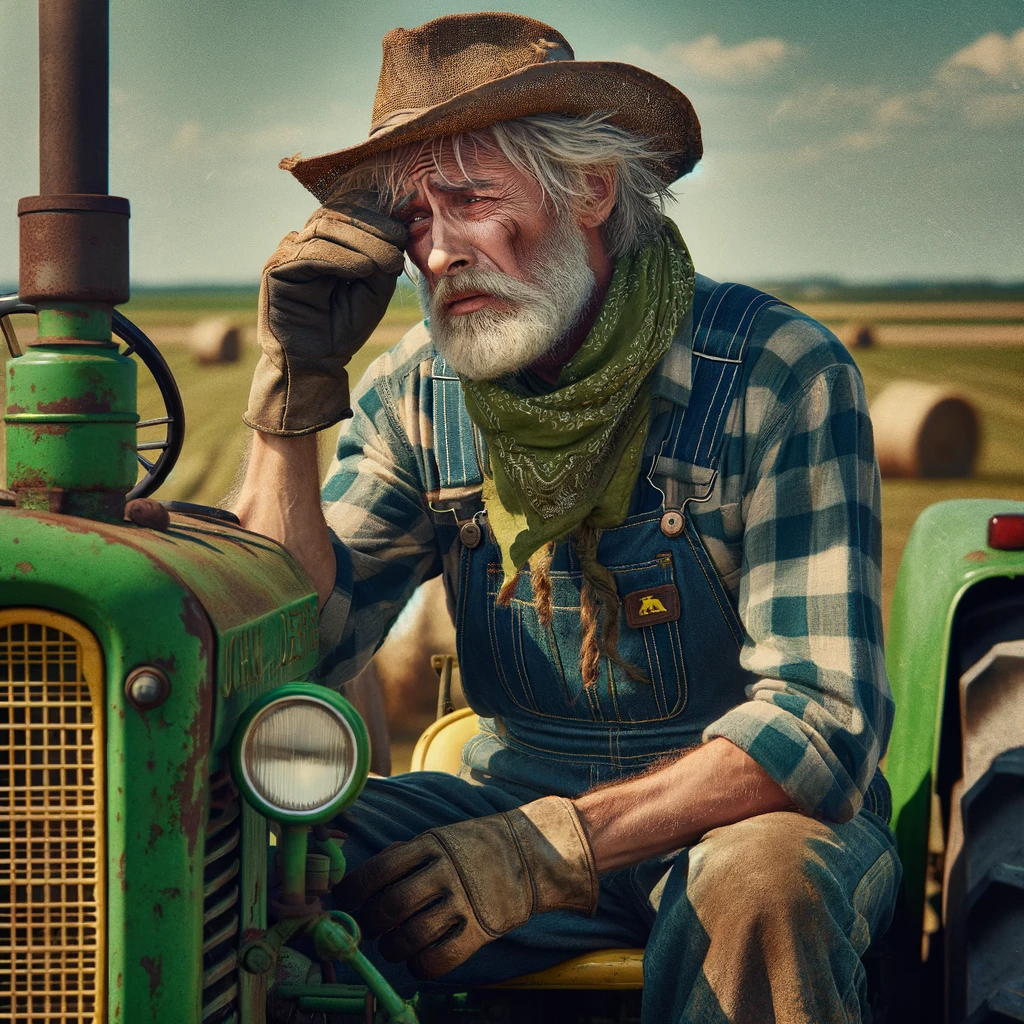
Are Emotionally Attached To Your Family’s Farming Legacy?
Are Emotionally Attached To Your Family’s Farming Legacy?
- The sound of a tractor signifies more than farming; it represents a legacy of hard work, sacrifice, and love.
- The farm is a living testament to your family’s history, encompassing both triumphs and heartaches.
- This legacy carries responsibility, demanding perseverance amidst challenges while embracing innovation.
- In an increasingly urbanized world, there’s an ethical duty to honor and preserve your family’s farming legacy.
- Farming connects communities, builds trust, and contributes to a sustainable future, enhancing the social contract we share.
- Courage is essential for making decisions that impact the future and reflect your family’s history.
- You have the potential to inspire change and cultivate deeper connections, embracing and nurturing your legacy with pride.

Are Emotionally Attached To Your Family’s Farming Legacy?
Can Older Tractors Outperform Modern Models In The Right Conditions?
Let’s take a moment to consider the humble tractor. To the untrained eye, it might just be a piece of machinery—a means to an end. But for those of us who’ve toiled under the sun, watching our fields unfurl like ribbons of green, it stands as a symbol of perseverance and tradition. Older tractors are often revered not just for their rugged durability, but for the stories they tell; the generations they’ve seen through harvests, and even losses. They hold history in their rusty frames, a living testament to a time when things were built to last.
Now, let’s get rational for a second. Yes, modern models boast advanced technology—think GPS tracking, automated controls, and efficient fuel systems. But here’s the kicker: those shiny gadgets come with a cost. Older tractors might lack the flash, but they often possess the fortitude and simplicity that some of us still crave. When the weather refuses to cooperate and the fields begin to get muddy, it’s the older models that sometimes shine. They are the workhorses, the machines that throw a challenge back at the elements, reminding us that grit often triumphs over innovation.
From an ethical standpoint, consider this: by keeping older tractors running, you’re not just saving money; you’re also diminishing your environmental footprint. The resources it takes to manufacture new equipment are staggering. Reviving what we already have not only nurtures our soil but fosters a kinship between man, machine, and earth.
Let’s make it personal. Close your eyes and imagine your grandfather leaning against that well-worn hood, sharing tales of triumph and tribulation. When you sit in that seat, you’re not just driving; you’re connecting with the past. Every bump in the field is a reminder of the battles fought and won. You can almost hear the echoes of laughter, sweat, and relentless determination urging you forward.
So, whether you’re a seasoned farmer or just someone who appreciates hard work, think long and hard about those trusty old tractors. In the right conditions, they can outperform even the flashiest modern models. It’s not just about horsepower; it’s about heart, bearing witness to the stories of the land, and remembering who we are in the process. When push comes to shove, sometimes it’s the grit of the past that drives us into the future.

Can Older Tractors Outperform Modern Models In The Right Conditions?
Can Older Tractors Outperform Modern Models In The Right Conditions?
- The tractor symbolizes perseverance and tradition for those who work the land.
- Older tractors are valued for their durability and the history they carry.
- Modern tractors have advanced technology but can be costly; older models offer simplicity.
- Older tractors can perform well in challenging weather conditions and reflect grit over innovation.
- Maintaining older tractors reduces environmental impact by repurposing existing equipment.
- Driving an old tractor creates a personal connection to family history and heritage.
- Trusty old tractors can outperform modern models in certain scenarios, emphasizing heart over horsepower.

Can Older Tractors Outperform Modern Models In The Right Conditions?
How Can Classic Equipment Be A Sustainable Farming Option Today?
When you think of farming, what comes to mind? Fields of green, the sun rising over freshly plowed soil, and—perhaps most vividly—tractors: the hardy workhorses of agriculture. In a world where the shiny allure of modern technology often steals the spotlight, it’s easy to forget the timeless value of classic equipment. But let’s take a moment to unearth why those old machines can offer not just nostalgia, but real, viable, sustainable solutions today.
First, let’s talk about reliability. These classic tractors, with their simpler mechanics and proven designs, have been the backbone of countless farms for generations. They might not be equipped with all the bells and whistles of today’s tech-laden models, but their rugged durability often means lower maintenance costs and fewer trips to the repair shop. That’s a win for both your wallet and the environment. Unlike new machines that require rare earth minerals for their construction, vintage models utilize materials that can be fixed and maintained with ease, breathing new life into old iron without adding to the environmental burden.
Now, imagine a community of farmers rallying around these well-loved machines. That’s the heart of sustainable farming: building connections and sharing knowledge passed down through families. Many of us have relatives whose hands were stained with dirt, showcasing tales of the past that link us to a long legacy of agricultural wisdom. By embracing classic equipment, we’re not just preserving history; we’re fostering a sense of belonging that transcends generations. That’s the kind of trust and unity our world needs right now—one tractor at a time.
On an ethical note, sustainable farming goes beyond just what we can see; it’s about nourishing our land, soul, and society. Classic tractors run on simplicity and practicality, reducing our reliance on complex, resource-heavy machines. When they’re maintained and used wisely, they show us that farming doesn’t have to chase the latest trends—it can thrive on tradition. They remind us that every scratch and dent tells a story, and every patch of earth matters.
So, as we stand at the crossroads of agriculture’s past and future, let’s champion the classic equipment that embodies resilience, reliability, and a return to our roots. It’s time to embrace the power of these old machines—not just as relics of history—but as vital allies in our journey toward a more sustainable farming future. Together, we can rattle the chains of conventional farming and steer towards a greener horizon.

How Can Classic Equipment Be A Sustainable Farming Option Today?
How Can Classic Equipment Be A Sustainable Farming Option Today?
- Classic tractors symbolize the timeless value of traditional farming amidst modern technology.
- They offer reliability with simpler mechanics, lower maintenance costs, and environmental benefits.
- Vintage models use easily maintainable materials, reducing the need for rare earth minerals.
- Building a community around classic tractors fosters connections and shares agricultural knowledge across generations.
- Embracing old machinery preserves history while cultivating a sense of belonging and unity among farmers.
- Classic tractors promote sustainable farming by reducing reliance on complex, resource-heavy equipment.
- These machines embody resilience and remind us that farming can thrive on tradition, steering towards a sustainable future.

How Can Classic Equipment Be A Sustainable Farming Option Today?
What Stories Do You Have About Your Experiences With Older Tractors?
There’s something undeniably magnetic about older tractors—those steel beasts that once ruled the fields and have now become relics of an era when farming was less about tech and more about grit. Every scratch and dent tells a story, and if these machines could talk, they would share tales of weathered hands, of sunburned brows, and of the delicate dance between man and earth.
I remember my grandfather’s tractor, an old Ford 8N, it smelled of oil and history. It wasn’t just a machine; it was a bridge to generations past. He taught me how to start it up, the ritual of turning the key, the loud clap of the engine firing up like a lion waking from a nap. That moment felt like magic, sparking a connection I cherish to this day.
What’s remarkable is how these older tractors symbolize resilience and hard work. They remind us of a time when things were built to last, crafted with care, and designed to withstand the test of time. Today, we live in a world where the newest gadget is often the most celebrated, but there’s a unique charm in the simplicity of those vintage machines. They require a different kind of respect—a mechanical understanding, a willingness to roll up your sleeves and get your hands dirty. This draws us in, doesn’t it? It’s an invitation to engage with something truly authentic.
I believe there’s an ethical lesson wrapped up in these compelling stories of older tractors. They teach us about stewardship—not just of machines but of the land they tended. Understanding their mechanisms encourages us to appreciate the fragility of our agricultural systems and our role in caring for them. It’s a gentle reminder that farming is more than just an industry; it’s an essential part of who we are.
As we share our experiences, we foster a sense of community. Whether you’re an old-hand tractor buff or a newcomer to this world, every story of mud, sweat, and triumph matters. Sharing those tales brings us closer, weaving a tapestry of shared memories that honors the past while embracing the future.
So, what stories do you have about your experiences with older tractors? Let’s hear them. Together, we can ignite the spark of nostalgia and the passion for what’s real, what’s rugged, and what’s timeless. Your story might just be the one that resonates, inspiring not just a chuckle, but the commitment to preserve a piece of history that continues to drive us forward.

What Stories Do You Have About Your Experiences With Older Tractors?
What Stories Do You Have About Your Experiences With Older Tractors?
- Older tractors are symbols of resilience, hard work, and a bygone era of farming.
- Each scratch and dent on these machines tells a unique story of human connection with the land.
- The author reminisces about their grandfather’s Ford 8N tractor, highlighting the bond formed through learning and tradition.
- These vintage machines require mechanical understanding and a willingness to engage with them physically.
- There’s an ethical lesson in older tractors about stewardship of the land and appreciation for agriculture.
- Sharing experiences with tractors fosters community and connects individuals through shared memories.
- The author invites others to share their tractor stories, celebrating the nostalgia and timelessness of these machines.

What Stories Do You Have About Your Experiences With Older Tractors?
How Does The Community View The Value Of Vintage Farming Tools?
In a world where technology moves at breakneck speed, vintage farming tools stand as a testament to the grit and tenacity of those who came before us. A plow that has seen generations of hands, a scythe that has danced through the fields—the very essence of these timeworn implements whispers stories of hard work, dedication, and the profound connection between farmer and land. In communities steeped in agriculture, these tools evoke not just nostalgia but a deep respect for the lineage of farming itself.
When you walk through a local farmers’ market, the air buzzing with activity, you can almost feel the spirit of innovation that has shaped modern agriculture, yet there is an overwhelming appreciation for the past. It’s as if the power of the tractor—those metal beasts that were once the pride of the farm—has become a bridge that connects generations. The older farmers often exchange knowing glances with their younger counterparts as they share tales of how a simple hand hoe once shaped their lives. The village elder might say, “This old tool taught me patience and respect for the soil,” and suddenly a hand-forged farming fork transforms into a priceless heirloom.
Rationally speaking, vintage farming tools are often crafted with a solidity that many modern equivalents lack. In a throwaway society, these instruments remind us of the ethics of sustainability and reliability. They echo a time when value was determined not by trends but by craftsmanship and utility. When community members gather to restore an old sickle or discuss the merits of a timeless wheelbarrow, there’s a palpable sense of pride in preserving a legacy that deserves to continue.
But beyond the facts and figures, the real heart of the community’s view lies in shared narratives. Picture a local workshop where neighbors gather—not just to repair tools, but to repair connections. They swap stories and techniques, passing down knowledge as carefully as they would a treasured family recipe. In this vulnerable space, we see the threads of our humanity woven tighter, reinforcing a shared identity rooted in collective history.
In a society increasingly torn between progress and preservation, vintage farming tools remind us of who we are and what we value. They aren’t just tools; they are symbols of our journey. So the next time you spot an old plow or a rusted hoe in a shed, instead of viewing it as mere scrap, remember that it represents the very soul of farming. Engage with that heritage, restore that connection, and take pride in fostering the future while honoring the past.

How Does The Community View The Value Of Vintage Farming Tools?
How Does The Community View The Value Of Vintage Farming Tools?
- Vintage farming tools symbolize the hard work and dedication of past generations.
- They evoke nostalgia and respect for the lineage of farming within agricultural communities.
- Modern agriculture shows appreciation for tradition, as older farmers share stories with younger generations.
- These tools are often more solidly crafted than their modern counterparts, emphasizing sustainability and reliability.
- Community members take pride in restoring vintage tools, preserving their legacy and craftsmanship.
- Local workshops serve as spaces for storytelling and knowledge-sharing, reinforcing community connections.
- Vintage tools embody the essence of farming, reminding us of our values and shared identity while connecting the past with the future.

How Does The Community View The Value Of Vintage Farming Tools?
Conclusion
As we draw to a close, let’s take a moment to appreciate the heart of the matter: classic farm equipment is more than just machinery. It’s the embodiment of our agricultural legacy, a testament to hard work, resilience, and ingenuity that has nourished generations. We live in an era that often idolizes the latest tech marvels—machines blaring with digital bells and whistles—but let’s not overlook the silent strength found in those vintage tractors that have plowed fields for decades. They’ve stood the test of time not out of mere nostalgia, but because they are reliable companions in the unforgiving world of farming.
Emotionally, these machines resonate with stories. They are woven into our family histories, linking generations through sweat, toil, and occasional heartache. When you climb into the seat of a vintage tractor, you’re not just driving a piece of equipment; you’re stepping into a narrative penned by your ancestors. It’s the gleam of your grandfather’s pride as he taught you the ropes, passing down not just knowledge, but a bond rooted deeply in the earth itself.
Now, let’s get rational. Classic models often boast simpler mechanics that don’t require advanced engineering knowledge to maintain. In times where financial constraints loom, returning to these proven workhorses can save both money and the environment. They exemplify sustainability—not by chasing the latest trends, but by embracing a timeless reliability. Every dent and scratch has a story, and fixing them keeps history alive, echoes with a purpose that resonates deeply in our collective consciousness.
Ethically, we owe it to those farmers who forged the path of agriculture to preserve their craft. Let’s not just cherish these tractors as relics of yesteryear but see them as vital instruments of community building. The resurgence of interest in classic equipment is bringing fresh generations together, fostering intergenerational bonds grounded in grit and tribute to agricultural traditions that still matter.
So, the next time you encounter a weathered tractor or an old plow, remember that these machines carry more than just soil; they serve as bridges that connect us to our roots, our families, and one another. It may seem like a simple piece of equipment, but in its metal frame lies the spirit of perseverance—the very heartbeat of farming itself. Trust in traditions can coexist beautifully with modern advancements, and as we move forward, let’s not underestimate the enduring power of classic farm equipment. Embrace it, honor it, and cultivate the future with the wisdom of our past. After all, in this intricate narrative of agriculture, every story matters, and every machine has a legacy worth cherishing.

Conclusion
Conclusion:
- Classic farm equipment symbolizes agricultural heritage and embodies hard work, resilience, and ingenuity.
- Vintage tractors are symbols of reliability and silent strength, standing the test of time beyond mere nostalgia.
- These machines resonate with family stories, connecting generations through shared labor and love.
- Classic models feature simpler mechanics, making them easier and cost-effective to maintain.
- They promote sustainability by embracing reliability over chasing modern trends, with history written in every dent and scratch.
- Preserving classic equipment honors farmers of the past and fosters intergenerational bonds and community-building.
- Classic farm equipment serves as a bridge to our roots and traditions, contributing to the future of farming alongside modern advancements.

Conclusion
Other Resources

Other Resources
Here is a list of other resources you can review online to learn more:
- Agriculture and the Environment
- Hill Country Antique Tractor & Engine Club Show
- Fieldking
- Wilke’s Classic Tractors
- Turner-Simplicity
- Unitrak
- Antique Tractor Blog
- Long
- Custom
- Steyr
Use This Prompt To Get More Resources With Your Favorite Online AI Tool: Please provide me with a list of online articles with their URLs in a bulleted list that I can read regarding Are We Underestimating The Reliability Of Classic Farm Equipment

Other Resources
Glossary Terms
Are We Underestimating The Reliability Of Classic Farm Equipment – Glossary Of Terms
1. Classic Farm Equipment: Refers to agricultural machinery and tools that were widely used in farming prior to modern automation and technology, including tractors, plows, and cultivators.
2. Reliability: The ability of a piece of equipment to perform consistently well under expected conditions over time, with minimal breakdowns.
3. Durability: The capacity of farm equipment to withstand wear, pressure, or damage, ensuring a longer lifespan and reduced need for replacement.
4. Maintenance: The routine care and servicing of equipment to ensure its functionality and prolong its life, including inspections, repairs, and cleaning.
5. Adaptation: The process of modifying classic farm equipment or practices to meet contemporary agricultural challenges or technological advancements.
6. Restoration: The act of bringing classic farm equipment back to working condition through repairs, refurbishments, and replacement of worn-out parts.
7. Simplicity: The quality of classic farm equipment being straightforward and easy to operate, often allowing for easier troubleshooting and repairs compared to modern machinery.
8. Parts Availability: The accessibility of replacement parts for classic farm equipment, which can impact the feasibility of maintaining and repairing older machines.
9. Fuel Efficiency: A measure of how effectively classic farm equipment uses fuel to perform its tasks, influencing operational costs and environmental impact.
10. Cost-Effectiveness: The assessment of the economics of using classic farm equipment versus modern alternatives, considering purchase price, repair costs, and longevity.
11. Heritage: The historical and cultural significance of classic farm equipment in agricultural practices, reflecting the evolution of farming technology.
12. Sustainability: Practices that ensure the long-term viability of farming operations, which classic equipment may support through reduced resource consumption and waste.
13. Innovation: The incorporation of new ideas and technologies into traditional farming practices, potentially enhancing the performance of classic equipment.
14. Versatility: The ability of classic farm equipment to perform multiple functions or to be used in various farming applications.
15. User-Operated: Equipment that relies on the skill and effort of the farmer to function, often leading to a deeper understanding of the machinery.
16. Field Performance: The effectiveness of classic farm equipment in real working conditions, including its ability to handle different crops and terrains.
17. Ancestral Techniques: Traditional farming methods passed down through generations, often utilized in conjunction with classic equipment.
18. Retrofitting: The process of adding new technology or features to existing classic farm equipment to enhance functionality or performance.
19. Mechanical Simplicity: The uncomplicated design of classic farm equipment, allowing for easier repairs and lower operational learning curves.
20. Reliability Testing: The process of subjecting farm equipment to various conditions to assess its performance and durability.
21. Cost Analysis: An evaluation of the financial implications of using classic versus modern farm equipment, factoring in purchase price, repairs, and operational costs.
22. Knowledge Transfer: The sharing of skills and information related to the operation and maintenance of classic farm equipment among generations of farmers.
23. Community Farming: Farming practices that emphasize collaboration and shared resources, often leading to a revival of classic equipment usage.
24. Manual Labor: The physical effort required in operating classic farm equipment, often providing a more hands-on approach to farming.
25. Field Versatility: The ability of classic equipment to adapt to different soil types, crop varieties, and farming practices.
26. Lifespan: The average time period that classic farm equipment can operate effectively before requiring replacement or significant repairs.
27. Economic Viability: The ability of classic farm equipment to contribute to the profitability of a farming operation over time.
28. Cultural Significance: The importance of classic farm equipment in shaping agricultural history and community identity.
29. Obsolescence: The state of being outdated or no longer used, often applied to classic farm equipment in contrast to modern machinery.
30. Hands-On Learning: The practical knowledge obtained through direct interaction with classic farm equipment, enhancing skills in farming and machinery maintenance.

Glossary Of Terms
Other Questions
Are We Underestimating The Reliability Of Classic Farm Equipment – Other Questions
If you wish to explore and discover more, consider looking for answers to these questions:
- What factors contribute to the reliability of classic farm equipment?
- How do maintenance costs compare between classic and modern farm tools?
- What are the most common issues faced when using vintage tractors?
- How can farmers ensure proper care and maintenance of older machinery?
- What are the benefits of using vintage tractors over modern ones in terms of environmental impact?
- How has the farming community embraced the restoration of classic equipment?
- What role do classic tractors play in sustainable agriculture practices?
- Are there specific conditions where older tractors outperform modern models?
- What emotional connections do farmers have with their classic farming tools?
- How can sharing stories about vintage machinery strengthen community bonds?
- What are some notable stories or legends associated with classic tractors?
- How can new farmers learn from the experiences of older generations regarding classic equipment?

Other Questions
Haiku
Are We Underestimating The Reliability Of Classic Farm Equipment – A Haiku
Timeless machines hum,
Stories of grit and the land—
Roots bind us as one.

Haiku
Poem
Are We Underestimating The Reliability Of Classic Farm Equipment – A Poem
Ode to the Old Iron
In fields where echoes of labor ring,
Amid the hum of a well-tuned engine,
Old tractors stand like guardians bold,
With tales of triumph in frames rusted gold.
Each dent—each scratch—tells of hands once worn,
Of seasons spent sowing, of harvests reborn.
They whisper the legends of farmers past,
Of sweat on the brow and bonds that will last.
Ah, but the siren call of modernity sings!
“Faster! Better! Embrace all the new things!”
Yet in the simplicity of vintage design,
Lies a reliability truly divine.
For what is a machine but a story untold,
A connection we cherish, a legacy bold?
Embracing old tractors, we find something real,
An honest reflection of all we can feel.
Circular wisdom, passed down through the years,
Nurtures communities, and eases our fears.
With simpler mechanics, they beckon us near,
To roll up our sleeves and to hold what we hold dear.
Sustainably crafted, they tread lightly on earth,
Rekindling fires of love, and reminding us worth,
Lies not in the latest or flashiest feat,
But in farming with souls, and hearts that don’t cheat.
Courage is needed to sit in that seat,
To plow through the past, to harvest what’s sweet.
For every seed planted tells a tale anew,
Of lineage woven, of bonds tried and true.
So let us not scoff at that rusted old beast,
But honor each tractor, from greatest to least.
For in their reliability, stories emerge,
Uniting our futures, as pasts gently surge.
Together we rally, in grease and in grit,
Sharing our journeys, where memories fit.
Raise a toast to the old, may their power endure,
For the heart, head, and gut know—they’re timeless and pure.

Poem
Checklist
Are We Underestimating The Reliability Of Classic Farm Equipment – A Checklist
Checklist: Embracing Classic Farm Equipment and Its Legacy
*This checklist is designed to help you connect emotionally and rationally with the value of classic farm equipment, honoring traditions while considering practical aspects and fostering community involvement. It appeals to your heart, head, and gut, encouraging reflection, storytelling, and action. *
Heartfelt Connections
1. Reflect on Family Legacy
_____ Consider the stories and memories your family’s farming history holds. What experiences have been passed down?
2. Honor Your Roots
_____ Acknowledge the hard work and sacrifices of previous generations. Write a letter or journal entry expressing gratitude for their contributions.
3. Share Your Story
_____ Reach out to friends or family and share your experiences with older tractors or farm tools. Capture those stories, perhaps in a blog or social media post.
Rational Considerations
4. Evaluate Mechanical Reliability
_____ Assess the mechanical condition of any classic equipment you own or are considering. Make a checklist of parts to inspect or repair.
5. Cost Comparison
_____ Compare the maintenance and operational costs of classic versus modern machinery in your farming practices.
6. Research Sustainability
_____ Investigate the environmental impact of using classic equipment compared to newer models. Create a list of benefits you uncover.
Ethical Engagement
7. Commit to Preservation
_____ Decide which classic farm tools you’ll restore or maintain this year. Create a plan to ensure they’re kept functional and relevant.
8. Balance Tradition and Innovation
_____ Reflect on how you can blend modern practices with traditional methods in your farming. Note practical examples.
9. Advocate for Community Resources
_____ Promote workshops or gatherings that focus on the restoration and use of vintage equipment, fostering community learning.
Authority and Expertise
10. Learn from Others
_____ Seek out local experts or mentors who have experience with classic equipment. Schedule a meeting or visit a local tractor restoration group.
11. Attend Workshops or Events
_____ Participate in community workshops focused on vintage machinery. Engage actively and learn from shared experiences.
Narratives and Community
12. Document Stories
_____ Create a community oral history project where local farmers share their experiences with vintage farming tools. Collect and preserve these narratives.
13. Engage with Fellow Enthusiasts
_____ Join online forums or local clubs dedicated to vintage farming equipment. Share tips, stories, and restoration projects.
Social Responsibility
14. Promote Sustainable Practices
_____ Encourage environmentally responsible farming techniques within your community that align with the use of classic equipment.
15. Build a Support Network
_____ Reach out to like-minded individuals who value sustainable agriculture. Form a group to share resources, stories, and restoration techniques.
Personal Commitment
16. Plan a Restoration Project
_____ Choose a classic tractor or tool to restore this season. Document the process and share it with your community.
17. Celebrate Progress and Persistence
_____ Organize a gathering to celebrate the beauty of vintage machines. Share successes, challenges, and learnings from your farming journeys.
*Use this checklist to deepen your connection to classic farm equipment and their enduring legacy, cultivating a sense of pride in both personal and collective histories. *

Checklist
At ClassicTractorNews, we help tractor lovers keep up with the latest news for classic and vintage tractors.
Please share this post with your friends, family, or business associates who may like old classic or vintage tractors.