

The Nostalgic Pleasure & Practical Wisdom Of Traditional Farming
By Tom Seest
At ClassicTractorNews, we help tractor lovers keep up with the latest news for classic and vintage tractors.
Please share this post with your friends, family, or business associates who may like old classic or vintage tractors.
Are We Losing The Joy Of Farming By Abandoning The Classics
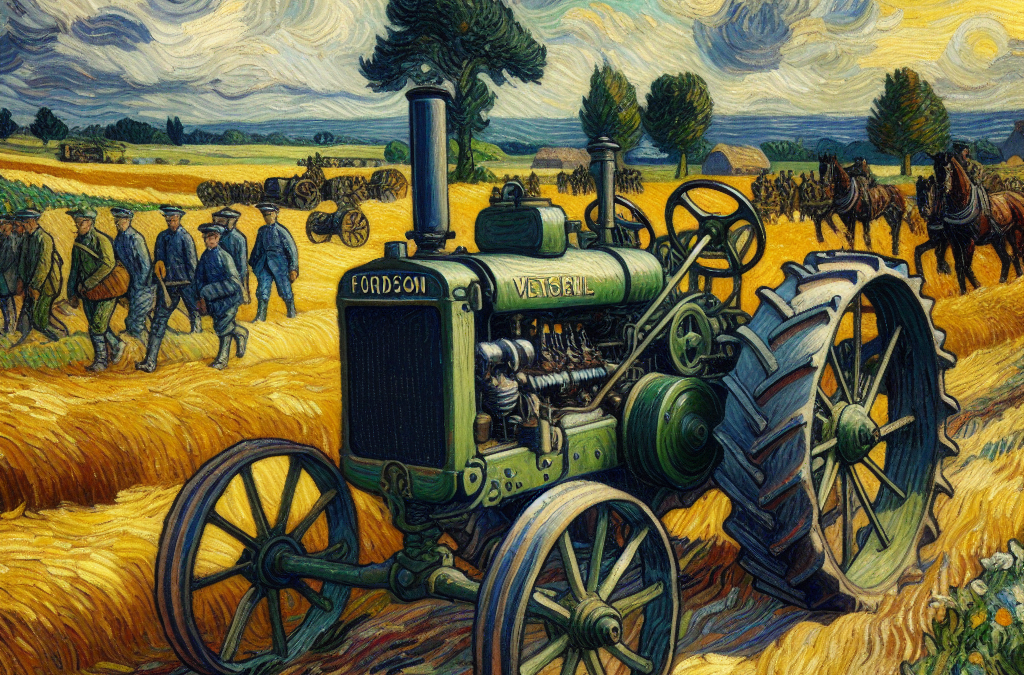
As we stand on the precipice of a modern agricultural era, it’s hard not to feel a twinge of nostalgia for the classics—the old tractors that rumbled like tired giants, the sound of metal plowing through rich soil, and the smell of freshly cut hay. These were the days when farming wasn’t just a job; it was a way of life, steeped in the rhythm of the seasons and the sweat of one’s brow. It was a partnership with nature, not just a transaction in an ever-expanding market.
But today, we’re witnessing a seismic shift, as the latest technology promises to offer us more yield with less effort—yet at what cost? Each passing year, more and more of us are stepping away from those beloved tractors and opting for sleek, automated machines that make farming feel less personal. What we gain in efficiency, we seem to lose in connection, in the heart that used to beat with every harvest. We must ask ourselves: Are we trading joy for convenience, vitality for virtuality?
Let’s be real for a moment. The joy of farming isn’t just in the act itself; it’s in the stories we share, the community we build, the lessons learned from failures and triumphs alike. Every farmer knows that you can’t manufacture a bond with the land in a lab. You earn it. You cultivate it, just like the crops you nurture. Those worn paths of the tractor as it rolled over furrows built character, sowed resilience, and yes, even taught humility—something modern technology often overlooks.
Now, consider the ethical implications. As we embrace this new age of farming, let’s not forget the origins of our craft. Are we so driven by productivity that we’re losing perspective on sustainability? Real farming, the kind that roots itself in tradition, asks for stewardship, patience, and an intimate knowledge of the earth. More than machinery, it’s an art form that honors cycles we often forget in a frenzied race for advancements.
With each passing season, we have a choice. We can forge ahead, overly reliant on screens and buttons, or we can look back to the classics—with respect for the past that shaped our present. So let’s take that journey together, blending the wisdom of tradition with the excitement of innovation. Let’s strive to keep the heart in farming alive, ensuring we nurture not just our crops, but the joy that comes from truly getting our hands dirty. It’s a call to reconnect, to remember—farming isn’t just about what we produce; it’s about the stories we create and the joy we find along the way.
Are We Losing The Joy Of Farming By Abandoning The Classics
Are We Losing The Joy Of Farming By Abandoning The Classics
- The transition into modern agriculture evokes nostalgia for traditional farming practices.
- Old tractors and hands-on farming fostered a deep connection with nature.
- Advancements in technology offer increased efficiency but may diminish personal connections to farming.
- The essence of farming includes sharing stories, building community, and learning from experiences.
- True farming requires stewardship and understanding of the earth, not just productivity.
- We have the choice to embrace technology while respecting traditional practices.
- Farming is not solely about production; it encompasses the joy and stories generated through the process.
Are We Losing The Joy Of Farming By Abandoning The Classics
Table Of Contents
- Are We Losing The Joy Of Farming By Abandoning The Classics
- How Can We Balance Innovation With The Joy Of Traditional Farming?
- Is The Community Aspect Of Farming Fading With Modern Methods?
- Why Do Stories Of Classic Farming Resonate Deeply With Our Values?
- What Role Do Classic Farming Narratives Play In Shaping Our Culture?
- Are We Losing Essential Skills By Not Practicing Traditional Methods?
- What Evidence Supports The Benefits Of Classic Farming On Soil Health?
- Conclusion
- Other Resources
- Glossary Of Terms
- Other Questions
- Haiku
- Poem
- Checklist
How Can We Balance Innovation With The Joy Of Traditional Farming?
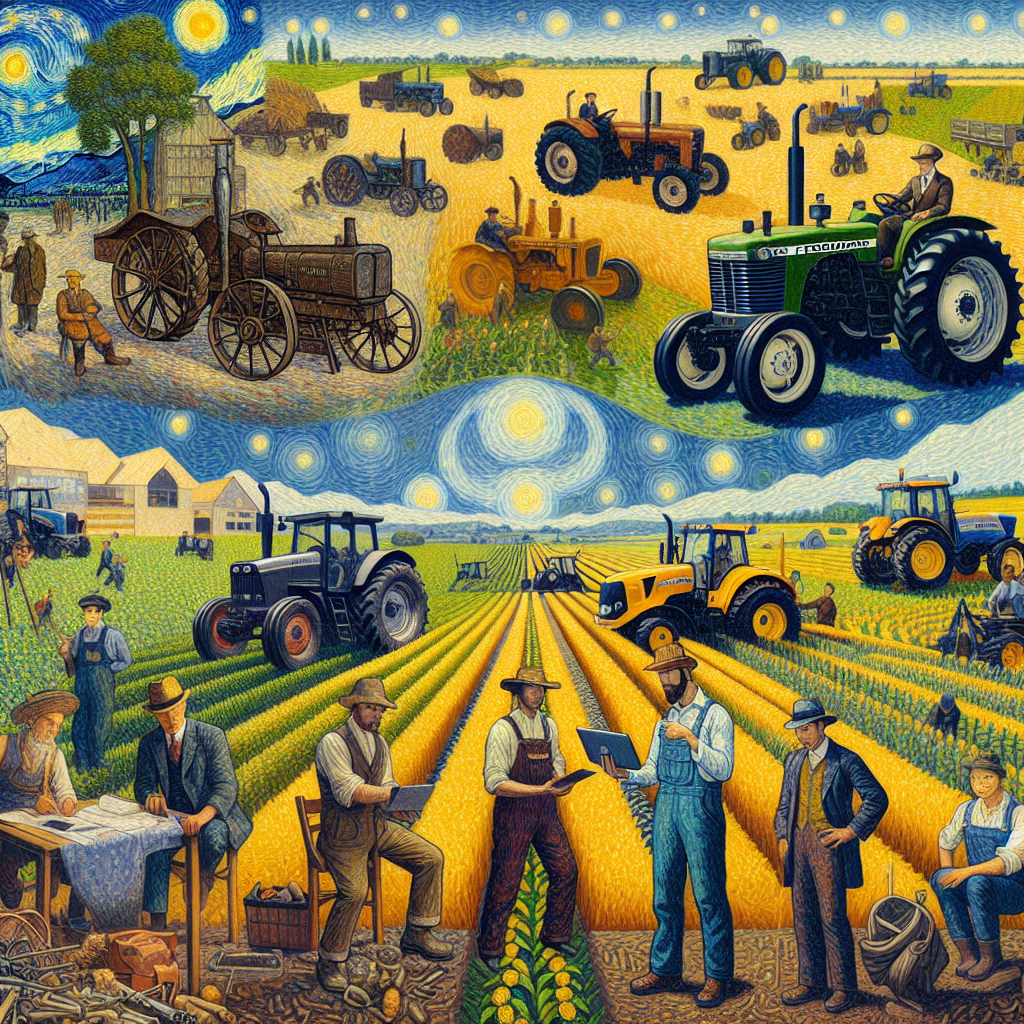
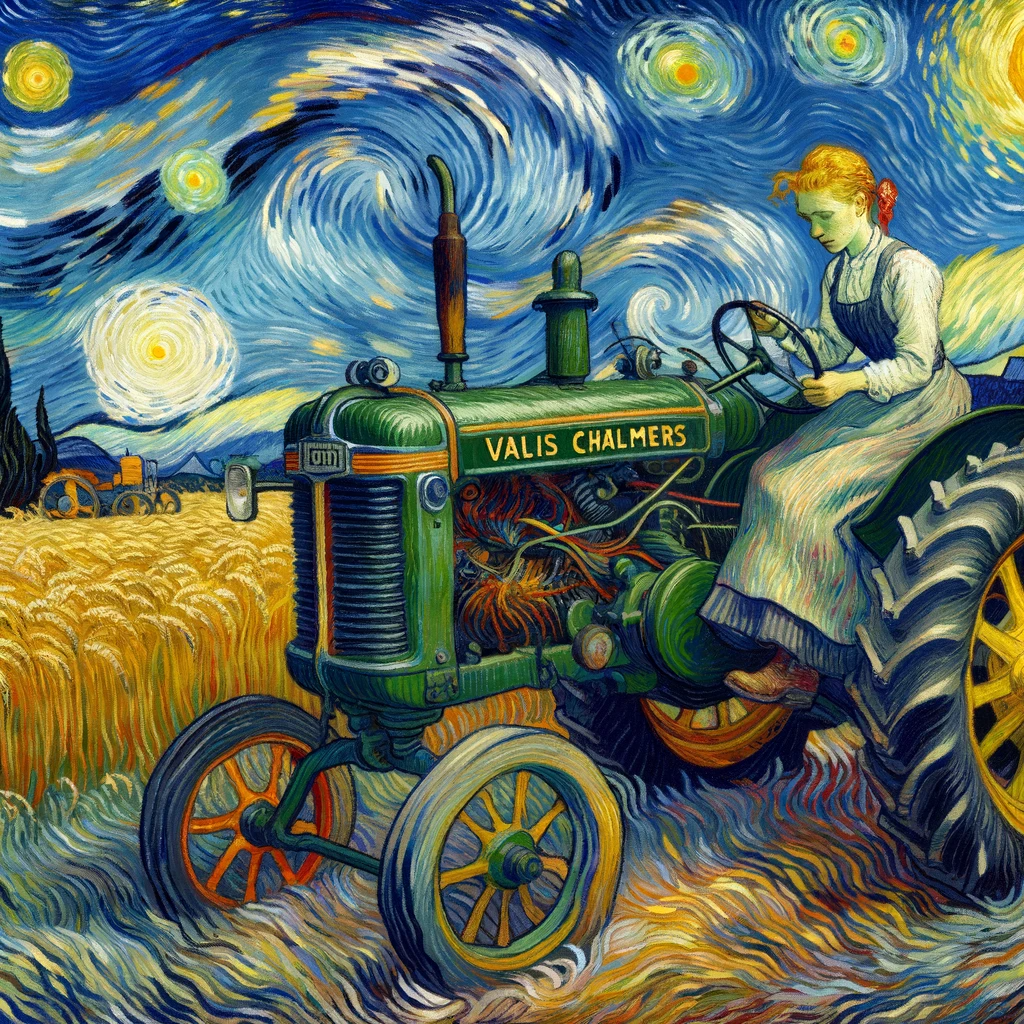
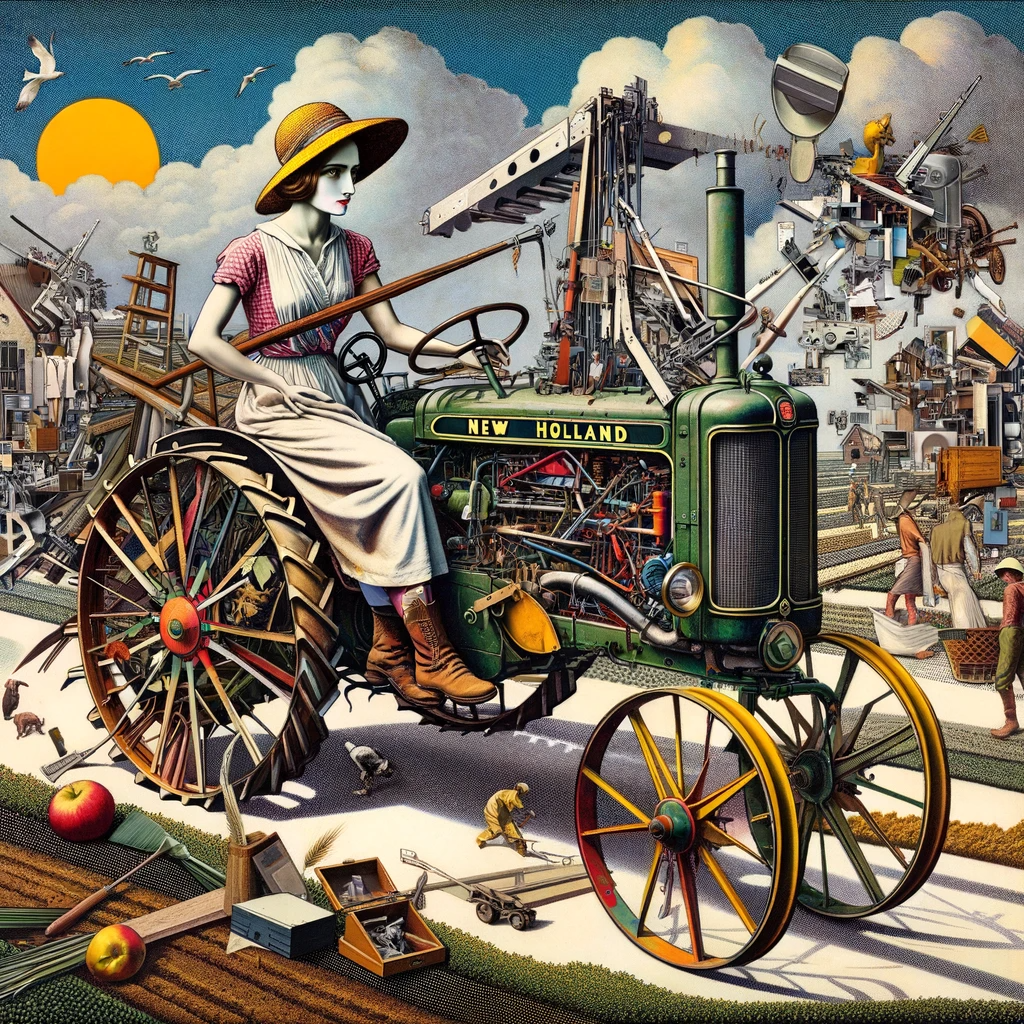
Balancing innovation with the joy of traditional farming is no small feat, yet it’s a task that resonates deep within the values that have shaped our agricultural roots. Picture this: a sunrise painting the fields in gold, a farmer perched atop a sturdy tractor, the hum of the engine harmonizing with the gentle whispers of the breeze. This scene encapsulates a connection to the land that is as old as civilization itself. But as we move forward, the scent of diesel must mingle with the fragrance of freshly turned soil, mingling tradition with the promises of modernity.
Innovation can sometimes feel like a foreign invader, ready to uproot the time-honored ways of farming that have nurtured families for generations. But what if we viewed it not as a threat, but as an ally? Precision agriculture, for instance, empowers farmers to make data-driven decisions. It’s not about replacing the heart and labor that farmers pour into their work; instead, it enhances their ability to cultivate the land efficiently. That same tractor can now be equipped with technology that ensures water and nutrients are delivered exactly where they are needed, leaving room for both efficiency and legacy.
Emotionally, traditional farming ties us to stories—each plot of land whispers tales of hard work and triumph. Yet, let’s not forget that our world is changing. We stand at the crossroads of opportunity and responsibility, recognizing that ethical farming practices foster sustainability. There’s no greater authority on the matter than farmers themselves, who are best positioned to understand the delicate balance between innovation and stewardship.
In narrative terms, think of the family farm as a living coastline, where waves of technology can either erode or enrich the land. Encouraging dialogue within our communities can cultivate a diverse narrative that embraces both the innovative and the traditional. Let’s not view technology as a replacement, but rather as a lifeline, one that can help preserve a way of life while ensuring that future generations can enjoy that same golden sunrise over the fields.
When we come together—farmers, technologists, consumers—we tap into a shared goal. By investing in local agricultural initiatives that prioritize both new techniques and traditional values, we honor those deeply rooted practices while stepping confidently into tomorrow. Together, we can harmonize the heart of farming with the future it deserves.
How Can We Balance Innovation With The Joy Of Traditional Farming?
How Can We Balance Innovation With The Joy Of Traditional Farming?
- Innovation and traditional farming are intertwined, reflecting deep agricultural values.
- Traditional scenes of farming embody a timeless connection to the land.
- Modern innovations like precision agriculture enhance rather than replace farmers‘ traditional practices.
- Technology enables more efficient cultivation of land, allowing for better resource management.
- Emotional ties to farming stories emphasize the importance of hard work and legacy.
- Farmers are central to understanding the balance between innovation and ethical stewardship.
- Collaborative efforts among farmers, technologists, and consumers can create sustainable agricultural practices while preserving tradition.
How Can We Balance Innovation With The Joy Of Traditional Farming?
Is The Community Aspect Of Farming Fading With Modern Methods?
The Heart of Farming: Community in Modern Agriculture
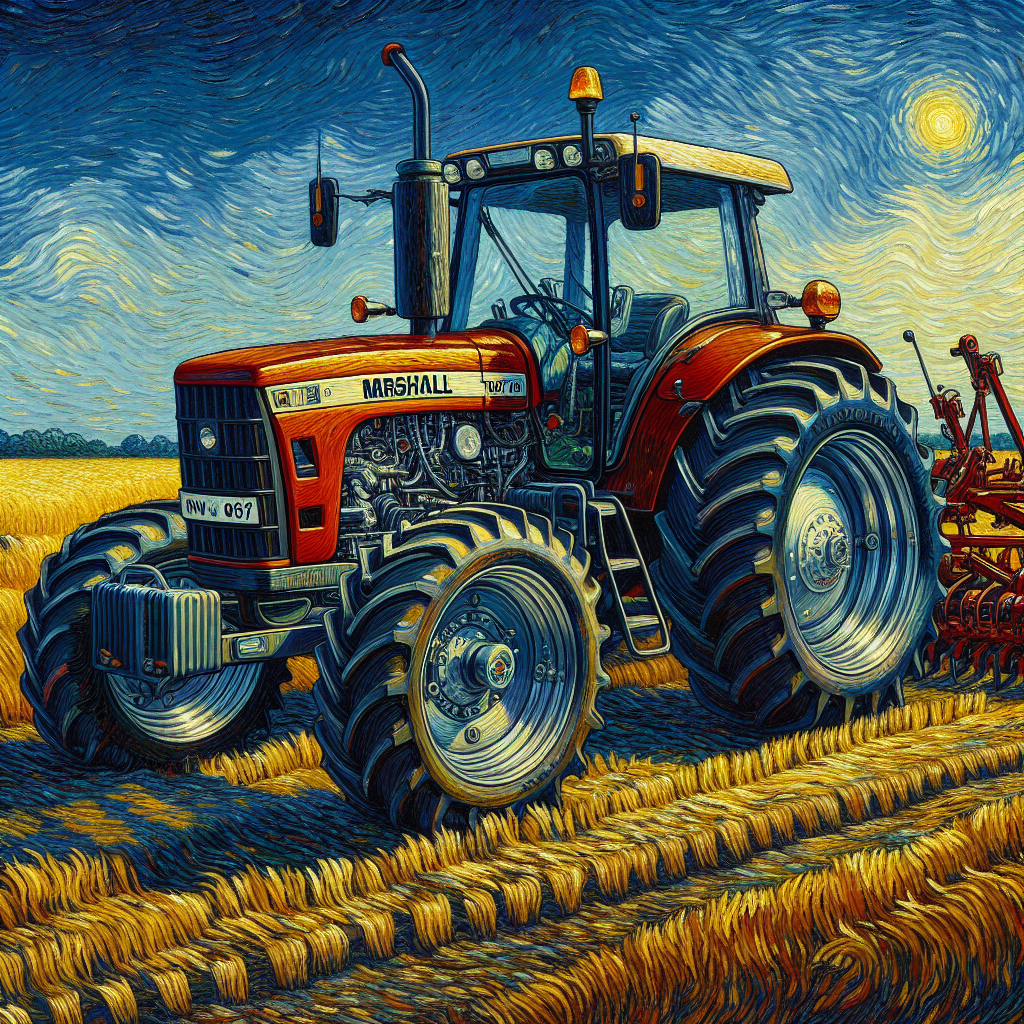
As we cruise down rows of golden wheat and vibrant green soybeans, it’s clear that the world of farming is changing faster than ever. But lost in the hum of tractors and the sizzle of new technologies is a more profound question: What happens to community when modern farming methods take center stage?
Every farmer I’ve met has a story—a weathered face etched with hard work, a handshake imbued with trust, and a shared connection that transcends mere geography. Yet, as the industry shifts toward efficiency, that human touch can feel like it’s slipping away. Think about it: When we replace family-run farms with vast industrial operations, where do the friendships formed over a shared harvest festival go? The connection to community can become just as elusive as a summer rain after a long drought.
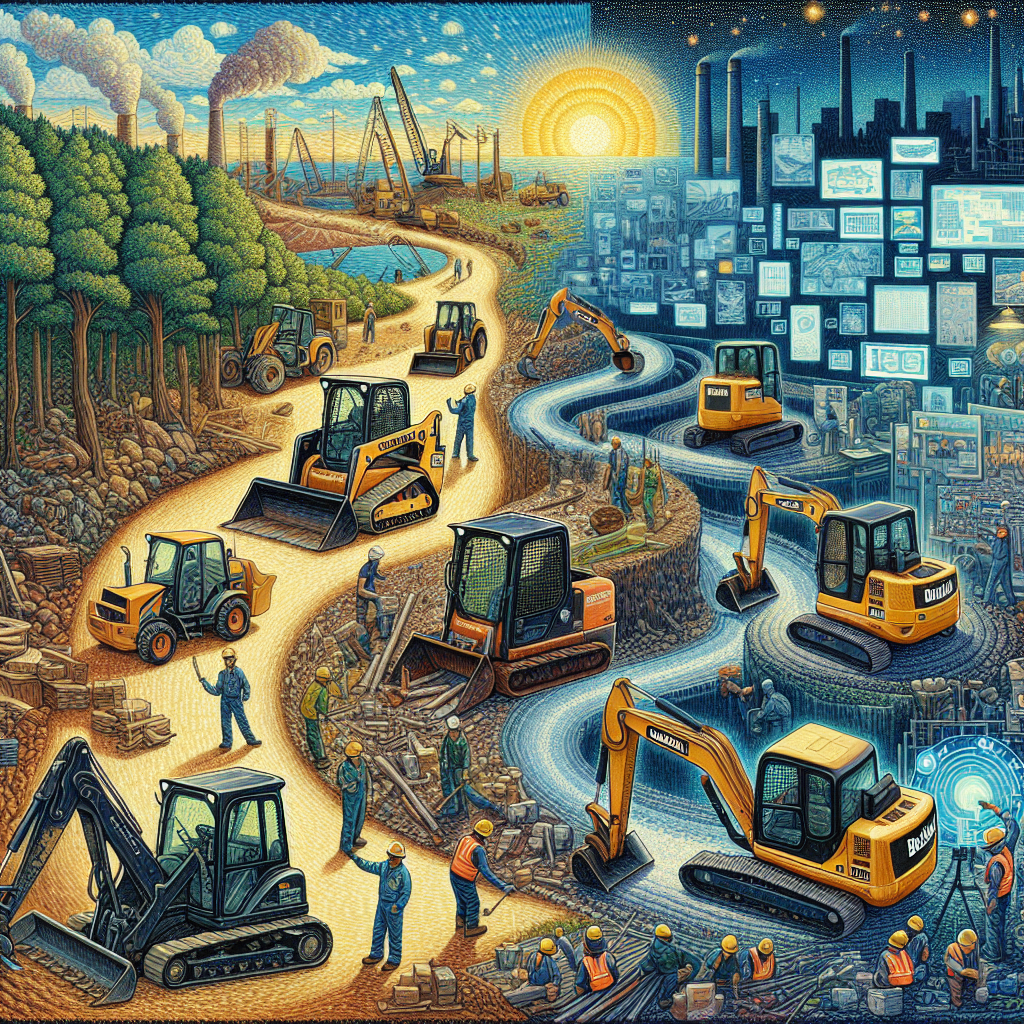
Rationally speaking, these advancements in precision agriculture and robotics have undeniable benefits. They can boost yields, minimize waste, and even enhance sustainability. But in those shiny new tractors, as farmers scan fields through screens rather than eyes, one must ask—what do we lose in the name of progress? This isn’t just a business decision; it’s an ethical one. Are we trading the wisdom of generations for short-term gains that often sever our ties to one another?
Yet, let’s not throw the baby out with the bathwater. There’s hope. Community-supported agriculture (CSA) models thrive, connecting consumers directly with the land and the farmers who nurture it. Neighbors come together for farm-to-table dinners and local markets that foster not only the economy but the spirit of cooperation. These grassroots efforts remind us that farming is about more than cultivating crops; it’s about cultivating connections. It’s about celebrating shared successes and supporting each other through failures.
This narrative of re-establishing community isn’t just a nostalgic longing; it’s a call to action. By leaning into our local networks, we nurture not only the soils beneath our feet but the relationships that grow alongside them. It’s in these moments that we discover the true heart of farming isn’t just the land—it’s the people who stand beside it. As the horizon expands with new technologies, let’s not forget to look left and right, ensuring the bonds that make our farming community as resilient as the fields we tend.
Is The Community Aspect Of Farming Fading With Modern Methods?
Is The Community Aspect Of Farming Fading With Modern Methods?
- Modern farming is rapidly changing, raising questions about the impact on community.
- Farmers possess unique stories and connections, but the shift to industrial farming threatens these relationships.
- Precision agriculture and robotics offer benefits like increased yields and sustainability but may erode human connections.
- Decisions in agriculture should consider the ethical implications of balancing progress with community ties.
- Community-supported agriculture (CSA) models promote direct connections between consumers and farmers.
- Grassroots efforts, like farm-to-table dinners, emphasize cooperation and shared successes.
- Re-establishing community in agriculture is essential for nurturing both land and relationships, ensuring resilience.
Is The Community Aspect Of Farming Fading With Modern Methods?
Why Do Stories Of Classic Farming Resonate Deeply With Our Values?
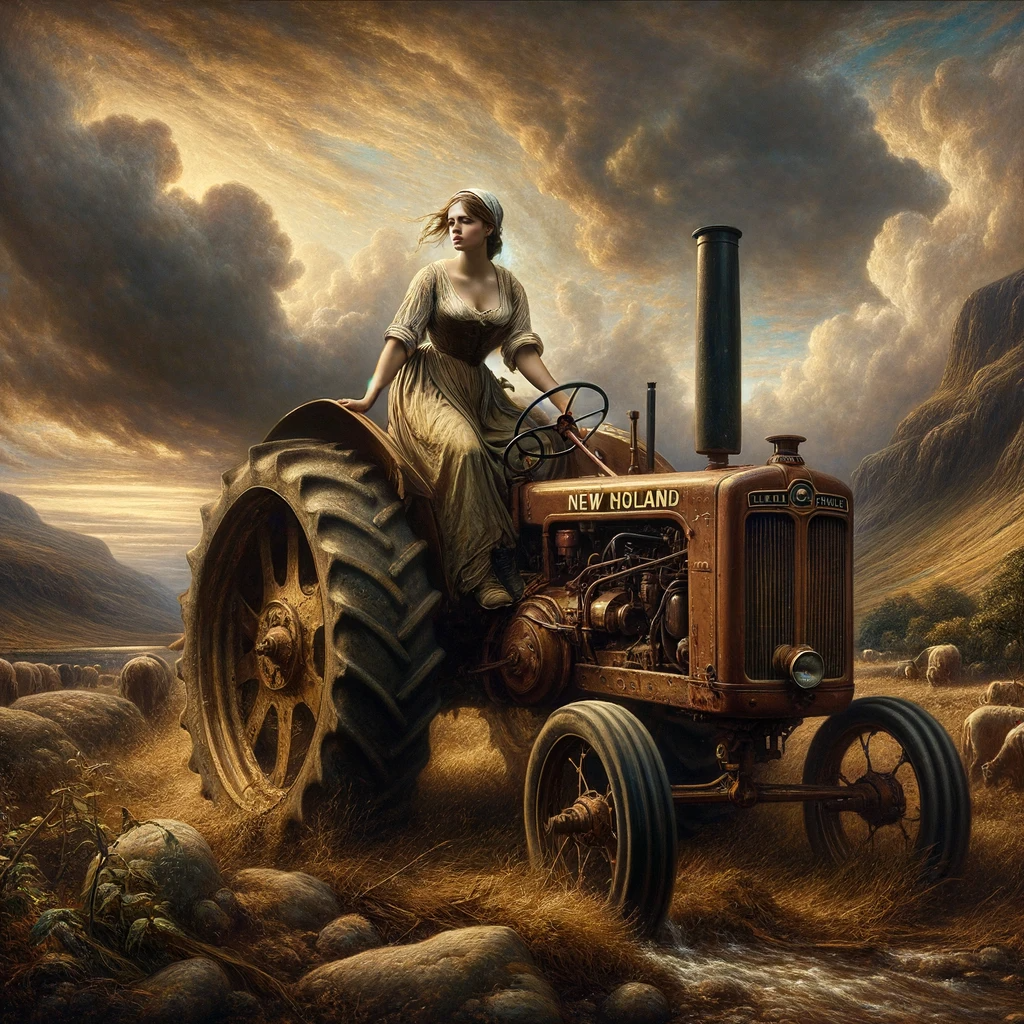
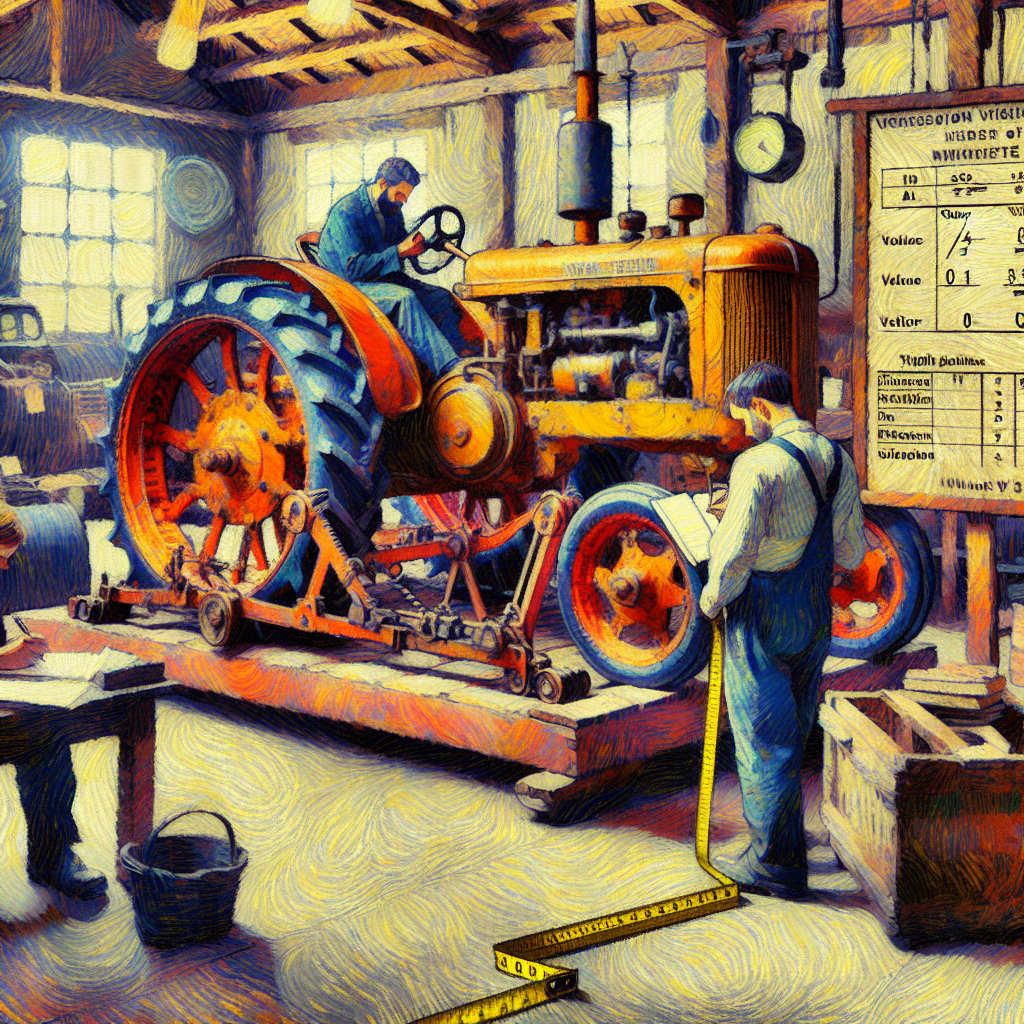
When you think of classic farming, what images flash before your eyes? A weathered tractor plowing through sun-drenched fields? The rhythmic sound of hooves on a dirt path? Each scene evokes a visceral connection to hard work, perseverance, and authenticity. These stories resonate deeply with us, and they tug at heartstrings for good reason.
At the core of classic farming narratives lies a timeless value: the genuine connection between man and nature. This bond is not just romantic; it’s a relationship built on trust and reciprocity. When we hear tales of farmers rising before dawn, nurturing the soil with their own hands, we see a reflection of our own struggles and triumphs. These stories remind us that there’s value in sweat and grit, a reminder that our daily labors, no matter how mundane, are threads in the larger tapestry of life.
From a rational perspective, farming meets our most basic needs. The unwavering dedication of a farmer ensures that our tables are filled. Each story of resilience becomes a testament to the power of human spirit, a story that we can all identify with—whether or not we’ve ever set foot on a field. When the elderly farmer shares tales of seasons gone by, it’s a reminder that every year brings new challenges and rewards, just like in our own lives.
Ethically, these farming stories champion sustainability and stewardship. They invite us to reflect on our responsibilities: to respect the land, to cultivate compassion towards our neighbors, and to honor our community. A farmer’s legacy is not just about the crops they grow; it is about the values they instill. We sense the weight of their knowledge, their authority in traditional practices that have been passed down through generations. That’s not just respect; it’s a call to action.
When we come together in a community to celebrate harvest time, the social bond strengthens. We hear the laughter of children chasing each other, the clinking of glass bottles filled with homemade preserves, and the storytelling that spills over like the golden sunset. These moments foster connection, reminding us that we are part of something larger.
In every tale told, whether it’s about the ancient fields or the trusty tractor that braved countless storms, we find hope, connection, and a reminder of who we are. These stories not only inspire trust but also bolster the confidence we need to face our own futures. Ultimately, they invite us to dig deep—not just into the soil, but into our own hearts.
Why Do Stories Of Classic Farming Resonate Deeply With Our Values?
Why Do Stories Of Classic Farming Resonate Deeply With Our Values?
- Classic farming evokes images of hard work and perseverance, illustrating a strong bond between man and nature.
- Farmers’ dedication reflects our own struggles and triumphs, emphasizing the value of sweat and grit in daily life.
- Farming satisfies basic needs, with resilience serving as a testament to the human spirit that resonates universally.
- Farming stories promote sustainability, urging respect for the land and compassion towards the community.
- A farmer’s legacy encompasses values and knowledge passed down through generations, calling for ethical responsibility.
- Community celebrations, like harvest time, strengthen social bonds and foster connections among individuals.
- These narratives provide hope and confidence, encouraging us to explore our own identities and futures deeply.
Why Do Stories Of Classic Farming Resonate Deeply With Our Values?
What Role Do Classic Farming Narratives Play In Shaping Our Culture?
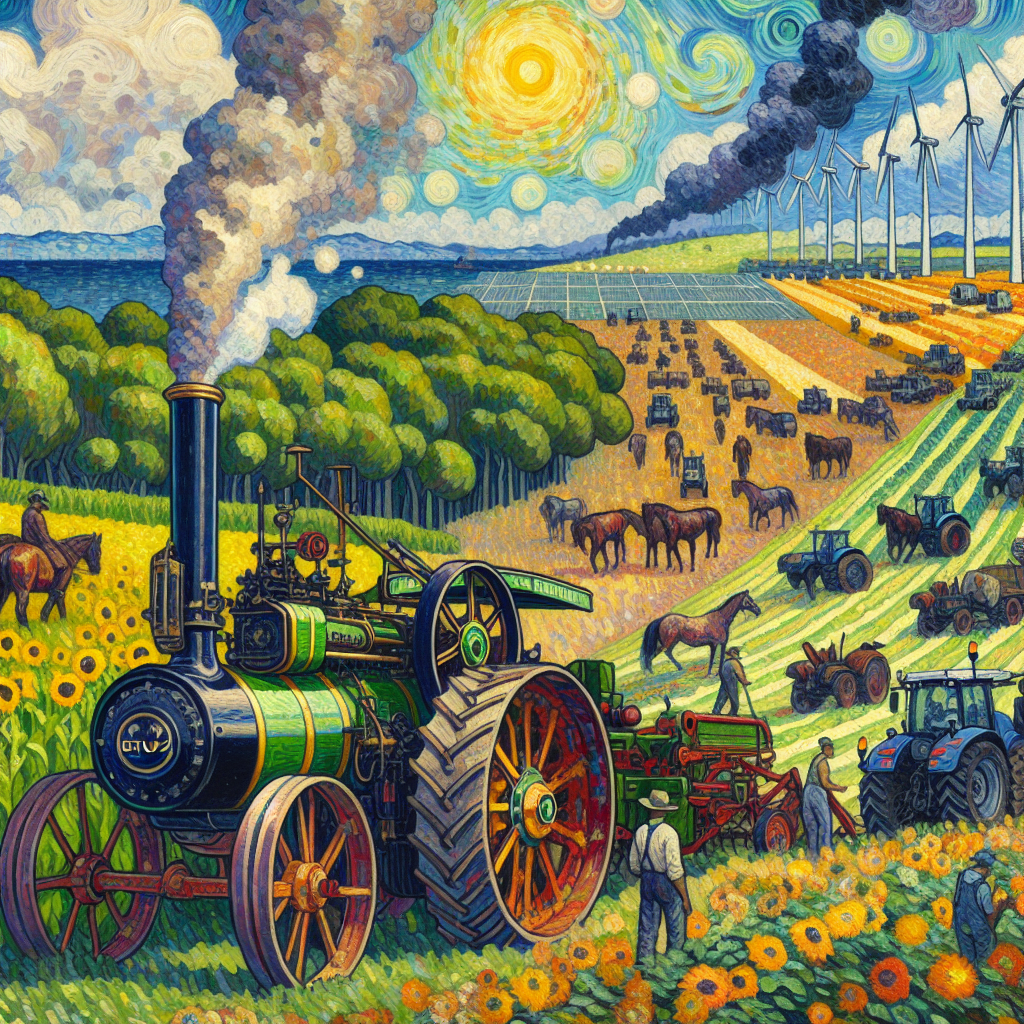
There’s something almost primal about the classic farming narratives that have woven their way through our culture. Picture a wide-open field, the sun casting its golden glow on a well-worn tractor, each turn of the wheels marking the passage of time. Here, where persistence meets patience, these stories aren’t just tales to pass the time—they’re blueprints for resilience in the face of adversity.
At their core, these narratives forge a bond between past and present. They evoke emotions that resonate deep within us, calling forth memories of family gatherings around a dinner table, where plates overflow with harvest bounty. It’s in these moments that we understand the value of hard work, of seeing a seed sprout into something nourishing—both literally and metaphorically. This emotional appeal not only tugs at the heartstrings but also sharpens our understanding of life’s cycles.
These stories also make us think. They present farming as more than a livelihood; they turn it into an ethical compass that guides decisions from sustainable practices to community engagement. When we hear about a farmer who learns to respect the land, we are reminded of our responsibility to future generations. By embracing the lessons embedded in these narratives, we arm ourselves with knowledge to tackle not just agricultural challenges, but societal ones as well.
And there’s an undeniable authority behind these narratives, built over centuries. When a seasoned farmer shares their tale—perhaps of a drought that threatened their entire year’s work—we listen. They’ve sat at the edge of hope and despair, their stories rich with experience, resonating with truth. These are lessons honed on the frontlines of ferocious weather, market fluctuations, and the unyielding march of nature. It’s in these contradictions where we find inspiration; they urge us to embrace the unpredictable with courage.
Moreover, classic farming narratives foster a sense of community, inviting everyone to gather and share in the collective experience. Whether through storytelling around a bonfire or a communal harvest festival, they connect us in ways that transcend cultural boundaries. When we share these tales, we recognize that every person carries their own tractor of struggles and triumphs—each machine embodying a unique journey.
In a world that seems increasingly disconnected, the simplicity and depth of farming stories remind us of our shared roots, urging us to cultivate not just our fields, but our relationships with one another. So let’s honor these narratives, for they hold the power to inspire trust, resilience, and action within us all.
What Role Do Classic Farming Narratives Play In Shaping Our Culture?
What Role Do Classic Farming Narratives Play In Shaping Our Culture?
- Classic farming narratives evoke a primal connection to nature and resilience.
- They weave a bond between past and present, stirring emotions and memories of family traditions.
- These stories highlight the value of hard work and the cycles of life, providing deeper understanding.
- Farming narratives serve as an ethical compass, guiding sustainable practices and community engagement.
- Seasoned farmers share rich experiences that resonate with truth, offering lessons from the frontlines.
- These narratives promote a sense of community, bridging cultural divides through shared experiences.
- Farming stories remind us to cultivate relationships and inspire trust, resilience, and action.
What Role Do Classic Farming Narratives Play In Shaping Our Culture?
Are We Losing Essential Skills By Not Practicing Traditional Methods?
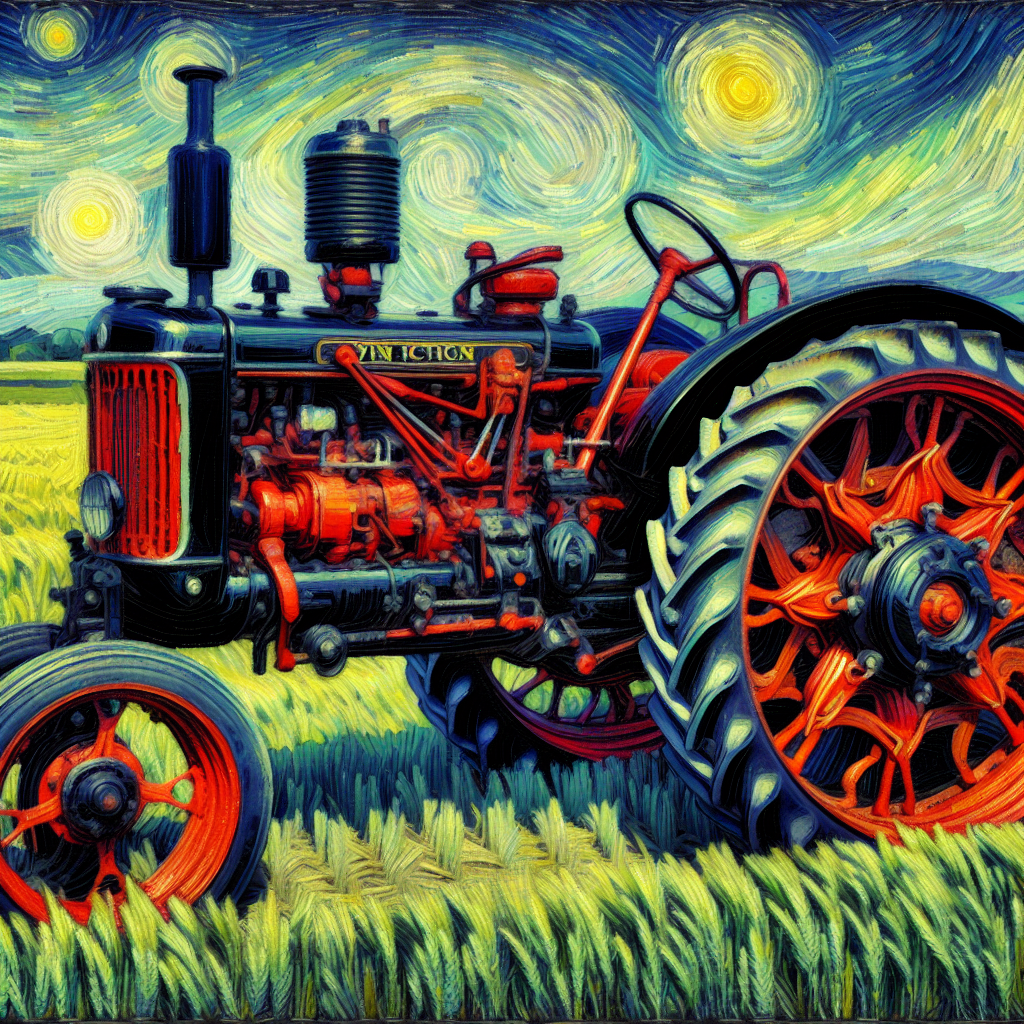
In a world dominated by technology, the ancient skills that built societies are fading into the background, much like the roar of a tractor in a cornfield at dusk. We’re all busy chasing convenience, but in that pursuit, are we really winning? The truth is, with every shiny gadget we adopt and every app we download, we inch a little further away from the foundational skills that defined generations before us. These aren’t just lost arts—they’re essential building blocks of resilience and ingenuity.
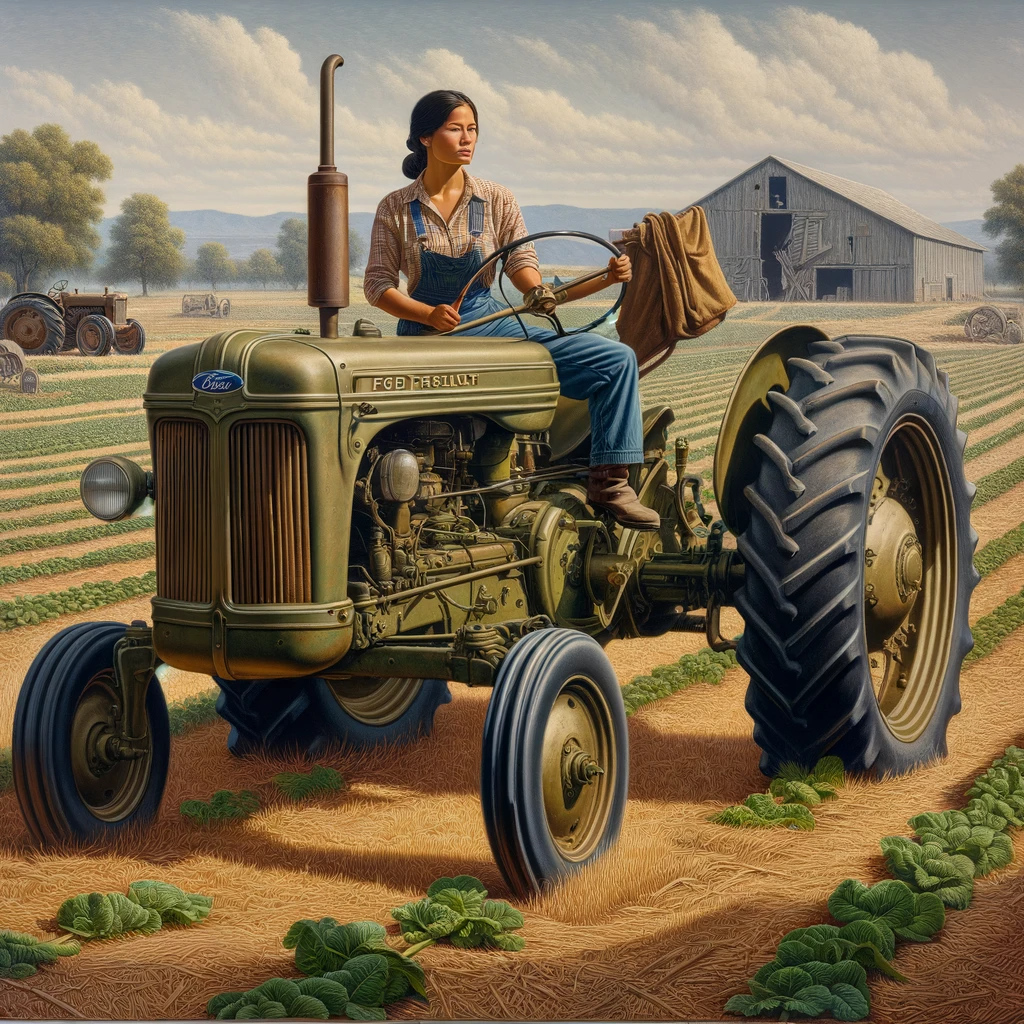
Think back to the simple joy of connecting with the earth. Picture a farmer, weathered hands gripping the steering wheel of a tractor, not merely driving a machine but co-creating with nature. Each row tilling the soil is a dance with the environment, one taught through trial, error, and the wisdom passed down through generations. It’s not just about farming—it’s a way of life that cultivates patience, problem-solving, and a sense of responsibility to the land.
Rationally, we know that self-sufficiency fosters confidence. In a world where we increasingly rely on others for answers, the ability to fix a fence, grow a garden, or even just understand the mechanics behind that tractor can create a sense of independence that wealth alone cannot buy. It’s about standing on your own two feet, knowing that when technology fails, you can still thrive.
Ethically, we must ask ourselves: What do we owe future generations? A society enriched by skill and practicality promotes stewardship not just of land, but of community. When we can grow our own food or repair our own machines, we nurture not just our bodies but our connections to each other. These skills teach care for our environment and our neighbors; they foster a sense of belonging in a fast-paced world that often feels disconnected.
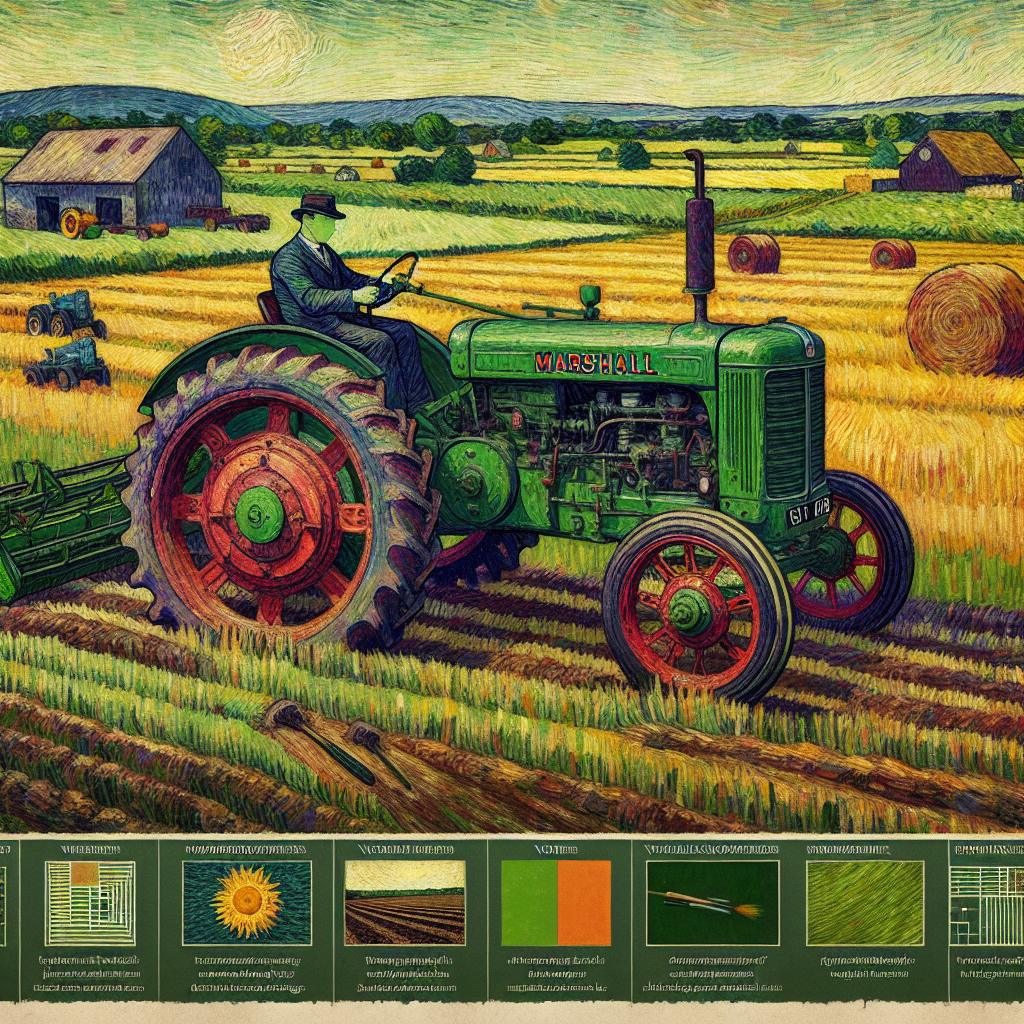
So here’s my challenge: Let’s not abandon those rich traditions in exchange for fleeting modern conveniences. Engage with the grit and grind of learning. Pick up a tool, restore a vintage piece of machinery, or even take the time to learn a recipe passed down through the generations. You may just find that stepping away from the screen and into the soil—much like that sturdy tractor tire leaving its imprint—is not merely a nostalgic trip but a profound journey back to what it truly means to be human. Make the choice to connect, to learn, to care. Your heart, head, and gut will surely thank you.
Are We Losing Essential Skills By Not Practicing Traditional Methods?
Are We Losing Essential Skills By Not Practicing Traditional Methods?
- Ancient skills essential for resilience and ingenuity are fading in a technology-dominated world.
- Chasing convenience often leads us away from foundational skills that defined past generations.
- Self-sufficiency promotes confidence and independence, going beyond material wealth.
- Engaging with nature through farming fosters patience, problem-solving, and responsibility.
- Future generations deserve a society enriched by practical skills and stewardship of community and environment.
- Learning traditional skills can nurture connections with others and the land in a disconnected world.
- A challenge is posed to embrace traditional practices and engage with hands-on activities.
Are We Losing Essential Skills By Not Practicing Traditional Methods?
What Evidence Supports The Benefits Of Classic Farming On Soil Health?
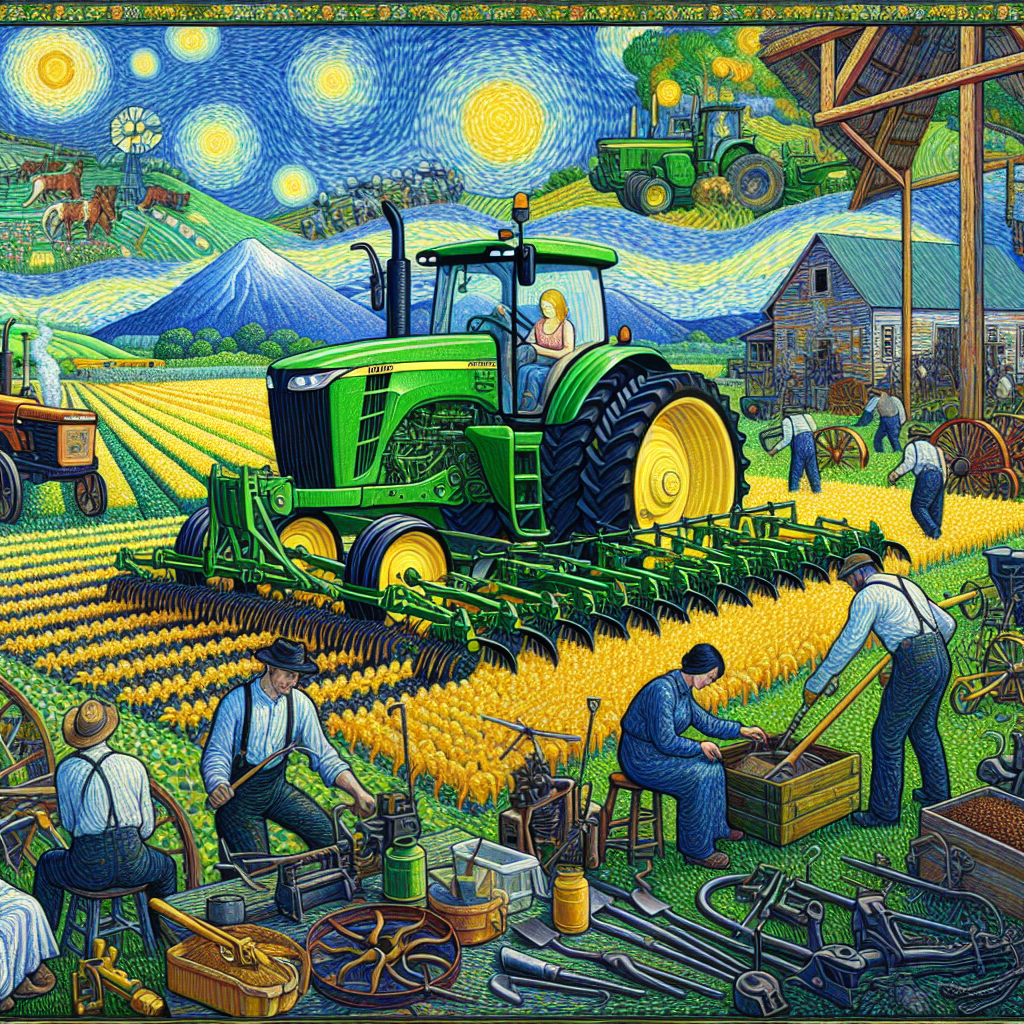
When you picture classic farming, perhaps you see a weathered tractor churning through sun-dappled fields, an image steeped in tradition, promise, and the age-old relationship between farmers and the land. This isn’t just a quaint scene; it’s a testament to a practice that has remarkably weathered the storm of modern agriculture. The evidence supporting the benefits of classic farming on soil health is not only compelling; it resonates with our very values as caretakers of the earth.
At the heart of classic farming is a philosophy grounded in harmony. Research shows that rotating crops, using cover crops, and employing organic matter to enrich the soil transforms it into a vibrant ecosystem. This isn’t your average soil — we’re talking about a living organism that breathes, thrives, and gives back. It’s a gut-level revelation: healthier soil captures carbon, reduces erosion, and supports biodiversity. It’s a woven tapestry of life, enhancing the nutritional value of the food we consume.
But let’s engage our heads for a moment; the science is sound. Studies demonstrate that conventional farming, driven by synthetic fertilizers and monocultures, leads to soil degradation. Conversely, classic farming approaches improve soil structure and fertility over time. When farmers take a step back, embracing the rhythms of nature, they not only restore the land but also create a legacy for future generations. Ethical farming isn’t just a noble endeavor — it’s a responsibility.
Conversing with the experts in the field adds weight to our understanding. Agricultural scientists and sustainable farming advocates echo similar sentiments about classic techniques being the backbone of regenerative practices. These are voices of authority, sharing findings that provoke thought: farms that have embraced traditional methods see lower input costs and healthier, more resilient ecosystems. It’s a win-win.
Narratives of farmers who have turned their backs on chemical dependency in favor of classic approaches are emerging every day. These stories connect us — they remind us of our roots, our shared heritage, and, most importantly, our duty to the earth. When we champion the farmers who refuse to compromise on soil health, we’re also supporting our community and the intricate web of life that sustains us.
So let’s pull together. Let’s celebrate the time-honored practices that not only improve soil health but also nurture our environment. When we invest in classic farming today, we’re not just cultivating crops — we’re sowing a future rich with possibility. Are you ready to dig in?
What Evidence Supports The Benefits Of Classic Farming On Soil Health?
What Evidence Supports The Benefits Of Classic Farming On Soil Health?
- Classic farming evokes images of traditional practices that reinforce the bond between farmers and the land.
- This method is beneficial for soil health, enhancing its vitality and ecological balance.
- Practices such as crop rotation, cover crops, and organic matter use create a thriving soil ecosystem that supports biodiversity.
- Research indicates that conventional farming methods contribute to soil degradation, while classic farming improves soil structure and fertility.
- Experts support the idea that classic farming techniques are crucial for regenerative practices and offer lower input costs with healthier ecosystems.
- Farmers transitioning away from chemical reliance toward classic approaches foster community connections and promote environmental stewardship.
- The call to action encourages support for classic farming to ensure a sustainable future rich in resources.
What Evidence Supports The Benefits Of Classic Farming On Soil Health?
Conclusion
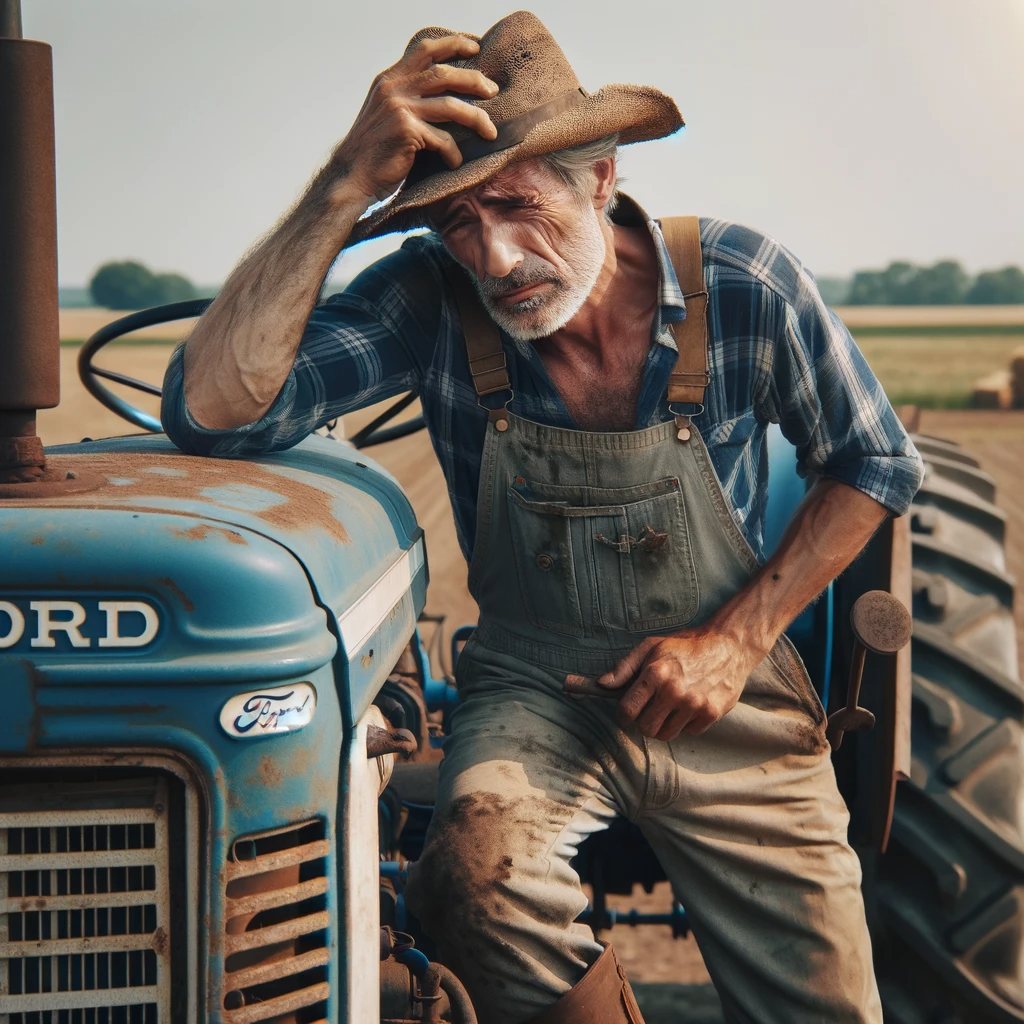
As we navigate the complexities of modern agriculture, a profound question remains at the forefront: Are we sacrificing the joy and essence of farming by moving away from the traditions that shaped us? The golden days of farming—those humble tractors, the sweet scent of soil, and the rhythmic dance of seasons—encapsulate a lifestyle steeped in genuine connection with the land. Today’s automated wonders promise increased efficiency, yet they often strip away the intimacy and authenticity that make farming not just a job but a cherished way of life.
Every farmer has a story, a narrative woven with sweat, hardship, triumph, and community spirit. These tales remind us that true farming is born from relationships—with the soil, the crops, and each other. In an age driven by productivity, are we losing perspective? We must reflect on whether our quest for convenience comes at the expense of our heritage, our skills, and our connections to one another.
But it’s not all doom and gloom. The beauty of modern farming lies in the opportunity to blend the best of both worlds, integrating innovative techniques while honoring the wisdom of traditional practices. Precision agriculture, when used mindfully, enhances our decision-making and strengthens our bond with the land, ensuring that we can still get our hands dirty while embracing new methodologies. Sustainability and stewardship remain paramount, reminding us of our duty not just to ourselves but to future generations.
Community bonds, the bedrock of farming life, also stand to benefit from this integration. Think of the gatherings, the shared meals, the laughter echoing through the fields. Community-supported agriculture (CSA) models and local markets offer a lifeline to these connections, uniting neighbors and fostering an appreciation for the hard work that goes into bringing food to the table. It’s in these gatherings that we find the heart of farming—not just in the harvest, but in the relationships we cultivate along the way.
So, as we look toward the horizon of agricultural advancements, let’s not forget our roots. Let’s champion those timeless stories and practices that remind us of our responsibilities—to the land, to each other, and to the future. Together, we can strike a balance where joy thrives, putting the heart back into farming. By nurturing our fields and our relationships, we ensure that farming remains more than just a profession; it becomes an enduring legacy and a source of profound joy that generations to come can cherish.
Conclusion
Conclusion:
- Modern agriculture raises the question of whether we are losing the joy and essence of farming by abandoning traditional practices.
- The nostalgic imagery of farming includes humble tractors, rich soil, and seasonal rhythms that foster a deep connection to the land.
- Farmers have personal stories filled with sweat, hardship, and community, reminding us that farming is rooted in relationships.
- There is a concern that the modern focus on productivity may overshadow heritage, skills, and interpersonal connections.
- Modern farming can integrate innovative technologies with traditional practices to enhance decision-making while maintaining a link to the land.
- Community bonds are essential, with CSA models and local markets helping to strengthen connections and appreciation for farming efforts.
- To honor our responsibilities to the land, each other, and future generations, we must strive for a balance where joy and legacy remain central to farming.
Conclusion
Other Resources
Other Resources
Here is a list of other resources you can review online to learn more:
- Rome
- RK Tractors
- Idaho Farmand Ranch Museum
- Lamborghini
- Rhino
- Eagle Manufacturing
- Porsche
- FARMSHOW Magazine
- Classic Farm Tractors
- Minneapolis
Use This Prompt To Get More Resources With Your Favorite Online AI Tool: Please provide me with a list of online articles with their URLs in a bulleted list that I can read regarding Are We Losing The Joy Of Farming By Abandoning The Classics
Other Resources
Glossary Terms
Are We Losing The Joy Of Farming By Abandoning The Classics – Glossary Of Terms
1. Agriculture: The science and practice of farming, including the cultivation of soil and livestock for food production.
2. Biodiversity: The variety of plant and animal life in a particular habitat, essential for ecological balance and farming resilience.
3. Conventional Farming: A modern agricultural method that typically involves the use of chemical fertilizers, pesticides, and monocultures to maximize yield.
4. Heritage Seeds: Traditional seeds that have been passed down through generations, known for their unique flavors and resilience.
5. Organic Farming: A method of farming that avoids synthetic chemicals, prioritizes sustainability, and emphasizes ecological balance.
6. Permaculture: A holistic design philosophy for sustainable farming that mimics natural ecosystems and aims to create self-sufficient agricultural systems.
7. Monoculture: The agricultural practice of growing a single crop over a wide area, often leading to reduced biodiversity and increased vulnerability to pests.
8. Sustainability: Methods and practices in farming that meet current food needs without compromising the ability of future generations to meet theirs.
9. Culinary Heritage: The traditional food practices and recipes that showcase a region’s culture, often tied to local farming methods and ingredients.
10. Farm-to-Table: A movement that emphasizes the direct connection between producers and consumers, promoting local, fresh, and seasonal food consumption.
11. Soil Health: The condition of soil in terms of its biological, physical, and chemical properties, crucial for productive farming.
12. Agroecology: An interdisciplinary approach that applies ecological principles to agricultural systems, promoting sustainable farming practices.
13. Crop Rotation: The agricultural practice of alternating the species of crops grown in a particular area from season to season, to improve soil health and reduce pests.
14. Rural Community: A social and economic community located in the countryside, often dependent on agriculture and farming practices.
15. Farmers’ Markets: Local markets where farmers sell their products directly to consumers, supporting local economies and fresh food access.
16. Seasonal Eating: The practice of consuming foods that are in season, which promotes local agriculture and enhances flavor.
17. Quality over Quantity: A principle focusing on the richness and flavor of food produced rather than solely maximizing yield.
18. Agritourism: A growing sector that combines tourism with agriculture, where visitors experience farm life and local produce.
19. Sustainable Practices: Farming methods that aim to preserve environmental health, including practices like crop diversity, soil conservation, and water management.
20. Nostalgia: A sentimental longing for the past, which can influence perceptions of traditional farming practices and heritage.
21. Food Sovereignty: The right of people to define their own food systems, including farming practices, food production, and consumption.
22. Cultural Identity: The shared characteristics and traditions of a group, often reflected in its agricultural practices and foodways.
23. Tending the Land: The act of caring for and managing agricultural land, emphasizing the relationship between farmers and their environment.
24. Ecosystem Services: Benefits provided by natural ecosystems to humans, including pollination, soil fertility, and clean water, all of which are enhanced by diverse farming practices.
25. Agricultural Innovation: The introduction of new technologies, methods, or practices in farming that aim to improve productivity and sustainability.
26. Smallholder Farms: Farms that are typically family-owned and operated, often focusing on subsistence agriculture and local markets.
27. Value-Added Products: Goods produced from raw agricultural products which have been processed or transformed to increase their value, such as cheese from milk or jam from fruit.
28. Community Supported Agriculture (CSA): A system in which consumers subscribe to receive regular deliveries of fresh produce directly from local farms, fostering a connection between farmer and consumer.
29. Food Culture: The beliefs, values, practices, and social behaviors related to the production, distribution, and consumption of food, often influenced by farming traditions.
30. Tradition: Long-established customs and practices in farming that often reflect cultural and historical significance, which may be at risk of being lost in modern agriculture.
Glossary Of Terms
Other Questions
Are We Losing The Joy Of Farming By Abandoning The Classics – Other Questions
If you wish to explore and discover more, consider looking for answers to these questions:
- What are the main differences between traditional farming and modern agricultural methods?
- How has technology changed the experience of farming?
- What specific traditional methods can be integrated into modern farming practices?
- How can farmers maintain community connections in a technology-driven world?
- What are the long-term impacts of abandoning traditional farming techniques on agricultural sustainability?
- What role does storytelling play in preserving farming culture?
- How can consumers support traditional farming initiatives?
- What examples exist of successful integration of traditional and modern farming practices?
- How do different farming methods affect the quality and nutritional value of food?
- What are the economic benefits of traditional farming methods versus modern practices?
- How can educators promote the importance of traditional farming skills to new generations?
- What can be done to revive interest in classic farming narratives?
- What challenges do farmers face in transitioning back to traditional farming methods?
Other Questions
Haiku
Are We Losing The Joy Of Farming By Abandoning The Classics – A Haiku
Hands deep in the soil,
Tractors whisper tales of old,
Joy found in the toil.
Haiku
Poem
Are We Losing The Joy Of Farming By Abandoning The Classics – A Poem
A Tribute to the Age-Old Craft
(An Ode to Tradition in Modern Times)
In fields where golden sunsets blaze,
Old tractors roll in gentle praise,
The hum of life, the soil’s embrace,
Craft’s heartbeat in every place.
Nostalgia sings with every plow,
Yet progress whispers, “Look at now!”
Efficiency and ease take flight,
But have we lost the thrill of plight?
The joy of farming, once so pure,
In tales retold, remains a cure.
Hands in soil, heart in hand,
A dance of toil upon the land.
Each seed a story, written deep,
In earth where dreams and labors seep.
Through sweat and sun, our bonds do grow,
Cultivating kinship in furrows low.
Yet as we build on tech’s embrace,
Let’s heed the past, acknowledge grace—
For every gadget holds a cost,
In touch and taste, tradition’s lost.
Is it too late to find a way,
To blend the old with this new day?
Innovation, yes! A guiding star,
But let’s not journey too far.
With farmers’ wisdom, we must engage,
In community’s arms, let’s turn the page—
For farming’s heart beats in the crowds,
A legacy in laughter, banners proud.
So let us not forget the art,
The hands that tend, the loving heart.
Let’s gather ‘round those harvest feasts,
Where connection thrives and spirit leaps.
Every story told around the fire,
Stirs a deep-seated, shared desire—
To honor roots while looking forth,
To nurture spirit, honor worth.
Join hands with nature, wise and true,
In every cycle, old and new,
For when we dig, in soil and soul,
We find our purpose, we find our role.
Let’s vow to cultivate, with heart ablaze,
Embrace the classics in modern ways,
Together we’ll weave a tapestry bright,
Of farming joy that holds day and night.
Poem
Checklist
Are We Losing The Joy Of Farming By Abandoning The Classics – A Checklist
Checklist: Reconnecting with the Heart of Farming _____ Embracing Tradition alongside Innovation
This checklist is designed to help you reflect on the joys of farming as you navigate the modern agricultural landscape. It appeals to your emotions and values while providing rational guidance and fostering community connections.
Heart (Emotional Appeal)
_____ 🌱 Recall Your Roots: Take a moment to think of a memory related to farming or being in nature. Write it down.
_____ 🧑🤝🧑 Share Your Story: Engage with family or friends, sharing personal anecdotes about agriculture, farming practices, or connections to nature.
_____ ❤️ Celebrate Local Produce: Plan a meal using local ingredients and invite loved ones to join in enjoying the bounty of traditional farming.
Head (Rational and Logical Appeal)
_____ 📊 Educate Yourself: Research the benefits of traditional farming practices (e. g. , crop rotation, organic matter use) for soil health and sustainability.
_____ 🔍 Analyze Your Impact: Reflect on your food choices. Do you support local farmers and sustainable practices?
_____ 💡 Embrace New Wisdom: Investigate how technology can enhance traditional approaches rather than replace them. Consider how precision agriculture complements your farming experience.
Gut (Instinctual Appeal)
_____ ⚒️ Get Hands-On: Spend time in the soil—plant a garden, tend to houseplants, or assist a local farmer. Feel the earth between your fingers.
_____ 📅 Schedule ‘Unplugged’ Time: Dedicate a day each month to disconnect from technology and immerse yourself in nature and farming activities.
_____ 👩🌾 Cultivate Skills: Choose one traditional farming skill (like canning, preserving, or animal husbandry) to learn this month. Sign up for a local workshop or find online resources.
Ethical and Community Engagement (Ethical and Social Appeal)
_____ 🤝 Join a Local CSA: Participate in Community Supported Agriculture programs to directly support local farms and foster community connections.
_____ 💬 Engage in Dialogue: Start conversations within your community about traditional versus modern farming methods. Host or attend local meetings to share experiences and learn together.
_____ 🌍 Advocate for Sustainable Practices: Write letters to local agricultural leaders or school boards advocating for programs that teach agricultural skills and community gardening.
Authority (Expert Insight and Guidance)
_____ 📚 Seek Expert Guidance: Consult with local farmers or agricultural extension services to gain insights on sustainable practices and soil health.
_____ 🔔 Attend Workshops: Participate in farming workshops or agricultural fairs that feature speakers and demonstrations on traditional techniques.
_____ 🗣️ Follow Influencers: Find and follow credible voices in agriculture on social media or through podcasts to stay informed about best practices and innovations.
Narrative and Cultural Connection (Narrative Appeal)
_____ 🏺 Document the Journey: Keep a journal of your experiences as you reconnect with the land and community. Reflect on the lessons learned.
_____ 🎉 Participate in Harvest Celebrations: Attend or organize a harvest festival to celebrate local agriculture and honor traditional farming methods.
_____ 📖 Share Stories: Write an article, blog post, or social media update about your connection to farming—what you’ve learned, the joys you’ve found, and the community you’ve engaged with.
Embrace the heart of farming and inspire a future enriched by both our agricultural traditions and innovations.
Checklist
At ClassicTractorNews, we help tractor lovers keep up with the latest news for classic and vintage tractors.
Please share this post with your friends, family, or business associates who may like old classic or vintage tractors.