

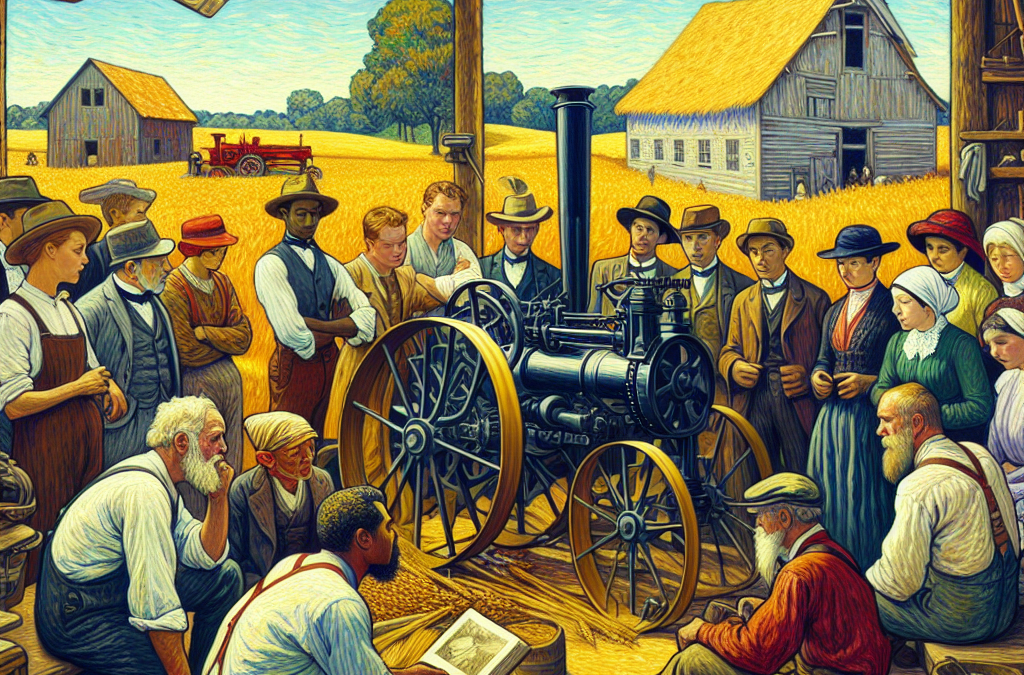
The Timeless Solution: Vintage Tractors And Sustainable Farming
By Tom Seest
At ClassicTractorNews, we help tractor lovers keep up with the latest news for classic and vintage tractors.
Please share this post with your friends, family, or business associates who may like old classic or vintage tractors.
Are Vintage Tractors The Key to Sustainable Farming Community
In an age of rapid technological advancement, we often think that the latest gadget or gizmo is the answer to every problem, yet when it comes to the fields that feed us, there’s something uniquely captivating about vintage tractors. These machines, once the backbone of American agriculture, tell a story of resilience and sustainability that resonates deeply with anyone who understands the true essence of farming.
Imagine stepping into the shoes of a farmer decades ago, cranking the engine of an old tractor, its worn paint speaking volumes about the countless seasons it’s weathered. These workhorses were designed not just to plow fields, but to cultivate a sense of community and connection to the land. Each dent, each rust spot is a testament to hours of toil and triumph, backed by generations who saw their labor as a sacred calling rather than just a hustle. It’s in this sense of purpose that vintage tractors hold the key to sustainable farming—our past can be a roadmap to a better future.
Let’s face it—new technology often comes with a price tag and a level of complexity that can alienate those who are just trying to produce food. Vintage tractors, on the other hand, are deeply rooted in practicality. They’re straightforward machines that can be repaired without a degree in engineering. This simplicity promotes a sustainable ethos, showing us that less can indeed be more. Farmers don’t just operate these tractors; they embody a philosophy of stewardship, one that emphasizes nurturing the land in harmony with nature rather than imposing on it.
Moreover, embracing these vintage machines fosters a tight-knit community. When you fire up that classic tractor, you’re not just joining a farming practice; you’re becoming part of a lineage—a movement of like-minded souls who cherish the rhythms of the earth and the traditions that bind us together.
But it’s more than nostalgic charm; it’s a moral imperative. As we confront environmental challenges, we need a system that honors the past while paving the way forward. Vintage tractors can remind us that sustainability isn’t just about organic labels or new tech; it’s about cultivating deep-rooted relationships with our land and each other.
So, as we look toward the horizon of farming’s future, let’s invite these vintage tractors back into our fields. They aren’t just machines; they’re symbols of our commitment to revive, sustain, and honor the farming community that nourishes us all. Take a seat, and let’s drive this conversation forward together.
Are Vintage Tractors The Key to Sustainable Farming Community
Are Vintage Tractors The Key to Sustainable Farming Community
- Vintage tractors represent resilience and sustainability in agriculture.
- They signify a connection to the land and community, embodying a farmer’s dedication over generations.
- New technology often complicates farming; vintage tractors are practical and easy to repair.
- The simplicity of vintage tractors promotes sustainable farming practices and stewardship of the land.
- Using these tractors fosters community among like-minded individuals who value tradition and earth’s rhythms.
- Embracing vintage tractors highlights a moral imperative for sustainable relationships with our land.
- Inviting vintage tractors back into farming represents a commitment to honoring and sustaining the agricultural community.
Are Vintage Tractors The Key to Sustainable Farming Community
Table Of Contents
- Are Vintage Tractors The Key to Sustainable Farming Community
- What Stories Do Vintage Tractors Tell About Our Farming Heritage?
- Are We Losing Vital Skills By Not Using Vintage Farming Equipment?
- How Can Vintage Tractors Inspire A Love For Sustainable Farming?
- How Do Vintage Tractors Connect Us To The Land And Its Legacy?
- Can Vintage Tractors Symbolize A Shift Toward Eco-Friendly Farming?
- What Role Do Vintage Tractors Play In Preserving Farming History?
- Conclusion
- Other Resources
- Glossary Of Terms
- Other Questions
- Haiku
- Poem
- Checklist
What Stories Do Vintage Tractors Tell About Our Farming Heritage?
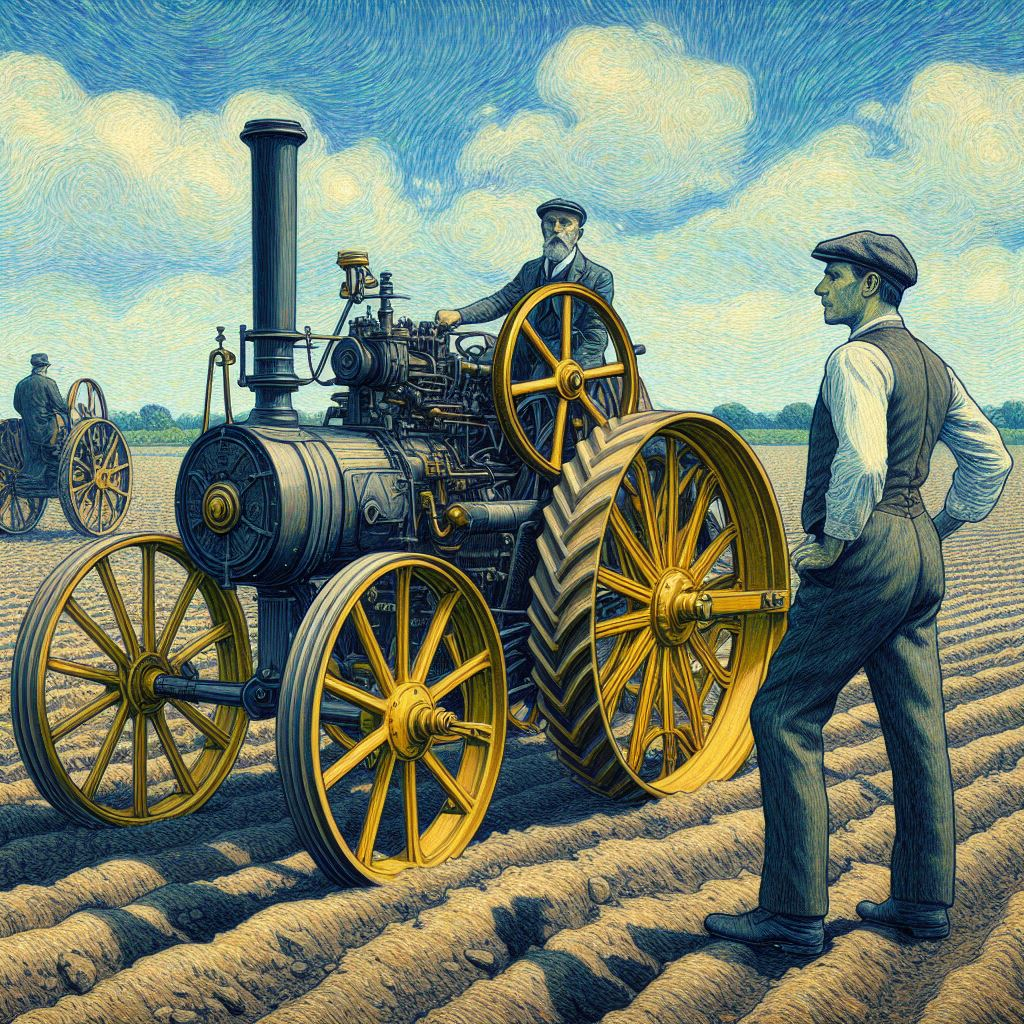
When you stand beside a vintage tractor, it’s easy to see more than just metal and grease. You’re gazing upon a timeworn testament to the grit and determination that once drove our rural communities. Each tractor carries a narrative, rich with the echoes of laughter, labor, and love that have shaped our farming heritage. They symbolize not just the machinery of agriculture, but the very soul of a way of life.
Imagine a dusky evening on a sprawling farm, the sun dipping low as a farmer finishes the last row of corn. That very tractor—perhaps a pre-war model, with peeling paint and a history etched in every dent—has been a steadfast companion through seasons of drought, plentiful harvests, and even unforeseen storms. It’s not just a tool; it’s an extension of the farmer’s family, a keeper of memories. Each scratch and rust spot tells a story: the celebration of a first harvest, the struggle during lean years, and the reassurance of a community that rallies together when times get tough.
But let’s engage our minds too. These vintage tractors remind us that the heart of farming hasn’t changed dramatically; it’s still about nurturing the land while respecting its limits. We’ve advanced technologically, sure, but at the core, it remains a rhythm of planting, growing, and harvesting—a dance in sync with the seasons. These machines were lifelines, allowing families to thrive and sustain their legacies. By understanding their place in history, we appreciate the hardy backbone of our agricultural journey.
There’s an ethical weight to consider, too. As we restore and cherish these relics, we honor the farmers who labored tirelessly before us, often facing insurmountable odds. Preserving these machines isn’t just about nostalgia; it’s an act of respect, a commitment to remember and share their stories with future generations. The community that surrounds vintage tractors—restorers, collectors, historians—plays a transformative role, drawing people together in shared values of hard work, innovation, and reverence for the land.
So next time you come across a vintage tractor, pause. Lean in close. Touch its rusted surface and feel the pulse of history beneath your fingertips. Join in the conversation about these remarkable machines and all they stand for. Because they are far more than mere tractors—they are the living, breathing stories of our farming heritage, urging us to stay connected to our roots, preserving the past as we cultivate the future.
What Stories Do Vintage Tractors Tell About Our Farming Heritage?
What Stories Do Vintage Tractors Tell About Our Farming Heritage?
- Vintage tractors represent the grit and determination of rural communities.
- Each tractor carries a rich narrative of laughter, labor, and love in farming heritage.
- They symbolize not only machinery but also the essence of a way of life.
- Tractors are steadfast companions, accompanying farmers through various seasons and challenges.
- Understanding their historical significance helps us appreciate the backbone of agriculture.
- Restoring vintage tractors honors the labor of past farmers and connects us to their stories.
- These tractors encourage community values of hard work and respect for the land.
What Stories Do Vintage Tractors Tell About Our Farming Heritage?
Are We Losing Vital Skills By Not Using Vintage Farming Equipment?
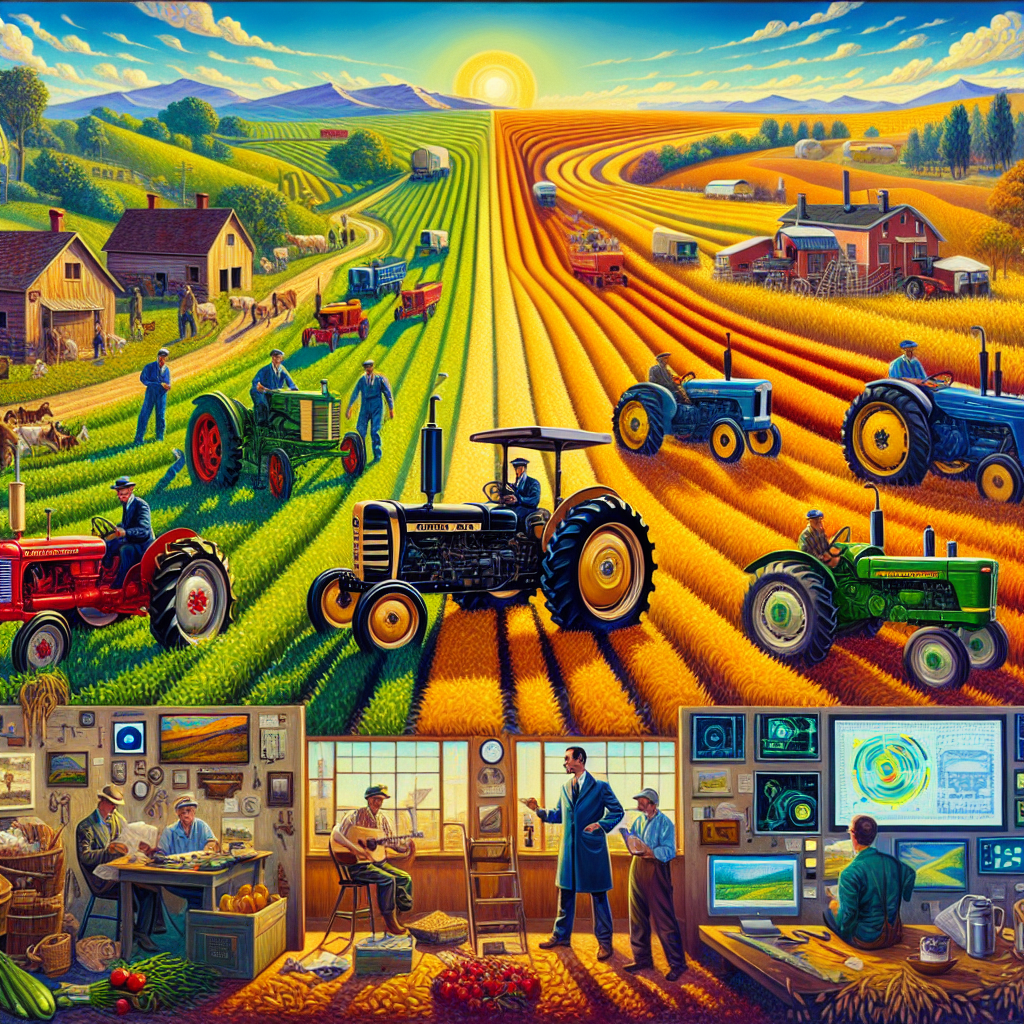
Are we losing vital skills by not using vintage farming equipment? This question resonates deeply, not only with farmers but with anyone who understands the value of our roots—literally and figuratively. Picture a tractor, not the sleek, high-tech marvels that carve through fields today, but the trusty old beast with creaks and rumbles, history etched in every dent. It represents more than just machinery; it’s a bridge to a more connected way of life, a time when hands-on knowledge was as vital as the crops being harvested.
Now, let’s get into the head of this issue. With the rapid advancement of technology, we’ve streamlined farming to a point where efficiency trumps experience. And while some may argue this is progress, the reality is that we’ve sacrificed our connection to the land and the age-old skills that come from working closely with it. Vintage farming equipment demands a unique skill set—patience, intuition, and an understanding of the land that simply can’t be replicated by today’s automated systems. Think about it: when was the last time you felt the vibrations of a tractor beneath you, rough and alive, as it moved while you deftly adjusted the gears, learning its quirks with every turn?
On an ethical level, preserving these vintage tools is about honoring the heritage that nurtured generations. It’s about more than nostalgia; it’s about stewardship. By neglecting these robust machines, we risk losing not just the equipment but the stories and traditions that accompany them. Every farmer knows that wisdom isn’t just coded in textbooks; it’s found in the scars on their hands, in those early morning hours spent in the fields, and in the lessons passed down through families.
Moreover, using vintage equipment fosters a communal spirit. When folks gather to work alongside one another, there’s an unspoken bond forged in sweat and dirt. It’s a network of trust and knowledge-sharing, a celebration of community that too often gets lost in our hyper-connected, yet strangely isolated, modern world.
So, how do we rekindle that connection? It starts by recognizing the merit of vintage farming. Let’s not just view them as relics of the past; instead, let’s bring them back into our lives, not only to cultivate crops but to cultivate a deeper relationship with our land, our communities, and ourselves. Because each tractor, with its whispers of history, invites us to reflect on what we can learn from the past—if only we’re willing to listen.
Are We Losing Vital Skills By Not Using Vintage Farming Equipment?
Are We Losing Vital Skills By Not Using Vintage Farming Equipment?
- The decline of vintage farming equipment raises concerns about losing vital skills and knowledge related to farming.
- Traditional tractors symbolize a hands-on, connected way of life that contrasts with today’s high-tech machinery.
- The push for efficiency in modern farming often overlooks the value of experience and connection to the land.
- Working with vintage equipment requires unique skills: patience, intuition, and hands-on understanding of farming.
- Preserving vintage tools honors agricultural heritage and prevents the loss of stories and traditions passed through generations.
- Using old farming equipment fosters a sense of community, encouraging cooperation and knowledge-sharing among farmers.
- Embracing vintage farming methods can lead to deeper relationships with land, communities, and ourselves.

Are We Losing Vital Skills By Not Using Vintage Farming Equipment?
How Can Vintage Tractors Inspire A Love For Sustainable Farming?
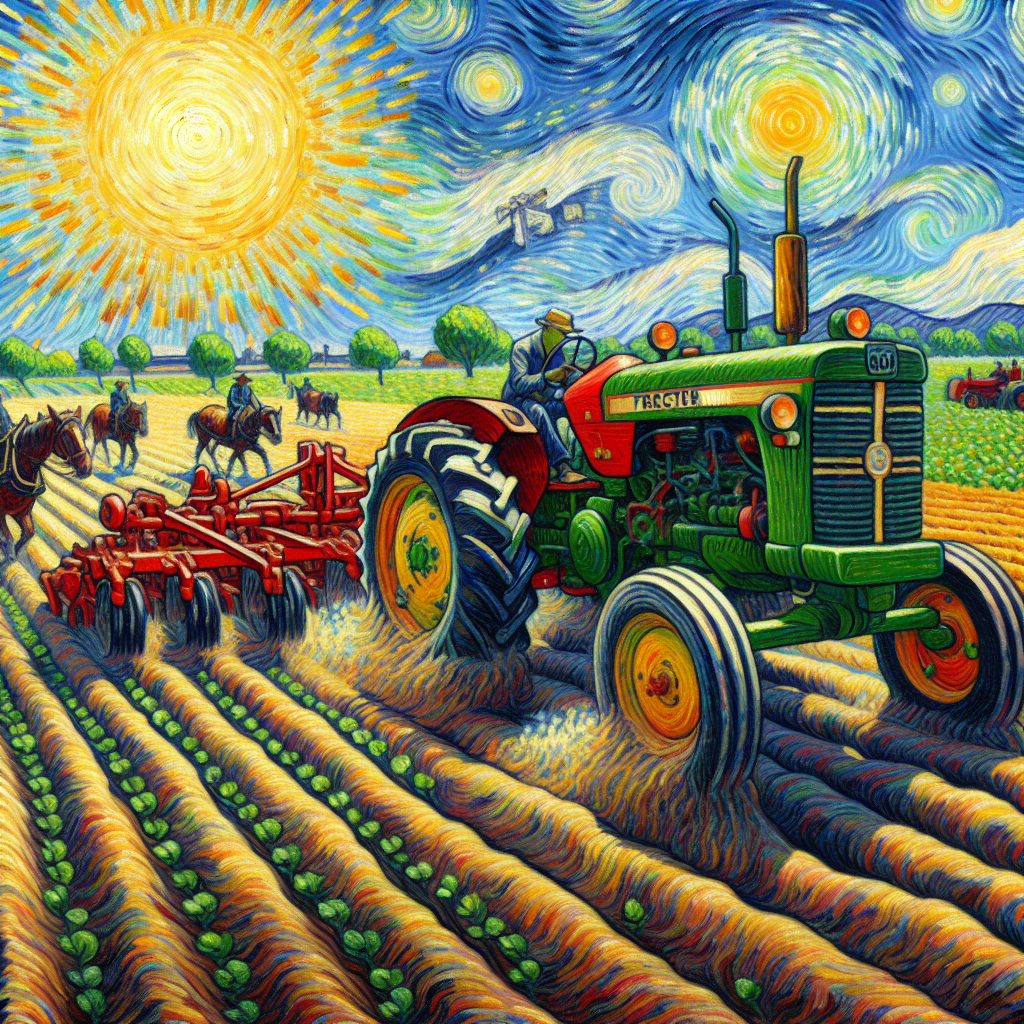
Picture a sun-drenched field, ripe with promise, as an ancient tractor rumbles to life. That gritty beast, with its rusted metal and faded paint, isn’t just machinery—it’s a testament to human stewardship and ingenuity, a bridge between generations. These vintage tractors embody the spirit of sustainable farming, evoking nostalgia while advocating for the future.
As we stand in the shadow of these remarkable machines, it’s easy to feel the pulse of history. They remind us of a time when farming was more than just a business; it was a way of life, a commitment to the land that nurtures us. Each scratch and dent tells a story of labor and love—a story we’re invited to share. It’s hard not to feel connected as you watch the old iron turn the soil, breathing new life into the earth with every pass. This is farming at its finest, a gritty dance of man and machine working in harmony with nature.
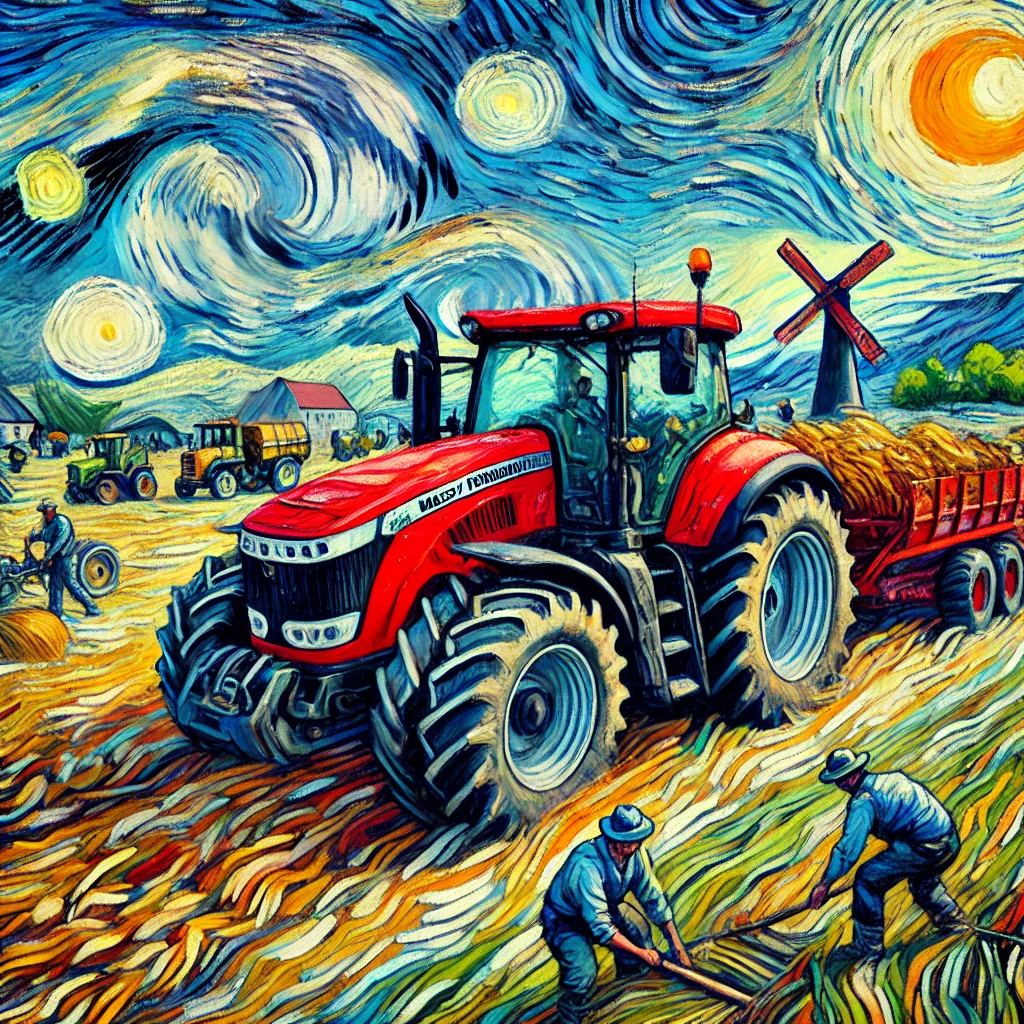
But beyond the emotional allure, vintage tractors offer a practical lesson. These robust machines were designed to last—not just a season but generations. Their durability speaks volumes about sustainability. In a world increasingly obsessed with disposability, these old stalwarts encourage a mindful approach to farming. They remind us that we can cultivate our land without turning it into a transient playground for technology. Instead of tearing down soil health with modern shortcuts, we can return to the essence of farming—working with the land, not against it.
Let’s consider the ethical implications too. As stewards of the earth, we have a responsibility to cherish our resources, to nurture them not just for our gain but for those who come after us. Vintage tractors stand as a moral compass, urging us to reflect on what it means to farm sustainably. They whisper the promise that a world with healthy soil and diverse ecosystems is not just possible but necessary.
Moreover, the community aspect of vintage tractors cannot be overstated. They gather people together, fostering conversations about best practices and sustainability. The farmer’s market may be a place to sell tractor-led harvests, but it’s also a community hub where ideas blossom.
Those vintage tractors remind us that sustainable farming isn’t a trend; it’s a commitment to the earth, to past and future generations. So, let’s take inspiration from their tenacity and embrace a farming philosophy that honors our land—and ourselves. Let’s get our hands dirty and cultivate that love, one row at a time.
How Can Vintage Tractors Inspire A Love For Sustainable Farming?
How Can Vintage Tractors Inspire A Love For Sustainable Farming?
- Vintage tractors symbolize human stewardship and ingenuity, linking generations.
- They evoke nostalgia and promote a spirit of sustainable farming.
- Each tractor’s wear and tear tells a story of labor and dedication.
- Designed for durability, vintage tractors encourage a sustainable approach to agriculture.
- They remind us of our ethical responsibility to nurture the earth’s resources.
- The community aspect surrounding vintage tractors promotes discussions about best practices and sustainability.
- Vintage tractors represent a commitment to long-term farming practices for future generations.
How Can Vintage Tractors Inspire A Love For Sustainable Farming?
How Do Vintage Tractors Connect Us To The Land And Its Legacy?
The rusted gears of a vintage tractor are more than just relics of a bygone era; they are powerful symbols of our connection to the land and the stories that breathe life into it. As you stand beside one of these mechanical giants, it’s hard not to imagine the generations of farmers who have danced through the fields, hands caked with soil, navigating the very rhythms of nature. Each scratch, each dent tells a tale—a love letter to hard work, resilience, and an unyielding commitment to the earth.
Take a moment to consider this: A tractor isn’t just a hunk of metal; it’s the embodiment of dreams, determination, and the spirit of self-sufficiency that built communities. When your grandfather inked his name on that old model, he wasn’t just signing a purchase agreement—he was forging a bond with the land that would nourish his family for decades. This connection runs deeper than economics; it’s about legacy, the invisible thread linking us to the generations before us and those who will come after.
You may think of farming as a solitary endeavor, yet it’s profoundly social. As neighbors gathered to lend a hand during harvest time, they weren’t just sharing labor—they were sharing values, traditions, and a sense of purpose. Vintage tractors are a reminder that our roots extend beyond our individual plots of land. They invite us to reflect on what it means to cultivate community and foster relationships that enrich our lives.
Ethically, we stand at a crossroads where preserving these machines helps preserve the stories they carry. In an age of rapid technological change, vintage tractors call us back to a simpler time, reminding us of what we stand to lose and, more importantly, what we stand to gain by cherishing our past.
Every time you climb into the seat of an old tractor, you’re not just operating machinery; you’re taking the helm of history itself. You are entrusted with the responsibility to honor those who came before you, to uphold the traditions that breathe life into our lands. So, let’s gather around these timeless pieces of machinery. Let’s share our stories, look to the future, and pass down the legacy of connection to the land for generations yet to come. In doing so, we not only cultivate the soil; we cultivate our very souls.
How Do Vintage Tractors Connect Us To The Land And Its Legacy?
How Do Vintage Tractors Connect Us To The Land And Its Legacy?
- The rusted gears of vintage tractors symbolize our connection to the land and the stories that define it.
- Every scratch and dent on these tractors represents hard work, resilience, and a committed relationship with the earth.
- Tractors embody dreams and the spirit of self-sufficiency, building strong community ties and generational bonds.
- Farming, often viewed as solitary, is actually a social activity that fosters values, traditions, and purpose through community support.
- Preserving vintage tractors helps keep alive the stories and heritage associated with them, reminding us of lost simplicities and gained lessons.
- Operating an old tractor connects you with history and honors those who laid the groundwork for present and future farming practices.
- Gathering around these tractors allows for the sharing of stories, fostering connections to the land and enriching our lives.
How Do Vintage Tractors Connect Us To The Land And Its Legacy?
Can Vintage Tractors Symbolize A Shift Toward Eco-Friendly Farming?
In the heart of rural America, where the fields stretch endlessly under vast, open skies, the sight of an old tractor chugging along the hedgerows is more than just nostalgia; it’s a powerful symbol of what farming once was and what it can become. These vintage tractors, often rusted and weathered, are not just relics of a bygone era—they are harbingers of a new, eco-friendly farming movement that is slowly gaining momentum.
When you think about it, standing beside a vintage tractor evokes a deep sense of history and connection to the land. Each dent, each scratch tells a story of resilience, of seasons spent tilling the soil with care and dedication. It reminds us that the farmers who relied on these machines understood the intimate relationship between man, machine, and nature. There’s something profoundly reassuring about a dependable, old tractor: it speaks to our desire for sustainability and a return to practices that respect the earth.
Today, as we face pressing environmental challenges, the dialogue around eco-friendly farming begins to shift. We grapple with the implications of modern agricultural practices—the relentless push for efficiency—while the vintage tractor stands as a stark contrast. These machines remind us that farming doesn’t have to come at the expense of our planet. Instead, they invite us to rethink how we cultivate our land, emphasizing the importance of minimalism and sustainability.
Rationally speaking, older tractors are often simpler to maintain and repair compared to their high-tech counterparts. They run on less fuel and, believe it or not, can be outfitted for sustainable technology—like biodiesel or electric conversions—without the hefty price tag and complexity of modern machinery. This presents farmers with a sensible alternative: harnessing the wisdom of the past to forge a greener future.
Ethically, each vintage tractor symbolizes not just a tool, but a commitment to stewardship. Farmers wield the profound responsibility of caring for the land, and what better way to honor that duty than by using machinery that aligns with eco-friendly principles? The green farming movement is not just a trend; it’s a social revolution where community ties strengthen, and ethical choices flourish.
So the next time you spot that old tractor lovingly plowing the field, remember: it’s more than just machinery—it’s a bridge to a sustainable future, inviting us all to roll up our sleeves, embrace the land, and make conscious choices. Together, we can reclaim farming in a way that is both meaningful and eco-conscious, ushering in a new era that honors our past while cultivating a vibrant future.
Can Vintage Tractors Symbolize A Shift Toward Eco-Friendly Farming?
Can Vintage Tractors Symbolize A Shift Toward Eco-Friendly Farming?
- The vintage tractor represents nostalgia and a powerful symbol of traditional farming.
- Each dent and scratch on these tractors tells a story of resilience and connection to the land.
- Old tractors embody the principles of sustainability and eco-friendly farming practices.
- They offer a contrast to modern agricultural efficiency, reminding us that farming can be environmentally conscious.
- Older tractors are easier to maintain and can be adapted for sustainable technology like biodiesel or electric conversions.
- Using vintage tractors reflects a commitment to land stewardship and ethical farming practices.
- The green farming movement is a social revolution that strengthens community ties and promotes ethical choices.
Can Vintage Tractors Symbolize A Shift Toward Eco-Friendly Farming?
What Role Do Vintage Tractors Play In Preserving Farming History?
Vintage tractors are more than mere machines; they are the living artifacts of our agricultural past, embodying stories of labor, innovation, and grit that forged our modern societies. From the unyielding soil of America’s heartland to the rolling landscapes of Europe, these iconic vehicles have shaped the way we cultivate and sustain ourselves. They stand as a testament to the generations of farmers who, with calloused hands and steadfast hearts, transformed empty fields into thriving farms, feeding not just families, but entire communities.
When you see a vintage tractor, you’re not just looking at old iron and rust; you’re gazing into the soul of agriculture itself. Each chip in the paint and dent in the fender tells a story of resilience. These machines played fundamental roles in transitioning farming from hand tools to mechanical marvels, an evolution that highlights not just technological advancement, but also the relentless spirit of human ingenuity. They challenge us to remember where we came from and remind future generations of the hard work and sacrifice that brought us here.
Moreover, preserving vintage tractors serves an ethical purpose. In an age of rapid technological change, where the connection to food and farming can feel obscured, these tractors invite us to pause and reflect on our past. They remind us that farming is not just an industry; it’s a way of life, steeped in tradition and values. By keeping these relics alive, we honor the farmers who stood against adversity, who toiled tirelessly to provide nourishment to society, and who possessed a profound understanding of the land.
Connecting with vintage tractors can also inspire confidence in the future of agriculture. As we face challenges such as climate change and food security, these machines symbolize the innovative spirit required to adapt and thrive. The farmers of yesteryear laid the groundwork for the sustainable practices of tomorrow. By engaging with vintage tractors, we foster a collective responsibility to sustain our agricultural heritage while adapting to the needs of a changing world.
As you engage with these time-honored machines through shows, museums, or community events, you’re not just participating in history; you’re forging connections with fellow enthusiasts who share a passion for the agricultural arts. Let’s embrace this connection, celebrating our shared heritage and the enduring legacy of those who worked the land, not just for themselves, but for all of us. In that way, every vintage tractor becomes a bridge—linking the past with the present and guiding us into a future rich with possibility.
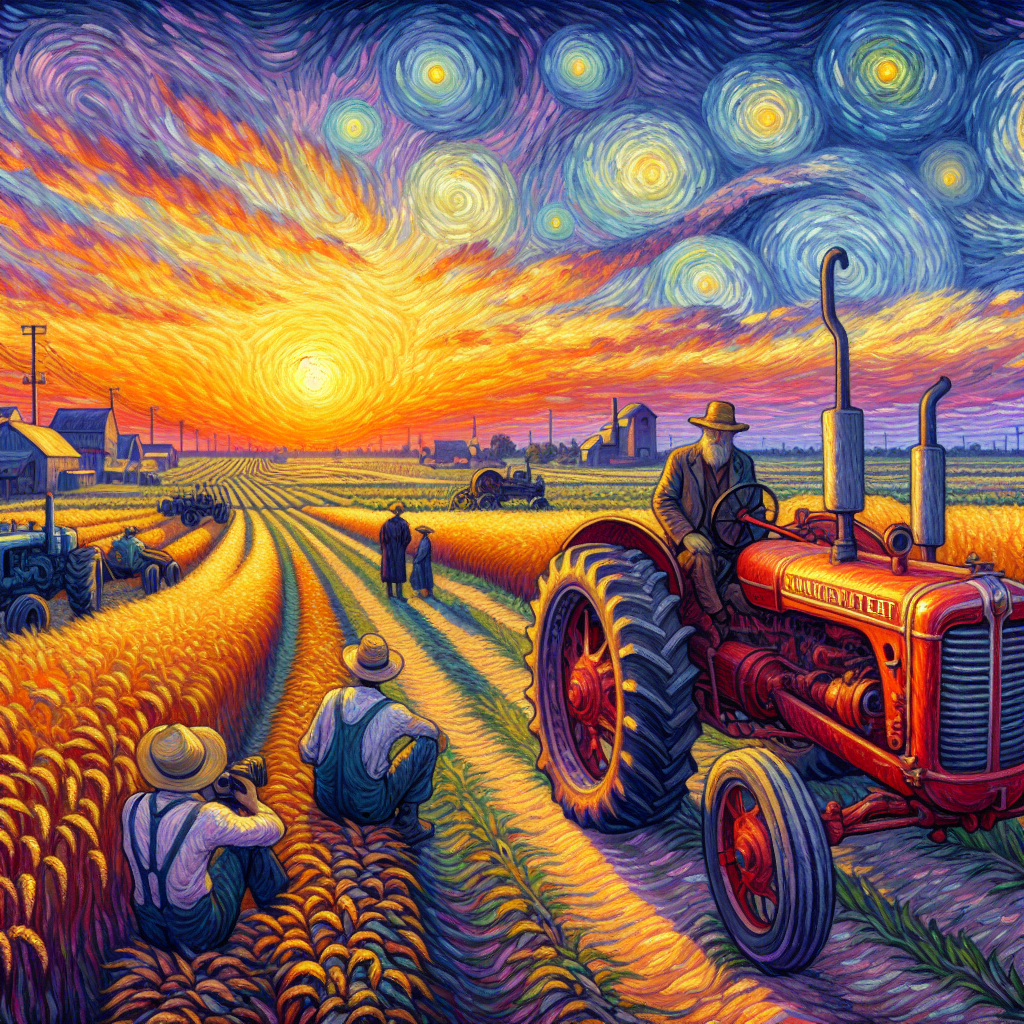
What Role Do Vintage Tractors Play In Preserving Farming History?
What Role Do Vintage Tractors Play In Preserving Farming History?
- Vintage tractors are living artifacts of agricultural history, reflecting labor and innovation.
- They represent the transformation of farming from hand tools to mechanical methods.
- Each vintage tractor embodies stories of resilience, hard work, and sacrifice from generations of farmers.
- Preserving these tractors serves an ethical purpose, emphasizing the connection to food and farming.
- Engaging with vintage tractors inspires confidence in the future of agriculture amidst challenges like climate change.
- Participating in community events fosters connections among enthusiasts and celebrates shared agricultural heritage.
- Every vintage tractor acts as a bridge, linking the past with the present and guiding us towards a hopeful future.
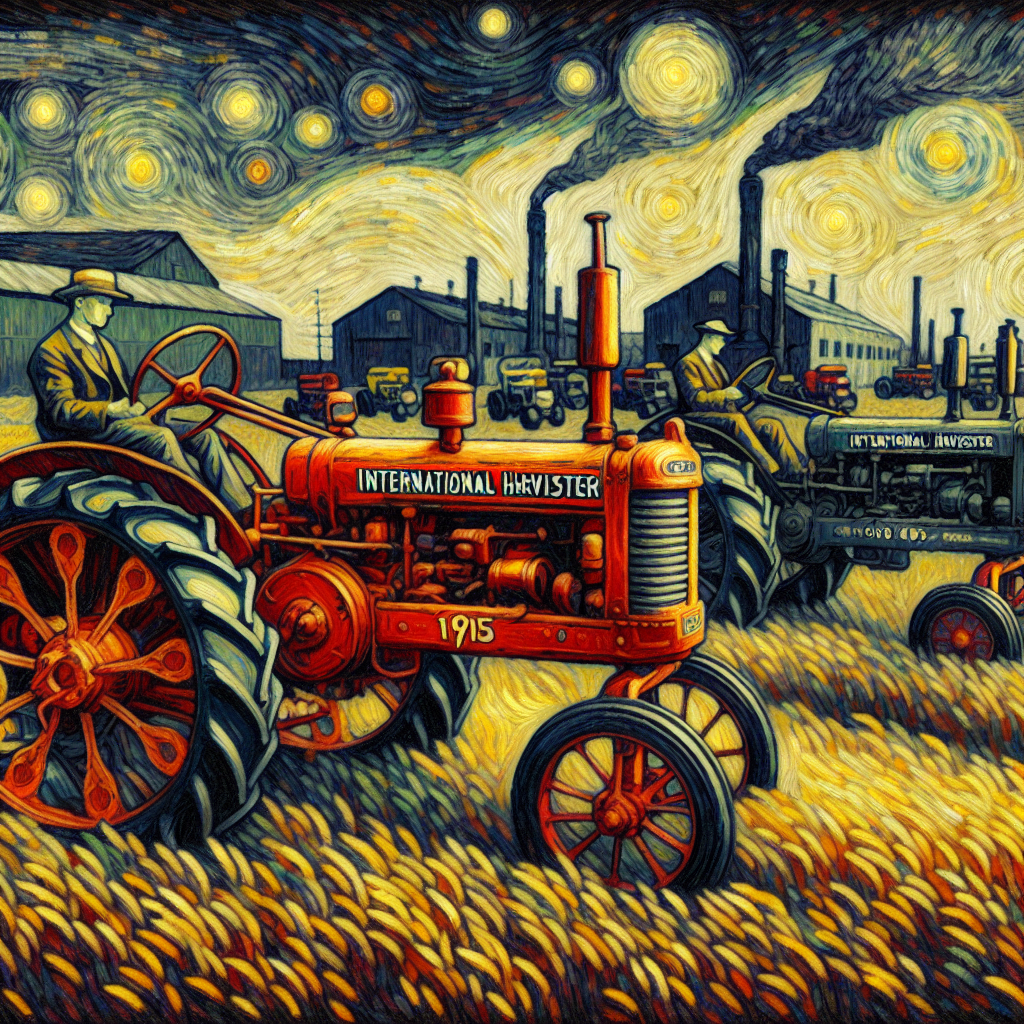
What Role Do Vintage Tractors Play In Preserving Farming History?
Conclusion
Conclusion: Reviving Our Farming Heritage with Vintage Tractors
In a world where the lightning pace of technology often leaves us yearning for something more grounded, vintage tractors stand tall like monuments from a bygone era, whispering tales of toil and triumph. These machines are not merely rusting hunks of metal; instead, they’re vital links to our agricultural roots—anchoring us to a time when farming was as much a way of life as it was a livelihood. When we step into the realm of vintage tractors, we’re invited to engage not just with agricultural machinery, but with the heart of farming itself—a rhythm of nurturing, preserving, and celebrating the land.
Take a second to soak it in: when you fire up that classic tractor, you’re igniting the spirit of community, connection, and stewardship. It’s a philosophy steeped in respect for the soil and for each other, echoing the values ingrained in farmers over generations. These machines, designed for durability and practicality, remind us that farming doesn’t have to come with a glowing screen or a hefty price tag; simplicity doesn’t diminish efficacy—it enhances it, making it accessible to everyone.
Looking at these vintage beasts, we’re called to reflect on an ethical imperative: our responsibility to honor the past while steering toward a sustainable future. In the age of instant everything, these tractors remind us that true sustainability isn’t borne out of the next flashy gadget, but rather out of a commitment to cultivate relationships—with the earth, with our communities, and within ourselves. Every dent in a vintage tractor speaks of seasons gone by, reminding us that the stories entrenched within the soil deserve to be celebrated, not forgotten.
And it’s through community that we preserve not just these machines, but their legacies. Family gatherings, farmer’s markets, and restoration events tether us to the wisdom of the past and illuminate the path forward, forging bonds that strengthen both individual endeavors and shared goals. Transforming the way we approach farming means rekindling that spirit of togetherness, allowing us to share our experiences and knowledge, inspired by the lessons echoed in every rattle of a vintage engine.
So let’s take a stand and embrace these time-honored machines. Let’s reignite our drive for sustainable farming by honoring the hands that have come before us, while paving the way for those who will follow. Vintage tractors are more than just machinery—they’re an invitation for all of us to roll up our sleeves, connect deeply with our roots, and cultivate a future that’s as robust and resilient as the very soil we tread upon. Together, we can forge a sustainable legacy that nourishes both the land and our communities, one turn of the wheel at a time.
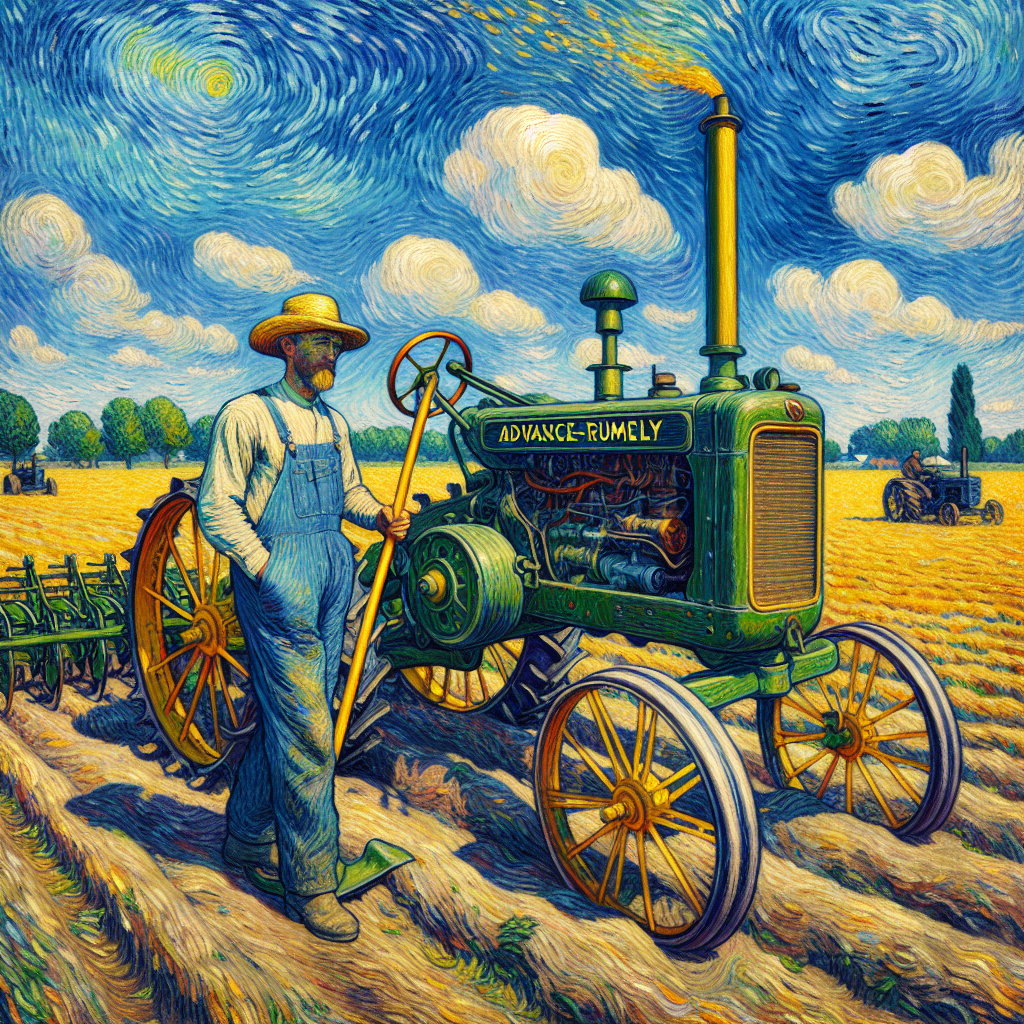
Conclusion
Conclusion:
- Vintage tractors symbolize a connection to our agricultural heritage and the essence of farming as a way of life.
- These machines foster a sense of community, emphasizing stewardship and respect for the soil and each other.
- They highlight the importance of simplicity in farming, proving that effectiveness does not rely on technology.
- Vintage tractors serve as reminders of our responsibility to honor past practices while striving for sustainability.
- The stories of the land are reflected in every dent and scratch, encouraging us to celebrate our history.
- Community events around vintage tractors strengthen connections and share knowledge for a sustainable future.
- Embracing these machines calls us to engage with our roots and create a resilient legacy for future generations.
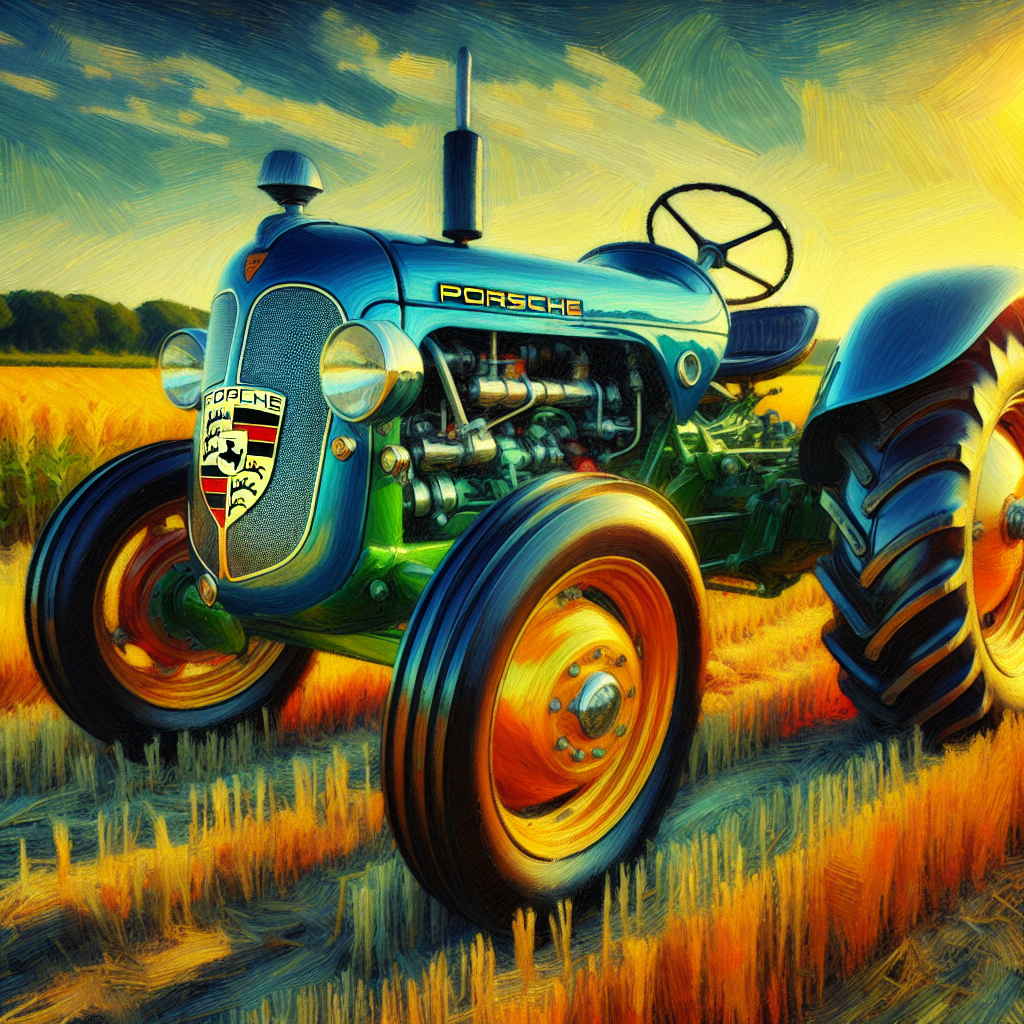
Conclusion
Other Resources
Other Resources
Here is a list of other resources you can review online to learn more:
Use This Prompt To Get More Resources With Your Favorite Online AI Tool: Please provide me with a list of online articles with their URLs in a bulleted list that I can read regarding Are Vintage Tractors The Key to Sustainable Farming Community
Other Resources
Glossary Terms
Are Vintage Tractors The Key to Sustainable Farming Community – Glossary Of Terms
1. Vintage Tractors: Older farming machinery often produced before the 1980s, known for their durability, simplicity, and mechanical design.
2. Sustainable Farming: Agricultural practices that focus on meeting current food needs without compromising future generations’ ability to produce food.
3. Agroecology: A scientific discipline that applies ecological principles to agricultural systems, promoting biodiversity and sustainability.
4. Soil Health: The condition of soil in terms of its ability to function, support plant life, and sustain ecosystems.
5. Permaculture: A design system for sustainable living that uses natural ecosystems as a model to create agricultural systems.
6. Carbon Footprint: The total amount of greenhouse gases produced directly and indirectly by human activities, often expressed in equivalent tons of CO2.
7. Biodiversity: The variety of plant and animal life in a particular habitat, crucial for ecosystem resilience and health.
8. Green Manure: Cover crops grown to improve soil fertility by being tilled back into the soil, enhancing organic matter content.
9. Crop Rotation: The practice of growing different crops in succession on the same land to improve soil health and interrupt pest cycles.
10. Organic Farming: Agricultural practices that avoid synthetic fertilizers and pesticides, focusing instead on natural processes and materials.
11. Farm-to-Table: A movement promoting direct connections between farmers and consumers, emphasizing locally sourced food.
12. Regenerative Agriculture: Farming practices aimed at restoring soil health, enhancing biodiversity, and increasing carbon sequestration.
13. Low-Impact Farming: Agricultural methods designed to minimize environmental damage and promote sustainable land use.
14. Cover Crop: Plants grown primarily for soil conservation and improvement, rather than for harvest.
15. Community Supported Agriculture (CSA): A system where consumers buy shares of a farm’s harvest, providing farmers with upfront capital.
16. Pollinator Health: The study and promotion of the well-being of pollinators, essential for agricultural production and biodiversity.
17. Agroforestry: The integration of trees and shrubs into agricultural landscapes to enhance productivity, biodiversity, and sustainability.
18. Simple Mechanization: The use of basic mechanical devices that reduce labor while remaining environmentally sustainable.
19. Energy Consumption: The amount of energy used in farming operations, where reducing fossil fuel usage can enhance sustainability.
20. Farm Heritage: The traditional practices, tools, and knowledge passed down through generations in agricultural communities.
21. Water Conservation: Practices aimed at using water more efficiently in agriculture, critical for sustainable farming.
22. Soil Erosion: The wearing away of topsoil, often exacerbated by conventional farming practices, threatening soil health and production capacity.
23. Community Engagement: Involvement of local populations in agricultural initiatives, ensuring practices align with community needs.
24. Sustainable Practices: Methods in agriculture that promote long-term ecological balance and resource conservation.
25. Local Food Systems: Food production and distribution systems that are based on local inputs and markets, strengthening community ties.
26. Nutrient Cycling: The movement and exchange of organic and inorganic matter back into the production system, crucial for soil fertility.
27. CSA Memberships: Subscriptions to community-supported agriculture programs that provide consumers with fresh local produce.
28. Transition to Organic: The process of converting conventional farming systems to organic practices over a period of time.
29. Mechanical Repair: The practice of maintaining and restoring vintage tractors and machinery, fostering skills and sustainability.
30. Food Sovereignty: The right of people to determine their agricultural practices and food systems, focusing on local needs and conditions.
Glossary Of Terms
Other Questions
Are Vintage Tractors The Key to Sustainable Farming Community – Other Questions
If you wish to explore and discover more, consider looking for answers to these questions:
- What are the environmental benefits of using vintage tractors in farming?
- How do vintage tractors compare to modern farming equipment in terms of efficiency?
- What specific vintage tractor models are best for sustainable farming?
- Where can I learn more about restoring vintage tractors?
- Are there communities or events dedicated to vintage tractor enthusiasts?
- What skills can farmers learn from working with vintage tractors?
- How can vintage tractors be integrated with modern sustainable farming techniques?
- What role do vintage tractors play in local economies?
- How do vintage tractors inspire new generations of farmers?
- What conservation efforts exist for preserving vintage tractors?
- How can vintage tractors help in educating the public about agricultural history?
- What challenges do farmers face when using vintage tractors today?
- How do vintage tractors foster community spirit among farmers?
- Can vintage tractors still be used effectively on large-scale farms?
- What are the costs associated with maintaining and restoring vintage tractors?
Other Questions
Haiku
Are Vintage Tractors The Key to Sustainable Farming Community – A Haiku
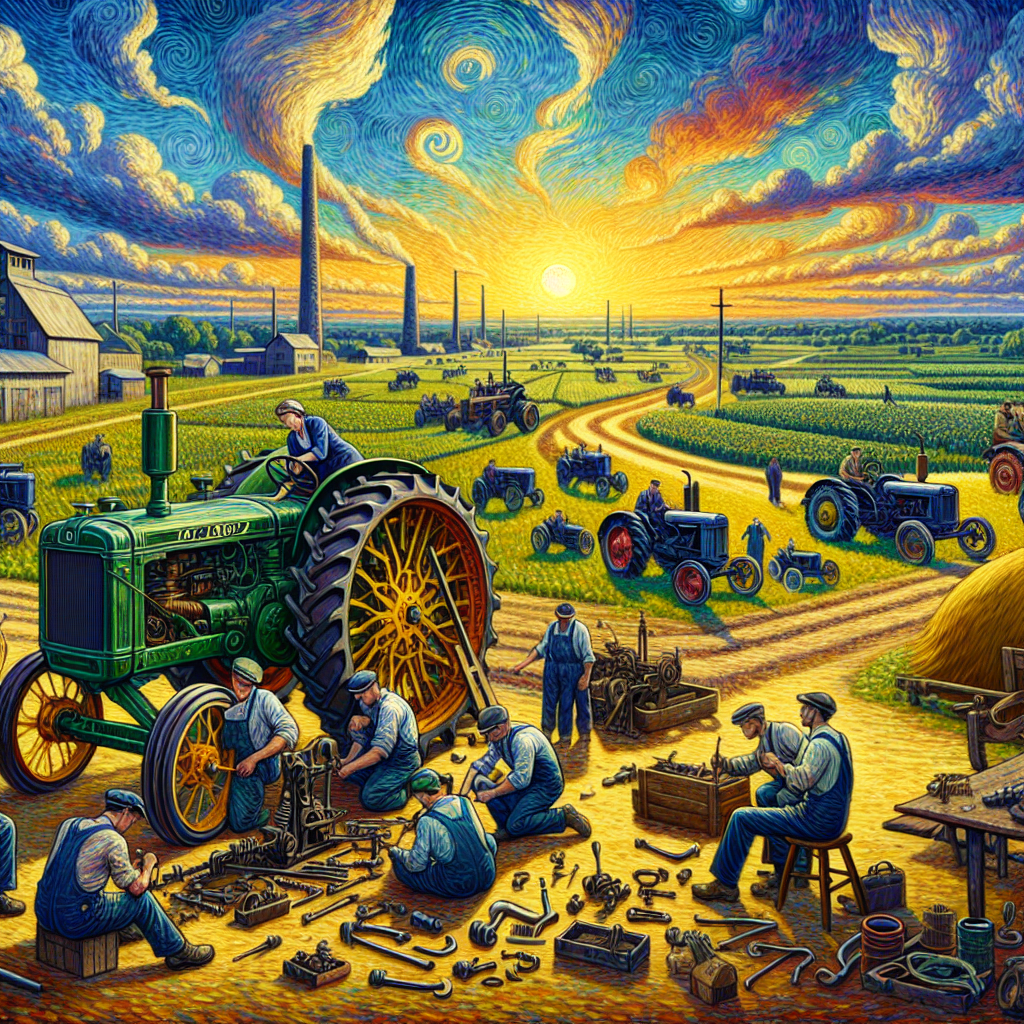
Old iron whispers tales,
Farming’s heart in rust and toil,
Roots grow deep through time.
Haiku
Poem
Are Vintage Tractors The Key to Sustainable Farming Community – A Poem
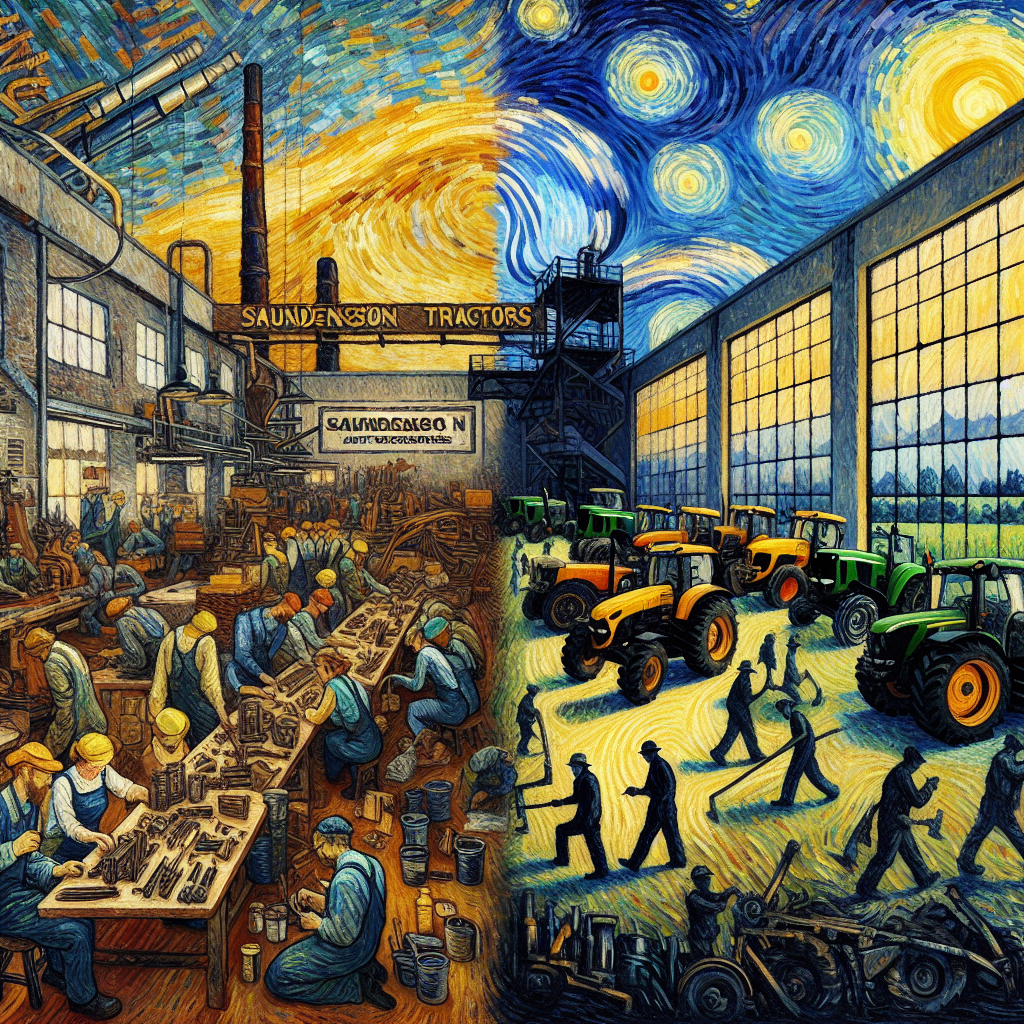
The Heartbeat of Farming: A Vintage Ode
In fields where sun-kissed echoes dwell,
Where tractors whisper tales they tell,
Rusty giants, bruised but proud,
Stand witness to a timeless crowd.
With each worn dent and faded hue,
They stitch the past to present, too,
Machines of steel and sweat interlace,
Binding hearts to land, our sacred space.
Remember when hands gripped the wheel,
In dusty rows, the earth would heal,
A simple life, not lost in haste,
Sustainable truths in labor placed.
For progress leaps, but we must pause,
To honor roots and ponder laws—
Of care for soil, of love for yield,
The ethics sung upon the field.
Not just machines, but lineage proud,
A call to community, loud and unbowed,
When hands unite in harvest’s embrace,
We mend the breaks in time and space.
The soul of farming—strong and brave—
Whispers in each creak, each wave,
“Cultivate connection, nurture the core,
Elders’ wisdom opens doors.”
So let’s revive that ancient art,
With vintage tractors, play our part,
For every turn on land we glean,
A legacy of green, forever seen.
Let not the shiny, modern glare,
Obscure the path that brought us there.
In creaky chairs, let stories flow,
For in these relics, seeds still grow.
Together we embrace the past,
While dreaming of the fields to last,
With vintage hearts, our purpose clear,
Planting hope each passing year.
So rise up, farmers, and take the wheel,
Drive forth with love, let kindness heal.
For in the rustic, we find the way,
To cherish the earth, come what may.
Poem
Checklist
Are Vintage Tractors The Key to Sustainable Farming Community – A Checklist
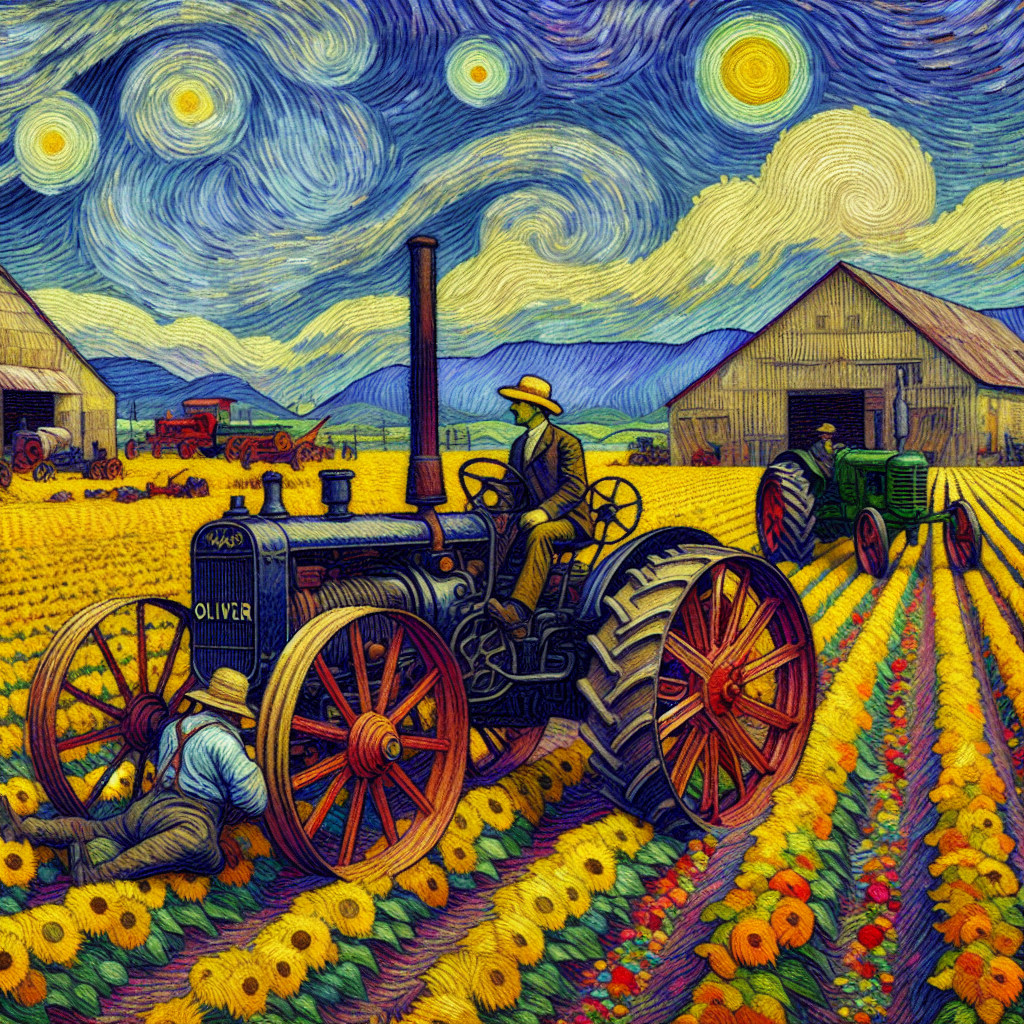
Vintage Tractors and Sustainable Farming: A Connection Checklist
Heart (Emotional Appeal)
_____ Embrace Nostalgia: Reflect on the memories associated with farming and vintage machinery. What stories do these tractors evoke for you?
_____ Honor the Legacy: Consider the sacrifices and successes of past farmers. How does this history influence your perspective on farming today?
_____ Cultivate Community: Engage with local farmers or collectors who share a passion for vintage tractors. How can you contribute to building a stronger farming community?
Head (Rational Appeal)
_____ Understand Practicality: Research how vintage tractors can be simpler and more affordable to repair compared to modern technology. What benefits do they provide for sustainable farming?
_____ Evaluate Environmental Impact: Explore the eco-friendly potential of retrofitting vintage tractors for sustainable fuels. How can this shift reduce your carbon footprint?
_____ Learn About Agricultural Cycles: Recognize how vintage tractors illustrate farming principles that remain relevant. Can you identify these lessons in current practices?
Gut (Ethical Appeal)
_____ Commit to Stewardship: Pledge to uphold practices that respect the land and its resources. What ethical considerations inspire your farming choices?
_____ Preserve Cultural Heritage: Reflect on the significance of keeping traditional farming equipment alive. Why is it important to share these stories with future generations?
_____ Foster Transparency: Advocate for sustainable agriculture practices in your community. How can you raise awareness about the importance of preserving farming traditions?
Authority Appeal
_____ Engage with Experts: Attend workshops, seminars, or conferences focused on vintage tractors and sustainable farming. Who are the leading voices in this space that you can learn from?
_____ Read Guiding Literature: Familiarize yourself with key texts or studies on the impact of vintage equipment in agriculture. What insights can deepen your understanding of sustainability?
Narrative Appeal
_____ Share Your Story: Write down your personal journey with farming, whether through hands-on work or family history with vintage machines. What narrative do you wish to convey?
_____ Connect Through Stories: Participate in community events or online forums that celebrate vintage tractors. What collective narratives emerge from shared experiences?
Social Appeal
_____ Join a Local Group: Connect with organizations that focus on vintage farming equipment or sustainability initiatives. How can collaboration strengthen community bonds?
_____ Spread the Word: Use social media or community boards to advocate for the use of vintage tractors in local farming efforts. What messages resonate with your audience?
_____ Support Local Farmers: Attend farmers’ markets or community agriculture events that showcase vintage machines. How can patronage help sustain these efforts?
By reflecting on these points, you can deepen your commitment to sustainable farming practices and connect with the rich heritage of agricultural history embodied by vintage tractors.
Checklist
At ClassicTractorNews, we help tractor lovers keep up with the latest news for classic and vintage tractors.
Please share this post with your friends, family, or business associates who may like old classic or vintage tractors.