


Reviving Agricultural Heritage For Sustainable Farming
By Tom Seest
At ClassicTractorNews, we help tractor lovers keep up with the latest news for classic and vintage tractors.
Please share this post with your friends, family, or business associates who may like old classic or vintage tractors.
Are Vintage Tractors Essential for Building Sustainable Farm Narratives?
When we think of sustainability in farming, images of pristine landscapes, technology-driven innovations, and high-efficiency machinery may come to mind. Yet, it’s time to take a step back and reflect on the roots of agriculture—specifically, the vintage tractors that once ruled the fields and shaped the very essence of farming itself. These relics of the past do more than just sit pretty at farm shows; they can be a powerful part of creating sustainable farm narratives that resonate with people of all ages.
A vintage tractor isn’t just a piece of equipment; it’s a symbol of resilience and craftsmanship that tells a story. Imagine that rough-hewn machine chugging along, the sun beating down on the farmer’s back, illustrating a simpler time when agrarian life was intimately connected with the land. It’s these visuals that remind us of the hard work and dedication that have fed generations and built communities. The narrative shifts when we introduce vintage tractors into modern conversations about sustainability. They serve as a bridge, connecting the wisdom of the past with the innovations of today.
By embracing these classic machines, we honor not only the methods of yesteryear but also the sustainable practices that are often lost in the shuffle of high-tech farming. Vintage tractors can inspire trust in our agricultural systems by showcasing how farming was done with less reliance on chemical inputs and more emphasis on soil health and biodiversity. This isn’t romanticizing the “good old days”; it’s celebrating sustainable principles that remain relevant now.
Moreover, the appeal of vintage tractors extends beyond just their functionality. They create connections among farmers and consumers alike, sparking conversations about where our food comes from and how it’s produced. When people see these charming machines at farmers’ markets or community events, they’re reminded of their roots, making the stories behind the food we eat feel more tangible and authentic.
So, why not embody this fundamental piece of our agricultural heritage? By incorporating vintage tractors into our narratives about sustainability, we not only honor what has come before us but also inspire a new generation to engage with farming practices that promise a better future for our planet. It’s not just a nostalgic glance back; it’s a heartfelt call to action for all of us to cherish the land and keep the farming tradition alive—one vintage tractor at a time.

Are Vintage Tractors Essential for Building Sustainable Farm Narratives?
Are Vintage Tractors Essential for Building Sustainable Farm Narratives?
- Sustainability in farming often conjures images of technology and efficiency, yet vintage tractors represent the roots of agriculture.
- Vintage tractors symbolize resilience and craftsmanship, telling the story of a simpler agrarian life connected to the land.
- They bridge the wisdom of the past with modern sustainability conversations, highlighting lost yet important farming practices.
- Embracing vintage tractors can inspire trust in agricultural systems by showcasing low-chemical input methods and soil health emphasis.
- These machines create connections among farmers and consumers, fostering discussions about food origins and production methods.
- Incorporating vintage tractors into sustainability narratives honors agricultural heritage and engages future generations.
- This approach serves as a call to action to cherish the land and sustain farming traditions for a better future.

Are Vintage Tractors Essential for Building Sustainable Farm Narratives?
Table Of Contents
- Are Vintage Tractors Essential for Building Sustainable Farm Narratives?
- How Do Vintage Tractors Impact Soil Health?
- What Are The Benefits Of Vintage Tractors For Crop Diversity?
- Can Vintage Tractors Contribute To Reducing Carbon Footprints?
- How Do Vintage Tractors Fit Into Sustainable Farming Practices?
- Are Vintage Tractors More Reliable Than Modern Machines?
- How Do Vintage Tractors Affect Labor On The Farm?
- Can Vintage Tractors Be Repaired Easily Compared To New Ones?
- Conclusion
- Other Resources
- Glossary Of Terms
- Other Questions
- Haiku
- Poem
- Checklist
How Do Vintage Tractors Impact Soil Health?
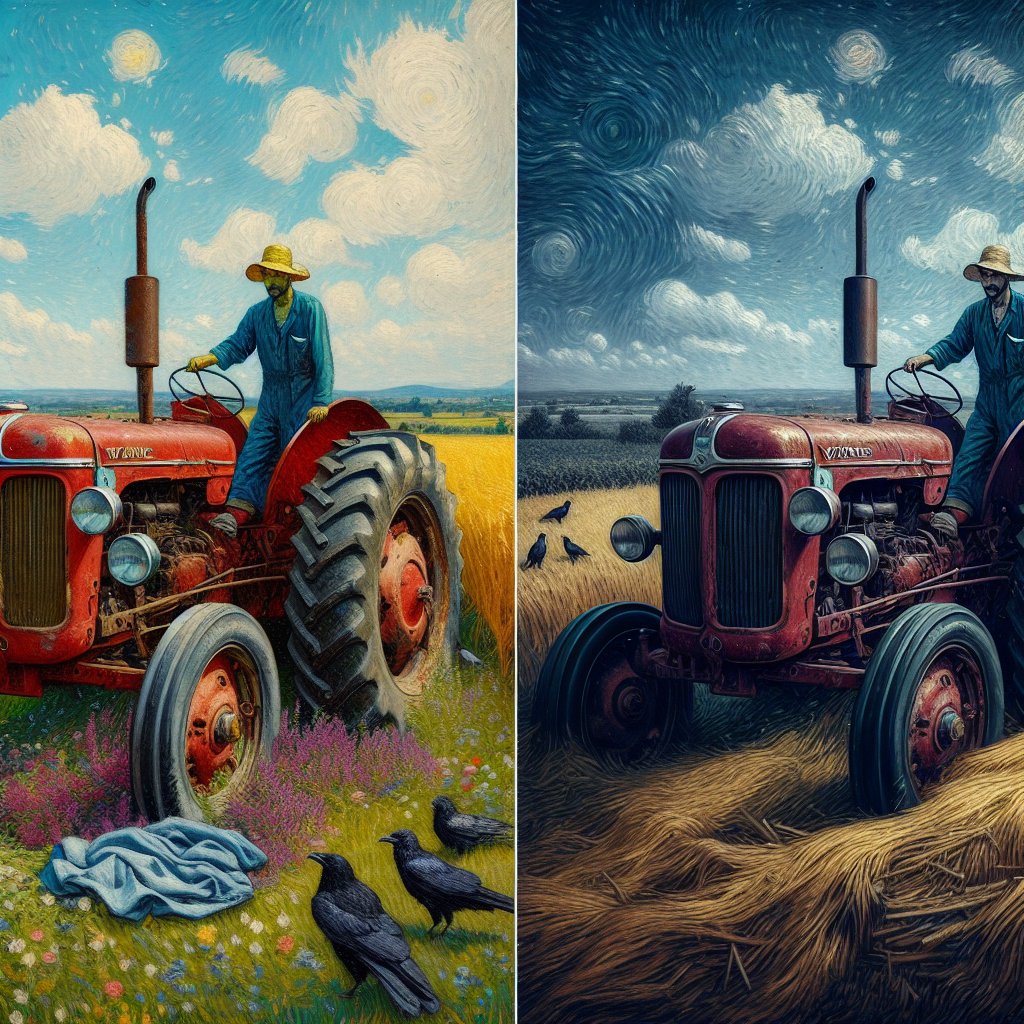
Picture yourself standing on a sprawling patch of farmland, the kind that’s been tended to for generations. The sun’s dipping low, casting a warm golden glow over fields that have seen their fair share of seasons—and stories. Among rows of corn or stretches of alfalfa, you might notice a trusty vintage tractor, rusted yet stalwart, purring along as it plows through the earth. It’s more than just a relic; it’s a guardian of soil health.
Now, why should we care about a vintage tractor? It’s easy to picture these machines as mere antiques, preserving nostalgia of a bygone era. But delve deeper, and you realize they play a crucial role in today’s agriculture, especially in how they interact with soil. Many modern tractors boast technological advancements that promise efficiency, but the old-school versions have a different job—preserving the very foundation of farming: the soil.
Vintage tractors are designed with simplicity in mind. They often feature larger, wider tires that distribute weight more evenly, minimizing soil compaction. Think about it—a modern high-yield tractor might drive across the same patch of soil repeatedly, crushing it into an unyielding mass. A vintage tractor, meanwhile, gently taps into the earth, leaving it airy and rich, promoting the kind of microbial activity that gets nutrients flowing in that cherished dirt, ensuring healthier crops down the line.
But that’s not all. These classic machines also tend to leave behind a more diverse array of disturbances in the soil structure. This diversity fosters a mosaic of habitats for beneficial worms and microbes—nature’s unsung heroes. When these little critters thrive, they enhance soil health dramatically, turning what could be lifeless earth into a veritable buffet of nutrients for future plants.
So, as you stand in that field, it’s vital not to overlook the true impact of these vintage tractors. They’re not just powered by diesel; they’re powered by principles that prioritize soil health and sustainability. They remind us all of the need to tread softly on the land—one furrow at a time—while keeping our eyes on the horizon.
Let’s take a moment to appreciate these tractors, their legacy, and the responsibility we have to nurture our soil for generations to come. Because when we respect the ground beneath our feet, we’re truly investing in the future of food, farming, and that simple, wild beauty we all cherish.
How Do Vintage Tractors Impact Soil Health?
How Do Vintage Tractors Impact Soil Health?
- Farmland has been tended to for generations, embodying stories and seasons.
- Vintage tractors, while seemingly old-fashioned, play a crucial role in modern agriculture.
- They are designed to preserve soil health with larger, wider tires to minimize compaction.
- In contrast to modern tractors, vintage models promote rich, aerated soil conducive to microbial activity.
- Classic machines create diverse soil disturbances, fostering habitats for beneficial organisms.
- These tractors emphasize principles of sustainability and soil care, reminding us to tread lightly on the land.
- Respecting soil health is essential for the future of food and farming, connecting us to the land’s beauty.
How Do Vintage Tractors Impact Soil Health?
What Are The Benefits Of Vintage Tractors For Crop Diversity?
When you think of farming, what comes to mind? Tall, golden fields swaying in the breeze, hardworking people, and a trusty tractor rumbling along the rows. But not just any tractor—let’s talk about the vintage ones, those old-school beauties that have stood the test of time. These machines aren’t just relics of the past; they play a key role in promoting crop diversity in ways that modern gadgets can’t match.
First off, vintage tractors often run on simpler mechanics. You see, today’s farming tech is packed with bells and whistles designed to optimize efficiency, but this can lead to monoculture—planting just one type of crop. In contrast, older tractors are usually better suited for smaller plots and diverse crop rotations. They allow farmers to cultivate a wider range of plants, minimizing the risk of pests and diseases that can wipe out entire fields. Imagine the charm of a farmer plowing the soil with a classic tractor, giving them the freedom to grow heirloom corn alongside ancient wheat varieties. The diversity brings more than just beauty to the landscape; it supports healthy soil and resilient ecosystems.
Not to mention, using vintage tractors can foster a deeper connection to the land. Farmers often feel a sense of belonging when they use machines that have been in families for generations. There’s a certain pride that comes with maintaining and operating these tractors, as they represent a wealth of knowledge and tradition. This bond encourages a holistic approach to farming, where the focus is on working with nature rather than trying to conquer it. Such stewardship inspires farmers to experiment with different crop varieties, leading to a more balanced and diverse agricultural landscape.
Moreover, embracing vintage tractors can open doors to community collaboration. You may find local farming groups coming together to share repairs, tips, and even seeds! This is where relationships blossom and local economies thrive—an inspiring notion that shows the power of cooperation. When you engage with fellow farmers, you not only improve your practices but also celebrate the rich tapestry of agriculture.
In a world that sometimes seems overrun by efficiency metrics and tech-driven decisions, let’s not forget the values of heritage and diversity. By appreciating and utilizing vintage tractors, we can cultivate not just our fields but a future that honors our past. So, why not give that old tractor a second glance? It might just lead you to a more diverse and sustainable way of farming.

What Are The Benefits Of Vintage Tractors For Crop Diversity?
What Are The Benefits Of Vintage Tractors For Crop Diversity?
- Vintage tractors symbolize a connection to farming tradition, standing the test of time.
- They often feature simpler mechanics, which support diverse crop rotations compared to modern tech.
- Using vintage tractors minimizes the risk of monoculture, allowing for a wider range of crops.
- These tractors foster a sense of belonging and pride among farmers, promoting a holistic approach to farming.
- Engaging with vintage equipment encourages farmers to experiment with different crop varieties.
- Community collaboration flourishes as local farming groups share resources and knowledge.
- Embracing vintage tractors helps preserve agricultural heritage while promoting sustainability.

What Are The Benefits Of Vintage Tractors For Crop Diversity?
Can Vintage Tractors Contribute To Reducing Carbon Footprints?
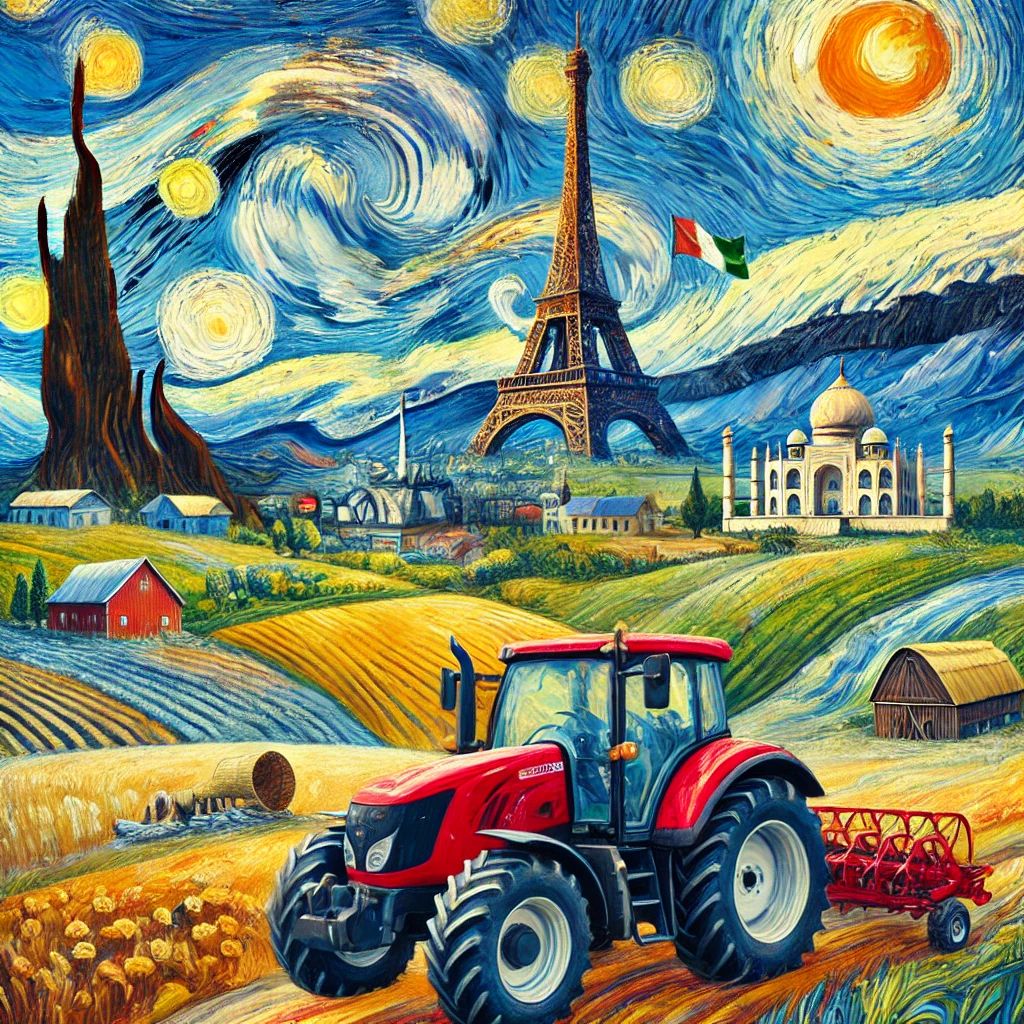
Picture this: a sprawling field bathed in the golden light of dawn, dew glistening on the grass, and the unmistakable sound of a vintage tractor rumbling to life. There’s something undeniably appealing about those old machines, isn’t there? They might not have the sleek lines or whisper-quiet engines of today’s modern marvels, but there’s a rugged charm transcending mere aesthetics. But could these timeless workhorses hold a key to reducing our carbon footprints? Let’s dig in.
Now, before you conjure up images of emissions spewing from a diesel engine, let’s pause for a moment. Many vintage tractors were designed to be far more resource-efficient than some of the monstrous machines on the market today. With their simple, straightforward mechanics, these tractors do what they do with minimal technology, often relying on fewer parts and less electronics. This simplicity means fewer failure points, less waste, and a product that can be repaired instead of replaced. When we talk about sustainability, a product that can endure the test of time without needing a complete overhaul is a win in anyone’s book.
Moreover, vintage tractors can seamlessly integrate into regenerative farming practices. When used correctly, they can promote healthier soil and reduce dependency on synthetic fertilizers. Native, small-scale farmers often use them for plowing and cultivating, reducing the need for larger, fuel-hungry machinery. It’s a refreshing reminder that big isn’t always better—sometimes, less truly is more.
And let’s not forget the cultural aspect of vintage tractors. When people see these machines at fairs or in action during harvest, it sparks a dialogue about traditional farming methods and ecological sustainability. Connecting our communities with the roots of agriculture fosters a shared responsibility toward the environment. It inspires individuals to think critically about consumption and waste while reigniting the passion for small-scale farming and local produce.
So, the next time you find yourself admiring a classic tractor, remember that it symbolizes not just nostalgia but also a potential pathway to sustainability. It’s about putting those sturdy machines back to work, raising awareness, and demonstrating that even in the face of modern challenges, we can find harmony in the past. Embrace the old, and maybe, just maybe, let it guide us to a more sustainable future. After all, every little effort counts when it comes to nurturing our planet!
Can Vintage Tractors Contribute To Reducing Carbon Footprints?
Can Vintage Tractors Contribute To Reducing Carbon Footprints?
- Vintage tractors evoke nostalgia with their rugged charm and simplicity.
- They are often more resource-efficient than modern machinery, featuring straightforward mechanics.
- Fewer parts and less technology in vintage tractors mean reduced failure points and waste.
- These tractors can support regenerative farming practices, promoting healthier soil.
- Used by small-scale farmers, vintage tractors decrease reliance on larger, fuel-guzzling machines.
- They spark community dialogue about traditional farming methods and ecological sustainability.
- Restoring vintage tractors symbolizes a potential pathway to a more sustainable future.

Can Vintage Tractors Contribute To Reducing Carbon Footprints?
How Do Vintage Tractors Fit Into Sustainable Farming Practices?
When you think about running a farm sustainably, the image of cutting-edge technology might come to mind—solar-powered tractors, precision planting, drones hovering over fields like watchful hawks. But what if I told you that the roots of sustainable farming can sometimes be found in a rusty old tractor, speckled with paint and brimming with history? Vintage tractors are not just charming relics of the past; they are powerful symbols of a farming philosophy that values simplicity, durability, and a deep connection to the land.
These machines, often built to last decades, boast design features that modern tractors might envy. Their sturdy frames and uncomplicated mechanics make vintage tractors easier to repair and maintain, reducing waste over time. While today’s high-tech machines may have bells and whistles, they come with a built-in obsolescence—often requiring costly repairs or replacements. In contrast, a vintage tractor can be tinkered with and lovingly restored, allowing farmers to continue using them for generations. This embracing of longevity aligns perfectly with sustainable practices—focusing on reusing and repairing instead of recycling or throwing away.
Moreover, vintage tractors require less fuel for operation than their modern counterparts, particularly when it comes to smaller tasks around the farm. A restored tractor can help tackle essential chores like plowing, planting, and hauling, giving farmers a way to remain productive without burning through the fossil fuels necessary for more complex engines. This isn’t just about cost savings; it’s about reducing our carbon footprint, one field at a time.
And let’s not overlook the psychological aspect. Using a vintage tractor provides a tangible link to farming’s rich heritage—a reminder of all that has come before us. Picture farmers working the land not just with machines, but with a deep reverence for their craft and history. It fosters a sense of community and continuity, weaving a story of resilience that inspires the next generation to find joy in farming sustainably.
So, if you’re contemplating how to enhance your farming practices, consider the charm and practicality of vintage tractors. They might just turn out to be the sturdy companions you didn’t know you needed—in your fields and your heart. Embrace that connection, and let these classic machines lead the way to a more sustainable future on your farm.

How Do Vintage Tractors Fit Into Sustainable Farming Practices?
How Do Vintage Tractors Fit Into Sustainable Farming Practices?
- Sustainable farming often evokes images of advanced technology like solar-powered tractors and drones.
- Vintage tractors symbolize a farming philosophy grounded in simplicity, durability, and a deep connection to the land.
- These machines are built to last, with features that allow for easier repair and maintenance, reducing waste over time.
- Unlike modern tractors, vintage models promote longevity by being reusable and repairable, aligning with sustainable practices.
- Vintage tractors consume less fuel, allowing farmers to complete essential tasks while minimizing their carbon footprint.
- Using vintage tractors fosters a connection to farming’s heritage, encouraging community and continuity in agricultural practices.
- The charm and practicality of vintage tractors can enhance sustainable farming practices by serving as reliable tools for productivity.

How Do Vintage Tractors Fit Into Sustainable Farming Practices?
Are Vintage Tractors More Reliable Than Modern Machines?
When you think about reliability in the world of tractors, it’s hard not to feel a twinge of nostalgia for those hulking machines that used to rumble through fields, their engines purring with raw horsepower and simplicity. Vintage tractors, with their sturdy frames and uncomplicated engineering, often spark debates among farmers and enthusiasts alike: Are they actually more reliable than their high-tech, modern counterparts?
Let’s start with the basics. A vintage tractor, designed when mechanics focused on durability and ease of repair, typically has fewer electronic components and software that can glitch at the worst moment. Remember the last time your phone updated right when you needed to make a call? Now imagine being in the middle of a plowing project with a tractor that won’t start because of a software issue. It might sound trivial, but for a farmer, downtime isn’t just an inconvenience. It can eat into your profits quicker than a raccoon on a corn stalk.
With vintage tractors, what you see is what you get. Most of them boast a reliable “fix it with a wrench” approach, making them accessible and uncomplicated. It means that if something goes wrong, you don’t have to scramble for a diagnostic tool; you grab a socket set and start working. This accessibility builds a sense of independence among owners—you’re not tied to the whims of a dealer or an internet connection. You can take pride in actually knowing your machine inside and out.
Of course, let’s not romanticize this too much. Modern tractors come packed with technology that has changed the farming game for the better. They offer fuel efficiency, precision farming capabilities, and safety features that vintage models simply can’t compete with. But when the tech fails—or worse, when the machine flags an error message and you’re left scratching your head—it’s hard not to long for the simplicity of those sturdy vintage beasts.
At the end of the day, it’s about finding the right balance for your needs. If you’re drawn to the reliability of a vintage tractor, it can be more than just a piece of equipment; it can become a trusted companion in your daily work. So, whether you’re debating between restoring that old classic in your barn or investing in the latest model, just remember: sometimes, simplicity has a way of cutting through the noise, reminding us that hard work and ingenuity still rule the fields.

Are Vintage Tractors More Reliable Than Modern Machines?
Are Vintage Tractors More Reliable Than Modern Machines?
- Vintage tractors are known for their durability and uncomplicated engineering, often evoking nostalgia.
- They typically have fewer electronic components, reducing the risk of software-related issues during crucial farming tasks.
- Farmers value the straightforward repair process of vintage tractors, allowing for quick fixes with basic tools.
- Owning a vintage tractor fosters independence, as owners aren’t reliant on dealers or technology for repairs.
- Modern tractors offer advantages such as fuel efficiency, precision farming, and advanced safety features.
- However, technology failures in modern machines can lead to frustration, making some long for simpler vintage options.
- Choosing between vintage and modern tractors involves balancing the desire for reliability with the benefits of technological advancements.

Are Vintage Tractors More Reliable Than Modern Machines?
How Do Vintage Tractors Affect Labor On The Farm?
When you think about the heart of a farm, you might picture vast fields of crops swaying in the breeze or the steady rhythm of livestock in the barn. But, let’s not forget one of the unsung heroes of the agricultural world—a vintage tractor. These rugged machines, built with lasting craftsmanship, are more than just metal and grease; they are custodians of labor that have shaped farming traditions and practices for generations.
Now, don’t get me wrong—if you’ve never had the chance to operate an old tractor, it might come as a surprise just how far technology has come. Today’s tractors are computer-driven marvels that can practically drive themselves. Yet, there’s something about those vintage beauties that connect farmers to a bygone era. They evoke memories of simpler times when every turn of the wheel felt tied to the earth itself.
Imagine standing in a field on a sunny day, the familiar sound of an old tractor humming as you plow the soil. It’s not just about the work at hand; it’s about heritage and the close-knit bond it fosters among farmers, both young and old. Vintage tractors often become the bridge that connects different generations. Grandpa might still remember how he learned to drive one as a kid, while the grandson is now using it to prepare for the summer harvest. That exchange—those shared experiences—create a tapestry of knowledge that enriches the entire farming community.
But let’s not overlook the practical side. Vintage tractors can significantly affect labor efficiency on the farm. Their often simpler mechanics allow them to be easily repaired with a little ingenuity and elbow grease. That means less time waiting for a technician to come out and fix a high-tech machine, resulting in more time spent working the fields. And while the power and speed of modern tractors are unmatched, the slower pace of a vintage model can surprisingly lead to a more deliberate and thoughtful approach to farming. This connection with the land fosters a more sustainable practice of agriculture, where every turn of the soil is valued.
In a world consumed by fast-paced everything, from technology to trends, vintage tractors remind us of the importance of hard work and dedication. They symbolize a kind of farming that resonates deeply, encouraging not just a connection to the past, but a vision for the future of labor on the farm. So, whether you’re a seasoned farmer or just starting out, consider embracing the charm and practicality of a vintage tractor. It’s not just a tool; it’s a gateway to a richer farming experience.

How Do Vintage Tractors Affect Labor On The Farm?
How Do Vintage Tractors Affect Labor On The Farm?
- Vintage tractors are vital components of farming, representing enduring craftsmanship and agricultural heritage.
- Today’s tractors are technologically advanced, but vintage models evoke nostalgia and connection to simpler times.
- Operating a vintage tractor fosters intergenerational bonds, linking farmers of different ages through shared experiences.
- These tractors allow efficient labor on the farm due to their simpler mechanics that enable easy repairs.
- The slower pace of vintage tractors can lead to a more thoughtful approach to farming, emphasizing sustainability.
- Vintage tractors symbolize hard work and dedication, serving as a reminder of farming traditions in a fast-paced world.
- Embracing vintage tractors enhances the farming experience, making them more than mere tools but vital connections to the past and future.

How Do Vintage Tractors Affect Labor On The Farm?
Can Vintage Tractors Be Repaired Easily Compared To New Ones?
Can Vintage Tractors Be Repaired Easily Compared to New Ones?
When it comes to tractors, the debate between vintage and new often stirs up more passion than a summer plow day. For many, vintage tractors aren’t just machines; they’re a testament to hard work and resilience. And here’s the heart of the matter: can these old workhorses be repaired more easily than their shiny, modern counterparts?
Let’s break it down. Vintage tractors, with their simple designs and robust mechanics, often tell a story through their very structure. If you’ve ever had the privilege of seeing a well-loved vintage tractor up close, you know there’s something reassuringly tangible about that iron and steel. These machines were built in a time when repairability was not just an afterthought but a necessity. Three screws and a prayer? More like a wrench and a bit of elbow grease.
Now, consider the new tractors humming around fields today. They come packed with high-tech gadgets, intricate electronic systems, and sensors that would make a spaceship jealous. Sure, they’re efficient, and they offer a world of convenience—just tap a screen, and you’re off to the races. But when something goes wrong, the repair can feel akin to solving a Rubik’s Cube blindfolded. It’s not that new tractors are bad; they just require a different kind of skill set.
For those who find joy in the mechanical, vintage tractors offer a relationship with their operators that new models often lack. The parts are easier to find, the systems are generally more straightforward, and there’s a certain satisfaction in getting your hands dirty to make something run again. It’s like tending to your favorite old jacket or refurbishing a cherished piece of furniture; you’re not just restoring mechanical function, you’re preserving history.
But let’s not sugarcoat it: vintage tractors can have their quirks. Each one has its unique timeline of wear, rust, and patch jobs. If you’re willing to roll up your sleeves and invest time into learning their idiosyncrasies, you’ll find the repair process can often be a labor of love—a deep connection between man and machine.
So, whether you’re a seasoned pro or a greenhorn just feeling the lure of those rugged classics, take heart: repairing a vintage tractor can be as gratifying as it is challenging. With a little patience, determination, and maybe the occasional cup of coffee, you could soon be the proud caretaker of a piece of machinery with a soul. And in today’s fast-paced world, isn’t that something worth striving for?

Can Vintage Tractors Be Repaired Easily Compared To New Ones?
Can Vintage Tractors Be Repaired Easily Compared To New Ones?
- The debate between vintage and new tractors evokes strong feelings among enthusiasts.
- Vintage tractors boast simple designs and robust mechanics, emphasizing repairability.
- New tractors feature advanced technology and intricate systems, making repairs more complex.
- Operators of vintage tractors often enjoy a more hands-on relationship with their machines.
- Parts for vintage tractors are generally easier to find, leading to a more straightforward repair process.
- Each vintage tractor has unique characteristics that can make repairs feel like a labor of love.
- Repairing vintage tractors can be a gratifying endeavor, offering a deep connection between the operator and the machine.

Can Vintage Tractors Be Repaired Easily Compared To New Ones?
Conclusion
So, here we are, folks. As we wrap up this conversation on vintage tractors and their critical role in modern sustainable farming, it’s obvious we’ve struck a chord. You see, these machines are more than just rusted relics gathering dust—they’re the unsung heroes of our agricultural heritage. They embody hard work, resilience, and a unique connection to the land that today’s high-tech marvels simply can’t replicate.
When you picture a vintage tractor rolling through a sunlit field, it sparks something deep within. It’s a reminder of a time when farming was all about the relationship between man, machine, and earth—a relationship that often feels lost amidst today’s efficiency-driven landscape. These tractors, with their simple mechanics, are powerful agents of soil health, crop diversity, and community connections. They represent a gentler footprint on the land, promoting practices that are vital for the future of farming.
Embracing vintage tractors opens doors to storytelling—a bridge between generations. You can almost hear Grandpa’s tales of plowing the fields as he stands alongside his grandson, both of them feeling that shared legacy with every turn of the tire. This discourse is not just history; it’s a call to cultivate a farm narrative that champions biodiversity, rejuvenates soil, and enhances ecosystems.
Let’s not ignore the practical benefits either. These machines are built to last with repairability as one of their hallmarks. While modern tractors may be seated in sophistication, they often come with complexity that can lead to headaches on the farm. Vintage tractors, on the other hand, allow for hands-on repairs and nurturing—keeping heritage and tradition alive.
As we gaze toward a sustainable future, it’s vital to hold onto the techniques and philosophies that worked before. Vintage tractors are symbols of sustainability, reminding us that farming can be efficient without sacrificing our connection to nature—and, let’s face it, they add a bit of charm to the landscape, don’t they?
So, raise a glass to the vintage tractors out there. Let’s keep them rolling, keep those stories alive, and show future generations the beauty and necessity of farming traditions. One vintage tractor at a time, we can cultivate a better, more sustainable narrative for our farms and our planet. Now, who’s ready to get their hands dirty?

Conclusion
Conclusion:
- Vintage tractors play a critical role in sustainable farming, embodying agricultural heritage.
- They symbolize a deep relationship between man, machine, and land, contrasting with modern efficiency-focused methods.
- These machines promote soil health, crop diversity, and community connections with a gentler environmental footprint.
- They facilitate storytelling and connection between generations, preserving farm narratives and traditions.
- Vintage tractors are designed for repairability, allowing for hands-on maintenance and preserving heritage.
- They symbolize sustainability, showcasing that efficient farming can coexist with a strong connection to nature.
- Celebrating vintage tractors helps cultivate a better farming narrative for future generations.

Conclusion
Other Resources

Other Resources
Here is a list of other resources you can review online to learn more:
- Mahindra Gujarat
- AG Museum
- Ursus
- Fairfield County Antique Tractor Club
- Ebro
- McCulloch
- Know Your Classic Tractors
- National Farm Toy Museum
- Toy Farmer
- Racine County Fair Antique Tractors
Use This Prompt To Get More Resources With Your Favorite Online AI Tool: Please provide me with a list of online articles with their URLs in a bulleted list that I can read regarding Are Vintage Tractors Essential for Building Sustainable Farm Narratives?

Other Resources
Glossary Terms
Are Vintage Tractors Essential for Building Sustainable Farm Narratives? – Glossary Of Terms
1. Vintage Tractor: A tractor that is at least 25 years old, often valued for its mechanical simplicity, design, and historical significance.
2. Sustainable Farming: Agricultural practices that meet current food needs without compromising the ability of future generations to meet their own needs, focusing on environmental health, economic profitability, and social equity.
3. Farm Narrative: A storytelling framework that describes the practices, values, and history of a farm, illustrating its relationship with the community and the environment.
4. Permaculture: An agricultural philosophy that emphasizes working with nature to create sustainable ecosystems, often integrating plants, animals, and the environment in cohesive systems.
5. Soil Health: The condition of soil in relation to its ability to sustain plant and animal productivity, enhance water quality, and foster ecosystem health.
6. Agroecology: A scientific discipline that applies ecological concepts and principles to agricultural systems, promoting practices that enhance biodiversity and sustainability.
7. Heritage Farming: Farming practices that focus on traditional agricultural methods and the preservation of heirloom crops and livestock breeds.
8. Direct Market: Selling produce directly to consumers, bypassing traditional channels like wholesalers or grocery stores, which can improve profitability and community engagement.
9. Biodiversity: The variety of life in a particular ecosystem, crucial for resilience, productivity, and ecological balance in farming systems.
10. Carbon Footprint: The total amount of greenhouse gases produced directly and indirectly by farming activities, highlighting the environmental impact of agriculture.
11. Organic Farming: A farming method that avoids synthetic fertilizers, pesticides, and genetically modified organisms, focusing instead on natural processes and materials.
12. Regenerative Agriculture: Farming practices that aim to rebuild soil health, enhance ecosystem services, and increase biodiversity, often using techniques like cover cropping and rotational grazing.
13. Mechanization: The use of machinery in agricultural production, which can improve efficiency but also impact sustainability, depending on the type and age of the equipment used.
14. Local Food Movement: A movement that emphasizes the importance of consuming food produced within local areas, promoting sustainability, and supporting local economies.
15. Community Supported Agriculture (CSA): A system where consumers buy shares of a farm’s harvest in advance, fostering a direct connection between farmers and consumers.
16. Sustainable Practices: Agricultural methods that are environmentally sound, economically viable, and socially responsible, contributing to long-term sustainability.
17. Ecosystem Services: The benefits that humans receive from ecosystems, such as pollination, water filtration, and climate regulation, that play a critical role in sustainable farming.
18. Farm-to-Table: A food movement that promotes sourcing food directly from local farms and serving it in restaurants or homes, ensuring freshness and sustainability.
19. Value-Added Products: Products that have been processed or transformed in a way that enhances their value, such as jams, cheeses, or preserved goods, often produced on farms.
20. Crop Rotation: An agricultural practice of alternating the types of crops grown in a specific area, helping to improve soil health and reduce pest and weed pressure.
21. Companion Planting: The practice of growing different plants together in a way that benefits one or both, such as pest control and nutrient sharing.
22. Agricultural Biodiversity: The variety of domesticated plants and animal species used for food and farming, crucial for resilience and adaptability in agriculture.
23. Traceability: The ability to track the production history of food products, enhancing transparency and accountability in the food supply chain.
24. Rural Heritage: The traditions, practices, and history of rural communities and agriculture, often informing sustainable practices and local narratives.
25. Sustainable Equipment: Machinery that is designed to minimize environmental impact, reduce fossil fuel dependence, and enhance efficiency in farming operations.
26. Food Sovereignty: The right of communities to control their own food systems, including production, distribution, and consumption, emphasizing local decision-making.
27. Environmental Stewardship: The responsible management of resources and the environment, promoting practices that protect and enhance ecological health.
28. Farm Innovation: New ideas, practices, or technologies that improve farming efficiency, productivity, or sustainability, often drawing from traditional wisdom.
29. Community Engagement: Involvement of local populations in agricultural practices and decision-making, fostering a sense of ownership and support for sustainable farming initiatives.
30. Legacy Farming: Practices and values that are passed down through generations, often emphasizing sustainable land use, resource conservation, and connection to the land.

Glossary Of Terms
Other Questions
Are Vintage Tractors Essential for Building Sustainable Farm Narratives? – Other Questions
If you wish to explore and discover more, consider looking for answers to these questions:
- What specific features of vintage tractors contribute to soil health?
- How do vintage tractors compare to modern tractors in terms of fuel efficiency?
- What are the potential drawbacks of using vintage tractors in farming?
- How can farmers integrate vintage tractors into their modern farming practices?
- What resources are available for maintaining and repairing vintage tractors?
- How do vintage tractors affect the economic sustainability of small farms?
- What are some examples of successful farms using vintage tractors?
- In what ways can vintage tractors be utilized in community farming initiatives?
- How do government policies influence the use of vintage tractors in agriculture?
- What type of training is needed to operate vintage tractors effectively?

Other Questions
Haiku
Are Vintage Tractors Essential for Building Sustainable Farm Narratives? – A Haiku
Vintage tractors hum,
Roots of past and present meet,
Cultivating care.

Haiku
Poem
Are Vintage Tractors Essential for Building Sustainable Farm Narratives? – A Poem
In Fields of Time: A Vintage Call
In the warm embrace of dusk’s soft glow,
Amidst the fields where old legends grow,
Stands a vintage tractor, rusted yet proud,
A whisper of heritage, speaking aloud.
Not just a tool, but a tale to be told,
Of farmers and soil, of weathered hands bold,
It courses through furrows, a rhythm, a song,
Connecting the ages, where all will belong.
In simplicity lies its sturdy grace,
With each gentle turn, it holds nature’s pace,
Less burden to soil, where microbes convene,
A dance of resilience, in vibrant green.
From heirloom seeds sown, diversity thrives,
In the heart of each field, the old spirit survives,
Amongst crops that once flourished, bright stories unfurl,
A tapestry woven, a rich, living pearl.
With whispers of past, the farmers unite,
A chorus of voices, the future ignites,
For in the embrace of the old and the wise,
Emerges a pathway, where hope never dies.
Though tech may shimmer with glimmer and speed,
The heart of a farmer knows simple is key,
For from vintage machines, wisdom’s thread calls,
It nurtures, inspires, as together we fall.
So let us revive these noble machines,
In fields of sustainability, let’s tend to the greens,
A call to the young, to cherish, connect,
Building our stories, with love and respect.
In each chug and in rumble, let’s honor their past,
And weave future narratives, resilient and vast,
For in the dance of the old, there’s a promise anew,
A sustainable farming, vibrant and true.

Poem
Checklist
Are Vintage Tractors Essential for Building Sustainable Farm Narratives? – A Checklist
Checklist: Embracing Vintage Tractors for Sustainable Farming
Use this checklist to guide your exploration and integration of vintage tractors into sustainable farming practices:
Understanding the Role of Vintage Tractors:
_____ Reflect on the historical importance of vintage tractors in agriculture.
_____ Recognize how vintage tractors symbolize resilience and craftsmanship.
_____ Consider the storytelling aspect of vintage tractors in creating farm narratives.
Assessing Benefits for Soil Health:
_____ Evaluate how vintage tractors minimize soil compaction.
_____ Research the benefits of larger, wider tires on vintage tractors for soil distribution.
_____ Explore the connection between vintage tractors and enhanced microbial activity in soil.
Promoting Crop Diversity:
_____ Investigate how vintage tractors support diverse crop rotations.
_____ Assess the impact of vintage tractors on pest and disease management.
_____ Consider ways to use vintage tractors to foster a sense of community among farmers through shared practices.
Evaluating Carbon Footprint Contributions:
_____ Compare the resource efficiency of vintage tractors versus modern machines.
_____ Identify ways vintage tractors can integrate into regenerative farming practices.
_____ Engage community dialogue about traditional farming methods and sustainability.
Implementing Sustainable Practices:
_____ Identify key features of vintage tractors that promote durability and ease of repair.
_____ Consider how using vintage tractors may lower fuel consumption for small farm tasks.
_____ Foster a reverence for farming heritage by using vintage tractors in daily operations.
Reliability and Maintenance Insights:
_____ Understand the reliability factors of vintage tractors versus modern technology.
_____ Reflect on the accessibility of repairs for vintage tractors.
_____ Educate yourself on basic repair skills for vintage tractors.
Enhancing Labor Efficiency:
_____ Explore the nostalgic and cultural significance of vintage tractors in farm labor.
_____ Assess how vintage tractors can encourage deep connections to the land.
_____ Consider how the slower pace of vintage machines fosters a more thoughtful farming approach.
Repairability Comparison:
_____ Investigate the simplicity of vintage tractor designs compared to high-tech modern tractors.
_____ Identify common parts and repair resources for vintage tractors.
_____ Reflect on the satisfaction of restoring and maintaining vintage equipment.
Action Steps:
_____ Plan a visit to a local farm show or vintage tractor event.
_____ Network with local farmers who utilize vintage tractors to share tips and experiences.
_____ Create a dialogue in your community about the potential for vintage tractors in sustainable practices.
Use this checklist as a practical tool to incorporate the values of vintage tractors into your sustainable farming narrative and practices.

Checklist
At ClassicTractorNews, we help tractor lovers keep up with the latest news for classic and vintage tractors.
Please share this post with your friends, family, or business associates who may like old classic or vintage tractors.