

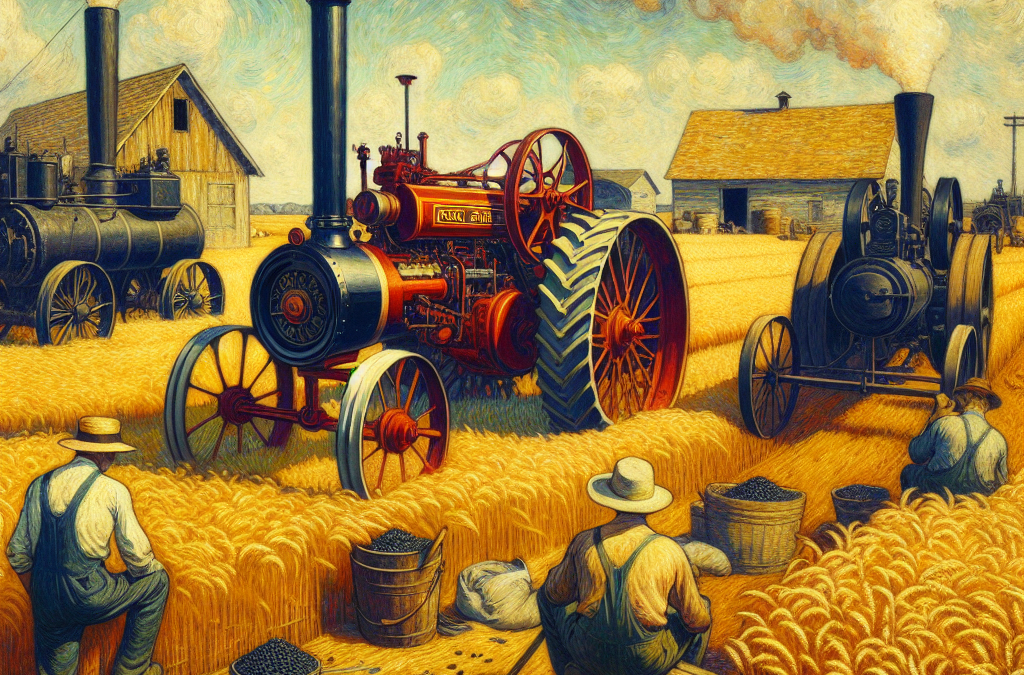
Exploring The Connection Between Vintage Tractors And Rural Heritage
By Tom Seest
At ClassicTractorNews, we help tractor lovers keep up with the latest news for classic and vintage tractors.
Please share this post with your friends, family, or business associates who may like old classic or vintage tractors.
Are Vintage Tractors a Gateway to Rediscovering Rural Roots?
In a world that seems increasingly disconnected, vintage tractors serve as a tangible reminder of simpler times. They represent so much more than mere machines—they symbolize an era when life revolved around the land, hard work, and community ties. Picture a dusty field, the sun dipping low on the horizon, casting a warm glow over a trusty old tractor as it chugs along the rows. For many, it’s an image that invokes nostalgia and a yearning to reclaim forgotten rural roots.
These beautifully crafted machines are like time capsules, preserving not just their mechanical function, but also the stories and traditions of the families who used them. Each scratch, dent, and faded paint job tells a tale of toil and triumph. When you fire up a vintage tractor, you’re not just getting behind the wheel of a powerful piece of equipment; you’re stepping into a legacy that connects you to generations past. It’s hard to beat the satisfaction of feeling that rumble as the engine comes to life, a physical manifestation of history and hard work.
Restoring a vintage tractor is no small feat, and therein lies the charm. It’s a labor of love that many have undertaken, driven by a desire to reconnect with the traditions of agriculture and craftsmanship that define rural life. Each wrench turn, each polished part, is a step toward reviving not just an old piece of machinery, but also a way of life many modern folks long to understand. There’s a whole community of enthusiasts who gather to share tips, swap stories, and celebrate their shared passion for these machines. It’s about more than just tractors; it’s about building relationships and fostering a sense of belonging that urban life often overlooks.
Moreover, vintage tractors are gateways to hands-on learning. They invite newcomers to roll up their sleeves, get a little dirt under their nails, and appreciate the beauty of agricultural practices that have been honed over generations. This revival is also part of a broader movement to embrace sustainability and local farming as people seek to understand where their food comes from and how it’s produced.
Ultimately, vintage tractors are not just relics of the past—they are invitation cards, beckoning us to rediscover our rural roots and the values that still resonate today. So the next time you hear that familiar rumble and see a vintage tractor in action, remember: it’s about more than cultivation; it’s about connection.
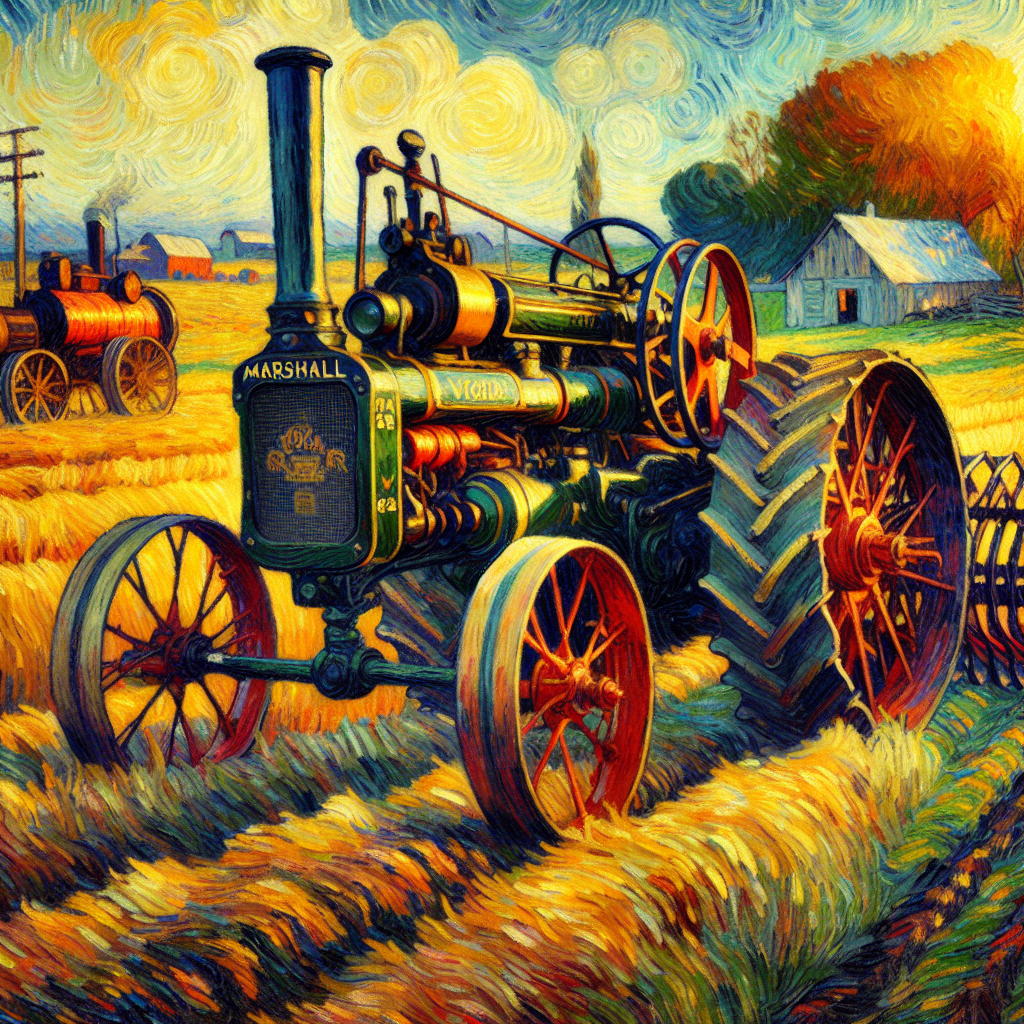
Are Vintage Tractors a Gateway to Rediscovering Rural Roots?
Are Vintage Tractors a Gateway to Rediscovering Rural Roots?
- Vintage tractors symbolize an era of land, hard work, and community ties.
- They serve as time capsules, preserving stories and traditions from the past.
- Restoring vintage tractors is a labor of love that reconnects people with agricultural traditions.
- A vibrant community of enthusiasts shares tips and stories, fostering relationships around their passion.
- These tractors provide hands-on learning opportunities and appreciation for traditional agriculture.
- They are part of a broader movement toward sustainability and understanding food production.
- Ultimately, vintage tractors invite us to rediscover rural roots and resonate with timeless values.

Are Vintage Tractors a Gateway to Rediscovering Rural Roots?
Table Of Contents
- Are Vintage Tractors a Gateway to Rediscovering Rural Roots?
- How Can Vintage Tractors Connect Us To Rural Heritage?
- What Maintenance Do Vintage Tractors Require For Longevity?
- Where Can I Find Vintage Tractors For Sale In My Area?
- What Skills Do I Need To Restore A Vintage Tractor?
- How Do Vintage Tractors Differ From Modern Tractors In Function?
- What Are The Most Sought-After Vintage Tractor Models?
- Can Vintage Tractors Be Used In Modern Farming Practices?
- Conclusion
- Other Resources
- Glossary Of Terms
- Other Questions
- Haiku
- Poem
- Checklist
How Can Vintage Tractors Connect Us To Rural Heritage?
There’s something about the rumble of a vintage tractor that transcends time and brings us back to our roots. Whether it’s a rusty, old Farmall or a shiny John Deere, these machines embody a rich tapestry of our agricultural heritage. They are more than just machinery; they are emblematic of a way of life that has shaped our fields, our families, and our future.
In a fast-paced digital world, vintage tractors serve as a physical reminder of simpler times. Each dent, each layer of faded paint tells a story—stories of hard work, sweat, and community that resonate deeply with those of us who appreciate the agrarian lifestyle. There was a unique bond forged between man and machine in those days. Using a tractor wasn’t just about plowing fields or hauling hay; it was about nurturing the land that nurtured us.
Rural heritage is worth preserving, and vintage tractors play an essential role in this narrative. They connect generations, bridging the gap between young and old. Think about it: a grandparent shares memories of their first tractor, and suddenly the younger generation is sparked with curiosity. They want to learn about how their ancestors tended crops, fought pharaohs of stubborn soil, and weathered the storms—both literal and metaphorical—that threatened their livelihoods.
Moreover, vintage tractor shows and parades create communal spaces that offer a sense of belonging. They remind us that whether you’re farming in Nebraska or gardening in your backyard, we share a collective past. They allow us to gather, celebrate our rural roots, and honor the craftsmanship that went into these machines. The joy on a child’s face as they climb aboard a bright, red tractor for the first time speaks volumes about the legacy we pass down.
Vintage tractors also serve as a platform for education. Farming practices, sustainability, and the importance of local agriculture are all vital lessons that can spring from a simple discussion about an old tractor. These delightful machines enlighten us about cycles of nature and hard work, encouraging hands-on experiences that get us outside and engaged with our surroundings.
In essence, vintage tractors do more than just wheel through fields; they connect us to our rural heritage, reminding us of the values and traditions that built our communities. And in that connection, perhaps we find a sense of purpose, a thread that binds us to the past while steering us into a hopeful future.
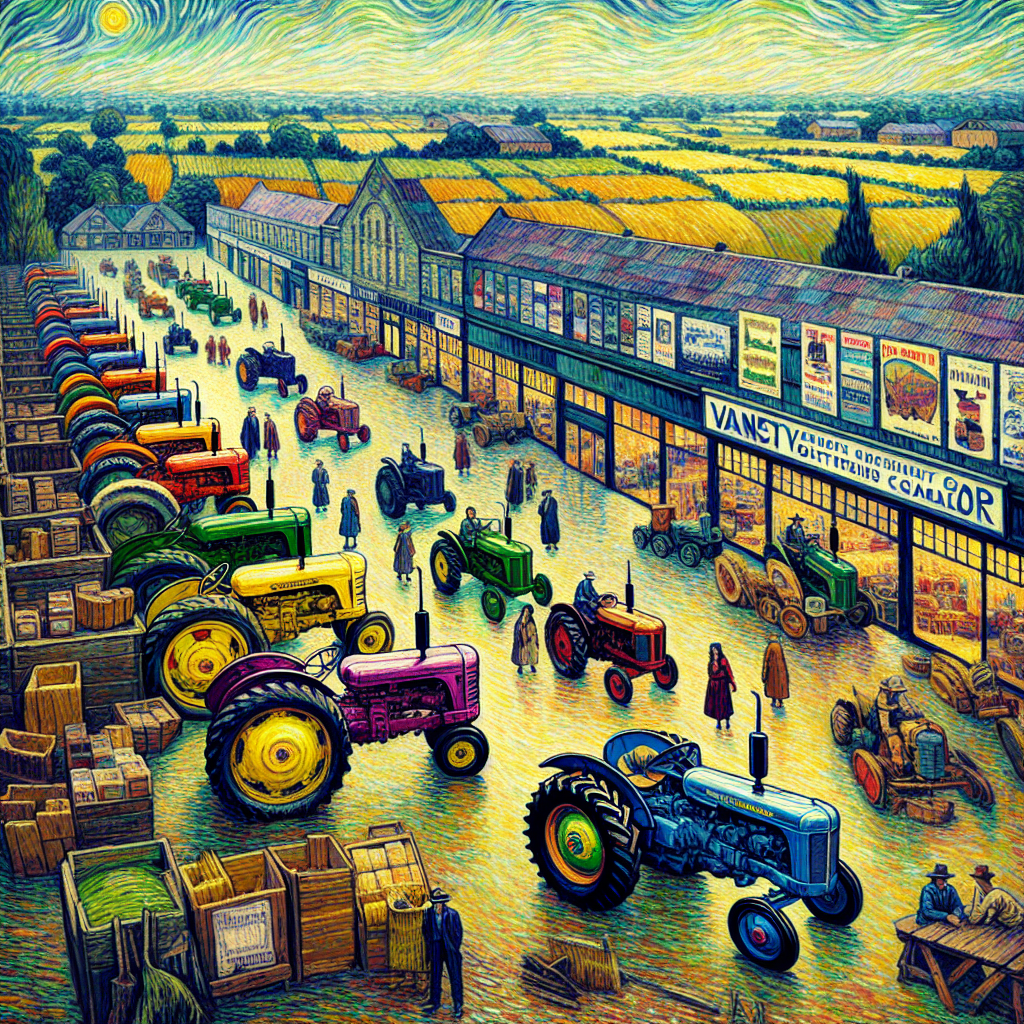
How Can Vintage Tractors Connect Us To Rural Heritage?
How Can Vintage Tractors Connect Us To Rural Heritage?
- Vintage tractors evoke a nostalgic connection to agricultural heritage and simpler times.
- Each tractor’s imperfections tell stories of hard work, community, and the bond between man and machine.
- They facilitate the sharing of memories across generations, sparking curiosity in younger individuals.
- Tractor shows and parades foster communal spaces and celebrate our shared rural roots.
- Children’s joy in interacting with vintage tractors emphasizes the legacy we pass down.
- These tractors serve as educational platforms for sustainable farming practices and local agriculture.
- Overall, vintage tractors connect us to our past while guiding us toward a hopeful future.
How Can Vintage Tractors Connect Us To Rural Heritage?
What Maintenance Do Vintage Tractors Require For Longevity?
Vintage tractors are the steel horses of the agricultural world, carrying the weight of history and the promise of productivity. But like any cherished machine, they require a bit of tender loving care to keep chugging along through the years. If you’re the proud owner of one of these mechanical legends, maintaining it is not just a chore; it’s a journey into a bygone era, where craftsmanship reigned supreme.
First off, let’s talk about the heart of the tractor: the engine. Regular oil changes are non-negotiable. Depending on usage, you’ll want to change the oil every 50 to 100 hours of operation. Vintage engines, especially those that haven’t seen a wrench in decades, often rely on conventional oil to keep things running smoothly. While synthetic oil has its perks, vintage tractors typically operate best with the old-school stuff. Another crucial piece involves the air and fuel filters. Clean filters ensure that your engine gets the air it craves while keeping dirt at bay. If you’re seeing black smoke or a sudden drop in power, it might be time for some filter TLC.
Next up, let’s not forget about the cooling system. Vintage tractors can run hot in their old age, so regularly checking and topping off coolant—and, if needed, replacing those leaky hoses—is essential. Overheating can wreak havoc, so consider it a top priority.
The electrical system also deserves your attention. Vintage models might not have the most modern wiring, but that doesn’t mean they can’t run like a dream. Inspecting wiring for frays or corrosion and replacing worn-out components will keep your tractor electrifyingly functional. Don’t overlook the battery; cleaning terminals and ensuring a solid connection can make a world of difference.
And let’s not forget those tires. A vintage tractor without good tires is like a Ford Model T with flat wheels—not going anywhere fast. Proper inflation, tread inspection, and occasional rotation go a long way in preventing unforeseen troubles on those long drives across the fields.
Finally, remember that preserving the aesthetics is as important as engine care. Regular cleaning, as well as wax and paint touch-ups, will keep your tractor looking as good as it runs. After all, maintaining a vintage tractor isn’t merely about function; it’s about keeping a piece of history alive, rolling through the ages with pride.
So, roll up those sleeves and dive into that garage—your vintage tractor deserves nothing less!
What Maintenance Do Vintage Tractors Require For Longevity?
What Maintenance Do Vintage Tractors Require For Longevity?
- Vintage tractors require regular maintenance to ensure longevity and performance.
- Change the engine oil every 50 to 100 hours of operation, preferably using conventional oil.
- Keep air and fuel filters clean to maintain engine performance and prevent power loss.
- Regularly check and top off the cooling system to prevent overheating.
- Inspect the electrical system for frayed wires and corrosion; maintain the battery connections.
- Ensure proper tire inflation, inspect treads, and rotate tires for optimal performance.
- Preserve the tractor’s aesthetics with regular cleaning and paint touch-ups to maintain its historical value.
What Maintenance Do Vintage Tractors Require For Longevity?
Where Can I Find Vintage Tractors For Sale In My Area?
Ah, the allure of vintage tractors. There’s something timeless about them, isn’t there? A classic piece of machinery that’s seen decades of hard work and has stories etched into its metal frame. If you’re looking to bring home one of these mechanical marvels, you might be wondering, “Where can I find vintage tractors for sale in my area?” Well, grab your favorite beverage and let’s take a ride through the options.
First off, your local classifieds are a great place to start. Newspapers, both in print and online, often boast a treasure trove of ads featuring tractors that have been lovingly maintained or even restored. Keep an eye on community boards, as well. These can be surprisingly resourceful spots for locating those hidden gems.
Then there are online marketplaces. Websites like Craigslist or Facebook Marketplace have revolutionized the way we buy and sell goods, and vintage tractors are no exception. Just type in your search with specific keywords to narrow down your options. Don’t forget that “vintage” can be subjective, so be prepared to sift through a variety of listings.
Farm auctions are another opportunity not to be overlooked. Every region tends to host these events, where you can bid on all sorts of farm equipment, including tractors. There’s an infectious energy at these auctions, fueled by eager participants who share a passion for agricultural history. Plus, you might find yourself learning a thing or two while you’re there.
For those serious about their hunting, tractor shows and fairs can be goldmines. These events gather enthusiasts from all over, showcasing everything from rare models to beautifully restored classics. You can meet collectors and find out who might be selling a tractor you’re interested in. Networking with fellow fans can lead to more leads than you might expect.
Lastly, don’t underestimate the power of social media. Join groups dedicated to vintage machinery enthusiasts. Many members might be looking to sell their beloved tractors or know someone who is. Diving into these communities allows you to connect with others who share your passion, and keeps you informed of sales happening in your region.
So, whether it’s through the pages of a newspaper, online searches, or engaging with local enthusiasts, the hunt for that perfect vintage tractor is an adventure. It’s not just about finding a machine; it’s about unearthing a piece of history that has had a life of its own. Happy searching!
Where Can I Find Vintage Tractors For Sale In My Area?
Where Can I Find Vintage Tractors For Sale In My Area?
- Vintage tractors possess a timeless allure, representing decades of hard work and stories.
- Local classifieds, both print and online, often feature ads for well-maintained or restored tractors.
- Online marketplaces like Craigslist and Facebook Marketplace allow for targeted searches but may require sifting through various listings.
- Farm auctions provide a lively atmosphere and opportunities to bid on various types of farm equipment, including tractors.
- Tractor shows and fairs are excellent venues for networking with enthusiasts and discovering rare or restored models for sale.
- Social media groups dedicated to vintage machinery offer connections to sellers and updates on local sales.
- The search for a vintage tractor is an adventure, emphasizing the journey of uncovering historical pieces of machinery.
Where Can I Find Vintage Tractors For Sale In My Area?
What Skills Do I Need To Restore A Vintage Tractor?
Restoring a vintage tractor is not just a hobby; it’s a labor of love steeped in history, tradition, and mechanical ingenuity. If you’ve got your sights set on breathing new life into an old rig, you’ll need a diverse set of skills to ensure your restoration venture doesn’t turn into a half-finished project gathering dust in the barn. Here’s what you ought to bring to the table before you crank up that wrench.
First off, you need a solid understanding of mechanical systems. A vintage tractor is a marvel of engineering, but it’s also a puzzle of gears, pulleys, and engines that require some know-how to navigate. You’ll be elbow-deep in the engine, so familiarity with basic mechanics is essential. Knowing how to troubleshoot problems, replace worn-out parts, and tune the engine can make all the difference. You don’t want to be guessing which part is faulty when you could easily identify the issue with the right skills.
Next, get ready to flex those electrical skills. Vintage tractors might look simple, but many of them have intricate electrical systems. Understanding wiring, circuits, and how to repair or replace components like starters and generators is key. You might be dealing with a 12-volt electrical system, and knowing how to work with it is crucial to getting that tractor back to life.
Then there’s the aspect of welding and fabrication. Whether you’re patching up rusted parts or creating custom pieces to replace what’s beyond repair, welding truly comes in handy. You may need to learn different techniques depending on the materials involved, so don’t shy away from tools like a MIG welder or even oxy-acetylene torches.
Lastly, never underestimate the power of patience and attention to detail. Restoring a vintage tractor isn’t a sprint; it’s a marathon filled with trial and error. You’ll need to pay close attention to every nut, bolt, and fitting. Taking shortcuts might save you time in the moment but could lead to headaches down the line.
Restoring a vintage tractor combines mechanical knowledge, electrical troubleshooting, and a bit of artistry with metal. Embrace the process, and don’t be afraid to ask for help or consult manuals that offer valuable insight. The satisfaction of seeing that classic machine purr back to life is worth every drop of sweat you put into it!
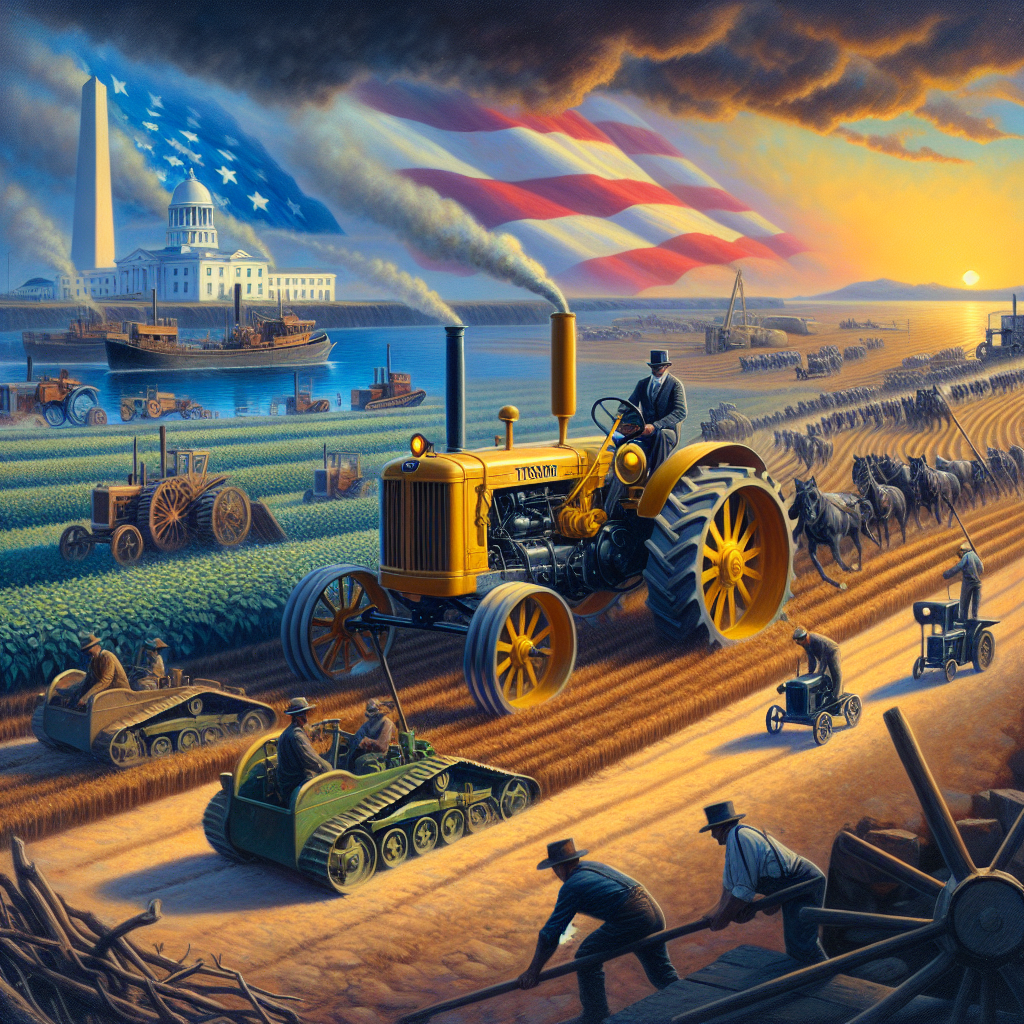
What Skills Do I Need To Restore A Vintage Tractor?
What Skills Do I Need To Restore A Vintage Tractor?
- Restoring a vintage tractor is a labor of love that requires diverse skills and knowledge.
- A solid understanding of mechanical systems is essential for troubleshooting and repairing the tractor’s engine.
- Knowledge of electrical systems, including wiring and circuits, is crucial for working with the tractor’s components.
- Welding and fabrication skills are important for repairing rusted parts or creating custom replacements.
- Patience and attention to detail are necessary due to the trial-and-error nature of tractor restoration.
- The restoration process combines mechanical, electrical, and artistic skills, requiring both know-how and creativity.
- Consulting manuals and seeking help can greatly enhance the restoration experience and outcome.
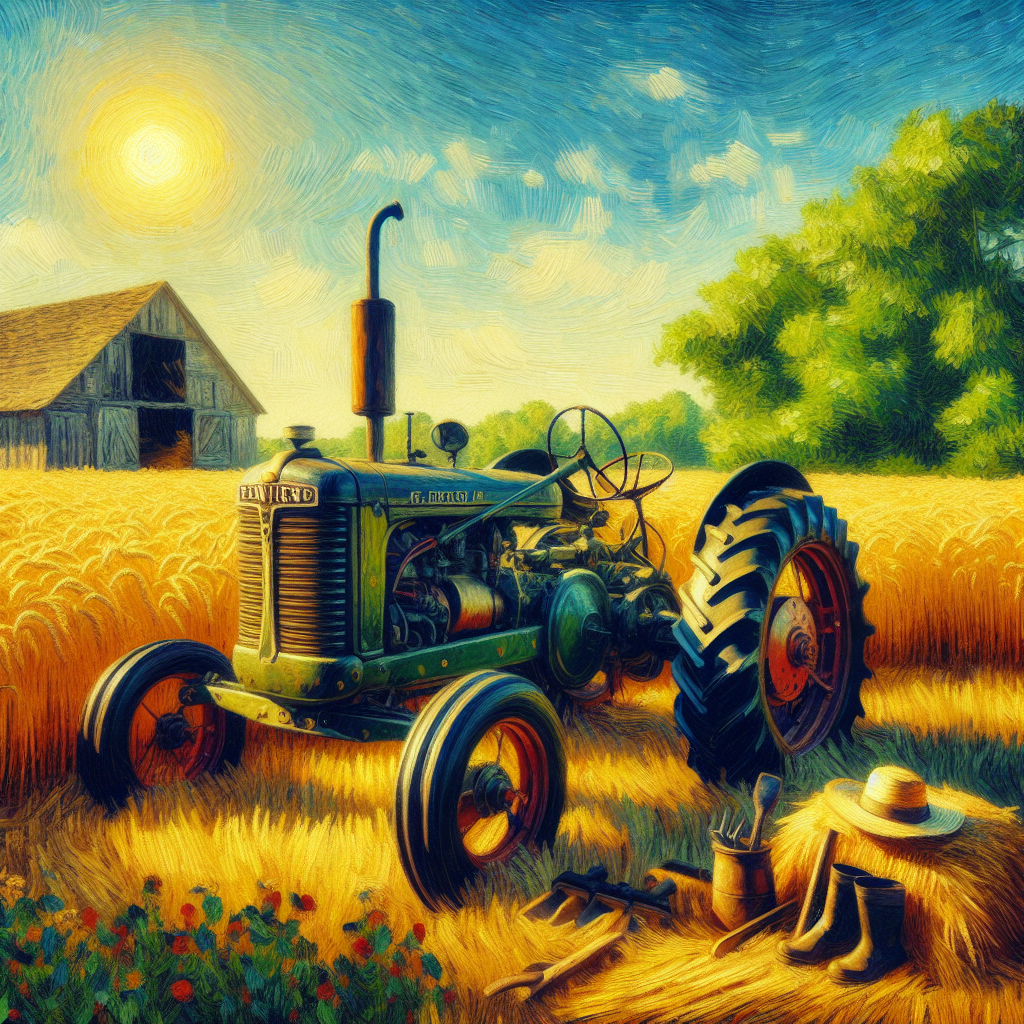
What Skills Do I Need To Restore A Vintage Tractor?
How Do Vintage Tractors Differ From Modern Tractors In Function?
When you step back in time and take a close look at vintage tractors, it’s like opening a time capsule of agricultural ingenuity. These machines, which once ruled the fields, differ significantly from their modern counterparts in both function and design.
First and foremost, let’s talk about the basics. A vintage tractor, often bare-bones and straightforward, was built primarily for functionality rather than comfort or convenience. These machines are stripped down to the essentials, making them undeniably tough yet accessible for the everyday farmer. Think of them as the no-frills workhorses. A modern tractor, on the other hand, is equipped with a plethora of features — GPS systems, air-conditioned cabs, and all sorts of electronic wizardry. This evolution reflects not just advancements in technology, but also changes in how we farm.
Now, consider the power source. Vintage tractors generally relied on simpler, less efficient gas engines, with a sound that many will argue is music to their ears. They required constant attention and maintenance — a bit of elbow grease and mechanical savvy were all part of the package. Modern tractors, powered by advanced diesel engines, are designed for fuel efficiency and greater horsepower. They can pull larger implements and cover more ground with ease, turning long days into manageable ones.
The way these machines interact with the land is also different. Vintage tractors were predominantly designed for basic tilling, planting, and harvesting. Their function was straightforward; you hopped on, did your work, and that was it. In comparison, today’s tractors operate more like multifunctional Swiss Army knives. With hydraulic systems and attachments, they can perform numerous tasks — plowing, seeding, fertilizing, and even managing crop health with precision.
Let’s not forget the impact of technology. Vintage tractors required a deep understanding of mechanics, making farmers part machinist and part operator. They had to be intimately familiar with how each component worked together to get the job done. Meanwhile, modern tractors can often run on autopilot, allowing operators to oversee multiple tasks at once, relying on technology to handle what was once a hands-on process.
In summary, while vintage and modern tractors serve the same foundational purpose — farming — they differ profoundly in function, design, and operational complexity. Each reflects the era it hails from, echoing the story of agricultural evolution. Whether you’re a fan of the tried-and-true or the high-tech marvels of today, there’s a certain charm in each.
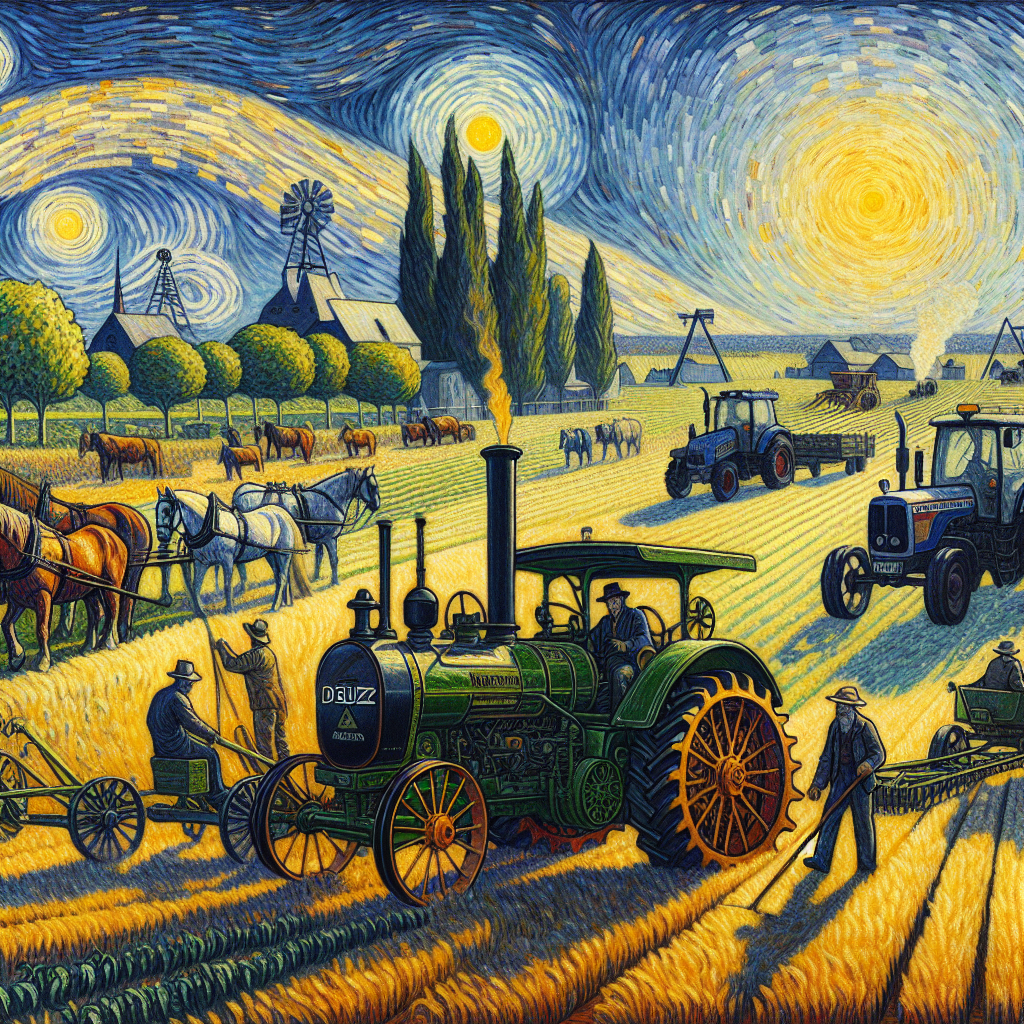
How Do Vintage Tractors Differ From Modern Tractors In Function?
How Do Vintage Tractors Differ From Modern Tractors In Function?
- Vintage tractors represent a time capsule of agricultural ingenuity, differing significantly from modern tractors in function and design.
- These machines are built for functionality over comfort, serving as tough, accessible workhorses for everyday farmers.
- Modern tractors boast advanced features such as GPS systems and air-conditioned cabs, reflecting technological advancements in farming.
- Vintage tractors relied on simpler gas engines that required frequent maintenance, while modern ones use advanced diesel engines for efficiency and power.
- Vintage tractors focused on basic tasks like tilling and harvesting, whereas modern tractors can perform multiple functions using various attachments.
- The operational complexity differs: vintage tractors required a deep mechanical understanding, while modern tractors can operate largely on autopilot.
- Despite their differences, both vintage and modern tractors serve the same fundamental purpose of farming, each embodying its own era’s charm and technological evolution.
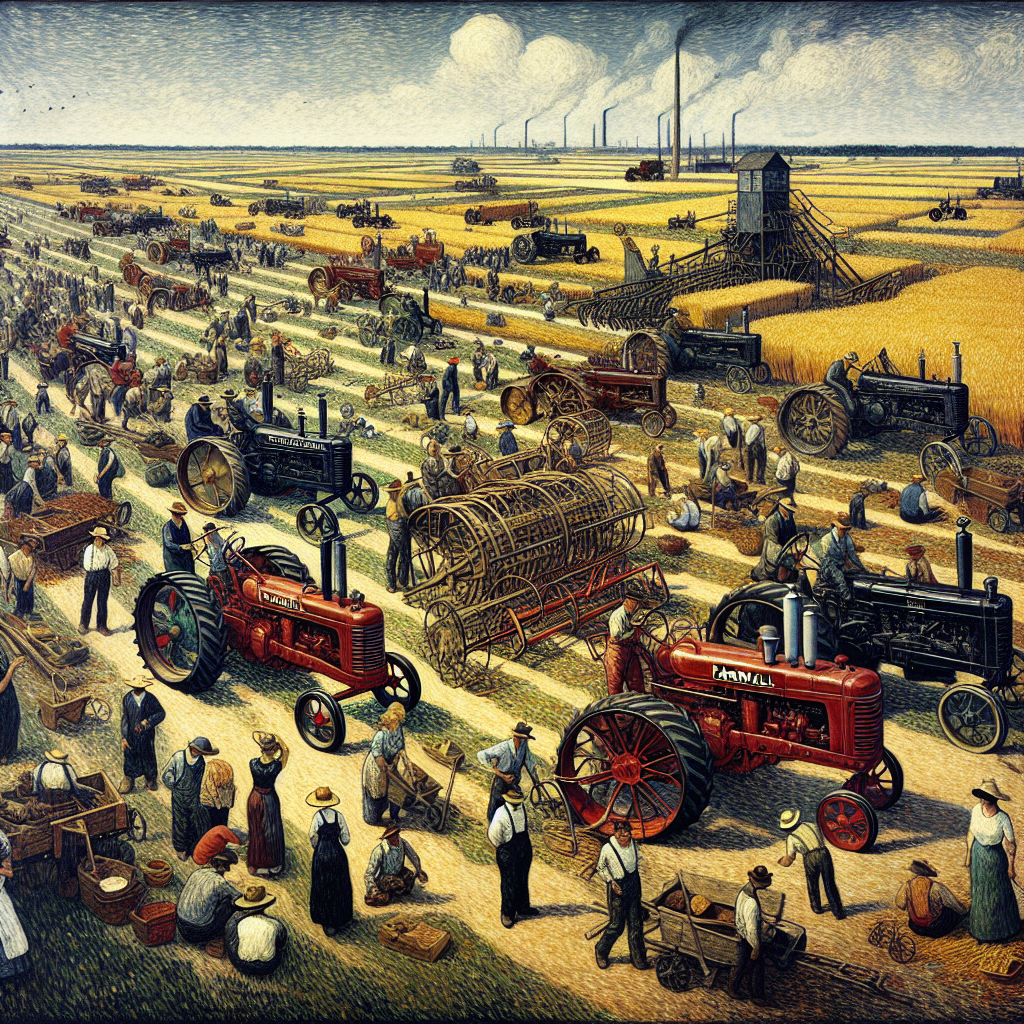
How Do Vintage Tractors Differ From Modern Tractors In Function?
What Are The Most Sought-After Vintage Tractor Models?
When it comes to vintage tractors, it’s not just about the machinery; it’s about the stories they tell and the toil they symbolize. These hulking beasts of steel and iron have graced fields and farms for generations, each model carving out its own niche in the hearts of collectors and enthusiasts alike. But let’s be honest: not all tractors are created equal. Some have become legendary, sought-after treasures commanding top dollar at auctions and estate sales.
Take the Ford 8N, for instance. This workhorse made its debut in the early 1940s and quickly became the backbone of post-war agriculture. With its classic design and reliable performance, the Ford 8N has found a special place in the hearts of vintage tractor aficionados. Enthusiasts often rub their hands together in giddy anticipation at the mere mention of this iconic machine, with its easy-to-operate hydraulic lift and robust power output.
Then there’s the John Deere Model B, a symbol of rugged reliability since its production began in the 1930s. With its distinctive green and yellow color scheme, the Model B has become an emblem of farm life. Collectors frequent swap meets in search of this model, intrigued by its simplicity and the nostalgia it brings. It’s hard to beat that nostalgic hum of the engine as it plods along, cutting through a field, evoking memories of simpler times.
In the realm of international intrigue, the International Harvester Farmall H deserves a spot on the podium. Launched in the late 1930s, the Farmall H has become synonymous with versatility. This model, touted for its adaptability, was the backbone of many farms across America and beyond, making it a darling among collectors who appreciate its historical significance and usability today.
And let’s not forget the Allis-Chalmers WD-45, a tractor that packed a punch with its updated engine and innovative features. First introduced in the 1950s, it boasts a unique personality that resonates deeply with those who admire agricultural innovation.
So, whether you’re a die-hard collector hunting for that elusive gem or a weekend warrior just looking to cultivate your garden, these vintage tractors represent a bridge to the past—a tangible piece of history that connects us to our agrarian roots. Each model holds a legacy, reminding us of the hard work and dedication that has shaped our agricultural landscape.
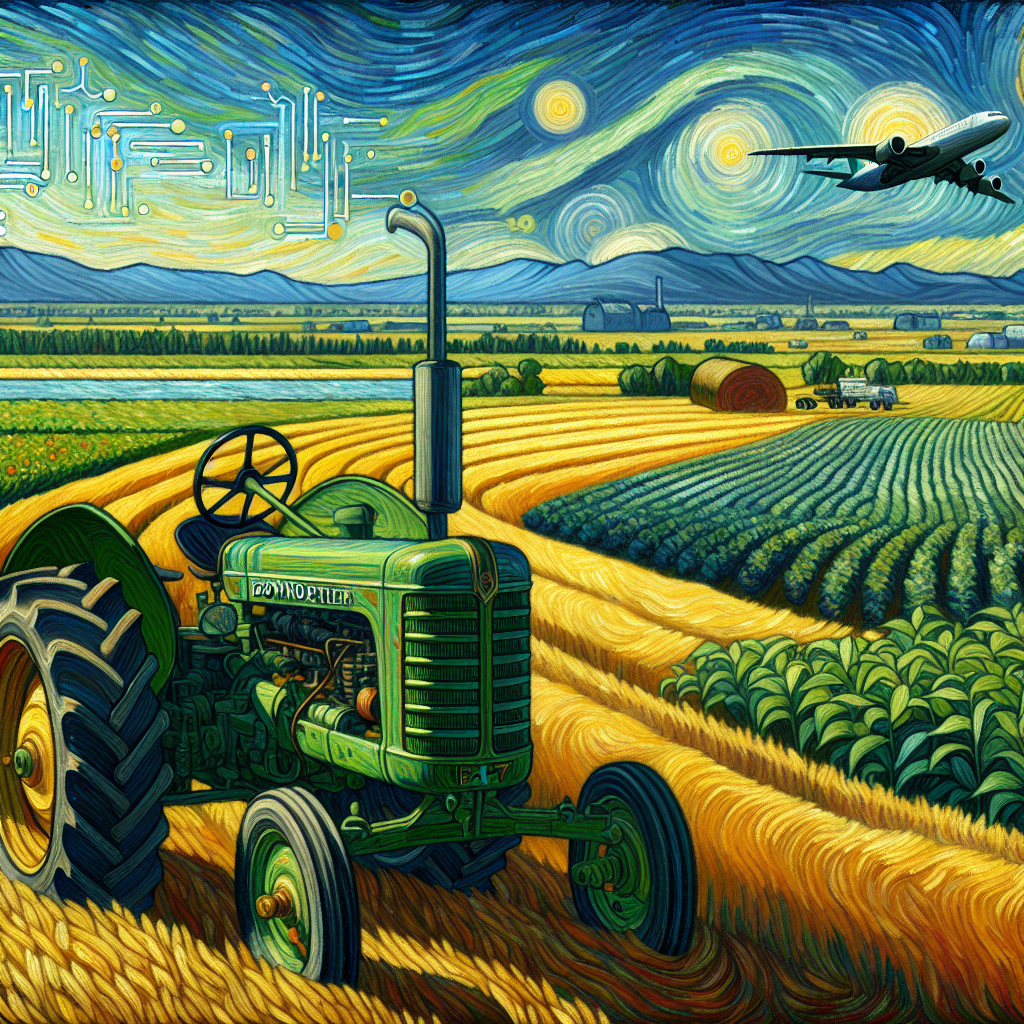
What Are The Most Sought-After Vintage Tractor Models?
What Are The Most Sought-After Vintage Tractor Models?
- Vintage tractors symbolize stories and toil, representing agricultural history.
- Each model has a unique place in the hearts of collectors and enthusiasts.
- The Ford 8N, introduced in the early 1940s, became essential in post-war agriculture.
- The John Deere Model B, produced since the 1930s, embodies rugged reliability and nostalgia.
- The International Harvester Farmall H, launched in the late 1930s, is known for its versatility.
- The Allis-Chalmers WD-45, introduced in the 1950s, showcases agricultural innovation.
- These vintage tractors connect us to agrarian roots, embodying a legacy of hard work in agriculture.
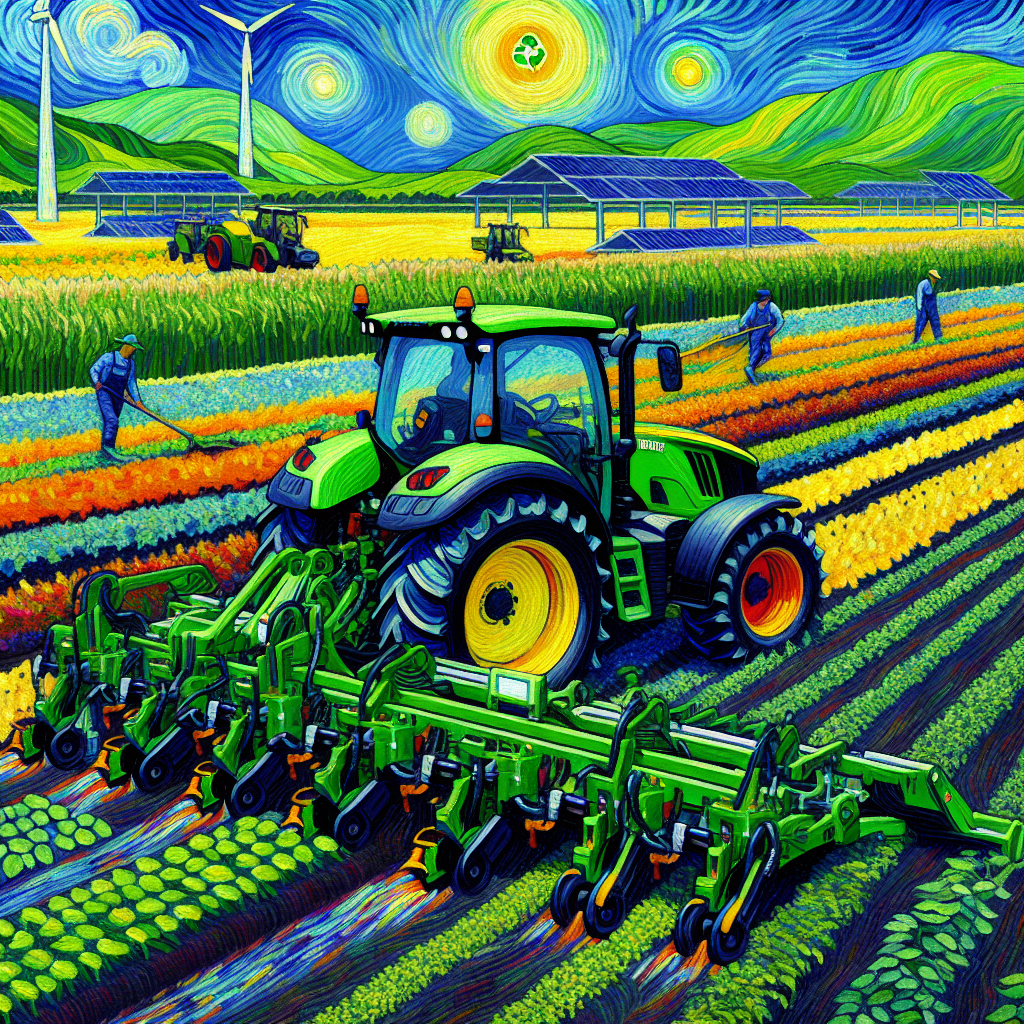
What Are The Most Sought-After Vintage Tractor Models?
Can Vintage Tractors Be Used In Modern Farming Practices?
When you think of farming, you probably picture sprawling fields, the smell of freshly tilled soil, and, of course, a trusty tractor chugging along in the background. As technology advances, modern farms are increasingly integrated with high-tech equipment that seems light-years away from the big, sturdy machines of yesteryear. You can’t help but wonder: can vintage tractors still hold their own when it comes to modern farming practices?
Let’s dive into this topic and explore the enduring charm and raw functionality of these old workhorses. Vintage tractors, with their exposed gears and bare-bones mechanics, evoke a sense of nostalgia. They harken back to a time when farming was less about data analytics and GPS-guided precision and more about grit and patience. But are they practical in today’s high-paced agricultural environment?
The answer is surprisingly nuanced. On one hand, vintage tractors were built to last and can often perform basic functions with remarkable efficiency. When it comes to plowing, tilling, or even hauling materials around a farm, these machines have a straightforward charm. You fire them up, and they get to work. There’s no need for complex software updates or electronic troubleshooting—just you, your tractor, and the open field.
However, let’s not kid ourselves: modern farming has a level of sophistication that can’t be ignored. Innovations in GPS technology, automated systems, and power-hungry machinery allow farmers to maximize productivity in ways that vintage tractors simply can’t match. When planting crops or managing large fields, efficiency and precision are king. Still, some farmers are blending old and new, using vintage tractors for specific tasks that don’t require the latest bells and whistles.
For example, cultivating a small patch of heirloom vegetables or creating an aesthetically pleasing farm for agritourism can benefit from the character of a vintage tractor. Plus, it’s charming to see these machines rumbling alongside new combines, creating a unique aesthetic that tells a story of the land’s evolution.
So, can the vintage tractor still be a part of modern farming? Absolutely! Whether it’s a small hobby farm or a larger operation wanting to connect with its roots, these classics maintain their value—both practical and sentimental. After all, in the world of agriculture, there’s something to be said for simplicity and reliability.

Can Vintage Tractors Be Used In Modern Farming Practices?
Can Vintage Tractors Be Used In Modern Farming Practices?
- Modern farms are increasingly reliant on high-tech equipment, diverging from the traditional image of farming.
- Vintage tractors evoke nostalgia with their simple mechanics and are seen as enduring workhorses.
- These tractors are efficient in performing basic farm tasks like plowing, tilling, and hauling.
- Modern farming practices leverage sophisticated technologies like GPS and automated systems for enhanced productivity.
- Some farmers blend old and new technologies by using vintage tractors for specific tasks that don’t require advanced machinery.
- Vintage tractors add charm to smaller farms and agritourism efforts, providing a unique aesthetic alongside modern equipment.
- Vintage tractors remain valuable in modern agriculture for their simplicity, reliability, and sentimental value.
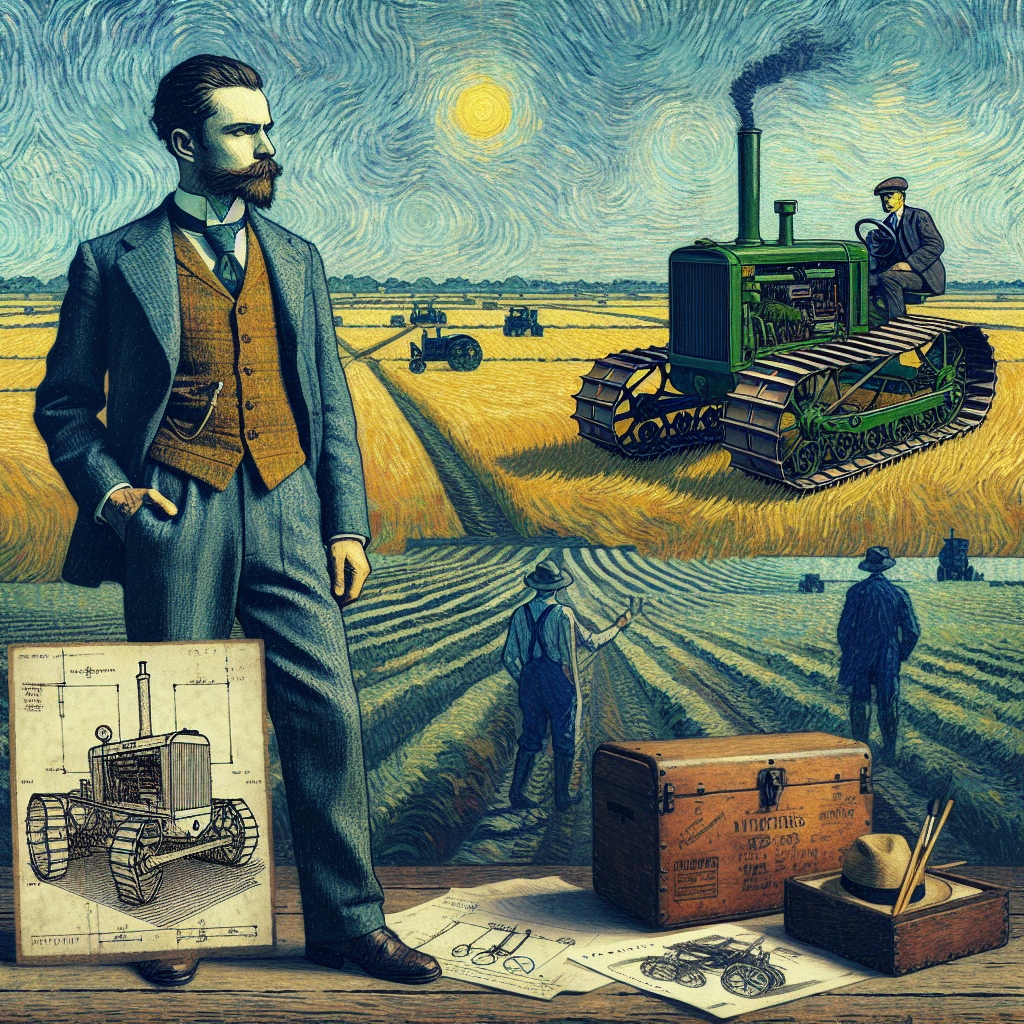
Can Vintage Tractors Be Used In Modern Farming Practices?
Conclusion
Vintage tractors, folks, are more than just relics of the past; they are tangible connections to our agrarian roots. As we whirl through an increasingly digital world, these machines offer a nostalgic glimpse back to a simpler time. Imagine the sun setting over a dusty field, a faithful old tractor chugging along, each scratch and dent pestering you with stories of hard work and dedication. That rumble when you fire one up? It’s like igniting a legacy, a powerful reminder of the toil and triumph that built our communities.
Engaging in the restoration of these tractors isn’t just about fixing equipment; it’s a labor of love. With every oil change and every wrench twist, you’re reviving not only the mechanics but the spirit of agricultural traditions that have been handed down through generations. It’s a deep dive into a time when machines weren’t just tools; they were lifelines. Each restored tractor becomes a high-five to the craftsmanship of yesteryear, a statement of resilience and connection.
And let’s talk community—there’s something magical about the gatherings of vintage tractor enthusiasts. These aren’t just tractor shows; they’re social bazaars where old and young share the warmth of historical tales, swap restoration tips, and nurture relationships that urban life sometimes forgets. These events celebrate more than machinery—they honor the bonds formed over shared experiences and dreams.
Vintage tractors bring hands-on learning back to the forefront. They compel us to roll up our sleeves and immerse ourselves in the very foundation of agriculture. They signify a return to understanding the ecosystems that sustain us—a critical knowledge in an era when local farming and sustainability are more important than ever. When communities gather to appreciate these machines, they’re also fostering a renaissance of the ideals that matter: hard work, community, and the ethos of understanding where our food comes from.
So the next time you hear that familiar chug of a vintage tractor, know that it is speaking a language of connection. It whispers of our rural history, calling us back to our roots and reminding us of the values that still resonate today. Vintage tractors are not just machines; they are gateways to rediscovering the bonds we share and the land we cherish. Embracing them could be the first step toward reclaiming a sense of belonging that we might have lost along the way. Happy farming, and may you always find joy in the rumbles of the past!
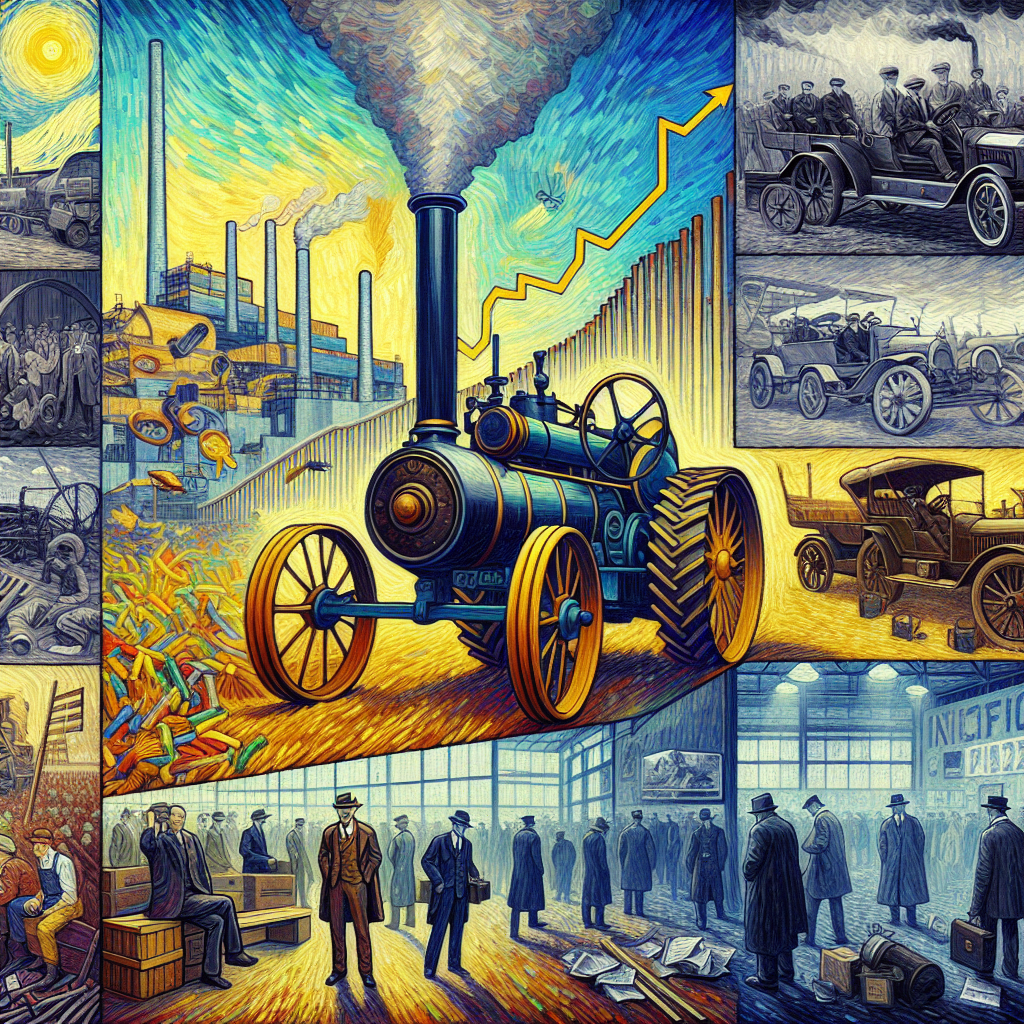
Conclusion
Conclusion:
- Vintage tractors connect us to our agrarian roots, offering a nostalgic glimpse into a simpler past.
- The sound of an old tractor symbolizes legacy and the hard work that built our communities.
- Restoring vintage tractors is a labor of love that revives both the mechanics and the spirit of agricultural traditions.
- These tractors represent a time when machines were essential lifelines, celebrating craftsmanship and resilience.
- Gatherings of vintage tractor enthusiasts foster community, sharing stories, tips, and nurturing relationships.
- Vintage tractors promote hands-on learning and a deeper understanding of sustainable local agriculture.
- They serve as gateways to rediscover historical bonds and values in a rapidly digitalizing world.
Conclusion
Other Resources
Other Resources
Here is a list of other resources you can review online to learn more:
- Know Your Classic Tractors
- LS
- Cameco
- Aultman & Taylor
- Farm Heritage Museum
- IMT
- Kioti Tractors
- Yanmar
- Advance-Rumely
- Agrinar
Use This Prompt To Get More Resources With Your Favorite Online AI Tool: Please provide me with a list of online articles with their URLs in a bulleted list that I can read regarding Are Vintage Tractors a Gateway to Rediscovering Rural Roots?
Other Resources
Glossary Terms
Are Vintage Tractors a Gateway to Rediscovering Rural Roots? – Glossary Of Terms
1. Vintage Tractors: Classic agricultural machinery typically manufactured between the 1920s and 1980s, valued for their historical significance and craftsmanship.
2. Rural Roots: The cultural, social, and familial ties to rural life, often emphasizing agriculture, community, and traditional values.
3. Agriculture: The practice of farming, including the cultivation of crops and the rearing of animals for food, fiber, and other products.
4. Nostalgia: A sentimental longing for the past, often associated with fond memories of rural life and simpler times.
5. Restoration: The process of repairing and refurbishing vintage tractors to bring them back to their original condition or functionality.
6. Heritage: The legacy and traditions passed down through generations, reflecting agricultural practices and rural lifestyles.
7. Collecting: The act of acquiring and preserving vintage tractors as a hobby, often for personal enjoyment or historical interest.
8. Rural Community: A group of people living in a closely-knit area often centered around agriculture, sharing common interests and values.
9. Sustainability: Practices that contribute to maintaining environmental balance, often entwined with traditional farming methods.
10. Farm-to-Table: A movement promoting the direct supply of food from local farms to consumers, highlighting the importance of local agriculture.
11. Mechanization: The use of machinery, including tractors, to enhance efficiency in farming practices, changing the landscape of agriculture.
12. Restoration Clubs: Groups dedicated to the preservation of vintage tractors and agricultural equipment, fostering community engagement and education.
13. Agricultural Shows: Events that showcase farming equipment and practices, offering opportunities to display vintage tractors to the public.
14. Farming Technology: The range of tools, machines, and techniques used in agriculture, evolving from traditional methods to modern advancements.
15. Cultural Identity: The shared characteristics and practices that define a specific group, often influenced by rural heritage and agricultural traditions.
16. Ranching: A form of agriculture focused on raising livestock on large areas of land, often using vintage machinery for operations.
17. Farmland: Land that is specifically used for agriculture, crucial for sustaining rural economies and lifestyles.
18. Community Engagement: Participation and involvement of individuals within a community, crucial for sustaining local traditions and practices.
19. Farming Practices: The methods and techniques used in agriculture, which can include both modern and traditional approaches enhanced by vintage machinery.
20. Industrialization: The historical shift from agrarian societies to industrial-based economies, affecting rural landscapes and farming practices.
21. DIY Restoration: The practice of individuals restoring vintage tractors themselves, showcasing skills and enhancing appreciation for craftsmanship.
22. Vintage Machinery Shows: Gatherings where enthusiasts showcase restored and working vintage tractors and equipment, fostering community interest.
23. Agricultural Education: Programs that teach the principles of farming, machinery operation, and sustainability, often involving vintage practices as a reference.
24. Cultural Preservation: Efforts to maintain and celebrate traditional rural practices, including the importance of vintage tractors in agriculture.
25. Local Economy: The economic systems of rural areas, often reliant on agriculture and small businesses linked to farming.
26. Restorative Practice: Methods aimed at restoring not only machinery but also the community’s connection to its agricultural heritage.
27. Mechanics: The technical skills involved in maintaining and repairing vintage tractors, contributing to a deeper understanding of agricultural technology.
28. Restoration Workshops: Training sessions or events where individuals can learn restoration skills and techniques for vintage tractors.
29. Artisan Craftsmanship: Skilled workmanship that emphasizes traditional methods and materials, often seen in the construction and restoration of vintage tractors.
30. Civic Involvement: Engagement of individuals in community activities related to agriculture or rural life, often sparked by a passion for vintage machinery and heritage.
Glossary Of Terms
Other Questions
Are Vintage Tractors a Gateway to Rediscovering Rural Roots? – Other Questions
If you wish to explore and discover more, consider looking for answers to these questions:
- What are the benefits of owning a vintage tractor?
- How can vintage tractors contribute to sustainable farming practices?
- What challenges do owners face when restoring vintage tractors?
- Are there any specific vintage tractor models known for their reliability?
- What resources are available for learning about vintage tractor restoration?
- How do vintage tractor communities support restoration and preservation efforts?
- What historical significance do vintage tractors hold in rural communities?
- What events or shows are dedicated to vintage tractors and where can I find them?
- Can vintage tractors be converted to run on biodiesel or other alternative fuels?
- How has the perception of vintage tractors changed in recent years?

Other Questions
Haiku
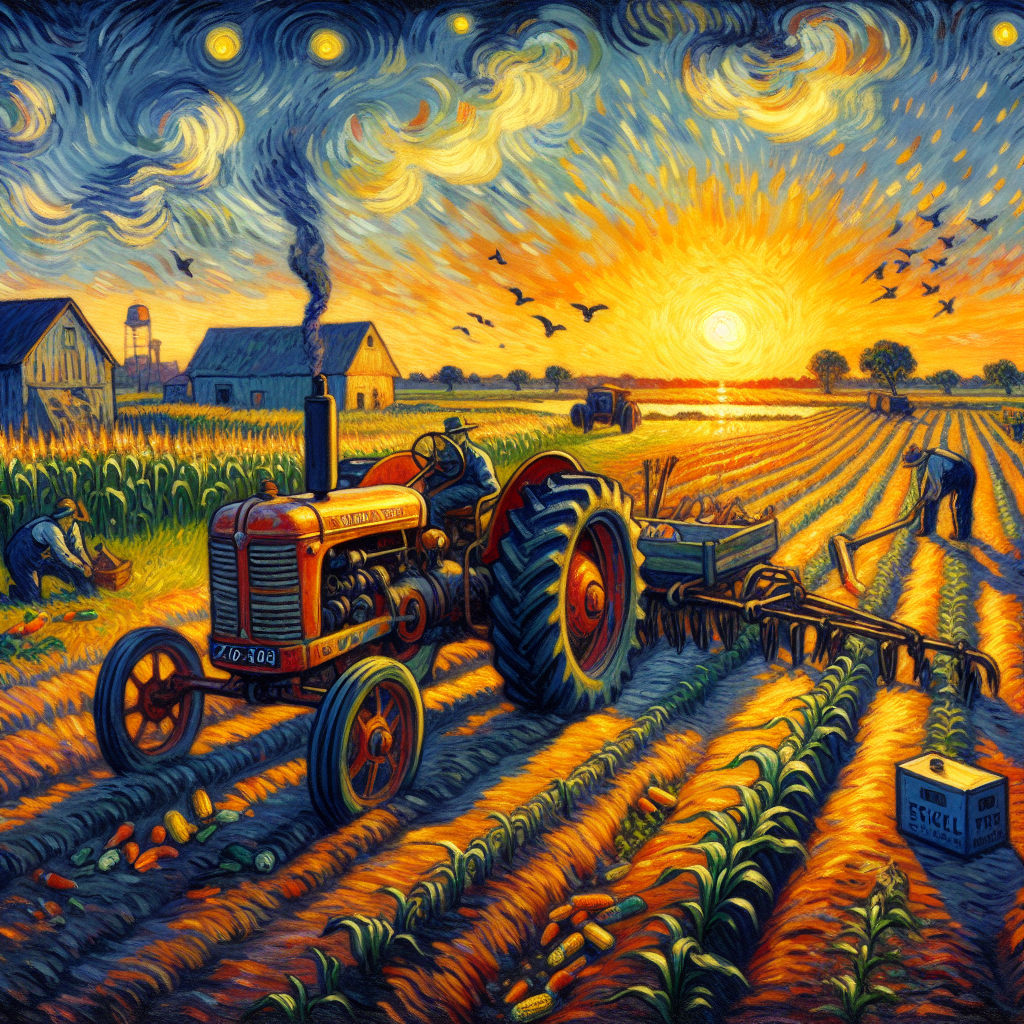
Are Vintage Tractors a Gateway to Rediscovering Rural Roots? – A Haiku
Rusty steel and fire,
Old engines hum with history,
Roots call us to care.
Haiku
Poem
Are Vintage Tractors a Gateway to Rediscovering Rural Roots? – A Poem
In fields where whispers of the past still sway,
Old tractors rumble, rich in history’s play.
A time capsule forged of metal and dreams,
They echo the laughter, the toil, the sunbeams.
Crafted with care from ages gone by,
With paint that’s chipped, they refuse to die.
Each dent and scratch a story unfolds,
Of harvests gathered and memories bold.
They beckon the weary, the lost to return,
To simpler days when the heart would yearn,
For connection to land, for hands in the dirt,
To cherish the roots from which we emerged.
In garages they linger, a spark of delight,
Restoration’s process, a labor of light.
With every turn of the wrench, every polish and shine,
Reviving not just steel, but a soul intertwined.
Enthusiasts gather, their passion ignites,
Sharing the wisdom of long-lost rites.
A bridge spans the ages, uniting the young,
With stories of tractors and songs that were sung.
There’s charm in the vintage, a wisdom they hold,
A reminder of values worth more than gold.
Teaching us lessons of patience and grace,
As they chug through the fields—our heritage’s face.
Though modern machines boast grandeur and speed,
These old workhorses fulfill a pure need—
To feel the connection with land and with time,
And nurture the roots where our spirits align.
So here’s to the tractor, both humble and grand,
A symbol of steadfastness, hand in hand.
With every bellowing roar, they proudly declare,
We’re woven together, in soil and in care.

Poem
Checklist
Are Vintage Tractors a Gateway to Rediscovering Rural Roots? – A Checklist
1. Connect with Heritage
_____ Research the history of vintage tractors in your family or community.
_____ Share stories with older generations about their experiences with tractors.
2. Join a Vintage Tractor Community
_____ Find local clubs or online groups that share a passion for vintage tractors.
_____ Attend tractor shows, parades, or community gatherings to meet enthusiasts.
3. Learn about Vintage Tractors
_____ Read books or watch documentaries on the history and impact of vintage tractors.
_____ Explore websites or blogs devoted to tractor restoration and maintenance.
4. Hands-On Experience
_____ Volunteer on a farm or at a community garden to get hands-on experience with tractors.
_____ Participate in tractor restoration projects with local enthusiasts.
5. Understanding Maintenance
_____ Familiarize yourself with basic tractor maintenance (oil changes, filter checks).
_____ Keep a maintenance log for your vintage tractor if you own one.
6. Explore Purchasing Options
_____ Search local classifieds and community boards for available vintage tractors.
_____ Attend farm auctions and vintage tractor shows to see what’s on the market.
7. Develop Restoration Skills
_____ Take workshops or courses on mechanical systems, electrical systems, and welding.
_____ Assemble the right tools for restoration projects.
8. Boost Your Farming Knowledge
_____ Read about sustainable farming practices and how vintage tractors can support them.
_____ Engage in discussions about the balance between old and new farming methods.
9. Create a Vintage Tractor Garden
_____ Design a garden or space that celebrates vintage tractors and agricultural history.
_____ Incorporate heirloom plants to blend farming with nostalgia.
10. Document Your Journey
_____ Keep a journal of your experiences, thoughts, and insights as you explore vintage tractors.
_____ Share your journey through social media or local publications to inspire others.
Utilize this checklist as a guide to deepen your connection to rural heritage through the lens of vintage tractors, embracing both historical significance and practical applications in today’s world.
Checklist
At ClassicTractorNews, we help tractor lovers keep up with the latest news for classic and vintage tractors.
Please share this post with your friends, family, or business associates who may like old classic or vintage tractors.