


Reviving The Soul Of Farming: The Timeless Value Of Traditional Tractors
By Tom Seest
At ClassicTractorNews, we help tractor lovers keep up with the latest news for classic and vintage tractors.
Please share this post with your friends, family, or business associates who may like old classic or vintage tractors.
Are Traditional Tractors Still Relevant In The Age Of Technology
When we think of farming in the 21st century, our minds often drift to the sleek, high-tech machinery that promises efficiency and precision. Drones hover above sprawling fields, automated systems monitor crop health, and robotic harvesters glide through rows of corn. Yet amidst this wave of innovation, there’s an undeniable allure to the classic tractor—an iconic symbol of agricultural tradition that still holds its ground today.
Picture the sound of a well-worn engine rumbling to life, a smell of fresh earth stirred by its sturdy tires. This isn’t just machinery; it’s a connection to generations past. Every scratch and dent tells a story, each rusted bolt a testament to hard work and resilience. These tractors are not merely tools; they embody the spirit of farm life, bringing people together around shared values of hard work, stewardship, and commitment to the land.
Now, let’s not shove aside the facts. Traditional tractors often bring a level of reliability that high-tech machines can’t match. When the sun rises over the fields, and the workday begins, few things can top that rugged simplicity. A seasoned farmer knows their trusty tractor inside and out—how to diagnose a hiccup with a keen ear or fix a minor issue with nothing but a wrench and a bit of know-how. In a world ruled by software updates and complex tech malfunctions, that intimacy becomes invaluable.
But there’s an ethical side to this conversation as well. Relying solely on advanced technology can lead to a disconnect from our agricultural roots. By valuing traditional tractors, we honor the hard-fought battle of those who came before us, cultivating not just crops, but a culture bound together by shared labor and communal support. Farming is as much about the community as it is about growing food, and these machines remind us of that.
As we immerse ourselves in a tech-driven era, let’s not forsake the grit and soul of traditional tractors. Instead, let’s blend the old with the new, celebrating those time-tested machines that not only plow fields but also pave the way for connections across generations. Trust in the process, in the land, and in the loyal tractor that gets the job done, because in the heart of every farming family, that relationship remains relevant—now more than ever.
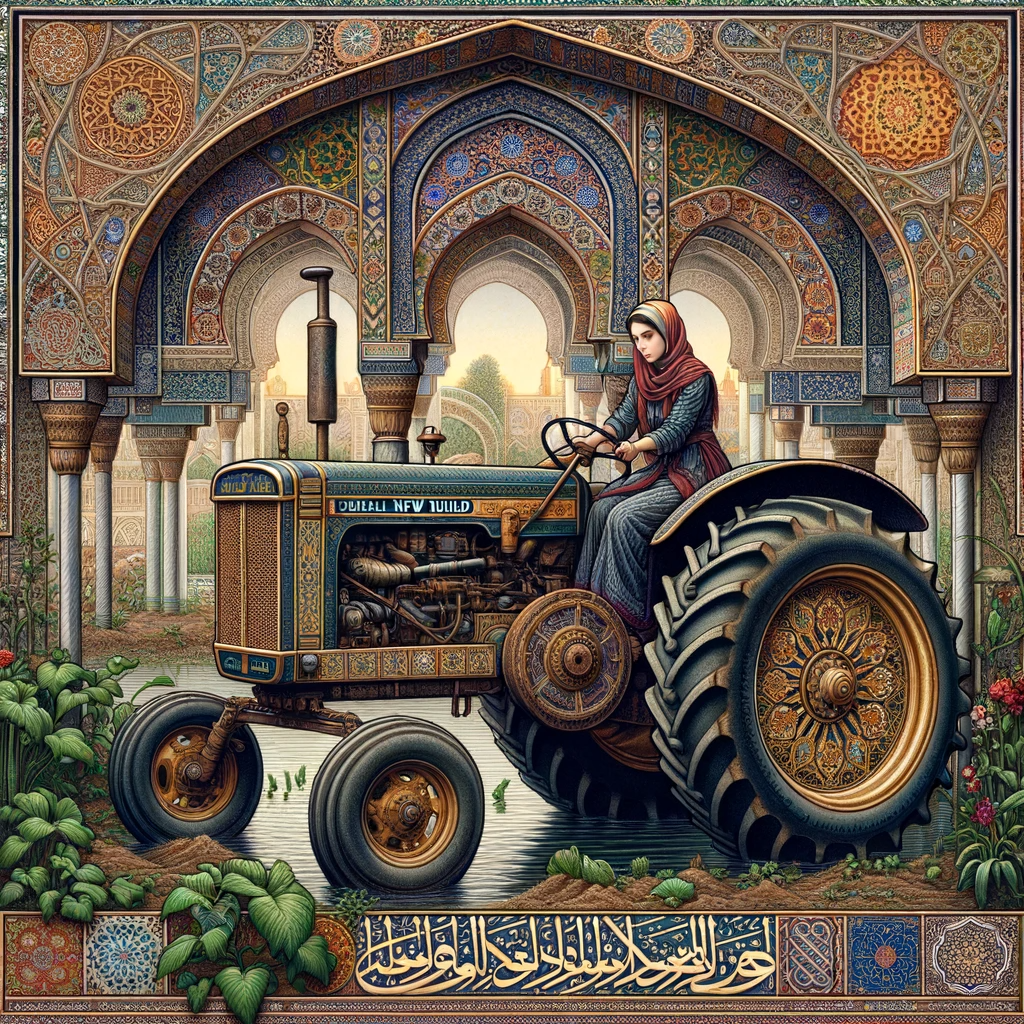
Are Traditional Tractors Still Relevant In The Age Of Technology
Are Traditional Tractors Still Relevant In The Age Of Technology
- Modern farming often emphasizes high-tech machinery, such as drones and robotic harvesters.
- Classic tractors symbolize agricultural tradition, representing a connection to previous generations.
- Each tractor has a unique history, with signs of wear that reflect hard work and resilience.
- Traditional tractors offer reliability and familiarity that high-tech machines may lack.
- Farmers have a deep understanding of their tractors, enabling them to troubleshoot and repair easily.
- Valuing traditional tractors reminds us of the community and cultural ties in farming.
- Encouraging a blend of old and new technologies can honor farming traditions while embracing innovation.

Are Traditional Tractors Still Relevant In The Age Of Technology
Table Of Contents
- Are Traditional Tractors Still Relevant In The Age Of Technology
- Are Traditional Tractors Losing Their Place In Modern Farming?
- How Do Farmers Perceive The Value Of Traditional Tractors Today?
- What Role Does Tradition Play In The Future Of Farming Equipment?
- Do Farmers Feel Pressured To Conform To Technological Advancements?
- How Does The Community View The Blend Of Tradition And Modern Tech?
- What Stories Do Farmers Share About Their Experiences With Tractors?
- Conclusion
- Other Resources
- Glossary Of Terms
- Other Questions
- Haiku
- Poem
- Checklist
Are Traditional Tractors Losing Their Place In Modern Farming?
In the fields where sunlight dances over lush crops, a familiar sound resonates: the steady hum of a tractor plowing through the earth. This iconic machine symbolizes not just hard work but generations of farmers, each with their own stories etched in the very soil they’ve cultivated. But as we stand at the crossroads of tradition and technology, one must ask—are these sturdy tractors slowly fading into the backdrop of modern farming?
As I travel across the nation, visiting farms big and small, I’m struck by the sheer depth of connection farmers have with their tractors. These machines are more than metal and mechanics; they are emblematic of hard-earned livelihoods and family legacies. Many seasoned farmers can recall their first ride—perhaps on their father’s or grandfather’s tractor—which fostered a sense of pride and purpose. Those moments transcend mere nostalgia; they are the bedrock of a community tied together through shared experiences and dreams of nurturing the land.
Yet, the farming landscape is shifting. Enter precision agriculture, drones, and automated vehicles. Rationally speaking, these advancements promise efficiency, accuracy, and sustainability—a trifecta designed to combat a world facing food shortages and climate change. It’s thrilling to think of optimizing yield while reducing environmental impact. Farmers can access data at their fingertips, revolutionizing how they approach their trade. But at what cost? The image of a farmer laboring alongside their trusty tractor, watching the sun set after a long day of sweat and toil, stirs a visceral sense of pride. Can technology replace that bond?
Ethically, we must consider the consequences of sidelining traditional methods. There’s a richness in manual farming that fosters respect for the earth. It teaches us about the seasons, the soil, and the delicate balance that sustains life. The tractor might be evolving, but the heart of farming—community, stewardship, dedication—remains steadfast.
We stand at a precipice, torn between the allure of cutting-edge technology and the legacy of our roots. Embracing modern tools doesn’t mean abandoning traditional values; it’s about finding a harmonious balance that honors our past while forging a more sustainable future. As you observe the farmers out in the fields, consider lending them your support—because whether modern or classic, every tractor serves a purpose. Let’s ensure both can coexist, shaping the landscape of modern farming while cherishing the stories that brought us here.

Are Traditional Tractors Losing Their Place In Modern Farming?
Are Traditional Tractors Losing Their Place In Modern Farming?
- Tractors symbolize hard work and represent generations of farmers with unique stories.
- Farmers share a deep emotional connection with their tractors, reflecting pride and legacy.
- Many farmers recall their first rides on tractors, creating a sense of community and shared experiences.
- Advancements in technology, such as precision agriculture and drones, promise improved efficiency and sustainability.
- There is concern about whether technology can replace the emotional bond between farmers and their traditional tractors.
- Manual farming practices foster respect for the earth and a deeper understanding of nature’s cycles.
- A harmonious balance between modern technology and traditional values is essential for a sustainable future in farming.

Are Traditional Tractors Losing Their Place In Modern Farming?
How Do Farmers Perceive The Value Of Traditional Tractors Today?
When you look across a sun-drenched field, you can’t help but feel a sense of reverence for the machines that have shaped our rural landscapes—especially the traditional tractor. To some, it’s merely a hunk of iron, but to farmers, it’s a steadfast partner, a testament to countless stories, sweat, and the grit of those who have come before them. Each tractor parked beside a barn tells tales of seasons changing, harvests gathered, and challenges faced head-on.
For many farmers today, traditional tractors represent more than just utility; they embody a deep-rooted connection to the land and the community. They’re a source of comfort and nostalgia. These machines bear the fingerprints of generations, each mark a memory, each dent a lesson learned. When you roll up your sleeves and start the engine, you’re not just firing up a machine; you’re reviving a legacy. The comforting rumble of that well-worn engine is akin to a heartbeat, resonating with all the emotions tied to farming life.
The head understands that these traditional tractors offer a balance of reliability and simplicity. While modern machinery can be faster and smarter, there’s something undeniably powerful about the straightforward engineering of a classic tractor. For many farmers, it’s a matter of ethics and sustainability. Older tractors can be repaired rather than replaced, fostering a sense of responsibility to the environment and their communities. They represent a philosophy of work that values resourcefulness over constant consumption.
On a practical level, the cost-effectiveness of maintaining a traditional tractor cannot be overstated. With respect to rising expenses and economic challenges, these machines are not just invaluable tools; they are financial assets, often found at the crossroads of practicality and passion.
Finally, let’s not forget the social fabric of farming. At community gatherings, the discussion often swings towards cherished tractors and the stories they hold. They foster connection—a bridge across generations. The farmer’s pride in their traditional tractor can ignite conversations and camaraderie, reminding us all of a shared history rooted in labor, devotion, and sheer determination.
So, as farmers continue to navigate an ever-changing agricultural landscape, their perception of traditional tractors remains unwavering—a blend of heart, head, and gut that inspires trust and solidifies their role as more than just a tool, but as an enduring symbol of resilience and hope for the future.

How Do Farmers Perceive The Value Of Traditional Tractors Today?
How Do Farmers Perceive The Value Of Traditional Tractors Today?
- Traditional tractors evoke a sense of reverence in rural landscapes, serving as steadfast partners for farmers.
- Each tractor tells stories of changing seasons, harvests, and challenges, embodying a deep-rooted connection to the land.
- The comforting sound of a well-worn engine resonates with the emotions tied to farming life, reviving a legacy.
- Traditional tractors balance reliability and simplicity, representing a philosophy of resourcefulness over consumption.
- Older tractors can be repaired instead of replaced, promoting ethical and sustainable farming practices.
- They are cost-effective, serving as valuable financial assets amid rising economic challenges.
- Tractors foster community connection, encouraging conversations and camaraderie rooted in shared farming history.

How Do Farmers Perceive The Value Of Traditional Tractors Today?
What Role Does Tradition Play In The Future Of Farming Equipment?
Tradition has a unique power in the world of farming, especially when it comes to farming equipment. Picture this: a weathered farmer, hands calloused and worn, standing beside a vintage tractor—its paint faded, but its engine still purring with purpose. This symbol of hard work and craftsmanship doesn’t just represent a bygone era; it’s a bridge connecting the past with the present and future.
In the heart of farming, tradition bleeds into technology. The farmers of yesteryear were innovators in their own right. They drew upon the intelligence ingrained in their communities, mixing resourcefulness with the tools at hand. Today’s farmers can draw from that rich history while embracing cutting-edge advancements. Yet, as tractors become sleeker and more advanced, it’s easy to forget the lessons learned from milking cows by hand or sowing seeds with little more than a hoe.
When we consider the future of farming equipment, it’s essential to carry forward that ethical responsibility. Imagine a conversation among farmers gathered at a local diner, reminiscing about the classic tractors that played vital roles on their farms. They share stories of muddy fields, long days, and late nights, each tale weaving the fabric of shared experience. Their collective narrative amplifies the belief that their roots in tradition aren’t just memories; they inform their approach to modern agriculture.
Technology, without a grounding in tradition, risks losing the soul that binds farm families together. Precision agriculture and smart tractors boasting AI and automation can help increase efficiency, but when the sun sets and the fields lie still, it’s the age-old wisdom gained from generations past that guides decisions. Farmers need to feel it in their gut—the connection to the soil, to the history of their land, to the family traditions passed down through the ages.
It’s not about choosing one over the other; it’s about finding harmony. Integrating traditional farming values with modern innovation can lead to sustainable practices that honor the land while also paving the way for future generations. Trust that this blend, like the steady hum of a trusty tractor, will bear the weight of responsibility, ensuring that agriculture remains resilient, relevant, and deeply rooted in the values that once fueled it. By fostering that connection, we can inspire a generation of farmers ready to embrace the future while holding tight to the wisdom of the past.

What Role Does Tradition Play In The Future Of Farming Equipment?
What Role Does Tradition Play In The Future Of Farming Equipment?
- Tradition holds significant power in farming, particularly regarding equipment.
- A vintage tractor symbolizes hard work and craftsmanship, connecting past, present, and future farming practices.
- Historical farmers were innovators, utilizing community intelligence and available tools to adapt to their needs.
- Today’s farmers benefit from rich traditions while integrating cutting-edge technology into their practices.
- Ethical responsibility in approaching modern agriculture is essential, informed by shared experiences and stories of the past.
- Technology must be anchored in tradition to maintain the values and connections that unite farm families.
- Finding harmony between traditional values and modern innovation can foster sustainable agricultural practices for future generations.

What Role Does Tradition Play In The Future Of Farming Equipment?
Do Farmers Feel Pressured To Conform To Technological Advancements?
Picture this: a farmer, standing tall in the midst of a sprawling field, hands weathered from years of labor, eyes squinting toward the horizon. The world around him is evolving—drones soaring overhead, tractors equipped with gadgets that boggle the mind, and data analytics promising yields that make his grandfather’s harvest seem quaint. But here’s the catch: as technology accelerates at lightning speed, does this farmer feel an unspoken weight on his shoulders to keep pace?
Let’s break it down. First, from a rational standpoint, adapting to new technology can mean the difference between thriving and merely surviving. Advanced machinery can reduce the man-hours spent plowing, allow for precision farming, and boost production. It’s tempting to dive headfirst into the tech pool; after all, who wouldn’t want to provide for their family and community better? But underneath that shiny veneer, stress simmers. The pressure to conform to these advancements can often feel like swapping the comfort of a trusted old tractor for a high-tech model that demands constant updates and maintenance, not to mention the steep learning curve.
Now, step into the emotional realm. For many farmers, that tractor is more than just equipment; it’s a lifeline, a connection to their heritage. The thought of replacing the very machine that has been their partner through countless seasons can stir up a tempest of emotions. It’s not just about pulling plows; it’s about legacy, identity, and pride. Farmers nurture their land as much as the land nurtures them, and when technology steps in, it can feel like an outsider disrupting a sacred bond.
Ethically, we face questions about the implications of this relentless push for progress. Are we prioritizing profits over the dignity of hard work? Communities built around agriculture thrive on shared practices and collective wisdom, but as technology changes the landscape, it can sow discord among growers who may not be able or willing to adapt. The farmer who once stood shoulder to shoulder with his neighbors now risks standing alone, alienated by a new standard he never chose.
The narrative of farming is evolving. As we navigate this intersection of tradition and innovation, let’s remind ourselves that change doesn’t have to sideline our core values. We can champion technology while preserving the grit and spirit that define farming. By embracing the dialogue between old and new, we can foster a community where innovation supports our roots instead of uprooting them. In our hearts, we know that progress is inevitable, but let’s ensure it honors the legacy of those who came before us. We can do this together—one field at a time.

Do Farmers Feel Pressured To Conform To Technological Advancements?
Do Farmers Feel Pressured To Conform To Technological Advancements?
- A farmer experiences the rapid evolution of technology in agriculture, from drones to advanced machinery.
- Adapting to new technology can be crucial for thriving rather than just surviving in farming.
- Technological advancements can offer benefits like reduced labor, precision farming, and increased production, but can also bring stress and pressure.
- For many farmers, traditional tractors symbolize their heritage and can evoke emotional resistance to change.
- The ethical implications of technological advancement raise concerns about prioritizing profits over hard work and community values.
- Farmers may feel alienated as new technology sets a standard that some cannot or do not wish to meet.
- It is essential to balance innovation with core farming values to honor the legacy of previous generations while embracing progress.

Do Farmers Feel Pressured To Conform To Technological Advancements?
How Does The Community View The Blend Of Tradition And Modern Tech?
When we think about the blend of tradition and modern technology, it’s like standing in a field at dawn, watching the sun creep over the horizon, casting its gentle glow on a trusty tractor. This machine, once the embodiment of laborious toil, is now a marvel of engineering, equipped with GPS, automated guidance, and sensors that can outsmart a seasoned farmer. Yet, while the modern conveniences may entice the mind with promises of efficiency, the heart beats a little stronger for the stories wrapped in that vintage iron.
For many in our community, the tractor is more than just a tool; it’s a symbol of heritage. It tells tales of resilience, of hard work molded into dreams under a sprawling sky. In a world where technology seems to speed up our lives faster than a high-end engine can roar, there’s comfort in remembering the slow, steady rhythm of tradition. This is what connects generations—the wisdom of our forebears dug into the very soil that feeds us.
Yet, as we stand at this intersection of old and new, we can’t ignore the practical realities. The rational mind knows that adopting modern tech isn’t merely about keeping up; it’s about survival. Innovation in agriculture means heightened productivity, sustainability, and less waste. It’s about ensuring that our community doesn’t just survive, but thrives within a competitive landscape. Balancing these aspects isn’t just smart; it’s ethical. It’s a responsibility we owe ourselves and future generations to use the best tools available to us today while respecting the legacy of the past.
As the barn doors swing open, we see a blend of young farmers learning the ropes next to their elders, who still hand-plant seeds with love. This juxtaposition sparks conversations—sometimes heated—about the right path forward. Yet deep down, what strikes the core of these discussions is a shared commitment: to honor our history while embracing what lies ahead.
We need to foster a culture of collaboration, where ancient practices harmonize with state-of-the-art technology. This is more than an abstract concept; it’s an emotional tapestry woven from sweat, tears, and the hope of better days. It invites us to consider our roles not just as farmers or tech innovators, but as stewards of a vibrant community poised for growth. Together, we can cultivate a future that resonates with the integrity of our past. So let’s roll up our sleeves and get to work—because nothing worth having ever came easy, and the field is waiting for hands to tend to both tradition and innovation.

How Does The Community View The Blend Of Tradition And Modern Tech?
How Does The Community View The Blend Of Tradition And Modern Tech?
- The blend of tradition and modern technology resembles dawn sunlight illuminating a tractor, now advanced with GPS and automated features.
- For many, tractors symbolize heritage, telling stories of resilience and hard work under the expansive sky.
- There is comfort in honoring the slow, steady rhythm of tradition amidst the fast pace of technological advancement.
- Adopting modern technology in agriculture is crucial for survival, ensuring productivity, sustainability, and reduced waste.
- Balancing innovation with respect for the past is an ethical responsibility to future generations.
- Younger farmers learn from elders, blending ancient practices with new technology, leading to important discussions about progress.
- Fostering a culture of collaboration between tradition and innovation promotes community growth and honors our history.

How Does The Community View The Blend Of Tradition And Modern Tech?
What Stories Do Farmers Share About Their Experiences With Tractors?
Nothing says “hard work” like the roar of a tractor cutting through the morning mist. It’s not just a machine; it’s a companion that has cradled dreams and forged resilience. Farmers often share stories about their tractors—not simply as tools, but as integral parts of their lives, making each day on the land a narrative worth telling.
Take, for example, Joe, a fourth-generation farmer whose calloused hands are as much a testament to his labor as the tractor resting in his barn. Each dent and scratch on that metal frame tells a story, a reminder of the challenges he has faced over the years. “That’s where I learned to plow my first field,” he says, eyes glistening with memory. “And where I also learned that tractors aren’t infallible.” It’s these heartfelt recollections that resonate deeply, connecting us to generations of laborers whose sweat has shaped the fields we see today.
The tractor symbolizes more than machinery; it embodies responsibility and purpose. It’s the vessel that helps put food on the table, not only for Joe’s family but for countless others. And therein lies the ethical weight of these stories—the moral imperative to honor and respect the land, just as your forefathers did. Each growing season is a renewed promise to the earth, and the tractor serves as the lifeline that binds these promises together.
Yet, the tales behind these steel giants are not without humor. Farmers share their mishaps with affection—the time a tractor broke down on the first day of planting or that embarrassing moment it got stuck in the mud. Laughter echoes through the fields, a collective reminder that while farming can be grueling, it is also filled with moments of levity.
This isn’t just about the mechanics of a tractor or the logistics of farming; it speaks to our shared humanity. These stories invite us into a world where the land is sacred, and every obstacle is just another page in a farmer’s memoir. Listening to them fosters an appreciation for those who toil under the sun, often unnoticed, yet profoundly impactful.
So, whether you’re an aspiring farmer or someone simply passing through, let’s pause and appreciate the connection that tractors give us to those who nurture the earth. Their stories are not just theirs; they’re part of a larger narrative that we all share—a collective experience that inspires trust, confidence, and a deeper understanding of the cycle of life itself.
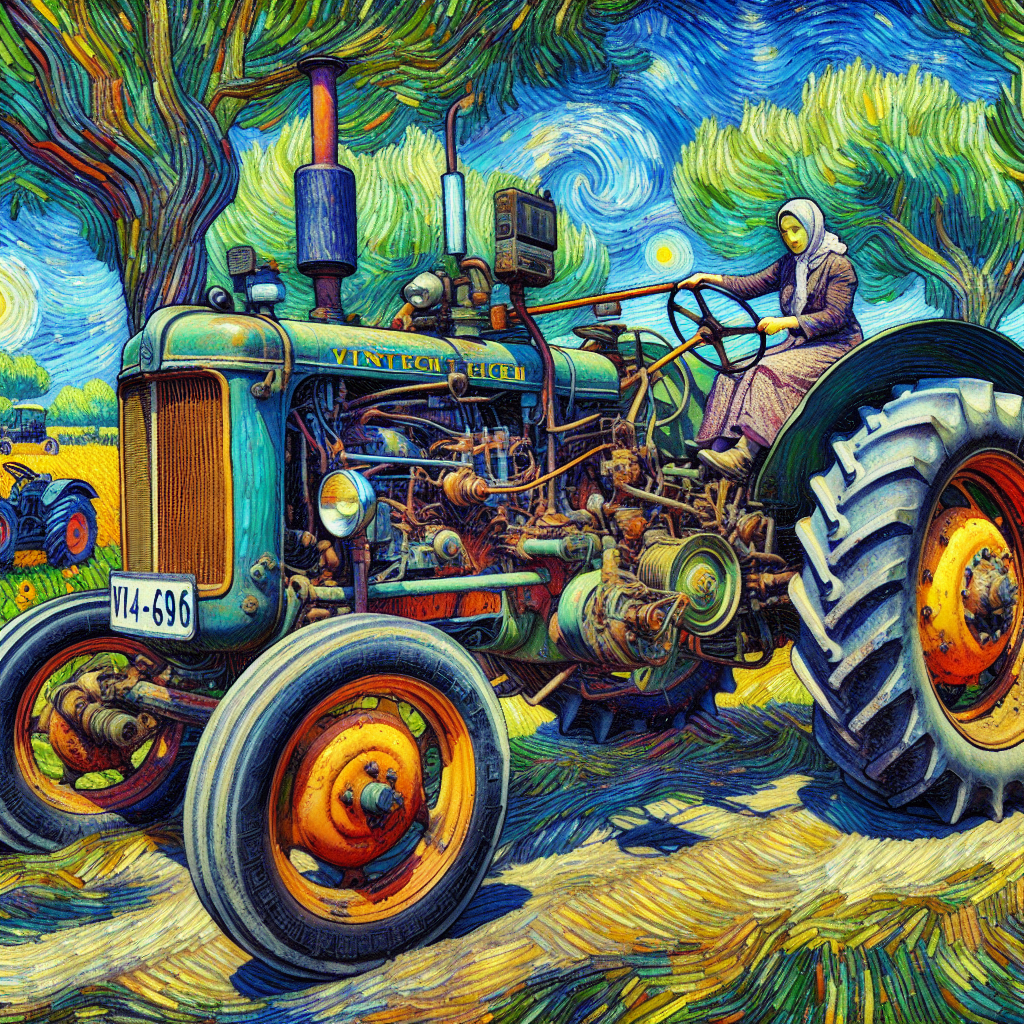
What Stories Do Farmers Share About Their Experiences With Tractors?
What Stories Do Farmers Share About Their Experiences With Tractors?
- The roar of a tractor symbolizes hard work and resilience in farming.
- Farmers like Joe view tractors as companions intertwined with their personal and family stories.
- Every dent on a tractor represents challenges faced and memories created by farmers.
- The tractor embodies responsibility, serving as a vital tool for food production.
- Humorous mishaps with tractors create a sense of community and lighten the burdens of farming.
- Farmers’ stories highlight the connection between humanity and the land, emphasizing shared experiences.
- Tractors symbolize a collective narrative that inspires appreciation for those who work the land.

What Stories Do Farmers Share About Their Experiences With Tractors?
Conclusion
Conclusion: Embracing the Legacy and Future of Farming with Heart
As we stand on the threshold of the modern agricultural revolution, it’s easy to get swept away in the whirlwind of high-tech machinery and smart farming innovations, thinking that the classic call of the traditional tractor may soon fade into oblivion. But let’s take a moment to pause, reflect, and appreciate the profound layers that wrap around these iconic machines. They’re not just tools; they’re vessels of history and connection that resonate deep within the farming community’s heart.
Sure, if you look on the surface, the allure of a drone soaring over fields or a state-of-the-art automated harvester can be intoxicating. These advancements promise increased efficiency and sustainability—a rational farmer’s dream, right? But let’s not forget that tractors have nurtured this land long before technology took its place in the field. There’s an intrinsic value found in soil-stained hands and the comforting rumble of an aged engine that technology can’t replicate.
Every scratch on a tractor’s surface tells a story of relentless grit and determination. For countless farmers, there’s a tangible bond that ties them to their traditional machinery, a connection that has been lovingly passed down through generations. It’s more than a rusted frame; it’s a beloved partner that has witnessed the laughter, heartbreak, sweat, and triumph that farming encapsulates. This is about stewardship—not only of the land but of the traditions that have forged our agricultural identity.
And here’s where it gets interesting: the blend of tradition and technology doesn’t have to be a tug-of-war. Farmers recognize the need to adapt to a changing world while also ensuring that we don’t sever the ties to our roots. Imagine the power of combining the old with the new, where classic tractors and high-tech innovations work side by side. This is the sweet spot, the chance to build a sustainable future without losing the soul of what farming has always been about—communities united in labor, stories shared, and relationships built around a commitment to the land.
So let’s celebrate those classic machines, those steadfast, dependable workhorses, alongside modern marvels. Supporting both traditional tractors and cutting-edge technologies ensures we’re not just cultivating crops, but a richer, shared narrative. In this historic dance of wheels against soil, through adversity and achievement, may we embrace our dual legacy—where tradition meets innovation, to foster resilience for generations to come. Because, at the end of the day, farming is about heart, head, and gut—and every tractor tells that enduring tale.

Conclusion
Conclusion:
- The modern agricultural revolution brings a mix of high-tech innovations and traditional farming methods.
- Traditional tractors symbolize a deep connection to farming history and community.
- Despite the appeal of advanced technology, the intrinsic value of traditional farming remains significant.
- Every tractor has a unique story and is a symbol of the hard work and dedication of farmers.
- Combining traditional machinery with modern technology can create a sustainable farming future.
- Celebrating both classic and modern farming tools enriches the agricultural narrative.
- Farming is fundamentally about heart and community, with each tractor embodying that legacy.

Conclusion
Other Resources

Other Resources
Here is a list of other resources you can review online to learn more:
- Limb
- Creekside Farm & Market Tractor Show
- Holt
- Toro
- Franklin County Antique Machinery Club
- YTO
- Fortuna Redwood Auto Xpo Antique Tractors
- Barn Finds
- Taishan-America
- Farmall
Use This Prompt To Get More Resources With Your Favorite Online AI Tool: Please provide me with a list of online articles with their URLs in a bulleted list that I can read regarding Are Traditional Tractors Still Relevant In The Age Of Technology

Other Resources
Glossary Terms
Are Traditional Tractors Still Relevant In The Age Of Technology – Glossary Of Terms
1. Traditional Tractor: A heavy-duty farming vehicle designed for agricultural tasks, often characterized by mechanical simplicity and robustness, typically powered by diesel engines.
2. Precision Agriculture: An advanced farming practice using technology (such as GPS) to enhance crop yields and efficiency, contrasting with traditional practices.
3. Automation: The use of technology to perform tasks with minimal human intervention, affecting how tractors and farming machinery operate.
4. GPS (Global Positioning System): A satellite-based system that allows farmers to navigate their machinery and field operations with high accuracy.
5. Hydraulics: A system utilizing pressurized fluid to power various tractor implements, such as plows and loaders, showcasing traditional mechanical capabilities.
6. Smart Farming: Incorporating Internet of Things (IoT) devices and data analytics into agricultural practices, enhancing decision-making and efficiency.
7. Subsidy: Financial assistance provided by governments to support farmers, which can affect the choice between traditional tractors and modern technology.
8. Labor Force: The pool of workers available and willing to work in agriculture; understanding its role is crucial when evaluating traditional tractors’ relevance.
9. Maintenance: The ongoing process of keeping machinery, including traditional tractors, in working order, which can differ significantly from high-tech equipment.
10. Sustainability: Practices aimed at minimizing environmental impacts; traditional tractors may have advantages in low-input farming systems.
11. Fuel Efficiency: A measure of how effectively a tractor converts fuel into work; traditional tractors often have different efficiency metrics compared to modern engines.
12. Crop Rotation: The practice of alternating crops in the same field to maintain soil health, traditionally supported by long-standing farming practices.
13. Field Mapping: The process of creating detailed layouts of farmland for better resource management, enhanced with technology but often rooted in traditional methods.
14. Tractor Implements: Attachments like plows or seeders used with tractors, showcasing how traditional equipment can still be versatile in various farming activities.
15. Yield Monitor: A technology used in modern tractors to measure crop output, emphasizing the data-driven revolution in agriculture.
16. AgriTech: The intersection of agriculture and technology, comprising innovations that enhance farming efficiency and productivity.
17. Mechanization: The process of using machines in agricultural production; traditional tractors are foundational in this evolution.
18. Field Trials: Experiments conducted to assess crop performance under different conditions; pertinent for examining technology integration.
19. Tillage: The agricultural preparation of soil by mechanical agitation, a process traditionally performed by tractors.
20. Soil Health: Refers to the condition of soil and its capacity to support crop growth; traditional practices can play an important role in maintaining it.
21. Generational Farming: The practice of farming passed down through families, often relying on traditional tools and methods in combination with new technologies.
22. Data Analytics: The analysis of agricultural data to inform decisions; a growing field within smart farming that complements traditional methods.
23. Rural Economics: The study of economic activities in rural areas, particularly agriculture, where traditional tractors may still play a critical role.
24. Carbon Footprint: The total greenhouse gas emissions caused directly or indirectly by an activity; traditional tractors may have different impacts compared to high-tech alternatives.
25. Harvesting: The process of gathering mature crops; successful harvesting can still rely heavily on traditional tractors, especially in smaller operations.
26. Biodiversity: Refers to the variety of life forms in an ecosystem, which can be supported by traditional agricultural practices.
27. Regenerative Agriculture: A farming method aimed at rejuvenating soil and ecosystems; traditional tractors can contribute when used in sustainable practices.
28. Scalability: The ability of farming operations to grow; traditional tractors may offer different scalability options compared to high-tech solutions.
29. Market Demand: The desire for agricultural products, influencing the tools and technologies farmers choose to use, including the relevance of traditional tractors.
30. Localization: The adaptation of farming practices to local environmental conditions; traditional tractors often align well with localized farming practices.

Glossary Of Terms
Other Questions
Are Traditional Tractors Still Relevant In The Age Of Technology – Other Questions
If you wish to explore and discover more, consider looking for answers to these questions:
- What are the main differences between traditional tractors and modern farming technology?
- How can traditional tractors be integrated into modern farming practices?
- What are some successful case studies of farmers using traditional tractors today?
- What are the economic impacts of continuing to use traditional tractors in farming?
- How does climate change affect the relevance of traditional tractors?
- What are the maintenance challenges associated with older tractors compared to modern ones?
- Are there any initiatives promoting the use of traditional tractors in agriculture?
- What communities or organizations are dedicated to preserving the legacy of traditional tractors?
- How do traditional tractors compare in terms of fuel efficiency with modern machines?
- What role do traditional tractors play in sustainable farming practices?
- How do farmers feel about the advancements in automated farming technology?
- Are there any educational resources available for farmers on the care and repair of traditional tractors?
- What challenges do farmers face in accessing parts for older tractors?
- How do consumers perceive the use of traditional tractors in local farming communities?

Other Questions
Haiku
Are Traditional Tractors Still Relevant In The Age Of Technology – A Haiku
Metal hearts still hum,
Traditions weave through the soil—
Roots hold strong through change.

Haiku
Poem
Are Traditional Tractors Still Relevant In The Age Of Technology – A Poem
Tractors of Heart and Soil
In dawn’s embrace, where whispers meet the ground,
A humble tractor stirs, an old friend, profound.
Not just a hunk of metal, but a vessel of dreams,
Echoing tales of labor, where hope and sweat streams.
Each dent and scratch sings of seasons long passed,
Of farmers’ resilience, their roots ever steadfast.
Through rust and wear, there’s a legacy held tight,
A connection to ancestors, their spirits take flight.
In fields of precision, where robots now roam,
The heart of tradition beckons us home.
Machines may promise harvests with extraordinary ease,
Yet can they capture the essence of the breeze?
Trust builds in the rhythm of well-worn wheels,
In the simple, steadfast way that hard work reveals.
Can circuits and sensors replace the farmer’s sigh,
Or the bond forged in effort beneath the vast sky?
Ethics, oh ethics, whisper truths in the air.
To cherish the past is to nurture, to care.
As modern marvels rise, shall we leave them behind?
Or weave them with heartstrings, a harmony aligned?
Gather ‘round, dear farmers, share your laughter and lore,
From mishaps in mud to the power of yore.
These tractors, mere machines to some passing by,
Are the keepers of stories, unbroken and spry.
Imagine the moments when youth meets the wise,
Where the old and the new dance beneath hopeful skies.
In the soil we trust, in the bonds that we mold,
May tradition and progress together unfold.
For farming’s not just fields, nor gadgets in hand,
It’s the legacy we honor, the love for the land.
Let’s blend heart with the head, our roots with the tech,
As we plow through the future, with tradition as our deck.
So here’s to the tractors, both timeless and true,
Symbols of grit, from our past to renew.
Let’s hold tight to the stories, the laughter, the toil,
For in every farm’s heartbeat, the soul of the soil.

Poem
Checklist
Are Traditional Tractors Still Relevant In The Age Of Technology – A Checklist
Checklist: Embracing the Legacy of Traditional Tractors in Modern Farming
*For Farmers, Enthusiasts, and Agricultural Communities*
Heart (Emotional Appeals)
1. Reflect on Stories: Share a personal story about a traditional tractor that holds special meaning for you or your family.
2. Celebrate Traditions: Organize a community gathering to share memories tied to classic tractors and their impact on your farming journey.
3. Capture the Spirit: Take a moment to appreciate the emotional connection you have with your tractor—what does it represent for you?
Head (Rational Appeals)
4. Evaluate Efficiency: Compare the benefits and limitations of traditional tractors versus modern technology in your farming practices.
5. Cost-Benefit Analysis: Assess the financial advantages of maintaining traditional tractors in terms of repair costs and longevity.
6. Balance Technology: Identify areas where blending traditional practices with modern technology can enhance your farming efficiency.
Gut (Visceral Appeals)
7. Sensory Experience: Spend time in the field with your tractor, allowing the sights, sounds, and smells to resonate deeply with you.
8. Trust Your Mechanisms: Test your understanding of your tractor—conduct a basic maintenance check to appreciate its simplicity and your connection to it.
9. Feel the Heritage: Stand beside your tractor and reflect on the generations of farmers who’ve relied on similar machines. Acknowledge your place in that legacy.
Ethical Considerations
10. Reflect on Sustainability: Consider the ethical implications of exclusively using modern technology. How can traditional methods contribute to sustainability?
11. Preserve the Past: Advocate for preserving traditional tractors within your community—what steps can you take to ensure these legacies are honored?
Authority and Social Appeals
12. Engage with Experts: Attend seminars or workshops that honor traditional farming methods, led by seasoned farmers or agricultural historians.
13. Connect with Community: Join local farming groups to discuss the significance of traditional tractors in your community and foster a network of support.
14. Share Your Knowledge: Volunteer to teach younger generations about maintaining and appreciating traditional tractors, highlighting their stories and importance.
Narrative Connections
15. Document Experiences: Keep a journal of your experiences with traditional tractors, capturing both practical insights and emotional reflections to share with others.
16. Create a Tribute: Develop a photo book or video montage showcasing the stories of your tractor and its role in your farming journey.
17. Inspire Through Storytelling: Encourage others to share their tractor stories online or in community forums, strengthening the narrative of tradition in agriculture.
By engaging with this checklist, you can deepen your appreciation for the role of traditional tractors in modern farming, honoring the past while navigating the future with a sense of community and purpose.

Checklist
At ClassicTractorNews, we help tractor lovers keep up with the latest news for classic and vintage tractors.
Please share this post with your friends, family, or business associates who may like old classic or vintage tractors.