

Explore The Thrilling World Of Tractor Games: Fun, Realism, And Community
By Tom Seest
At ClassicTractorNews, we help tractor lovers keep up with the latest news for classic and vintage tractors.
Please share this post with your friends, family, or business associates who may like old classic or vintage tractors.
Are There Tractor-Themed Video Games Or Simulators?
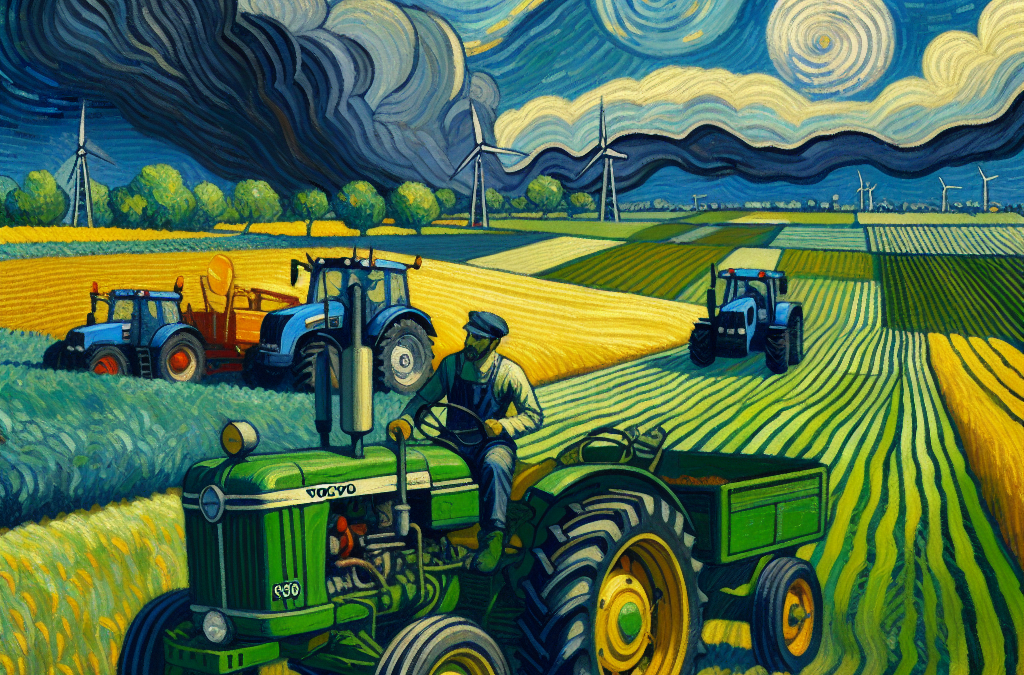
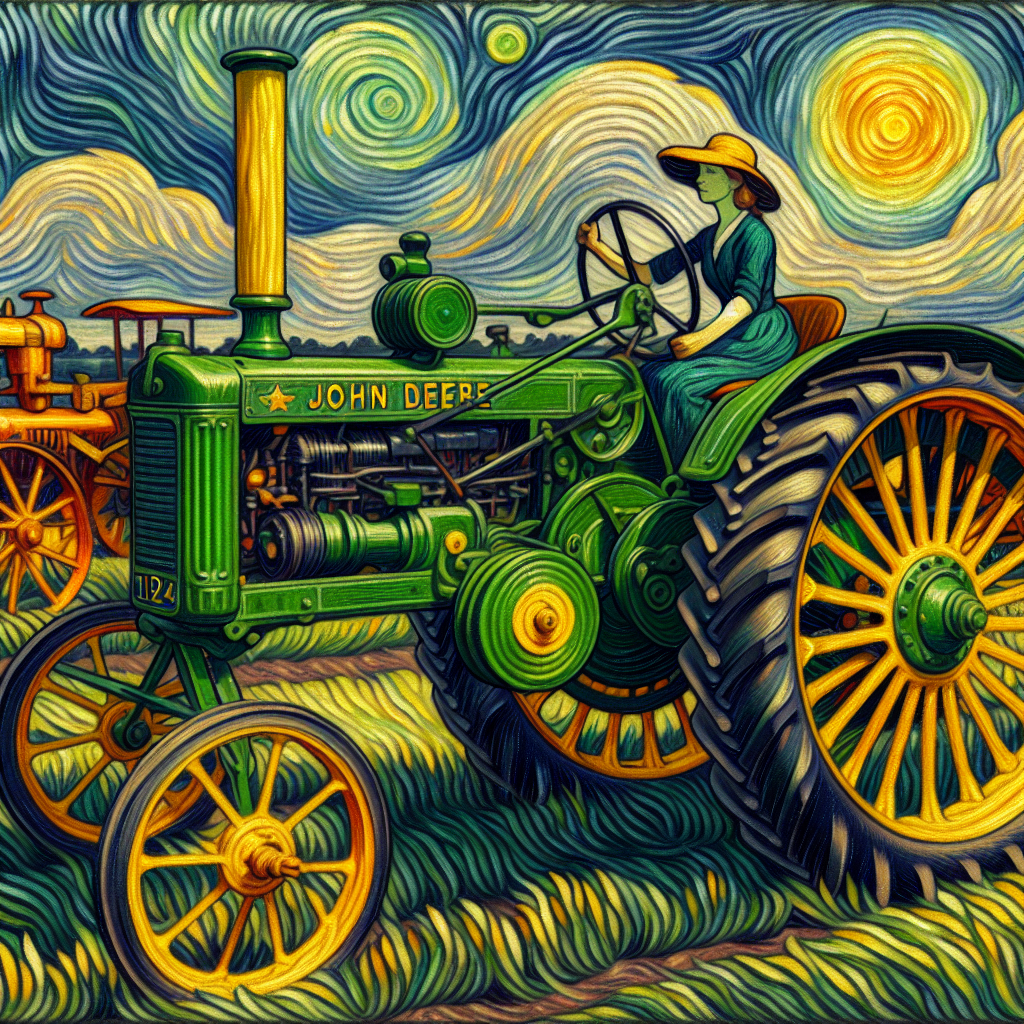
When one thinks of tractors, images of wide open fields and the hum of machinery may come to mind. But in recent years, this sturdy workhorse of agriculture has found a new home in the realm of video games and simulators. For many, these games do more than just entertain; they forge a connection to the land and the labor that sustains us.
Tractor-themed video games encapsulate the essence of rural life and farming culture. They allow players to experience the realities of managing a farm, complete with the unique challenges that come with it. Whether it’s plowing fields, planting crops, or making the tough decisions that affect the family business, these games offer a window into a world that many have either embraced as a way of life or only glimpse from afar. They evoke a sense of nostalgia for simpler times, reminding us of the importance of hard work, dedication, and a connection to the earth.
Rationally speaking, this genre’s appeal lies in its authenticity. Many simulators strive for realism, incorporating intricate mechanics that reflect actual farming practices. These games aren’t just for fun; they serve as educational tools for aspiring farmers and curious minds alike. Players learn about crop rotations, equipment maintenance, and the economic factors that influence agricultural success. The insights gained can resonate deeply with those who appreciate the land and the effort it takes to nurture it.
Ethically, these games can highlight the ongoing conversation about sustainable farming and environmental stewardship. As players navigate their virtual farms, they confront choices about how to treat the land and its resources responsibly. The notion of cultivating a better future can transcend the screen and inspire real-world action, showing that even in a digital format, there are lessons to be learned about respect for nature and the community.
Socially, tractor-themed games create spaces for connection among players, enabling a dialogue that can bridge generations. From seasoned farmers to young enthusiasts, the shared experience of virtual farming can foster relationships grounded in common values and memories. Gamers find camaraderie in their love for tractors, machinery, and farming life—a bond that is strengthened in every virtual harvest celebrated together.
So, whether you’re maneuvering a massive tractor across a sprawling digital landscape or simply reminiscing about the quiet hum of machines in the fields, these games resonate on multiple levels. They remind us of the vital connection we share with the land and the work that sustains us.
Are There Tractor-Themed Video Games Or Simulators?
Are There Tractor-Themed Video Games Or Simulators?
- Tractor-themed video games provide an immersive experience of rural life and farming culture.
- They simulate farm management challenges, including plowing fields and crop planting.
- The genre emphasizes authenticity and realism in agricultural practices.
- These games serve as educational tools, teaching players about crop rotations and equipment maintenance.
- They raise awareness about sustainable farming and environmental stewardship.
- Tractor-themed games foster social connections among players, bridging generations.
- Overall, they reinforce the vital connection between people and the land they cultivate.

Are There Tractor-Themed Video Games Or Simulators?
Table Of Contents
- Are There Tractor-Themed Video Games Or Simulators?
- Are There Tractor Games That Can Ignite Childhood Memories?
- How Do Tractor Simulators Enhance Understanding Of Farming?
- What Ethical Implications Arise From Virtual Farming In Games?
- Can Playing Simulator Games Improve Real-World Tractor Skills?
- How Do Tractor Games Foster Community Among Players?
- What Impact Do Tractor-Themed Games Have on Agriculture Awareness?
- Conclusion
- Other Resources
- Glossary Of Terms
- Other Questions
- Haiku
- Poem
- Checklist
Are There Tractor Games That Can Ignite Childhood Memories?
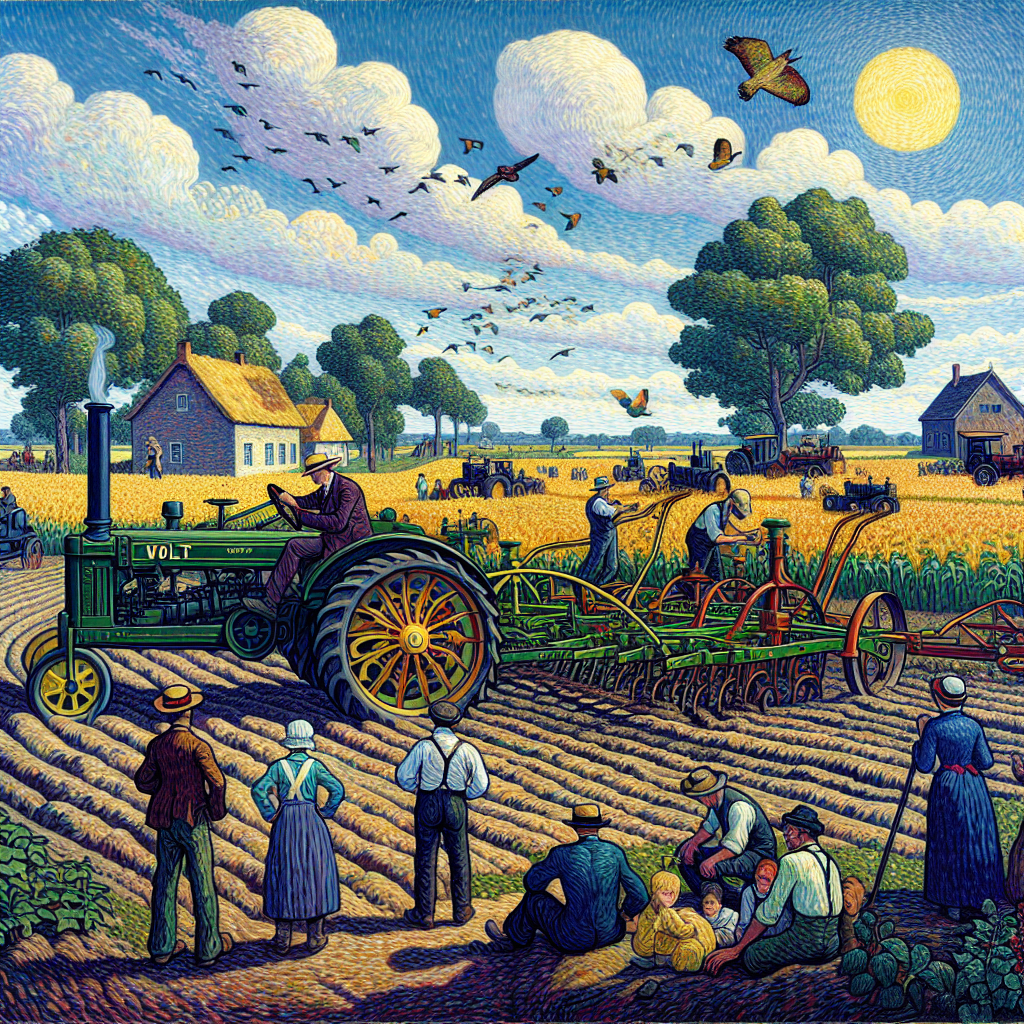
In a world overflowing with high-octane video games, there exists a unique charm in the simplicity of tractor games. These digital experiences don’t just dabble in pixels and points; they dig deep into the rich soil of our past, where the whirr of a tractor’s engine and the scent of fresh earth define the essence of childhood.
Remember the carefree days spent outdoors, where you weren’t just playing; you were part of something bigger? The tractors of yesteryear represent a lifeline to those memories—symbolizing not just machinery but the rugged grit of hard work, family bonds, and a connection to the land. There’s something undeniably powerful about hopping onto a digital tractor and plowing fields, planting crops, and harvesting the fruits of your labor. It echoes the lessons learned in humility, patience, and perseverance, lessons that have molded us into who we are today.
Engaging in tractor games allows for the nurturing of skills, such as strategy and planning, all wrapped in the guise of nostalgia. As players maneuver their tractors across virtual fields, they engage with choices that evoke responsibility and foresight, mirroring the real-world decisions we face. This isn’t mere entertainment; it’s a thoughtful engagement with our past. The games appeal not just to our heads but to our hearts, painting a picture of a simpler time—a time when a day’s work under the sun felt like more than just a job; it felt like a connection to our roots.
Ethically, these games foster a sense of community among players. They remind us of the importance of agriculture and the hard work that goes into feeding a nation. When players share their achievements, build virtual farms together, or simply reminisce about the good old days, they create a tapestry of shared experiences that bridges generational gaps.
Tractor games call on the authority of our memories, evoking stories of families gathering for harvests or early mornings in the fields. They resonate across the spectrum of youth, reminding us of our first rides and adventures. In this shared space, we come together, united by a common thread of nostalgia.
So, whether you’re a seasoned gamer or someone seeking a taste of your roots, tractor games offer a journey back in time. They invite everyone to reconnect with the essence of hard work and the sheer joy of the harvest, grounding us in values that transcend time and technology. Dive into these games and let them stir your spirit; they’re more than just pixels—they’re a pathway back to the heart of childhood.
Are There Tractor Games That Can Ignite Childhood Memories?
Are There Tractor Games That Can Ignite Childhood Memories?
- Tractor games offer a unique charm amid high-octane video games, connecting players to childhood memories.
- They symbolize hard work, family bonds, and a connection to the land.
- Playing these games nurtures skills like strategy and planning, fostering responsibility and foresight.
- Tractor games engage players emotionally, evoking nostalgia for simpler times.
- They promote community among players, highlighting the importance of agriculture and shared experiences.
- The games evoke memories of family gatherings and early morning adventures in the fields.
- They provide a journey back to one’s roots, celebrating hard work and the joy of harvest.
Are There Tractor Games That Can Ignite Childhood Memories?
How Do Tractor Simulators Enhance Understanding Of Farming?
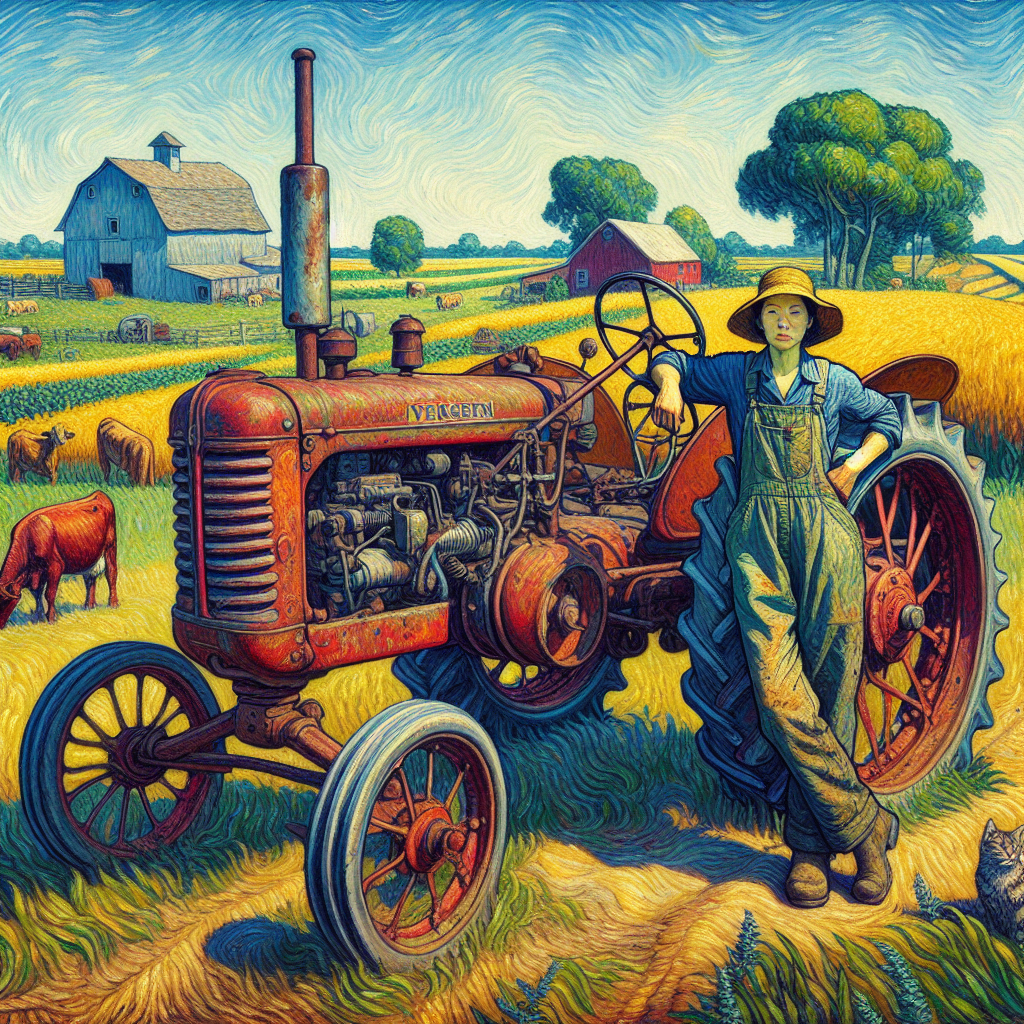
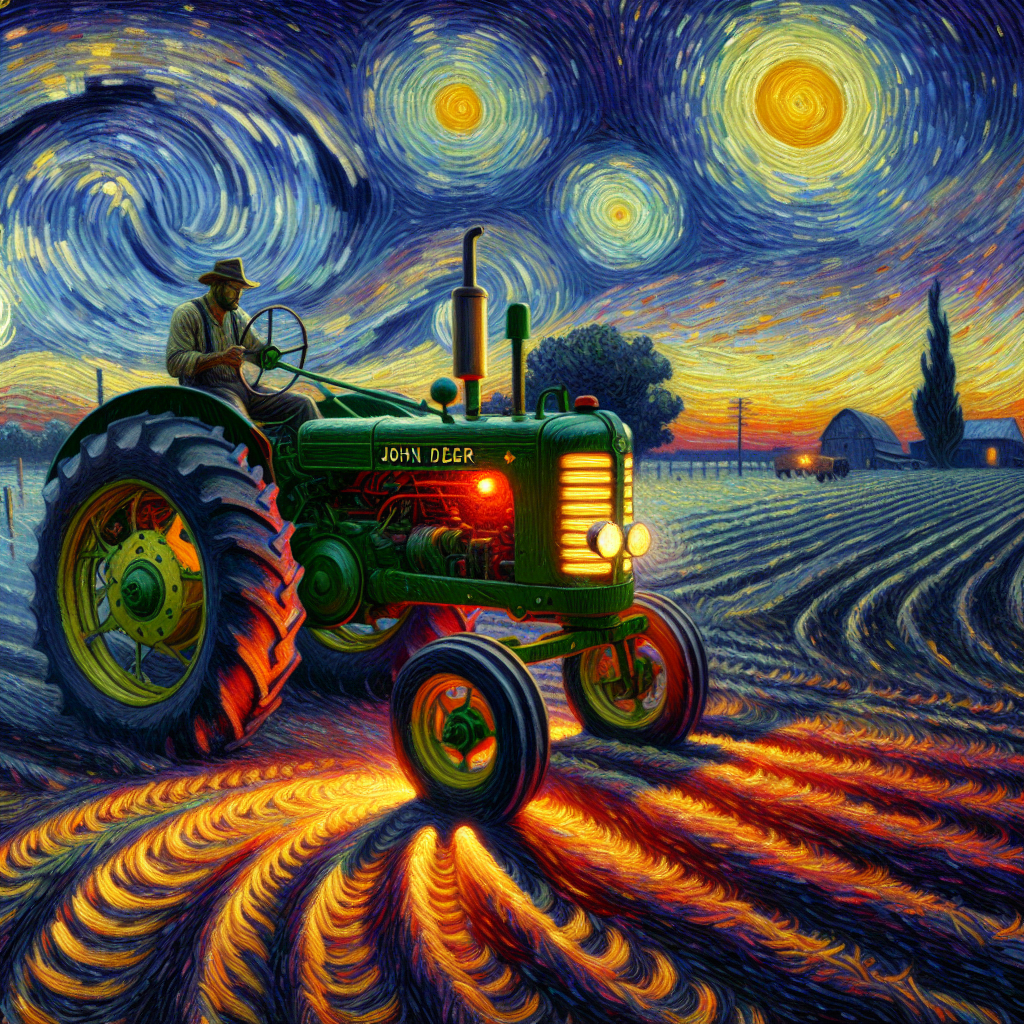
Tractor simulators have the remarkable ability to transform the way we understand farming, bridging the gap between theory and practice. Imagine a young child, eyes wide with wonder, as they navigate the vast digital fields of a tractor simulator. This experience isn’t just about operating machinery; it’s a doorway to the rich tapestry of agriculture, blending tradition with cutting-edge technology. For many, the allure of farming stems from its deep roots in community and culture, and these simulators nurture that connection, allowing us to engage with the land in a meaningful way.
Through the lens of a simulator, users gain a practical insight into the complexities of daily farming life. The realistic economic scenarios that the simulation presents encourage critical thinking about resource management—everything from planting to harvesting. You can feel the weight of responsibility that comes with making decisions that affect the entire ecosystem. This immersive experience plants a seed of understanding about sustainability and ethical farming practices in an engaging manner, appealing to both the rational and emotional side of the user.
On a broader scale, tractor simulators serve as vital educational tools, offering access to farming techniques for those who may not have the opportunity to engage directly with a tractor. This democratization of knowledge fosters a sense of community among users, whether they are students in a classroom in the city or future farmers in rural towns. Everyone gets a turn behind the wheel, nurturing a shared understanding of agricultural challenges and triumphs. This social connection deepens our appreciation for the labor and dedication that go into producing food—a reminder that every meal on our plates has its origins in hard work and perseverance.
Moreover, as we navigate these virtual fields, we tap into a narrative of resilience. Each scenario a reminder of past farmers’ struggles and successes, guiding us toward solutions in our modern agricultural challenges. When faced with unpredictable weather patterns or supply chain issues, the insights garnered from simulator training can foster confidence and adaptability.
Tractor simulators do more than teach; they inspire trust in our ability to tackle the future of farming together. They equip us with the knowledge and skills to embrace a sustainable future, ensuring that the heart of agriculture beats strong for generations to come. So hop on, feel the rumble of the engine, and navigate this landscape of opportunity. The future of farming awaits.
How Do Tractor Simulators Enhance Understanding Of Farming?
How Do Tractor Simulators Enhance Understanding Of Farming?
- Tractor simulators bridge the gap between theory and practice, transforming our understanding of farming.
- They provide an immersive experience that combines tradition with modern technology, enhancing engagement with agriculture.
- Users gain practical insights into daily farming complexities, encouraging critical thinking about resource management.
- These simulators democratize knowledge, making farming techniques accessible to users in various settings.
- They nurture a sense of community and shared understanding of agricultural challenges and triumphs among users.
- Tractor simulators provide lessons in resilience, preparing users for modern agricultural challenges.
- They inspire confidence and trust in the future of sustainable farming, ensuring the longevity of agricultural practices.
How Do Tractor Simulators Enhance Understanding Of Farming?
What Ethical Implications Arise From Virtual Farming In Games?
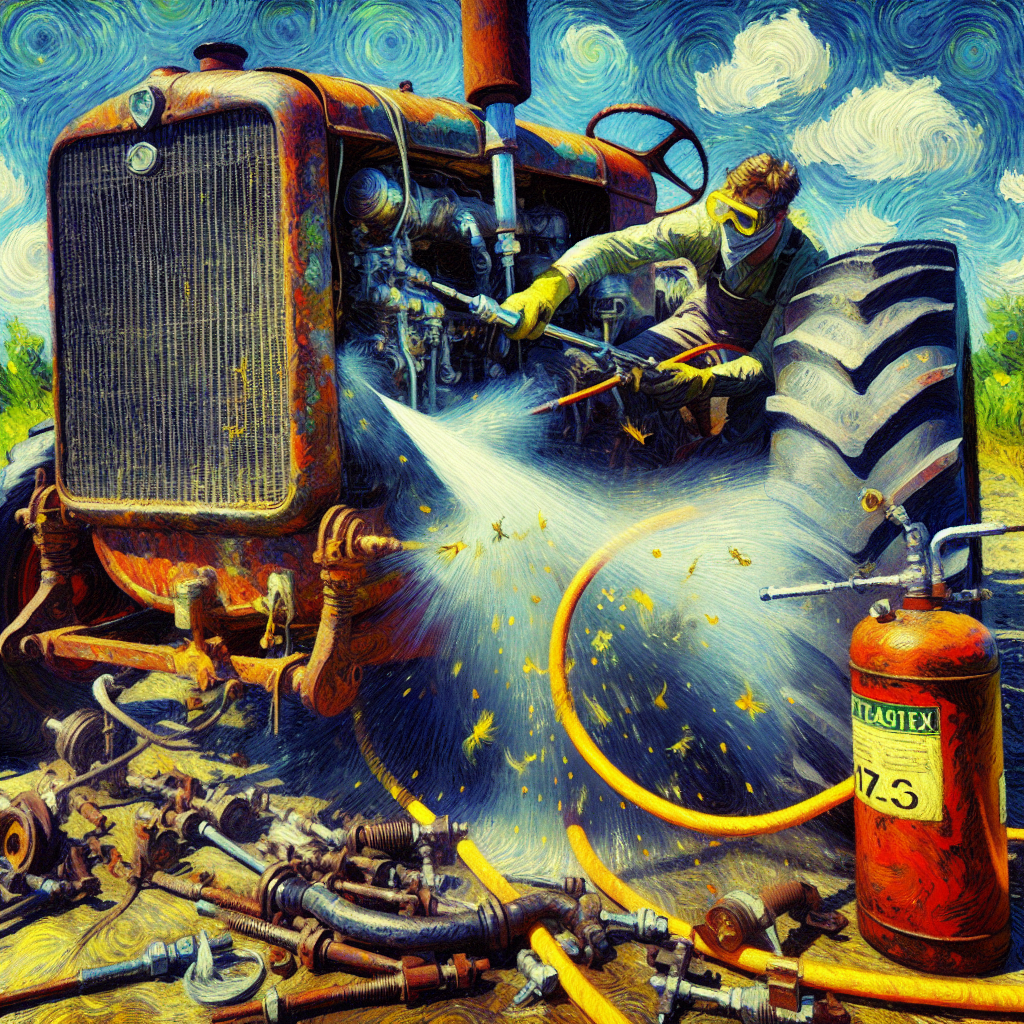
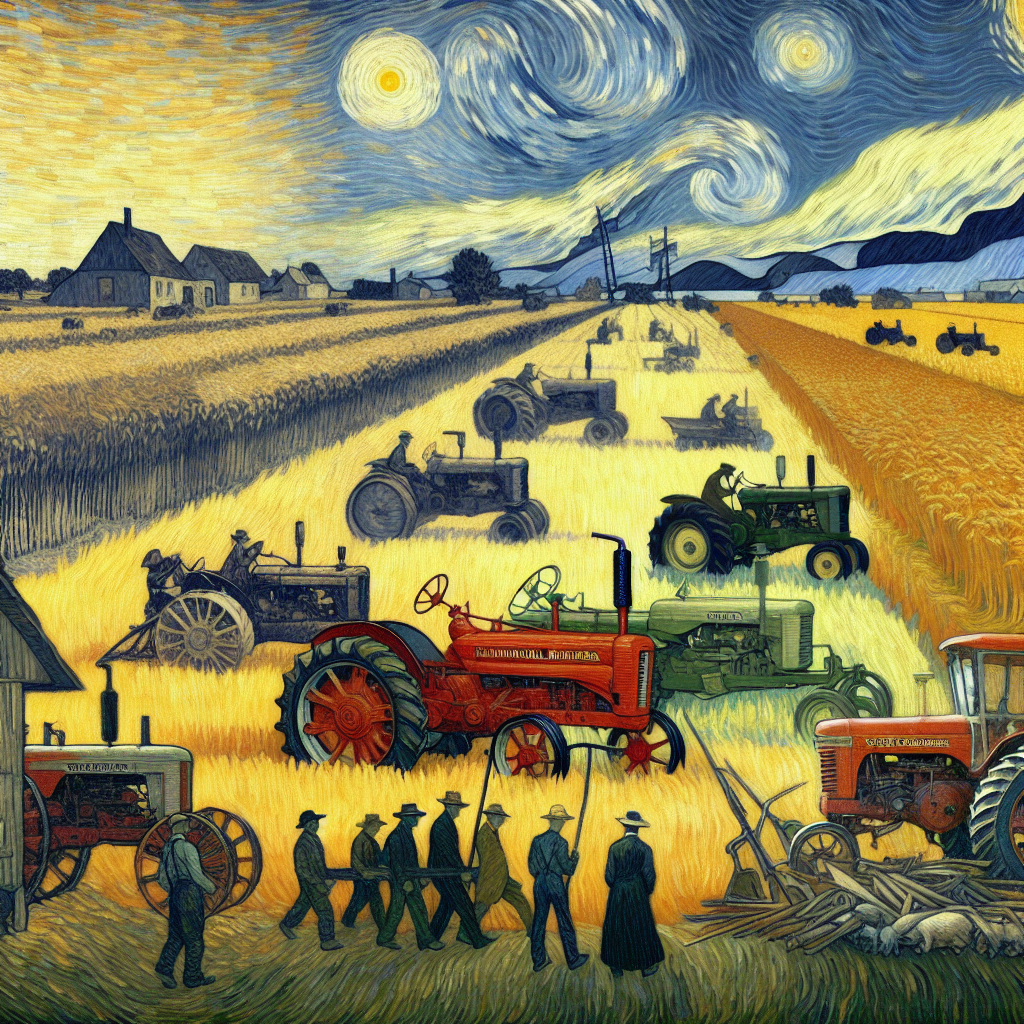
Virtual farming in games has blossomed into a cultural phenomenon, blending leisure with the allure of agricultural life. Yet, beneath the surface of pixelated crops and charming tractors, a web of ethical implications emerges. This isn’t just about cultivating fields; it’s about nurturing values, connections, and responsibility.
Imagine the young players, their fingers dancing over the controls, creating lush landscapes out of thin air. They nurture virtual crops, celebrating each harvest, but how often do they reflect on the real world that inspires these digital escapes? Here lies the heart of the matter. While players cultivate their in-game farms, they might disconnect from the realities of actual farming—the toil, the weather, the sweat, and not just the satisfaction that comes with a well-timed harvest. This creates a gap between appreciating the effort that goes into genuine agriculture and viewing farming as merely a charming, faded picture on a screen.
Rationally, one must consider the economic implications of this virtual farming trend. Game developers craft these environments to engage players, teaching valuable skills like planning and resource management. But as players get lost in these engaging digital realms, they may forget the complexities of real-world farming, including the ethical treatment of workers and sustainable practices. A societal shift can occur where the digital form overshadows the reality, with players losing sight of the vital role ethics play in food production and environmental stewardship.
There’s also an emotional undertone. A player’s virtual tractor might symbolize achievement and freedom, yet it also hints at an unconscious detachment from the struggles of those who rely on farming for their livelihood. Each decision made within the confines of a game can ripple outward into our real lives. Gamers might be inspired to treat farm life as just another transaction rather than a significant part of the global ecosystem.
Lastly, the social aspect cannot be overlooked. These games create online communities, fostering discussions and connections among players. They converge around shared interests, but what happens when the players’ moral compass begins to skew? Are we cultivating empathy as we harvest pixels, or are we merely creating a silo of self-indulgence, oblivious to the real farmers who depend on their hard, gritty work? This serves as a call to action: let’s engage with the ethics of what we cultivate, both in-game and out, ensuring that our love for virtual farming translates into a genuine appreciation for the agricultural world that feeds us all.
What Ethical Implications Arise From Virtual Farming In Games?
What Ethical Implications Arise From Virtual Farming In Games?
- Virtual farming in games merges leisure with agricultural life, highlighting ethical implications.
- Players may disconnect from real-world farming realities while enjoying their digital escapes.
- This detachment creates a gap in appreciating the labor involved in genuine agriculture.
- Virtual farming games teach valuable skills but can overshadow complexities of real farming.
- Players might treat farm life as a transaction, losing sight of its significance in the ecosystem.
- Online communities formed around these games may influence players’ moral perspectives.
- A call to action exists to engage with the ethical dimensions of virtual farming for real-world appreciation.
What Ethical Implications Arise From Virtual Farming In Games?
Can Playing Simulator Games Improve Real-World Tractor Skills?
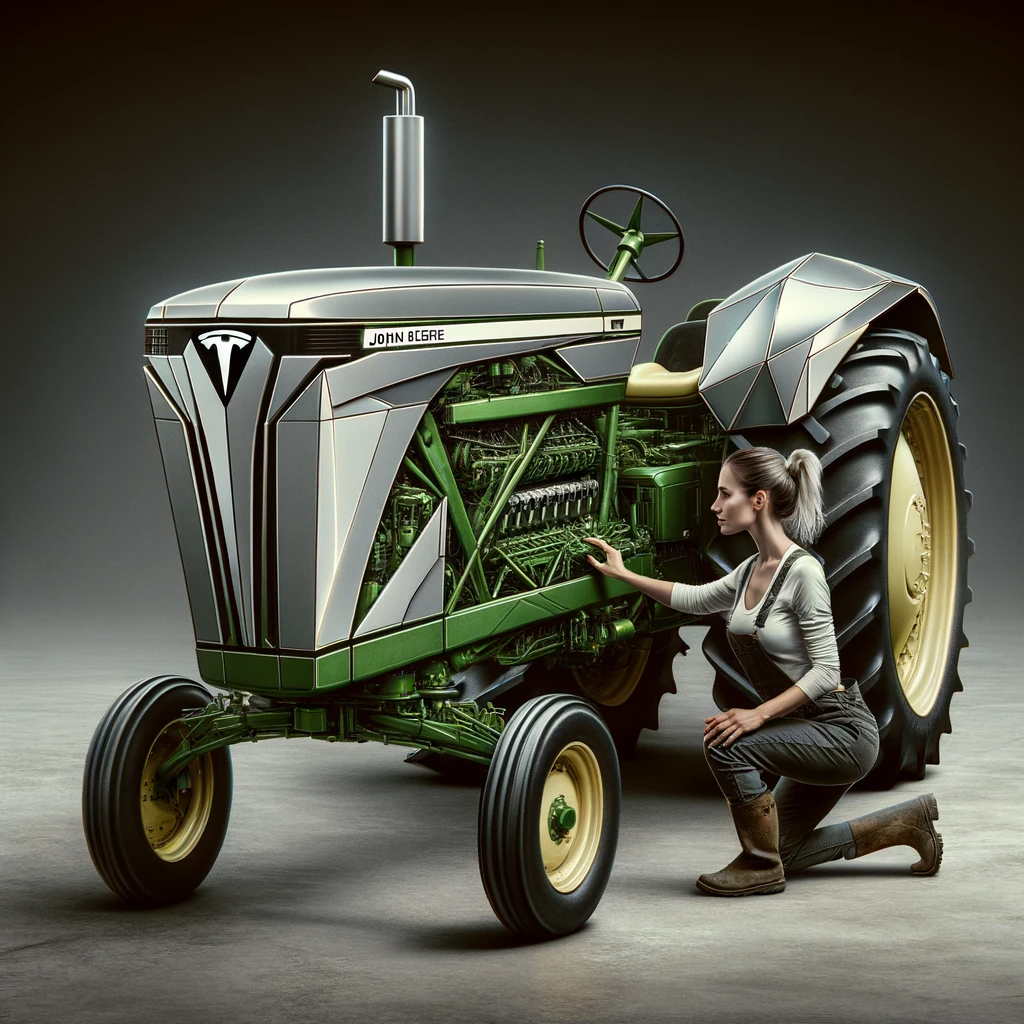
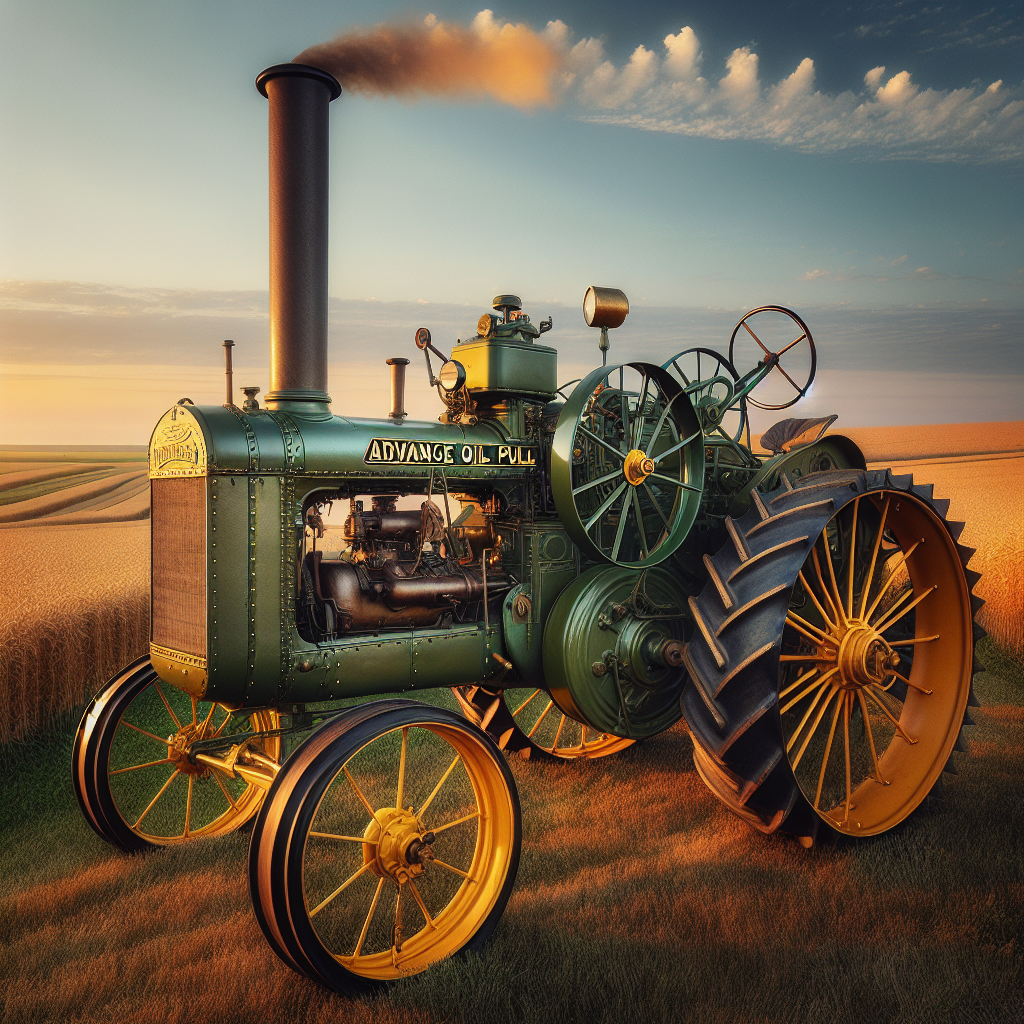
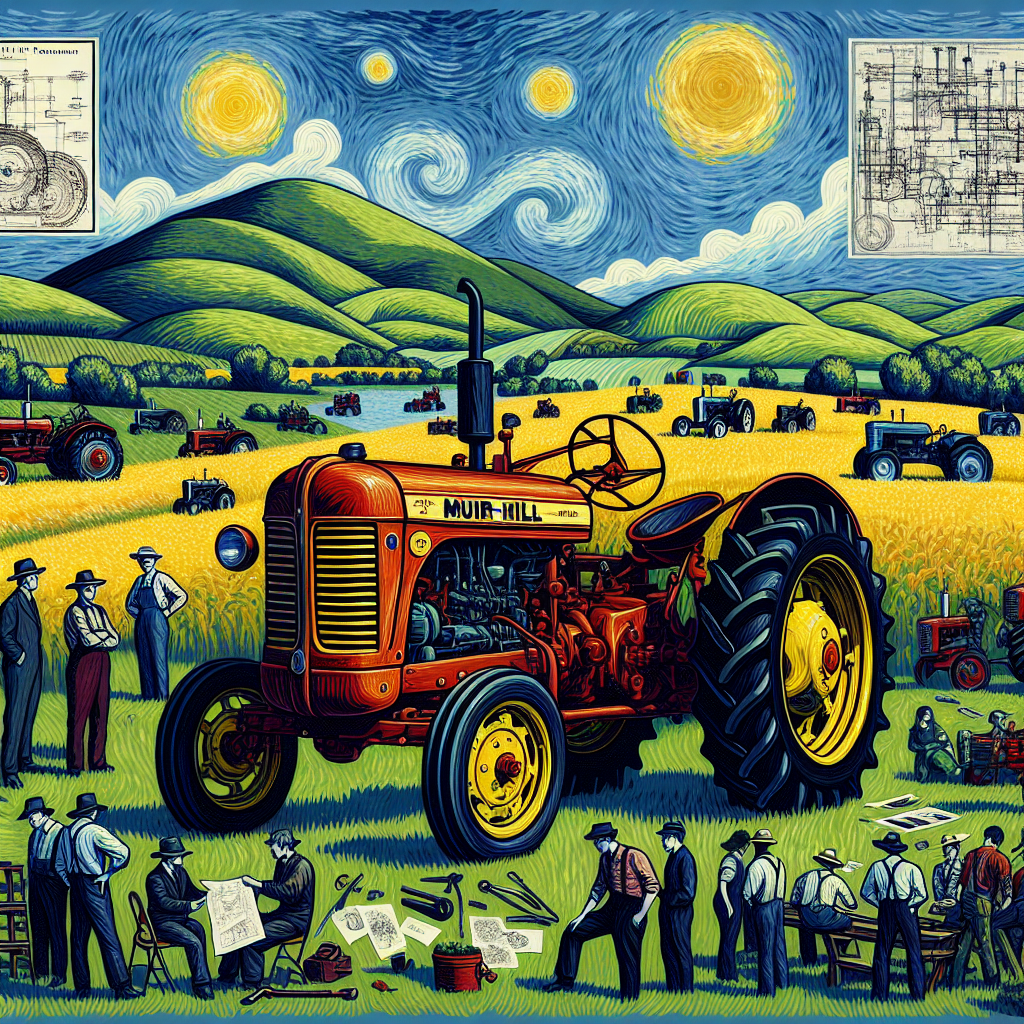
When you think of a tractor, perhaps you picture sprawling fields, the earthy scent of tilled soil, and the rhythmic hum of machinery in motion. It’s not just a piece of equipment; it’s a symbol of hard work, tradition, and connection to the land. In recent years, the rise of simulator games has opened up a new frontier in training and skill development, merging that nostalgic image with cutting-edge technology. But can these digital experiences truly translate to real-world tractor mastery? Let’s take a closer look.
Imagine a young woman sitting in her living room, gripping a controller, the screen before her vibrant with virtual landscapes. As she maneuvers the tractor through simulated terrain—navigating obstacles, adjusting the speed, and responding to unexpected challenges—she’s not merely playing; she’s learning. The emotional connection she cultivates with the tractor in six virtual acres reflects the very same dedication she will need when it’s time to operate the real machinery. There’s a powerful sense of achievement each time she completes a task, and that empowerment can foster her confidence when she steps into the cab of a real tractor.
From a rational standpoint, simulator games offer an array of benefits. They provide a safe environment to make mistakes without the risk of injury or damage, allowing players to develop critical thinking and decision-making skills. The physics of these simulated tractors often mirrors their real-world counterparts closely enough to give aspiring operators a strong foundation before ever touching the ignition.
Ethically, investing time in these simulators can bridge the gap between generations. Experienced farmers who understand the values of hard work and reliability can share their knowledge with younger players, creating a synergistic relationship. This fosters a culture of resilience and respect for the craft of farming—a vital connection as the agricultural world faces ever-evolving challenges.
Socially, simulator games invite a community of fellow enthusiasts, bridging distances between players. Engaging in cooperative farming missions or competitions promotes teamwork and dialogue, celebrating a shared passion for tractors and agricultural life. It’s not just about the game; it’s about fostering relationships and building a network that thrives on shared experiences.
In a time when the world increasingly embraces technology, turning to simulator games as a training tool is not just reasonable; it’s a hopeful step towards preserving the love for tractors and all they represent in our lives. The next time you see a tractor—or better yet, hop into one—you might just find that virtual lessons translate into real-world skills, ready to guide you through the fields of life.
Can Playing Simulator Games Improve Real-World Tractor Skills?
Can Playing Simulator Games Improve Real-World Tractor Skills?
- Tractors symbolize hard work, tradition, and a connection to the land.
- Simulator games combine nostalgic imagery with modern technology for training.
- Players can learn and develop skills in a safe virtual environment.
- Simulators build emotional connections and foster confidence in real-world operations.
- They bridge generational knowledge gaps between experienced farmers and younger players.
- Simulator games promote community engagement, teamwork, and shared experiences.
- Utilizing technology in training helps preserve the love for tractors and agricultural practices.
Can Playing Simulator Games Improve Real-World Tractor Skills?
How Do Tractor Games Foster Community Among Players?
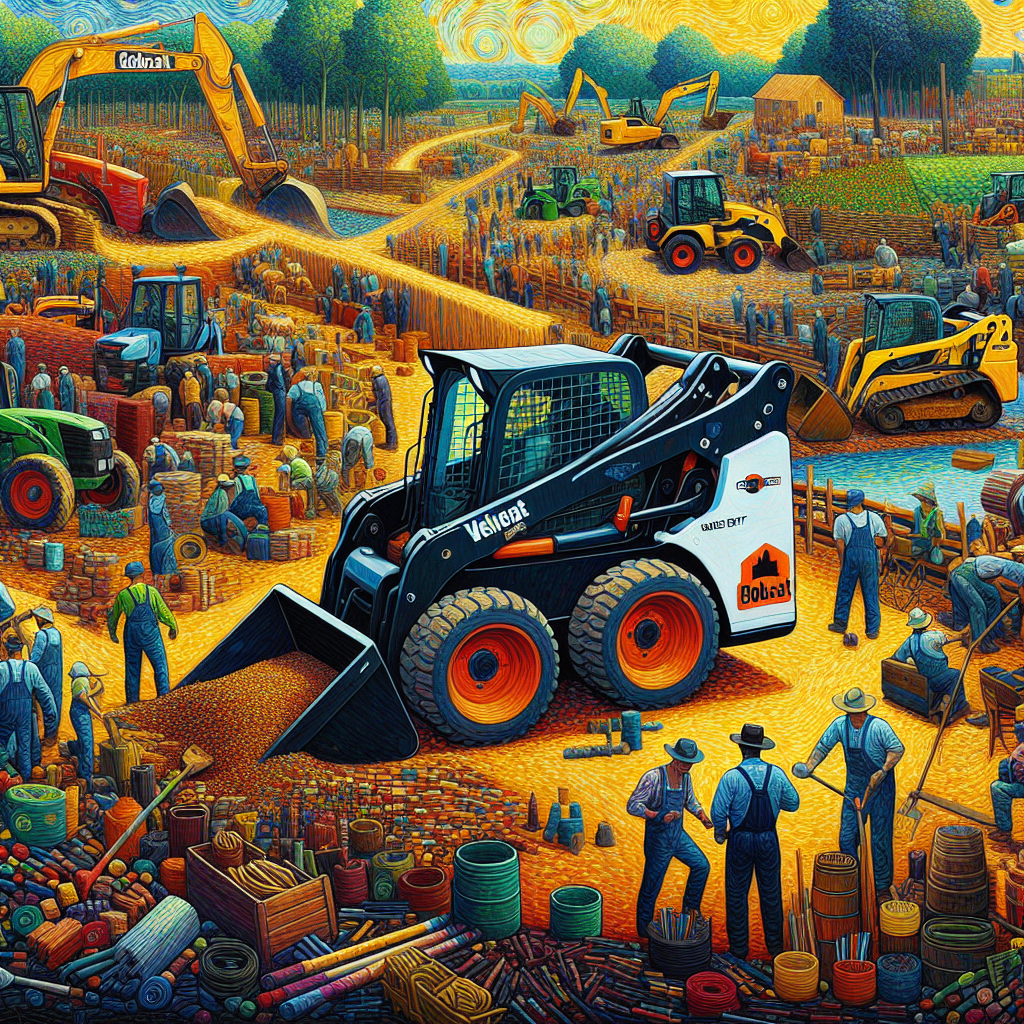
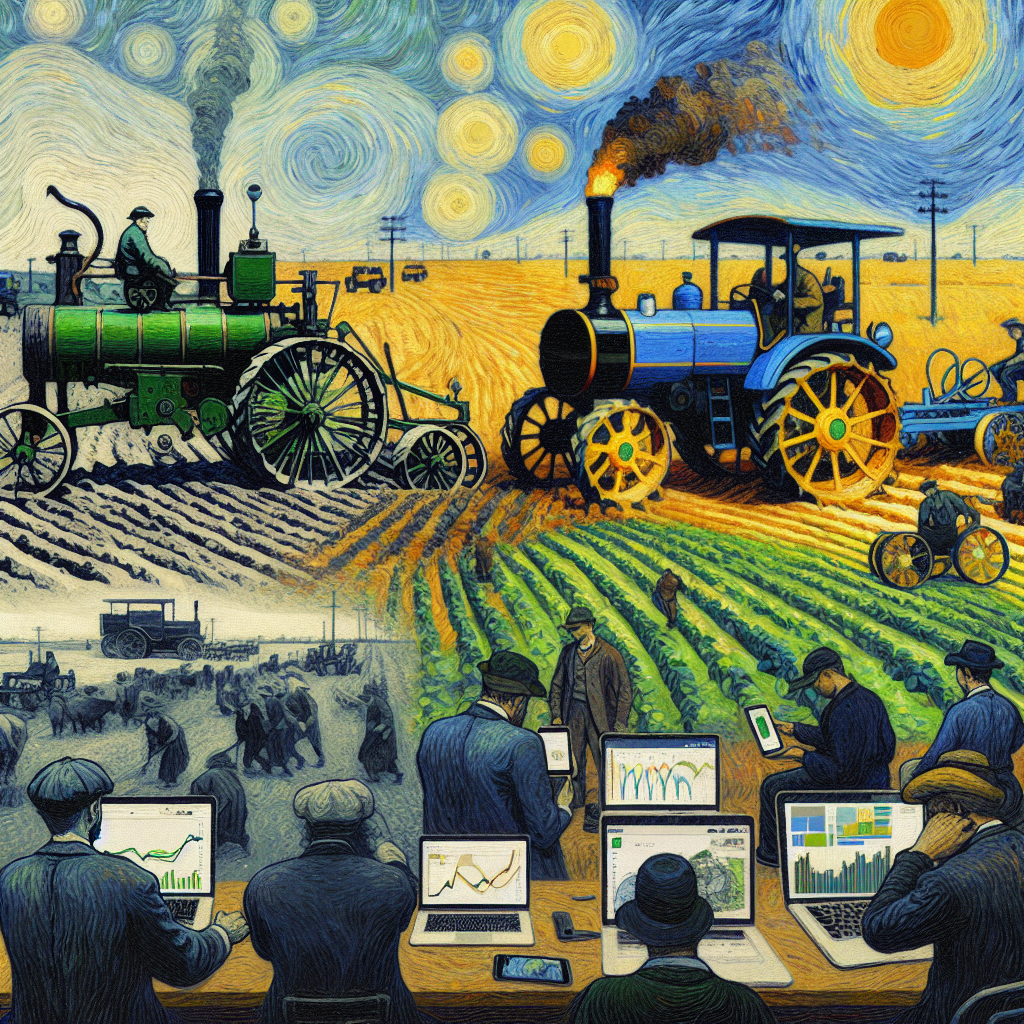
Tractor games have carved out a unique niche, where the hum of engines and the scent of fresh earth translate into a vibrant online community. Players come together not merely to simulate farming, but to share in the joys and struggles inherent to stewardship of the land. These games foster a communal bond that extends beyond the screen, echoing the values of hard work, dedication, and a love for the agricultural lifestyle.
At the heart of this connection is the simple joy of collaboration. Whether it’s a virtual harvest or a challenging mission, joining forces with fellow players creates a shared experience that resonates deeply. The tactile sensation of maneuvering a tractor across sprawling fields, albeit digitally, evokes nostalgia and a sense of belonging. It is emotional storytelling at its best, allowing players to relate to one another through shared successes and failures, drawing out laughter and camaraderie in equal measure.
Rationally, the mechanics of these games encourage strategic thinking and problem-solving, which can translate into real-world skills. Participants learn about resource management, efficiency, and the impact of yield—all while engaging in friendly competition or cooperation with neighbors. Every gameplay session becomes a lesson in both agriculture and teamwork, enabling players to appreciate the nuances of farming while forming bonds with others who share the same interests.
Ethically, these games promote values such as cooperation over competition. Players often find themselves working together to overcome challenges, reinforcing respect for one another’s contributions. The virtual farms become a sanctuary of kindness, where players learn that collaboration leads to greater rewards—not just in terms of game outcomes, but in friendships forged along the way.
Establishing authority is natural in this context. Players share tips, advice, and even personal stories from their own farming backgrounds, enriching the collective knowledge of the community. Each interaction builds trust, allowing newcomers to learn from seasoned players, creating a ripple effect of mentorship and support.
Ultimately, tractor games aren’t just about gaming; they embody a connection that invites players to become part of something greater than themselves. They represent shared values, collective achievements, and a respect for the land and each other. In a world that can feel isolating, these games harness the metaphorical tractor, plowing a path towards genuine community, trust, and connection.
How Do Tractor Games Foster Community Among Players?
How Do Tractor Games Foster Community Among Players?
- Tractor games create a vibrant online community focused on farming simulation and land stewardship.
- Collaboration among players fosters shared experiences, nostalgia, and emotional connection.
- The games promote strategic thinking and problem-solving, developing real-world skills like resource management.
- Friendly competition and cooperation enhance players’ understanding of agriculture and teamwork.
- Ethical values such as cooperation and respect for contributions are emphasized, creating a supportive environment.
- Players build trust through sharing tips and personal farming stories, fostering mentorship and community growth.
- Tractor games embody collective achievements and respect for the land, nurturing genuine connections in a digital world.
How Do Tractor Games Foster Community Among Players?
What Impact Do Tractor-Themed Games Have on Agriculture Awareness?
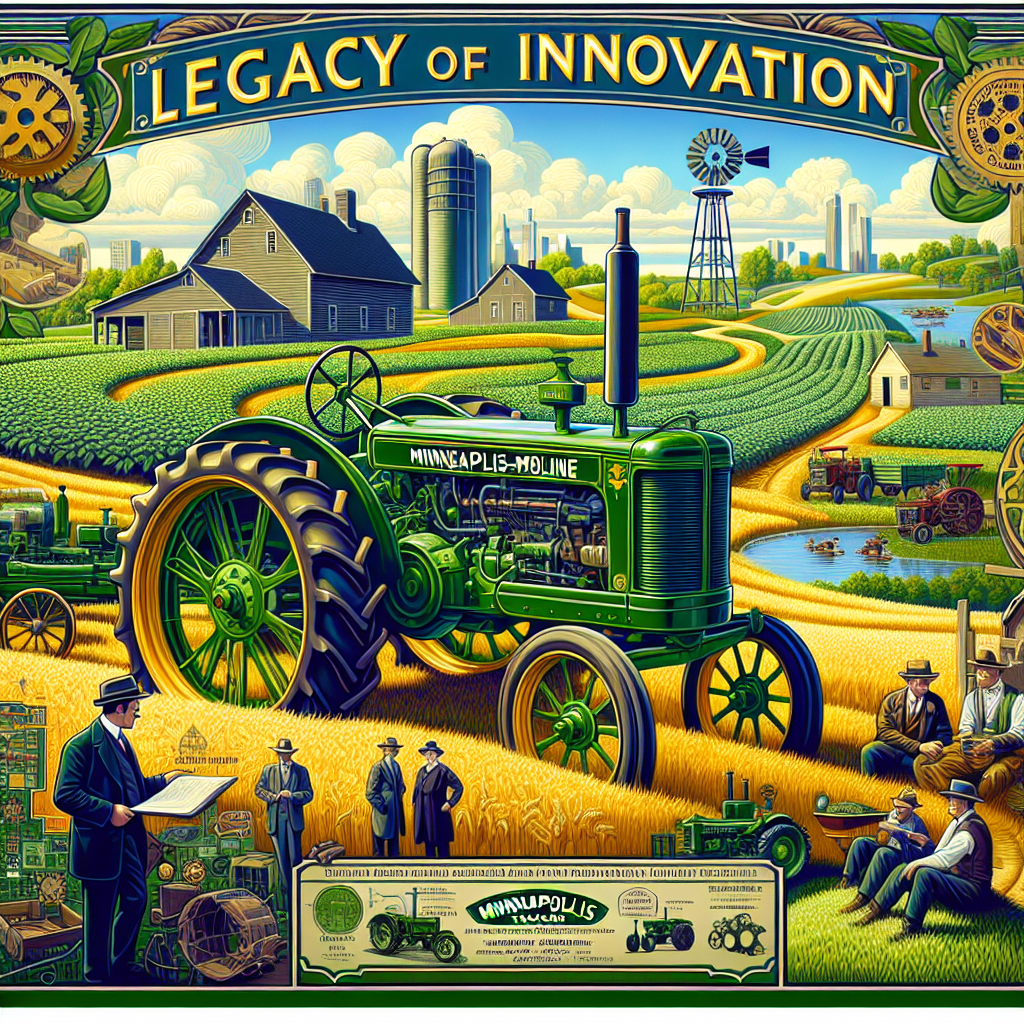
In a world increasingly distanced from the roots of farming, tractor-themed games serve as an unexpected bridge to agriculture awareness. These games tap into the heart, head, and gut of players, offering not just entertainment but a chance to appreciate the hard work behind our food systems. They invite us to take a step into the muddy boots of farmers, who rely on these powerful machines to cultivate the land.
Engaging with a tractor in a virtual environment ignites a connection. It’s more than just pulling a joystick; it’s about understanding the heavy responsibilities that come with each pass across a field. It’s about feeling the weight of the crops harvested and realizing that each button pressed echoes the real-life challenges farmers face daily. This emotional draw fosters a deeper connection to the food on our plates, resonating with players long after the game ends.
Rationally, these games present a unique educational angle. They introduce players to agricultural concepts like crop rotation, soil health, and sustainable farming practices, all intricately tied to the operation of a tractor. By relating complex agricultural science in a digestible format, they promote awareness and appreciation. Players begin to see agriculture as a complex balance of science and art, igniting a curiosity that could lead to real-life inquiries about food sourcing and farming.
Ethically, a successful tractor-themed game can spark discussions about the importance of supporting local farmers and sustainable agriculture. It encourages players to consider the impacts of their food choices, inspiring action toward ethical consumerism. As players identify with virtual farmers, they often feel compelled to champion the cause of real farmers, advocating for better practices that align with their newfound understanding.
Authority figures in the agricultural sector have also recognized the potent effect of these games, seeing them as tools for engagement and education. With farms increasingly struggling against urbanization and misconceptions about farming, these games represent an opportunity to counter myths and unveil the realities of modern agriculture.
Through narratives woven within gameplay, players can find shared experiences, connecting over the struggles and triumphs of farming life. These shared stories build a community around agriculture that transcends generations, bridging the gap between seasoned farmers and curious newcomers.
In essence, tractor-themed games are more than mere pixels on a screen; they are a call to action, empowering us to invest in the stories of our food and the people behind it. They invite us to appreciate agriculture not just as an economic sector, but as a vital thread in the fabric of our society.
What Impact Do Tractor-Themed Games Have on Agriculture Awareness?
What Impact Do Tractor-Themed Games Have on Agriculture Awareness?
- Tractor-themed games bridge the gap between modern life and agricultural awareness.
- Players experience the challenges and responsibilities of farming through engaging gameplay.
- The games educate players on concepts like crop rotation, soil health, and sustainable practices.
- They foster a deeper connection to the food system, promoting curiosity about food sourcing.
- These games can inspire ethical consumerism and support for local farmers.
- Authority figures in agriculture recognize these games as valuable educational tools.
- Through shared gameplay narratives, a community around agriculture is created, connecting generations.
What Impact Do Tractor-Themed Games Have on Agriculture Awareness?
Conclusion
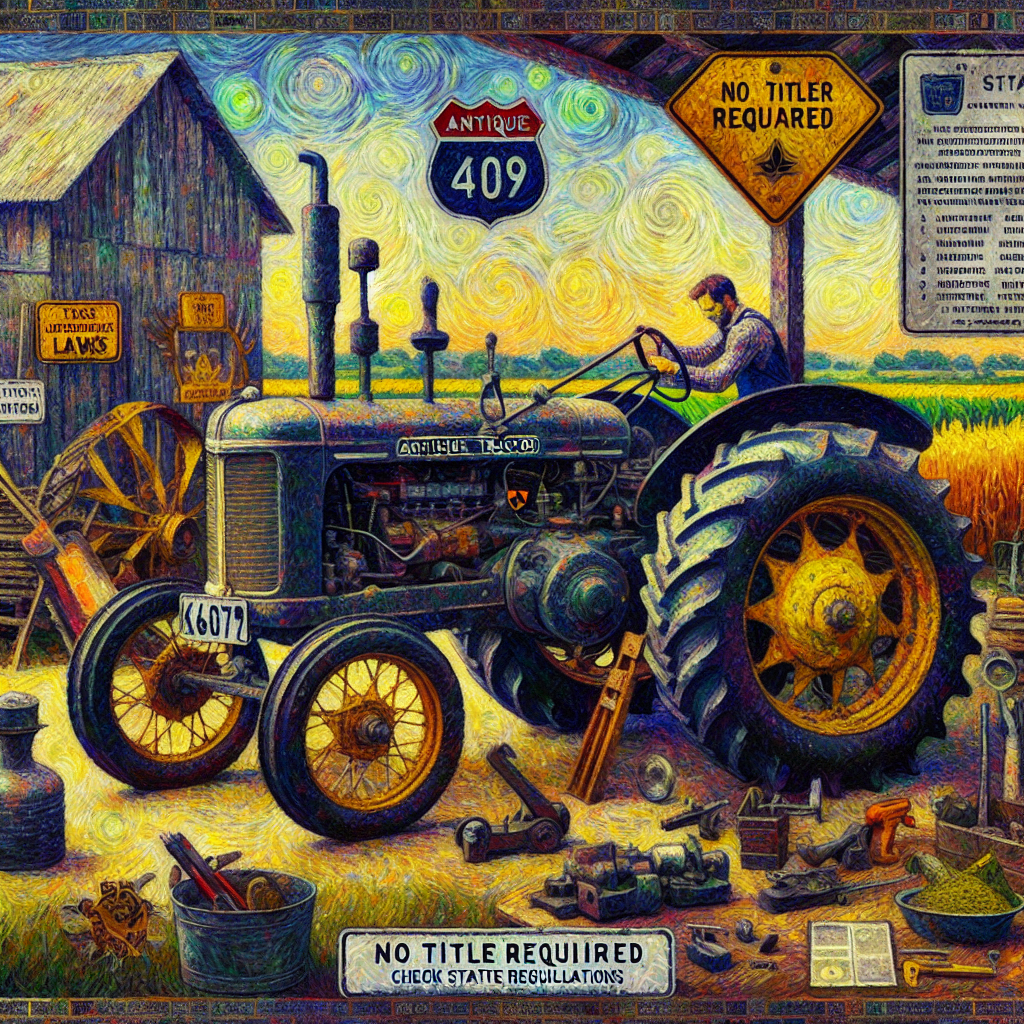
Tractor-themed video games and simulators have emerged as a vibrant arena where nostalgia, education, and community intersect. They transport players into the heart of agriculture, enabling them to experience the trials and triumphs of farming, from plowing fields to making critical decisions that impact future crops. This digital embrace of farming doesn’t just entertain; it forges a connection with the land, reminding us of the hard work that underpins our food systems and the values of dedication and perseverance that have shaped generations.
In a world increasingly divorced from its agricultural roots, these games serve as both a playful escape and a crucial educational platform. They engage players deeply, presenting complex agricultural concepts such as crop rotations and sustainable practices in an accessible format. By simulating real-life farming challenges, they cultivate understanding and appreciation for the labor that nourishes us, urging players to think critically about their food sources and the path food takes from farm to table.
The ethical implications of these games extend beyond mere gameplay. They inspire discussions around sustainable farming and responsible land stewardship, illuminating the necessity of respecting our environment. As players navigate their virtual farms, they are prompted to consider the real-world ramifications of agricultural practices, building a bridge between their digital experiences and tangible actions that can impact local farming communities.
Moreover, these games foster a sense of community, uniting people across generations through shared experiences and memories of farming life. Whether it’s a seasoned farmer reminiscing about early mornings in the fields or a young player discovering the joys of tractor operation, the camaraderie formed in these digital landscapes transcends age barriers, promoting a culture of respect for both the land and one another.
As players dive into the world of tractor-themed games, they do more than maneuver virtual machinery; they partake in a narrative that connects emotion with responsibility, learning with growing. Each digital harvest is a reminder of the hard work embodied in every meal, urging players to foster not just a passion for virtual farming, but a genuine appreciation for the agricultural world.
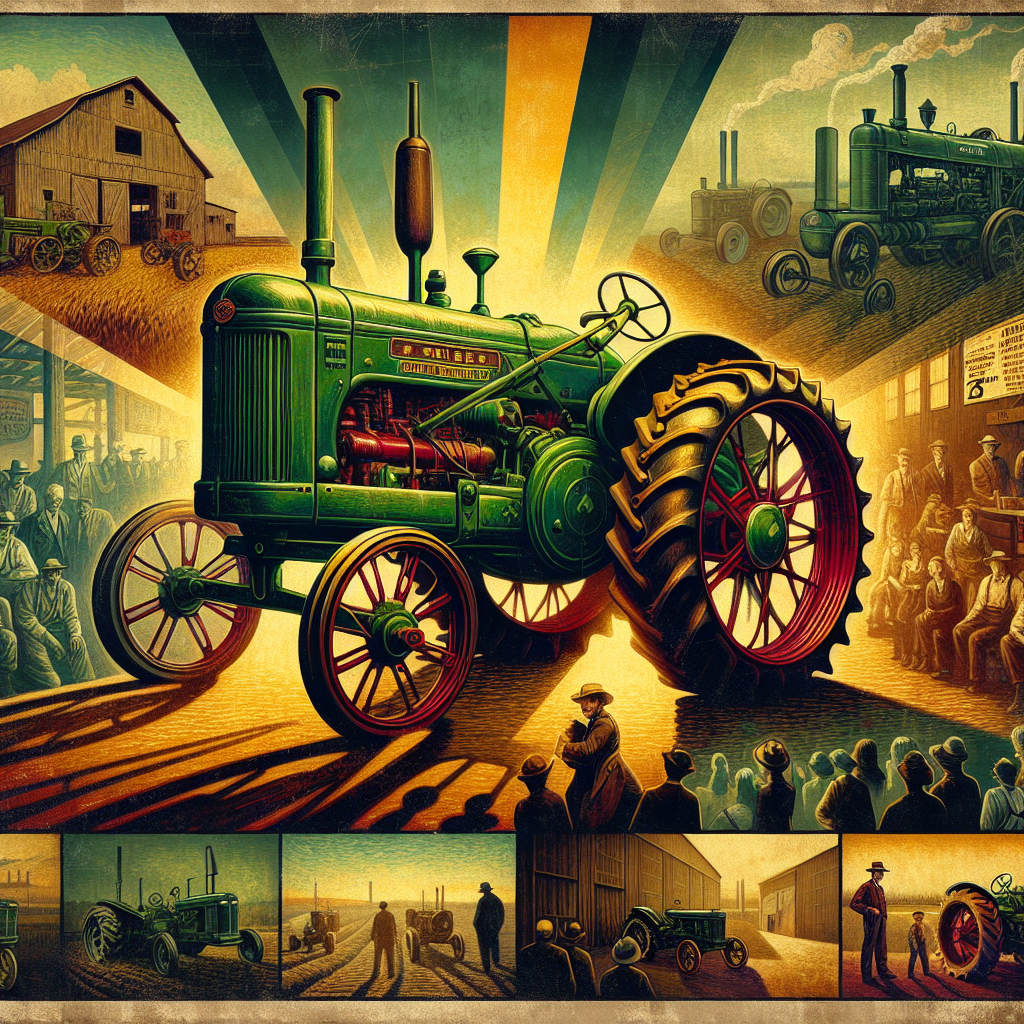
In essence, tractor games capture the essence of what it means to cultivate, nurture, and belong to something greater than oneself. They invite us to reflect on our role in the agricultural landscape, encouraging cooperation, understanding, and advocacy for the core values that sustain us all.
Conclusion
Conclusion:
- Tractor-themed video games blend nostalgia, education, and community, immersing players in agriculture.
- They illustrate the challenges of farming, fostering a connection with the land and values of hard work.
- These games serve as an educational platform, presenting complex agricultural concepts in an engaging format.
- They inspire critical thought about food sources and the journey from farm to table.
- Players are prompted to consider the real-world impacts of agricultural practices, promoting environmental respect.
- These games unite people across generations, sharing memories and fostering respect for farming life.
- Tractor games encourage a deeper appreciation for agriculture, nurturing a sense of responsibility and community.
Conclusion
Other Resources
Other Resources
Here is a list of other resources you can review online to learn more:
- Schilter
- Indiana Farm Equipmentand Technology Expo
- IMR Rakovica
- Ag King
- Farm Equipment Manufacturers Association
- KUHN
- Agra Cat
- Gibson
- Antique Tractor Values
- Versatile
- Agriculture and the Environment
- Stihl
- Agriculture Heritage Center & Museum
- IMT
- SAME
- Antique Farm Equipment Museum
- Minneapolis
- Barn Finds
- Hitachi
- LeRoi
Use This Prompt To Get More Resources With Your Favorite Online AI Tool: Please provide me with a list of online articles with their URLs in a bulleted list that I can read regarding Are There Tractor-Themed Video Games Or Simulators?
Other Resources
Glossary Terms
Are There Tractor-Themed Video Games Or Simulators? – Glossary Of Terms
1. Tractor Simulator: A video game that simulates the operation of tractors and agricultural machinery, allowing players to engage in farming activities.
2. Farming Game: A genre of video games focused on the management and cultivation of farms, often involving tractor operations for various tasks.
3. Harvesting: The process of gathering ripe crops from the field, often performed using tractors and specialized machinery in video games.
4. Plowing: A farming activity involving the turning of soil to prepare for planting, typically represented in tractor simulation games.
5. Crop Management: Strategies and activities involved in growing, maintaining, and harvesting crops, often a key feature in farming simulations.
6. Equipment Upgrades: Enhancements or additions to tractors and machinery in games to improve performance and productivity.
7. Realism: A feature in simulator games that aims to accurately replicate the physics and experiences of actual farming operations.
8. Multiplayer Mode: A gameplay feature that allows multiple players to engage in farming activities together in a virtual environment.
9. Seasonal Changes: Dynamic changes in weather and crop growth cycles within games that affect gameplay and farming strategies.
10. Field Management: The organization and maintenance of agricultural fields in video games, including planting and harvesting schedules.
11. Bale Formation: The process of creating bales of hay or straw, often depicted as a task in farming simulators.
12. Tractor Types: Various types of tractors available in video games, each with specific abilities and functions for different farming tasks.
13. Map Customization: The ability for players to modify or create farming landscapes and environments in simulation games.
14. Livestock Management: The care and management of farm animals, frequently a secondary focus in agricultural simulation games.
15. Resource Management: The strategic allocation and usage of resources such as fuel, seeds, and money within farming simulators.
16. Soil Fertility: A gameplay mechanic related to the health and quality of soil, affecting crop yields in simulation environments.
17. Game Modes: Different playstyles within tractor-themed games, such as career mode, free play, or scenario challenges.
18. Driving Physics: The simulation of realistic tractor handling and driving mechanics in gaming, impacting player experience.
19. AI Companions: Non-player characters that assist players in farming tasks or provide additional challenges in simulators.
20. Mission Objectives: Specific tasks or goals to be completed within a game, often driving progression and rewards.
21. Vehicle Maintenance: Care and repair of tractors and equipment within gameplay, affecting their efficiency and longevity.
22. Farm Expansion: The process of increasing the size or capabilities of a virtual farm, often through purchasing new land or equipment.
23. Game Economy: The financial system within a simulator that dictates prices for crops, equipment, and farm management.
24. Weather Effects: In-game climate conditions that influence gameplay, crop growth, and farming operations.
25. Community Features: Online elements that allow players to interact, trade, compete, or collaborate on farming endeavors.
26. Texture Packs: Add-ons that enhance the visual quality of the game, providing more realistic or stylized graphics.
27. Real-Time Strategy: A gameplay style that requires players to make decisions and take actions in real time, common in tractor simulations.
28. User Interface (UI): The visual layout and controls that players interact with in the game, facilitating navigation and task management.
29. Challenge Modes: Special scenarios or events in games that test players’ skills against specific farming conditions or limitations.
30. Game Updates: Regular enhancements or changes made to a game, often including new content, bug fixes, or gameplay improvements.
Glossary Of Terms
Other Questions
Are There Tractor-Themed Video Games Or Simulators? – Other Questions
If you wish to explore and discover more, consider looking for answers to these questions:
- What are the most popular tractor-themed video games and simulators?
- Which tractor games are the most realistic in terms of physics and machinery behavior?
- Are there free tractor games or demo versions to try before buying?
- What platforms (PC, console, mobile, VR) support tractor simulators?
- What are the minimum and recommended system requirements for top tractor simulators?
- Do any tractor games support VR headsets and how immersive is the experience?
- Which peripheral controls (steering wheel, pedals, joystick) work best for tractor sims?
- Can playing tractor simulators measurably improve real-world tractor operation skills?
- Are tractor simulators used in formal agricultural training or vocational programs?
- How accurate are in-game representations of implements, attachments, and farm equipment?
- Do games model real-world farming practices like crop rotation, soil management, and irrigation?
- Are real tractor brands and models licensed and featured in games?
- How strong are the modding communities for tractor games and what mods are most popular?
- Are there multiplayer servers or cooperative modes for community farming projects?
- How do tractor games handle economic systems, markets, and farm management challenges?
- Do tractor games include realistic weather, seasons, and soil/field conditions?
- What accessibility options exist for players with disabilities?
- Are there age ratings or suitability guidelines for children playing tractor games?
- How much do tractor games typically cost, and are there additional DLCs or microtransactions?
- Can tractor games teach broader agricultural topics such as sustainability and environmental impact?
- How do developers balance entertainment with educational accuracy in these games?
- What ethical concerns arise from gamifying farming and how are they addressed in-game?
- How do real farmers view tractor-themed games—are they seen as accurate or romanticized?
- Are there esports, streamers, or content creators focused on tractor simulators?
- How do save systems, career progression, and long-term farm management work in these games?
- What tips help new players get started and build a successful virtual farm?
- Do any tractor simulators integrate with real agricultural hardware or telemetry for training?
- How often are major tractor games updated, and how active is developer support post-launch?
Other Questions
Haiku
Are There Tractor-Themed Video Games Or Simulators? – A Haiku
Tractors hum and toil,
Roots of labor intertwine,
Nostalgia’s embrace.
Haiku
Poem
Are There Tractor-Themed Video Games Or Simulators? – A Poem
In fields of green, where tractors roam,
A digital realm feels just like home.
With engines humming and earth beneath,
Players connect with legacy and breath.
Nostalgia stirs in the hearts embrace,
Of simpler times, where hard work held grace.
Every plow and seed, a lesson learned,
In virtual soil, our passion burned.
Mechanics of farming, a truth profound,
Teaching respect for the land all around.
Simulators guide with a gentle hand,
Crafting mindful stewards in a digital land.
Ethics arise as we nurture and care,
For crops and community, together we share.
In online farms, friendships bloom bright,
Bridging generations, igniting the light.
Awareness grows for the farmers plight,
The weight of each harvest, the struggles in sight.
With each virtual task, empathy blooms,
A call to support those who toil in the glooms.
So gather, dear players, in this vibrant space,
Where gaming and farming can find their place.
Together we rise, with hearts intertwined,
In tractor-themed journeys, a legacy defined.
Poem
Checklist
Are There Tractor-Themed Video Games Or Simulators? – A Checklist
Emotional Appeals
✅______ Reflect on your childhood memories associated with farming and tractors.
✅______ Consider how playing these games can evoke feelings of nostalgia and connection to the land.
✅______ Think about the stories you can share about farming or agricultural experiences.
Rational Appeals
✅______ Evaluate the educational benefits of tractor simulators in understanding farming practices.
✅______ Assess the accuracy of game mechanics in mimicking real-world farming operations.
✅______ Analyze the complexities introduced in the game scenarios that require critical thinking.
Ethical Appeals
✅______ Reflect on the importance of sustainable farming and environmental stewardship as highlighted in these games.
✅______ Consider discussions around ethical treatment of land and resources in-game.
✅______ Acknowledge the responsibility players have to recognize real-world agricultural challenges.
Authority Appeals
✅______ Explore insights from experienced farmers or agricultural experts integrated into the games.
✅______ Validate the credibility of the game developers in creating realistic farming scenarios.
✅______ Recognize authoritative voices in the farming community advocating for responsible gaming and agriculture practices.
Narrative Appeals
✅______ Engage with the narratives presented in the games that mirror real-life agricultural stories.
✅______ Share and exchange personal farming stories within the gaming community.
✅______ Participate in discussions about how the game reflects the challenges faced by farmers today.
Social Appeals
✅______ Connect with fellow players and build community through cooperative farming missions.
✅______ Share achievements and strategies to foster camaraderie among players.
✅______ Encourage networking within the gaming community to promote understanding of agricultural values.
Checklist
At ClassicTractorNews, we help tractor lovers keep up with the latest news for classic and vintage tractors.
Please share this post with your friends, family, or business associates who may like old classic or vintage tractors.