


Reviving Heritage: The Modern Classics Of Tractor Engineering
By Tom Seest
At ClassicTractorNews, we help tractor lovers keep up with the latest news for classic and vintage tractors.
Please share this post with your friends, family, or business associates who may like old classic or vintage tractors.
Are There Any New Reproduction Classic Tractors Being Made?
In the world of agriculture, where tradition meets innovation, the charm of classic tractors remains undeniable. There’s something deeply rooted in the hum of a tractor’s engine that resonates with generations. It’s not just a machine; it’s a piece of history, a symbol of hard work, and a testament to human ingenuity. As we navigate a landscape filled with high-tech alternatives and automated systems, the allure of classic tractors invites us to pause and reflect on our roots.
The truth is, nostalgia has its place, and that’s where new reproduction classic tractors come into play. Manufacturers tapping into this market understand that many of us who grew up watching our parents and grandparents operate these iconic machines are now yearning for the same experience. These reproductions honor the original designs while integrating modern efficiency, creating a blend that values the past while looking toward the future. The craftsmanship of these tractors is akin to artistry; each detail is meticulously crafted, offering not just functionality but a connection to our agricultural heritage.
Emotionally, it’s hard not to feel the weight of history in every turn of the wheel. Picture a dusty farm road where a vibrant red tractor rolls through the sun-soaked fields, evoking memories of laughter, sweat, and determination. This is the essence of what these reproduction tractors embody—a bridge between building a future and paying homage to a legacy steeped in hard work and community.
Rationally, these tractors are designed to appeal to contemporary demands for durability and reliability. They provide options for farmers and collectors alike, who are looking for machines that can handle modern tasks while still possessing the character of those that shaped the industry. Investing in a reproduction classic tractor is more than just a purchase; it’s a statement of values. It’s about preserving history while ensuring that craftsmanship lives on in our farms and lives. It reflects an ethic of sustainability, marrying respect for the past with a vision for future generations, ensuring that the stories of our predecessors are not forgotten.
In this age of rapid change, the resurgence of reproduction classic tractors reminds us that tradition has a place alongside innovation. So whether you’re a farmer looking to bolster your lineup or a collector wanting to relive the glory days, these modern takes on classic tractors foster a sense of pride and connection to something greater than ourselves. It’s a revival of a way of life that celebrates not just what we produce but who we are.

Are There Any New Reproduction Classic Tractors Being Made?
Are There Any New Reproduction Classic Tractors Being Made?
- The appeal of classic tractors lies in their rich history and symbolism of hard work.
- Reproduction classic tractors merge traditional designs with modern efficiency.
- These machines evoke nostalgia, connecting newer generations to agricultural heritage.
- Craftsmanship in reproduction tractors is akin to artistry, focusing on detail and functionality.
- They are built for contemporary durability and reliability, meeting modern agricultural demands.
- Investing in these tractors represents a commitment to preserving history and sustainability.
- The resurgence of classic tractors reflects a blend of tradition and innovation in agriculture.

Are There Any New Reproduction Classic Tractors Being Made?
Table Of Contents
- Are There Any New Reproduction Classic Tractors Being Made?
- Are Modern Reproductions Of Classic Tractors Worth the Investment?
- How Can Classic Tractors Enhance Our Farming Legacy and Heritage?
- What Are the Benefits Of Using Reproduction Classic Tractors Today?
- Are Reproduction Classic Tractors Environmentally Sustainable Choices?
- Do Classic Tractor Restorations Connect Us to Our Agricultural Roots?
- What Stories Do Classic Tractors Tell About Our Farming History?
- Conclusion
- Other Resources
- Glossary Of Terms
- Other Questions
- Haiku
- Poem
- Checklist
Are Modern Reproductions Of Classic Tractors Worth the Investment?
Imagine standing in a sun-drenched field, the smell of fresh earth mingling with the faint scent of engine oil. Before you, an iconic tractor gleams, a bridge between the past and present. This isn’t just any machine; it’s a modern reproduction of a classic, echoing the hard work and innovation of generations before us. The emotional connection to these tractors is palpable, but beyond the nostalgia lies a pressing question: Are they worth the investment?
On the surface, the appeal of a classic tractor is undeniable. These machines are woven into the very fabric of rural life. They represent not just labor but also stories of resilience, family farms, and mastering the land. Owning a modern reproduction offers a chance to relive those memories, to connect with the heart of farming and craftsmanship that defined an era. It’s an invitation to step into a legacy where every scratch and dent tells a tale.
But let’s engage the head as well. Modern reproductions bring together time-honored designs with today’s technology, offering improved efficiency, reliability, and ease of use. They often incorporate safety features and performance enhancements unattainable in their vintage counterparts. Thus, the rationale becomes clear: you get the best of both worlds—heritage and function.
Ethically, investing in these tractors supports local manufacturers and craftspeople who keep the spirit of classic design alive while adapting them for modern needs. It supports a community of enthusiasts who value quality and tradition over disposable consumerism.
From an authority standpoint, many professionals and collectors tout the reliability and craftsmanship found in these modern reproductions. Expert reviews and community forums often share glowing testimonials about performance and satisfaction—further reinforcing that these aren’t just old toys but trusted workhorses.
Narratively, each tractor has a story that invites you to create your own. Perhaps it’s the model your grandfather swore by, now recreated with contemporary flair. Owning one is like inheriting a piece of history, not merely for show but for genuine use, fostering a connection to roots that grounds us in an ever-changing world.
Finally, the social appeal cannot be overlooked. Owning a classic tractor fosters community, connecting you with fellow enthusiasts and farmers alike. You’re part of a rich tapestry, sharing knowledge and experiences that transcend generations.
In summary, when considering the investment in modern reproductions of classic tractors, it is not merely about a price tag; it’s about embracing heritage, functionality, and community.

Are Modern Reproductions Of Classic Tractors Worth the Investment?
Are Modern Reproductions Of Classic Tractors Worth the Investment?
- Modern reproductions of classic tractors blend nostalgia with contemporary technology.
- They embody the stories of resilience and hard work integral to rural life.
- These tractors offer improved efficiency, reliability, and modern safety features.
- Investing supports local manufacturers and craftspeople, fostering community and tradition.
- Many professionals and collectors endorse their reliability and craftsmanship.
- Each tractor tells a story, inviting owners to connect with their familial heritage.
- Owning a classic tractor creates community among enthusiasts, sharing knowledge across generations.

Are Modern Reproductions Of Classic Tractors Worth the Investment?
How Can Classic Tractors Enhance Our Farming Legacy and Heritage?
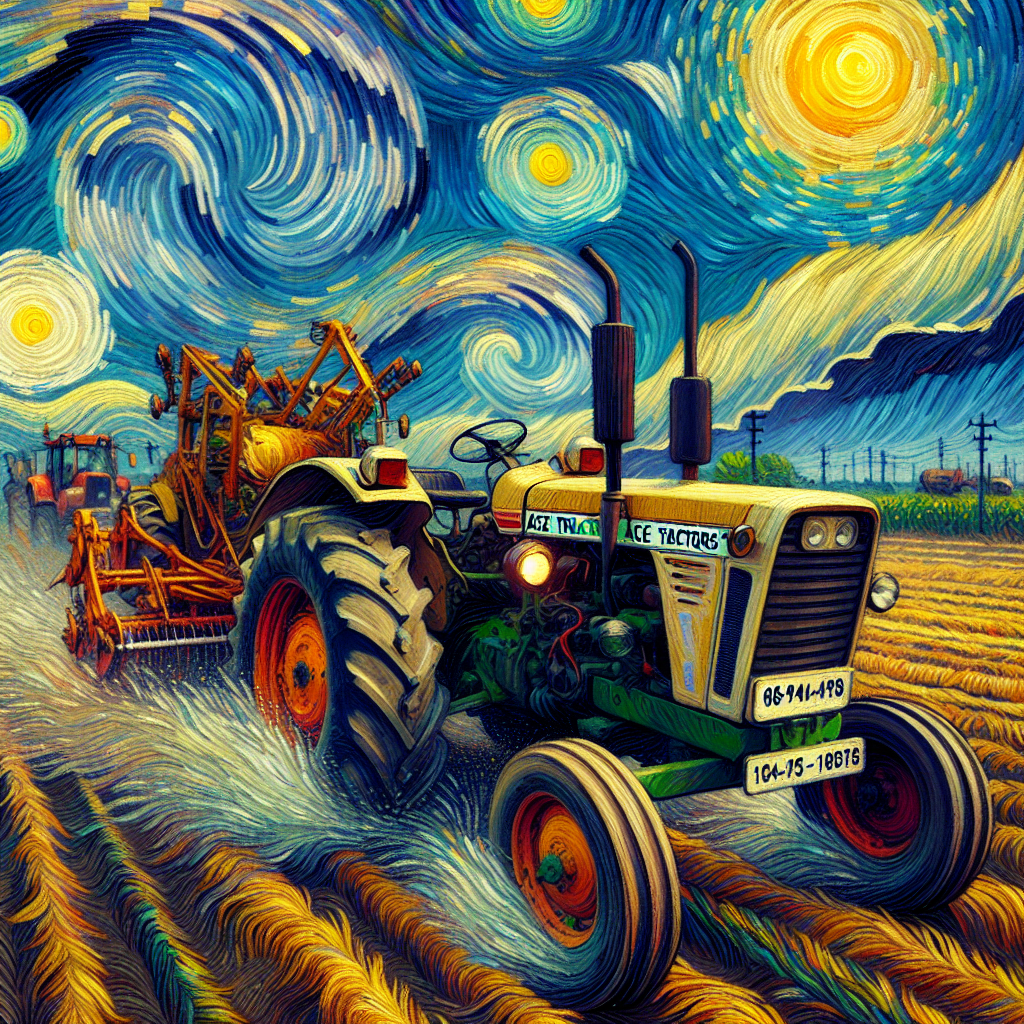
Classic tractors are more than just machines; they are symbols of a farming legacy that roots us to the land and to each other. Imagine standing next to a vintage tractor, its worn paint echoing stories of hard work and perseverance. Each dent and scratch reflects decades of toil, reminding us that farming is not just a job; it’s a way of life, passed down through generations. These machines were built to last, serving the purpose of sustaining families and communities. When we restore and maintain these tractors, we honor the heritage of our predecessors who forged ahead against the odds, cultivating the earth with pride.
From a practical standpoint, classic tractors are uniquely suited to many modern farming needs. Their simplicity and durability make them easy to operate, allowing farmers to connect with the mechanical aspect of their work in a way that contemporary equipment often does not. They embody an ethos of self-reliance and hard work. In a world increasingly dominated by digital solutions, returning to these stalwart machines reminds us of the hands-on skills that underpin successful farming. Using a classic tractor integrates history with modern agriculture, marrying tradition with innovation, enabling farmers to tackle contemporary challenges while respecting the legacies of the past.
Ethically, embracing classic tractors speaks to responsibility. By preserving these machines, we join a larger movement to protect our agricultural heritage. It is a commitment to sustainability, ensuring that future generations not only benefit from advancements in farming technology but also understand and appreciate the roots of their agricultural practices. Moreover, owning and restoring a classic tractor fosters community bonding. Farmers gather for events, sharing tips, resources, and an appreciation for the craft. These social connections are vital, creating networks that enhance resilience in our agricultural communities.
As we navigate the complexities of modern farming, we must not forget where we came from. Classic tractors serve as a bridge, connecting us to a time when farming was a simpler endeavor grounded in hard work and determination. They remind us that the essence of farming lies in our relationships—with the land, with our tools, and with each other. So let’s remember to cherish that legacy, allowing classic tractors to help us forge a future that honors our past while cultivating hope for what lies ahead.
How Can Classic Tractors Enhance Our Farming Legacy and Heritage?
How Can Classic Tractors Enhance Our Farming Legacy and Heritage?
- Classic tractors symbolize a farming legacy, connecting us to the land and each other.
- Each dent and scratch on vintage tractors tells stories of hard work and perseverance.
- They serve to sustain families and communities, highlighting farming as a way of life.
- Classic tractors are practical, durable, and easy to operate, fostering self-reliance in farming.
- They integrate history with modern agriculture, marrying tradition with innovation.
- Preserving classic tractors promotes responsibility and sustainability for future generations.
- Restoration fosters community bonding, enhancing resilience in agricultural networks.

How Can Classic Tractors Enhance Our Farming Legacy and Heritage?
What Are the Benefits Of Using Reproduction Classic Tractors Today?
Picture a sun-drenched field, the earth rich and waiting for the promise of good work. It’s in this context that reproduction classic tractors emerge, not just as machines, but as the embodiment of a simpler time—a link to our roots. The benefits of using these timeless tractors are multi-faceted, appealing to our hearts, heads, and guts.
Emotionally, there’s a nostalgia that accompanies these tractors. They remind us of stories shared across generations, tales of perseverance and hard work, where the humming engine was the soundtrack of everyday life. Each scratch and dent tells a story, connecting us to our past, creating bonds with those who came before us. For many, the ownership of such a tractor becomes a way to honor their heritage, evoking pride in continuing a family legacy.
Rationally, reproduction classic tractors offer durability and straightforward engineering that can often outlast modern counterparts. Built with the intention to serve and withstand, these machines can be repaired with basic tools, creating an empowering sense of independence. They become more than equipment; they transform into reliable partners in farming, capable of tackling tough tasks without the complexities that new technology sometimes brings.
Ethically, the move towards using these tractors aligns with a growing emphasis on sustainability. They’re often powered by simpler, more easily sourced fuels and require less energy to maintain. This conscious decision not only respects our environment but also champions a return to practices that prioritize craftsmanship over consumerism—a stand against disposable culture.
Authority shines through the reputation built by decades of reliable service. Farmers and enthusiasts alike flock to these models, sharing their knowledge and experience. This collective wisdom fosters a sense of community, a network that thrives on mutual support and shared passion. Connecting with others who value the craftsmanship of these machines deepens our appreciation.
Socially, embracing reproduction classic tractors is an affirmation of our connectedness. Local events, parades, and tractor shows celebrate these pieces of machinery, transforming them into symbols of community pride. They invite conversations, spark friendships, and rejuvenate a shared cultural narrative that radiates warmth and camaraderie.
Using reproduction classic tractors isn’t merely about functionality; it’s about celebrating where we come from while embracing where we’re going. It’s about restoring connections—to our land, to our families, and to each other—making the decision to incorporate these incredible machines into our lives not just a choice, but a fulfilling journey.

What Are the Benefits Of Using Reproduction Classic Tractors Today?
What Are the Benefits Of Using Reproduction Classic Tractors Today?
- Reproduction classic tractors symbolize a return to simpler times and connect us to our roots.
- Embrace nostalgia, honoring family legacies and shared stories of perseverance.
- Durable and straightforward design allows for easy repair and independence in farming.
- Promote sustainability, utilizing less energy and simpler fuels.
- Community-centric, fostering shared wisdom and mutual support among enthusiasts.
- Social gatherings like events and shows highlight community pride and cultural connections.
- Incorporating these tractors represents a journey of connection to land, family, and heritage.

What Are the Benefits Of Using Reproduction Classic Tractors Today?
Are Reproduction Classic Tractors Environmentally Sustainable Choices?
In a world increasingly concerned with sustainability, the age-old debate about classic tractors takes on new meaning. Picture a tractor—the backbone of agriculture, evoking images of endless fields and hard-working farmers. Now, imagine that tractor restored to its former glory, not just as a nostalgic piece of history, but as a genuine contender in the fight for a greener future. These reproduction classic tractors, built with modern technology and an eye towards ecological responsibility, offer a unique pathway to sustainability.
At first glance, one might wonder how a vintage piece of machinery could possibly align with contemporary environmental ideals. After all, classic tractors often symbolize a time when efficiency was not the priority it is today. However, many reproduction models incorporate advanced engines designed for reduced emissions and better fuel efficiency. This blend of old design and new technology invites us to reconsider what it means to be “classic.” Each tractor tells a story, a narrative that connects today’s farmers not only to the land they cultivate but to the industrial roots that gave rise to modern agriculture.
But it’s not just about mechanics; it’s about connection. Owning a reproduction classic tractor fosters a sense of community among enthusiasts. These machines don’t just sit in a garage waiting for the right moment to shine; they are used in fields, participating in sustainable farming practices that preserve soil health and biodiversity. Farmers can revitalize their operations without sacrificing their commitment to the environment. The dialogue evolves—are we preserving an artifact, or are we cultivating a more responsible future?
Ethically, the choice to opt for reproduction classic tractors is powerful. It recognizes the value of our agricultural heritage while promoting sustainable practices. The craftsmanship involved in these tractors speaks volumes; each piece is a commitment to quality, longevity, and stewardship. In an age of disposability, choosing to restore and use these machines elevates our relationship with agriculture, making it more intentional and thoughtful.
Moreover, these tractors inspire confidence. They are not merely relics; they are functional tools that offer both heritage and harmony with nature. As society grapples with the consequences of modern agriculture, the call to action becomes clear: embracing reproduction classic tractors is not just a nod to nostalgia; it’s a resounding step towards building a sustainable agricultural future. With every turn of the wheel, we can cultivate a legacy of responsibility—one that resonates with our values and challenges us to strive for balance between tradition and progress.

Are Reproduction Classic Tractors Environmentally Sustainable Choices?
Are Reproduction Classic Tractors Environmentally Sustainable Choices?
- Reproduction classic tractors offer a blend of nostalgia and sustainability.
- Modern technology enhances vintage tractors with reduced emissions and better fuel efficiency.
- These tractors connect farmers to their agricultural heritage and industrial roots.
- Owning these tractors fosters community among enthusiasts and encourages sustainable farming practices.
- The choice to revive classic tractors promotes craftsmanship, quality, and environmental stewardship.
- They serve as functional tools that harmonize tradition with contemporary ecological values.
- Embracing these tractors represents a commitment to building a sustainable agricultural future.

Are Reproduction Classic Tractors Environmentally Sustainable Choices?
Do Classic Tractor Restorations Connect Us to Our Agricultural Roots?
In a world dominated by sleek technology and fast-paced living, there lies a group of dedicated individuals who passionately restore classic tractors. These iconic machines hold within their rusted frames and worn-out tires a tangible connection to our agricultural roots. A classic tractor isn’t just a piece of machinery; it’s a storyteller. It whispers tales of hard work, tireless dedication, and the rhythm of rural life.
Picture a dusty farm, the sun rising over fields that stretch as far as the eye can see. The sound of a tractor chugging away echoes through the valleys, a reminder of the sweat and toil that built our communities. Each turn of the wrench in a restoration project isn’t merely an act of maintenance; it’s an homage to those who came before us, to farmers whose hands shaped not just the earth, but the very fabric of our society. The act of restoring a tractor invites us to reflect on the values of persistence, craftsmanship, and the importance of staying connected to the land.
Restoration touches on something deep within us, stirring an appreciation for heritage. Every scratch and dent tells a story, and as each component is carefully renewed, we breathe life back into history. The emotional bond forged in this process connects us not just to our past but to each other. It’s a camaraderie formed among fellow enthusiasts who share a commitment to preserving these machines and the stories they carry, creating a society that values tradition and effort.
Moreover, as we stand side by side in workshops and fields, we find ourselves in a community of like-minded individuals. This shared passion fosters bonds that transcend age and background, echoing humanity’s collective history rooted in agriculture. The reliance on tractors symbolizes a reliance on each other and a commitment to maintaining our agricultural legacy.
Ultimately, restoring classic tractors does more than just revive old machines; it revives a part of who we are. It beckons us to act—to pick up tools, to learn, to teach, and, most importantly, to remind ourselves that our connection to the land is worth nurturing. By rescuing these powerful symbols of our agricultural identity, we cultivate not just enduring machines, but also a deeper understanding of our heritage and a shared future built on respect for our past.

Do Classic Tractor Restorations Connect Us to Our Agricultural Roots?
Do Classic Tractor Restorations Connect Us to Our Agricultural Roots?
- A dedicated group restores classic tractors, connecting with agricultural roots.
- Classic tractors are seen as storytellers of hard work and rural life.
- The restoration process honors past farmers and communities.
- Each restored tractor reflects values of persistence and craftsmanship.
- The act fosters camaraderie among enthusiasts, valuing tradition.
- Restoration creates a community that transcends age and background.
- Reviving tractors nurtures a deeper understanding of heritage and future connections.

Do Classic Tractor Restorations Connect Us to Our Agricultural Roots?
What Stories Do Classic Tractors Tell About Our Farming History?
When you stand in the presence of a classic tractor, you’re not just looking at metal and machinery; you’re witnessing a testament to resilience and innovation in agriculture. Each dent, scratch, and rust spot on these machines has a story to tell, echoing the sweat and unwavering dedication of past generations. These tractors were the workhorses of fields, transforming vast landscapes into luscious rows of crops, but they also transformed the lives of those who worked them.
Think about the last harvest you saw, all those golden grains swaying in the breeze. That abundance is rooted in the toil of farmers who relied on these tractors. They weren’t just tools; they were lifelines, connecting families to the land and their livelihood. The decisions made behind the wheel of a tractor often determined the fate of a season. When you dig deeper into that shared history, you realize these machines have been part of every family dinner discussion about the weather, the crops, and the challenges faced each year. They brought communities together, fostering a bond over hard work and shared triumphs, turning individual labor into collective success.
Rationally, classic tractors symbolize progress in farming technology. They bridged the gap between hand labor and modern efficiency. Each model introduced unique advancements—better fuel economy, enhanced horsepower, and innovative hydraulics—paving the way for the high-yielding agriculture we see today. These improvements weren’t just for show; they fed families and fueled economies.
Ethically, we owe it to these tractors to remember their role in shaping sustainable farming practices. They remind us of our responsibility to honor the land that feeds us. Understanding their stories fosters a connection that transcends generations, urging us to take better care of our soil for those who will come after us.
The nostalgia surrounding classic tractors ignites a passion among enthusiasts, igniting gatherings and clubs where heartfelt tales are exchanged, reminding us that farming isn’t just a profession; it’s a way of life. It inspires trust in our agricultural heritage, reinforcing the notion that as we move forward, we must not forget our roots.
So, the next time you spot a classic tractor rusting in a field, take a moment to appreciate the saga it carries. It’s a narrative of grit and determination, a reminder of where we’ve been and a guiding light for where we’re headed. Let that connection inspire you to take action—whether by preserving these machines, mentoring a young farmer, or simply sharing their stories.

What Stories Do Classic Tractors Tell About Our Farming History?
What Stories Do Classic Tractors Tell About Our Farming History?
- Classic tractors represent resilience and innovation in agriculture.
- Each machine holds stories of the dedication and labor of past generations.
- They served as vital connections between families, land, and livelihood.
- Classic tractors symbolize advancements in farming technology, improving efficiency.
- They play a role in sustainable farming practices and care for the land.
- The nostalgia surrounding these machines fosters community and cultural heritage.
- Appreciating classic tractors encourages action, such as preservation and mentorship.

What Stories Do Classic Tractors Tell About Our Farming History?
Conclusion
In a world driven by rapid technological advancement, the resurgence of reproduction classic tractors serves as a grounding force, reconnecting us with our agricultural heritage. These machines, more than mere relics, are imbued with the spirit of hard work and innovation that shaped farming as we know it today. The hum of these tractors evokes nostalgia, echoing the laughter and labor of past generations, while offering a tangible link to our roots. They remind us that farming is not just a job, but a profound legacy, deeply intertwined with family and community values.
Investing in these reproduction tractors goes beyond nostalgia; it reflects a commitment to sustainability and craftsmanship. Each machine marries timeless design with modern efficiency, ensuring reliability without sacrificing the character that defined an era. Ethically, choosing to restore or use these tractors supports local artisans and manufacturers, reinforcing a values-driven economy that champions quality over disposability.
From an emotional perspective, classic tractors resonate in our hearts. They are symbols of resilience, each scratch and dent telling a story of toil and perseverance. This emotional connection fosters community, bringing together enthusiasts who share a common appreciation for the landscape these machines transformed. They spark conversations at shows and gatherings, creating social bonds that transcend generations.
Rationally, these tractors stand up to contemporary demands. Offering ease of maintenance and durability, they empower farmers to take control of their operations without the complexities of modern technology. They stand as a testament to self-reliance and the importance of hands-on skills, inviting us to embrace a simpler, yet profound, approach to agriculture.
Ultimately, the appeal of reproduction classic tractors lies in their ability to connect us to a richer narrative—a intertwining of tradition and innovation. They challenge us to cultivate not just the land but also a deeper understanding of who we are. By embracing these machines, we reinforce our agricultural legacy and uphold a commitment to responsible stewardship of the earth. So, let’s relish the stories these tractors tell and the connections they forge, as we cultivate a future that honors our agricultural past.

Conclusion
Conclusion:
- The resurgence of reproduction classic tractors reconnects us with agricultural heritage.
- These tractors symbolize hard work and innovation, offering a link to past generations.
- Investing in them reflects a commitment to sustainability and craftsmanship.
- Classic tractors foster emotional connections, creating community among enthusiasts.
- They are durable and easy to maintain, empowering farmers with hands-on skills.
- These machines embody a blend of tradition and innovation in agriculture.
- Embracing reproduction tractors honors our agricultural legacy and stewardship of the earth.

Conclusion
Other Resources

Other Resources
Here is a list of other resources you can review online to learn more:
- Waterloo Farm Museum
- The American Tractor Museum
- Friday
- Happy Farmer
- Georgia National Antique Agriculture Show
- CO-OP
- Minsk Tractor Works
- The AgriCultural Museum & Arts Center
- Nittany Antique Machinery Association
- J.I.Case
- Mastodon
- National Farm Show Tractor Pull
- VST
- TAFE
- Ag King
- Ford-New Holland
- Antique Engine & Tractor Association
- Saunderson
- NorTrac
- Know Your Classic Tractors
Use This Prompt To Get More Resources With Your Favorite Online AI Tool: Please provide me with a list of online articles with their URLs in a bulleted list that I can read regarding Are There Any New Reproduction Classic Tractors Being Made?

Other Resources
Glossary Terms
Are There Any New Reproduction Classic Tractors Being Made? – Glossary Of Terms
1. Tractor: A powerful vehicle designed for agricultural tasks, primarily used for pulling heavy loads and equipment.
2. Reproduction Tractor: A modern vehicle made to replicate the design and functionality of vintage tractors.
3. Classic Tractor: A tractor that is at least 25 years old, celebrated for its historical value and unique design.
4. Vintage: Refers to machinery that is popular from a specific era, often characterized by distinct styling and technology.
5. Collector’s Item: A tractor sought after by enthusiasts for its rarity, historical significance, or condition.
6. Restoration: The process of repairing and refurbishing classic tractors to return them to their original condition.
7. Die-Cast Model: A small, detailed miniature replica of a tractor, typically made from a zinc or aluminum alloy.
8. Ag Equipment: Agricultural machinery that includes tractors, plows, harvesters, and other tools.
9. Farm Show: An event where manufacturers display agricultural equipment, including new reproduction tractors.
10. Prototype: An early sample or model of a new reproduction tractor, used to test design and functionality.
11. Heritage Tractor: A tractor that represents the farming heritage and technology of its time.
12. Agricultural Technology: Innovations and advancements in equipment and practices for farming efficiency.
13. Brand Loyalty: The commitment and preference consumers have towards a specific tractor manufacturer or model.
14. Tractor Enthusiast: An individual who has a keen interest in collecting, restoring, or discussing tractors.
15. Mechanicals: Refers to the functional parts and systems of a tractor, such as the engine or transmission.
16. Field Trials: Tests conducted in agricultural settings to assess the performance of new reproduction tractors.
17. Engine Specs: Technical specifications related to a tractor’s engine, including horsepower and torque ratings.
18. Drive Train: The part of the tractor that transmits power from the engine to the wheels.
19. Hydraulics: The system used in tractors to lift and control attachments and implements using fluid pressure.
20. Farm Equipment Dealer: A business that sells tractors and other farming equipment, often providing parts and service.
21. Compact Tractor: A smaller, versatile tractor designed for light-duty tasks, often popular in residential settings.
22. Utility Tractor: A medium-sized tractor used for a variety of agricultural operations, including hauling and towing.
23. Attachment: Implements that can be connected to tractors for specific agricultural functions, such as plowing or mowing.
24. Field Capacity: The maximum area a tractor can effectively farm in a given time period.
25. Safety Features: Technologies and designs incorporated into modern tractors to enhance operator safety.
26. Emission Standards: Regulatory requirements that limit the pollutants produced by tractor engines.
27. Agricultural Shows: Exhibitions that feature the latest innovations in farming machinery including reproduction tractors.
28. Market Demand: The level of consumer desire for new reproduction classic tractors within the agricultural sector.
29. Sustainability: The practice of using equipment and methods that are environmentally friendly and resource-efficient.
30. Tractor Club: An organization that brings together individuals with a shared passion for tractors, often holding events and gatherings.
Glossary Of Terms
Other Questions
Are There Any New Reproduction Classic Tractors Being Made? – Other Questions
If you wish to explore and discover more, consider looking for answers to these questions:
- Which manufacturers currently produce new reproduction classic tractors?
- Which classic tractor models are being reproduced today?
- How faithful are reproductions to the original designs (appearance, controls, chassis)?
- What modern technologies are typically integrated into reproductions?
- Are reproduction tractors built on new frames or refurbished original frames?
- How do reproduction tractors perform compared with original vintage models?
- How do they compare in performance and cost to modern mainstream tractors?
- What are typical price ranges for reproduction classic tractors?
- Do manufacturers offer warranties and support for reproduction models?
- How easy is it to find spare parts and consumables for reproductions?
- Are reproduction parts interchangeable with parts from original tractors?
- What are the maintenance requirements and typical upkeep costs?
- Are reproduction tractors compliant with current emissions and safety regulations?
- Can reproduction tractors run on biodiesel or alternative fuels?
- Are there electric or hybrid reproduction tractor options?
- Do reproductions include modern safety features (ROPS, seat belts, lighting)?
- Are reproduction tractors street-legal for road travel in various jurisdictions?
- How does buying a reproduction affect insurance and registration?
- Is investing in a reproduction a good financial decision (resale value, ROI)?
- How does owning a reproduction impact the value of original vintage tractors?
- Where can buyers purchase or order reproduction classic tractors?
- Are there reputable dealers, builders, or custom shops that specialize in reproductions?
- Can reproductions be customized or restored to a specific year/model specification?
- What warranties or guarantees are common for reproduction builds?
- Do reproductions support modern implements and attachments?
- How durable and long-lived are modern reproduction builds?
- What certifications or proofs of authenticity accompany reproduction tractors?
- How do reproductions contribute to sustainability compared with buying new modern tractors?
- Are there government incentives, grants, or tax considerations for choosing lower-emission reproduction models?
- How do enthusiast communities, clubs, and events treat reproductions vs originals?
- What is the typical lead time from order to delivery for a reproduction tractor?
- Are there rental or demo options for people who want to try a reproduction before buying?
- What training or operator manuals are provided with reproductions?
- Who are the key experts, appraisers, or reviewers to consult when evaluating a reproduction?

Other Questions
Haiku
Are There Any New Reproduction Classic Tractors Being Made? – A Haiku
Classic machines hum,
Bridging past to future’s grip,
Heart, hands, earth unite.

Haiku
Poem
Are There Any New Reproduction Classic Tractors Being Made? – A Poem
In fields of gold where engines hum,
A legacy of labor, dreams begun.
Classic tractors, with stories to weave,
Each dent and rust a tale to believe.
Crafted by hands that toiled with care,
Symbols of heritage, rich and rare.
Nostalgia whispers in every wheel turn,
Reminding us of lessons we yearn.
Modern hearts entwined with the past,
Reproductions breathe life that will last.
Efficiency dances with time-honored grace,
A blend of innovation, an enduring embrace.
From the sweat of farmers, bonds that unite,
Communities gather, fueled by shared light.
Each restoration, an homage sincere,
Reviving traditions we hold dear.
With sustainability woven in each design,
Classic tractors carry a promise divine.
A commitment to roots, a path we reclaim,
Honoring the legacy, remembering the name.
So, let us celebrate these machines of old,
Not just for function, but tales they hold.
In every engine’s roar, an echo of might,
Together we nurture our agricultural plight.

Poem
Checklist
Are There Any New Reproduction Classic Tractors Being Made? – A Checklist
Emotional Appeals
✅______ Connect with heritage: Reflect on the memories associated with classic tractors in your family.
✅______ Celebrate community: Engage in local events or gatherings centered around classic tractors to foster relationships.
Rational Appeals
✅______ Assess durability: Investigate the reliability and efficiency of modern reproduction tractors.
✅______ Consider practical use: Evaluate how these tractors can effectively meet both contemporary and traditional farming needs.
Ethical Appeals
✅______ Support local craftsmanship: Choose reproduction tractors that promote sustainable practices and support local manufacturers.
✅______ Encourage preservation: Commit to restoring and maintaining classic tractors to honor agricultural heritage.
Authority Appeals
✅______ Seek expert testimonials: Read reviews and feedback from professionals and enthusiasts to gauge the performance of reproduction tractors.
✅______ Join enthusiast communities: Connect with local clubs or online forums that discuss and recommend classic tractors.
Narrative Appeals
✅______ Share personal stories: Document and share your own experiences or family history related to classic tractors.
✅______ Create a legacy: Consider how your ownership of a reproduction tractor can contribute to your family’s agricultural narrative.
Social Appeals
✅______ Engage with fellow enthusiasts: Participate in tractor shows, parades, or local farming events.
✅______ Create community bonds: Collaborate with other owners to exchange tips and resources, strengthening social connections within the farming community.

Checklist
At ClassicTractorNews, we help tractor lovers keep up with the latest news for classic and vintage tractors.
Please share this post with your friends, family, or business associates who may like old classic or vintage tractors.