

Discover The Evolution: Where Tradition Meets Tomorrow In Tractors
By Tom Seest
At ClassicTractorNews, we help tractor lovers keep up with the latest news for classic and vintage tractors.
Please share this post with your friends, family, or business associates who may like old classic or vintage tractors.
Are There Any Hybrid Classic/Modern Tractors?
The world of farming is changing, yet some staples remain close to our hearts—none more than the humble tractor. These machines, often seen as mere tools, are woven into the very fabric of our agricultural heritage. But what if we could meld the robust charm of vintage tractors with the cutting-edge technology of today? Enter the realm of hybrid classic/modern tractors, where nostalgia meets innovation.
Picture a sun-soaked field where a vintage tractor stands proud, its paint weathered but sturdy. It’s more than just a machine; it’s a piece of history, a testament to years of hard work and perseverance. Farmers of yore relied on these steadfast companions to tackle the toughest tasks, embodying a sense of grit and determination. This connection to the past is not easily forsaken. However, as we face a new era in agriculture—marked by climate change, resource scarcity, and the need for efficiency—there’s a compelling case for evolution.
Imagine the power of blending that classic soul with modern capabilities. Hybrid tractors harness the wisdom of generations past, while integrating state-of-the-art technology that enhances productivity and sustainability. These machines are equipped with smart sensors, GPS navigation, and fuel-efficient engines, making them not just relics but powerful partners in today’s farming world. An old-fashioned heart beats strong within a modern chassis, resonating with farmers who take pride in their roots but also aspire for a greener future.
The rational appeal is clear: these hybrids are designed to maximize yield and minimize environmental impact. They offer the best of both worlds, reducing fuel consumption and greenhouse gas emissions while maintaining the reliability that farmers trust. Ethically, investing in such technology fosters sustainable practices, ensuring the land remains fertile for generations to come. Our role as stewards of the earth becomes intertwined with our technological advancements.
Beyond the mechanics, there’s a narrative that speaks to community. In farms across the nation, the stories unfold. Neighbors gather to marvel at these machines, sparking conversations about heritage, innovation, and the shared goal of sustaining our farming legacy. Each hybrid tractor becomes a testament to collaborative efforts—an embodiment of trust built over years, a physical representation of progress.
As we navigate the crossroads of tradition and modernity, hybrid classic/modern tractors stand as beacons of what lies ahead—a powerful reminder that we can honor our past while confidently embracing the future. So, whether you’re behind the wheel of a vintage style or a high-tech marvel, know this: the heart of farming is alive and kicking, ready to meet the challenges ahead.
Are There Any Hybrid Classic/Modern Tractors?
Are There Any Hybrid Classic/Modern Tractors?
- Hybrid classic/modern tractors combine vintage charm with modern technology.
- These tractors are a testament to agricultural heritage and resilience.
- They address contemporary agricultural challenges like climate change and efficiency.
- Equipped with smart sensors, GPS, and fuel-efficient engines to enhance sustainability.
- Designed to maximize yield while minimizing environmental impact.
- Promote community engagement and shared values among farmers.
- Symbolize the blend of tradition and innovation in the future of farming.
Are There Any Hybrid Classic/Modern Tractors?
Table Of Contents
- Are There Any Hybrid Classic/Modern Tractors?
- Are Hybrid Classic/Modern Tractors the Future Of Farming?
- How Can Hybrid Tractors Reduce Emissions?
- What Benefits Do Hybrid Tractors Offer to Farmers?
- Are There Economic Advantages to Using Hybrid Tractors?
- How Do Hybrid Tractors Compare to Traditional Models?
- What Innovative Features Do Modern Hybrid Tractors Include?
- Conclusion
- Other Resources
- Glossary Of Terms
- Other Questions
- Haiku
- Poem
- Checklist
Are Hybrid Classic/Modern Tractors the Future Of Farming?
Are Hybrid Classic/Modern Tractors the Future of Farming?
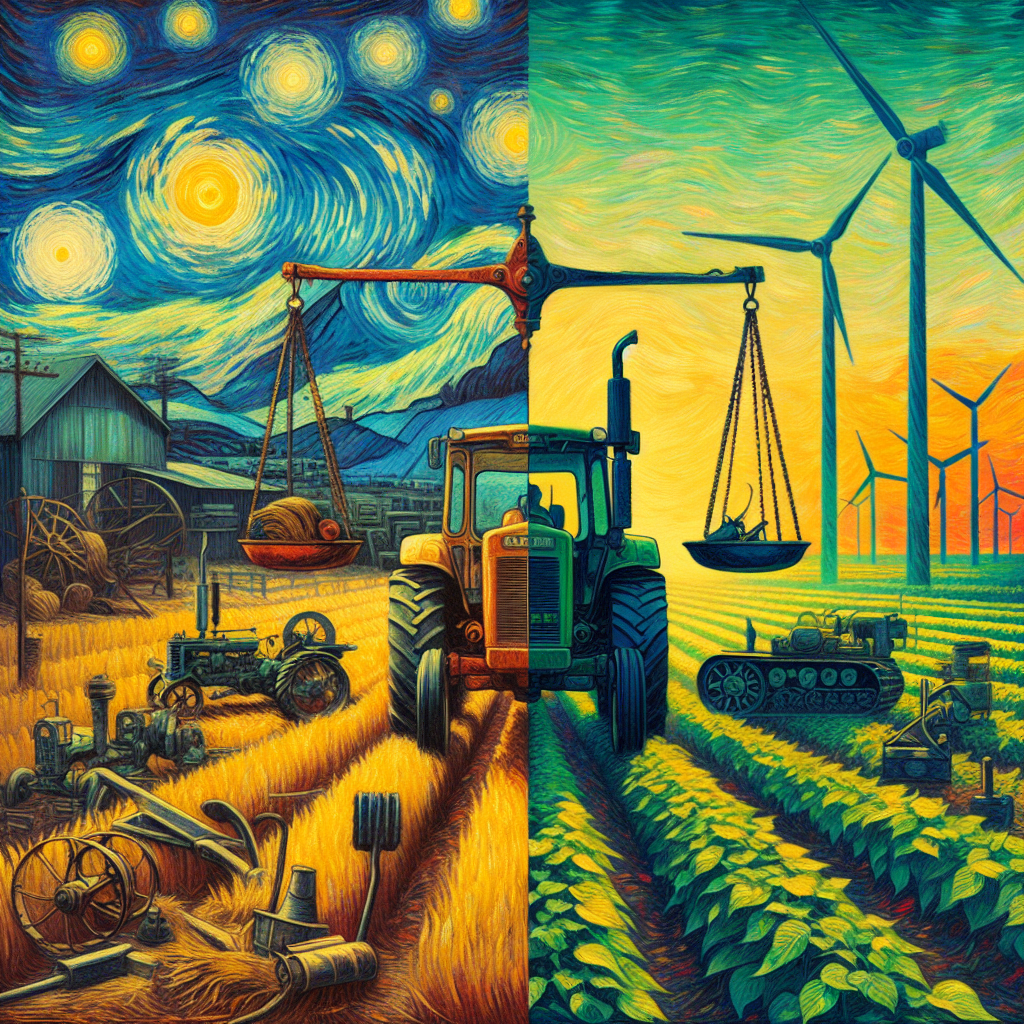
Picture a field at dawn, the mist curling over the earth, as a farmer dusts off an old tractor. This isn’t just machinery; it’s a cherished relic of a life dedicated to nurturing the land. Yet, even as the steel and paint age with grace, there’s an undeniable shift happening in farming. Hybrid classic/modern tractors are emerging as the unsung heroes of agriculture, combining nostalgia with innovation.
These tractors symbolize the union of tradition and advancement—drawing power from the past while seamlessly integrating with the technology of tomorrow. The heart of farming beats in the resilience seen in these machines, designed to honor the legacy of those who came before us while providing solutions to modern challenges. Imagine a farmer controlling a tractor, capable of precision planting while minimizing resource use. This is not just efficiency; it’s a pledge to sustainable practices that honor the earth.
Rationally, the arguments for hybrid tractors stack up. They offer more than just fuel efficiency; they are a response to the challenges posed by climate change and dwindling resources. It’s a practical choice that farmers face in an age where every drop of fuel and ounce of soil matters. These tractors involve an investment that yields not just monetary benefits but also promotes stewardship of the environment—providing a narrative where profitability and responsibility intersect.
Ethically, there’s a growing responsibility among farmers to adopt practices that don’t just feed families today but secure the future for generations to come. Hybrid tractors stand at the forefront of this mission, guiding farmers toward better decisions. When local communities see their farmers embracing technology while respecting tradition, it fosters a deeper connection. It’s a message that reverberates through rural towns—where everyone understands the value of hard work combined with modern innovation.
In a world increasingly focused on sustainability, the social implications of adopting hybrid tractors ripple across communities. They are symbols of progress, demonstrating that innovation doesn’t erase history but rather builds upon it. When farmers utilize these hybrids, they don’t just cultivate crops; they cultivate trust with consumers eager for transparency in their food sourcing.
As we steer into the future, hybrid classic/modern tractors offer not just a glimpse into tomorrow’s agriculture; they embody a promise. The promise of honoring our past while courageously embracing innovation, with a focus on the heart, head, and gut of farming. It’s a future where every revolution of the wheel carries us forward into a more sustainable and hopeful destiny.
Are Hybrid Classic/Modern Tractors the Future Of Farming?
Are Hybrid Classic/Modern Tractors the Future Of Farming?
- Hybrid classic/modern tractors merge nostalgia with modern agricultural technology.
- These tractors honor farming traditions while addressing contemporary challenges.
- They promote sustainable practices and efficient resource use in farming.
- Hybrid tractors are a response to climate change and resource scarcity, benefiting both the environment and productivity.
- Farmers adopting hybrid technology enhance community connections and consumer trust.
- These tractors symbolize progress, integrating innovation without erasing historical significance.
- Hybrid tractors represent a commitment to sustainable farming practices for future generations.
Are Hybrid Classic/Modern Tractors the Future Of Farming?
How Can Hybrid Tractors Reduce Emissions?
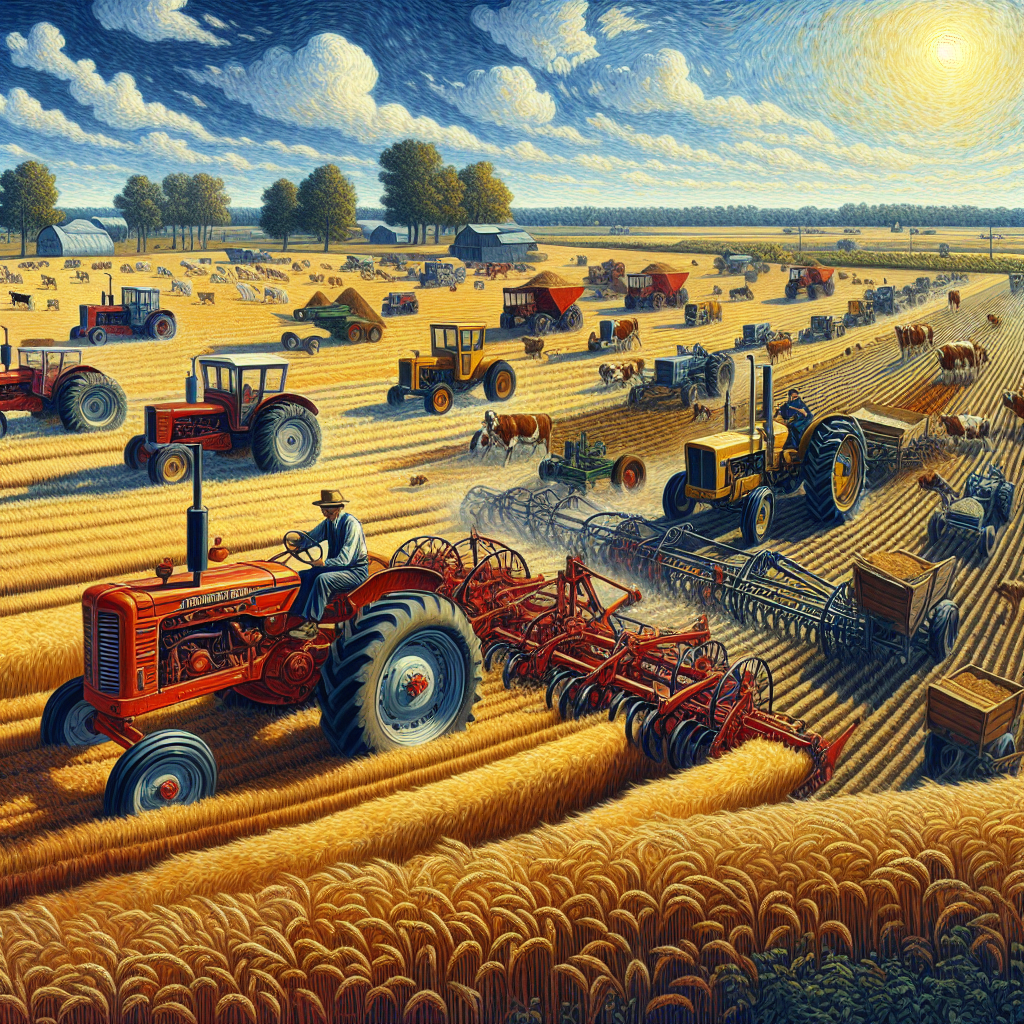
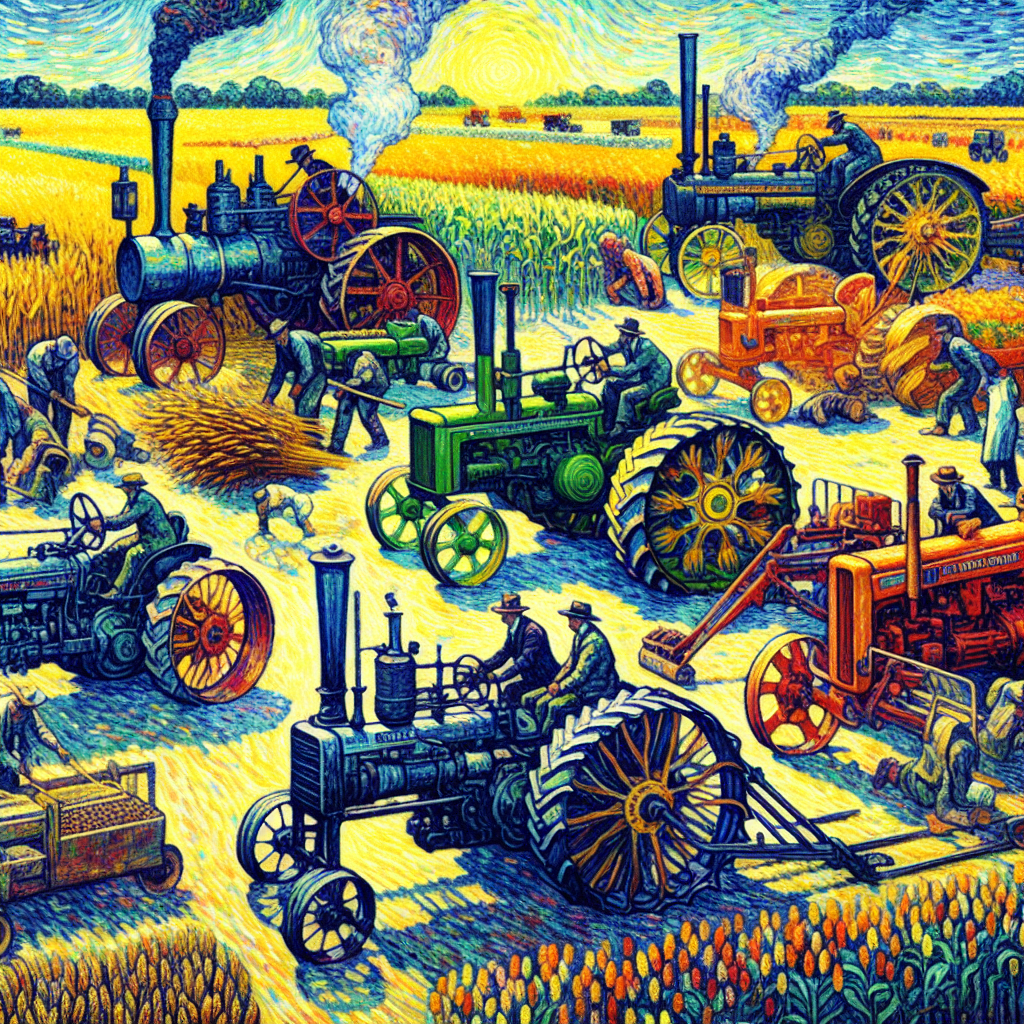
In an age where the weight of our choices rests heavily on us, the emergence of hybrid tractors stands as a beacon of hope in the farming community. These machines are not just metal and gears; they symbolize a shift toward a more sustainable future. Imagine a farmer, early in the morning, firing up a tractor that hums quietly, emitting significantly less carbon than its diesel counterpart. This isn’t merely an upgrade in machinery; it’s a commitment to the land, to the future.
Hybrid tractors combine the best of two worlds: the reliability of traditional fuel and the efficiency of renewable energy sources. By utilizing both electric power and conventional engines, these tractors can optimize fuel usage and cut greenhouse gas emissions dramatically. A farmer plowing fields with a hybrid tractor can feel a sense of pride, knowing each furrow carved is done so in a way that lessens the strain on our environment. This isn’t just about the here and now; it’s about the legacy we leave for future generations who will also rely on these vast fields.
The rational mind might see the numbers—reduced emissions, lower fuel bills, and even potential tax incentives for sustainable practices. But it’s more than a spreadsheet; it’s about the emotional pull of a farmer’s connection to their land. The cycle of planting and harvesting is sacred, and hybrid tractors honor that cycle by minimizing their ecological footprint. It’s about seeing the clear sky above, feeling the earth’s richness beneath, and knowing that we aren’t compromising our planet for productivity.
Ethically, the decision to transition to a hybrid tractor aligns closely with a growing consciousness toward environmental stewardship. Farmers are custodians of the land, and they face the moral imperative to act as responsible guardians. With each hybrid tractor on the field, they’re not just investing in their business; they’re making a bold statement that they care about clean air, healthy soil, and a thriving ecosystem.
On a social level, using hybrid tractors fosters a community spirit among farmers, creating a network dedicated to innovating and sharing best practices for sustainability. These machines can reduce emissions significantly while also serving as a narrative of progress and responsibility, challenging the status quo and igniting discussions at local fairs and coffee shops.
The choice is clear: hybrid tractors present an opportunity to honor our hard work and commitment to the land while fostering a healthier planet for all. It’s more than a tractor; it’s a movement toward a sustainable future, one field at a time.
How Can Hybrid Tractors Reduce Emissions?
How Can Hybrid Tractors Reduce Emissions?
- Hybrid tractors symbolize a shift towards sustainability in agriculture.
- They combine the reliability of traditional fuel with the efficiency of renewable energy.
- These tractors reduce greenhouse gas emissions and optimize fuel usage.
- The transition to hybrid tractors reflects farmers’ commitment to environmental stewardship.
- They foster a sense of community among farmers focused on sustainability practices.
- Hybrid tractors challenge traditional farming methods, promoting discussions about progress.
- The adoption of these machines is a step toward a healthier planet for future generations.
How Can Hybrid Tractors Reduce Emissions?
What Benefits Do Hybrid Tractors Offer to Farmers?
Hybrid tractors are revolutionizing the farming landscape, and the benefits they offer are as profound as they are practical. Picture a farmer, early in the morning, proudly starting his hybrid tractor. It’s not just a machine; it’s a lifeline. As the diesel engine fires up with a hum that blends seamlessly with electric power, you can almost hear the heartbeat of modern agriculture.
Firstly, these hybrid tractors symbolize efficiency. With advancements in technology, farmers can now see significant reductions in fuel consumption, which not only cuts costs but also eases the financial burden that often weighs heavily on their shoulders. Imagine plowing through a field with a sense of relief, knowing that every acre is lessening your carbon footprint. This isn’t just smart farming; it’s a commitment to sustainability that speaks to ethical responsibilities—both to the land and future generations.
Then there’s the sheer versatility these tractors bring. Take a moment to envision those long hours in the sun, the hard labor etched into the faces of farmers. Hybrid tractors are equipped with features that enable them to perform various tasks, from tilling to planting. This adaptability lets farmers maximize their time and efforts, allowing them to make the most out of every season. Such efficiency boosts yields, creating a ripple effect of prosperity that can uplift entire communities.
But let’s not overlook the element of trust. With improved technology, farmers can tap into data that informs their decisions. Gone are the days of guesswork. With hybrid tractors, they can analyze soil health, weather patterns, and crop performance, making informed choices that can drastically improve their harvests. This shift from instinct to insight establishes a bond of trust—not just between the farmer and their machinery, but within their communities as well.
Hybrid tractors also open the door to a larger conversation about agriculture’s future. They embody a collective movement towards innovation, sparking dialogues among farmers about best practices, collaboration, and shared success. It’s about fostering a sense of togetherness, underscoring that farming is not an isolated endeavor but a social enterprise.
In embracing hybrid technology, farmers are not just improving their efficiency; they are becoming stewards of a resilient future. The hybrid tractor may be a machine, but it signifies so much more—it represents hope, progress, and a deep-rooted connection to the land and the community.
What Benefits Do Hybrid Tractors Offer to Farmers?
What Benefits Do Hybrid Tractors Offer to Farmers?
- Hybrid tractors enhance the farming landscape, symbolizing efficiency and modern agriculture.
- Significant reductions in fuel consumption lower costs and lessen carbon footprints.
- Versatility allows for various tasks, maximizing farmers’ time and efforts.
- Improved technology enables data analysis for better decision-making in farming.
- Fosters trust between farmers and machinery, and within communities.
- Encourages innovation and collaboration among farmers for best practices.
- Represents hope, progress, and a commitment to sustainability and community.
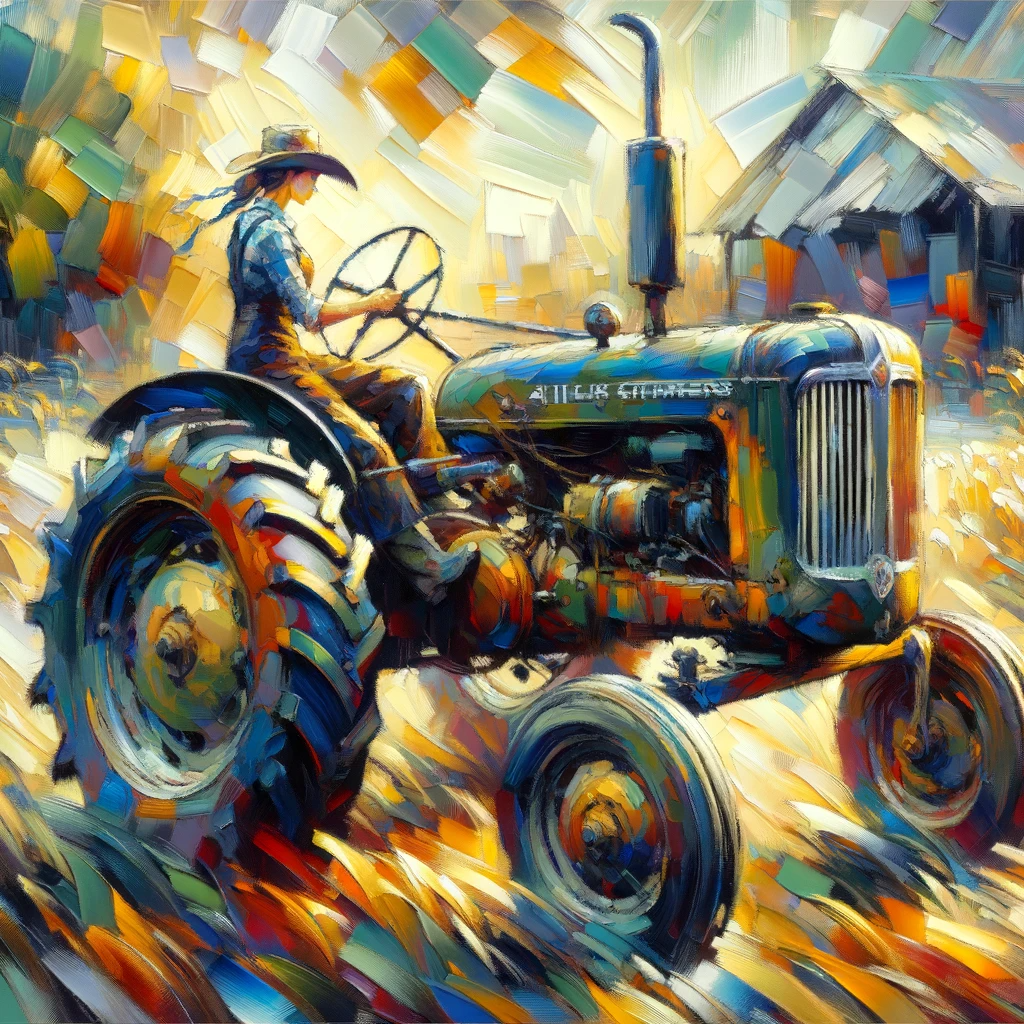
What Benefits Do Hybrid Tractors Offer to Farmers?
Are There Economic Advantages to Using Hybrid Tractors?
In the landscape of modern agriculture, the debate over hybrid tractors often revolves around one fundamental question: are there real economic advantages? The answer isn’t just found in spreadsheets and profit margins; it’s woven into the very fabric of farming life itself.
Picture a farmer, calloused hands gripping the steering wheel of a tractor as the sun rises over fields that have been nurtured for generations. It’s not just about machinery; it’s about legacy. Hybrid tractors, combining conventional diesel engines with electric power, are designed not only to improve efficiency but also to grab the bull by the horns when it comes to cost savings. Imagine reducing fuel consumption by up to 30%. That’s not just dollars in the pocket; it’s the ability to invest back into the land, into the community, and into the future.
With rising fuel costs, the rational decision becomes clear. Hybrid tractors serve as a bridge to long-term sustainability, allowing farmers to stretch their operational budgets. They reduce emissions and environmental impact, appealing to our ethical side. In a time when climate change looms large, taking steps towards greener technology is both a responsibility and an advantage. Embracing this technology isn’t just good for the bottom line; it’s good for the planet, fostering a shared purpose in safeguarding our soil and air for the next generation.
But let’s not forget the narrative. Every farmer has a story, and every tractor symbolizes resilience. When you drive a hybrid tractor, you’re not just driving a machine; you’re paving the way for innovation and change. You’re part of an evolving story in farming history—one where progress enhances tradition rather than replaces it.
Socially, there’s a growing camaraderie among farmers adopting these machines. They gather to share experiences, learning from one another, trading insights on how to make every acre more productive and sustainable. This sense of community emboldens farmers to take the leap. They trust each other’s journeys, finding solidarity in shared challenges and victories.
In a world craving connection, investing in hybrid tractors aligns personal values with economic benefits. It’s about harnessing innovation to create a better future for ourselves and our communities. So when weighing the economic advantages, consider not just the numbers, but the hearts and ideals propelling us all forward.
Are There Economic Advantages to Using Hybrid Tractors?
Are There Economic Advantages to Using Hybrid Tractors?
- Debate on hybrid tractors focuses on their economic advantages in modern agriculture.
- Hybrid tractors combine diesel engines with electric power, improving efficiency and reducing fuel consumption by up to 30%.
- Cost savings allow farmers to reinvest in their land, community, and future sustainability.
- Adoption of hybrid tractors aligns with ethical responsibilities, reducing emissions and environmental impact amid climate change concerns.
- Driving a hybrid tractor represents innovation, resilience, and the evolution of agricultural tradition.
- A sense of community among farmers fosters collaboration, sharing experiences, and insights on productivity.
- Investing in hybrid tractors aligns personal values with economic benefits for a sustainable future.
Are There Economic Advantages to Using Hybrid Tractors?
How Do Hybrid Tractors Compare to Traditional Models?
In a world where efficiency clashes with tradition, hybrid tractors emerge as a beacon of innovation, challenging the status quo. These machines don’t just represent a shift in technology; they symbolize a promise of sustainability and progress. Picture a vast, rolling field, sun rising over the horizon, where farmers are not just stewards of the land but pioneers of a new way forward. The heart of farming beats loudly with passion, but it also aches for responsibility. Hybrid tractors are not merely tools; they are partners in cultivating a future where performance meets purpose.
Rational minds will appreciate that hybrid tractors deliver the best of both worlds. By blending conventional diesel engines with electric power, these tractors offer fuel efficiency that traditional models cannot match. Investing in a hybrid tractor means more than just savings at the pump; it’s an opportunity to reduce carbon footprints while maximizing productivity. For farmers watching their expenses and the changing climate, this is an essential consideration. The hybrid system intelligently switches between fuel sources, ensuring that every drop of fuel is used wisely, transforming how we visualize productivity on the farm.
But let’s delve deeper, because the narrative doesn’t end with numbers. The ethical implications of using hybrid technology resonate beyond the fields and into our communities. As families struggle with the consequences of climate change, farmers wield the power to lead the charge toward sustainability. Choosing a hybrid tractor isn’t just a decision; it’s a statement—a commitment to doing right by the land, the air, and the generations to come. It connects farmers to consumers who increasingly demand environmentally-friendly practices, fostering a sense of social responsibility.
Consider the authority behind hybrid tractors. Leading manufacturers are investing substantial resources into research and development, ensuring these machines not only meet but exceed expectations. With their advanced technology, reliability, and ease of use, hybrid tractors represent the future of farming, giving farmers confidence in their choices. Stories abound of those who have transitioned to hybrids, sharing experiences of enhanced performance and newfound peace of mind.
Ultimately, when farmers choose hybrid tractors over traditional models, they are embracing a future that prioritizes innovation, sustainability, and community. This jump from the tried-and-true to the new frontier is about more than just machinery; it’s about people, purpose, and paving the way for the next generation of agriculture. So, let’s embrace this shift and plant the seeds for a more resilient tomorrow.
How Do Hybrid Tractors Compare to Traditional Models?
How Do Hybrid Tractors Compare to Traditional Models?
- Hybrid tractors represent innovation, challenging traditional farming practices.
- They combine diesel engines with electric power for superior fuel efficiency.
- Investing in hybrid tractors reduces carbon footprints while enhancing productivity.
- Adoption of hybrid technology reflects a commitment to sustainability and ethical farming.
- Hybrid tractors connect farmers with environmentally-conscious consumers, fostering social responsibility.
- Leading manufacturers invest in R&D to improve hybrid tractor performance and reliability.
- Choosing hybrids signals a shift towards a sustainable and innovative agricultural future.
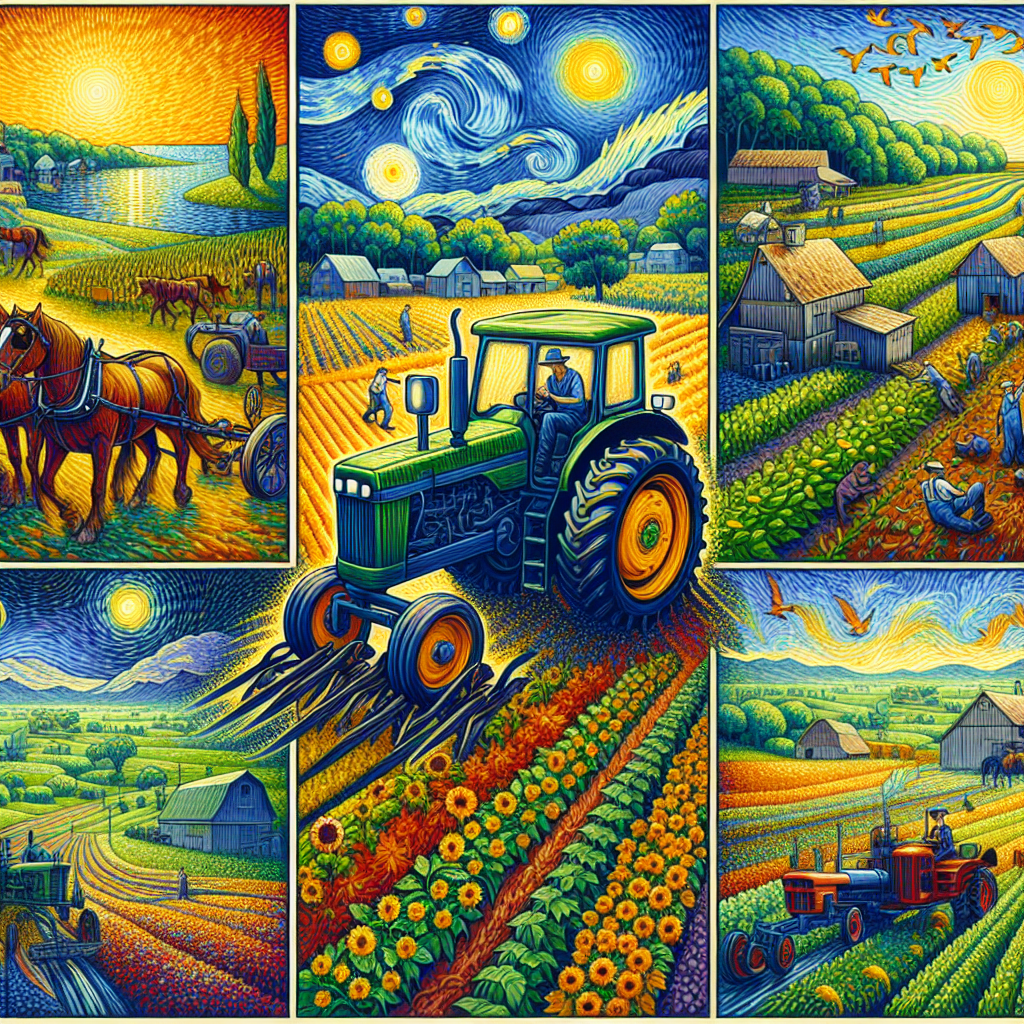
How Do Hybrid Tractors Compare to Traditional Models?
What Innovative Features Do Modern Hybrid Tractors Include?
In the heartland of America, the humble tractor has long been a symbol of hard work and resilience. Yet, in today’s ever-evolving agricultural landscape, modern hybrid tractors are transforming this crucial tool into a beacon of innovation and efficiency. These machines are not just about plowing fields; they are about cultivating sustainability, empowering farmers, and nurturing the very soil that nurtures us.
At the core of these advancements is the hybrid technology, combining traditional horsepower with cutting-edge electric power. Imagine a tractor that can seamlessly switch between gas and electric modes, optimizing fuel efficiency and reducing emissions. This isn’t just a technical marvel; it’s a responsible step towards a greener future. Farmers can tackle their day with confidence, knowing they’re contributing to environmental stewardship while maintaining productivity.
Emotional connections run deep in agriculture. Every farmer knows that a reliable tractor is an extension of themselves—a trusted partner in the quest for a bountiful harvest. Modern hybrid tractors reflect this relationship. They boast advanced GPS systems that ensure precision farming, allowing farmers to plant seeds with pinpoint accuracy and reduce waste. The result? A stronger yield and a sense of accomplishment that resonates from the fields to the dinner table.
Moreover, safety features in these tractors foster a community of trust among users. With sensors that detect obstacles, adaptive cruise control, and automatic shut-off systems, these machines are designed to protect not only the operator but also the land. Every time a farmer hops into the seat of a hybrid tractor, they should feel a connection to a broader movement—one that prioritizes both productivity and safety.
The narrative of hybrid tractors extends beyond mere functionality. It resonates with the collective ethos of agriculture—taking care of the land while embracing innovation. When farmers upgrade their equipment, they are not just investing in machinery; they are investing in a legacy, ensuring that future generations can thrive on the land.
And let’s not forget the social aspect. As farmers share their experiences with these hybrid marvels, they foster a community of knowledge and support. The stories of collaborative farming, shared insights, and successful harvests create a tapestry of connection.
In an age where every decision counts, modern hybrid tractors stand at the intersection of tradition and innovation. They encapsulate a future where we can cultivate our fields sustainably, ensuring that agriculture can flourish for generations to come.
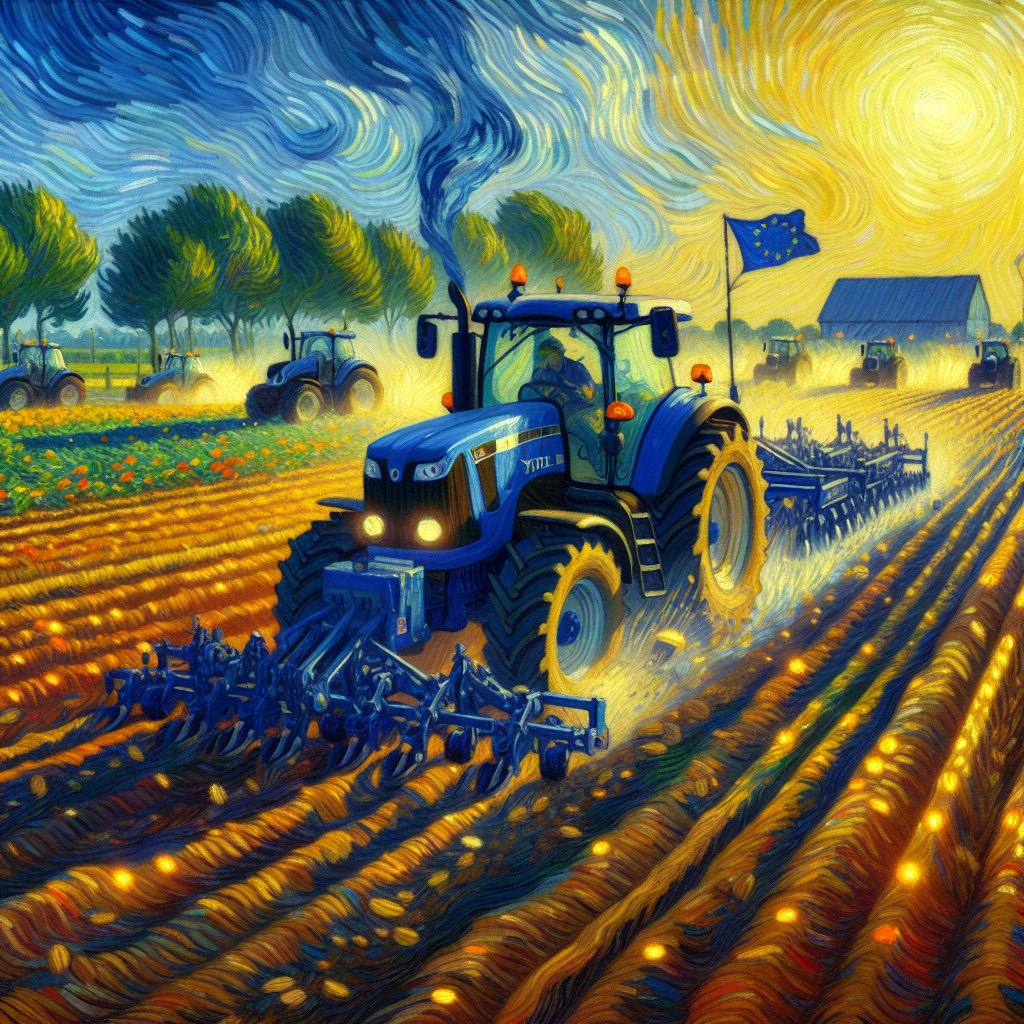
What Innovative Features Do Modern Hybrid Tractors Include?
What Innovative Features Do Modern Hybrid Tractors Include?
- Modern hybrid tractors symbolize innovation and efficiency in agriculture.
- They combine traditional horsepower with electric power for better fuel efficiency and reduced emissions.
- These tractors enhance precision farming through advanced GPS systems, resulting in stronger yields.
- Safety features foster trust among users, protecting both operators and the land.
- Upgrading to hybrid tractors is seen as an investment in a sustainable legacy for future generations.
- Farmers share experiences and insights, creating a supportive community around these technologies.
- Hybrid tractors represent a blend of tradition and innovation for sustainable agriculture.
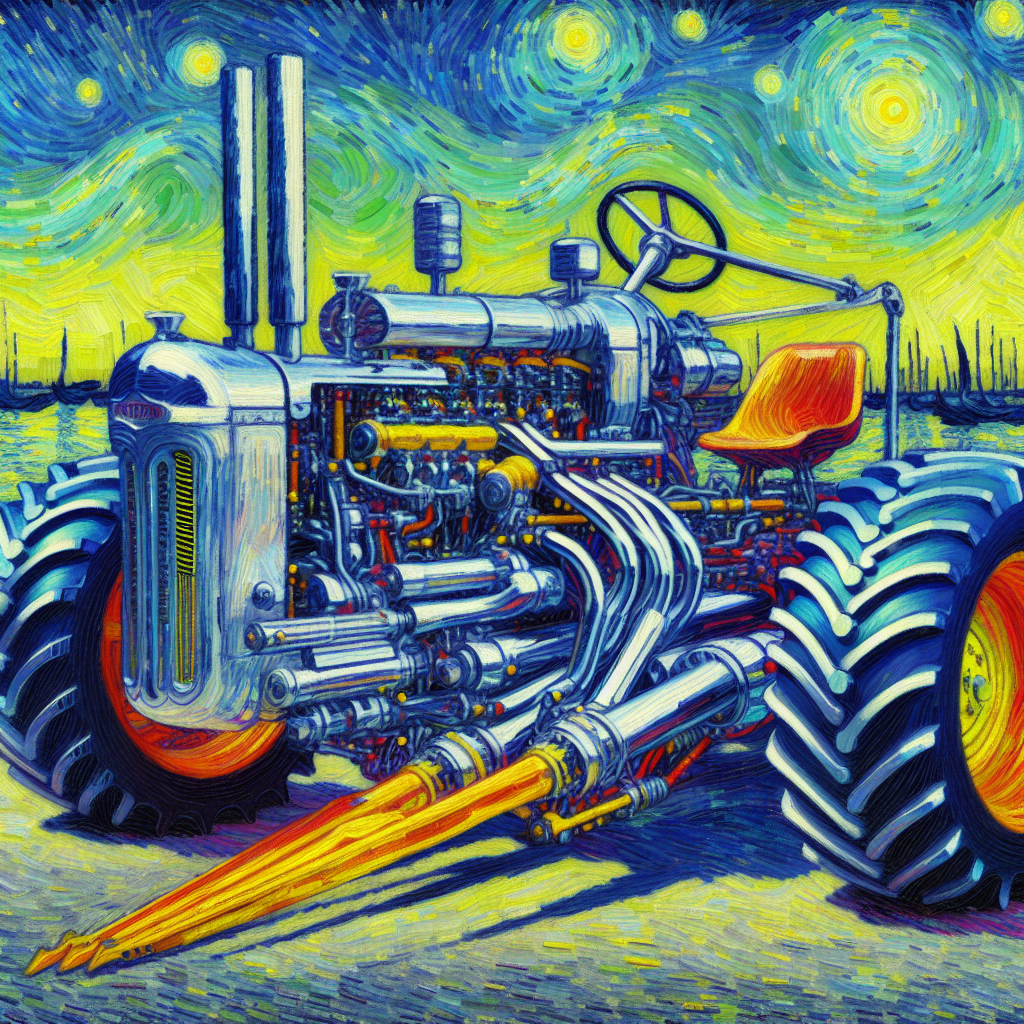
What Innovative Features Do Modern Hybrid Tractors Include?
Conclusion
The concept of hybrid classic/modern tractors is more than just a trend; it’s a crossroads where nostalgia and innovation converge, offering farmers a glimpse into a brighter agricultural future. Imagine standing in a field with a vintage tractor that carries the weight of history—a steadfast companion that has seen years of sweat and toil. Yet, as we confront the challenges of climate change, resource depletion, and the pressing need for efficiency, these machines must evolve without sacrificing their heritage.
Hybrid tractors represent this evolution, merging the soul of traditional farming with cutting-edge technology. Equipped with smart sensors, GPS navigation, and fuel-efficient engines, they embody the practical benefits of modernity while honoring the grit of their predecessors. These advanced machines minimize environmental impact while enhancing productivity—effectively forming an unbreakable bond between farmers and the land they cherish.
Rationally, the benefits of embracing hybrid technology are unmistakable: reduced fuel consumption, lower emissions, and greater yield efficiency translate into economic advantages for farmers. Ethically, this transition promotes sustainable practices that extend beyond personal gain, positioning farmers as stewards of the earth. As communities increasingly value environmental responsibility, hybrid tractors serve as powerful symbols of progress, fostering conversations about the future of farming.
The narrative surrounding hybrid tractors is rooted in a collective journey. In rural towns, farmers gather not just to discuss yields but to share stories of legacy and innovation—each machine sparking discussions that inspire a shared commitment to sustainable practices. Every turn of the wheel on these hybrid marvels cultivates trust in both the land and among consumers demanding transparency in food sourcing.
Visually, one can picture a vibrant field at dawn, where technology meets tradition, brilliantly illuminating the path forward. Every farmer, whether operating a vintage-style tractor or a state-of-the-art hybrid, reflects an unwavering commitment to the art of cultivation. This journey symbolizes a robust partnership with the land, reaffirming that the heart of farming remains strong and vital.
As we steer into this new chapter, hybrid classic/modern tractors captivate us with their promise: a future that honors our past while boldly embracing innovation. Together, we can ensure the legacy of farming thrives, balancing productivity with sustainability for generations to come. The heartbeat of agriculture is alive, ready to confront the challenges that lie ahead, and hybrid tractors are at the helm of this transformative journey.
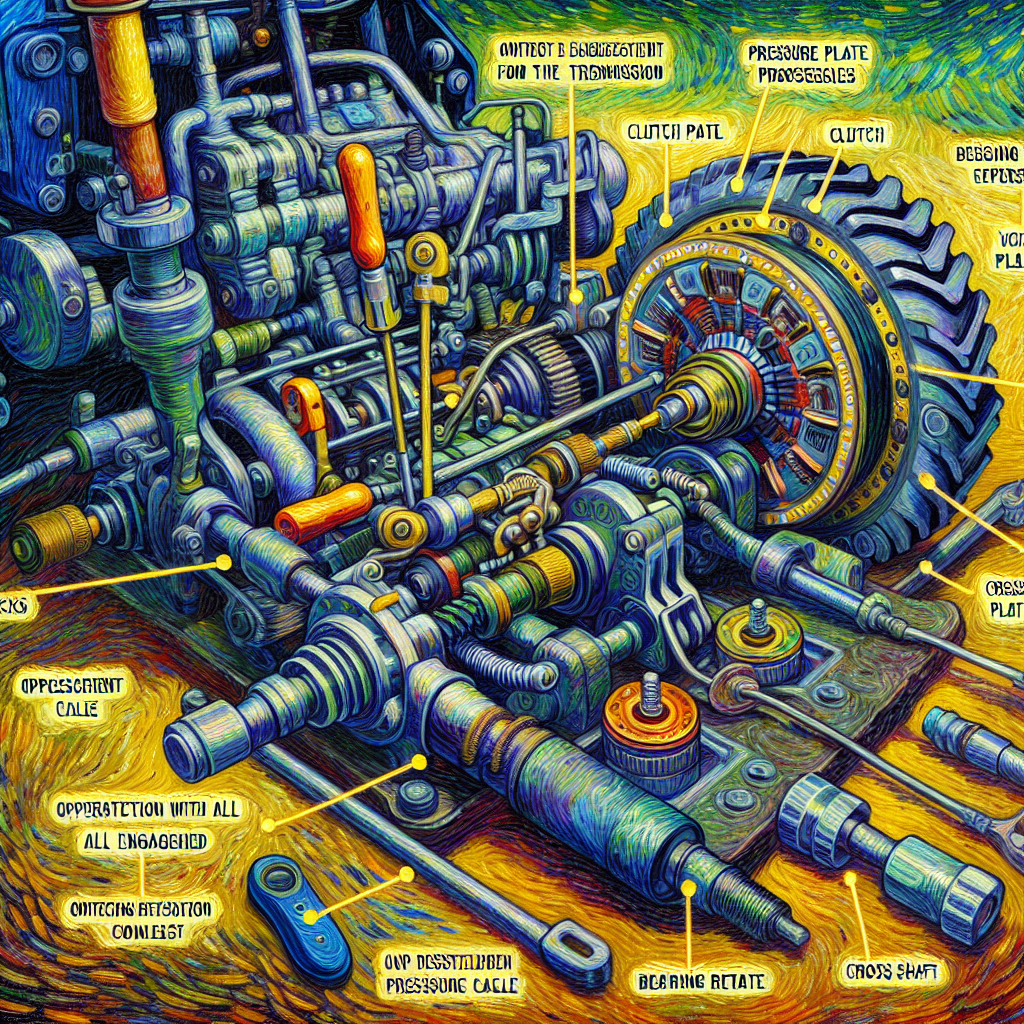
Conclusion
Conclusion:
- Hybrid classic/modern tractors blend nostalgia and innovation for a sustainable agricultural future.
- These tractors feature smart technology, including sensors and GPS, enhancing productivity while honoring traditional farming.
- Benefits of hybrid technology include reduced fuel consumption, lower emissions, and improved yield efficiency for farmers.
- Transitioning to hybrid tractors positions farmers as environmentally responsible stewards of the earth.
- Farmers engage in discussions about legacy and innovation, fostering commitment to sustainable practices in rural communities.
- Hybrid tractors symbolize a partnership between technology and tradition, reaffirming the core values of farming.
- This evolution in agricultural machinery balances productivity with sustainability, ensuring a thriving legacy for future generations.
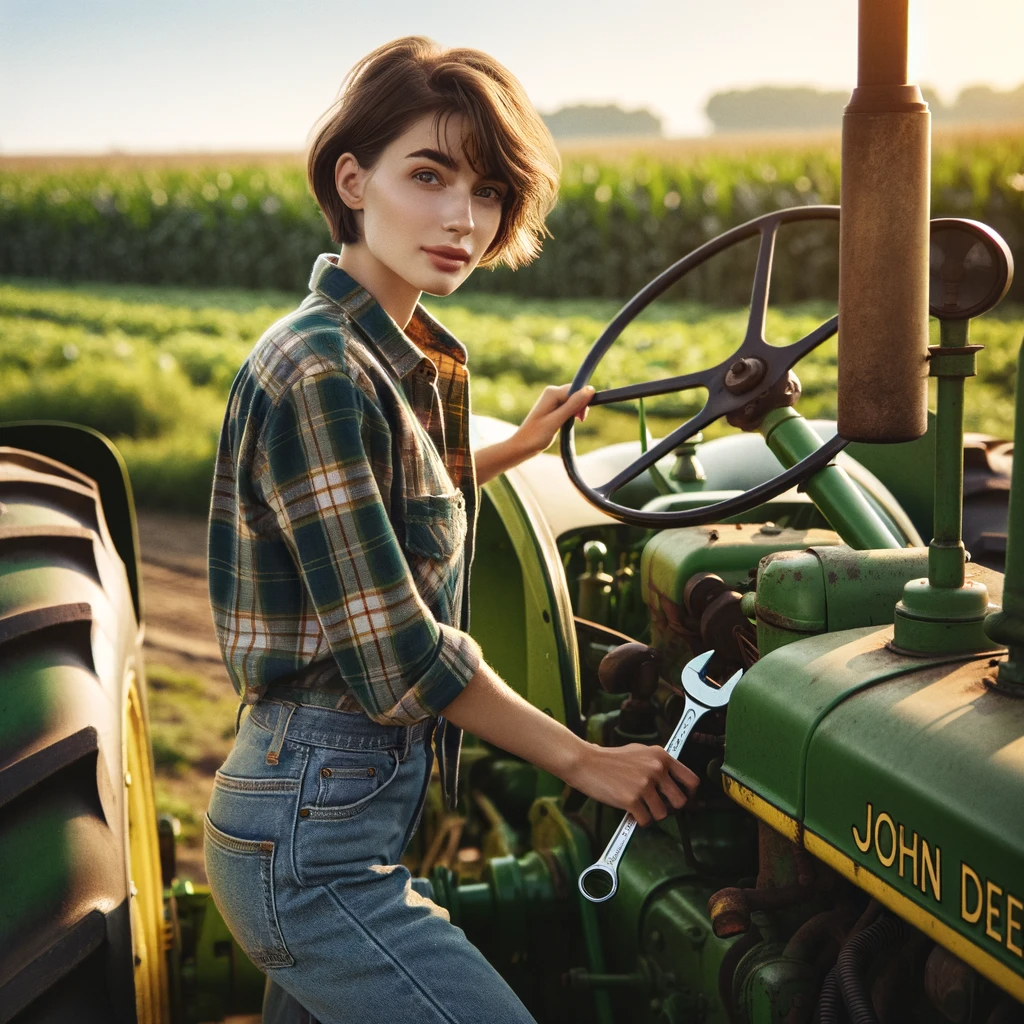
Conclusion
Other Resources
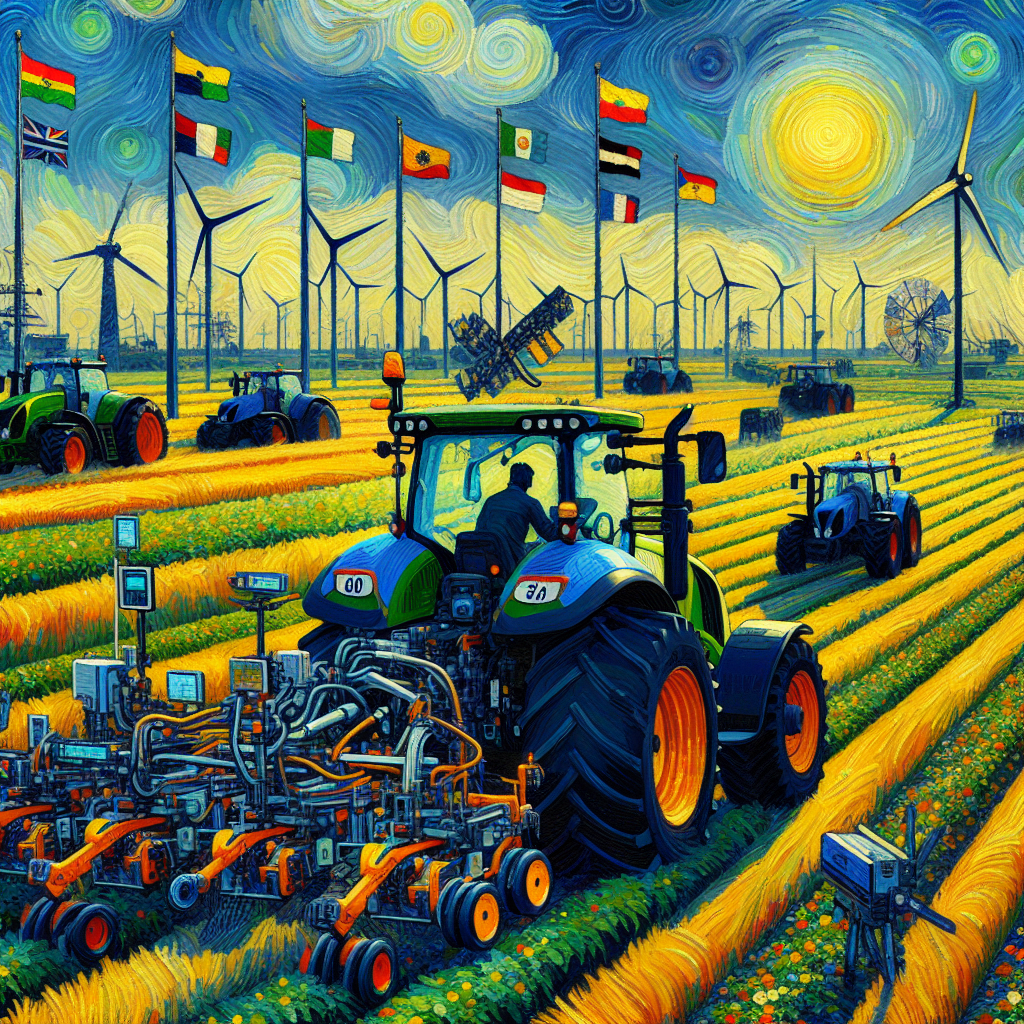
Other Resources
Here is a list of other resources you can review online to learn more:
- Muskoka Pioneer Power
- Creekside Farm & Market Tractor Show
- JCB
- Tractor Models
- Lanz
- Paquette Farmall Tractor Museum
- Huber
- Hitachi
- TYM
- Renault
- Antique Engine & Tractor Association – Working Farm Show
- Bobcat
- Saunderson
- Foton
- Farm Progress Show
- Shaktimaan
- Barreiros
- Holder
- East Wind
- Limb
Use This Prompt To Get More Resources With Your Favorite Online AI Tool: Please provide me with a list of online articles with their URLs in a bulleted list that I can read regarding Are There Any Hybrid Classic/Modern Tractors?
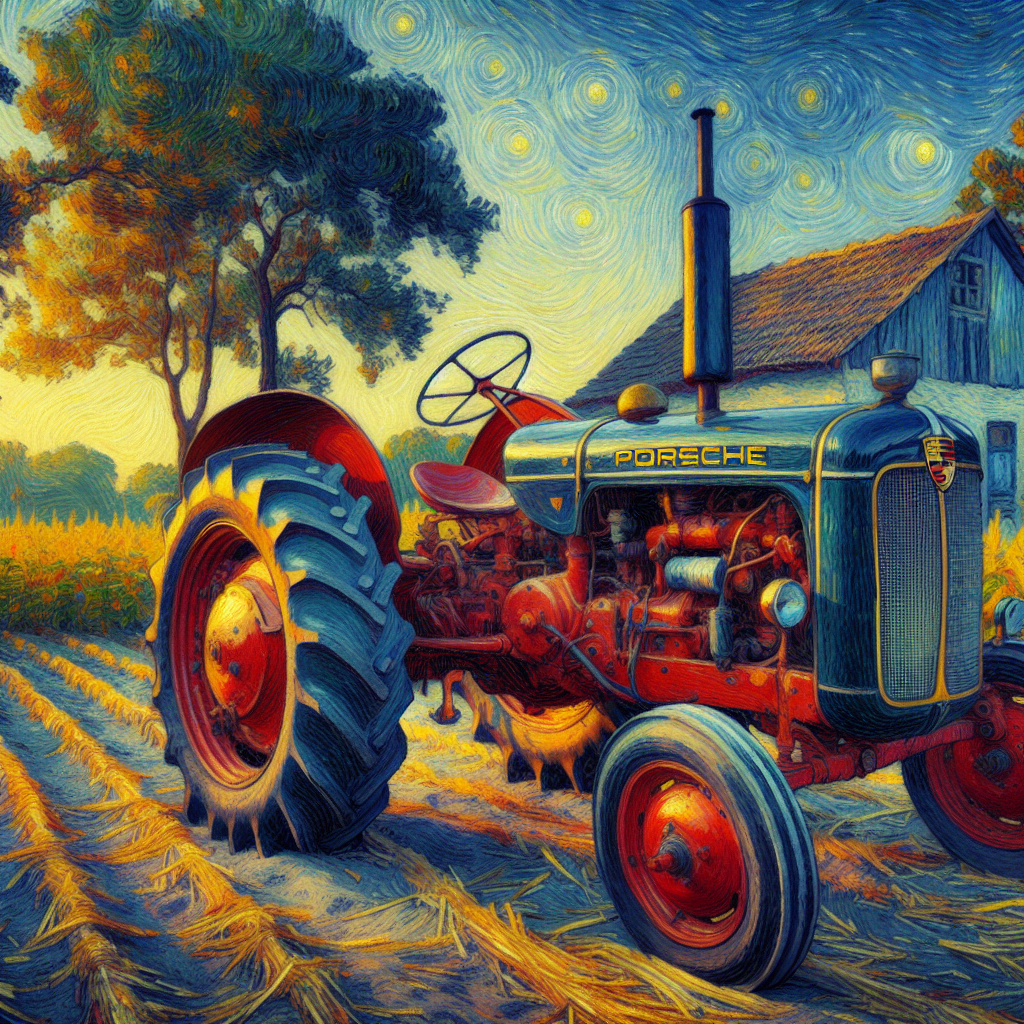
Other Resources
Glossary Terms
Are There Any Hybrid Classic/Modern Tractors? – Glossary Of Terms
1. Hybrid Tractor: A tractor that combines traditional internal combustion engines with electric power systems to improve efficiency and reduce emissions.
2. Classic Tractor: A vintage agricultural vehicle, often produced before the late 20th century, known for its mechanical simplicity and durability.
3. Modern Tractor: A contemporary agricultural vehicle equipped with advanced technology, such as GPS, automation, and enhanced fuel efficiency features.
4. Fuel Efficiency: The measure of how effectively a tractor uses fuel to perform work, crucial for cost savings and environmental impact.
5. Electric Powertrain: A system that uses electric motors and batteries instead of or alongside conventional engines, common in hybrid vehicles.
6. Regenerative Braking: A technology that captures energy typically lost during braking and redirects it to recharge the vehicle’s battery.
7. Hydraulic System: A mechanism that uses pressurized liquid to power machinery, commonly utilized in tractors for lifting and moving attachments.
8. Telematics: The integrated use of telecommunications and monitoring systems in tractors for diagnostics, data analysis, and operational efficiency.
9. GPS Guidance: A navigation system that helps tractors operate with precision, reducing overlap and increasing productivity during fieldwork.
10. ATVs (All-Terrain Vehicles): Smaller vehicles used in farming and agriculture, sometimes equipped with hybrid technology.
11. Versatility: The ability of hybrid tractors to perform various agricultural tasks efficiently, adapting to different implements and conditions.
12. Sustainability: Practices aimed at minimizing environmental impact, often a key focus in the development of hybrid tractors.
13. Biofuels: Renewable fuels produced from organic materials, sometimes used in hybrid tractors in conjunction with traditional fuels.
14. Emission Standards: Regulations that set limits on the amount of pollutants that tractors can emit, influencing the design of hybrid models.
15. Field Capacity: The amount of work a tractor can achieve within a specific timeframe, a critical factor in agricultural productivity.
16. Weighted Traction: The concept of adding weight to a tractor to increase its grip and performance in various soil conditions.
17. PTO (Power Take-Off): A device that transfers mechanical power from a tractor to an implement for operation, essential in hybrid configurations.
18. Smart Farming: The incorporation of technology into agriculture practices, including the use of hybrid tractors for enhanced efficiency.
19. Comfort Features: Ergonomic designs and modern amenities in tractors that improve operator comfort, especially in hybrid models.
20. Maintenance: The practices required to keep tractors in good working order, which may differ for hybrid vehicles compared to traditional ones.
21. Agricultural Implements: Attachments and tools utilized by tractors for various farming tasks, such as plowing, planting, and harvesting.
22. Torque: A measure of the rotational force produced by the tractor’s engine, critical for performance in heavy-duty tasks.
23. Operational Range: The distance or area a hybrid tractor can efficiently cover using its power reserves and capabilities.
24. Weight Distribution: The balance of a tractor’s weight across its axles, impacting stability and performance in the field.
25. Sensor Technology: Devices integrated into tractors to monitor performance and environmental conditions for precision farming.
26. Cultivation: The agricultural practice of preparing the soil for planting, often requiring powerful tractors for effective execution.
27. Vertical Integration: The system where hybrid tractor manufacturers collaborate directly with farmers, improving product development and feedback.
28. Cost-Benefit Analysis: An assessment method used by farmers to determine the financial viability of investing in hybrid tractors compared to conventional options.
29. Soil Compaction: The increase in soil density, which can affect crop yields; hybrid tractors may help minimize this through better weight distribution.
30. Innovation: The process of developing new technologies and practices in agriculture, including advancements in hybrid tractor designs and functionalities.
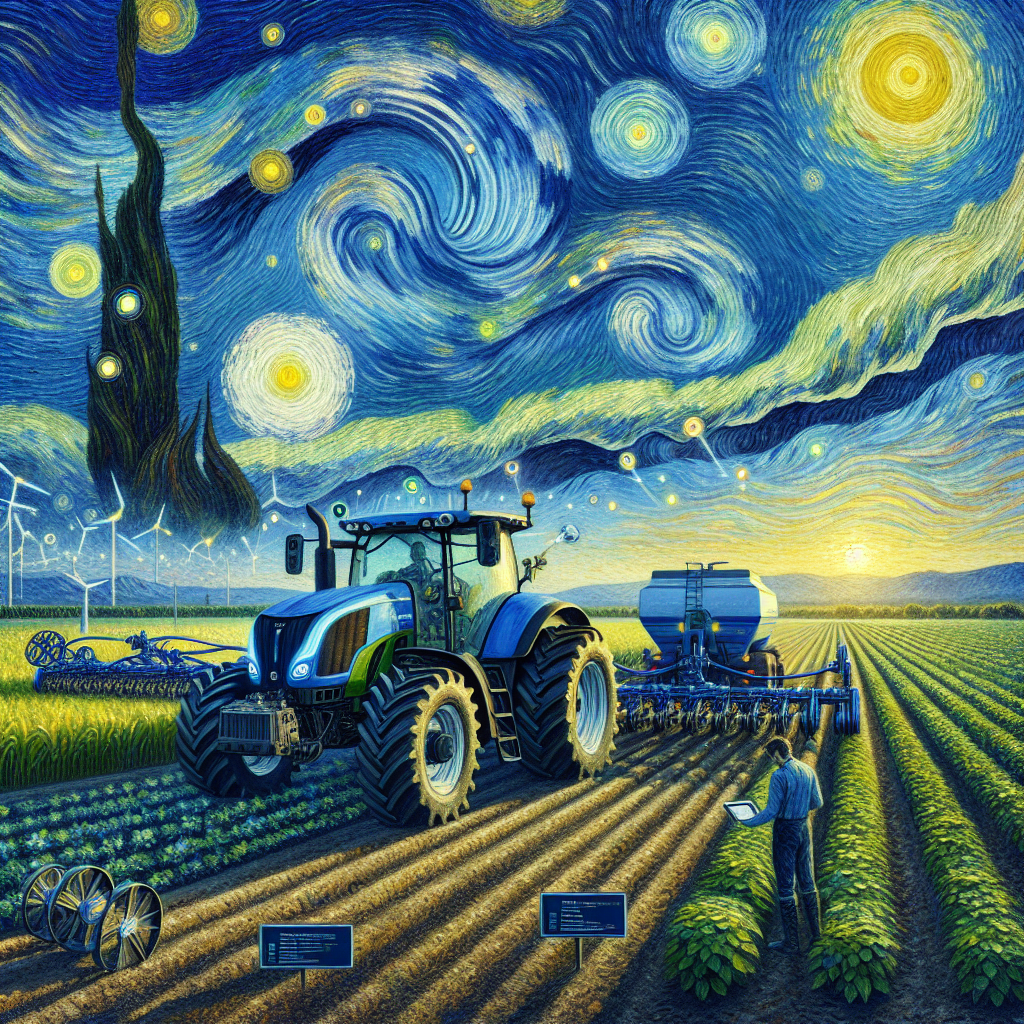
Glossary Of Terms
Other Questions
Are There Any Hybrid Classic/Modern Tractors? – Other Questions
If you wish to explore and discover more, consider looking for answers to these questions:
- What exactly is meant by “hybrid” in the context of tractors (series, parallel, plug‑in, retrofit)?
- Are commercially available hybrid tractor models currently on the market, or are they mainly prototypes?
- Which manufacturers produce hybrid tractors or offer hybrid conversions?
- Can a classic/vintage tractor be retrofitted to hybrid power, and how feasible is that?
- How much does a new hybrid tractor cost versus an equivalent conventional tractor?
- What are the typical payback period and ROI from fuel savings and lower operating costs?
- Are there government grants, subsidies, or tax incentives to help adopt hybrid tractors?
- How do hybrid tractors perform in terms of horsepower, torque, and towing capability compared to traditional models?
- Are hybrids suitable for heavy-duty tasks like primary tillage or large-scale hauling?
- How does hybrid technology affect maintenance needs, complexity, and long‑term service costs?
- What is the expected battery life, warranty coverage, and replacement cost for hybrid systems?
- How are hybrid tractor batteries charged—on‑board generator, plug‑in charging, solar, or regenerative braking?
- What charging infrastructure is required on a typical farm, and how long do charges take?
- Can hybrid tractors operate reliably off‑grid or in remote locations without stable electricity supply?
- How durable and weatherproof are hybrid components in harsh farm environments (dust, moisture, temperature extremes)?
- Do hybrid systems change the tractor’s weight distribution and affect soil compaction?
- How do hybrid tractors integrate with existing hydraulic systems and implements?
- Are there unique safety risks (e.g., high‑voltage systems or battery fire) and how are they managed?
- What regulatory, certification, or licensing requirements apply to hybrid tractors?
- How do hybrid tractors compare to fully electric tractors in practicality and cost?
- What is the full lifecycle environmental impact, including battery manufacture, recycling, and disposal?
- Are there real‑world case studies or farmer testimonials showing measured benefits?
- Which farm sizes, crops, and operation types benefit most from hybrid tractors?
- How does hybrid performance vary in extreme climates (cold winters, hot summers)?
- Are there financing, leasing, or rental options specifically for hybrid tractors?
- Is specialized operator training required to use and maintain hybrid tractors?
- How available are parts, service, and dealer networks for hybrid systems in rural areas?
- How do hybrid tractors affect resale value and the second‑hand market?
- Are there firms or custom shops that build “classic‑style restomods” with modern hybrid drivetrains?
- How do software, telematics, and precision‑ag integration work on hybrids; are there cybersecurity concerns?
- What are the warranty, insurance, and liability implications for hybrid tractors?
- Do hybrids reduce noise and vibration for improved operator comfort and longer workdays?
- What routine inspection and maintenance schedules are recommended for hybrid components?
- What future developments or cost trends are expected for hybrid tractor technology?
Other Questions
Haiku
Are There Any Hybrid Classic/Modern Tractors? – A Haiku
Old rust meets new dreams,
Fields of promise intertwine,
Future’s heartbeat hums.
Haiku
Poem
Are There Any Hybrid Classic/Modern Tractors? – A Poem
In fields where sunbeams blend with toil,
Stands the tractor, a friend to the soil.
Rust and grit of ages past,
Yet dreams of a future, steadfast.
With engines that hum, both old and new,
A hybrid heart now beats true.
Heritage meets modern grace,
In every revolution, a familiar place.
Nostalgia whispers of hands worn with care,
Yet forward we move, with burdens to share.
Sustainable paths forged with skill,
Harvesting hope from the earth’s will.
Reduced emissions, fewer costs to bear,
An ethical duty to the land we care.
Precision in planting, yields that soar,
Innovation unites us; community at its core.
Trust flourishes where stories are spun,
Of farmers embracing a race yet run.
Every diesel hum, every electric sigh,
A promise that echoes in the vast sky.
So we drive through dawn, past shadows of yore,
With hybrid tractors, let’s open the door.
To a future where visions of farming unite,
In the heart of the land, where tradition takes flight.
Poem
Checklist
Are There Any Hybrid Classic/Modern Tractors? – A Checklist
Heart (Emotional Appeal)
✅______ Connect with tradition: Reflect on the stories and legacy associated with vintage tractors.
✅______ Celebrate progress: Embrace the joy of blending past experiences with modern innovations.
✅______ Visualize a sustainable future: Imagine how your choices impact future generations and the environment.
Head (Rational Appeal)
✅______ Calculate fuel savings: Estimate potential fuel cost reductions from using hybrid tractors.
✅______ Assess productivity gains: Analyze yield increases from advanced technology features.
✅______ Evaluate environmental impact: Research the reductions in emissions and resource use with hybrid models.
Gut (Ethical Appeal)
✅______ Commit to stewardship: Consider the importance of acting as a responsible guardian of the land.
✅______ Support sustainable practices: Advocate for farming methods that promote long-term ecological balance.
✅______ Engage with community initiatives: Participate in local efforts that promote sustainable agriculture.
Authority (Credibility Appeal)
✅______ Follow industry leaders: Keep abreast of advancements from trusted manufacturers in hybrid technology.
✅______ Learn from early adopters: Gather testimonials and insights from farmers who have successfully transitioned to hybrid tractors.
Narrative (Storytelling Appeal)
✅______ Share personal farming journeys: Document and narrate your experiences and successes with hybrid tractors.
✅______ Foster community stories: Encourage discussions about collective progress and shared farming experiences.
Social (Community Appeal)
✅______ Join farming networks: Connect with groups that focus on sustainable farming innovations.
✅______ Participate in local events: Engage in fairs or forums that highlight advances in agricultural technology.
✅______ Build trust with consumers: Share your commitment to transparency and sustainable practices with your community.
Checklist
At ClassicTractorNews, we help tractor lovers keep up with the latest news for classic and vintage tractors.
Please share this post with your friends, family, or business associates who may like old classic or vintage tractors.