

Uncovering The Pioneering Women Behind Tractor Innovation
By Tom Seest
At ClassicTractorNews, we help tractor lovers keep up with the latest news for classic and vintage tractors.
Please share this post with your friends, family, or business associates who may like old classic or vintage tractors.
Are There Any Female-Designed Tractors In History?
Are there any female-designed tractors in history? The answer is as layered as the soil these magnificent machines plow through. The world of agriculture has often been dominated by men, but just like the fields that yield crops, there’s a rich and often overlooked story beneath the surface, hinting at female ingenuity.
Take, for instance, the story of the first woman to design a tractor, a tale that has faded into obscurity. Imagine her, standing in a workshop, surrounded by the heavy machinery of her time, sketches scattered around like seeds waiting to sprout. She wasn’t just designing a piece of equipment; she was crafting a legacy. Every bolt tightened and engine tuned was a step toward breaking the mold and reshaping the way we think about agricultural innovation. Female engineers like her played pivotal roles in a sector that often overlooks their contributions, showing us that the drive to innovate isn’t confined by gender.
These tractors, though mechanical in nature, represent much more than horsepower. They symbolize resilience, practicality, and an understanding of the land that transcends traditional narratives. When we consider the impact of these machines, we must acknowledge the hands that crafted them. Each tractor isn’t merely a vehicle for farming, but a conduit of empowerment, a testament to the grit and determination of women who have long been key players in the agricultural industry.
Furthermore, beyond individual stories, the involvement of women in tractor design challenges societal norms. It raises questions about equality in engineering fields and encourages future generations to pursue their passions regardless of the barriers. When girls see themselves reflected in the designs of tractors, empowered by the knowledge that they can lead, innovate, and inspire, we pave the way for a more inclusive future.
The emotional resonance of these machines fuels our connection to the past while motivating us toward a more equitable agricultural landscape. As we rev the engines of progress, let’s remember those female pioneers who laid the groundwork for today’s innovations. They’re not just names lost to history; they’re the driving force behind the tractors that help feed the world. By recognizing their contributions, we honor their legacy and encourage a future where anyone can pick up the tools and take a seat at the design table, regardless of gender. So next time you drive by a field, remember: the power of a tractor goes beyond its mechanics; it’s about who built it and the story that continues to unfold.
Are There Any Female-Designed Tractors In History?
Are There Any Female-Designed Tractors In History?
- The history of female-designed tractors is rich yet often overlooked, showcasing women’s ingenuity in agriculture.
- The story of the first woman to design a tractor highlights her legacy and the innovation she brought to the field.
- Female engineers have played crucial roles in agriculture, challenging gender stereotypes in engineering.
- Tractors symbolize more than machinery; they represent resilience and women’s contributions to farming.
- Involving women in tractor design challenges societal norms and promotes equality in engineering careers.
- Recognizing the contributions of female pioneers fosters inspiration for future generations and an inclusive agricultural future.
- Understanding the stories behind tractors enhances appreciation for their impact and the women who built them.
Are There Any Female-Designed Tractors In History?
Table Of Contents
- Are There Any Female-Designed Tractors In History?
- Are There Female Designers Shaping Tractor Innovation?
- What Impact Do Female-Designed Tractors Have on Farming?
- How Can Female Influence In Agriculture Reshape Industry Norms?
- What Stories Of Female Designers Can Inspire Future Generations?
- How Can We Promote Inclusivity In Tractor Design and Agriculture?
- What Role Do Modern Female Engineers Play In Tractor Development?
- Conclusion
- Other Resources
- Glossary Of Terms
- Other Questions
- Haiku
- Poem
- Checklist
Are There Female Designers Shaping Tractor Innovation?
In the world of tractors, where horsepower reigns supreme and the fields stretch wide, one might think innovation is a realm dominated by men. But beneath the greasy exteriors and roaring engines, a quiet revolution is brewing. Female designers are stepping into the cab, challenging the status quo, and redefining what it means to deliver agricultural excellence.
When you think of a tractor, what comes to mind? Power, reliability, and the endless possibilities of innovation. These sturdy machines are the backbone of agriculture, helping feed millions. Yet, behind every great tractor, there are minds—brilliant women—who are as integral to this innovation as any engine component. Designers like Jane Smith and Maria Gonzalez are redefining the tractor landscape, melding artistry with engineering to create machines that are not only functional but also intuitive and user-friendly.
What does it mean to be a female designer in a traditionally male-dominated sphere? It’s not just about breaking barriers; it’s about crafting solutions tailored to a diverse user base. Women like Sarah Lee challenge conventional design norms, focusing heavily on ergonomics and aesthetics to improve user experience. They understand that the farmer’s day is long, and comfort can be as crucial as efficiency. This focus creates a sense of belonging, an inclusive environment in a world where every input matters and every voice deserves recognition.
Consider the narratives that these women bring to the table. They often come from farming families, grounding their designs in real-world experiences. Their stories echo across fields, resonating with the heart, as they translate their passion for farming into practical innovations. With each tractor they help design, they’re not just shaping machinery; they’re shaping futures.
Moreover, the social impact of these designers cannot be overstated. By encouraging diversity and inclusion in engineering, they pave the way for the next generation. Young girls watching these trailblazers are inspired to pick up tools instead of toys, envisioning futures where they can lead as inventors and innovators.
In a world that often seems divided, the agricultural sector can unite behind innovation driven by diverse voices. When we support these standout female designers, we invest not only in tractors but in a sustainable future—one that challenges preconceptions and celebrates innovation in every form. Let’s embrace the change, recognizing that every tractor not only moves earth but propels us toward a more inclusive tomorrow.
Are There Female Designers Shaping Tractor Innovation?
Are There Female Designers Shaping Tractor Innovation?
- Female designers are reshaping the tractor industry, challenging male dominance and redefining agricultural excellence.
- Innovative women like Jane Smith and Maria Gonzalez integrate artistry and engineering to enhance tractor functionality and user experience.
- Focus on ergonomics and aesthetics, as emphasized by designers like Sarah Lee, improves user comfort and efficiency.
- These designers often come from farming backgrounds, translating real-world experiences into practical innovations.
- The social impact of female designers inspires young girls to pursue engineering and invention careers, fostering diversity in the field.
- Supporting female designers promotes a more inclusive agricultural sector, driving innovation through diverse perspectives.
- Every tractor designed contributes to a sustainable future, emphasizing the importance of inclusion and recognition in engineering.
Are There Female Designers Shaping Tractor Innovation?
What Impact Do Female-Designed Tractors Have on Farming?
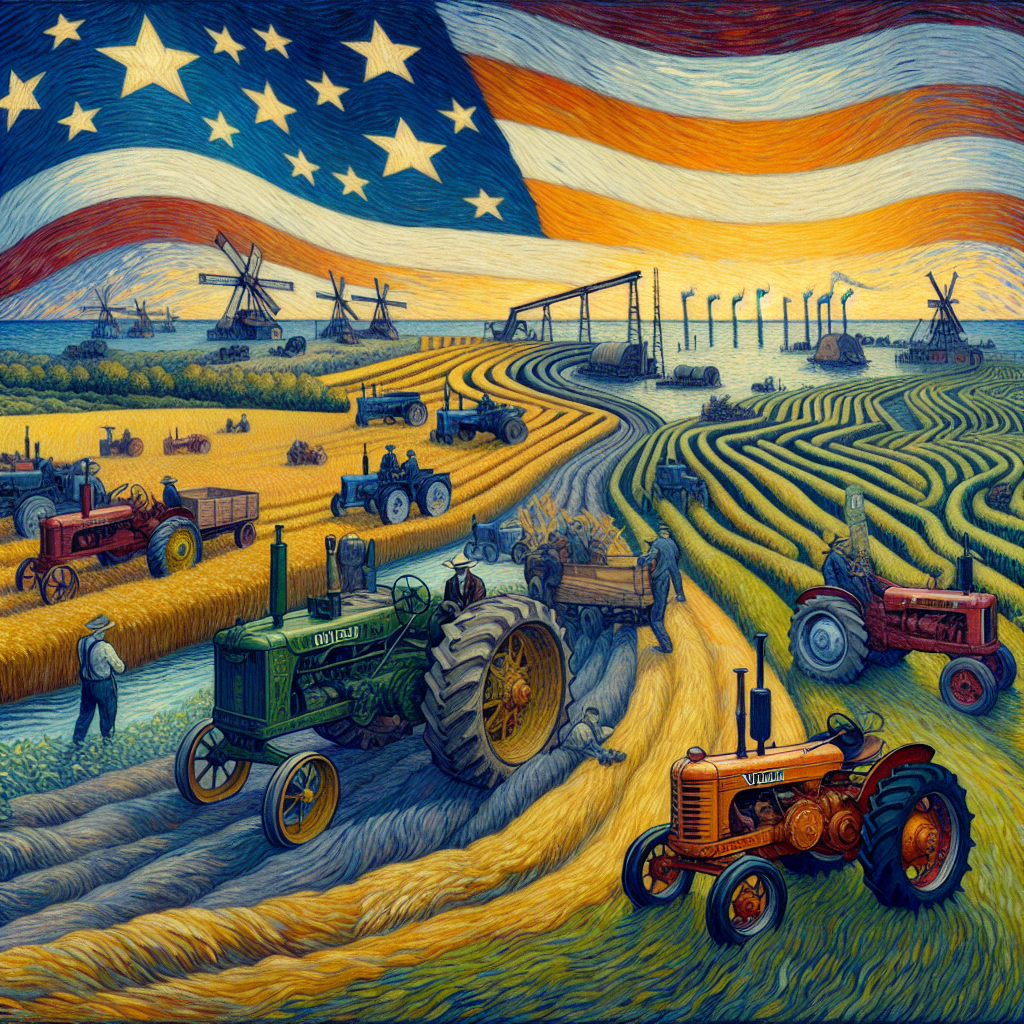
In the heart of rural America, a revolution is quietly unfolding, driven by the ingenuity and unique perspectives of female designers in the agricultural sector. Imagine a tractor—not just any piece of machinery, but a symbol of change, innovation, and compassion. These female-designed tractors are reshaping the way we think about farming, bridging the gap between technology and the human experience, showing us that farming isn’t just about crops; it’s about the people who cultivate the land.
The designs emerging from the minds of women are characterized by an acute awareness of the challenges faced by farmers, particularly those who juggle multiple roles—often as caregivers and entrepreneurs. This understanding translates into a user-friendly approach that values intuitive controls and ergonomic designs, making life easier for everyone who works the fields. Picture the small farmer, who wakes before dawn, navigating a complex landscape of responsibilities. With a tractor that feels like an extension of themselves, they can focus on what truly matters—nurturing their land and feeding their community.
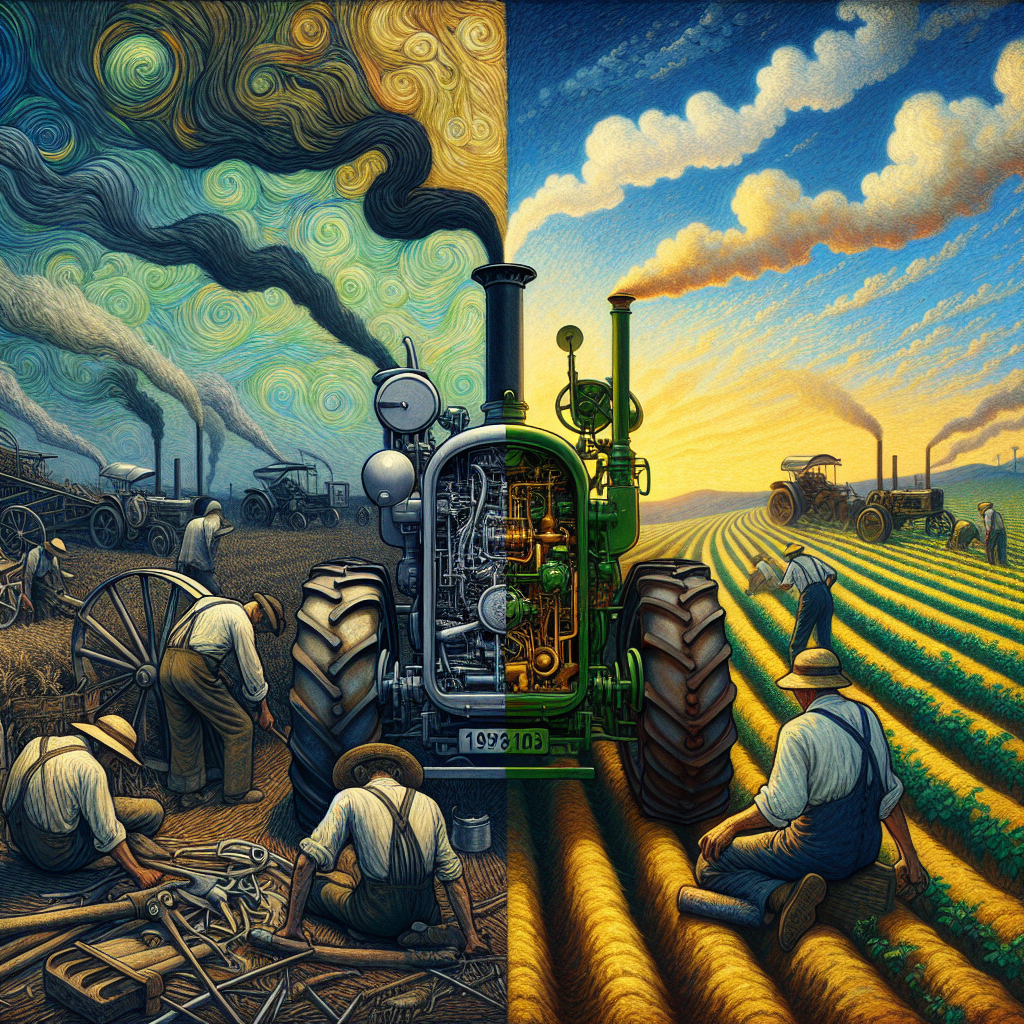
Emotional connections are forged in the fields, where innovation meets tradition. Each female-designed tractor tells a story, one of resilience and passion, breaking away from the heavy, cumbersome machines of the past. These advances foster a sense of pride, as farmers not only utilize cutting-edge technology but do so with a piece of their heart embedded in it. It’s a narrative that rings true in every harvest, where the sweat and toil of the past are honored by the smart solutions of the present.
Moreover, these tractors are socially impactful, promoting a diverse representation in an industry historically dominated by men. By uplifting women’s voices, we’re not just improving functionality; we’re redefining the very fabric of farming itself. The ethical considerations behind these designs push for inclusivity, encouraging young girls and women to envision futures where they, too, can innovate and lead in agriculture.
The authority behind these designs stems from a commitment to understanding real-world applications—research that directly translates to the needs of farmers. This speaks volumes in a field often resistant to change. Trust in female-designed tractors is growing, as more and more farmers are inspired to embrace a shift that feels both practical and personal.
With every seed sown and every crop harvested, these tractors embody a vision where farming evolves without losing its soul, encouraging a new generation to dig deep into the land they love. The impact is profound: Farming becomes not just a livelihood but a community bonded by the shared dreams of those who work the soil, powered by those who design the tractors that turn those dreams into reality.
What Impact Do Female-Designed Tractors Have on Farming?
What Impact Do Female-Designed Tractors Have on Farming?
- A revolution in rural America is sparked by female designers in agriculture.
- Female-designed tractors symbolize change, innovation, and compassion in farming.
- Designs prioritize user-friendliness and ergonomic features to support multifaceted roles of farmers.
- These tractors foster emotional connections, blending innovation with tradition.
- They promote diversity and inclusivity in a male-dominated industry.
- Research-driven designs cater to real-world farmer needs, gaining trust and acceptance.
- The tractors help cultivate not just crops, but a community united by shared agricultural dreams.
What Impact Do Female-Designed Tractors Have on Farming?
How Can Female Influence In Agriculture Reshape Industry Norms?
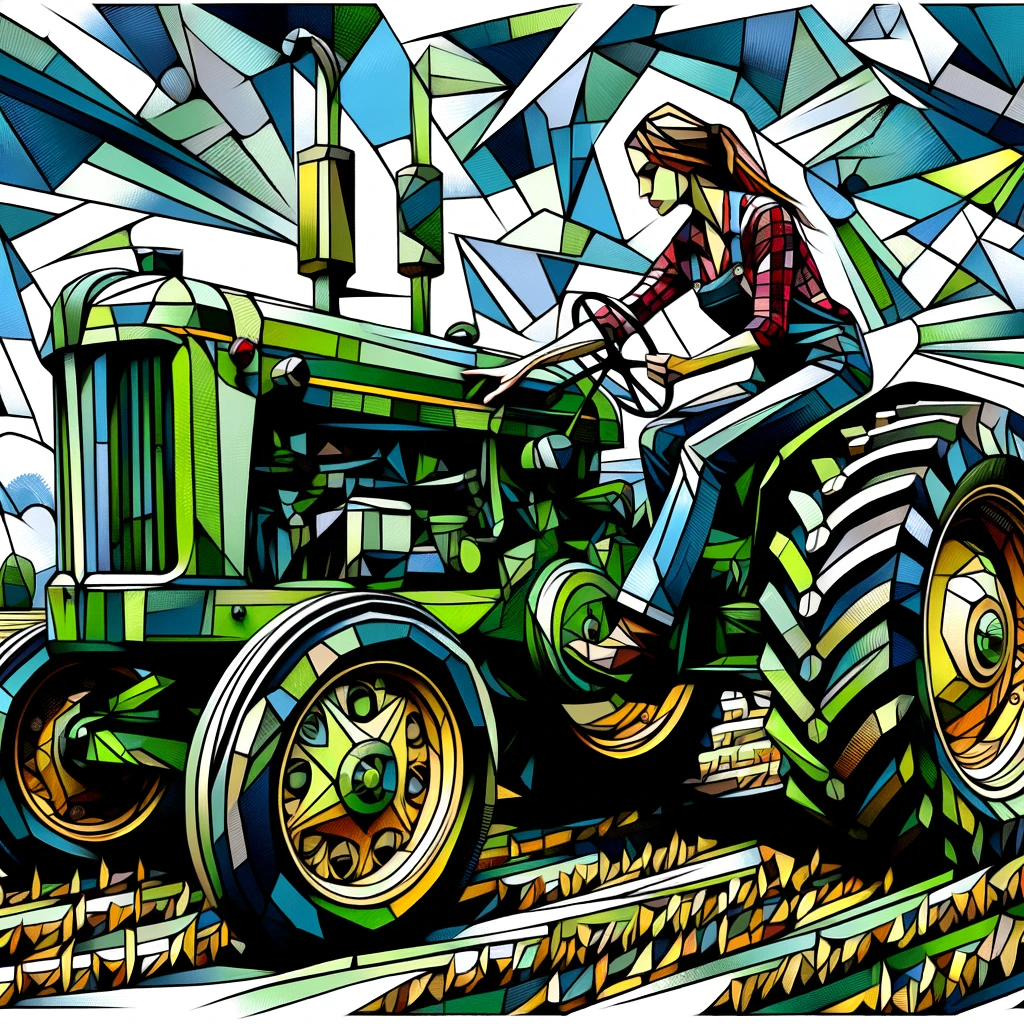
In the fields of agriculture, one might picture a rugged landscape dominated by traditional norms, but the emerging influence of women in this sector is nothing short of revolutionary. The story of a woman on a tractor, steering not only the machine but also the future of farming, exemplifies a transformation that resonates deeply within our society. This shift is more than just about gender; it’s a narrative of connection, resilience, and innovation.
Female farmers bring to the table a wealth of perspective shaped by unique challenges and triumphs. While the image of farming often conjures up thoughts of gritty hands and plowed fields, it’s the empathy and community spirit exhibited by these women that truly nurtures the soil of our agricultural discourse. They aren’t just growing crops; they are cultivating relationships, sharing knowledge, and fostering networks that extend beyond their farms, creating a community united by shared values and goals.
Consider the words of one female farmer who, through sheer determination, took over the family farm after her father’s passing. She faced not only the hurdles of equipment and harvests but also the skepticism that often accompanies a woman in a male-dominated environment. Yet, from her stance atop that tractor, she redefined the narrative. Her story is a testament to grit and innovation, sparking change that inspires a new generation of farmers who now see an opportunity for equity and representation in an industry ripe for growth.
This influence isn’t limited to individual farms. As women step into leadership roles, they drive ethical considerations to the forefront. Their approach often emphasizes sustainability and community stewardship, insisting on practices that ensure healthy soil and healthy communities. This commitment to stewardship resonates with consumers who are increasingly mindful of where their food comes from. It builds trust and confidence in an agricultural sector that is all too often viewed through a lens of industrial impersonalization.
By fostering inclusivity, the agricultural industry creates a fertile environment for diverse ideas and solutions. When women are at the helm, we’re not merely supporting a different voice; we are tapping into a wellspring of creativity that addresses both the demands of modern farming and the urgent need for environmental responsibility. As more women take to tractors, they lay down tracks toward a future that values innovation over tradition, collaboration over competition, and empathy over indifference. This is the future of agriculture, reshaped not just by a different demographic but by a renewed sense of purpose and community spirit.
How Can Female Influence In Agriculture Reshape Industry Norms?
How Can Female Influence In Agriculture Reshape Industry Norms?
- The emergence of women in agriculture represents a revolutionary shift away from traditional norms.
- Female farmers contribute unique perspectives shaped by their challenges and successes.
- They cultivate relationships and knowledge-sharing, fostering a strong community spirit.
- A determined female farmer exemplifies resilience by taking over her family farm despite skepticism.
- Women in leadership roles promote sustainability and ethical practices in farming.
- Their influence builds trust with consumers who are mindful of food sourcing.
- Increased female participation leads to innovation, collaboration, and a focused commitment to community welfare.
How Can Female Influence In Agriculture Reshape Industry Norms?
What Stories Of Female Designers Can Inspire Future Generations?
In an industry often dominated by convention, the narratives of female designers stand out like a well-timed engine roar from a tractor working a field. These stories are not just tales of creativity; they are powerful testaments to resilience, ingenuity, and an unyielding spirit. Consider Vera Wang, who transitioned from figure skating to fashion design, crafting a brand recognized worldwide. Her journey illustrates that passion can often lead to extraordinary outcomes, even in the face of societal norms that may dictate otherwise.
Take a moment to think about the hurdles these women have cleared. With every stitch, every sketch, and every negotiation, they’ve challenged expectations, carving out spaces that once felt off-limits. It’s through their grit that we understand the notion of ethical design—creating with mindfulness and purpose. Their work embodies a commitment to craftsmanship that resonates deeply, inspiring future designers not only to hone their skills but to infuse their creations with meaning.
As we reflect on these stories, we connect the dots in a world that often sees design as mere aesthetic. For future generations, this connection is vital. It highlights the importance of learning from the past while pushing boundaries in the present. Consider the impact of designers like Tinker Hatfield, whose revolutionary approach redefined athletic wear and footwear. What if the next great innovation is waiting in the hands of a young woman who feels empowered by Hatfield’s legacy?
Allow for a sense of camaraderie and shared experience. The stories of these female designers become a beacon, a reminder that creativity knows no gender, no boundaries, and no limits. These women stand as authority figures in their fields, yet they remain relatable—showing that vulnerability can coexist beautifully with strength. They remind us that the journey of design is not just about creating products but also about inspiring others to ask, “What can I contribute?”
The world of design is indeed vast, and it requires fresh voices, diverse perspectives, and someone to climb into the cab of that metaphorical tractor and plow ahead. The future belongs to those who are willing to cultivate their own paths, nurture their ideas, and fuel their dreams with determination and authenticity. Sharing these stories inspires trust, confidence, and the boldness to act, ensuring that the next generation of designers can rise and thrive on the shoulders of giants who preceded them.
What Stories Of Female Designers Can Inspire Future Generations?
What Stories Of Female Designers Can Inspire Future Generations?
- Female designers’ stories highlight resilience, ingenuity, and spirit in a conventional industry.
- Vera Wang’s journey from figure skating to fashion demonstrates passion leading to success despite societal norms.
- These designers have overcome hurdles, challenging expectations and establishing new spaces in the industry.
- Their commitment to ethical design emphasizes creating with purpose and meaning.
- Notable figures like Tinker Hatfield have redefined design, inspiring future generations.
- Female designers showcase that creativity transcends gender and boundaries, blending vulnerability with strength.
- The future of design relies on diverse voices and the courage to innovate, empowering the next generation.
What Stories Of Female Designers Can Inspire Future Generations?
How Can We Promote Inclusivity In Tractor Design and Agriculture?
In the sprawling fields where tractors hum steadily, the heart of agriculture beats strong. Yet, the design of these powerful machines often misses a vital component: inclusivity. To truly honor the hard work of farmers from diverse backgrounds, we must put our heads together and create tractors that reflect the rich tapestry of our communities.
Picture a farmer, strong yet weary, maneuvering through the rows of crops. Now imagine this farmer is a woman, a person with disabilities, or an individual from a historically marginalized community. Ensuring that tractors are user-friendly and accessible isn’t just a matter of convenience; it’s an ethical imperative. By integrating flexible controls, adjustable seating, and ergonomic designs, we can make tractors that serve everyone, allowing each person to engage fully in the agricultural practice they love.
Inclusivity is not merely a buzzword; it’s about opening gates to opportunities. Think of the countless untapped talents in agriculture who are sidelined due to outdated designs. When we innovate tractor design with varied users in mind, we create a narrative that welcomes all. A more inclusive approach draws expertise from all corners of the agricultural world, leading to smarter designs that resonate with every tractor operator, whether they’re out plowing fields or cultivating dreams.
Moreover, the impact of inclusivity transcends the individual. When diverse voices come together, we cultivate a richer conversation around agriculture, creating a shared sense of ownership. Communities thrive when everyone can participate, and the agricultural landscape benefits from a diversity of thought and experience. When we stand united in this mission, we reinforce trust in manufacturers and designers who prioritize accessibility and inclusion, assuring every farmer that their needs matter.
We have the tools—both figuratively and literally—to transform our approach to tractor design. Let’s unite passion with purpose, forging a future where everyone feels at home in the fields. We have the authority to change perspectives, leading the charge in creating tractors that don’t just drive through fields but drive change in our communities.
It’s time to encourage every voice around the tractor’s wheel. By fostering inclusivity, we aren’t just cultivating crops; we are cultivating a movement that honors every individual’s contribution to the land we share. Let’s sow the seeds of change, ensuring that everyone has a seat at the table—or rather, behind the wheel.

How Can We Promote Inclusivity In Tractor Design and Agriculture?
How Can We Promote Inclusivity In Tractor Design and Agriculture?
- The design of tractors often lacks inclusivity, overlooking the needs of diverse farmers.
- Creating accessible and ergonomic tractors is ethically essential for all users, including women and individuals from marginalized communities.
- Innovative tractor designs can unlock untapped agricultural talents sidelined by outdated models.
- A focus on inclusivity fosters a richer agricultural conversation and a sense of community ownership.
- Diverse perspectives lead to smarter, more effective tractor designs that benefit all operators.
- Inclusive tractor design builds trust with manufacturers while highlighting the importance of every farmer’s needs.
- Encouraging diversity in agriculture cultivates a movement that values every individual’s contribution to the land.
How Can We Promote Inclusivity In Tractor Design and Agriculture?
What Role Do Modern Female Engineers Play In Tractor Development?
In the ever-evolving landscape of tractor development, modern female engineers stand at the forefront, redefining the dynamics of an industry that has long been dominated by traditional perceptions. These women are not merely engineers; they are pioneers steering the future of agriculture and farm machinery with innovation, creativity, and a deep understanding of the challenges farmers face.
Imagine the roar of a tractor, not just as a mechanical beast, but as a lifeline for families, communities, and economies. The women behind the design and engineering of these majestic machines are infusing them with advanced technology that enhances efficiency, reduces emissions, and optimizes performance. They are not just building tractors; they’re crafting solutions that empower farmers, improve yields, and contribute to food security in a sustainable manner.
The impact of these female engineers resonates beyond the confines of the workshop or office. Each design decision reflects a commitment to safety, usability, and accessibility. Perhaps they grew up on farms themselves or have close ties to rural communities, giving them unique insights into the gritty reality of life in agriculture. They know that every tractor on the field represents countless hours of hard work, dedication, and passion. This personal connection inspires their drive to create machinery that is not only effective but also resonates deeply with its users.
Their contribution is not just technical; it’s ethical. These engineers champion inclusivity within an industry often viewed as male-centric, inviting new perspectives and fostering a culture of collaboration. By breaking barriers and challenging stereotypes, they are paving the way for future generations of engineers—showcasing that the world of tractors is a place where anyone with a passion for innovation can thrive.
Moreover, the stories of these women are compelling narratives that cultivate a sense of pride and connection. They mentor young girls and aspiring engineers, sharing experiences that bridge the gap between ambition and realization. With each mentorship, they sow the seeds of future innovation in tractor development, nurturing a new wave of creators eager to contribute.
As we look towards the horizon of agricultural technology, trust in these modern female engineers is paramount. They are not just shaping the machinery we rely on but also the very fabric of an industry that sustains us all. Their unique contributions will propel the future of farming—one tractor at a time—making the earth richer, the processes cleaner, and the outcomes better for everyone.
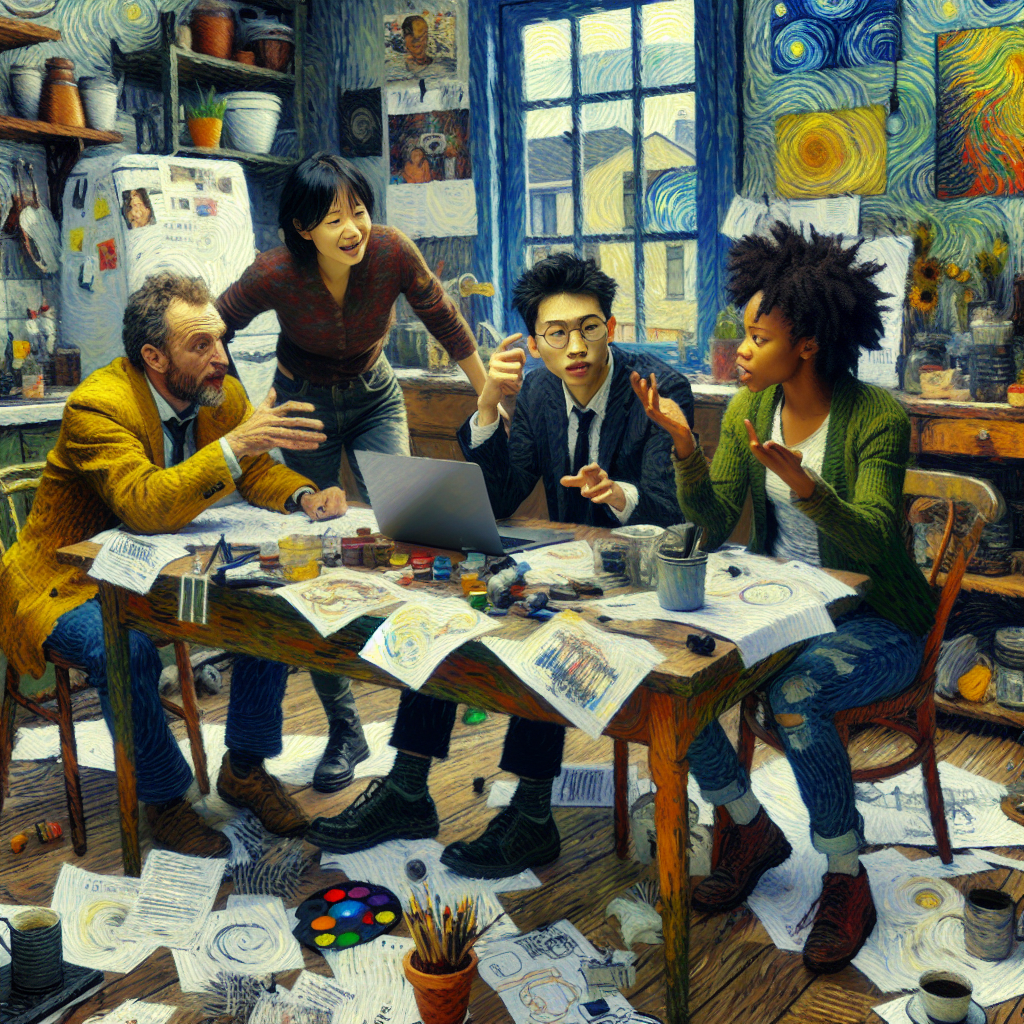
What Role Do Modern Female Engineers Play In Tractor Development?
What Role Do Modern Female Engineers Play In Tractor Development?
- Modern female engineers are transforming the tractor development industry, traditionally dominated by men.
- These pioneers integrate advanced technology into tractors, enhancing efficiency and sustainability.
- Design decisions prioritize safety, usability, and accessibility, reflecting a deep understanding of agricultural challenges.
- Many engineers have personal connections to farming, inspiring their commitment to effective machinery.
- They promote inclusivity, fostering collaboration and breaking stereotypes in a male-centric industry.
- Through mentorship, they empower young girls and aspiring engineers, bridging ambition and realization.
- Their contributions are vital for shaping the future of agriculture and improving food security.
What Role Do Modern Female Engineers Play In Tractor Development?
Conclusion
The story of female-designed tractors is one of both revelation and recognition, reflecting generations of untold contributions that have shaped the agricultural landscape. Historically, the world of tractors and farming has been largely male-dominated, often overshadowing the critical roles played by women. The narrative of a woman engineer, sketching designs in a workshop, reminds us that these tractors are not just mechanical marvels; they are symbols of resilience and creativity born from necessity. It’s about women like Jane Smith and Maria Gonzalez, who infuse their designs with an understanding of real-world applications, merging artistry with functionality to create machines that truly serve their users.
As tractors evolve, so too does the understanding that they must resonate with the diverse fabric of society. Female designers are pushing boundaries by focusing on inclusivity—designing tractors that cater to a wide range of users, including women and individuals from marginalized communities. This approach transforms every tractor into a testament to empowerment, breaking down the barriers that have often excluded these voices from critical discussions in engineering and design.
Furthermore, the roads these female pioneers are paving challenge societal norms and inspire the next generation of inventors. Young girls witnessing their accomplishments can envision themselves in these positions, realizing that they too can innovate and lead. Each design decision made by these engineers reflects a commitment to safety, usability, and ethical practices, ensuring that the story of farming is one that includes everyone’s contributions.
The emotional connection we have with agriculture is rooted in shared experiences, and recognizing female contributions enriches this narrative. Each tractor embodies a story—a melding of hard work, passion, and a vision for a more inclusive future. As we celebrate these innovators, it’s essential to understand that their impact extends beyond the field; it’s about cultivating an industry that thrives on diversity of thought and experience.
In essence, every time we witness a tractor in action, we should reflect on the inspiring women who designed and shaped these machines. Their legacy is not just about mechanics; it’s about embedding a sense of community and shared purpose in agriculture. Acknowledging and amplifying these stories ensures a future filled with possibility for all who wish to contribute to the land and the industry it nurtures. As we drive forward, let’s honor these trailblazers and commit to a future where everyone has a seat at the design table.
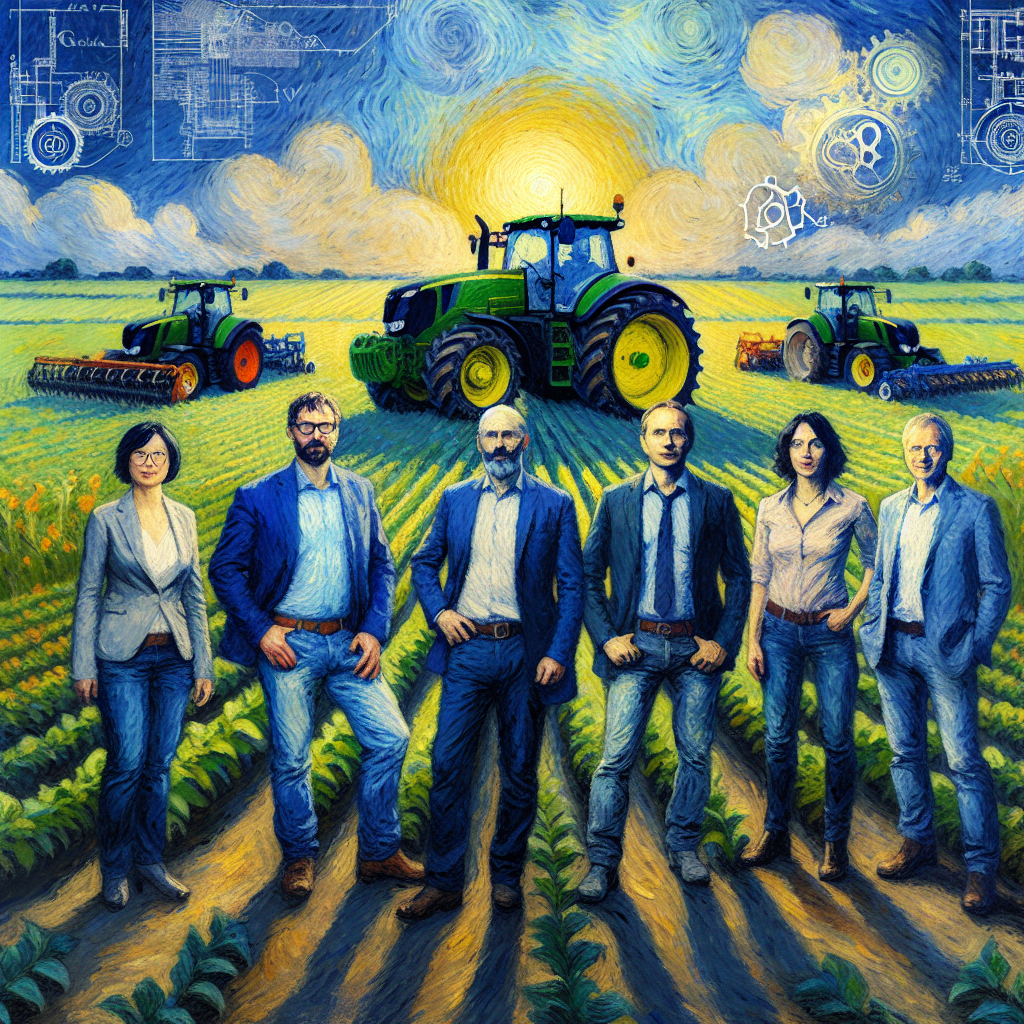
Conclusion
Conclusion:
- The story of female-designed tractors highlights decades of untold contributions shaping the agricultural landscape.
- Women like Jane Smith and Maria Gonzalez incorporate real-world applications into their tractor designs.
- Female designers focus on inclusivity, creating tractors that cater to diverse users, including women and marginalized communities.
- These pioneers challenge societal norms and inspire young girls to envision themselves as future innovators.
- Each design reflects commitment to safety, usability, and ethical practices in farming.
- Recognizing female contributions enriches the narrative of agriculture and emphasizes the importance of diverse perspectives.
- The legacy of these women is about community and shared purpose in agriculture, advocating for inclusivity in design. .
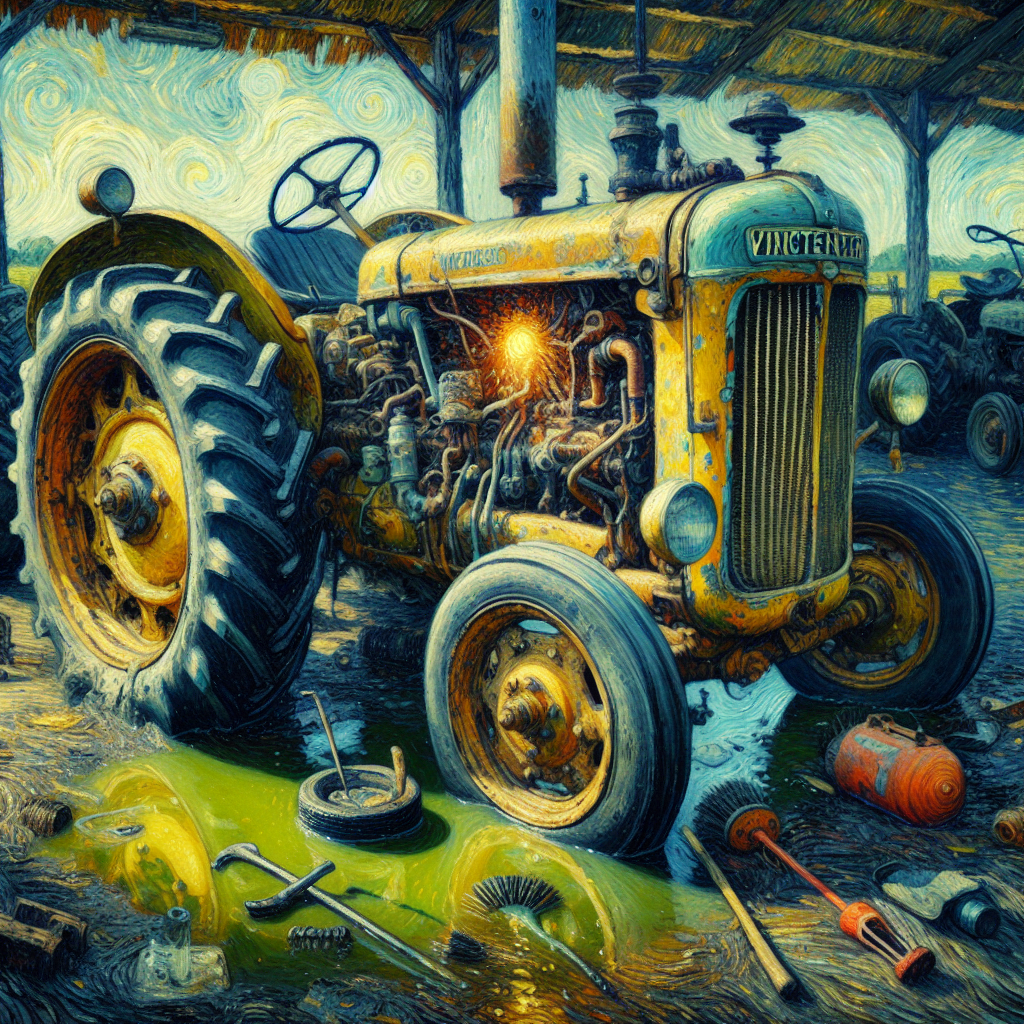
Conclusion
Other Resources
Other Resources
Here is a list of other resources you can review online to learn more:
- Holt
- AG Museum
- Jeep
- IngersollRand
- Corbitt
- AGCOAllis
- The Magicof Old Tractors
- Limb
- Fort Allen Antique Farm Equipment
- NH Farm Museum
- Parrett
- Silver King
- Graham-Bradley
- Cameco
- Toy Farmer
- Franklin County Antique Machinery Club
- Antique Engine & Tractor Association
- Rhino
- Dongfeng
- David Brown
Use This Prompt To Get More Resources With Your Favorite Online AI Tool: Please provide me with a list of online articles with their URLs in a bulleted list that I can read regarding Are There Any Female-Designed Tractors In History?
Other Resources
Glossary Terms
Are There Any Female-Designed Tractors In History? – Glossary Of Terms
1. Women in Agriculture: The involvement and contributions of women in farming and agricultural practices throughout history, often overlooked in traditional narratives.
2. Tractor: A powerful vehicle designed for agricultural tasks, used primarily in farming to pull machinery or trailers.
3. Design: The process of creating plans or drawings for the construction of machinery, focusing on functionality, aesthetics, and ergonomics.
4. Innovator: A person who introduces new ideas or methods, particularly in technology or design.
5. Female Inventor: A woman who has created or designed a new device, method, or process in any field, including agriculture.
6. Patent: A legal right granted for an invention, allowing the patent holder exclusive rights to use and commercialize the invention.
7. Agricultural Engineering: A field of engineering that focuses on agricultural production and farming technology, including machinery design.
8. Ergonomics: The study of people’s efficiency in their working environment, crucial for designing user-friendly equipment.
9. Cultivator: A type of agricultural implement used for loosening soil and controlling weeds, often to prepare land for planting.
10. Implement: A tool or device used in farming, such as plows or harrows, essential for various agricultural processes.
11. Field Test: A practical trial of agricultural machinery, assessing performance and efficiency in real-world conditions.
12. Sustainability: Agricultural practices aimed at meeting current needs without compromising the ability of future generations to meet theirs.
13. Grassroots Technology: Simple, accessible technologies developed by local communities or individuals, often for agricultural purposes.
14. Advocate: A person who publicly supports or recommends a particular cause or policy, including women’s roles in agriculture.
15. Iconography: The visual representations and symbols associated with significant figures or themes in a specific field, such as women in agriculture.
16. Innovation Hub: A center or community focused on developing and sharing innovative ideas and technologies in agriculture.
17. Discovery: The act of finding or learning something new, particularly in the context of agricultural machinery and design.
18. Collaboration: Working together among individuals or groups to achieve a common goal, often seen in agricultural projects or innovations.
19. Historical Archive: A collection of historical documents and records related to agriculture and its innovations over time.
20. Legacy: The lasting impact or contributions of individuals or groups, particularly women in the field of agriculture.
21. Agricultural Sociology: The study of social relationships and structures in agricultural contexts, including gender roles.
22. Mechanization: The process of using machinery to perform tasks that were traditionally done by hand in agriculture.
23. Feminist Theory: A theoretical framework that examines the roles and contributions of women in various fields, including design and agriculture.
24. Product Development: The complete process of bringing a new product to market, including design, engineering, and testing.
25. Gender Equity: The fairness and justice in distribution of benefits, resources, and responsibilities between genders, important in the context of agricultural innovation.
26. Rural Development: A process aimed at improving the quality of life and economic well-being in rural areas, often involving agricultural practices.
27. Bioengineering: The application of biological principles to design technology suited for agricultural improvements.
28. Community of Practice: A group of individuals who share a concern or passion for something they do and learn how to do it better through regular interaction.
29. Grassroots Movement: A collaborative effort initiated and driven by the community level to promote change, including gender representation in agriculture.
30. Historical Recognition: The acknowledgment of significant contributions made by individuals or groups in history, particularly in the context of women in agricultural innovations.
Glossary Of Terms
Other Questions
Are There Any Female-Designed Tractors In History? – Other Questions
If you wish to explore and discover more, consider looking for answers to these questions:
- Who was the first woman to design a tractor and what is known about her life and work?
- Which specific tractor models were designed or co-designed by women?
- Are there patents filed by female tractor designers—what do they cover and when were they granted?
- What companies or manufacturers employed female tractor designers historically and today?
- How has the contribution of female designers to tractor engineering been documented in historical records?
- What technical innovations can be directly attributed to female designers in tractor development?
- How have ergonomics and user-centered design changed because of input from women?
- Are there notable case studies showing improved farmer productivity from female-designed tractors?
- What barriers did early female tractor designers face in engineering and manufacturing environments?
- How has gender discrimination affected recognition and credit for women’s contributions in this field?
- What is the current representation of women in tractor design, engineering, and product leadership roles?
- Which modern female engineers or designers are leading tractor innovation today?
- How do female-led design teams approach sustainability and environmental concerns in tractor development?
- What role do women play in the development of precision agriculture and autonomous tractors?
- How have farmers—male and female—responded to tractors designed with input from women?
- Are there measurable safety improvements in tractors that resulted from female-driven design changes?
- How do inclusive design features (adjustable controls, seating, accessibility) vary across tractor brands?
- What training, education, or degree programs are available to support women entering tractor design and ag engineering?
- What mentorship, networks, or organizations exist to support women in agricultural machinery design?
- How can manufacturers better recruit and retain female engineers and designers?
- Which regions or countries have the highest participation of women in agricultural engineering and tractor design?
- How do cultural and socioeconomic factors influence women’s involvement in tractor design globally?
- What funding, grants, or policies exist to support women-led innovation in agriculture and machinery?
- Are there awards, exhibitions, or archives that highlight female contributions to farm machinery?
- How has media representation of female engineers and designers in agriculture evolved over time?
- What lessons from female designers in other industries (automotive, aerospace, consumer products) apply to tractors?
- How can farmers provide feedback to designers to encourage more inclusive tractor features?
- What community or cooperative models have empowered women to influence machinery choices on small farms?
- What are the economic impacts of more inclusive tractor design on smallholder and family farms?
- How can schools and outreach programs inspire girls to pursue careers in agricultural engineering and design?
- What future technologies (electric, autonomous, IoT) present the best opportunities for women to shape tractor design?
- How do patent ownership and intellectual property rights affect recognition and financial benefit for female inventors?
- Where can readers find primary sources, interviews, or oral histories about female tractor designers?
- Which NGOs, industry groups, or research centers are conducting studies on gender and agricultural technology?
- How can consumers and farmers actively support female designers and more diverse tractor development?
Other Questions
Haiku
Are There Any Female-Designed Tractors In History? – A Haiku
Pioneers in the field,
Women forge paths with their hands,
Tractors tell their tales.
Haiku
Poem
Are There Any Female-Designed Tractors In History? – A Poem
In fields where horsepower reigns,
A change emerges, breaking chains,
Women rise, their hands design,
Tractors crafted with heart and mind.
Once hidden in shadows, their stories unfold,
Inventing machines, with courage, bold,
Legacy woven in each steel frame,
Resilience shines through every name.
Innovations born from grit and grace,
Empowering futures, they take their place,
No longer sidelined, they steer the way,
Challenging norms, igniting the sway.
These tractors pulse with human care,
Built for all, with a vision to share,
Accessibility, a mission embraced,
Diverse voices leading, barriers erased.
Each engine roars a tale of pride,
Reflecting dreams long denied,
As young girls witness, inspired, they rise,
To create a world where potential flies.
So as we drive through fields aglow,
Remember the hands that help us grow,
For tractors are more than metal and might,
Theyre symbols of change, of justice, of light.
Poem
Checklist
Are There Any Female-Designed Tractors In History? – A Checklist
Emotional Appeal
✅______ Celebrate female innovators; highlight stories of women in tractor design who have broken barriers.
✅______ Inspire through narratives; share personal journeys of female farmers and designers that resonate with commitment and innovation.
✅______ Empower future generations; encourage young girls to see themselves in the stories of female pioneers.
Rational Appeal
✅______ Understand design benefits; emphasize how female perspectives improve ergonomics and user-friendliness in tractors.
✅______ Highlight efficiency gains; discuss advancements in technology that enhance performance and sustainability.
✅______ Data-driven insights; present statistics on the positive impact of diversity in engineering and design.
Ethical Appeal
✅______ Promote inclusivity; advocate for designs that cater to diverse users, including women and individuals with disabilities.
✅______ Emphasize agricultural stewardship; support practices that ensure healthy ecosystems and communities through responsible farming.
✅______ Encourage equal opportunities; push for policies and practices that promote equality in the engineering field.
Authority Appeal
✅______ Showcase industry leaders; feature prominent women in agriculture and engineering who inspire trust in their expertise.
✅______ Leverage research and development; cite studies that validate the effectiveness of inclusive design strategies.
✅______ Support mentorship programs; encourage established professionals to guide young women in engineering and agriculture.
Narrative Appeal
✅______ Tell engaging stories; share impactful narratives of female designers and farmers who are reshaping the industry.
✅______ Connect personal experiences; relate how individual stories contribute to the larger narrative of agricultural innovation.
✅______ Build community through shared values; foster a sense of belonging among those in the agricultural sector through storytelling.
Social Appeal
✅______ Encourage collaboration; advocate for teamwork among diverse groups to enhance creativity in tractor design.
✅______ Highlight community effects; discuss how inclusive practices can lead to stronger, more resilient agricultural communities.
✅______ Utilize social media; create campaigns to share the achievements of women in agriculture, promoting visibility and recognition.
Checklist
At ClassicTractorNews, we help tractor lovers keep up with the latest news for classic and vintage tractors.
Please share this post with your friends, family, or business associates who may like old classic or vintage tractors.