

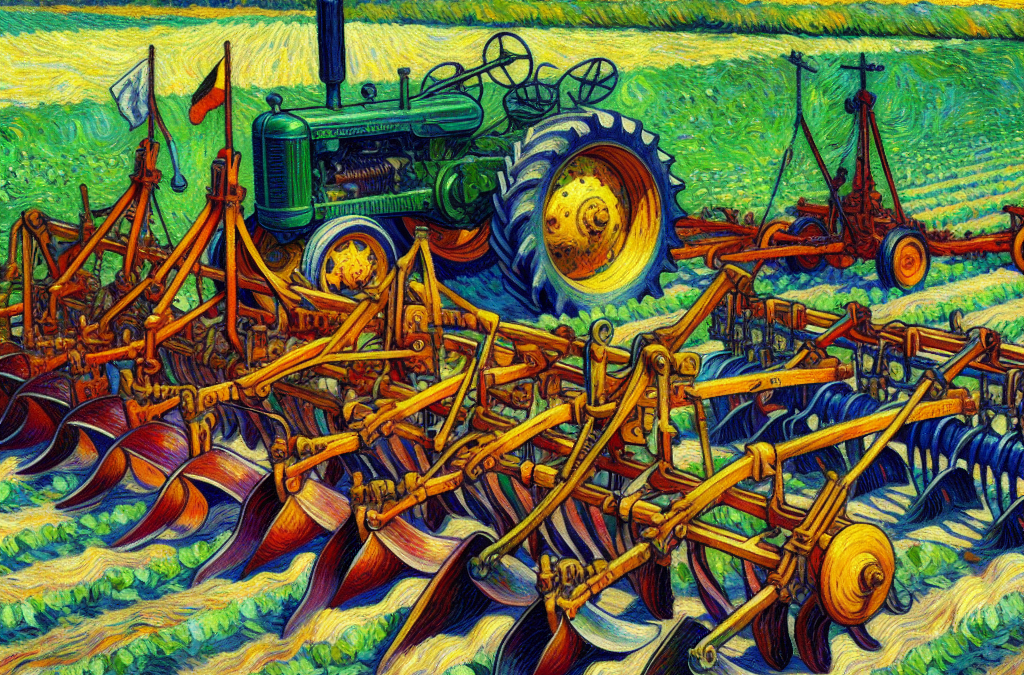
Unveiling The Value Surge: The Resurgence Of Farmall Cubs
By Tom Seest
At ClassicTractorNews, we help tractor lovers keep up with the latest news for classic and vintage tractors.
Please share this post with your friends, family, or business associates who may like old classic or vintage tractors.
Are Smaller Garden/Utility Tractors Like Farmall Cubs Rising In Price?
In today’s world, the humble tractor has evolved from mere machinery to an emblem of nostalgia and practicality. Take the Farmall Cub, for instance. This smaller garden or utility tractor wasn’t just a tool; it epitomized a way of life, a connection to the earth that many of us long for today. But as demand swells, is the price of these lovable workhorses rising? The answer, much like the roar of a well-tuned engine, is a definitive yes.
At the heart of the matter is our relationship with these farm fixtures. For many, a tractor isn’t just a piece of equipment; it’s a cherished part of family history. Picture that first drive around the fields, the rhythm of the engine syncing with the beats of your heart. This emotional resonance creates a fervor among collectors and enthusiasts, driving up interest—and prices.
From a rational standpoint, smaller tractors like the Farmall Cub are incredibly versatile. They fit seamlessly into a variety of settings, whether managing a backyard garden or navigating the rigors of a small farm. Their practicality is undeniable, making them highly sought after as folks value efficiency and simplicity in today’s complex world. Thus, as the need for sustainable practices grows, so does the desire for these efficient little giants.
Ethically, there’s a social responsibility that comes with owning a tractor. Investing in these machines supports a broader community of farmers and mechanics who keep the tradition alive. By preserving these smaller tractors, we foster a sustainable future and honor the craftspeople who designed them. It’s not just about ownership; it’s about stewardship and legacy.
The narrative surrounding tractors like the Farmall Cub is laden with personal stories. It’s about the farmer who relied on it through thick and thin, tales of friendships forged in the fields, and lessons learned under the sun. Each dent and scratch tells a story, making these machines not just objects, but vessels of memories.
In addition, there’s a growing movement among younger generations to embrace the land. This shift signifies a collective awakening to the joys of working with your hands and the satisfaction of a job well done. As these younger enthusiasts enter the scene, their admiration for classic tractors skyrockets, further inflating their value.
So, as we reflect on the value of smaller garden and utility tractors, it becomes clear: their rising prices are not merely numerics on a spreadsheet. They symbolize a heartfelt connection to our roots, a rational solution to modern needs, and a surge of passion in a new generation eager to keep the legacy alive.
Are Smaller Garden/Utility Tractors Like Farmall Cubs Rising In Price?
Are Smaller Garden/Utility Tractors Like Farmall Cubs Rising In Price?
- The tractor has evolved from machinery to a symbol of nostalgia and practicality.
- The Farmall Cub represents a way of life and connection to the earth.
- Demand for tractors is rising, leading to an increase in prices.
- Smaller tractors like the Farmall Cub are versatile and practical for various settings.
- Owning a tractor supports farmers and mechanics, fostering community and sustainability.
- Tractors carry personal stories and memories, making them valued possessions.
- Younger generations are increasingly interested in classic tractors, further boosting their value.
Are Smaller Garden/Utility Tractors Like Farmall Cubs Rising In Price?
Table Of Contents
- Are Smaller Garden/Utility Tractors Like Farmall Cubs Rising In Price?
- Are Smaller Garden Tractors Like Farmall Cubs Worth the Investment?
- How Do the Rising Prices Of Farmall Cubs Impact Farmers Today?
- What Emotional Connection Do People Have to Their Farmall Cubs?
- Are Vintage Tractors a Better Choice for Sustainability Efforts?
- What Trends In the Market Are Driving Farmall Cub Prices Up?
- How Does Owning a Farmall Cub Affect Community Engagement?
- Conclusion
- Other Resources
- Glossary Of Terms
- Other Questions
- Haiku
- Poem
- Checklist
Are Smaller Garden Tractors Like Farmall Cubs Worth the Investment?
In the heart of many American homes, where the garden meets the soul, the humble tractor plays an unsung role. Take the Farmall Cub, a classic piece of machinery that transforms the daily grind into a labor of love. It’s not just a tractor; it’s a connection to our roots, a testament to craftsmanship and the kind of hard work that builds communities. Investing in a smaller garden tractor is more than a financial decision; it’s about embracing a lifestyle that cherishes the land and our heritage.
Picture this: early dawn, the sun just peeking over the horizon. You hop on your trusty garden tractor, and within minutes, the worries of the world begin to fade as the engine hums to life. That sound is not just machinery; it’s a melody of possibility. Whether you’re tilling the soil, mowing the lawn, or hauling supplies, there’s a profound satisfaction in knowing you have the right tools at your side. The Farmall Cub isn’t just for the farm; it’s a versatile ally for anyone passionate about cultivating a vibrant backyard oasis and a healthier way of living.
From a practical standpoint, investing in a smaller garden tractor makes sense. These machines are easy to maneuver, making them ideal for tight spaces and varied terrain. They require less fuel than their larger counterparts, offering a cost-effective solution for everyday tasks. Beyond mere dollars and cents, think about what this investment means: a life spent working the land, nurturing your garden, and relishing the fruits of your labor.
There’s also an ethical aspect to consider. When you choose to invest in tools like the Farmall Cub, you’re supporting a legacy of sustainable practices. You engage with a community that values craftsmanship and tradition, one that sees the tractor not just as a tool but as a partner in the journey of growing and caring for the environment.
Sure, it’s easy to get caught up in the flash of modern machinery, but ask yourself: What stories will your tractor tell? What connections will you foster with family, friends, and neighbors through shared projects and pooled resources? The right tractor is more than an investment; it’s a bridge to relationships, responsibility, and a new way of looking at what it means to take pride in where you live.
Choosing a Farmall Cub or a similar smaller garden tractor isn’t just about owning a piece of equipment. It’s about stepping into a legacy, forging deeper connections, and taking action in your own backyard. The rewards are plentiful, the labor meaningful, and the investment well worth it.
Are Smaller Garden Tractors Like Farmall Cubs Worth the Investment?
Are Smaller Garden Tractors Like Farmall Cubs Worth the Investment?
- The Farmall Cub is a classic garden tractor that symbolizes craftsmanship and community values.
- Investing in a smaller tractor embraces a lifestyle that values land and heritage.
- The tractor offers versatility for various gardening tasks, enhancing satisfaction and joy in working the land.
- Smaller tractors are easy to maneuver, fuel-efficient, and cost-effective for everyday use.
- Choosing the Farmall Cub supports sustainable practices and a community valuing tradition.
- A tractor fosters relationships and shared experiences with family and neighbors through communal projects.
- Owning a Farmall Cub is about legacy, meaningful labor, and heartfelt investment in one’s own backyard.
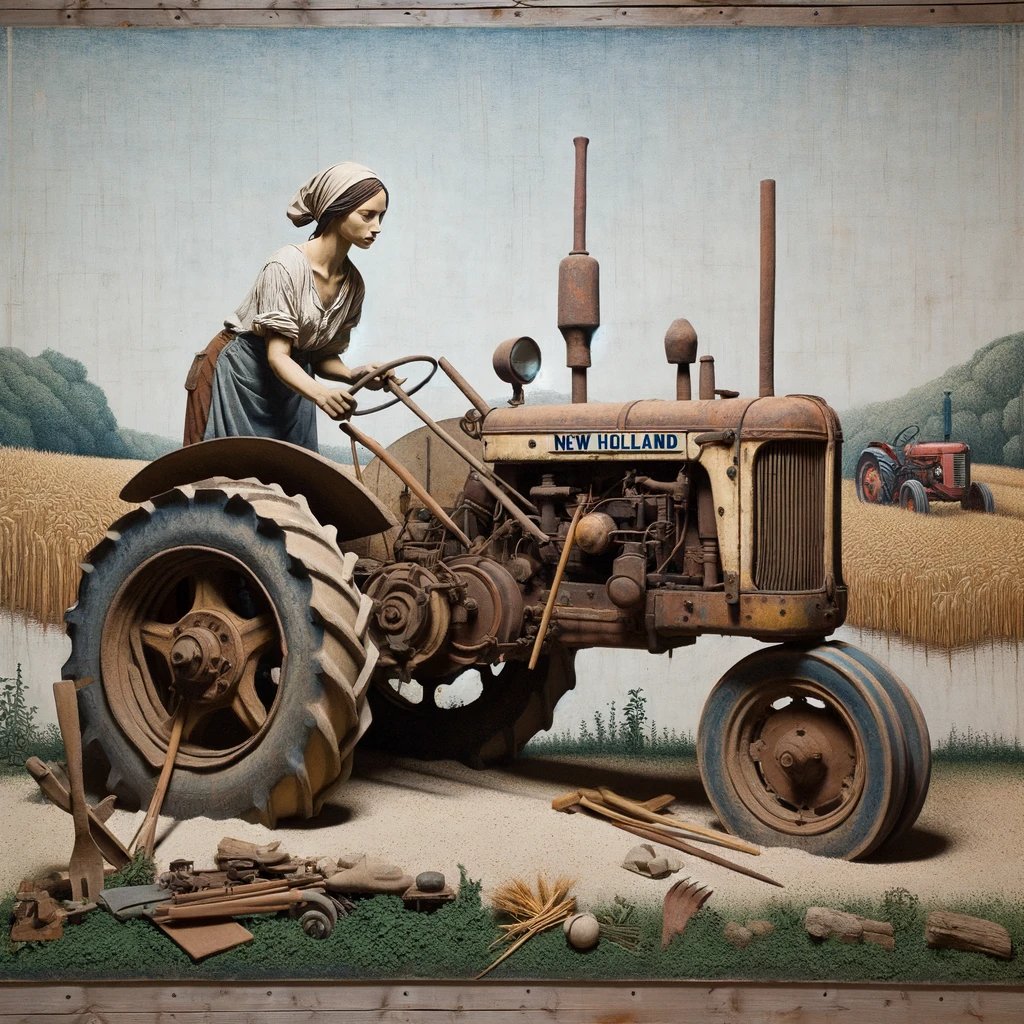
Are Smaller Garden Tractors Like Farmall Cubs Worth the Investment?
How Do the Rising Prices Of Farmall Cubs Impact Farmers Today?
How Do the Rising Prices of Farmall Cubs Impact Farmers Today?
The Farmall Cub, a symbol of American agriculture, represents more than just a tractor; it embodies the blood, sweat, and tears of generations of farmers. As these cherished machines see their prices rise, the implications reach deep into the hearts of rural communities. For many, the value of a Farmall Cub isn’t just in its mechanical prowess but in the stories tied to it—the Sunday afternoons spent plowing fields, the laughter echoing as families gather to get work done, and the pride that comes from nurturing the land.
But what happens when the barrier to owning such a symbol elevates beyond reach? Rising prices challenge the core of farming—often seen as a labor of love now intertwined with economic pressure. Farmers, who already navigate unpredictable weather patterns and market trends, find themselves grappling with the tough decision of investing in essential equipment. The struggle isn’t merely financial; it’s ethical. These rising costs can alienate those who aspire to continue their family’s agricultural legacy but can no longer afford the tools that have powered their forebears.
As we look at the numbers, it becomes clear: the rising prices of the Farmall Cubs are not just a statistic; they denote a seismic shift in an industry. For some, the ability to secure machinery could mean the difference between sustaining a family farm or letting it slip into history. Traditions face extinction not merely as a result of choices made in boardrooms but in backyards and barns across America.
The heart of this matter resonates not only with farmers but with consumers as well. Every time we pull a fresh tomato from a vine or savor a locally grown ear of corn, we connect with the farmers who care deeply for the soil they till. When they succeed, we all thrive. It’s an appeal to our shared humanity, to understand that every dollar spent on food is an investment in that farmer’s future.
In a community where tractors like the Farmall Cub once formed the backbone of rural life, the rising costs serve as a rallying cry. Farmers may feel isolated in their battles, but by fostering connections within and beyond their communities, they wield power. It’s not just about tractors; it’s about sustaining a way of life. When we rally together in support of these farmers, we embrace their struggles and triumphs, ensuring that the legacy of the Farmall Cub doesn’t wither away but flourishes, nurturing future generations.
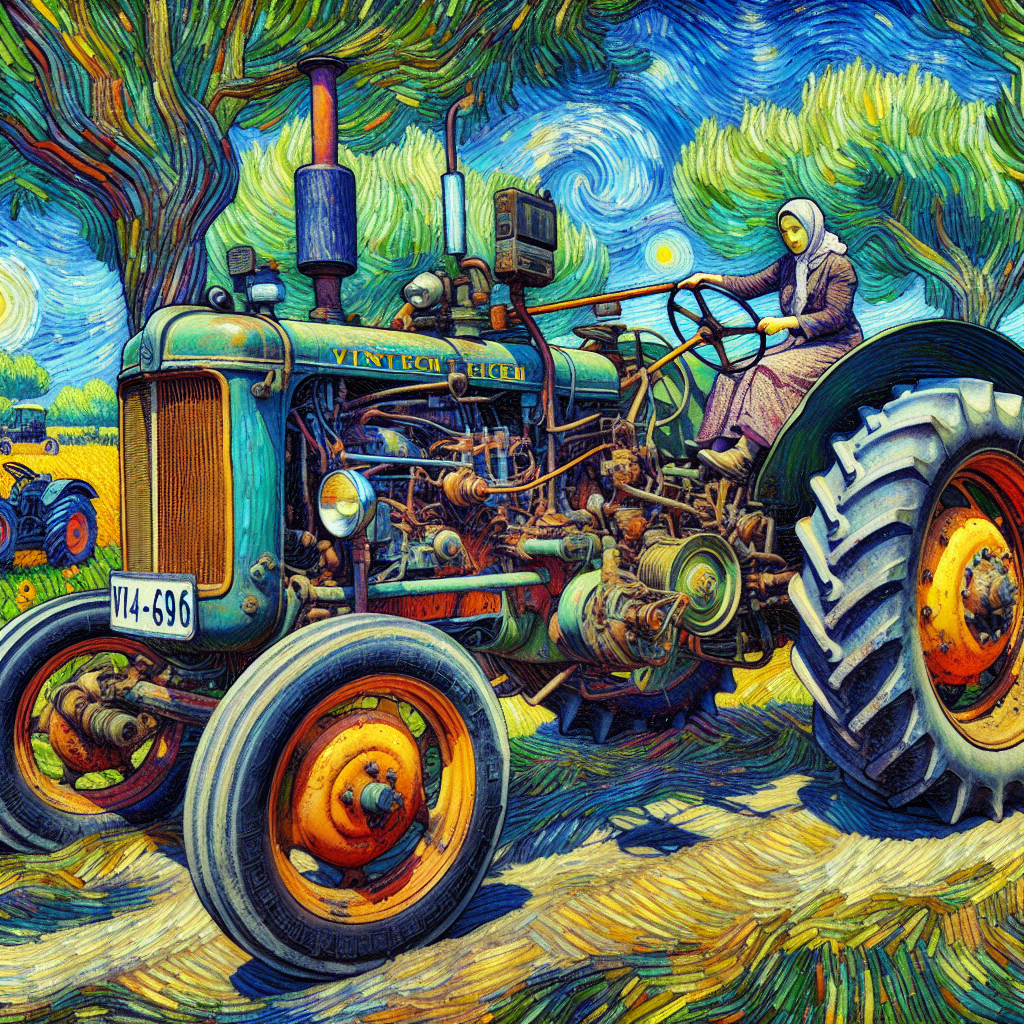
How Do the Rising Prices Of Farmall Cubs Impact Farmers Today?
How Do the Rising Prices Of Farmall Cubs Impact Farmers Today?
- The Farmall Cub symbolizes American agriculture, reflecting the dedication of generations of farmers.
- Rising prices of Farmall Cubs challenge farmers’ ability to invest in essential equipment.
- Economic pressures can alienate those aiming to continue their family agricultural legacies.
- The increasing cost signifies a significant shift in the agricultural industry, impacting the sustainability of family farms.
- This issue resonates with consumers, connecting them to the farmers who produce their food.
- Support for local farmers is crucial for preserving agricultural traditions and livelihoods.
- Community connections can empower farmers to navigate the challenges posed by rising costs.
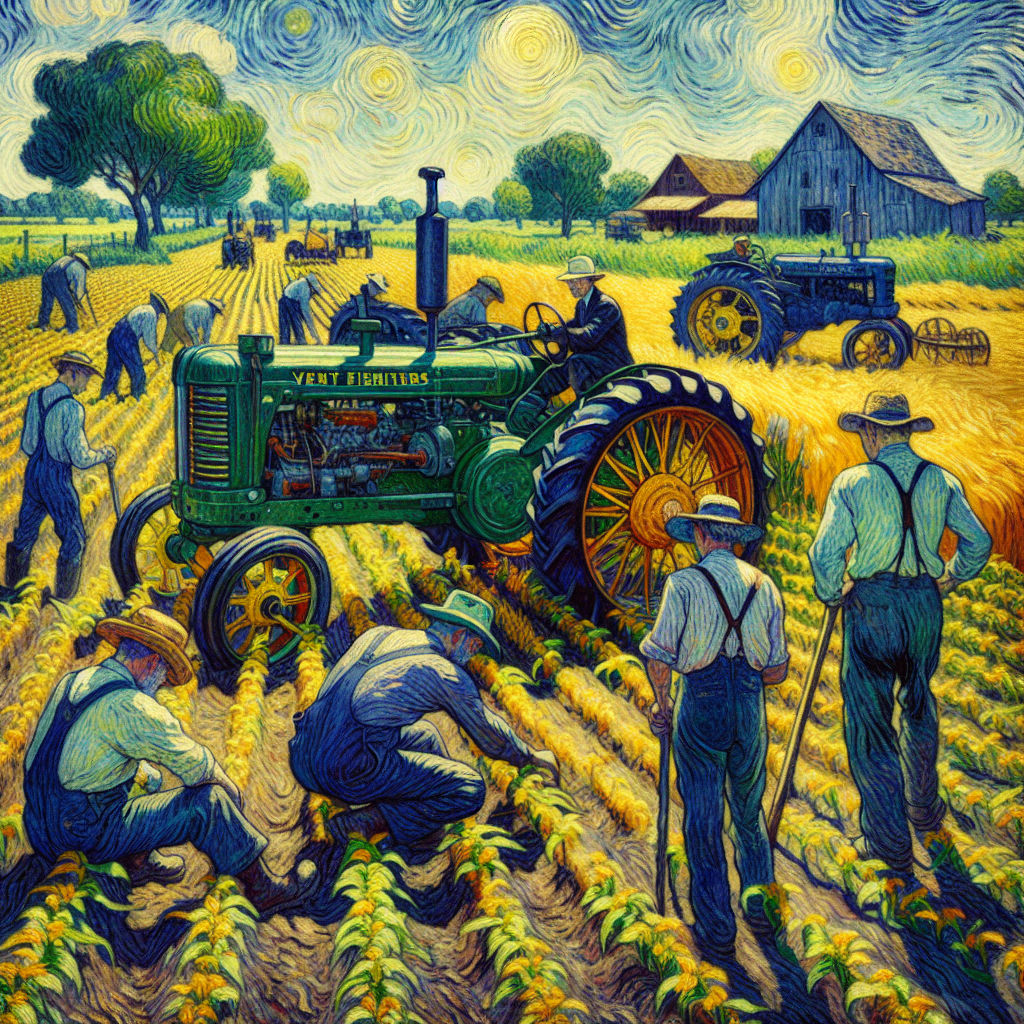
How Do the Rising Prices Of Farmall Cubs Impact Farmers Today?
What Emotional Connection Do People Have to Their Farmall Cubs?
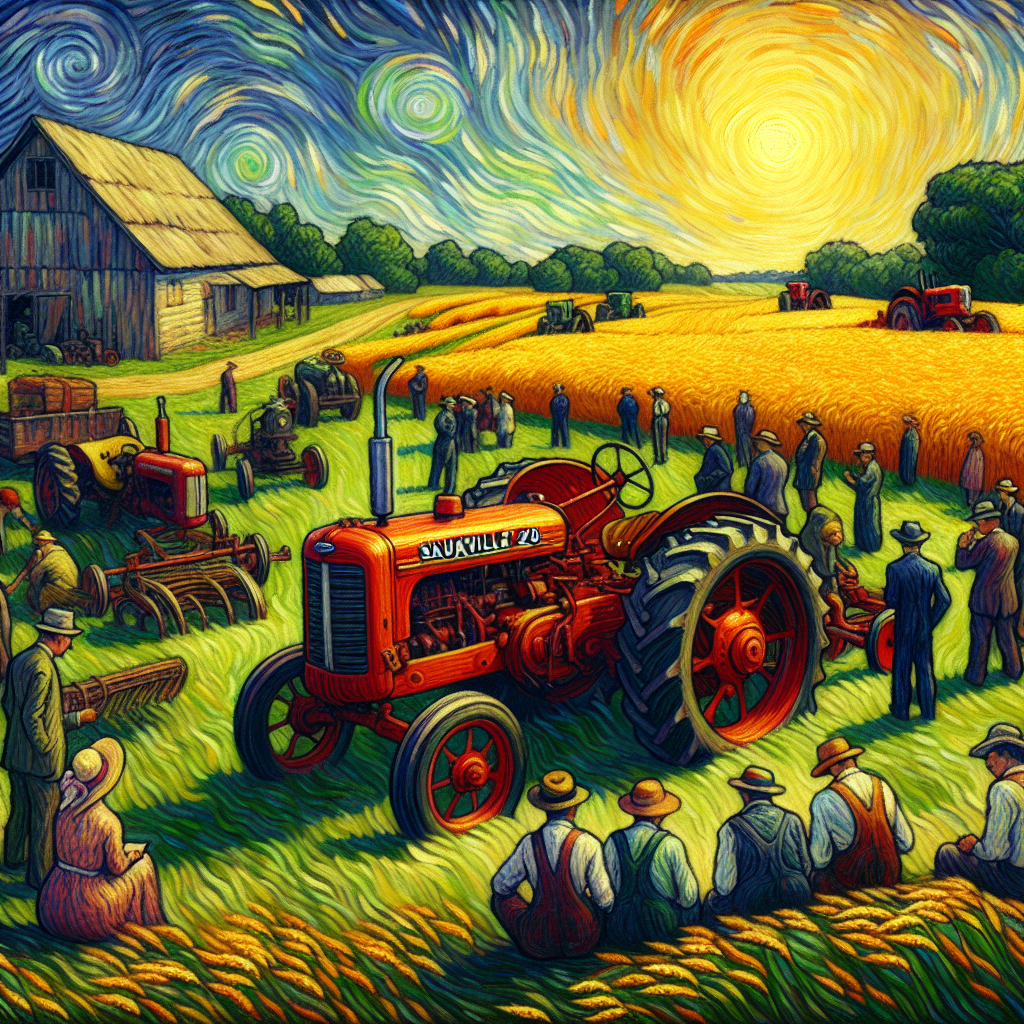
The Farmall Cub, small in stature yet immense in spirit, has a way of forging connections that run deep through generations. For many, this tractor is not just a piece of machinery; it’s a symbol of hard work, resilience, and community. The rusted handles, the worn-out seat, and the engine that purrs like a contented cat stir memories of early mornings spent in the fields, surrounded by the scent of fresh earth and the promise of a new day.
Emotionally, these tractors are anchors, tethering people to their pasts. They remind us of family gatherings where stories flowed as freely as the sweet tea, tales of backbreaking labor and jubilant harvests echoing in the air. Each scratch and dent tells a story, a narrative woven into the fabric of family history. This vehicle of toil transforms into a canvas for memories—a rite of passage where children learn the ropes under their parents’ watchful eyes, igniting dreams that stretch far beyond the farm itself.
Rationally, the Farmall Cub speaks to practicality and efficiency. Amidst modern farming innovations, its simplicity and reliability stand the test of time. It’s a workhorse, designed for durability and ease of use, making complex tasks accessible. For blue-collar folks who pride themselves on getting the job done right, the Cub embodies the ethos of hard work—the kind that is both satisfying and earned.
Ethically, owning a Farmall Cub signifies a commitment to preserving a way of life that values the earth and the fruits of labor. In a world racing towards automation, these tractors serve as a reminder of our roots, urging us to honor the traditions of agrarian life. They draw people together, fostering connections not just between owners but within tight-knit communities where knowledge is shared, and support is reciprocal.
Socially, driving a Farmall Cub isn’t just about plowing fields; it’s about belonging to a fraternity of enthusiasts who find joy in the vintage and the classic. Local showcases, tractor pulls, and community events bring together a mosaic of personalities, all unified by their love for this iconic machine. When people gather around a Farmall Cub—whether sharing tips for restoration or swapping stories of the land—there’s a palpable sense of trust and camaraderie, reinforcing that, despite the passage of time, the bonds forged on these tractors remain as strong as ever.
In every rev of the engine, every turn of the wheel, the Farmall Cub stands as a testament to heritage, hard work, and the simple joys of life—a legacy worth cherishing.
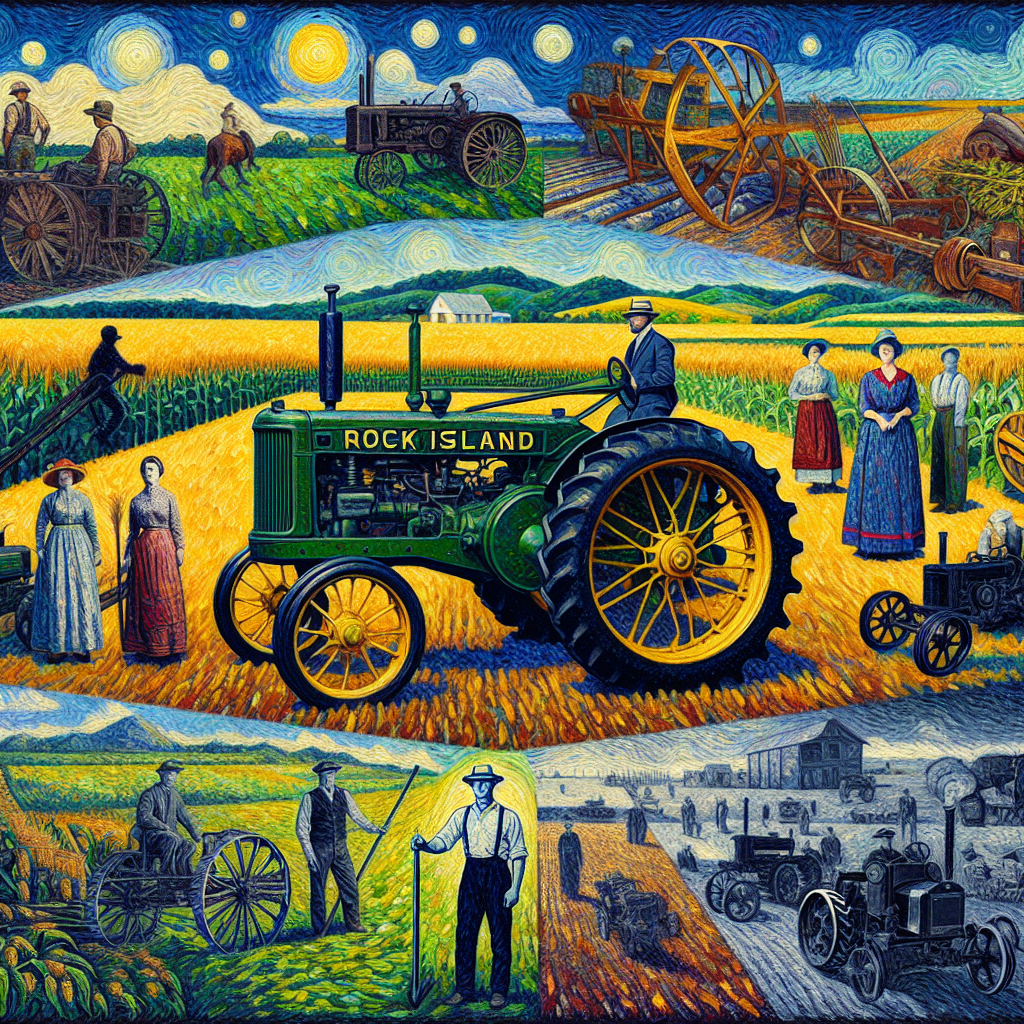
What Emotional Connection Do People Have to Their Farmall Cubs?
What Emotional Connection Do People Have to Their Farmall Cubs?
- The Farmall Cub symbolizes hard work, resilience, and community across generations.
- Emotionally anchors people to their past, evoking memories of family gatherings and shared stories.
- Each dent and scratch narrates a family history, serving as a canvas for cherished memories.
- Renowned for practicality and efficiency, it remains a reliable workhorse amidst modern farming innovations.
- Owning a Farmall Cub represents a commitment to preserving agrarian traditions and earth stewardship.
- Driving the tractor fosters connections within communities through shared interests and events.
- The Farmall Cub stands as a testament to heritage, hard work, and the joys of life, creating a lasting legacy.
What Emotional Connection Do People Have to Their Farmall Cubs?
Are Vintage Tractors a Better Choice for Sustainability Efforts?
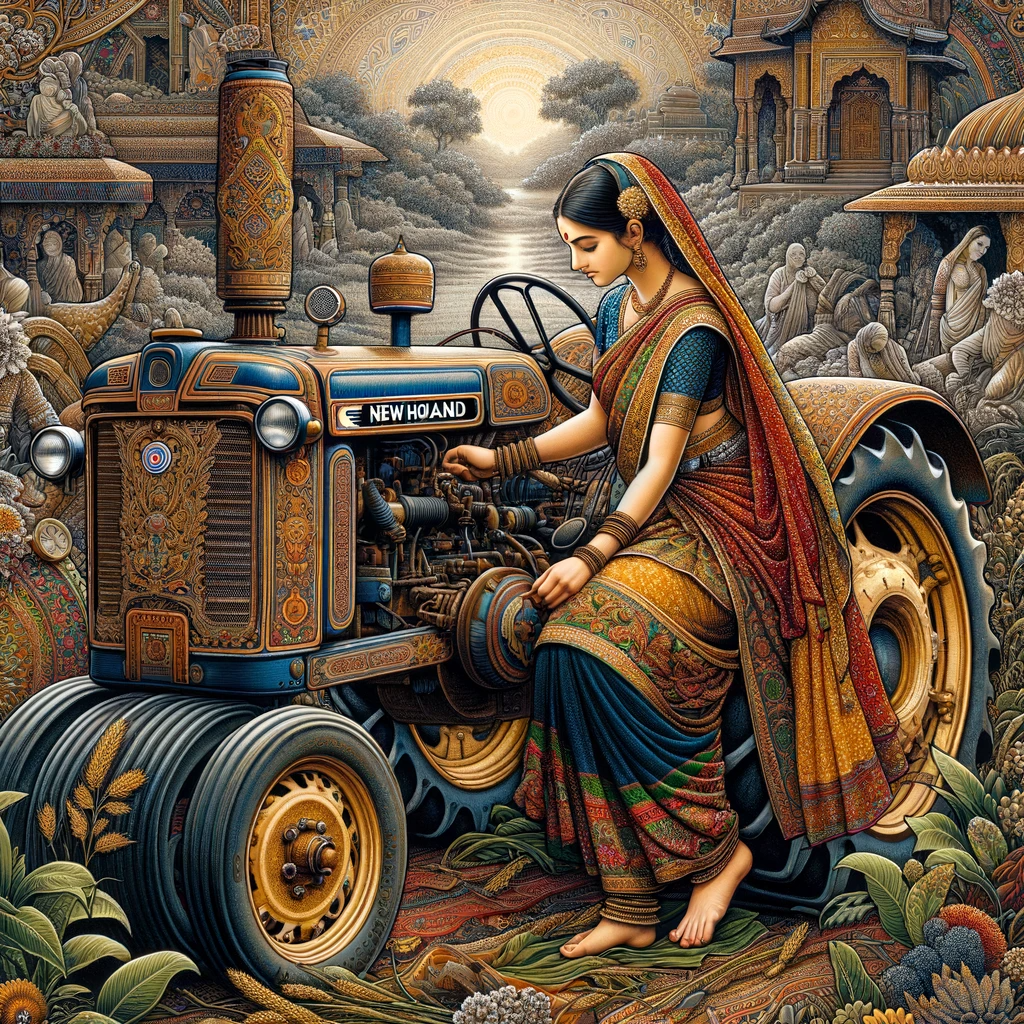
When it comes to sustainability, the choices we make hit the heart, the head, and yes, the gut. Vintage tractors are more than just machines; they embody a way of life that resonates deeply with individuals who value craftsmanship, durability, and a connection to the land. Picture a well-loved tractor, its faded paint telling stories of sweat, toil, and triumph. Each scratch and dent reflects not just years of use but decades of heritage—an unbroken bond between man and machine.
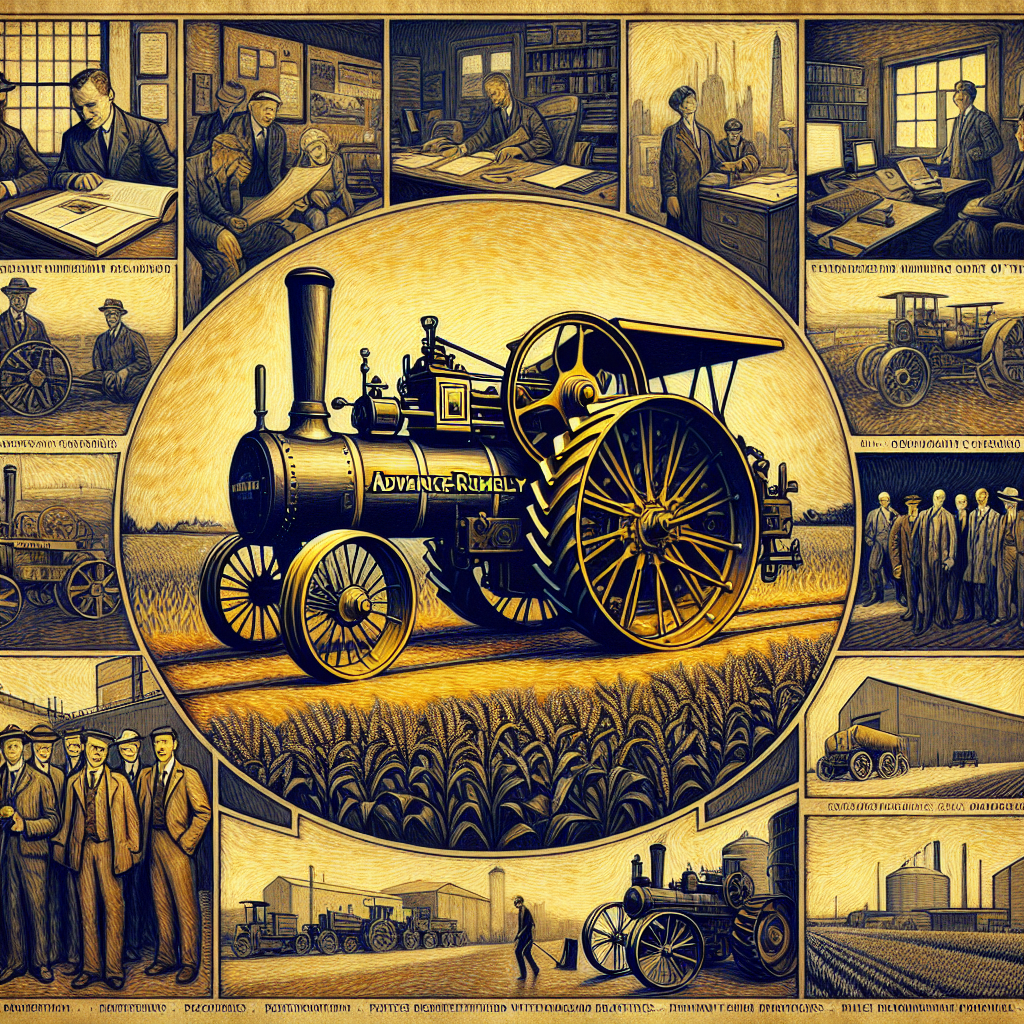
These tractors stand as a testament to enduring engineering. Unlike modern counterparts, which often incorporate excessive complexity, vintage models are straightforward and robust. This simplicity not only makes them easier to repair and maintain, but it also reduces dependency on the latest technologies and parts. By preserving these machines, we actively participate in a cycle of sustainability, prolonging their life and minimizing waste. The sheer reliability of a vintage tractor offers an argument that resonates at the rational level: why invest in new when what you have works just fine?
On an ethical front, choosing a vintage tractor means supporting local craftspeople and mechanics who specialize in restoration rather than fueling mass production and the environmental degradation associated with it. There’s a certain social responsibility that comes from opting for the older model—an understanding that these machines were built with care, supporting livelihoods and communities before the era of disposable goods took hold.
Moreover, vintage tractors have a narrative that speaks to values we hold dear: resilience, hard work, and an appreciation for the land. They are often seen at community gatherings, inspiring conversations among enthusiasts and newcomers alike. The sight of a tractor rolling down a country road brings a sense of nostalgia and pride, connecting generations through shared experiences and a love for the agricultural heritage.
In a world increasingly craving authenticity, vintage tractors offer a reliable, sustainable choice that’s easy to rally behind. Choosing a vintage tractor isn’t just a preference; it’s an act of defiance against our throwaway culture, a commitment to responsible stewardship of our land and resources. Embracing these machines means honoring the past while setting the stage for a more sustainable future.
Are Vintage Tractors a Better Choice for Sustainability Efforts?
Are Vintage Tractors a Better Choice for Sustainability Efforts?
- Vintage tractors represent craftsmanship, durability, and a connection to the land.
- They are simpler and more robust than modern machines, making them easier to repair and maintain.
- Preserving vintage tractors promotes sustainability by prolonging their life and reducing waste.
- Supporting vintage tractors aids local craftspeople and mechanics, countering mass production.
- These tractors embody values of resilience, hard work, and community connection.
- They inspire nostalgia and pride, fostering conversations at community gatherings.
- Choosing vintage tractors is a commitment to sustainability and responsible stewardship of resources.
Are Vintage Tractors a Better Choice for Sustainability Efforts?
What Trends In the Market Are Driving Farmall Cub Prices Up?
What Trends in the Market Are Driving Farmall Cub Prices Up?
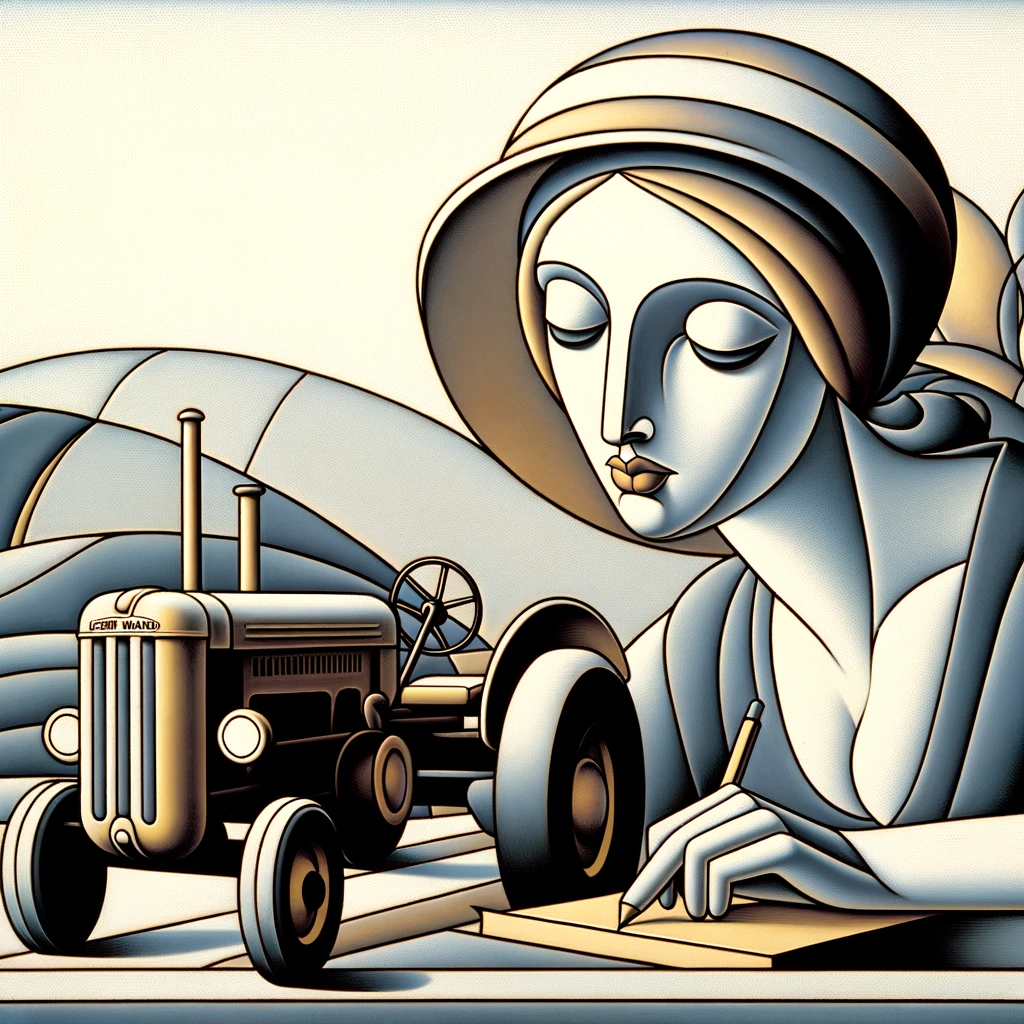
As the sun rises on yet another day in America’s heartland, the Farmall Cub stands as a testament to our agricultural heritage. Once a humble workhorse on the farm, this little tractor has transformed into a collector’s gem, capturing the attention and affection of enthusiasts nationwide. But what’s driving the surge in its value? It’s more than nostalgia; it’s a complex tapestry woven from trends that reflect a deeper connection to our land and roots.
First, let’s consider the emotional draw of the Farmall Cub. For many, it’s not just a tractor; it’s a slice of childhood, a symbol of family tradition, and an emblem of simpler times. As farmers and collectors alike reminisce about days spent plowing fields with their fathers or grandfathers, the Farmall Cub becomes more than machinery—it becomes a vessel of memories. This sentimental value propels demand, making buyers far more willing to invest in these cherished pieces of machinery.
Rationally, the Farmall Cub presents a compelling case for investment. With farming returning to its local roots and an interest in sustainable practices growing, these tractors are revered for their simplicity and efficiency. They are solid, reliable, and adaptable, offering functionality that resonates with a new generation eager to get their hands dirty. As urbanites uncover their green thumbs, the Cub’s ability to tackle small-scale gardening and homesteading tasks makes it an attractive option, driving prices upward as supply struggles to meet demand.
Ethically, there’s a movement toward supporting local farms and sustainable agriculture, fueling interest in tractors that embody such principles. The Farmall Cub not only symbolizes hard work and diligence but also represents a commitment to land stewardship—values that resonate in communities nationwide. It’s a clarion call for buyers to invest in a tractor that reflects their own beliefs about food production and environmental responsibility.
Social factors play a significant role, too. The rise of online communities and vintage tractor shows fosters a culture where enthusiasts share stories, resources, and appreciation for these machines. Each sale isn’t just a transaction; it’s a shared connection to the past and a step toward cultivating relationships rooted in the love of farming and history.
In this shifting landscape, the allure of the Farmall Cub is undeniable. It’s a blend of heritage, practicality, and community—and as these trends converge, they fuel a passionate market, driving prices skyward and ensuring that this tractor remains a beloved icon for generations to come.
What Trends In the Market Are Driving Farmall Cub Prices Up?
What Trends In the Market Are Driving Farmall Cub Prices Up?
- The Farmall Cub has become a collector’s gem, representing agricultural heritage.
- Emotional connections to the tractor evoke nostalgia, driving demand among collectors and farmers.
- It is valued for its simplicity and efficiency, appealing to new generations interested in gardening and homesteading.
- Growing interest in sustainable agriculture supports the value of the Farmall Cub among ethical consumers.
- Online communities and vintage tractor shows promote appreciation and connection among enthusiasts.
- Demand outstrips supply, contributing to rising prices in the market.
- The Farmall Cub symbolizes a blend of heritage, practicality, and community values.
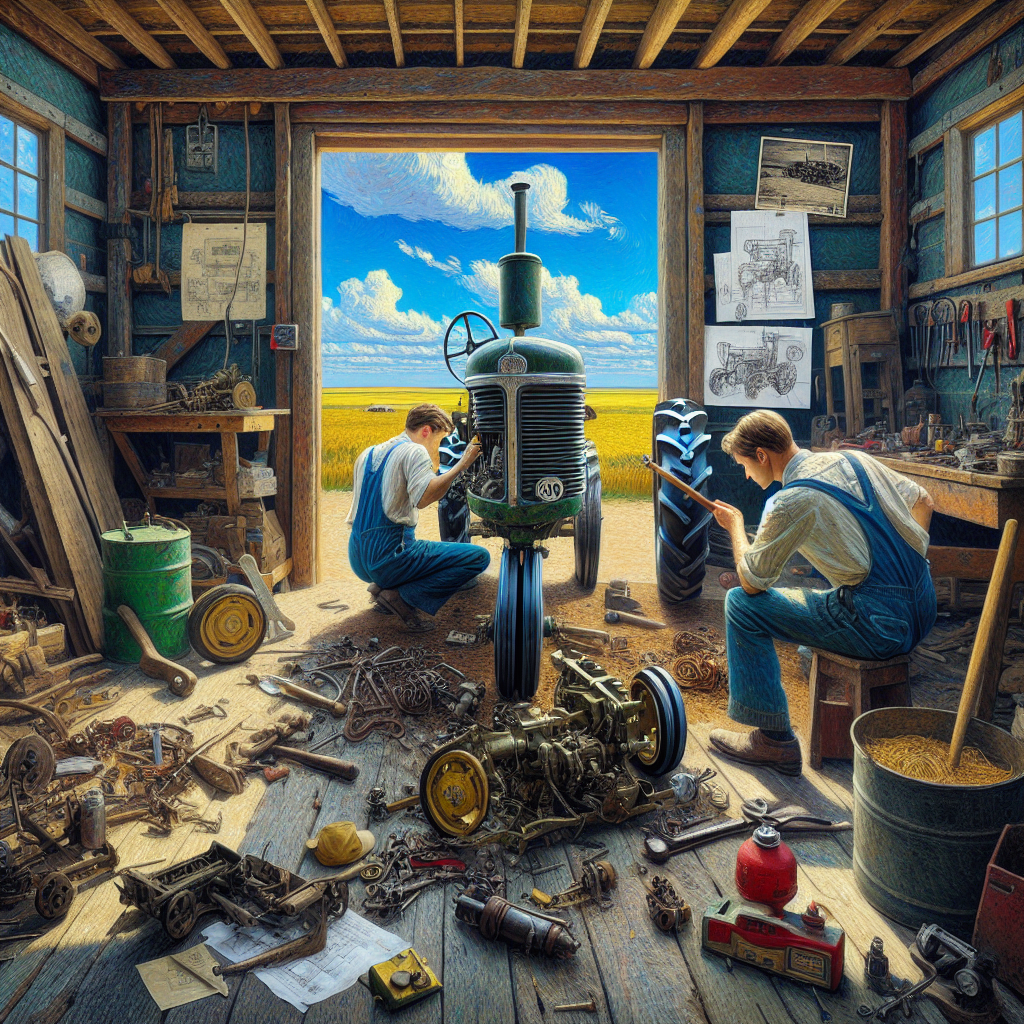
What Trends In the Market Are Driving Farmall Cub Prices Up?
How Does Owning a Farmall Cub Affect Community Engagement?
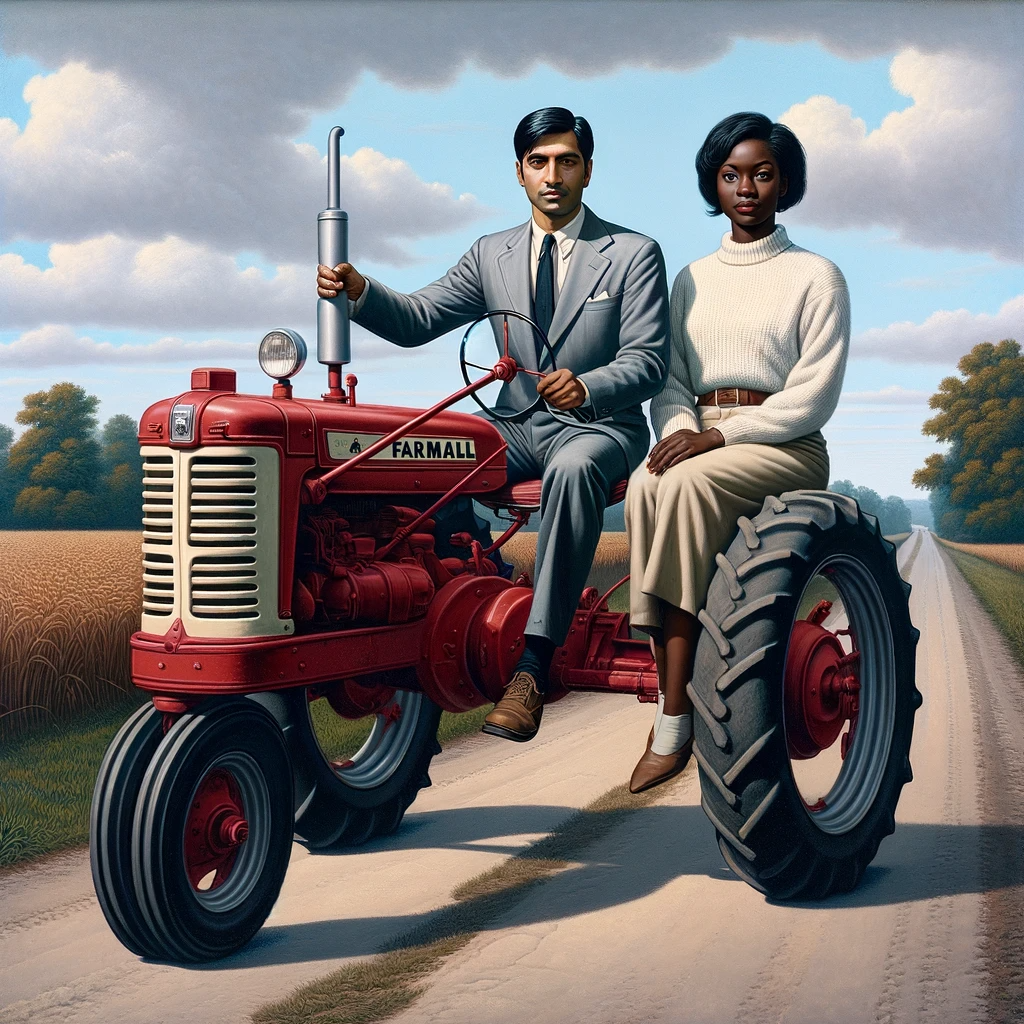
Owning a Farmall Cub isn’t just about having a tractor; it’s about becoming part of a larger story that weaves through the fabric of community life. When you drive that little red tractor onto your property, you’re not just tending to your land; you’re connecting with generations of farmers who have cultivated soil, nurtured crops, and built bonds that stand the test of time. It’s a commitment that resonates on multiple levels, sparking connections that stretch beyond the farm gate.
At a heart level, the sight of a Farmall Cub in action evokes nostalgia. For many, it stirs memories of family farms, simpler times, and the satisfaction of honest work. It creates a sense of belonging, a reminder that farming is a shared endeavor connecting individuals to a collective heritage and hope for the future. This emotional connection to the land and community is vital, as it fosters a deeper understanding of the challenges and triumphs faced by fellow farmers.
From a head perspective, owning a Farmall Cub symbolizes responsibility and stewardship. It’s not just a means to plow fields; it represents a chance to cultivate sustainable practices that benefit both the land and the community. Using this tractor encourages conversations about local agriculture, showcasing the value of supporting local markets and sustainable farming methods. It challenges neighbors to think critically about food sources and environmental impact, while also providing an opportunity to share knowledge and techniques.
Ethically, there’s a strong call to action here. Engaging with a Farmall Cub can inspire you to start conversations around farming practices that prioritize the well-being of the community. It fosters a sense of obligation to pursue ethical farming that respects nature and those who work it, thus solidifying your role as a community leader.
Narratively, every scratch on that tractor tells a story. Each time it grinds to life, it echoes the struggles, hard work, and dreams of those who came before. Sharing these stories during community gatherings not only builds relationships but also sparks a shared passion for agriculture and its impact on the environment.
Lastly, the social aspects cannot be overlooked. The presence of a Farmall Cub at local events—whether it’s a harvest festival or a farmer’s market—invites camaraderie. It’s a conversation starter, a bridge that connects people from all walks of life, encouraging collaborative efforts toward community projects and increasing overall engagement.
In every sense, owning a Farmall Cub isn’t just about personal growth; it’s about nurturing a community that thrives through shared histories, ethical practices, and a vision of sustainability.
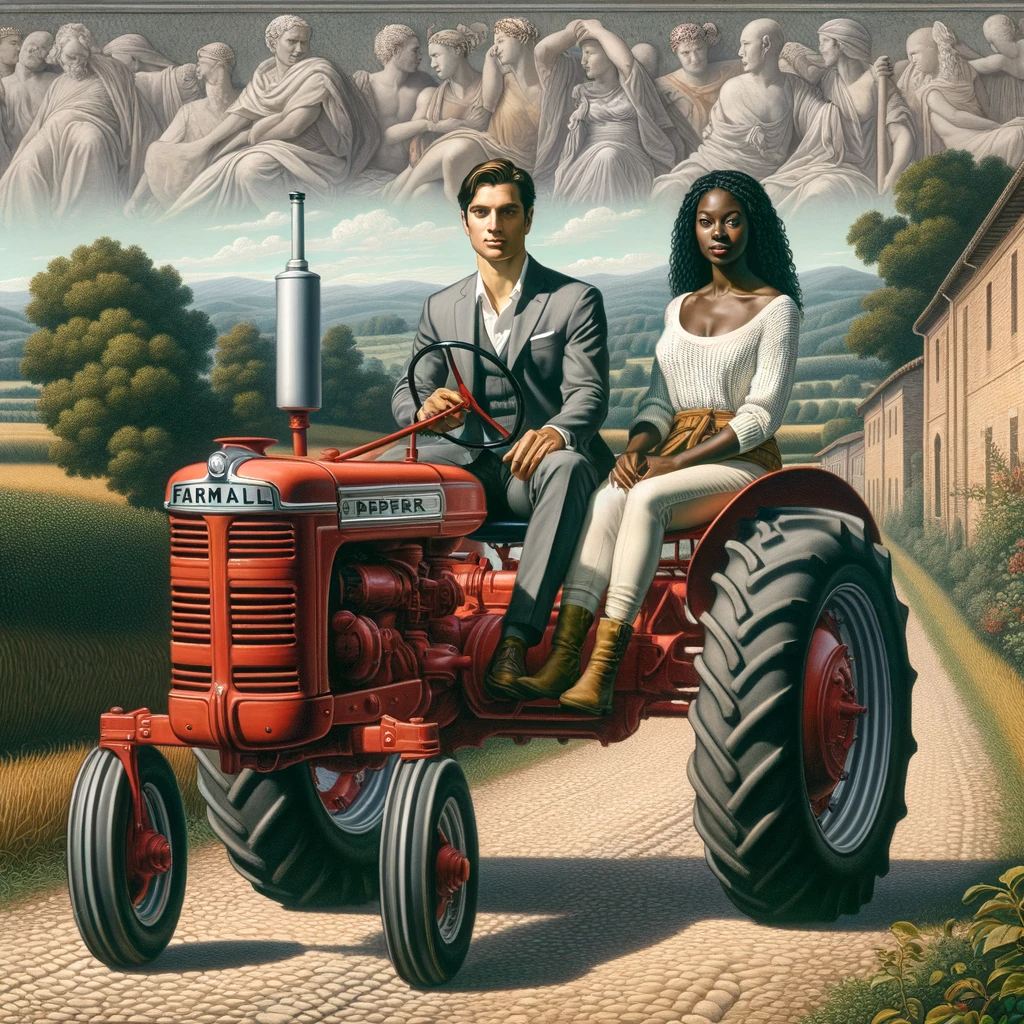
How Does Owning a Farmall Cub Affect Community Engagement?
How Does Owning a Farmall Cub Affect Community Engagement?
- Owning a Farmall Cub connects individuals to a historical narrative of farming and community.
- The tractor evokes nostalgia, reminding owners of family farms and the satisfaction of honest work.
- It symbolizes responsibility and encourages sustainable farming practices beneficial to the community.
- Engagement with the tractor fosters conversations about local agriculture and food sources.
- Every scratch on the tractor tells a story, reflecting the struggles and dreams of previous farmers.
- The Farmall Cub serves as a social bridge at local events, promoting camaraderie and collaboration.
- Owning a Farmall Cub nurtures community bonds through shared histories and ethical practices.
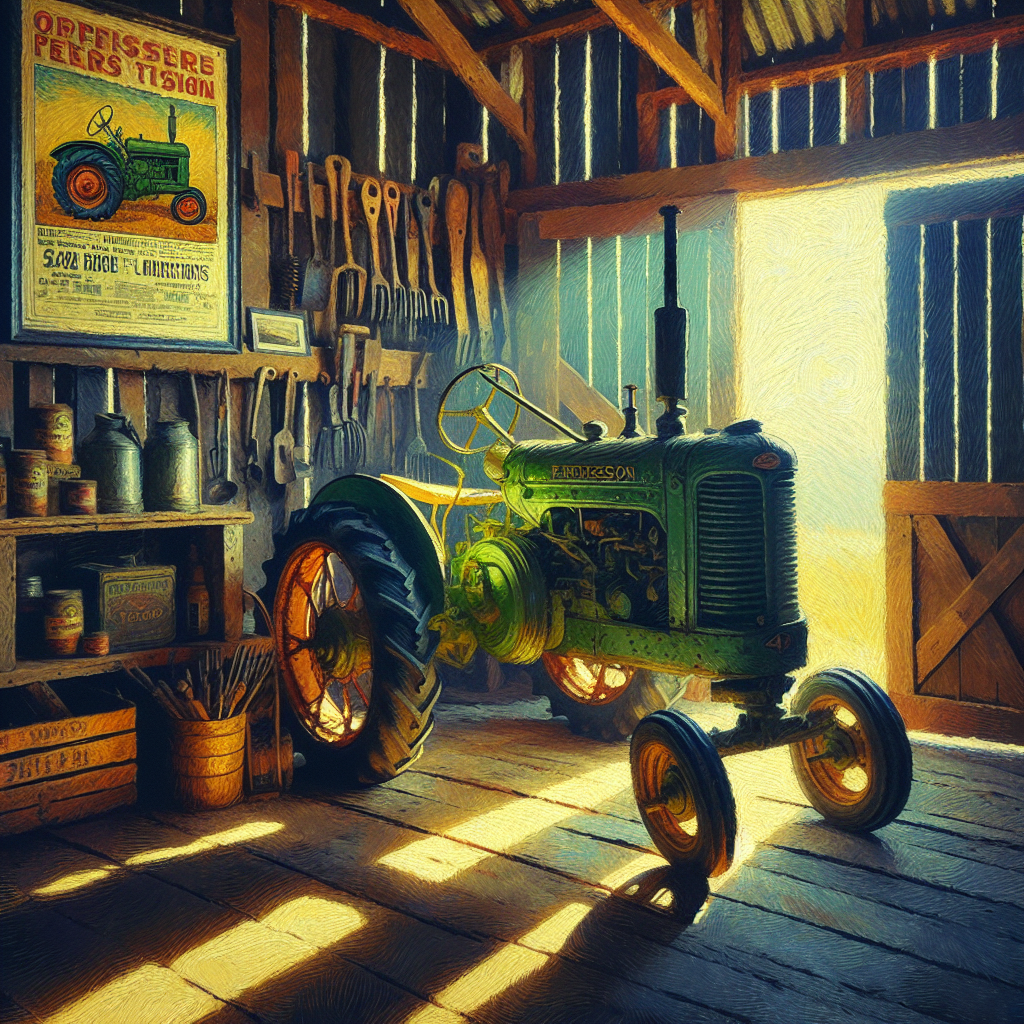
How Does Owning a Farmall Cub Affect Community Engagement?
Conclusion
The rise in prices of smaller garden and utility tractors like the Farmall Cub signals more than just an economic trend; it reflects a deep emotional connection between people and the land they cultivate. For many owners and fans, these tractors symbolize a simpler way of life, encapsulating cherished family memories and a tradition of hard work. The Farmall Cub is not merely a machine; it embodies stories and experiences passed down through generations. The nostalgia it evokes creates a fervent collector’s market, boosting demand and subsequently prices.
From a practical standpoint, the Farmall Cub excels in versatility. Its compact size is perfect for various gardening and farming tasks, appealing to a modern audience that values efficiency and simplicity in our increasingly complex world. As many seek sustainable practices, the utility of these classic tractors positions them as effective solutions, reinforcing their desirability.
Moreover, there’s a strong ethical dimension at play. Investing in a Farmall Cub supports a community of dedicated farmers and mechanics committed to preserving agricultural traditions and sustainable practices. It’s not just about owning a piece of equipment; it’s about stewardship—fostering a legacy that honors the craftsmanship and the dedication that goes into every machine.
The narrative surrounding these tractors is rich, filled with poignant tales of labor, laughter, and connection to the earth. The younger generation is awakening to the joys of working with their hands and appreciating the land’s gifts. This shift fuels the revival and increasing value of vintage tractors, as new enthusiasts contribute to the culture while rediscovering the pleasures of agrarian life.
The rising prices of these beloved machines serve as a barometer for our connection to farming. When we consider investing in a Farmall Cub, we’re choosing to invest in our roots, our communities, and our futures. This isn’t merely a matter of financial worth but a testament to values that resonate in our hearts—heritage, resilience, and a commitment to nurturing the earth and each other. By engaging with this tradition, we reinforce our collective identity and foster a thriving legacy for generations to come.
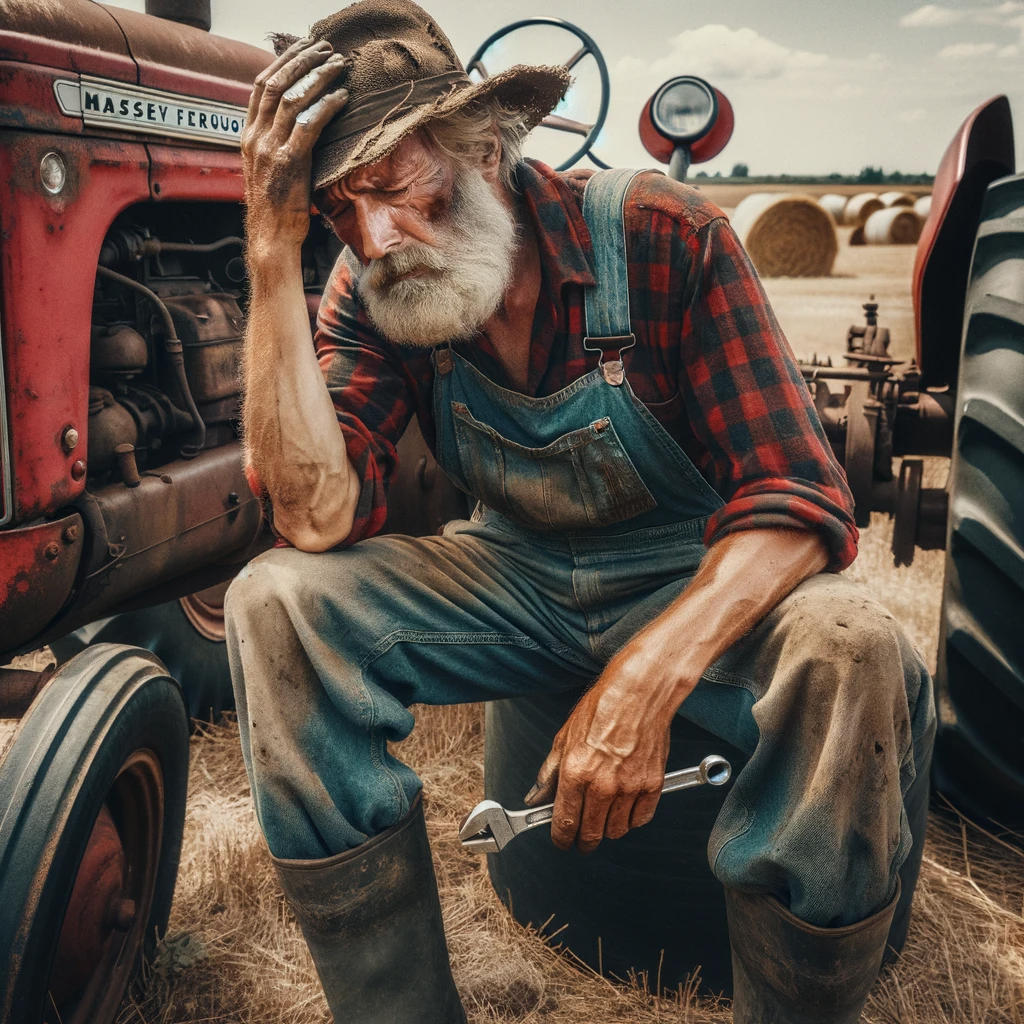
Conclusion
Conclusion:
- The rising prices of smaller garden and utility tractors like the Farmall Cub reflect an emotional connection to farming.
- These tractors symbolize a simpler lifestyle, representing cherished family memories and a tradition of hard work.
- The Farmall Cub holds sentimental value, creating a strong collector’s market and boosting prices.
- Its compact size and versatility make the Farmall Cub ideal for modern gardening and farming tasks.
- Investing in a Farmall Cub supports farmers and mechanics dedicated to sustainable agricultural practices.
- The narrative surrounding these tractors includes rich stories of labor and connection to the earth, attracting younger generations.
- Owning a Farmall Cub signifies a commitment to values like heritage, resilience, and nurturing the earth.
Conclusion
Other Resources
Other Resources
Here is a list of other resources you can review online to learn more:
- Force Motors
- Dillon Farm Museum
- Thieman Harvester
- Corbitt
- Mmaine Antique Tractor Club
- Schramm
- Hurlimann
- Johnson Manufacturing
- McCormick-Deering
- Kioti
- Ultimate Antique Tractor Guide
- Antique Tractor Supply
- Agrinar
- Minsk Tractor Works
- Fate-Root-Heath
- Eicher Tractors
- Know Your Classic Tractors
- LeRoi
- Agriculture and the Environment
- Benefits of Classic Tractors
Use This Prompt To Get More Resources With Your Favorite Online AI Tool: Please provide me with a list of online articles with their URLs in a bulleted list that I can read regarding Are Smaller Garden/Utility Tractors Like Farmall Cubs Rising In Price?
Other Resources
Glossary Terms
Are Smaller Garden/Utility Tractors Like Farmall Cubs Rising In Price? – Glossary Of Terms
1. Farmall Cub: A small, versatile tractor model produced by International Harvester, popular for gardening and utility tasks.
2. Utility Tractor: A compact tractor designed for general farming tasks, capable of handling various implements.
3. Market Demand: The desire for a commodity, influencing its price; an increase can lead to rising prices.
4. Price Trends: Patterns observed in the pricing of items over a specific period, indicating increases or decreases.
5. Vintage Tractors: Older tractor models that are sought after by collectors and enthusiasts, often increasing in value.
6. Collectibility: The appeal of an item to collectors, potentially driving up its price based on rarity or desirability.
7. Restoration: The process of refurbishing old tractors to working condition, which can affect their market value.
8. Agricultural Economy: The economic sector focused on farming, affecting the pricing of tractors based on agricultural health.
9. Market Analysis: An examination of market conditions and trends to predict pricing movements for tractors.
10. Inflation: The general increase in prices over time, impacting the cost of purchasing tractors.
11. Historical Value: The significance of a tractor’s history, which can enhance its desirability and, subsequently, its price.
12. Supply Chain: The production and distribution network affecting the availability and price stability of tractors.
13. Condition: The current state of a tractor, significantly influencing its resale value in the market.
14. Functionality: The utility and performance traits of a tractor that may impact buyer interest and pricing.
15. Rarity: The scarcity of a particular tractor model, often increasing demand and market value.
16. Model Year: The year a tractor was manufactured, which can affect its value based on technological advancements and desirability.
17. Sales Data: Information on completed sales, providing insights into market trends and potential pricing shifts.
18. Specification: The detailed characteristics of tractors, such as horsepower and features, which may influence pricing.
19. Buyer Demographics: The characteristics and preferences of potential buyers, impacting the market for tractors.
20. Auction Prices: Prices achieved in auction settings, which can reflect market trends and value assessments.
21. Mechanics: The engineering and design aspects of tractors that contribute to their performance and market evaluation.
22. Tractor Shows: Events where tractors are displayed, influencing buyer interest and market dynamics.
23. Customization: Modifications made to tractors to suit specific needs, potentially affecting resale value.
24. Warranty: A promise regarding the condition and longevity of a tractor, influencing buyer confidence and pricing.
25. Resale Market: The market for used tractors, providing a benchmark for pricing new and vintage models.
26. Collector’s Market: A segment focused on the acquisition and sale of collectibles, including vintage tractors.
27. Implement Compatibility: The ability of a tractor to work with various attachments, influencing buyer interest and pricing.
28. Tractor Manuals: Guides provided with tractors detailing operation and maintenance, enhancing perceived value.
29. Online Sales Platforms: Websites and services connecting buyers and sellers, impacting pricing dynamics for tractors.
30. Economic Indicators: Statistics that signal the economic health of agriculture, influencing the demand and pricing of tractors.
Glossary Of Terms
Other Questions
Are Smaller Garden/Utility Tractors Like Farmall Cubs Rising In Price? – Other Questions
If you wish to explore and discover more, consider looking for answers to these questions:
- Is the price increase in Farmall Cubs nationwide or regional?
- Which Farmall Cub models and years are appreciating most rapidly?
- How do condition and originality affect a Farmall Cub’s value?
- What are typical price ranges for project, running, and concours-condition Cubs?
- Are prices rising for all vintage garden/utility tractors or only specific brands?
- How long is the current price surge likely to last?
- What market data or sales records support the claim of rising prices?
- Where is the best place to buy a Farmall Cub (auctions, classifieds, dealers, collectors)?
- How do restoration costs compare to expected resale values?
- What are the most common and most expensive restoration or repair items?
- How available are OEM parts, repro parts, and specialist mechanics?
- Which components are hardest to find or most costly to replace?
- Are there reliable valuation guides or professional appraisers for vintage tractors?
- How do Farmall Cubs compare to modern compact tractors in capability and cost-effectiveness?
- Are Farmall Cubs practical for everyday small‑farm tasks or better as hobby/collector items?
- What are typical fuel efficiency and operating costs for a Farmall Cub?
- How are rising prices impacting small farmers versus collectors or hobbyists?
- Are financing options, grants, or subsidies available for purchasing vintage tractors?
- Do rising prices create barriers for new/young farmers trying to enter agriculture?
- What insurance and liability considerations apply to vintage tractor ownership?
- What legal or registration requirements exist for operating vintage tractors on public roads?
- Are there environmental or emissions concerns with running older engines, and can they be mitigated?
- Can vintage tractors be retrofitted with modern safety features or emissions controls?
- How can a buyer verify authenticity, serial numbers, and production year of a Farmall Cub?
- What common mechanical issues should buyers inspect before purchase?
- How much does documented provenance or family ownership history affect price?
- How does a professional restoration versus DIY restoration affect resale value?
- What clubs, shows, and online communities are best for support and parts sourcing?
- Where can owners find manuals, wiring diagrams, and maintenance guides?
- How do storage, winterization, and regular maintenance influence long‑term value?
- What are best practices and costs for transporting or shipping vintage tractors?
- How do macroeconomic factors (inflation, commodity prices, interest rates) influence vintage tractor markets?
- Are there regional trends in colors, customizations, or sought‑after options that affect value?
- What safety training, operator courses, or resources are recommended for new owners?
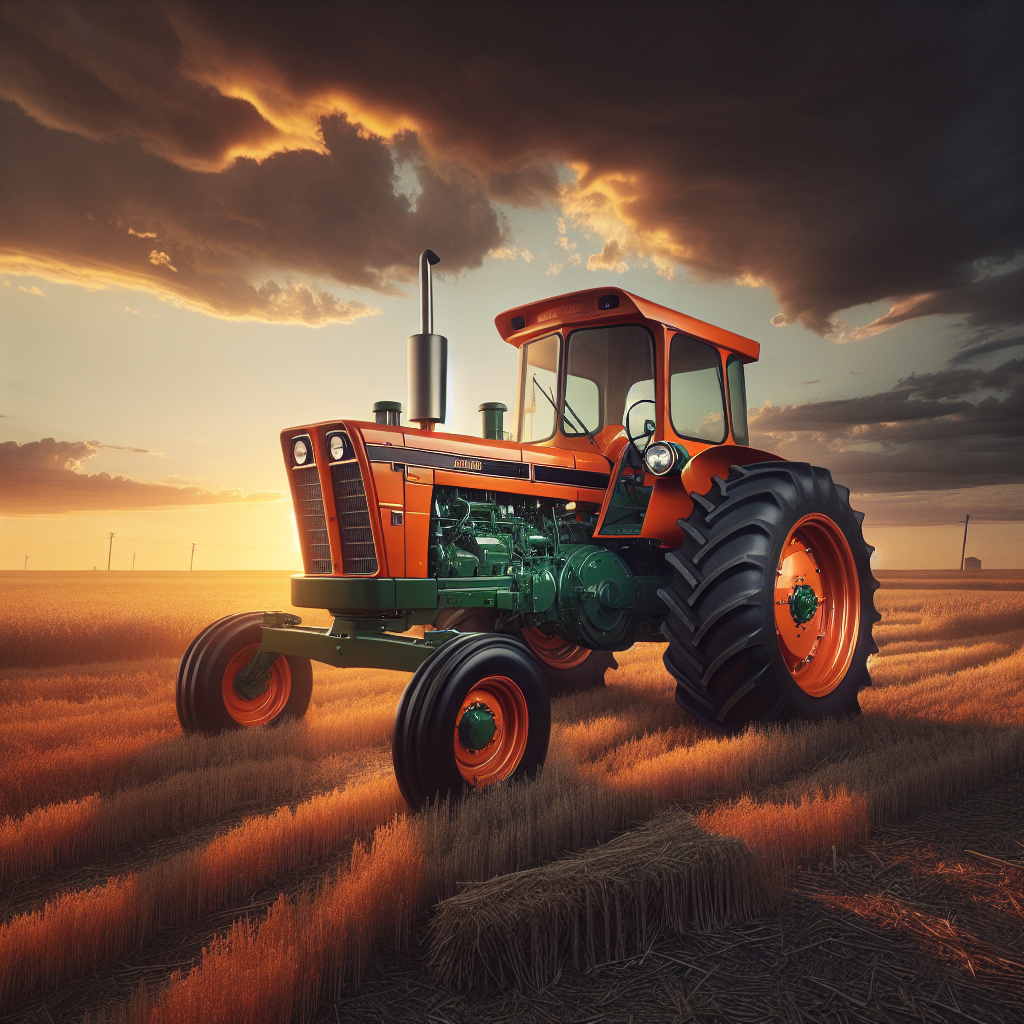
Other Questions
Haiku
Are Smaller Garden/Utility Tractors Like Farmall Cubs Rising In Price? – A Haiku
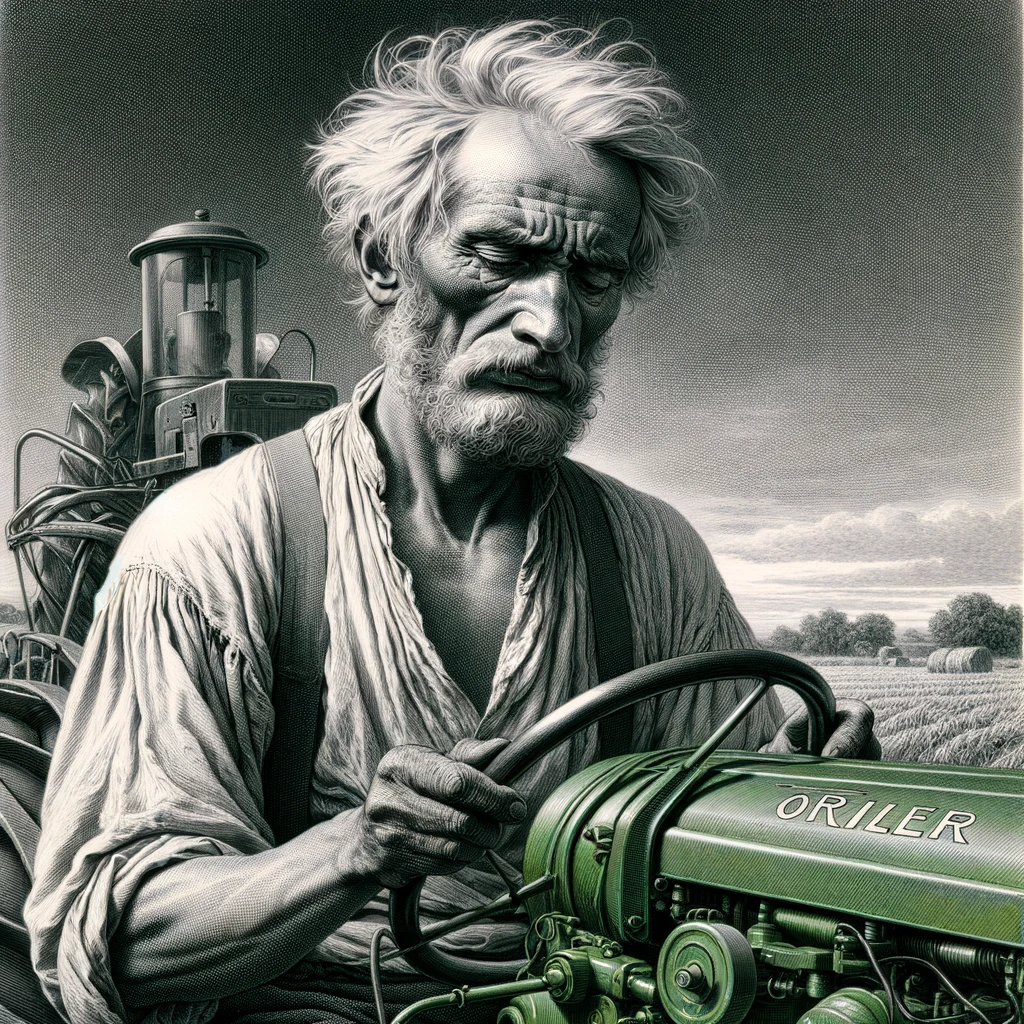
Rusty wheels turn tales,
Legacy in each dent tells—
Roots of heart and earth.
Haiku
Poem
Are Smaller Garden/Utility Tractors Like Farmall Cubs Rising In Price? – A Poem
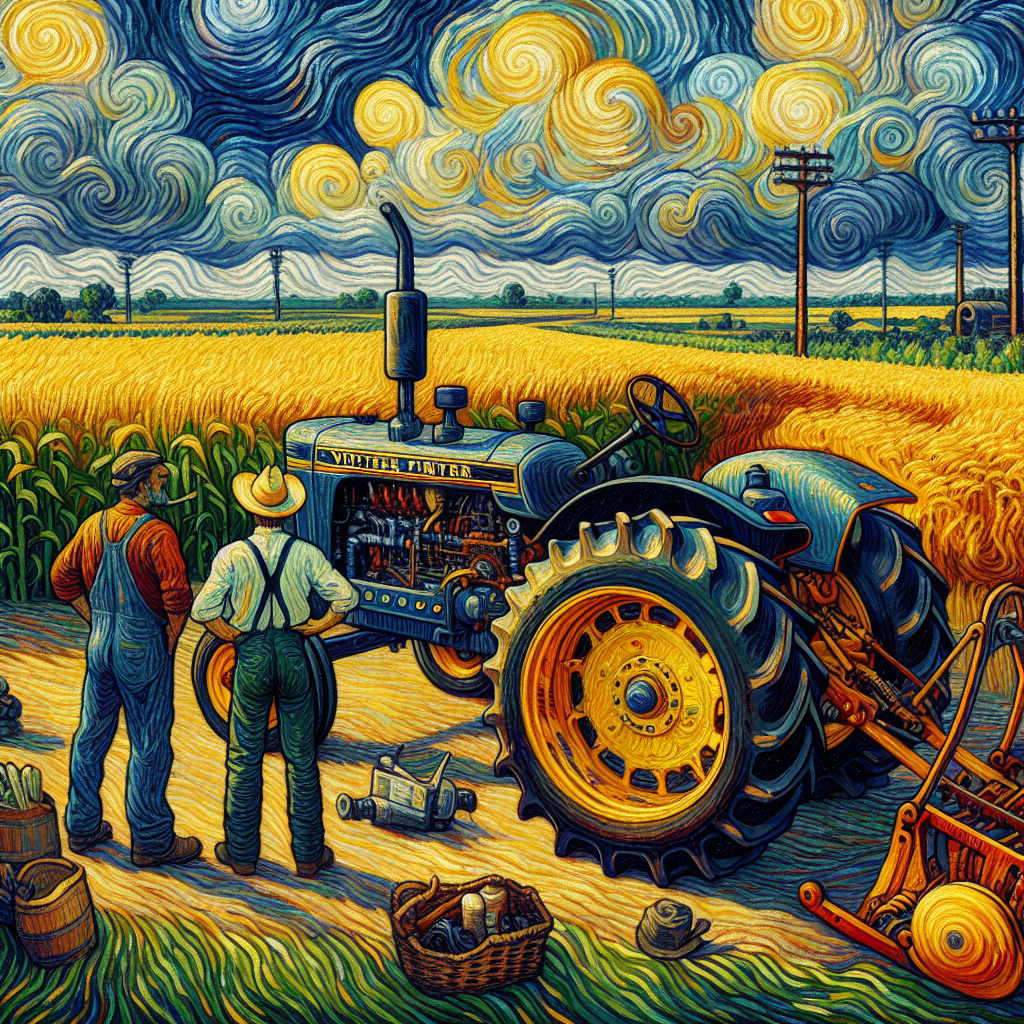
In fields of green where memories stand,
Farmall Cubs, small wonders, touch our land.
Not mere machines, but hearts entwined,
Echoes of laughter, in stories, we find.
A tractors hum, a rhythm of pride,
From generations past, they shall not hide.
Nostalgia weaves through rust and wear,
Emblems of labor, of love and care.
Versatile allies in a world that spins,
Tending gardens, where new life begins.
Rational choice, offering less to waste,
In hands that cherish, old values embraced.
Ethics call us to nurture and share,
A legacy steeped in community care.
For those on the front lines, striving so hard,
The rising prices stand like a guard.
Yet hearts rally round, support takes flight,
In every farmers triumph, our hopes ignite.
Each scratch on the surface tells tales of toil,
Binding us back to the sun-kissed soil.
Vintage and humble, these tractors they rise,
Bridging our worlds with their steadfast ties.
For in owning a Cub, we engage and unite,
As stewards of earth, we reclaim the light.
Poem
Checklist
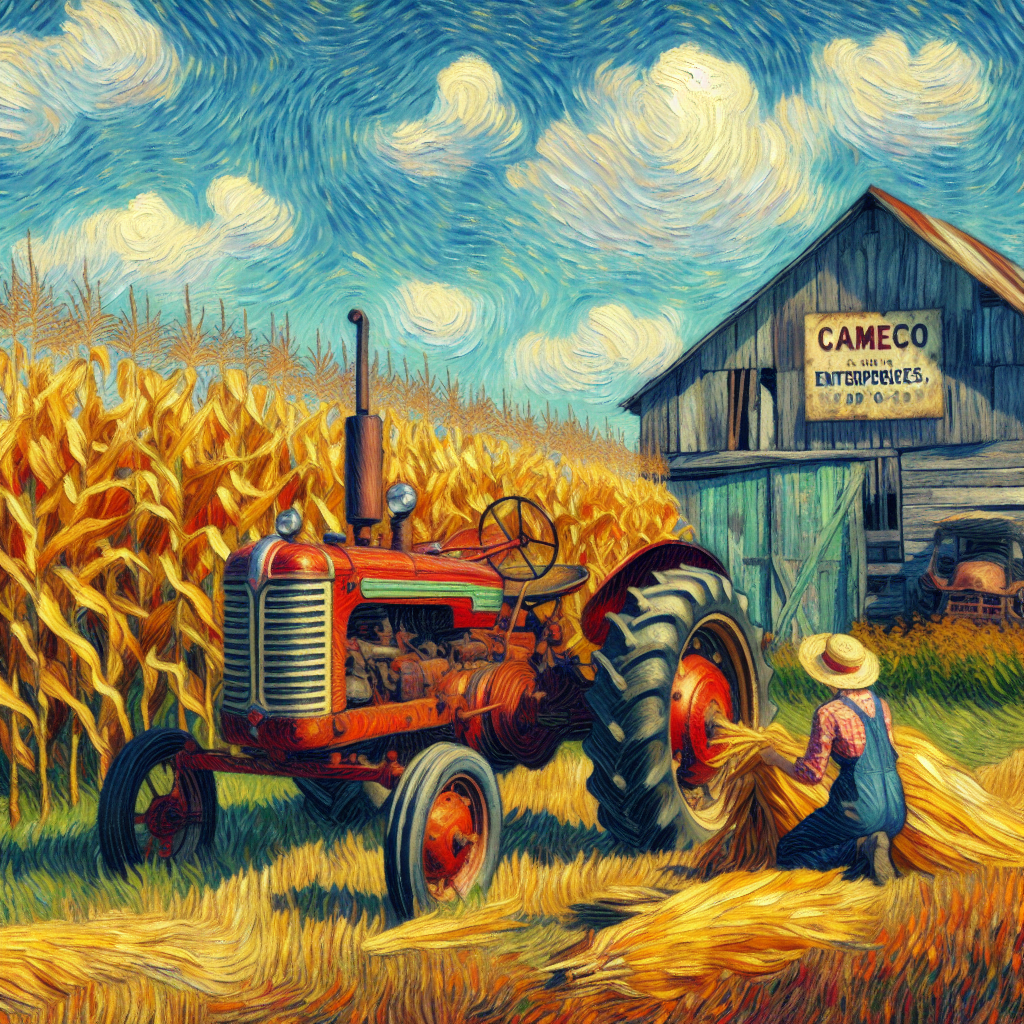
Are Smaller Garden/Utility Tractors Like Farmall Cubs Rising In Price? – A Checklist
Emotional Appeals
✅______ Reflect on your childhood memories related to tractors.
✅______ Share stories of family traditions tied to farming or gardening.
✅______ Create a scrapbook of photographs and anecdotes related to your experiences with tractors.
Rational Appeals
✅______ Consider the versatility of a smaller garden tractor in various settings.
✅______ Evaluate cost savings in fuel and maintenance compared to larger models.
✅______ Make a list of practical tasks a smaller tractor could accomplish in your backyard or community garden.
Ethical Appeals
✅______ Explore the responsibility of supporting local farmers and sustainable practices.
✅______ Discuss the importance of preserving agricultural heritage through vintage tractors.
✅______ Assess how your choice of tractor impacts the local economy and community.
Authority Appeals
✅______ Research expert opinions on the benefits of smaller tractors for modern farming.
✅______ Attend workshops or talks led by agricultural professionals or historians.
✅______ Join a local association of tractor enthusiasts or farmers to gain insights.
Narrative Appeals
✅______ Write down personal narratives about working the land and the role tractors have played in those stories.
✅______ Collect anecdotes from family members or neighbors about their experiences with tractors.
✅______ Document the history of tractors in your area and relate it to your family’s farming journey.
Social Appeals
✅______ Participate in community events that celebrate local agriculture and share your passion for tractors.
✅______ Form or join a local club for tractor enthusiasts to connect with others who appreciate agricultural history.
✅______ Start collaborations with neighbors to share resources, knowledge, and equipment for gardening projects.
Checklist
At ClassicTractorNews, we help tractor lovers keep up with the latest news for classic and vintage tractors.
Please share this post with your friends, family, or business associates who may like old classic or vintage tractors.