

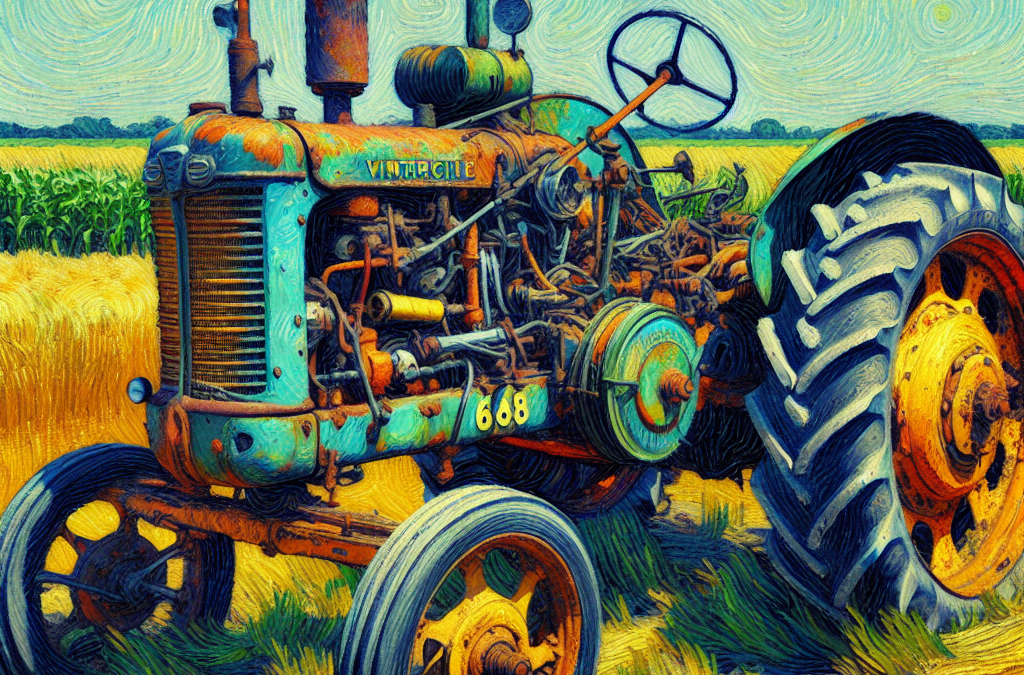
The Road To Modern Farming: A Heartfelt Pursuit Of Simplicity And Reliability
By Tom Seest
At ClassicTractorNews, we help tractor lovers keep up with the latest news for classic and vintage tractors.
Please share this post with your friends, family, or business associates who may like old classic or vintage tractors.
Are Simplicity and Reliability The Keys to Modern Farming’success
In the heart of America’s farmland, where the sun kisses the horizon and the soil tells tales of resilience, simplicity and reliability stand tall as the starches of modern farming success. Picture a sprawling field, ready for the season’s first tilling. The farmer hops on a well-worn tractor, an emblem of honest toil—its engine roaring to life like a promise made generations ago. It’s not just machinery; it’s a lifeline, a trusted companion in the quest for nurturing the earth.
Now think about it. In this world of high-tech solutions and the lure of quick fixes, it sometimes feels like we’re losing sight of the important things—the age-old virtues of hard work and straightforward methods. When a farmer chooses a reliable tractor over a flashy modern gadget, what they’re really choosing is trust. They are saying, “I believe in the land and what it has to give.” In a time dominated by complexity, let’s not underestimate the power of simplicity.
Consider the narrative of John, a third-generation farmer. He inherited a modest tract of land, weathered but fertile, from his father, who taught him that farming is a relationship—a dance between man and nature. With every planting season, John chooses his trusty, no-frills tractor. It gets the job done without unnecessary bells and whistles. Time and again, that simple machine has powered him through spring’s unpredictable storms and summer’s relentless heat. And in the end, it’s that reliability that helps him harvest a bountiful crop. Each ear of corn, every head of lettuce, serves as a testament to what can be achieved when we root ourselves in foundational values.
This isn’t just about economics; it’s about ethics too. Aren’t we called to honor the land that sustains us? Isn’t it our responsibility to tread lightly, ensuring that our farming practices don’t outsmart nature but instead work in harmony with it? When farmers choose tools that are dependable, they reinforce a sense of community—a shared commitment to the future.
So, as you look to modern farming practices, remember that it’s about finding balance. Reliability encased in simplicity allows us to forge connections, both with the earth beneath our feet and with each other. In this way, the seeds of trust we plant today will grow into a harvest of hope for tomorrow.
Are Simplicity and Reliability The Keys to Modern Farming’success
Are Simplicity and Reliability The Keys to Modern Farming’success
- Farming embodies resilience, simplicity, and reliability—the cornerstones of success in agriculture.
- A well-worn tractor symbolizes honest toil and serves as a trusted companion for farmers.
- Amid high-tech solutions, farmers often opt for reliable tools over flashy modern gadgets, reflecting trust in the land.
- John, a third-generation farmer, exemplifies the importance of a straightforward approach, using a no-frills tractor.
- Reliability of trusted tools enables farmers to navigate unpredictable weather, resulting in bountiful harvests.
- Farming practices must honor the land, promoting ethical responsibility and community commitment to sustainable methods.
- Balancing reliability with simplicity fosters connections with the earth and each other, nurturing hope for the future.
Are Simplicity and Reliability The Keys to Modern Farming’success
Table Of Contents
- Are Simplicity and Reliability The Keys to Modern Farming’success
- What If Simplicity Could Transform Your Farming Practices?
- How Can Reliable Methods Increase Crop Yield Effectively?
- Are You Struggling To Balance Innovation With Simplicity On Your Farm?
- In What Ways Does Simplicity Reduce Stress For Modern Farmers?
- How Can Reliable Technology Save You Time And Money In Farming?
- How Does Complexity In Farming Impact Sustainability Efforts?
- Conclusion
- Other Resources
- Glossary Of Terms
- Other Questions
- Haiku
- Poem
- Checklist
What If Simplicity Could Transform Your Farming Practices?
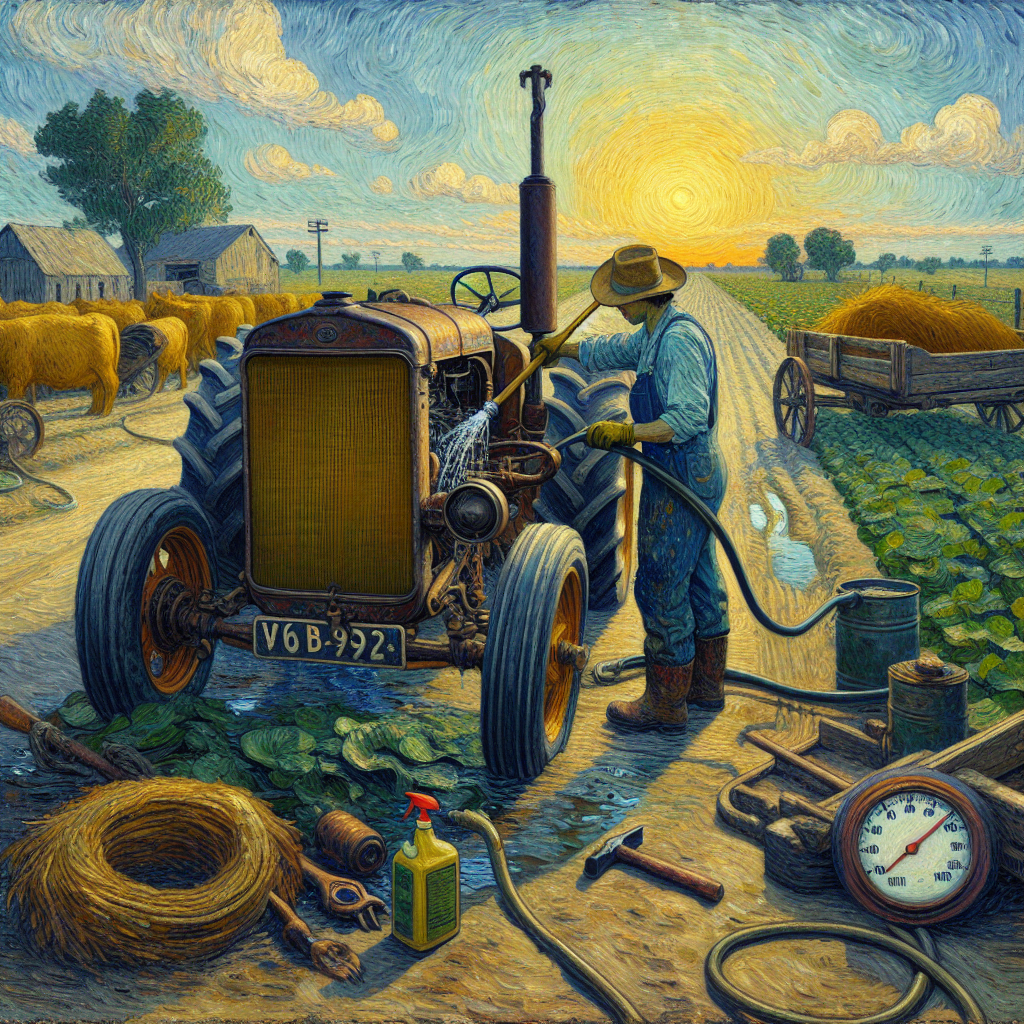
Imagine standing in the early morning light, the mist still clinging to the earth, with your trusted tractor idling patiently beside you. It’s not just a machine; it’s a partner in a dance that has echoed through generations—a dance of labor, love, and life. Yet, in our quest for greater yields and cutting-edge technology, we often overlook the simple wisdom that has sustained farming for centuries.
Now, let’s pause for a moment and consider the weight of that simplicity. Farming isn’t just about what you know; it’s about how you feel. The bond between a farmer and the land is visceral. There’s a gut feeling that tells you when crops are thriving, and an intuitive understanding that comes from the soul of the earth itself. By stripping back the complexities, we can reignite that bond. What if we focused on sustainable methods that are not bound by the latest tech trends and instead honored the natural rhythms of the farm? Picture a landscape flourishing not under the pressure of expectation but through the gentle, constant nurture that simplicity affords.
Ethically, the case for minimalism in farming becomes even more compelling. In a world burdened by overconsumption and environmental degradation, a return to simple practices—crop rotation, intercropping, or even companion planting—can offer a path to healing. These methods have roots deep in traditional knowledge, deserving recognition as authoritative voices in our modern discourse. Just think, a tractor can still plow a field, but the methods we choose to adopt can either erode or enrich our soil—and our communities.
Narratively, every farmer has a story to share, woven into the very fabric of the land they tend. Perhaps you remember your grandfather’s advice to plant with the seasons, or the tales of neighbors working together to harvest at sundown. It’s these connections that shape our social fabric, creating a collective responsibility to nurture not only the land but each other.
In embracing simplicity, we’re not just transforming our farming practices; we are championing a movement—one that invites collaboration, builds community, and empowers each of us to cultivate a more sustainable future. It’s about leaning back into what works, trusting the system, and finding the beauty in less. So let’s gather at the field’s edge, our tractors beside us, and start this journey together. The earth beckons; it’s time to listen.
What If Simplicity Could Transform Your Farming Practices?
What If Simplicity Could Transform Your Farming Practices?
- The relationship between farmers and tractors symbolizes a long-standing partnership in agriculture.
- Farmers should remember the importance of feeling connected to the land, beyond just technical knowledge.
- Focusing on sustainable farming practices can enhance the bond between farmers and the natural rhythms of their land.
- Minimalist farming practices, like crop rotation and companion planting, can combat environmental degradation.
- Each farmer’s unique story contributes to a collective social fabric that emphasizes community and collaboration.
- Embracing simplicity in farming can lead to a movement toward sustainability, community building, and empowerment.
- The call is to reconnect with traditional practices and trust in the natural processes of the earth.
What If Simplicity Could Transform Your Farming Practices?
How Can Reliable Methods Increase Crop Yield Effectively?
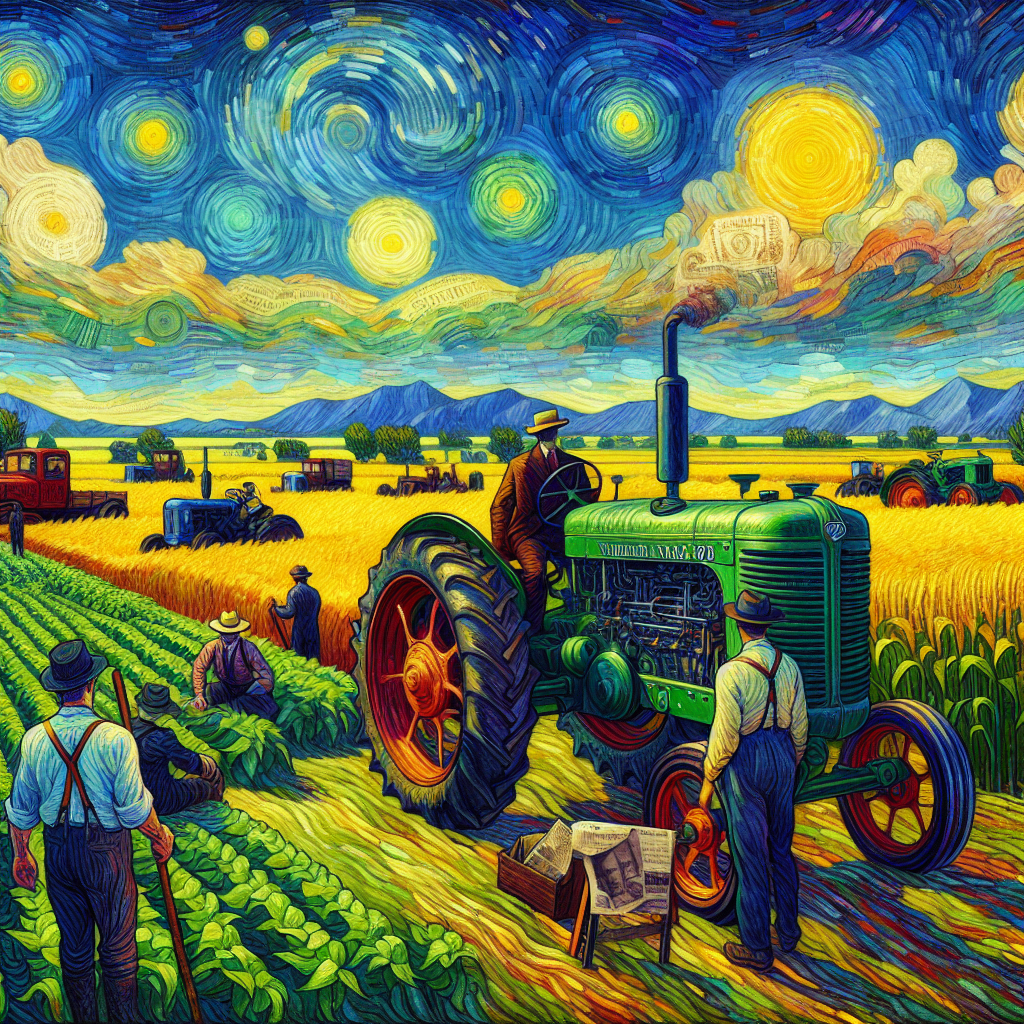
When we think about agriculture, we often picture sprawling fields kissed by the sun, the comforting hum of a tractor nearby, and the promise of a bountiful harvest. Yet, at the core of this idyllic scene lies the backbone of farming—reliable methods that transform potential into progress. These approaches aren’t just the gears and levers that drive productivity; they represent the heart and soul of a farmer’s dedication to their land, their family, and their community.
Imagine a local farmer, waking before dawn, her breath visible in the crisp morning air as she climbs onto her trusty tractor, her hands calloused yet steady. Each turn of the wheel reflects years of hard-won knowledge. These reliable farming methods—be it precision agriculture, crop rotation, or integrated pest management—don’t just increase yields; they put food on the table for families, create jobs in rural communities, and sustain the very fabric of our society. We all have a shared stake in how our food is grown and harvested.
Rationally, the benefits of adopting these techniques are staggering. Studies have shown that farms employing advanced technology and sustainable practices can increase their yield by substantial margins. This is not mere theory; it’s an investment in innovation that pays dividends, not just for the present but for generations to come. It’s about fostering a connection to the soil, ensuring that future farmers can inherit a land that’s not just productive, but thriving.
Ethically, we owe it to our planet and each other to embrace these methods. They reduce reliance on harmful chemicals, decrease water usage, and enhance biodiversity. It’s not just about the crops in the field; it’s about cultivating a sustainable future, one that honors our responsibility toward both the environment and our fellow human beings. And why does that matter? Because every decision we make—what we grow, how we grow it—echoes through our communities, impacting lives in ways we may never fully comprehend.
Let’s come together and champion these reliable methods. Celebrate the farmers who wake early, fueled by passion and purpose, propelling their tractor forward into the dawn. Every step they take, every seed they plant, is a testament to hope, resilience, and an unwavering belief in possibility. Together, we can ensure that the rhythm of the plow, the hum of the tractor, and the beauty of a bountiful harvest continue for generations—because when crops yield more, so do our dreams.

How Can Reliable Methods Increase Crop Yield Effectively?
How Can Reliable Methods Increase Crop Yield Effectively?
- Agriculture is often envisioned as sunlit fields and the promise of bountiful harvests, supported by reliable farming methods.
- Farmers embody dedication through their hardworking practices, utilizing knowledge and experience to cultivate the land.
- Methods like precision agriculture, crop rotation, and integrated pest management enhance productivity and support local communities.
- Adopting advanced technology and sustainable practices leads to significant increases in farm yields and long-term benefits.
- Ethically, sustainable methods reduce harmful chemical use, lower water consumption, and promote biodiversity, fostering environmental responsibility.
- Every farming decision impacts communities, highlighting the interconnectedness of food production and societal well-being.
- Championing reliable farming methods ensures a prosperous future, resonating with hope, resilience, and the promise of continued harvests.
How Can Reliable Methods Increase Crop Yield Effectively?
Are You Struggling To Balance Innovation With Simplicity On Your Farm?
Finding Balance Between Ingenuity and Simplicity on Your Farm
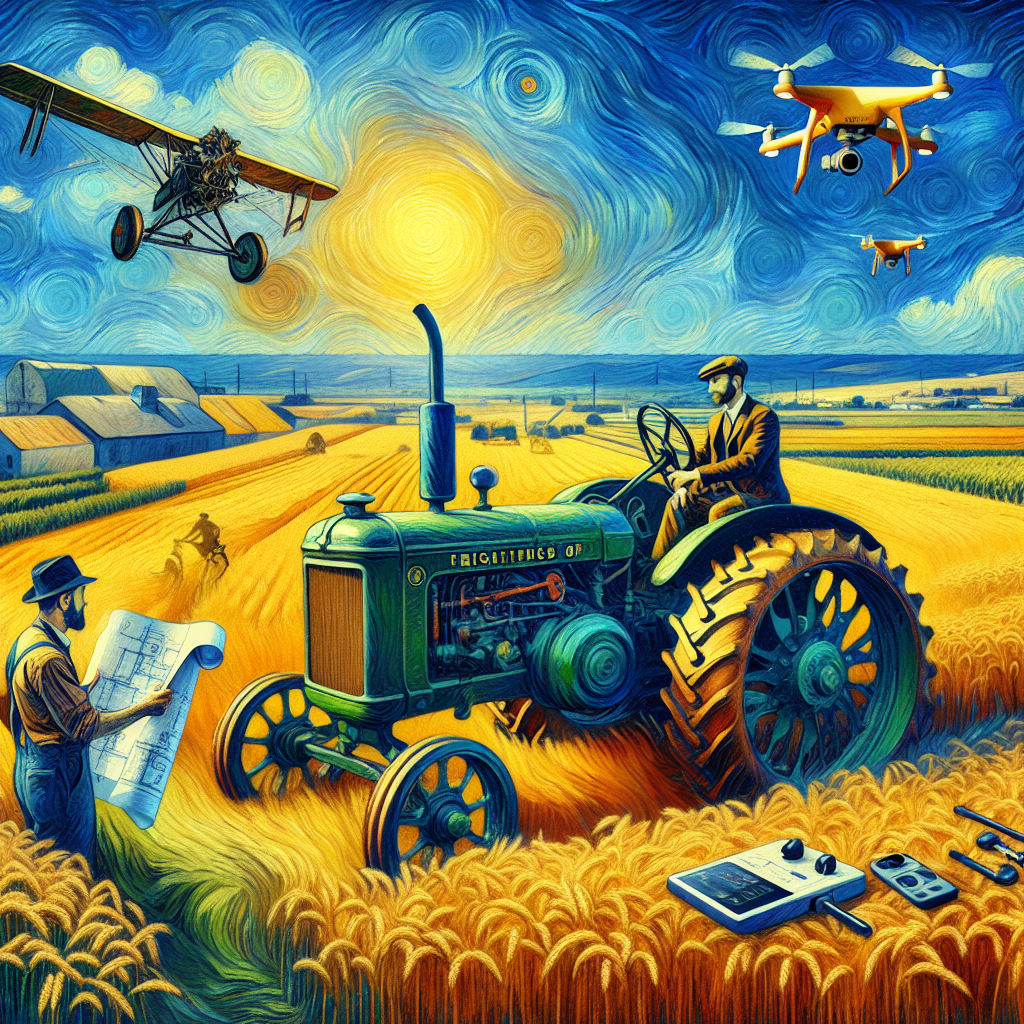
Farming has always been a dance—a delicate waltz between tradition and innovation. Picture yourself behind the wheel of your trusty tractor, plowing the fields as the sun rises. Each furrow is a blend of careful planning and hard-earned experience. It’s a rhythm that many of us know by heart. Yet, as technology leaps forward with advanced machinery, smart sensors, and precision agriculture, the struggle to maintain that balance becomes undeniable.
You’ve likely felt those pangs of doubt creep in, questioning if you’re keeping pace with progress while holding onto what makes farming so deeply rewarding. This dilemma isn’t just a logistical one; it stirs an emotional battle within. On one hand, we crave the efficiency that comes with innovation, the promise of higher yields and lower labor costs. On the other, we fear losing the essence of farming itself—the connection to the land, the satisfaction of seeing a job well done, the knowledge passed down through generations.
Think about it: When was the last time you stood in a field, taking in the hum of insects and the rustle of leaves, and felt connected to something greater? That quiet moment can feel lost amid the whirlwind of technological jargon and shiny, new machines. But here’s the thing: innovation doesn’t have to mean complexity. It’s perfectly okay to ask questions and seek solutions that enhance rather than overwhelm your way of life.
Now, let’s get practical. Embrace the tools made for you, not the tools that make you a slave to the system. Start small—invest in technology that marries seamlessly with your existing practices. Opt for advancements that lend a hand, rather than take over; think of smart irrigation or predictive analytics that simplify your decision-making process rather than complicate it.
And remember, you’re part of a community. Share your experiences, your struggles, and your victories with fellow farmers. Use local networks or online forums to connect, because success often breeds success. This relationship can help you navigate the maze of innovation with confidence, showing that you don’t have to walk this path alone.
Your farm’s future doesn’t hinge on adopting every piece of technology out there. Instead, it hinges on finding that blissful intersection where ingenuity enhances simplicity, allowing you to cultivate not just crops, but a legacy. So, grab the reins of your tractor, take a deep breath, and remember: you’re building not just a farm, but a way of life. And that’s something worth nurturing.
Are You Struggling To Balance Innovation With Simplicity On Your Farm?
Are You Struggling To Balance Innovation With Simplicity On Your Farm?
- Farming is a delicate balance between tradition and innovation.
- Advanced technology brings efficiency but raises concerns about losing the essence of farming.
- Connection to the land and the satisfaction of farming jobs are valuable parts of the experience.
- Innovation should enhance life, not overwhelm it; simplicity is key.
- Start small by integrating technology that complements existing practices.
- Community support and sharing experiences can help navigate technological changes.
- The goal is to cultivate a legacy through a harmonious blend of ingenuity and simplicity.

Are You Struggling To Balance Innovation With Simplicity On Your Farm?
In What Ways Does Simplicity Reduce Stress For Modern Farmers?
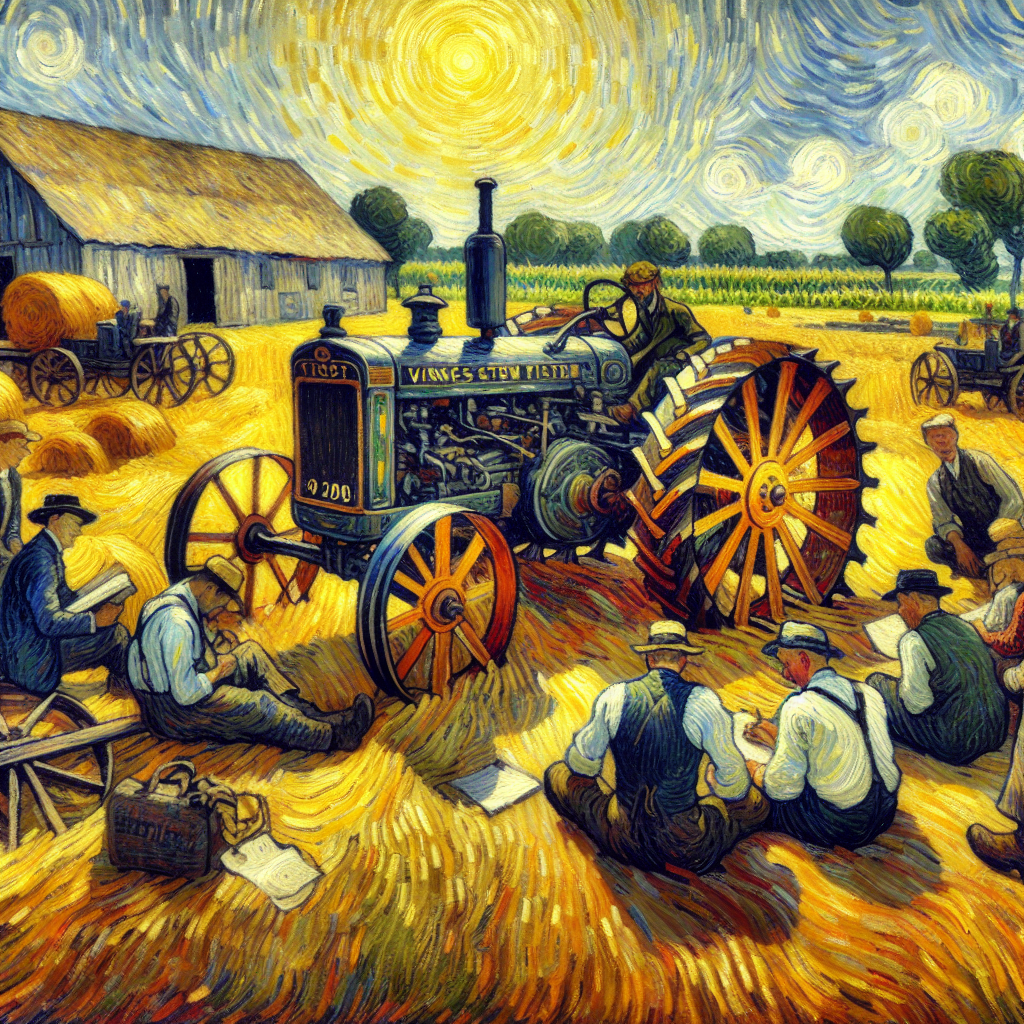
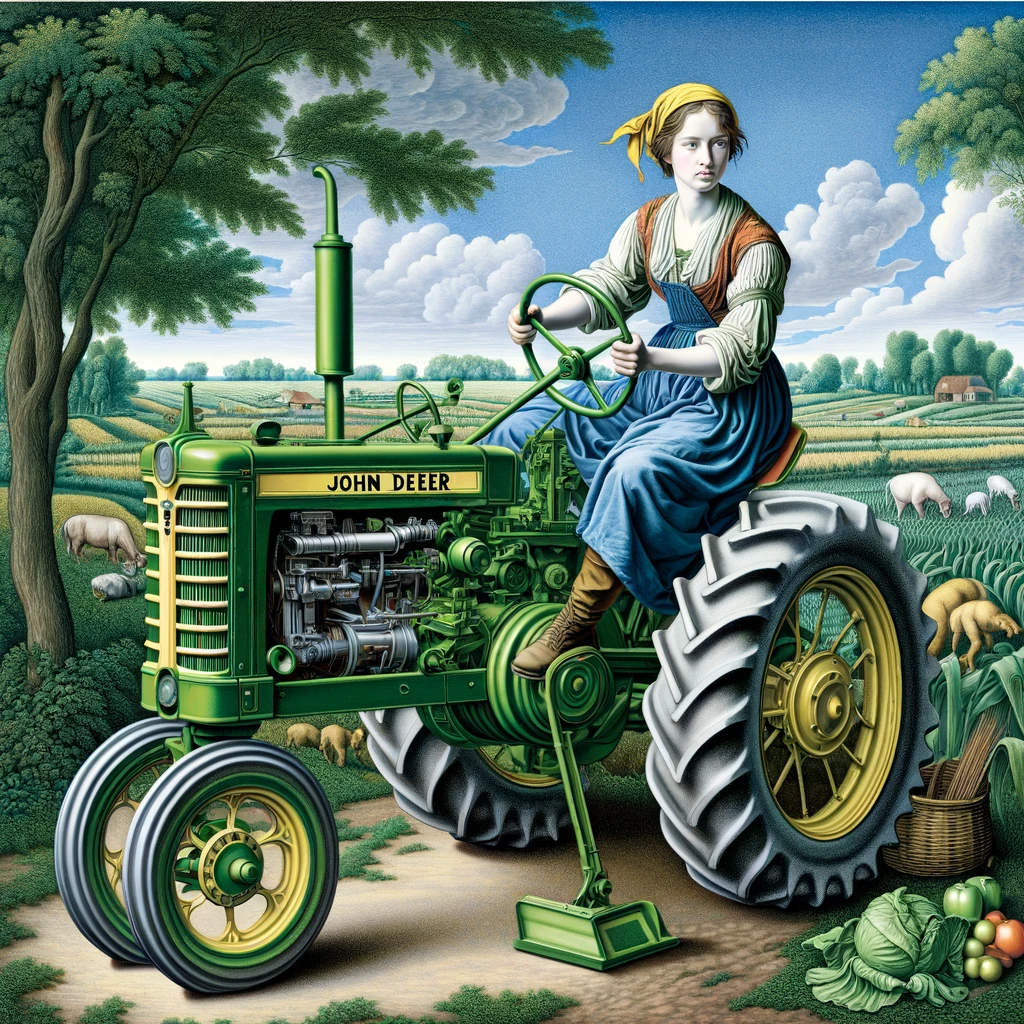
Life on the farm can often feel like a never-ending race. From the crack of dawn to sunset, farmers are constantly juggling responsibilities—from maintaining their crops to repairing their tractors. Yet, beneath this whirlwind of tasks lies a growing realization: embracing simplicity can deliver a much-needed breath of fresh air.
Let’s start with the heart. For generations, farming has been about more than just the harvest; it’s about legacy. Each field of corn, each scented breath of earth brings with it a story, a connection to family and community. But when modern pressures from technology and market demands start weaving complexity into this ancient tapestry, the emotional weight can become overwhelming. Simplifying processes, like streamlining irrigation or adopting user-friendly tools, means less mental clutter and more time spent nurturing those stories—on the tractor, in the field, making memories.
Now, let’s consider the head. Rationally, simplicity reduces stress in clear and measurable ways. It translates to smoother operations. When farmers cut down on the intricate, entangled methods that complicate cultivation, they find themselves free to use their resources more effectively. Reports show that farms operating on simpler systems often experience increased productivity, and lower overhead costs mean added savings. Who wouldn’t want to kick back a little and enjoy the fruit of their labor?
Moving on to the ethical angle, we live in a world wrestling with sustainability. Amidst climate uncertainty, reducing stress through simplicity is not just personal; it’s a collective responsibility. By focusing on practices that are straightforward and efficient, farmers not only ease their daily burden but also contribute to a healthier planet—one less chemical input, one more organic choice.
And consider this: Every time a farmer hops onto their tractor, they are part of a larger narrative. There’s something reassuring about knowing that others are making similar choices, striving for that simplicity and balance. Together, they weave a community—sharing advice, tools, and experiences. This collective has the power to change not only how farmers view their land but also how they connect with one another.
So, let simplicity reign. When the dust settles, and the sun sets over a clear field, it’s not just about the crops that grow but the lives that flourish alongside them. It’s time to cultivate peace, produce connection, and harvest hope. Simplifying doesn’t just lighten the load; it cultivates a richer, more fulfilling life on the farm.
In What Ways Does Simplicity Reduce Stress For Modern Farmers?
In What Ways Does Simplicity Reduce Stress For Modern Farmers?
- Farm life is a continuous cycle of responsibilities from early morning to night.
- Embracing simplicity can provide relief and clarity amidst hectic farming tasks.
- Farming is deeply rooted in legacy and community, transcending mere harvests.
- Modern pressures complicate farming; simplifying processes can restore focus on meaningful connections.
- Simpler methods enhance operational efficiency, leading to increased productivity and reduced costs.
- Adopting straightforward farming practices supports sustainability and environmental health.
- A connected farming community can foster shared experiences and collective simplicity.
In What Ways Does Simplicity Reduce Stress For Modern Farmers?
How Can Reliable Technology Save You Time And Money In Farming?
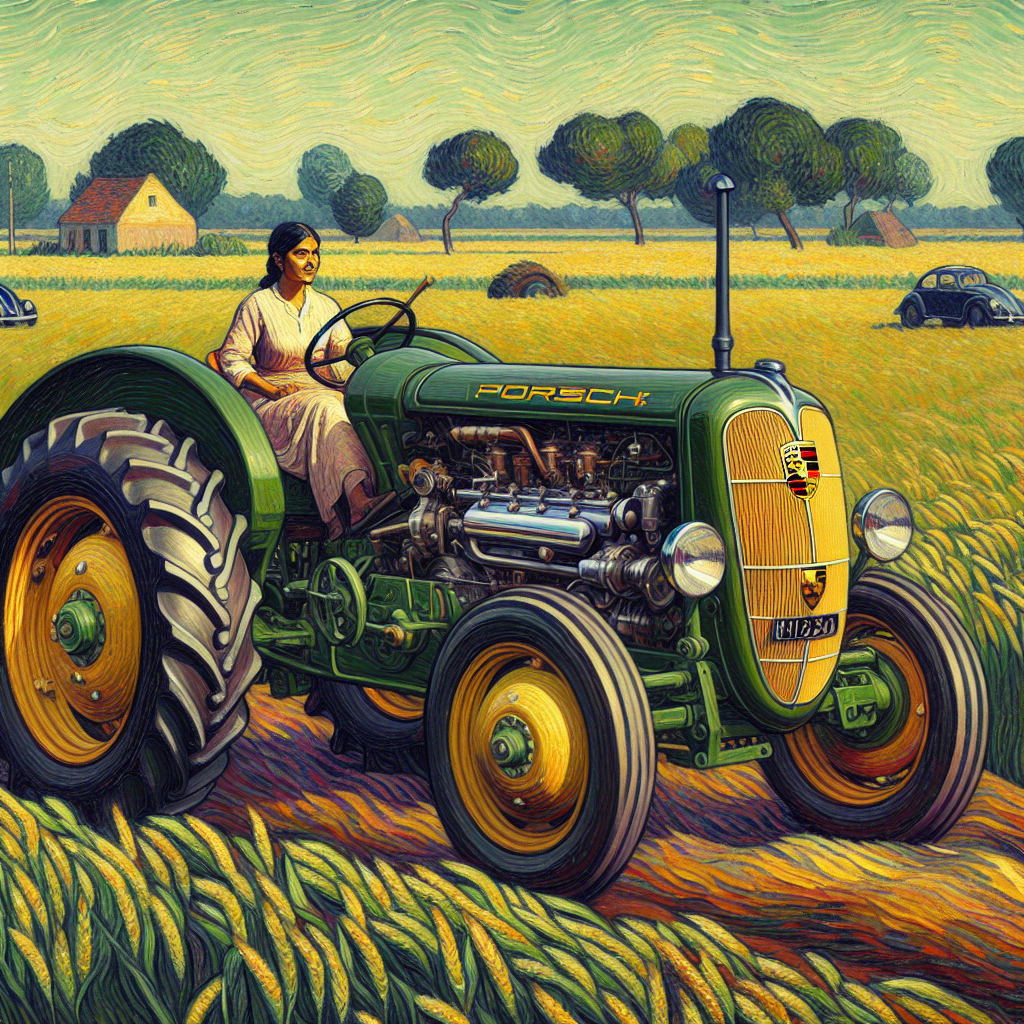
When you think of farming, what comes to mind? It might be the daily grind under the hot sun or the satisfying sound of a tractor humming through the fields. It’s a world where tradition meets necessity, and the real work starts well before dawn breaks. Yet, in this age of advanced technology, it’s time we embrace changes that can fundamentally reshape how we farm.
Reliable technology can transform farming from grueling labor into a more efficient, sustainable operation. Picture this: a simple, smart tracking system that lets you monitor crop health from the comfort of your home. With real-time data at your fingertips, you can make informed decisions that save you time—and let’s face it, time is money. Every hour your tractor isn’t stuck repairing a broken part is an hour that could be maximizing your yield. Think about that for a moment.
Imagine walking through your fields, not sweating bullets over whether you’ve watered enough or if pests are lurking out of sight. Instead, picture having drones that monitor water levels and send alerts directly to your phone. That’s the beauty of integrating reliable technology into your routines: it’s about working smarter, not harder. For every dollar you save by minimizing waste and maximizing output, you’re investing back into your land, your family, and your future.
But there’s more to it. Investing in technology isn’t just about dollars and cents; it’s a commitment to the land that sustains us. It’s a pledge we take for the next generation of farmers who will inherit our soil. When you adopt new tools and techniques that create efficiencies, you’re carrying a weight off their shoulders. You’re not just cultivating crops; you’re nurturing a legacy.
The bond we share with our fields is deep-rooted, and yet, as stewards of the land, we have to evolve. It’s about recognizing that living in the past won’t sustain us; adopting reliable technology—whether a state-of-the-art tractor or crop sensors—will lead us into a future filled with potential.
So go ahead—take that step, whether you’re a seasoned farmer or new to the land. The tractor might pull the plow, but it’s the technology that will pull your farm into a bright, efficient future. Trust in it, and it will trust you back.
How Can Reliable Technology Save You Time And Money In Farming?
How Can Reliable Technology Save You Time And Money In Farming?
- Farming combines tradition with necessity, requiring effort well before dawn.
- Embracing advanced technology can transform farming into a more efficient and sustainable operation.
- Smart tracking systems enable farmers to monitor crop health remotely, saving time and money.
- Drones can monitor water levels and alert farmers, reducing the stress of managing crops.
- Investing in technology is a long-term commitment to land and future generations of farmers.
- Adopting new tools creates efficiencies, nurturing both crops and a farming legacy.
- Recognizing the need to evolve with technology can lead to a prosperous farming future.

How Can Reliable Technology Save You Time And Money In Farming?
How Does Complexity In Farming Impact Sustainability Efforts?
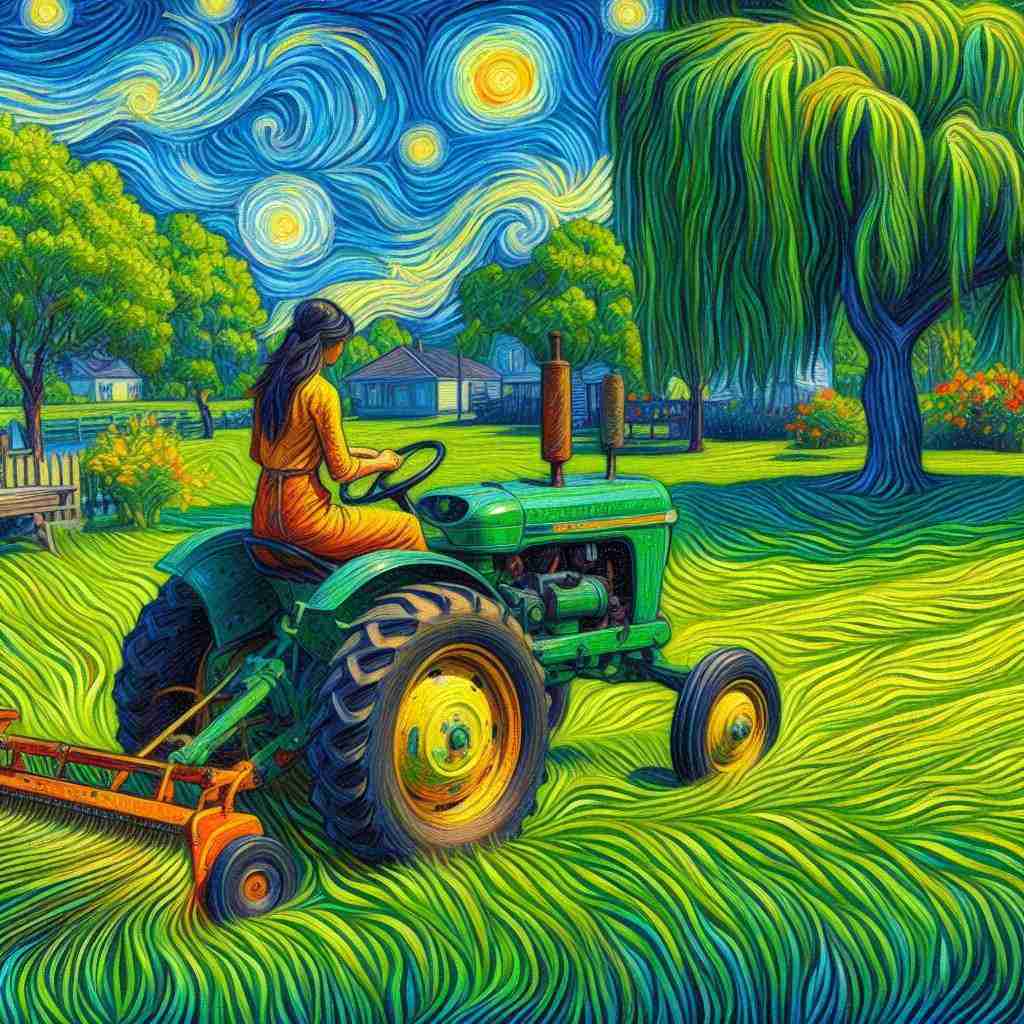
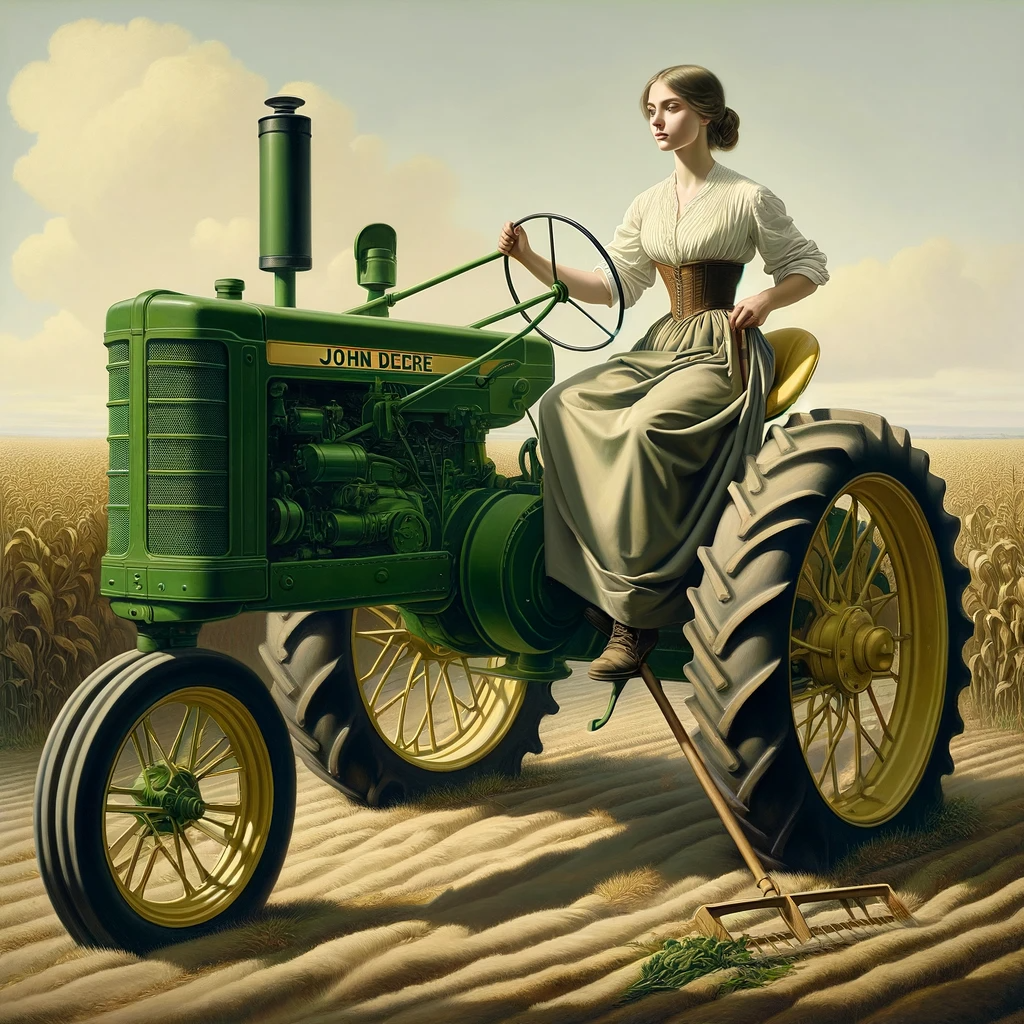
When you picture a farm, what comes to mind? A vast expanse of green fields, a sturdy tractor rumbling down a dirt path, and the sweet scent of rich soil. It’s idyllic, right? But as anyone who has spent time in agriculture knows, the reality is anything but simple. Complexity in farming—be it the myriad of crops, the intricate ecosystems, or the climactic challenges—plays a significant role in how sustainable our efforts can be.
Now, let’s get to the heart of the matter. Farmers are more than just caretakers of land; they are passionate stewards of the earth, deeply connected to their communities and always striving to leave a better world for the next generation. When you consider sustainability, it reaches far beyond just crop rotation or organic practices. It’s about forming relationships: with the soil, the weather, and even with the local consumers who rely on their harvest. This complexity can often feel daunting, but it’s also a testament to the resilience of an age-old craft—one that’s rooted in trial, error, and passionate commitment.
Now, from a rational perspective, let’s talk numbers. Did you know that every decision made in the field can have a ripple effect for miles around? The choice of a single crop can decide whether nearby waterways become polluted or remain pristine. Farmers know this—and the overwhelming responsibility can leave them feeling like they’re driving that tractor uphill against a hundred-mile-per-hour wind. The complexity they face is not just logistical; it’s ethical. The burden of making the right decision haunts them, and they genuinely want to do right by society.
But here’s where hope shines through. There is a growing awareness and a collective desire to simplify the complexities of farming through innovation, collaboration, and education. Initiatives that bring farmers together, teach sustainable practices, and promote local markets can unite communities around healthy, fresh food. These connections are not just about agriculture; they’re about humanity—recognizing that our health is intertwined with the health of our planet.
So, let’s encourage those brave souls who toil in the fields, perhaps struggling in their tractors under the weight of what’s at stake. By supporting sustainable practices and embracing the complexities of farming, we’re not just investing in crops; we’re investing in our future. Let’s spread the word, foster trust, and act collectively—because together, we can cultivate a world that’s not only bountiful but sustainable for generations to come.
How Does Complexity In Farming Impact Sustainability Efforts?
How Does Complexity In Farming Impact Sustainability Efforts?
- Farming is a complex endeavor, involving diverse crops, ecosystems, and climate challenges.
- Farmers are stewards of the earth, committed to their communities and future generations.
- Sustainability encompasses more than just practices; it involves relationships with soil, weather, and consumers.
- Every farming decision has significant consequences, impacting the environment and local waterways.
- There is a growing desire to simplify farming complexities through innovation, collaboration, and education.
- Connecting farmers with sustainable practices promotes community health and access to fresh food.
- Supporting sustainable agriculture is an investment in our collective future and a sustainable planet.
How Does Complexity In Farming Impact Sustainability Efforts?
Conclusion
Conclusion: The Heart, Head, and Gut of Modern Farming
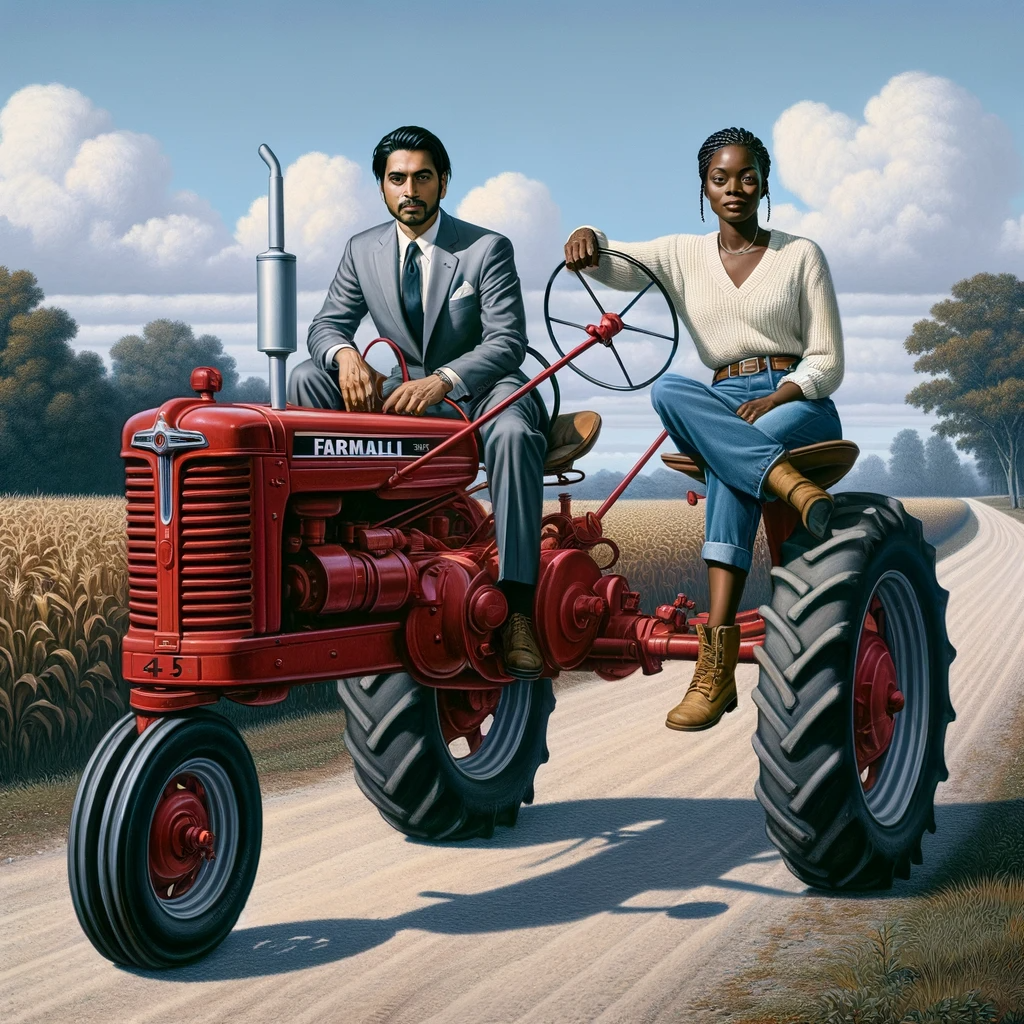
As we sit at the crossroads of tradition and innovation in farming, it’s clear that the journey isn’t merely about tractors or technology; it’s a heartfelt quest for simplicity and reliability. Picture this: the sun rises over a field, illuminating the contours of the land nurtured by generations before us. Each furrow tilled by a reliable tractor tells a story—one of hard work, resilience, and the unwavering bond between a farmer and the soil.
At our core, farming is an emotional experience. Each harvest nurtures a legacy, not just for families but for communities that depend on these crops. When a farmer opts for a straightforward, trusted tool over the latest flashy gadget, they are signaling their commitment to the land and to the sustainable practices that allow it to thrive. It’s about believing in what has worked and what can still work if we honor our roots while being mindful of modern needs.
Rationally, embracing simplicity can increase productivity while reducing stress and overhead costs. When complexity is stripped away, farmers can spend more time cultivating crops and less time wrestling with convoluted processes and high-tech gadgets. This ain’t about reinventing the wheel; it’s about keeping it spinning reliably and efficiently.
We also share an ethical responsibility—a call to honor our land, preserving its health for future generations. By cultivating a sustainable mindset, we work in harmony with nature rather than against it. Each reliable decision made in the field ripples through our communities, enriching lives, bolstering local economies, and preserving the very ecosystems we depend upon.
And while the challenges are real, know that this isn’t a solo journey. Farmers are part of a vibrant community, connected through shared experiences and aspirations. By engaging with one another, sharing wisdom passed down through generations, we cultivate not just crops but relationships—fostering a sense of belonging that is vital in these complex times.
So, as we stand together at the edge of a vast field, let’s embrace the power of simplicity and reliability. Let’s plow forward with a shared mission, recognizing that every seed we plant today will grow into a promise for tomorrow—a promise rooted in trust, community, and a sustainable future. In this way, we honor not only our agriculture but also our humanity, cultivating a world where we all can flourish together. Grab that tractor and let’s get to work—because when we simplify our approach, we don’t just harvest crops; we harvest hope.
Conclusion
Conclusion:
- Modern farming balances tradition and innovation, focusing on simplicity and reliability.
- Farming is an emotional experience that nurtures legacies for families and communities reliant on crops.
- Choosing trusted tools over high-tech gadgets exemplifies a commitment to sustainable practices.
- Simplicity can enhance productivity while reducing stress and overhead costs for farmers.
- Farmers have an ethical responsibility to preserve land health for future generations through sustainable practices.
- A vibrant farming community thrives on shared experiences, wisdom, and relationships.
- Embracing simplicity fosters trust and hope, allowing for a sustainable future in agriculture.

Conclusion
Other Resources
Other Resources
Here is a list of other resources you can review online to learn more:
- Earth Force
- Branson
- General Ordnance
- McCormick Intl
- Farm Equipment Manufacturers Association
- Centaur
- Square Turn
- Renault
- NEATTA
- UTB/Universal
Use This Prompt To Get More Resources With Your Favorite Online AI Tool: Please provide me with a list of online articles with their URLs in a bulleted list that I can read regarding Are Simplicity and Reliability The Keys to Modern Farming’success
Other Resources
Glossary Terms
Are Simplicity and Reliability The Keys to Modern Farming’success – Glossary Of Terms
1. Agronomy: The science of soil management and crop production; critical in understanding plant growth and agricultural practices.
2. Sustainable Agriculture: Farming practices that focus on maintaining the health of the environment while producing food, ensuring long-term farming viability.
3. Precision Farming: An agricultural management concept that uses technology to monitor and manage field variability in crops to improve yields and reduce environmental impact.
4. Yield: The amount of crop produced per unit area; a key measurement of farming success and efficiency.
5. Crop Rotation: The practice of alternating different crops in a field over time, which helps maintain soil health and reduces pests and diseases.
6. Biodiversity: The variety of plant and animal life in a particular habitat, essential for maintaining healthy ecosystems and agricultural resilience.
7. Irrigation: The artificial application of water to soil, necessary for crop growth, especially in areas prone to drought.
8. Soil Fertility: The capability of soil to provide essential nutrients to plants, affecting overall crop productivity.
9. Integrated Pest Management (IPM): A sustainable approach to managing pests that combines biological, cultural, physical, and chemical strategies to minimize harmful effects.
10. Organic Farming: A method of farming that avoids synthetic fertilizers and pesticides, focusing on natural processes and biodiversity.
11. Farm-to-Table: A movement emphasizing the direct connection between food producers and consumers, promoting local agriculture and fresh produce.
12. Automation: The use of technology and machinery in farming, designed to improve efficiency and reduce labor costs.
13. Climate Resilience: The ability of agricultural systems to withstand and adapt to climate change impacts, ensuring sustainable food production.
14. Ag-tech: Agricultural technology that encompasses various innovations, such as software, biotechnology, and machinery designed to improve farming efficiency.
15. Ecosystem Services: Benefits provided by ecosystems, such as pollination and nutrient cycling, crucial for agricultural sustainability.
16. Simplicity: The quality of being easy to understand or do, often leading to more efficient farming practices that reduce complexity and costs.
17. Reliability: The ability of farming methods and systems to consistently produce desired outcomes, critical for ensuring food security and trust in agricultural systems.
18. Soil Health: The state of soil in terms of its biological, physical, and chemical properties; vital for sustaining productive agriculture.
19. Green Manure: Cover crops that are grown and then tilled back into the soil to improve soil quality and fertility.
20. Vertical Farming: A modern agricultural practice of growing crops in stacked layers, often in controlled indoor environments, to maximize space and resources.
21. Hydroponics: A method of growing plants without soil, using mineral nutrient solutions in water, which can be more efficient and space-saving.
22. Agroecology: An approach that applies ecological principles to agricultural systems, emphasizing sustainable practices and food sovereignty.
23. Permaculture: A design principle that encourages sustainable land use by mimicking natural ecosystems and building regenerative agricultural systems.
24. Diversification: The practice of growing a variety of crops to spread risk, enhance soil health, and improve farm resilience.
25. Data Analytics: The process of examining agricultural data to gain insights and make informed decisions for improved farming outcomes.
26. Traceability: The ability to track food products through all stages of production, processing, and distribution, ensuring transparency and safety.
27. Carbon Sequestration: The process of capturing and storing atmospheric carbon dioxide, which can be enhanced through certain farming practices.
28. Farming Cooperatives: Organizations formed by farmers to pool resources, share knowledge, and collectively market their products, simplifying logistics.
29. Resilience: The capacity of farming systems to recover from stresses, such as market fluctuations or climate impacts, ensuring long-term success.
30. Local Food Systems: Agricultural practices that prioritize the production and consumption of food within local communities, reducing reliance on long supply chains.
Glossary Of Terms
Other Questions
Are Simplicity and Reliability The Keys to Modern Farming’success – Other Questions
If you wish to explore and discover more, consider looking for answers to these questions:
- What modern farming technologies complement simplicity?
- How can I incorporate traditional methods into contemporary farming?
- What are the economic benefits of reliable farming practices?
- How do community efforts enhance farming sustainability?
- What role does soil health play in modern farming practices?
- How can farmers collaborate to share knowledge and best practices?
- What are the environmental impacts of complex farming methods?
- How do market demands influence the adoption of farming technologies?
- Can small-scale farmers effectively utilize advanced technology?
- What specific practices can reduce the stress of farm management?
Other Questions
Haiku
Are Simplicity and Reliability The Keys to Modern Farming’success – A Haiku
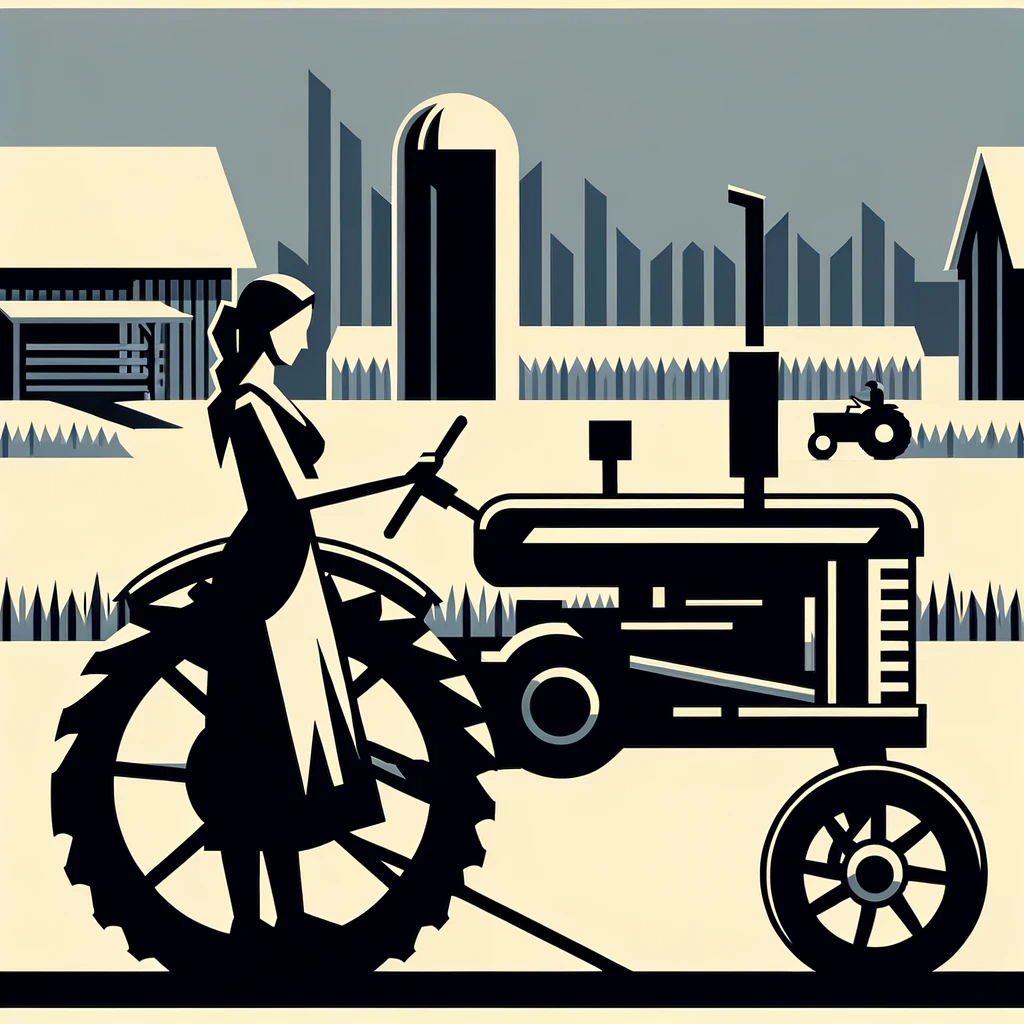
Tractors hum with trust,
Simplicity in the soil—
Harvest hope through care.
Haiku
Poem
Are Simplicity and Reliability The Keys to Modern Farming’success – A Poem
Simplicity’s Harvest
In America’s heartland, where fields stretch wide,
The sun greets the dawn, and the farmers abide.
With hands worn and wise, they embrace the earth,
In simplicity’s embrace, they discover their worth.
A tractor, well-loved, breathes life into toil,
A promise of harvest, from the deep, fertile soil.
Each seed sown with care, rooted in trust,
Whispers of family, of hope, and of dust.
John, with his legacy, the land he holds dear,
Teaches that farming’s not just about gear.
It’s a dance with the seasons, a rhythm of heart,
Each crop tells a story; it’s a living art.
Beyond the bright screens, in a world that demands,
Let’s seek out the pulse of our kindred lands.
For when we choose wisely, with ethics in sight,
We nurture connections, and we forge the right light.
Reduce all the clutter, let simplicity lead,
A path to resilience, where community’s freed.
With every decision, consider the yield,
Not just of the harvest, but of bonds we can wield.
In a time where technology swirls like a storm,
Let’s cherish the roots where true farming’s born.
Innovate gently, let nature be guide,
For the future awaits where traditions abide.
So take up your tractor, let’s plow with intent,
Cultivate a future where our energies blend.
For when harvest times come, and the fields gently sway,
We’ll reap not just crops, but together we’ll stay.
Let’s breathe in the promise that simplicity sows,
With each choice we nurture, our sustainability grows.
Join hands in the fields, let’s yield what is just,
In simplicity’s harvest, together we trust.
Poem
Checklist
Are Simplicity and Reliability The Keys to Modern Farming’success – A Checklist
Simplicity and Reliability in Modern Farming: A Comprehensive Checklist
Emotional Appeal
_____ Connect with Legacy: Reflect on the historical stories and lessons your family elders taught you about farming.
_____ Nurture Your Bond with the Land: Spend time each week just being on the land—feel the soil, observe nature, and connect with the ecosystem.
_____ Celebrate Each Harvest: Create rituals to celebrate your harvests, honoring the relationship between you, the soil, and your community.
Rational Appeal
_____ Evaluate Your Practices: Review your current farming methods. Are they complex or unnecessarily complicated?
_____ Assess Technology Usage: Identify any technology that could streamline your processes without overwhelming you. Are there reliable tools that make your life easier?
_____ Implement Sustainable Techniques: Research simple, sustainable practices like crop rotation and intercropping, and determine how they can be incorporated into your farm.
Ethical Appeal
_____ Commit to Sustainability: Create a plan for reducing chemical usage and enhancing biodiversity in your farming methods.
_____ Consider Your Community: Ask yourself how your farming practices affect your local community. Are you contributing positively to local food systems?
_____ Honor Future Generations: Reflect on what kind of land and resources you will leave for future farmers. Make decisions that prioritize long-term health over immediate gains.
Authority Appeal
_____ Engage with Experts: Attend workshops or webinars that focus on sustainable agriculture and reliable farming practices to learn from authoritative voices in the field.
_____ Read Credible Sources: Stay informed by reading articles and studies from reputable agricultural organizations that emphasize simplicity and reliability in farming.
_____ Network with Fellow Farmers: Join farming networks or community groups to share experiences and learn from those who have succeeded with simple, reliable approaches.
Narrative Appeal
_____ Share Your Story: Write down your journey as a farmer—your challenges, your successes, and lessons learned.
_____ Collect Stories from Others: Reach out to neighbors or other farmers and compile narratives about their relationship with farming, emphasizing simplicity and reliability.
_____ Create a Community Storybook: Consider publishing a community narrative focused on the wisdom of simple, reliable farming practices that can be shared with future generations.
Social Appeal
_____ Build Community Relationships: Participate in local farmers’ markets or community events to strengthen ties with consumers and fellow farmers.
_____ Collaborate on Projects: Find local farmers who share your vision of simplicity and reliability, and work on collaborative projects that reinforce community farming.
_____ Utilize Social Media: Use platforms like Instagram or Facebook to share your farming journey and engage with like-minded individuals and communities focused on sustainable practices.
This checklist serves as a guide to cultivate not just crops, but a deeper connection to the values of simplicity and reliability within modern farming. Embrace these elements and watch how they transform your farming practices and community connections.
Checklist
At ClassicTractorNews, we help tractor lovers keep up with the latest news for classic and vintage tractors.
Please share this post with your friends, family, or business associates who may like old classic or vintage tractors.