


The Timeless Appeal Of Traditional Tractors: Embracing Simplicity And Reliability For Sustainable Farming
By Tom Seest
At ClassicTractorNews, we help tractor lovers keep up with the latest news for classic and vintage tractors.
Please share this post with your friends, family, or business associates who may like old classic or vintage tractors.
Are Simplicity and Reliability In Classic Tractors The Future Of Farming
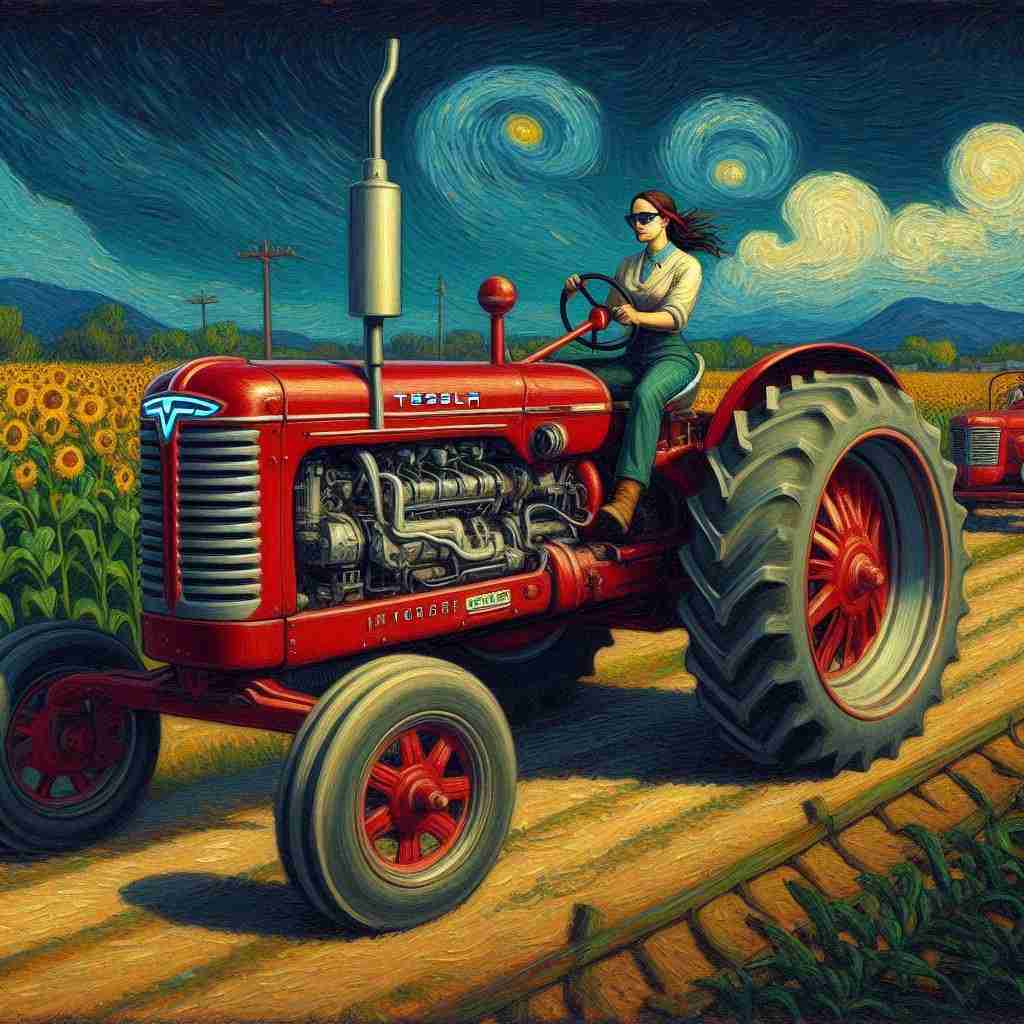
In a world increasingly driven by technology, the humble tractor stands as a testament to simplicity and reliability. While sleek, high-tech equipment dazzles us with flashy screens and automation, let’s take a moment to appreciate a machine born from grit, sweat, and sheer necessity. Picture this: a farmer, silhouetted against the twilight sky, working a field that has been in their family for generations. What do they rely on to make that patch of earth yield its bounty? Not just a tractor, but a trusted machine that has weathered storms—both of nature and life.
It’s easy to overlook the beauty in simplicity. With each row tilled, that classic tractor offers a sense of connection to the land, a rhythm that echoes the heartbeat of farming itself. You can almost hear the engine’s hum as it pulls steadily through the dirt, and in those moments, you grasp something profound: farming isn’t just a job—it’s a calling. A trusty tractor, stripped of modern pretense, allows farmers to focus on what truly matters: nurturing the earth, feeding communities, ensuring a legacy.
Now, let’s engage our rational side. As we tackle the challenges of climate change and dwindling resources, the practical benefits of classic tractors come into sharp focus. Their straightforward design means fewer breakdowns and lower maintenance costs, allowing farmers to prioritize their resources effectively. When budgets are tight, who wouldn’t want a workhorse that gets the job done without all the bells and whistles? Timeless reliability is not just a convenience; it’s a lifeline.
But that’s not all. Ethically, supporting a return to simplicity in farming aligns with our crucial responsibility to safeguard the planet. By embracing classic tractors, we acknowledge the value of environmental stewardship through sustainable practices. We’re not just feeding ourselves; we’re fostering community and respecting nature—a win-win for all involved.
And here’s the beauty of it: as more farmers begin to make that shift back to the tried-and-true, we will witness a renaissance in agriculture. The connection between the soil and the soul deepens. You see, it’s not merely about tractors or technology—it’s about people. Every farmer has a story, and every tractor has earned its place in that narrative. Together, they’re part of a larger social fabric, stitching generations together through shared experiences of hard work and perseverance.
So, let’s champion simplicity and reliability in our approach to farming. Let’s lift up the classic tractor as a symbol of what agriculture can and should be—a blend of tradition, community, and unwavering commitment to the earth that sustains us all.

Are Simplicity and Reliability In Classic Tractors The Future Of Farming
Are Simplicity and Reliability In Classic Tractors The Future Of Farming
- The tractor symbolizes simplicity and reliability in a tech-driven world.
- Farmers depend on trusted tractors that have withstood life’s challenges.
- Classic tractors foster a deep connection between farmers and the land.
- They offer practical benefits, such as fewer breakdowns and lower maintenance costs.
- Supporting classic tractors aligns with sustainable farming practices and environmental stewardship.
- A return to traditional methods can lead to a renaissance in agriculture.
- Every tractor and farmer contributes to a broader narrative of community and perseverance.

Are Simplicity and Reliability In Classic Tractors The Future Of Farming
Table Of Contents
- Are Simplicity and Reliability In Classic Tractors The Future Of Farming
- Are Modern Farmers Prioritizing Simplicity Over Advanced Technology?
- How Do Classic Tractors Embody Sustainable Farming Practices?
- Is There A Growing Movement Toward Simpler Farming Methods?
- What Can We Learn From The Durability Of Classic Tractor Design?
- How Might The Use Of Classic Tractors Improve Farming Efficiency?
- Are Classic Tractors A Testament To The Values Of Ethical Farming?
- Conclusion
- Other Resources
- Glossary Of Terms
- Other Questions
- Haiku
- Poem
- Checklist
Are Modern Farmers Prioritizing Simplicity Over Advanced Technology?
In the steady hum of early morning, as the sun peeks over the horizon like a timid child, the heartbeat of a farm stirs to life. Farmers awaken to the scent of freshly tilled soil and the distant sound of a tractor, a mechanical beast that signifies both tradition and progress. Yet, in recent years, a curious trend has emerged: a growing number of these stewards of the land are leaning toward simplicity over the allure of advanced technology.
Amidst the glossy brochures touting precision agriculture and drones, some farmers are stepping back to ask themselves an essential question: What truly defines success on the land? For many, the answer lies in a return to basics—where relationships with the soil, the crops, and the community take precedence over gadgets and gizmos. It’s not that these tools aren’t valuable; they just don’t hold the same weight when juxtaposed with the simple joy of planting a seed, tending to it, and watching it grow.
Consider the emotional connection tied to that old tractor—a symbol not just of hard work but of heritage. It tells a story of generations who have toiled in the same fields, weathered the same storms, and celebrated the same harvests. Using technology can sometimes feel like a detachment from this rich narrative. The farmer of today is not only a grower; they are the keepers of history, and it’s hard to ignore the longing for a simpler time when hands were the primary tools and the land the most loyal ally.
Moreover, there’s an ethical conversation brewing here. In an age where sustainability is no longer just a buzzword but a responsibility, many farmers are recognizing that reliance on high-tech solutions can have unintended consequences—more chemicals, greater energy consumption, and complex supply chains that distance them from the very ecosystems they’re trying to nurture. By embracing simpler methods, they are prioritizing a kind of farming that respects the earth, ensuring it thrives for future generations.
This isn’t just about farming; it’s about community. The resurgence of simplicity fosters connections—not just with the soil, but with each other. Neighbors come together to share knowledge, tools, and experiences, blending tradition with innovation in a way that doesn’t dismiss progress but embraces it with a discerning mind. So, whether it’s a newly acquired tractor or a treasured family heirloom, the choice often comes down to what resonates with the heart, balances the head, and speaks to the gut. It’s about cultivating not just crops but a sense of belonging—a community rooted in trust, reliability, and genuine connection to the land.

Are Modern Farmers Prioritizing Simplicity Over Advanced Technology?
Are Modern Farmers Prioritizing Simplicity Over Advanced Technology?
- The morning farm life comes alive with the scent of soil and sounds of tractors, blending tradition with progress.
- Many farmers are choosing simplicity over advanced technology, questioning what truly defines success.
- Relationship with soil, crops, and community is prioritized over high-tech tools and gadgets.
- Old tractors symbolize heritage and the shared stories of generations who have worked the land.
- Farmers recognize the ethical implications of reliance on technology, favoring sustainable practices to protect ecosystems.
- The return to simplicity fosters community connections, enabling knowledge sharing and collaboration among neighbors.
- Choice in farming tools reflects emotional ties, balancing tradition with a discerning approach to progress.

Are Modern Farmers Prioritizing Simplicity Over Advanced Technology?
How Do Classic Tractors Embody Sustainable Farming Practices?
When you take a moment to dust off the hood of a classic tractor, you’re not just unearthing a relic; you’re uncovering the very heartbeat of sustainable farming practices that have stood the test of time. Picture those sturdy machines, lovingly maintained through generations, rumbling to life as their engines roar. These tractors weren’t just built to plow; they were built to nurture our soil, to connect us with the land, and to teach us about true stewardship.
At their core, classic tractors embody a philosophy of durability and efficiency. These machines were crafted before disposable culture seeped into the very fabric of our lives. Consider the countless hours they’ve spent in the fields—repairable, enduring, and ultimately effective in a way new models often overlook. They evoke a visceral sense of reliability, reminding us that farming isn’t just about the harvest; it’s about respect for the earth and a commitment to sustainable practices that endure through the seasons.
From a rational perspective, older tractors often feature simpler mechanics than many modern models full of complex electronics. This means that farmers can repair them with basic tools rather than relying on a dealer with overpriced parts. This self-sufficiency fosters a resilient farming community where knowledge is shared, and skills are passed down from one generation to the next. It’s about empowering people to take charge of their own operations while limiting dependence on external resources that can be unstable and unsustainable.
Ethically, embracing classic tractors represents a commitment to environmental responsibility. These machines run on less fuel, produce fewer harmful emissions, and require a lighter touch on the earth, all while still getting the job done. Farmers who choose to restore and maintain these tractors are making a statement: that they value sustainability—not just as a marketing buzzword, but as a personal mission.
And let’s not forget the social aspect. Classic tractors foster a sense of community among those who cherish farming’s roots. They bring people together at local fairs and tractor pulls, creating bonds over shared experiences and proud histories. When you see a row of classic tractors at a county fair, you’re not just witnessing machinery; you’re observing a tapestry of human connection, stories interwoven across generations.
Ultimately, classic tractors do more than just plow the fields; they cultivate trust, confidence, and action in sustainable farming. They remind us that there’s beauty in the simple, the meaningful, and the enduring—a powerful lesson for all of us as we navigate the path toward a more sustainable future.

How Do Classic Tractors Embody Sustainable Farming Practices?
How Do Classic Tractors Embody Sustainable Farming Practices?
- Classic tractors symbolize the heartbeat of sustainable farming, connecting us to enduring practices.
- These machines emphasize durability and efficiency, having been crafted before the disposable culture took hold.
- Older tractors feature simpler mechanics, enabling farmers to repair them easily and fostering self-sufficiency.
- Embracing classic tractors represents a commitment to environmental responsibility with less fuel consumption and emissions.
- They create a sense of community among farmers who value traditional practices and share experiences.
- Classic tractors cultivate trust and confidence in sustainable farming practices.
- They remind us of the beauty and importance of simplicity and enduring values for a sustainable future.

How Do Classic Tractors Embody Sustainable Farming Practices?
Is There A Growing Movement Toward Simpler Farming Methods?
In a world that often feels like it’s spinning too fast, there’s a growing whisper among farmers and food lovers alike: a return to simpler, more sustainable farming methods. Picture this: an early morning sunrise casts a golden light over endless fields, where the gentle hum of a tractor is replaced by the rhythmic rustle of wind through crops. This is not just nostalgia; it’s a movement rooted in reconnecting with the land and nurturing it in a way that benefits all of us.
Farmers across the country—hungry for change yet grounded in tradition—are embracing practices that celebrate the earth rather than exploit it. They’re turning to techniques like crop rotation, cover cropping, and organic farming. The idea is simple yet powerful: by enhancing the natural soil and ecosystem, they can grow delicious, nutritious food without the reliance on synthetic fertilizers and pesticides. This isn’t just about better yields; it’s about integrity.
Consider the stories of those who have dared to pivot away from conventional methods. A third-generation farmer reflects on her family’s legacy as she trades in heavy machinery for hand tools, asserting, “We’ve forgotten what it means to listen to nature.” Her conviction resonates deeply; it speaks to our collective responsibility to be stewards of the land, not just consumers of its bounty.
But it’s not merely about soil and seeds; it’s about fostering a sense of community. Today’s consumers desire transparency in what they eat, seeking to understand the origins of their food. When farmers engage with their communities—offering farm tours, CSA programs, and local markets—they aren’t just selling produce; they are building relationships grounded in trust and shared values. Those fresh tomatoes you pick up at your local farmer’s market? They carry more than just flavor; they embody a commitment to ethical practices and a sustainable future.
This growing movement towards simpler farming methods isn’t just a trend; it’s a heart-filled call to action. When we shift our focus from mass production to mindfulness, we aren’t just reimagining agriculture—we are redefining what it means to truly nourish ourselves and our families. So, the next time you savor a farm-fresh meal, remember that it’s more than food on your plate; it’s a step toward a healthier planet, filled with hope and purpose. Together, let’s cultivate a future where balance and simplicity take root.

Is There A Growing Movement Toward Simpler Farming Methods?
Is There A Growing Movement Toward Simpler Farming Methods?
- A movement is emerging among farmers and food lovers advocating for simpler, sustainable farming methods.
- Farmers are embracing practices like crop rotation, cover cropping, and organic farming to enhance soil and ecosystems.
- This approach emphasizes integrity, reducing dependence on synthetic fertilizers and pesticides.
- Stories of farmers transitioning from heavy machinery to hand tools highlight the importance of listening to nature.
- Community engagement is crucial; farmers are fostering trust through farm tours, CSA programs, and local markets.
- This movement calls for a shift from mass production to mindfulness in agriculture.
- Every farm-fresh meal represents a commitment to ethical practices and a healthier planet.

Is There A Growing Movement Toward Simpler Farming Methods?
What Can We Learn From The Durability Of Classic Tractor Design?
When you think of a tractor, what comes to mind? A hulking machine, perhaps; an emblem of hard work, grit, and determination? That’s the beauty of classic tractor design. These enduring machines are not just metal and gears; they’re vessels of history, labor, and tradition. They symbolize a philosophy: build it to last. In a world obsessed with speed and novelty, the timeworn design of the classic tractor is a poignant reminder that quality often outweighs quantity.
Let’s dive into the heart of the matter. Take a moment to consider the farmers who have relied on these robust machines for generations. Each scratch, dent, and rust spot tells a story, echoing the struggles and triumphs of those who toiled under the sun. These tractors, often handed down like family heirlooms, foster a connection to the land and the legacy that surrounds it. Just like those farmers, we all have our ‘tractors’—those robust values and timeless lessons that anchor us amidst the whirlwind of modern living.
Now, think about it rationally: why do these tractors endure? Simplicity. Reliability. They were designed not just to perform, but to withstand. In a time when planned obsolescence reigns supreme, classic tractors remind us that durable design isn’t merely a goal—it’s a commitment to longevity. The engineers and craftsmen behind these machines didn’t cut corners; they laid down the foundations of trust. And let’s face it—trust is a currency that transcends generations; it’s what binds communities.
Ethically, there’s a lesson here too. Sustainable practices are rooted in resilience. By honoring designs that focus on durability, we collectively make a stand against wasteful consumerism. It becomes not just a choice but a responsibility to nurture designs that endure. When we think about what’s built to last versus what’s built to be replaced, we instill values that resonate beyond our individual choices.
So, what can we learn? There’s an authority in those old tractors, an undeniable strength in their design that challenges us to think deeper. Invest in what matters and what will last. Embrace simplicity. Find connections—not only to the land but to our communities and shared values. As you look forward into the future, let these lessons guide you in a world fraught with uncertainty. After all, we all want something we can count on—something built to last. And maybe, just maybe, a classic tractor can serve as a metaphor for a life well-lived.

What Can We Learn From The Durability Of Classic Tractor Design?
What Can We Learn From The Durability Of Classic Tractor Design?
- Classic tractors symbolize hard work, tradition, and a philosophy of durability.
- These machines carry the stories of generations of farmers, connecting them to their land and legacy.
- Each scratch and dent on a tractor represents the struggles and triumphs of those who used them.
- Classic tractors emphasize simplicity and reliability, designed to withstand the test of time.
- Durable design serves as a commitment to longevity, promoting trust in communities.
- The idea of sustainability is rooted in honoring designs that resist wasteful consumerism.
- Lessons from classic tractors encourage investing in lasting values and fostering community connections.

What Can We Learn From The Durability Of Classic Tractor Design?
How Might The Use Of Classic Tractors Improve Farming Efficiency?
In the world of modern agriculture, we often associate high-tech gadgets and flashy machinery with farming efficiency, but there’s something profound about the simplicity of classic tractors that speaks to our roots—and I don’t just mean the ones in the soil. Think about it: a classic tractor isn’t just a piece of equipment; it’s a testament to decades of hard work, creativity, and resilience.
These rugged machines, with their unmistakable charm and character, were forged in a time when they represented a farmer’s entire livelihood. Each dent and scratch holds a story, symbolizing long hours under the sun, the bittersweet triumphs, and the lessons learned in a field where every yield tells a tale. The nostalgia of these classic tractors isn’t just sentimental; it’s a gentle reminder of craftsmanship and ingenuity. It appeals to our hearts as we recognize that the heartbeat of farming is not just in the soil we till but in the machines we depend on.
From a practical perspective, the efficiency of classic tractors can be astonishing. Designed for longevity and versatility, these machines often come with lower operational costs and fewer complex systems that might break down. As a result, they can be more reliable—asking for little more than proper maintenance. Relying on time-tested technology instead of the latest bells and whistles means farmers can focus on what really matters: growing food sustainably and nurturing the land. That’s not just good for the wallet; it’s ethical, fostering a connection to our environment that transcends sheer profit.
Moreover, there’s an undeniable bond that forms among farming communities around these classic tractors. Picture a gathering of farmers, sharing stories of their prized machines—each one unique, each one vital to their legacy. This camaraderie fosters a spirit of collective wisdom and shared experience that remains invaluable. It’s about communities coming together, leaning on each other, and collectively rising to meet the challenges of farming today.
Trust in classic tractors is built on generations of experiences, making them not only reliable tools but also symbols of tradition and respect for the land. Whether you’re plowing the fields or reminiscing about the old days, classic tractors embody a holistic approach to efficiency—one that integrates heart, head, and gut, inviting us to engage with farming in a way that feels both honest and fulfilling. So, before you dismiss that classic iron resting in the barn, consider the stories it holds—and the new stories it could help you write.

How Might The Use Of Classic Tractors Improve Farming Efficiency?
How Might The Use Of Classic Tractors Improve Farming Efficiency?
- Classic tractors symbolize decades of hard work, creativity, and resilience in farming.
- Each dent and scratch on a classic tractor represents personal stories and lessons learned on the farm.
- They remind us of craftsmanship and ingenuity that underpin modern agriculture.
- Classic tractors offer practical benefits like lower operational costs and higher reliability.
- Farmers can focus on sustainable food production while relying on time-tested technology.
- Classic tractors foster camaraderie and shared wisdom among farming communities.
- They serve as symbols of tradition, respect for the land, and a holistic approach to efficiency in farming.

How Might The Use Of Classic Tractors Improve Farming Efficiency?
Are Classic Tractors A Testament To The Values Of Ethical Farming?
As we stand in the presence of classic tractors, we can’t help but feel a deep connection to the land, a bridge that links past generations of farmers to the promise of sustainable futures. These machines, often with weathered paint and gleaming metal, represent more than just equipment; they embody the spirit of ethical farming, a testament to values that have transcended time.
Consider the humble tractor—an innovation born from necessity. Farming was once a backbreaking endeavor, a dance with the elements that often left families struggling to make ends meet. When those first tractors rolled onto fields, they didn’t just harvest soil; they cultivated hope. They offered a chance for farmers to connect with their land in a new way—efficiently, thoughtfully, and sustainably. This isn’t merely nostalgia; it’s a reflection of ethical values that prioritize stewardship and respect for the Earth.
The emotional pull of these classic tractors goes beyond their vintage charm. Each dent and scratch tells a story, a narrative of families who labored with pride, striving to provide for their loved ones while maintaining a sacred bond with the land. Their resilience mirrors the unwavering spirit of farmers, who tirelessly work to balance productivity with ecological mindfulness. It’s a gut instinct, a raw understanding that what we harvest from the ground must be given back to it in kind.
In the modern era, when big agribusiness often overshadows the local farmer, these classic machines symbolize a return to authenticity. They remind us that agriculture rooted in ethical practices is more than just a trend; it’s a necessary evolution for our society. In an age of pollution and overconsumption, the narrative of the classic tractor becomes an authority on sustainable practices, emphasizing the importance of growing food in harmony with our environment.
As you gaze upon a rusted yet proud tractor, you’re invited to consider your own role in this story. Can we champion local farms that embody these ethical values? Can we promote practices that respect our soil and our communities? The answer lies within each of us. So, let’s honor these classic tractors as symbols of a movement—toward ethical farming, toward a future where we’re all connected by our cherished land.

Are Classic Tractors A Testament To The Values Of Ethical Farming?
Are Classic Tractors A Testament To The Values Of Ethical Farming?
- Classic tractors connect past generations of farmers to sustainable futures.
- These machines symbolize the spirit of ethical farming and transcendental values.
- Tractors emerged from the need to make farming more efficient and sustainable.
- Each tractor carries a story of families working hard to provide for loved ones.
- They reflect the farmers’ commitment to productivity while respecting the Earth.
- Classic tractors symbolize a return to authenticity in agriculture amidst big agribusiness.
- They invite us to reflect on our role in supporting local farms and sustainable practices.

Are Classic Tractors A Testament To The Values Of Ethical Farming?
Conclusion
In a world spinning ever faster, classic tractors stand as monumental symbols of simplicity, reliability, and a heartfelt commitment to sustainable farming. These rugged machines, born from the sweat and toil of generations, invite us to pause and reflect on what farming truly means. Imagine the familiar sight of a venerable tractor cutting through the warm earth, its engine rumbling like a heartbeat, linking past to present in a dance of tradition. Here’s where our story begins—not just about farming methods but about the legacy they carry and the sense of community they nurture.
As farmers face modern challenges like climate change and dwindling resources, the practical wisdom of classic tractors shines through. Their straightforward engineering translates into lower overhead costs and ease of maintenance. Less reliance on complex technology means farmers can devote their time and energy to what really matters—nurturing the land and feeding their communities, not managing expensive gadgets. It’s a choice driven by necessity and common sense, revealing the profound beauty in simplicity and durability.
But beyond efficiency lies deeper ethical implications. Embracing classic tractors fosters environmental stewardship and sustainable practices, consciously rejecting wasteful excess. It’s about preserving our earth for future generations while building lasting relationships with the soil and the community. Each tractor isn’t merely a tool but a storyteller—woven into the fabric of local culture—sharing tales of resilience and kinship that have shaped our agricultural values.
Engaging with these age-old machines rekindles a sense of belonging. They invite a personal connection with tradition, drawing farmers and communities together in a shared mission to cultivate their legacy. Picture local fairs where neighbors celebrate heirloom tractors, spinning stories and laughter—a vibrant tapestry of shared experiences across generations.
Ultimately, the movement toward embracing classic tractors reveals a collective longing for meaningful connections in a world inundated with fast-paced distractions. It’s about nurturing a holistic approach to farming that resonates in our hearts, informs our minds, and speaks to our very core. So, as we stand at this intersection of tradition and innovation, let us champion simplicity and reliability for a sustainable future. Let these timeless machines inspire us to reshape our approach to agriculture and community: one planted seed, one trusted tractor at a time.

Conclusion
Conclusion:
- Classic tractors symbolize simplicity, reliability, and a commitment to sustainable farming.
- These machines connect the past and present, reflecting on the true meaning of farming.
- Farmers face modern challenges, and classic tractors offer practical wisdom through lower costs and maintenance.
- The use of classic tractors promotes environmental stewardship and rejects wasteful excess.
- Each tractor serves as a storyteller, embodying local culture and agricultural values.
- Engagement with classic tractors fosters community connections and shared traditions.
- The movement toward classic tractors represents a desire for meaningful connections amidst modern distractions.

Conclusion
Other Resources

Other Resources
Here is a list of other resources you can review online to learn more:
- Ranch Hand
- Rome
- Branson Auto & Farm Museum
- Thieman Harvester
- Valtra
- Samson
- Parrett
- Case
- Memo
- Ford-New Holland
Use This Prompt To Get More Resources With Your Favorite Online AI Tool: Please provide me with a list of online articles with their URLs in a bulleted list that I can read regarding Are Simplicity and Reliability In Classic Tractors The Future Of Farming

Other Resources
Glossary Terms
Are Simplicity and Reliability In Classic Tractors The Future Of Farming – Glossary Of Terms
1. Agriculture: The practice of cultivating soil, growing crops, and raising livestock for food and other products.
2. Classic Tractor: A vintage or older model tractor often appreciated for its simplicity, durability, and mechanical reliability.
3. Simplicity: The quality of being easy to understand or use; in tractors, it often refers to fewer electronic components and straightforward mechanics.
4. Reliability: The ability of a machine to perform consistently well over time without failure; essential for farming operations.
5. Sustainability: Agricultural practices that do not deplete resources or harm the environment, ensuring future generations can farm successfully.
6. Vintage Equipment: Older farming tools and machinery that may be restored or maintained for use due to their reliability and simplicity.
7. Mechanization: The process of using machines to perform tasks that were previously done by hand to increase efficiency in agriculture.
8. Efficiency: The ability to produce maximum output with minimum wasted input, which is crucial for modern farming practices.
9. Renewable Resources: Natural resources that can be replenished or regenerated, such as solar, wind, and biomass, relevant to sustainable farming.
10. Heritage Farming: Agricultural practices that focus on using traditional equipment and methods, emphasizing the preservation of farming history.
11. Labor Intensity: The level of manual labor required in farming; classic tractors may reduce this through their efficiency.
12. Soil Conservation: Practices aimed at preventing soil erosion and maintaining soil health, essential for sustainable agriculture.
13. Crop Rotation: The practice of alternating the crops grown in a particular area to improve soil fertility and reduce pest buildup.
14. Tractor Restoration: The process of refurbishing classic tractors to return them to working order, important for maintaining agricultural heritage.
15. Mechanical Advantage: The increased efficiency gained by using tools and machines, such as tractors, to perform heavy tasks.
16. Agronomic Practices: Techniques used in the cultivation of crops, including planting, harvesting, and soil management.
17. Rural Economy: Economic systems and livelihoods found in countryside areas, often heavily reliant on agriculture.
18. Precision Agriculture: Farming management concept that uses technology to monitor and optimize fields, contrasting with the simplicity of classic tractors.
19. Pest Management: Strategies to control pests using organic or mechanical methods instead of relying solely on chemical pesticides.
20. Intercropping: Growing two or more crops in close proximity for beneficial effects, a technique that may benefit from classic tractor efficiency.
21. Tractor Implements: Tools or attachments used with tractors for specific tasks, such as plowing or planting, which can enhance productivity.
22. Farm Mechanization: The adoption of machinery in farming operations to replace manual labor, providing convenience and efficiency.
23. Agroecology: An approach to farming that considers ecological principles and sustainability, often utilizing traditional farming tools.
24. Crop Yield: The amount of crop produced per unit area, a critical measure of agricultural success.
25. Biodiversity: The variety of plant and animal life in a given ecosystem, important for ecological balance in farming.
26. Soil Fertility: The capacity of soil to hold nutrients and supply them to plants, crucial for successful farming operations.
27. Farm To Table: The movement that promotes direct sourcing of food from local producers, often relying on traditional farming methods.
28. Cultural Heritage: The traditions and practices passed down through generations, including farming techniques and equipment.
29. Reconditioning: The process of restoring equipment to a working condition while maintaining its original character.
30. Economic Viability: The ability of farming practices and machinery to be profitable and sustainable over the long term, contributing to future farming success.

Glossary Of Terms
Other Questions
Are Simplicity and Reliability In Classic Tractors The Future Of Farming – Other Questions
If you wish to explore and discover more, consider looking for answers to these questions:
- What are the key features that define classic tractors?
- How do classic tractors compare to modern tractors in terms of fuel efficiency?
- What are some sustainable farming practices that can be adopted alongside classic tractors?
- How can traditional farming methods benefit from modern advancements?
- What are the economic implications of using classic tractors for farmers today?
- Are there specific regions where classic tractors are more popular than elsewhere?
- What support is available for farmers looking to transition back to classic tractors?
- How do classic tractors impact soil health and agricultural ecosystems?
- What are the social and emotional benefits of using classic tractors?
- Can classic tractors be equipped with modern technology without losing their value?
- What role do classic tractors play in community-supported agriculture (CSA)?
- How has the narrative around classic tractors changed over time?
- What challenges do farmers face when maintaining older tractor models?
- Are there movements or organizations advocating for the use of classic tractors?
- What stories do classic tractors tell about agricultural heritage?

Other Questions
Haiku
Are Simplicity and Reliability In Classic Tractors The Future Of Farming – A Haiku
Amidst the twilight,
Classic tractors till rich soil,
Roots of care endure.

Haiku
Poem
Are Simplicity and Reliability In Classic Tractors The Future Of Farming – A Poem
In the Fields of Time, Where Heart Meets Soil
In fields of dreams, aged iron stands strong,
With stories etched in rust, where we belong.
Classic tractors hum a timeless tune,
An ode to the earth, beneath sun and moon.
Against a backdrop of flashy, new tech,
They whisper of values that modernity wrecks.
From the grit of hands that have toiled with care,
Springs a legacy steeped in love we can share.
Hear the engines roar, feel the soil breathe,
In simplicity’s arms, the heart takes its leave.
For farming’s not merely a task to achieve,
But a calling to nurture, to love, and believe.
With each row that’s tilled, there’s a rhythm, a dance,
A chance to return to tradition, perchance.
The hum of the classics offers solace and trust,
In a world that spins faster, in fairness and dust.
The call of the heart, where community thrives,
Is tethered to tractors that link our lives.
Embracing the soil, with practices pure,
We sow seeds of kindness, to grow and endure.
With rational minds we must cherish the proof:
In simpler designs lies the weight of our truth.
Less breakdown, less fuss, yet a strength that won’t fade,
Reliability bred from the love that we made.
Consequences loom in this age of excess,
Waste no longer a choice, but a silent distress.
Yet standing beside us, those tractors remain,
Symbols of ethics in a harvest of grain.
Gather, dear farmers, and share in the bond,
For knowledge exchanged is a treasure beyond.
In tractors and tales, we find stories retold,
Of legacies cherished, of futures bold.
So let’s lift our voices, let heartstrings unite,
In fields where simplicity nurtures the light.
Together, let’s champion that old iron grace—
A testament strong to our communal embrace.
In the fields of time, where heart meets the soil,
With classic machines, we find purpose in toil.
Let’s heed the call to return and revive,
For in simplicity’s wisdom, our farming will thrive.

Poem
Checklist
Are Simplicity and Reliability In Classic Tractors The Future Of Farming – A Checklist
Checklist for Embracing Simplicity and Reliability in Farming
Connecting to Your Heart
_____ Emotional Reflection: Take a moment to remember why you started farming. What motivates you to nurture the earth?
_____ Story Sharing: Document a story about a family tradition or memory associated with farming that highlights the role of simplicity and community.
_____ Cultivate Heritage: Think about how you can honor the farming practices of previous generations—what wisdom can you pass down?
Engaging Your Head
_____ Evaluate Challenges: List the challenges your farming operation currently faces (e. g. , high operational costs, equipment breakdowns).
_____ Assess Classic Tractors: Research the benefits of classic tractors compared to modern technology in terms of efficiency, maintenance, and costs.
_____ Plan for Sustainability: What specific sustainable practices can you adopt in your farming that require simpler methods? Record your ideas.
Listening to Your Gut
_____ Trust Your Instincts: Reflect on your intuitive feelings about farming. Do you feel aligned with modern technology, or is there a pull towards traditional methods?
_____ Community Engagement: Consider hosting a local gathering, like a tractor pull or farm tour, to foster connections and share experiences with fellow farmers.
_____ Be a Role Model: Identify ways you can lead by example in your community, promoting practices that honor the earth without reliance on high-tech solutions.
Ethical Considerations
_____ Support Local: Make a commitment to source local materials and supplies wherever possible.
_____ Respect the Land: List the practices you can implement to reduce environmental impact, such as crop rotation and organic farming methods.
_____ Advocate for Change: Engage in conversations about ethical farming practices within your community and beyond.
Authority and Knowledge Building
_____ Research and Document: Dive deeper into the mechanics and benefits of classic tractors. Create a brief guide on what makes them a durable choice.
_____ Skill Development: Enroll in workshops or courses that enhance your maintenance skills for classic machinery.
_____ Mentorship Opportunities: Seek out experienced farmers who use classic tractors to learn from their successes and challenges.
Narrative and Community Focus
_____ Tell Your Story: Share your farming journey through social media or local publications, emphasizing the value of simplicity and community.
_____ Connect with Others: Create or join a local farming network or association that focuses on traditional practices and ethical farming.
_____ Celebrate Community: Organize events that celebrate the culture of farming—think potlucks, fairs, or workshops centered around traditional practices.
Takeaway Action Steps
1. Reflect on your personal farming values and how they align with simplicity and reliability.
2. Engage with your community to foster connections through shared farming narratives.
3. Implement at least one sustainable practice in your farming routine that embraces the principles outlined above.
By integrating these steps, you’ll not only enhance your connection to the land but also promote a future of agriculture rooted in simplicity, sustainability, and community values.
Checklist
At ClassicTractorNews, we help tractor lovers keep up with the latest news for classic and vintage tractors.
Please share this post with your friends, family, or business associates who may like old classic or vintage tractors.