


Unlocking Wealth: The Real Value Of Investing In Vintage Tractors
By Tom Seest
At ClassicTractorNews, we help tractor lovers keep up with the latest news for classic and vintage tractors.
Please share this post with your friends, family, or business associates who may like old classic or vintage tractors.
Are Older Tractors a Good Investment Right Now?
Investing in older tractors isn’t just about the machinery itself; it’s about the stories they carry, the lives they’ve touched, and the future they can help cultivate. Picture an old tractor, worn but sturdy, chugging through fields that have grown generations of crops. Each scratch and dent tells a tale of hard work and resilience. For many, these machines are more than equipment; they are a part of the family heritage, a tangible connection to time-honored traditions in agriculture.
The emotional pull of older tractors resonates deeply with those who understand the grit necessary in farming. These tractors often embody values like perseverance and dedication, reminding us of the rough hands that drove them through every season, rain or shine. They symbolize a way of life that many still treasure, especially as technology continues to race ahead.
From a practical perspective, older tractors can be a financially sound choice. While new models come packed with features and sophistication, they also come with price tags that may make you wince. Older tractors, by contrast, can often be had for a fraction of the cost, providing the same basic functions to those willing to appreciate their reliability and simplicity. Their design allows for easier maintenance and repairs, reducing hidden costs that might come with newer, more complex machinery.
Moreover, investing in older tractors taps into a growing movement toward sustainability. With renewed interest in farming practices that nurture the earth rather than strip it bare, many are rediscovering the value of vintage models. They rely on less fuel and have fewer electronic components that can become obsolete, representing a more ethical approach to farming. This environmental consciousness resonates with consumers who prefer to support those who are committed to honoring the land.
Now, let’s not forget the community aspect. By choosing an older tractor, you’re potentially joining a passionate network of enthusiasts and craftsmen who appreciate their history just as much as their utility. There’s something special about sharing tips and experiences with fellow owners, whether at a local gathering or via an online forum.
The question is less about whether older tractors are a good investment and more about what they represent: a blend of tradition, community, and practicality. They stand as a testament to the enduring spirit of agriculture and a choice that reflects personal values—trust, sustainability, and connection. So, when considering your next investment, think of the legacy you wish to create and the roots you wish to honor. An older tractor could just be the vehicle for that journey.

Are Older Tractors a Good Investment Right Now?
Are Older Tractors a Good Investment Right Now?
- Older tractors carry rich stories and connections to agricultural traditions.
- They symbolize perseverance and dedication, reflecting the hard work of farmers.
- Older tractors are often more affordable and easier to maintain than new models.
- Investing in vintage models aligns with sustainable farming practices and environmental consciousness.
- Choosing an older tractor connects you to a community of enthusiasts and craftsmen.
- Older tractors represent a blend of tradition, community, and practicality.
- They offer a means to honor legacy and personal values in agriculture.

Are Older Tractors a Good Investment Right Now?
Table Of Contents
- Are Older Tractors a Good Investment Right Now?
- Are Older Tractors a Reliable Choice for My Farming Needs?
- What Financial Benefits Can Older Tractors Provide?
- Are There Ethical Reasons to Invest In Older Machinery?
- Can I Trust the Advice Of Experts on Older Tractors?
- What Stories Can Older Tractors Tell About Farming History?
- How Do Community Opinions Shape the Value Of Older Tractors?
- Conclusion
- Other Resources
- Glossary Of Terms
- Other Questions
- Haiku
- Poem
- Checklist
Are Older Tractors a Reliable Choice for My Farming Needs?
When you think about farming, think about the heart of it all: the tractor. This machine is more than just a tool; it’s a steadfast partner in the field, working hard alongside you all year round. Older tractors, often overshadowed by their modern counterparts, offer an incredible blend of reliability and character that resonates deeply with those who understand the land.
Picture this: it’s dawn, the sun peeks over the horizon, and you hear the familiar rumble of your vintage tractor coming to life. There’s a certain nostalgia in that sound, a reminder of days gone by when farming was less about technology and more about trust—trust in your machine and the work of your hands. Older tractors have stood the test of time, their steel frames worn but sturdy, echoing stories of harvests and challenges faced through the seasons. They are not just vehicles; they are legacies, symbols of grit and determination.
From a practical standpoint, older tractors often boast simplicity. With fewer computerized parts, they can be easier and cheaper to repair, which appeals to those who know their way around a wrench. The reliability of these machines is backed by years of experience; countless farmers have relied on them, forging an enduring bond. By choosing an older model, you’re tapping into a wealth of knowledge and tradition, learning the ins and outs of machinery that has powered farms for generations.
Ethically, investing in an older tractor fosters a sustainable approach to farming. By opting for what others might consider outdated, you’re minimizing waste and giving new life to a piece of history. This decision echoes a commitment to the planet—a choice that showcases your respect for durable craftsmanship over disposable technology.
Additionally, there’s a strong sense of community among those who cherish older tractors. Sharing stories, tips, and even trade secrets creates a rich tapestry of connection, nurturing a network of support. You’re not just acquiring a piece of machinery; you’re stepping into a vibrant community that values tradition, experience, and mutual respect.
So, when you’re weighing the options for your farming needs, consider the older tractor. It’s not just about the horsepower or specs but about a bond between the land, the machine, and you. A reliable choice that infuses heart, history, and hope into every row you plow. Let that rumble in the morning be a reminder of the roots you’re nurturing and the future you’re cultivating.

Are Older Tractors a Reliable Choice for My Farming Needs?
Are Older Tractors a Reliable Choice for My Farming Needs?
- The tractor is essential to farming, serving as a reliable partner year-round.
- Older tractors possess character and reliability, reflecting a connection to tradition.
- Nostalgic sounds of vintage tractors symbolize trust in machinery and manual labor.
- They are easier and cheaper to repair due to fewer computerized parts.
- Investing in older tractors promotes sustainability and minimizes waste.
- Owning an older tractor connects you to a supportive community valuing shared knowledge.
- Choosing these tractors emphasizes the bond between the land, machinery, and the farmer.

Are Older Tractors a Reliable Choice for My Farming Needs?
What Financial Benefits Can Older Tractors Provide?
When you picture a tractor, what comes to mind? Perhaps it’s the sturdy machine that tirelessly turns the soil, meticulously cares for the crops, or stands sentinel in a field of golden grains. Older tractors, often underestimated, carry more than just nostalgia; they bring tangible financial benefits to their owners.
Consider the initial investment. A brand-new tractor can easily set you back tens of thousands of dollars. In contrast, older tractors typically cost a fraction of that price. This affordability enables many farmers to enter the market without incurring exorbitant debt. With the right maintenance, these machines can last for decades, offering reliability that often outmatches their newer counterparts. The investment is not just in machinery but in a legacy that has stood the test of time.
Next, let’s talk about efficiency and performance. While a shiny new tractor boasts all the latest gadgets, older models are often simpler, with fewer electronic components that are prone to failure. This simplicity allows for easier repairs and boosts the long-term value of the machine. Farmers can maintain these timeless workhorses themselves, tapping into a rich tradition of hands-on craftsmanship. This not only saves on repair costs but fosters a deeper connection between man and machine, making every harvest a shared victory.
Now, let’s not overlook the ethical side of owning an older tractor. By choosing to invest in these machines, you’re promoting sustainability. You’re extending the life of a piece of equipment that has so much to offer while reducing the demand for new manufacturing processes that can be harmful to the environment. There’s a sense of pride in upcycling, in reviving a classic and giving it a new chapter, much like the farmers who depend on these stalwarts of the field.
From a social standpoint, older tractors bring communities together. They’re often seen at local fairs and gatherings, forged in stories and memories shared between generations. When you choose an older model, you become part of a narrative rich with history and camaraderie.
Finally, it’s important to recognize the authority of those who have come before us. Experienced farmers know the value of an older tractor, not just for its utility but for the wisdom it carries. You’re not just buying a machine; you’re investing in a legacy—a connection to the past that can guide the future.
In these ways, older tractors present compelling financial benefits that resonate on several levels. They embody a spirit of resilience and practicality, ensuring that every turn of the wheel contributes to a brighter economic landscape.

What Financial Benefits Can Older Tractors Provide?
What Financial Benefits Can Older Tractors Provide?
- Older tractors are often more affordable, enabling farmers to enter the market without large debts.
- With proper maintenance, older tractors can last decades, providing long-term reliability.
- They feature simpler designs, making repairs easier and reducing repair costs.
- Owning older tractors promotes sustainability by reducing demand for new manufacturing.
- Older tractors foster community connections and are part of local traditions and gatherings.
- Investing in older tractors serves as a connection to agricultural history and wisdom.
- They represent resilience and practicality, contributing positively to the economic landscape.

What Financial Benefits Can Older Tractors Provide?
Are There Ethical Reasons to Invest In Older Machinery?
Investing in older machinery, like a trusty old tractor, raises a question that extends beyond the balance sheets: are there ethical reasons for doing so? Picture a farmer, hands calloused and spirit unyielding, guiding that time-tested tractor through fields that have seen generations of labor. This isn’t just a machine; it’s a legacy, deeply intertwined with the land and the people who toil upon it.
When we talk about older machinery, we talk about craftsmanship, history, and a connection to our roots. Each rusted bolt and faded paint job tells a story, a testament to a time when things were built to last. In a world that often seems obsessed with the glimmer of the new, there’s something profoundly human about choosing the reliable over the extravagant. It speaks not just to practicality, but to our shared values of sustainability and stewardship. When we invest in these older tractors, we’re making a decision that reverberates through our communities, supporting local repair shops and creating bonds that last.
Consider the practicality. Older machinery often requires less overhead than shiny new models. They may not have all the bells and whistles, but they deliver hard work with authenticity. By opting for these tried-and-true machines, we’re practicing frugality and promoting resilience. It’s a clear invitation to use our resources wisely, extending the life of equipment and reducing waste in a world where the thought of obsolescence is rampant.
But there’s an ethical dimension worth contemplating. Investing in older machinery can symbolize a commitment to preserving jobs—whether it’s mechanics who specialize in refurbishing vintage tractors or operators uniquely skilled in handling these beasts of burden. It fosters an economy of repair rather than disposability and cultivates a mindset where we respect the tools that serve us well. It encourages a lifestyle where quality trumps quantity, urging us to focus on enduring values rather than fleeting trends.
Moreover, when we resurrect older tractors and put them back to work, we’re not just choosing machines; we’re making a statement. We’re honoring tradition, celebrating craftsmanship, and connecting past to present. This decision resonates with our guts, igniting a passion for a more durable, ethical approach to how we engage with our world. Investing in older machinery isn’t merely a matter of economics—it’s an opportunity to stand behind something meaningful, inviting others to join the movement toward a more considerate, connected, and responsible way of working and living.

Are There Ethical Reasons to Invest In Older Machinery?
Are There Ethical Reasons to Invest In Older Machinery?
- Investing in older machinery raises ethical questions beyond economics.
- Older tractors represent a legacy, connected to the land and communities.
- Emphasis on craftsmanship, history, and the enduring nature of older machines.
- Choosing reliable equipment reflects sustainability and stewardship values.
- Older machinery typically requires less overhead and promotes resourcefulness.
- This investment supports local repair shops and preserves skilled jobs.
- Restoring vintage machinery fosters a culture of quality over disposability.

Are There Ethical Reasons to Invest In Older Machinery?
Can I Trust the Advice Of Experts on Older Tractors?
When considering advice on older tractors, it’s essential to approach the topic with a blend of emotional connection, rational insights, and ethical judgement. The heart of the matter lies in our shared experiences with these powerful machines. Tractors are more than just metal and engine oil; they represent hard work, resilience, and the agricultural roots of our communities. They carry stories of long days in the field, family traditions, and the sweat poured into nurturing the land.
Experts on older tractors often possess a wealth of knowledge garnered from years of hands-on experience. They have seen the challenges and triumphs that come with these machines. Listening to their insights can tap into that deep reservoir of wisdom. Rationally, it makes sense to rely on those who have navigated the complexities of tractor maintenance, repair, and operation. Their advice often emerges from a genuine passion for machinery and a commitment to keeping these classic vehicles operational.
Yet, it’s not just intellect that plays a role. The ethical landscape of advice is crucial. Are these experts driven by profit, or do they genuinely care about the community and their craft? Trust is fostered when experts share their journeys, often revealing their own trials with older tractors. This narrative, grounded in authenticity, encourages a sense of belonging among tractor owners and enthusiasts. It’s about fostering a dialogue that makes us feel part of something larger—we’re all in this together.
Social ties also influence our trust in expert advice. By engaging with fellow tractor owners or joining local clubs, we create a network of support. These interactions enrich our understanding and empower us with collective wisdom. When someone shares a success story or a hard-earned lesson, it reinforces the value of expert perspective and adds a layer of credibility to their recommendations.
Trusting the advice of experts on older tractors is about blending emotion, reason, and shared experience. It means seeking connections that inspire action, encouraging us all to invest in our knowledge, our machinery, and our communities. As we nurture our affinity for these time-tested machines, we keep the spirit of hard work alive—one tractor at a time.

Can I Trust the Advice Of Experts on Older Tractors?
Can I Trust the Advice Of Experts on Older Tractors?
- Advice on older tractors should blend emotional connection, rational insights, and ethical judgment.
- Tractors symbolize hard work, resilience, and agricultural roots, embodying community stories and traditions.
- Experts possess extensive knowledge from hands-on experience with the challenges and triumphs of tractor ownership.
- Trust in experts is built on genuine care for the community and a passion for machinery, rather than profit motives.
- Sharing personal narratives fosters authenticity and a sense of belonging among tractor owners and enthusiasts.
- Social ties and local clubs enhance understanding and provide a support network for collective wisdom.
- Trusting expert advice encourages investment in knowledge, machinery, and community, preserving the spirit of hard work.

Can I Trust the Advice Of Experts on Older Tractors?
What Stories Can Older Tractors Tell About Farming History?
Older tractors are more than just relics of a bygone era; they are the storytellers of farming history, standing testament to the hard work, ingenuity, and perseverance of previous generations. Each tractor, with its worn tires and faded paint, carries with it tales of long days under the sun, of families bound by labor and love, and of the evolution of agriculture in our society.
Picture a farmer, grease-stained hands gripping the steering wheel of a rusting yet resilient tractor. It’s not just a machine; it’s a vital part of their livelihood, a reliable companion through countless seasons of planting and harvesting. This is where emotional appeal emerges, tapping into the very essence of hard work and dedication that farming demands. Those who work the land understand that every scratch and dent on the tractor is a badge of honor—a testament to the long hours spent battling the elements, nurturing the soil, and ensuring food reaches our tables.
From a rational perspective, older tractors symbolize the ingenuity and resourcefulness that shaped farming history. They depict a time when machinery was simpler, often requiring a hands-on understanding that fostered a deep connection between man and machine. In an age of advanced technology, there’s a reverence for these machines that reminds us where we started. Each tractor tells a story of mechanical evolution, showcasing how agriculture adapted to meet the challenges of a growing world.
Ethically, preserving these historical tractors honors the lives of those who toiled before us. It raises awareness about the value of sustainable farming practices and respects the relationship between humans and the land. These machines remind us that every farm is built on a legacy of stewardship, responsibility, and respect for nature, creating a narrative that resonates with the ethical dimensions of farming.
Socially, older tractors foster connections between generations. They inspire conversations about farming techniques, family traditions, and shared history—their presence igniting a spark of nostalgia and communal pride. As families gather to restore or showcase these tractors, they cultivate relationships that strengthen community bonds.
In every rumble and roar of an older tractor, there lies a deeper call to action—a reminder to appreciate our agricultural roots. These machines invite us to reconnect with our heritage, to honor the sacrifices of our forebears, and to engage in the ongoing narrative of farming, ensuring that its stories continue to thrive for years to come.

What Stories Can Older Tractors Tell About Farming History?
What Stories Can Older Tractors Tell About Farming History?
- Older tractors are symbols of farming history, showcasing hard work and perseverance.
- Each tractor carries stories of labor, family, and the evolution of agriculture.
- They represent a farmer’s reliable companion through planting and harvesting seasons.
- Older tractors reflect ingenuity and resourcefulness from simpler times in farming.
- Preserving these tractors honors sustainable farming practices and human-land relationships.
- They foster intergenerational connections and conversations about farming traditions.
- Older tractors serve as reminders to appreciate agricultural heritage and its ongoing narrative.

What Stories Can Older Tractors Tell About Farming History?
How Do Community Opinions Shape the Value Of Older Tractors?
In the world of agriculture, the old tractor stands as a symbol of resilience, a steadfast companion that has weathered the storms of time. The sentimental value associated with these machines runs deep within farming communities, often surpassing their mechanical worth. For many, an older tractor isn’t just a piece of machinery; it’s a relic of family history, carrying the stories of generations who have cultivated the land. The memories of early morning starts and long days in the field are intertwined with the very metal of the machine, creating a bond that transcends mere economics.
Community opinions play a crucial role in this connection. When an older tractor is discussed at local gatherings, be it a county fair or a barn raising, the exchange of stories can significantly influence its perceived value. It’s not uncommon for someone to share an anecdote about the first time they drove their father’s Allis-Chalmers or how an old Case IH helped shape their family farm. These narratives add layers to the tractor’s worth, often leading to elevated estimates that reflect emotional connections rather than just functionality.
Moreover, in communities where farming is a shared lifestyle, decisions often rest on a foundation of trust and mutual respect. The farmer who takes pride in restoring a vintage Ford 8N is not merely preserving an old machine; they are participating in a collective identity. Through shared experiences, community members show their appreciation for craftsmanship and history, reinforcing the notion that older tractors deserve a spotlight, not relegation to the junkyard. As neighbors gather for restoration projects, knowledge and skills are passed down, blending technical know-how with heart, which only adds to the legacy of these beloved machines.
On the ethical front, valuing older tractors is a testament to sustainability and respect for the past. In an age where new technology often overshadows the classics, community voices raise awareness about the benefits of maintaining and keeping these tractors operational. By doing so, they emphasize a deep-seated belief that honoring one’s roots can pave the way to a better future. This is a rallying cry that resonates beyond individual farms; it’s about preserving a way of life that is as relevant today as it was decades ago.
Ultimately, the value of older tractors lies not just in their metal and mechanics but in the hearts of those who have wielded them. In standing by these enduring machines, communities foster not only trust in each other but also an enduring appreciation for the labor that has shaped their lives and fields.

How Do Community Opinions Shape the Value Of Older Tractors?
How Do Community Opinions Shape the Value Of Older Tractors?
- The old tractor symbolizes resilience and holds deep sentimental value in farming communities.
- Older tractors represent family history and carry stories of generations of farmers.
- Community discussions at local events enhance the perceived value of these machines through shared anecdotes.
- Restoring vintage tractors fosters a collective identity and appreciation for craftsmanship among community members.
- Valuing older tractors emphasizes sustainability and respect for agricultural history.
- Community voices advocate for maintaining these classics, highlighting their relevance today.
- The true value of older tractors lies in the emotional connections and labor of those who have used them.

How Do Community Opinions Shape the Value Of Older Tractors?
Conclusion
Investing in older tractors represents an opportunity to blend tradition with practicality, echoing the heart of agriculture itself. These machines are more than merely tools; they are artifacts of family history, embodying the struggles and successes of those who came before us. Each scratch and dent tells a tale of resilience, of hard work etched into metal over generations. The emotional connection farmers feel towards these old workhorses transcends their utility; they are reminders of a way of life rooted in trust and perseverance.
Financially, older tractors provide a compelling case for investment. They are often far more affordable than new models, allowing farmers to stretch their budgets without sacrificing performance. The reduced complexity of vintage tractors translates to easier maintenance and repair, reinforcing the practicality of their design. This simplicity cultivates a deeper bond between farmer and machine, allowing for hands-on involvement that not only saves money but respects the craft that sustains agriculture.
The ethical implications of investing in vintage tractors resonate with a growing movement toward sustainability. By choosing older machinery, farmers contribute to a cycle of reusability that minimizes waste and honors the environment. Vintage models often require less fuel and have fewer electronic components, making them a greener choice in an age increasingly focused on ecological responsibility. This commitment to the land and its stewardship reflects broader societal values, appealing to consumers who prioritize environmentally conscious practices.
Moreover, older tractors foster a sense of community among enthusiasts. They provide a platform for shared stories and experiences, strengthening ties within agrarian networks. Participating in this community allows individuals to connect with others who cherish the craft, passing down knowledge, tips, and traditions that celebrate their agricultural heritage.
Ultimately, the question is not merely whether older tractors are a good investment, but what they represent—a rich tapestry of tradition, community, and ethical responsibility. In choosing to invest in these sturdy machines, farmers are inviting a legacy into their lives, one that pays homage to the sweat and labor of previous generations while nurturing the land for those to come. Investing in an older tractor can be not just a financial decision but a profound statement about one’s values and commitment to both heritage and future sustainability.

Conclusion
Conclusion:
- Investing in older tractors merges tradition with practicality, central to agricultural heritage.
- These tractors serve as artifacts of family history, symbolizing resilience and hard work.
- Older tractors are often more affordable than new models, enabling better budget management.
- The simplicity of vintage tractors allows for easier maintenance and a stronger bond with farmers.
- Investing in these machines supports sustainability by promoting reusability and reducing waste.
- Older tractors foster community among enthusiasts, encouraging the sharing of stories and traditions.
- Choosing vintage tractors represents a commitment to heritage and future ecological responsibility.

Conclusion
Other Resources

Other Resources
Here is a list of other resources you can review online to learn more:
- XTZ
- Greenville Farm Power
- The American Tractor Museum
- Hesston
- Bima
- Fiat-Hesston
- Bobcat
- CAAntique Farm Equipment Show
- Kartar Tractors
- Farm Heritage Museum
- Leader
- IMT
- Barn Finds
- Steyr
- 1930’s Ag Museum
- Solis
- CLAAS of America
- Farmall
- Ford
- NM Farm & Ranch Heritage Museum
Use This Prompt To Get More Resources With Your Favorite Online AI Tool: Please provide me with a list of online articles with their URLs in a bulleted list that I can read regarding Are Older Tractors a Good Investment Right Now?
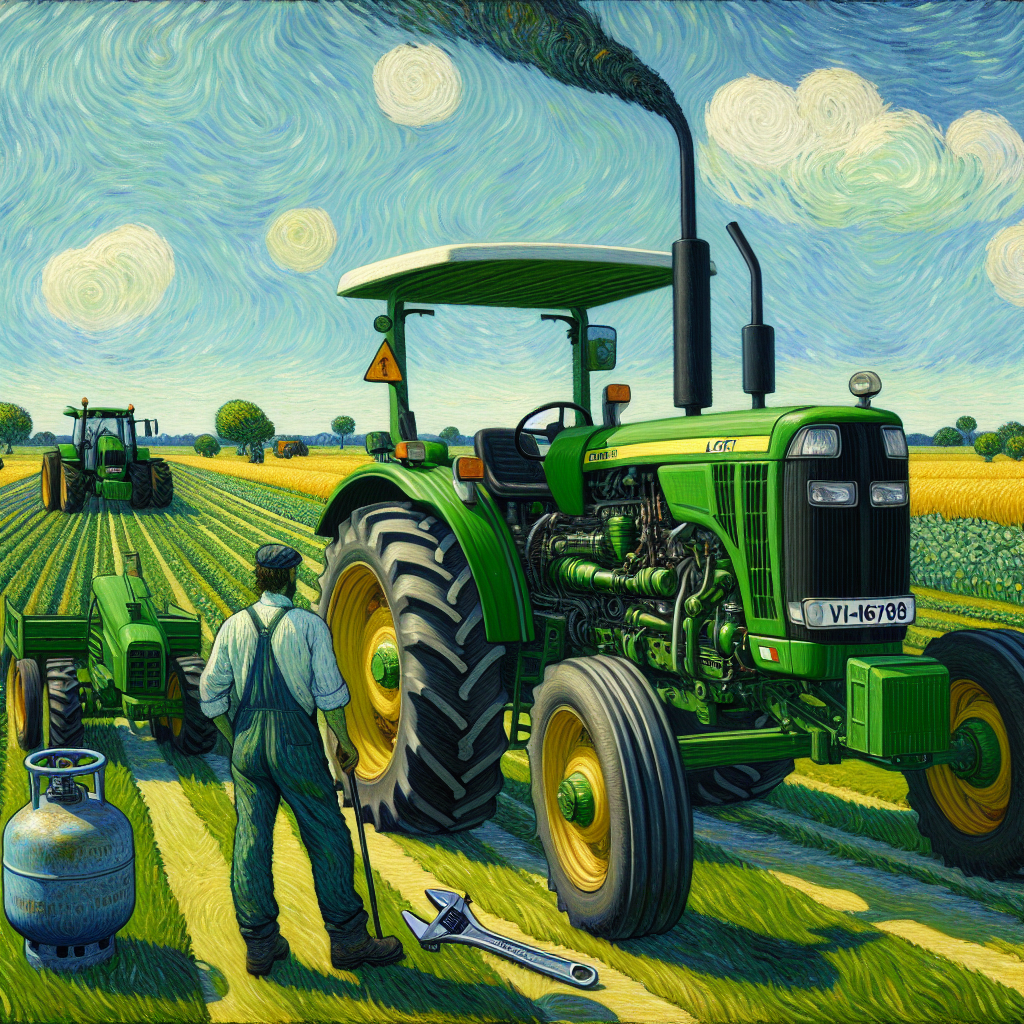
Other Resources
Glossary Terms
Are Older Tractors a Good Investment Right Now? – Glossary Of Terms
1. Antique Tractor: A tractor that is typically over 25 years old, often sought after by collectors for its historical value.
2. Depreciation: The decrease in value of an asset over time, which can affect older tractors depending on market demand.
3. Market Demand: The desire of buyers to purchase older tractors, influenced by trends, nostalgia, and agricultural practices.
4. Restoration: The process of repairing and refurbishing an older tractor to return it to a desirable condition.
5. Investment Opportunity: The potential for financial return or asset appreciation from purchasing an older tractor.
6. Niche Market: A specialized market for collectibles or specific agricultural tools, including vintage tractors.
7. Retrofitting: Updating an older tractor with modern technology or components to improve efficiency or usability.
8. Collector’s Item: A tractor that is valued primarily for its rarity and historical significance among enthusiasts.
9. Condition Rating: An assessment of the physical state of a tractor, influencing its value and appeal to buyers.
10. Auction Value: The price fetched when an older tractor is sold at auction, which can indicate its market worth.
11. Resale Value: The potential price at which a tractor can be sold in the future, tied to its condition and market trends.
12. Farm Use: The practical application of older tractors on farms for agricultural tasks, which can affect their desirability.
13. Vintage Machinery: Term referring to older tractors and farming equipment, often appreciated for craftsmanship and design.
14. Economies of Scale: Cost benefits incurred by larger farms that may influence the decision to invest in older versus newer tractors.
15. Heritage Farming: Agricultural practices that prioritize traditional methods and equipment, increasing interest in older tractors.
16. Operational Costs: Ongoing expenses associated with maintaining and using a tractor, which can affect overall investment viability.
17. Parts Availability: The ease with which replacement parts can be found for older tractors, impacting their long-term usability.
18. Insurance Costs: Expenses related to insuring an older tractor, which can vary based on its value and use.
19. Geographical Influence: The impact of location on the desirability and value of older tractors, influenced by local agricultural practices.
20. Technology Obsolescence: The phenomenon where older models may lack modern features, potentially affecting their usefulness.
21. Well-Maintained: A descriptor for older tractors that have been cared for, often leading to higher value and reliability.
22. Market Trends: Shifting preferences in farming and collecting that can affect the desirability and investment potential of older tractors.
23. Financing Options: Various lending opportunities available for purchasing older tractors, influencing investment decisions.
24. Historical Significance: The importance of a tractor’s past, which can add to its value for collectors and enthusiasts.
25. Tax Advantages: Potential financial incentives related to the investment in agricultural equipment, including older tractors.
26. Performance Capability: The effectiveness of an older tractor in performing agricultural duties, which can sway potential buyers.
27. Brand Loyalty: The preference for specific tractor manufacturers that can inflate the value of older models based on reputation.
28. Sustainability: The environmental considerations of using older tractors, especially regarding emissions compared to newer models.
29. Tractor Shows: Events where vintage tractors are showcased, which can influence market interest and investment potential.
30. Ownership Costs: Total expenses incurred by owning an older tractor, affecting its attractiveness as an investment.
Glossary Of Terms
Other Questions
Are Older Tractors a Good Investment Right Now? – Other Questions
If you wish to explore and discover more, consider looking for answers to these questions:
- How do I determine the current market value of a specific make, model, and year?
- Which tractor models hold value best over time?
- What are realistic resale prices and expected appreciation rates?
- How much should I budget for restoration and ongoing maintenance?
- What are the most common mechanical problems in older tractors?
- How easy is it to find replacement parts for particular brands and years?
- Are aftermarket or reproduction parts reliable and available?
- How do I inspect an older tractor before buying (checklist of items to test)?
- What paperwork and documentation should I obtain (title, service records, provenance)?
- How do I verify authenticity and avoid counterfeit or misrepresented tractors?
- Should I buy a running tractor or a project tractor for investment purposes?
- What is the typical return on investment (ROI) timeframe for vintage tractors?
- How do storage, climate, and rust affect long-term value?
- Can older tractors be legally driven on public roads in my area and what permits are required?
- What insurance options exist and how are vintage tractors valued for coverage?
- Are there tax implications or incentives for restoring or using older machinery?
- How do operating costs (fuel, oil, tires) compare between older and modern tractors?
- Can older tractors be adapted to work with modern implements and attachments?
- Are there safety concerns unique to older tractors and how can they be mitigated?
- Is it practical or legal to retrofit emissions controls or convert to cleaner fuels?
- Where are the best places to buy older tractors (auctions, dealers, private sales, online)?
- How do I find reputable restoration shops, appraisers, and mechanics who specialize in vintage tractors?
- What records or restoration documentation increase a tractor’s collectible value?
- Should I prioritize originality or mechanical restoration when aiming for higher value?
- How do community events, shows, and clubs influence demand and prices?
- What are the risks of buying sight-unseen and shipping logistics/costs?
- How does rarity, historical significance, or provenance affect valuation?
- What legal or environmental regulations could affect the future value of older tractors?
- How safe and practical is converting an older tractor to electric or hybrid power?
- How do I estimate annual maintenance hours and skill level required?
- Are there government grants, subsidies, or programs that support restoration or reuse?
- How does paint, badges, and cosmetic originality affect collector interest and price?
- What are common scams or red flags when buying vintage tractors?
- How transferable are parts and knowledge between different brands and models?
- When is it better financially to repair an older tractor versus replace it with a newer model?

Other Questions
Haiku
Are Older Tractors a Good Investment Right Now? – A Haiku
Vintage tractors roar past,
Stories of toil and deep roots,
A legacy grows.

Haiku
Poem
Are Older Tractors a Good Investment Right Now? – A Poem
In fields where legends grow,
Old tractors stand in silent row,
Bearing stories, worn yet proud,
Echoes of labor, whispers loud.
Each dent a tale of toil and strife,
Of generations, of love and life;
A bond forged deep between man and machine,
Trust in rust, where the past has been.
Investing now in what was,
Echoes ethics that pause,
Sustainability wrapped in steel,
Heart and hand, a sacred deal.
Nostalgia hums in morning light,
As engines roar, dreams take flight.
Community threads in every stride,
Sharing stories, pulling pride.
With every turn of the wheel,
Resilience binds, commitments feel;
In these machines, the roots go deep,
Harvesting wisdom, a legacy to keep.
So trust the tales that tractors tell,
In their shadows, hopes swell—
A wise investment, a sacred choice,
In the rhythm of farming, hear the voice.

Poem
Checklist
Are Older Tractors a Good Investment Right Now? – A Checklist
Checklist Investing in Older Tractors
✅______ Reflect on the legacy and stories attached to vintage tractors.
✅______ Consider how owning an older tractor connects you to family traditions and farming history.
✅______ Appreciate the character and nostalgia these machines bring to farming life.
Rational Appeals
✅______ Calculate the cost savings when purchasing older tractors versus new models.
✅______ Evaluate the simplicity of maintenance and repair for vintage tractors.
✅______ Assess long-term reliability and performance compared to newer machinery.
Ethical Appeals
✅______ Recognize the environmental benefits of investing in older tractors by reducing waste.
✅______ Reflect on the importance of supporting local repair shops and maintaining sustainable farming practices.
✅______ Embrace the value of craftsmanship and durability over disposable technology.
Authority Appeals
✅______ Seek out advice and insights from experienced farmers and tractor enthusiasts.
✅______ Trust in the knowledge gained from years of hands-on experience with older tractors.
✅______ Consider the recommendations of experts who genuinely care about heritage and sustainability.
Narrative Appeals
✅______ Share personal stories or anecdotes related to older tractors and their significance in your farming journey.
✅______ Engage with community discussions about the collective history of vintage machinery.
✅______ Connect with others through shared experiences and storytelling about farming traditions.
Social Appeals
✅______ Join local clubs or online communities dedicated to vintage tractor enthusiasts.
✅______ Participate in events where older tractors are showcased and celebrate community bonds.
✅______ Foster relationships with fellow tractor owners to exchange tips and stories.

Checklist
At ClassicTractorNews, we help tractor lovers keep up with the latest news for classic and vintage tractors.
Please share this post with your friends, family, or business associates who may like old classic or vintage tractors.