

Understanding Insurance For Classic Tractors: Protecting Your Legacy
By Tom Seest
At ClassicTractorNews, we help tractor lovers keep up with the latest news for classic and vintage tractors.
Please share this post with your friends, family, or business associates who may like old classic or vintage tractors.
Are Old Tractors Harder to Insure?
When you think about a tractor, what comes to mind? For many, it’s not just the functionality or the horsepower; it’s the stories etched in the rust, the memories of family farms, and the simple beauty of machinery that has stood the test of time. Old tractors serve as a bridge between generations, linking us to a past that is both rich and resourceful. However, the journey of insuring these vintage models can feel like navigating a field strewn with obstacles.
From an emotional standpoint, old tractors are more than just metal and wheels; they carry legacies. They’re often the last remnants of a family tradition, a reminder of hard work and perseverance etched into their frames. Yet, making sure they’re adequately protected can be daunting. Insurers may view them differently due to their age and perceived risk. This brings us to the heart of the matter: the inherent value of these tractors is not just financial; it’s sentimental.
Rationally speaking, insurance companies often categorize vehicles based on age, usage, and safety features. Old tractors may lack modern safety equipment, posing a higher risk from their perspective. Yet, the true value of these machines lies in their reliability and the nostalgia they evoke. A well-maintained old tractor can still perform admirably in the field, but proving that to an insurer requires documentation and sometimes a bit of patience.
Ethically, it’s essential to advocate for the fair treatment of these steel giants. Insurers should consider not just the market value but also the context in which these tractors operate. They are not merely pieces of machinery but symbols of hard work and industriousness. A policy that reflects this ethos not only fosters trust but respects the dedication of those who have kept them running.
Narratively, consider the farmer who uses an old tractor to plow his fields each season, teaching his children the value of labor while bonding through shared trials. These stories need to resonate within the insurance process, creating connections that go beyond paperwork.
In a society that often prioritizes the new and sleek, embracing the old and sturdy reflects a deeper understanding of value. By supporting fair insurance practices for old tractors, we honor not just machinery but the indomitable spirit of those who work the land. Investing the time and effort to secure the right insurance for these timeless machines ensures that their legacy endures, making sure that the stories they carry don’t fade away with time.
Are Old Tractors Harder to Insure?
Are Old Tractors Harder to Insure?
- Old tractors represent a connection to family traditions and memories.
- They are often seen as sentimental rather than just financial assets.
- Insurers may perceive vintage tractors as higher risk due to their age and lack of modern safety features.
- A well-maintained old tractor can still perform well, though proving this to insurers may require documentation.
- It’s crucial to advocate for the fair treatment of old tractors in insurance policies.
- The narrative of farmers using these tractors highlights their role in teaching values and bonding within families.
- Supporting fair insurance practices for old tractors honors both the machinery and the spirit of those who work the land.
Are Old Tractors Harder to Insure?
Table Of Contents
- Are Old Tractors Harder to Insure?
- Are Old Tractors More Likely to Be In Accidents?
- Do Vintage Tractor Owners Face Higher Premiums?
- What Are the Risks Of Using an Old Tractor on a Farm?
- How Does the Age Of a Tractor Affect Its Insurability?
- Are There Specific Insurance Policies for Vintage Tractors?
- What Common Insurance Misconceptions Exist About Old Tractors?
- Conclusion
- Other Resources
- Glossary Of Terms
- Other Questions
- Haiku
- Poem
- Checklist
Are Old Tractors More Likely to Be In Accidents?
When we see old tractors, we often think of a bygone era—a nostalgic metal beast that has tilled the earth, gathered harvests, and served generations. These machines, with their worn paint and robust frames, carry stories of sweat and toil. But as they linger on the fields, an essential question emerges: Are old tractors more likely to be involved in accidents?
At first glance, it might seem easy to overlook the potential dangers posed by aging equipment. Old tractors, while often seen as reliable, can harbor hidden risks. Worn brakes, outdated safety features, and mechanical failures can compound as the years roll on. Statistically, data shows that as tractors age, incidents do tend to spike. This is not merely a concern for farmers and ranchers but for families who depend on these machines for their livelihood. The heart of the matter is more profound than just machinery; it’s about the lives intertwined with these workhorses.
Imagine a father teaching his daughter to drive their trusty old tractor. Each ride is a rite of passage, a bonding experience steeped in tradition. But if that tractor has seen better days, the very essence of that connection can shift from warmth to worry. Stories circulate about accidents that could have easily been prevented—equipment failures turning joyous moments into heart-wrenching tragedies. Each narrative serves as a powerful reminder that what we rely on must be kept in check.
Ethically, it’s crucial to protect what matters most—our loved ones. Responsible stewardship means regularly maintaining and updating our equipment. It’s a call to act, underscored by the understanding that malfunctioning tractors can do more than just harm an individual; they pose a risk to entire communities. When safety is upheld, it fosters trust not only in the machinery but in the people who use it.
Old tractors hold an intrinsic value steeped in family history and hard work. Yet, they require vigilance and care. As we cherish these machines that echo our agricultural traditions, we must also commit to ensuring they operate safely. By sharing stories and educating ourselves about the risks, we can inspire a culture of safety that honors both the past and the future. In doing so, we bridge generations, turning fond memories into lasting legacies—while ensuring that these iron giants continue to serve without fear of injury or accident.
Are Old Tractors More Likely to Be In Accidents?
Are Old Tractors More Likely to Be In Accidents?
- Old tractors symbolize nostalgia and history, representing generations of agricultural work.
- Aging tractors can pose safety risks due to worn brakes, outdated safety features, and potential mechanical failures.
- Statistical data indicates that accidents are more likely as tractors age, impacting farmers and their families.
- Teaching young family members to drive old tractors can shift from a bonding experience to a source of concern if the equipment is not properly maintained.
- Responsible stewardship includes regular maintenance and updates to prevent accidents and ensure community safety.
- Old tractors have intrinsic cultural value, requiring ongoing vigilance and care for safe operation.
- Promoting safety education helps bridge generational connections and ensures the continued legacy of these machines.

Are Old Tractors More Likely to Be In Accidents?
Do Vintage Tractor Owners Face Higher Premiums?
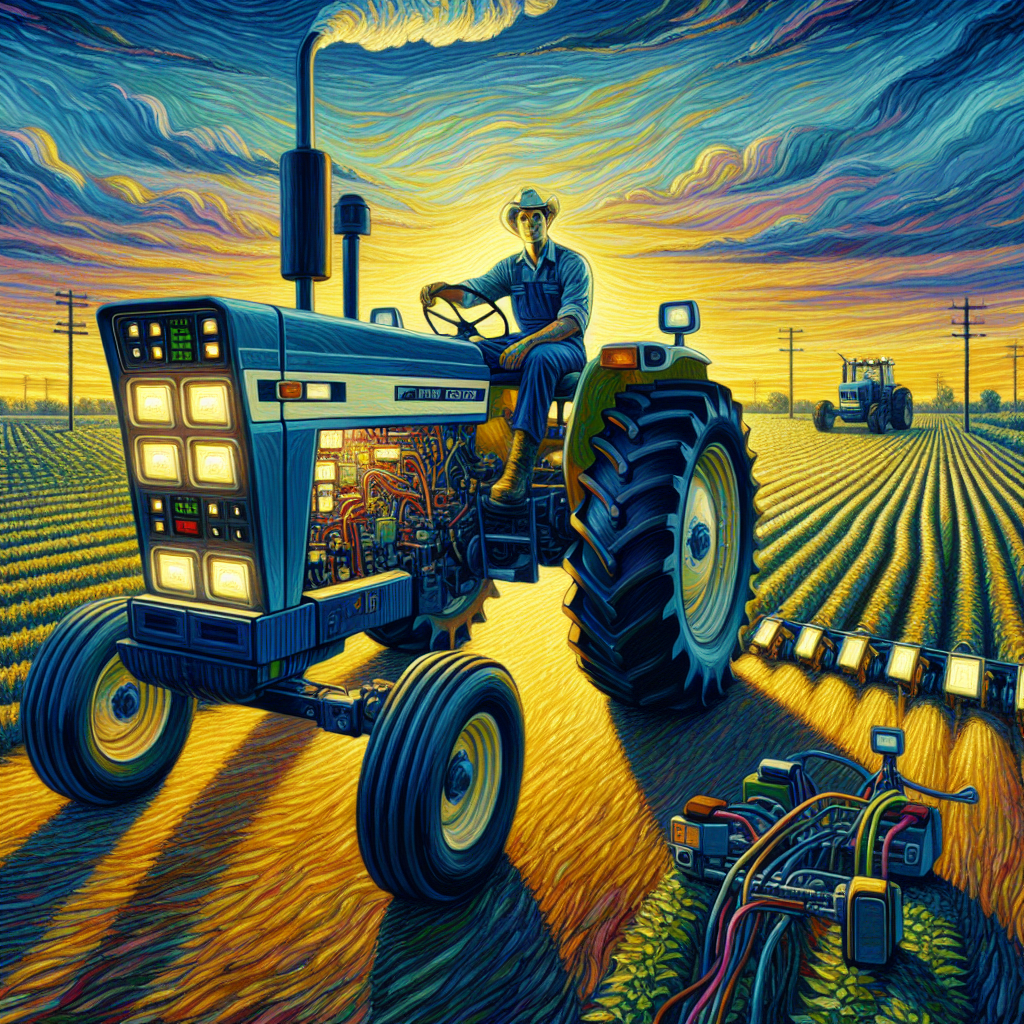
There’s something undeniably magnetic about a vintage tractor. You know the ones—those mighty machines that conjure images of sun-soaked fields, hard work, and the pride of generations. But beneath the nostalgia and the beautiful patina lies a question that looms large: do vintage tractor owners face higher premiums in insurance?
Every vintage tractor is more than just metal and mechanics; it’s a story of the land, a lineage of labor. When you own one, you aren’t just a collector; you’re a steward of a legacy. Yet, this passion can come with a price. Insuring these classic machines isn’t just about the dollars and cents; it’s an emotional investment. You want to protect not only your property but also the memories and values intertwined with it.
From a rational perspective, the answer isn’t just about the age of the tractor or how much it can fetch at a sale. Insurers look at several factors—its rarity, condition, and even how often it’s on the road versus stored in a barn. A well-preserved vintage tractor isn’t just a relic; it’s an asset that appreciates in value, but that appreciation can lead to higher premiums. Insuring a uniquely rare model or one with significant modifications means insurers need to evaluate risk differently. The heart of the matter is straightforward: when value rises, so do the costs to protect it.
Ethically, insurance companies bear the responsibility of safeguarding cherished items. Vintage tractors unite communities, evoke passions, and remind us of our roots. They deserve protection that honors their significance and the values they represent. Being part of a community—whether through local fairs, vintage shows, or restoration clubs—means standing shoulder-to-shoulder with others who share a love for these machines.
Yet, getting that coverage can feel daunting. The authority of insurance giants makes them appear distant, like an impersonal force that categorizes risk only by numbers. But understanding your policy options and seeking out specialists who know the vintage landscape can turn a complicated process into a confident decision.
Ultimately, protecting your vintage tractor isn’t just about finances; it’s about heritage. It’s a connection to the soil, the sweat of those who came before us, and the future we wish to cultivate. So, dig in, ask questions, and find the coverage that respects the story behind the machine and the soul behind the owner. Because a vintage tractor is not merely a tool; it’s a testament to who we are and where we’ve come from.
Do Vintage Tractor Owners Face Higher Premiums?
Do Vintage Tractor Owners Face Higher Premiums?
- Vintage tractors evoke nostalgia and represent a legacy of hard work and community.
- Insuring vintage tractors involves emotional and financial investment, reflecting their sentimental value.
- Insurance premiums are influenced by factors such as rarity, condition, and usage of the tractor.
- Higher value and unique modifications can lead to increased insurance costs.
- Insurance companies have an ethical duty to protect cherished items that embody cultural significance.
- Finding coverage can be challenging, necessitating understanding and potentially consulting specialists.
- Protecting vintage tractors is about preserving heritage and honoring the stories they represent.
Do Vintage Tractor Owners Face Higher Premiums?
What Are the Risks Of Using an Old Tractor on a Farm?
What Are the Risks of Using an Old Tractor on a Farm?
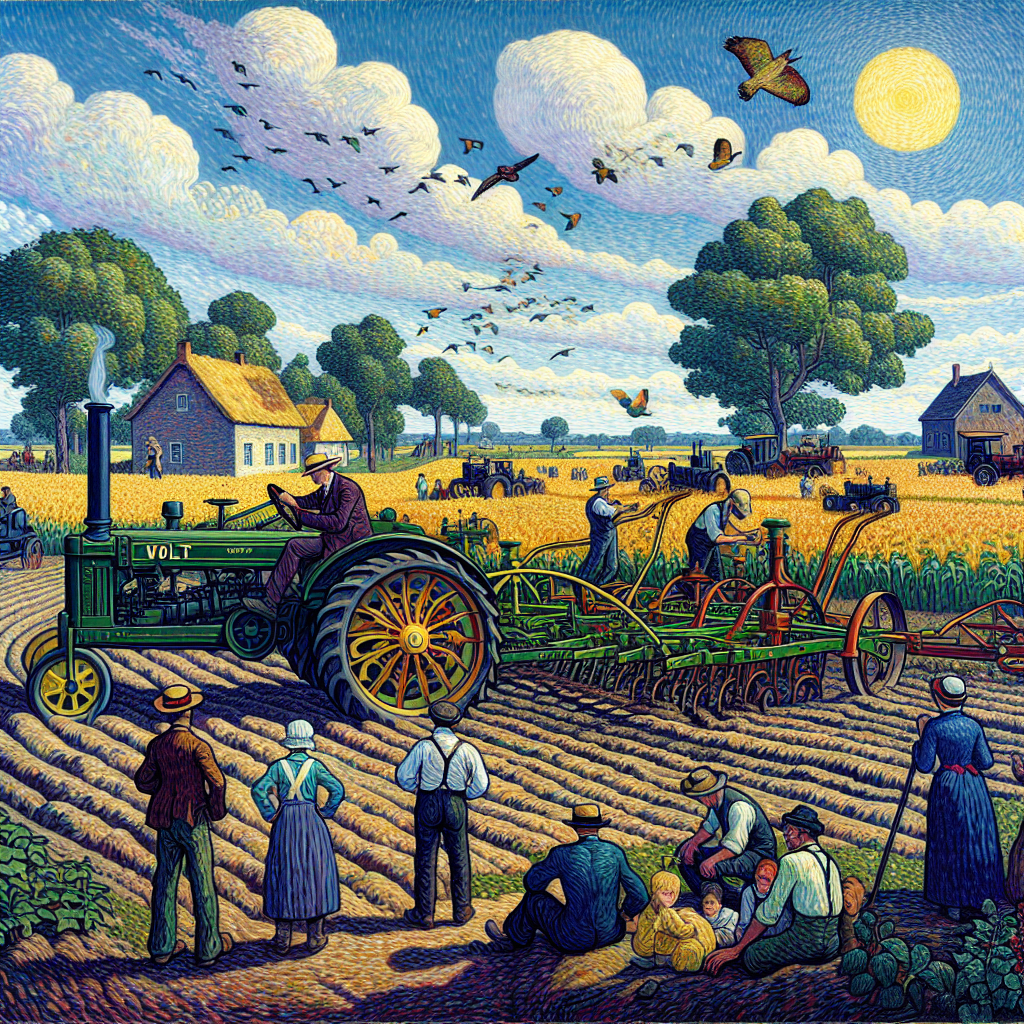
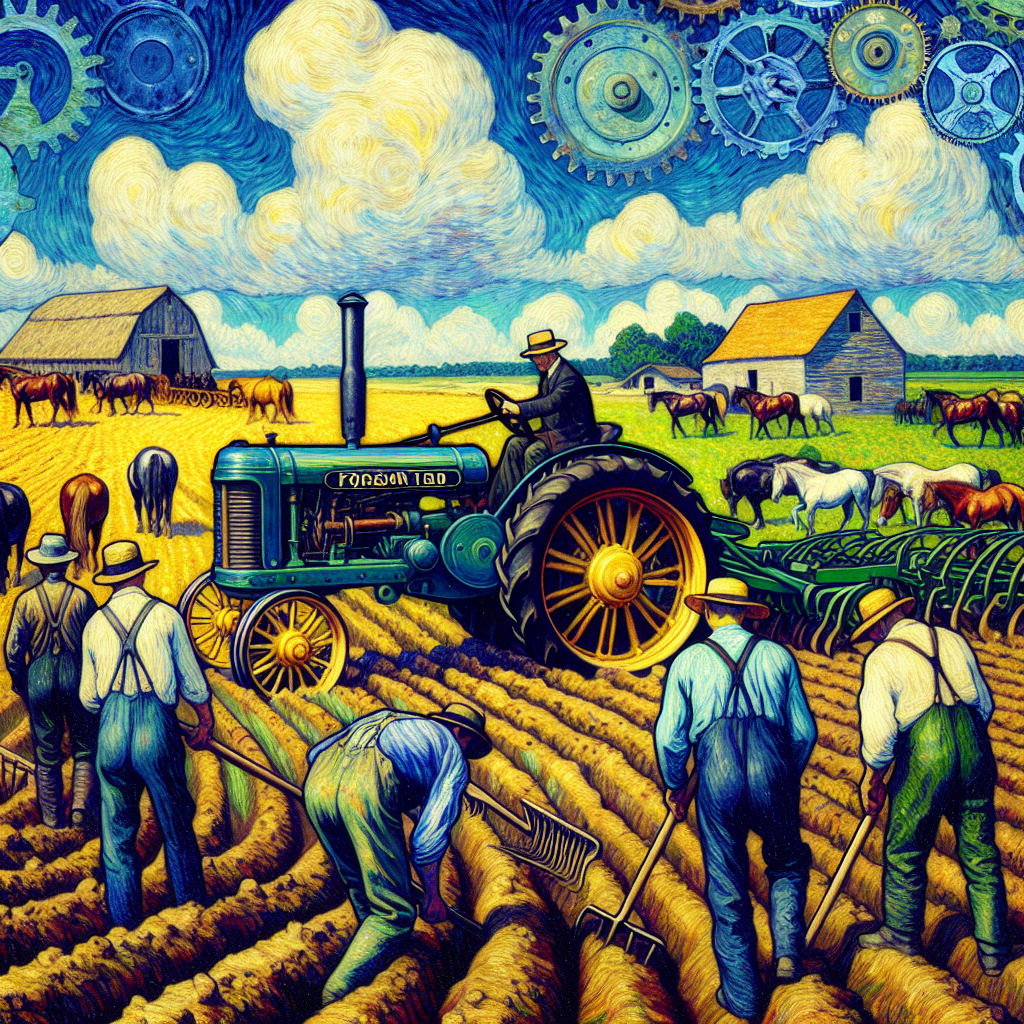
Farming is a labor of love, steeped in tradition and the grit of hard work. But when it comes to the rusted relics that lurk in the back of the barn, it’s essential to confront the risks associated with using an old tractor. These machines, once the backbone of productivity, can turn from trusted workhorses to ticking time bombs in the blink of an eye.
First, let’s appeal to reason. Old tractors often come with outdated technology that simply can’t compete with modern machinery. A worn engine can lead to inefficient fuel use, costing you more at the pump. Breakdowns can become frequent; each repair not only drains your wallet but also halts the workflow, throwing a wrench into your carefully planned schedule. The loss of productivity translates to tangible financial risk, and that’s something no farmer can afford to overlook.
Now, consider the emotional side. Picture it: a long day in the field, sun beating down, and suddenly your old tractor sputters to a halt. Frustration mounts as you realize you’re stranded, cutting short your efforts and delaying the harvest. That uneasy feeling in your gut? It’s not just about the machine failing—it’s the weight of responsibility on your shoulders. Your family, your workers, and the land itself depend on you. Each moment counts during harvest, and the stakes are high.
Ethically speaking, there’s a commitment to the land and future generations. By relying on old equipment, you’re passing the burden of potential accidents or environmental impacts along to your family and community. With old machinery, leaks and fumes can pollute the very soil that feeds us. Is it right to sacrifice safety and sustainability for a nostalgic connection to the past?
Authority weighs in as well. Expert insights indicate that safety is paramount on any farm. Ensure that workers are equipped with reliable machinery. The statistics on farm accidents are sobering—many involve outdated or poorly maintained equipment. Trusting an old tractor could mean risking lives, something that should never be taken lightly.
At the heart of farming is community and shared experiences. Discussing your machinery choices with fellow farmers can spark valuable conversations. They may share their own stories of challenges faced when clinging to the past, reinforcing that moving forward is not just necessary but essential for the well-being of everyone involved.
In the grand tapestry of farming, old tractors can serve as reminders of where we’ve been, but holding on to them out of nostalgia might just hinder where you’re headed. Embracing newer technology can inspire confidence, forge connections, and ultimately lead to a better future for yourself and the land you love.
What Are the Risks Of Using an Old Tractor on a Farm?
What Are the Risks Of Using an Old Tractor on a Farm?
- Old tractors often have outdated technology that leads to inefficiencies and increased fuel costs.
- Frequent breakdowns result in financial losses and disrupt scheduled workflows.
- Using old tractors can create emotional stress due to the responsibility of ensuring timely harvests.
- Relying on old equipment poses ethical concerns regarding safety and environmental impact.
- Statistics indicate that many farm accidents are linked to outdated machinery.
- Community discussions about machinery choices can provide insights and experiences among farmers.
- Embracing new technology is essential for future productivity and sustainability in farming.
What Are the Risks Of Using an Old Tractor on a Farm?
How Does the Age Of a Tractor Affect Its Insurability?
The age of a tractor can significantly impact its insurability, weaving a complex tapestry of emotions, logic, and ethics. Think about it: every worn bolt and faded paint job tells a story. A newer tractor, gleaming under the sun, screams reliability, while an older model, perhaps rusted and battle-tested, echoes tales of hard work and grit. It’s not just metal and machinery; it’s a lifeline for farmers who depend on these machines to cultivate their land and support their families.
When insurers assess a tractor’s value, age plays a crucial role, influencing everything from premiums to coverage options. A newer tractor, equipped with cutting-edge technology and built-in safety features, might offer lower insurance rates. It’s practically enticing — who wouldn’t want protection for something that promises efficiency and ease? That’s the head speaking, guided by logic. But what about the heart? For many, an older tractor carries a legacy—the hand-me-down that’s seen generations toil under the same sun. Insuring this beloved machine isn’t just a transaction; it’s a way of preserving memory and honoring heritage.
The ethical dimensions surface here as well. Older tractors may not have the bells and whistles of their younger counterparts, but they often hold deep emotional value, representing the sacrifices and hard work of those who came before. Insurers must weigh these factors, recognizing that a machine’s worth isn’t solely financial. It’s about the connection it fosters among families and communities—an old friend that has plowed fields and fought storms alongside you.
On a practical level, older tractors may require more maintenance and could potentially be more prone to breakdowns. This can elevate insurance costs and introduce uncertainties. Yet, understanding the landscape—knowing the model’s reliability and the availability of parts—turns the conversation toward empowerment. These are considerations that warrant informed decisions, blending rational thought with the attachment to what a tractor represents.
Ultimately, insuring a tractor is more than just numbers and policies; it’s an invitation to honor its legacy, cherish its reliability, and prepare for the future. Whether you’re protecting a cutting-edge model or a time-worn companion, the process fosters connection, trust, and a shared commitment to the agricultural community. In this cycle of life and labor, the age of a tractor becomes a bridge, linking past, present, and future.
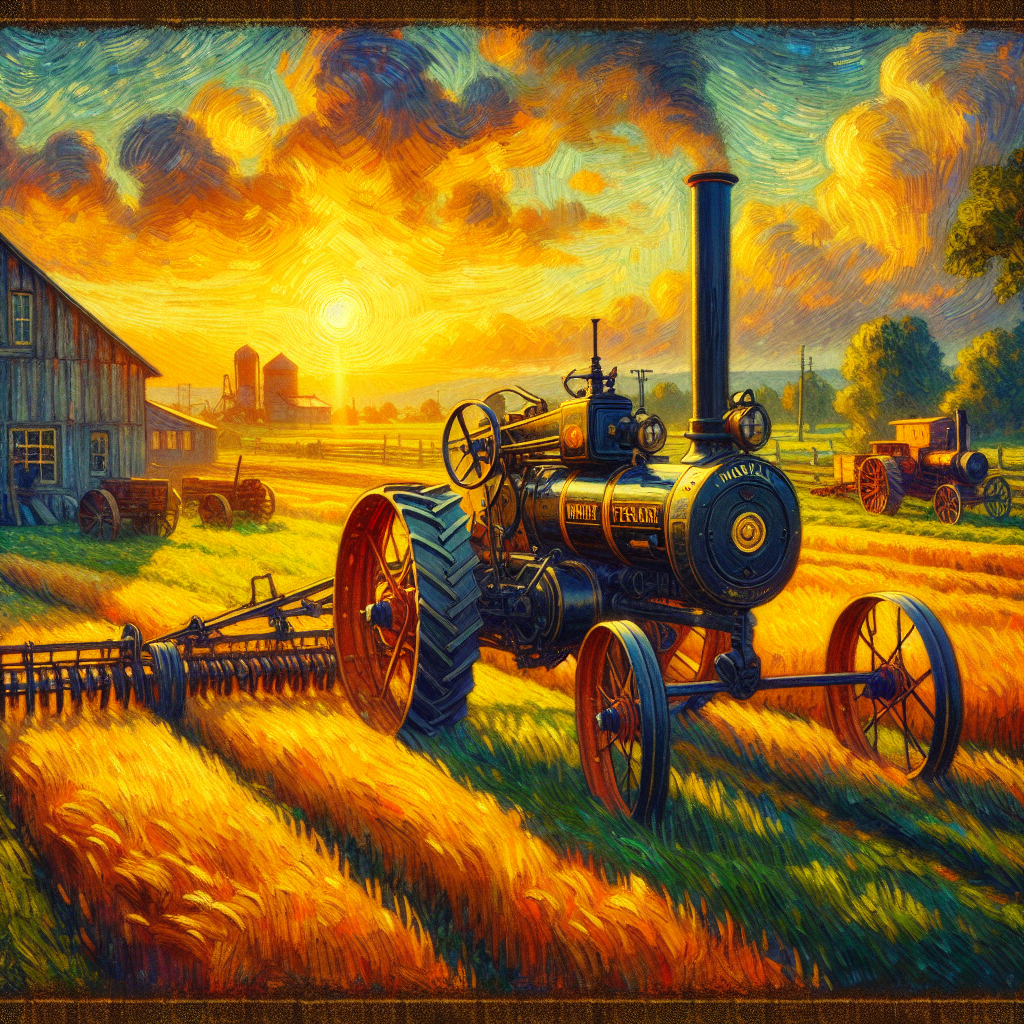
How Does the Age Of a Tractor Affect Its Insurability?
How Does the Age Of a Tractor Affect Its Insurability?
- The age of a tractor significantly impacts its insurability, integrating emotions, logic, and ethics.
- Newer tractors represent reliability and may lead to lower insurance rates due to advanced technology.
- Older tractors carry emotional value and represent legacy, requiring insurers to consider both financial and sentimental worth.
- Older models may have higher maintenance needs and potential breakdowns, affecting insurance costs.
- Insurers must balance rational assessments with the emotional connections that tractors foster in families and communities.
- Insuring a tractor transcends mere policy; it embodies respect for heritage and commitment to agricultural practices.
- The age of a tractor links past, present, and future, influencing both practical and emotional narratives in farming.
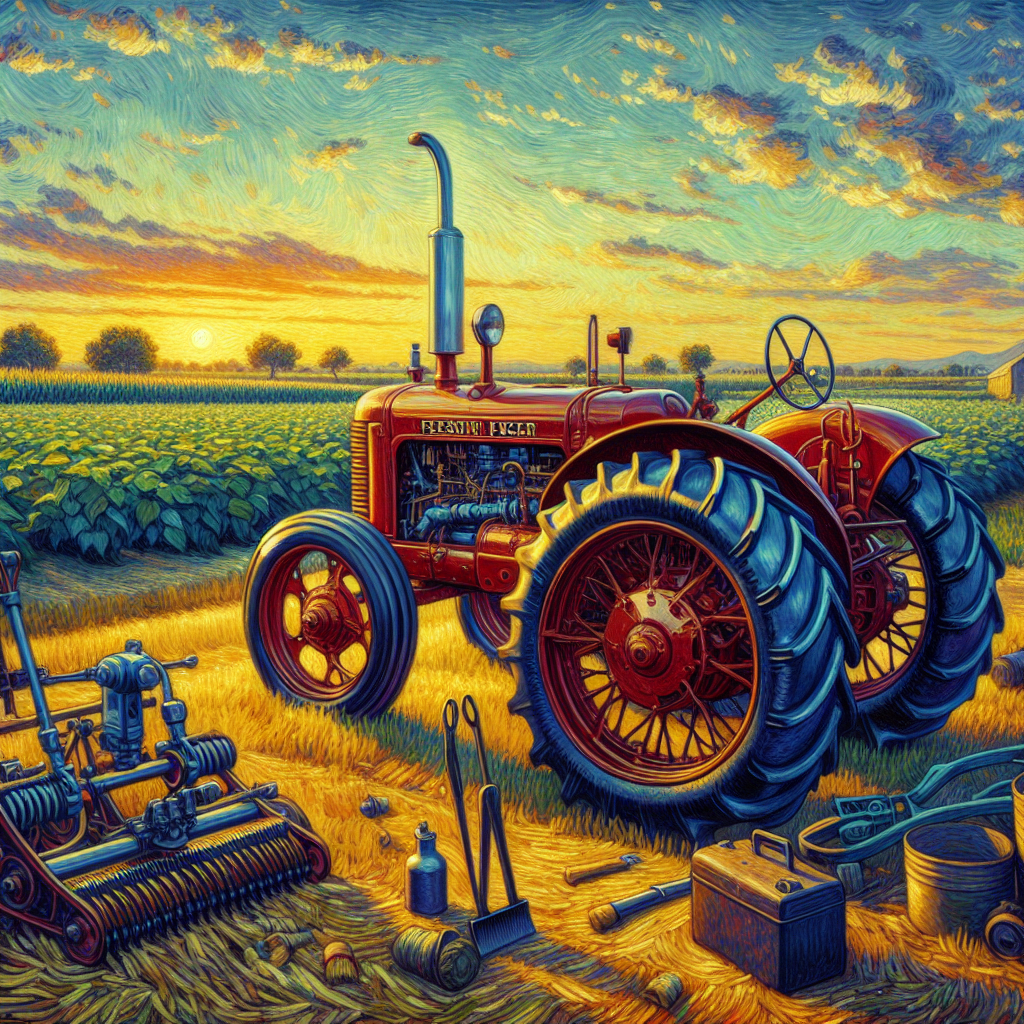
How Does the Age Of a Tractor Affect Its Insurability?
Are There Specific Insurance Policies for Vintage Tractors?
When you think about the tractor, you might picture the sun-drenched fields, the smell of fresh earth, and the rhythmic dance of machinery weaving through rows of crops. Vintage tractors aren’t just metal and gears; they’re a bridge to our past, a testament to our labor, and often, a sentimental piece of family history. But as with all treasures worth keeping, they require the right kind of care and protection — and that’s where specialized insurance policies enter the picture.
Navigating the world of vintage tractor insurance isn’t just about protecting a financial investment; it’s an emotional commitment to a tradition passed down through generations. Think about your grandfather’s pride as he turned the ignition of that old green and yellow beast, taking you on joyrides through the fields. You’re not just insuring a piece of machinery; you’re safeguarding nostalgia, stories, and a legacy. This isn’t the type of coverage you find in a standard policy; vintage tractors demand a specialized touch that recognizes their unique value — both sentimental and market-based.
Rationally, vintage tractors have a distinct place in agriculture and culture. They are often more than museum pieces; they retain functionality and can even increase in value over time. However, if disaster strikes — think accidents or loss — you want an insurance plan that understands the nuances of these machines. It should reflect their worth and the passion you pour into their upkeep. Many specialized policies offer coverage tailored to the specifics of a vintage tractor, including agreed value coverage, restoration costs, and protection against liability during exhibitions or parades.
Ethically, it’s crucial to choose an insurance provider well-versed in the nuances of vintage machinery. Look for companies that celebrate the uniqueness of vintage tractors, ensuring that they recognize not just the monetary value but the emotional weight they carry. These are the policies that resonate with collectors, restorers, and enthusiasts who appreciate the craftsmanship and history inherent in each piece.
And then there’s the connection with community. Owning a vintage tractor often creates a bond among fellow enthusiasts, whether at tractor shows, local fairs, or online forums. Trust in your insurance provider means being part of that community with confidence, knowing that your prized possession is protected, allowing you to participate without worry.
So when considering insurance for your vintage tractor, remember this: it’s about more than the tractor itself; it’s about preserving a legacy, protecting memories, and ensuring that the stories of hard work and heritage continue to be told for generations to come.
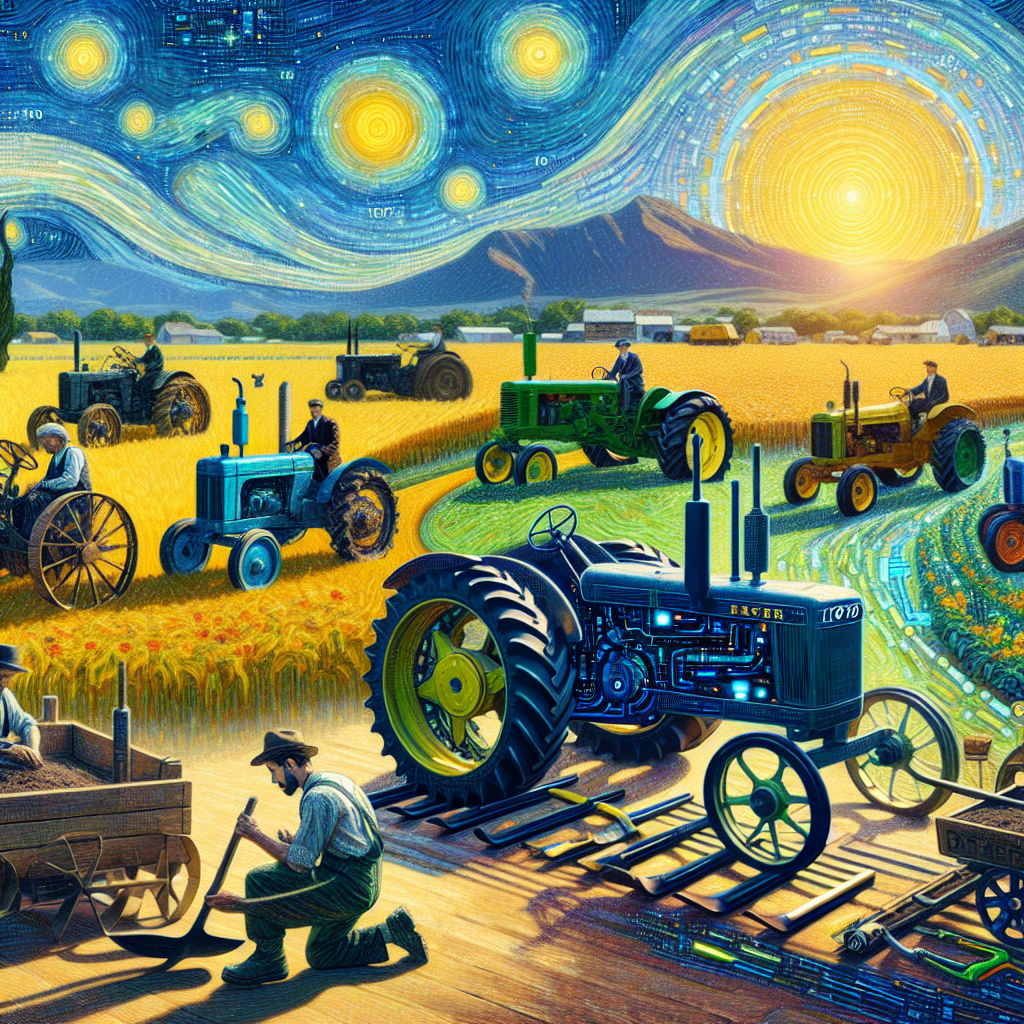
Are There Specific Insurance Policies for Vintage Tractors?
Are There Specific Insurance Policies for Vintage Tractors?
- Vintage tractors symbolize a connection to history and family legacy.
- Specialized insurance is necessary to protect their unique sentimental and market value.
- Such insurance covers restoration costs, agreed value, and liability during events.
- Choosing providers knowledgeable in vintage machinery ensures appropriate coverage.
- The community aspect enhances the ownership experience among enthusiasts.
- Insurance for vintage tractors is about safeguarding memories and heritage.
- Understanding their place in agriculture reflects their continuing functionality and potential value increase.
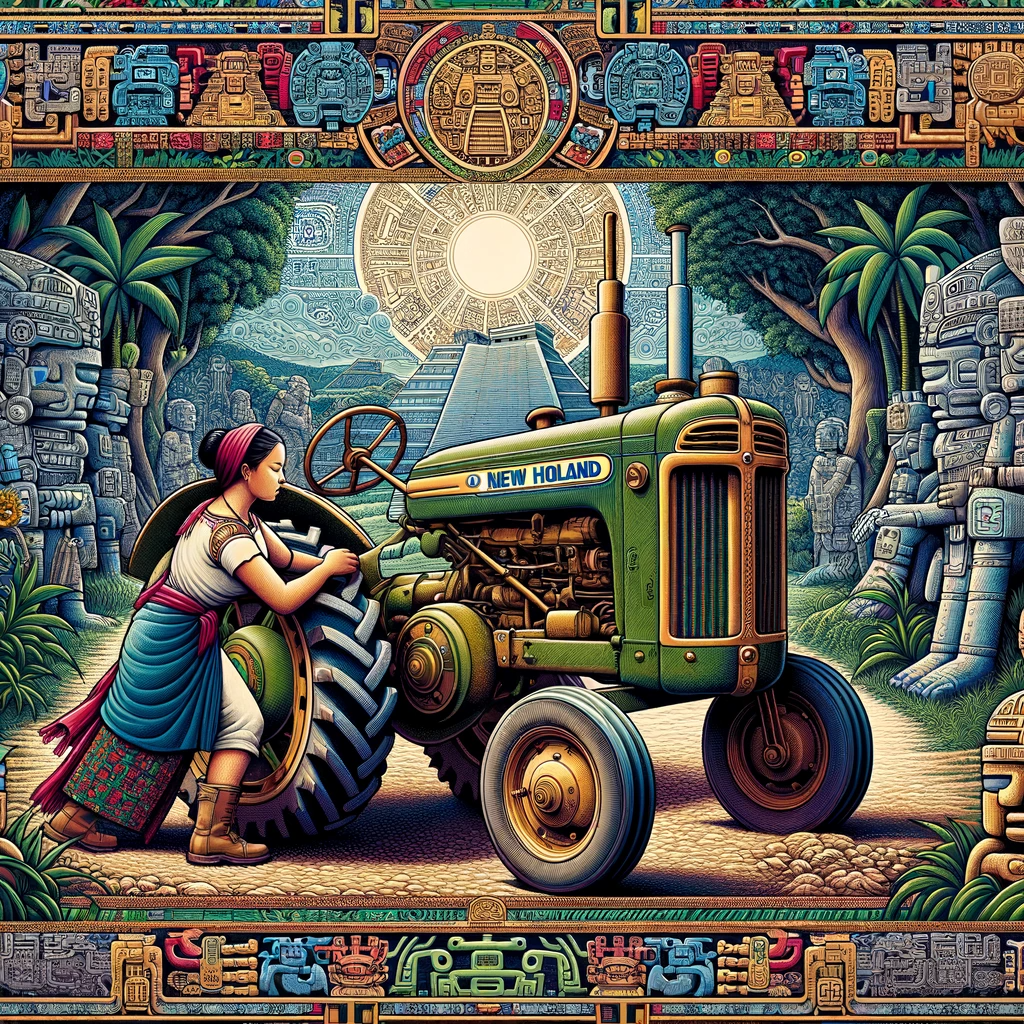
Are There Specific Insurance Policies for Vintage Tractors?
What Common Insurance Misconceptions Exist About Old Tractors?
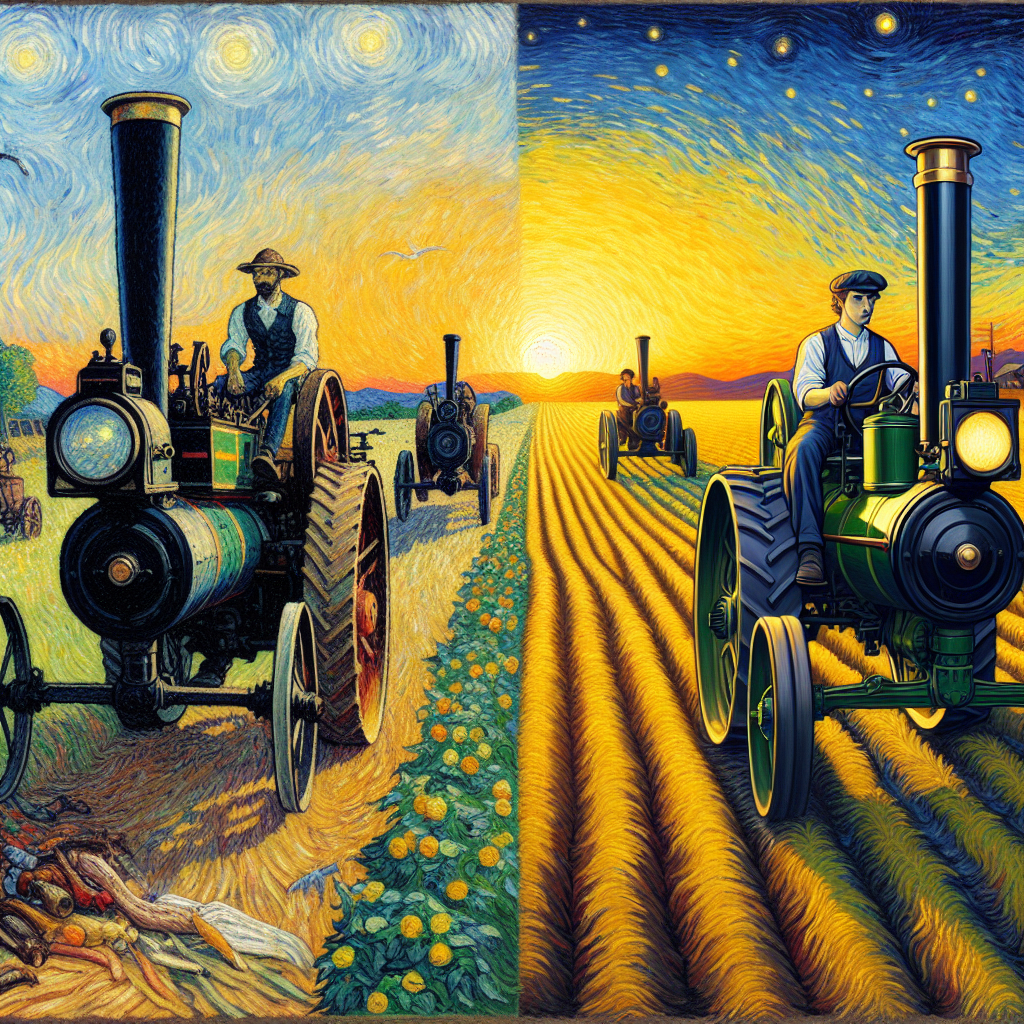
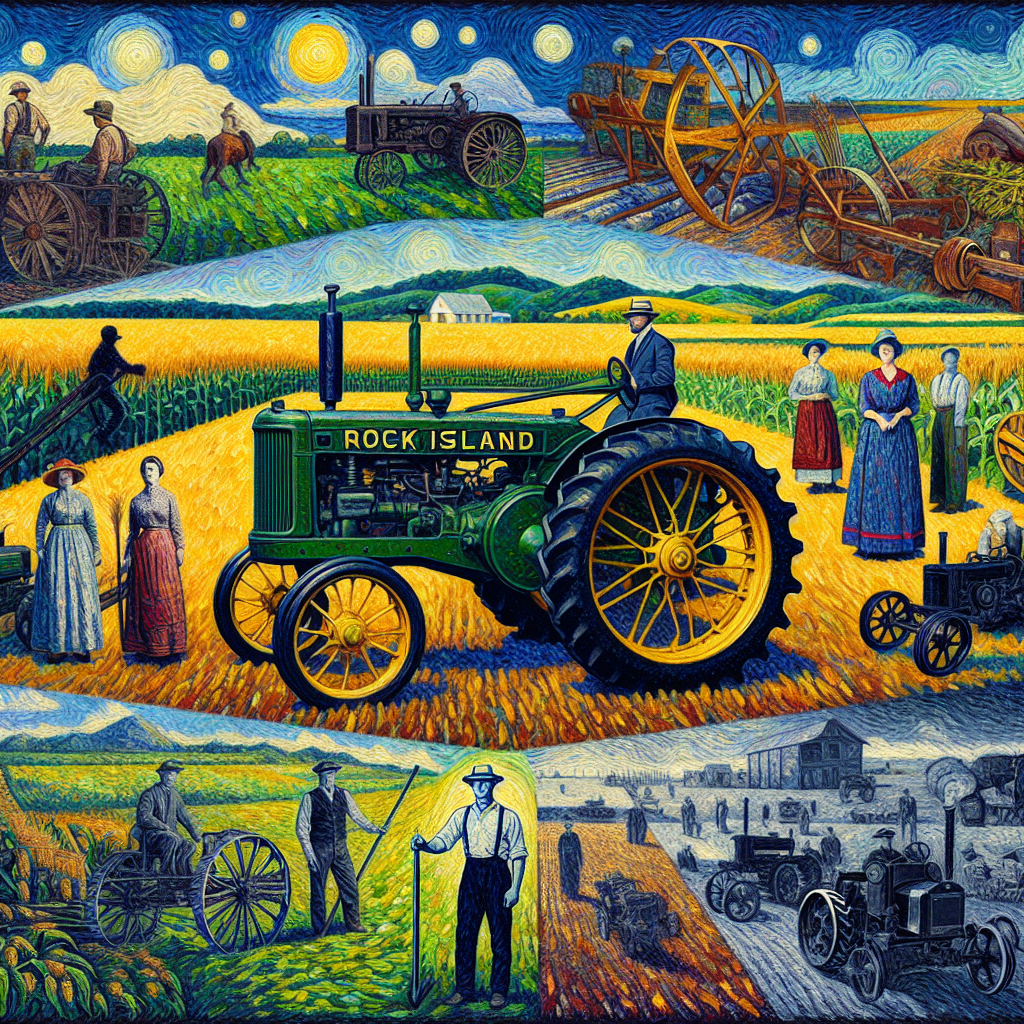
When it comes to old tractors, an enduring symbol of hard work and resilience, many misconceptions linger like dust in the barn. One of the most prominent myths is that vintage tractors are not worth insuring. The heart of the matter is that these machines often hold significant sentimental and financial value. Many folks overlook the fact that classic tractors can appreciate in value over time. Insuring them isn’t just about protecting a hunk of metal; it’s about safeguarding memories, dedicated labor, and even legacies passed through generations.
Now, let’s dive into the heady realm of rationality. Some might think insuring an old tractor is a waste of money because it’s “just an old piece of machinery.” However, the mechanics of insurance work differently for vintage models. Sure, the cost of coverage might vary, but many insurers provide specialized plans that can protect these cherished machines without breaking the bank. Ignoring this means risking the loss of not just an asset but a key part of your heritage.
On the ethical front, consider what you’re communicating to future generations about care and responsibility. When we protect our old tractors, we’re demonstrating an appreciation for craftsmanship and history. It’s a value system that fosters respect for the past while ensuring that these machines continue to inspire future shepherds of the land. This isn’t merely about insurance; it’s about instilling principles that bind families and communities.
The authority of those in the field of vintage agriculture shows a clear trend: well-insured old tractors endure, ready to plow through emotional and financial storms. Stories abound of rare finds and beloved pieces of machinery being lovingly restored after accidents because they had proper coverage. These testimonials highlight the often-overlooked importance of safeguarding your investments.
Socially, building a network of other vintage tractor enthusiasts can amplify the safety and security of your own machines. Being part of a community that values old tractors creates a shared confidence, empowering each member to recognize the worth of protection. Conversations about insurance can transform from daunting to dynamic when we recognize that we’re not alone in our journey.
Understanding the true value of insuring old tractors goes beyond numbers. It touches on our love for history, commitment to community, and respect for where we came from. Don’t let misconceptions keep you from giving these machines the protection they deserve. Stand proud and ensure that your tractor remains a vital part of your story for years to come.
What Common Insurance Misconceptions Exist About Old Tractors?
What Common Insurance Misconceptions Exist About Old Tractors?
- Vintage tractors symbolize hard work and resilience, yet misconceptions persist about their insurance value.
- Classic tractors often hold sentimental and financial value, appreciating over time.
- Insuring old tractors safeguards memories and legacies, not just metal machinery.
- Specialized insurance plans exist for vintage models, making coverage accessible and affordable.
- Protecting old tractors reflects a commitment to craftsmanship and instills values for future generations.
- Well-insured tractors withstand challenges, with many restored following accidents due to proper coverage.
- Joining vintage tractor communities enhances confidence in protection and transforms insurance discussions.
What Common Insurance Misconceptions Exist About Old Tractors?
Conclusion
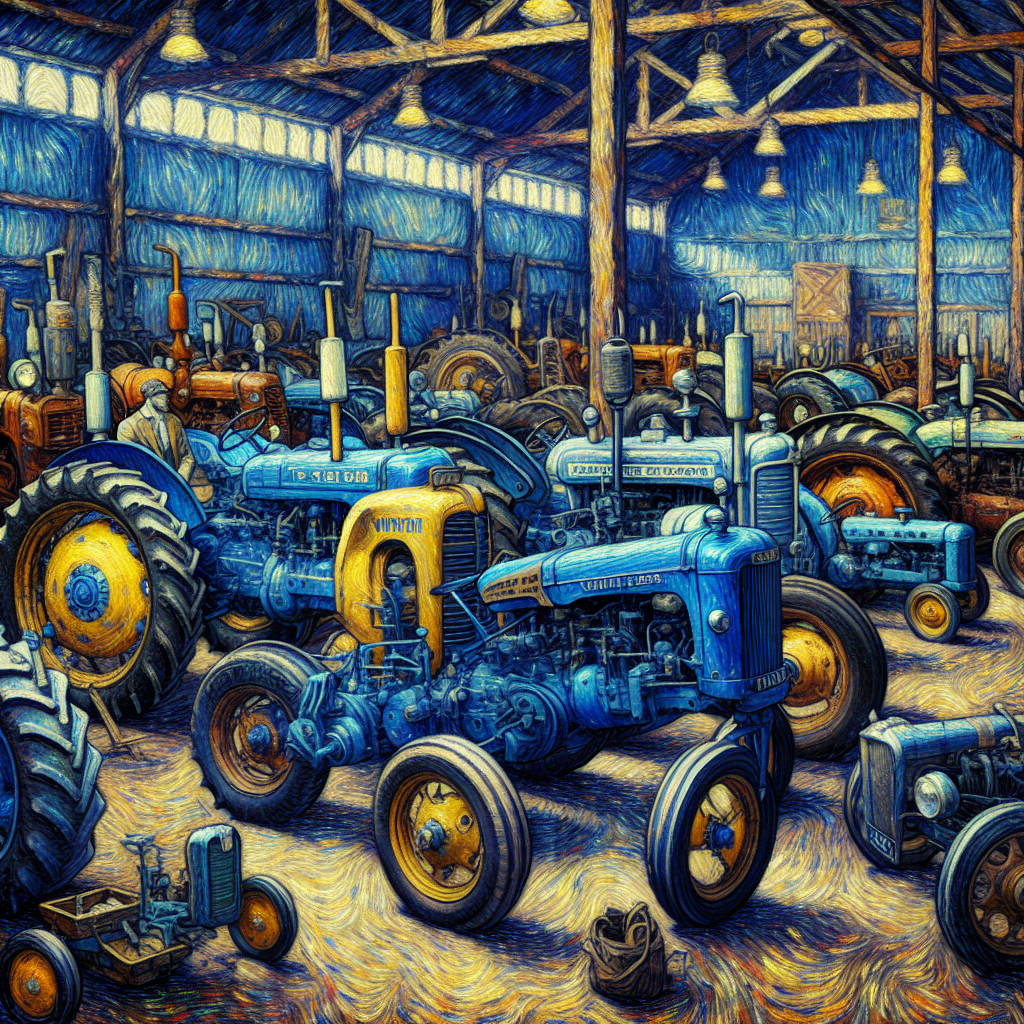
Preserving the legacy of old tractors is about more than just tradition; it’s about recognizing their value as vessels of memory, hard work, and community. Every rusted bolt and faded paint speaks to the generations who have relied on these machines. Yet, insuring them presents unique challenges that intertwine emotional, rational, and ethical considerations.
Old tractors are often viewed as outdated by insurers, leading to potentially higher premiums or limited coverage. But the true worth of these vintage workhorses isn’t confined to their market value. They symbolize labor and dedication, embodying a lineage that deserves respect and protection. Insurers must bridge the gap between numbers and sentiment, appreciating that these machines represent not just financial investments but sacred family histories.
From a practical standpoint, vintage tractors might lack modern safety features, which can raise concerns about accidents. With age comes wear, and as tractors grow older, they may face higher risks of mechanical failure. This potential for danger emphasizes the need for proper maintenance and responsible ownership, ensuring that these machines continue to serve without posing undue risks.
Ethically, it’s vital to advocate for fair treatment of old tractors in the insurance industry. Insurers ought to consider the context behind each vintage piece, recognizing them as vital links in the farming community. Care for these machines should also translate into policies that support their rightful place in our agricultural landscape. Owning a vintage tractor isn’t merely about possessing a unique model; it’s embracing a heritage that deserves safeguarding.
Community plays a key role in this journey. Connecting with fellow enthusiasts reinforces the idea that these tractors are more than machinery—they represent shared experiences, sweat, and toil. Engaging with others can inspire better practices regarding maintenance and insurance, transforming fears into a collective cultural appreciation for preserving the past while moving forward.
The narrative of insuring vintage tractors ultimately serves as a reminder that these machines are not outdated relics; they are crucial to our identity. Protecting them ensures the stories they carry are not lost to time. It’s about honoring a legacy that intertwines with our future, empowering new generations to cherish the traditions that have shaped our agricultural landscape. In the end, investing in their care isn’t just an insurance policy; it’s a commitment to preserving the fabric of our history.
Conclusion
Conclusion:
- Preserving old tractors is about valuing memory, hard work, and community.
- Insuring vintage tractors poses challenges due to their perceived outdatedness by insurers.
- These machines represent more than market value; they embody labor, dedication, and family histories.
- Older tractors may lack modern safety features and face risks of mechanical failure, necessitating proper maintenance.
- Ethical considerations demand fair treatment of vintage tractors by insurers, recognizing their importance in agriculture.
- Community engagement among enthusiasts reinforces the cultural value and shared experiences tied to these tractors.
- Investing in the care and insurance of vintage tractors is a commitment to preserving heritage and history.
Conclusion
Other Resources
Other Resources
Here is a list of other resources you can review online to learn more:
- MX
- Tytan
- Eastern Carolina Vintage Farm Equipment Club
- Branson
- Kartar Tractors
- Montana
- Fiber Max Center for Discovery
- McKee
- Holt
- Bolinder-Munktell
- Kioti
- Fiat
- Orange County Farmers Museum
- GBT
- GMS Tractor Museum
- Avery
- C.O.D. Tractor Company
- Thieman Harvester
- Solis
Use This Prompt To Get More Resources With Your Favorite Online AI Tool: Please provide me with a list of online articles with their URLs in a bulleted list that I can read regarding Are Old Tractors Harder to Insure?
Other Resources
Glossary Terms
Are Old Tractors Harder to Insure? – Glossary Of Terms
1. Antique Tractor: A tractor typically over 25 years old, often considered a collectible rather than a working vehicle.
2. Classic Insurance: A type of insurance policy tailored for vintage or collectible vehicles, often with specialized coverage options.
3. Market Value: The estimated worth of a tractor in the marketplace, which can affect insurance premiums.
4. Agreed Value: The predetermined amount for which a vintage tractor is insured, agreed upon by the owner and insurer.
5. Replacement Cost: The cost to replace a tractor with a similar one in the event of a loss, which may differ from market value.
6. Usage Restrictions: Limitations on how and when a vintage tractor can be used under a specific insurance policy, often restricting use to shows or parades.
7. Collector’s Policy: A type of insurance designed for hobbyists who own vintage or classic vehicles, providing tailored coverage.
8. Liability Coverage: Insurance that protects the owner against legal claims for injury or damage caused by the tractor.
9. Comprehensive Coverage: Insurance that covers non-collision events, such as theft, vandalism, or natural disasters.
10. Premium: The amount paid for an insurance policy, which may vary based on factors like age and condition of the tractor.
11. Deductible: The amount the owner agrees to pay out of pocket before insurance coverage kicks in for a claim.
12. Restoration: The process of repairing and refurbishing an old tractor, which can increase its value and insurability.
13. Condition Assessment: An evaluation of a tractor’s current state, important for determining insurance premiums and coverage.
14. Mileage Limit: Restrictions on the number of miles a vintage tractor can be driven annually, impacting insurance options.
15. Valuation: The process of determining the monetary worth of a tractor, crucial for setting the insurance coverage amount.
16. Risk Assessment: An analysis of the likelihood of loss or damage to an old tractor, influencing the costs of insurance.
17. Safety Features: Equipment or modifications that enhance the safety of a vintage tractor, potentially reducing insurance rates.
18. Storage Conditions: The environment in which a tractor is housed, affecting its insurability and coverage costs.
19. Restoration Costs: Expenses incurred to restore an old tractor, relevant in determining both market value and insurance needs.
20. Claims Process: The procedure followed to file an insurance claim in the event of damage or loss of the tractor.
21. Specialist Insurers: Companies that focus on insuring vintage and collectible vehicles, often providing tailored service.
22. Policy Exclusions: Circumstances or events not covered by an insurance policy, which should be understood by the owner.
23. Insurable Interest: The legal right of the owner to insure a tractor, requiring them to have a stake in its value.
24. Valuable Document: Important papers related to the ownership and history of the tractor, affecting its insurance valuation.
25. Historic Vehicle Registration: Special registration for vintage vehicles that may offer benefits, including premiums discounts.
26. Personal Liability: Coverage for injuries or damages caused to others while operating the tractor.
27. Bodily Injury Coverage: Insurance that covers costs associated with injuries sustained by third parties in an accident involving the tractor.
28. All-Risk Coverage: A policy that covers all potential risks unless specifically excluded, providing maximum protection.
29. Underwriting: The process in which insurers evaluate the risk of insuring a tractor and determine appropriate premiums.
30. Personal Property Coverage: Insurance that protects equipment stored with the tractor, relevant for those using it for agricultural or collectible purposes.
Glossary Of Terms
Other Questions
Are Old Tractors Harder to Insure? – Other Questions
If you wish to explore and discover more, consider looking for answers to these questions:
- What specific coverage options exist for vintage or classic tractors?
- How do insurers determine the value of an old tractor (agreed value vs. actual cash value)?
- What documentation is required to insure a vintage tractor?
- Do insurers require appraisals or photos for rare or restored tractors?
- How does using a tractor for work (commercial use) affect coverage and premiums?
- Are there usage restrictions (seasonal, show-only, road use) in vintage tractor policies?
- Is insurance required to operate a tractor on public roads in my area?
- How do safety upgrades (ROPS, seat belts, lights) impact insurability and rates?
- Can I insure a tractor during restoration or while it’s being stored?
- Are spare parts, tools, and restoration costs covered under standard policies?
- Does insurance cover loss or damage while transporting a tractor to shows or auctions?
- What liability protections are available if my tractor causes injury or property damage?
- Are there specialized insurers or brokers who focus on vintage farm equipment?
- How do premiums for vintage tractors compare to modern tractors of similar value?
- Do insurers consider the rarity or collectibility of a model when pricing coverage?
- What common exclusions should owners watch for in tractor insurance policies?
- How do theft, vandalism, fire, flood, and weather damage get handled for old tractors?
- Is agreed-value coverage adjustable over time as a tractor appreciates after restoration?
- What deductible levels are typical, and how do they affect premium and claims?
- How does an owner prove maintenance history or mechanical reliability to an insurer?
- Are there discounts for membership in tractor clubs, associations, or vintage organizations?
- How are modifications and aftermarket parts treated by insurers?
- Does insurance cover participation in parades, shows, or exhibitions?
- What claims process should owners expect after an accident or loss involving a vintage tractor?
- How do liability exposures change if hired operators or farm employees use the tractor?
- Are environmental or pollution liabilities (fuel spills, leaks) covered under tractor policies?
- Can tractor coverage be bundled with farmowner, home, or commercial policies for savings?
- What records should be kept to support a claim for a restored or historically significant tractor?
- Are there regional differences in insurability or legal requirements for vintage tractors?
- What are the most common causes of vintage tractor accidents and how can risks be mitigated?
- How often should a vintage tractor be re-appraised for insurance purposes?
- Does insurance cover spare engines, rare parts, or custom-built components?
- What options exist for temporary or short-term coverage (auctions, transport, shows)?
Other Questions
Haiku
Are Old Tractors Harder to Insure? – A Haiku
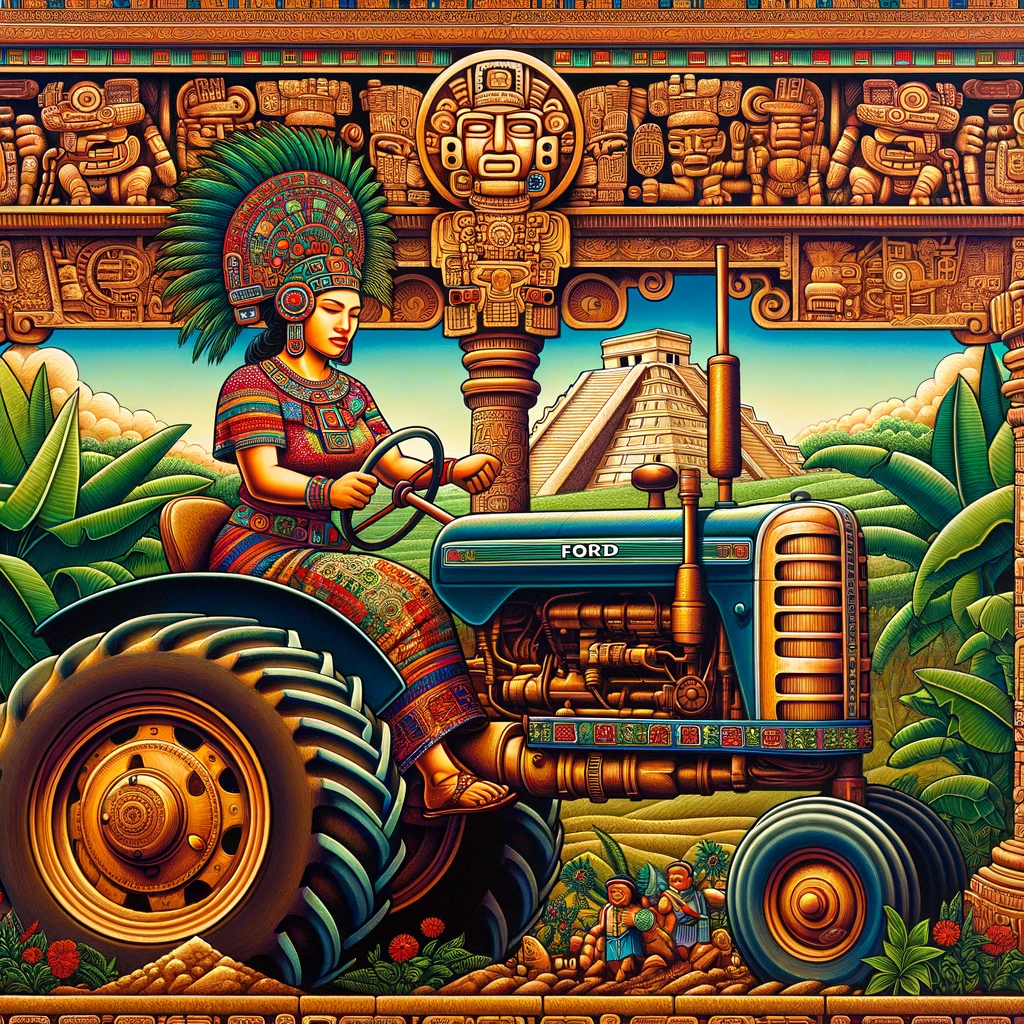
Tractors of old rust,
Carrying tales of the past;
Legacy demands care.
Haiku
Poem
Are Old Tractors Harder to Insure? – A Poem
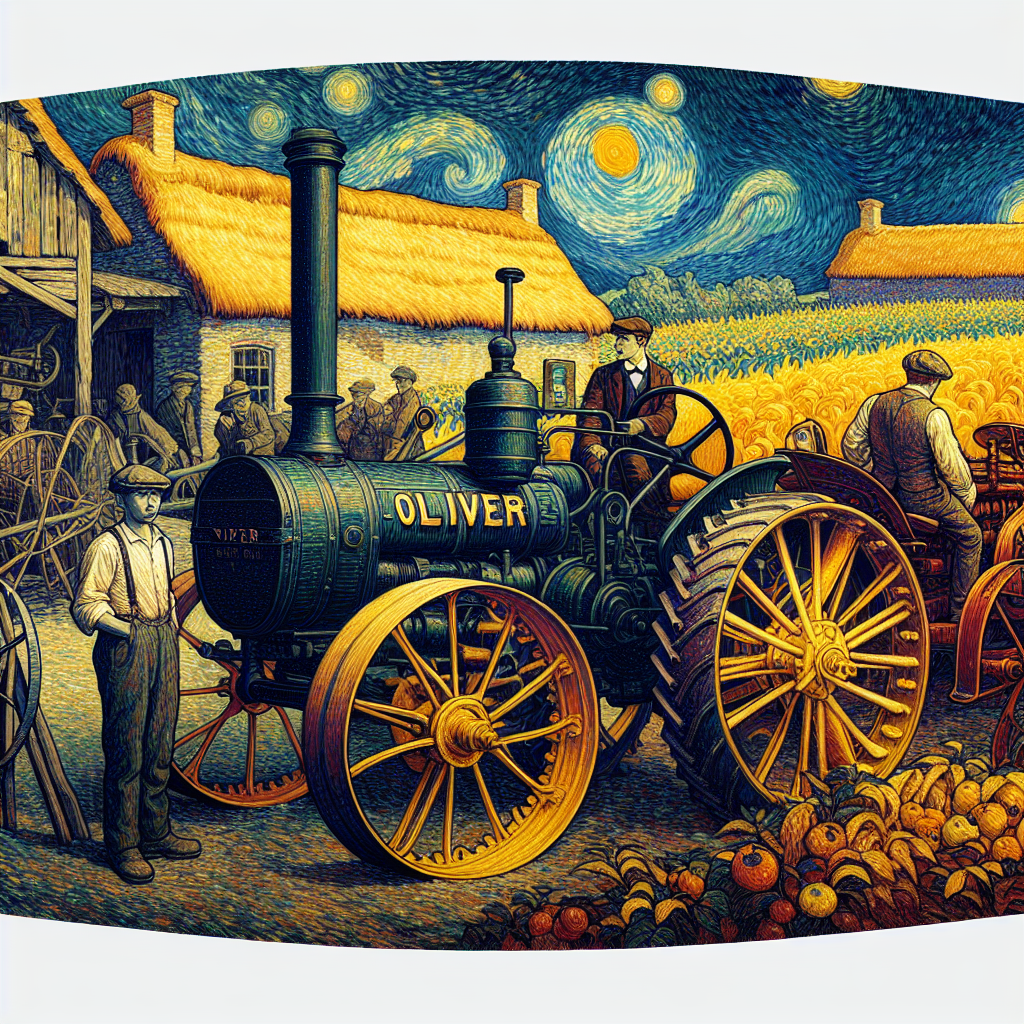
In fields where stories grow,
Among rusted frames, the heartbeats flow.
Metal giants stand, a legacy whole,
Echoes of hands that toiled, souls they console.
Old tractors whisper of days gone by,
Beneath faded paint, history’s sigh.
Each dent and scratch, a tale etched deep,
Guardians of memories we cherish and keep.
Though age may render them frail in might,
Their value transcends mere monetary sight.
Yet insurers gaze through a risk-laden lens,
Judging the worth of our steadfast friends.
Emotions intertwine with rational thought,
As dreams of harvests intertwine with what’s bought.
Vintage machines bear the weight of trust,
It’s not just machinery; it’s duty, it’s must.
From father to child, the bond becomes strong,
On old iron steeds, the legacy throngs.
Yet with each pass, hidden dangers may lurk,
Watch for the signs, for safety must work.
In communities vibrant, our voices unite,
Advocating for insurance that feels just right.
Not mere numbers and papers drawn tight,
But honoring stories that stand through the night.
Seek the coverage not just for the cost,
But for what’s been gained, not just what’s lost.
For vintage tractors are more than metal and wheel,
They’re the pulse of our past, the dreams we still feel.
So let us protect them, these treasures of old,
With policies crafted to honor and uphold.
In every ride forward, let courage resound,
For with love and respect, true connection is found.
Poem
Checklist
Are Old Tractors Harder to Insure? – A Checklist
Emotional Appeal
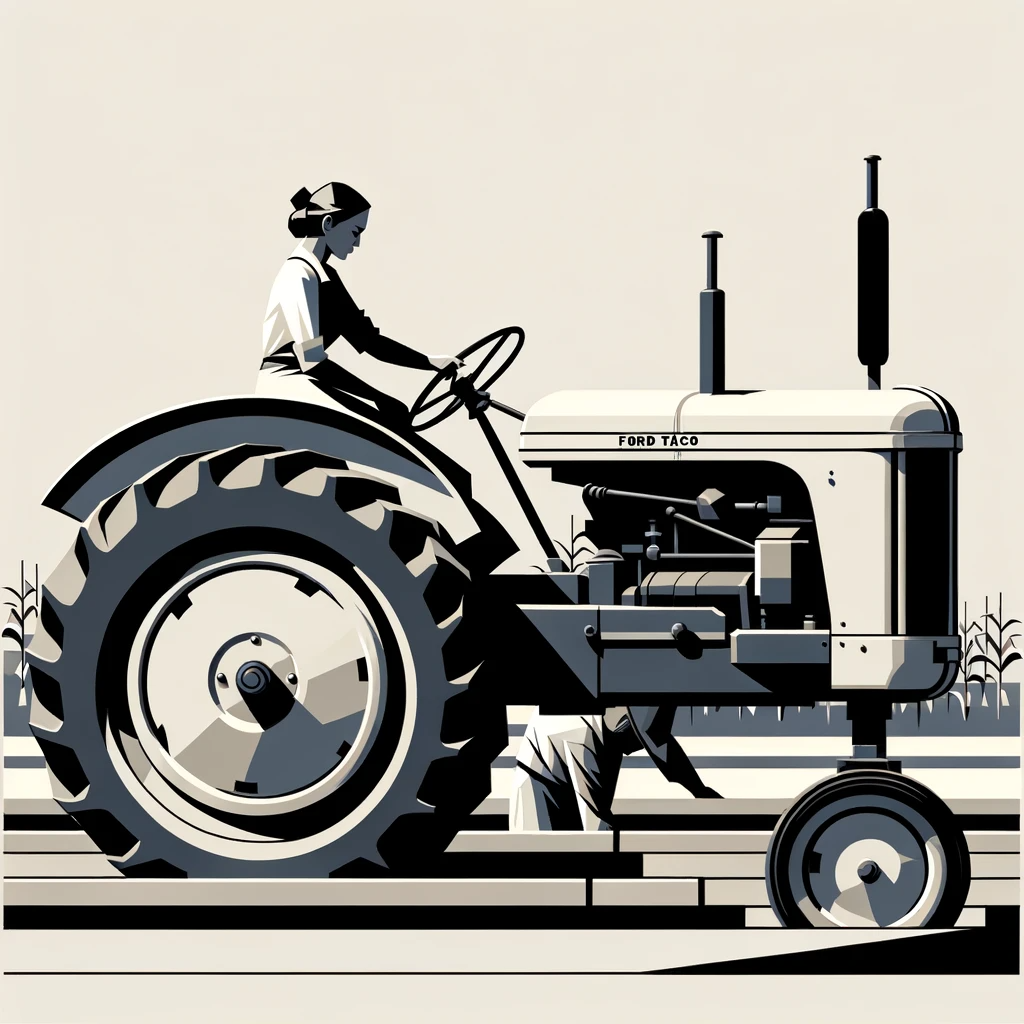
✅______ Reflect on legacy; consider the memories and histories associated with your tractor.
✅______ Embrace tradition; acknowledge the role your tractor plays in family and community heritage.
Rational Appeal
✅______ Assess market value; research current insurance rates for vintage models to understand potential costs.
✅______ Document condition; keep records and photos of your tractor’s condition and maintenance history to support your insurance claims.
Ethical Appeal
✅______ Advocate for fair insurance; ensure that your insurance policy reflects both sentimental and market values of your tractor.
✅______ Commit to maintenance; regularly maintain your tractor to prevent accidents and uphold ethical stewardship of your machinery.
Authority Appeal
✅______ Seek expert advice; consult insurance specialists who understand vintage tractors and can provide tailored coverage options.
✅______ Educate yourself; learn from authoritative sources about the specific needs of old tractors to make informed insurance decisions.
Narrative Appeal
✅______ Share stories; engage with fellow enthusiasts about your tractor’s history and experiences to solidify its value in community discussions.
✅______ Create traditions; develop rituals around your tractor that can be passed down, enhancing its significance in your family’s narrative.
Social Appeal
✅______ Join a community; participate in tractor shows, clubs, or forums to connect with other vintage tractor owners.
✅______ Encourage conversations; discuss insurance and maintenance strategies with peers to share insights and support each other’s journeys.
Checklist
At ClassicTractorNews, we help tractor lovers keep up with the latest news for classic and vintage tractors.
Please share this post with your friends, family, or business associates who may like old classic or vintage tractors.