


Balancing Innovation And Tradition In Farming
By Tom Seest
At ClassicTractorNews, we help tractor lovers keep up with the latest news for classic and vintage tractors.
Please share this post with your friends, family, or business associates who may like old classic or vintage tractors.
Are New Tractors Causing Farmers to Forget Essential Basics
When you pull back the curtain on today’s farming landscape, a new tractor isn’t just a shiny piece of machinery; it represents what’s possible. With screens glowing like the dashboard of a spaceship and technology that seems to know our fields better than we do, it’s easy to understand why farmers might find themselves entranced. These machines promise efficiency, higher yields, and less back-breaking work, but at what cost?
That’s where the heart of the issue lies. The romance of farming isn’t just grounded in the latest gadgets or advanced algorithms; it’s rooted in the soil, in the generations of wisdom passed down like heirlooms. As we lean too heavily on these modern marvels, are we risking the essential basics that make farming not just a job, but a calling? It’s our responsibility—our ethical obligation—to strike a balance. The confidence brought by a new tractor shouldn’t eclipse our ability to read the land or understand the rhythm of nature.
Consider the narratives woven into every plowed field. Just a few generations back, crops were tended to by the hands that had weathered storms and droughts. That deep connection to the land is not merely a legacy; it’s a vital part of our identity as farmers. The new tractor can’t replace that connection; it can only enhance it. But if we become too reliant on the plow or too enamored with the screens, we risk losing that bond, replacing intuition with technology and wisdom with convenience.
On the gut level, many of us recall the satisfaction of manual labor—the weight of the shovel, the feel of rich, dark soil in our hands. Each of us has a story; each of us has earned our stripes in the field. New machinery can make life easier, but it can also lead us to ignore the brutal realities of working the land. It’s not just about torque or horsepower; it’s about the humbling challenges that teach us resilience.
So, let’s champion the marriage of technology and tradition, inviting new tractors into our lives while ensuring they don’t overshadow the age-old lessons that define us as farmers. In doing so, we’ll not only grow better crops—we’ll nurture a deeper connection to the land and to each other. After all, it’s not just about what we harvest; it’s about who we become in the process.

Are New Tractors Causing Farmers to Forget Essential Basics
Are New Tractors Causing Farmers to Forget Essential Basics
- A new tractor symbolizes the potential for efficiency and higher yields in modern farming.
- The allure of advanced technology risks overshadowing the traditional wisdom rooted in farming.
- Farmers must balance the use of modern equipment with an understanding of the land and nature.
- The legacy of manual labor and connection to the soil is essential to farmers’ identities.
- Dependence on technology may lead to a loss of intuition and traditional farming practices.
- Embracing both technology and tradition can enhance farming practices and strengthen community ties.
- Farming is not only about the harvest but also about the growth and development of individuals as farmers.
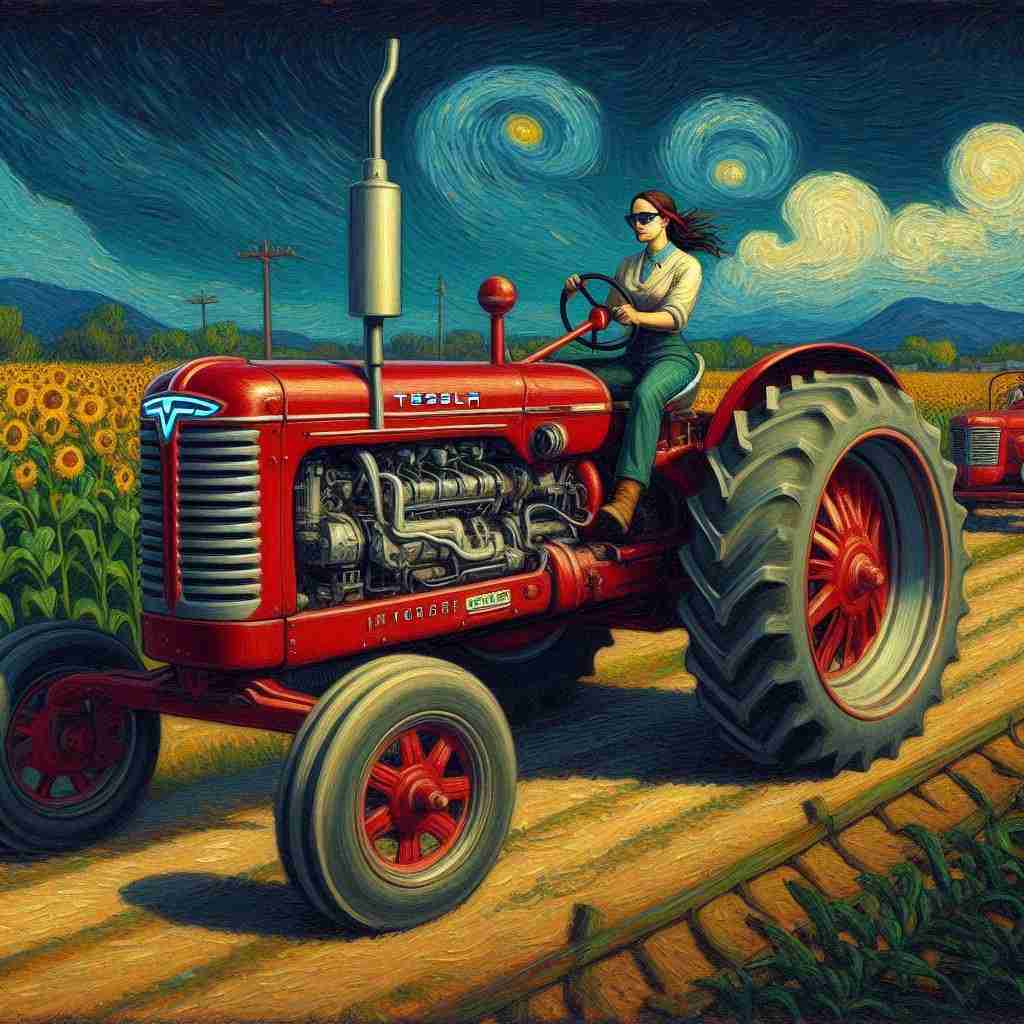
Are New Tractors Causing Farmers to Forget Essential Basics
Table Of Contents
- Are New Tractors Causing Farmers to Forget Essential Basics
- Are New Tractors Leading To A Disconnect With Farming Traditions?
- Do Modern Machines Overshadow The Essential Skills Of Farming?
- How Can Technology Enhance Our Connection To The Land, Not Hinder It?
- Are Farmers Relying Too Much On Machines For Critical Decision-Making?
- Is The Ease Of New Tractors Making Us Less Resilient In Farming?
- What Happens To Farming Knowledge As We Shift To Advanced Technology?
- Conclusion
- Other Resources
- Glossary Of Terms
- Other Questions
- Haiku
- Poem
- Checklist
Are New Tractors Leading To A Disconnect With Farming Traditions?
When you hear the thrum of a modern tractor gliding across a vast, sun-drenched field, there’s an undeniable beauty to it. Newer models, with their sleek designs and advanced technology, promise efficiency and ease. But as that powerful machine slices through the earth, one must pause and ask: at what cost are we embracing this innovation? With every passing generation, the bond between farmers and their land seems to stretch thinner, like a frayed rope on the cusp of snapping.
Let’s consider the humble beginnings of agriculture. Generations before us tilled the soil with horses and hand plows, every furrow a testament to their grit and perseverance. Farmers were intimately connected to their land, understanding every inch of it—the way it breathes with the seasons and yields its bounty in reaction to their hard work. In many ways, those early days embodied a sense of pilgrimage—a sacred journey punctuated by human effort rather than machine efficiency.
Fast-forward to today, and we find ourselves at a crossroads. Yes, new tractors revolutionize the way we farm, giving us unprecedented power and precision. They allow the average farmer to accomplish what once required a village of laborers. Yet, amidst these advancements, an important dialogue is brewing: are we losing the essence of what it means to be a farmer? When did the art of growing food morph into a battle of horsepower and code?
Think about the stories shared around dinner tables in farming households. The shared laughs over mishaps in the field, the wisdom passed down from one generation to the next—that’s where the soul of farming truly lies. Each tractor rumble carries a narrative, a moment in time that’s either embraced or overlooked.
This isn’t just about nostalgia; it’s about our ethical obligation to honor those who tilled the land before us. What message do we send to younger generations as we trade the tactile connection of soil and seed for screens and sensors? As we discuss agricultural innovations, we must balance the allure of convenience with the respect for traditions that have shaped our communities, values, and food systems.
The choice is ours to make. By bridging the old with the new, we can foster an appreciation for both the latest technologies and the farming practices that have stood the test of time. Let’s bring back the stories and the connections to cultivate not only crops but also a deeper understanding of where our food—and our heritage—truly come from.

Are New Tractors Leading To A Disconnect With Farming Traditions?
Are New Tractors Leading To A Disconnect With Farming Traditions?
- The beauty of modern tractors reflects advanced technology and efficiency in farming.
- Traditionally, farmers had a deep connection with the land, relying on manual tools and hard work.
- Current advancements give farmers unprecedented power but may threaten the essence of farming.
- Farming stories shared in households capture the soul of agriculture, blending laughter and wisdom.
- It’s essential to honor the traditions of past generations while embracing modern innovations.
- We must consider the ethical implications of shifting from tactile farming to technology-driven methods.
- A balanced approach can foster appreciation for both technological advancements and traditional practices.

Are New Tractors Leading To A Disconnect With Farming Traditions?
Do Modern Machines Overshadow The Essential Skills Of Farming?
In an age where a gleaming tractor can turn the most rugged plot of land into a lush field in a matter of hours, it’s easy to lose sight of what farming truly represents. Sure, modern machinery offers astounding efficiencies, but let us not forget the heartbeat of agriculture that goes far beyond the metal and mechanics. As we stand at the crossroads of tradition and innovation, we must ask ourselves: in our rush toward progress, are we overshadowing the essential skills that have sustained humanity for generations?
When we glance over the vast, rolling fields powered by state-of-the-art technology, it’s tempting to view these machines as extensions of our capabilities—human ingenuity at its finest. Yet, the truth is that every tractor that plows the earth is backed by centuries of knowledge accumulated by farmers who have weathered storms, monitored the seasons, and mastered the delicate dance between nature and nurture. These are the custodians of the land who understand soil health, crop rotation, and animal husbandry—not just as individual skills but as a way of life that connects us to our ancestors.
Imagine the satisfaction of a farmer who, after weeks of careful planning, harvests a crop that flourished with the help of both technology and traditional techniques. There’s a raw, visceral connection to the earth that no machine can replicate, a bond forged in sweat, hope, and sheer determination. It is easy to assume that technology has made the farmer obsolete, yet the best farmers know that while tractors can sow seeds, they cannot sow wisdom.
We must also consider our collective responsibility toward sustainable farming practices that honor the land and the people who tend it. When we shift our focus solely onto efficiency and profit, we risk erasing the very skills that make farming an art. It becomes our ethical duty to recognize that knowledge is not just an accessory to productivity; it’s the foundation of a resilient future.
So, as we embrace the advancements of technology in agriculture, let’s remember the age-old lessons etched in the soil and honor the skillful hands that made this possible. It is within our grasp to balance the power of tractors with the wisdom of the farm, creating a harmonious relationship between man and machine that respects the past while nurturing the future. In doing so, we ensure that farming remains not just a job or a process but a cherished way of life—a story that continues to evolve, with each new generation becoming a vital chapter in the narrative of agriculture.

Do Modern Machines Overshadow The Essential Skills Of Farming?
Do Modern Machines Overshadow The Essential Skills Of Farming?
- Modern machinery enhances farming efficiency but risks overshadowing traditional agricultural skills.
- Every advanced tractor is supported by centuries of knowledge from experienced farmers.
- Farmers possess vital skills in soil health, crop rotation, and animal husbandry, creating a connection to their ancestors.
- Technology may aid in farming, but it cannot replace the wisdom and visceral connection of farmers to the earth.
- Sustainable farming practices are crucial for honoring the land and those who care for it.
- Efficiency and profit should not come at the expense of erasing essential farming skills.
- A harmonious balance between technology and traditional wisdom is key to preserving farming as a cherished way of life.

Do Modern Machines Overshadow The Essential Skills Of Farming?
How Can Technology Enhance Our Connection To The Land, Not Hinder It?
In an age where technology often feels like a barrier between us and the rich tapestry of the land, it’s important to remember that innovation can also serve as a bridge, connecting us more profoundly to our roots. Imagine, for a moment, the humble tractor—a machine that once symbolized hard labor in sun-soaked fields. Today, it’s a testament to how technology can enhance our relationship with the earth, not stifle it.
Think about that sunrise you catch from the cab of a tractor, the hum of its engine a steady reminder of work well done. There’s a rhythm to it; a dance between man and machine that honors the land while embracing efficiency. This isn’t just about function; it’s about forging a deeper connection to the very soil we tend to. With precision agriculture, satellites and drones help farmers monitor health and moisture levels, ensuring they nurture the land like caretakers, not conquerors. It’s this blending of old and new that tells a powerful story.
We live in a society that often trades authenticity for convenience. But when we engage with technology thoughtfully, we can transform that relationship. Consider how smartphones can bridge the gap between generations. A child can learn how to plant seeds by watching a video under the watchful eye of a grandparent—each swipe and tap creating a new bond rooted in shared knowledge. It’s not just about managing resources; it’s a call to uplift our communities while honoring traditions passed down through time.
Moreover, technology fosters a sense of stewardship that resonates deeply within us all. Apps that track local wildlife populations or programs that connect volunteers to conservation efforts empower individuals to take action. Each engagement becomes a ripple, uniting people in shared purpose. Picture a group of neighbors coming together to plant trees, guided by easy-to-access online resources. That’s not just technology; that’s connection—woven into the very fabric of community.
Embracing technology doesn’t mean losing touch with what matters. It means enhancing our symbiotic relationship with the land, ensuring we honor its legacy while paving the way for future generations. When we come together to innovate with intention, every tractor driving through the fields and every smartphone in our hands can help create a sustainable ecosystem—one that nourishes both the earth and our spirits. In this journey, we find that technology can be our ally, not our adversary. So let’s embrace it, and find a way to walk hand-in-hand with the land we cherish.

How Can Technology Enhance Our Connection To The Land, Not Hinder It?
How Can Technology Enhance Our Connection To The Land, Not Hinder It?
- Technology can serve as a bridge, connecting us to our roots rather than acting as a barrier.
- The humble tractor symbolizes the relationship between technology, labor, and the land.
- Precision agriculture, utilizing satellites and drones, allows farmers to care for the land responsibly.
- Smartphones can facilitate intergenerational learning and strengthen community bonds.
- Apps and programs promote stewardship and encourage community involvement in conservation efforts.
- Embracing technology enhances our relationship with the land while honoring traditions.
- Innovation with intention helps create sustainable ecosystems that benefit both the earth and communities.

How Can Technology Enhance Our Connection To The Land, Not Hinder It?
Are Farmers Relying Too Much On Machines For Critical Decision-Making?
There’s a certain romance to the land, an inherent dignity that comes from working it with your own hands. You can see it in the weathered faces of farmers, stories etched into the lines on their skin. These resilient individuals carry generations of wisdom, and while the hum of modern machinery—like the reliable tractor—has become an essential part of the farming narrative, we must ask ourselves: are we placing too much faith in machines for our critical decision-making?
Now, don’t get me wrong; technology has its place. The advancements in precision agriculture, data analytics, and even drone surveillance can help revolutionize farming practices. They can pinpoint exact requirements in soil health, crop needs, and pest control—transforming vast fields into online-oases of efficiency. But at what cost? In this fast-paced world, are we sacrificing the invaluable insight that only comes from years of immersion in the dirt, the seasons, and the skies?
Imagine the farmer standing by his tractor, a gleaming piece of machinery that embodies years of innovation. It’s a symbol of progress, no doubt. But as the screens flash numbers and analytics, the farmer faces a dilemma: trust the machine or rely on the instincts shaped through years of toil under the sun. There’s an authority in the heart of the farmer that charts a course through storm clouds that no algorithm can predict. Can we afford to overlook that deeply-rooted wisdom?
Ethically, we must confront the risk of distancing ourselves from the very essence of farming. Reliance on technology might promise efficiency, but it also threatens to erode the connection to the land and the community. Decisions made solely on cold data might disregard the stories whispered by the soil, leading to practices that could harm not just crops, but ecosystems that support our livelihoods.
Ultimately, the heart of farming lies in balance. Embracing technology can empower farmers, but it must be accompanied by the age-old practices and wisdom of touching the earth. Let’s foster a social dialogue around sustainable farming that honors both innovation and tradition. We must support farmers in navigating this new frontier with the same grit and resolve that got them to where they are today—seeking a future where machines complement rather than replace the soul of agriculture. Because it’s not just about efficiency; it’s about the legacy we nurture for future generations.

Are Farmers Relying Too Much On Machines For Critical Decision-Making?
Are Farmers Relying Too Much On Machines For Critical Decision-Making?
- The land carries a romance and dignity derived from manual labor.
- Farmers possess generations of wisdom, evident in their weathered faces.
- While technology like precision agriculture and drones offers efficiency, reliance on machines raises concerns about critical decision-making.
- Farmers face a dilemma between trusting machines and relying on their instincts honed through experience.
- Over-reliance on technology risks distancing us from the essence of farming and could harm ecosystems.
- A balance must be struck between embracing technology and honoring traditional farming practices.
- Fostering dialogue on sustainable farming can help empower farmers, ensuring a future where technology complements rather than replaces agricultural wisdom.

Are Farmers Relying Too Much On Machines For Critical Decision-Making?
Is The Ease Of New Tractors Making Us Less Resilient In Farming?
In a world where technology swells and progress prances along, the modern tractor symbolizes a remarkable leap in farming efficiency. These powerful machines stand ready to plow, seed, and harvest with efficiency we could only dream of a few decades ago. But as we bask in the glory of convenience—where a hum of engines can replace hours of labor—one must ask: are we losing our grip on the heart of farming?
At the gut level, farming has always been about grit, sweat, and an intimate connection with the land. Picture the old-timers out there, hands in the dirt, sweat glistening in the sun, navigating the unpredictable whims of nature. They learned to read the sky, to listen to the soil, and to cultivate resilience in the face of adversity. Today’s tractors, while a marvel of engineering, can feel like a wall between us and that primal experience. It’s easy to get lost in the glow of a screen and forget the real-life stories that mold a farmer’s life and sense of purpose.
From the emotional standpoint, we should ponder what it means to be a steward of the land. Are we approaching farming with hands-off technology at the forefront, or are we maintaining that vital connection with our roots? Farming is not just a business; it’s a lineage, a legacy passed from generation to generation, where every soil till is intertwined with our history. The mechanization through advanced tractors offers a certain ease, but it begs us to question: at what cost?
Rationally, think about resilience. In farming, it’s not just about what crops grow best or how quickly seeds can be sown—it’s also about how we adapt to failure, defeat, and uncertainty. The world of agriculture is littered with challenges, many of which can’t be resolved at the push of a button. Embracing the rugged charm of traditional methods alongside our shiny new tractors can cultivate not only better yields but also better farmers.
Ethically, we owe it to future generations to cultivate a practice that respects the land’s rhythms, while also empowering our own resilience. It is up to us, the current stewards, to carry that wisdom and adaptation forward.
Let’s not replace hard labor with pure convenience. Instead, let’s strike a balance, embracing the advancements while nurturing the age-old spirit of farming—because a strong farmer is defined not just by their machinery, but by their connection to the earth and the stories that it tells. Together, we can build a farming future that honors both tradition and technology, ensuring resilience is never left behind.

Is The Ease Of New Tractors Making Us Less Resilient In Farming?
Is The Ease Of New Tractors Making Us Less Resilient In Farming?
- The modern tractor represents a significant advancement in farming efficiency.
- Despite technological conveniences, there is a concern about losing a connection to traditional farming practices.
- Farming has historically involved hands-on work, deep connection to the land, and resilience in the face of nature’s challenges.
- Mechanization raises questions about maintaining the emotional and historical aspects of farming.
- Adaptability and resilience in farming extend beyond technology and involve learning from failures.
- It is essential to cultivate farming practices that respect the land and empower future generations.
- The future of farming should harmonize tradition and technology, preserving the essence of farming while leveraging advancements.

Is The Ease Of New Tractors Making Us Less Resilient In Farming?
What Happens To Farming Knowledge As We Shift To Advanced Technology?
As the hum of a modern tractor echoes across the fields, we stand at a crossroads where tradition and technology intersect. This shift isn’t merely about upgrading equipment or optimizing yields—it’s about a fundamental transformation in the rhythm of farming life. While advanced technology offers undeniable benefits, like precision agriculture and data-driven decision-making, it begs the pressing question: What happens to the intimate, generational knowledge that has shaped our agricultural heritage?
Picture a farmer in a sun-soaked field, hand-tilled earth beneath their boots, knowing where to plant, when to harvest, and how to respect the land. This wisdom, cultivated over years and passed down through stories, is as vital as the very soil that nourishes our crops. With the rise of algorithms and artificial intelligence, there’s a fear that this invaluable knowledge could be lost, like whispers in the wind, replaced by sterile spreadsheets and remote sensors. This isn’t just about productivity; it’s about identity.
Rationally speaking, one might argue that the efficiency brought by technology is a necessity for feeding a growing population. So, how can we marry this efficiency with the wisdom of the ages? The answer lies in collaboration. We must forge a partnership between the new and the old—teaching the next generation how to harness cutting-edge tools while nurturing the instincts that have guided farmers for centuries.
Ethically, this is about stewardship. Farmers don’t work the land just for profit; they cultivate a legacy, a commitment to future generations. We need to ensure that while we embrace drones and data analytics, we don’t abandon the core values that bind us together as a farming community. Engaging seasoned farmers in this journey can create mutual respect and an environment of learning. The tech-savvy youth can benefit from the hands-on wisdom of their elders, ensuring that the heart of farming beats strong in an ever-evolving landscape.
The stories from the fields—the late nights spent planting, the joy of a bountiful harvest, the heartache of a failed crop—these narratives are what connect us. By inviting farmers of all ages into the conversation about technology, we embrace a community where every voice matters. Together, we can ensure that while the tractor may change, the spirit of farming remains resolute. Let’s take this journey together, honoring the past as we forge a sustainable future, turning the page while keeping the best chapters close to our hearts.

What Happens To Farming Knowledge As We Shift To Advanced Technology?
What Happens To Farming Knowledge As We Shift To Advanced Technology?
- Modern farming is at a crossroads, balancing tradition and technology.
- Technology offers benefits like precision agriculture but may threaten generational knowledge.
- The wisdom of experienced farmers is crucial for sustainable farming practices.
- A collaboration between new technology and age-old knowledge is necessary for future farming.
- Farmers should be seen as stewards of the land, responsible for legacy and community values.
- Engaging both seasoned and young farmers fosters mutual respect and shared learning experiences.
- It is essential to honor farming traditions while embracing innovation to secure a sustainable future.

What Happens To Farming Knowledge As We Shift To Advanced Technology?
Conclusion
In the grand theater of agriculture, the roar of a brand-new tractor paints a compelling picture of progress. With technology bursting forth in a dazzling display, it’s easy to get swept away in the notion that our shiny new partners are the keys to farming’s bright future. But here’s the million-dollar question: are we relinquishing our grip on the very roots of our craft? It’s more than just a farming conundrum; it’s a poignant narrative steeped in history, laden with emotional weight and ethical implications.
As we revel in the power and precision of modern machinery, we must not forget the heartbeat of farming itself—cultivating life alongside the land. Picture the generations of farmers who have toiled with hands deep in rich, dark soil, each furrow representing unparalleled wisdom and connection to their environment. This is not merely a job; it’s a calling—a symbiotic relationship woven through weather, seasons, and cycles of life. These machines, while impressive, are not replacements for that bond. They should enhance our understanding of the land, not overshadow it.
Let’s be clear: machines don’t replace the intangible qualities of farming. They cannot replicate the tactile pleasures of planting seeds by hand or the satisfaction that comes from understanding the soil’s nuances. Farming has always been about resilience—the grit and determination that come from facing nature head-on. New technology provides convenience, but it risks severing our emotional connections and the valuable lessons learned through hands-on experience.
We stand at a crucial juncture where we can choose to embrace technology as a partner in our farming journey rather than a crutch that fosters dependence. It’s our ethical responsibility to ensure that as we move forward, we preserve the storytelling tradition that binds us to our agricultural heritage. Communities thrive on shared experiences, laughter, and the collective wisdom that transcends generations.
So, as we innovate, let’s champion a harmonious coexistence between advancements and the age-old practices that defined our relationship with the earth. Let’s cultivate a community narrative that honors both the past and future—where technology aids our endeavors but never eclipses the soul of farming. Because in this dynamic mix of old and new lies the true essence of agriculture, waiting to bloom in tandem with the crops we cherish and the bonds we nurture. Together, let’s ensure that while our tractors may evolve, the spirit of farming remains undiminished, instilling pride and purpose in every farmer’s mission.

Conclusion
Conclusion:
- The launch of new tractors symbolizes progress in agriculture.
- There is a concern that reliance on technology may weaken farmers’ connections to their roots.
- Farming is not just a job; it’s a calling intertwined with nature and tradition.
- Machines cannot replicate the emotional and tactile experiences of traditional farming practices.
- New technology offers convenience but risks disconnecting farmers from essential lessons in resilience.
- We should embrace technology as a partner while preserving our agricultural heritage and storytelling traditions.
- The future of farming should balance innovation with respect for age-old practices to maintain the spirit and purpose of agriculture.

Conclusion
Other Resources

Other Resources
Here is a list of other resources you can review online to learn more:
- Mmaine Antique Tractor Club
- Mahindra
- Rumely
- Jeep
- Bolens
- Benefits of Classic Tractors
- CO-OP
- Hill Country Antique Tractor & Engine Club Show
- Muir-Hill
- Hart-Parr
Use This Prompt To Get More Resources With Your Favorite Online AI Tool: Please provide me with a list of online articles with their URLs in a bulleted list that I can read regarding Are New Tractors Causing Farmers to Forget Essential Basics

Other Resources
Glossary Terms
Are New Tractors Causing Farmers to Forget Essential Basics – Glossary Of Terms
1. Automation: The use of technology and machinery to perform tasks with minimal human intervention, often featured in new tractors.
2. Precision Agriculture: A farming management concept that uses technology to monitor and manage field variability in crops, potentially detracting from traditional practices.
3. GPS Technology: Global Positioning System technology used in modern tractors for navigation and field mapping, which may overshadow basic navigational skills.
4. Data Analytics: The process of examining and interpreting data collected from farming equipment, which can lead farmers to rely more on data-driven decisions rather than intuition.
5. Hydraulic Systems: Mechanisms used in tractors for performing tasks like lifting and towing; understanding these systems is essential for maintenance and operation.
6. Crop Rotation: A traditional farming practice where different crops are grown in succession, which may be overlooked in favor of high-tech solutions.
7. Soil Health: The condition of soil, including its composition and biology; advanced tractors may lead to neglect of soil management basics.
8. Equipment Dependency: The reliance on modern machinery may reduce farmers’ ability to perform tasks manually or troubleshoot mechanical problems.
9. Mechanical Literacy: The understanding of how machinery works and how to maintain it, a skill that may decline with increased automation.
10. Farming Fundamentals: Basic practices and principles of agriculture, such as planting, harvesting, and pest management that may be overshadowed by technology.
11. Training and Education: The process of learning how to use new equipment and technology, which is crucial to ensure farmers don’t forget traditional farming methods.
12. Field Mapping: The practice of creating a visual representation of a farm’s land, often facilitated by modern technology, possibly overshadowing manual surveying methods.
13. Sustainable Practices: Methods of farming that maintain environmental health and conserve resources; reliance on new tractors may detract from these practices.
14. Rural Innovation: The integration of new technology and methods in rural areas, sometimes resulting in a disconnect from traditional farming practices.
15. Pest Management: Strategies for controlling agricultural pests; reliance on technology may lead to overdependence on chemical solutions rather than integrated approaches.
16. Agronomy: The science of soil management and crop production that may get less emphasis in the face of new technologies.
17. Maintenance Skills: The ability to upkeep and repair farming machinery, which can diminish as farmers rely more on advanced technology.
18. Yield Monitoring: The use of data to measure crop yields, which can lead to a focus on numbers rather than holistic farming practices.
19. Biodiversity: The variety of life in an ecosystem; advanced tractors might encourage monoculture farming, reducing biodiversity.
20. Harvest Technology: Machines and tools designed for efficient crop gathering, which may overshadow traditional harvesting methods.
21. Farming’systems: The combination of farming practices and technologies used on a farm, where new tractors might simplify processes, risking understanding of the entire system.
22. Soil Compaction: The reduction of soil voids due to heavy machinery; awareness of this issue can diminish if farmers overly rely on heavy tractors.
23. Regenerative Farming: Practices aimed at improving soil health and ecosystems; high-tech equipment may distract from these methods.
24. Local Knowledge: Understanding and utilizing traditional farming practices tailor-suited to local conditions, which may be undermined by reliance on technology.
25. Continuous Learning: The ongoing process of acquiring new skills and knowledge, critical for farmers to balance technology with basics.
26. Agroecology: A holistic farming approach focusing on ecological principles; reliance on technology may sideline these important practices.
27. Workforce Transition: The shift from manual labor to machine-based work, which can result in a loss of experienced hands-on farming knowledge.
28. Crop Simulation: Using software to predict agricultural outcomes; could lead to neglect of experiential learning in farming.
29. Farming Traditions: The passed-down practices and customs in agriculture, which might be forgotten as technology advances.
30. Resource Management: The efficient use of agricultural inputs such as water, fertilizers, and labor, potentially overlooked with high-tech farming solutions.

Glossary Of Terms
Other Questions
Are New Tractors Causing Farmers to Forget Essential Basics – Other Questions
If you wish to explore and discover more, consider looking for answers to these questions:
- What specific skills are being overlooked as farmers rely more on technology?
- How can traditional farming techniques be integrated with modern technology?
- What role do mentorship and knowledge transfer play in farming today?
- Are there examples of farmers successfully balancing technology and tradition?
- What are the long-term implications of relying on machines for farming decisions?
- How can farmers maintain a connection to their land while using modern machinery?
- What are the ethical considerations in the use of advanced farming technology?
- How does the transition to new technology impact the identity of farmers?
- What steps can be taken to ensure that traditional farming knowledge isn’t lost?
- How do community dynamics change with the introduction of advanced farming machinery?

Other Questions
Haiku
Are New Tractors Causing Farmers to Forget Essential Basics – A Haiku
Modern tractors hum,
Yet soil whispers ancient tales—
Balance heart and tech.

Haiku
Poem
Are New Tractors Causing Farmers to Forget Essential Basics – A Poem
Between Gears and Soil: A Farmer’s Poem
In the glow of morning’s light,
A tractor hums, sharp and bright,
Forged from steel, a symbol anew,
Yet whispered secrets cling like dew.
Once hands were calloused, hearts entwined,
With every furrow, the land defined,
Generations walked the fields with pride,
Each seed a story, each harvest, a guide.
Now screens flicker, data flows,
Efficiency dances where nature grows;
But in this rush, in this gleaming race,
Are we finding solace—or losing grace?
The pulse of earth beneath our hands,
Speaks tales of resilience, of ancient lands;
Yet algorithms make decisions cold,
What of wisdom that can’t be sold?
For every plow and polished blade,
The rhythms of nature mustn’t fade,
Let tech serve as a humble aide,
Not—a wall—a barrier against the glade.
Remember the weight of a well-tended field,
The stories shared, the bonds revealed;
For in each challenge, each plight and fight,
Lies the soul of farming, a guiding light.
So let’s weave the old with the new,
Craft a future—to our roots be true,
Invite the youth, honor the past,
In unity’s strength, our heritage will last.
As tractors roll and times do change,
May our love for the land never derange,
For it’s not just profits or yields in our sight,
But who we become in this labor of light.
Together we’ll thrive, with hearts intertwined,
In a dance with the earth, and the stars aligned,
Embrace the machines, but hold what is dear,
In the land’s quiet whisper, let’s always hear.

Poem
Checklist
Are New Tractors Causing Farmers to Forget Essential Basics – A Checklist
Checklist: Balancing Innovation and Tradition in Farming
*This checklist aims to help farmers and agricultural enthusiasts find harmony between modern technology and traditional farming practices. It appeals to the heart, head, and gut through a blend of emotional, rational, ethical, authority, narrative, and social appeals. *
Heartfelt Connection
1. Reconnect with Your Roots: Spend time reflecting on the stories and traditions passed down through generations. Write down a family agro-legacy to pass on.
2. Explore the Nature of Farming: Engage in hands-on farming activities that remind you of the physical connection to the land—dig in the soil, plant a garden, or harvest crops manually.
3. Cultivate Community Bonds: Organize gatherings with local farmers to share experiences, stories, and farming practices that honor both technology and tradition.
4. Embrace the Narrative: Document your farming journey, joys, and challenges. Share these stories with others to inspire a connection with the essence of farming.
Rational Considerations
5. Evaluate Technology’s Role: Assess how much you rely on technology for decision-making. Identify tasks that might benefit from a more hands-on approach.
6. Understand Soil Health: Invest time in learning about soil composition and health—consider courses or workshops that revisit foundational agricultural concepts.
7. Balance Efficiency and Manual Labor: Create a schedule that alternates between using machinery and engaging in labor-intensive farming techniques to maintain resilience and adaptability.
8. Experiment with Techniques: Try integrating old-world farming methods into your routine, alongside modern technology, to see what works best for your farm’s context.
Ethical Practices
9. Honor Generational Knowledge: Engage older farmers to mentor younger generations—create programs or workshops designed for knowledge exchange.
10. Practice Sustainable Farming: Learn about sustainable practices that respect not only yield but also soil health and community welfare. Implement what you find applicable.
11. Foster Ethical Decision-Making: Prioritize decisions that not only enhance productivity but also preserve the farming legacy for future generations.
Aligning Social Dynamics
12. Join or Form a Community Group: Connect with local farming associations or groups that focus on maintaining traditional practices even as they embrace technology.
13. Advocate for Balanced Approaches: Encourage discussions in your community regarding the importance of not letting technology overshadow essential farming skills.
14. Promote Collaborative Learning: Use social platforms or community boards to facilitate knowledge-sharing sessions between tech-savvy and traditional farmers.
Authority and Innovation Integration
15. Stay Informed: Follow agricultural research and reports that discuss the impact of technology on farming practices. Weigh both sides of the argument carefully.
16. Seek Expert Guidance: Consult agricultural experts or extension agents to help evaluate the best practices that blend innovation with tradition.
17. Pilot New Technologies: If considering new tools, start with pilot programs to analyze their effectiveness and their impact on your established practices.
Final Thought
_____ Celebrate the Journey: Remember that farming is not just about what you harvest, but who you become through the process. Celebrate both your successes and failures as essential parts of the farming narrative.
*Use this checklist to foster a thoughtful dialogue about the balance between modern innovations and farming traditions, ensuring a richer agricultural experience for you and your community. *

Checklist
At ClassicTractorNews, we help tractor lovers keep up with the latest news for classic and vintage tractors.
Please share this post with your friends, family, or business associates who may like old classic or vintage tractors.