

The Unspoken Truth About Modern Farming Tech
By Tom Seest
At ClassicTractorNews, we help tractor lovers keep up with the latest news for classic and vintage tractors.
Please share this post with your friends, family, or business associates who may like old classic or vintage tractors.
Are New Farming Technologies Overrated Compared to Classic Tractors
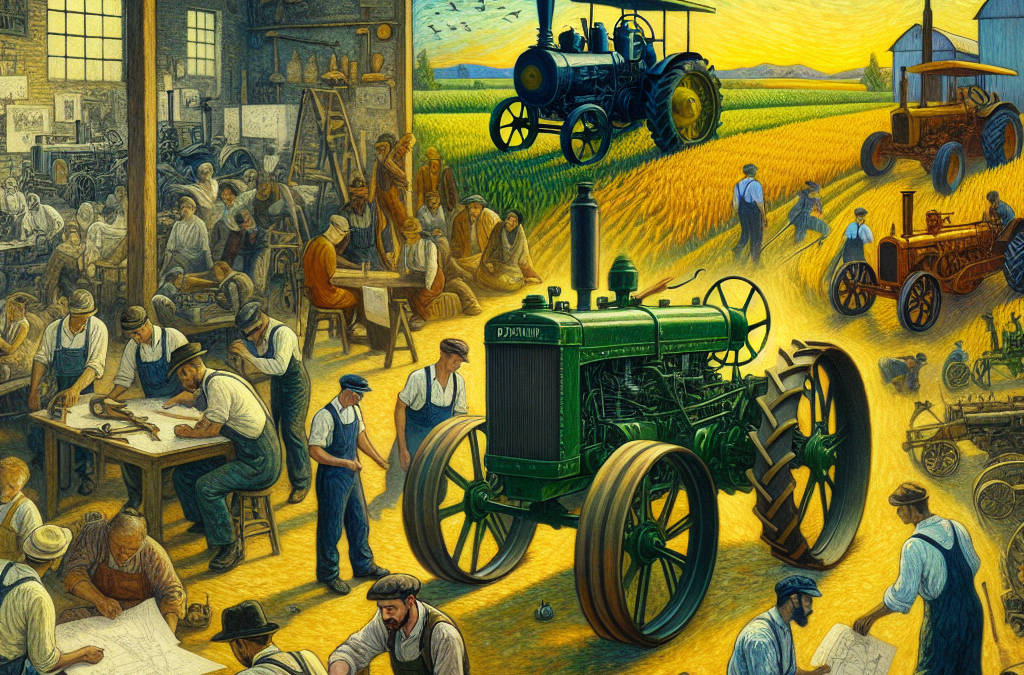
When it comes to farming, the debate over modern technologies versus classic tractors often feels more like a clash of philosophies than a simple matter of efficiency. Picture this: a dusty field under the vast expanse of blue sky, where a farmer climbs aboard a grizzled old tractor, its engine rumbling like the heartbeat of the land itself. There’s something undeniably visceral about that image—an intricate dance of man and machine, where history, sweat, and grit converge. This classic piece of equipment has seen seasons change, families grow, and communities thrive.
But today, we find ourselves at the crossroads of innovation and tradition. Yes, new farming technologies promise higher yields and precision planting. They come with sleek screens, automated systems, and the allure of data-driven farming. But as enticing as that shiny new tech may seem, we must ask ourselves: does it truly understand the soul of farming?
Before hastily trading in that trusty tractor, let’s reflect on what farming has traditionally represented. It’s not just a job; it’s a way of life, laden with ethical responsibility to the soil and community. While new technologies can enhance productivity, they often lack the human touch that is the bedrock of agriculture. Imagine the farmer who, year after year, knows their land by the feel of the ground beneath their boots. This intimate knowledge can’t be coded into an algorithm or captured by a GPS.
There’s also something inherently reassuring in the simplicity of a classic tractor. It’s an authority that comes from generations of trial and error—lessons learned the hard way. The reliability of that machine, the familiar sound it makes, the way it feels underfoot as you steer into the horizon: it embodies resilience.
So, should we reject innovation outright? Of course not! But let’s forge a path that honors the past while embracing the future. Perhaps the answer lies in finding balance—a partnership where classic tractors and new technologies coexist. After all, farming is more than just a means to an end; it’s a narrative shared across generations, a communal effort to nourish both body and spirit.
In fostering a connection between old and new, we can innovate without losing what makes us human. That, right there, is where true progress lives—in the heart of every farmer, every field, and yes, every trusty tractor.
Are New Farming Technologies Overrated Compared to Classic Tractors
Are New Farming Technologies Overrated Compared to Classic Tractors
- The debate between modern farming technologies and classic tractors reflects a clash of philosophies rather than just efficiency.
- Classic tractors symbolize a deep connection between farmers and the land, representing history, hard work, and community growth.
- Modern farming technologies offer promises of higher yields and precision but may lack the emotional connection to agriculture.
- Traditional farming embodies ethical responsibilities to the soil and community, emphasizing human touch over algorithms.
- Classic tractors are seen as reliable, built on generations of knowledge derived from trial and error.
- Balancing innovation with tradition is essential, allowing classic tractors and new technologies to coexist.
- The true essence of farming lies in shared narratives and communal efforts that nourish both the body and spirit.
Are New Farming Technologies Overrated Compared to Classic Tractors
Table Of Contents
- Are New Farming Technologies Overrated Compared to Classic Tractors
- Is The Emotional Connection To Classic Tractors Diminishing?
- Can Innovative Farming Tech Truly Enhance Productivity Sustainably?
- How Do Traditional Methods Compare To Technology In Yield Outcomes?
- Are Advancements In Farming Ethical Or Harming Small-Scale Farmers?
- Should We Trust Tech Experts Over Generations Of Farming Wisdom?
- Is Community Reliance On Classic Farming Tools Under Threat?
- Conclusion
- Other Resources
- Glossary Of Terms
- Other Questions
- Haiku
- Poem
- Checklist
Is The Emotional Connection To Classic Tractors Diminishing?
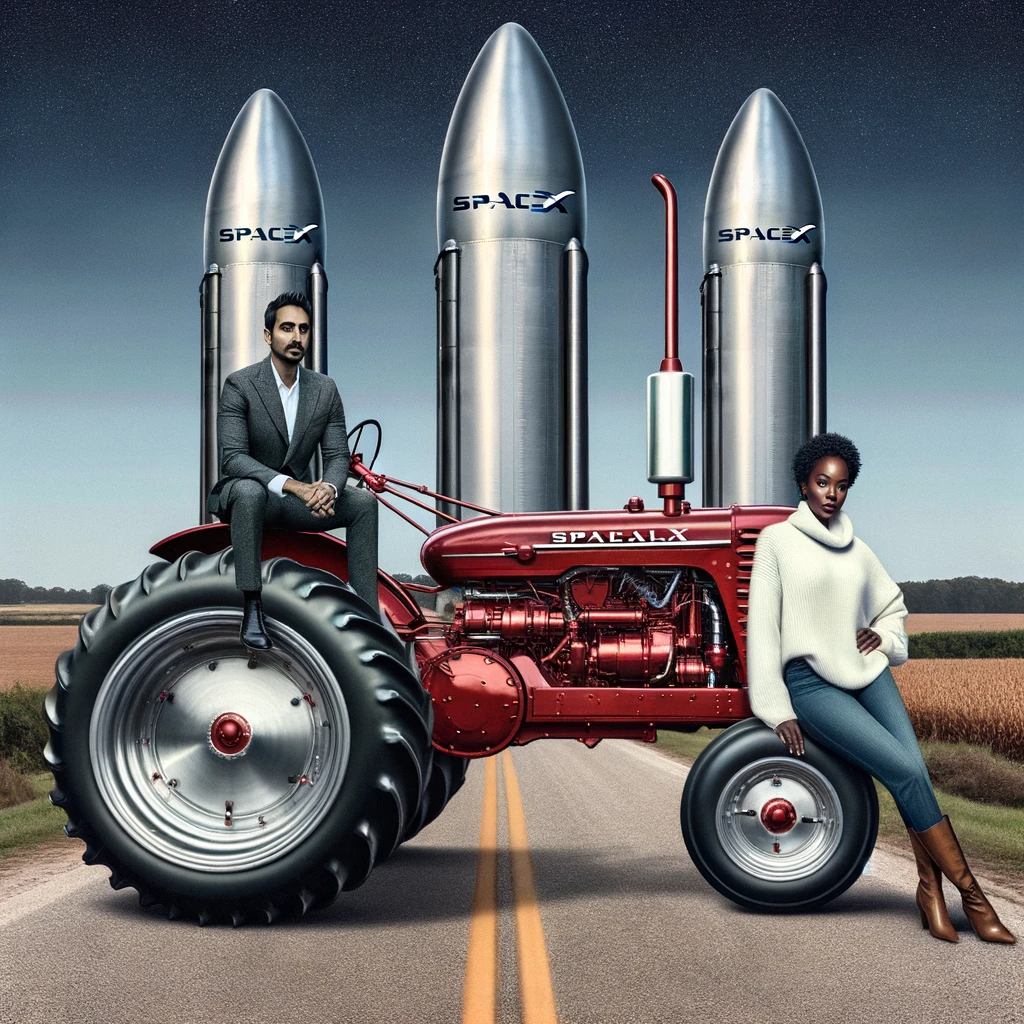
Let’s take a moment to appreciate the simple beauty of a classic tractor, its vibrant paint scratched but full of stories. For many of us, this is more than just a piece of machinery. It’s a symbol of hard work, of late-night repairs by the light of a flickering bulb, of families gathered on the porch after a long day, the sweet smell of freshly tilled earth still hanging in the air. But today, as we race through a world captivated by sleek gadgets and instant gratification, one must wonder: is that connection fading?
Emotionally, it’s hard not to feel a twinge of nostalgia when you see a well-worn tractor. These machines hold our collective memories—of generations that toiled under the sun, nurturing the very soil we walk on. Yet, as younger generations lean more toward digital experiences, we risk losing that tangible link to our past. Without that connection, our heritage begins to unravel. A tractor is more than just metal; it’s a beacon of familial pride and sweat, a reminder that nothing great comes without effort.
Rationally, the evolution of technology is undeniable. Modern farming tools have revolutionized efficiency, leading to higher yields and lower manual labor. But one has to question—at what cost? The gentle hum of a classic tractor, the rhythmic thrum of its engine, has often been replaced with sterile machines that, while advanced, alienate us from our roots. Do we truly value progress if it comes at the expense of our history?
Ethically, there’s something sacred about our connection to the land and the machinery that works it. Is it fair to trade authenticity for convenience? Heritage industries sustain communities, fostering kinship, and encouraging responsibility towards the environment. In many ways, a classic tractor represents a commitment—an unwritten promise to honor the labor that built our society.
Narratively, think of those farmers who once sat atop their tractors, navigating the fields with their children, instilling values of perseverance and diligence. Those tractors are not merely tools; they are the backbone of stories shared over campfires, tales passed down like heirlooms.
So let’s reconnect. Attend a local tractor show or even take a weekend to restore an old model. Engage with the stories and faces behind each engine. Our bond with these classic tractors may well be the thread that stitches together the fabric of our culture, grounding us amidst the whirl of modernity. Our emotional connection to these machines isn’t diminishing; rather, it yearns to be reignited, waiting for us to embrace the hands that made history.
Is The Emotional Connection To Classic Tractors Diminishing?
Is The Emotional Connection To Classic Tractors Diminishing?
- Classic tractors symbolize hard work, family bonds, and the nostalgia of simpler times.
- These machines carry collective memories of generations who cultivated the land.
- Younger generations’ shift towards digital experiences risks losing this tangible connection to heritage.
- Modern farming technology has improved efficiency but may alienate us from our roots.
- Ethically, trading authenticity for convenience undermines our commitment to the land and its preservation.
- Tractors embody stories of perseverance and are intertwined with cultural traditions.
- Reconnecting with classic tractors can help preserve our cultural fabric amidst modern distractions.
Is The Emotional Connection To Classic Tractors Diminishing?
Can Innovative Farming Tech Truly Enhance Productivity Sustainably?
When you think about it, a tractor isn’t just a machine; it’s a lifeline, a reliable partner in the grand symphony of agriculture. Picture a family farm, where generations have toiled under the sun, their hands thick with dirt and their hearts woven into the land. Each morning, that dependable tractor rolls out, a metallic steed of progress, churning the earth with the precision that a farmer’s knowledge has honed over decades. This machine represents both the promise of productivity and the weight of tradition.
But let’s pause for a moment and reflect on the challenges ahead. The climate is shifting, and with it came rising temperatures, unpredictable weather patterns, and soil degradation. Farmers are like stewards of our planet, nurturing it while facing a silent battle for sustainability. Innovative farming technology has emerged, not as an enemy of tradition, but as an ally, blending the old with the new. Whether it’s precision agriculture that uses data to maximize yields or drones that monitor crop health, producers are now equipped to farm smarter, not harder.
We all care deeply about the food on our tables. It’s the labor of love from farmers that feeds us, and we owe it to them to respect the land they cherish. Herein lies an ethical responsibility: to promote sustainable practices that honor both the Earth and those who cultivate it. It’s not just about filling our plates; it’s about securing the future and ensuring that our children inherit a thriving ecosystem while experiencing the joys of the farm.
Socially, we’re in this together. Farmers are the backbone of our communities, and by supporting innovative tech, we can foster resilience across rural America. Imagine visiting your local farmer’s market, knowing that every bite of fresh produce represents not just innovation, but a continued commitment to sustainable practices. It’s a community of trust, where technology and tradition converge for the greater good.
So, as we look to the horizon, let’s rally around the heart of agriculture. The challenge before us isn’t just about enhancing productivity; it’s about creating a legacy of sustainability that we can all be proud of. This is the time to embrace innovation, not just for ourselves but for the generations yet to come. Let’s turn the tide, one tractor at a time!
Can Innovative Farming Tech Truly Enhance Productivity Sustainably?
Can Innovative Farming Tech Truly Enhance Productivity Sustainably?
- A tractor is more than a machine; it’s a vital partner in agriculture and symbolizes both productivity and tradition.
- Climate change poses challenges to farming, including rising temperatures and soil degradation.
- Farmers act as stewards of the planet, balancing productivity with sustainability in their practices.
- Innovative farming technologies, like precision agriculture and drones, help farmers improve efficiency and sustainability.
- We have an ethical responsibility to support sustainable farming practices that honor both the land and farmers.
- Farmers are central to community resilience; supporting them contributes to the sustainability of rural America.
- Embracing agricultural innovation is crucial for creating a sustainable legacy for future generations.

Can Innovative Farming Tech Truly Enhance Productivity Sustainably?
How Do Traditional Methods Compare To Technology In Yield Outcomes?
When you drive through America’s heartland, you can’t help but admire the vast fields stretching toward the horizon. Each crop tells a story—of hard work, tradition, and resilience. Traditional farming methods, powered by grit and time-honored practices, hold a special place in our collective consciousness. Farmers have been cultivating the land with nothing more than a trusty tractor and their sheer determination for generations, producing yields that speak of heritage, community, and a connection to the earth.
But let’s not kid ourselves; the world is changing, and the conversation about yield outcomes is shifting. Technology is knocking on the barn door, offering innovative tools and big data analytics that promise to revolutionize agriculture. Imagine the possibilities: drones soaring above fields, sensors digging deep into the soil, and algorithms predicting weather patterns. These advancements can increase crop yield, conserve water, and enhance sustainability. For many, it’s a dazzling prospect—but is it really all sunflowers and rainbows?
To truly understand this dichotomy, we must acknowledge the emotional weight each method carries. Traditional farming isn’t just about the tractor; it’s about family legacies and the sweat-soaked shirts of farmers who rise with the sun and retire when the stars come out. Each furrow plowed by hand or machine isn’t just a line in the dirt; it’s a commitment to a way of life. As we embrace new technologies, could we risk losing that connection, that story ingrained in the soil?
Yet, here’s where the heart speaks to the head and gut. We don’t have to choose one over the other. The ethical imperative to feed a growing population while caring for our land calls for a balanced approach. Innovations can augment traditional practices, not replace them. For instance, imagine a farmer, using their trusted tractor, equipped with precision ag technology that not only maximizes yield but minimizes environmental impact. This unison of old and new fosters trust in the practices of agriculture—a field that thrives on responsibility and respect for the community and the earth.
So, as we transition toward a future where technology plays an integral role, let’s weave in the narratives of those who toil, ensuring our agricultural legacy isn’t just preserved but enhanced. It’s not just about yield but about enriching lives, nurturing the land, and ensuring that the stories we pass down to future generations are as vibrant as the fields we cherish.
How Do Traditional Methods Compare To Technology In Yield Outcomes?
How Do Traditional Methods Compare To Technology In Yield Outcomes?
- Driving through America’s heartland reveals vast fields embodying stories of hard work, tradition, and resilience.
- Traditional farming, reliant on grit and time-honored practices, emphasizes community and connection to the earth.
- The conversation about agriculture is evolving, with technology and big data analytics promising to revolutionize farming.
- Innovative tools, such as drones and soil sensors, offer possibilities for increased crop yield and enhanced sustainability.
- Recognizing the emotional significance of traditional farming is crucial, as it represents family legacies and a commitment to the land.
- A balanced approach can integrate technology with traditional practices, maximizing yield while minimizing environmental impact.
- Emphasizing the stories of farmers ensures agricultural legacies are both preserved and enriched for future generations.
How Do Traditional Methods Compare To Technology In Yield Outcomes?
Are Advancements In Farming Ethical Or Harming Small-Scale Farmers?
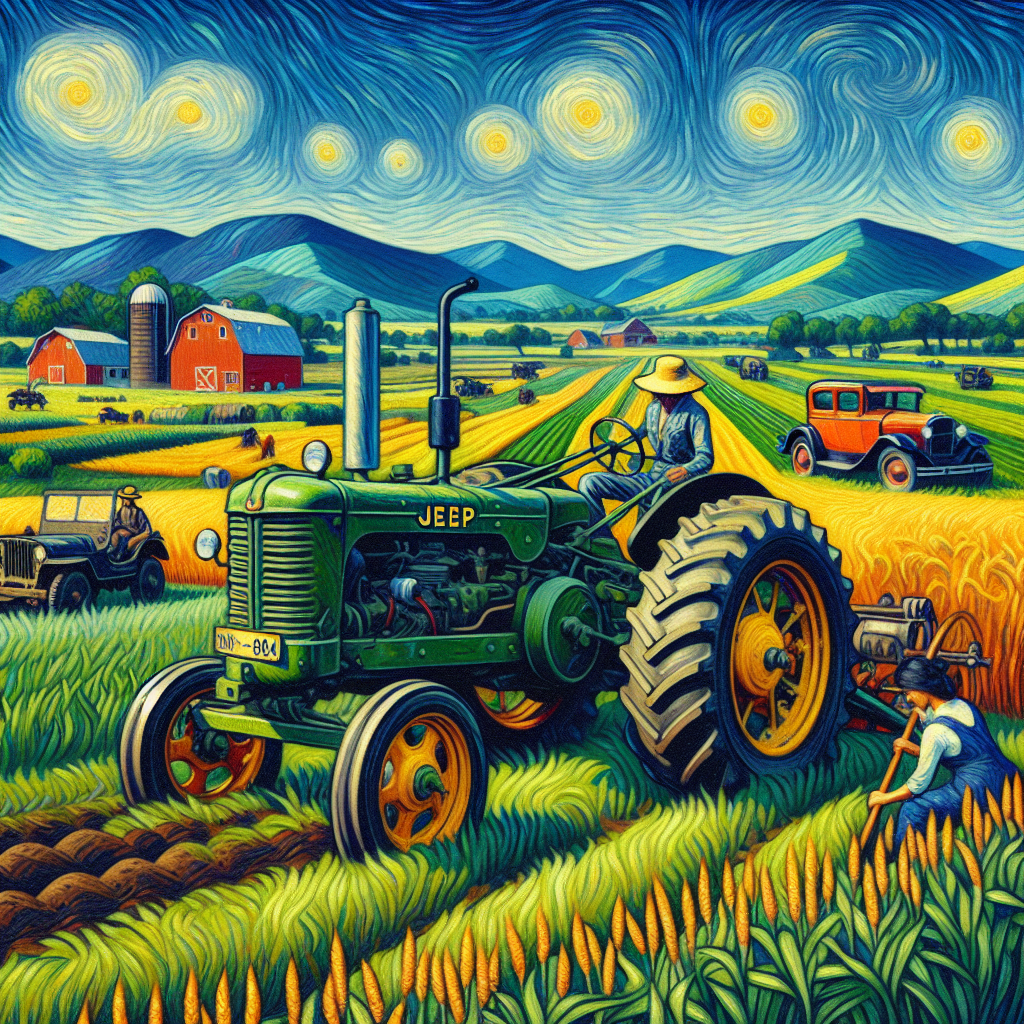
In the ever-evolving world of agriculture, the sight of a tractor rolling across vast, neatly plowed fields can evoke a mix of admiration and concern. On one hand, these modern machines symbolize the remarkable advancements that have driven our food production into the future, promising efficiency and abundance. But as we dig deeper, we must question: at what cost?
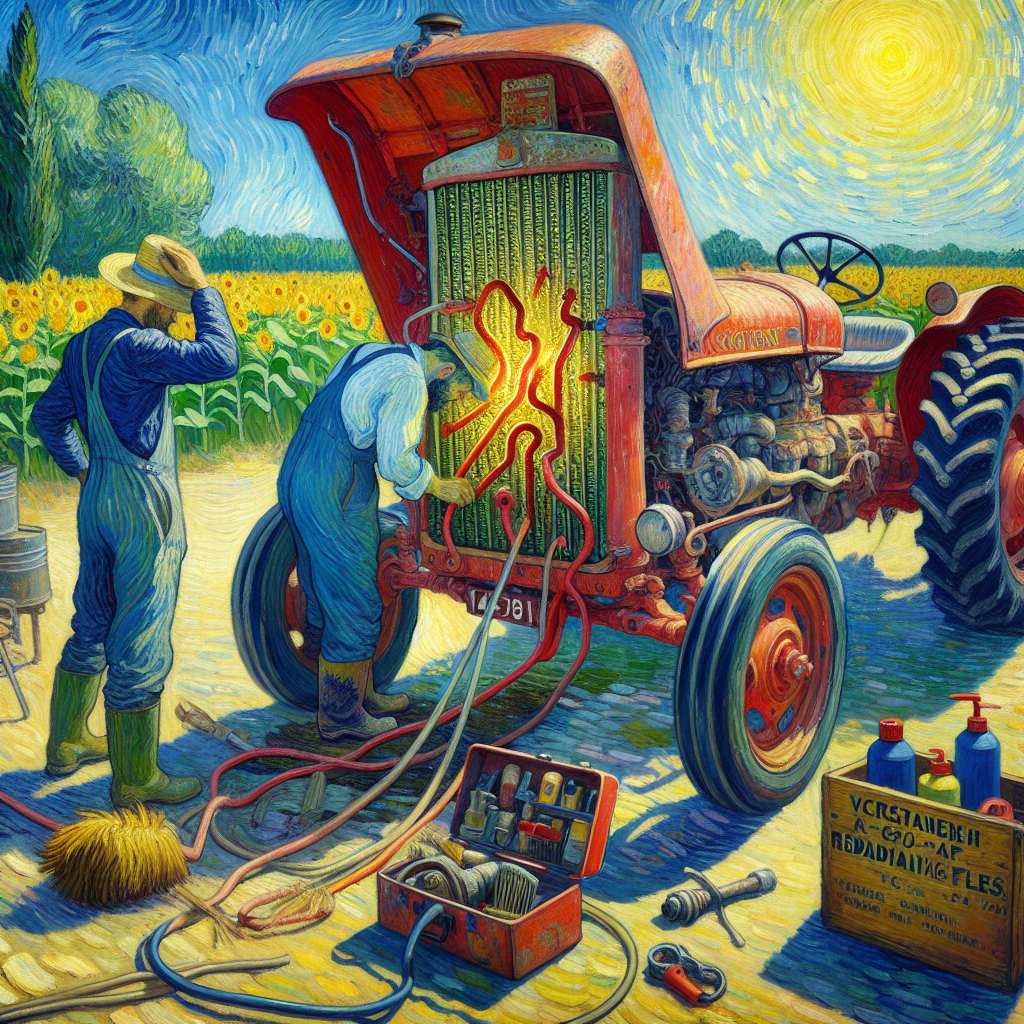
Imagine a small-scale farmer, the beating heart of a tight-knit community. For them, farming isn’t just a way to make a living; it’s a legacy, a connection to the land, and a way to nurture future generations. These farmers sweat beside their crops, relying on age-old methods passed down through families, where every seed planted is a story, every harvest a celebration of resilience. Yet, as larger agribusinesses continue to flourish, empowered by the might of mechanization and technology, the intimate dance of family farming risks being overshadowed.
The reality is stark: small-scale farmers are grappling with the onslaught of competition fueled by industrial farming. The glut of produce produced by these towering operations can devalue the painstaking efforts of those who prefer to grow quality over quantity. When a supermarket shelves corn that has traveled thousands of miles, we must pause and consider, is this efficiency truly beneficial? What does it mean for the farmer who toils in their field, pride swelling in their chest, only to find their crop diminished by a flood of cheaper, mass-produced alternatives?
This isn’t merely an economic issue. It strikes at our ethical core. We must ask ourselves: can we, with a clear conscience, choose to support a system that endangers the livelihoods of those who bring authentic food to our tables? The societal fabric is at stake, the farmer’s market feels more than just a place to buy vegetables; it’s an essential gathering space, fostering connection and understanding.
So, next time you see that shiny tractor in the distance—sure, it represents progress, but let’s not forget the stories of those tending their own fields by hand, cultivating not just crops, but community, hope, and heritage. Embrace the change, but protect the roots. It’s a delicate balance, and as consumers, we hold the power to tip the scales toward a future that nurtures—not just feeds—us all.
Are Advancements In Farming Ethical Or Harming Small-Scale Farmers?
Are Advancements In Farming Ethical Or Harming Small-Scale Farmers?
- Modern tractors represent advancements in agricultural efficiency and abundance, but they raise concerns about their impact on small-scale farmers.
- Small-scale farmers nurture their land and communities, preserving legacy and tradition while relying on age-old farming methods.
- Larger agribusinesses, fueled by mechanization, pose a threat to the intimate and resilient practices of family farming.
- Industrial farming can devalue the hard work of small-scale farmers by flooding the market with mass-produced, cheaper alternatives.
- This issue transcends economics, tapping into ethical considerations about supporting farmers who provide authentic food.
- Farmers’ markets serve as crucial community spaces that foster connection and understanding among local consumers.
- As consumers, we have the power to support sustainable practices that honor tradition while embracing progress in agriculture.
Are Advancements In Farming Ethical Or Harming Small-Scale Farmers?
Should We Trust Tech Experts Over Generations Of Farming Wisdom?
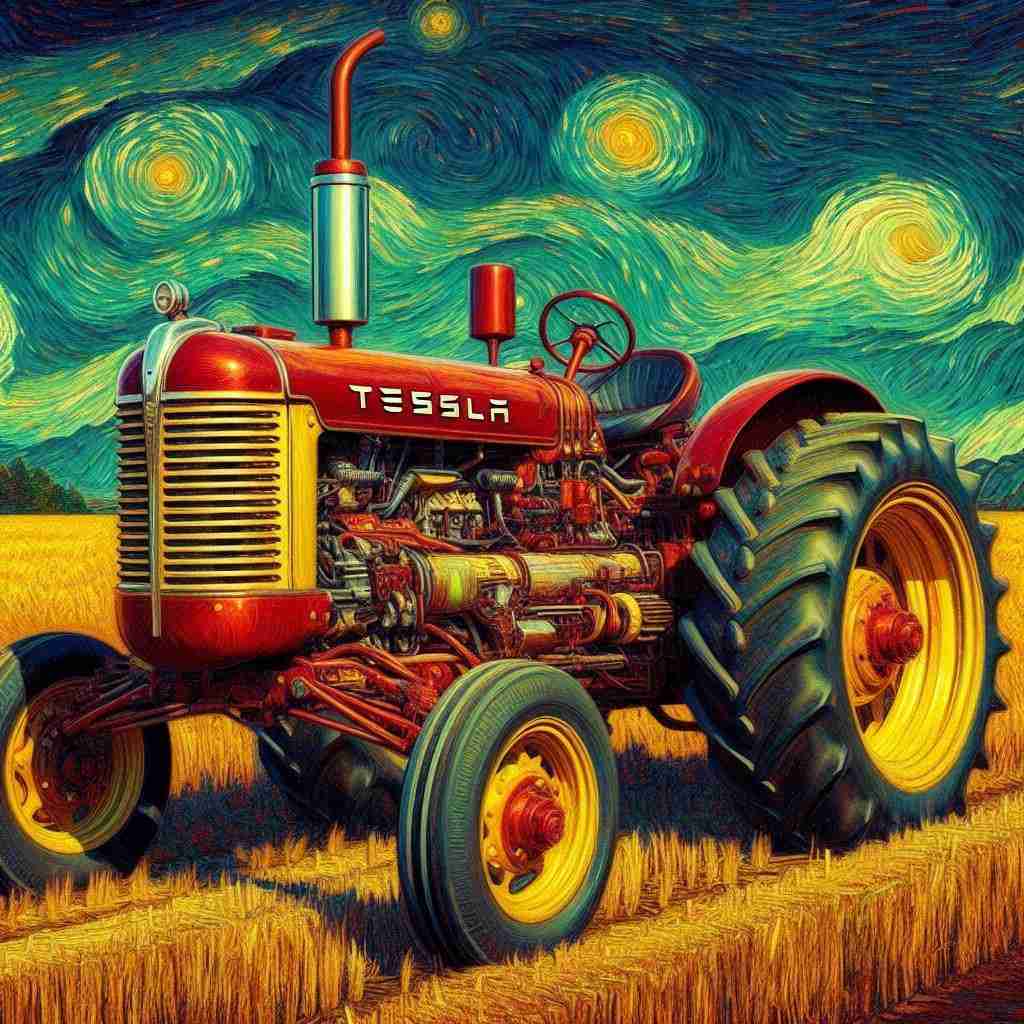
When you look out over sprawling fields, maybe you’ll spot a tractor rumbling through the soil, its engine humming a tune built on years of tradition. That machinery may symbolize progress, but it’s wrapped up in a history that stretches back generations—one filled with the wisdom of farmers who knew every inch of their land like the back of their hands. It’s tempting to lean on the latest tech expert, the one touting some shiny new gadget or algorithm that promises to revolutionize farming overnight. But should we really toss aside decades, even centuries, of farming insight in favor of the newest trend?
Let’s take a moment to honor the soil, the earth itself, and those who have tilled it. The farmers who rise with the sun and turn the soil with their bare hands do more than just plant seeds; they cultivate relationships—with the land, the livestock, and the changing seasons. Their existence isn’t just a profession; it’s a deep-seated devotion nurtured by a profound understanding of the environment. These are the folks who learned from their parents, who learned from their parents before them, passing down knowledge like a baton in a never-ending race for the most sustainable methods of production.
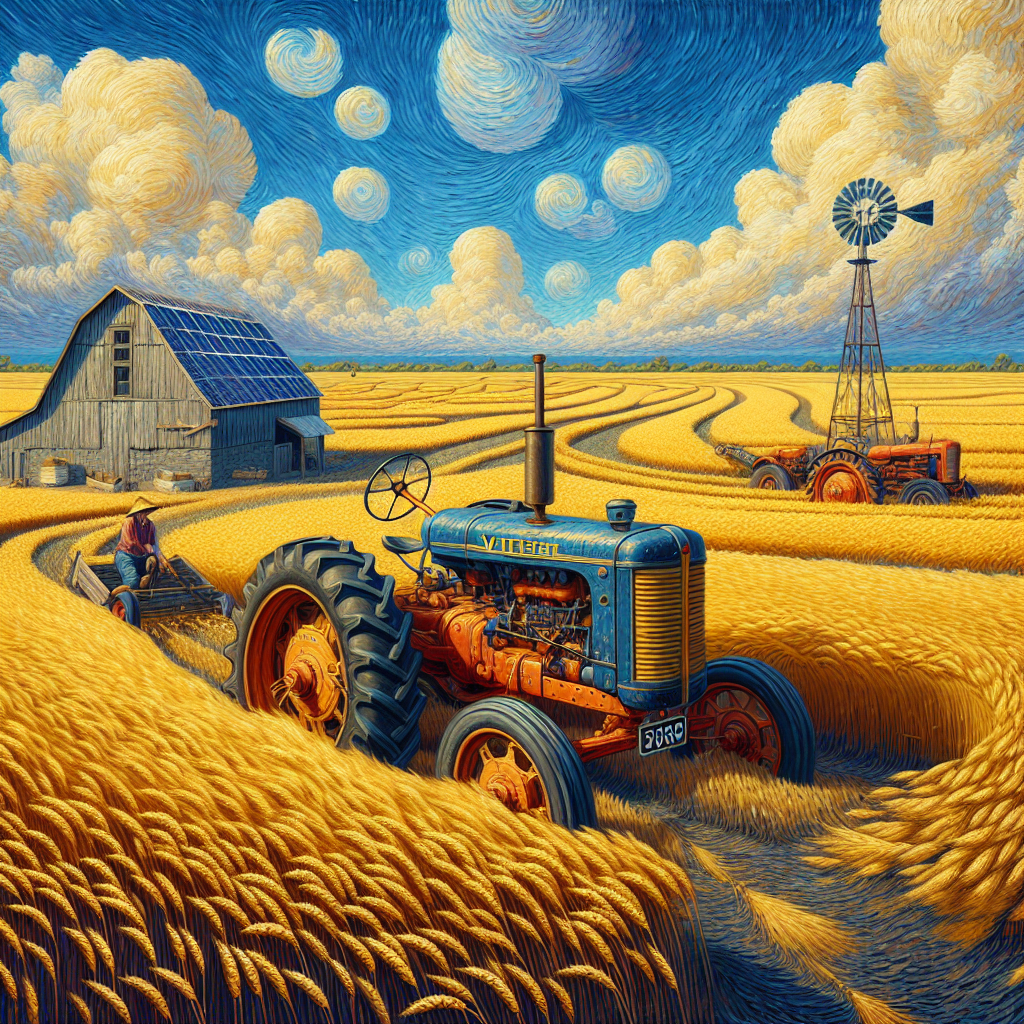
Now, don’t get me wrong. I appreciate the brilliance of technology. Innovations like efficient irrigation systems and precision farming tools have elevated agricultural practices significantly. But there’s a difference between progress and wisdom. The heart of all this lies in our ability to blend both worlds. Yes, embrace the tractor that can plow the fields faster than ever. But remember that it’s the old farmer’s intuition, honed through years of experience, which tells which crop will flourish best in what season and how to prepare when Mother Nature throws a curveball.
When we marry these two realms, we create a robust approach that’s not merely about profits but ensures that every harvest nourishes our communities ethically and sustainably. It’s a delicate dance between innovation and tradition. So, before we hand our future over entirely to tech experts, let’s listen to the voices that have spoken to the land for generations. There’s pride in working with both the plow and the program; together they forge a path toward a more resilient food system that honors our past while embracing the future. It’s not just about what we know—it’s how we choose to trust those who’ve walked the path before us.
Should We Trust Tech Experts Over Generations Of Farming Wisdom?
Should We Trust Tech Experts Over Generations Of Farming Wisdom?
- Tractors symbolize progress, deeply rooted in agricultural tradition.
- Farmers possess invaluable knowledge of their land, passed down through generations.
- Emphasizing the importance of honoring the soil and the farmers who cultivate it.
- Farmers cultivate relationships with the land, livestock, and seasons through their work.
- Technology can enhance farming but must be blended with traditional wisdom.
- A combination of innovation and tradition can lead to sustainable agricultural practices.
- Listening to experienced farmers can guide us toward a more resilient food system.
Should We Trust Tech Experts Over Generations Of Farming Wisdom?
Is Community Reliance On Classic Farming Tools Under Threat?
In a world racing towards innovation, there’s something undeniably poignant about the rumbling heartbeat of a tractor, cutting through rows of rich, dark soil. It’s not just machinery; it’s our heritage. For generations, this trusty workhorse has symbolized the hard work and resilience of farmers, connecting us to the land in a way that’s visceral and profound. Yet today, we stand at the crossroads of progress and tradition, where the tools that have served us faithfully may be at risk of becoming relics in a high-tech age.
Think about it: a tractor isn’t merely a piece of equipment. It embodies the sweat of ancestors who toiled under the sun, the wisdom passed down through families, and the very force that feeds our communities. But as flashy innovations like drones and autonomous vehicles emerge, the appeal of these classic farming tools is being overshadowed. Will future generations know the satisfaction that comes from learning the intricacies of their grandfather’s tractor? Or will they be so enraptured by the allure of screens and algorithms that they forget the tactile beauty of traditional farming?
Rationally, we can understand the need for efficiency in a world where feeding a growing population is a pressing concern. Yet, there’s a gut feeling we can’t ignore—the simple joy of seeing a tractor plow the fields, the way it stirs up memories and ignites pride. This isn’t just about tools; it’s about maintaining a relationship with our roots and nurturing the very soil that sustains us.
In ethical terms, should we not honor the past while intelligent advancements steer us toward the future? We owe it to our communities to strike that delicate balance. After all, cultivating a sense of pride in our agricultural history fosters social cohesion, forging stronger bonds within neighborhoods built on respect for hard work and a shared love of the land.
It’s time to take a stand, to advocate for a more integrated approach that values both innovation and tradition. Let’s preserve the legacy of the tractor, sharing its stories with young farmers eager to learn. By championing these classic farming tools, we not only save an emblem of our farming identity but also inspire trust in each other as stewards of the earth, united in purpose and pride. Together, we can ensure that our connection to the land endures, nurtured by both modern and classic means.
Is Community Reliance On Classic Farming Tools Under Threat?
Is Community Reliance On Classic Farming Tools Under Threat?
- The tractor symbolizes the hard work and resilience of farmers, connecting us to our agricultural heritage.
- As technology evolves, traditional farming tools like tractors risk becoming overlooked in favor of high-tech solutions.
- Tractors embody the legacy of ancestral toil and the wisdom passed down through generations.
- There is a concern that future generations may prioritize modern innovations over the tactile experience of traditional farming.
- Maintaining a relationship with our roots is crucial in nurturing the soil that sustains us and feeding a growing population.
- It’s important to honor the past while embracing intelligent advancements for a balanced approach to farming.
- Championing the tractor and its legacy fosters social cohesion and trust among communities committed to agriculture.
Is Community Reliance On Classic Farming Tools Under Threat?
Conclusion
As we reach the conclusion of our exploration into the age-old debate between modern farming technologies and classic tractors, it’s clear that this discussion is far more than just a matter of efficiency and productivity. It’s a heartfelt dialogue, a narrative woven into the fabric of our communities, generations, and landscapes—the essence of who we are as stewards of the land.
Picture a beloved tractor, weathered by the seasons and stories, those wheels rolling over fields that have sustained families for generations. That’s not just machinery; that’s heritage. It’s the blood, sweat, and tears of farmers who’ve perfected their craft under the open sky, knowing every inch of their land with an intimacy that no algorithm could replicate. They represent a commitment to tradition and responsible stewardship—a legacy that modern tech sometimes seems at odds with, despite its promise of higher yields and efficiency.
But let’s not throw the baby out with the bathwater. We’re standing at an intersection where innovation can enrich tradition rather than replace it. Yes, modern farming tools and data-driven strategies have their place, offering solutions in the face of mounting challenges like climate change and food security. However, we must ask ourselves—the price of progress shouldn’t come at the expense of our roots. It’s not just about technology; it’s about maintaining the heart of what farming truly means.
Ethically, there’s a responsibility here: to honor the knowledge passed down through generations, recognizing that the best path forward lies in collaboration, not competition. Integrating classic methods with modern advancements can foster a sustainable farming practice that respects both the earth and the community it nourishes.
Let’s envision a future where shiny new gadgets work hand-in-hand with an old, dependable tractor—a partnership where tradition and innovation coexist to create a food system that not only fills plates but also nurtures the soul. It’s about fostering community, rekindling connections, and ensuring that the values of hard work, pride, and respect for the land continue to thrive.
So, as we embrace this dynamic era of agriculture, let’s commit to a dialogue that honors the past while paving the way for the future. It’s not a choice between old and new; it’s about finding balance, creating resilience, and ensuring our agricultural legacy not only survives but flourishes. Because in the end, each furrow plowed isn’t merely a mark in the dirt; it’s a promise—a promise to honor our heritage while nurturing the next generation of farmers, who will carry the stories, the wisdom, and yes, the old tractors into tomorrow’s fields. Let’s cherish that connection; let’s cultivate that garden of memories together.
Conclusion
Conclusion:
- The debate between modern farming technologies and classic tractors is deeply rooted in community and heritage.
- Classic tractors symbolize tradition, embodying the dedication of farmers and their relationship with the land.
- Modern farming tools offer solutions to challenges like climate change and food security.
- Progress should not come at the expense of agricultural roots and the essence of farming.
- There is an ethical responsibility to honor traditional farming knowledge and promote collaboration over competition.
- A future where innovation works alongside tradition can build a sustainable and nurturing food system.
- Embracing a balance between old and new ensures the survival and flourishing of our agricultural legacy.
Conclusion
Other Resources
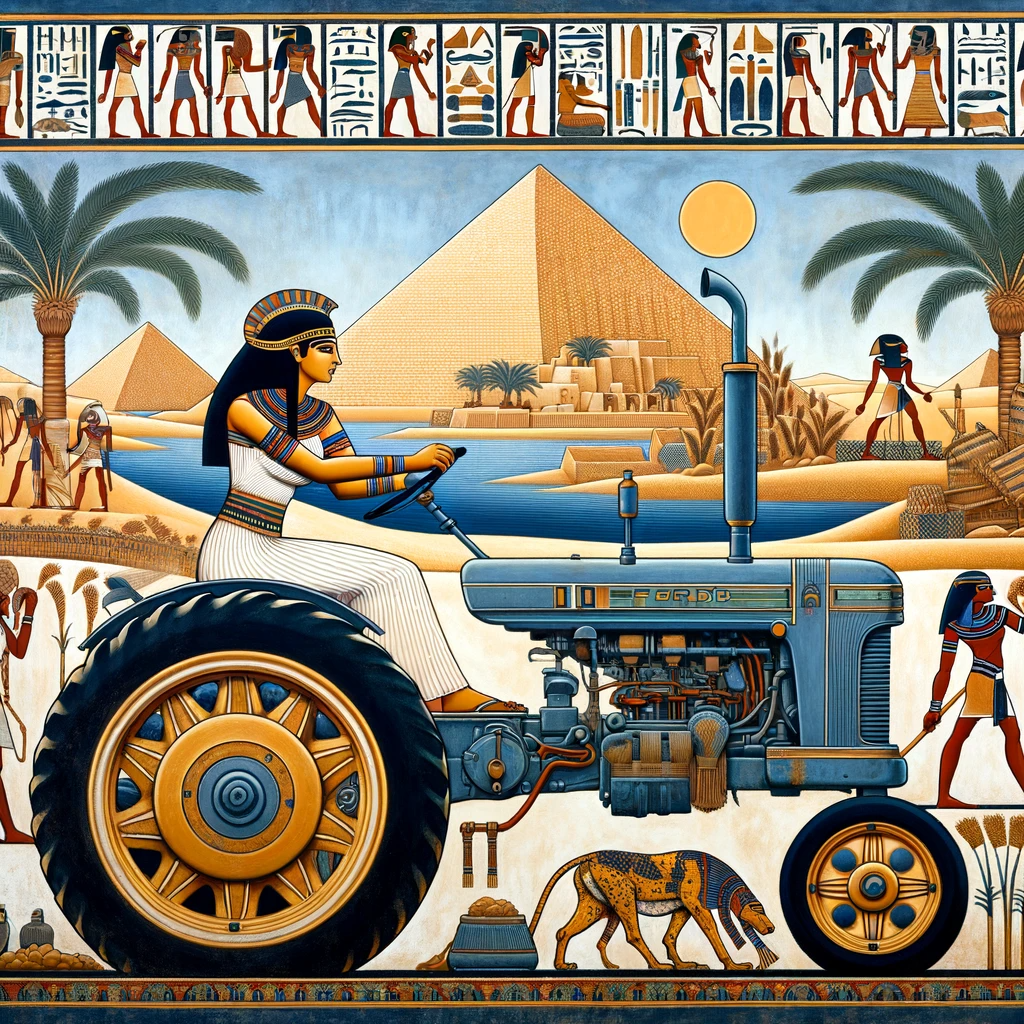
Other Resources
Here is a list of other resources you can review online to learn more:
- Farm Equipment Manufacturers Association
- McCormick
- Holder
- Siromer
- Louisville Tractor Pull
- Arma Trac
- Daedong
- Fahr
- Atlantic Farm Mechanization Show
- Denning
Use This Prompt To Get More Resources With Your Favorite Online AI Tool: Please provide me with a list of online articles with their URLs in a bulleted list that I can read regarding Are New Farming Technologies Overrated Compared to Classic Tractors
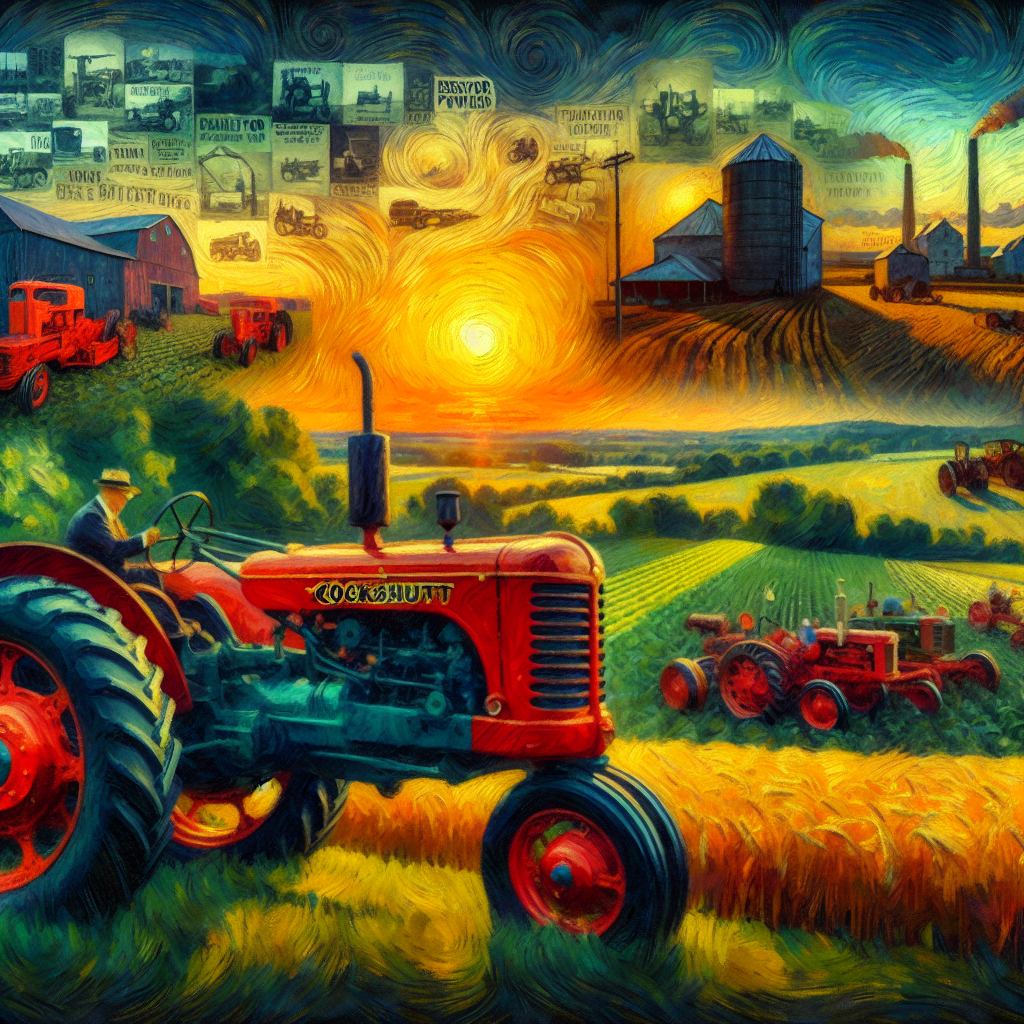
Other Resources
Glossary Terms
Are New Farming Technologies Overrated Compared to Classic Tractors – Glossary Of Terms
1. Precision Agriculture: A farming management concept that uses technology to monitor and manage field variability in crops to optimize yield.
2. IoT (Internet of Things): A network of physical objects embedded with sensors and software to collect and exchange data in real-time, improving agricultural processes.
3. Autonomous Tractors: Self-driving tractors equipped with GPS and AI technology to operate without human intervention, enhancing farming efficiency.
4. Drones: Unmanned aerial vehicles used in agriculture for crop monitoring, mapping, and spraying, providing real-time data to farmers.
5. Big Data: Large volumes of complex data generated from farming operations, which can be analyzed to improve decision-making and agricultural practices.
6. Soil Sensors: Devices that monitor soil conditions, such as moisture level and nutrient density, to assist in precision farming and reduce waste.
7. Vertical Farming: An agricultural practice where crops are grown in stacked layers or vertically inclined surfaces, often utilizing controlled-environment agriculture.
8. Hydroponics: A method of growing plants without soil, using mineral nutrient solutions in an aqueous solvent, often integrated with vertical farming techniques.
9. Conventional Tractors: Traditional farming vehicles powered by internal combustion engines, primarily used for plowing, tilling, and transporting goods.
10. Livestock Monitoring Systems: Technologies that track the health and activity levels of farm animals, aiding in ensuring animal welfare and productivity.
11. AgriTech: Innovations and technologies aimed at improving farming practices and agricultural efficiency, including robotics and biotechnology.
12. Smart Irrigation: Systems that automate watering practices based on real-time data about weather and soil moisture, optimizing water use in agriculture.
13. Crop Rotation: The practice of planting different crops sequentially on the same land to improve soil health and reduce pest buildup.
14. Yield Mapping: The process of measuring and recording crop yield across different areas of a field to analyze performance and improve future crops.
15. Biodiversity: The variety of plant and animal life in agricultural ecosystems, which contributes to resilience and ecological balance.
16. Climate-Smart Agriculture: A set of farming practices designed to increase resilience to climate change while maximizing productivity and sustainability.
17. Farm Management Software: Digital tools used by farmers to manage resources, data, and finances more efficiently, enhancing overall farm productivity.
18. Robotic Harvesters: Machines designed to automate the harvesting process, reducing labor costs and increasing efficiency during peak harvest times.
19. Organic Farming: A method of farming that avoids synthetic fertilizers and pesticides, focusing on natural processes to maintain soil health.
20. Blockchain in Agriculture: A digital ledger technology used for improving traceability and transparency in food supply chains, enhancing consumer trust and safety.
21. Agroecology: An approach to farming that integrates ecological principles into agricultural practices to create sustainable and resilient food systems.
22. Tillage: The agricultural preparation of soil by mechanical agitation, traditionally performed by tractors, but now being challenged by reduced-tillage practices.
23. Connective Farming: A concept involving the integration of various technologies and data systems to streamline and enhance farming practices.
24. Farm-to-Fork: A holistic view of the food supply chain from production on farms to delivery to consumers, emphasizing sustainability and quality.
25. Sustainable Agriculture: Farming practices that maintain the health of the environment, economy, and community by balancing agricultural productivity and ecological viability.
26. Microclimate Management: The practice of optimizing specific environmental conditions within farming areas, often facilitated by new technology.
27. Crop Health Monitoring: Techniques and tools used to evaluate plant health, identifying stress factors early for better yield outcomes.
28. GIS (Geographic Information System): A framework for gathering, managing, and analyzing spatial data related to farming, helping in land management and planning.
29. Renewable Energy in Agriculture: The use of sustainable energy sources, such as solar and wind, to power farming operations and reduce greenhouse gas emissions.
30. Mechanical Weeding: The use of machines instead of chemicals to remove weeds, minimizing herbicide reliance and promoting healthier ecosystems.
Glossary Of Terms
Other Questions
Are New Farming Technologies Overrated Compared to Classic Tractors – Other Questions
If you wish to explore and discover more, consider looking for answers to these questions:
- What are the key benefits of classic tractors over modern farming technologies?
- How does the emotional bond with classic tractors influence farming practices today?
- What specific innovations in farming technology have shown actual improvements in productivity?
- Are there any studies comparing long-term yields from traditional farming versus modern techniques?
- What ethical considerations arise when large agribusinesses dominate the farming landscape?
- How can small-scale farmers compete with advancements in technology and industrial farming?
- In what ways can modern farming tools incorporate traditional practices for better sustainability?
- How do farmers view the role of technology in maintaining community and family farming legacies?
- What are some risks associated with relying solely on technology in farming?
- Can anyone share personal stories of how classic tractors have influenced their farming experiences?
- How can we ensure that the history and knowledge of traditional farming methods are preserved?
- What role do tractor shows and restoration projects play in keeping the connection to classic farming tools alive?
- How does the public perception of farming technology versus classic methods affect local farming communities?
- What are practical steps that communities can take to support local farmers in this changing landscape?
- Are there successful examples of farms that have integrated both classic and modern techniques?
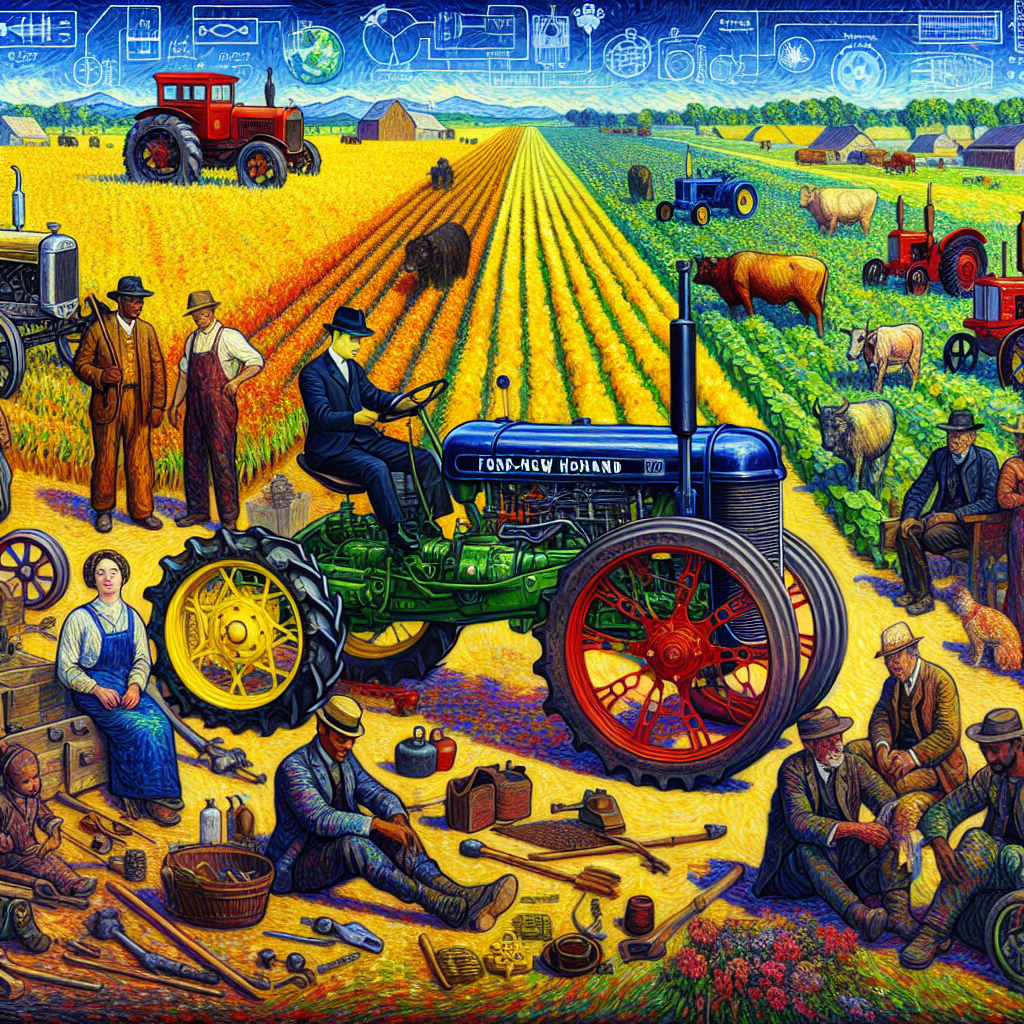
Other Questions
Haiku
Are New Farming Technologies Overrated Compared to Classic Tractors – A Haiku
Old machines still hum,
Hearts and hands in fields align—
Progress meets the past.
Haiku
Poem
Are New Farming Technologies Overrated Compared to Classic Tractors – A Poem
A Tractor’s Legacy: Bridging Past and Future
In fields where sun and soil entwine,
Beneath the vast and open sky,
A tractor hums, a heartbeat divine,
Its metal sings of days gone by.
Hands worn from toil tell stories deep,
Of sweat and pride through generations,
A trusted steed, where memories seep,
A tapestry of rural foundations.
But here we stand at the crossroads bright,
Where innovation beckons with shiny grace,
Precision’s whisper, a digital light,
Yet do these wonders hold the farmer’s face?
With screens aglow and data’s might,
We chase efficiency, can’t question the cost,
Will algorithms know the soil’s delight,
Or the pulse of the earth that we risk to lost?
Yet let us not exclude the wisdom thrived,
In tales of farmers, hearts intertwined,
Their knowledge rooted, traditions derived,
With every seed sown, their legacy’s aligned.
Embrace the blend of old and new,
Let tractors roll with drones in the mix,
For every yield that we now pursue,
Respect the soil, for its health interfix.
Support the small, where community grows,
Against the tide of mechanized rains,
A market vibrant where the ethics flow,
Each bite a testament to their pains.
With hands and machines, a dance to respect,
Together we forge a path yet untold,
In hybrid farming, our future connect,
A legacy built on stories, both rich and bold.
So let’s celebrate the tractors of old,
And the stories they cradle in rust and dust,
For in them resides a connection of gold,
A heritage cherished, a future we trust.
In the heart of each farmer, through trials and cheer,
Lies the truth of a land that we hold so dear,
Together we rise, through seasons we write,
A tapestry woven in love, hope, and light.
Poem
Checklist
Are New Farming Technologies Overrated Compared to Classic Tractors – A Checklist
Checklist: Embracing the Balance Between Modern Farming Technologies and Classic Tractors
Emotional Appeals:
1. Reflect on Heritage: Take a moment to share or journal about your memories related to classic tractors or farming in general. How do these stories shape your perspective on agriculture?
2. Visit a Tractor Show: Look for local events showcasing classic tractors to rekindle that emotional connection to farming history.
3. Reconnect with Community: Attend a community gathering (like a farmers market) and engage with local farmers about their experiences and traditions.
Rational Appeals:
4. Research Yield Data: Investigate how traditional farming methods compare with modern technological advancements in terms of yield and sustainability.
5. Evaluate Technologies: Make a list of the new farming technologies available and consider their potential advantages and drawbacks in comparison to classic methods.
Ethical Appeals:
6. Support Local Farmers: Commit to purchasing a portion of your groceries from local, small-scale farms to support your community and ethical agricultural practices.
7. Promote Sustainability: Explore and advocate for farming practices that respect the land and encourage sustainability, considering how technology can play a role without sacrificing ethical responsibilities.
Authority Appeals:
8. Consult Experts: Seek out and engage with local agricultural experts or seasoned farmers to gain insight into the balance of tradition and technology in farming.
9. Read Historical Accounts: Explore books or documentaries focusing on the history of farming practices to appreciate the evolution of agricultural tools and methods.
Narrative Appeals:
10. Document a Farming’story: Write or share stories about a family member’s experience in farming—how they used classic tractors and faced challenges, integrating their narrative into your understanding of agriculture today.
11. Create Discussion Groups: Start a conversation group focusing on farming narratives—both modern and traditional—to foster understanding and appreciation for both worlds.
Social Appeals:
12. Engage in Community Workshops: Participate in or organize workshops that teach traditional farming methods alongside modern techniques, creating a platform for shared knowledge.
13. Promote Local Initiatives: Join or support community initiatives that focus on maintaining traditional farming practices while exploring new technological advancements.
By following this checklist, you can foster a deeper understanding and appreciation for the stories, traditions, and innovative practices that shape the future of farming, creating a balance that honors the past while embracing modern advancements.
Checklist
At ClassicTractorNews, we help tractor lovers keep up with the latest news for classic and vintage tractors.
Please share this post with your friends, family, or business associates who may like old classic or vintage tractors.