

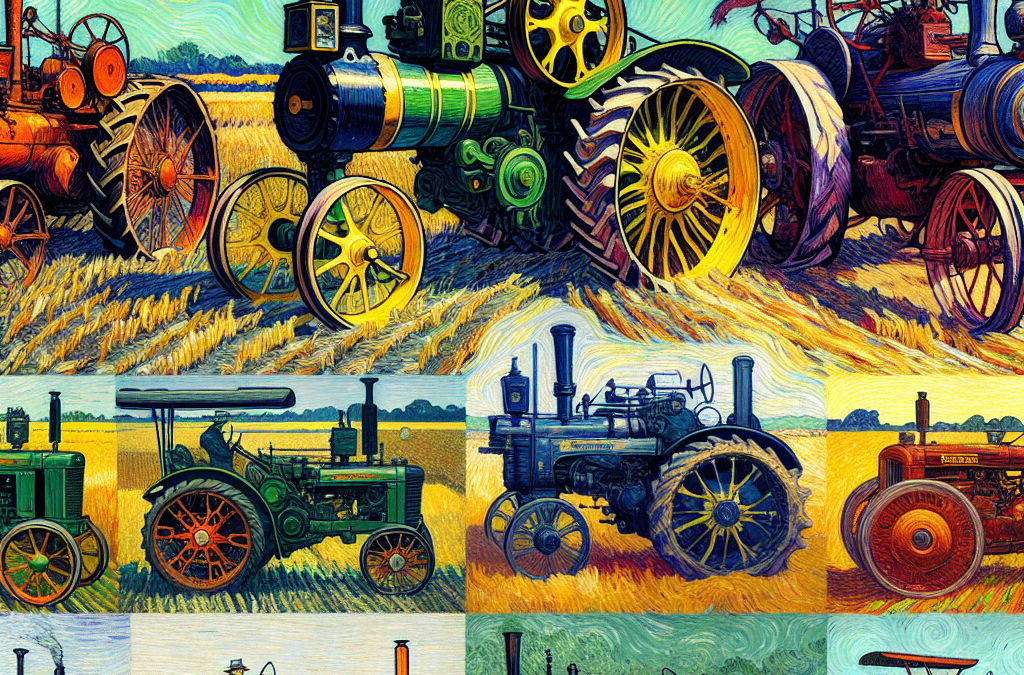
Exploring Value: The Heartfelt Debate On Narrow Vs. Wide-Front Tractors
By Tom Seest
At ClassicTractorNews, we help tractor lovers keep up with the latest news for classic and vintage tractors.
Please share this post with your friends, family, or business associates who may like old classic or vintage tractors.
Are Narrow-Front Tractors Worth Less Than Wide-Front Ones?
When it comes to the world of farming, the choice between narrow-front and wide-front tractors can feel like a crossroads, where emotional ties entwine with practical considerations. Picture the farmer, standing amid vast fields, their hands gripping the steering wheel of their trusty tractor—a lifeline to the land. The narrow-front tractor has its charm; it zips through rows, skirting young plants as deftly as a dancer on a stage. But does that make it less valuable than its wide-front counterpart, which embodies stability and power?
Let’s start with the heart. There’s a palpable connection farmers have with their machinery. For many, tractors are not just machines; they’re partners in the daily grind. A narrow-front tractor, with its nimble design, can evoke nostalgia, crying out to long-held traditions, to those familiar sounds of the past. It’s often the heart and soul of family farms, passed down from generation to generation. But the real question lingers: Does that history translate into value?
From an emotional lens, it’s tempting to lean towards the narrow front. Yet, stepping back and looking at the head—the numbers tell a different story. Wide-front tractors offer a sense of security. The wider stance provides stability, especially on uneven terrain. It’s not just a matter of preference; it’s about efficiency and safety. Those factors resonate deeply with the bottom line. A more stable tractor translates to less risk of tipping, which can mean fewer repair costs and more productive hours spent in the field, making a clear argument for their worth.
Ethics plays a role too. The decision between the two types of tractors isn’t just financial; it’s about stewardship of the land. A narrow-front tractor might allow for more agility, but wide-front tractors can manage heavier loads more effectively, reducing the number of trips required and lessening the carbon footprint. In a time when farmers strive for sustainability, that ethos matters.
We are driven not just by dollars, but by our community and legacy. If every farmer examines their needs, respecting both emotional ties and practicalities, they can find trust in their choices. A narrow-front tractor may speak to the heart, but wide-front options can resonate through the intellect and ethics of farming; it’s about balancing nostalgia with the modern mission. In this landscape, farmers can forge a path that honors tradition while embracing the future.
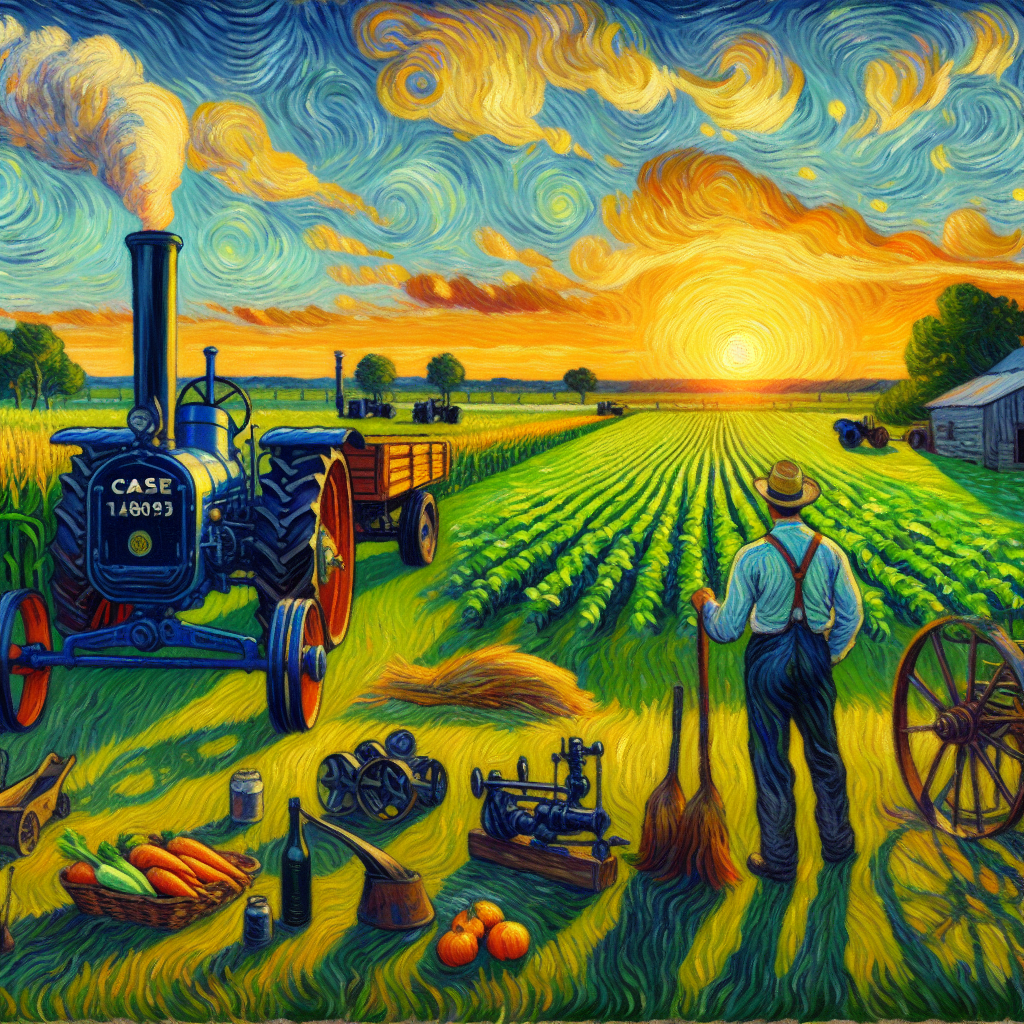
Are Narrow-Front Tractors Worth Less Than Wide-Front Ones?
Are Narrow-Front Tractors Worth Less Than Wide-Front Ones?
- The choice between narrow-front and wide-front tractors reflects both emotional ties and practical considerations for farmers.
- Narrow-front tractors are nimble, evoke nostalgia, and are often passed down through generations.
- Wide-front tractors provide stability and security, essential for efficiency and safety on uneven terrain.
- The wider stance of wide-front tractors reduces the risk of tipping, leading to lower repair costs and increased productivity.
- Ethically, the choice impacts land stewardship, with wide-front tractors managing heavier loads and reducing carbon footprint.
- Farmers must balance emotional connections with practical needs to make informed decisions that honor tradition while embracing modernity.
- Acknowledging both heart and intellect is crucial for farmers navigating their options in contemporary agriculture.
Are Narrow-Front Tractors Worth Less Than Wide-Front Ones?
Table Of Contents
- Are Narrow-Front Tractors Worth Less Than Wide-Front Ones?
- Are Narrow-Front Tractors Safer for Field Maneuverability?
- Do Narrow-Front Tractors Offer Better Stability on Slopes?
- What Advantages Do Wide-Front Tractors Provide In Crop Management?
- Are Narrow-Front Tractors More Efficient In Tight Spaces?
- Can Wide-Front Tractors Handle Heavier Loads More Effectively?
- What Do Farmers Prefer Based on Their Experiences with Each Type?
- Conclusion
- Other Resources
- Glossary Of Terms
- Other Questions
- Haiku
- Poem
- Checklist
Are Narrow-Front Tractors Safer for Field Maneuverability?
When you step onto a farm, you’re stepping into the heart of America. It’s where the land meets the labor, and the unsung heroes behind the wheel of a tractor are just as vital as the soil they till. Among these machines, narrow-front tractors have emerged as an essential tool for farmers navigating uneven fields and close quarters. As we dive into the world of agricultural machinery, it’s important to consider whether these tractors are truly safer and more efficient for maneuverability in challenging terrains.
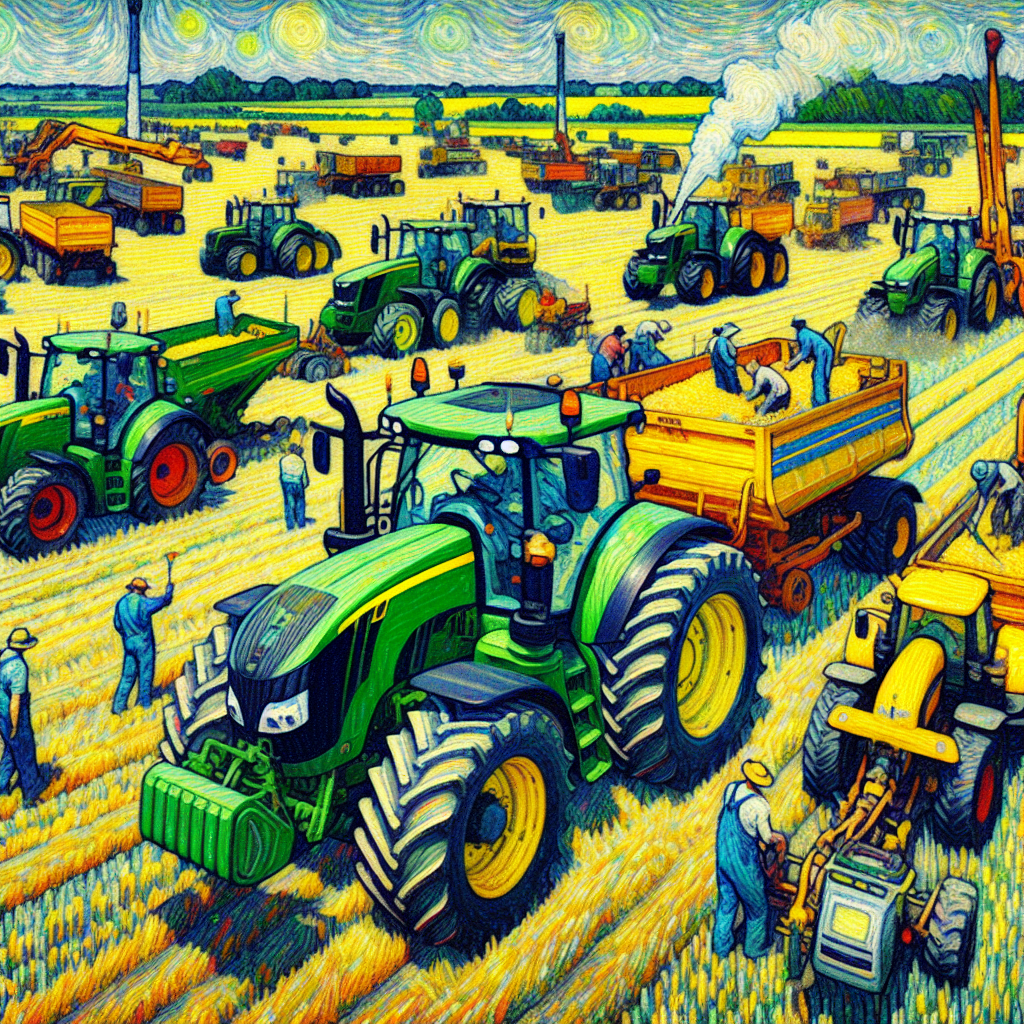
Picture a sprawling field, where each turn of the tractor could mean the difference between a successful harvest and a costly misstep. Farmers often find themselves in situations where tight corners, rows of crops, and unexpected landscape changes demand a delicate touch. Narrow-front tractors are designed with this in mind. Their slim profile allows for sharper turns and increased agility, which can help reduce the risk of accidents. This isn’t just about convenience; it’s about ensuring the safety of those who work the land and the livelihood they depend on.
Rationally, one must consider the science behind these designs. With a narrower front, the weight distribution and center of gravity shift in a way that can dramatically affect stability. In fields prone to sudden inclines or uneven terrain, traditional wide-front tractors can be prone to tipping or rolling. By opting for a narrow-front model, farmers can make informed decisions that prioritize not just efficiency, but safety as well. This elevates the importance of choosing the right tools—making a decision that safeguards the operator and upholds the legacy of family farms.
With the ethical obligation to protect both the land and those who work on it, adopting narrow-front tractors is a testament to a farmer’s commitment to safety. These choices echo through generations, reminding us that every action taken in the fields carries weight. The trust placed in these machines should inspire confidence, as farmers embrace technology that improves their lives while respecting the heritage of their craft.
Navigating the complexities of agricultural work means supporting one another. When farmers come together to share experiences, educating peers on the advantages of narrow-front tractors fosters a community that values safety and efficiency. By raising awareness about the benefits of these tractors, every farmer can contribute to a better, safer farming landscape. In this interconnected web of machinery and humanity, narrow-front tractors symbolize a future where innovation and tradition can coexist, ensuring that every journey across the field is as safe as it is fruitful.
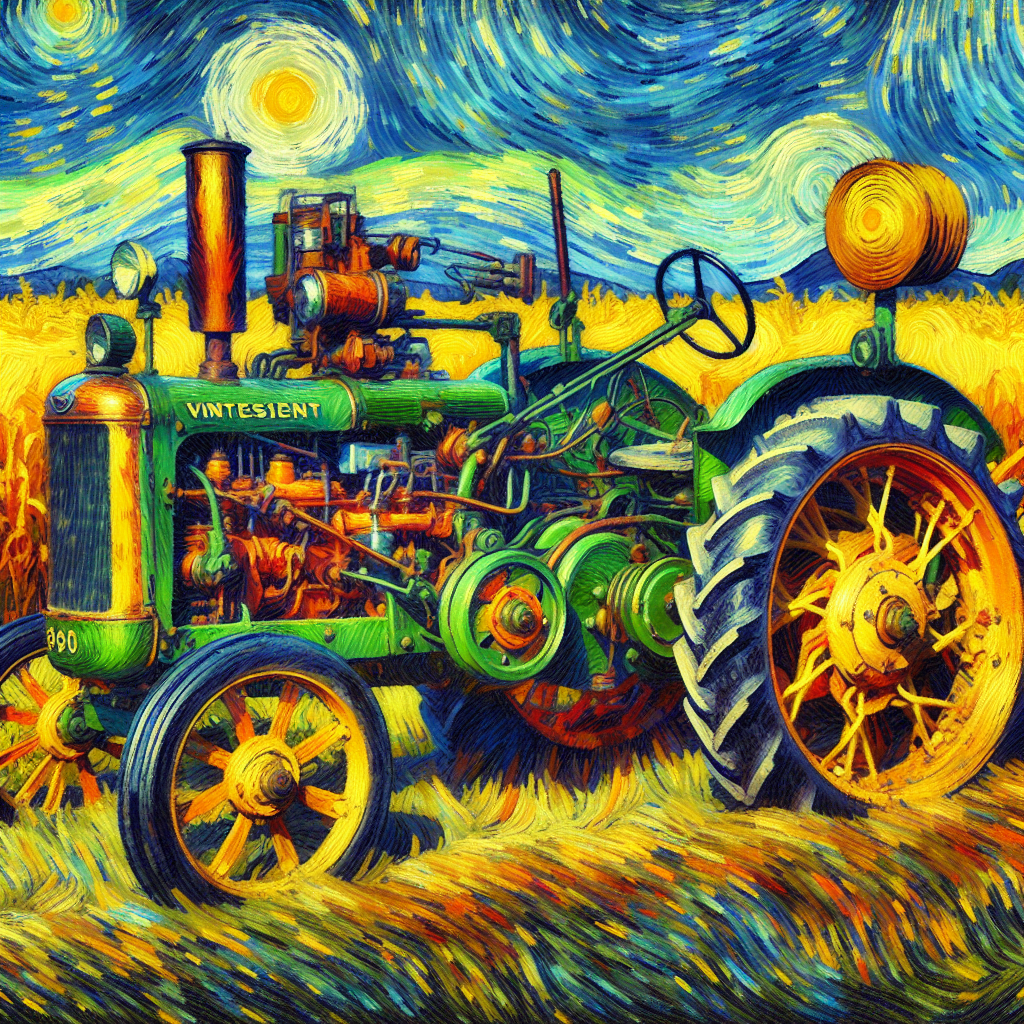
Are Narrow-Front Tractors Safer for Field Maneuverability?
Are Narrow-Front Tractors Safer for Field Maneuverability?
- Narrow-front tractors are essential for farmers navigating uneven fields and close quarters.
- Their slim profile allows for sharper turns and increased agility, reducing accident risks.
- Narrow-front tractors shift weight distribution and center of gravity, enhancing stability.
- These tractors are safer than traditional wide-front models, especially on inclines and uneven terrain.
- Adopting narrow-front tractors reflects a farmer’s commitment to safety and land protection.
- Farmers sharing experiences about narrow-front tractors fosters a community valuing safety and efficiency.
- Narrow-front tractors symbolize a future where innovation coexists with farming tradition.
Are Narrow-Front Tractors Safer for Field Maneuverability?
Do Narrow-Front Tractors Offer Better Stability on Slopes?
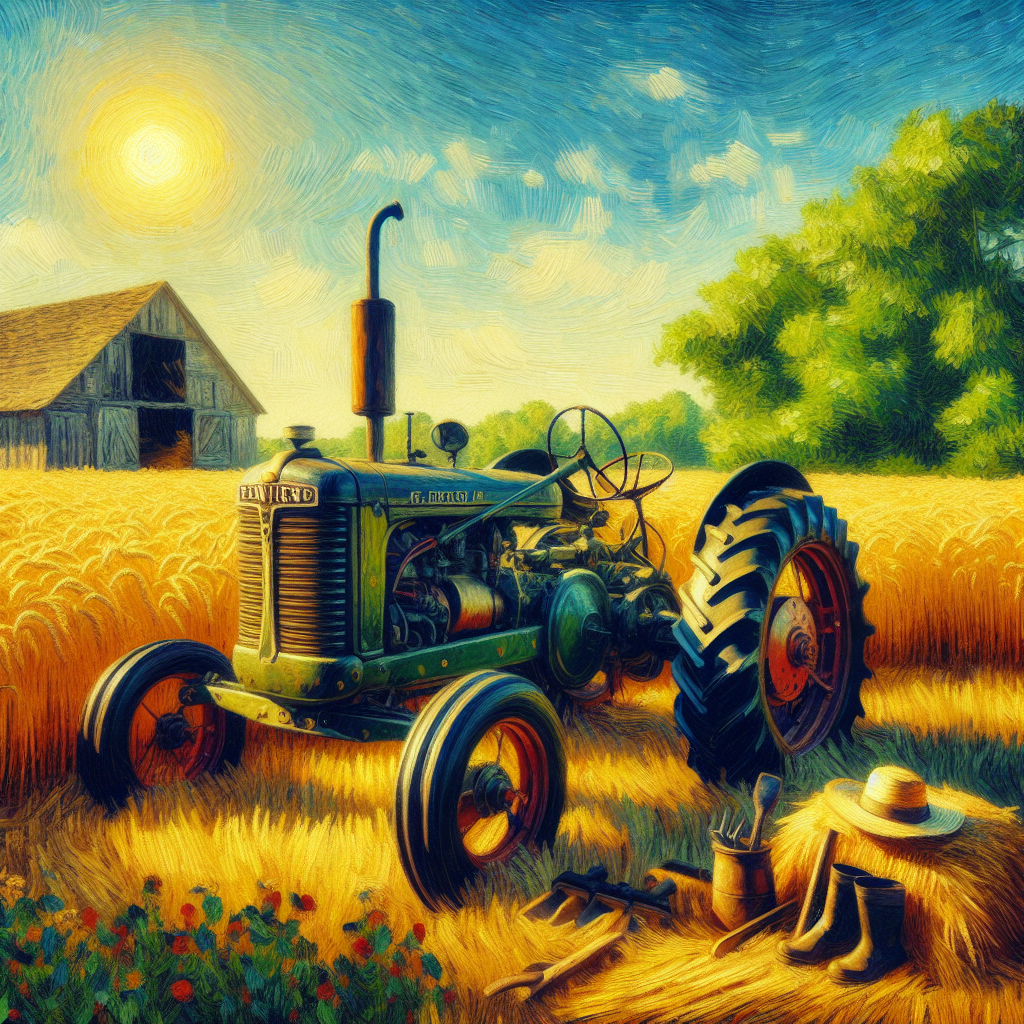
When you think of the rugged landscape of farming, imagine the sight of a narrow-front tractor navigating the slopes of a steep hill, its sturdy frame gripping the earth with unwavering confidence. This isn’t just about machinery; it’s about the livelihoods that depend on reliability and safety. These tractors, with their unique design, have shown themselves to be not just tools, but companions in the pursuit of successful farming.
From a practical standpoint, narrow-front tractors are engineered for stability. Their design lowers the center of gravity, a crucial feature when you’re tilting towards the edge of a slope. Imagine standing on the brink of that hill, heart racing as you navigate the rich soil. You want the assurance that your tractor won’t tip over when it matters most. That’s trust built into every weld and bolt. Farmers who rely on narrow-front tractors can focus on the task at hand, whether it’s planting crops or harvesting, rather than worrying about their safety.
But there’s more at stake than just mechanics. Stability on inclines is about making informed decisions that affect families and communities. Farmers know that every moment spent worrying about equipment is a moment taken away from nurturing the land and providing for loved ones. Narrow-front tractors offer peace of mind, empowering farmers to work with confidence. This reliability fosters a sense of responsibility—not just to oneself but to the entire community reliant on local agriculture.
Additionally, these tractors have centuries of trusted performance behind them. They stand as a testament to innovation and evolution in farming practices. Sharing stories of success, farmers often recount how the right equipment has led to greater yields and safer operations. It’s a narrative of resilience, commitment, and community.
Engaging with this equipment isn’t merely transactional; it’s about connection. When you’re behind the wheel, feeling the vibrations of the engine and the warmth of the sun on your back, you become part of a larger story—one of perseverance and dedication. Each narrow turn on that slope becomes a testament to your skill and a partnership with the land. It’s these moments that inspire not just trust in the machinery but also in the spirit of farming itself.
Choosing a narrow-front tractor isn’t just a decision based on specifications; it’s an emotional investment in your future, your family, and the community. It’s a commitment to getting the job done, no matter how challenging the slope may be.
Do Narrow-Front Tractors Offer Better Stability on Slopes?
Do Narrow-Front Tractors Offer Better Stability on Slopes?
- Narrow-front tractors are designed for stability and reliability in steep terrains.
- Their low center of gravity reduces the risk of tipping, providing safety during operation.
- Farmers can concentrate on agricultural tasks without worrying about equipment instability.
- The tractors symbolize a commitment to community and family, not just machinery.
- They have a history of performance, showcasing advancements in farming technology.
- Using narrow-front tractors fosters a connection between farmers, their land, and their work.
- Choosing this equipment is an emotional investment in future agricultural success.
Do Narrow-Front Tractors Offer Better Stability on Slopes?
What Advantages Do Wide-Front Tractors Provide In Crop Management?
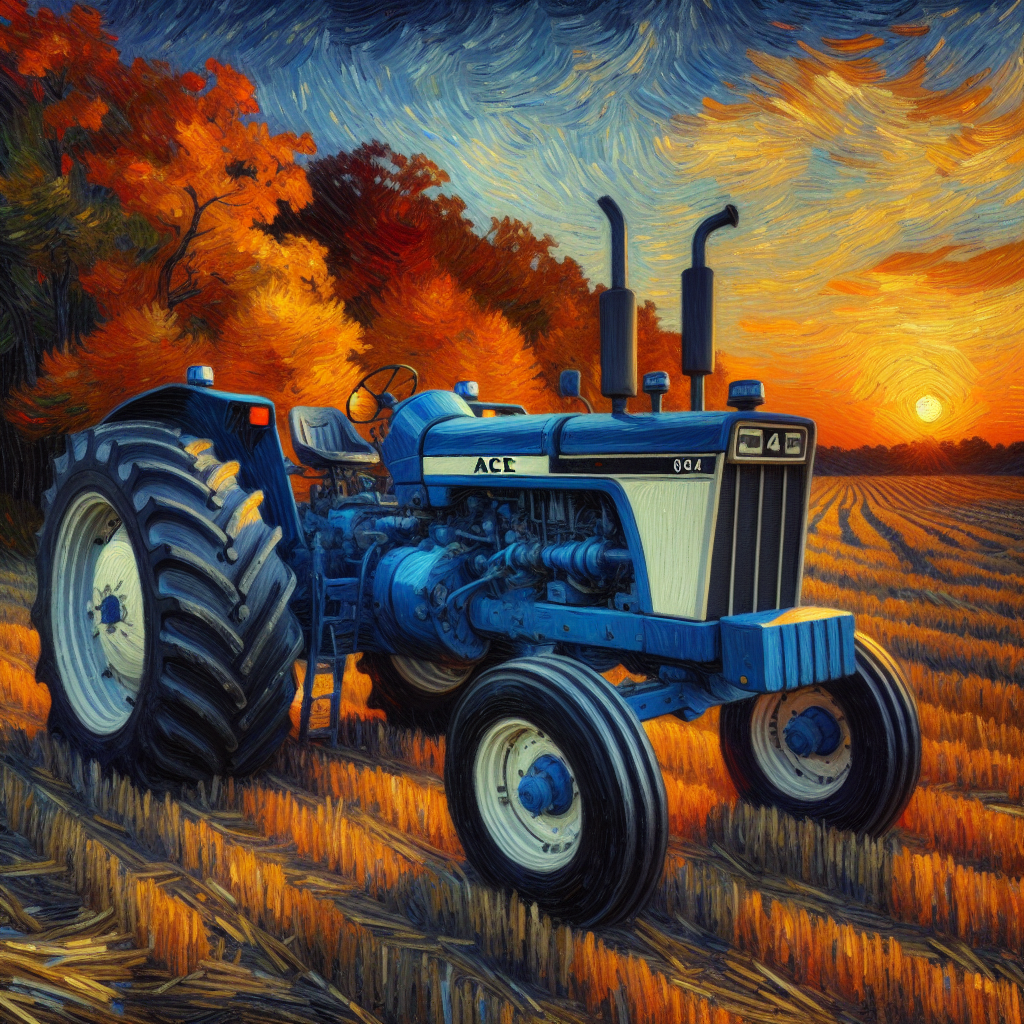
When it comes to farming, the right equipment can mean the difference between thriving crops and a struggling harvest. Enter the wide-front tractor—a marvel of engineering that’s more than just a piece of machinery; it’s a lifeline for farmers navigating the complex world of crop management. Imagine a vast field, bursting with grain, each plant a testament to the hard work and dedication of those at the helm of the tractor.
These tractors make a profound impact on efficiency and effectiveness. With their wide stance, they offer stability that traditional tractors can’t match. This stability translates into precise handling while navigating uneven terrain, which is crucial when you’re trying to minimize soil compaction and maximize yield. The result? Healthier crops growing in optimal conditions. Farmers understand that nurturing the land is not just a job; it’s a stewardship that demands respect and care.
Moreover, wide-front tractors allow for increased versatility. Whether it’s plowing, planting, or harvesting, these machines adapt seamlessly to a spectrum of tasks, much like a jack-of-all-trades. Imagine the satisfaction of moving across the field, effortlessly switching from one function to another, knowing you’re not just saving time, but also optimizing resources—an idea that resonates deeply with anyone who has ever wrestled against the clock while managing a busy season.
From a safety perspective, these tractors promote a reduction in accidents. Their stability provides a secure platform, allowing operators to focus on the job at hand rather than worry about tipping over on steep inclines or rocky patches. This safety fosters an environment where everyone involved feels confident and empowered. In agriculture, every decision can have profound implications, not just for the farmer but for the entire community relying on their harvest.
The costs associated with maintenance and fuel efficiency often pinched farmers’ budgets. Wide-front tractors are designed with efficiency in mind. Their robust build tends to lower overall repair costs, reducing downtime and financial strain. This financially sound choice resonates with the heart and gut of anyone managing a farm, where every dollar counts.
Choosing a wide-front tractor is about embracing progress while honoring the tradition of farming. It’s about the connection between the land, the machinery, and the people who work tirelessly to ensure that crops flourish. This unity forms the backbone of agriculture, inspiring a sense of pride and a commitment to sustainability that is essential in today’s world.

What Advantages Do Wide-Front Tractors Provide In Crop Management?
What Advantages Do Wide-Front Tractors Provide In Crop Management?
- Wide-front tractors enhance farming efficiency, significantly impacting crop yields.
- They provide greater stability compared to traditional tractors, enabling precise handling on uneven terrain.
- These tractors offer versatility, adapting to various tasks like plowing, planting, and harvesting.
- The stability of wide-front tractors reduces the risk of accidents, promoting a safer working environment.
- They are designed for fuel efficiency and lower maintenance costs, easing financial burdens on farmers.
- Choosing wide-front tractors represents a blend of progress and respect for traditional farming practices.
- This machinery fosters a connection between land, equipment, and the commitment to sustainable agriculture.
What Advantages Do Wide-Front Tractors Provide In Crop Management?
Are Narrow-Front Tractors More Efficient In Tight Spaces?
When you look at the modern farming landscape, it’s hard not to notice the evolution of machinery designed to tackle the unique challenges posed by tight spaces. Enter the narrow-front tractor, a machine that embodies both ingenuity and necessity. These streamlined marvels of engineering are not just machines; they are tools of resilience in a world where every inch of space matters.
Imagine a farmer navigating their fields, where traditional tractors struggle to maneuver between rows of crops. The narrow-front tractor steps in like an old friend, easily weaving through, preserving the integrity of the plants while enhancing productivity. It’s not just about efficiency; it’s about respect for the land, for the work that has gone into cultivating it. This connection to the earth and the labor involved reminds us of our roots and the hard-earned results of our efforts.
Efficiency is the name of the game in agriculture today. Narrow-front tractors offer that edge by utilizing less space. They are designed to maximize operational speed without compromising on power or capability. This is where the rational mind can appreciate the numbers: higher productivity in tighter spaces directly translates to better yields. For farmers, this isn’t just an abstract benefit; it’s about feeding families and communities, an ethical responsibility that weighs heavily on their shoulders.
Moreover, the narrative behind these tractors goes beyond mechanics. It’s about farmers pushing boundaries, breaking barriers, and finding innovative solutions to problems that once seemed insurmountable. Stories of overcoming obstacles resonate deeply; they remind us that even in tight spots, success is possible when we adapt and embrace new technology.
The social aspect is equally significant. As communities rally around sustainable farming practices, narrow-front tractors stand as symbols of forward-thinking. They foster a sense of community, showcasing how collective innovation can lead to shared success. When one farmer thrives, their success ripples through the community, inspiring others to invest in the right tools for their own challenges.
Narrow-front tractors are not merely efficient machines; they embody the spirit of progress in farming. They symbolize a commitment to innovation, respect for the land, and a shared responsibility to our community. As we face the future, these tractors remind us that with the right tools, we can tackle any tight space life throws our way.
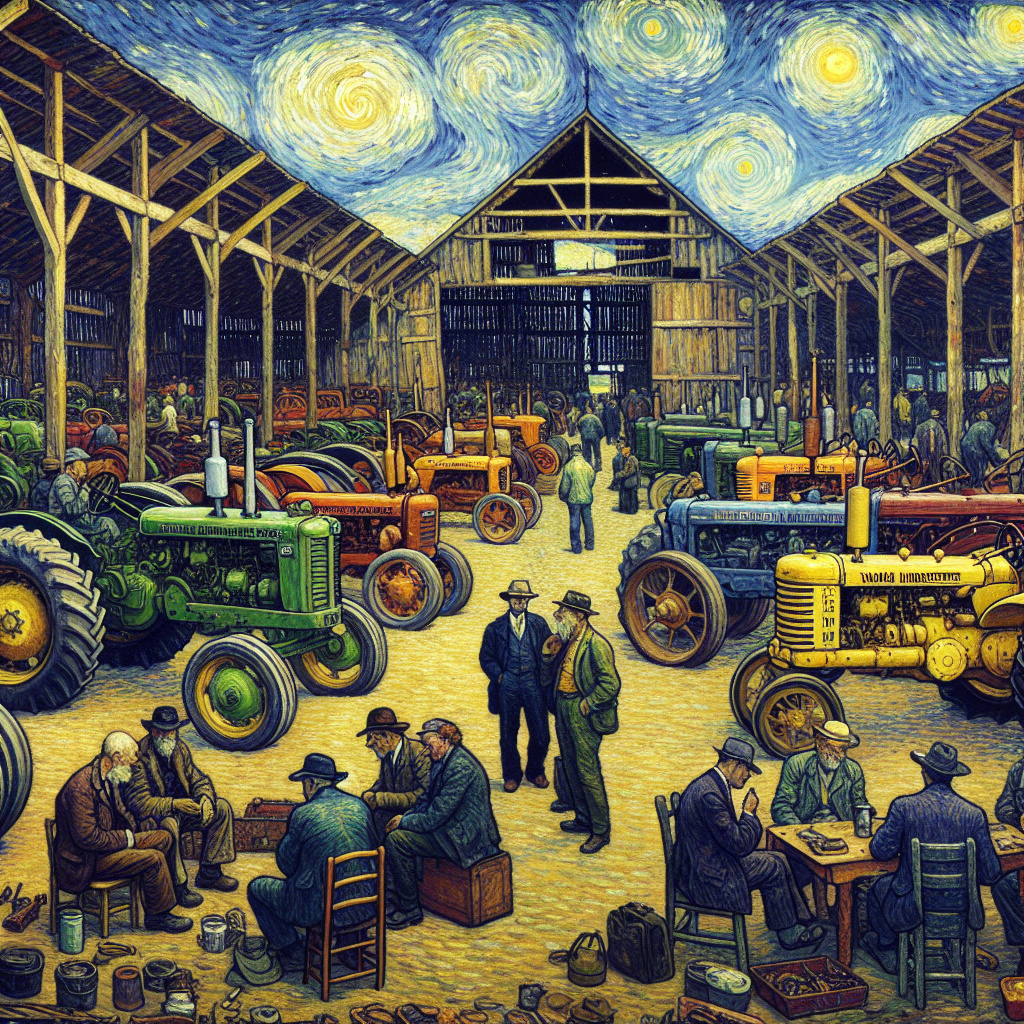
Are Narrow-Front Tractors More Efficient In Tight Spaces?
Are Narrow-Front Tractors More Efficient In Tight Spaces?
- Narrow-front tractors address the challenges of maneuvering in tight spaces in modern farming.
- They enhance productivity while preserving the integrity of crops.
- Efficiency is maximized through the design, allowing for higher yields in smaller areas.
- The machines symbolize resilience and innovation among farmers facing unique agricultural challenges.
- Narrow-front tractors represent a shift towards sustainable farming practices within communities.
- Success in farming with these tractors creates a ripple effect, inspiring others to adopt innovative tools.
- They embody a commitment to progress, innovation, and shared responsibility within farming communities.
Are Narrow-Front Tractors More Efficient In Tight Spaces?
Can Wide-Front Tractors Handle Heavier Loads More Effectively?
When you think about the world of farming, the image of a steadfast tractor comes to mind, a faithful companion in the sweat and toil of the fields. Wide-front tractors are not just machines; they embody the spirit of hard work and resilience. These robust vehicles serve as an extension of the farmer’s will, transforming raw efforts into bountiful harvests. But can they indeed handle heavier loads more effectively? The simple answer is yes, and let’s explore why that matters.
First, let’s consider the engineering behind a wide-front tractor. With their wider wheelbase and balanced design, these tractors distribute weight more evenly across the ground, reducing soil compaction—a growing concern in agriculture. With less pressure on the earth, these tractors allow crops to thrive, ensuring fertile lands remain productive for generations. Here, we touch on an ethical responsibility to preserve resources while maximizing output. Heavy lifting only becomes burdensome if it threatens sustainability.
Emotionally, these tractors are always ready to show up when the stakes are high, whether it’s the early morning frost or the late evening heat. They evoke a sense of reliability. When farmers trust their equipment, it’s not just a practical choice; it’s a declaration of faith in the tools that support their livelihood. A well-chosen wide-front tractor becomes part of the family, ushering in a sense of pride as it tackles the load without flinching.
Rationally, the numbers are clear. These tractors can bear greater weight without sacrificing maneuverability or speed. They boast advanced engineering that not only meets but exceeds industry standards. When you’re out in the field with a heavy load, having that extra capacity is not just convenient; it can be the difference between a successful season and a challenging one.
Narratively, we see families across the country gathering around these machines, sharing stories of hard work and determination. In a world that often glorifies the quick fix, this dedication to heavy-duty equipment offers a refreshing reminder that real results come from grit and time spent where it matters most.
In summation, investing in a wide-front tractor isn’t merely a choice of machinery; it’s a strategic decision that resonates with the heart, logic, and moral compass of anyone dedicated to cultivating land. As you weigh your options, remember that the right tool can elevate your efforts, forge connections within your community, and cultivate not only crops but legacies.
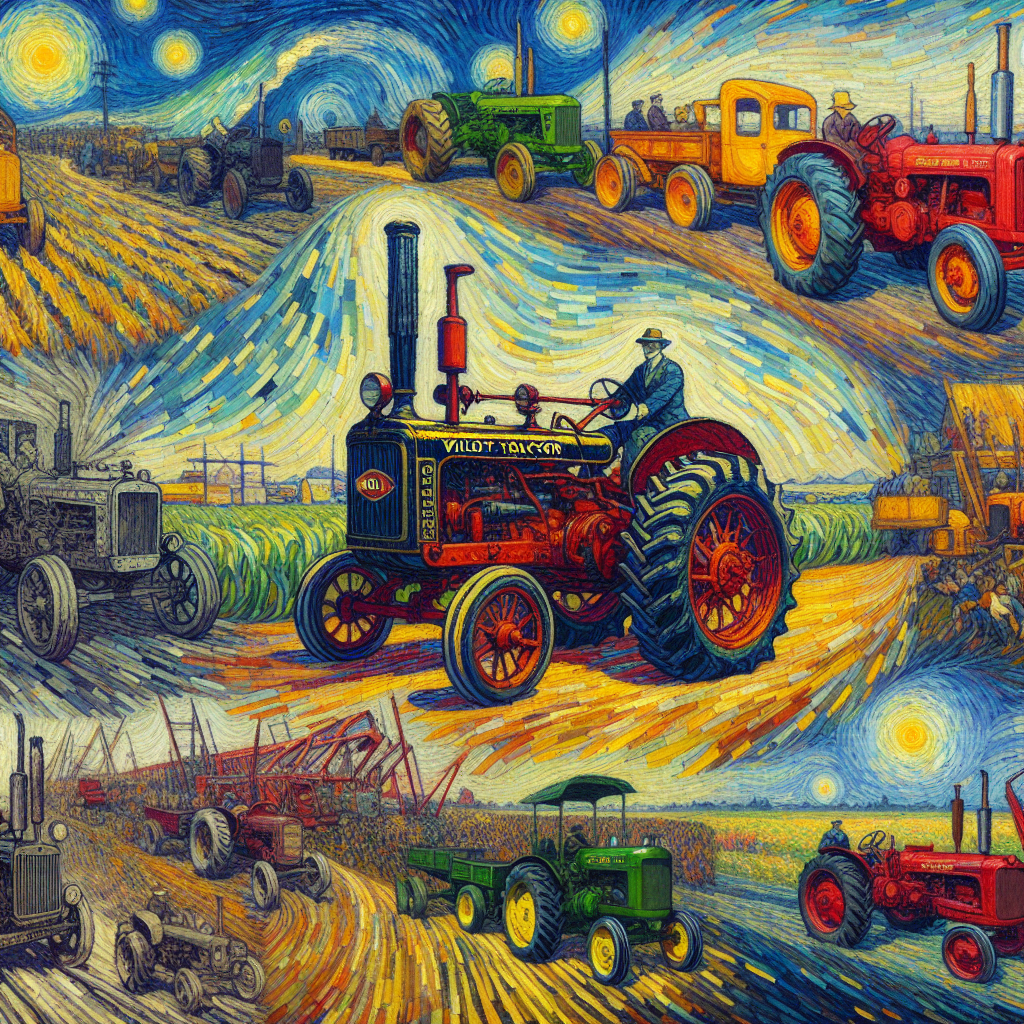
Can Wide-Front Tractors Handle Heavier Loads More Effectively?
Can Wide-Front Tractors Handle Heavier Loads More Effectively?
- Wide-front tractors symbolize hard work and resilience in farming.
- They have a wider wheelbase that reduces soil compaction, promoting sustainability.
- These tractors are trusted and reliable, becoming integral to farmers’ livelihoods.
- They can carry heavier loads without compromising maneuverability or speed.
- Advanced engineering ensures they meet and exceed industry standards.
- Families share stories and build connections around these machines, valuing dedication.
- Investing in a wide-front tractor is a strategic decision that fosters community and cultivates legacies.
Can Wide-Front Tractors Handle Heavier Loads More Effectively?
What Do Farmers Prefer Based on Their Experiences with Each Type?
Farmers, rooted in tradition yet propelled by innovation, often find themselves at a crossroads when it comes to choosing the right tools for their trade. Experiences shape preferences, and among these tools, the tractor stands out as a symbol of modern agriculture. For many, it’s not just a machine; it’s a lifeline—representing hard work, dedication, and a connection to the land that spans generations.
Each farmer has a unique journey with their tractor, guided by necessity and the rhythms of nature. It’s not uncommon for an old, weathered tractor to hold as much sentimental value as a prized heirloom. Those who have spent countless hours plowing fields or hauling harvested crops can tell you stories that intertwine their life’s work with the hum of the engine. This emotional bond fosters a sense of pride and Ownership, making farmers less likely to switch to a newer model without careful consideration.
Rational choices also play a significant role. With rising market demands, farmers are compelled to consider not just efficiency, but also the economics of fuel consumption and maintenance costs. A reliable tractor can make a world of difference in productivity; farmers often share how the right model has been the difference between a successful harvest and a mediocre one. These practical experiences highlight how pivotal trust in their equipment can shape their livelihoods.
Ethically, many farmers face a societal pressure to use sustainable practices. As they wisely navigate this modern landscape, tractors equipped with eco-friendly technology are becoming increasingly popular. Those who prioritize environmental stewardship find themselves drawn to machines that respect the land while also enhancing productivity. They wish to leave their fields better for the next generation, ensuring that the cycle of agriculture remains intact.
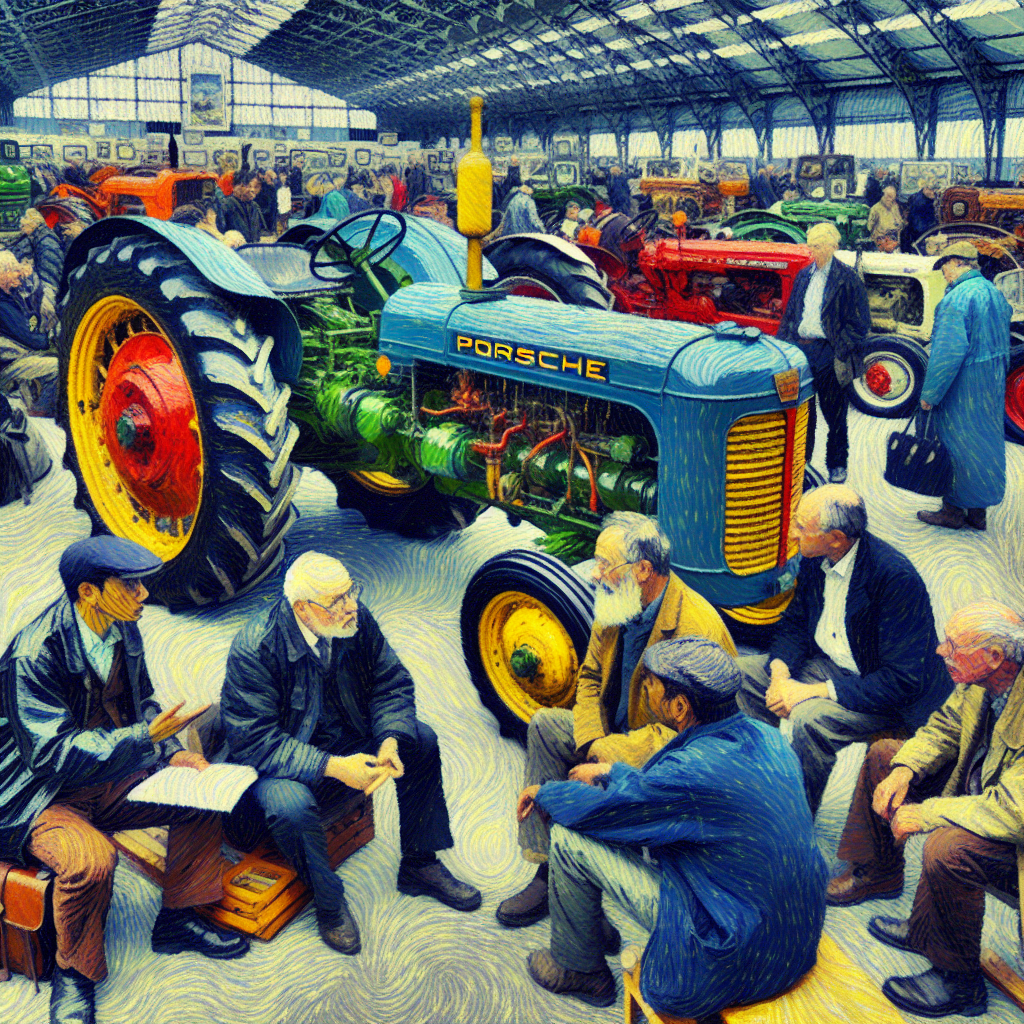
The connection between farmers and their machinery is not just practical; it’s deeply social. Community gatherings often revolve around discussions about the best tractors on the market, where experiences are exchanged like prized possessions. Those who advise based on firsthand knowledge stand as trusted authorities in their circles, guiding decisions with the weight of experience behind their words.
Ultimately, what farmers prefer reveals more than just functional choices; it reflects their identity and values. Each tractor tells a story, one that binds their past to their future. In this way, the choices farmers make with their machinery resonate far beyond the fields—they connect them to each other, to their heritage, and to the land that sustains them.
What Do Farmers Prefer Based on Their Experiences with Each Type?
What Do Farmers Prefer Based on Their Experiences with Each Type?
- Farmers balance tradition and innovation in selecting agricultural tools.
- The tractor symbolizes modern agriculture and represents hard work and dedication.
- Emotional connections to tractors can be as strong as with heirlooms, influencing decisions.
- Efficiency, fuel consumption, and maintenance costs are key rational considerations for farmers.
- Sustainable practices drive the popularity of eco-friendly tractors among environmentally conscious farmers.
- Community discussions about tractors foster social bonds and shared knowledge among farmers.
- Tractor choices reflect farmers’ identities, values, and their connections to heritage and the land.
What Do Farmers Prefer Based on Their Experiences with Each Type?
Conclusion
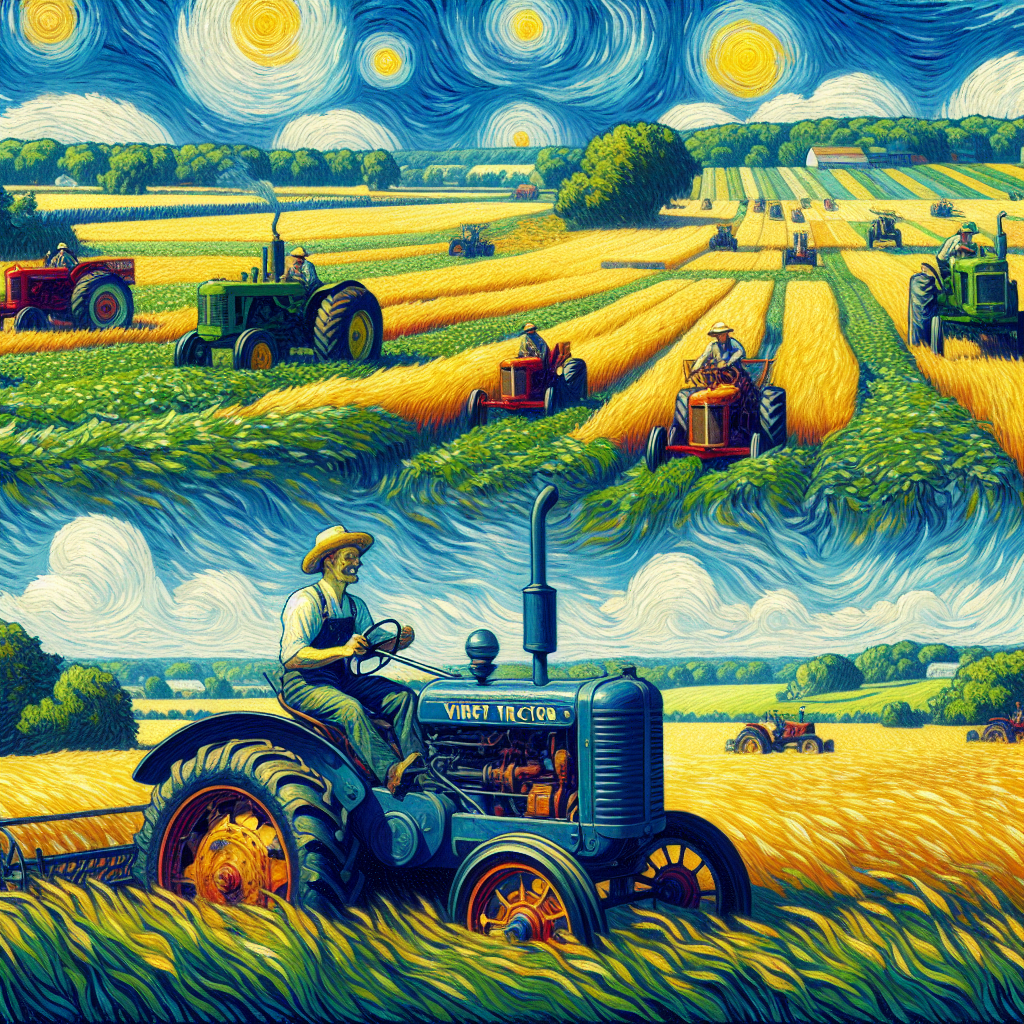
The choice between narrow-front and wide-front tractors is akin to navigating the crossroads of tradition and modernity in the heart of American farming. At first glance, narrow-front tractors may win your heart with their nostalgic charm, dancing gracefully between rows of crops, reminiscent of farming’s storied past. They represent not just machinery, but partners in the toil of tilling the land, often passed down through generations, evoking memories of the hard work that built family legacies.
Yet, beyond emotion lies a rational evaluation of value. Wide-front tractors, with their robust stability, are designed for the rigors of uneven terrain, offering safety and efficiency that cannot be overlooked. Their wider stance minimizes the risk of tipping, directly benefiting a farmer’s productivity and bottom line. They symbolize security—reliable workhorses that embody the hard truth of agriculture: efficiency matters, as does the safety of those who labor.
Moreover, the ethical considerations tie deeply into the farming narrative. In a time where sustainability is crucial, wide-front tractors allow for more effective load management, which can lower environmental impact by reducing the number of trips necessary across the field. This perspective echoes the farmers’ commitment not just to their immediate needs but also to long-term stewardship of the land. As we grapple with the challenges of modern agriculture, tools must reflect this ethos, merging legacy with sustainable practice.
Community plays a significant role in these choices, too. When farmers gather, discussions of equipment preferences abound. Recommendations based on firsthand experience carry weight, forging connections that go beyond mere transactions; they become shared stories of resilience, innovation, and respect for the land. Choosing the right tractor becomes an extension of a farmer’s identity and a commitment to their community.
In the end, the heart of farming lies in balancing nostalgia with the demands of modernity. The narrow-front tractor may speak to our emotional ties, but wide-front tractors resonate with the intellect and ethics necessary for responsible farming. As farmers make these pivotal choices, they honor their past while boldly stepping into the future, cultivating a legacy that embraces both tradition and progress. Each journey across the field, whether on a narrow or wide front, has the potential to shape the land and the future, one plow at a time.
Conclusion
Conclusion:
- The choice between narrow-front and wide-front tractors reflects a blend of tradition and modern farming practices.
- Narrow-front tractors evoke nostalgia and represent family legacies in agriculture.
- Wide-front tractors offer enhanced stability on uneven terrain, ensuring safety and productivity.
- They symbolize the importance of efficiency and safety in farming operations.
- Wide-front tractors contribute to sustainability by improving load management and reducing environmental impact.
- Community experiences and discussions play a vital role in farmers’ equipment choices.
- Farmers strive to balance emotional ties to history with the practical demands of modern agriculture.
Conclusion
Other Resources
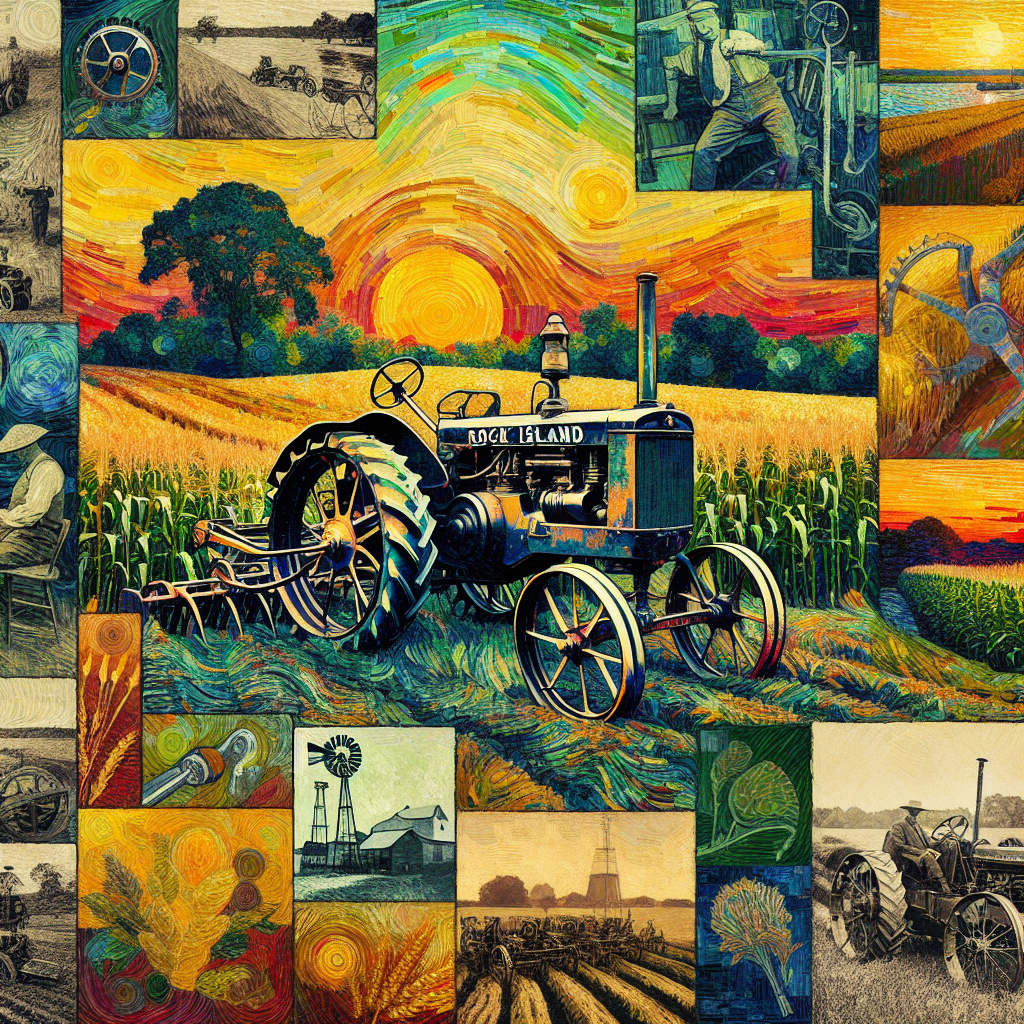
Other Resources
Here is a list of other resources you can review online to learn more:
- Minnesota’s Machinery Museum
- Park Rapids Antique Tractor & Engine Club
- Deutz-Fahr
- Dongfeng
- KUHN
- Interstate Tractor
- Carraro
- Waterloo Boy
- Gibson
- Square Turn
- Jinma
- Toro
- Pioneer Tractor
- Rome
- Komatsu
- John Deere
- Greenville Farm Power
- Hinomoto
- Antique Tractor Values
- American Tractor Museum
Use This Prompt To Get More Resources With Your Favorite Online AI Tool: Please provide me with a list of online articles with their URLs in a bulleted list that I can read regarding Are Narrow-Front Tractors Worth Less Than Wide-Front Ones?
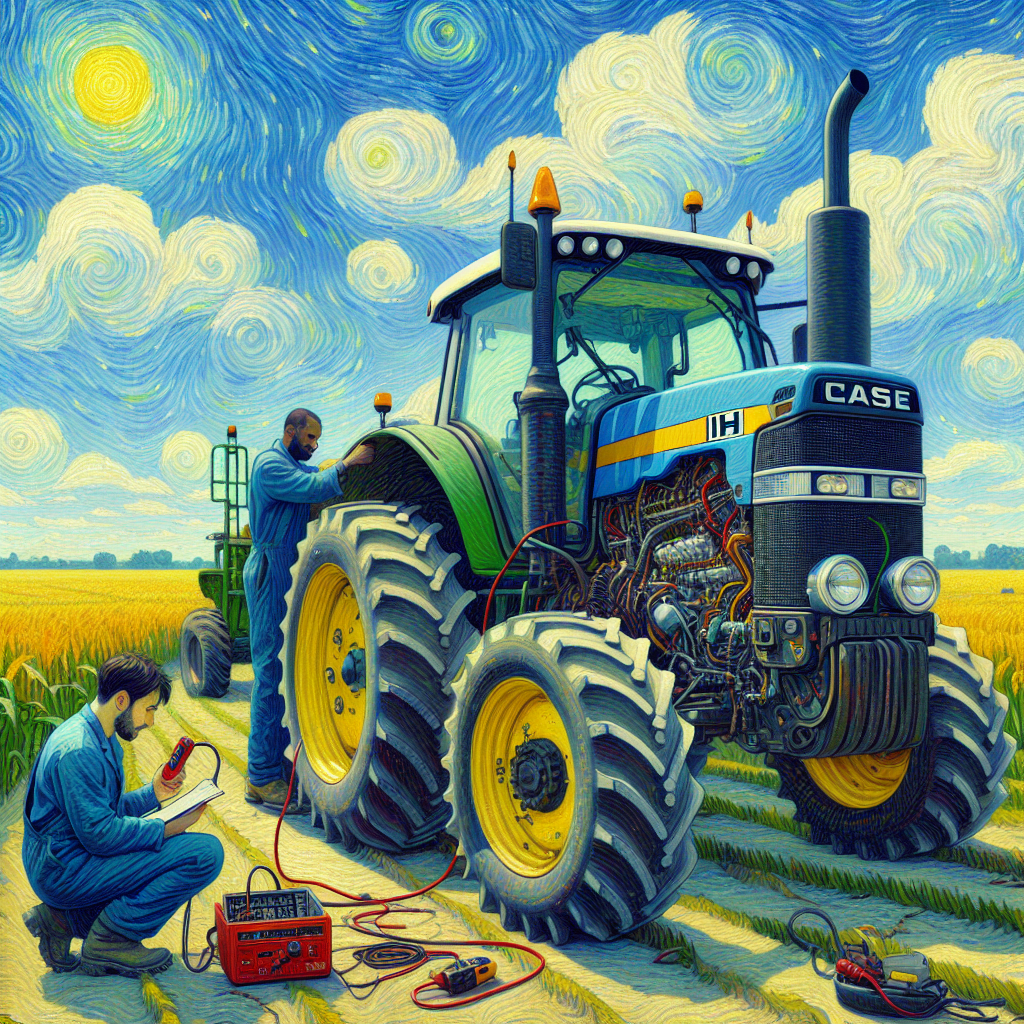
Other Resources
Glossary Terms
Are Narrow-Front Tractors Worth Less Than Wide-Front Ones? – Glossary Of Terms
1. Narrow-Front Tractor: A type of tractor designed with a narrower front axle, allowing for easier navigation in tight spaces and row crop fields.
2. Wide-Front Tractor: A tractor with a wider front axle, offering better stability and balance, particularly useful for larger equipment or heavy-duty tasks.
3. Stability: The ability of a tractor to maintain balance while working on uneven terrain, affecting safety and performance.
4. Maneuverability: The ease with which a tractor can be turned and navigated in tight spaces or around obstacles.
5. Row Crop: Crops that are planted in rows, often requiring narrow-front tractors for effective cultivation and maintenance.
6. Field Work: Operations performed in agricultural fields, including planting, harvesting, and tilling.
7. Farm Equipment: Tools and machinery used in farming operations, including tractors, plows, and harvesters.
8. Weight Distribution: The way weight is spread across a tractor, influencing its traction and stability.
9. Market Value: The price at which a tractor can be sold in the current market, often influenced by its features and condition.
10. Versatility: The ability of a tractor to perform various tasks, impacting its desirability and value.
11. Compact Design: A smaller size that may enhance a tractor’s capability in specific farming applications.
12. Power-to-Weight Ratio: The relationship between a tractor’s engine power and its weight, affecting performance and efficiency.
13. Traction: The grip a tractor has on the ground, critical for effective movement and operation in the field.
14. Durability: The ability of a tractor to withstand wear, damage, and harsh working conditions over time.
15. Cost of Ownership: The total expense related to purchasing, maintaining, and operating a tractor over its lifespan.
16. Resale Value: The value that can be obtained when selling a used tractor, influenced by brand reputation and condition.
17. Utility Tractor: A farm tractor designed for a variety of tasks, typically smaller but versatile.
18. Agricultural Efficiency: The effectiveness of a tractor in completing agricultural tasks in a timely and cost-effective manner.
19. Environment Suitability: The appropriateness of a tractor type for specific agricultural environments, such as hills or flat land.
20. Maintenance Costs: Expenses related to the upkeep and repairs of a tractor, impacting long-term ownership costs.
21. Operator Comfort: The ergonomic features of a tractor that enhance the comfort of the person operating it.
22. Hydraulic Systems: Mechanisms in tractors that use fluid power to perform tasks such as lifting or moving equipment.
23. Tillage Practices: Methods of preparing soil for planting, often impacted by the type of tractor used.
24. Crop Yield: The amount of crop produced, which can be influenced by the efficiency of farming equipment.
25. Technology Integration: The incorporation of advanced technologies in tractors, enhancing efficiency and functionality.
26. Payload Capacity: The maximum weight a tractor can safely handle, influencing its effectiveness in various tasks.
27. Farm Size: The area of land cultivated, which can dictate the type of tractor most appropriate for the work.
28. Tractor Configuration: The arrangement of a tractor’s components, including front axle design, affecting its operation.
29. Fuel Efficiency: The fuel consumption rate of a tractor, affecting operational costs and environmental impact.
30. Market Trends: Current shifts in consumer preferences and demands affecting the resale and purchase value of different tractor types.
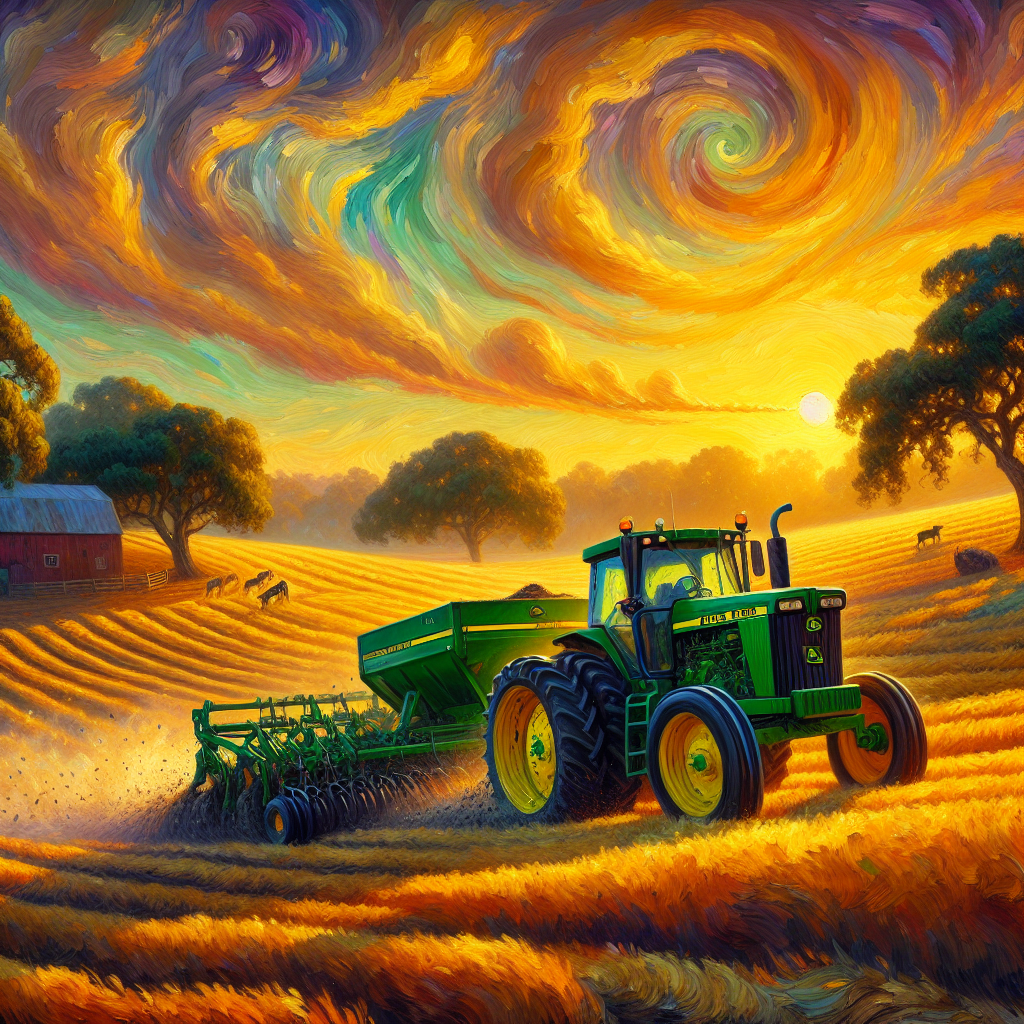
Glossary Of Terms
Other Questions
Are Narrow-Front Tractors Worth Less Than Wide-Front Ones? – Other Questions
If you wish to explore and discover more, consider looking for answers to these questions:
- How do resale values compare between narrow-front and wide-front tractors?
- What factors most influence a tractor’s market value (age, hours, brand, condition)?
- How does maintenance cost differ between the two front configurations?
- Which configuration has higher depreciation over time?
- Are narrow-front or wide-front tractors more expensive to insure?
- How do fuel consumption rates compare under typical field tasks?
- Which type causes more soil compaction and how does that affect yields?
- What are the stability differences quantified (tipping angle, center-of-gravity data)?
- How do both types perform on steep slopes and what safety measures are recommended?
- Which configuration better suits specific crops (row crops, orchards, vineyards)?
- How do implement compatibility and hitching options differ between them?
- Can a narrow-front tractor be converted to a wide-front setup (or vice versa)?
- How does front-end width affect maneuverability in headlands, gateways, and barn aisles?
- Are there meaningful differences in traction and tire options for each type?
- Which is better for heavy-duty tasks like loader work or hauling large implements?
- How do stability and load-handling affect productivity and cycle times?
- What safety features (ROPS, ballast, ballast placement) are most critical for each type?
- How do operating and training requirements differ for new operators on each type?
- What are common mechanical issues unique to narrow-front and wide-front tractors?
- How available are replacement parts and service support for older narrow-front models?
- What are the typical repair costs and downtime differences?
- How do regional terrain and climate influence the optimal front configuration?
- Which configuration offers better visibility for the operator during row work?
- How do both types compare in terms of ride comfort and operator fatigue?
- What is the impact on fuel efficiency and emissions between types under identical workloads?
- How do financing and loan terms typically differ for narrow-front vs wide-front purchases?
- Are there tax or subsidy implications for choosing one type over the other (e.g., conservation equipment)?
- How do narrow-front and wide-front tractors affect precision farming technologies (autosteer, guidance)?
- Which configuration is more common in the used market and why?
- What are real-world case studies comparing total cost of ownership for each type?
- How should a farmer choose based on farm size, crop mix, and operation scale?
- What attachments or ballast recommendations optimize safety and performance for each type?
- How do they compare for transportability on public roads and trailers?
- What long-term sustainability impacts (soil health, fuel use, carbon footprint) are associated with each?
- How do brand and model differences within narrow-front and wide-front categories affect value and performance?
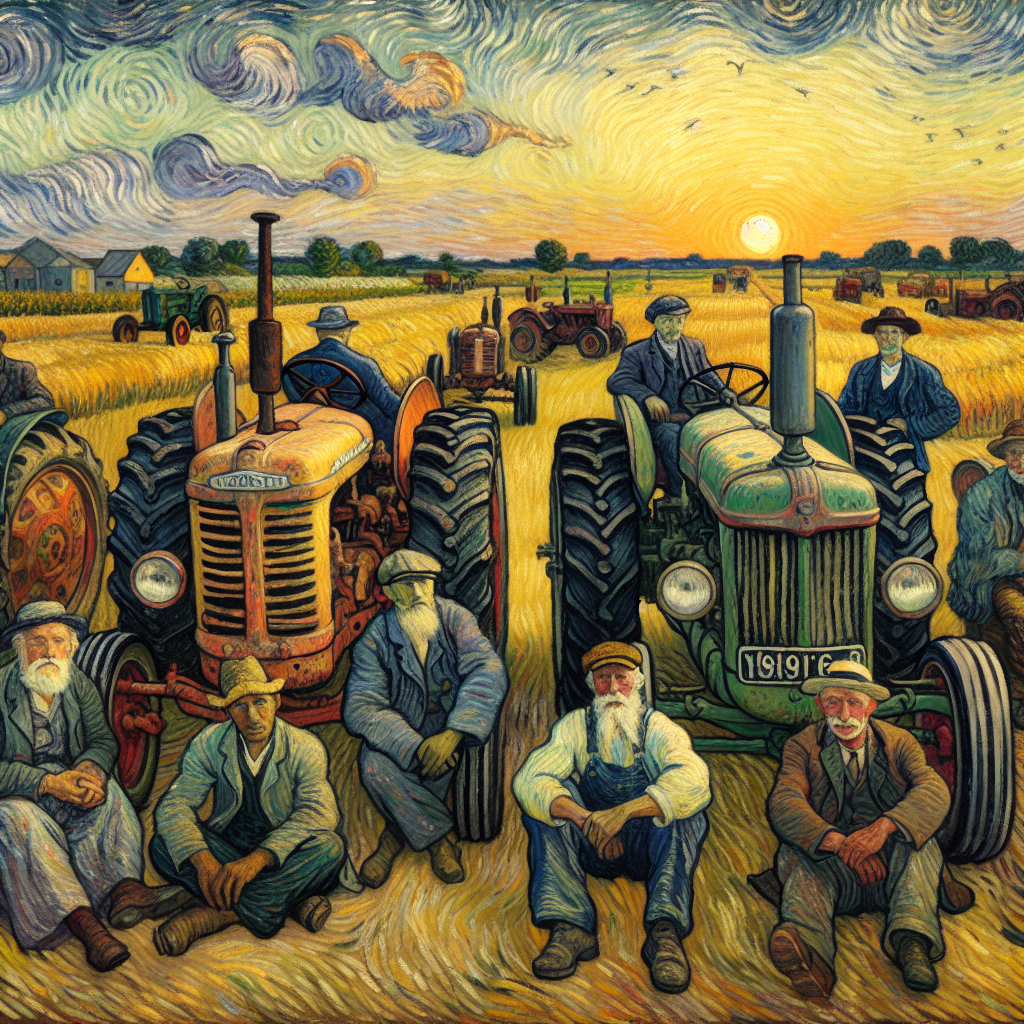
Other Questions
Haiku
Are Narrow-Front Tractors Worth Less Than Wide-Front Ones? – A Haiku
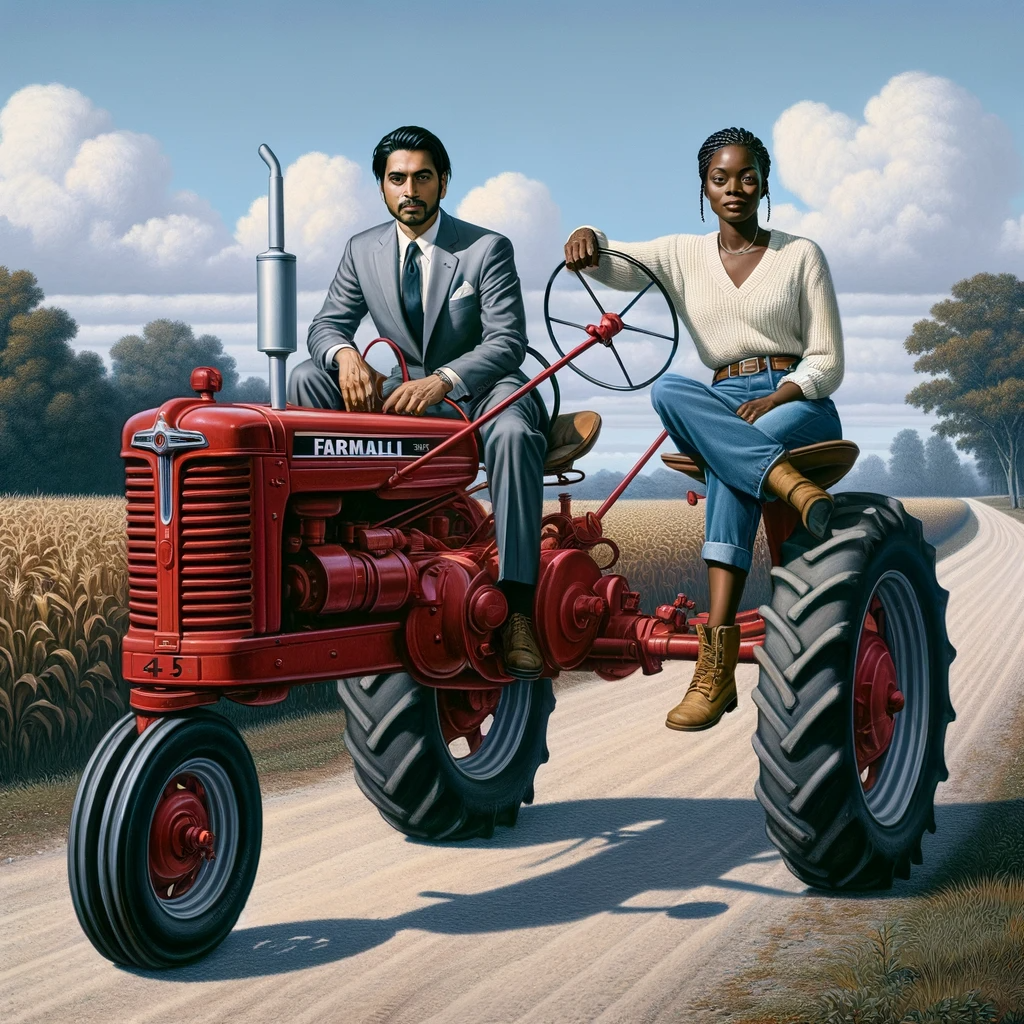
Narrow tracks weave close,
Tradition’s charm, yet less sure;
Wide front holds the load.
Haiku
Poem
Are Narrow-Front Tractors Worth Less Than Wide-Front Ones? – A Poem
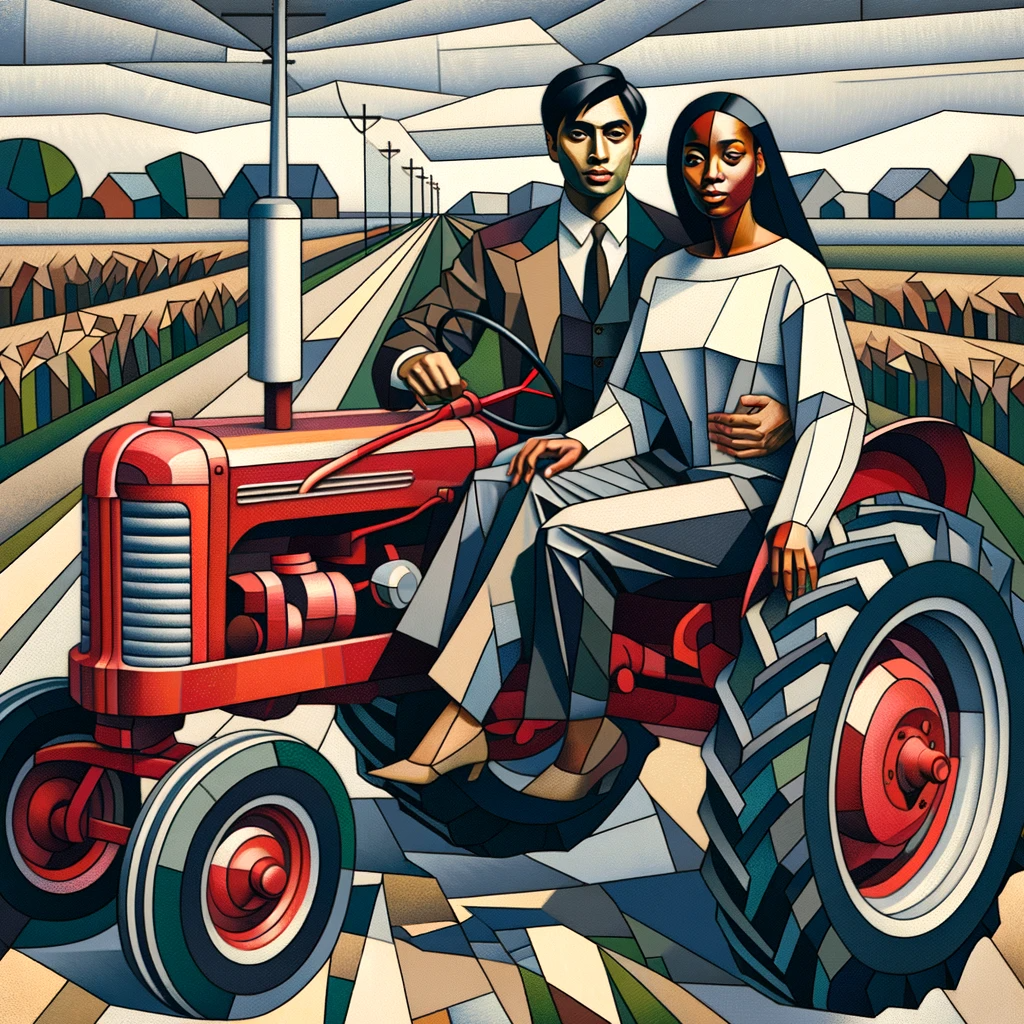
In fields where soil meets sweat and toil,
Two tractors stand, each claiming its spoil.
Narrow and wide, a farmers great test,
Each a companion, each put to the quest.
Narrow fronts dance like whispers of the past,
Through rows like a memory, tradition steadfast.
Heartstrings tugged with nostalgias sweet call,
Yet in the depths lie numbers, the truths of it all.
Wide fronts stand firm, a guardian of flow,
Against tipping and wear where the rough landscapes grow.
Stability sings in the harmony found,
In every heartbeat of engines, the promise resounds.
Ethics entwined in this pastoral strife,
With Earth’s stewardship woven into their life.
A balance of legacy, progress, and eaves,
Innovative futures woven in leaves.
Among tight spots, the narrow ones glide,
Forging paths in the struggle, precision their guide.
Efficiency whispered in each space they squeeze,
Harvests rise higher, fulfilling the needs.
Wide fronts bear burdens, brave weight without fail,
Their grip on the ground tells the old farming tale.
Through toil and community, their presence remains,
Each choice connects, reminding of gains.
Farmers gather with stories, a social embrace,
In the machinery whispered, their lives we retrace.
From heart to head, to the gut feeling strong,
Each tractor a legacies’ verse in life’s song.
Choose with intent, where the future will grow,
In narrow and wide, let the love for the land flow.
These machines are more than mere tools in the field,
They embody a promise, a life’s work revealed.
Poem
Checklist
Are Narrow-Front Tractors Worth Less Than Wide-Front Ones? – A Checklist
Checklist Evaluating Narrow-Front vs. Wide-Front Tractors
✅______ Reflect on the sentimental value of your tractor. Does it represent tradition or family legacy?
✅______ Consider the nostalgia associated with narrow-front tractors. How do they connect you to past experiences?
Rational Appeals
✅______ Analyze stability and safety. How do narrow vs. wide-front tractors perform on uneven terrain?
✅______ Compare repair and maintenance costs for both types. Which option offers better long-term value?
Ethical Appeals
✅______ Assess environmental impact. Do wide-front tractors contribute to sustainability through load management?
✅______ Evaluate the stewardship responsibility towards the land. How does your tractor choice align with eco-friendly practices?
Authority Appeals
✅______ Seek advice from experienced farmers or agricultural experts about their preferences and the reasons behind them.
✅______ Review industry standards and recommendations for tractor performance in your farming context.
Narrative Appeals
✅______ Share stories or collect testimonials from other farmers about their experiences with both tractor types.
✅______ Reflect on personal anecdotes of critical moments in the field that demonstrate the importance of a reliable tractor.
Social Appeals
✅______ Engage with your farming community to discuss preferences and experiences. How does peer influence shape your decision?
✅______ Participate in local farming events to observe and compare different tractors in action. What insights can you gain from these experiences?
Checklist
At ClassicTractorNews, we help tractor lovers keep up with the latest news for classic and vintage tractors.
Please share this post with your friends, family, or business associates who may like old classic or vintage tractors.