

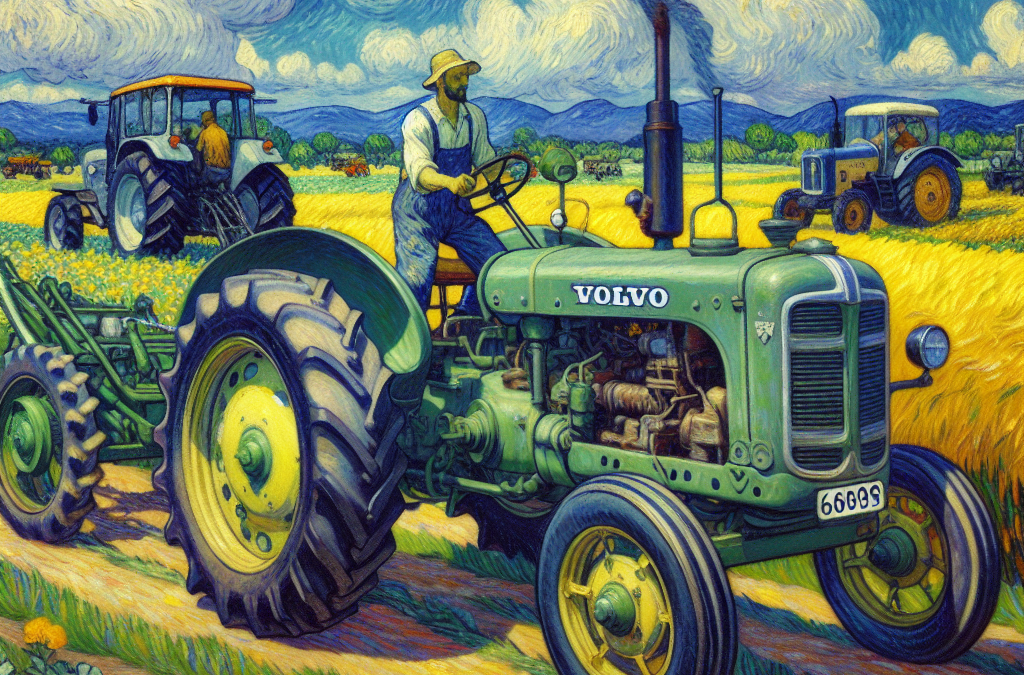
Preserving Tradition: The Ethical And Practical Value Of Classic Tractors
By Tom Seest
At ClassicTractorNews, we help tractor lovers keep up with the latest news for classic and vintage tractors.
Please share this post with your friends, family, or business associates who may like old classic or vintage tractors.
Are Modern Farming Techniques Overlooking Classic Tractor Value
In a world overwhelmed by digital innovation and high-tech solutions, it’s easy to forget the soul of farming—the humble tractor. Once the backbone of farming operations, these sturdy machines symbolize a simpler time when farmers were more connected to the land they worked. Emotional? You bet. But let’s not just wax nostalgic here; let’s dig a little deeper.
When we think about the classic tractor, it invokes not just a piece of machinery but an entire lifestyle steeped in tradition. Picture the sun setting over a sprawling field, where a farmer, dust clinging to his jeans, takes pride in every turn of that rusted wheel. It’s a scene that strikes at the heart of what farming is all about: hard work, dedication, and a bond with the earth. Those are values worth holding onto—values that today’s precision agriculture sometimes overlooks in favor of automation and slick technology.
Now, let’s engage the rational side of our brains. Classic tractors are known for their simplicity and durability. They require minimal training, are easier to repair, and come with a price tag that doesn’t involve refinancing your home. Is it possible that we’re becoming so seduced by the allure of modern advancements that we’re losing sight of practicality? The ongoing discussion around sustainable farming practices isn’t just ethical; it’s a matter of survival for our communities. Supporting local businesses, maintaining older equipment, and investing in classic tractors can create a more balanced ecosystem—not just for farmers, but for families, schools, and local economies alike.
Think of it as a narrative—the farmer who looks to the future without forgetting the past. Socially, we need to foster connections; classic tractors can serve as a bridge between generations, passing down skills while honoring the hard-won knowledge of our forebears.
In an era where technology pushes forward, let’s not forget to pay respect to the foundation that built our farming legacy. By embracing the classic tractor, we’re not just holding onto a relic of the past; we’re investing in a sustainable future rooted in time-honored values. So, let’s inspire a movement: one that trusts in tradition while confidently navigating toward tomorrow. Ultimately, the choice is clear—let’s drive that classic tractor back into the lives of those who need it most.
Are Modern Farming Techniques Overlooking Classic Tractor Value
Are Modern Farming Techniques Overlooking Classic Tractor Value
- Classic tractors represent a simpler farming lifestyle and a connection to the land.
- They embody values such as hard work, dedication, and a bond with the earth.
- Known for their simplicity and durability, classic tractors are easier to repair and more affordable.
- Sustainable farming practices depend on supporting local businesses and maintaining older equipment.
- Classic tractors can bridge generations, passing down skills and honoring agricultural knowledge.
- Emphasizing tradition can help create a more balanced ecosystem for communities and local economies.
- Advocating for classic tractors supports a sustainable future rooted in time-honored values.
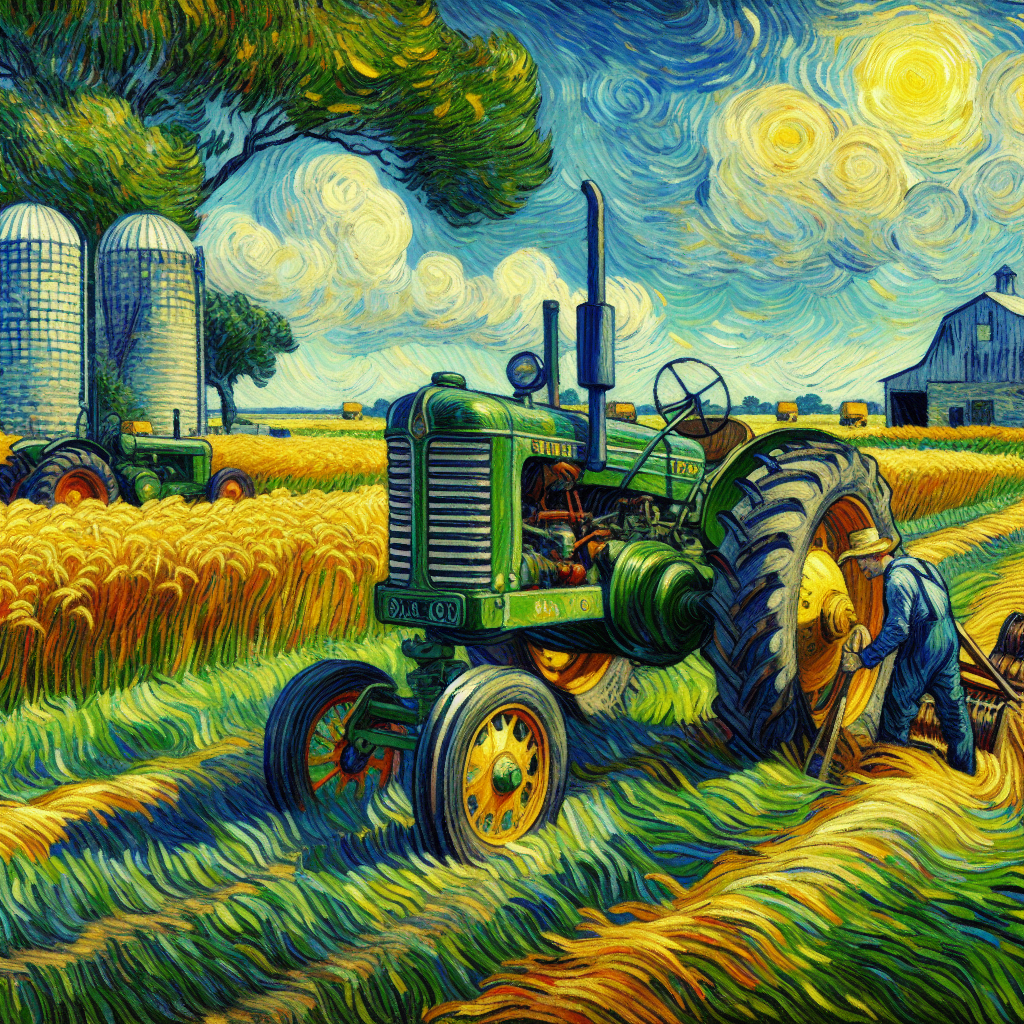
Are Modern Farming Techniques Overlooking Classic Tractor Value
Table Of Contents
- Are Modern Farming Techniques Overlooking Classic Tractor Value
- Are Modern Farmers Neglecting The Stories Behind Classic Tractors?
- What Role Do Classic Tractors Play In Sustainable Farming Practices?
- Can Classic Tractors Enhance The Efficiency Of Modern Farming Methods?
- How Might Embracing Classic Tractors Foster Community Among Farmers?
- Are Classic Tractors More Reliable Than Some Modern Farming Equipment?
- What Ethical Considerations Arise From Ignoring Classic Machinery?
- Conclusion
- Other Resources
- Glossary Of Terms
- Other Questions
- Haiku
- Poem
- Checklist
Are Modern Farmers Neglecting The Stories Behind Classic Tractors?
Tractors are more than just machines; they are the heartbeats of our agricultural heritage. Each rusted bolt and faded paint job tells a story—stories of toil, triumph, and tenacity that have shaped the very land we stand on today. Yet, as we drive forward into a world driven by modernity, it seems that many today are racing past these relics, neglecting the profound narratives woven into the fabric of our farming culture.
Think about it: the tractor is a symbol of renewal and resolve, a tool that transformed agriculture from subsistence farming to expansive production. It’s a tool that once meant the difference between mere survival and thriving. Picture a farmer working dawn to dusk, relying on an old steel beast to plant seeds and harvest crops, creating a legacy for generations to come. Does that image still resonate in the minds of today’s farmers, or has the hum of the latest, sleekest high-tech machinery drowned out the echoes of their predecessors?
The stories behind classic tractors are not merely nostalgic tales; they carry vital lessons in resilience and innovation. This begs the question: are we so focused on efficiency and profit that we overlook the wisdom embedded in these worn-out engines? The truth is, every modern farmer stands on the shoulders of giants. Acknowledging the history of these machines crafts a deeper connection to the land and the community. It ignites an appreciation for the struggle and sacrifice that paved the way for today’s advancements.
But it goes beyond the individual; it’s about community and—dare I say—the soul of farming itself. When farmers embrace the stories tied to these classic tractors, they foster a sense of connection not only with their upbringing but also with their neighbors and the broader agricultural community. By celebrating the past, farmers can inspire future generations to appreciate the grit and determination required to cultivate the earth.
So, as we navigate this ever-evolving agricultural landscape, let’s pause to reflect. Let’s invite the old tractors back into our conversations—not just as relics, but as rich sources of wisdom and inspiration. After all, cultivating respect for our history is essential to nurturing our future. It is time to honor the machines that helped shape our world, lest their stories fade into the very dust they once tilled. Embrace the legacy. Embrace the tractor.
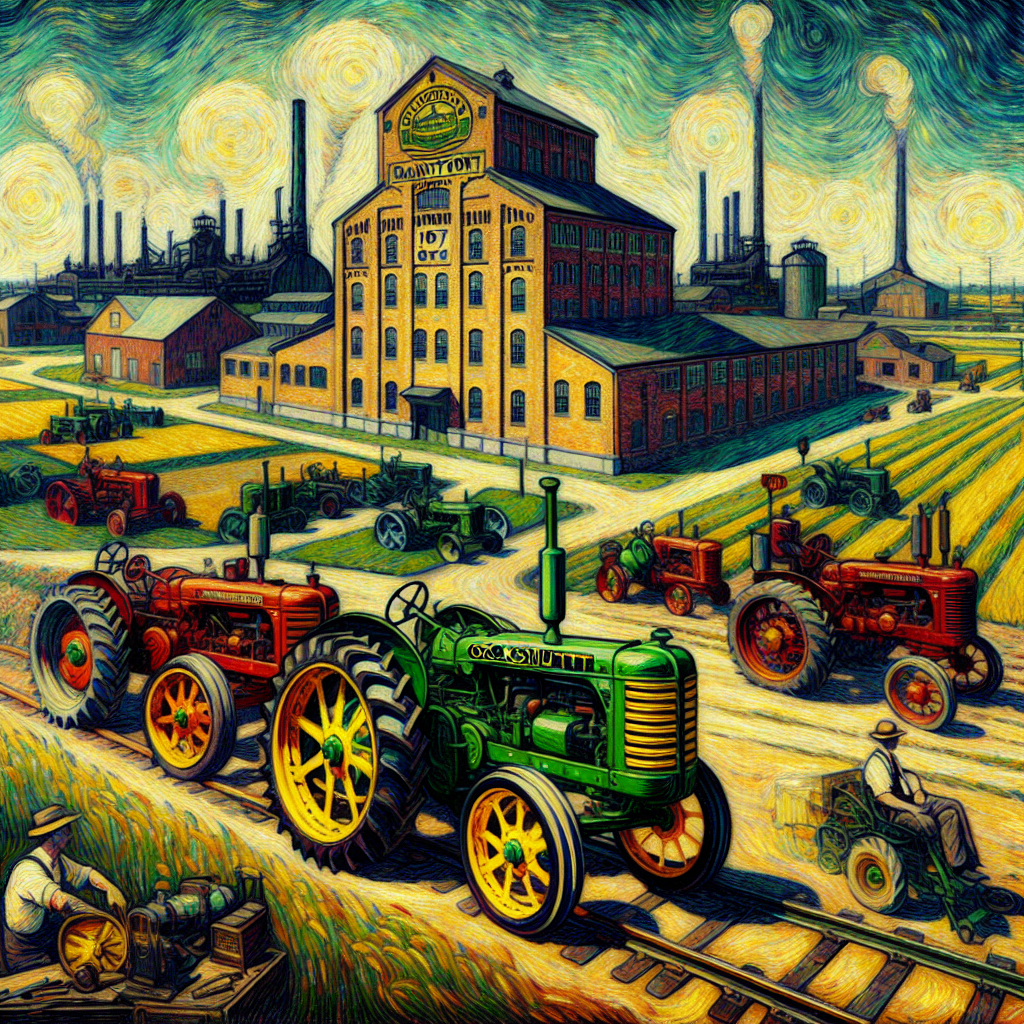
Are Modern Farmers Neglecting The Stories Behind Classic Tractors?
Are Modern Farmers Neglecting The Stories Behind Classic Tractors?
- Tractors symbolize the essence of agricultural heritage, telling stories of toil and triumph.
- They transformed agriculture from subsistence farming to large-scale production, impacting generations.
- There is a concern about modern farmers neglecting the history and wisdom embodied in classic tractors.
- Classic tractors offer lessons in resilience and innovation that are crucial for today’s farmers.
- Honoring the history of tractors fosters a deeper connection to the land and agricultural community.
- Embracing these stories can inspire future generations to appreciate the dedication of past farmers.
- Celebrating the legacy of tractors is essential for nurturing future agricultural practices.
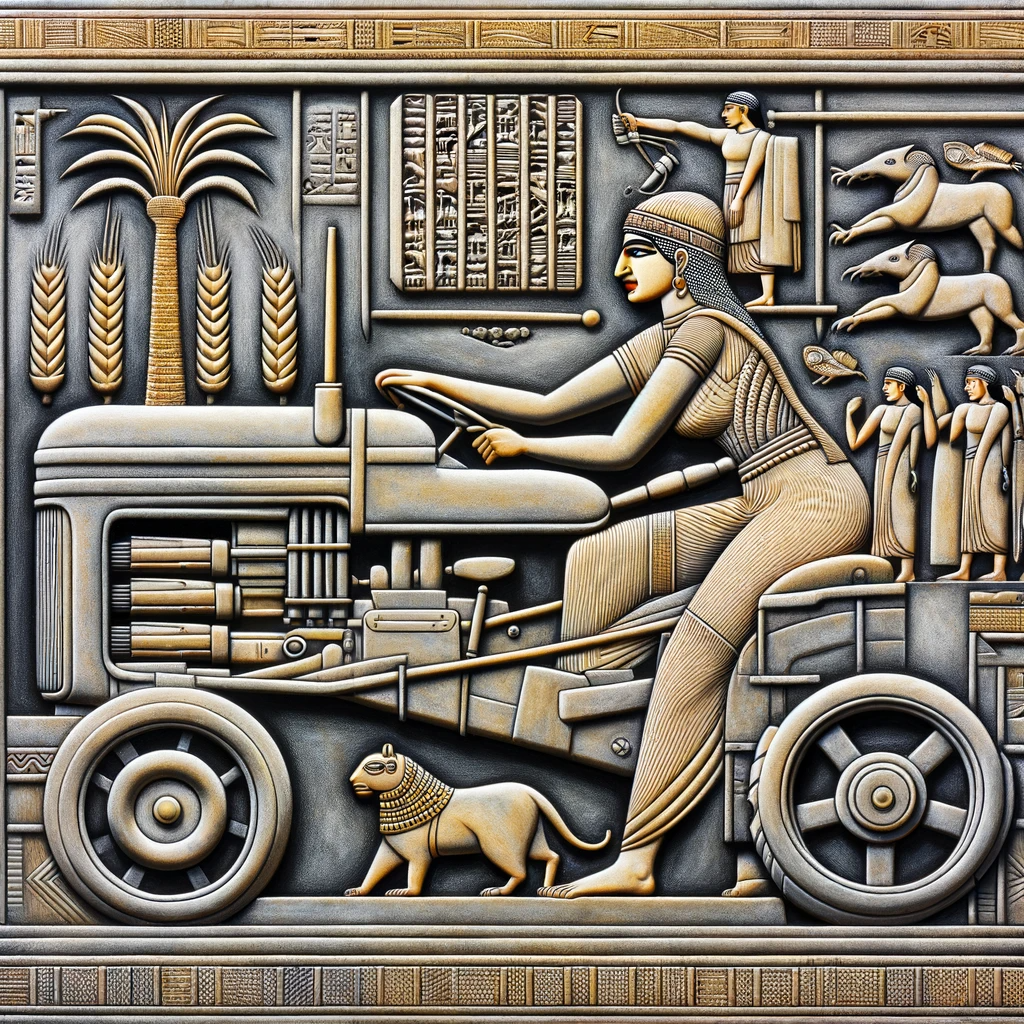
Are Modern Farmers Neglecting The Stories Behind Classic Tractors?
What Role Do Classic Tractors Play In Sustainable Farming Practices?
Picture a sun-drenched field, the earthy scent of freshly turned soil wafting through the air. At the heart of this picturesque scene sits a classic tractor, rusted and revered, its engine rumbling with the stories of generations past. Every scratch and dent tells a tale of hard work and perseverance. But beyond the charm, these vintage machines are cornerstones of sustainable farming practices, knitting together the fabric of tradition with the threads of innovation.
Classic tractors, often running on simpler mechanics, demonstrate durability that speaks to both the head and the heart. While high-tech equipment may dazzle with shiny screens and cutting-edge software, it often leans heavily on resources that create a hefty ecological footprint. In contrast, these timeless machines operate with minimal inputs and a reliance on human skill rather than a data-driven algorithm. Farmers harness the power of classic tractors not just for their reliability but also for their efficiency. With fewer components to break and a straightforward design, the costs are lower, both in terms of money and in energy consumption.
Ethically, the choice to use classic tractors aligns farming practices with the principles of environmental stewardship. By minimizing the reliance on synthetic fertilizers and plastic components associated with modern machines, farmers can cultivate their land in a way that honors the ecosystem. Furthermore, these tractors often facilitate crop rotation and soil conservation practices crucial for maintaining the land’s health—a legacy that connects current farmers to their ancestors who worked the same earth.
Beyond practicality, there is a social aspect that cannot be ignored. Classic tractors foster community, sparking conversations among farmers of all ages who share advice, stories, and support. Barn gatherings become a celebration of local agriculture, where knowledge is exchanged hand-in-hand with shared meals and harmony. These gatherings serve as a reminder that agriculture is, at its core, a communal effort—a tapestry woven together by shared experiences.
So, the next time you see a classic tractor laboring in the fields, remember that it symbolizes more than just an agricultural tool. It is a beacon of sustainability, connecting the past with the present and paving the way for future generations. The call to action is clear: cherish these timeless machines, for they are vital players in the sustainable farming narrative. Embrace the return to roots, and let us honor the land we walk on and the heritage we inherit.
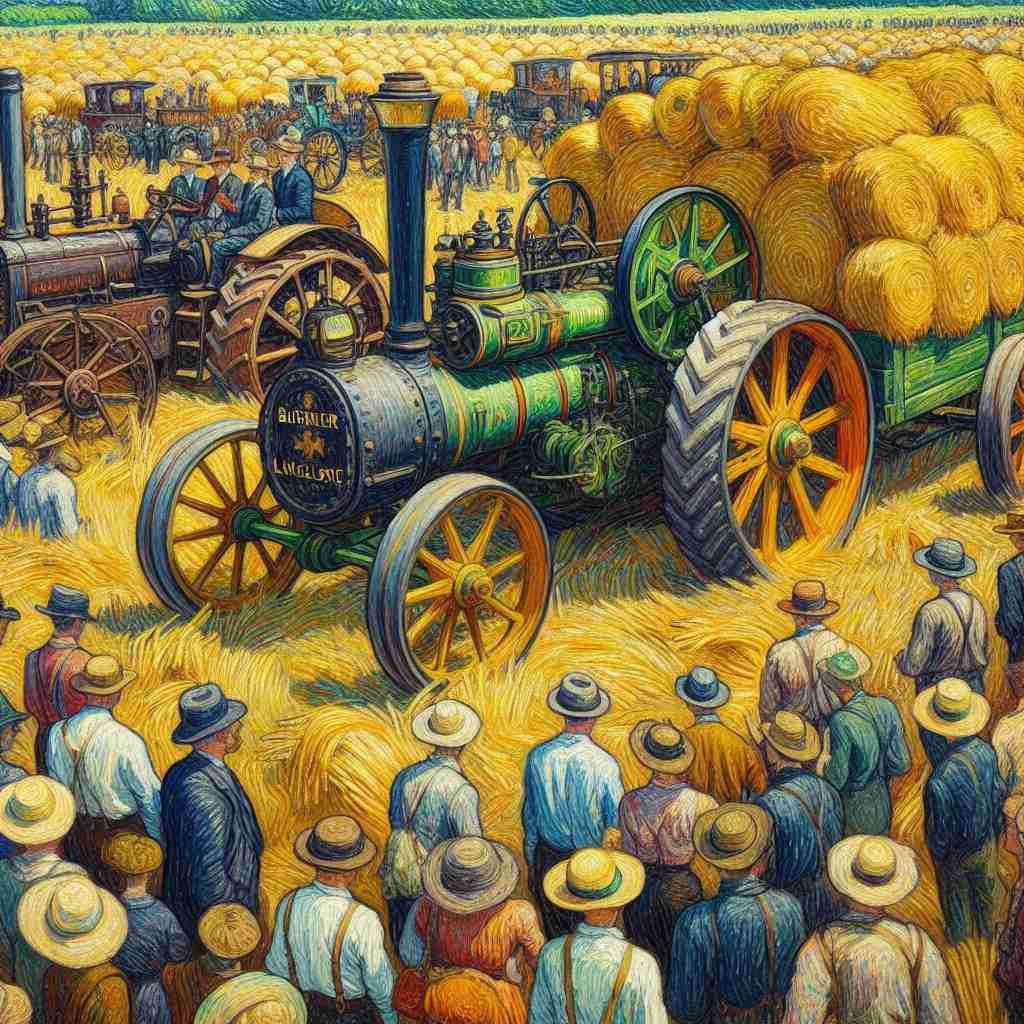
What Role Do Classic Tractors Play In Sustainable Farming Practices?
What Role Do Classic Tractors Play In Sustainable Farming Practices?
- Classic tractors embody the blend of tradition and innovation in sustainable farming.
- Their simpler mechanics demonstrate durability and reliability with minimal ecological impact.
- Classic tractors require fewer inputs, resulting in lower costs and energy consumption.
- Using these tractors promotes ethical farming practices aligned with environmental stewardship.
- They facilitate important practices like crop rotation and soil conservation.
- Classic tractors foster community among farmers, encouraging knowledge exchange and support.
- They symbolize a connection between past, present, and future generations in agriculture.
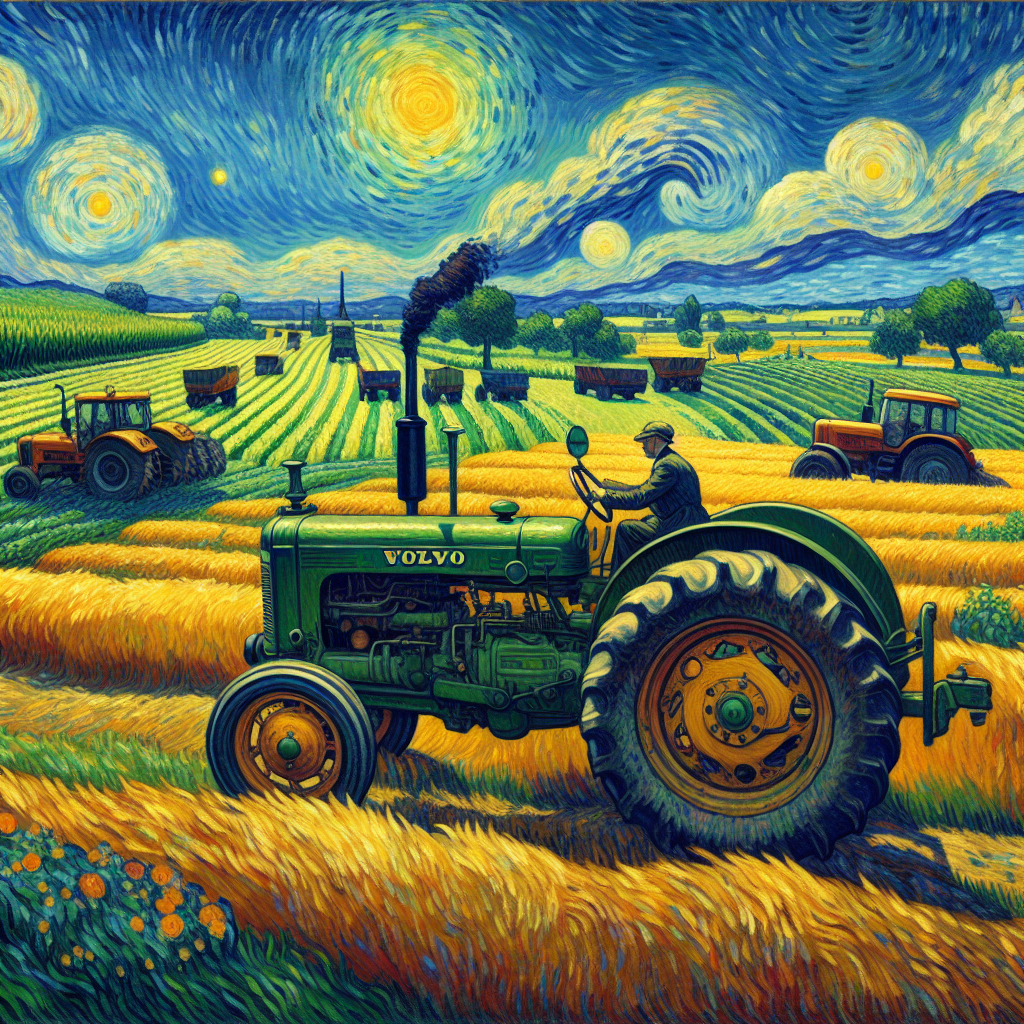
What Role Do Classic Tractors Play In Sustainable Farming Practices?
Can Classic Tractors Enhance The Efficiency Of Modern Farming Methods?
In a world where technology races ahead at breakneck speed, it’s easy to overlook the unassuming strength of classic tractors. Picture this: a humble red tractor, its engine rumbling like a heartbeat deep in the earth, plowing through rows of lush green fields. It’s not just a relic; it’s a symbol of a time when farming wasn’t just a business, but a way of life rooted in resilience and community.
Now, let’s get into the heart of the matter. Classic tractors may not have the flashy capabilities of today’s cutting-edge machines—those shiny, GPS-guided marvels—but they bring to the table a level of reliability that’s hard to match. These sturdy beasts were built to last, finely tuned for durability in the most rugged of conditions. This reliability translates into efficiency. While modern tractors might promise ease and speed, a well-maintained classic can often outperform in terms of maintenance costs. Less reliance on high-tech repairs means more time farming and less time worrying, allowing farmers to invest their energy where it truly matters: their crops and their families.
Emotionally, these classic tractors evoke nostalgia, tapping into the deeply-rooted values that bind us to the land. They tell stories of farmers who worked from sunup to sundown, toiling through hardships and celebrating the bounties of their labor. When you drive a classic tractor, you’re not just operating machinery; you’re connecting to generations of agricultural pioneers who paved the way for today’s innovations. This connection fosters a sense of purpose—a reminder that farming is not merely a profession but a calling.
Yet, the conversation doesn’t stop at sentimentality. Ethically, incorporating classic tractors into modern farming practices poses an environmentally friendly alternative. As sustainability becomes a rising priority, these machines, often requiring less fuel consumption, become valuable allies in our quest to minimize our ecological footprint.
Socially, imagine communities rallying together, sharing knowledge on maintaining these classic machines—cementing bonds that run deeper than any data-driven agricultural analysis.
In the grand scheme of farming, classic tractors serve as a bridge between tradition and modernity. They remind us that while we innovate, we should never forget our roots. Engaging with these timeless machines invites us to rethink efficiency—after all, it’s not just about speed; it’s about valuing the process and honoring the past as we move forward. So next time you see a classic tractor on the field, remember: it’s not just a piece of equipment; it’s a legacy.
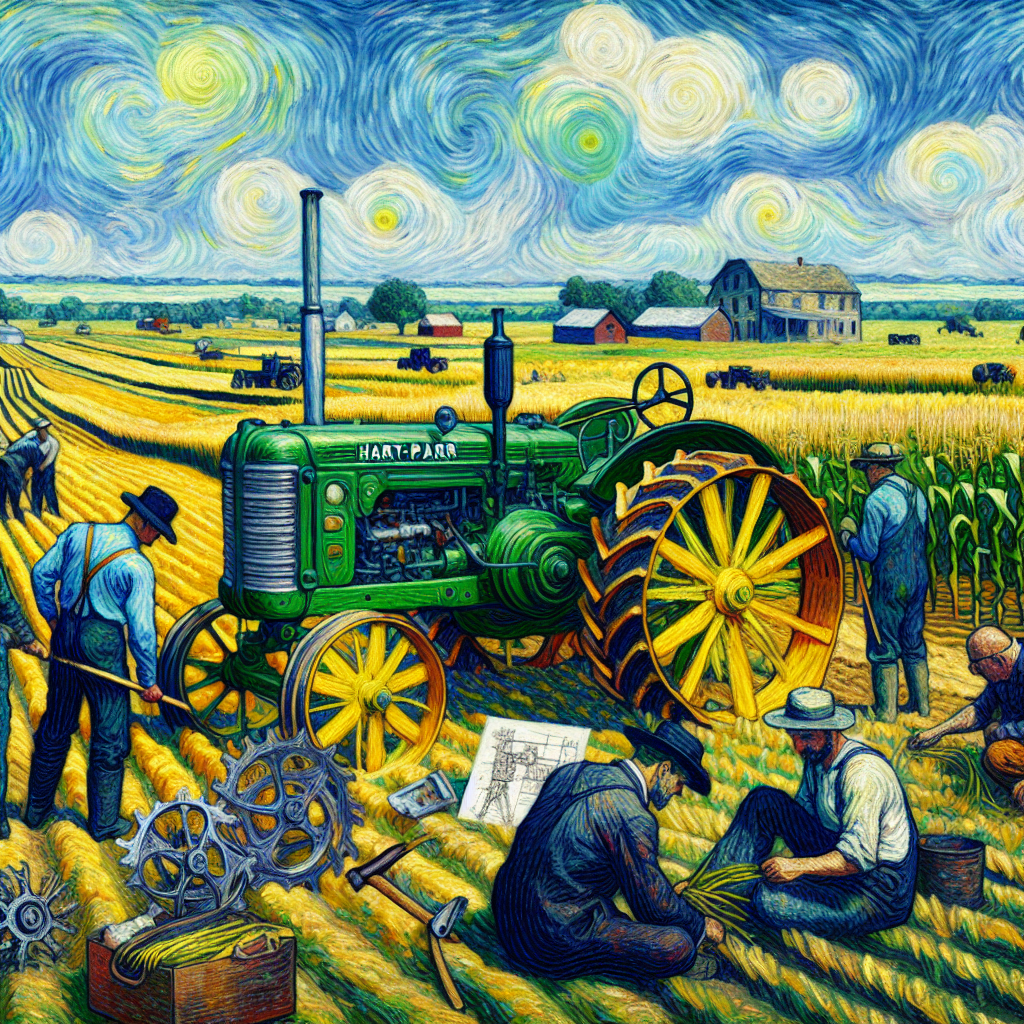
Can Classic Tractors Enhance The Efficiency Of Modern Farming Methods?
Can Classic Tractors Enhance The Efficiency Of Modern Farming Methods?
- Classic tractors symbolize a time when farming was a way of life centered on resilience and community.
- They offer unmatched reliability and durability, often providing lower maintenance costs compared to modern tractors.
- Classic tractors evoke nostalgia and connect users to generations of agricultural pioneers.
- They foster a sense of purpose, reminding farmers that agriculture is a calling, not just a profession.
- These machines present an environmentally friendly alternative, requiring less fuel and reducing ecological footprints.
- Communities can bond over the shared knowledge of maintaining classic tractors, strengthening social ties.
- Classic tractors bridge tradition and modernity, inviting a reevaluation of what efficiency means in farming.
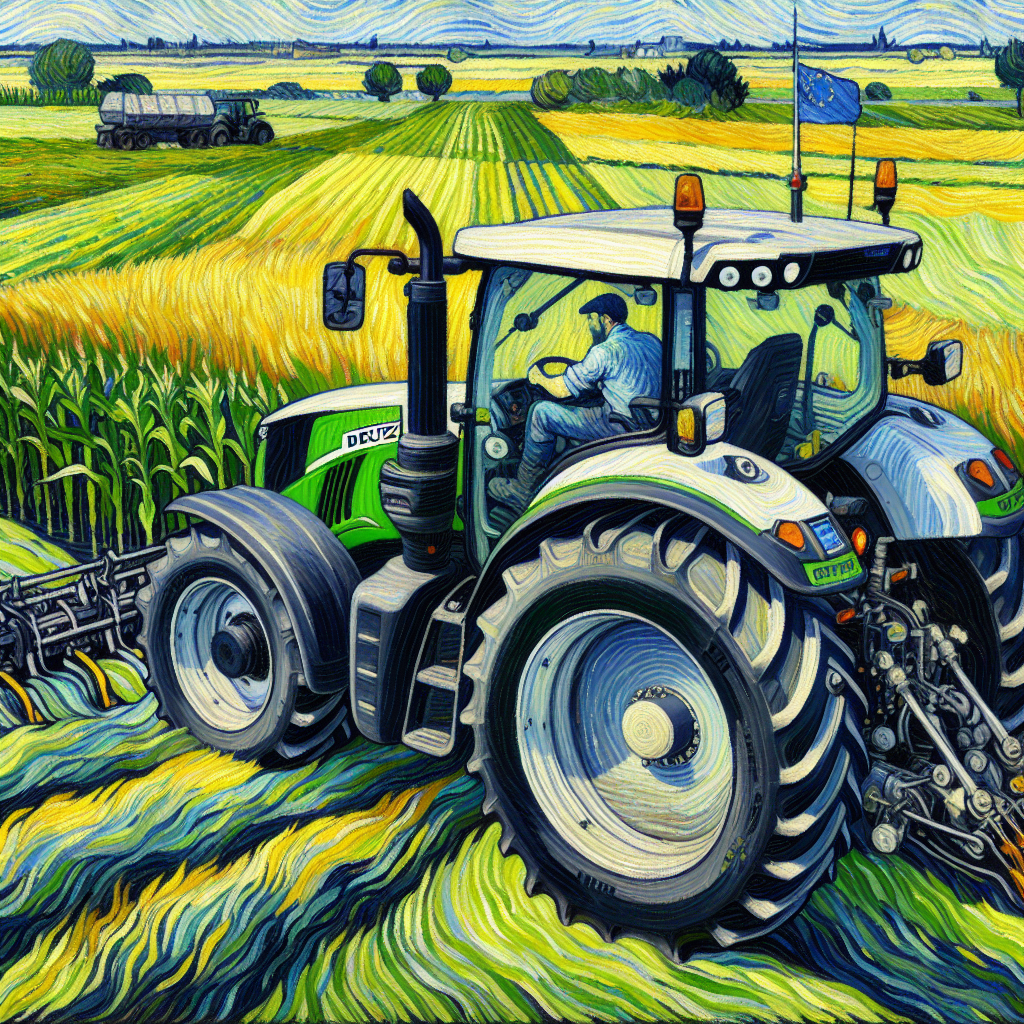
Can Classic Tractors Enhance The Efficiency Of Modern Farming Methods?
How Might Embracing Classic Tractors Foster Community Among Farmers?
There’s a palpable magic in the air when a seasoned farmer rolls out a classic tractor from the barn, its engine roaring to life like a nostalgic symphony. This isn’t just about the rusted metal; it’s about forging connections, nurturing relationships, and building a community that thrives on shared experiences. When farmers come together around these enduring symbols of agriculture, they’re not just discussing horsepower or crop yields; they’re sharing stories, wisdom, and a passion that reaches deep into the heart of their collective identity.
Picture a gathering on a sun-drenched Saturday, where farmers, young and old, converge for a vintage tractor show. As the tractors line up like proud soldiers, it becomes evident that every scratch and dent tells a tale. A grandfather might share how he plowed his first field with a tractor just like the one standing before him, while a teenager listens intently, captivated by the rich tapestry of history. It’s this exchange of narratives that invites trust and confidence—one generation paving the way for the next, united by shared purpose and the simple beauty of hard work.
But beyond the emotional connections, embracing classic tractors offers practical benefits. By participating in local clubs or events, farmers become embedded in a network of resources and knowledge. They gain access to techniques passed down through generations and new innovations that enhance their practices. This combination of experience and wisdom creates a community where everyone thrives—a community that supports each other, be it through advice on pest control or lending a hand during harvest time.
Now, consider the ethical implications. In a world increasingly dominated by technology and corporate farming, classic tractors represent sustainability and a return to our roots. They remind us of the value of craftsmanship over consumerism, emphasizing that agriculture is not just a profession; it’s a way of life steeped in respect for the land and future stewardship.
Lastly, being part of this community instills a powerful sense of belonging. It’s a collective identity shaped by laughter, shared struggles, and victories, reminding each member that they’re never alone in the field. The noise of the tractors becomes a unifying chant, echoing across the landscape—a reminder that great things come from hard work and collaboration.
So next time you see a classic tractor, remember it’s more than just machinery; it’s a bridge connecting lives, stories, and futures. Embracing these timeless machines is not only a celebration of our past but also a powerful step toward fostering a vibrant community of farmers bound by tradition, passion, and shared goals.
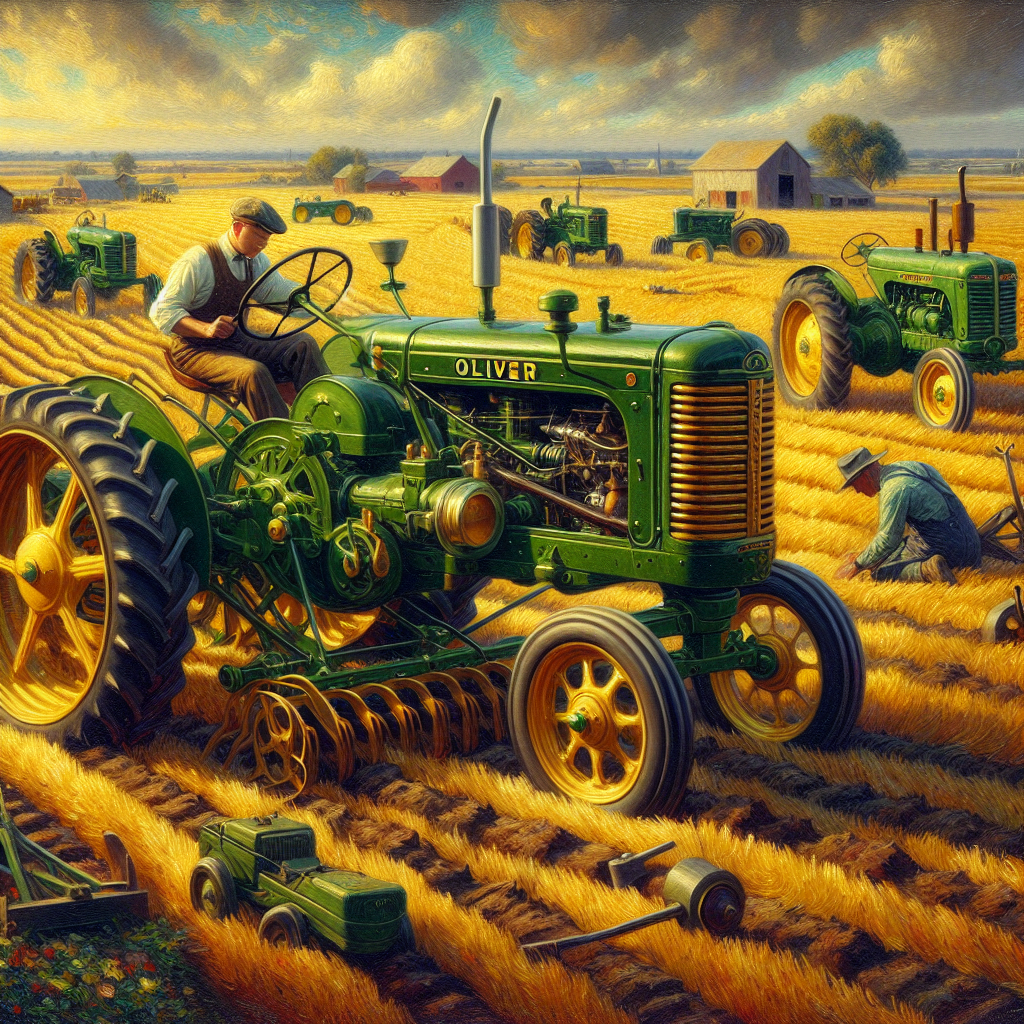
How Might Embracing Classic Tractors Foster Community Among Farmers?
How Might Embracing Classic Tractors Foster Community Among Farmers?
- Classic tractors symbolize connections and relationships within the farming community.
- Gatherings like vintage tractor shows allow for storytelling across generations.
- Exchanges of experience foster trust and unity among farmers.
- Participating in local clubs offers practical knowledge and resources for modern farming.
- Classic tractors highlight sustainability and craftsmanship over corporate farming.
- Being part of this community builds a sense of belonging and shared purpose.
- Classic tractors connect lives and stories, celebrating tradition while fostering a vibrant agricultural community.
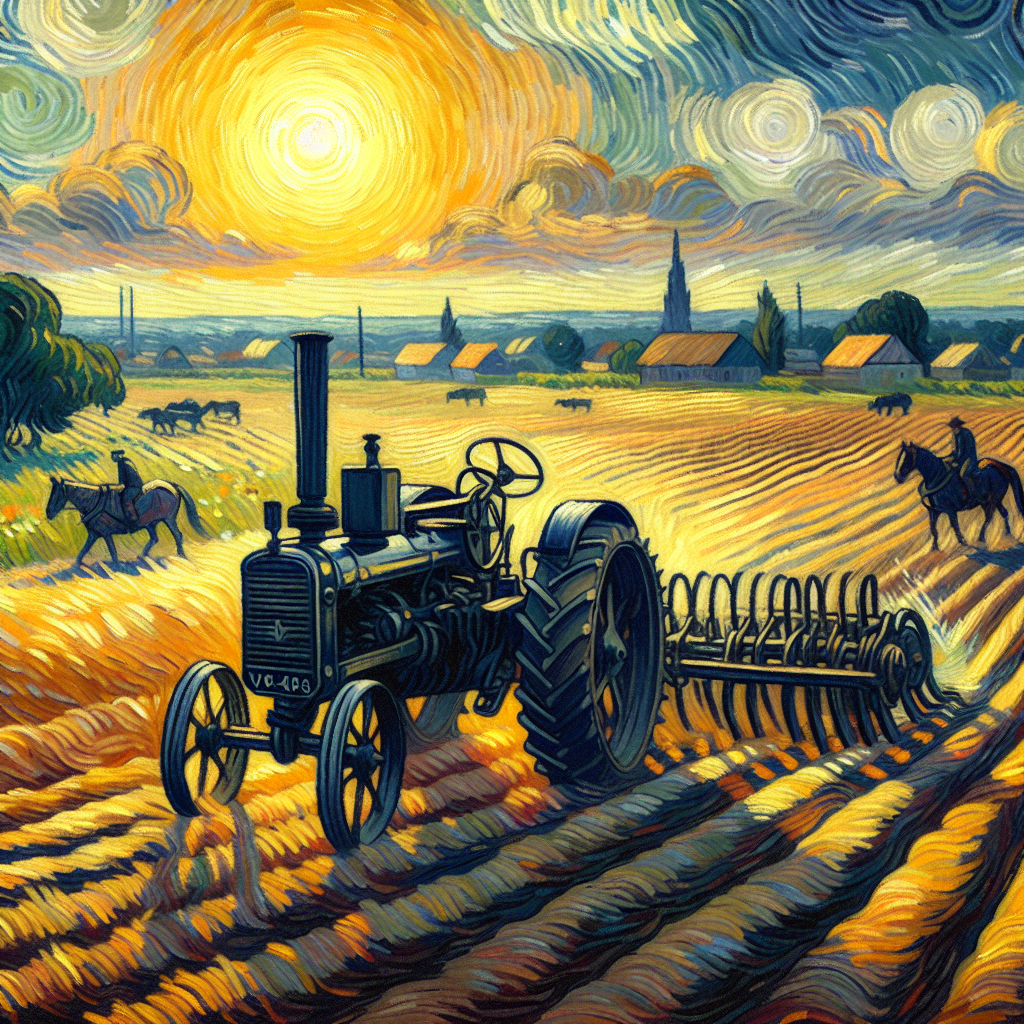
How Might Embracing Classic Tractors Foster Community Among Farmers?
Are Classic Tractors More Reliable Than Some Modern Farming Equipment?
When we think about tractors, our minds often drift to the heavy-duty giants of the modern age, gleaming with all the bells and whistles technology can offer. Yet, let’s take a moment to reflect on the classic tractors that have stood the test of time, those rugged machines that took farmers from dawn ’til dusk, patches of earth turning beneath their powerful wheels. The question arises: Are classic tractors more reliable than some modern farming equipment?
Let’s break it down. Classic tractors, often built with simplicity at their core, have an undeniable charm. They embody an era when human ingenuity prioritized function over form. These tractors weren’t just pieces of equipment; they were trusted companions, built to weather the storms—both literal and metaphorical—of farm life. They were often designed for repairability, with parts readily available and mechanics who understood their inner workings. Imagine a farmer, flashlight in hand, kneeling by a beloved old workhorse, confidently diagnosing a problem without needing a computer. This is where the head and heart intersect, as they share not just a machine but a shared narrative rooted in resilience and reliability.
Now, consider the modern farming equipment that dazzles with technological advancements. GPS-guided systems, precision agriculture, and the promise of data-driven decision-making herald a new era for efficiency and yield. Yet, it poses a question of dependence. When the sensors fail, or software glitches arise, the very backbone of the farming operation can falter. This raises ethical considerations: are we sacrificing reliability on the altar of convenience? A classic tractor, with its straightforward mechanics, evokes a sense of duty—a commitment to hard work, with far fewer surprises lurking in the background.
Social connections also play a role. When a community of farmers gathers at a show or a workshop, the pride in classic tractors often shines brightly. It’s a bond forged in shared experiences, and a recognition that these machines have shaped their lives and legacies. Those gleaming tractors might be faster or more efficient on paper, but the trust found in old steel and iron cannot be replicated by any cutting-edge machine.
So, as we ponder this debate, let’s remember the power of simplicity and reliability. In an age where change is constant, sometimes the heart leads us back to what we know and love. There may be wisdom in the age-old axiom: sometimes, the best technology is a simple one that just works. Embrace that truth and perhaps, just perhaps, it’s time to reconsider the roles these classic tractors play in the fields of the future.
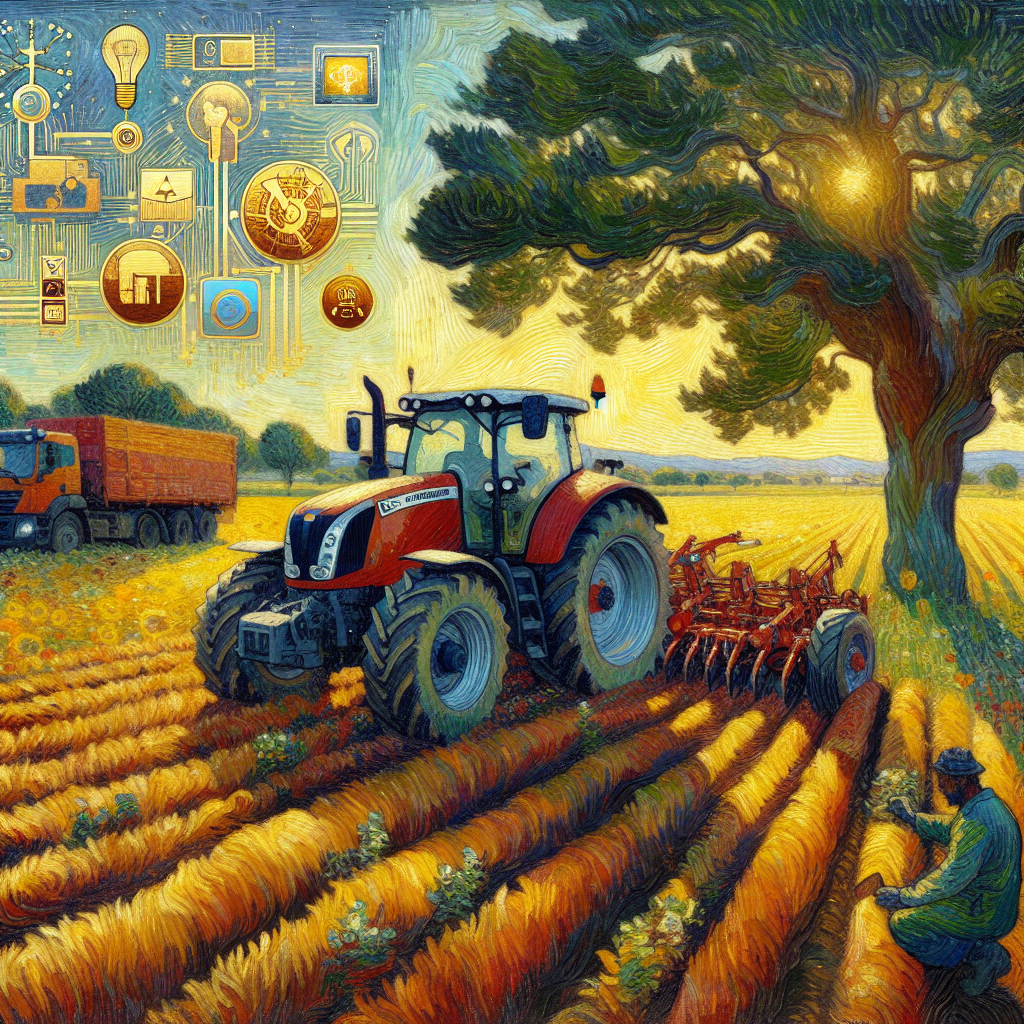
Are Classic Tractors More Reliable Than Some Modern Farming Equipment?
Are Classic Tractors More Reliable Than Some Modern Farming Equipment?
- Classic tractors have enduring charm and reliability due to their simplicity and robust design.
- These tractors represent human ingenuity focused on functionality, often prioritizing repairability.
- Farmers can easily diagnose and repair classic tractors without reliance on advanced technology.
- Modern farming equipment boasts technological advancements but raises concerns about dependency and reliability.
- When technology fails, it can significantly disrupt farming operations compared to classic machinery.
- Classic tractors foster community among farmers through shared experiences and pride in heritage.
- In a rapidly changing world, the simplicity of classic tractors may be valuable for future farming practices.
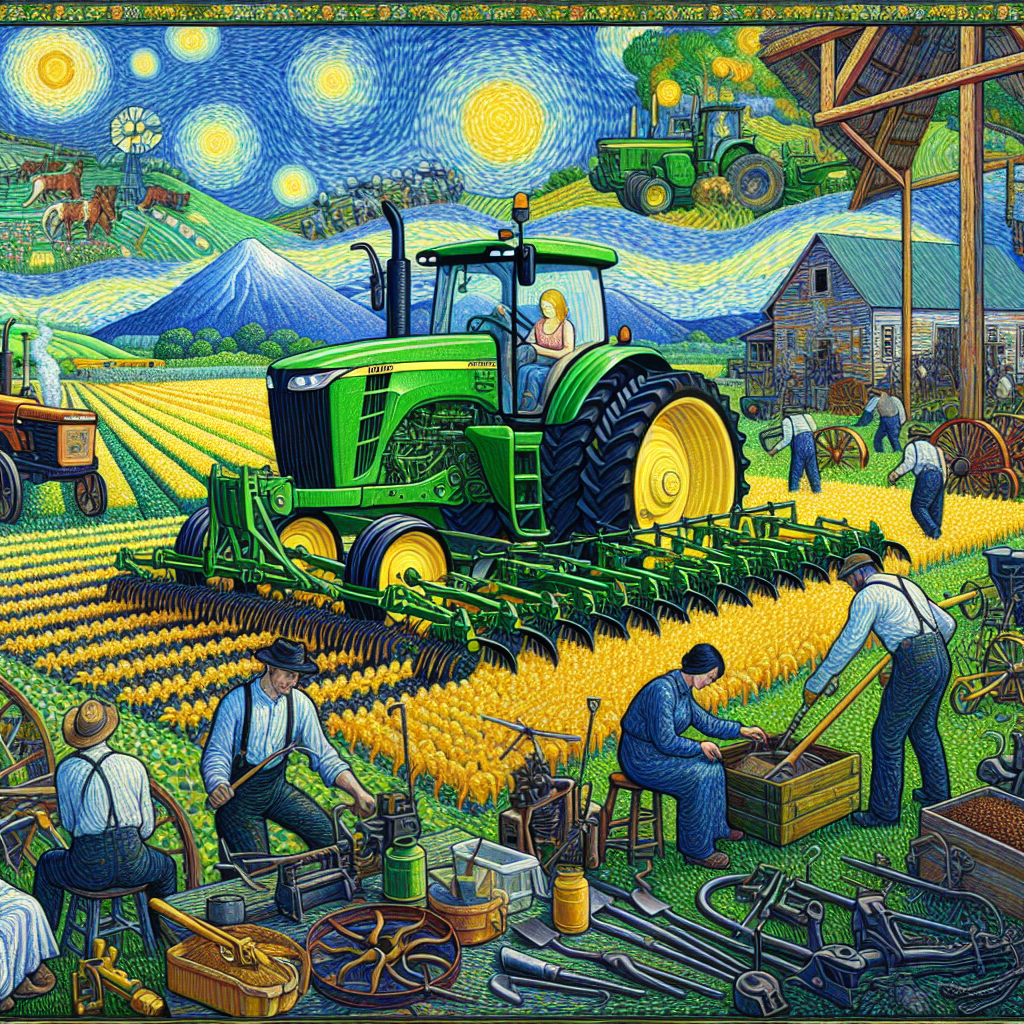
Are Classic Tractors More Reliable Than Some Modern Farming Equipment?
What Ethical Considerations Arise From Ignoring Classic Machinery?
Imagine for a moment a small, sun-drenched farm. The air is thick with the smell of freshly tilled earth, and in the distance, an aging tractor hums its weary tune, a steadfast companion to generations of farming families. But behind that serene picture lies a crucial decision point we face today: the choice to embrace the old or shun it for the new. Ignoring classic machinery isn’t just a matter of technology; it’s a question that pulls at the very fabric of our values, calling into question our responsibility to preserve the past for future generations.
From an emotional standpoint, the antique tractor represents more than just a relic; it embodies stories, traditions, and time-honored techniques that have shaped our agricultural landscape. These machines were crafted with care, often by the hands of craftsmen who understood the wood, the metal, and the earth in ways we’re losing touch with today. By sidelining these gems in favor of high-tech alternatives, we risk disconnecting ourselves from those narratives, turning our backs on our heritage. Do we really want to let go of that tether to our roots, or worse, erase the lessons learned from decades of toil?
On a rational level, dismissing classic machinery overlooks the practical benefits of these enduring machines. They often require simpler maintenance, and their reliability stands in stark contrast to the complexity of cutting-edge equipment. Stripping our farming efforts of this foundation could lead to reduced resilience in our food systems. So, while we chase the latest advancements, have we considered what we might be sacrificing?
Ethically, we encounter the issue of sustainability. Classic machinery, when tended to with care, can continue to serve its purpose without contributing to the ever-growing pile of electronic waste. Embracing these tractors promotes a mindset of respect for our surroundings and encourages us to think carefully about our consumption habits. By valuing rather than discarding, we align our practices with a more principled approach to stewardship.
Socially, we influence younger generations by choosing to care for these machines. When we showcase their importance, we ignite curiosity and inspire action. We create a community bound by shared values—a tapestry of experiences woven with the threads of both old and new. In a world racing towards innovation, let’s not forget to honor the journey that brought us here. Ignoring classic machinery is more than just a choice; it’s a missed opportunity to engage, inspire, and connect with what truly matters.
What Ethical Considerations Arise From Ignoring Classic Machinery?
What Ethical Considerations Arise From Ignoring Classic Machinery?
- A small farm setting creates a backdrop for discussing the choice between old and new farming machinery.
- The antique tractor symbolizes stories, traditions, and agricultural techniques important to our heritage.
- Dismissing classic machinery risks disconnecting us from our roots and the lessons learned from the past.
- Classic equipment often requires simpler maintenance and offers reliability compared to modern technology.
- Ignoring traditional machines can undermine resilience in our food systems as we focus on advancements.
- Classic machinery promotes sustainability by reducing electronic waste, encouraging a mindful approach to consumption.
- Caring for these machines inspires younger generations and fosters a community that values both old and new traditions.

What Ethical Considerations Arise From Ignoring Classic Machinery?
Conclusion
When we think of farming, it’s all too easy to get swept away in the flash and dazzle of today’s high-tech machinery. But as we pull on our work boots and step into the fields, let’s take a moment to reflect on a true hero of agriculture—the classic tractor. These sturdy machines are so much more than rusty relics; they are embodiments of timeless values and practical wisdom shaped by generations of hard work and determination. Picture this: the sun setting over a family farm, the deep rumble of an old tractor echoing through the fields like a heartbeat, connecting past with present. This isn’t merely nostalgia; it’s a heartfelt reminder of the bond between farmer and land, a connection often lost amidst the algorithms and automation of modern farming.
Now, let’s engage our rational side. Classic tractors often boast simplicity in design, fostering durability and reliability that modern machines cannot always promise. They’re easier to maintain, less likely to baffle with complex technology, and—let’s be honest—don’t require a second mortgage to purchase. From an ethical perspective, the choice to preserve and use these tractors aligns with sustainable farming practices that honor both the land and our communities. Supporting the use of classic machinery cultivates resilience, not just in the operations of our farms, but also in local economies, as it emphasizes relationships over transactions.
Moreover, these machines are rich with stories—stories of toil, triumph, and transformation. Each dent and scratch recounts a tale worth honoring. By investing time in these classic tractors, we’re extending the narrative—creating connections across generations, sharing wisdom that enriches both young and old. Social gatherings around vintage tractors become celebrations of tradition, fostering community and camaraderie that can inspire a collective ethos rooted in appreciation for our shared agricultural heritage.
So, as we march into the future of farming, let’s not abandon our roots. Embracing classic tractors isn’t just about respecting the past; it’s about shaping a sustainable future that weaves together lessons learned with innovative practices ahead. We owe it to ourselves and the land to acknowledge the legacy these machines represent. Let’s dust off those old harvesters and invite them back into our farming conversations. In doing so, we honor our journey while nurturing the spirit of agriculture that unites us all in purpose. It’s time to drive forward with intention, blending tradition and innovation for a farming community that thrives together—one tractor at a time.
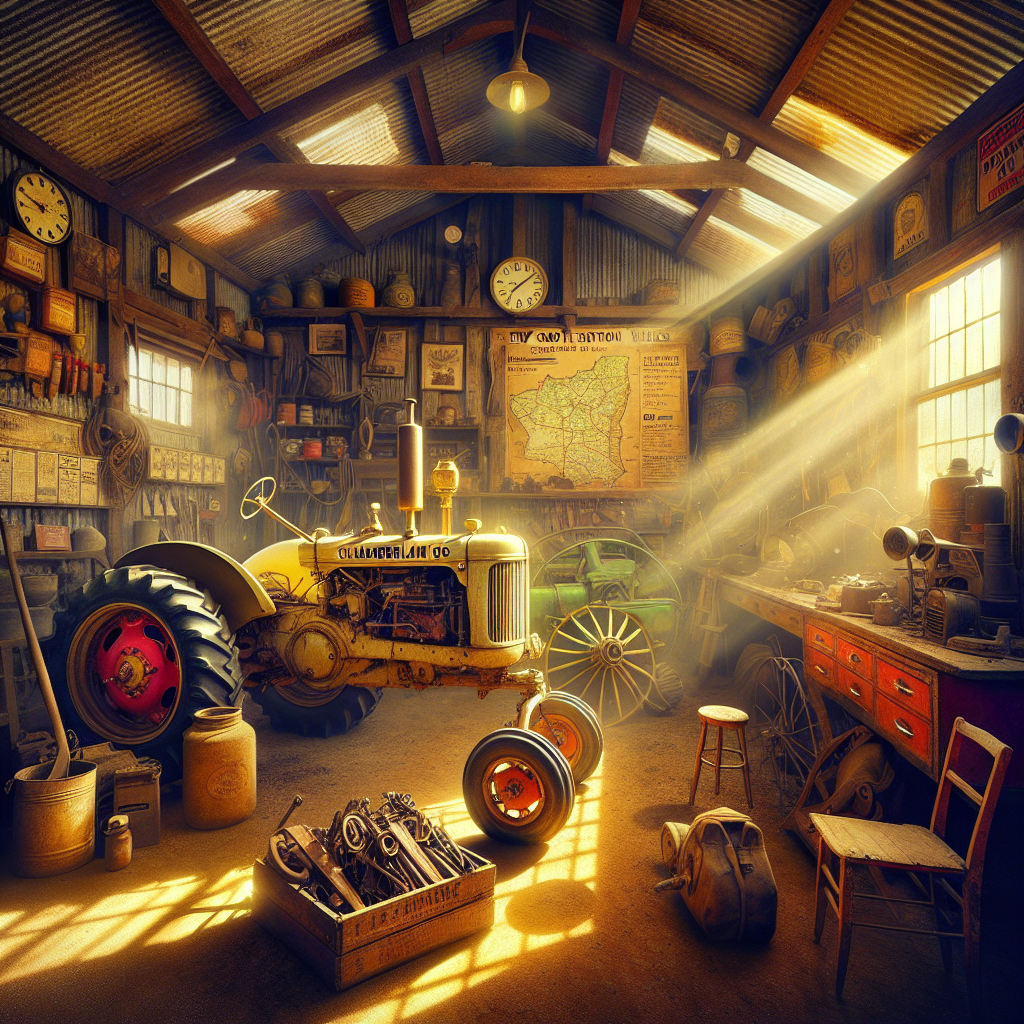
Conclusion
Conclusion:
- The classic tractor symbolizes timeless values and practical wisdom in agriculture.
- Old tractors provide durability and reliability, often requiring simpler maintenance than modern machinery.
- Using classic tractors aligns with sustainable farming practices and supports local economies.
- Each classic tractor carries stories of toil and perseverance, enriching connections across generations.
- Social gatherings around vintage tractors foster community and celebrate agricultural heritage.
- Embracing classic tractors shapes a sustainable future while honoring agricultural traditions.
- Integrating tradition and innovation can create a cohesive and thriving farming community.
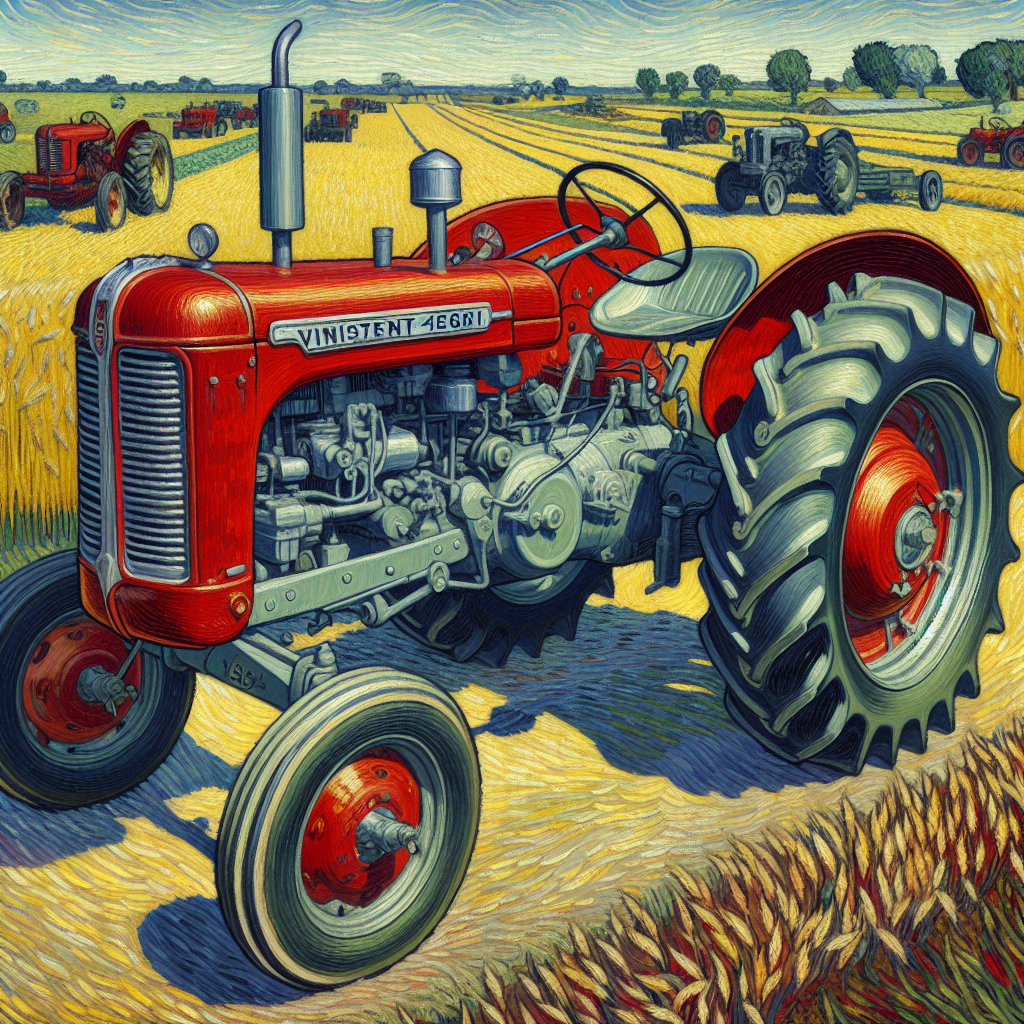
Conclusion
Other Resources
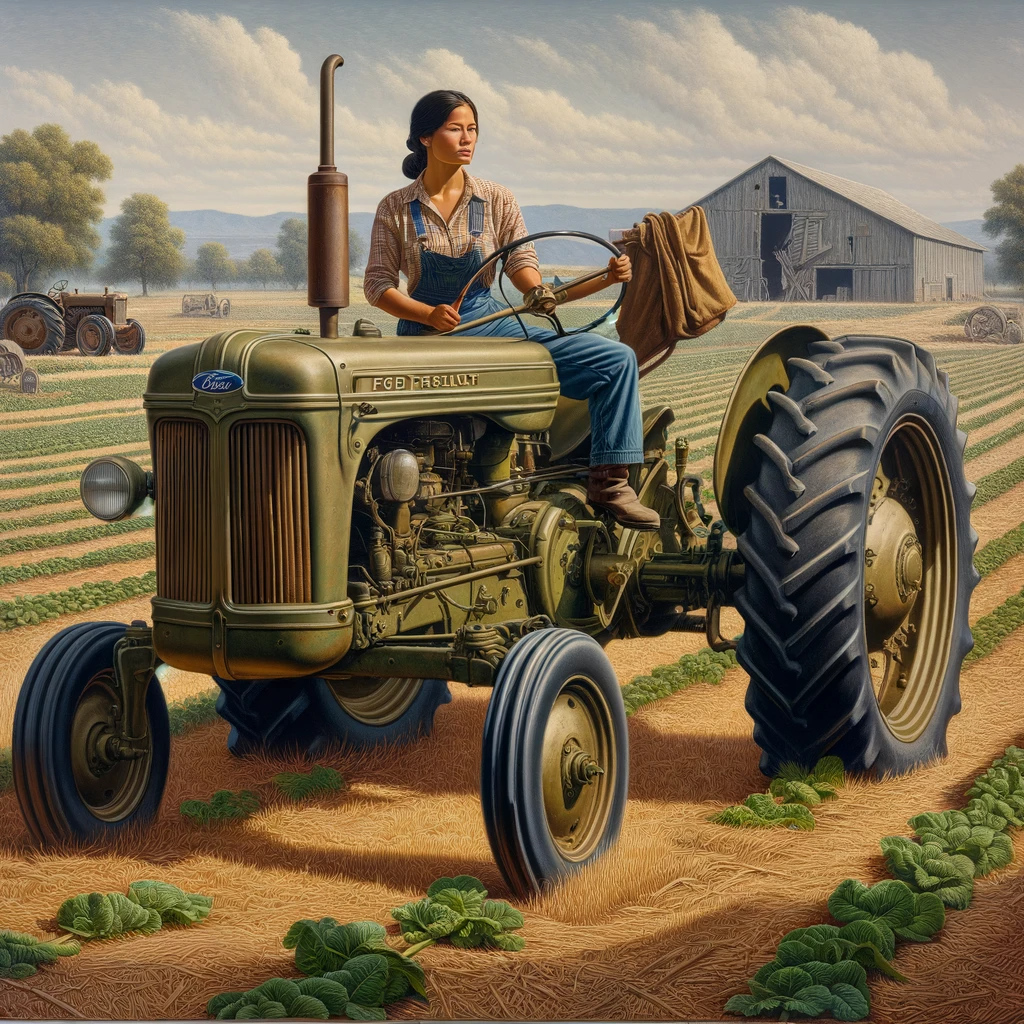
Other Resources
Here is a list of other resources you can review online to learn more:
- McKee
- Bruce County Heritage Farm Show
- Apollo
- B.F. Avery
- GBT
- General Ordnance
- Bristol
- Ultimate Antique Tractor Guide
- Fox River Tractor Company
- Mahindra Gujarat
Use This Prompt To Get More Resources With Your Favorite Online AI Tool: Please provide me with a list of online articles with their URLs in a bulleted list that I can read regarding Are Modern Farming Techniques Overlooking Classic Tractor Value
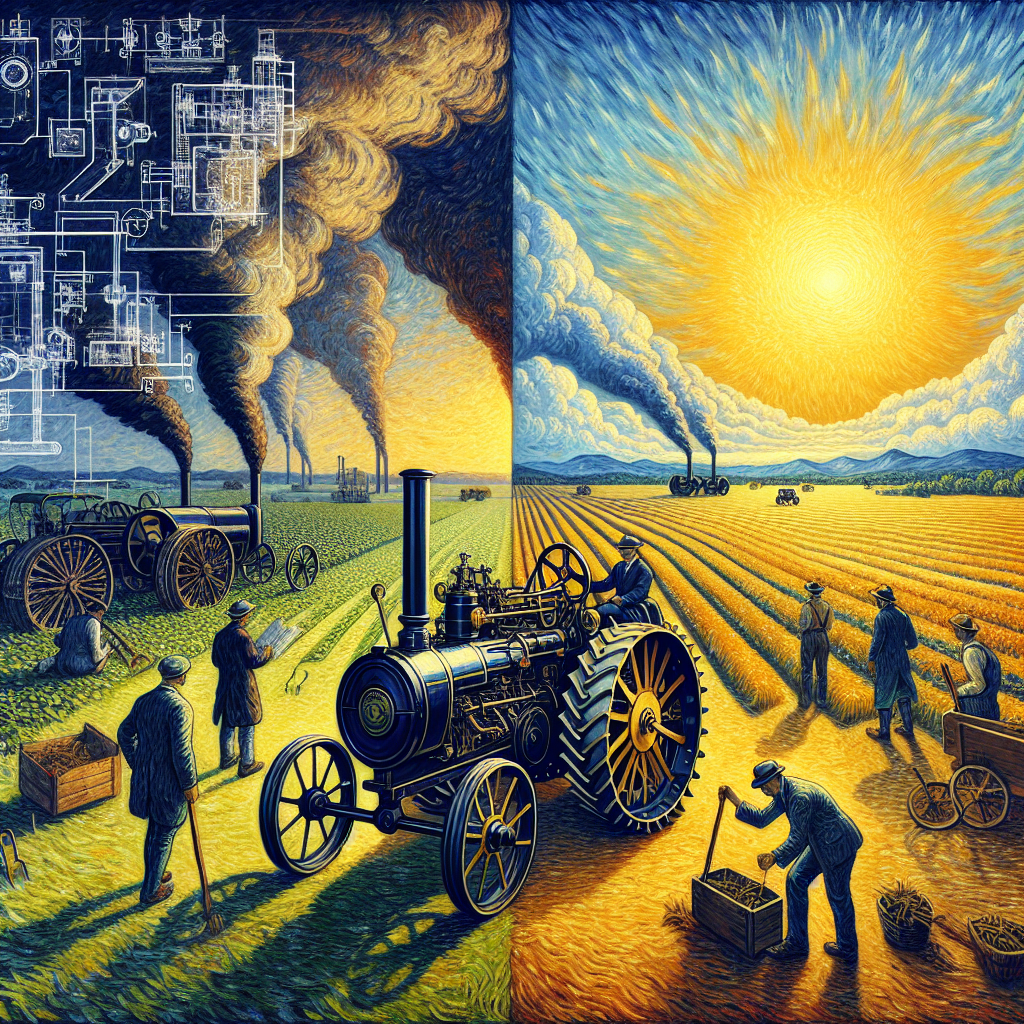
Other Resources
Glossary Terms
Are Modern Farming Techniques Overlooking Classic Tractor Value – Glossary Of Terms
1. Agricultural Technology: Tools, machines, and systems used to enhance farming efficiency and productivity, often incorporating modern innovations.
2. Classic Tractor: Tractors manufactured in earlier eras, typically valued for their historical significance, simplicity, and durability.
3. Precision Agriculture: A farming management concept that uses information technology and various items like GPS to ensure crops and soil receive exactly what they need for optimum health and productivity.
4. Sustainable Farming: Agricultural practices aimed at meeting current food needs without compromising the ability of future generations to meet theirs, often incorporating traditional methods.
5. Tractor Restoration: The process of repairing, refurbishing, or renovating classic tractors to bring them back to their original condition or functionality.
6. Hydroponics: A method of growing plants without soil, using mineral nutrient solutions in water, often employed in modern agriculture for greater yield.
7. Organic Farming: A method of farming that avoids synthetic fertilizers and pesticides, focusing instead on natural processes and materials.
8. Biodiversity: The variety of life in a particular habitat or ecosystem, important for maintaining healthy and resilient agricultural systems.
9. Crop Rotation: The practice of alternating the types of crops grown in a particular area to maintain soil fertility and reduce pest and disease risk.
10. Mulching: The application of organic or inorganic material on the soil surface to retain moisture, suppress weeds, and enhance soil health.
11. Conventional Farming: Traditional agricultural practices that often involve the use of synthetic chemicals and monoculture techniques.
12. Integrated Pest Management (IPM): An environmentally sensitive approach to pest management that combines biological, cultural, and chemical practices to minimize harm.
13. Farm Mechanization: The process of using machinery to perform farming tasks, which can improve efficiency but might overlook the capabilities of classic tractors.
14. Soil Health: The condition of soil that supports the growth of plants, livestock, and microorganisms, critical for sustainable farming.
15. Yield: The amount of crop produced per unit area, often a key measure of farming success and efficiency.
16. Agroecology: An ecological approach to agriculture that views agricultural areas as ecosystems and integrates knowledge from various disciplines.
17. Land Grabbing: The strategizing and acquisition of farmland for commercial purposes, often to the detriment of local farmers and traditional practices.
18. Heritage Farming: Farming methods that preserve traditional agricultural practices and values, often emphasizing ecological balance and local resources.
19. Tractor Collecting: The hobby of acquiring classic tractors for preservation, showcasing their history and significance in agriculture.
20. Green Revolution: A period characterized by the introduction of high-yield crop varieties and modernized irrigation and fertilization techniques, transforming global agriculture.
21. Direct Seeding: A planting method in which seeds are sown directly into the soil with minimal soil disturbance, preserving soil structure.
22. Farm Sustainability: A holistic approach to farming that focuses on economic viability, environmental health, and social equity.
23. Cultivation: The act of preparing and working the soil to promote crop growth, traditionally done with manual labor and classic tractors.
24. Vertical Farming: A modern agricultural technique that involves growing crops in stacked layers, often in controlled indoor environments.
25. Crop Diversification: The practice of growing a variety of crops to enhance resilience, minimize risk, and improve soil health.
26. Farming Cooperatives: Organizations where farmers pool resources and efforts for mutual benefit, often leveraging traditional and modern farming techniques.
27. Regenerative Agriculture: Practices aimed at improving soil health and biodiversity, enhancing ecosystems while producing food.
28. Data Analytics in Farming: The use of analytical tools to gather and interpret data related to crop performance, soil health, and market trends to improve farming decisions.
29. Tractor Innovation: Technological advancements in tractor design and capabilities, often overshadowing the value and efficiency of classic models.
30. Value Assessment: The evaluation of the worth of agricultural equipment, including classic tractors, often focusing on historical, functional, and sentimental value.
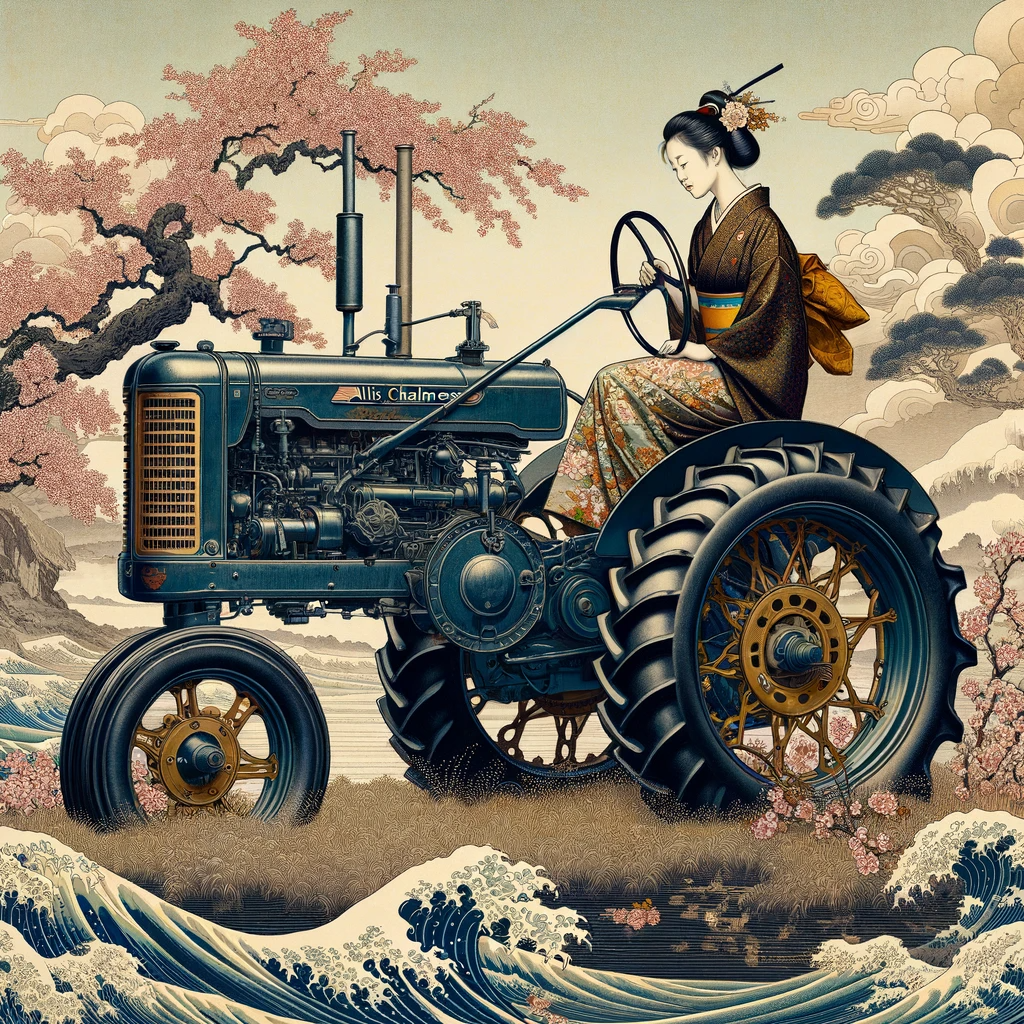
Glossary Of Terms
Other Questions
Are Modern Farming Techniques Overlooking Classic Tractor Value – Other Questions
If you wish to explore and discover more, consider looking for answers to these questions:
- What are the key benefits of using classic tractors compared to modern equipment?
- How do classic tractors contribute to sustainable agriculture?
- What strategies can farmers implement to integrate classic tractors into modern practices?
- What challenges do farmers face when using classic tractors today?
- What historical impact have classic tractors had on agricultural practices?
- How can farmers maintain and restore classic tractors effectively?
- What resources are available for farmers interested in classic tractors?
- How can communities promote the use of classic tractors among younger generations?
- What are some success stories of farmers who have embraced classic tractors?
- Are there any particular brands or models of classic tractors that are highly valued?
- What role do classic tractors play in agricultural education and workshops?
- How does the use of classic tractors influence the local economy?
- In what ways can classic tractors foster intergenerational connections among farmers?
- What technologies can be retrofitted to classic tractors to enhance their functionality?
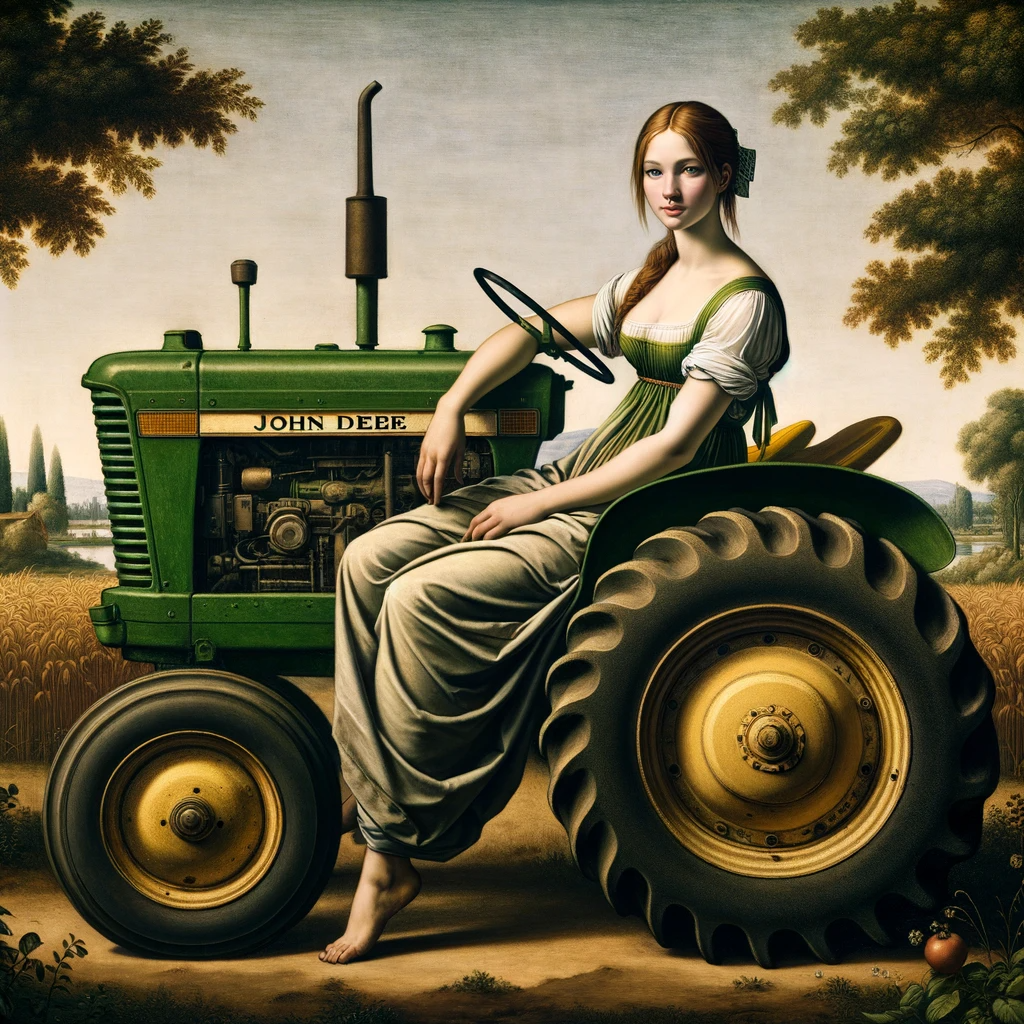
Other Questions
Haiku
Are Modern Farming Techniques Overlooking Classic Tractor Value – A Haiku
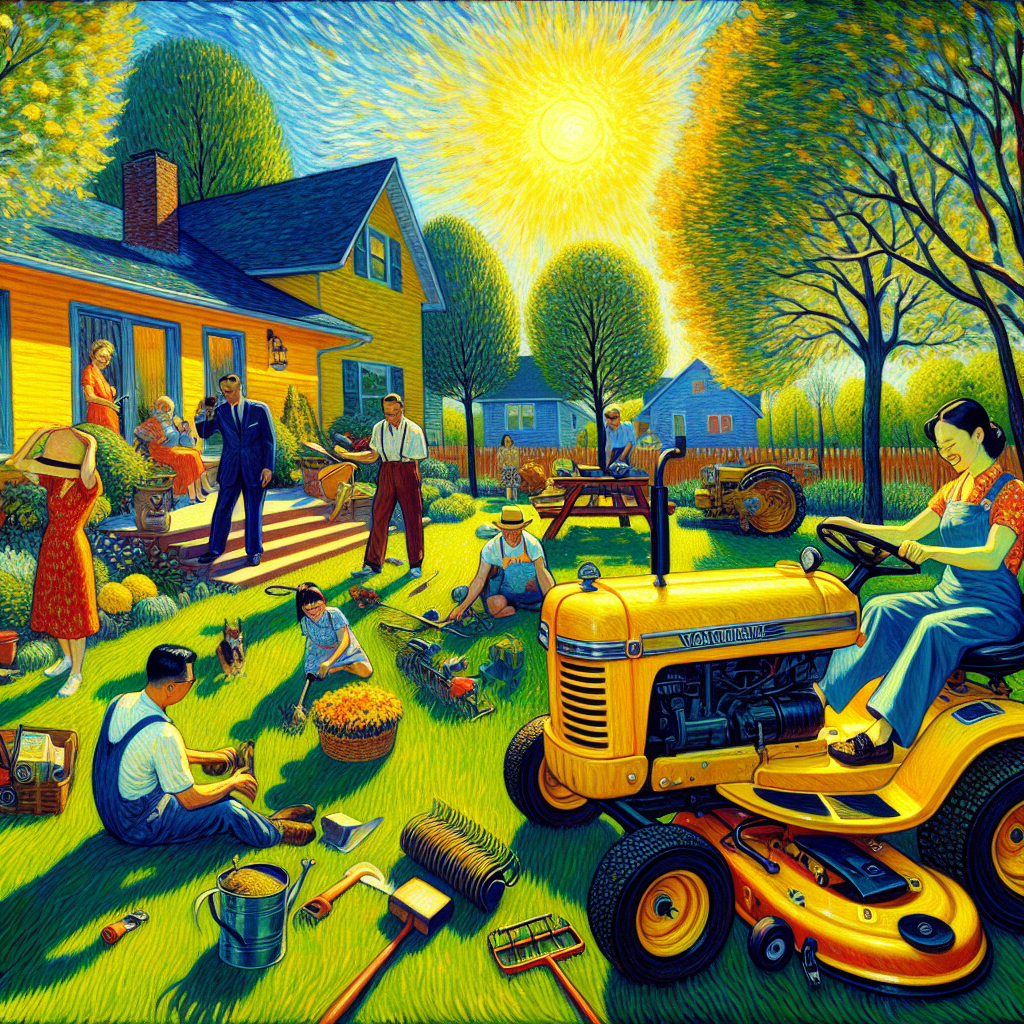
Rusty hearts still beat,
In fields where roots entwine past—
Tractors tell our tales.
Haiku
Poem
Are Modern Farming Techniques Overlooking Classic Tractor Value – A Poem
In Praise of the Tractor
In fields where sun and soil weave a tale,
Old tractors stand, steadfast and pale.
Rusty giants, with stories in tow,
Whispering truths of the seeds that we sow.
Beneath the hum of high-tech machine,
Lies the heartbeat of our farming scene.
Simplicity’s grace, in each dent and scratch,
Holding the wisdom that time can’t snatch.
Once the backbone, through toil and strife,
They shaped generations, breathed life into life.
From dawn to dusk in a dance with the earth,
Each turn of the wheel sings of labor’s worth.
So let’s pause and listen to their silent songs,
To the hands that built them; to where each belongs.
A bond with the soil, an ethical plea,
To cherish our past as the future we see.
Classic machines, with their rugged embrace,
Foster community, establishing grace.
They gather the old and the young near,
Bridging the gaps with stories sincere.
Celebrate heritage, let us not forget,
The values instilled in every vignette.
For sustainability whispers through steel,
As we ponder the choices that farming can heal.
So, when you drive past that rusted old frame,
Remember the legacy, give it a name.
In the dance of the harvest, old tractors lead,
A symbol of heritage; they plant what we need.
Let us embrace them, not as relics of yore,
But as vital companions, deserving of more.
In every plow and plummet, every furrow and line,
Classic tractors remind us that farming’s divine.

Poem
Checklist
Are Modern Farming Techniques Overlooking Classic Tractor Value – A Checklist
Embrace Classic Tractors: Heart, Head, and Gut Checklist
Heart (Emotional Appeals)
_____ Reconnect with Tradition: Reflect on the stories and values tied to classic tractors and their role in agricultural heritage.
_____ Cherish Memories: Recall personal experiences or stories from elders that embody the spirit of classic farming practices.
_____ Cultivate Community Spirit: Engage in local gatherings that celebrate classic tractors; bond through shared narratives and experiences.
Head (Rational Appeals)
_____ Assess Practicality: Evaluate the reliability and simplicity of classic tractors compared to modern equipment.
_____ Consider Maintenance Needs: Compare the ease of repair and maintenance between classic tractors and high-tech machinery.
_____ Analyze Cost-Effectiveness: Reflect on the financial implications of maintaining classic tractors versus investing in cutting-edge technology.
Gut (Ethical Appeals)
_____ Commit to Sustainable Practices: Consider the ecological footprint of high-tech farming versus the sustainability offered by classic tractors.
_____ Honor Craftsmanship: Appreciate the skilled craftsmanship behind classic tractors and the importance of preserving them for future generations.
_____ Embrace Heritage and Responsibility: Recognize the ethical responsibilities tied to preserving agricultural history and its relevance in modern farming.
Authority (Credibility Appeals)
_____ Learn from Experts: Seek insights from experienced farmers or agricultural historians on the value of classic tractors.
_____ Consult Research: Read studies showcasing the benefits of classic tractors in sustainable agriculture and community resilience.
Narrative (Storytelling Appeals)
_____ Share Stories of Resilience: Inspire others by sharing narratives of farmers who relied on classic tractors to overcome challenges.
_____ Create Your Own Legacy: Document your farming journey with classic tractors, contributing to the ongoing narrative of agricultural heritage.
Social (Community Appeals)
_____ Join Local Clubs: Participate in vintage tractor shows or clubs to foster connections with fellow farmers who share a passion for classic machinery.
_____ Engage Younger Generations: Involve younger farmers in discussions about tractors, encouraging them to appreciate and adopt the lessons from the past.
_____ Promote Awareness: Advocate for the recognition of classic tractors in community and agricultural policies, emphasizing their importance in the farming narrative.
Conclusion
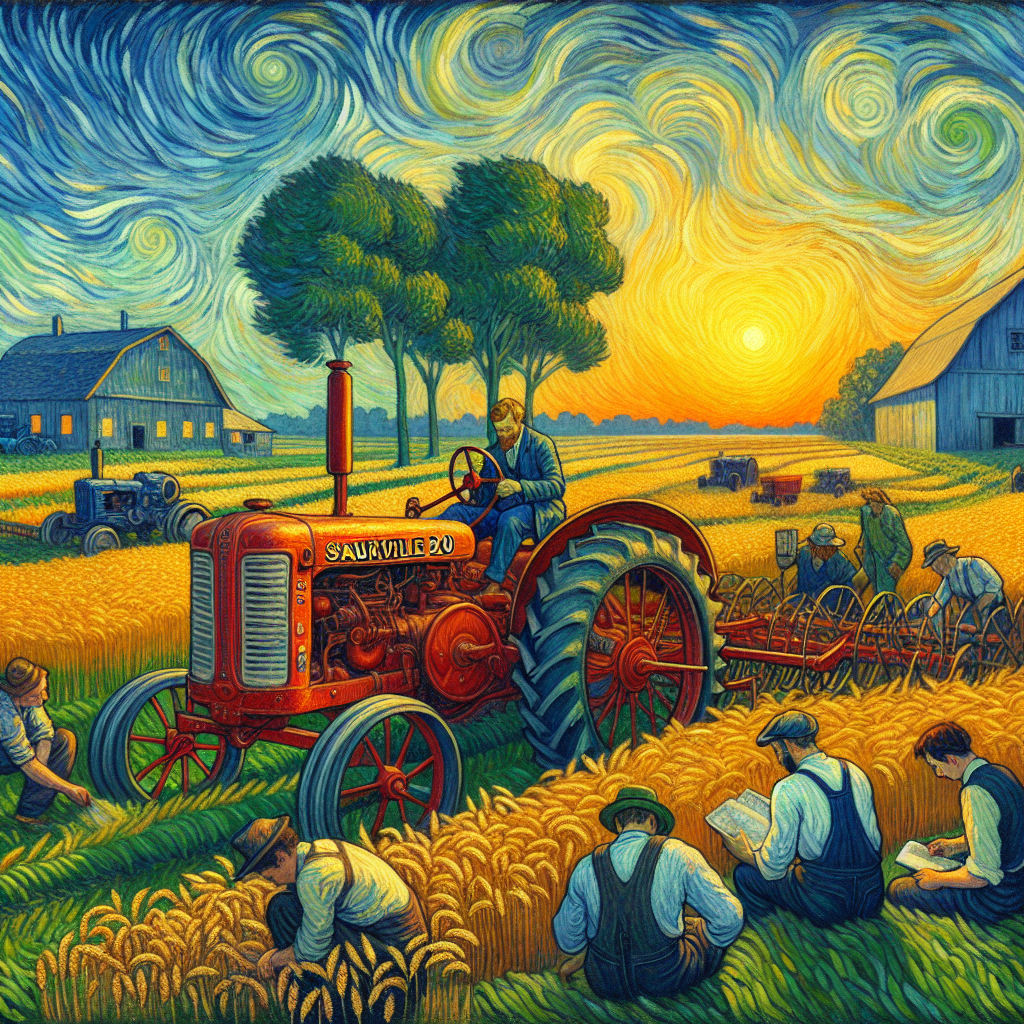
Use this checklist to inspire action—whether you’re a farmer, enthusiast, or simply wishing to understand the deeper connections in agriculture. Embrace the value of classic tractors and their essential role in navigating the future of farming, grounded in history and community.
Checklist
At ClassicTractorNews, we help tractor lovers keep up with the latest news for classic and vintage tractors.
Please share this post with your friends, family, or business associates who may like old classic or vintage tractors.