


Farming Futures: Balancing Tradition And Technology
By Tom Seest
At ClassicTractorNews, we help tractor lovers keep up with the latest news for classic and vintage tractors.
Please share this post with your friends, family, or business associates who may like old classic or vintage tractors.
Are Modern Farming Challenges Best Tackled with Classic Equipment
?
In an age when precision farming and drones hover over lush fields, it’s easy to overlook the quiet might of a classic tractor, rusted perhaps, but still ready to rumble. Let’s take a moment to reflect on what truly drives the heart of agriculture. Yes, technology can streamline operations, but that good old tractor—along with the stories it carries—embodies something profoundly human, timeless, and irreplaceable.
Imagine the sun setting over a field, casting an amber glow on an old diesel engine that has seen decades of hard work. Each scratch and dent tells tales of early mornings and late-night harvests. It’s a machine that’s not just part of the equipment; it’s part of a legacy. Every turn of that wheel connects generations, linking us to our roots, igniting a passion and a sense of responsibility that newer machines sometimes lack. When you climb aboard a classic tractor, you’re not just farming; you’re participating in a ritual that’s defined us for thousands of years.
Now let’s engage the head. Rationally speaking, the environmental impact of modern equipment is a pressing concern. While sleek, new gadgets promise efficiency, they also come with hefty carbon footprints and high-maintenance costs. Classic tractors, often made with durable parts that can be repaired rather than replaced, can operate using less fuel and fewer resources, creating a more sustainable model of farming. They give us a fighting chance against the pressures of climate change while fostering a responsible stewardship of the land we love.
Ethically, it’s vital that we prioritize farming practices that respect the earth and its people. We often romanticize modern advancements, but in our quest for innovation, we should not forget the wisdom of the past. The farmer who repairs a beloved tractor instills lessons of resilience and respect—not only for their equipment but also for the very soil we depend on. It’s a testament to the notion that some battles are best fought with simplicity, grit, and a genuine connection to our origins.
Collectively, by embracing classic equipment, we can forge a community of farmers dedicated to preserving the soul of agriculture while confidently confronting modern challenges. So, as we stand in fields ripe with potential and uncertainty, let’s not ignore the palpable connection we feel when seated at the helm of a classic tractor. In embracing its legacy, we harness our history, fueling our future.

Are Modern Farming Challenges Best Tackled with Classic Equipment
Are Modern Farming Challenges Best Tackled with Classic Equipment
- Classic tractors, though often overlooked, symbolize deep human connections and agricultural legacy.
- Each scratch and dent on an old tractor conveys stories of hard work and tradition.
- Climbing aboard a classic tractor represents participation in a long-standing farming ritual.
- Modern equipment, while efficient, poses environmental concerns such as carbon footprints and high maintenance costs.
- Classic tractors promote sustainability by using fewer resources and being more easily repairable.
- Valuing the wisdom of the past fosters resilience and respect for both the equipment and the earth.
- Embracing classic equipment helps build a community of farmers focused on preserving agricultural heritage and addressing modern challenges.

Are Modern Farming Challenges Best Tackled with Classic Equipment
Table Of Contents
- Are Modern Farming Challenges Best Tackled with Classic Equipment
- How Can Traditional Farming Methods Improve Sustainability Today?
- Are We Overlooking The Wisdom Of Past Practices In Agriculture?
- How Might Ethical Farming Be Better Supported By Classic Tools?
- What Lessons From The Past Could Guide Us In Modern Agriculture?
- Do Experienced Farmers Trust Classic Equipment More Than New Tech?
- Could Nostalgia For Classic Farming Techniques Drive Innovation Now?
- Conclusion
- Other Resources
- Glossary Of Terms
- Other Questions
- Haiku
- Poem
- Checklist
How Can Traditional Farming Methods Improve Sustainability Today?
Picture this: a sun-drenched field buzzing with life, where a tractor hums gently in the background, positioned not as a dominating force but as a humble partner in a dance with nature. If understanding our roots is a path toward a sustainable future, then there’s a wealth of wisdom to unpack from traditional farming methods—a gateway that reconnects us with the land, our communities, and our very essence as stewards of the Earth.
Now, let’s use our heads for a moment. Traditional practices, like crop rotation and companion planting, promote biodiversity and enhance soil health. In an era where synthetic fertilizers and monocultures reign supreme, the lessons learned from generations of farmers whisper crucial truths. These methods aren’t merely nostalgic relics; they are time-tested strategies capable of producing healthier crops while simultaneously reducing chemical inputs. With our planet’s health hanging in the balance, are we not obligated, ethically speaking, to explore what’s worked for so long in the face of modern challenges?
Engaging with this legacy is not just about nostalgia—it’s about reclaiming our responsibility. Imagine walking through that verdant field firsthand, feeling the soil crumble between your fingers. You can almost hear the stories of perseverance and innovation from the farmers who came before us, and their hopes for future generations. This narrative beckons us to act, to weave the heart of tradition into the fabric of contemporary farming.
Turn your gaze outward; you’ll find communities around the world embracing these age-old techniques, building a social ethos rooted in resilience and respect for the earth. It’s not just about the crops harvested, but the connections forged in the process. Community-supported agriculture (CSA) programs have sprouted up, breathing life into local economies while fostering relationships between farmers and consumers. Together, we can bridge the gap between the field and the table, embracing sustainable practices that improve not just our plates but our planet.
So, the next time you spot a tractor rolling through a sun-kissed field, take a moment. Embrace the simplicity and wisdom it represents. Let it spark a deeper connection to the food we eat, the farmers who grow it, and the planet we all call home. Because if we want a sustainable future, we need to dig deep into our past—where true farming lies not just in productivity, but in the story of coexistence with nature.

How Can Traditional Farming Methods Improve Sustainability Today?
How Can Traditional Farming Methods Improve Sustainability Today?
- The shift to sustainable farming involves reconnecting with traditional practices that honor the land and communities.
- Traditional methods such as crop rotation and companion planting enhance biodiversity and soil health.
- These time-tested strategies can lead to healthier crops while reducing dependence on synthetic fertilizers.
- Engaging with farming traditions highlights our responsibility as stewards of the Earth for future generations.
- Communities worldwide are adopting age-old techniques, fostering resilience and respect for the planet.
- Community-supported agriculture (CSA) programs support local economies and strengthen farmer-consumer relationships.
- A sustainable future requires a deep understanding of past practices, emphasizing co-existence with nature.

How Can Traditional Farming Methods Improve Sustainability Today?
Are We Overlooking The Wisdom Of Past Practices In Agriculture?
In the landscape of modern agriculture, where the whirr of the latest tractor seems to drown out the whispers of history, we find ourselves at a crossroads. It’s easy to get caught up in the glittery promise of cutting-edge technology, but what if the wisdom we seek lies buried beneath the soil, nurtured by generations of diligent hands? Let’s take a moment to consider that our ancestors may have known things we’ve overlooked in our rush toward progress.
Picture a farmer plowing a field with nothing but a trusty pair of oxen and an old wooden plow. That farmer had a connection to the land so deep, they could anticipate its moods and rhythms. These simple practices—crop rotation, companion planting, and natural pest control—were not just clever; they were a vital narrative written over centuries in the language of trial and error. It was a story of survival, a testament to patience, and a bond that tethered them to the earth. As we climb aboard our state-of-the-art tractors and download the latest agronomy app, we risk losing that connection, or worse, losing our way.
On one hand, the allure of efficiency is irresistible. Yet, in the pursuit of higher yields, we often jeopardize the rich tapestry of climate resilience and biodiversity woven by our predecessors. Think of the ethical duty we owe not just to ourselves, but to future generations. If history has taught us anything, it’s that nature works in cycles. Rather than conquering these cycles with high-tech solutions, we should embrace them, learning to work alongside them.
And let’s face it—success in agriculture isn’t just a numbers game. It’s about community, too. When we tap into past practices, we foster connections with others who share this vision of sustainability, inviting a broader conversation. We find common ground in our struggles and triumphs. The wisdom of our forebears can inspire not just action, but also trust—trust in a way of thinking that prioritizes harmony over haste, and long-term viability over short-term gains.
So, as we drive into a future brimming with possibility, let’s take a moment to look back. The field of agriculture isn’t just ours to exploit; it’s ours to nurture, learn from, and respect. In that oscillation between past and present, we might just find the keys to truly sustainable farming. After all, the best lessons aren’t always found in cutting-edge tech; sometimes, they’re sitting patiently in the soil beneath our feet. Let’s listen—before the tractor rides off into the sunset, leaving the wisdom of our roots behind.

Are We Overlooking The Wisdom Of Past Practices In Agriculture?
Are We Overlooking The Wisdom Of Past Practices In Agriculture?
- Modern agriculture is at a crossroads, torn between cutting-edge technology and historical wisdom.
- Traditional farming practices, like crop rotation and natural pest control, embody generations of knowledge.
- The connection between farmers and the land involves anticipating its moods and rhythms.
- The pursuit of efficiency in farming risks diminishing biodiversity and climate resilience.
- Learning from history enables us to work in harmony with nature’s cycles instead of trying to conquer them.
- Successful agriculture is rooted in community, fostering connections and shared values in sustainability.
- Respecting agricultural history may yield keys to sustainable farming, emphasizing lessons from the soil over technology.

Are We Overlooking The Wisdom Of Past Practices In Agriculture?
How Might Ethical Farming Be Better Supported By Classic Tools?
In a world where the swift march of technology often leaves us disconnected from the soil beneath our feet, we need to ask ourselves: How can we support ethical farming using tools that have been around for generations? The answer, believe it or not, might just lie in the classic, reliable tractor—a machine that’s been a partner to farmers since their inception.
Picture this: a farmer, weathered and wise, stands proudly beside their tractor, which is not just a machine, but a vessel of hard work and legacy. This trusted piece of equipment symbolizes the dedication and grit that goes into every furrow and seed sown. Classic tractors—crafted with intention and resilience—carry the weight of history. They remind us that farming is not just a job but a way of life; it’s about nurturing the land, growing communities, and ensuring that what we eat is produced with care and respect.
Using classic tools like these gives farmers an opportunity to embrace practices that honor both the earth and the animals that share it. You see, ethical farming isn’t just a trend; it’s grounded in a commitment to sustainability and responsibility. When farmers choose methods that reduce chemical inputs and promote biodiversity, they foster a healthier ecosystem. And here’s the heart of it: this isn’t merely about economic gain; it’s about leaving a legacy of wellness for future generations. It’s about knowing you’re doing the right thing.
But let’s be real for a moment. It’s not always easy to buck the trend of flashy new machinery that promises quick returns without fully considering their impact on the land. That’s where we come in as a society. We can champion the use of classic tractors—supporting farmers, not just financially, but emotionally, intellectually, and socially. By shopping at local markets or participating in community-supported agriculture, we build relationships that matter. We’re creating a support network, an alliance of ethics backed by genuine care.
So let’s embrace these classic tools, understanding that ethical farming deserves our trust. By recognizing the value in these sturdy, dependable tractors, we foster a connection with our food sources that runs deeper than a mere transaction. We are part of a narrative that prioritizes values over convenience. And that, my friends, is a story worth telling, nurturing not just the land, but our humanity itself.

How Might Ethical Farming Be Better Supported By Classic Tools?
How Might Ethical Farming Be Better Supported By Classic Tools?
- Classic tractors symbolize the dedication and hard work of farmers, representing a legacy in agriculture.
- Ethical farming focuses on sustainability and respect for the land and animals.
- Using traditional farming tools helps reduce chemical inputs and encourages biodiversity.
- Farmers’ choices impact not only their economic gain but also the wellness of future generations.
- Community support for farmers includes shopping at local markets and participating in community-supported agriculture.
- Advocating for classic tractors encourages a deeper connection to food sources and ethical practices.
- Embracing traditional methods prioritizes values and nurtures a collective sense of humanity.

How Might Ethical Farming Be Better Supported By Classic Tools?
What Lessons From The Past Could Guide Us In Modern Agriculture?
When you think of agriculture, your mind might conjure images of massive tractors plowing the fields under a golden sun. But the true essence of farming lies not just in the machinery or the yields—it’s about the stories and values that have been passed down through generations. Those rustic tales hold vital lessons as we navigate the complexities of modern agriculture.
Let’s take a moment to recall the farmers who came before us. In the midst of their struggles, they cultivated not only crops but also resilience and respect for the land. They worked hand-in-hand with nature, embracing the rhythms of the seasons, understanding that the soil has a voice. This connection can inspire us to adopt sustainable practices that honor the environment while still feeding and nurturing our growing population. Sure, we have advanced technology at our disposal, but let’s not forget that our greatest innovations often spring from our deepest understandings—like companion planting and crop rotation, ancient methods that keep ecosystems in balance.
In today’s fast-paced agricultural landscape, it’s tempting to chase after the latest tech gadget or the most high-yielding seed. But where does that leave our commitment to ethical farming practices? The best farmers—the ones who not only grow their businesses but also elevate their communities—know that agriculture isn’t merely a means to an end; it’s a way of life steeped in values. We must be the stewards of our land and resources, ensuring that we leave a legacy worth inheriting.
Perhaps the most compelling lesson is the strength found in community. The farmer’s life isn’t solitary; it’s interwoven with the people around them. Collaborating with local farmers for shared resources and knowledge creates a tapestry of resilience that can withstand economic storms. That sense of community can invigorate our modern approach to farming, providing mutual support as we tackle challenges like climate change and market volatility.
So, let’s ask ourselves: What stories will we write in the fields of today? By embracing the wisdom of our past and applying it thoughtfully in a modern context, we can cultivate a future that nurtures both the land and our souls. After all, agriculture isn’t just about growing food; it’s about growing connections—between farmers, neighbors, and the land itself. When we work together with intention and respect, we can sow not just seeds, but hope for generations to come.

What Lessons From The Past Could Guide Us In Modern Agriculture?
What Lessons From The Past Could Guide Us In Modern Agriculture?
- Agriculture embodies stories and values passed down through generations, beyond just machinery and yields.
- Past farmers cultivated resilience and respect for the land, working alongside nature and understanding its rhythms.
- Sustainable practices inspired by traditional methods, such as companion planting and crop rotation, are essential for modern agriculture.
- Advancements in technology should not overshadow the commitment to ethical farming practices and community responsibility.
- The true essence of farming includes strong community ties, supporting local farmers and sharing resources to foster resilience.
- By learning from the past and applying it kindly, we can cultivate a future that benefits both the land and humanity.
- Agriculture is about nurturing connections—not just among farmers, but with neighbors and the environment.

What Lessons From The Past Could Guide Us In Modern Agriculture?
Do Experienced Farmers Trust Classic Equipment More Than New Tech?
When you venture into a field, the first thing that catches your eye is the tractor. This iron behemoth, with its weathered paint and no-nonsense design, stands as a testament to decades of agricultural tradition. For experienced farmers, that tractor is more than just machinery; it embodies a trust forged through years of labor and sweat. It’s an emblem of reliability in a world that sometimes redefines itself at an exhausting pace.
Think about it: a good, vintage tractor has seen more sunrises than most of us can count. It’s had its fair share of breakdowns and repairs, yet it keeps rolling, often with the same steadfast determination its operator displays. This relationship can tug at the heartstrings of a farmer, who might recall the countless hours spent in the field tending crops, nurturing the land, and feeling the rhythm of the seasons, all alongside that unyielding machine. Every scratch on its surface tells a story, every dent a lesson learned.
Now, enter new technology, with all its shiny trappings and promises of efficiency. Sure, the specs might wow you: faster speeds, more advanced systems, and dashboard displays that resemble a spaceship. Yet, for many seasoned farmers, these innovations can feel like a gamble. There’s a creeping anxiety in trying to adjust to the rapid pace of change—after all, the soil does not care for trendiness. It demands respect and understanding. Experienced farmers know this: new gadgets can come with steep learning curves and, worst of all, untested reliability. Would those high-tech features hold up during the unpredictability of a rainstorm or a mid-harvest machinery failure?
On an ethical level, it’s about sustainability and stewardship. Farmers are not merely workers; they are caretakers of the land, navigating a delicate balance between profit and responsibility. Utilizing equipment that’s proven to withstand the test of time minimizes waste, as parts are often more readily available and repairs easier to make.
Ultimately, while the allure of the latest gadget may sparkle, it’s in the authentic connection with the tried-and-true that farmers often find their solace. The classic tractor stands as a loyal partner on this journey—ageless, dependable, and irreplaceable—a bridge between tradition and the promise of the future. For those in the fields, that trust is worth its weight in gold.

Do Experienced Farmers Trust Classic Equipment More Than New Tech?
Do Experienced Farmers Trust Classic Equipment More Than New Tech?
- Tractors symbolize decades of agricultural tradition and reliability for experienced farmers.
- A good vintage tractor has endured many challenges but continues to perform, reflecting the dedication of its operator.
- Each scratch and dent on a tractor signifies a story and a lesson learned over years of hard work.
- New technology brings promises of efficiency but may induce anxiety and skepticism among seasoned farmers.
- Farmers are caretakers of the land, balancing profit with responsibility and sustainability.
- Proven equipment minimizes waste, allowing for easier repairs and part availability.
- The classic tractor represents a deep connection to tradition, offering reliability amid the allure of modern technology.

Do Experienced Farmers Trust Classic Equipment More Than New Tech?
Could Nostalgia For Classic Farming Techniques Drive Innovation Now?
There’s something almost primal about the hum of a tractor plowing through rich, loamy soil. It’s a sound that echoes history, evoking images of farms run by families who tilled the land with grit, passion, and a promise of tomorrow. Yet, as we race headlong into the age of technology, some may question if we’ve lost sight of that connection. But hidden amongst the shiny gadgets and algorithms lies a golden opportunity: the chance to merge the wisdom of the past with the innovations of the future.
Think about it. The roots of modern agriculture are entwined with the sweat of ancestors who knew every nook and cranny of their land. Those farmers weren’t just planting seeds; they were nurturing a bond with the earth. In our rush to automate and optimize, we risk amputating that relationship. Nostalgia for those classic farming techniques isn’t merely wistful yearning; it’s a clarion call for innovation grounded in tradition.
Let’s break this down. The wisdom gleaned from years of farming isn’t just an echo; it’s a treasure trove of insights waiting to be unearthed. Implementing ancient practices—crop rotation, organic fertilizers, sustainable irrigation—can enhance modern farming. Imagine using technology in tandem with these classical methods. That’s where the real magic happens. Historical farming techniques, paired with data analytics and precision agriculture, could yield smarter solutions to food production, preserving both our environment and our way of life.
But this isn’t just about farming. It’s about community, identity, and responsibility. Local farming methods forge social ties, connect neighbors, and foster a culture where every meal tells a story. By embracing both old and new, we’re not just harvesting crops; we’re cultivating trust, fostering resilience, and encouraging cooperation in a world that sometimes feels fractured.
Ultimately, let’s champion a new kind of innovation—one that recognizes our past as a vital partner in shaping our agricultural future. The tractor might seem outdated amid drones and GPS-guided machines, but it represents more than just a tool. It’s a bridge—connecting the heart of farming’s history with the promise of what’s to come. As we nurture our land and communities, let’s empower ourselves to dig deep, marrying nostalgia with ingenuity, and create a future that honors our agricultural heritage while embracing the potential of modern technology.

Could Nostalgia For Classic Farming Techniques Drive Innovation Now?
Could Nostalgia For Classic Farming Techniques Drive Innovation Now?
- The sound of a tractor symbolizes a historical connection to family-run farms and the passion of past generations.
- As technology advances, there’s a risk of losing the bond between modern agriculture and traditional farming practices.
- Nostalgia for classic farming techniques serves as a call for innovation that respects tradition.
- Ancient farming methods, such as crop rotation and organic fertilizers, can enhance contemporary agriculture.
- Combining historical practices with modern technology can improve food production and environmental sustainability.
- Farming is also about building community, identity, and social connections through shared practices.
- Emphasizing a blend of past and future can create resilient communities while honoring agricultural heritage.

Could Nostalgia For Classic Farming Techniques Drive Innovation Now?
Conclusion
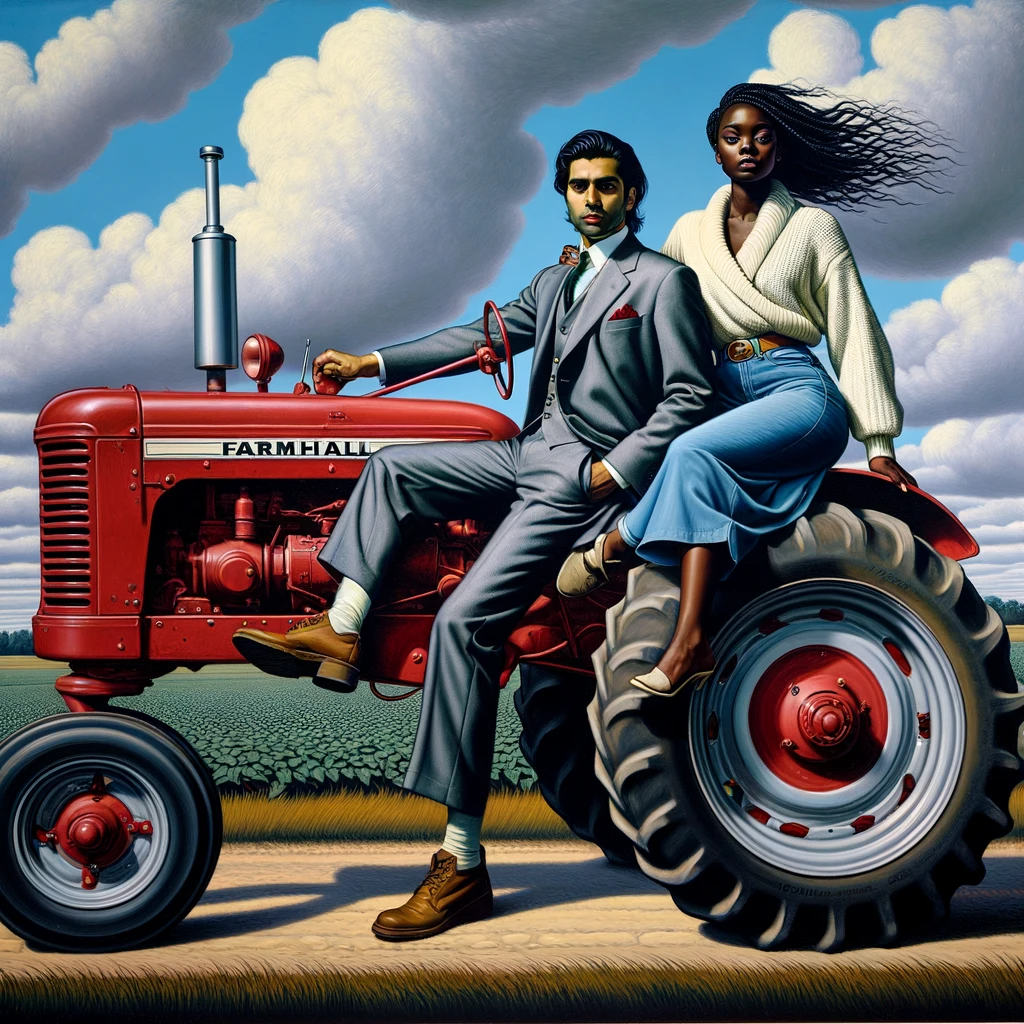
As we wrap up our exploration of agriculture, it’s essential to pause and reflect on the rich tapestry of farming tradition and the modern innovations that aim to enhance it. We stand at a fascinating intersection—a juncture where classic equipment meets cutting-edge technology. Picture an old tractor, the enduring heartbeat of the farm, its rusted exterior belying the countless stories it carries: early mornings, late-night harvests, and the relentless commitment of generations past. These machines symbolize more than just physical tools—they epitomize a legacy of hard work, resilience, and unwavering connection to the land.
Let’s be real for a moment: while sophisticated drones and high-tech gadgets flash alluring promises of enhanced efficiency, we often overlook the environmental costs. Classic tractors, built with durability and simplicity, often offer a lower carbon footprint and a sustainable approach to farming that modern machinery may lack. The lessons from our ancestors—embracing the rhythms of nature, practicing crop rotation, and nurturing the soil—speak louder now than ever. These time-tested methods are not mere relics; they are the guiding principles that can inform our responsibility as stewards of the earth.
Ethically, we owe it to future generations to prioritize practices that respect our planet. Farmers who maintain classic equipment aren’t merely preserving the past; they are reinforcing a commitment to ethical farming—nurturing ecosystems, fostering community ties, and ensuring that our agricultural practices withstand the tests of time and climate change. Together, as stewards of this land, we can cultivate a vibrant agricultural community that thrives on respect for our roots while boldly addressing contemporary challenges.
Our paths may diverge at times, but the lessons of tradition urge us to unify our efforts. By reintegrating the wisdom of older methods with contemporary innovations, we can craft a sustainable future that honors the delicate balance we share with nature.
So, the next time you see a vintage tractor rolling through a sun-drenched field, let it spark a deeper appreciation for the farmer’s journey—the stories woven into each furrow and seed, the connections to our communities, and the legacy we pass on. In romanticizing our roots, we discover a powerful motivation driving us toward a future where agriculture is not just about yield; it’s about nurturing the land and people we hold dear. After all, in this ever-evolving dance of farming, connection, understanding, and respect make for the most fruitful harvest.

Conclusion
Conclusion:
- Reflection on agriculture blends rich farming traditions with modern innovations.
- Classic tractors symbolize the enduring legacy of hard work and commitment to the land.
- Modern technology promises efficiency but may come with environmental costs.
- Time-tested methods, such as crop rotation and soil nurturing, remain crucial for sustainable farming.
- Ethical farming practices prioritize environmental respect for future generations.
- Combining traditional methods with contemporary innovations can lead to a sustainable future.
- Understanding and appreciating our agricultural roots inspires a commitment to nurturing the land and community.
Conclusion
Other Resources

Other Resources
Here is a list of other resources you can review online to learn more:
- Old Tractors
- Farm Heritage Museum
- Upton
- Simplicity
- Cub Cadet
- Pioneer Farm Days
- Antique Engine & Tractor Association – Working Farm Show
- Cameco
- Eicher Tractors
- Idaho Farmand Ranch Museum
Use This Prompt To Get More Resources With Your Favorite Online AI Tool: Please provide me with a list of online articles with their URLs in a bulleted list that I can read regarding Are Modern Farming Challenges Best Tackled with Classic Equipment

Other Resources
Glossary Terms
Are Modern Farming Challenges Best Tackled with Classic Equipment – Glossary Of Terms
1. Classic Equipment: Machinery and tools that were commonly used in agriculture in earlier eras, often characterized by simplicity and durability.
2. Modern Farming: Contemporary agricultural practices that often leverage technology, including precision agriculture, biotechnology, and advanced machinery.
3. Sustainability: Agricultural methods that maintain or enhance environmental quality while ensuring economic viability and social equity for future generations.
4. Precision Agriculture: A farming management concept that uses technology to monitor and manage variability in fields for optimal productivity.
5. Soil Health: The condition of soil in terms of its biological, chemical, and physical attributes, impacting productivity and sustainability.
6. Agroecology: An approach to agriculture that applies ecological principles to optimize interactions between plants, animals, humans, and the environment.
7. Mechanization: The use of machinery to perform agricultural tasks that were traditionally done by hand, increasing efficiency and productivity.
8. Heritage Seeds: Open-pollinated seeds that are typically heirlooms, representing traditional plant varieties that can adapt well to local conditions.
9. Biodiversity: The variety of life in a given ecosystem; in farming, it refers to the diversity of crops, livestock, and ecosystems.
10. Crop Rotation: An agricultural practice where different types of crops are planted in the same area in different seasons to improve soil health and reduce pests.
11. Organic Farming: A method of farming that avoids synthetic fertilizers and pesticides, focusing on natural processes and biodiversity.
12. Integrated Pest Management (IPM): A sustainable approach to managing pests that combines biological, cultural, mechanical, and chemical tools.
13. Tractor: A powerful vehicle used in farms for plowing, tilling, and other agricultural activities, often seen in both modern and traditional farming methods.
14. Tillage: The agricultural preparation of soil by mechanical agitation, which can be done using classic plowing techniques or modern machines.
15. Green Manure: A cover crop grown specifically to be tilled into the soil to improve soil fertility.
16. Harvesting Techniques: Traditional and modern methods used to gather mature crops from the fields, which can involve hand tools or advanced machinery.
17. Carbon Sequestration: Capturing and storing atmospheric carbon dioxide in the soil through agricultural practices, which can enhance soil health.
18. Rural Development: Initiatives that aim to improve the quality of life in rural areas, which includes support for agriculture and infrastructure.
19. Farm-to-Table: A movement advocating for direct sales of food from farms to consumers, emphasizing local produce and sustainability.
20. Water Management: Strategies and practices for managing water resources in agriculture, important in both modern and traditional farming.
21. Compaction: The densification of soil, which can be detrimental to crop growth and is affected by both farming practices and equipment used.
22. Agricultural Policy: Government guidelines and regulations that influence how farming is conducted, including subsidies for traditional practices or technology adoption.
23. Rural-Urban Divide: The socio-economic gap between rural and urban areas, impacting access to technology, markets, and resources in agriculture.
24. Climate Resilience: The ability of agricultural systems to withstand and adapt to climate change impacts, which can involve classic and modern approaches.
25. Farm Management: The management of resources, labor, and equipment in farming to achieve economic sustainability and efficiency.
26. Coppicing: A traditional forestry method where trees are cut back to ground level, promoting new growth and increasing biodiversity.
27. Permaculture: An agricultural philosophy that emphasizes sustainable land use by simulating natural ecosystems.
28. Farm Machinery: Equipment used in agricultural production; can include classic models such as plows and modern devices like automated harvesters.
29. Erosion Control: Techniques to prevent soil loss from water or wind, which can involve the use of traditional ground cover or modern engineering methods.
30. Intercropping: The agricultural practice of growing two or more crops together in proximity to maximize use of resources and improve yields.

Glossary Of Terms
Other Questions
Are Modern Farming Challenges Best Tackled with Classic Equipment – Other Questions
If you wish to explore and discover more, consider looking for answers to these questions:
- What specific traditional farming techniques are most effective for sustainable practices today?
- How do modern farmers incorporate classic equipment into their operations?
- What are the different benefits of classic versus modern farming equipment?
- Can classic tractors be retrofitted with modern technology?
- How do consumer preferences influence farming practices regarding traditional and modern methods?
- What role does community-supported agriculture (CSA) play in promoting traditional practices?
- How do veteran farmers perceive the changes brought about by new technology?
- What are the economic implications of shifting back to classic farming methods?
- How can education around traditional farming practices be improved in modern agricultural programs?
- What are the environmental impacts of relying on modern versus classic farming equipment?
- How can younger generations be encouraged to appreciate and adopt traditional farming skills?
- Are there current initiatives that focus on the revival of traditional farming practices?
- What is the potential for hybrid farming methods that blend traditional and modern techniques?
- How do classic farming tools and techniques influence organic farming practices?
- What research exists on the productivity of traditional methods compared to modern technology?

Other Questions
Haiku
Are Modern Farming Challenges Best Tackled with Classic Equipment – A Haiku
Classic tractors roll,
In sun-kissed fields, stories told,
Roots nurture the land.

Haiku
Poem
Are Modern Farming Challenges Best Tackled with Classic Equipment – A Poem
A Tribute to the Tractor: Bridging Eras in Green
In a field where the sunset bleeds gold,
A tractor rumbles, with tales untold.
Its rusted frame, a cradle of yore,
Whispers the truths of those who explored.
Beneath the sun’s warm, amber light,
Old engines hum with enduring might.
Not just machines, but vessels of grace,
They carry our roots, our cultural trace.
In modernity’s glare, slick gadgets gleam,
Promising thrift, efficiency, the dream.
Yet, the costs they bear, a heavy toll,
While the classic way nurtures heart and soul.
From crop rotation’s wise embrace,
To soil’s cradle where life finds its place,
The wisdom of elders, tested through time,
Reminds us that farming is more than a climb.
Ethics entwined in soil’s gentle weave,
Calls us to nurture, respect, and believe—
In each grain, a legacy, rich and profound,
In every seed sown, our histories abound.
Let hands meet the earth as they have before,
Blend new innovations with traditions we adore.
For the lessons of ages, not lost, but refined,
Offer solutions that to ancestors are aligned.
Community thrives where the past and present collide,
Uncovering stories that time cannot hide.
In each field that blossoms from old-fashioned toil,
We harvest connections, our shared soil.
So, when the classic tractor rolls under the sun,
Let us seize the moment, let the merging begun.
With heart, head, and gut, let this journey ignite,
A future sustainable, where all crops take flight.
Together, we’ll forge a pathway so clear,
With ethics and roots, and neighbors held dear.
For in every turn of that well-worn wheel,
Lies the promise of tomorrow—the age of the real.

Poem
Checklist
Are Modern Farming Challenges Best Tackled with Classic Equipment – A Checklist
Checklist for Balancing Tradition and Technology in Farming
Heart
1. Reflect on the Legacy: Take a moment to consider the stories and emotions tied to classic farming equipment. How do these stories connect you to your roots?
2. Embrace the Ritual: When using traditional methods, reflect on the rhythmic connection to nature and the land. How does this practice enrich your farming experience?
3. Foster Community Bonds: Engage with local farmers and share stories. Plan community events, like harvest festivals, to celebrate shared traditions and create lasting relationships.
Head
4. Assess Environmental Impact: Evaluate the carbon footprint of your modern farming tools versus classic equipment. What are the potential savings in resources and energy?
5. Research Traditional Methods: Investigate practices such as crop rotation, companion planting, and organic pest control. How might they contribute to higher yield and healthier crops?
6. Balance Tradition and Innovation: Explore ways to combine established techniques with modern technology. Can data from precision farming enhance your understanding of traditional practices?
Gut
7. Trust Your Instincts: When considering new technology, reflect on your gut feeling. Does it enhance or disrupt your connection to farming?
8. Prioritize Ethical Choices: When purchasing equipment, consider the ethical implications—support brands that prioritize sustainability and repairability.
9. Listen to Your Environment: Pay attention to the rhythms and needs of your land. Trust your instincts in understanding when to adapt traditional methods for modern challenges.
Emotional Appeal
10. Create Emotional Narratives: Initiate a blog or journal documenting your farming journey—what are the emotional highs and lows? How do your machines, old and new, tell your story?
Rational Appeal
11. Calculate Costs and Benefits: Create a comparative analysis of operational costs and maintenance of classic versus modern equipment. Which option provides the best long-term value?
Ethical Appeal
12. Commit to Sustainable Practices: Make a pledge to implement at least one sustainable practice (like lower chemical use or community engagement) into your farming routine.
Authority Appeal
13. Seek Expert Opinions: Attend workshops or talks by seasoned farmers who share wisdom on the effectiveness of traditional techniques or responsible tech use in agriculture.
Narrative Appeal
14. Share Stories: Compile anecdotes or testimonials from experienced farmers about their experiences with classic equipment. Use these narratives to inspire others to appreciate the past.
Social Appeal
15. Build a Network: Connect with local farmers or organizations focused on merging traditional practices with contemporary technology. Explore opportunities for collaboration or shared resource use.
By engaging with this checklist, you can find ways to embrace both the legacy of traditional farming and the innovations of modern technology, cultivating a sustainable future rooted in shared values and rich narratives.

Checklist
At ClassicTractorNews, we help tractor lovers keep up with the latest news for classic and vintage tractors.
Please share this post with your friends, family, or business associates who may like old classic or vintage tractors.