


Uncovering The Connection: Simplifying Machinery For Maximum Farming Efficiency
By Tom Seest
At ClassicTractorNews, we help tractor lovers keep up with the latest news for classic and vintage tractors.
Please share this post with your friends, family, or business associates who may like old classic or vintage tractors.
Are Mechanical Simplicity and Farming Efficiency Linked?
When we think about the heart of agriculture, the humble tractor comes to mind. This iconic machine is less of a tool and more of a partner in the fields, transforming labor into convenience. But one question lingers: is mechanical simplicity truly linked to farming efficiency? Let’s take a moment to kick the dirt around this idea.
Picture a wide-open field, golden stalks swaying in the breeze. At its core, farming is about balancing hard work with the tools we choose to employ. Historically, farmers didn’t have the luxury of high-tech gadgets or computerized equipment. They had the basics: sturdy plows, simple tractors, and their own ingenuity. These uncomplicated machines were designed for function, not flair, and they got the job done, time and time again.
But, as the industry has evolved, so has our approach to equipment. We’ve seen machinery laden with bells and whistles—think GPS systems, automated feed systems, and apps monitoring crop health. While these advancements can certainly amp up efficiency, they often come with a hefty price tag and, sometimes, unnecessary complexity. The irony? Simplicity might just hold the key to sustainable practices and lower operational costs in the long run.
Now, let’s consider a scenario. You’re out in the field, ready to harvest. If you have a straightforward tractor that’s reliable and easy to maintain, you can focus on what truly matters—getting your crop in. Meanwhile, a complex machine with a myriad of controls could leave you tangled in troubleshooting when you’d rather be tending to your produce. Sometimes, the simplest tool is the one that allows you to work smarter, not harder.
Moreover, in an age where farming practices face scrutiny over sustainability, simpler machines often consume less fuel and reduce emissions. This means that being efficient doesn’t just translate to productivity but also aligns with environmental stewardship. It’s a win-win!
So, next time you roll out onto that expansive land, take a moment to appreciate the relationship between mechanical simplicity and your daily grind. In farming—much like life—the basics often hold the most significant power. Embracing that simplicity could lead not just to a more efficient harvest but also to a more rewarding experience, helping you cultivate not only your crops but also a deeper connection to the land you love.

Are Mechanical Simplicity and Farming Efficiency Linked?
Are Mechanical Simplicity and Farming Efficiency Linked?
- The tractor is seen as a key partner in agriculture, enhancing convenience.
- Historically, farmers relied on simple, functional tools like basic tractors and plows.
- Modern machinery often includes advanced technologies that can increase efficiency but add complexity and costs.
- Simplicity in farming tools may contribute to sustainable practices and lower operational costs.
- A reliable and easy-to-maintain tractor allows farmers to focus on their crops rather than troubleshooting complex machines.
- Simpler equipment may consume less fuel and reduce emissions, aligning efficiency with environmental stewardship.
- Embracing mechanical simplicity can enhance both agricultural productivity and the farmer’s connection to their land.

Are Mechanical Simplicity and Farming Efficiency Linked?
Table Of Contents
- Are Mechanical Simplicity and Farming Efficiency Linked?
- What Is Mechanical Simplicity In Farming?
- Why Is Farming Efficiency Important?
- How Does Mechanical Simplicity Improve Productivity?
- Are Simpler Machines Easier To Maintain?
- What Are The Cost Benefits Of Mechanical Simplicity?
- Can Mechanical Simplicity Reduce Labor Costs?
- How Does Technology Affect Farming’simplicity?
- Conclusion
- Other Resources
- Glossary Of Terms
- Other Questions
- Haiku
- Poem
- Checklist
What Is Mechanical Simplicity In Farming?
When we think about farming, the mind often drifts to fields of golden wheat, the sweet scent of earth after a rain, and—let’s be honest—a healthy dose of grit. But lurking beneath those expansive vistas and lush rows of crops is a concept that is often overlooked yet absolutely vital: mechanical simplicity. At its core, mechanical simplicity is about grasping the essentials—like understanding the humble tractor that plows the field, to the tools that refine the art of agriculture.
Imagine standing in front of a giant, imposing tractor—a machine that might as well be from another era. While it can seem baffling with its complex dials and buttons, at the heart of it is a straightforward purpose: to cultivate, plant, and harvest. Mechanical simplicity strips away the layers of complexity and focuses on what really matters: reliability, efficiency, and ease of use. Each lever you pull and each gear you switch are designed to work in harmony, illustrating that sometimes the most effective solution is also the simplest.
Think about the farmer who relies on these machines every day. They don’t just know how to operate them; they have an intuitive understanding of their needs—much like how a parent grows into the role of nurturing their child by instinct. The right tools make all the difference, enabling the farmer to maximize their output without getting bogged down in a web of mechanical confusion. When tools work in tandem—whether it’s an old rusted tractor or a brand-new piece of equipment—the farmer’s vision transforms from an aspiration to a tangible harvest.
Mechanical simplicity extends beyond the machinery. It’s rooted in cultivating a mindset that prioritizes smart, efficient farming practices. When complexity is minimized, the focus shifts back to the land, the crops, and the community. It allows for agility, paving the way for innovations that bolster sustainability. Farmers can pivot quickly, adapting to weather changes or market demands, all while keeping their operations running smoothly.
So, whether you’re plowing your first field or fine-tuning your established farm, remember that embracing mechanical simplicity can empower not only your farming but also your connection to the land. It’s about working smarter—not harder—in a world where we tend to complicate the simplest of tasks. Let’s take a step back, appreciate the basics, and grow from there. After all, the heart of farming is not just the machines we use, but the passion that drives us each day to nurture and sustain life.

What Is Mechanical Simplicity In Farming?
What Is Mechanical Simplicity In Farming?
- Farming is often associated with imagery like golden wheat fields and the scent of earth after rain, coupled with a sense of grit.
- Mechanical simplicity is a vital yet often overlooked concept in agriculture that focuses on understanding the fundamental tools, such as tractors.
- Tractors, despite their complex appearances, serve a straightforward purpose: to cultivate, plant, and harvest effectively.
- This simplicity emphasizes reliability, efficiency, and ease of use, allowing farmers to maximize output without confusion.
- Farmers develop an intuitive understanding of their machinery, similar to how parents learn to nurture their children instinctively.
- Maintaining mechanical simplicity fosters a mindset prioritizing smart, efficient practices, allowing for adaptability in changing conditions.
- Embracing mechanical simplicity empowers farmers to enhance productivity while fostering a deeper connection to the land and nurturing life.

What Is Mechanical Simplicity In Farming?
Why Is Farming Efficiency Important?
Farming efficiency isn’t just a buzzword tossed around in boardrooms or agricultural lectures; it’s the heartbeat of a thriving farm and, by extension, our society. When you think about it, farming impacts everyone—from the diner down the street to your family’s dinner table. Every bite of food we take traces back to the fields tended by dedicated farmers who strive to make the most out of every inch of land and every hour in the day.
Let’s start with the basics: resources are finite. Be it water, soil, or even the humble tractor—the efficiency with which we utilize these gifts has a direct correlation to our sustainability and productivity. Imagine a farmer who can harvest a field quickly with a well-maintained tractor, maximizing yield while minimizing waste. That’s not just smart; it’s essential. Every time that tractor rolls out into the field, it represents an investment in time, effort, and, let’s be honest, a fair chunk of change. Efficiency means that investment pays off, allowing farmers to feed the world rather than just scrape by.
Now, let’s bring it home a little more. Picture a family-run farm, where generations have poured their sweat into the soil, passing down knowledge that’s as rich as the earth itself. For them, farming efficiency isn’t just a goal; it’s a lifeline. By streamlining their practices—be it through crop rotation, modern equipment, or smart irrigation—those farmers not only increase their productivity but also ensure that their legacy continues. When efficiency shines, the family can invest back into their community, support their kids’ dreams, and continue to grow the agriculture that we all depend on.
But here’s the kicker: farming efficiency doesn’t just benefit those who plant and harvest; it affects us all. In a world where food prices fluctuate like the weather, inefficient farming practices can lead to shortages and increased costs. When farmers embrace innovative techniques and technologies, it doesn’t just fill grain bins; it fills bellies.
So the next time you bite into that crisp apple or savor a home-cooked meal, take a moment to appreciate the hard work that goes into making it happen. Farming efficiency isn’t just a measure of success; it’s the bridge to a future where food is abundant, resources are respected, and farmers can continue to do what they love. It’s about time we all recognized that we are all part of this intricate system and that every effort counts—one tractor, one seed, one farm at a time.

Why Is Farming Efficiency Important?
Why Is Farming Efficiency Important?
- Farming efficiency is crucial for the success of farms and society as it influences food availability for everyone.
- Utilizing finite resources wisely—such as water and soil—is essential for sustainability and productivity.
- Efficient use of equipment, like well-maintained tractors, maximizes yields and minimizes waste, benefiting farmers financially.
- For family-run farms, efficiency is vital for preserving legacy and ensuring future success through productive practices.
- Innovative techniques in farming can prevent food shortages and rising prices, positively affecting consumers.
- Farming efficiency not only ensures food abundance but also fosters respect for resources used in agriculture.
- Every individual’s effort in the farming system contributes to a sustainable future, highlighting the importance of efficiency.

Why Is Farming Efficiency Important?
How Does Mechanical Simplicity Improve Productivity?
Let’s take a moment to appreciate the humble tractor—a true stalwart of the agricultural world, and perhaps an unsung hero of productivity everywhere. There’s something about the straightforward design of a good, reliable tractor that gives you a sense of calm in the chaos of a busy farming season or, really, any job worth doing. It’s not bogged down by bells and whistles; instead, it’s all about getting the job done, and doing it well.
Think about it: we live in a world that often equates complexity with capability. Newer gadgets and the latest technology lure us in with promises of efficiency, but sometimes, they leave us tangled in frustration. In contrast, a tractor boasts a mechanical simplicity that invites users to dive in without hesitation. It’s a machine that gets you up and running with a clarity of purpose—plowing fields, tilling soil, and generally making the hard work of farming accessible and manageable.
When you strip away the fluff and focus on what really matters, productivity soars. You can sit in that tractor’s comfortable seat and feel the power of simplicity. There’s no need to second-guess your every move; you know how to get it started, how to adjust the blade, and how to maintain the machine with a few simple tools. This predictability turns what could be a daunting task into something manageable—and even enjoyable.
Moreover, mechanical simplicity breeds confidence. When equipment is easy to understand and use, it allows workers—from farmers to construction crews—to engage more fully with their tasks. They spend less time decoding their machines and more time executing what they do best. Trust builds with that simplicity, and what is productivity if not a reflection of trust in not just your tools, but in your ability to master them?
Lastly, in our fast-paced world, simplicity creates space for creativity. With fewer distractions, you can think beyond the machine and explore innovative practices, whether that’s experimenting with new agricultural techniques or devising efficient workflows on a job site.
So, next time you find yourself in a whirl of complexity, remember the tractor: a beacon of mechanical simplicity. It stands as a reminder that sometimes, the best paths to productivity are the most straightforward ones. Embrace simplicity, and watch your productivity rise. From the field to the workshop, it’s time to keep it simple and let the results speak for themselves.

How Does Mechanical Simplicity Improve Productivity?
How Does Mechanical Simplicity Improve Productivity?
- The tractor is an essential tool in agriculture, embodying productivity and reliability.
- Its straightforward design promotes calm during busy farming seasons, focusing on efficiency over complexity.
- Unlike complex gadgets, tractors offer mechanical simplicity, making them easy to understand and operate.
- This simplicity enhances productivity by allowing users to focus on their tasks without unnecessary complications.
- Confidence grows when equipment is easy to use, improving engagement among workers in various fields.
- Simplicity in machines encourages creativity, enabling exploration of innovative practices in agriculture and industry.
- The tractor serves as a reminder that straightforward solutions often lead to the best results; embracing simplicity boosts productivity.

How Does Mechanical Simplicity Improve Productivity?
Are Simpler Machines Easier To Maintain?
Let’s face it—machines have a way of breaking down at the worst possible moment. Whether you’re on the job site or out in the field with your trusty tractor, the last thing you need is a complex piece of equipment deciding to throw in the towel just when you need it the most. That’s where the beauty of simplicity comes into play.
Imagine standing in the middle of a sun-kissed field, ready to plant the season’s crop with a sturdy, uncomplicated tractor by your side. Unlike their more sophisticated counterparts—packed with computerized gizmos and high-tech widgets—these simple machines often stand the test of time, requiring a fraction of the maintenance. It’s not just about keeping it running; it’s about gaining a deeper understanding of how everything operates.
When machinery is simple, it invites us to take a hands-on approach. We’re more likely to roll up our sleeves and get a little grease under our nails. When your tractor breaks down, you won’t have to wait for a technician to arrive with the latest diagnostic software; instead, you can pop the hood and likely find the issue in a matter of minutes—like a friend who needs a little fixing up. It fosters confidence. You know what you have, you know how to care for it, and there’s a certain satisfaction in nurturing it back to health.
These simpler machines also tend to be more reliable. With fewer moving parts and less electronic wizardry, there’s less that can go wrong. You want your tractor to work as hard as you do, and sometimes that means opting for the straightforward approach. Think of it like cooking: sure, a multi-course meal can impress, but nothing beats the warmth of a good old-fashioned stew simmering on the stove. It’s that same principle—keeping things manageable allows you to focus on what really matters.
In a world that often glorifies complexity, let’s not forget the elegance of simplicity. A simpler machine isn’t just easier to maintain; it’s also a gateway to greater trust in your own skills and an opportunity to build a relationship with your equipment that transcends mere function. So the next time you’re looking to invest in a machine, consider going back to basics. Embrace that tractor, learn its quirks and strengths, and experience what true maintenance can become when the operation is as clear as the sky above you.
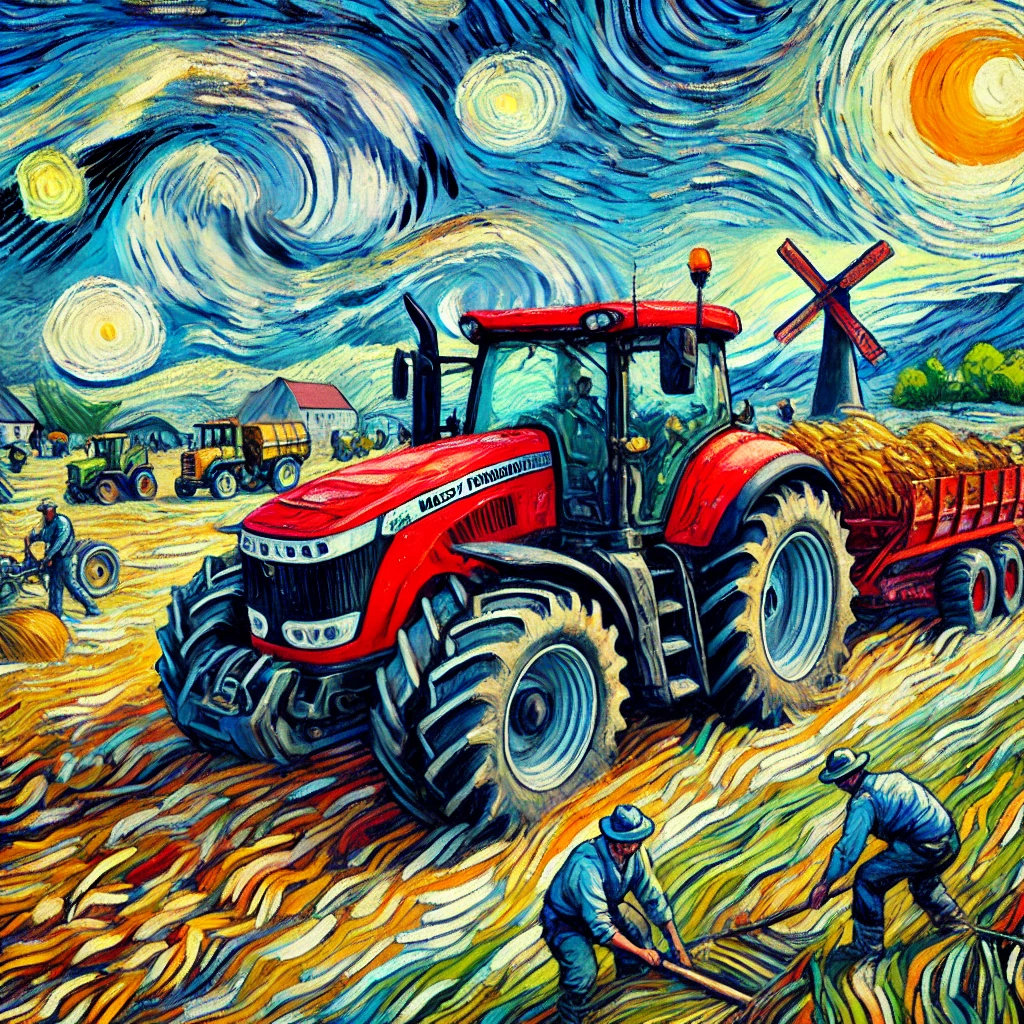
Are Simpler Machines Easier To Maintain?
Are Simpler Machines Easier To Maintain?
- Machines often break down at inconvenient times, creating frustration on job sites and in the field.
- Simplicity in machinery, such as tractors, leads to higher reliability and easier maintenance.
- Fewer advanced features mean simpler machines are easier to understand and repair.
- Hands-on involvement with simpler machines builds confidence and satisfaction in problem-solving.
- Reliability stems from fewer moving parts and less complexity, making simpler machines preferable.
- A simpler approach allows focus on essentials rather than getting bogged down by technology.
- Investing in simpler machinery fosters a deeper connection and understanding of the equipment.

Are Simpler Machines Easier To Maintain?
What Are The Cost Benefits Of Mechanical Simplicity?
Let’s take a moment to appreciate the beauty of mechanical simplicity, shall we? Picture a classic tractor, designed with straightforward functionality in mind. Now, before you dismiss that image as something only your grandfather would admire, consider how these workhorses embody a principle that can apply to almost every area of our lives: the power of simplicity.
When you break it down, mechanical simplicity isn’t just about fewer moving parts; it’s about reliability, ease of maintenance, and, yes, cost savings that can make a real difference. Think about how a tractor with a simpler design requires less frequent repairs. Fewer components mean fewer things that can go wrong, translating into reduced downtime on the farm. In an age where time is money, those hours lost to fixing complicated machines can really add up.
Now, let’s relate this to our daily lives. Have you ever bought a product that promised the world, only to discover it was more trouble than it was worth? We’ve all been there—overly complicated gadgets that require an engineering degree to operate, draining your wallet while they stress your mind. On the flip side, consider the appeal of a product that is easy to understand, straight to the point, and doesn’t require a manual that reads like a novel. This simplicity fosters trust, because we know it’s going to work when we need it.
Cost benefits extend beyond repairs and maintenance. Simple designs often mean lower upfront costs, too. A basic tractor, while perhaps lacking in frills, will reliably get the job done without breaking the bank. When you factor in fuel efficiency, which often accompanies these uncomplicated machines, you find yourself saving even more.
Additionally, the beauty of mechanical simplicity lies in its accessibility. With old-school tractors or simpler machines, you’re not just buying a tool; you’re investing in a relationship. You can understand how it works, you can fix it, and you can rely on it. This connection breeds confidence, making you feel competent in a world where modern machines often leave us feeling lost.
So, the next time you’re faced with a choice, whether in farming equipment or in life decisions, think about the benefits of simplicity. Embrace it, and watch how it can enrich your experience, your pockets, and your peace of mind.

What Are The Cost Benefits Of Mechanical Simplicity?
What Are The Cost Benefits Of Mechanical Simplicity?
- Mechanical simplicity emphasizes straightforward functionality and reliability.
- Simpler designs lead to fewer moving parts, reducing maintenance and repair needs.
- Less downtime on complex machines translates into time and cost savings.
- Complex products can often be frustrating and costly compared to simple, easy-to-use alternatives.
- Lower upfront costs and improved fuel efficiency are benefits of simple designs like basic tractors.
- Understanding and maintaining simpler machines fosters a sense of competence and confidence.
- Embracing simplicity can enhance experiences and provide peace of mind in various life choices.

What Are The Cost Benefits Of Mechanical Simplicity?
Can Mechanical Simplicity Reduce Labor Costs?
Let’s be honest: when it comes to getting the job done, there’s something to be said for simplicity. Picture this: you’re out in the field, the sun is shining, and the smell of freshly turned soil is in the air. You hop onto your trusty tractor, and there it is—an uncomplicated machine that serves one purpose: to make your life easier. But what if I told you that this fundamental idea—mechanical simplicity—could cut labor costs significantly?
In today’s fast-paced world, where technology seems to march forward at breakneck speed, there’s a lesson to be learned from simpler times. The tractor, for instance, is a masterpiece of design when you consider what it can do with minimal fuss. Its straightforward mechanics mean less time spent on diagnostics and repairs. Fewer moving parts can lead to fewer breakdowns. In essence, a basic, rugged machine allows you to focus on what truly matters: your work, your crops, and your livelihood.
When you reduce the complexity of the tools and machines you use, you also lower the barriers to entry for your workforce. New hires can get behind the wheel and start learning the ropes without weeks of training on convoluted machinery. This not only streamlines your operations but also boosts morale. Employees appreciate being empowered to tackle tasks confidently, without the anxiety of dealing with overly complicated technology.
At the end of the day, lower labor costs aren’t just about fewer workers or reduced payroll—they’re about cultivating a workforce that is informed, engaged, and capable. With simpler machinery, everyone can contribute more effectively, leading to increased productivity. You invest in a reliable tractor now, and it pays dividends down the line by letting your team concentrate on the farming practices that deliver solid returns.
So, the next time you’re faced with a decision between the latest high-tech gear and a no-frills machine, take a moment to consider what really sustains your operation. Sometimes, the best approach is the simplest one. Trust in that simplicity; trust in your team. You might just find that less truly is more, and that mechanical simplicity can lead you to greatness—both in your fields and in your finances.

Can Mechanical Simplicity Reduce Labor Costs?
Can Mechanical Simplicity Reduce Labor Costs?
- Simplicity in machinery can significantly reduce labor costs.
- Tractors exemplify mechanical simplicity with their straightforward design and functionality.
- Simpler machinery requires less time for diagnostics and repairs due to fewer moving parts.
- Reducing complexity lowers barriers to entry for new hires, facilitating quicker training.
- Employees are empowered and morale is boosted when using uncomplicated tools.
- A skilled, informed workforce is cultivated through the use of basic machinery, enhancing productivity.
- Choosing simplicity over high-tech gear can yield better operational efficiency and financial returns.

Can Mechanical Simplicity Reduce Labor Costs?
How Does Technology Affect Farming’simplicity?
Let’s take a moment to step into a field—a good old-fashioned farm, the kind where hard work gets you up before the sun. Picture the morning mist wrapping around the crops, the sturdy tractor chugging along like a faithful companion. This scene evokes a sense of simplicity, doesn’t it? Farming has always been about sweat and dedication, and in many ways, it can still be.
But here’s the twist: technology is standing at the gate, beckoning us to take a closer look. Now, hold on a minute before you dismiss that thought as just another episode of high-tech wizardry pushing farmers off their land. Yes, innovations like GPS-guided tractors and drone surveys can seem overwhelming, but they also bring remarkable benefits that can enhance, rather than complicate, our connection to the land.
Imagine a farmer, hands calloused but heart steady, operating a tractor equipped with cutting-edge tech. That tractor isn’t just a hulking piece of machinery; it’s more like a digital partner that can plow the same field using a fraction of the resources. The farmer isn’t sweating bullets over every weed or pest anymore; the data provides insights, allowing for targeted interventions. Suddenly, you’re not just working harder, you’re working smarter.
This technology doesn’t come with a manual you need a PhD to decipher. In fact, many farmers are discovering that engaging with these tools can restore a sense of ownership over their craft. Once they learn to harness that tech, it can lead to more efficient operations, increased yield, and—let’s be clear about this—a newfound opportunity to enjoy the simpler moments of farming. Remember the family dinner around the harvest table? Tech can help secure those moments.
The reality is that farming has never been entirely simple; it’s a beautiful, messy dance between nature and nurture. As technology interweaves itself into daily practices, it offers the chance to reclaim simplicity in more profound ways. Instead of spending hours in the field, farmers can find the time to educate the next generation—maybe grandkids who just want to know why tractors are so cool.
So, let’s embrace the evolution of farming with open arms. Technology isn’t the enemy; it’s the tool that can help us make the most of the time we have. After all, the heart of farming lies in community, connection, and the joy of knowing we’re doing something worthwhile.

How Does Technology Affect Farming’simplicity?
How Does Technology Affect Farming’simplicity?
- Farming evokes a sense of simplicity and dedication through hard work and early mornings.
- Technology, such as GPS-guided tractors and drones, is transforming the farming landscape.
- Tech allows for smarter farming by enabling targeted interventions based on data insights.
- Farmers can regain ownership of their work by learning to effectively use technological tools.
- Innovations can lead to increased efficiency, higher crop yields, and more time for family moments.
- Farming combines nature and nurture, and technology can help reclaim simplicity in profound ways.
- Embracing technology fosters community, connection, and a sense of purpose in farming.

How Does Technology Affect Farming’simplicity?
Conclusion
So, what have we really learned from this deep dive into the intricate yet simple relationship between mechanical simplicity and farming efficiency? It’s a conundrum that’s as old as agriculture itself—how do we balance the undeniable allure of fancy technology with the raw, unvarnished power of simplicity? It’s undeniable: farming is hard work, steeped in tradition and graft, but let’s not forget that it’s also an evolving landscape filled with innovation. Yet, among this noble evolution, let’s pause and tip our hats to simplicity.
Think about that trusty old tractor you see rolling through the fields, kicking up dust like an old warhorse comfortable in its skin. This machine—a testament to mechanical simplicity—represents more than just a piece of iron; it embodies resilience and purpose. Complicated machines may promise efficiency with their GPS tracking and automated systems, but when push comes to shove, it’s often the reliable, uncomplicated equipment that gets the job done without the accompanying headache.
You see, mechanical simplicity brings clarity. It transforms the daunting into the doable. When farmers can grasp their machines intuitively—understanding how to fix a breakdown without a computing degree—they cultivate not only crops but also a connection to their work and their land. Essentials come to the forefront when we strip away the clutter, allowing farmers to focus on what truly matters: their relationship with the soil, the crops, and the community they feed.
Let’s not overlook the financial side of things either. Simpler machinery typically translates to lower maintenance costs and less downtime, letting farmers reinvest their savings back into their operations—or perhaps indulge in a well-deserved family dinner after a long day.
And while we can’t ignore the undeniable benefits technology has brought, it’s vital to ensure that we harness these advancements without losing that essential, straightforward approach to farming. Embracing tech doesn’t mean abandoning the basics—it means enhancing them.
So, as we wrap up this reflection, let’s celebrate simplicity as the unsung hero of agriculture. In a world full of trends that come and go, remembering that sometimes less truly is more can keep our farms running efficiently and sustainably—not just for today but for generations to come. After all, whether you’re planting seeds or building a legacy, simplicity might just be the secret ingredient.

Conclusion
Conclusion:
- Farming involves balancing advanced technology with mechanical simplicity.
- Simple machinery, like old tractors, embodies resilience and reliability.
- Complicated machines may add stress despite their promises of efficiency.
- Mechanical simplicity fosters intuitive understanding and connection to the land.
- Lower maintenance costs from simpler machines allow for reinvestment in farming.
- Technology can enhance, rather than replace, the fundamentals of farming.
- Emphasizing simplicity contributes to sustainable and efficient farming practices for future generations.

Conclusion
Other Resources

Other Resources
Here is a list of other resources you can review online to learn more:
- Deutz
- Froelich Tractor Museum
- Louisville Tractor and Truck Pull
- Muskoka Pioneer Power
- Schluter
- Deutz-Fahr
- Saukville
- Florida Farm Days and Tractor Show
- Steyr
- Fiat
Use This Prompt To Get More Resources With Your Favorite Online AI Tool: Please provide me with a list of online articles with their URLs in a bulleted list that I can read regarding Are Mechanical Simplicity and Farming Efficiency Linked?

Other Resources
Glossary Terms
Are Mechanical Simplicity and Farming Efficiency Linked? – Glossary Of Terms
1. Agricultural Mechanization: The use of machinery and equipment in farming to enhance productivity and reduce labor.
2. Efficiency: The ability to achieve maximum productivity with minimum wasted effort or expense.
3. Mechanical Simplicity: The design philosophy that advocates for machines and tools that are straightforward, easy to understand, and operate.
4. Yield: The amount of crop produced per unit area of land, often measured in tons per hectare.
5. Operational Costs: The expenses associated with the day-to-day functioning of a farming operation, including machinery, labor, and fuel.
6. Labor Efficiency: The ratio of output produced to the amount of labor input, indicative of how effectively labor is used in farming.
7. Intuitive Design: A design approach that makes machines easy to use without requiring extensive training or experience.
8. Automation: The use of technology and machines to perform tasks automatically, reducing the need for human intervention.
9. Precision Agriculture: A farming management concept that uses technology to monitor and manage field variability to optimize crop yield.
10. Cultivation: The preparation of land for growing crops, which may involve plowing, tilling, and planting.
11. Sustainability: Practices in farming that aim to meet current agricultural needs without compromising the ability of future generations to meet theirs.
12. Cost-Benefit Analysis: A systematic approach to estimating the strengths and weaknesses of alternatives in order to determine the best approach.
13. Return on Investment (ROI): A performance measure used to evaluate the efficiency or profitability of an investment relative to its cost.
14. Crop Rotation: The practice of alternating the types of crops grown on a particular piece of land to improve soil health and reduce pests.
15. Field Mapping: The process of creating a detailed representation of a field to optimize planting, fertilization, and harvesting.
16. Tractors: Powerful machines designed to pull agricultural machinery for tasks including plowing, tilling, and planting.
17. Harvesting Equipment: Machines like combines and forage harvesters used to gather mature crops from the fields.
18. Soil Health: The continued capacity of soil to function as a vital living ecosystem that sustains plants, animals, and humans.
19. Drone Technology: Unmanned aerial vehicles used for surveillance, mapping, and monitoring agricultural fields to enhance efficiency.
20. Biological Pest Control: Utilizing natural predators or parasites to manage agricultural pests without chemicals.
21. Input Subsidies: Financial support provided by the government to farmers to reduce their costs for seeds, fertilizers, and machinery.
22. Farm Management Software: Digital tools that assist farmers in planning, monitoring, and analyzing all activities on their farm.
23. Yield Mapping: The use of GPS technology to create maps that show the variability of crop yields across a field.
24. Water Management: Techniques and systems used to regulate and optimize water usage for irrigation and crop production.
25. Intercropping: Growing two or more crops in close proximity for various benefits including pest control and maximizing space.
26. Ecosystem Services: The benefits that humans derive from natural ecosystems, essential for successful farming practices.
27. Farming’systems: The combination of resources and practices employed to produce crops, livestock, or both sustainably.
28. User Training: Education and skill development for operators to ensure they can use mechanical systems efficiently.
29. Cost Reduction: Strategies to lower expenses in agricultural production while maintaining output quality and quantity.
30. Regenerative Agriculture: Sustainable farming practices that focus on restoring soil health, increasing biodiversity, and enhancing ecosystem services.

Glossary Of Terms
Other Questions
Are Mechanical Simplicity and Farming Efficiency Linked? – Other Questions
If you wish to explore and discover more, consider looking for answers to these questions:
- What are the advantages of mechanical simplicity in farming?
- How can farmers balance technology and simplicity in their operations?
- What specific examples exist of simple machines that improve farming efficiency?
- What role does training play in the adoption of simpler machinery?
- In what ways can simpler equipment contribute to sustainable farming practices?
- What challenges do farmers face when transitioning to simpler machines?
- Are there any case studies of farms that have successfully implemented mechanical simplicity?
- How do different farming practices affect the choice between simple and complex machinery?
- Can younger farmers adapt to simpler machines easily, or do they prefer high-tech gadgets?
- What support systems are in place for farmers opting for mechanical simplicity?
- How does the initial cost of simple machines compare to that of advanced technology?
- What metrics can be used to measure the efficiency of simpler machines?

Other Questions
Haiku
Are Mechanical Simplicity and Farming Efficiency Linked? – A Haiku
Simplicity reigns,
Old tractors hum through the fields,
Yielding life with ease.

Haiku
Poem
Are Mechanical Simplicity and Farming Efficiency Linked? – A Poem
In Fields Where Simple Truths Abound
Amidst the golden swaying grain,
The tractor rolls, steady, plain.
A partner true, no frills abound,
In mechanical simplicity, hope is found.
Once farmers toiled with tools so bare,
Sturdy plows and hands that dare.
Now, gadgets gleam with tech’s allure,
Yet in their complexity, we’re not assured.
For working smarter, not just hard,
Lies in the basics, the farmer’s yard.
A simple machine, easy to maintain,
Brings forth the harvest, a bountiful gain.
In the field of trust, where knowledge grows,
A humble tractor, its power shows.
Fewer parts mean less to mend,
And time saved is a farmer’s friend.
Costs diminish, labor finds ease,
With straightforward tools, we seize
The chance to thrive, to nurture the land,
Embracing simplicity, taking a stand.
Yet let not tech cast a shadow wide,
For advances, when paired, can turn the tide.
Glean insight from data, work better, not more,
In every innovation, find simplicity’s core.
With hands in the soil, heart full of pride,
We cultivate our bond, with nature as guide.
So cherish the journey, the fruits that we reap,
In fields where simple truths abound, our sowing runs deep.

Poem
Checklist
Are Mechanical Simplicity and Farming Efficiency Linked? – A Checklist
Checklist: Embracing Mechanical Simplicity for Farming Efficiency
1. Assess Your Equipment
_____ Evaluate the current machines on your farm or in your operation.
_____ Identify any overly complex machinery that may create bottlenecks or require excessive maintenance.
2. Focus on Reliable Tools
_____ Prioritize investment in simple, reliable tools and machines (e. g. , basic tractors).
_____ Research and consider the cost-benefit analysis of upgrading to simpler machines.
3. Train with Simplicity in Mind
_____ Ensure that training for new hires encompasses simple machinery operation.
_____ Create a training module that focuses on the intuitive use of basic tools.
4. Optimize Maintenance Practices
_____ Develop a maintenance schedule for your machines; prioritize maintenance for simpler machines.
_____ Involve workers in the basic diagnostics and maintenance processes to foster confidence and skills.
5. Monitor Efficiency and Productivity
_____ Track productivity metrics to evaluate the impacts of simpler machinery on operations.
_____ Adjust workflows based on findings about which machines enhance efficiency.
6. Encourage an Innovative Mindset
_____ Foster an environment that encourages experimenting with new, straightforward processes.
_____ Discuss ideas as a team on how to simplify current practices.
7. Review Fuel Consumption and Emissions
_____ Monitor the fuel efficiency of different machines and assess their environmental impact.
_____ Consider retrofitting older equipment for enhanced fuel efficiency if replacements aren’t feasible.
8. Explore Technological Supports Wisely
_____ Investigate technologies that support rather than complicate operations (e. g. , intuitive GPS).
_____ Avoid over-reliance on complex gadgets that can create confusion.
9. Emphasize Community and Connection
_____ Reconnect with the fundamental principles of farming to enhance your connection with the land.
_____ Schedule regular team discussions to reinforce values surrounding simplicity in farming methods.
10. Remain Open to Change
_____ Embrace change as needed but evaluate whether new technologies add complexity or offer real value.
_____ Be willing to revert to simpler methods if newer solutions complicate your operations unnecessarily.
11. Reflect on Your Practices
_____ Periodically reevaluate your farming methods to identify areas for simplifying processes.
_____ Use family gatherings or team meetings as a platform for sharing insights and feedback on farming practices.
By following this checklist, farmers can enhance their efficiency while fostering a deeper connection to their work and the land.

Checklist
At ClassicTractorNews, we help tractor lovers keep up with the latest news for classic and vintage tractors.
Please share this post with your friends, family, or business associates who may like old classic or vintage tractors.