

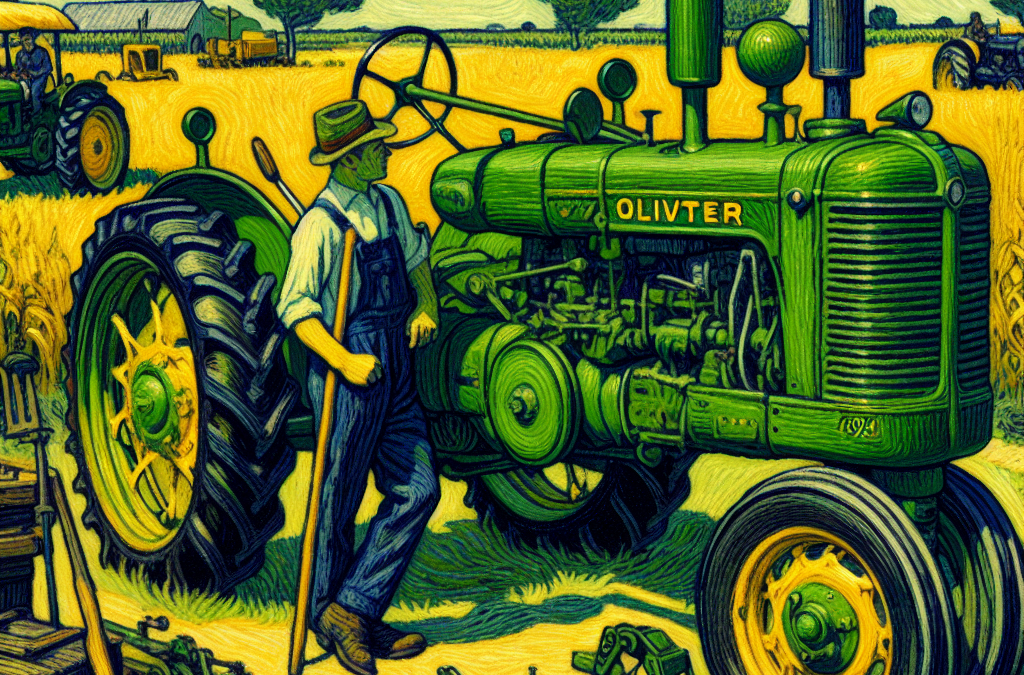
Balancing Progress And Tradition In Modern Farming
By Tom Seest
At ClassicTractorNews, we help tractor lovers keep up with the latest news for classic and vintage tractors.
Please share this post with your friends, family, or business associates who may like old classic or vintage tractors.
Are High-Tech Tractors Weighing Down Today’s Small Farmers
When you think of farming today, it’s easy to picture sleek, high-tech tractors humming over open fields, showcasing all the bells and whistles modern engineering has to offer. They are the embodiment of progress, promising efficiency, productivity, and less manual labor. But for small farmers, these technological marvels can feel more like burdens than blessings.
Imagine a third-generation farmer standing in a field that has been nurtured and worked by hands that have learned the rhythms of the land. The arrival of a shiny, cutting-edge tractor might seem like a godsend. However, as that farmer reviews the price tag attached to this piece of machinery, a sense of unease settles in. Purchase costs, maintenance fees, and ongoing repairs can pile up, creating an emotional weight that threatens to crush the very spirit of farming. This isn’t just metal and rubber; it’s a symbol of what many have built their lives around—a deep connection to the earth and a passion for cultivating life.
Balancing innovation and tradition is no simple task. For many small-scale farmers, the allure of advanced technology is overshadowed by the heart-wrenching reality of crippling debt. At a time when consumer preferences are shifting towards local produce and organic farming, the pressure to conform to high-tech standards can feel like a betrayal of the very principles that drew them to this vocation. They know their land. They understand their communities. Yet, they struggle to compete against the looming shadow of big agriculture and their fleets of high-tech gadgets.
But it doesn’t have to be a choice between cutting-edge and time-honored practices. There is a growing movement advocating for simplicity and sustainability in agriculture, honoring the wisdom of past generations while gently weaving in the best of modern advancements. Supporting local farmers and those who prioritize sustainable practices fosters not only ethical consumption but also builds a stronger community.
Together, we can bridge the gap between heritage and innovation, reminding ourselves that the most essential tractor in any farming operation is the human connection to the soil, one another, and the legacy of family farms. Embracing both the new and the tried-and-true can lead to a more equitable future in agriculture, where small farmers thrive, rather than merely survive. Let’s support it.
Are High-Tech Tractors Weighing Down Today’s Small Farmers
Are High-Tech Tractors Weighing Down Today’s Small Farmers
- Modern farming often showcases high-tech tractors that symbolize efficiency and productivity.
- Small farmers may view advanced technology as burdensome due to high costs associated with purchase and maintenance.
- The emotional weight of expensive equipment can threaten the farmer’s connection to the land.
- Small-scale farmers face pressure to adopt technology while remaining true to their traditional practices.
- Consumer preferences are shifting towards local and organic produce, increasing demands on small farmers.
- A movement is emerging that advocates for sustainable agriculture by blending traditional methods with modern advancements.
- Supporting local and sustainable farming can foster community strength and promote a more equitable future in agriculture.
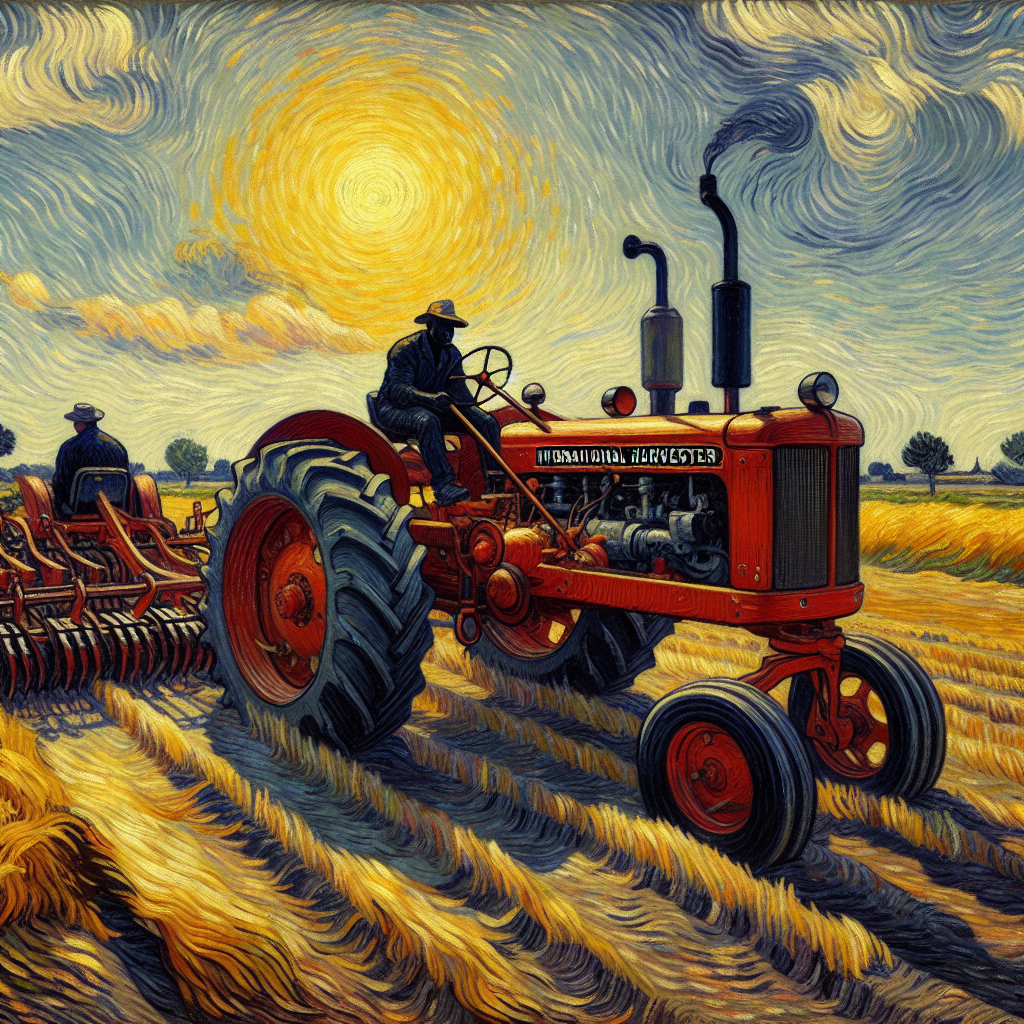
Are High-Tech Tractors Weighing Down Today’s Small Farmers
Table Of Contents
- Are High-Tech Tractors Weighing Down Today’s Small Farmers
- Do Modern Tractors Enhance Or Undermine Traditional Farming Values?
- Are Small Farmers Sacrificing Their Autonomy For High-Tech Machines?
- Are We Losing The Art Of Farming To Technology-Driven Practices?
- How Do Small Farmers Feel About Relying On Costly New Tech?
- Is The Pressure To Modernize Making Farming Less Accessible To All?
- Are High-Tech Tractors Fostering A Divide Among Farmers?
- Conclusion
- Other Resources
- Glossary Of Terms
- Other Questions
- Haiku
- Poem
- Checklist
Do Modern Tractors Enhance Or Undermine Traditional Farming Values?
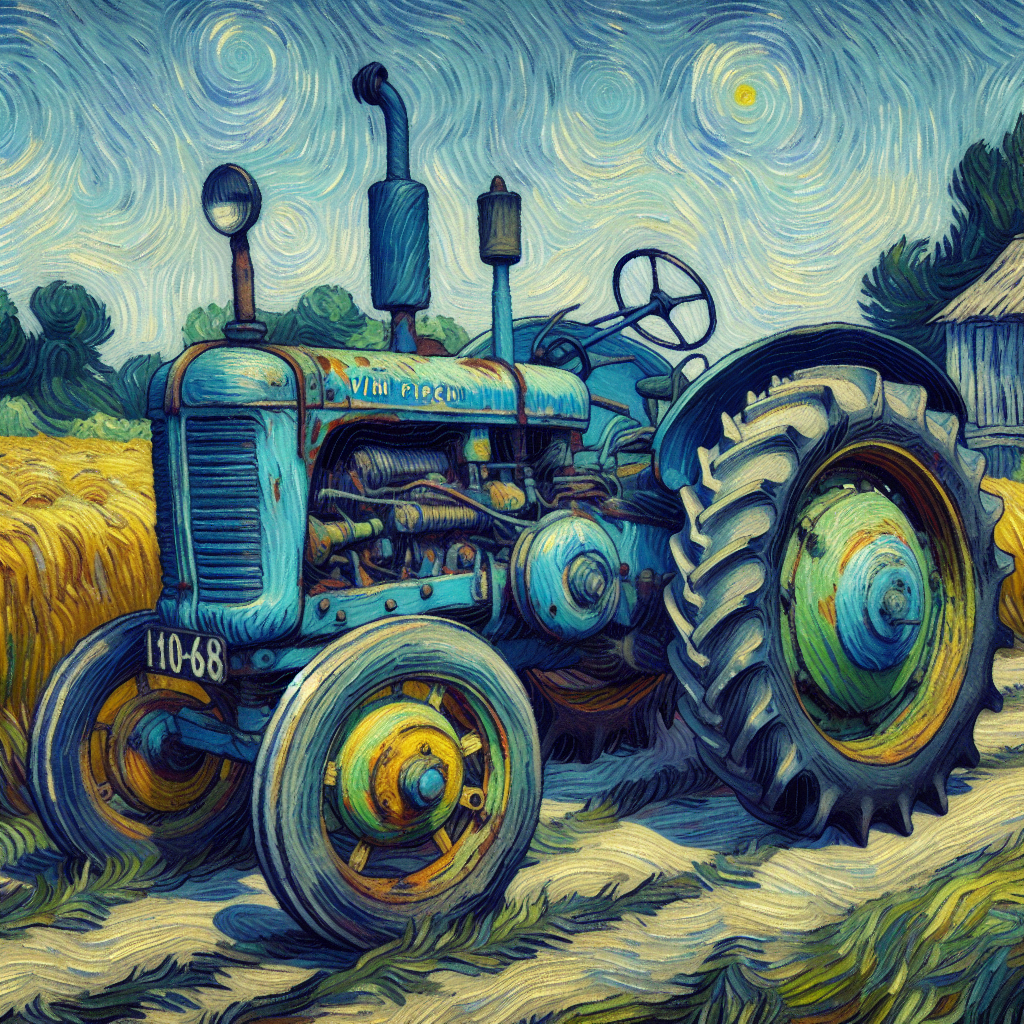
In the heart of America’s farmlands, the whistle of the wind through the fields speaks volumes. For generations, farmers have relied on the simple, honest toil of their hands and the steadfast hum of their trusty tractor. There’s a palpable sense of pride in cranking up that old machine, feeling its power and knowing that it has weathered storms alongside you. But enter the modern era, and the landscape starts to change.
These sleek, high-tech tractors come equipped with satellite navigation, computer systems, and precision farming capabilities. On the surface, it seems like a miracle: farmers can optimize their crops, save time, and lessen their environmental impact. But does this advancement come at a cost? When does innovation enhance and when does it undermine our traditional farming values?
Consider this: that first rusty tractor was not just a tool. It was a partner, a piece of family history, and a symbol of resilience against nature’s unpredictability. It whispered tales of hard work, sacrifice, and the satisfaction of seeing a day’s labor yield tangible results. The emotional weight attached to those stories creates an unbreakable bond between farmer and land. When we introduce modern technology, we risk losing that connection. There’s something gut-wrenching about watching a machine operate without the deeply-rooted human intuition that once guided every furrow, every seed deposited into the waiting earth.
But let’s weigh the scales here. Could it be possible that these modern tractors, so often viewed skeptically, may actually support ethical farming practices? By allowing farmers to make data-driven decisions, we enable them to cultivate their land more sustainably. We are facing an urgent global challenge—finding ways to feed a growing population while preserving precious natural resources. Maybe these machines, when used with care and respect, can bridge the gap between tradition and innovation.
Ultimately, the key is balance. Can we embrace the advantages of modernity without sacrificing the soul of our agricultural heritage? It’s about integrating technology into our narrative—a narrative that still reverberates with the echoes of tradition. By finding this harmony, we honor the past while nurturing our future. So, the invitation stands: let’s ask ourselves how we can foster both tradition and innovation, ensuring our fields continue to thrive for generations to come. The future may depend on our ability to effectively wield that gleaming tractor while holding dear the values of hard work and community.
Do Modern Tractors Enhance Or Undermine Traditional Farming Values?
Do Modern Tractors Enhance Or Undermine Traditional Farming Values?
- Farmers have long relied on traditional tractors, symbolizing hard work and resilience.
- Modern tractors come equipped with advanced technology, including satellite navigation and precision farming capabilities.
- While modern technology optimizes farming, it raises questions about the cost to traditional farming values.
- The emotional connection between farmers and their tools is at risk as technology changes the farming landscape.
- Modern tractors can potentially support ethical farming by enabling data-driven, sustainable practices.
- Finding balance is crucial to integrating modern technology without losing agricultural heritage.
- Both tradition and innovation must coexist to ensure sustainable farming for future generations.
Do Modern Tractors Enhance Or Undermine Traditional Farming Values?
Are Small Farmers Sacrificing Their Autonomy For High-Tech Machines?
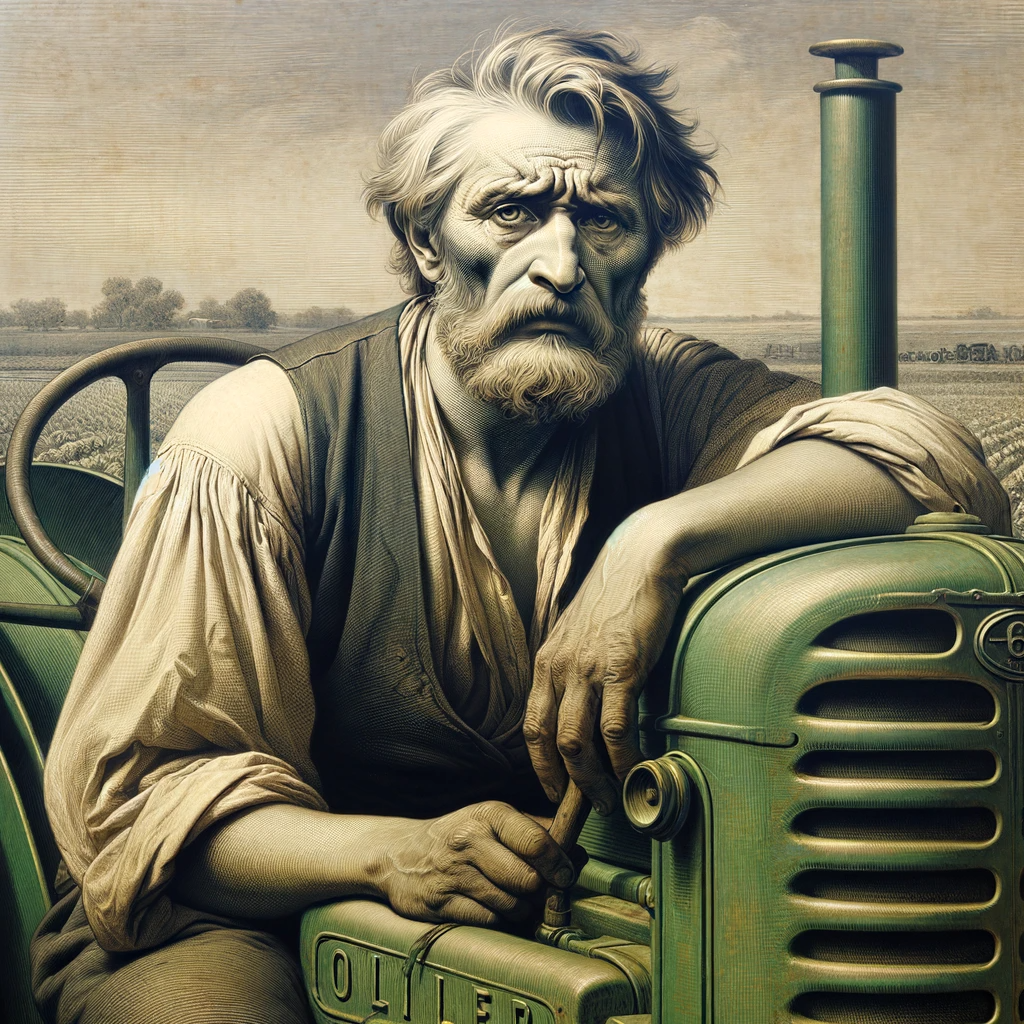
When you think of a farm, what comes to mind? Maybe it’s the image of a weathered tractor plowing through golden fields under an endless sky. But today, that traditional scene is rapidly evolving. Small farmers are facing an important crossroads, where the rugged independence of their trade is now weighed against the allure of high-tech machinery.
On one hand, high-tech machines promise efficiency, precision, and higher yields. It’s easy to be seduced by the promise of fewer blisters and backaches—a comforting thought when the days grow long and the work grows daunting. After all, who wouldn’t want the assurance of technology to simplify their daily grind? But this progression comes with strings attached. As small farmers embrace these innovations, they risk surrendering a piece of their hard-earned autonomy.
Imagine a farmer who has spent years cultivating their land, learning its rhythms, and honing their craft. Now, the lure of a shiny red tractor with all the bells and whistles whispers sweet promises of productivity and profit. It’s a compelling narrative, one that tugs at the heartstrings and fires up the ambition. Yet, beneath the surface lies a pressing question: at what cost? Every technological leap carries the weight of dependency, forging an invisible chain that can stifle the very spirit of farming.
From a practical angle, there’s no denying that high-tech machines can amplify success, but what about the ethical implications? Farmers are custodians of tradition and stewards of the land; their knowledge is hard-won and invaluable. When they swap it out for shiny gadgets, they risk losing a connection to that legacy. It’s a delicate balance—a brave soul navigating treacherous waters, hoping to preserve their heritage while securing their financial future.
Socially, the shift towards automation can alienate farmers from their communities. They become mere operators of complex machinery rather than passionate artisans of agriculture. The stories shared over coffee in the local diner begin to fade, replaced by technical jargon and spreadsheets. What’s lost in that transition? The essence of farming—community, resilience, and a shared journey—dims with every button pressed and machine operated.
As we stand at this intersection of tradition and technology, it’s vital to consider not just what we gain, but what we may lose. Let’s challenge ourselves to support small farmers in finding that elusive balance—one where they can embrace modern advancements without sacrificing the very heart of their trade. It’s time to ask: How can we champion their independence while embracing a future that honors their roots?
Are Small Farmers Sacrificing Their Autonomy For High-Tech Machines?
Are Small Farmers Sacrificing Their Autonomy For High-Tech Machines?
- The traditional image of farming is evolving rapidly as small farmers face a crossroads between independence and high-tech advances.
- High-tech machines offer benefits such as efficiency, precision, and higher yields, reducing physical strain on farmers.
- However, embracing technology can lead to a loss of autonomy and a dependency that undermines the essence of farming.
- Farmers risk losing their connection to tradition and their invaluable hard-earned knowledge when opting for advanced machinery.
- The shift towards automation can alienate farmers from their communities, turning them into mere operators rather than artisans.
- The transition to technology raises ethical concerns about preserving the legacy of farming alongside financial success.
- It’s essential to find a balance where modern advancements can be embraced without sacrificing the core values of the agricultural trade.
Are Small Farmers Sacrificing Their Autonomy For High-Tech Machines?
Are We Losing The Art Of Farming To Technology-Driven Practices?
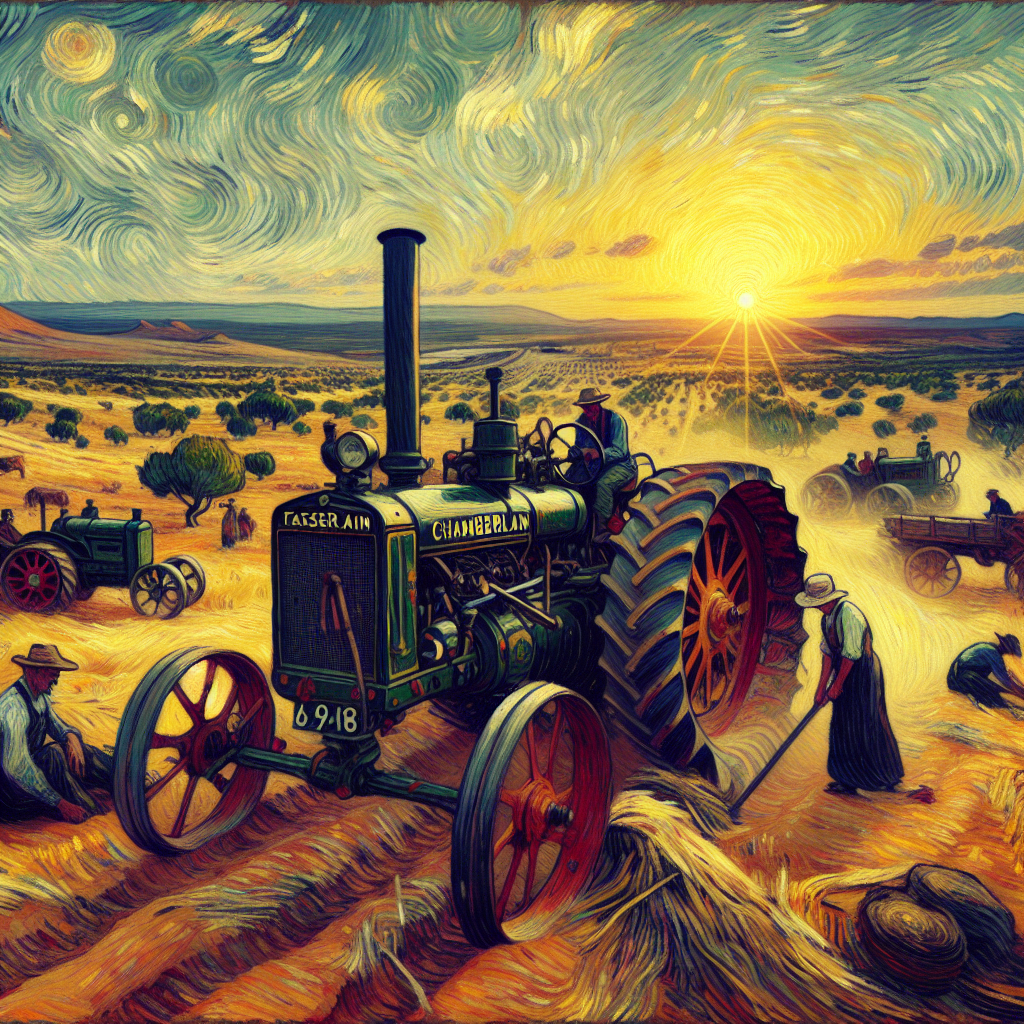
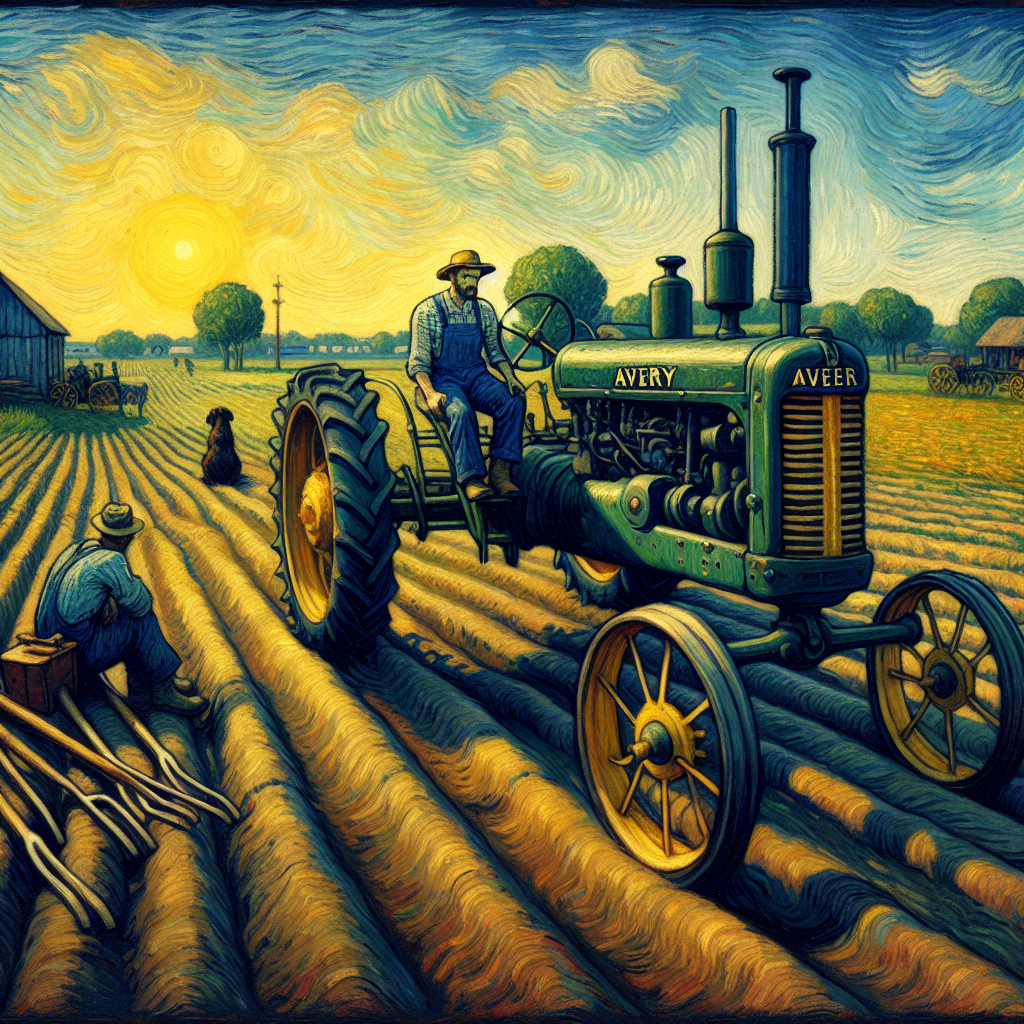
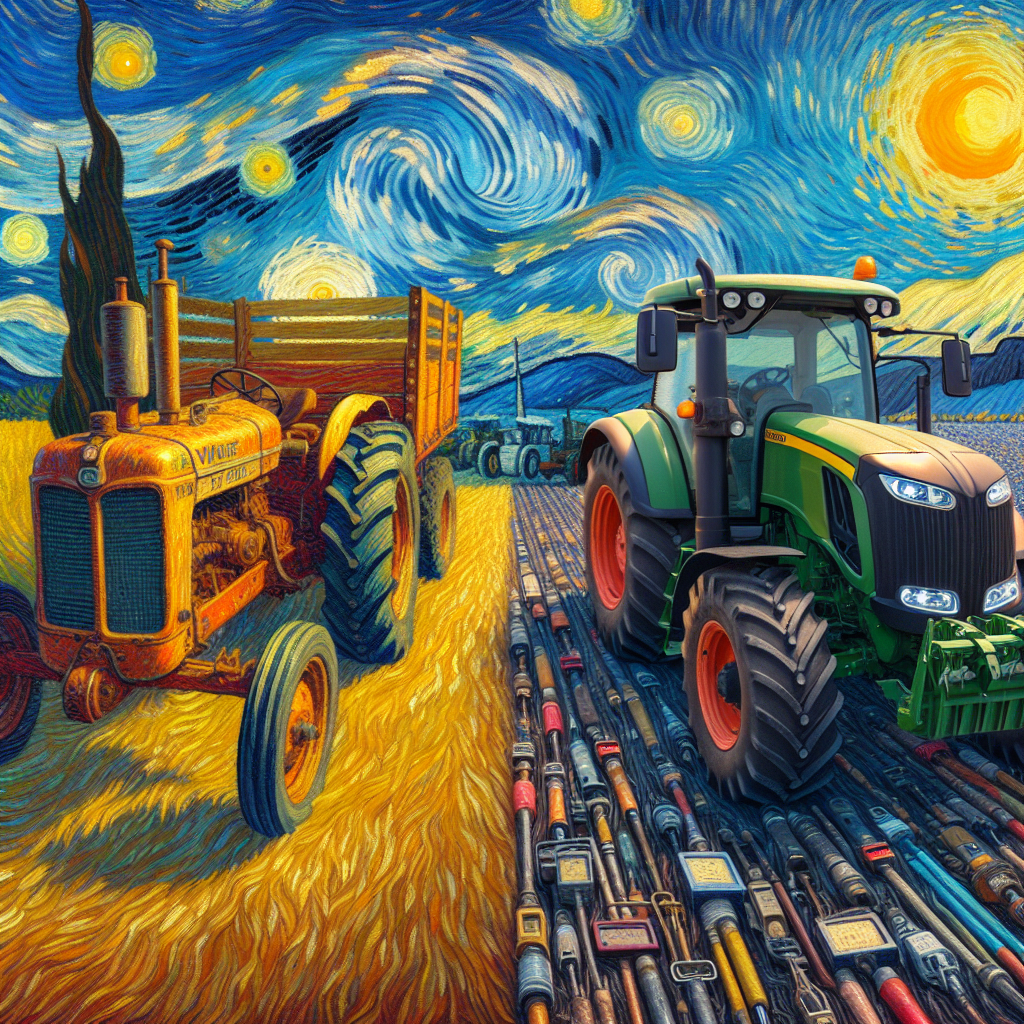
In the great tapestry of agriculture, where soil meets sweat and sun, something profound is slipping through our fingers. It’s not just the earth beneath our feet; it’s the very essence of farming itself. Picture, if you will, the farmer standing atop a tractor—an iron beast roaring to life. It used to symbolize hard work, persistence, and a deep connection to the land. But now, we often see that same farmer replaced by screens and algorithms, navigating the vast fields with GPS precision and automated systems.
It raises a question that gnaws at the roots of tradition: Are we losing the art of farming to technology-driven practices? As we wire our fields, employing drones and data analytics to yield maximum produce with minimum labor, we must consider the heart of it all. Is this advancement a progressive leap or a regression in our understanding and relationship with the land we cultivate?
On one hand, it’s undeniably smart. A quick scan through the data illustrates efficiency gains that our forebears could only dream of. More crops, less time—what’s not to like? Yet, when we trade the tactile experience of digging fingers into warm earth for a sterile touchscreen, we risk severing the vital bond between farmer and field. The beauty of farming has always been in its intimacy, the dance of nature and nurture, where every seed sown represents a piece of a farmer’s hopes and dreams.
Now, let’s peel back the layers. Ethically, we grapple with the notion of stewardship. Farming is not merely about output; it’s a heritage passed down through generations. Those hands gripping the tractor wheel are connected to a legacy—a story interwoven with the cycles of nature, the rhythm of life that pulses through the soil. When we lean too heavily on technology, we invite the question: Do we fully honor that legacy? Are we preparing our children to inherit a legacy that is less about the land and more about the machines?
As we navigate this complex landscape, let’s not forget the power of community. The farmer’s plight is an echo of all laborers who toil under the sun, striving not just for profit, but for purpose. It’s time to foster conversations that bridge the old and the new—a collaboration where tradition meets innovation without losing the soul of farming. Let’s inspire a movement that honors our roots while embracing the future. After all, whether we are on a tractor or enmeshed in automation, the goal remains the same: to cultivate a world that thrives.
Are We Losing The Art Of Farming To Technology-Driven Practices?
Are We Losing The Art Of Farming To Technology-Driven Practices?
- The essence of farming is increasingly threatened as technology evolves.
- Farmers are often replaced by automated systems and technology-driven practices.
- The shift raises concerns about losing the traditional art of farming.
- Advancements in technology lead to efficiency but risk severing the connection to the land.
- Farming is a heritage and legacy, not solely an output-oriented practice.
- The importance of community and purpose in farming should be emphasized amidst modernization.
- A movement is needed to blend tradition and innovation while preserving the soul of farming.
Are We Losing The Art Of Farming To Technology-Driven Practices?
How Do Small Farmers Feel About Relying On Costly New Tech?
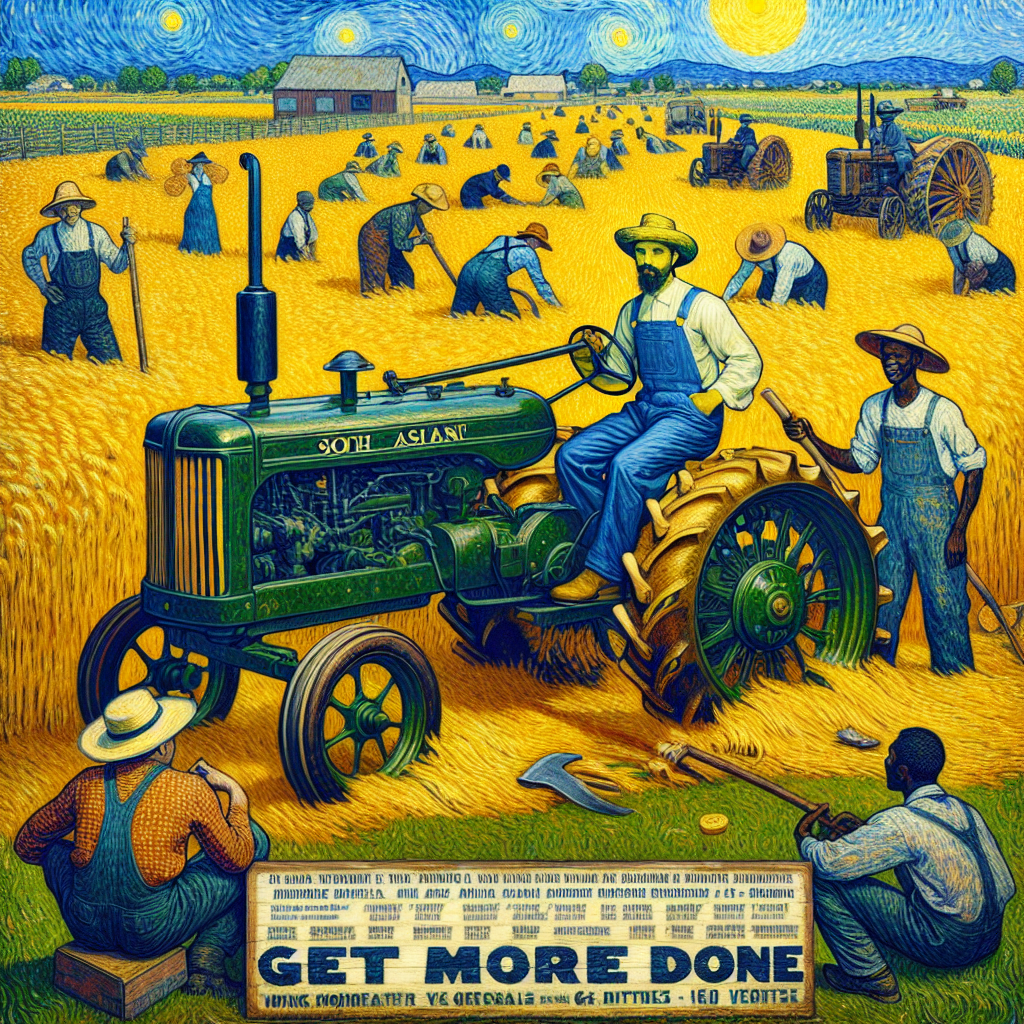
In the heart of America’s fields, where the sun kisses the earth and the air carries the scent of freshly turned soil, small farmers face a formidable dilemma. Picture that old, dependable tractor—its engine a comforting heartbeat on those long afternoons. For many, it’s more than just a machine; it’s a symbol of generations of labor, tradition, and resilience. Yet today, the promise of costly new technology beckons from the horizon, a shiny siren song that threatens to drown out the familiar growl of dependable engines.
At first glance, new tech seems like a ticket to a brighter future. Who wouldn’t want drones tracking crop health or sensors that provide real-time data about soil health? These advancements speak to the rational side of farming—efficiency, productivity, sustainability. But let’s pause for a moment. The truth is, many small farmers are caught in a bind. The allure of high-tech innovation often comes with a price tag that weighs heavily on budgets already stretched thin. As farmers wrestle with the decision to invest in tech that promises ease and efficiency, they grapple with fear: fear of falling behind, of being left in the dust while larger operations zoom ahead.
Yet, this is not merely about economics—it’s about ethics and the broader community. Will embracing technology mean sacrificing the values that have defined small farming for generations? The relationships built with neighboring farms, the rituals of harvest time, the story that each farm tells—are they worth sacrificing on the altar of innovation? These are the questions that gnaw at the core of a farmer’s identity.
Let’s be honest: decision-making in agriculture is not just about numbers. It’s about legacy and the future we wish to cultivate. When farmers gather at the local diner, sharing stories over coffee, it becomes clear that they’re not only considering their own fields but the landscapes of their families and communities. These conversations illuminate the collective spirit that binds them—a spirit that invites innovation, yes, but one that does so while preserving their roots.
So, how do small farmers ultimately feel about relying on costly new tech? It’s a patchwork of hope and hesitation, tempered by a deep yearning for connection. They desire tools that uplift rather than uproot, ensuring that while the tractors of tradition still rumble through the fields, they also have the option to usher in a brighter, shared future with newfound confidence.
How Do Small Farmers Feel About Relying On Costly New Tech?
How Do Small Farmers Feel About Relying On Costly New Tech?
- Small farmers face a dilemma between traditional farming methods and costly new technology.
- Old tractors symbolize generations of labor, tradition, and resilience but are overshadowed by the allure of high-tech innovations.
- New technology promises efficiency, productivity, and sustainability through tools like drones and real-time soil sensors.
- Many small farmers struggle with the financial burden of investing in new technology while fearing they may fall behind larger operations.
- The decision to adopt technology raises ethical questions about the values that define small farming communities.
- Farming decisions are influenced by legacy and community, as farmers share experiences and concerns at local gatherings.
- Small farmers seek solutions that blend tradition with innovation, ensuring their methods evolve while preserving community ties.
How Do Small Farmers Feel About Relying On Costly New Tech?
Is The Pressure To Modernize Making Farming Less Accessible To All?
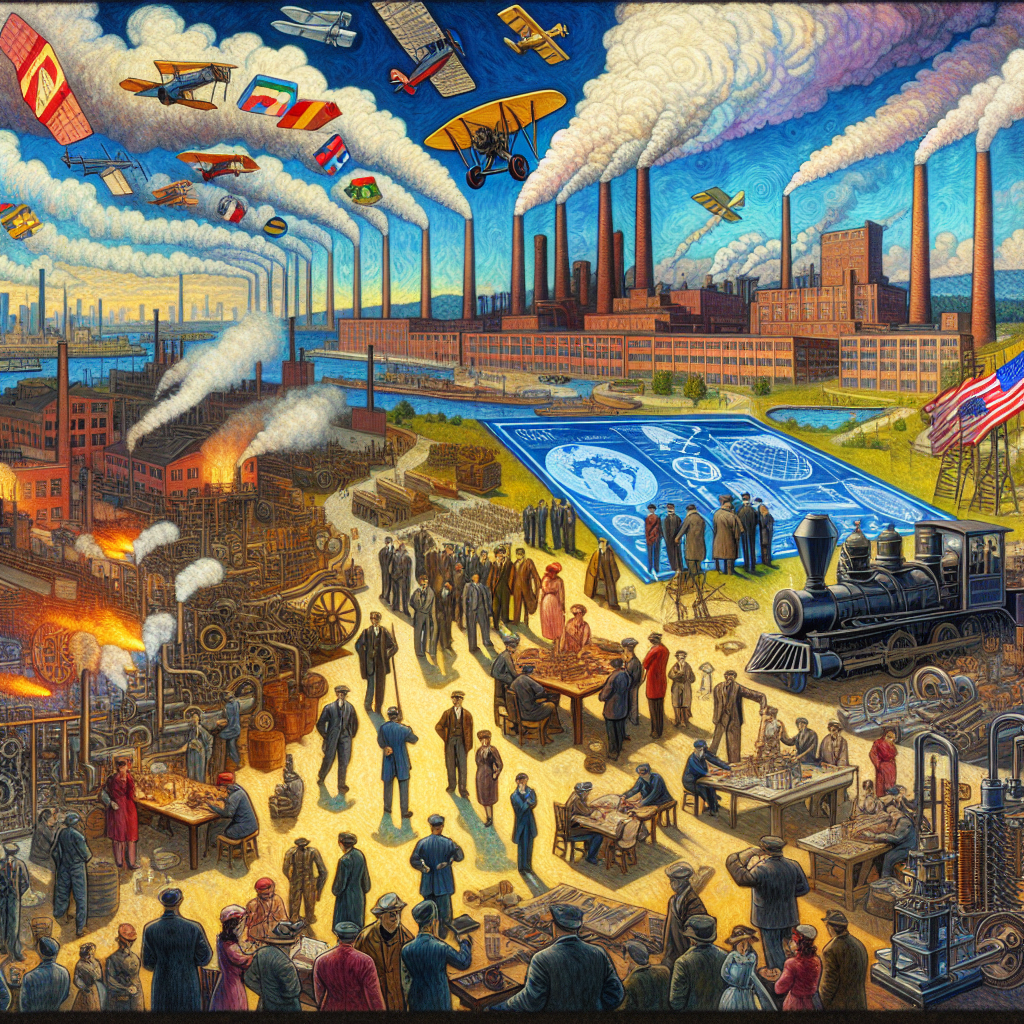
The landscape of farming is shifting beneath our feet, and with it, the very essence of what it means to grow our own food. It’s easy to romanticize the past, where a farmer’s life revolved around the steady hum of a tractor and the honest, earthy work that connected them to the land. But as technology races forward, the bright promise of modernization comes wrapped in an unsettling question: At what cost does this progress come?
We find ourselves at a crossroads where traditional farming meets high-tech gadgetry—a place that, while brimming with innovation, is increasingly losing sight of the very people who cultivate our fields. There’s a harsh reality lurking in these advancements: for many, the dream of joining the farming community is becoming just that—a dream. The price tags for the latest equipment, enormous data infrastructure, and advanced seeds are daunting. It feels like you need a financial security blanket thicker than the soil beneath your feet, and not everyone can afford it.
Take a moment to picture the essence of farming—the feel of the soil, the scent of crops, and the connection to the community that shares your every harvest. There’s a reason farming has been hailed as one of the most honorable professions: it sustains life itself. But with the blitz of modernization, that connection appears to fray. Families who once tilled their own land with grit and sweat are now being pushed out, replaced by conglomerates holding the reins of production. The ethics of farming—a practice intertwined with humanity’s roots—are being traded for efficiency, innovation, and profit margins.
Listen closely, though. Behind the beeping of drones and the whirring of automated systems lies a story worth telling, one that still echoes the pleas of family farmers. It’s a story about resilience, about finding ways to adapt and thrive, even when the odds seem stacked against you.
We cannot ignore the truth: farming is more than a profession; it’s a calling that requires passion, grit, and a healthy respect for the land. The challenge now is to modernize without losing that soul. As consumers, we must advocate for policies and support networks that prioritize accessibility over exclusivity—because when we talk about food security and sustainability, it should include everyone. Let’s work together, hand in hand—whether it’s with plow or pencil—ensuring that farming remains within reach for all who seek to embrace it.
Is The Pressure To Modernize Making Farming Less Accessible To All?
Is The Pressure To Modernize Making Farming Less Accessible To All?
- Farming is undergoing significant changes due to technological advancements, raising questions about the cost of progress.
- Traditional farming practices are increasingly clashing with modern technology, affecting farmers’ connections to the land.
- The high costs of new equipment, data infrastructure, and advanced seeds limit access for aspiring farmers.
- Modernization is pushing out family farmers in favor of large conglomerates, threatening the ethics and roots of farming.
- There is a resilient spirit among family farmers, who are adapting to modern challenges in creative ways.
- Farming is not just a job but a calling that requires passion and respect for the land, necessitating a thoughtful modernization process.
- Consumers are encouraged to advocate for policies that promote accessibility in farming, ensuring food security and sustainability for all.
Is The Pressure To Modernize Making Farming Less Accessible To All?
Are High-Tech Tractors Fostering A Divide Among Farmers?
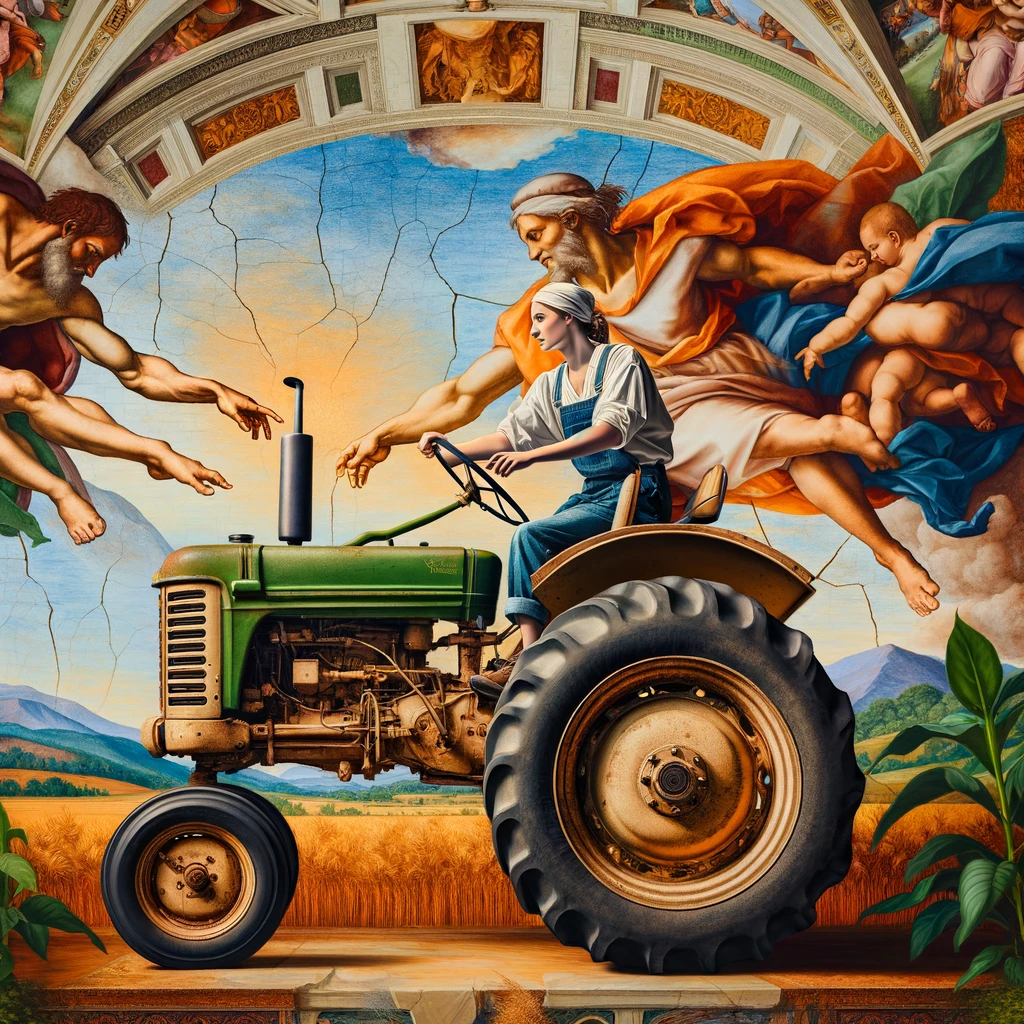
As we cruise through the heartland, the sight of sprawling fields cultivated by state-of-the-art tractors is both exhilarating and thought-provoking. There’s no denying that these high-tech marvels are revolutionizing the farming landscape—turning once laborious tasks into rapid, precise operations. But with this surge in innovation comes the uncomfortable reality that not all farmers are part of the same race.
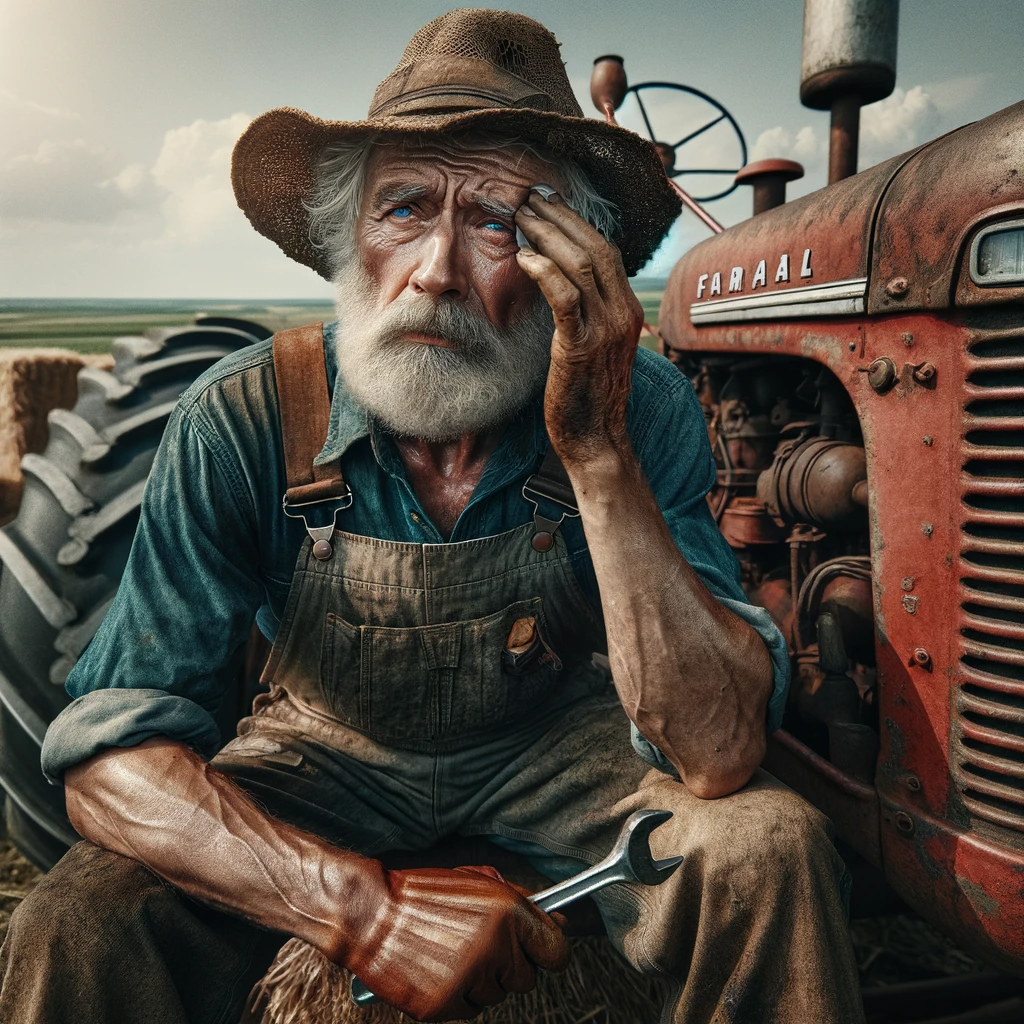
Picture a family farm, where generations have nurtured the soil. This land, rich with history and sweat, tells a story that technology can’t replicate. Yet, the high-tech tractor—gleaming under the sun—stands as a stark symbol of progress. For some, it represents opportunity: increased efficiency, soaring yields, and a ticket to a more prosperous future. For others, however, it’s a chasm, widening the divide between those who can afford the latest innovations and those who cling to time-honored practices out of necessity or tradition.
It’s easy to admire the shiny gadgets and the alluring promise of precision agriculture. But let’s take a step back and consider what’s at stake. Farmers already grapple with fluctuating markets, unpredictable weather, and an industry increasingly dominated by conglomerates. When high-tech tractors become essential to stay competitive, it raises an ethical question: Are we excluding those who lack access to the tools of modern agriculture? Should success be measured solely by our horsepower?
The stories behind these farmers matter, too. Imagine a seasoned farmer who has spent decades mastering his fields, now watching as neighbors invest in high-tech tractors that hum with efficiency. There’s a sense of loss—a fear of being left behind, of watching a way of life shift while industries churn ahead. As neighbors compare harvest sizes, camaraderie begins to strain, edging into competition that never existed before. It’s a bitter pill when community ties erode, replaced by machines and numbers.
We must acknowledge these complexities. High-tech tractors have the potential to transform agriculture, allowing us to feed a growing population. Yet, as a society, we must do more than marvel at the technology. We must foster inclusivity, ensuring that farmers—regardless of their resources—find common ground under the vast skies we all share. Supporting local initiatives, investing in education, and encouraging collaboration can help bridge these gaps.
Let us remember: agriculture isn’t just about tools and technology; it’s about people and their stories. Together, we can cultivate a future that honors both innovation and the heart of the farm.
Are High-Tech Tractors Fostering A Divide Among Farmers?
Are High-Tech Tractors Fostering A Divide Among Farmers?
- The sight of high-tech tractors in sprawling fields represents a revolution in farming, making tasks more efficient.
- Family farms carry generations of history, which technology cannot replicate, highlighting a divide in farming experiences.
- High-tech tractors symbolize opportunity for some, while for others, they widen the gap between those who can afford such innovations.
- Farmers face challenges such as fluctuating markets and weather, raising ethical questions about access to modern agricultural tools.
- Competition from neighbors using advanced technology can strain community ties and lead to feelings of loss and insecurity.
- While high-tech tractors can enhance agriculture, inclusivity and support for all farmers are essential to bridge existing gaps.
- Agriculture is about the people and their stories; fostering both innovation and tradition is key for a sustainable future.
Are High-Tech Tractors Fostering A Divide Among Farmers?
Conclusion
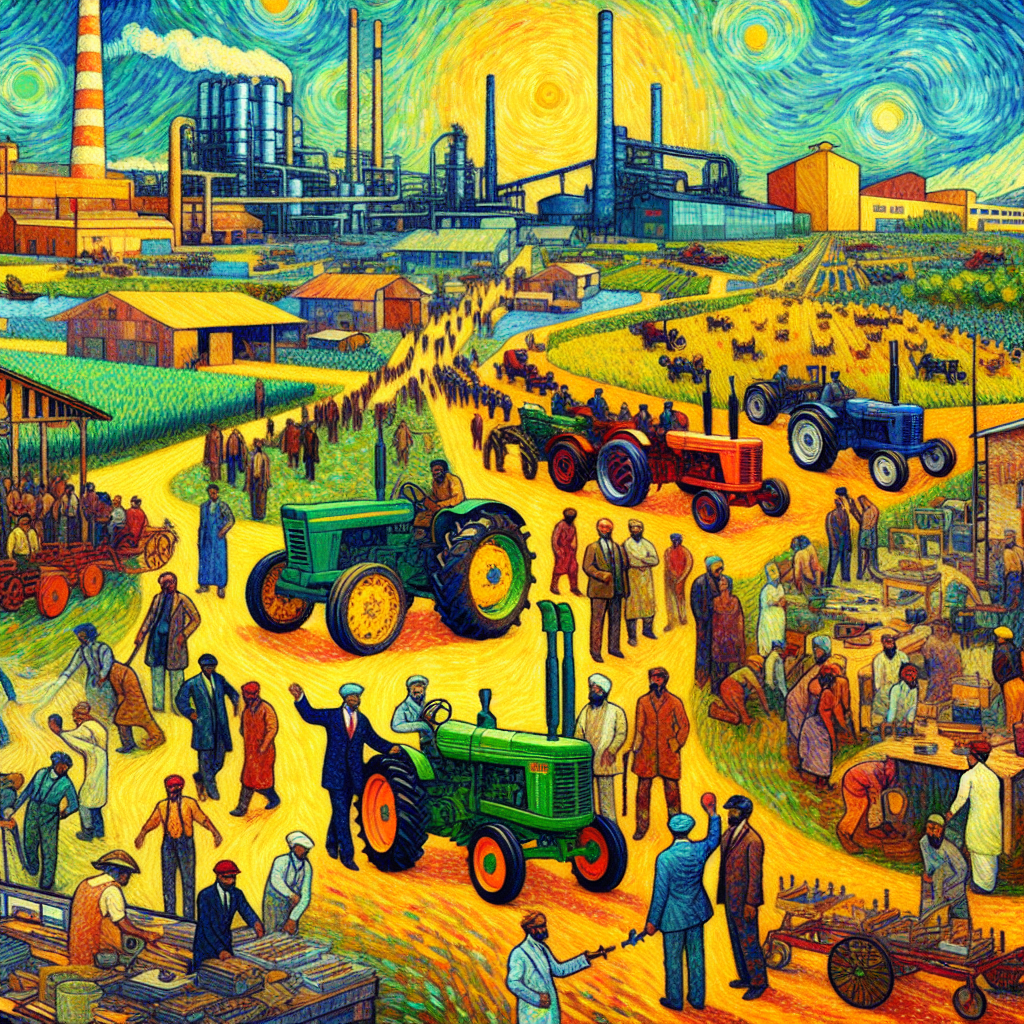
As we steer into the future of farming, a poignant question lingers in the air: Are these high-tech tractors heralding an era of growth or an avalanche of burdens for our small farmers? We are at a critical juncture where love for the land and modernization collide. Imagine the face of a third-generation farmer, weathered and wise, clutching a corn-studded soil sample while staring at the sparkly promise of high-tech machinery. These are the heavy choices they face every day—inviting the sleek efficiency of modern tech or holding steadfast to the traditional methods that have served their families well for generations.
But here’s the rub: with innovation comes the weight of costs—upfront purchases, maintenance, and the creeping shadow of debt. As each shiny tractor rolls onto their fields, it carries not just raw horsepower, but the risk of uprooting generations of labor, tradition, and emotional connection to the soil. You see, it’s about more than just the yield per acre; it’s the legacy of hard work, collective stories shared over coffee at the local diner, and the unyielding rhythm of community tied to every swath of tilled earth. The high-tech revolution can feel like a siren’s call, alluring yet perilous, where the farmer risks losing autonomy and connection for the sake of efficiency.
Yet, amidst this weighty dilemma, there’s a renewed movement that’s gaining momentum, advocating for sustainable practices that marry the wisdom of the past with the innovations of the present. This is where we can rise as a society—not just consumers, but stewards of that heritage. We can bridge the chasm between tradition and modernity, supporting the hearts and hands that nurture our food systems.
The stakes are high, and it’s clear that the art of farming is not just about technology but about the values and communities it fosters. So, let’s lean into our ethical responsibility to support our small farmers—not as mere operators of machinery but as custodians of the land. It’s about ensuring the future of agriculture is one where small farmers don’t just survive but thrive, preserving the essence of what farming truly is: a heartfelt connection to the earth and to each other. Together, we can cultivate a path that honors both innovation and the enduring spirit of tradition, ensuring much more than just food security; we preserve a way of life that celebrates resilience, community, and a deep bond to the land we all share. Let’s stand together at this crossroads and help cultivate a brighter future for farming.
Conclusion
Conclusion:
- The future of farming presents a dilemma between embracing high-tech machinery and preserving traditional methods.
- Farmers face tough choices as the allure of modern technology competes with generational practices.
- New technology brings significant costs, such as upfront purchases and ongoing maintenance, alongside the risk of incurring debt.
- High-tech solutions threaten to disconnect farmers from their land and community bonds formed over years of tradition.
- A movement is emerging that advocates for sustainable practices, blending traditional wisdom with modern innovations.
- Supporting small farmers is essential to uphold their role as stewards of the land and maintain agricultural values.
- The goal is to create a balanced future for farming that promotes community ties and celebrates resilience alongside technological advancement.
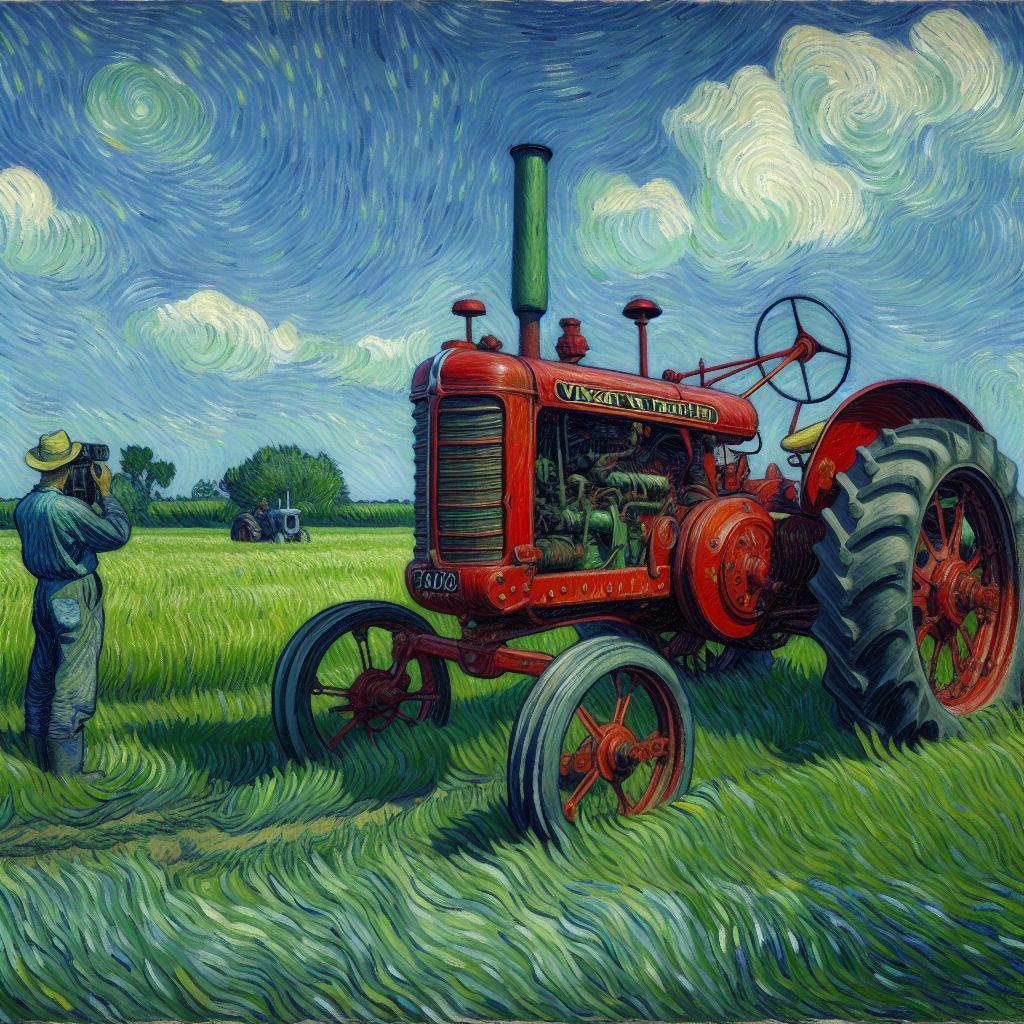
Conclusion
Other Resources
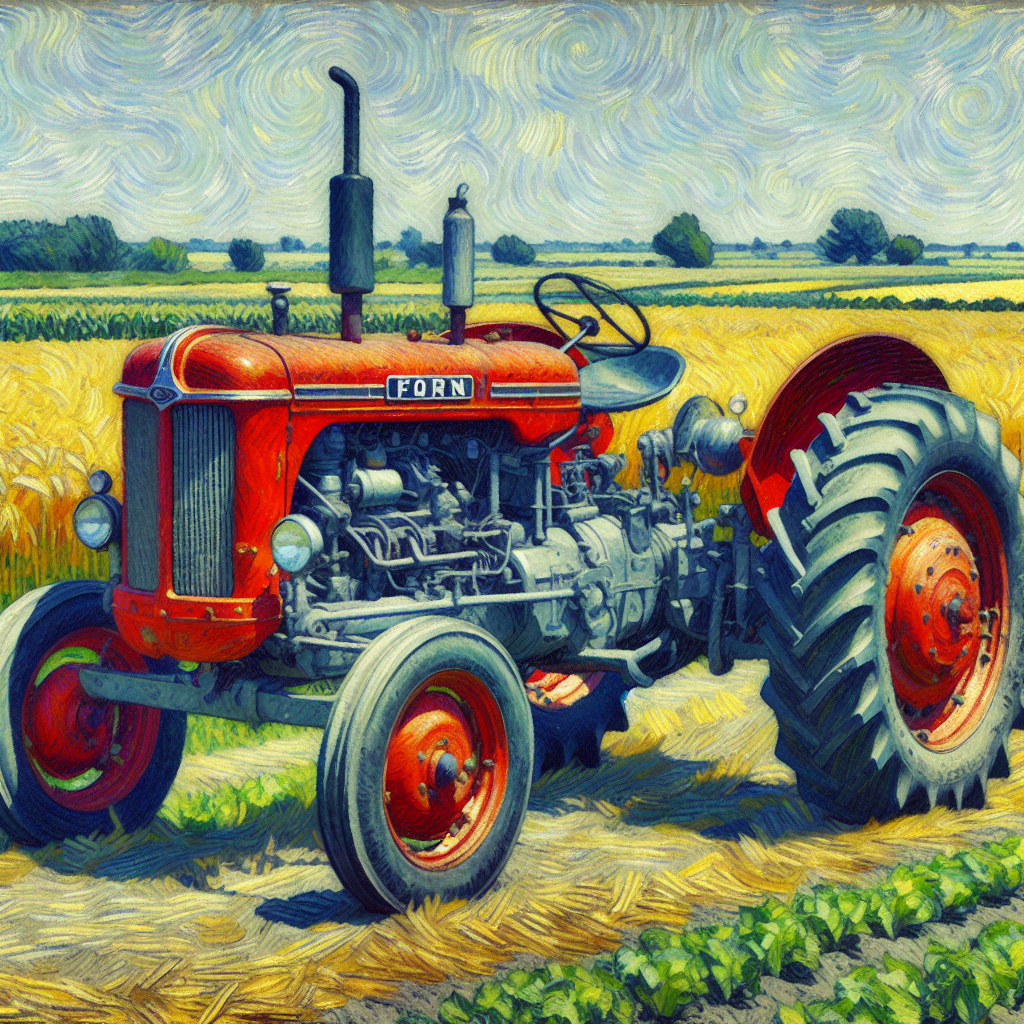
Other Resources
Here is a list of other resources you can review online to learn more:
- Case IH
- GMS Tractor Museum
- Wallis
- Kartar Tractors
- Valpadana
- Mahindra
- Farm Heritage Museum
- Modern Farmers
- Summit Tractors
Use This Prompt To Get More Resources With Your Favorite Online AI Tool: Please provide me with a list of online articles with their URLs in a bulleted list that I can read regarding Are High-Tech Tractors Weighing Down Today’s Small Farmers
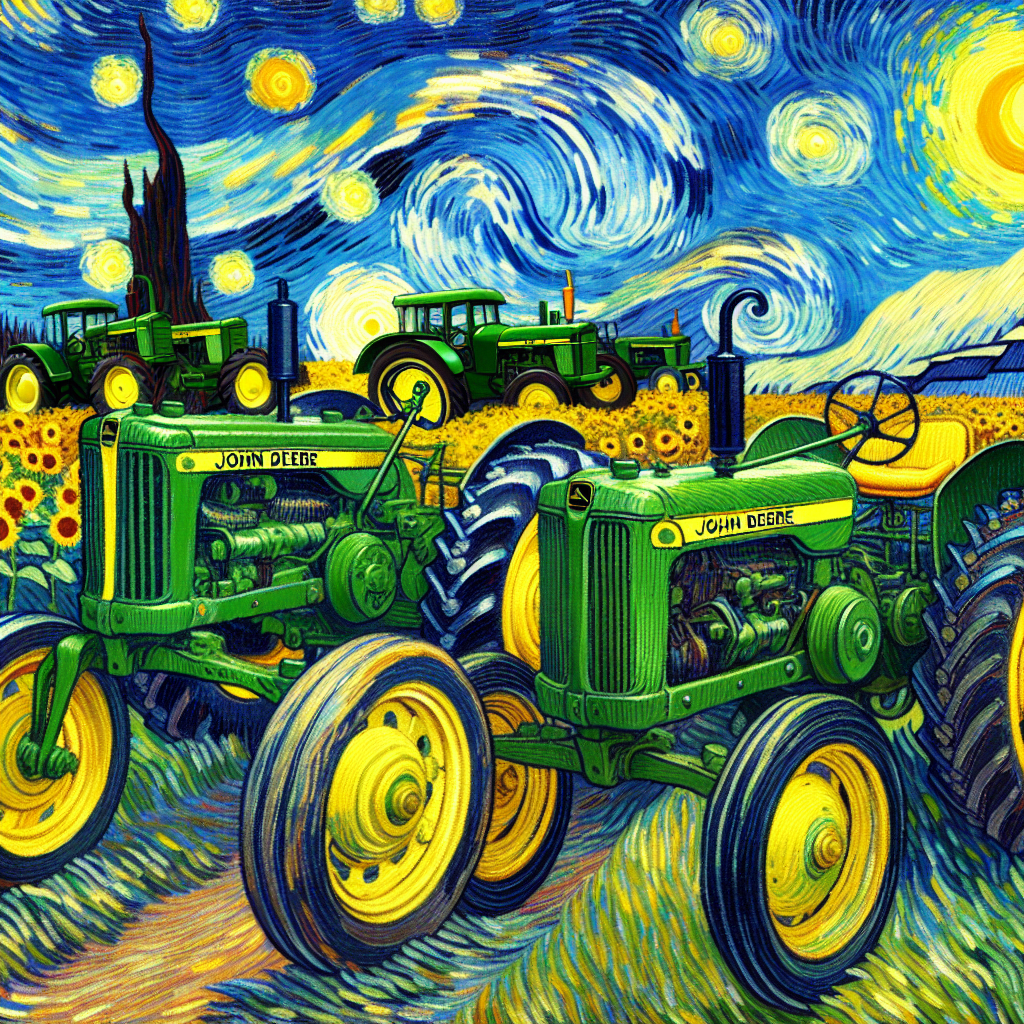
Other Resources
Glossary Terms
Are High-Tech Tractors Weighing Down Today’s Small Farmers – Glossary Of Terms
1. High-Tech Tractors: Advanced agricultural machinery equipped with modern technology for enhanced performance, precision farming, and automation.
2. Precision Farming: A modern farming management concept using information technology to ensure crops and soils receive exactly what they need for optimum health and productivity.
3. Small Farmers: Agricultural producers who operate on a limited scale, typically characterized by smaller acreage, lower revenue, and fewer resources.
4. Affordability: The economic feasibility for small farmers to purchase, maintain, and operate high-tech machinery given their financial constraints.
5. Scalability: The capacity of farming systems or equipment to be easily adjusted or expanded based on the size and needs of a farm operation.
6. Sustainability: Farming practices that meet current agricultural demands without compromising the ability of future generations to meet their needs.
7. Return on Investment (ROI): A financial metric used to evaluate the efficiency and profitability of an investment, such as purchasing high-tech equipment.
8. Automation: The use of technology to operate equipment with minimal human intervention, often increasing efficiency but potentially reducing labor needs.
9. Labor Shortage: The lack of available workers to operate machinery and perform farming tasks, often leading to increased reliance on technology.
10. Crop Yield: The amount of agricultural produce harvested per unit of land area, often influenced by technology and farming practices.
11. Maintenance Costs: The expenses related to the upkeep and repair of machinery, which can be significant for high-tech tractors.
12. Debt Load: The amount of money borrowed by farmers to finance their operations, including the purchase of machinery, which can affect financial stability.
13. Customization: The ability to tailor high-tech tractors and equipment to meet specific needs of different farming operations.
14. Soil Health: The condition of soil as it relates to its ability to function as a living ecosystem, which can be impacted by farming practices and technology.
15. Data Management: The process of collecting, analyzing, and utilizing agricultural data to inform decision-making on the farm.
16. Yield Monitors: Devices attached to tractors that measure and record the amount of crop produced during harvest, aiding farmers in understanding productivity.
17. GPS Technology: Global Positioning System technology used in agriculture for navigation and precise field mapping, often found in high-tech tractors.
18. Farm Subsidies: Financial assistance provided by the government to support farmers, which can influence their ability to invest in high-tech equipment.
19. Investment Burden: The financial strain associated with investing in costly technology, particularly for small-scale operations.
20. Farm Management Software: Digital tools that assist farmers in planning, monitoring, and analyzing all activities on the farm to enhance productivity.
21. Market Access: The ability for small farmers to sell their products directly to consumers or markets, which can be affected by the cost of technology.
22. Field Mapping: The process of creating detailed maps of agricultural fields to aid in precision farming strategies.
23. Cost-Benefit Analysis: A systematic approach used to evaluate the economic advantages and disadvantages of adopting high-tech farming methods.
24. Tractor Financing: Various financial products and services that allow farmers to purchase tractors and equipment through loans or leases.
25. Regulatory Compliance: Adherence to laws and regulations that govern agricultural practices, which may necessitate the use of certain technologies.
26. Innovation: The process of developing new ideas or technologies that improve farming efficiency and effectiveness, often through high-tech solutions.
27. Erosion Control: Practices that prevent the degradation of soil caused by wind and water, which can be a focus for farmers utilizing advanced machinery.
28. Sociocultural Impact: The effects high-tech agriculture may have on rural communities and social structures, including employment and lifestyles.
29. Input Costs: The costs incurred for purchasing seeds, fertilizers, or high-tech equipment needed for farming operations.
30. Agri-tech: A sector that encompasses modern technology applied to agriculture, including robotics, biotechnology, and data analytics aimed at increasing efficiency and sustainability.
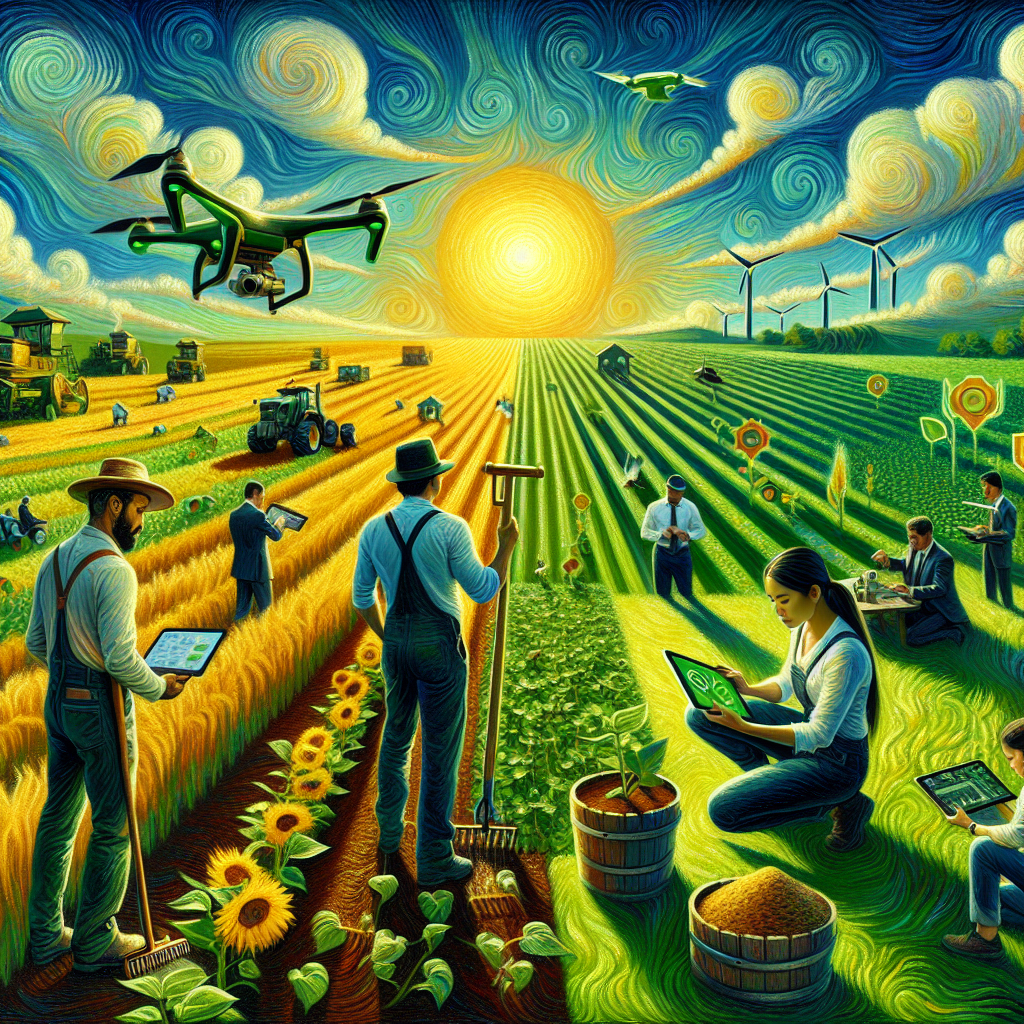
Glossary Of Terms
Other Questions
Are High-Tech Tractors Weighing Down Today’s Small Farmers – Other Questions
If you wish to explore and discover more, consider looking for answers to these questions:
- What are the primary barriers small farmers face when considering high-tech tractors?
- How does the cost of high-tech tractors compare to traditional farming equipment?
- What are the long-term impacts of relying on technology in agriculture?
- Are there any support systems for small farmers to help with the transition to high-tech machinery?
- How do consumers perceive small farmers who utilize high-tech tractors versus traditional methods?
- What role do government policies play in supporting small farmers amid technological advances?
- How can technology be integrated into farming without compromising traditional values?
- What alternatives exist for small farmers who cannot afford high-tech equipment?
- How can small farmers share and learn from each other’s experiences with technology?
- What examples exist of successful integration of high-tech tools in small farms without losing traditional practices?
- How do agricultural education programs address the balance between technology and tradition?
- What ethical considerations arise from the dependence on automation in farming?
- How does the shift towards high-tech farming affect the future of rural communities?
- What initiatives are in place to help preserve traditional farming skills in an increasingly automated world?
- Are high-tech tractors contributing to environmental sustainability or creating new challenges?
Other Questions
Haiku
Are High-Tech Tractors Weighing Down Today’s Small Farmers – A Haiku
Fields hum with progress,
Tech burdens the heart and soul—
Roots run deep, we must choose.
Haiku
Poem
Are High-Tech Tractors Weighing Down Today’s Small Farmers – A Poem
Echoes of the Fields
In the heart of the earth where the cornflowers sway,
Lies a legacy of labor, handed down through the fray.
Farmers toil with their hands in the warm, eager soil,
Yet, whispers of progress urge them to toil in a different way.
With gleaming machines that promise ease,
High-tech tractors roll like gleaming armies through the breeze.
They speak of precision, of yields that grow tall,
But can they bridge hearts, and the connection to it all?
A third-generation farmer, with furrowed brow,
Stands beneath the weight of tradition, measured yet now.
For every financial promise that glimmers so bright,
Lies a shadow of debt, like a thief in the night.
Oh, the anguish of choices—efficiency or legacy?
Do we keep the old ways or chase new technology?
For every sunrise hope, there rises a daunting cost,
And what becomes of our stories if that bond is lost?
In fields where the winds have sung long and low,
The essence of farming runs deeper than we know.
It’s not just the harvest, the dollars, the din,
It’s community gathered, where true wealth begins.
Through trials and toil, let us find a middle path,
One rooted in wisdom, where both hearts can laugh.
Support the small farmers; let their voices resound,
A chorus of history, where traditions abound.
Together we can champion a future that thrives,
Where both human and machine work hand-in-hand to survive.
With the hum of the tractor and the warmth of the sun,
Let’s cultivate progress and tradition as one.
For it’s not just numbers that matter in the end,
But the bonds to the soil, to the neighbors, friends.
So let’s honor our farmers, their tales, hopes, and dreams,
As we navigate progress through the fields and streams.
In unison we stand, in the heart of this land,
Embracing the new, while holding onto hand.
Future generations will look back and see,
That we nurtured both culture and crops, wild and free.
Poem
Checklist
Are High-Tech Tractors Weighing Down Today’s Small Farmers – A Checklist
Checklist for Balancing Progress and Tradition in Modern Farming
Emotional Appeal
_____ Reflect on the Legacy of Farming: Consider how your farming practices connect you to past generations and the traditions they upheld.
_____ Identify Emotional Costs: Acknowledge any emotional burdens that modern technology may impose, such as feelings of debt or fear of losing heritage.
_____ Celebrate Your Relationship with the Land: Embrace the personal stories and connections you have with your land and the community around you.
Rational Appeal
_____ Analyze the Cost-Benefit Ratio: Assess the financial implications of investing in high-tech equipment versus sticking to traditional practices.
_____ Investigate Sustainable Practices: Research ways modern technology can enhance sustainable farming without sacrificing tradition.
_____ Review Data on Productivity: Look up studies showcasing the impact of technology on crop yields vs. traditional farming methods.
Ethical Appeal
_____ Consider Your Values: Reflect on how adopting technology may conflict with the core values of stewardship and sustainable farming.
_____ Engage with the Community: Support local and ethical farming initiatives that honor both innovation and tradition.
_____ Challenge Inequities: Advocate for policies that ensure access to modern farming tools for all, regardless of economic status.
Authority Appeal
_____ Seek Expert Opinions: Consult with agricultural specialists about the pros and cons of integrating technology into farming.
_____ Follow Thought Leaders: Subscribe to newsletters or follow social media accounts of influential voices in sustainable and innovative farming.
_____ Attend Workshops/Seminars: Participate in events that focus on balancing technological advancements with traditional farming values.
Narrative Appeal
_____ Share Your Stories: Document and share your personal farming journey and the challenges you face with technology.
_____ Connect with Other Farmers: Join forums or groups where farmers exchange their experiences with both traditional practices and modern tools.
_____ Write Your Farming Legacy: Create a narrative about what farming means to you and how you envision its future.
Social Appeal
_____ Engage with Local Farmers: Collaborate with nearby farmers to share resources, knowledge, and technology.
_____ Build Community Relationships: Foster deeper ties within your farming community and participate in local agricultural events.
_____ Support Local Consumers: Encourage your community to buy from local farmers who prioritize sustainability and traditional practices.
Conclusion
_____ Encourage Conversation: Initiate dialogues around the importance of balancing high-tech farming with the humane practices of tradition and community.
_____ Stay Informed: Regularly update your knowledge on advancements in both modern tech and traditional agriculture to make informed decisions.
Checklist
At ClassicTractorNews, we help tractor lovers keep up with the latest news for classic and vintage tractors.
Please share this post with your friends, family, or business associates who may like old classic or vintage tractors.