

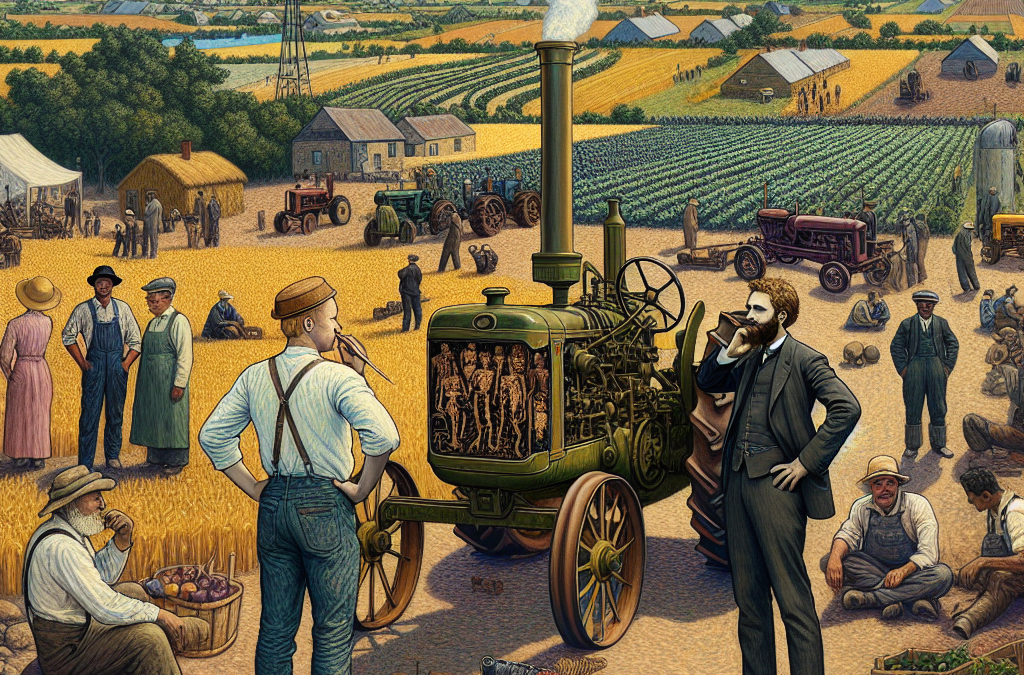
Balancing Tradition And Innovation In Modern Farming
By Tom Seest
At ClassicTractorNews, we help tractor lovers keep up with the latest news for classic and vintage tractors.
Please share this post with your friends, family, or business associates who may like old classic or vintage tractors.
Are Farmers Sacrificing Reliability for The Latest Technological Fads
In the vast expanse of rolling fields, the hum of tractors is more than just the sound of machinery; it’s the heartbeat of agriculture. Farmers have long relied on these powerful machines, each one a testament to grit, sweat, and generations of hard-earned knowledge. But today, as shiny new gadgets and apps race onto the scene promising immediate productivity, there’s a palpable tension in the air: are farmers trading reliability for the latest shiny technological trends?
Let’s take a step back and consider the heart of this matter. Farm life has always been about relationships—between farmer and land, farmer and community. A trusty tractor isn’t just a piece of equipment; it’s a partner in the relentless toil of bringing food to our tables. When a crop fails, it isn’t merely a financial setback; it hits deep in the gut, rattling a farmer’s very identity. So why should they gamble on untested tech when they already possess the tried-and-true?
In today’s world, where data-driven decisions reign supreme, it’s easy to fall prey to the belief that the newest tool must be the best tool. Yet, more often than not, this obsession with the latest and greatest clouds our judgment. Each gadget promises efficiency but comes with its own set of quirks and challenges. After all, technology should empower, not complicate. It’s essential to approach these innovations with a discerning eye, ensuring they align with the values farmers hold dear: stewardship, community, and sustainability.
Moreover, let’s talk ethics. As custodians of the land, farmers have an obligation to future generations. Embracing fleeting trends can jeopardize the very ecosystems they work to nurture. Each choice, from the tractor they trust to the tools they adopt, carries weight—impacting not just their farm, but the delicate balance of our planet. So before rushing headfirst into the tech frenzy, it’s paramount to ask, “Will this truly serve us in the long run?”
The stories emanating from the fields resonate beyond crops and yields; they connect us as stewards of the Earth. The farmer, standing resolute beside their tractor, is a symbol of resilience and thoughtfulness amidst a swirl of change. Let’s remember: it’s not just about what’s new, but about what’s right. Together, let’s honor the wisdom of the past while navigating the possibilities of tomorrow, ensuring that the pulse of agriculture remains steady, dependable, and true.
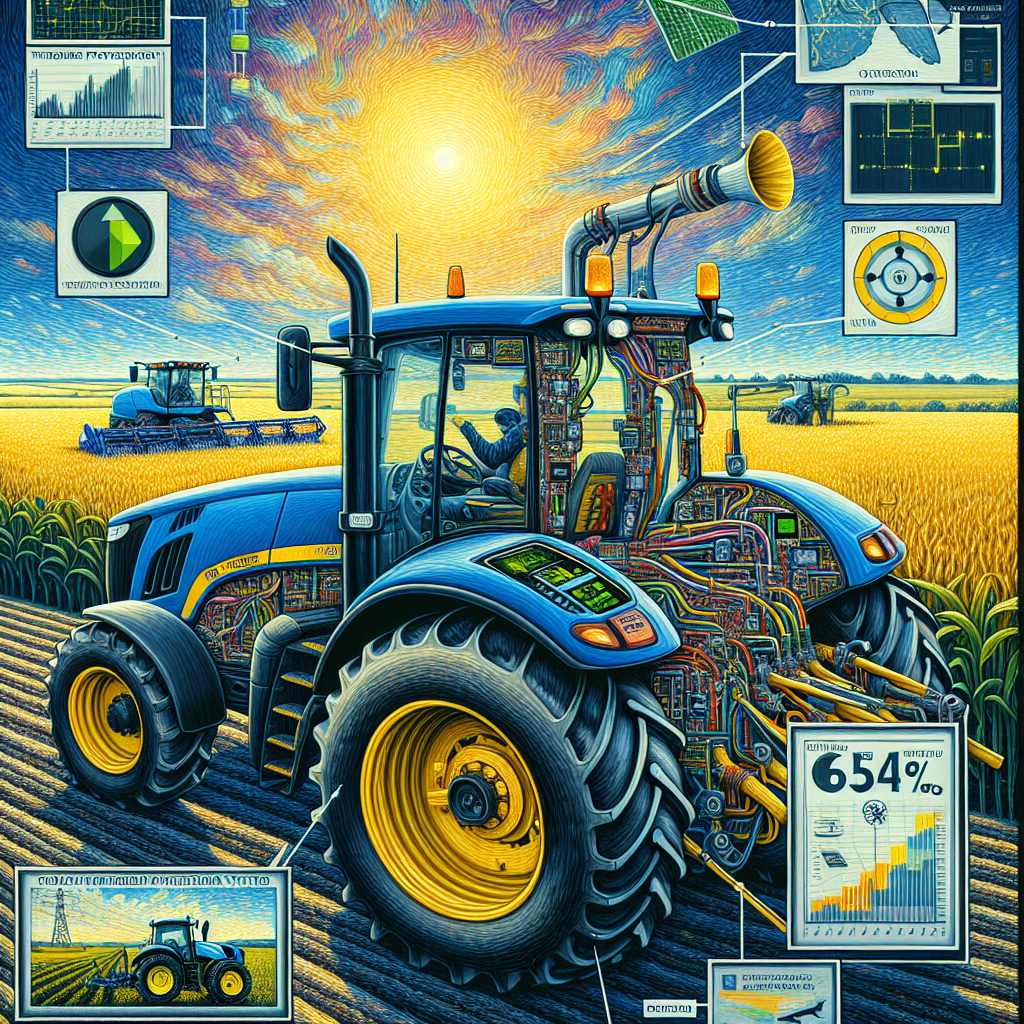
Are Farmers Sacrificing Reliability for The Latest Technological Fads
Are Farmers Sacrificing Reliability for The Latest Technological Fads
- The hum of tractors represents the heartbeat of agriculture and reflects generations of farmers’ hard-earned knowledge.
- Farm life centers around relationships, making a tractor more than equipment; it’s a partner in the farming process.
- Farmers face a dilemma between adopting new tech and relying on proven tools that embody their identity and values.
- Data-driven decisions may blind farmers to the potential pitfalls of the latest gadgets, which can complicate rather than simplify operations.
- Farmers have ethical obligations to future generations, making their choices impactful on ecosystems and community sustainability.
- It’s crucial to evaluate new technologies against traditional values of stewardship, ensuring they align with long-term goals.
- The resilience of farmers symbolizes the balance between honoring past wisdom and navigating future possibilities in agriculture.
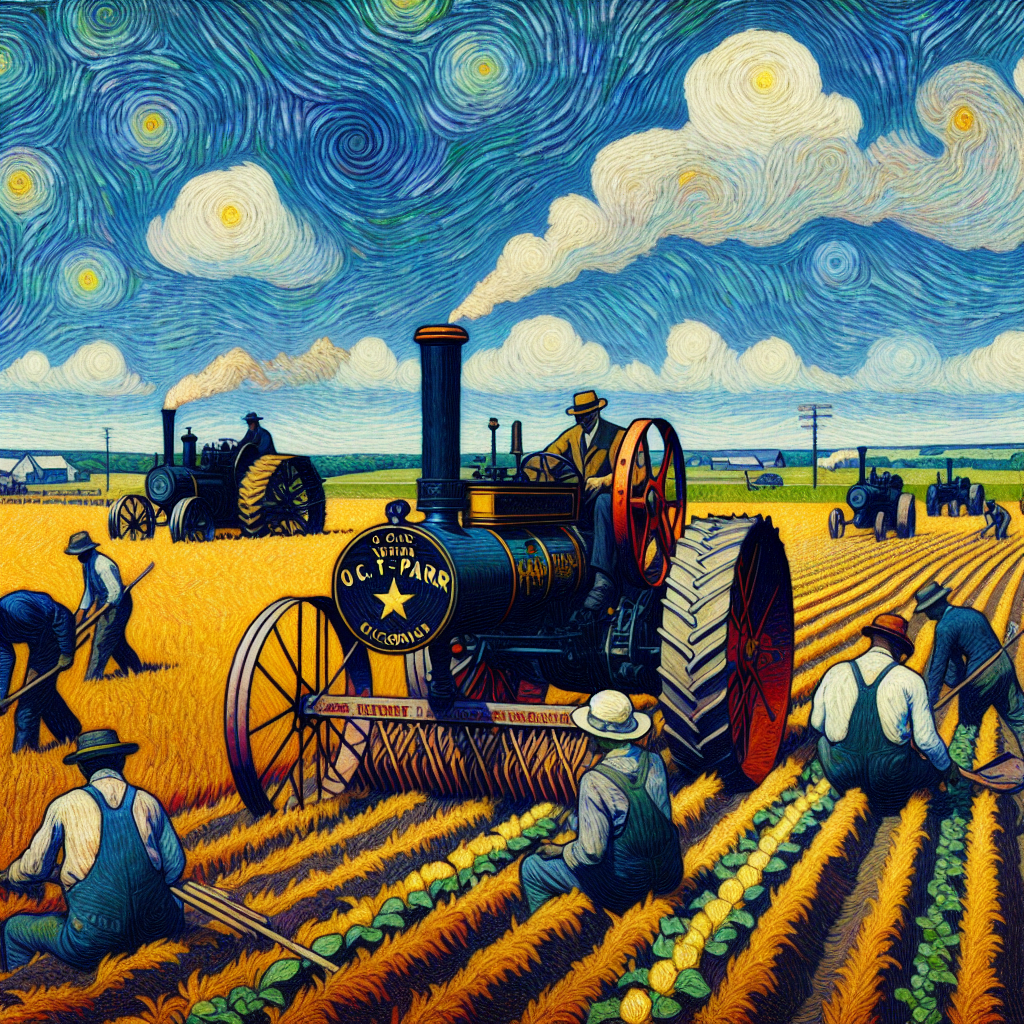
Are Farmers Sacrificing Reliability for The Latest Technological Fads
Table Of Contents
- Are Farmers Sacrificing Reliability for The Latest Technological Fads
- Are Farmers Really Prioritizing Trends Over Proven Practices?
- How Much Reliability Are Farmers Willing To Sacrifice For New Tech?
- What Role Does Tradition Play In Modern Farming Decisions Today?
- Are Farmers Losing Connection To Nature In Favor Of Gadgets?
- How Do Farmers Quantify The Risks Of New Technology In Their Fields?
- What Ethical Dilemmas Arise From Adopting Cutting-Edge Farming Tools?
- Conclusion
- Other Resources
- Glossary Of Terms
- Other Questions
- Haiku
- Poem
- Checklist
Are Farmers Really Prioritizing Trends Over Proven Practices?
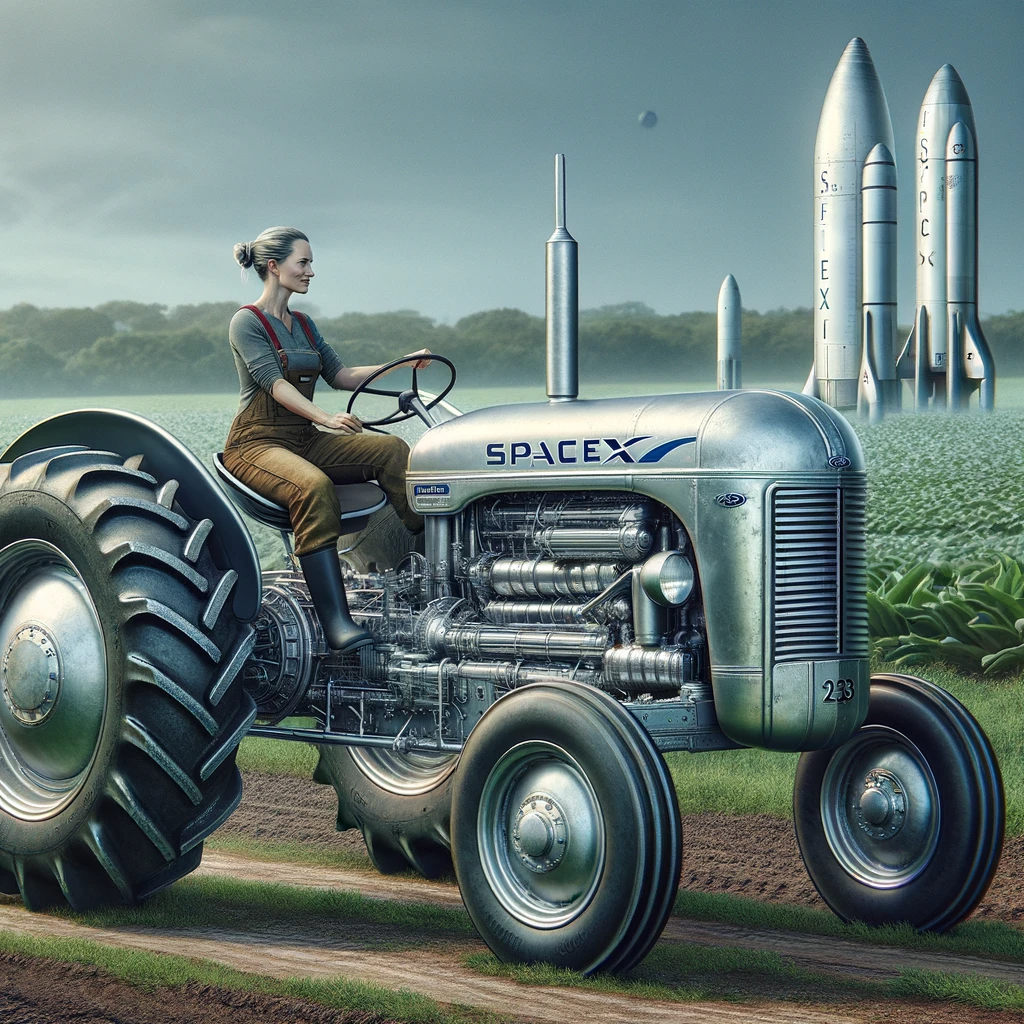
In the heart of America’s farmland, there’s a battle playing out, one that transcends the boundaries of fields and fences. It’s a classic tale—the age-old clash between the old ways and the shiny new trends that promise to revolutionize agriculture. Picture a farmer, grinding away on a well-worn tractor, the engine rumbling like a steadfast friend. In those moments, there’s a profound connection between the land and the man that can’t be undervalued. But as new ideas sprout up like weeds, the question looms: Are farmers really prioritizing trends over proven practices?
Let’s unpack that. Farmers are the original stewards of the land; they know it intimately—the rhythms of the seasons, the nuances of the soil, the cries of the beasts. Their livelihoods rest not on fleeting trends but on practices that have been tested by time. Yet the allure of high-tech solutions and trendy agro-methods can be astonishingly tempting. It’s like standing in a tractor-showroom surrounded by the latest models, each promising an easier tomorrow. But let’s not forget: a funky gadget might look slick, but it can’t replace the deep-rooted wisdom accrued from years of hard work and experience.
We have to understand the deeper implications here. The choices farmers make ripple through our communities. They shape our landscapes, our food systems, and ultimately, our values. When they adopt practices based solely on what’s trending, they risk undermining the ethical foundation of their industry. Are we valuing the fleeting novelty over the enduring principles of sustainability? And what message does that send to our younger generations?
Consider this narrative: A farmer, after years of trial and error, finds a method that works. He passes that knowledge to his son, who, in a moment of hesitation, is tempted by the siren song of a new flashy trend. That decision might seem innocuous, but it shapes the way the land is treated for generations to come.
As we stand at this critical juncture, let’s root for our farmers. Let’s remind them that true innovation doesn’t always come from the latest gadget. It flows from that earthy connection, from the wisdom borne of experience, and from the unwavering pride of a job well done. So the next time we hear about some new practice, let’s pause and ask: Does this truly serve the land, or is it just another trend passing through? The answer, much like the soil itself, will tell us everything we need to know.
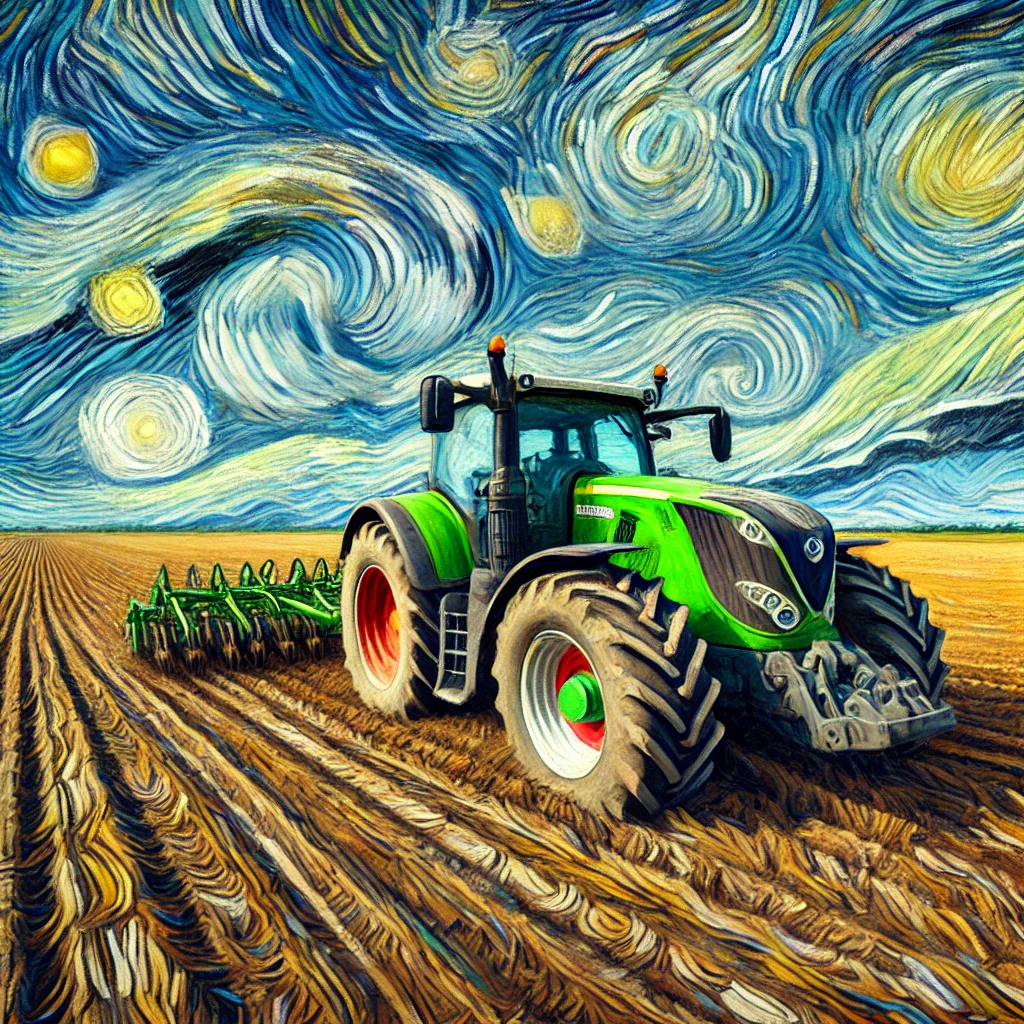
Are Farmers Really Prioritizing Trends Over Proven Practices?
Are Farmers Really Prioritizing Trends Over Proven Practices?
- A battle exists between traditional farming practices and new agricultural trends in America’s farmland.
- Farmers possess deep knowledge of their land and rely on time-tested methods for their livelihoods.
- The allure of high-tech solutions shakes the foundations of proven practices, tempting farmers with easier options.
- Farmers’ choices impact local communities, food systems, and agricultural values significantly.
- Adopting trendy practices risks undermining the ethical principles of sustainability in farming.
- Generational knowledge transfer among farmers is vital in preserving effective farming methods.
- True agricultural innovation derives from experience and tradition, not merely the latest technological gadget.
Are Farmers Really Prioritizing Trends Over Proven Practices?
How Much Reliability Are Farmers Willing To Sacrifice For New Tech?
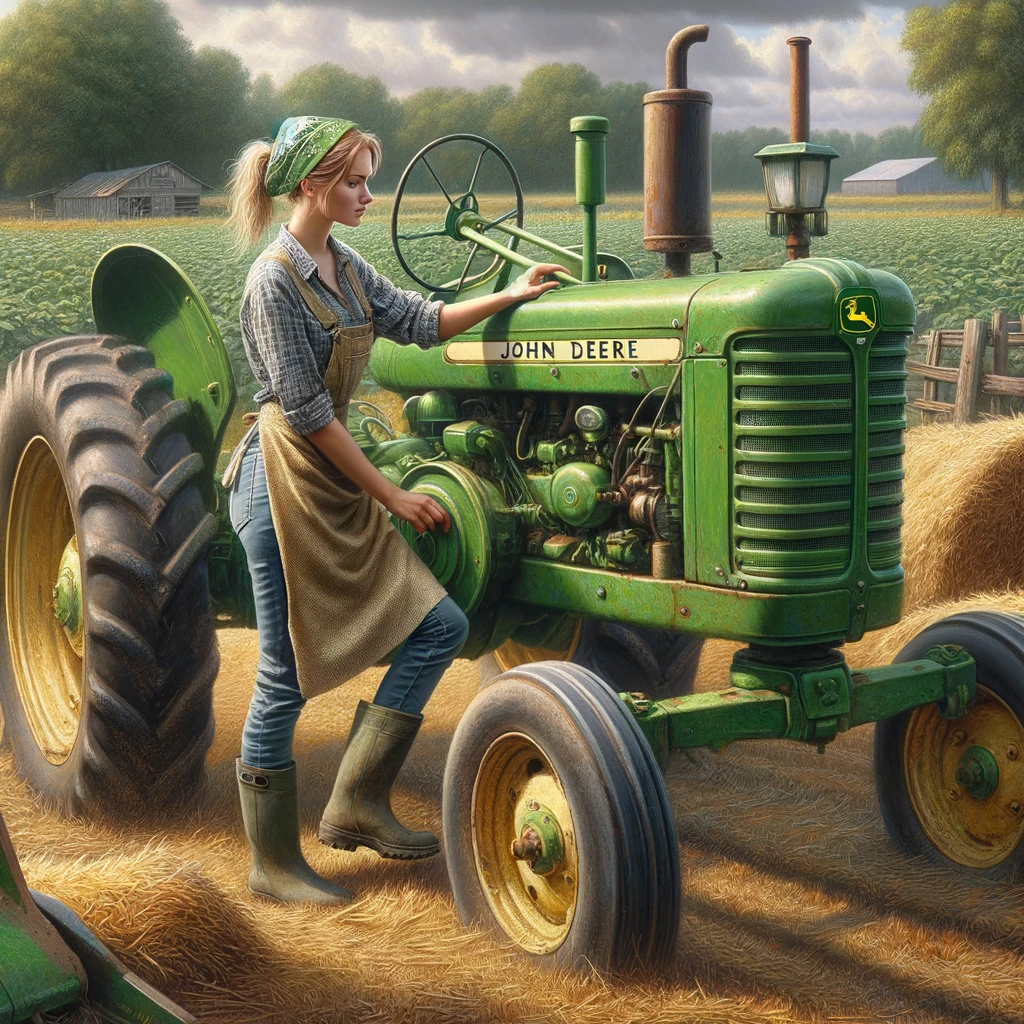
In a field bathed in golden sunlight, we often catch a glimpse of the powerful, steady figure of a farmer behind the wheel of a tractor—an emblem of hard work and tradition. This machine, with its reliable roar and unapologetic grit, has become a lifeblood for those who till the soil. But as technology surges forward, farmers now face an unsettling decision: embrace new innovations that promise increased efficiency or cling to the tried-and-true methods that have served them (and our communities) for generations.
Picture a farmer, weary yet determined after another long day in the field, pondering the enormous investment in the latest precision agriculture technology. It’s not just a tool; it’s a leap of faith. There’s potential for increased yields, reduced waste, and greater sustainability. The mind races with rational calculations. Can this new tractor, with its built-in intelligence and automated systems, really outperform the robust workhorse that has never failed them? Each patch of cloud-streaked sky is fraught with uncertainty. Does the crop risk not only money but trust in the tradition of farming?
At the heart of this dilemma lies an ethical concern: will the very essence of farming disappear under a mountain of data and algorithms? Will the art of growing food—deeply rooted in generations of hard-won knowledge—be overshadowed by spreadsheets and sensors? These are real worries; every farmer has seen a neighbor pioneer a new technology only to find their field devastated by an early frost and malfunctioning equipment.
Yet consider the narrative this farmer tells their child as they wipe sweat from their brow, the stories of resilience and innovation capable of overcoming nature’s fiercest trials. Can the legacy of the family farm adapt? More and more, we are seeing a social shift, where neighbors rally to share experiences with both new and old—creating a community that thrives on dialogue.
In this tug-of-war between tradition and advancement, farmers are capturing both the heartbeat of sustainability and the drive for progression. They aren’t simply trading reliability for tech; they’re redefining what it means to be a steward of the land in an ever-changing world. The trust they build through this journey could inspire action—not just in their fields, but throughout our entire food system. In a sense, this balancing act could prove to be the key to a more resilient tomorrow for all of us.
How Much Reliability Are Farmers Willing To Sacrifice For New Tech?
How Much Reliability Are Farmers Willing To Sacrifice For New Tech?
- Farmers face a dilemma between embracing new agricultural technologies and adhering to traditional farming methods.
- The investment in precision agriculture technology presents potential benefits such as increased yields and greater sustainability.
- Farmers grapple with trust in new technologies versus reliance on their proven, reliable methods.
- There is an ethical concern regarding whether the essence of farming will be overshadowed by data and automation.
- Farmers are sharing experiences and knowledge within their communities, bridging the gap between new and traditional practices.
- This balancing act reflects a redefining of stewardship and sustainability in an evolving agricultural landscape.
- The trust built through this journey has the potential to inspire broader positive changes in the food system.
How Much Reliability Are Farmers Willing To Sacrifice For New Tech?
What Role Does Tradition Play In Modern Farming Decisions Today?
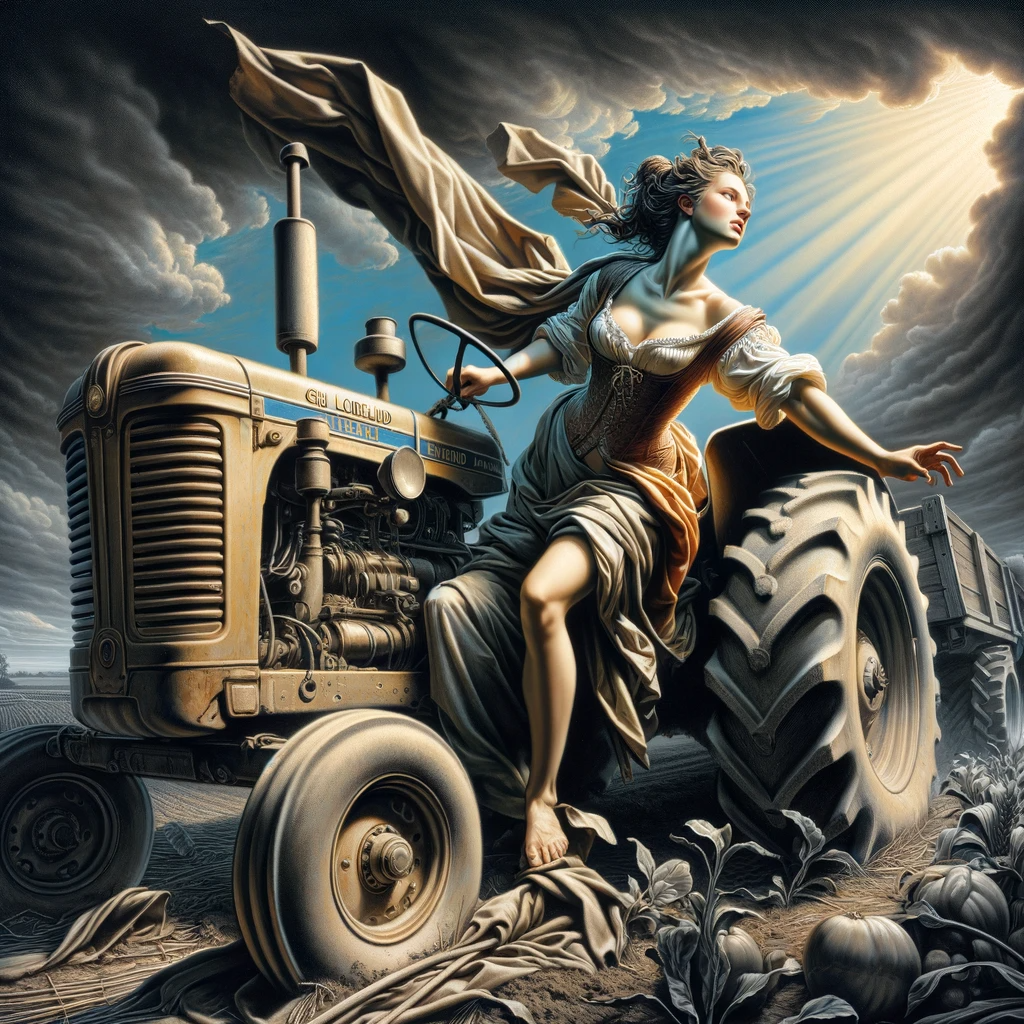
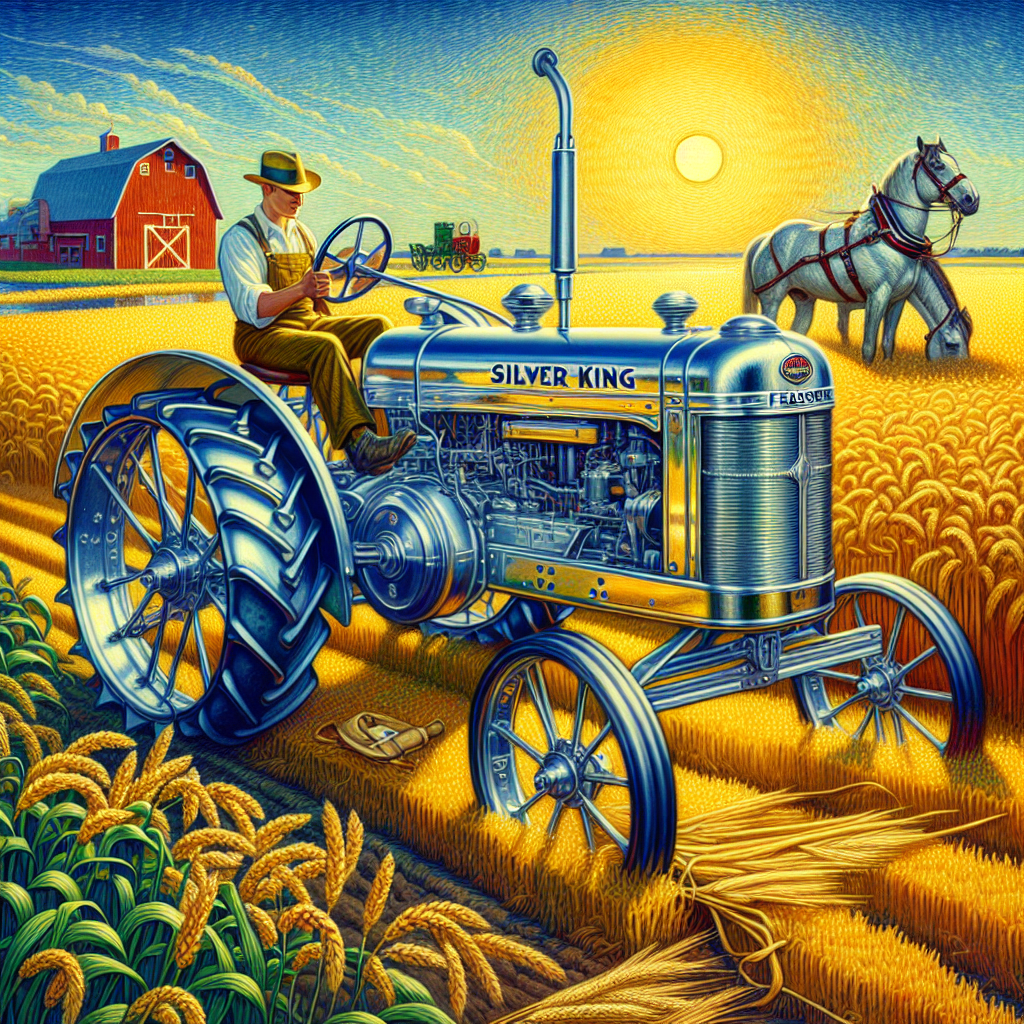
When we think about modern farming, images of sleek tractors plowing through fields often dominate our minds. Yet, beneath that shiny metal exterior lies a rich tapestry of tradition that has shaped the very essence of agriculture. Tradition isn’t just a relic of the past; it serves as a compass, guiding farmers through the complexities of today’s marketplace.
Imagine a farmer standing in a field, surrounded by the subtle whispers of history—stories told by ancestors who toiled the same soil. Each crop harvested isn’t merely a product of modern science; it’s a continuation of generations of wisdom, passed down through the ages. In this world, the old ways—be it crop rotation techniques or the timing of planting—combine seamlessly with cutting-edge technology. This blend of past and present creates a resilience that new methods alone simply can’t replicate.
Consider the emotional ties to traditional farming practices. They evoke pride and community. Local farming fairs, where families showcase their produce, aren’t just about competition; they foster connections that transcend generations. Every blue ribbon awarded isn’t solely an acknowledgment of skill; it’s a testament to the enduring legacy of hard work and commitment.
From a rational perspective, tradition provides a foundation that modern innovations often build upon. Farmers today are armed with data and technology, but even the most advanced tractor can only go so far without the wisdom of those who came before. Understanding the land, the climates, and the intricate relationships between crops often come from experiences that new equipment can’t teach. Even as markets fluctuate, traditions rooted in the local environment remain steadfast, ensuring a sense of stability in uncertain times.
Ethically, there’s something powerful about nurturing the earth while honoring the practices of those who maintained it before us. Sustainable farming practices are often deeply intertwined with age-old traditions. By considering this legacy, farmers can make decisions that protect not only their futures but also the environment for generations to come.
As we witness the march of progress, let’s not forget the bonds that unite us—with tractors as symbols of both innovation and tradition. The heart of modern farming lies in its harmony with the past, reminding us that while we look to the future, we must never forget where we came from. In the field of agriculture, tradition is not just a page in a history book; it’s the soil that nourishes our collective future.
What Role Does Tradition Play In Modern Farming Decisions Today?
What Role Does Tradition Play In Modern Farming Decisions Today?
- Modern farming is often associated with advanced machinery, but it is deeply rooted in traditional practices.
- Tradition serves as a guiding compass for farmers, helping them navigate today’s complex agricultural marketplace.
- Each harvest reflects a blend of ancient wisdom and modern science, embodying generations of agricultural knowledge.
- Emotional connections to traditional farming foster community bonds and pride, exemplified in local farming fairs.
- Tradition provides a foundational knowledge that complements modern innovations and technology in farming.
- Sustainable farming practices are often aligned with traditional methods, promoting ethical stewardship of the land.
- Recognizing the importance of tradition in farming allows us to appreciate its role in shaping a sustainable future.
What Role Does Tradition Play In Modern Farming Decisions Today?
Are Farmers Losing Connection To Nature In Favor Of Gadgets?
Are Farmers Losing Connection to Nature in Favor of Gadgets?
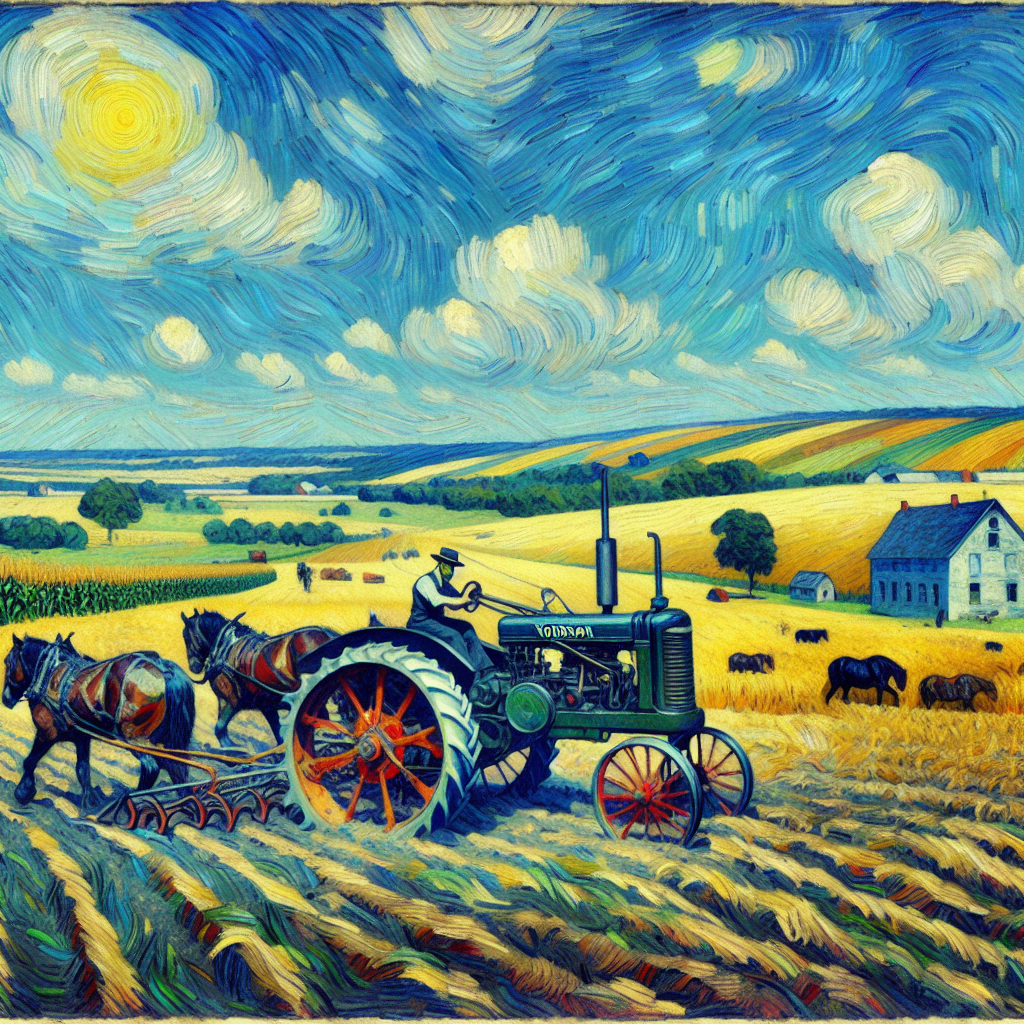
Picture the dawn breaking over a few rolling acres, where the air is heavy with the scent of damp earth and fresh beginnings. In days gone by, farmers would rise with the sun, their hands caked in rich, dark soil, thriving in the direct connection with the land that feeds them and the communities they nurture. Today, however, many find that connection increasingly replaced by the persistent hum of gadgets—trucks, drones, and yes, even tractors that seem to operate with a mind of their own.
Now, don’t get me wrong. These modern tools are nothing short of miraculous. A high-tech tractor can plant seeds with pinpoint precision, conserving resources while maximizing yields. Farmers can monitor crop health from a screen in the comfort of their homes, and all of this is undeniably impressive. Yet, as we marvel at these advancements, one must wonder: at what cost?
The gut feeling isn’t just about nostalgia; it raises a pressing ethical question. When we rely on gadgets and screens to do the work that once required our hands and our hearts, are we neglecting our stewardship of the land? The very act of farming goes beyond the conveyance of planting and harvesting—it’s a bond between human and nature, a rhythmic cycle that fosters respect for what our ecosystem provides. The intricate dance of planting by hand, feeling the earth’s texture, and witnessing the growth of a seed can deepen one’s appreciation for the land, transforming mere work into a sacred calling.
Rationally, let’s consider the implications. Farmers today grapple with an evolving climate and demand for resources. In learning to blend traditional practices with technological innovation, there’s potential for a kind of rebirth in farming, a renaissance where old wisdom meets new tools. What if those gadgets—once a distraction—were to become stepping stones toward enhancing that connection?
Imagine a community where farmers embrace technology not as a crutch but as an ally, a way to elevate their relationship to the earth rather than diminish it. Let’s encourage a dialogue, sharing stories across generations, weaving a rich narrative that remembers our roots while still embracing the future. It’s time to bridge the gap, cultivate connection, and foster a society that thrives not just on raw yields but also on the soul of farming. Will you take a step back, consider your own connection, and perhaps even reevaluate your role in this intricate web? The choice is ours, and it starts now.
Are Farmers Losing Connection To Nature In Favor Of Gadgets?
Are Farmers Losing Connection To Nature In Favor Of Gadgets?
- Farmers traditionally had a strong connection to the land, rising with the sun to engage directly with nature.
- Modern technology, such as trucks, drones, and advanced tractors, is changing the farming landscape.
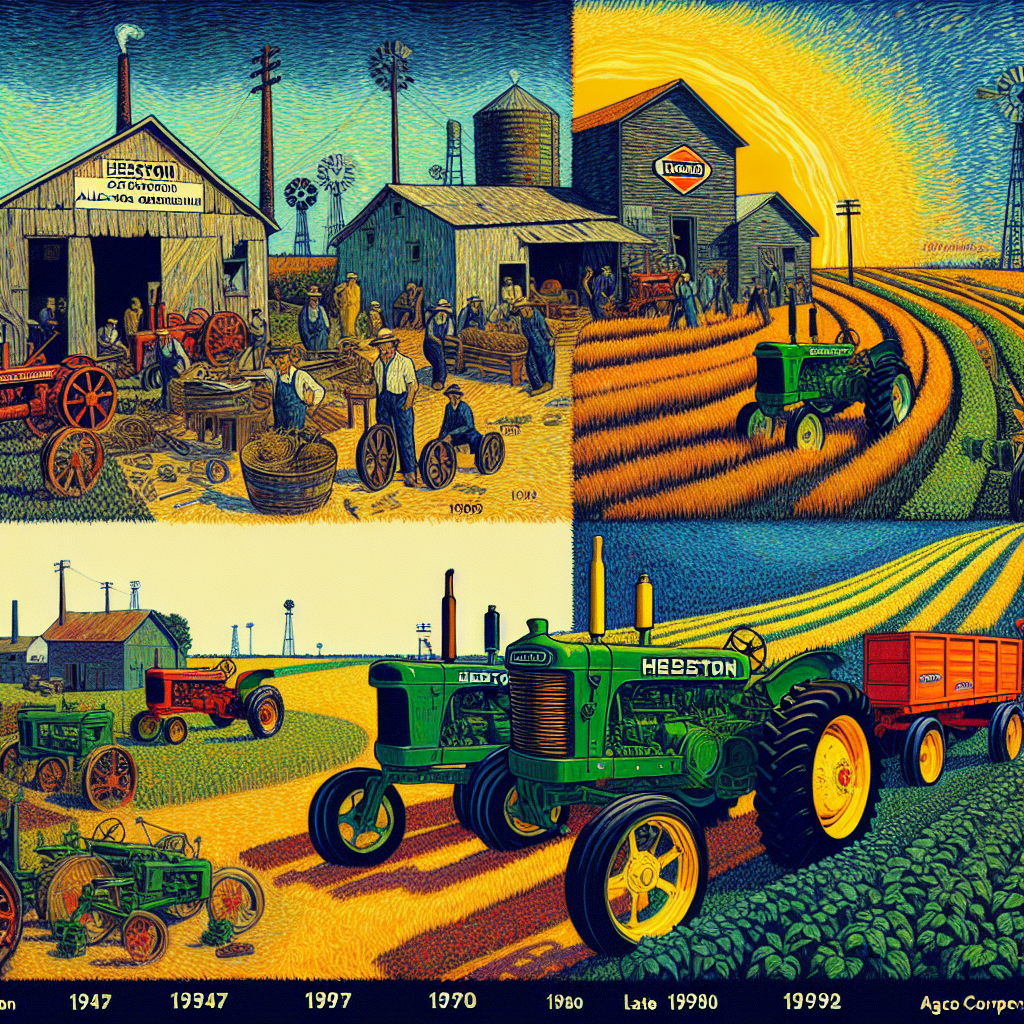
- While modern tools improve efficiency and crop monitoring, they may detract from the emotional connection to the land.
- The reliance on gadgets raises ethical concerns about stewardship and the essence of farming.
- Blending traditional farming practices with technology could lead to a renaissance in agricultural methods.
- Envisioning technology as an ally rather than a distraction can enhance farmers’ relationships with the earth.
- Emphasizing storytelling and intergenerational dialogue can help preserve the spirit of farming while embracing modern advancements.
Are Farmers Losing Connection To Nature In Favor Of Gadgets?
How Do Farmers Quantify The Risks Of New Technology In Their Fields?
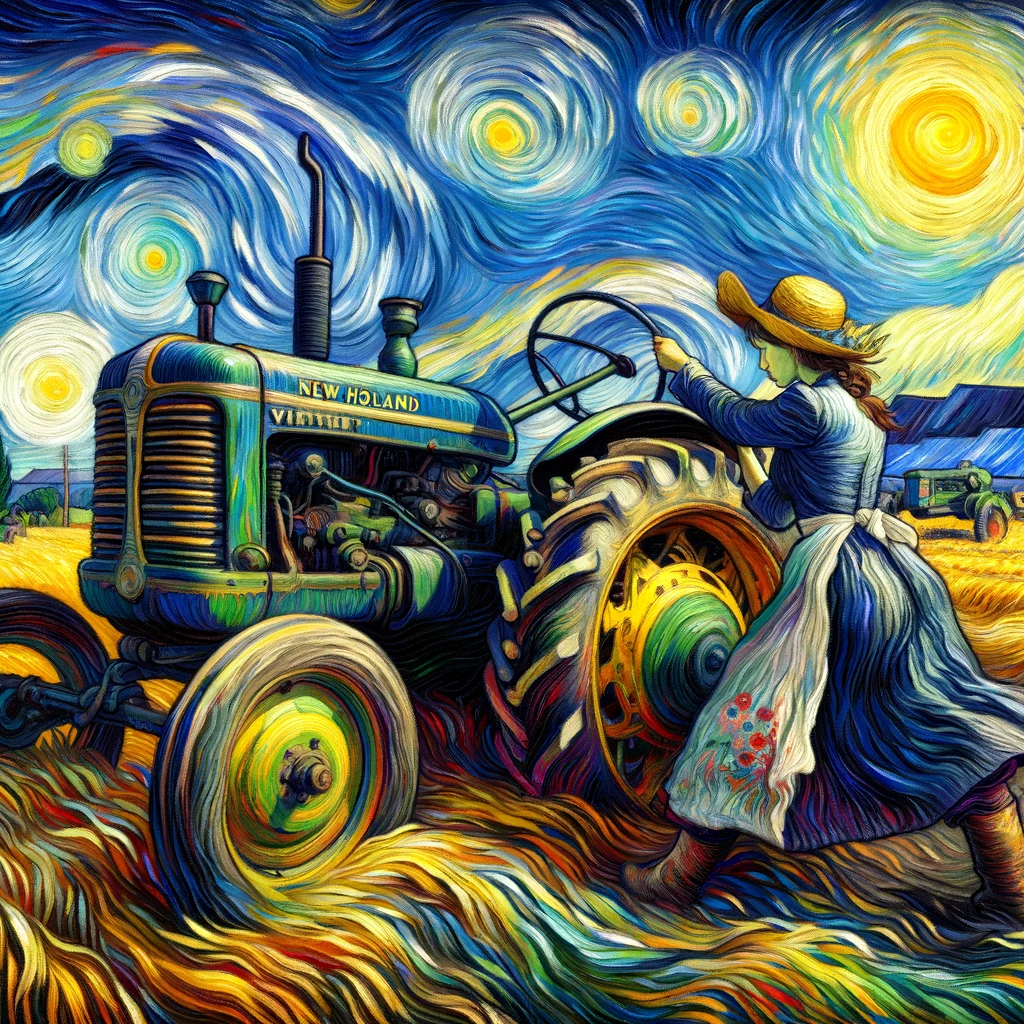
In the heart of America’s farmland, every sunrise offers a new promise, yet it also casts long shadows of uncertainty. Farmers, those unsung caregivers of our tables, are faced with a tough dilemma: how to embrace new technologies like precision farming or biodynamic practices without compromising the very soil they nurture. The question isn’t merely about upgrading their tractor or investing in the latest drone; it’s about the risks and potential rewards of innovation on the land that has provided for generations.
Each new tool represents a fork in the road—what may seem like a shiny, efficient solution can also bring unforeseen challenges. Farmers must weigh not only the financial implications but also the ethical responsibility to maintain the integrity of their fields. Consider the heartfelt stories of a seasoned farmer who, after years of painstaking trial and error, finally found a technology that not only increased yield but also minimized chemical dependence. His journey wasn’t just about profit; it was about preserving the legacy he would one day pass on to his children.
With every decision, there lingers a weighty question: “What if?” What if the new tractor doesn’t adapt well to the soil’s unique needs? What if the latest app designed to combat pests creates more problems than it solves? These are the mental calculations that keep farmers awake at night, navigating the delicate balance between innovation and nature.
Farmers cultivate more than just crops; they cultivate trust with their communities. They are the architects of sustainability, striving for solutions that respect the land and honor the historical practices that built their livelihoods. The social fabric of rural life is interwoven with the collective wisdom passed down through generations. Sharing trials, successes, and failures creates a network of fearless wrestlers with technology, ensuring that no one faces these changes alone.
So, as farmers stand at the edge of the unknown, contemplating their next move, it’s essential they remember: embracing change doesn’t mean abandoning their roots. With heartfelt connections and calculated risks, they can wield technology like a well-tuned tractor—powerful, reliable, and intrinsically tied to the land. Standing at this intersection of innovation and tradition, they are not just farmers; they are guardians of our future, planting the seeds of tomorrow with every thoughtful decision they make today.
How Do Farmers Quantify The Risks Of New Technology In Their Fields?
How Do Farmers Quantify The Risks Of New Technology In Their Fields?
- Every sunrise in America’s farmland brings both new promises and uncertainties for farmers.
- Farmers face the challenge of adopting technologies like precision farming while protecting their soil.
- Each new tool in farming presents potential risks and rewards, requiring careful consideration.
- Farmers balance financial implications with the ethical responsibility to maintain field integrity.
- Stories of individual farmers highlight the importance of legacy, sustainability, and reduced chemical use.
- Building trust within the community and sharing knowledge helps farmers navigate technological changes together.
- Embracing innovation can coexist with tradition, reinforcing their role as guardians of the land and future.
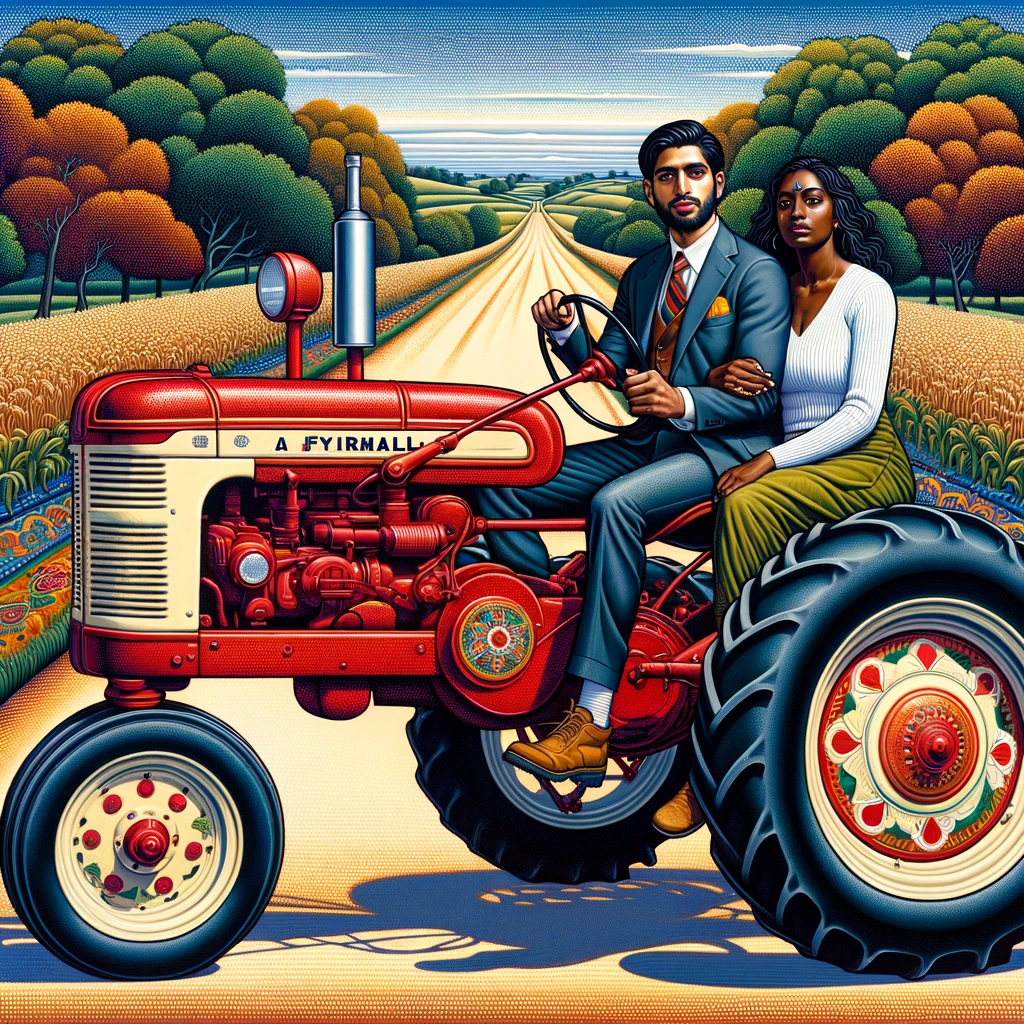
How Do Farmers Quantify The Risks Of New Technology In Their Fields?
What Ethical Dilemmas Arise From Adopting Cutting-Edge Farming Tools?
When you think about the heart of farming, it’s easy to picture a farmer in a sun-soaked field, hands deep in the soil, using an old tractor that has seen better days. The rust and dirt tell stories of hard work, sweat, and seasons passed. But lately, that image is clashing with the shiny allure of cutting-edge farming tools—drones zipping overhead and sensors buried in the ground, promising high yields and efficiency. This change, while beneficial on the surface, brings with it a torrent of ethical dilemmas that we can’t afford to ignore.
Let’s start with a heart-over-head moment: Imagine a family farm that’s been passed down through generations. The love and labor poured into every furrow of land is palpable. Now, replace that image with a sleek, automated tractor that requires little manual labor. Sure, the tractor is efficient, but at what cost? The very essence of farming—its connection to the land, the communities that depend on it, and the love for growing food—risks becoming mechanized and detached. It’s a narrative where technology could overshadow tradition, leading to a disconnection between the farmer and the land.
Then there’s the head side of it—economic viability. With the rising cost of advanced farming tools, smaller farms may struggle to keep pace, threatening their very existence. It raises questions about equity and access. Are we headed towards a landscape where only the wealthy can afford to feed us? Those shiny tools might promise profit, but they also become a barrier for farmers who can’t keep up with the relentless march of innovation.
And let’s not forget the gut-wrenching ethical concerns regarding labor. With mechanization comes the potential devaluation of human work. As robots take on roles traditionally filled by humans, what happens to those individuals who have relied on farming for their livelihood? It’s a conversation we must engage in, as society stands at the crossroads of choosing efficiency over community well-being.
The adoption of cutting-edge farming tools is a complex dance between progress and preservation. It beckons us to engage thoughtfully with the shifting landscape of agriculture, where we must weigh the promise of efficiency against the values that ground us. This is not just a debate about technology; it’s a testament to our connection to the land and to one another. In a world racing ahead, let’s not forget to look back at what truly matters.
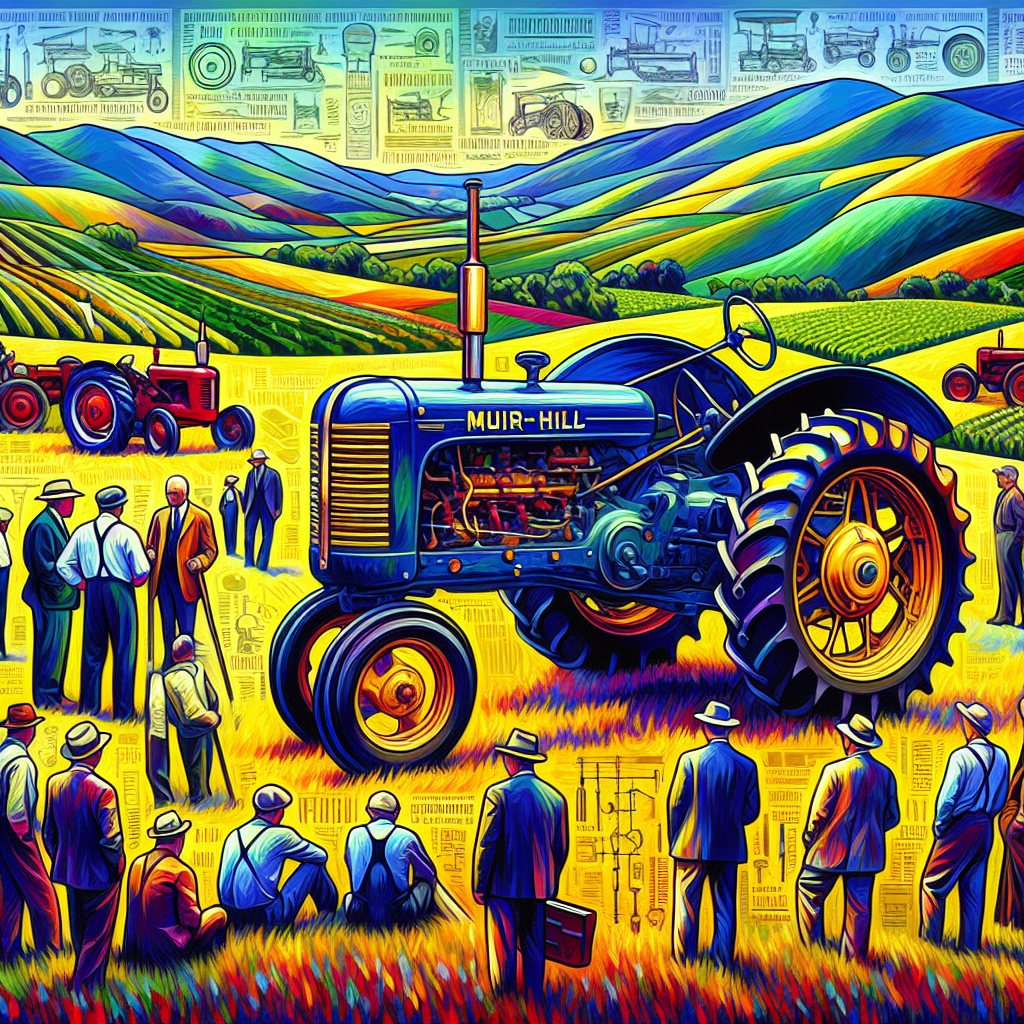
What Ethical Dilemmas Arise From Adopting Cutting-Edge Farming Tools?
What Ethical Dilemmas Arise From Adopting Cutting-Edge Farming Tools?
- The image of traditional farming contrasts with modern technology, such as drones and sensors.
- Automated farming tools threaten the emotional connection between farmers and the land.
- Advanced equipment may endanger the viability of smaller farms due to high costs.
- There’s a risk that only wealthy farmers will be able to afford the latest innovations.
- Mechanization raises ethical concerns about the future of human labor in agriculture.
- Society must engage in discussions about efficiency versus community well-being in farming.
- The transition in agriculture invites reflection on values and connections to the land and one another.
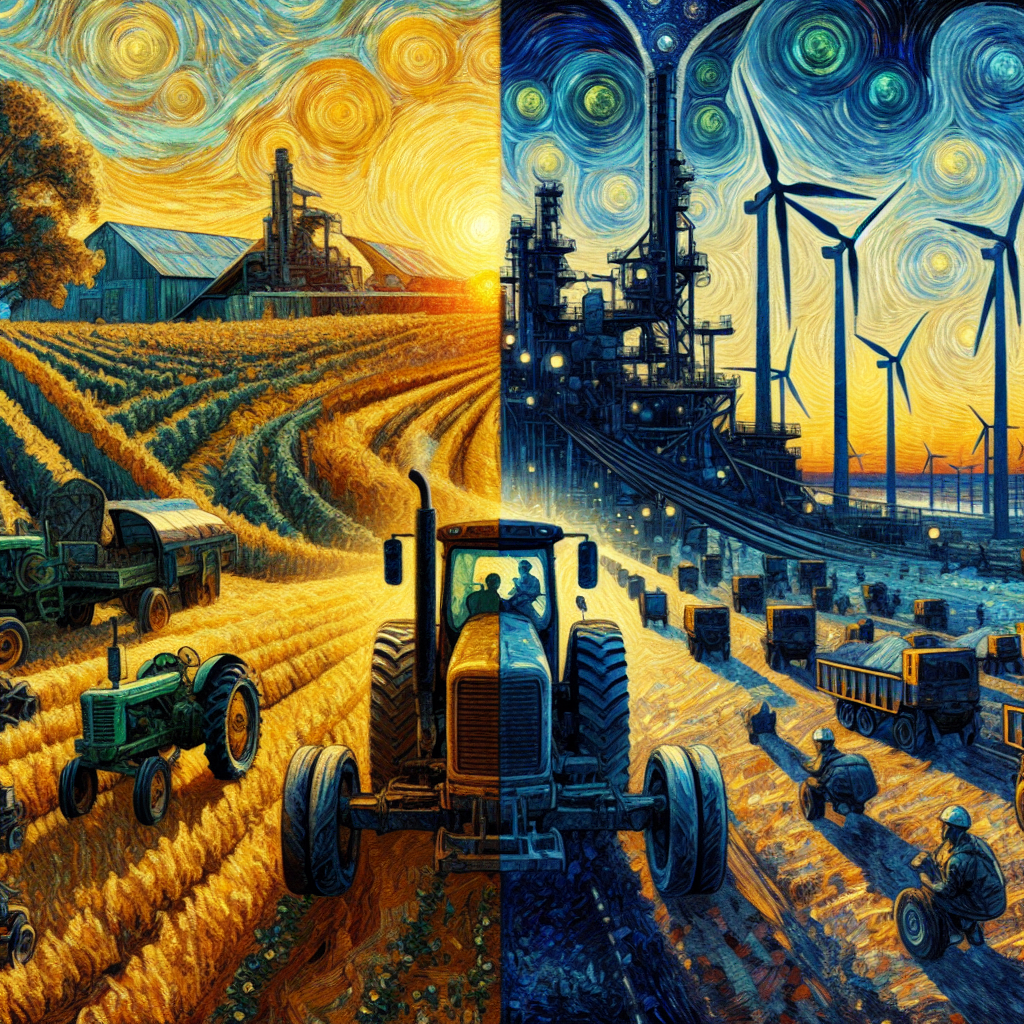
What Ethical Dilemmas Arise From Adopting Cutting-Edge Farming Tools?
Conclusion
In the grand narrative of agriculture, it’s crucial to remember that farming isn’t merely about yields or profit margins; it’s about the people, the land, and the traditions that define who we are as a society. As we stand at a crossroads where technology dances with tradition, we must grapple with an unsettling question: Are farmers sacrificing the reliability that has sustained generations for the allure of the latest fads?
Farmers are the backbone of our communities, molded by hard work and time-honored practices that have harmonized with nature for centuries. These reliable machines in their fields—the trusted tractors, the sturdy plows—are more than just tools; they are partners in a sacred, symbiotic dance with the earth. When technology comes rushing in like a bright new truck, promising everything from instant data to higher yields, it’s easy to see the allure. But we must ask ourselves: Does it enhance the farmer’s deep-rooted relationship with the land, or does it sow seeds of disconnection?
This tech-driven frenzy might enhance productivity, but it also risks overshadowing the farmer’s intuition—tuned to the land through years of experience. The truth is, every new gadget carries with it promises and perils. The ethical implications cannot be dismissed: as custodians of the land, farmers hold an obligation to maintain the balance of ecosystems that sustain not just their livelihoods, but the wider community and environment. This dilemma speaks to our values, and echo through the narratives passed on to our children.
Yet, in this interplay of innovation and tradition, there is room to weave a new story about resilience and adaptation. Farmers must navigate this evolving landscape not as solitary figures, but as part of a larger dialogue—sharing experiences and wisdom across generations to meld the old with the new. True progress doesn’t come from abandoning tradition; it flourishes from incorporating it into the embrace of new capabilities.
As we move forward, let us champion the farmers’ choice to forge a future that respects heritage while embracing innovation. Let’s celebrate their grit, their heart, and their gut instinct—turning technology into a means to enrich our connection with the land rather than diminish it. Together, we can build a future that honors the wisdom of yesterday while bravely stepping into tomorrow, ensuring that farming remains the heart and soul of our communities for generations to come.
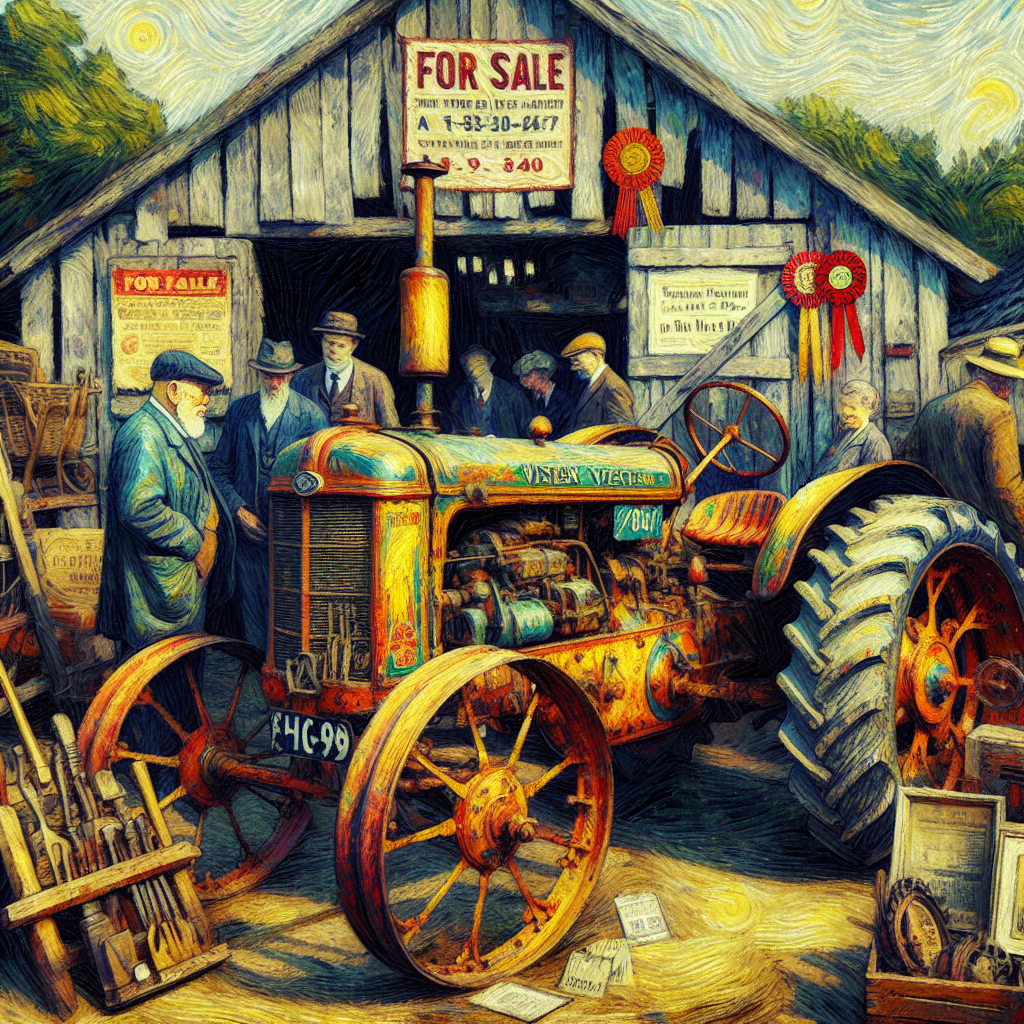
Conclusion
Conclusion:
- Agriculture is about people, land, and traditions, not just yields and profits.
- Farmers embody hard work and practices that have coexisted with nature for centuries.
- While technology can enhance farming, it risks disrupting the farmer’s connection with the land.
- New tools and gadgets bring both promises and perils, affecting the farmer’s intuition and experience.
- Farmers have an ethical obligation to maintain ecological balance for their communities and the environment.
- The future of farming requires integrating tradition with innovation through shared experiences.
- We should support farmers in fostering a future that honors heritage while embracing new technologies.
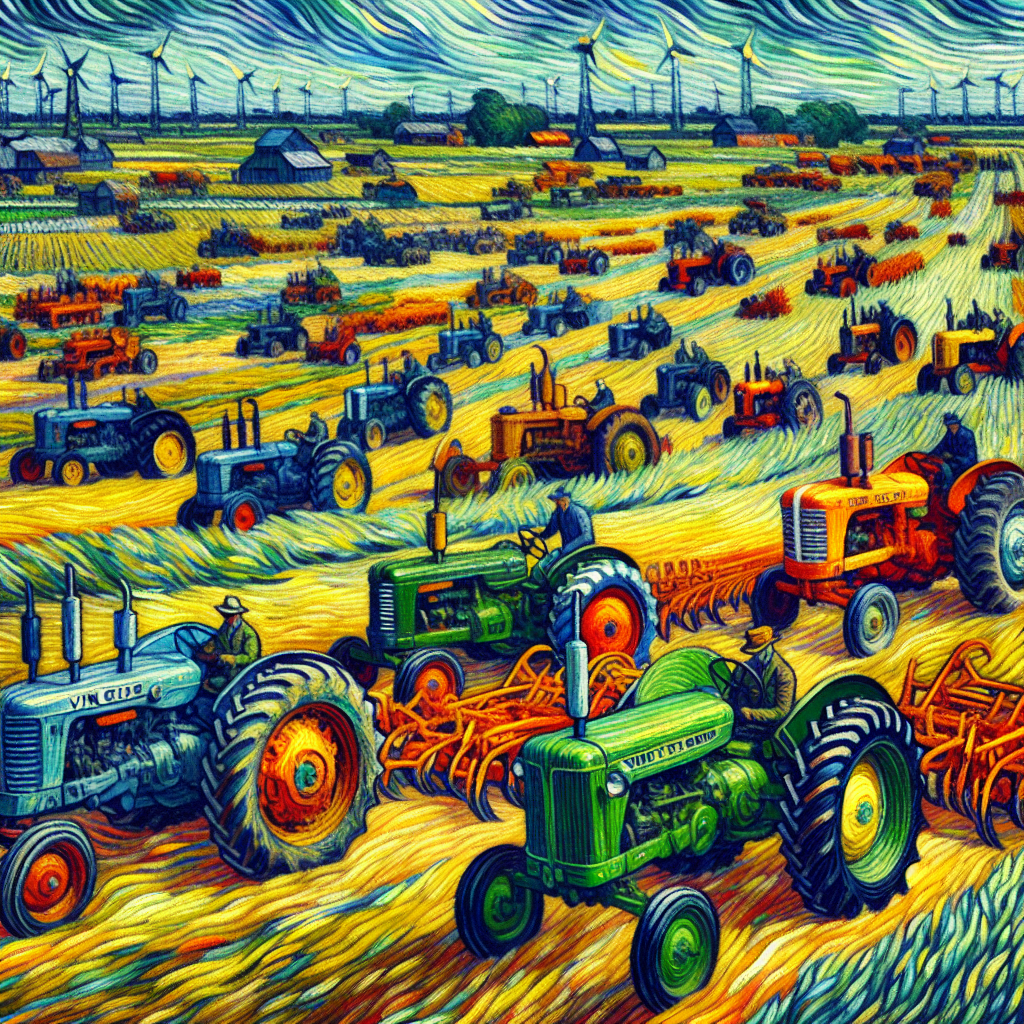
Conclusion
Other Resources
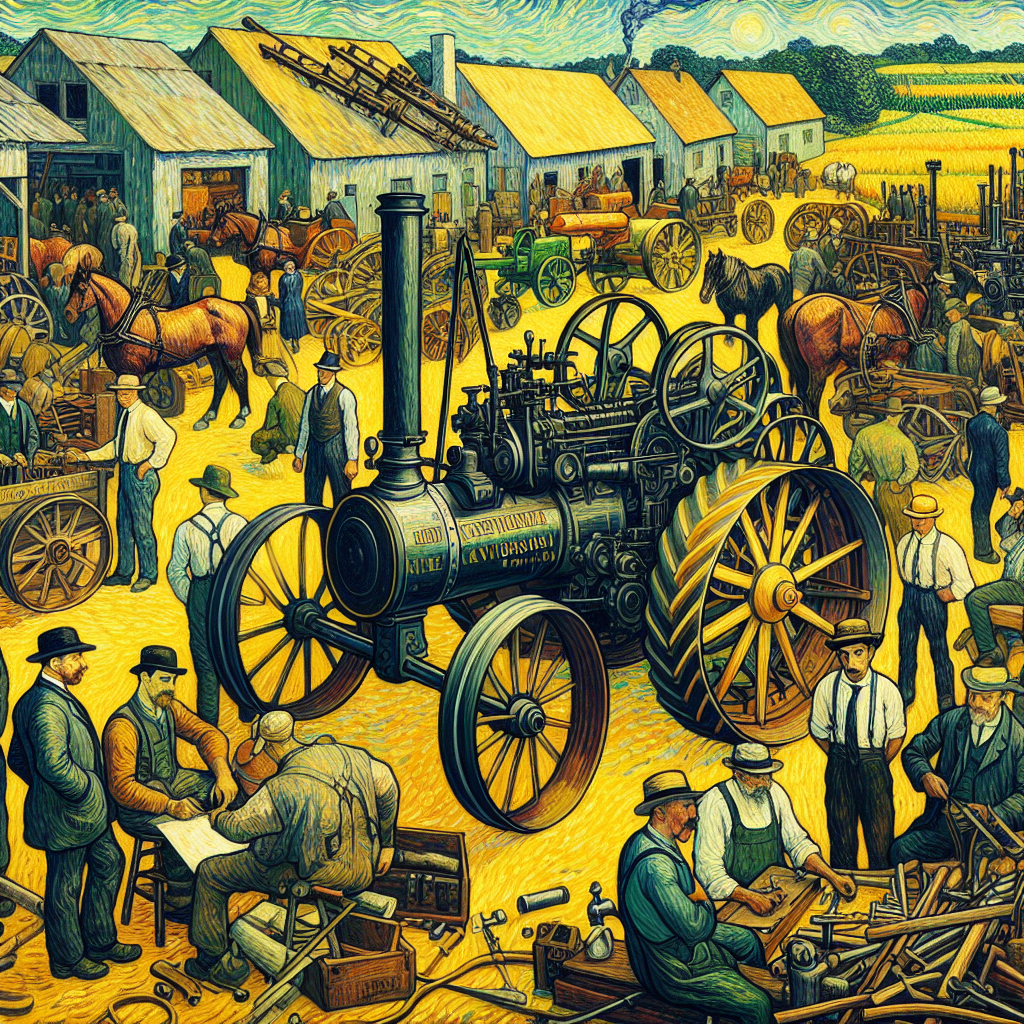
Other Resources
Here is a list of other resources you can review online to learn more:
- Fox River Tractor Company
- AGCO
- Caterpillar
- Ultimate Antique Tractor Guide
- Kubota
- East Wind
- Hart-Parr
- Thieman Harvester
- Gibson
Use This Prompt To Get More Resources With Your Favorite Online AI Tool: Please provide me with a list of online articles with their URLs in a bulleted list that I can read regarding Are Farmers Sacrificing Reliability for The Latest Technological Fads
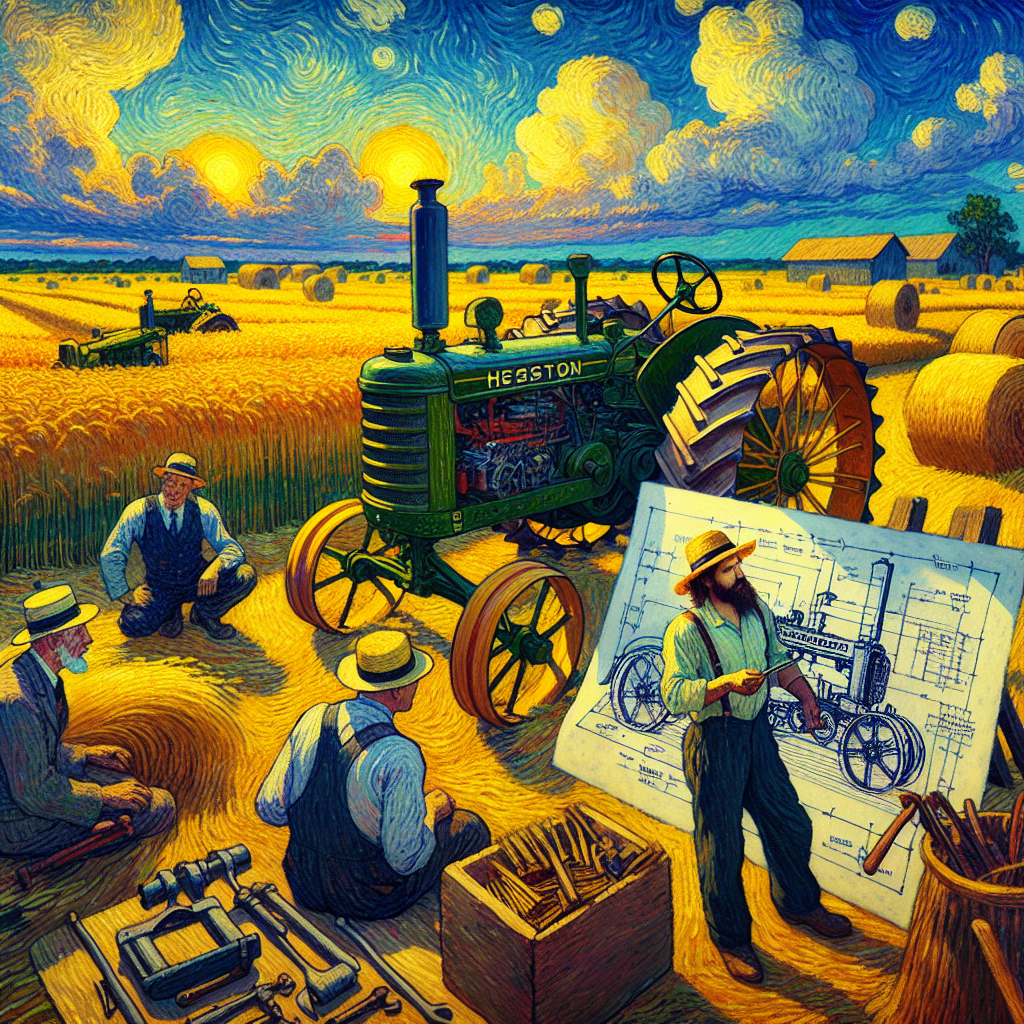
Other Resources
Glossary Terms
Are Farmers Sacrificing Reliability for The Latest Technological Fads – Glossary Of Terms
1. AgriTech: Refers to the application of technology in agriculture to enhance productivity and efficiency in farming practices.
2. Precision Agriculture: A farming management concept that uses information technology to ensure crops and soil receive exactly what they need for optimal health and productivity.
3. Reliability: The degree to which a farming system or technology consistently performs as expected over time without failure.
4. Yield: The amount of crop produced per unit area of land, often measured in tons per hectare or bushels per acre.
5. Sustainability: Practices in agriculture that meet current food needs without compromising the ability of future generations to meet their own needs, often focusing on environmental health, economic profitability, and social equity.
6. Data Analytics: The systematic computational analysis of data to uncover patterns, trends, and insights that can inform farming decisions.
7. Big Data: Large and complex data sets obtained from various sources, which can be analyzed for insights to improve agricultural outcomes.
8. Genetic Engineering: The direct manipulation of an organism’s genes using biotechnology, often employed to develop crop varieties with desired traits like disease resistance or drought tolerance.
9. Drones: Unmanned aerial vehicles used in agriculture for monitoring crop health, mapping fields, and applying inputs like fertilizers and pesticides efficiently.
10. IoT (Internet of Things): A network of connected devices that collect and exchange data, which can be used in agriculture for real-time monitoring and management.
11. Automation: The use of technology to perform tasks with minimal human intervention, increasingly applied in farming for operations like planting, watering, and harvesting.
12. Smart Farming: Farming practices enhanced by contemporary technologies, such as IoT, big data, and AI, aimed at improving productivity and sustainability.
13. Crop Rotation: The practice of alternating the types of crops grown on a particular piece of land to maintain soil health and reduce pest and weed pressure.
14. Agroecology: A holistic approach to farming that combines ecological principles with agricultural practices, emphasizing sustainability and biodiversity.
15. Blockchain: A decentralized digital ledger technology that can enhance transparency and traceability in supply chains, including food production.
16. Soil Health: The capacity of soil to function as a living ecosystem that sustains plants, animals, and humans, encompassing physical, chemical, and biological properties.
17. Fertilization: The process of adding nutrients to soil to enhance crop growth, which can be achieved through chemical fertilizers or organic amendments.
18. Pesticide Resistance: The ability of pests to survive applications of pesticides due to genetic adaptations, which can undermine conventional control methods.
19. Smart Irrigation: A water management strategy that uses technology to optimize water use in farming, often incorporating sensors and automated systems to adjust watering schedules based on crop needs.
20. Field management system: Technologies and practices used to monitor and manage agricultural fields to optimize input and output for better crop production.
21. Consumer Trends: Shifts in consumer preferences that can influence agricultural practices, such as demands for organic or locally sourced foods.
22. Emerging Technologies: New and innovative technologies that have the potential to transform agricultural practices but may come with untested reliability.
23. Yield monitor: A tool used to measure the amount of crop harvested in real-time during the harvest process, aiding in data collection for future decisions.
24. Climate Resilience: The ability of agricultural systems to withstand and adapt to changing climate conditions, including extreme weather events and changing temperatures.
25. Organic farming: A method of agriculture that avoids the use of synthetic fertilizers, pesticides, and genetically modified organisms, focusing instead on natural processes.
26. Practice innovation: The development and implementation of new farming methods or technologies aimed at improving efficiency and productivity.
27. Tech dependency: The reliance on advanced technologies in farming which may pose risks if those technologies fail or prove unreliable.
28. Extension services: Systems that provide farmers with training, resources, and support to implement new technologies and agricultural practices.
29. Market access: The ability of farmers to sell their products in various markets, influenced by technology, supply chains, and consumer demand.
30. Regenerative agriculture: A holistic approach to farming aimed at restoring soil health, increasing biodiversity, and sequestering carbon while producing food sustainably.
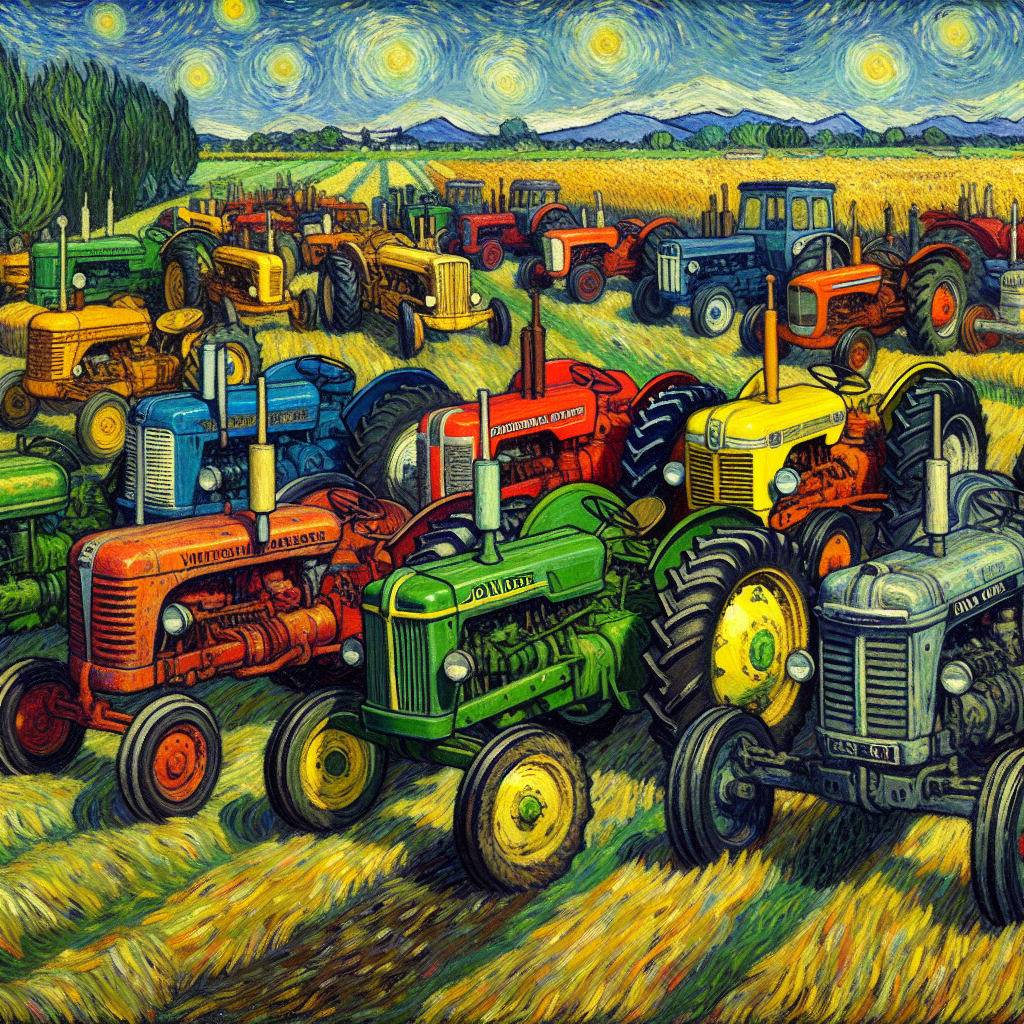
Glossary Of Terms
Other Questions
Are Farmers Sacrificing Reliability for The Latest Technological Fads – Other Questions
If you wish to explore and discover more, consider looking for answers to these questions:
- What are some examples of traditional farming practices that are being overlooked?
- How can farmers ensure they are making informed decisions about new technologies?
- What criteria should farmers use to evaluate new agricultural technologies?
- How do farmers measure the success of adopting new technologies versus traditional practices?
- What are the long-term impacts of technological dependency on farming communities?
- How does the adoption of technology influence the relationship between farmers and consumers?
- Which technological trends in agriculture are considered the most beneficial and why?
- How do farmers balance the need for innovation with environmental sustainability?
- What role do farming communities play in supporting each other through technological changes?
- What are the potential risks of ignoring traditional knowledge in modern farming?
- How can farmers stay connected to nature while using technology?
- What ethical considerations should be taken into account when introducing new farming technologies?
- How do consumers perceive the shift towards technological farming methods?
- What are the financial implications of adopting new farming technology?
- How can farmers communicate the importance of tradition in a technology-driven world?
Other Questions
Haiku
Are Farmers Sacrificing Reliability for The Latest Technological Fads – A Haiku
In fields rich with past,
Tech tempts with shiny promise—
Roots hold firm to life.
Haiku
Poem
Are Farmers Sacrificing Reliability for The Latest Technological Fads – A Poem
In the Fields of Change
In the golden dawn, a tractor’s hum,
A farmer’s heart, where labors come,
With hands in soil, he’s deeply tied—
To land, to past, and to his pride.
Oh, the whispers of tradition sing,
A timeless dance, the earth’s offering,
Yet glimmers of gadgets beckon near,
Promising ease but stirring fear.
Shiny screens and drones in flight,
Can they replace the morning light?
When soil is touched, and seasons know,
The pulse of nature’s ancient flow.
Yet in this choice, a daunting debt,
To balance the tech with the wisdom met,
For is it progress if we lose our way?
In chasing trends, what price must we pay?
Each harvest sown is a legacy shared,
A story of sustenance, of farmers who dared.
But new methods bring questions profound,
Will they nurture the roots or leave us unbound?
The weighty gaze of conscience lingers,
As farmers ponder with calloused fingers—
“Will this tool hold or soon betray?
Is reliance on tech the path we should sway?”
For in the heart’s tender plea,
Lies the essence of what farming should be—
A guardian’s mission to honor the land,
In the age of machines, let’s make our stand.
So, merge old ways with visions anew,
Let’s thrive together, with wisdom our cue.
In the fields of change, let’s plant with care,
Straddling the present while honoring the air.
Together, we tend to the soil’s embrace,
Creating a future where all find their place.
In harmony woven, let us remember,
The heart of the farmer, a glowing ember.
Poem
Checklist
Are Farmers Sacrificing Reliability for The Latest Technological Fads – A Checklist
Checklist: Balancing Tradition and Innovation in Modern Farming
Emotional Appeals
1. Reflect on Your Roots
_____ Consider your personal connection to farming and agriculture. What traditions or family practices do you cherish?
2. Acknowledge Relationships
_____ Think about the relationships you have with the land, your community, and the food you grow or consume. How do they influence your decisions?
Rational Appeals
3. Assess Technological Tools
_____ Evaluate the new technologies being introduced in modern farming. Do thorough research on their reliability and effectiveness compared to traditional methods.
4. Calculate Risks vs. Rewards
_____ List potential benefits and drawbacks of adopting new farming practices or technology. Consider long-term impacts as well as immediate gains.
Ethical Appeals
5. Consider Environmental Stewardship
_____ Are your farming decisions environmentally sustainable? Reflect on how they will affect future generations and the ecosystem.
6. Evaluate Human Impact
_____ Think about how your choices affect workers in the agricultural sector. Are you prioritizing technology over community well-being?
Authority Appeals
7. Learn from Experts
_____ Seek out and listen to the perspectives of seasoned farmers, agricultural scientists, and local community leaders regarding technological advancements.
8. Participate in Agricultural Conferences
_____ Attend workshops and discussions to understand long-standing practices blended with innovative farming techniques.
Narrative Appeals
9. Share Stories of Experience
_____ Collect and share narratives from local farmers about their experiences with both traditional methods and new technologies to foster connection and insight.
10. Visualize the Future
_____ Create a vision for your farm or community that honors traditional practices while being open to innovation. What does it look like in 10 or 20 years?
Social Appeals
11. Engage with the Community
_____ Join local farming groups or social media forums to exchange experiences and learn from each other about the balance of tradition and technology.
12. Promote Local Agriculture
_____ Support local farmers’ markets or farm-to-table initiatives in your area to strengthen community ties and advocate for sustainable practices.
Final Reflection:
_____ Take a Moment of Pause
_____ Before making any significant change in your farming approach, pause and ask: “Does this align with my values? Is it serving the community and the planet?”
This checklist is designed to encourage a thoughtful approach to the balancing act of tradition and innovation in farming, ensuring a sustainable and responsible path forward.
Checklist
At ClassicTractorNews, we help tractor lovers keep up with the latest news for classic and vintage tractors.
Please share this post with your friends, family, or business associates who may like old classic or vintage tractors.