


Balancing Precision And Dependability In Farm Equipment
By Tom Seest
At ClassicTractorNews, we help tractor lovers keep up with the latest news for classic and vintage tractors.
Please share this post with your friends, family, or business associates who may like old classic or vintage tractors.
Are Farmers Sacrificing Reliability for Complexity In Equipment Choices
In the vast expanse of rolling fields, where the scent of earth and the whisper of the wind come together in a timeless dance, there sits a tractor—a steadfast companion to many farmers. This metal beast, often underestimated, embodies the pulse of agricultural life. Yet, as innovation races forward, our farmers find themselves standing at a crossroads, caught between reliability and complexity.
Now, we can all admire a sleek, high-tech machine with gadgets that promise to revolutionize farming, but when did we start valuing complexity over the rugged simplicity of a trusted friend? Picture the old-school tractor, the one that might not have GPS-guided precision but certainly knows its way through mud, rain, and grit. It doesn’t just drive; it connects you to the land, to generations of farmers who relied on its sturdy frame and unwavering reliability.
But today, seduced by bells and whistles, some may choose machinery that dazzles with complexity yet lacks the fundamental strength and familiarity needed in the field. It’s a heart-wrenching decision that tugs at the very essence of what it means to farm. Are we risking the rich heritage that comes with farm life for the allure of sophisticated technology that can complicate rather than simplify?
In our quest for progress, let’s not forget where we came from. Each farmer has a story, a lifetime of lessons learned through trial and error, often alongside that aged tractor parked under the old oak. This equipment is not merely a machine; it’s a part of the family legacy, an extension of their own hands.
With every decision made—every complex machine acquired—there lingers a question that deserves earnest reflection: Will this choice serve our purpose or merely add another layer of stress in an already challenging environment? As we share the stories of farmers who have navigated these choices, we invite an open dialogue in our communities.
Remember, true reliability—much like trust—is built over time, through shared experiences and honest labor. Let’s rally together to encourage practicality over flash, to cherish those time-tested tractors that symbolize endurance over unnecessary complexity. In this farm landscape shaped by both tradition and innovation, let’s keep the heart of farming alive, rooted in simplicity and reliability. That’s where we’ll find our strength and our future.

Are Farmers Sacrificing Reliability for Complexity In Equipment Choices
Are Farmers Sacrificing Reliability for Complexity In Equipment Choices
- Tractors serve as a steadfast companion to farmers amidst the evolving agricultural landscape.
- While high-tech machines offer complexity and innovation, they can overshadow the simplicity of reliable, old-school tractors.
- Older tractors, while lacking advanced technology, provide a direct connection to the land and farming heritage.
- Farmers face a dilemma between embracing modern technology and preserving their agricultural roots.
- The decision to adopt complex machinery raises questions about its actual benefits versus potential stress it may bring.
- Each farmer’s experience with their tractor contributes to a deeper legacy tied to their family’s agricultural history.
- Advocating for practicality and reliability in farming can help preserve the core values of agriculture for future generations.

Are Farmers Sacrificing Reliability for Complexity In Equipment Choices
Table Of Contents
- Are Farmers Sacrificing Reliability for Complexity In Equipment Choices
- What Ethical Dilemmas Arise When Choosing Equipment For Your Farm?
- Do Farmers Feel Pressured By Industry Standards To Adopt New Tech?
- Is There A Hidden Cost Of Complexity That Farmers Must Consider?
- What Role Do Trusted Advisors Play In Equipment Decision-Making?
- How Can The Farming Community Support Each Other In Equipment Choices?
- How Does Equipment Reliability Influence Long-Term Farming’strategies?
- Conclusion
- Other Resources
- Glossary Of Terms
- Other Questions
- Haiku
- Poem
- Checklist
What Ethical Dilemmas Arise When Choosing Equipment For Your Farm?
When it comes to choosing equipment for your farm—like that sturdy tractor you dream of owning—the decision-making process can feel daunting. It’s not just about horsepower or price; it’s about the weight of each choice you make, the lives you impact, and the legacy you leave behind. Let’s face it: behind the machinery, there are people, families, and communities tied together by the land and the work.
Imagine standing on the edge of your field, the sun rising behind you, casting long shadows over freshly tilled soil. You know that each piece of equipment is an investment—one that can either bolster your productivity or potentially disrupt the delicate balance that sustains both your farm and the environment. The ethical dilemma isn’t just about selecting the best tractor. It’s about understanding the ripple effect of that choice. Will it contribute to a healthier ecosystem or exacerbate soil erosion? Will it support local economies or drive a wedge through community connections by relying on outside manufacturers?
Consider the voices of those who came before you. Farmers who, with their own hands, forged a community, nurtured the land, and cultivated not just crops but relationships. Their stories echo in every rustle of the corn and every gust against the barn. Each time you invest in equipment, you’re writing your own chapter in that ongoing narrative. It’s easy to get caught in the lure of shiny new machines, but the true test of a farmer’s mettle is ensuring that their decisions honor the past while embracing the future.
The mind tells you to look at statistics, efficiency ratings, and cost analysis—reasons grounded in rational thought. Yet, your gut tugs at you, whispering reminders of your responsibility toward your neighbors and the Earth. The true authority of farming lies in understanding that your choices do not exist in a vacuum; they ripple outwards. Will your investment empower your community, creating jobs and fostering loyalty? Or will it draw resources away and pave a path to distant corporations?
In these choices, there is a call to action: Engage with your community. Discuss your options, weigh the ethical implications, and invite feedback from fellow farmers. These connections can help you navigate the complex terrain of decision-making. Choosing the right tractor is more than a financial calculation; it’s a testament to your commitment to your farm, your community, and the generations yet to come. The heart, head, and gut must work in concert, forging a path that leads not only to fruitful harvests but also to a sustainable future.

What Ethical Dilemmas Arise When Choosing Equipment For Your Farm?
What Ethical Dilemmas Arise When Choosing Equipment For Your Farm?
- Choosing farm equipment involves more than just considering horsepower and price; it impacts lives and shapes legacies.
- Each investment in equipment can affect productivity and the environmental balance of the farm.
- Farm equipment choices can influence ecosystems, soil health, and community connections.
- The histories of past farmers and their relationships with the land inform current decision-making.
- Balancing rational analysis with instinctive responsibility is crucial when making equipment choices.
- Engaging with the community and fellow farmers can help navigate the complexities of decision-making.
- Choosing the right equipment signifies commitment to sustainable farming practices and future generations.

What Ethical Dilemmas Arise When Choosing Equipment For Your Farm?
Do Farmers Feel Pressured By Industry Standards To Adopt New Tech?
When you think about the everyday life of a farmer, what typically comes to mind? The sun rising over a sprawling field, the deep, reassuring hum of a tractor, and the earthy scent that fills the air. But behind that idyllic image lies a world of pressure and expectations—especially when it comes to adopting new technologies.
Farmers are often caught in a relentless tug-of-war, balancing tradition with the demands of modern agriculture. There’s a palpable pride in the way they till the soil and nurture their crops, but there’s also a real sense that the landscape is changing faster than ever before. That tractor, once a symbol of hard work and craftsmanship, has become just one cog in a larger, tech-driven machine.
Take a moment to consider the ethical conundrum this presents. The industry touts innovation as the golden ticket to sustainability and increased yield, creating an unspoken obligation for farmers to keep pace. Who wouldn’t want to be seen as a forward-thinking steward of the land? Yet, underneath that shiny veneer of progress lies a sobering reality: new technologies can often come with hefty price tags and steep learning curves, leaving many farmers feeling overwhelmed and vulnerable.
Now, let’s not paint the picture too bleakly. There’s incredible promise embedded in these advancements—drones monitoring crop health, sensors managing irrigation systems, and data analytics predicting market trends, all of which could improve the farmer’s bottom line. They hold the potential to elevate the agricultural community, allowing farmers to be not just passive actors but active participants in a global narrative of sustainability and innovation.
But does the allure of technological advancement come with strings attached? This is where the heart and gut come into play. Farmers are stewards of their land and community, bonded by tradition and an unwavering love for their craft. The hesitation to adopt new tech can stem from an emotional place. It’s not just machinery; it’s family legacies built on generations of hard work.
In a world where social connections can either lift you up or bring you down, it’s crucial that farmers have the support they need. They crave understanding from those who wield authority in the industry—because trust isn’t just built on data; it’s about recognizing the sacrifices these individuals make every day. Through this lens, it becomes clear: the challenge isn’t so much about resisting change but rather about creating pathways for collaboration and resilience, ensuring that as technology evolves, the core values of farming—hard work, community, and sustainability—remain intact.

Do Farmers Feel Pressured By Industry Standards To Adopt New Tech?
Do Farmers Feel Pressured By Industry Standards To Adopt New Tech?
- The idyllic image of farming masks a world of pressure and expectations related to adopting new technologies.
- Farmers experience a tug-of-war between traditional practices and modern agricultural demands.
- While there is pride in traditional farming methods, there’s also anxiety about rapid technological change.
- New technologies like drones and sensors have great potential but come with high costs and learning curves for farmers.
- Farmers’ reluctance to adopt new technology is often deeply emotional, tied to family legacies and traditions.
- Social support and understanding from industry leaders are essential for farmers navigating change.
- The focus should be on collaboration and resilience, ensuring that core farming values endure amidst technological evolution.

Do Farmers Feel Pressured By Industry Standards To Adopt New Tech?
Is There A Hidden Cost Of Complexity That Farmers Must Consider?
In the heartland, where the horizon stretches wide and the soil speaks in whispers, farmers wake before dawn, loading their trusty tractors and gearing up for the day’s work. We often think of farming as a straightforward endeavor, measured in rows of corn and bushels of wheat. But beneath this surface simplicity lies an intricate web of complexities that can weigh heavy on the shoulders of those who feed us.
Let’s talk about the soul of farming—the labor, the love, and the sweat that goes into every crop sown. Yet, as the agriculture landscape evolves with new technologies, regulations, and market demands, farmers face a paradox. Complexity can often seem like a blessing, a means to improve yields and efficiency. However, it’s essential to ask—at what cost? Farming, at its core, has always been about balance: between the land, the weather, and the equipment, like that reliable tractor that’s been passed down through generations. It’s about understanding the nuances of the seasons while navigating the intricate laws that govern modern agriculture.
Emotionally, we connect with the struggles and triumphs of farmers. A simple miscalculation in policy changes could lead to severe implications for family farms, impacting not just crops, but community livelihoods. The notion that a single software update—the latest tool that promises enhanced efficiency—could actually disrupt the entire operation, creates a palpable tension. The stakes are high, and with every new layer of complexity, the risk of losing the essence of farming grows.
Rationally speaking, embracing technology can lead to increased productivity, yet that very embrace can bring unforeseen liabilities. Farmers must consider hidden costs like training, maintenance, and the learning curve that comes with new equipment and methods. All this demands time and energy—two resources that are already tight. It’s important to weigh these against the tried-and-true practices that have stood the test of time.
From an ethical standpoint, what does it mean to prioritize profit over the environment or community? As we race toward the future, we must not forget that farming is more than a business; it’s a commitment to stewardship and sustainability.
The narrative is clear: every farmer stands at a crossroads of innovation and tradition. As they navigate this complex landscape, they must remain grounded, ensuring that the heart and soul of agriculture—the connection to their land and community—endure amid the whirlwind of change. After all, it’s not just about filling silos; it’s about preserving a way of life for generations to come.

Is There A Hidden Cost Of Complexity That Farmers Must Consider?
Is There A Hidden Cost Of Complexity That Farmers Must Consider?
- Farmers rise before dawn, preparing for a day filled with labor and dedication.
- Farming is more complex than it seems, involving a delicate balance of land, weather, and equipment.
- New technologies and regulations bring both opportunities for efficiency and risks to traditional farming practices.
- A single miscalculation in policy changes can significantly impact family farms and community livelihoods.
- Embracing technology can enhance productivity but comes with hidden costs and challenges.
- The ethical dilemma of prioritizing profit over environmental sustainability must be addressed.
- Farmers navigate a crossroads of tradition and innovation, striving to maintain their connection to the land and community.

Is There A Hidden Cost Of Complexity That Farmers Must Consider?
What Role Do Trusted Advisors Play In Equipment Decision-Making?
When you think of making significant equipment purchases—like a tractor—there’s more at stake than just the transaction itself. It’s about the seamless operation of a business, the livelihood of families, and the promise of productivity and progress. Enter the trusted advisor, a crucial ally whose role often gets overshadowed in the hustle of decision-making. These experts aren’t just vendors; they are seasoned navigators guiding you through the labyrinth of choices and considerations.
Picture this: You’re standing in the midst of iron giants—all those gleaming tractors, each promising a different return on investment. The weight of each decision is palpable, and let’s face it, the stakes are high. A trusted advisor steps in here, offering not only expertise but also a deep understanding of your unique situation. They don’t just sell tractors; they offer a vision tailored to your needs, priorities, and budget. This is where the head—and heart—meet.
From a rational standpoint, it’s their experience that supplies the necessary data to make informed decisions. They analyze trends, evaluate performance metrics, and sift through endless specifications. When you’re knee-deep in options, it helps to have someone who has been there before—someone who understands not just the machines but the dreams they enable. And while spreadsheets and calculators offer numbers, a good advisor infuses a human touch into the equation. They remind you of the life your investments will support: family dinners made possible by efficient machinery, fields that flourish under the care of reliable equipment.
But there’s more at play here—ethics. In an industry fraught with flashy gimmicks and one-size-fits-all solutions, a trustworthy advisor cuts through the noise. They prioritize your best interests over immediate profits, cultivating a relationship built on loyalty and integrity. It’s about knowing they won’t recommend a tractor just because it’s the newest model or offers the highest commission.
So, let’s not underestimate the power of a trusted advisor in this journey. They serve as mentors and partners, linking your aspirations to the right machinery with unwavering support. By fostering that indispensable connection, they inspire confidence that your decisions are not just sound; they are transformative. It’s not just about acquiring a tractor; it’s about arming yourself with the knowledge that you have made the best choice for your future.

What Role Do Trusted Advisors Play In Equipment Decision-Making?
What Role Do Trusted Advisors Play In Equipment Decision-Making?
- Significant equipment purchases, such as tractors, impact business operations, families’ livelihoods, and overall productivity.
- A trusted advisor plays a crucial role in guiding you through the complex decision-making process.
- These experts provide tailored solutions that align with your unique needs, priorities, and budget.
- They offer experience and insight to make informed decisions by analyzing trends and performance metrics.
- A good advisor adds a human touch, reminding you of the personal impact of your investments.
- Trustworthy advisors prioritize ethics, focusing on your best interests over immediate profits.
- Trusted advisors inspire confidence and help you make transformative choices for your future.

What Role Do Trusted Advisors Play In Equipment Decision-Making?
How Can The Farming Community Support Each Other In Equipment Choices?
When you think about farming, your mind might jump right to that trusty tractor, plowing through the fields like it’s the heart and soul of the operation. And you know what? You wouldn’t be wrong. But behind every tractor is a network of connections and shared experiences that can either lift us up or leave us stranded. That’s where the magic of community comes in—because when farmers unite, they turn individual struggles into collective strength.
Let’s face it: making the right equipment choices is no small feat. Whether you’re eyeing that shiny new tractor or considering a pre-owned gem with a solid track record, the stakes are high. Your decisions impact not just your bottom line but the livelihoods of your family and the hands that work beside you. But how do you navigate the sea of options? This is where a supportive farming community becomes invaluable.
Imagine sitting at a community gathering, surrounded by fellow farmers, talking shop over plates of homemade pie. You hear stories about their equipment—what worked, what didn’t, and the lessons learned the hard way in the unpredictable life of farming. These conversations evoke a sense of camaraderie, and suddenly, you’re not just contemplating a purchase; you have allies ready to share their insights. It creates an environment where asking questions isn’t a sign of weakness but an opportunity to grow.
We all know that farming can be solitary work, but it doesn’t have to be. Engaging with your local community allows you to forge connections, whether it’s through farmer cooperatives, social media groups, or simply a friendly chat at the feed store. Those connections can guide you in making informed decisions, whether you choose a high-tech tractor equipped with the latest gadgetry or stick with a dependable model that has stood the test of time.
Moreover, supporting each other in these choices is about ethics too. Sharing information fosters trust, ensuring that we’re all making choices that benefit not just ourselves, but the farming community as a whole. You’re not merely investing in a machine; you’re investing in a network, a land, a legacy. Together, you can rise to challenges, share resources, and even coordinate purchases to leverage better deals, making every penny count.
So, let’s rally together. Reach out, share your knowledge, and don’t shy away from asking for help. In this journey of nurturing the land, it’s our collaboration that cultivates success. The tractor may be the heart, but the community is the lifeblood that keeps it running strong.

How Can The Farming Community Support Each Other In Equipment Choices?
How Can The Farming Community Support Each Other In Equipment Choices?
- Farming involves more than just tractors; it’s about community connections and shared experiences.
- Equipment choices significantly impact both financial stability and family livelihoods.
- A supportive farming community is crucial for navigating equipment decisions.
- Community gatherings foster camaraderie and provide valuable insights on equipment experiences.
- Local connections can guide informed decision-making and reduce the solitude of farming.
- Ethical sharing of information builds trust and benefits the entire farming community.
- Collaboration among farmers enhances resource sharing and purchasing power for better deals.

How Can The Farming Community Support Each Other In Equipment Choices?
How Does Equipment Reliability Influence Long-Term Farming’strategies?
Picture this: a well-worn tractor, paint chipped but still strong, sitting proudly in the early morning sun. That tractor isn’t just machinery; it’s the backbone of a farmer’s dream, a silent yet steadfast partner in the battle against nature’s unpredictable whims. When you invest in reliable equipment, you aren’t merely acquiring tools; you’re crafting the foundation upon which your farming future stands.
Let’s get real for a moment. Farming is not for the faint of heart. It takes grit, determination, and a deep love for the land. But what happens when that trusty tractor breaks down unexpectedly? The heart sinks. Plans turn to chaos. A single malfunction can ripple through your season, affecting harvest yields and financial stability. That’s a heavy burden for anyone to bear.
Now, let’s talk numbers. Studies show that farmers who prioritize equipment reliability—those who spend a bit more upfront on quality—see substantial returns over time. According to industry experts, the risk of costly repairs diminishes significantly with well-designed, durable machinery. Investing wisely—whether that means better maintenance or choosing robust equipment—can lead to a healthier bottom line. It’s a gut decision as much as it is a rational one.
But here’s where it gets even more profound: equipment reliability resonates beyond individual farms. It speaks to the heart of our agricultural community. Ethically, we owe it to future generations of farmers to prioritize sustainability and efficiency. By choosing reliable machinery, we’re not only cultivating our own success but also contributing to a resilient food system that withstands the tests of time.
Imagine your neighbors sharing stories around the dinner table, swapping tales of bumper crops and the satisfaction of a job well done—thanks in part to that reliable tractor. This bond fosters a sense of unity in the farming community, one where shared struggles and victories become common ground.
So, as you plot your long-term farming strategies, remember: every decision you make about equipment—especially your tractor—is intricately woven into the fabric of your legacy. Let’s steer our industry toward reliability, inspiring trust not only in our equipment but in each other, fueling an enduring passion for the land we cherish. Embrace the challenge, invest in the future, and watch how that sturdy tractor can take you places you’ve only dreamed of.

How Does Equipment Reliability Influence Long-Term Farming’strategies?
How Does Equipment Reliability Influence Long-Term Farming’strategies?
- A well-worn tractor symbolizes the foundation of a farmer’s dream and resilience against nature.
- Farming requires grit, determination, and a strong connection to the land.
- An unexpected tractor breakdown can disrupt plans, affecting harvest yields and financial stability.
- Investing in reliable equipment leads to substantial returns and reduces costly repairs over time.
- Prioritizing equipment reliability contributes to sustainability and efficiency for future generations of farmers.
- Strong community bonds are formed through shared experiences, successes, and challenges in farming.
- Every equipment decision shapes the legacy of farming and inspires trust and passion within the industry.

How Does Equipment Reliability Influence Long-Term Farming’strategies?
Conclusion
As we wrap up our exploration of whether farmers are trading reliability for complexity in their equipment choices, it becomes clear that the crossroads between tradition and innovation is more than just a decision about tools—it’s a profound reflection of our values, our history, and our future.
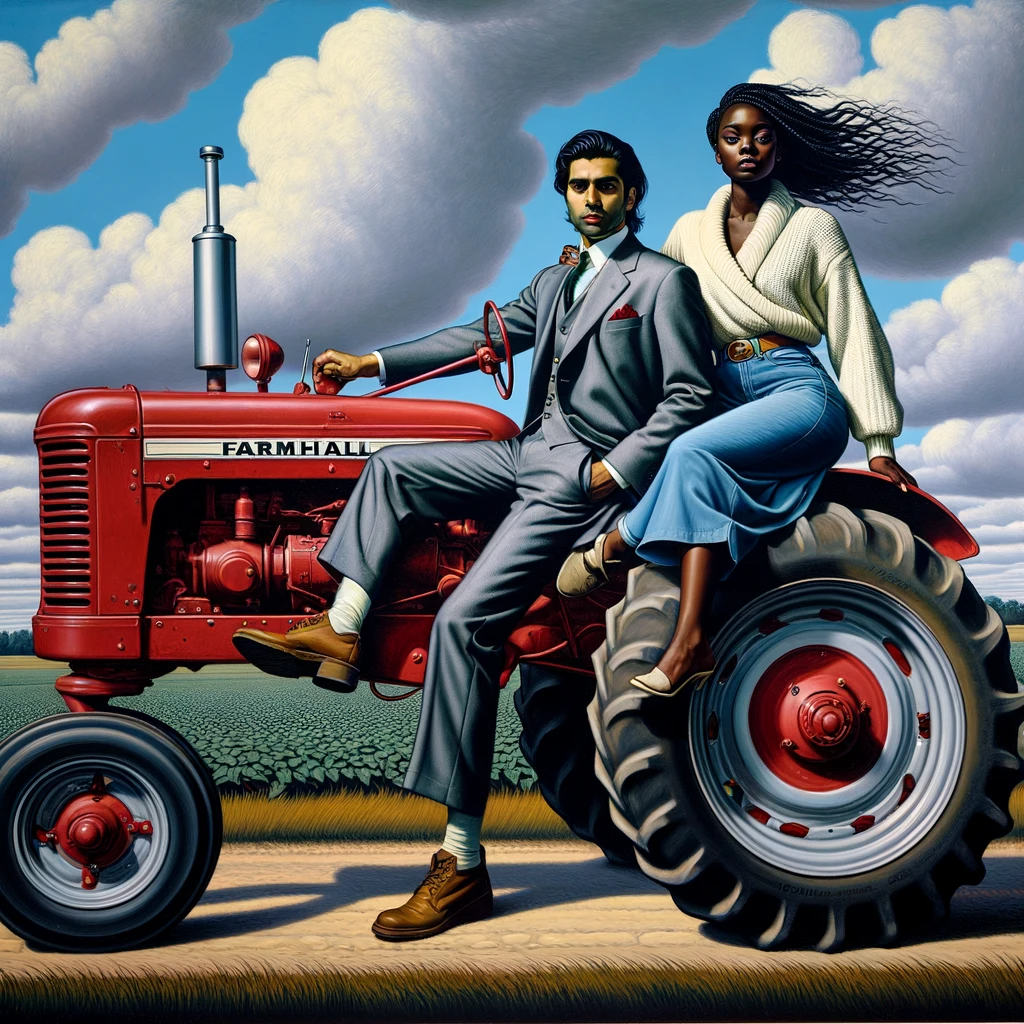
In the vast American landscape, the humble tractor symbolizes the heart and soul of farming. This piece of machinery goes beyond its metal and gears; it embodies resilience, labor, and an enduring bond to the land. Yet here we are, tempted by the gleaming allure of high-tech options that promise efficiency and precision. It’s a seductive dance of complexity that threatens to overshadow the timeless reliability of a good, old-fashioned workhorse. Farmers today face the existential dilemma of choosing between the nostalgia of a trusted companion and the shiny promise of a gadget-laden future.
Now, let’s engage our heads—rational thinkers that we are. Farmers know that investing in reliable equipment pays dividends over time. Data shows that quality machinery reduces costly repairs and downtime, ultimately boosting productivity and profits. However, there’s a gut check that accompanies the decision-making process. Choosing new technology often involves significant financial investment and a steep learning curve, which can feel like a gamble when the stakes involve not only livelihoods but also legacies.
Then we have the ethical dimension. Each piece of equipment is more than a transaction; it’s an investment not just in oneself, but in the community. Farmers must grapple with the impact their choices have on local economies, ecosystems, and future generations. This isn’t merely a personal choice; it’s a shared responsibility that transcends individual farms, weaving a narrative of sustainability and stewardship into the very fabric of agriculture.
But change doesn’t happen in isolation. The power of community among farmers can serve as both anchor and sail. Trusted advisors and fellow farmers provide invaluable perspectives, turning individual struggles into collective strength and ensuring that the stories of yesterday’s farmers inform the choices of tomorrow.
So, as we steer toward the future, let’s advocate for a balance between high-tech innovation and time-tested simplicity. Let’s cherish the tractors that have served us well while remaining open to practical advancements that truly enhance our work without sacrificing our foundational values. Together, we can cultivate a future that honors the past while embracing the promise of tomorrow, preserving the heart of farming for generations to come. It’s about finding that sweet spot where each decision resonates with our sweat, our roots, and the community we hold dear. That’s where our strength lies. That’s our future.
Conclusion
Conclusion:
- The intersection of tradition and innovation reflects farmers’ values, history, and future.
- Tractors symbolize the essence of farming, representing resilience and a connection to the land.
- Farmers face a dilemma between trusted equipment and appealing high-tech options that complicate their choices.
- Investing in reliable machinery can enhance productivity, reducing costs over time.
- New technology requires substantial financial investments and learning, raising risks for farmers.
- Farmers must consider the ethical implications of their equipment choices on local economies and ecosystems.
- Community support and shared experiences among farmers can guide and strengthen decision-making processes.

Conclusion
Other Resources

Other Resources
Here is a list of other resources you can review online to learn more:
- Antique Tractor Values
- Case IH
- Hinomoto
- Keck-Gonnerman
- Titan Machinery
- Deutz
- Benefits of Classic Tractors
- Muller
- Friday
- Fort Allen Antique Farm Equipment
Use This Prompt To Get More Resources With Your Favorite Online AI Tool: Please provide me with a list of online articles with their URLs in a bulleted list that I can read regarding Are Farmers Sacrificing Reliability for Complexity In Equipment Choices

Other Resources
Glossary Terms
Are Farmers Sacrificing Reliability for Complexity In Equipment Choices – Glossary Of Terms
1. Agricultural Equipment: Machinery used in farming to aid in various activities like planting, harvesting, and cultivating crops.
2. Reliability: The ability of a piece of equipment or system to consistently perform its intended function without failure.
3. Complexity: The quality of having many interconnected parts, making systems harder to understand or operate; often refers to advanced technology integrated into farming tools.
4. Technology Adoption: The process by which farmers embrace new technologies or practices, often influenced by perceived benefits or challenges.
5. Precision Agriculture: An approach to farming that uses technology to monitor and manage field variability in crops to maximize yield and minimize waste.
6. Maintenance: Regular care and servicing of equipment to ensure it operates effectively and reduces the likelihood of breakdowns.
7. Downtime: Periods when equipment is not operational due to failures or maintenance, impacting productivity.
8. Cost-Benefit Analysis: A process to evaluate the financial implications of using more complex machinery versus simpler, more reliable options.
9. Automation: The use of control systems for operating equipment with minimal human intervention, often leading to increased efficiency.
10. User-Friendliness: A measure of how easy and intuitive it is for farmers to operate and maintain farming equipment.
11. Customization: The ability to modify equipment or systems to meet specific needs of a farming operation, potentially increasing complexity and learning curves.
12. Data Management: The process of collecting, analyzing, and using data generated by farming equipment, which can enhance decision-making but may add complexity.
13. Yield Monitors: Devices that track the amount of crop harvested in real-time, requiring more sophisticated machinery with complex systems.
14. Soil Sensors: Tools that measure soil conditions like moisture and nutrient levels, providing valuable data but often adding to equipment complexity.
15. GPS Technology: Global Positioning System technology that provides location data for precision farming, enhancing complexity through reliance on advanced systems.
16. Drones: Unmanned aerial vehicles used for monitoring crops, creating complexity in operations due to the need for skilled operation and data interpretation.
17. Interoperability: The ability of various farming tools and technologies to work together seamlessly; poor interoperability can complicate equipment choices.
18. Scalability: The capability of equipment to increase production capacity effectively as the farming operation grows, which may involve complex systems.
19. Integrated Pest Management (IPM): An environmentally sensitive approach to pest control that can require sophisticated technology for monitoring.
20. OEM (Original Equipment Manufacturer): Companies that produce equipment for others to sell under different brand names, with technology that may range from simple to complex.
21. Field Mapping: The use of technology to create detailed maps of fields, often leading to more complex equipment requirements for implementation.
22. Crop Monitoring: The continuous evaluation of crop health and progress using advanced technology, increasing complexity in equipment needs.
23. Sustainability: Practices that reduce environmental impact, which can be made more complex by the requirement for advanced systems and data tracking.
24. Risk Assessment: The process of identifying and evaluating risks associated with farming operations and machinery choices, essential for balancing reliability and complexity.
25. Smart Farming: The use of IoT (Internet of Things) devices and digital technologies in agriculture, which can enhance productivity but adds layers of complexity.
26. Field Operations: Various jobs conducted on the farm, such as planting, tilling, and harvesting, where equipment choice can heavily influence processes.
27. Operational Efficiency: The ability to achieve maximum productivity with minimum wasted effort or expense, often at odds with the increase in complexity.
28. Return on Investment (ROI): A measure used to evaluate the profitability of investments in new equipment versus the risks of increased complexity.
29. Training and Support: Education and resources provided to farmers for operating and maintaining complex machinery, which can be crucial for managing reliability.
30. Economic Viability: The ability of a farm to sustain and grow economically, influenced by the balance between equipment reliability and complexity in choices.
These terms and their descriptions help illustrate the tension between reliability and complexity in agricultural equipment choices, reflecting the challenges and considerations faced by modern farmers.

Glossary Of Terms
Other Questions
Are Farmers Sacrificing Reliability for Complexity In Equipment Choices – Other Questions
If you wish to explore and discover more, consider looking for answers to these questions:
- What are the most reliable brands of farm equipment currently available?
- How can farmers assess the reliability of new technologies?
- What specific training do farmers need for new equipment?
- Are there case studies that highlight the consequences of choosing complex over reliable equipment?
- How does societal pressure influence farmers’ equipment choices?
- What role do community cooperatives play in supporting local farmers’ equipment decisions?
- How can farmers balance technology adoption with traditional practices?
- What are the long-term financial impacts of investing in reliable versus complex equipment?
- How do farmers build trust in equipment advisors and sales representatives?
- What alternative farming practices exist that do not rely heavily on complex machinery?
- How can farmers advocate for more straightforward, reliable equipment from manufacturers?
- What environmental considerations should farmers weigh when making equipment choices?
- How does farmers’ mental health impact their decision-making regarding equipment?
- What tools or resources are available for farmers to engage in informed discussions about equipment choices?
- How do cultural perceptions of farming equipment affect buying decisions?

Other Questions
Haiku
Are Farmers Sacrificing Reliability for Complexity In Equipment Choices – A Haiku
Tractors worn with care,
Reliability prevails—
Roots of trust align.

Haiku
Poem
Are Farmers Sacrificing Reliability for Complexity In Equipment Choices – A Poem
The Heart of the Field
In fields where sun and shadow play,
Amidst the toil of each new day,
A tractor stands, both strong and true,
A friend through storms, a guide anew.
Yet here we pause, at a fateful cross,
Where complexity thrives and reliability’s lost.
Innovation calls, with glimmering lights,
But do we forsake our traditional rights?
That old steel friend, with stories to tell,
Knows the land’s whispers, knows it all well.
Generations thrived on its steadfast grace,
Each dent a memory, each rust a trace.
But the spark of modern, the shine of the new,
Promises riches with gadgets to woo.
Yet behind the bright veil lies a double-edged sword,
As farmers wonder, “Is this the right chord?”
For every choice sways the lives intertwined—
The soil, the community, all carefully aligned.
As pressured to pivot, they weigh what is best,
In search of a legacy, they’re put to the test.
Where whispers of wisdom must echo sincere,
The trusted advisor, a voice crystal clear.
Not just a dealer, but a heart in this quest,
Championing values that give farming rest.
So farmers unite, shoulder to shoulder,
Sharing the tales that make each life bolder.
From camaraderie’s embrace, we’ll diminish fear,
For in unity’s strength, the right choice appears.
Yet remember—a tractor more than just steel,
It’s the harvest of love, the dream we must feel.
Through ethics and effort, let choices be wise,
As we nurture the soil and watch futures rise.
Woven together, our stories entwined,
Let the heart of the field keep our purpose aligned.
So side by side, we’ll cultivate trust,
In the dance of the harvest, we know we must.
Hold tight to tradition, yet venture with care,
Embrace innovation, but never despair.
In the fields that we till, let our legacies grow,
Rooted in hope, where our passions can flow.

Poem
Checklist
Are Farmers Sacrificing Reliability for Complexity In Equipment Choices – A Checklist
Farming Equipment Decision-Making Checklist: Heart, Head, and Gut
Emotional Appeals
1. Reflect on Tradition: Consider how your equipment choices honor the legacy of past farmers. Are you staying connected to the roots of farming?
2. Evaluate Community Impact: Will your decision inspire pride within your community and among peers? How do your choices echo your values?
3. Personal Connection: Does the equipment you’re considering resonate emotionally with your commitment to the land and your family?
Rational Appeals
4. Cost vs. Reliability Analysis: Calculate both initial costs and long-term maintenance expenses. How do various options perform in terms of long-term reliability?
5. Efficiency Metrics: Review performance data and productivity statistics of different machinery. Are you adequately comparing the benefits of new tech versus traditional equipment?
6. Future-Proofing Your Investment: Consider whether the technology can adapt over time or if it will quickly become obsolete.
Ethical Appeals
7. Environmental Considerations: Are you evaluating how your choices may impact the ecosystem? Will your decision lead to sustainable farming practices?
8. Support Local Economies: Are you choosing equipment from local manufacturers that invest in your community?
9. Informed Choices: Are you engaging with trusted advisors or actively seeking community input on your decisions?
Authority Appeals
10. Seek Expert Advice: Are you consulting with trusted advisors who can provide tailored insights for your unique farming situation?
11. Industry Standards Review: Are you staying updated on industry trends and best practices according to agricultural experts?
Narrative Appeals
12. Share Your Story: Have you documented or shared the journey of your equipment choices and their impact on your farming strategy?
13. Engage in Community Dialogues: Are you participating in discussions with other farmers about their experiences with specific machines and technologies?
Social Appeals
14. Build Networks: Are you connecting with local farming communities, cooperatives, or online groups for shared experiences and accountability?
15. Transparency in Choices: Are you open about your decision-making process with peers, fostering a culture of collaboration?
16. Encourage Peer Support: Are you willing to support fellow farmers in their equipment choices, creating a loop of trust and collective wisdom?
Conclusion
Reflect on each item in this checklist as you consider your equipment choices. Balancing heart, head, and gut will lead to decisions that not only enhance your personal productivity but also strengthen your community and nurture the land we all depend on.

Checklist
At ClassicTractorNews, we help tractor lovers keep up with the latest news for classic and vintage tractors.
Please share this post with your friends, family, or business associates who may like old classic or vintage tractors.