

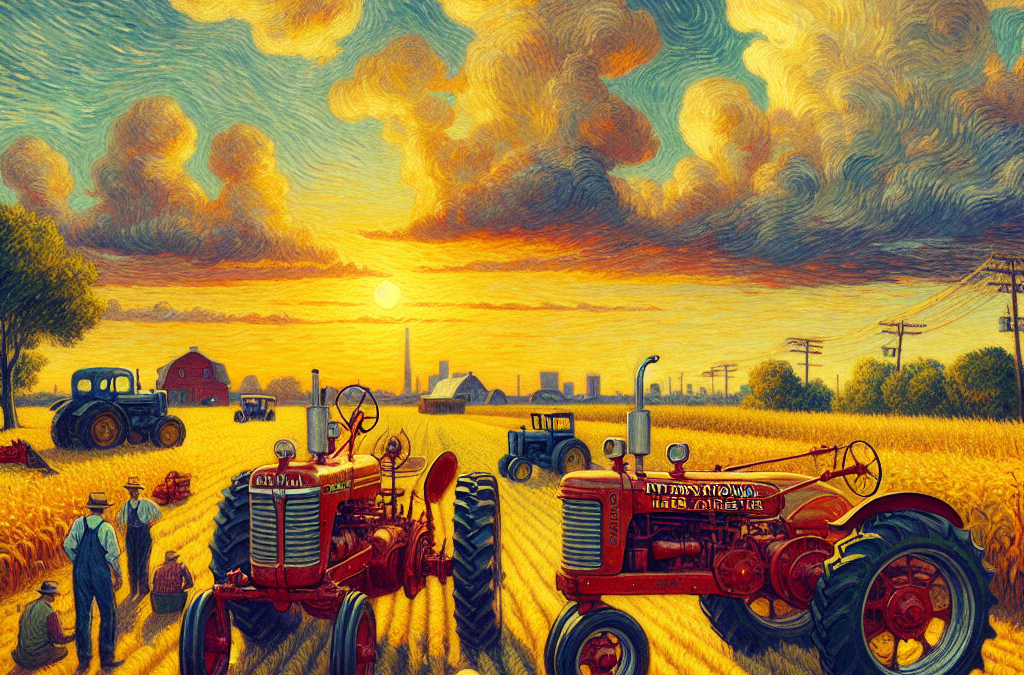
The Joy Of Simplicity: Farmers Embracing Tradition For Prosperity
By Tom Seest
At ClassicTractorNews, we help tractor lovers keep up with the latest news for classic and vintage tractors.
Please share this post with your friends, family, or business associates who may like old classic or vintage tractors.
Are Farmers Happier with Simple Tractors Over Complex Machines
When you break it down, farming isn’t just about crops; it’s about connection. Picture a farmer, just waking up with the sun, stepping into their fields, and climbing onto their trusty tractor. This isn’t some slick, high-tech marvel that looks more at home in a spaceship than on solid ground; it’s the simple machine that’s been a reliable partner through seasons of toil. Sure, complex machines promise speed and efficiency, throwing around buzzwords like “sophisticated technology” and “cutting-edge innovation.” But when do we start valuing progress over practicality?
For many farmers, there’s a soulful rhythm in the simplicity of their tractors. Each bump in the field, each pull of the throttle, connects them to the land in a way that high-tech gadgets never could. That bond runs deep; it’s not just about getting the job done but about a sense of pride. The sounds of their engines, the smell of diesel and earth combine in a symphony unique to farm life—a shared experience passed down from generation to generation. This isn’t just machinery; it’s a legacy.
Emotionally speaking, simple tractors evoke nostalgia. They bring back memories of childhood days spent working alongside family, hands in the soil, laughter trailing on the wind. Think about that connection—doesn’t it remind you of the importance of grounding ourselves in what matters? There’s an antidote to the frenetic pace of modern life: the steady pulse of a well-worn tractor moving methodically across the land. It’s a testament to hard work, not the flashy tech that often seems to become more of a hurdle than a help.
From a rational standpoint, simplicity equates to reliability. Fewer moving parts mean fewer things that can break down, and as any farmer will tell you, breakage means lost time and money. Plus, learning to fix a simple machine fosters independence—a characteristic as vital today as it was a century ago.
Ethically, embracing simple machinery contributes to sustainable practices. A tractor that doesn’t require a Ph.D. in engineering to operate aligns with environmental stewardship. It’s about empowering the farmer, allowing them to nurture the earth without being enslaved by the confines of technology.
The choice rests heavy on the shoulders of those who till the soil. Will they allow themselves to be swept up in the allure of complexity, or will they find joy and satisfaction in the uncomplicated? After all, it’s not just about the machinery; it’s about the people, the soil, and the deep-rooted connection to both.

Are Farmers Happier with Simple Tractors Over Complex Machines
Are Farmers Happier with Simple Tractors Over Complex Machines
- Farming is fundamentally about connection, not just crops.
- Farmers rely on simple, reliable tractors that embody a deep bond with the land.
- High-tech machinery promises efficiency but often lacks the soulful rhythm of traditional tools.
- Simple tractors evoke nostalgia and memories of childhood experiences in farming.
- Simplicity equates to reliability, minimizing breakdowns and fostering independence.
- Embracing simple machinery supports sustainable practices and environmental stewardship.
- The choice between complexity and simplicity reflects the deeper values of farming and connection to the earth.
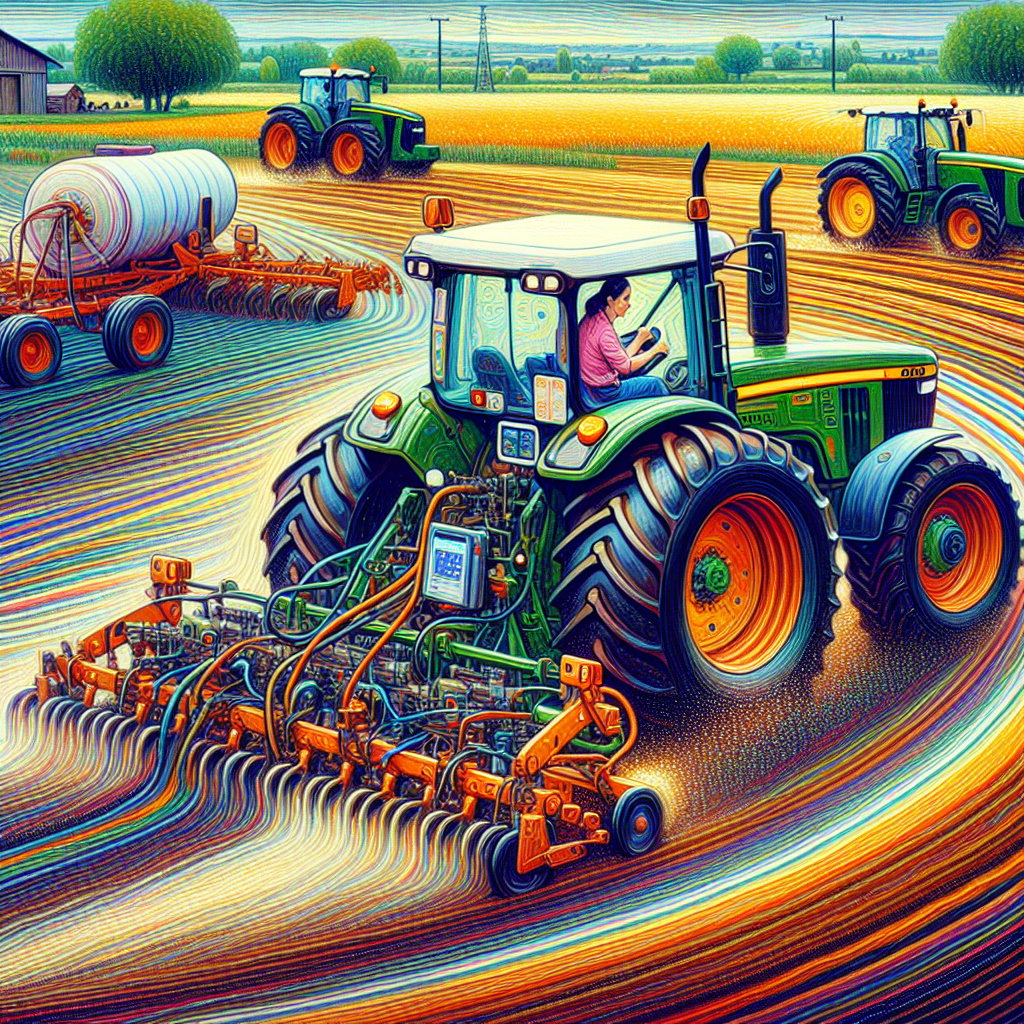
Are Farmers Happier with Simple Tractors Over Complex Machines
Table Of Contents
- Are Farmers Happier with Simple Tractors Over Complex Machines
- Do Complex Machines Create More Stress In Daily Farming Life?
- What Role Does Community Feedback Play In Choosing Tractor Types?
- Do Complicated Features Make Farmers Feel Less Skilled Or Capable?
- Are Happier Farmers More Successful In Their Agricultural Endeavors?
- What Impact Do Technological Advancements Have On Farmer Happiness?
- Are Simple Tractors Making Farmers Feel More Fulfilled?
- Conclusion
- Other Resources
- Glossary Of Terms
- Other Questions
- Haiku
- Poem
- Checklist
Do Complex Machines Create More Stress In Daily Farming Life?
Do Complex Machines Create More Stress in Daily Farming Life?
You see that gleaming tractor parked under the afternoon sun, a marvel of modern engineering. It’s a life-saver for many, yet it can also feel like a ticking time bomb in the field. Let’s face it: while these machines offer unprecedented efficiency, they also introduce a level of complexity that can be downright stressful. It’s a bit of a double-edged sword—the promise of progress couched in the weight of expectation.
Imagine waking up before dawn, your boots barely touching the ground before you’re pulled into the intricate dance of machinery. That tractor is not just iron and steel; it’s a promise—a promise of larger harvests and a smoother operation. But the operating manual might as well be written in hieroglyphics. Instead of feeling empowered, you might feel overwhelmed. The mental load can snowball, turning your once peaceful morning ritual into a juggling act of computations and tolerances. The tractor, with all its bells and whistles, starts to seem less like a friend and more like a source of anxiety.
And it’s not just you. Conversations at the local diner often revolve around the trials faced with these high-tech beasts. Farmers share stories about the software glitches that halt production, or the maintenance routines that feel like a full-time job in themselves. Community ties are strong in rural life, and those shared burdens can either lift us or weigh us down. We rally together, often without realizing that we’re collectively grappling with an evolving landscape of technology that demands not just skill, but a whole new mindset.
Yet, there’s hope amid the stress. As farms incorporate technology, there’s a unique opportunity to embrace training and collaboration. Equip your team with the skills and knowledge that not only help in operating that shining tractor but also foster a communal spirit that alleviates the weight of modern challenges. By nurturing these connections, we can redefine farming, making it a blend of tradition and innovation—without losing the heart of what makes it worthwhile.
So, the next time you hop on that tractor and grip the wheel, know that you’re not just steering metal and mechanics; you’re navigating a new frontier. Embrace the challenges, learn from one another, and together, let’s cultivate not just fields, but thriving, resilient farming communities. Change may bring stress, but it also brings opportunity; with the right mindset, we can turn that complexity into a strength.
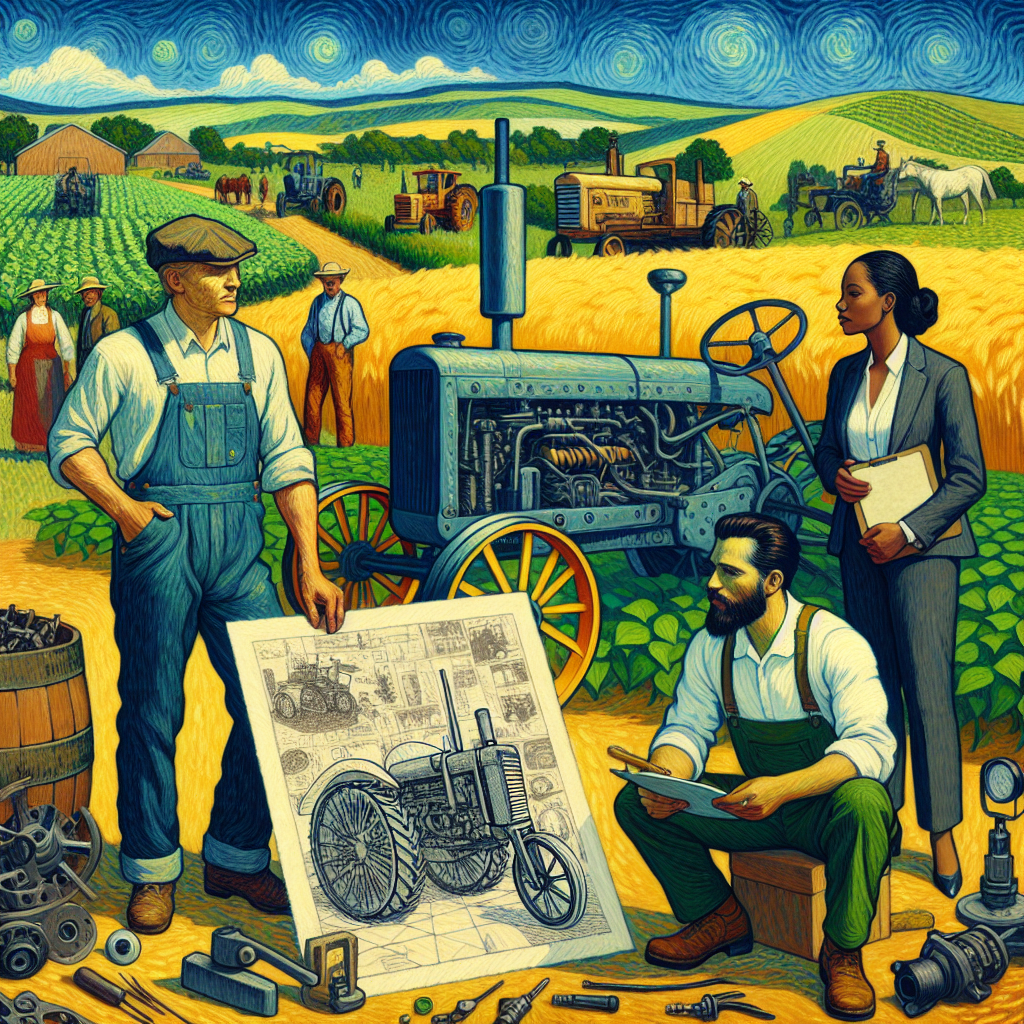
Do Complex Machines Create More Stress In Daily Farming Life?
Do Complex Machines Create More Stress In Daily Farming Life?
- Complex agricultural machines, like high-tech tractors, enhance efficiency but can also cause stress for farmers.
- The intricate operation of modern machinery may feel overwhelming, shifting from empowerment to anxiety.
- Farmers often share experiences of tech-related challenges like software glitches and demanding maintenance routines.
- Community support plays a crucial role in managing the collective pressures of evolving farming technologies.
- Training and collaboration opportunities can help farmers adapt to technological complexities and foster teamwork.
- Embracing the blend of tradition and innovation can redefine the farming experience while preserving its core values.
- Despite the challenges posed by modern technology, there is potential to build strong, resilient farming communities through shared learning.
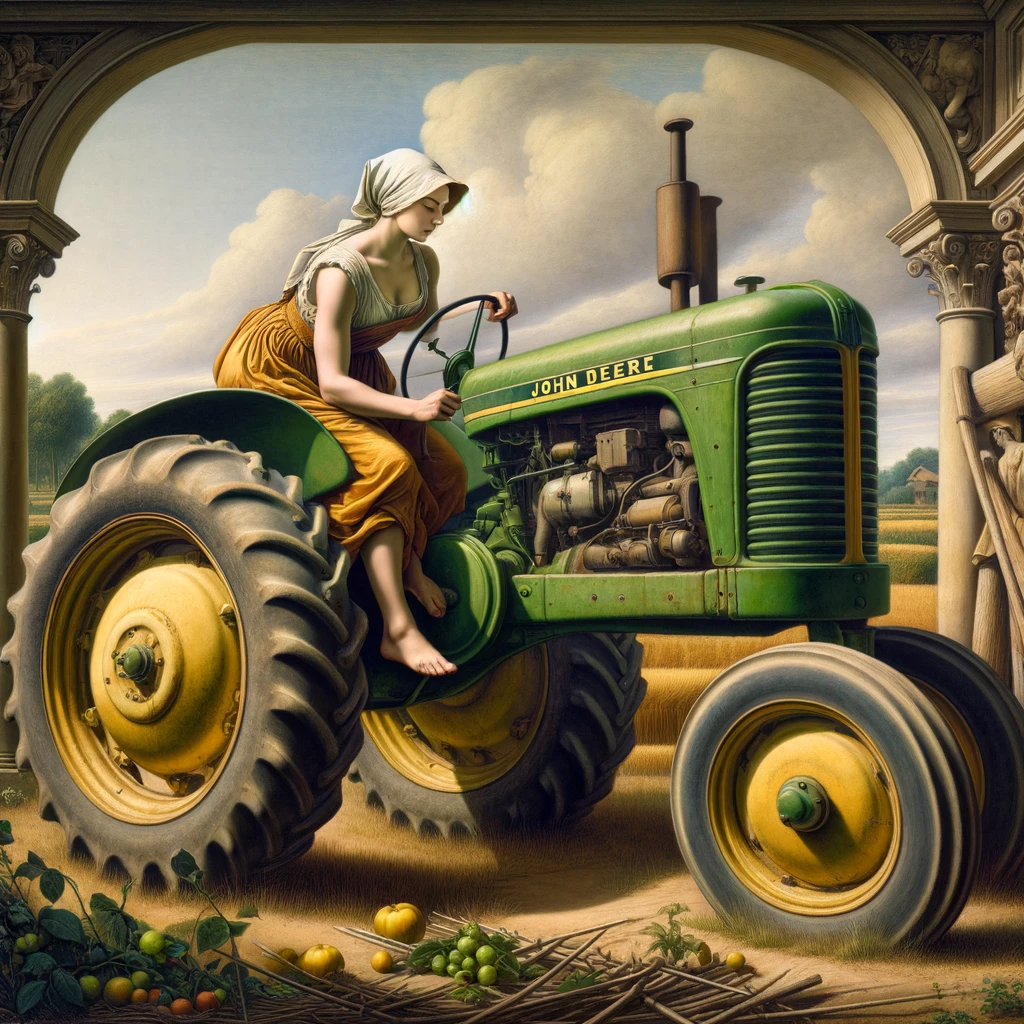
Do Complex Machines Create More Stress In Daily Farming Life?
What Role Does Community Feedback Play In Choosing Tractor Types?
When it comes to selecting the right tractor, the conversation often extends beyond mere horsepower and fuel efficiency; it touches the very heart of the farming community. The decision isn’t just personal; it’s a collective journey that weaves together stories, experiences, and aspirations. Imagine a neighbor pulling up to a local coffee shop, greasing his palms with the grime of the field, sharing tales of triumph and tribulation. Each anecdote serves not just as a snippet of farm life, but as vital insights that guide the tractor choices of many.
The power of community feedback is not to be understated. It’s here that the emotional weight of shared experiences resonates. A farmer needs more than just a machine; they seek a reliable partner that understands their land and labor. When they hear about the success of a particular model from a trusted friend, it doesn’t just register as a statistic; it becomes a reason to believe—instilling confidence in their decision-making process. The stories told around those weathered tables carry the weight of knowledge, creating a tapestry of wisdom that transcends individual choices.
Rationally speaking, community feedback functions as a form of crowd-sourced research. With the sheer number of farmers facing similar challenges, insights gained from real-world use provides actionable data. People can discuss maintenance issues, operational costs, and performance on different terrains, informing others in a way that product brochures simply can’t. Each review, both good and bad, becomes a thread in a larger narrative—a shared guide on what to expect and what to invest in.
Ethically, there’s also a commitment to support local economies. When farmers share their experiences, they’re not just building a foundation for informed decisions; they’re fostering a spirit of accountability among manufacturers. It urges companies to produce quality tractors that meet the real demands of the field, not just marketing hype.
Involving the community in decision-making extends into the social realm. There’s a camaraderie in sharing experiences, an unspoken bond that nurtures trust within the community. So, whether you’re a seasoned farmer or a newcomer looking to establish roots, remember: the voices around you hold profound power when it comes to choosing the right tractor. Listen closely; the wisdom of your neighbors may just help you harvest more than crops—it can cultivate a vibrant community.
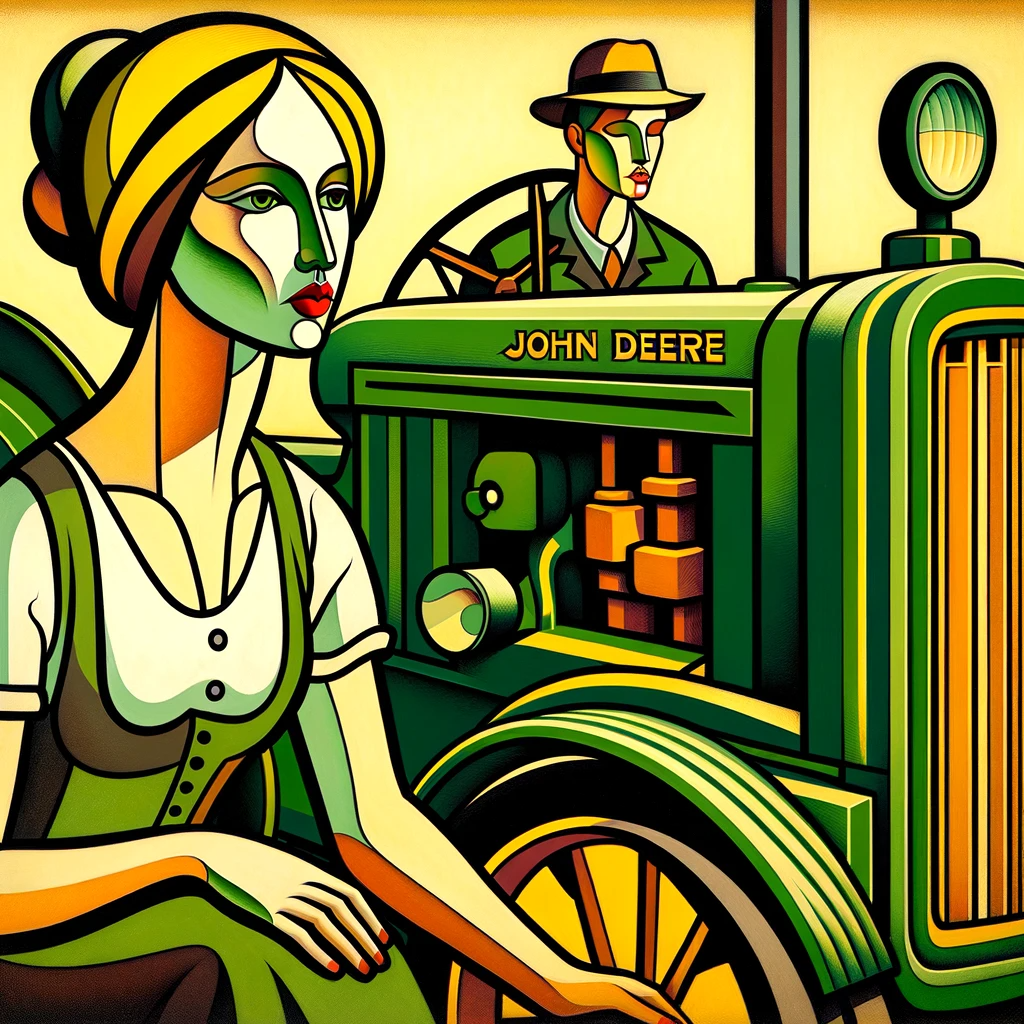
What Role Does Community Feedback Play In Choosing Tractor Types?
What Role Does Community Feedback Play In Choosing Tractor Types?
- Selecting the right tractor involves more than horsepower and fuel efficiency; it’s a collective decision within the farming community.
- Farmers share stories at local coffee shops, providing insights that guide tractor choices.
- Community feedback shapes emotional connections and fosters trust in choosing reliable machinery.
- Personal anecdotes act as actionable data, discussing maintenance, costs, and performance beyond product brochures.
- Sharing experiences supports local economies and encourages manufacturers to prioritize quality over marketing hype.
- Camaraderie and trust grow through shared experiences, benefiting both seasoned and newcomer farmers.
- Listening to the community is crucial in making informed tractor choices, cultivating both crops and community spirit.
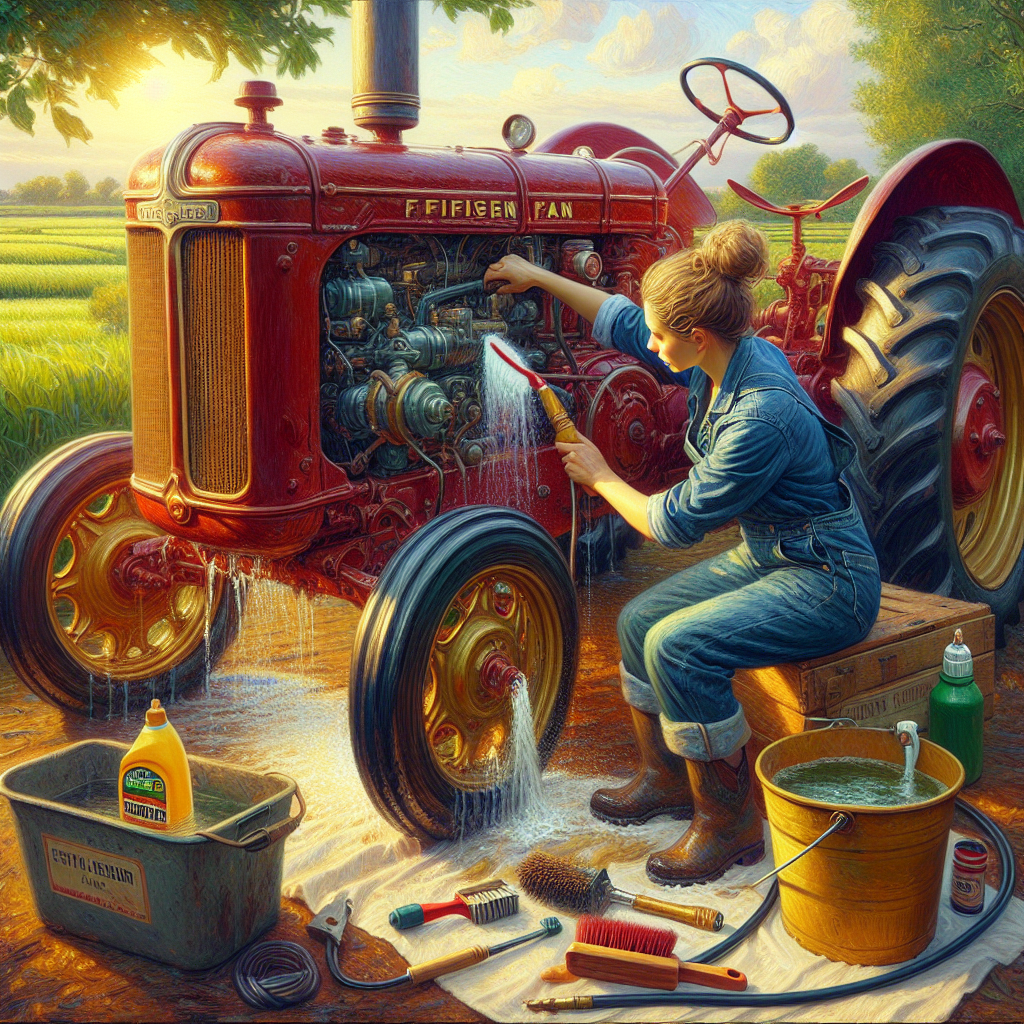
What Role Does Community Feedback Play In Choosing Tractor Types?
Do Complicated Features Make Farmers Feel Less Skilled Or Capable?
When you’re out there in the fields, sunlight filtering through the trees, it’s easy to feel the pulse of the land. The hum of a tractor becomes the heartbeat of that rhythm—steady, reliable, a trusty companion. But what happens when that reliable tractor is loaded with so many complicated features that it could double as a spaceship? Suddenly, instead of embracing that connection with the earth, the very tools designed to boost productivity can leave farmers feeling overwhelmed and disconnected.
Let’s be real for a moment. The farmer’s life is steeped in tradition—manual labor, sweat, and an intimate understanding of the land. Yet, as technology pushes forward, innovations that once promised efficiency can feel more like a barrier to productivity. Instead of driving a simple, sturdy machine that plows the fields, you might find yourself wrestling with a complex array of buttons and screens. That minimalist connection to the soil? It starts to fade, and what remains is a palpable sense of disorientation.
In a world where farming is often romanticized, let’s face the truth: advanced tech can make even the most seasoned operators feel like novices. The pressure mounts when flashy features take precedence over practical knowledge. Ethical questions arise—does complexity enhance or hinder our ability to maintain control over our livelihood? What about those who find themselves displaced by technology, unable to adapt to a new way of working?
But let’s not lose hope. Just as our forebears learned to navigate the rugged terrain, today’s farmers have the capacity to adapt as they always have. Embracing technology doesn’t have to mean relinquishing your skills; it can be a partnership—a marriage of tradition and innovation. Imagine a future where farmers harness these tools to enhance their craft without losing touch with their roots.
The first step is fostering community. Sharing stories about navigating new machinery, discussing frustrations over coffee in the barn, or even posting your challenges on social media can build connection. It’s in these shared experiences that we find camaraderie, and with that, confidence grows. Not just in our machines, but in ourselves. After all, farming has never just been about the tools; it’s about heart, grit, and the enduring spirit of those who understand that every seed planted is a leap of faith.
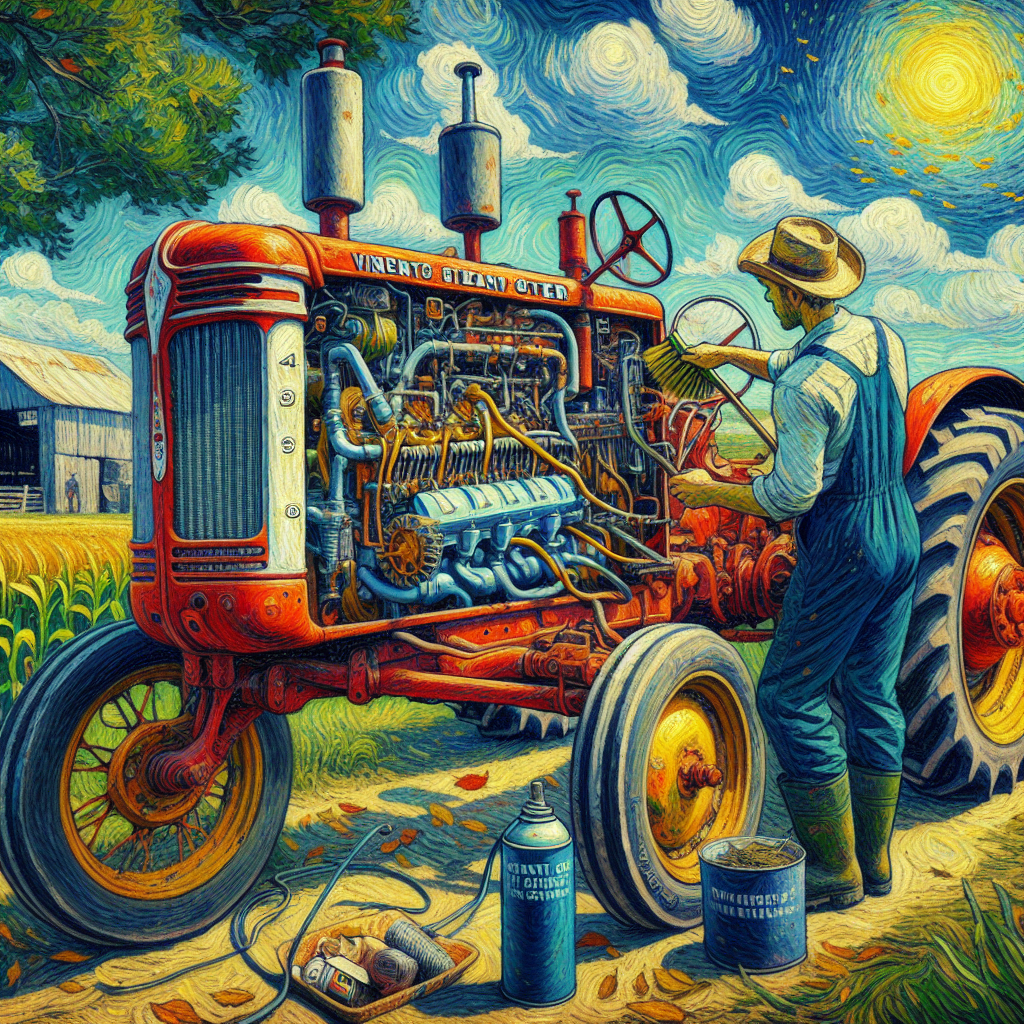
Do Complicated Features Make Farmers Feel Less Skilled Or Capable?
Do Complicated Features Make Farmers Feel Less Skilled Or Capable?
- The tranquility of farming is often disrupted by complex, advanced technology in tractors.
- Traditional farming relies on manual labor and a deep connection with the land.
- Innovations in farming technology can sometimes hinder productivity rather than enhance it.
- Advanced features can leave experienced farmers feeling disoriented and like novices.
- There are ethical concerns about whether technology helps or hinders farmers’ control over their work.
- Farmers can adapt to new technology while preserving their skills through community support and shared experiences.
- The essence of farming remains rooted in heart, grit, and a deep understanding of the agricultural journey.
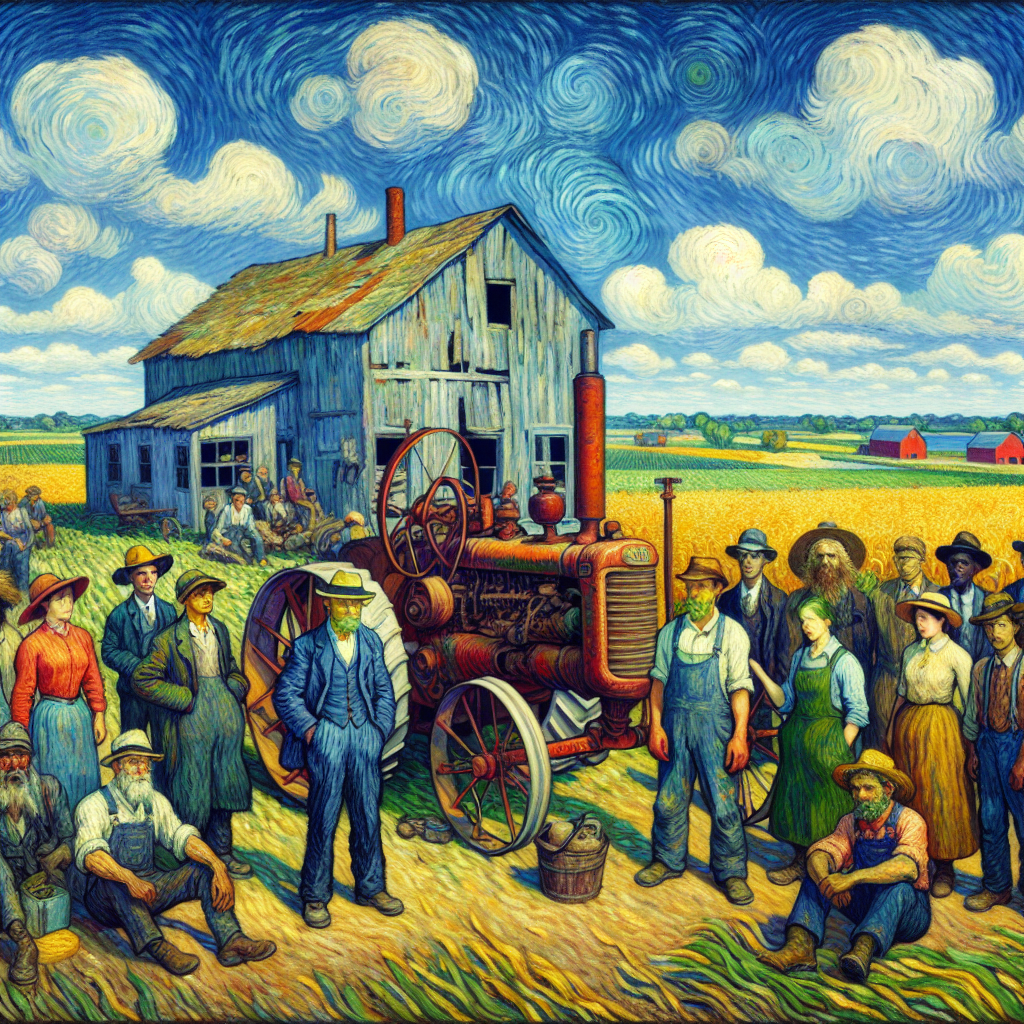
Do Complicated Features Make Farmers Feel Less Skilled Or Capable?
Are Happier Farmers More Successful In Their Agricultural Endeavors?
The Heart of Agriculture: Happiness as a Crop
Picture this: A farmer, clad in worn jeans and a sun-faded cap, leans against a sturdy tractor, surveying fields brimming with promise. Yet it’s not the bountiful harvest that catches your eye; it’s the smile on his face. The question looms—can happiness, that ephemeral force, truly drive agricultural success?
Let’s break it down. The farmer’s joy isn’t just a fleeting emotion; it’s intertwined with every seed sown and every furrow plowed. When farmers thrive emotionally, their energy infuses their work—transforming each back-breaking task into a labor of love. So, what happens when happiness takes root? Studies show that contented farmers are more engaged, innovative, and resilient in the face of challenges. They take calculated risks, invest in sustainable practices, and embrace new technologies. That’s right: a clear mind cultivates growth in more ways than one.
Yet, beyond the emotional and logical case for happiness, consider the ethical aspect. Are we really fostering healthy communities if we overlook the mental well-being of those who feed us? Every bite we take comes from the hands of dedicated individuals whose fulfillment should be prioritized alongside profitability. By championing their happiness, we invest in a more sustainable future—not just for agriculture, but for our society as a whole.
Now, let’s talk authority. Experts across agriculture and psychology affirm that well-being directly influences productivity. A happy farmer makes smart decisions and builds stronger connections with their community, creating a ripple effect that nourishes everyone from the earth to the table. The narrative here is strong: satisfied individuals inspire cooperation, collaboration, and results.
Finally, let’s approach the social side of this equation. When we come together as a community to support our farmers, we foster an environment where happiness can flourish. Each farm becomes a hub, where shared stories of triumph and struggle lead to deeper relationships and, ultimately, a stronger agricultural framework. So, the next time you see a farmer on their tractor, remember—behind that smile lies the foundational spirit of the land we depend on.
In essence, happier farmers are not just a boon for business; they are the backbone of a more resilient, connected, and thriving society. Let’s champion their happiness as a collective effort, because when they thrive, we all prosper.
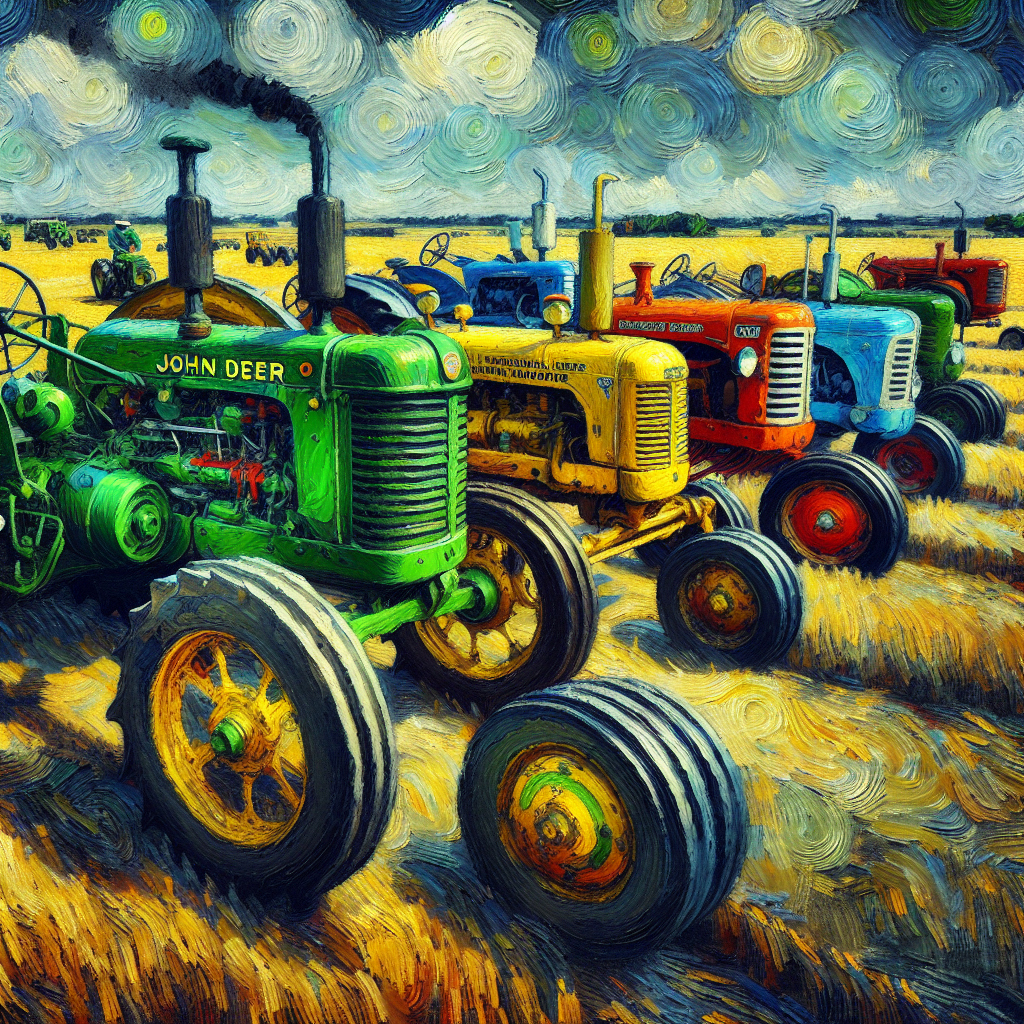
Are Happier Farmers More Successful In Their Agricultural Endeavors?
Are Happier Farmers More Successful In Their Agricultural Endeavors?
- The image of a joyful farmer highlights the value of happiness in agriculture.
- Emotional well-being enhances farmers’ engagement, innovation, and resilience.
- Content farmers make informed decisions and adopt sustainable practices.
- The ethical responsibility of prioritizing farmers’ happiness impacts community health.
- Experts in agriculture and psychology correlate well-being with productivity.
- Community support nurtures a conducive environment for farmer happiness.
- Promoting farmers’ happiness benefits society by creating a stronger agricultural framework.
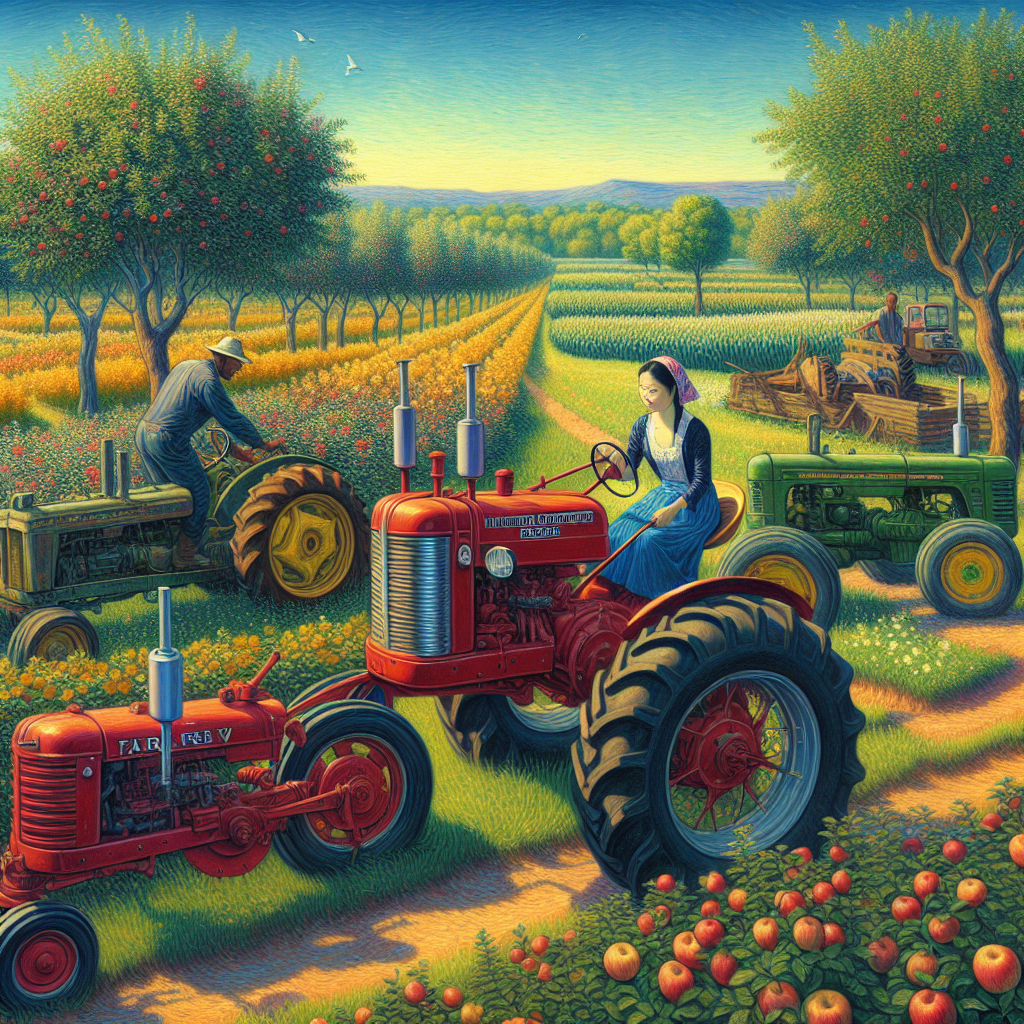
Are Happier Farmers More Successful In Their Agricultural Endeavors?
What Impact Do Technological Advancements Have On Farmer Happiness?
Picture a farmer standing proudly beside a gleaming new tractor, its engine humming with potential. This isn’t just a machine; it’s a symbol of progress and promise. Yet, behind that polished exterior is a deeper story—one that intertwines the heart, head, and gut of modern agriculture. It’s a story that reminds us we’re not just witnessing the advent of technology; we’re experiencing a revolution in the way farmers connect with the land and their lives.
From the moment the sunrise spills over the horizon, that farmer faces a choice: to embrace innovation or cling to tradition. The introduction of smart technology—like precision farming tools and data analytics—can seem daunting. But when approached with an open mind, these advancements can turn a mundane routine into a life of newfound joy. Farmers, equipped with tools that enhance yield while minimizing labor, find themselves with more time to do what they love—spending evenings with family or participating in community events, rather than being weighed down by endless chores.
For many, the sheer joy of farming has been reignited by technological breakthroughs. No longer defined solely by the sweat on their brow, farmers can now use technology to enhance their connection to the land. Imagine the satisfaction of walking through a field knowing that, thanks to advancements in agricultural equipment, each crop is being nurtured with peak efficiency. There’s a palpable sense of empowerment in knowing what the soil needs and being able to deliver it precisely.
It’s not just about productivity; it’s about purpose. The ethical implications of sustainable farming practices and environmental stewardship resonate deeply in the hearts of farmers today. With innovation as their ally, they are no longer just producers; they become custodians of the earth, committed to leaving a legacy for future generations.
And while some may scoff at technology as a cold replacement for tradition, the truth is far more compelling. When farmers gather at markets or community halls, sharing stories of triumph and tribulation, they aren’t just talking about crops; they’re discussing a shared path forward—a path filled with hope, inspired by the very technology that once made them apprehensive.
So next time you see a farmer smiling beside their tractor, remember: that joy is a testament to resilience, adaptation, and the profound transformation that technology can bring—not just to the fields they tend, but to the lives they nurture.
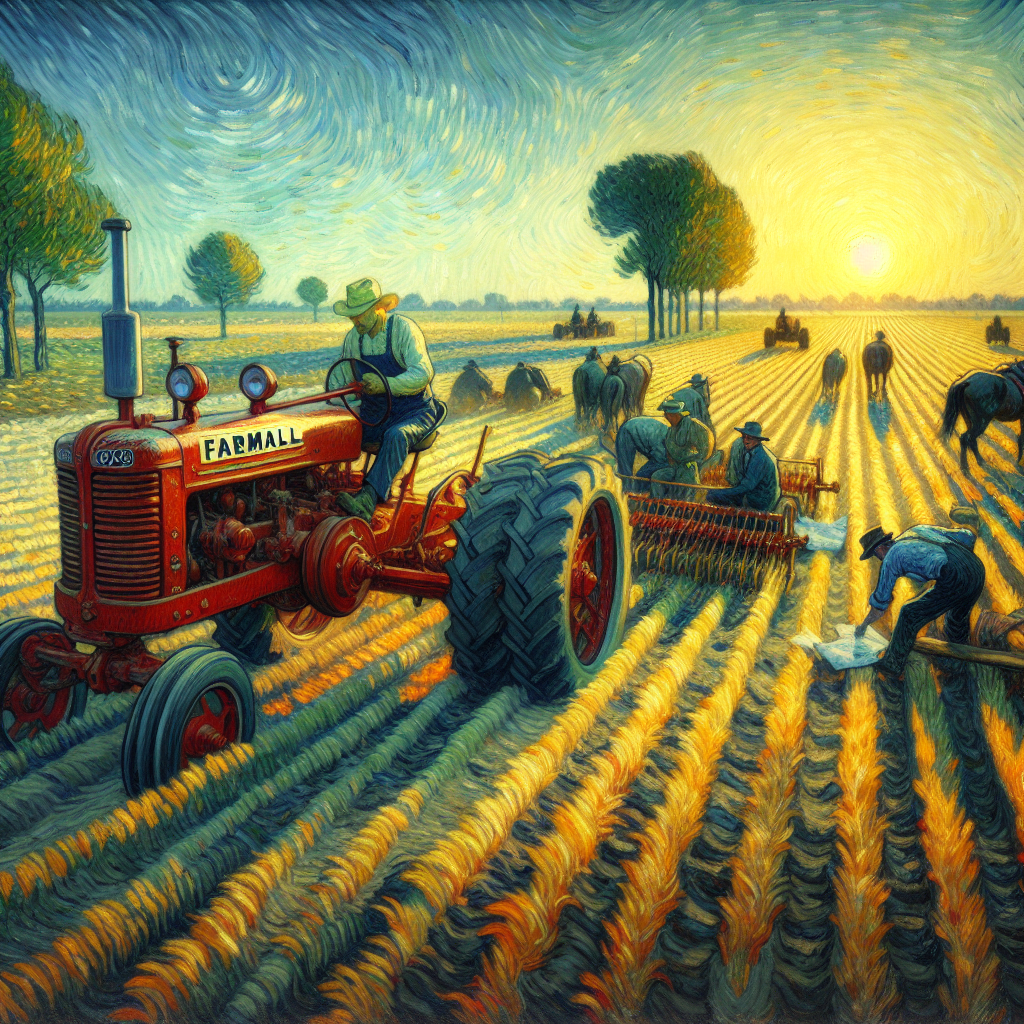
What Impact Do Technological Advancements Have On Farmer Happiness?
What Impact Do Technological Advancements Have On Farmer Happiness?
- A farmer stands beside a new tractor, symbolizing progress in modern agriculture.
- Farmers must choose between embracing innovation or clinging to tradition.
- Smart technology enhances farming routines, allowing more time for family and community.
- Technological breakthroughs have reignited the joy of farming and the connection to the land.
- Farmers are empowered to nurture crops efficiently, enhancing their sense of purpose.
- There is a focus on sustainable farming practices, with farmers becoming custodians of the earth.
- Farmers share experiences, illustrating a collective journey toward a hopeful future with technology.
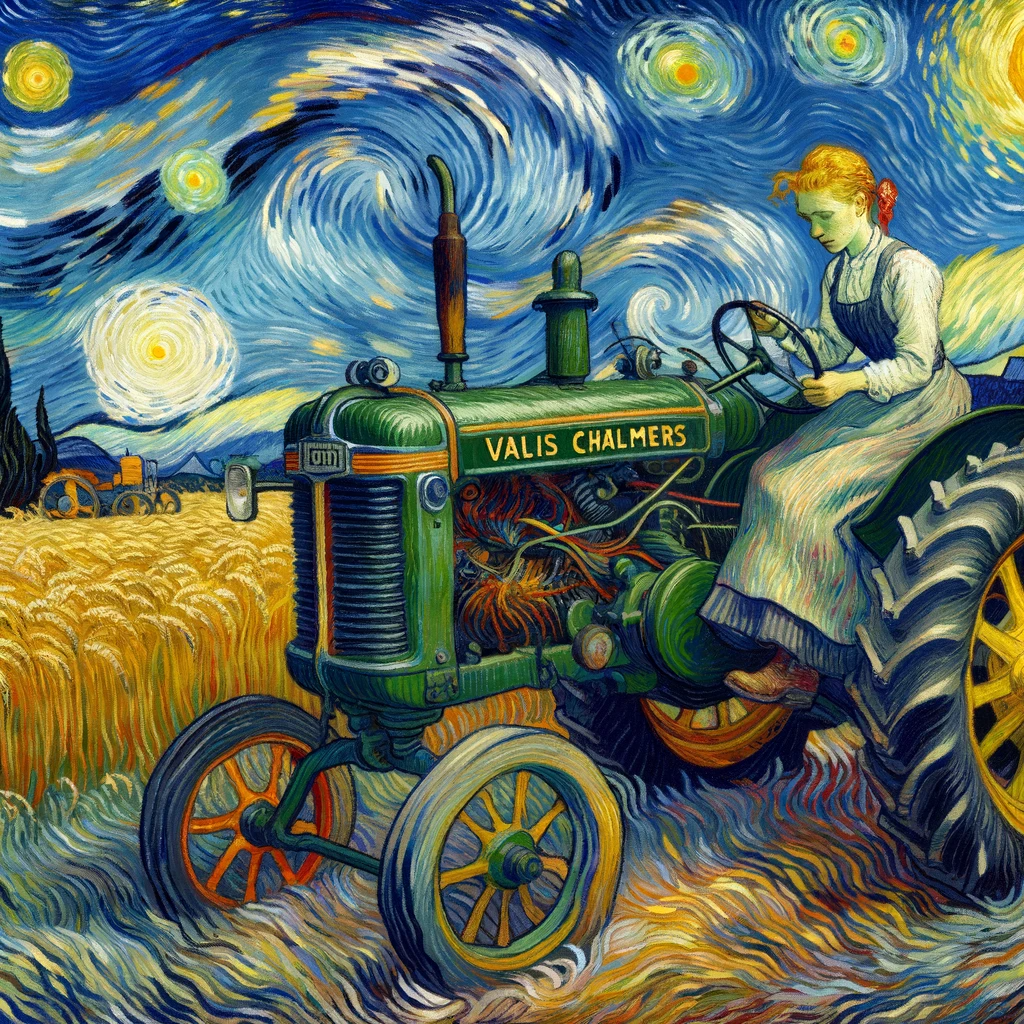
What Impact Do Technological Advancements Have On Farmer Happiness?
Are Simple Tractors Making Farmers Feel More Fulfilled?
In a world spinning ever faster, where complexity often masquerades as necessity, the humble tractor serves as a reassuring anchor for many farmers—or so it seems. Think about it for a moment. This iconic machine, with its rustic charm and steadfast resilience, embodies the very essence of agriculture. It’s not just metal and mechanics; it’s the heartbeat of the land, a bridge between environmental stewardship and the age-old ritual of farming.
Picture a farmer at dawn, the soft glow of the rising sun spilling across the field, casting long shadows on the soil. The tractor, with its simple yet robust design, stands ready to take on the day’s challenges. Why do so many find fulfillment behind the wheel of these straightforward machines? It’s about connection. When a farmer operates a tractor, they’re engaging directly with the earth, their senses alive with the smell of freshly turned soil and the satisfying rumble of unpretentious machinery beneath them.
Yet, let’s peel back the layers of this narrative. The appeal of simple tractors isn’t just romantic—it’s practical. In a time when high-tech gadgetry often creates more problems than it solves, these straightforward machines champion a return to basics. They don’t demand an engineering degree to operate, nor do they require constant tech updates. Instead, they foster an authentic relationship between the farmer and their work, a relationship steeped in trust and reliability.
And there’s an ethical component at play here too. Simple tractors are often easier to repair and maintain, reducing the environmental footprint that comes with the relentless march of obsolescence. By choosing machines that prioritize longevity and simplicity, farmers are not just making a sound investment; they are honoring the land and the laborers who tend it.
In essence, it’s about reclaiming pride in one’s work. There’s a fulfilling sense of accomplishment that arises from the mindful act of farming powered by a dependable tractor. When the day’s toil is done, it’s not just about the yield; it’s about the connection to the earth and the legacy being nurtured.
So, as we ponder this question—are simple tractors making farmers feel more fulfilled?—the answer may lie not in the machines themselves but in how they reflect the values of those who wield them. Everyone experiences a tractor’s rhythm and purpose, connecting an enduring legacy to the promise of what’s still to come.
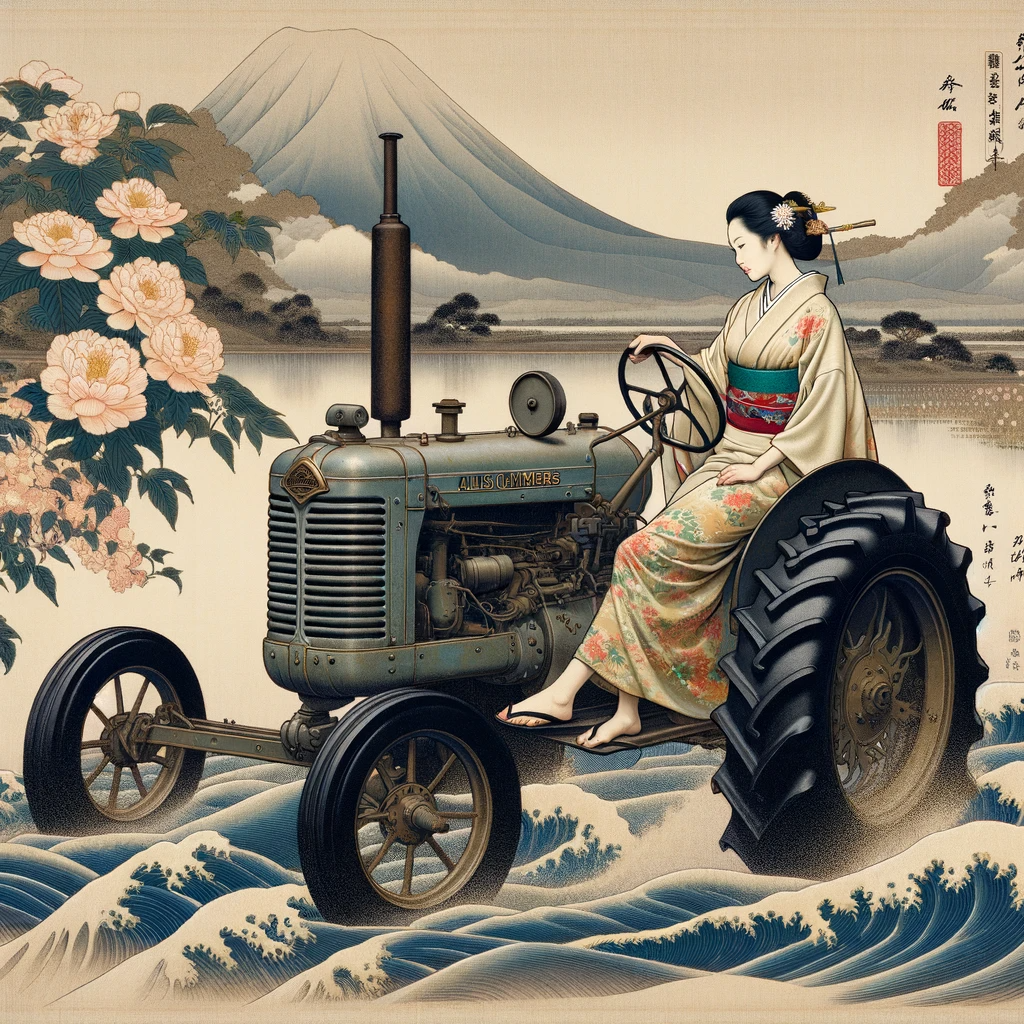
Are Simple Tractors Making Farmers Feel More Fulfilled?
Are Simple Tractors Making Farmers Feel More Fulfilled?
- The tractor symbolizes the essence of agriculture, serving as a reassuring anchor for farmers.
- Operating a tractor connects farmers with the earth, enhancing their sensory experience.
- Simple tractors offer practical benefits in a tech-heavy world, fostering authenticity in farming.
- They are accessible to operate, requiring no advanced technical skills or constant updates.
- Simple tractors are easier to repair and maintain, reducing environmental impact.
- Farmers investing in these machines honor their legacy and the land they cultivate.
- The fulfillment experienced by farmers derives from their connection to the earth and the pride in their work.
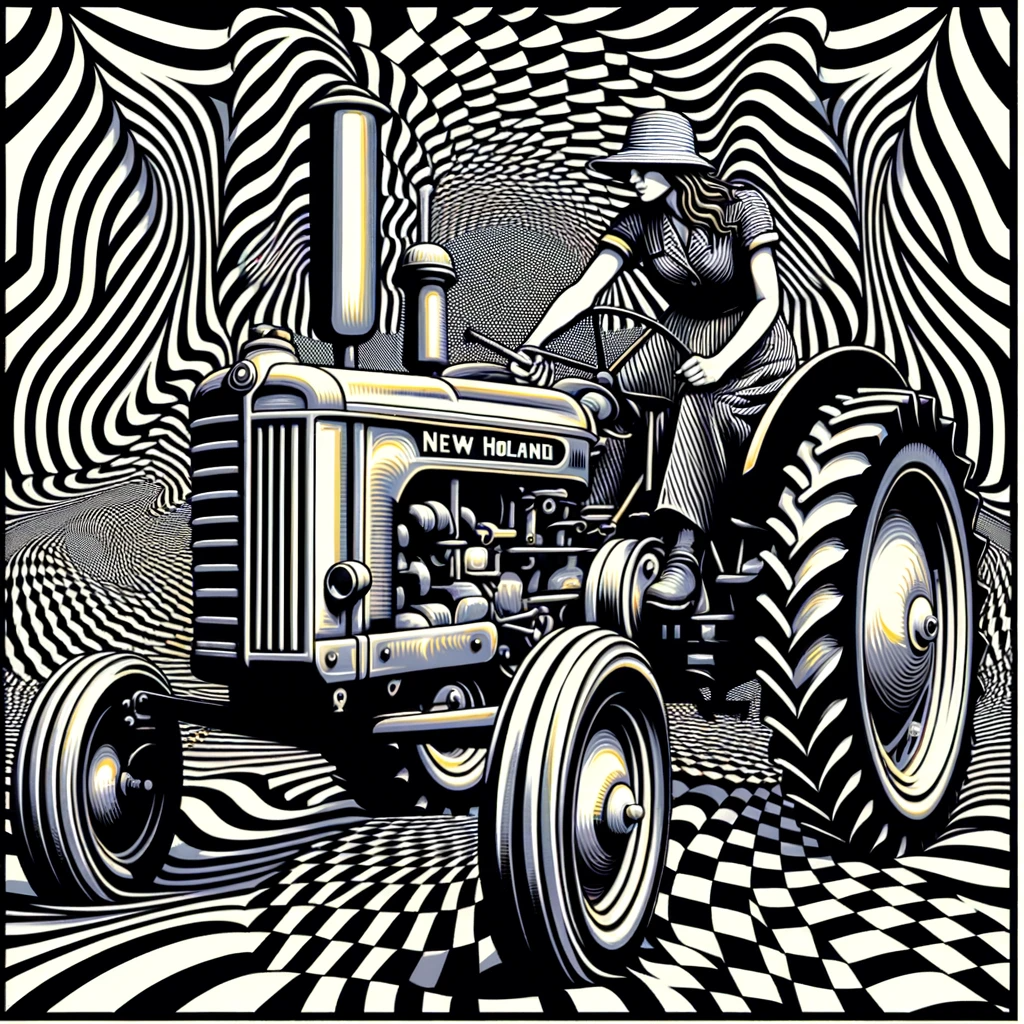
Are Simple Tractors Making Farmers Feel More Fulfilled?
Conclusion
Conclusion: The Heart of Farming – Navigating Simplicity in a Complex World
As we pull back the curtain on the daily lives of farmers, it becomes clear: farming isn’t just a job; it’s a calling, a generational bond, an intricate dance with nature. In contrast to the shiny, complex tractors that promise the world yet often leave operators feeling overwhelmed, simple machines provide a comfort that resonates at every level of our humanity. Just imagine a farmer waking up with the dawn, stepping onto familiar ground, and revving up their trusty tractor. This is more than equipment—it’s part of their identity, a trusted partner in the annual cycle of life, labor, and legacy.
From an emotional standpoint, these trustworthy tractors stir nostalgia and feelings of connection. They evoke memories of sharing laughter and labor with family, reminding us of what’s truly important in our fast-paced lives. Each kick of the tractor strengthens the bond between farmer and land, underscoring the significance of simplicity in a complex world.
Rationally, the appeal of uncomplicated machinery is clear: simplicity means reliability, less opportunity for breakdown, and more independence for farmers. After all, fewer moving parts translate to fewer problems. Moreover, embracing these straightforward machines aligns with sustainable practices; they don’t just support the farmer—they cultivate long-lasting stewardship of the land we all depend on.
The ethical imperative is equally compelling. A community flourishes when farmers are free to nurture their crops without the anxiety brought by the latest tech trends. When we support simpler solutions, we foster a culture that values the depth of experience over the superficiality of appearance.
Weaving these threads together, the question of what makes farmers truly fulfilled becomes increasingly apparent: a return to the essential, to community bonds, shared experiences, and the genuine joy that comes from engaging directly with the land. Whether it’s gathering over coffee at the local diner to share triumphs and trials or embracing the collective wisdom that shapes their decisions, farmers thrive in an environment of understanding and neighborly support.
So, the choice is clear. In a world overwhelmed with technology, let’s spotlight the rich, fulfilling connections that simple tractors offer. By championing their values and embracing this uncomplicated approach to farming, we not only pave the way for individual fulfillment—but ignite a communal spirit that nourishes us all. When these farmers smile behind the wheel of simplicity, they remind us that sometimes, less truly is more.
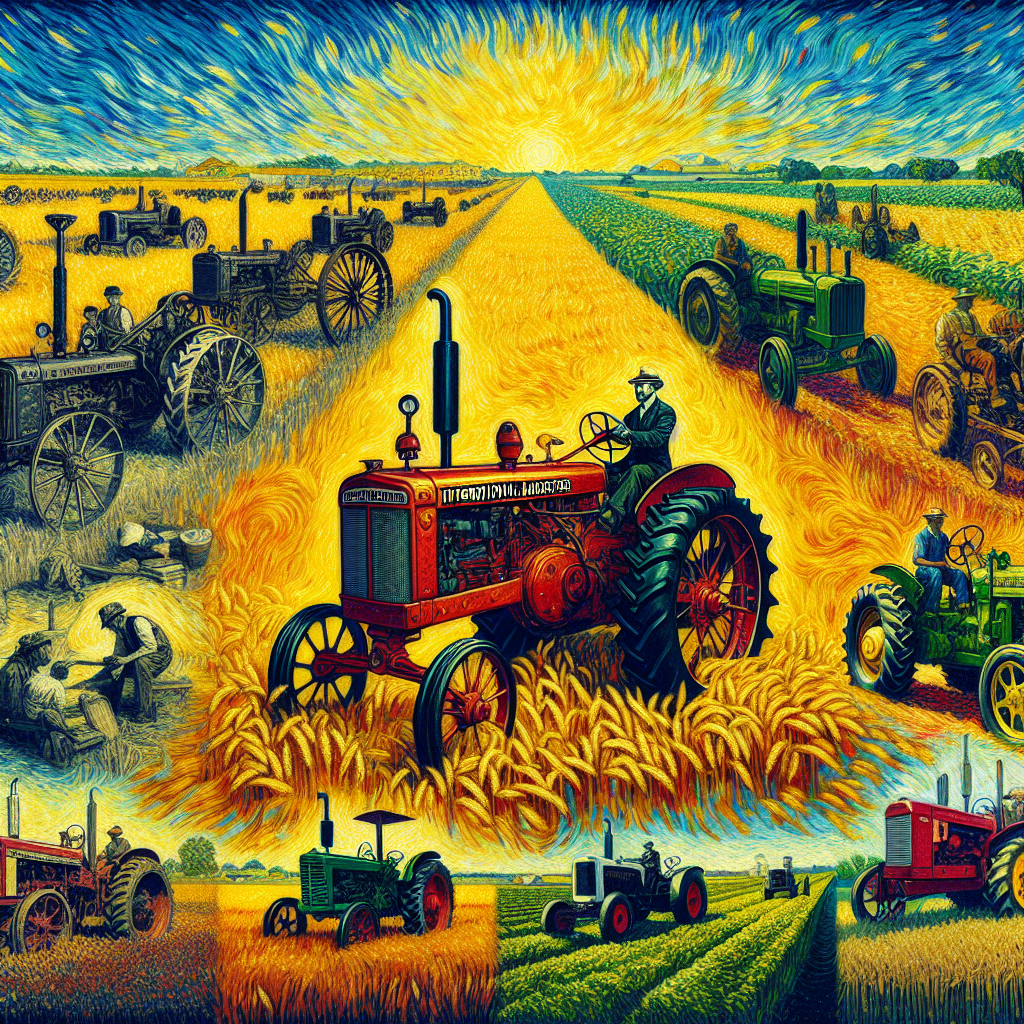
Conclusion
Conclusion:
- Farming is portrayed as a calling and a generational bond intertwined with nature.
- Simple tractors offer comfort and resonate with farmers’ identities, becoming trusted partners in their work.
- Emotional connections to tractors evoke nostalgia and reinforce important family ties and shared experiences.
- Simplicity in machinery translates to reliability and less likelihood of breakdowns, enhancing farmers’ independence.
- Simple tractors promote sustainable practices and long-lasting stewardship of the land.
- Supporting uncomplicated solutions fosters community and emphasizes experience over superficial technology trends.
- The pursuit of fulfillment in farming lies in strong community bonds, shared experiences, and joy from working the land.
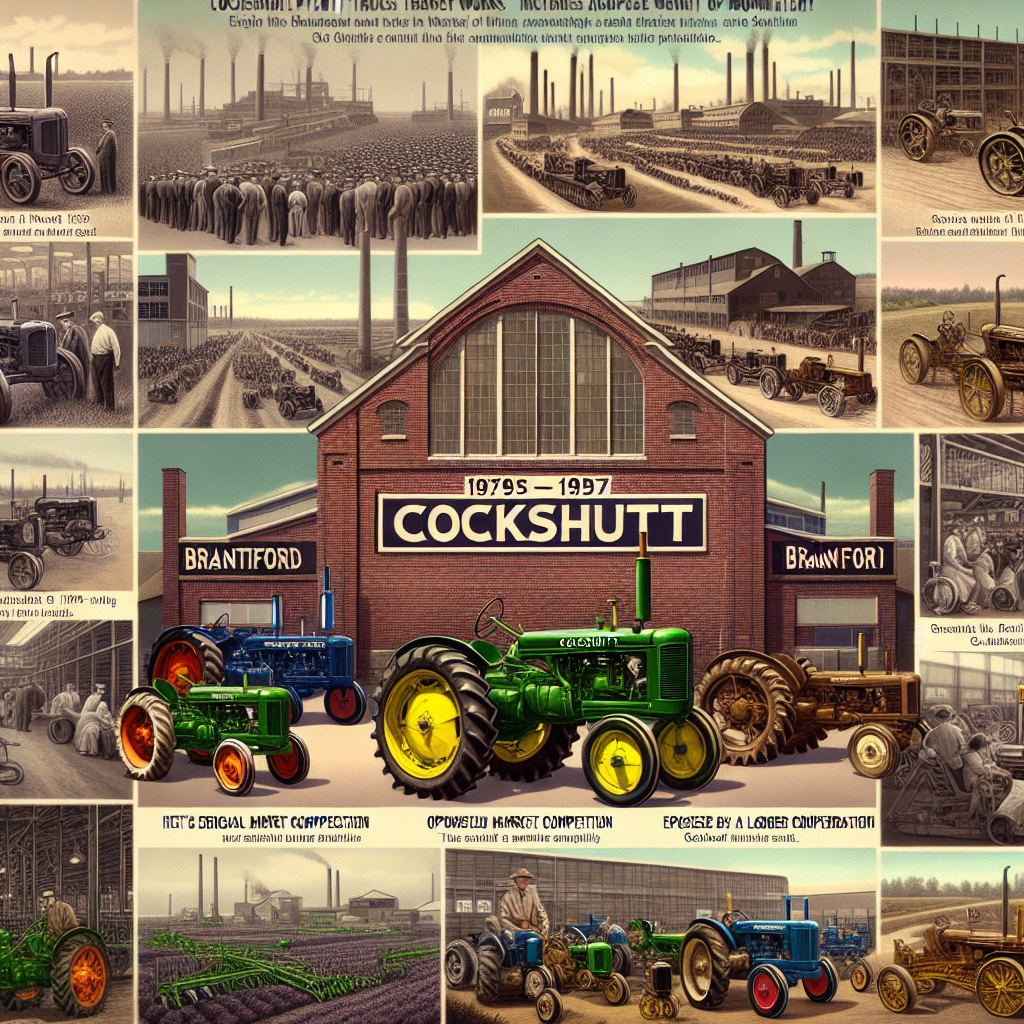
Conclusion
Other Resources
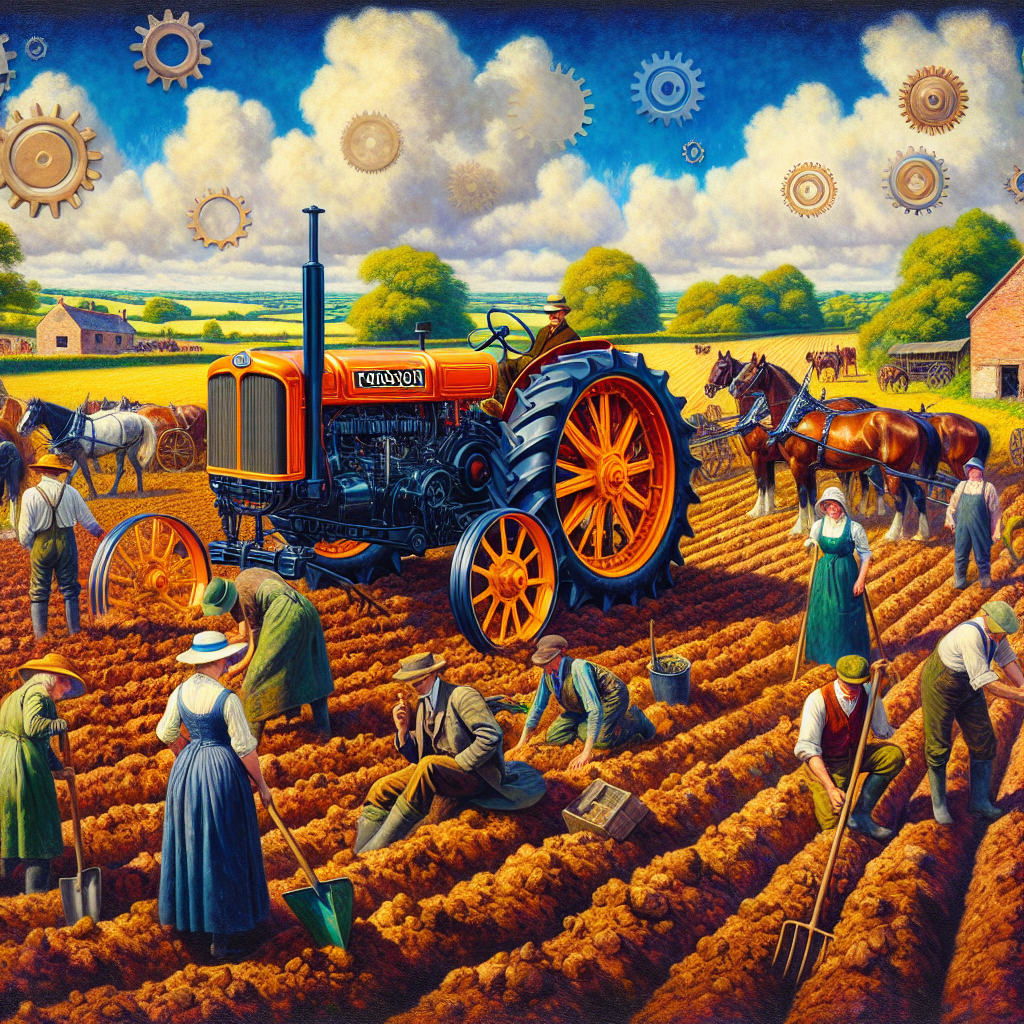
Other Resources
Here is a list of other resources you can review online to learn more:
Use This Prompt To Get More Resources With Your Favorite Online AI Tool: Please provide me with a list of online articles with their URLs in a bulleted list that I can read regarding Are Farmers Happier with Simple Tractors Over Complex Machines
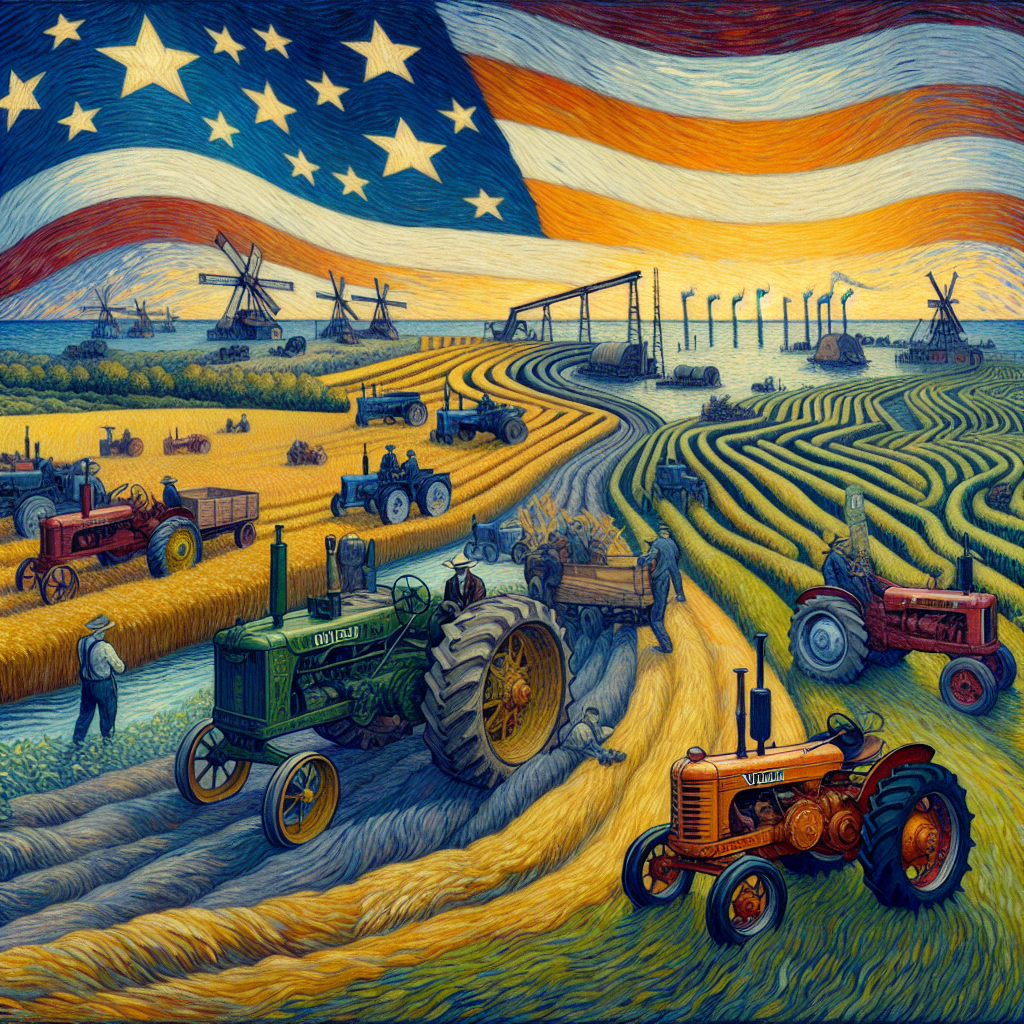
Other Resources
Glossary Terms
Are Farmers Happier with Simple Tractors Over Complex Machines – Glossary Of Terms
1. Agility: The ability of a tractor or machine to maneuver easily and adapt to different farming tasks.
2. Automation: The use of control systems for operating equipment and machinery with minimal human intervention.
3. Complex Machines: Advanced farming equipment with multiple functions and high-tech features, often requiring specialized knowledge for operation.
4. Costs: Financial factors including purchase price, maintenance, and operation expenses associated with tractors.
5. Durability: The capability of a machine to withstand wear, pressure, or damage over time under farming conditions.
6. Ease of Use: How straightforward and user-friendly a tractor or machine is to operate, especially for non-experienced users.
7. Efficiency: The effectiveness of a tractor in performing farming tasks with minimal waste of time and resources.
8. Fuel Consumption: The amount of fuel a tractor uses for operation, impacting operating costs and environmental effects.
9. Implement Attachments: Accessories that can be added to tractors to enhance functionality, such as plows, harrows, and seeders.
10. Maintenance: The actions required to keep a tractor or machine in good working condition, influencing longevity and performance.
11. Mechanical Complexity: The degree to which the inner workings of a tractor or machine require technical knowledge for operation and repair.
12. Operational Flexibility: The ability of a tractor to perform various tasks and adapt to different types of farming activities.
13. Productivity: A measure of the output per unit of input in farming operations, often influenced by the type of machinery used.
14. Reliability: The likelihood that a tractor will perform effectively without frequent breakdowns or failures.
15. Rural Satisfaction: The overall happiness and contentment of farmers living and working in rural areas concerning their equipment and lifestyle.
16. Simplicity: The quality of being easy to understand or use, often a key attraction of simpler tractors.
17. Technology Adoption: The acceptance and integration of new technologies and gadgets into farming practices.
18. Versatility: The ability of a tractor to perform multiple functions effectively, making it suitable for various farming tasks.
19. Workload Management: The organization and distribution of farming tasks to optimize labor and equipment use.
20. Farmers’ Preferences: The individual choices and inclinations of farmers regarding the type of equipment that they favor.
21. User Training: Education provided to farmers to help them operate and maintain their equipment effectively.
22. Safety Features: Components designed to protect the operator and others from harm while using farming machinery.
23. Transmission Systems: The mechanism within a tractor that transmits power from the engine to the wheels, influencing performance.
24. Tax Incentives: Financial benefits provided by governments to encourage farmers to invest in specific types of equipment.
25. Customization: The ability to modify tractors to suit individual farming needs or preferences.
26. Labor Cost: The economic consideration of hiring workers to operate and maintain machinery, impacting overall farming budget.
27. Performance Metrics: Key performance indicators that assess how well a tractor meets the needs of a farm operation.
28. Heritage Tractors: Older models of tractors that may be favored for their simplicity, nostalgia, and reliability.
29. Environmental Impact: The effects of tractor use on the surrounding ecosystem, including emissions, noise, and biodiversity.
30. Market Trends: Current patterns and changes in the agricultural equipment landscape that influence farmer decisions on machinery.
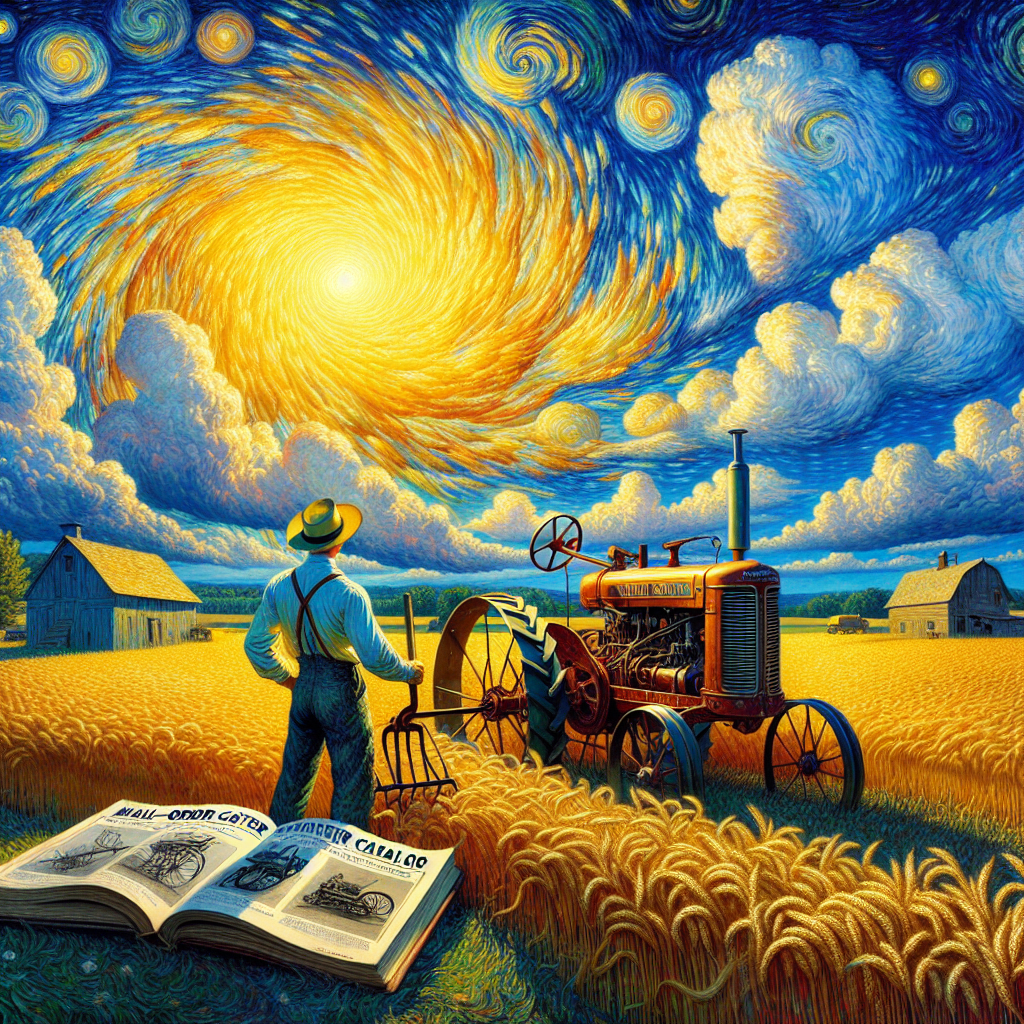
Glossary Of Terms
Other Questions
Are Farmers Happier with Simple Tractors Over Complex Machines – Other Questions
If you wish to explore and discover more, consider looking for answers to these questions:
- What are the main benefits of using simple tractors compared to complex machines?
- How do community opinions influence tractor purchasing decisions?
- What are common challenges faced by farmers using complex machinery?
- How does farmer happiness correlate with agricultural productivity?
- Do simple tractors contribute to better mental health for farmers?
- What features do farmers find most frustrating in high-tech tractors?
- How can farmers balance tradition and technology in their operations?
- What are the long-term environmental impacts of using simple tractors versus complex ones?
- What role does training play in helping farmers adapt to new technologies?
- How do friendships and community bonds among farmers influence their equipment choices?
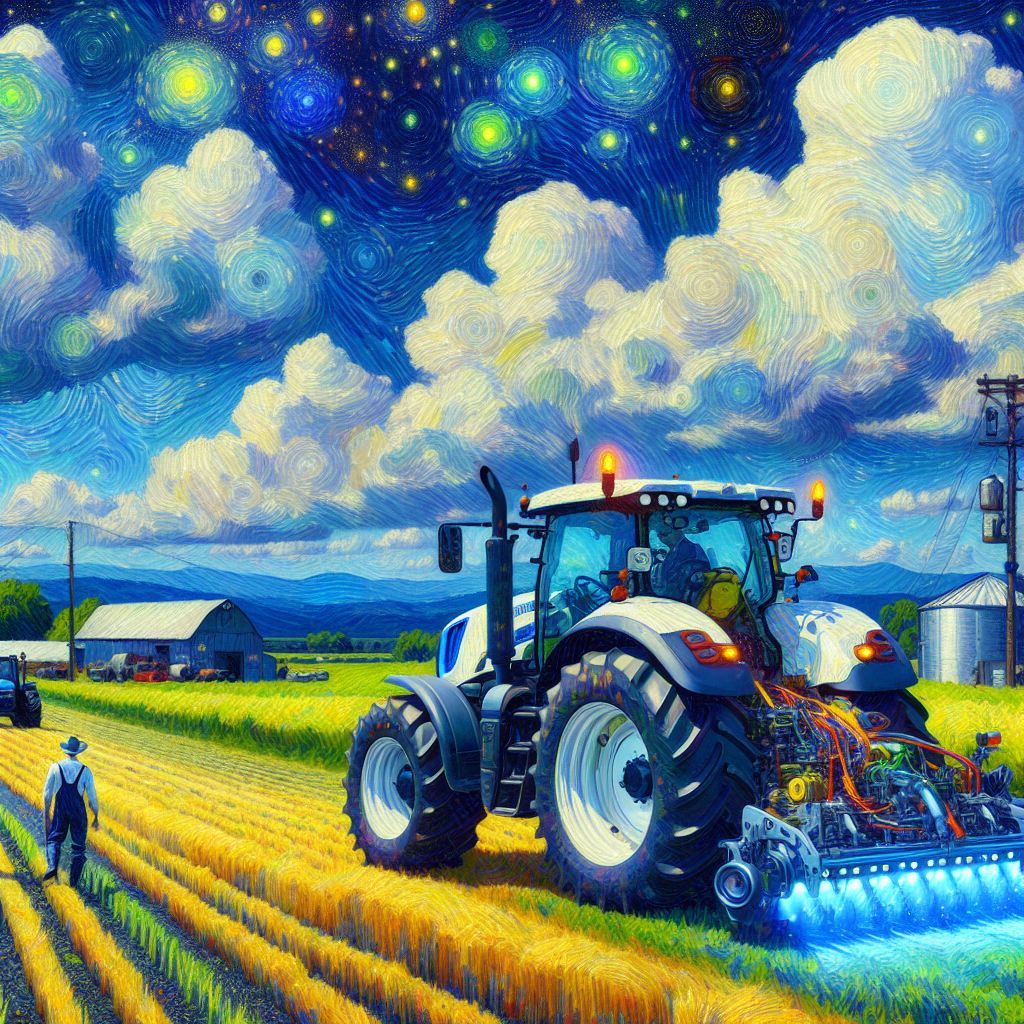
Other Questions
Haiku
Are Farmers Happier with Simple Tractors Over Complex Machines – A Haiku
Rustic wheels turn slow,
Simple hums breathe life anew,
Roots in earth still grow.

Haiku
Poem
Are Farmers Happier with Simple Tractors Over Complex Machines – A Poem
The Heart of the Fields
In dawn’s embrace, a farmer wakes,
With earth beneath, each breath he takes—
Not bound by gadgets shining bright,
But by a simple tractor’s might.
That trusty steed, with rusted charm,
Holds stories of toil, keeps souls from harm.
Each bump a song, each turn a dance,
With every harvest, a faithful romance.
In fields where laughter and sweat entwine,
The pulse of the land is a joyful sign.
For what is farming but a weaving thread,
Of pride and purpose in the soil spread?
Complex machines may promise great yield,
But with them come burdens the heart can’t shield.
A manual thick like ancient scripts,
Turns hope to stress; connection slips.
Yet here in simplicity lies a way,
To ground our spirits and seize each day.
With fewer parts, the burdens decrease,
Trusting hands hold the reins of peace.
Community whispers over coffee cups,
Sharing stories, nurturing trusts,
In shared experiences, wisdom grows,
As farmers exchange the highs and lows.
Through trials faced, together they stand,
For each knows the rhythm of the land.
In joy, a farmer takes heart in the ride,
For happiness sprouted will flourish with pride.
So let’s champion the ones who toil,
In the fields where dreams meet resilient soil.
Let their laughter ring out, let their burdens lighten,
For when farmers are happy, a world shines brighter.
Embrace the simple, the trusted, the true,
In the hum of a tractor, the promise anew—
Together we’ll cultivate not just the land,
But a legacy woven by heart, head, and hand.
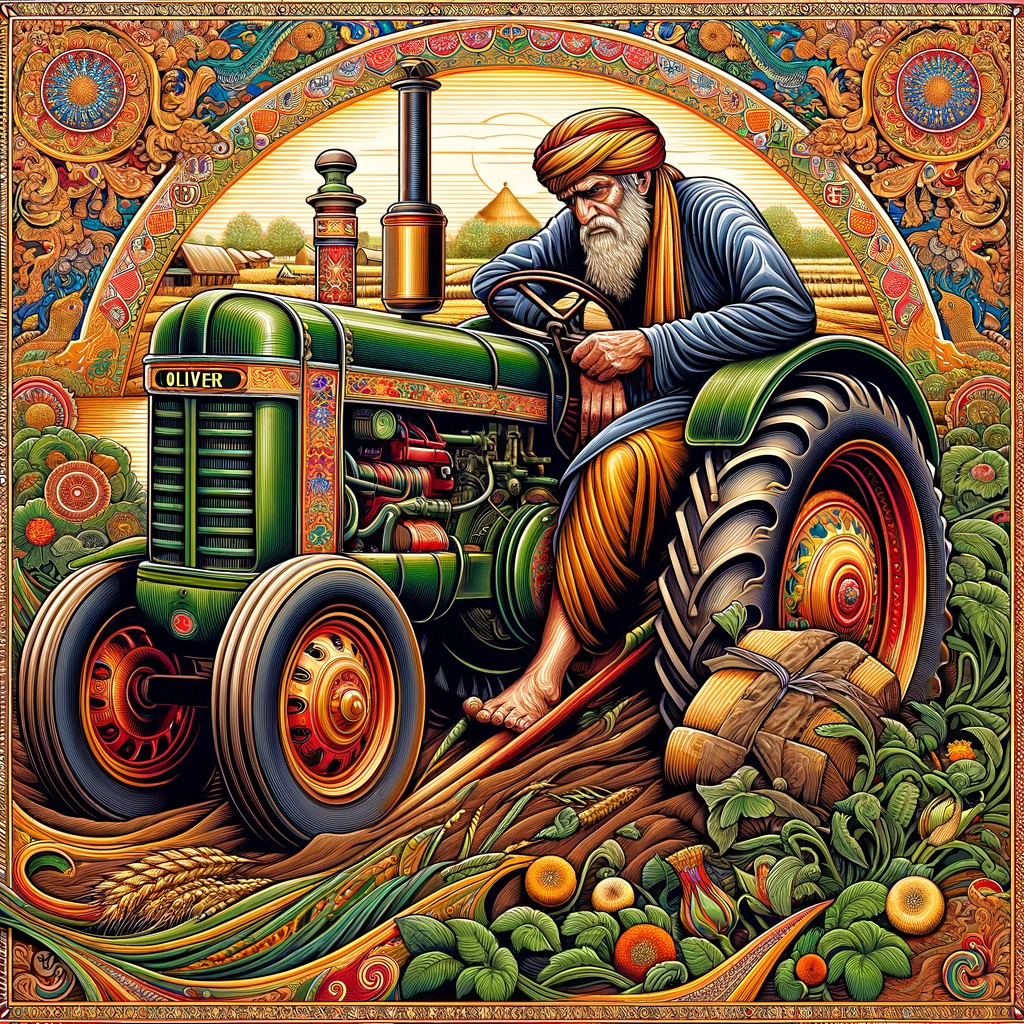
Poem
Checklist
Are Farmers Happier with Simple Tractors Over Complex Machines – A Checklist
Checklist: Embracing Simplicity and Community in Farming
Emotional Appeal
1. Reflect on Your Memories: Take a moment to recall a cherished memory associated with farming, whether it’s learning from family or working on the land. What emotions does that bring up for you?
2. Nostalgia in Simplicity: Consider the joy you find in simple, everyday activities. How can that sense of simplicity be integrated into your farming practices?
Rational Appeal
3. Assess Machine Reliability: List the main tasks you perform with your current machinery. Are there simpler machines that could accomplish these tasks more reliably and cost-effectively?
4. Maintenance Checklist: Write down any issues you’ve encountered with complex machinery. How often does maintenance disrupt your workflow compared to simpler alternatives?
Ethical Appeal
5. Sustainability Assessment: Evaluate the environmental impact of your current equipment. Are there more sustainable options that align with your values?
6. Community Contribution: Think about how your equipment choices affect local economies. Are you considering brands or manufacturers that support your community?
Authority Appeal
7. Learn from Experience: Gather feedback from fellow farmers or agricultural experts about their experiences with simple versus complex machinery. What insights can be gained?
8. Educational Resources: Identify resources (e. g. , workshops, online courses) that can help you understand the benefits of simple farming techniques.
Narrative Appeal
9. Share Your Story: Write a brief paragraph about your farming journey. How does it resonate with the themes of tradition and simplicity?
10. Connect with Others: Participate in local farming forums or social media groups to share stories and gain insights about the emotional connection farmers have with their equipment.
Social Appeal
11. Community Engagement: Plan to meet with fellow farmers to discuss the emotional impacts of machinery choices. What common experiences can you find?
12. Support Local Farmers: Consider forming a group to buy machinery collectively or share stories and experiences on social media to encourage a sense of community.
Gut Appeal
13. Follow Your Instincts: Reflect on how operating a tractor makes you feel. Does a simpler machine spark joy and a sense of fulfillment?
14. Trial and Error: If feasible, test drive a simpler tractor. How does the experience compare to using more complex machinery in terms of ease and enjoyment?
By following this checklist, you can deepen your connection to your farming practices, foster community relationships, and embrace the joy found in simplicity. Remember, farming is about more than just the crops; it’s about building a legacy and a fulfilling life.
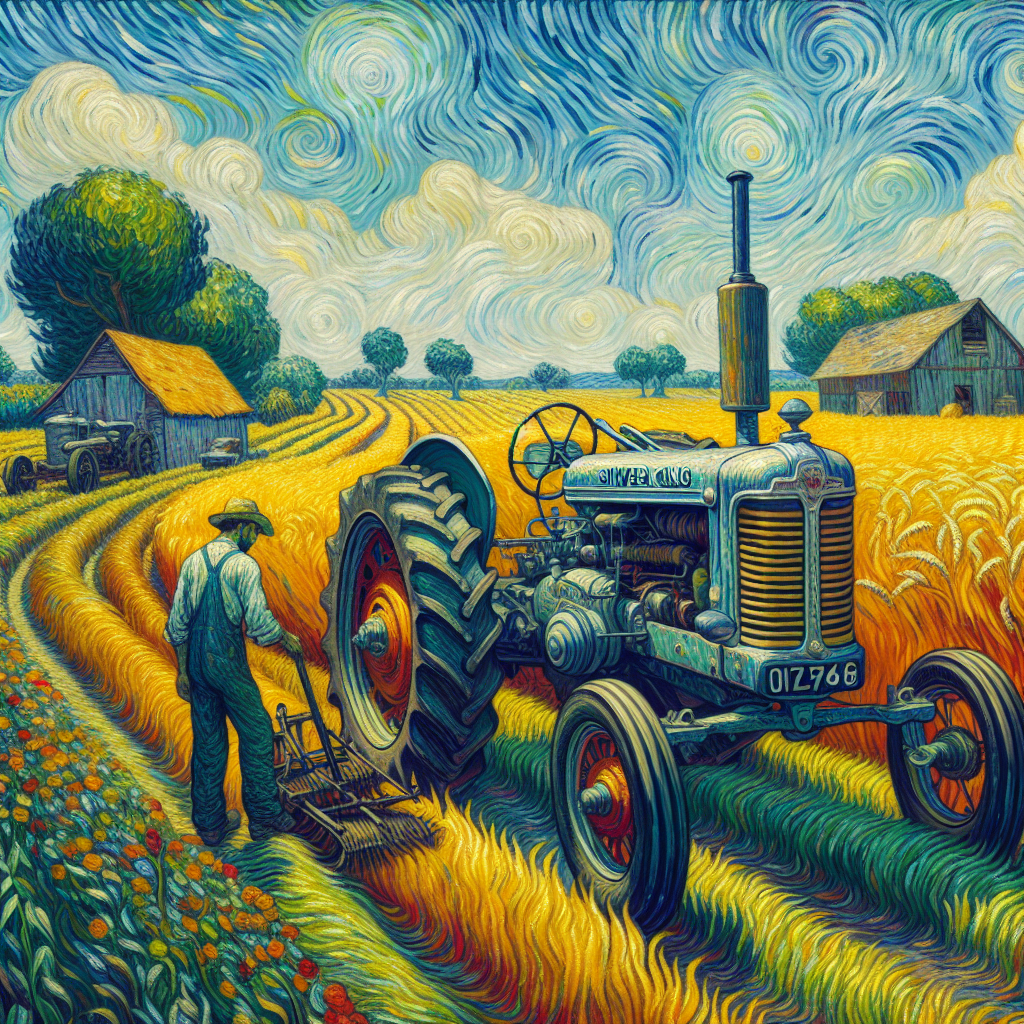
Checklist
At ClassicTractorNews, we help tractor lovers keep up with the latest news for classic and vintage tractors.
Please share this post with your friends, family, or business associates who may like old classic or vintage tractors.