

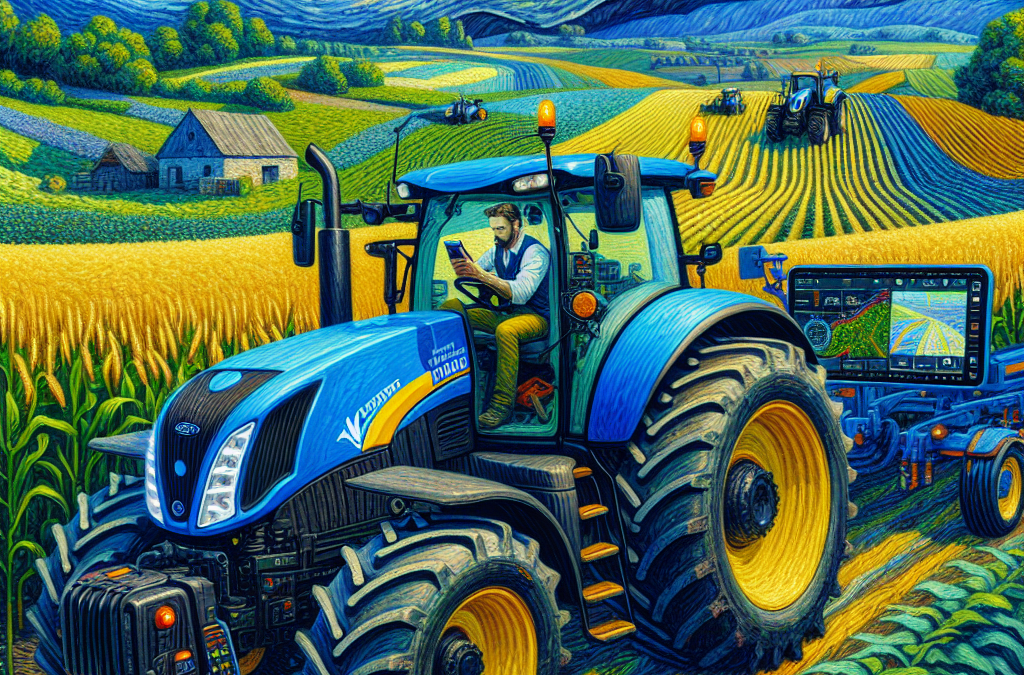
Reviving Tradition: The Surprising Impact Of Classic Equipment On Farmers
By Tom Seest
At ClassicTractorNews, we help tractor lovers keep up with the latest news for classic and vintage tractors.
Please share this post with your friends, family, or business associates who may like old classic or vintage tractors.
Are Farmers Finding Greater Success with Classic Equipment
?
In the sprawling fields where the earth meets the sky, there’s a sentiment among farmers that transcends the clatter of modern machinery—a growing belief that sometimes, the old ways are the best ways. There’s a story in every worn tractor parked in the sunlight, a tale of perseverance, hard work, and tradition that speaks to the very soul of farming. In an age where shiny, high-tech gadgets promise to revolutionize agriculture, some are turning back to the classic equipment that stood faithfully through decades of toil.
For many, the appeal lies not just in nostalgia but in tangible results. Classic tractors often boast simplicity, reliability, and ease of repair. These machines, built to last, embody the spirit of resilience that farmers hold dear. Unlike their tech-heavy counterparts, which may require a degree in astrophysics just to implement a software update, these stalwarts can be understood and maintained by anyone willing to roll up their sleeves. The emotional investment in these old machines is palpable; with every turn of the wrench and splash of grease, farmers cultivate not only their crops but also a sense of connection to their heritage.
From a rational standpoint, the decision to invest in older equipment makes sense. Modern tractors can carry a hefty price tag, and when profit margins are tight, the financial calculations can feel like a high-stakes gamble. By opting for classic models, farmers are reclaiming control, reinvesting those savings directly into their land, which nurtures their crops and their livelihood. It’s not just a penny-wise decision; it’s a pivotal moment in reclaiming autonomy over one’s farming destiny.
Ethically, there’s a powerful undercurrent in this movement toward sustainability—a commitment to minimizing waste and honoring the legacy of machinery that served their families for generations. By refurbishing and repurposing, farmers aren’t just saving money; they’re contributing to a culture of responsible stewardship that resonates deeply with communities.
This trend isn’t just a flicker of nostalgia; it’s a robust declaration of identity. It’s an invitation—a chance to slow down, appreciate the tangible, and embrace a way of life rooted in determination and community. When a farmer fires up that vintage tractor, they aren’t just plowing a field; they are reinforcing their bond with the land, their family, and the generations that built a life from it. In a world racing toward automation, they remind us that sometimes, the most rewarding journey is the one that leads us home.
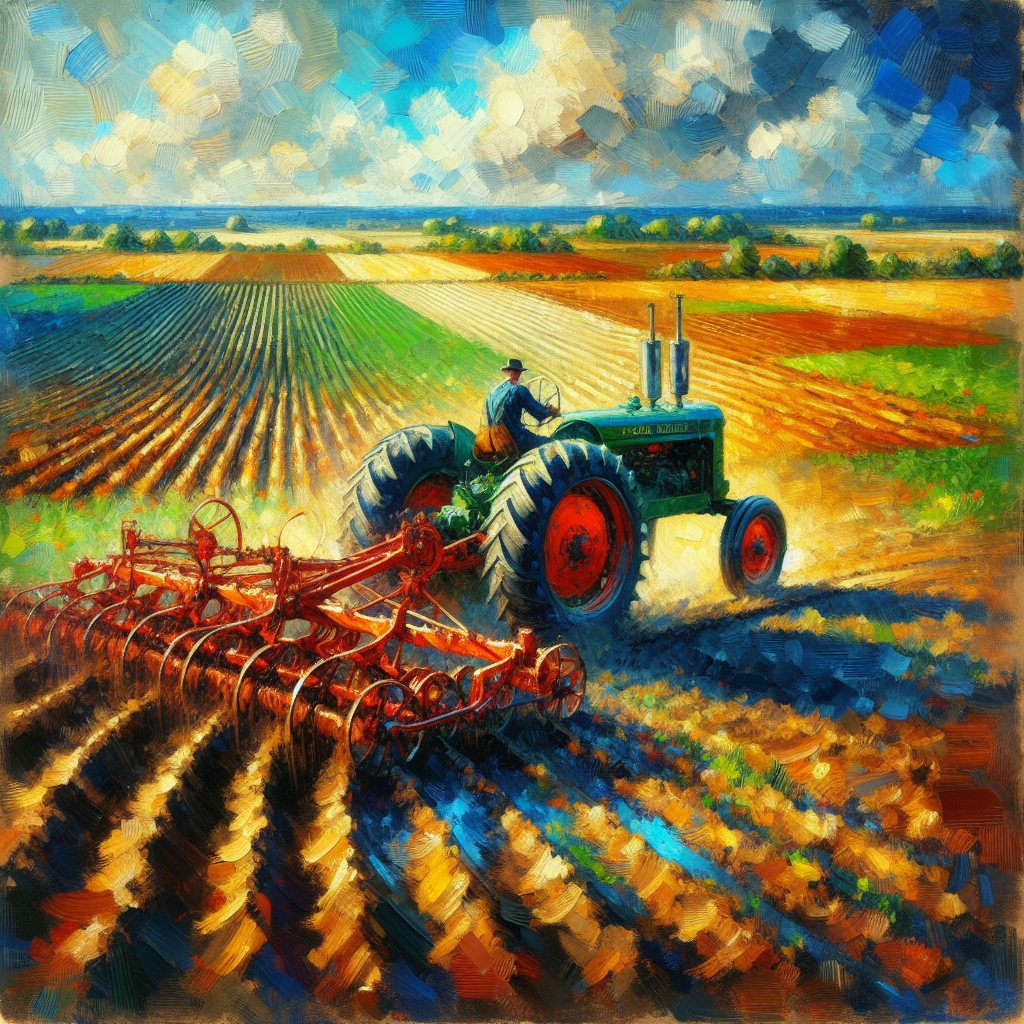
Are Farmers Finding Greater Success with Classic Equipment
Are Farmers Finding Greater Success with Classic Equipment
- Farmers are increasingly turning to traditional farming methods, valuing old equipment over modern machinery.
- Worn tractors symbolize perseverance, hard work, and the enduring spirit of farming tradition.
- Classic tractors offer simplicity, reliability, and ease of repair, in contrast to complex modern machines.
- Investing in older equipment allows farmers to save money and reinvest in their land and crops.
- The movement towards using classic tractors emphasizes sustainability and minimizing waste.
- This trend represents a strong identity declaration, fostering a sense of community and connection to heritage.
- Using vintage machinery encourages farmers to embrace a lifestyle centered around determination and family values.
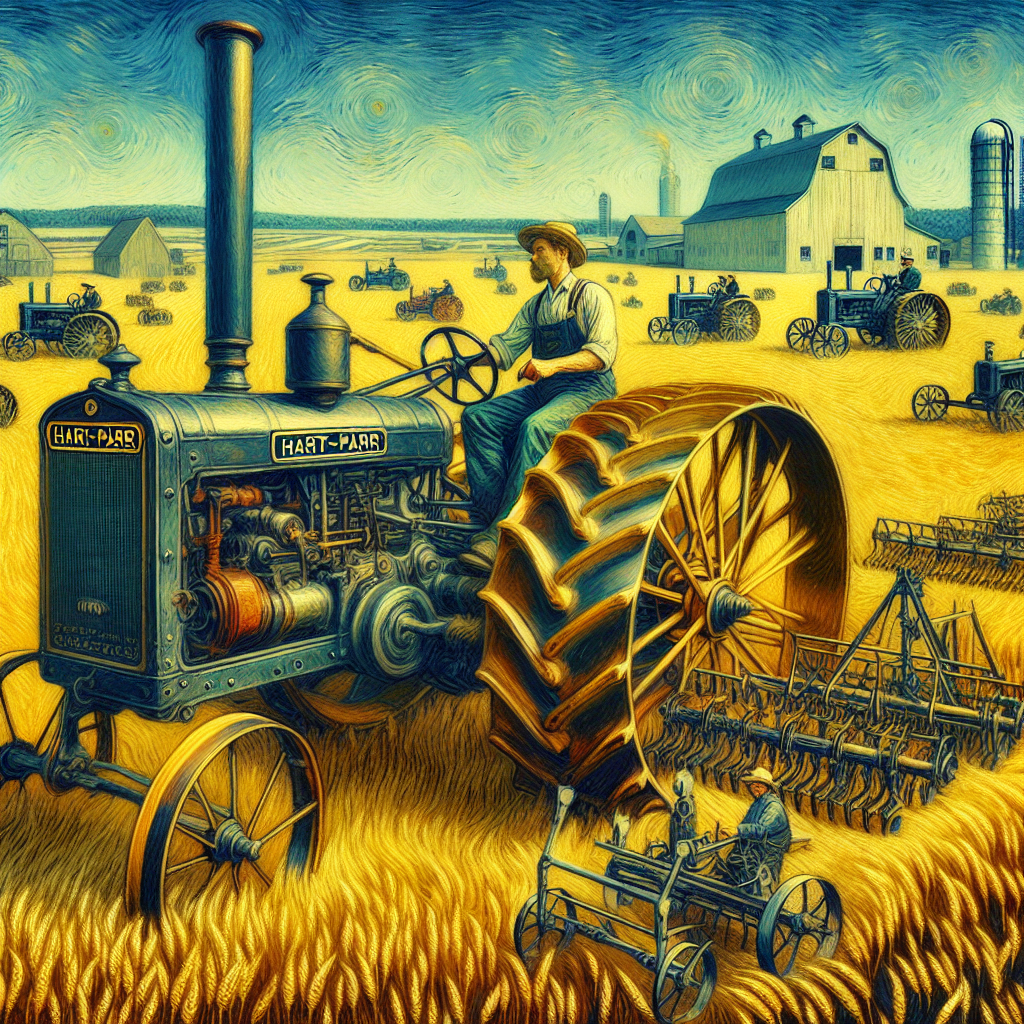
Are Farmers Finding Greater Success with Classic Equipment
Table Of Contents
- Are Farmers Finding Greater Success with Classic Equipment
- Are Classic Farming Tools More Reliable Than Modern Technology?
- How Do Older Machines Impact Crop Yield And Quality?
- Are Farmers Feeling Nostalgic About Using Vintage Equipment?
- What Are The Cost Benefits Of Maintaining Classic Farming Equipment?
- How Does Community Support Influence The Use Of Classic Tools?
- How Does Using Classic Equipment Enhance Farmer Identity And Pride?
- Conclusion
- Other Resources
- Glossary Of Terms
- Other Questions
- Haiku
- Poem
- Checklist
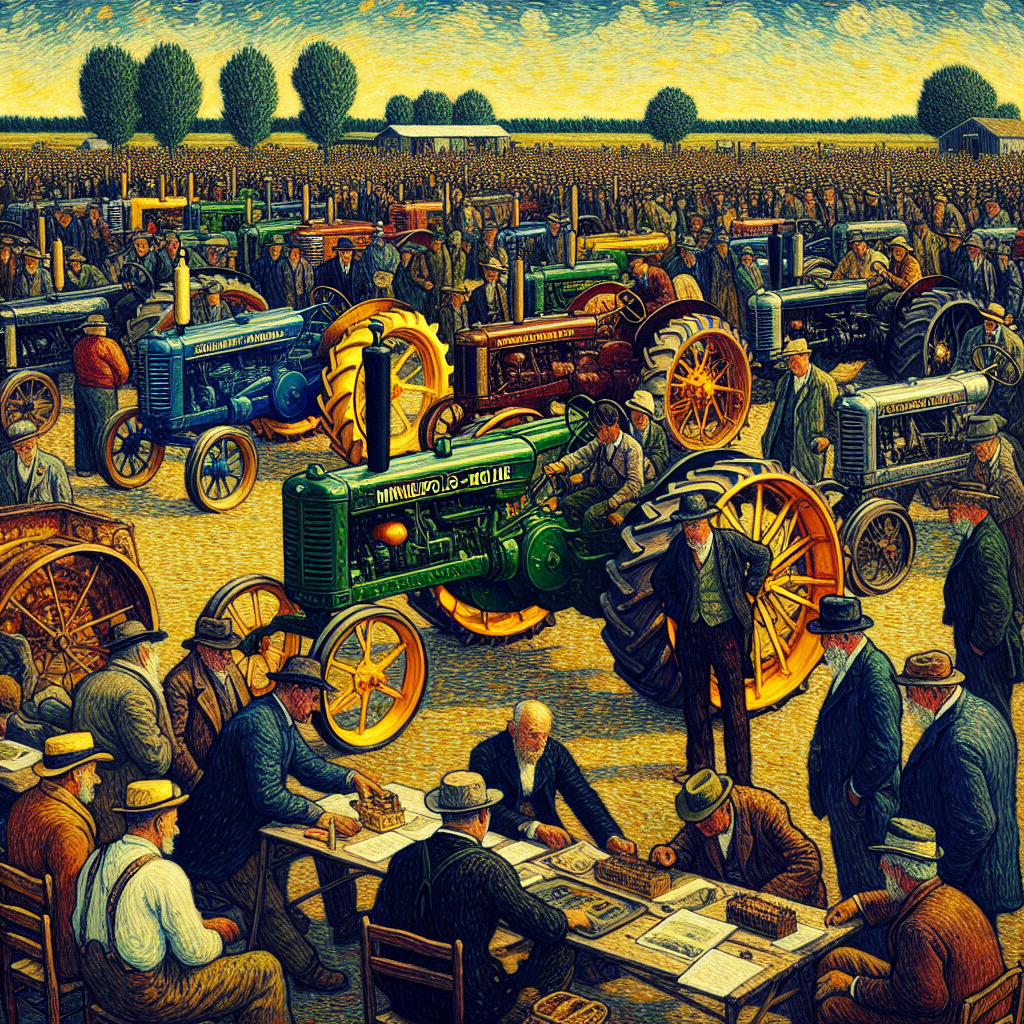
Are Classic Farming Tools More Reliable Than Modern Technology?
In the grand tapestry of farming, there exists a fascinating debate: Are classic farming tools truly more reliable than modern technology? It’s a question that stirs not just the mind, but the heart and soul of every farmer who wakes before dawn, the rooster’s crow echoing the age-old call to work.
All too often, modern life dazzles us with its shiny gadgets—tractors equipped with the latest sensors and GPS systems that promise to revolutionize agriculture. But let’s pause and consider the earthy wisdom embedded in simpler tools. Imagine a farmer gripping the handle of a well-worn plow, its wood etched with stories of perseverance and toil. With each push into the soil, there is a connection—a bond forged between human and earth, a promise that transcends technology. Classic tools remind us that farming is a dance with nature, one that requires patience, understanding, and an intuitive bond that no complex machine can replicate.
Rationally, modern technology boasts efficiency and precision, which undeniably has its merits. But what happens when that sleek tractor breaks down in the middle of a field, the heart of an operation suddenly halted? It’s the farmers who rely on classic methods who often persevere through setbacks, equipped with the knowledge to troubleshoot and adapt. In the hands of those who have learned the rhythms of nature, a simple hoe can often accomplish what a flashy, high-tech gadget cannot.
Ethically speaking, there’s a profound respect inherent in utilizing classic farming tools. These implements are often more sustainable, grounded in practices that honor the earth and its resources. They foster a sense of responsibility that transcends generations—a legacy of stewardship passed down from parent to child. By embracing these tools, we celebrate the past while nurturing a sustainable future, honoring the principles of community and connection.
At the end of the day, whether it’s the hum of a tractor or the gentle clang of a hand-held trowel, the heart of farming lies in the shared experience—the collective spirit of those who work the land. In the age of instant gratification, let’s not overlook the lessons embedded in our history. So, whether you find yourself on a tractor or tilling the soil by hand, remember that farming is about more than just productivity; it’s about resilience, reverence for the earth, and an essential bond that echoes through time.
Are Classic Farming Tools More Reliable Than Modern Technology?
Are Classic Farming Tools More Reliable Than Modern Technology?
- The debate between classic farming tools and modern technology remains a vital discussion in agriculture.
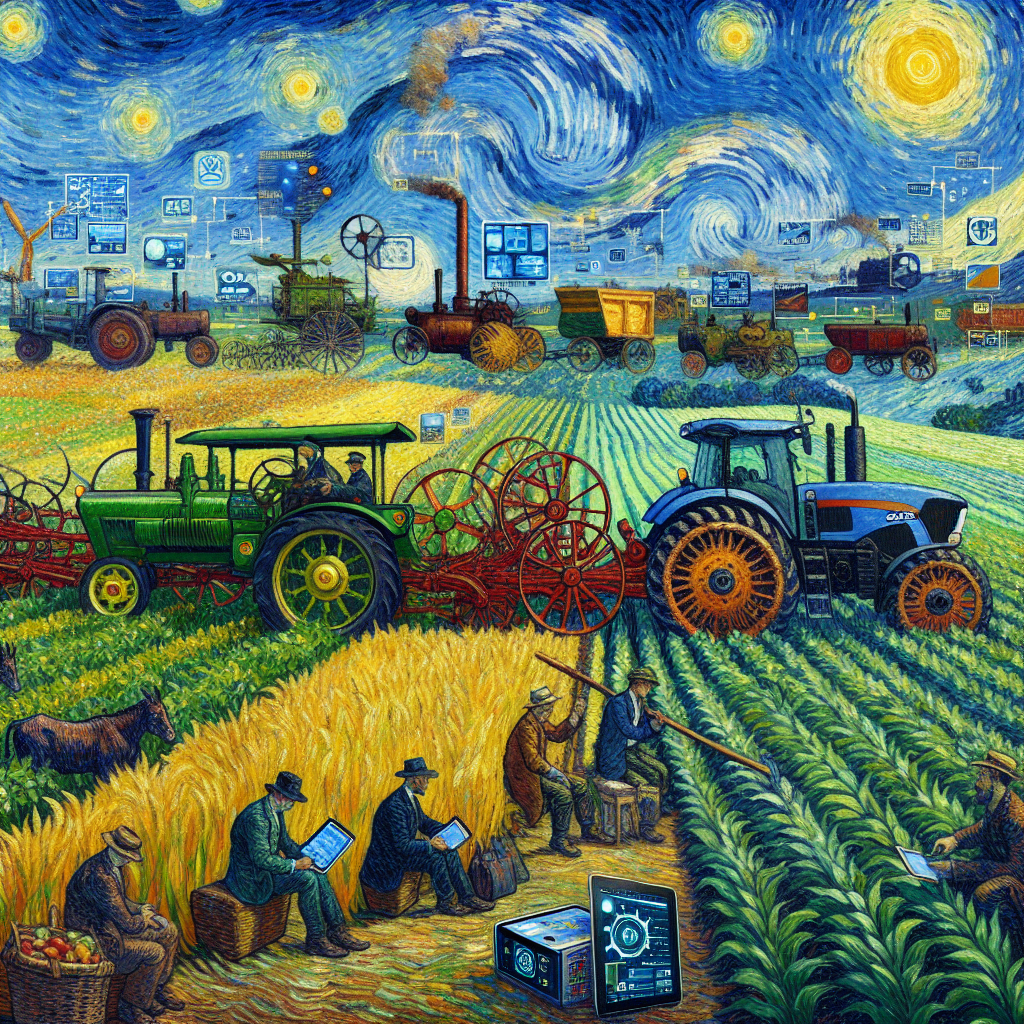
- Modern gadgets, like high-tech tractors with sensors and GPS, promise efficiency but may lack the connection to the earth.
- Classic tools, such as a well-worn plow, symbolize a deep bond between farmers and nature, highlighting the importance of patience and understanding.
- When modern equipment fails, farmers using traditional methods can often adapt better due to their knowledge and skills.
- Classic farming tools promote sustainability and ethical farming practices that respect the earth’s resources.
- These tools also pass on a legacy of stewardship and responsibility from one generation to the next.
- Ultimately, farming is about shared experiences and resilience, reflecting a reverence for the earth that transcends modern advancements.
Are Classic Farming Tools More Reliable Than Modern Technology?
How Do Older Machines Impact Crop Yield And Quality?
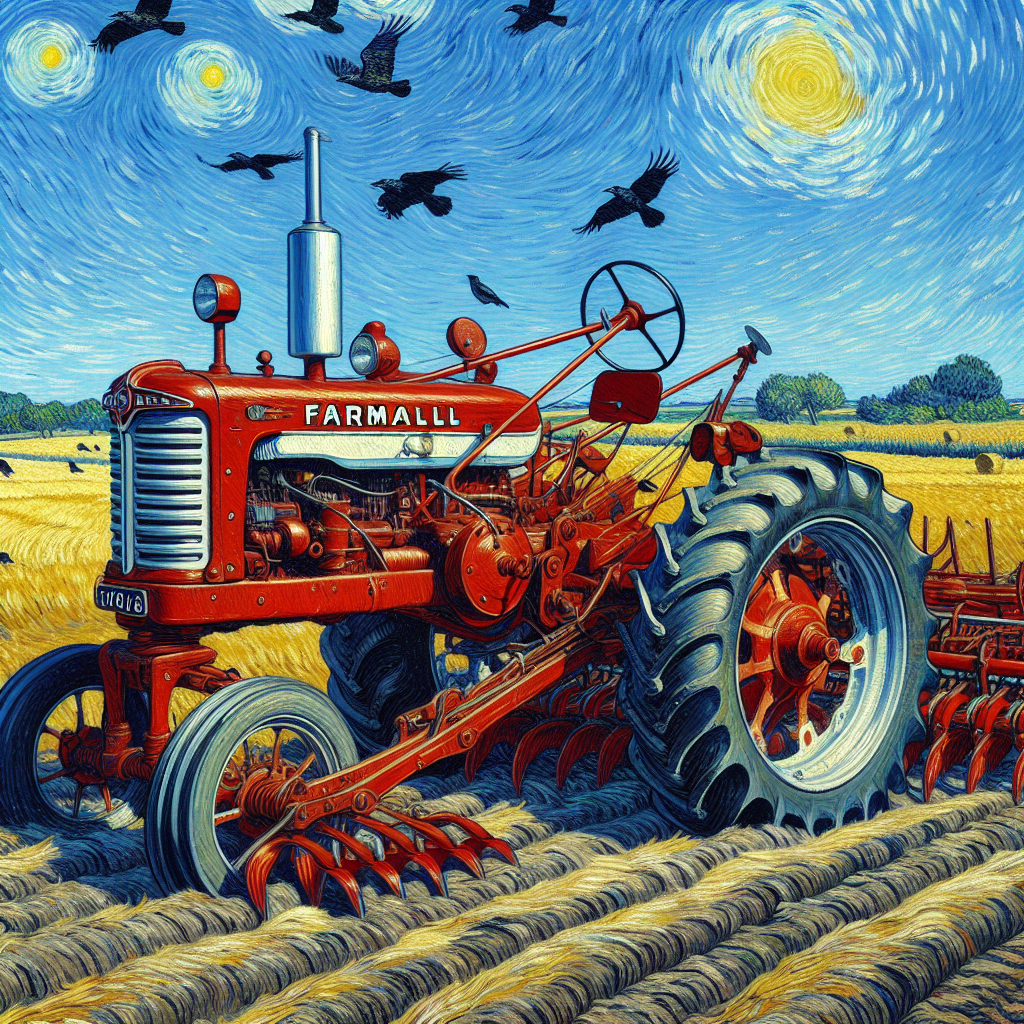
When you step onto a farm, whether it’s the sprawling fields of corn that stretch as far as the eye can see or the intimate rows of heirloom tomatoes nestled close together, the heartbeat of that land can often be traced back to one ancient icon: the tractor. This robust machine, with its dust-covered chassis and unyielding spirit, has long been the backbone of agricultural success. Yet, as we gaze upon those older models, it begs the question: how do they truly impact crop yield and quality?
Let’s take a moment to appreciate the stories these veteran machines tell. Every dent and scratch represents countless days spent under an unforgiving sun, churning tirelessly through the earth. These tractors have a certain grit; their sturdy frames speak to resilience and tradition. But there’s a larger narrative at play. As farmers grapple with modern demands, older tractors can become a double-edged sword.
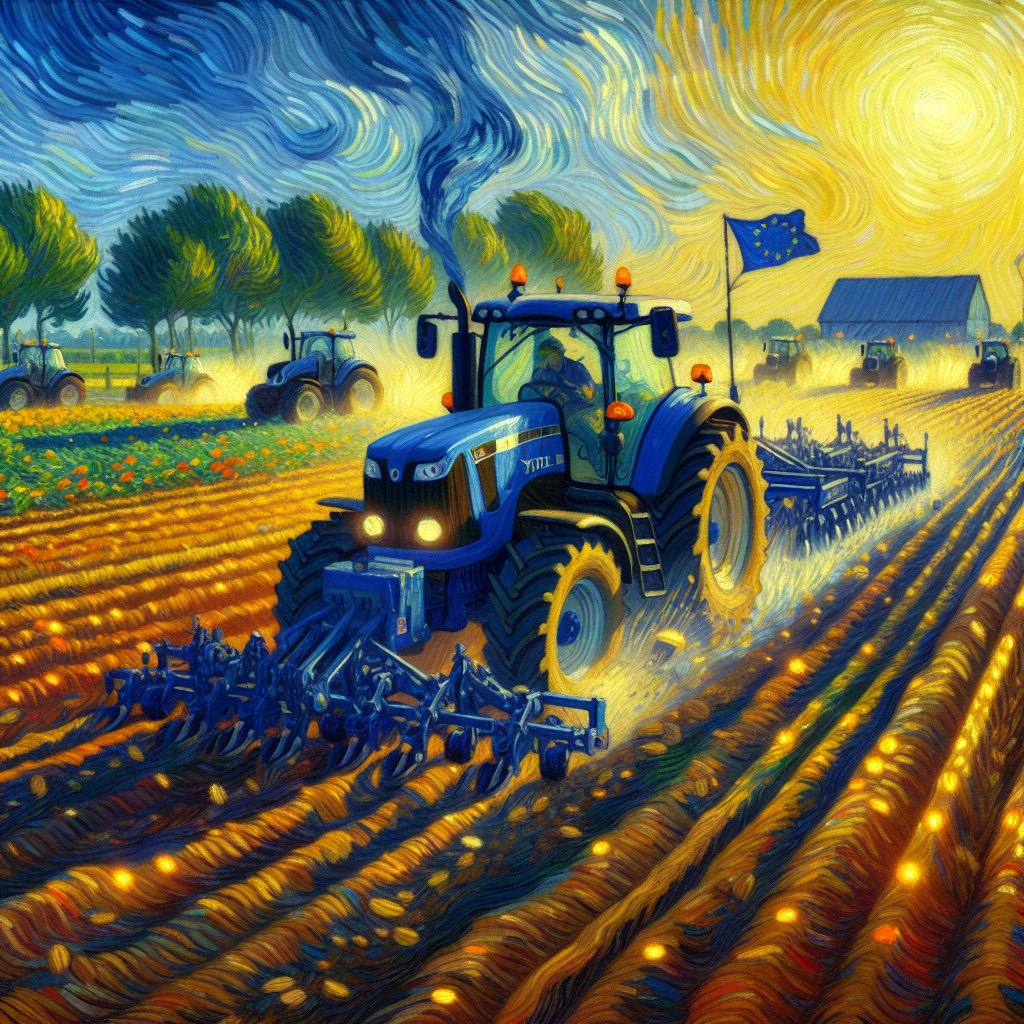
From a rational standpoint, it’s important to recognize that while seasoned tractors are often easier to maintain and require fewer technological upgrades, they lack the precision and efficiency of their newer counterparts. Modern machinery often boasts advanced technology—think GPS systems that minimize overlap and optimize planting. When those fields are precisely tended, it translates to higher yields and crops of superior quality, often requiring less water and fewer chemicals. The math here is clear: by embracing newer innovations, farmers can elevate their productivity and sustainability.
Ethically speaking, it’s about more than just economics. A farmer’s legacy is intertwined with every seed sown and harvested, and the equipment they choose directly impacts the land and the community that depends on it. An aging tractor might evoke nostalgia, but it can’t pull a heavier load forever. More than that, it can place undue stress on the very soil it’s created to nurture. Supporting sustainable farming practices means making tough decisions now to protect the future of our food sources and the environment.
Finally, the social implications are profound. In tight-knit farming communities, the debate rages on—should we preserve the past, or should we forge ahead? As you reflect on the life of an older tractor, remember that its legacy is not just about what works, but who it works for. It’s about nurturing generations to come and cultivating a landscape where both tradition and innovation can coexist. Trust in that wisdom, and take action toward a future where crop yield and quality flourishes on fields nurtured by both old and new.
How Do Older Machines Impact Crop Yield And Quality?
How Do Older Machines Impact Crop Yield And Quality?
- The tractor is a vital symbol of agriculture, connecting modern farming to its historical roots.
- Older tractors have a narrative of resilience, with their wear and tear reflecting years of hard work in the fields.
- Modern tractors, equipped with advanced technology like GPS, enhance crop yield and quality with greater precision and efficiency.
- While older tractors are easier to maintain, they may not offer the same benefits as newer machinery, impacting sustainability.
- A farmer’s choice of equipment affects the land’s health, community welfare, and future food sources, highlighting ethical considerations.
- There exists a debate in farming communities about balancing tradition with technological advancement in equipment choices.
- The future of agriculture relies on integrating both old and new practices to sustain crop quality and yield for generations to come.
How Do Older Machines Impact Crop Yield And Quality?
Are Farmers Feeling Nostalgic About Using Vintage Equipment?
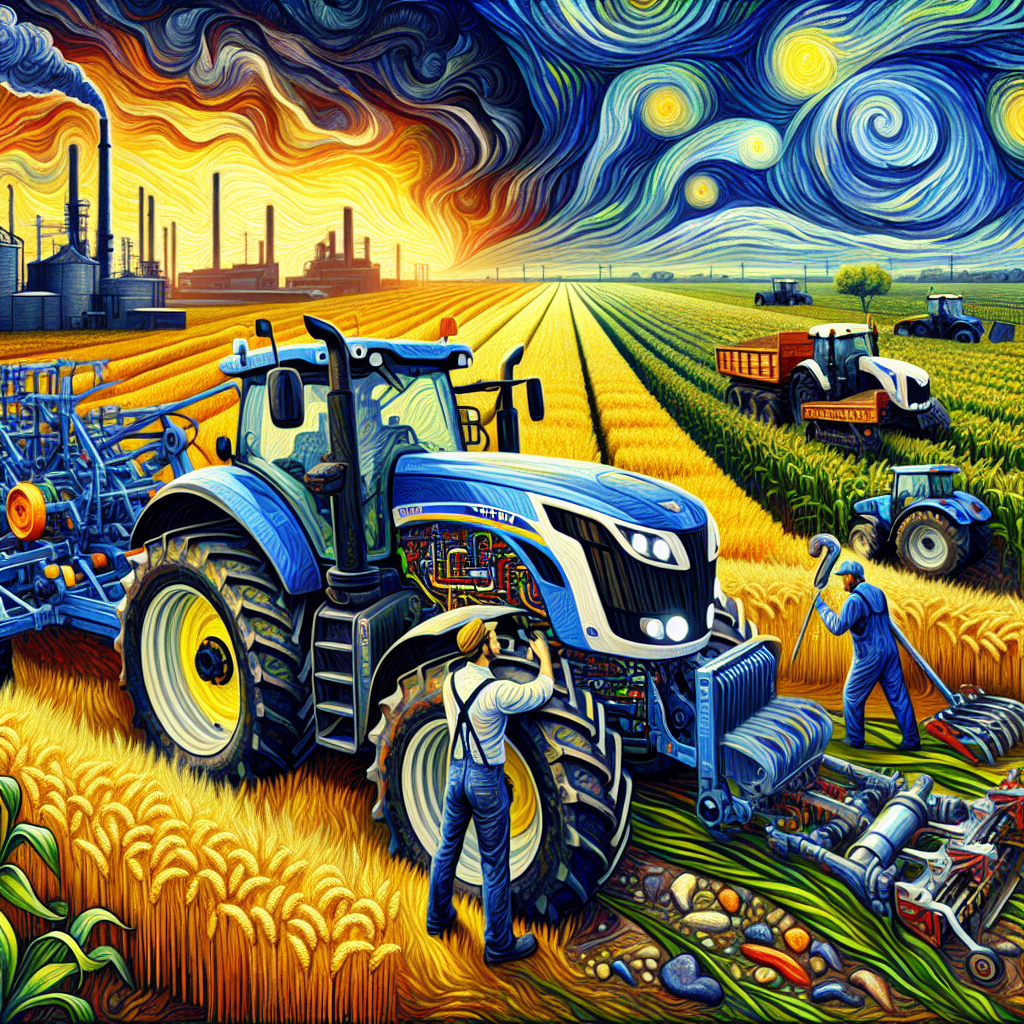
In the vast fields of America, where the soil tells tales of resilience and hard work, you’ll often find farmers looking back fondly on the vintage tractors that once roared like lions among the harvest. These machines, often seen rusting gently in a corner of the barn, embody more than just nostalgia; they represent a heritage that’s deeply woven into the very fabric of our agricultural roots.
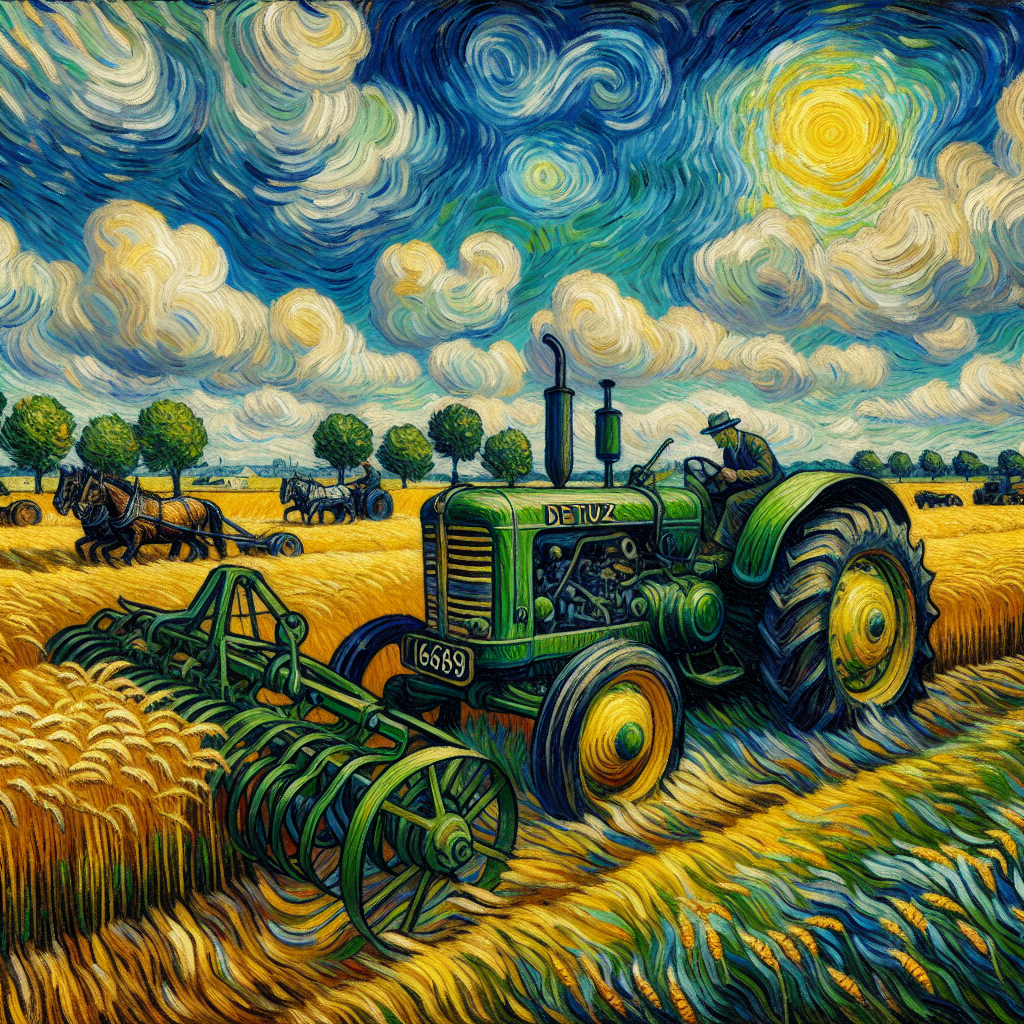
Picture a farmer standing beside a weather-beaten tractor, its paint chipped but its spirit unwavering. This isn’t merely metal and machinery; it’s a keeper of stories, a testament to countless sunrises and sunsets spent plowing, planting, and reaping. Each stripe of faded paint speaks of trials faced and triumphs celebrated. When farmers reminisce about such tractors, they aren’t just whispering to the wind; they are speaking to their ancestors, honoring the hard-earned wisdom of those who tilled the land before them.
But nostalgia isn’t just about connection; it’s also a powerful motivator. In a world dominated by sleek, high-tech equipment promising efficiency and speed, the allure of a vintage tractor often comes with a heavy dose of reality—the grounded understanding that farming is as much about the heart as it is about the harvest. And there’s something ethical about choosing the old over the new. It’s a commitment to sustainability, a nod to simplicity in an increasingly complex world, where shortcuts often trump the tried-and-true methods that proved effective for generations.
When farmers gather to share their passion, there’s a palpable energy in the air, a sense of community built on shared values and mutual respect. They understand that the stories of their equipment are intertwined with their own lives—every scratch on the chassis holds the memory of a child smiling from the seat or a spouse waving from the porch. These moments resonate deeply, strengthening the bonds of kinship and camaraderie among neighbors.
So, as we look forward, let’s not forget the weight of the past. The vintage tractors may not boast the efficiency of modern machinery, but they come with a richness of character that modern equipment struggles to replicate. They remind us that farming isn’t just a job; it’s a legacy. And as they sit under the sun, waiting for a second chance on fertile fields, we’re invited to consider the stories we want to tell—about our land, our work, and the enduring passion that defines us. Embrace that nostalgia; after all, the past has much to teach us when we take the time to listen.
Are Farmers Feeling Nostalgic About Using Vintage Equipment?
Are Farmers Feeling Nostalgic About Using Vintage Equipment?
- Farmers in America often reminisce about vintage tractors that symbolize resilience and hard work.
- These tractors embody heritage, representing the stories and struggles of agricultural life.
- A farmer beside an old tractor serves as a testament to countless hours spent laboring on the land.
- Nostalgia provides a connection to ancestors, honoring the wisdom of previous generations of farmers.
- Choosing vintage tractors promotes sustainability and simplicity in farming practices.
- The sense of community among farmers is strengthened through shared experiences and values tied to their equipment.
- Vintage tractors, despite lacking modern efficiency, carry rich character and symbolize the legacy of farming.
Are Farmers Feeling Nostalgic About Using Vintage Equipment?
What Are The Cost Benefits Of Maintaining Classic Farming Equipment?
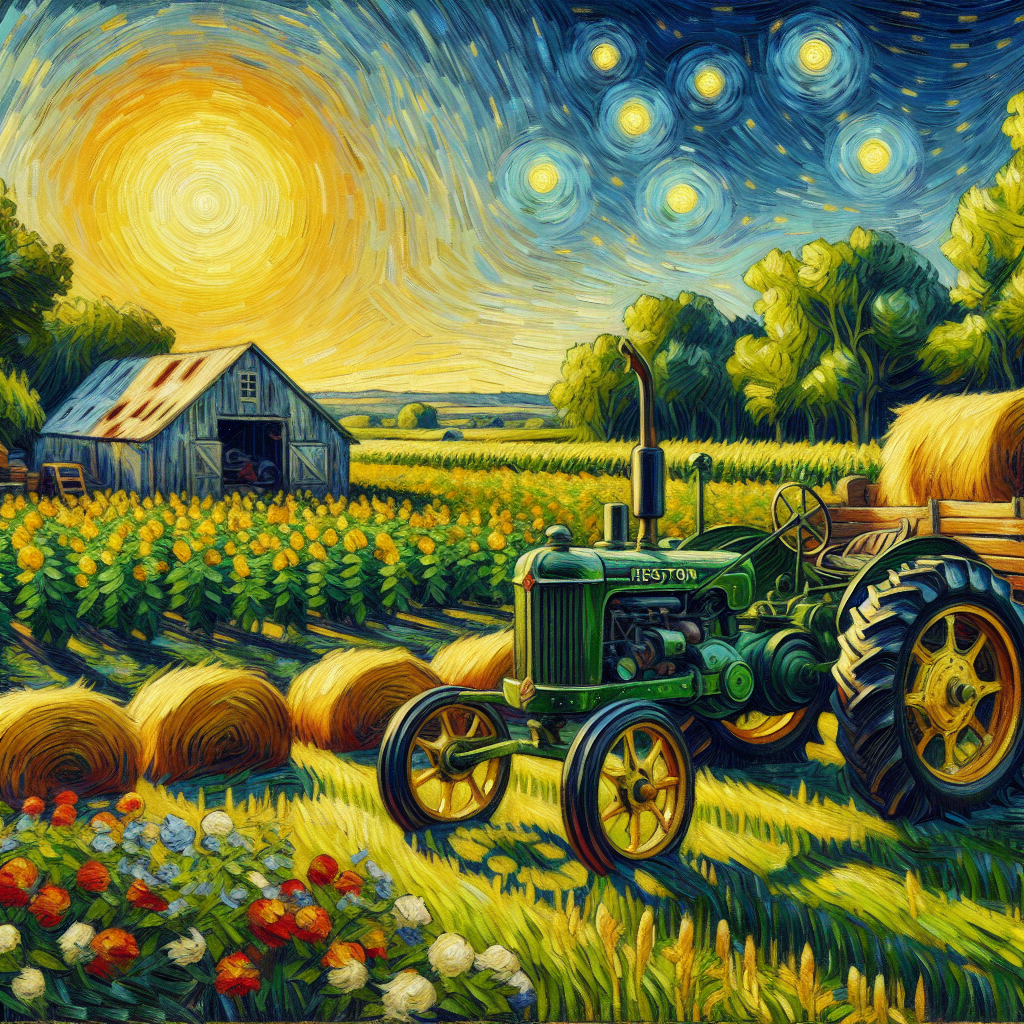
In a world that’s constantly racing towards the next big thing, there’s something profoundly heartening about the old iron that pulls our fields—the classic tractor. Maintaining this rugged machinery isn’t just about preserving a piece of history; it’s an act of love, a bond forged in sweat and toil. Think back to those early mornings when you climbed onto that creaky seat, the engine rumbling to life, and you felt the pulse of the earth beneath your fingertips. It connects you not only to the land but to the generations that came before you.
Now, let’s bring our minds into the fold. Maintaining classic farming equipment is, on its face, a financially savvy move. New tractors may boast the latest in technology and efficiency, but at what cost? The sticker price can make your wallet ache, and let’s not even get started on maintenance and repairs for high-tech gadgets that can often outsmart their own operators. Classic tractors, in contrast, offer simpler designs that are often easier—and cheaper—to fix. A good mechanic can work miracles on a vintage machine, which translates to lower long-term costs. It’s a smart, rational choice that favors practicality over pretense, breathing life into your investment.
But there’s more at play here than mere dollars and cents. There’s an ethical responsibility we hold, a duty to preserve the legacy of farming as a way of life. When you nurture those old machines, you’re also honoring the resilience and grit of those who farmed before you. Each scratch on the fender carries with it a story—a reminder that farming is not just about production; it’s about community, heritage, and the shared ethos that has stitched us together over generations.
Socially, maintaining classic farming equipment inspires admiration among peers. When folks see you driving that beautifully restored tractor down the row, it’s more than just a piece of machinery; it’s a statement that you value tradition. You stand as an authority, the caretaker of a vanishing breed, one who understands not only the mechanics but also the artistry involved.
So let’s rally around the tractors that have weathered storms and seasons, those steadfast companions that have borne our burdens. The choice to maintain classic farming equipment is clearer than it may seem—it’s about celebrating the past while ensuring a sustainable and sensible farming future. Embrace that passion, and realize that in every bolt turned, you are also turning the wheels of an enduring legacy that enriches our lives and our land.
What Are The Cost Benefits Of Maintaining Classic Farming Equipment?
What Are The Cost Benefits Of Maintaining Classic Farming Equipment?
- The classic tractor symbolizes a connection to farming heritage and history.
- Maintaining vintage tractors is a financially savvy choice, offering simpler designs that are easier and cheaper to repair.
- Classic tractors represent practicality over modern technology, resulting in lower long-term costs.
- Preserving old machinery honors the resilience of previous generations of farmers.
- Each vintage tractor carries its own story, reflecting the values of community and heritage in farming.
- Restoring classic tractors garners respect and admiration, highlighting the importance of tradition.
- Choosing to maintain traditional farming equipment sustains a legacy while promoting a sensible future for agriculture.
What Are The Cost Benefits Of Maintaining Classic Farming Equipment?
How Does Community Support Influence The Use Of Classic Tools?
How Does Community Support Influence the Use Of Classic Tools?
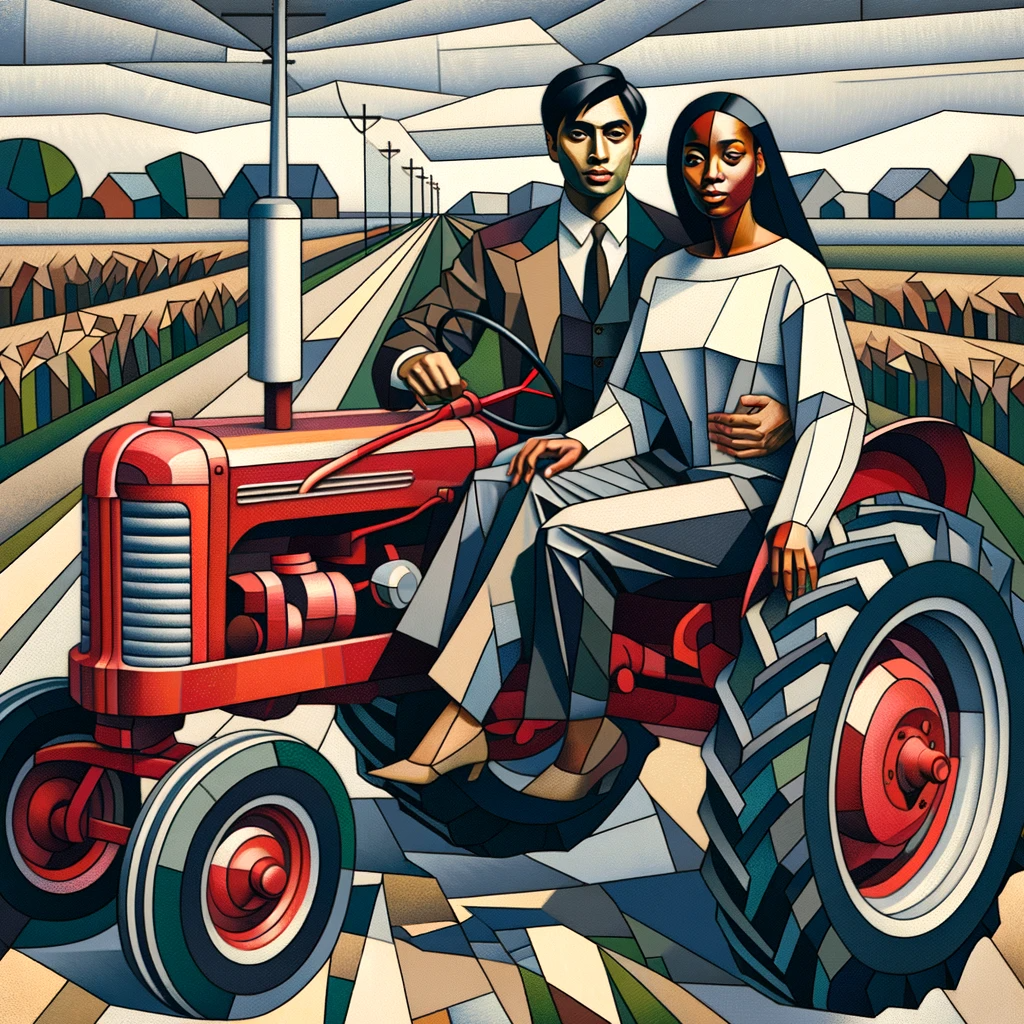
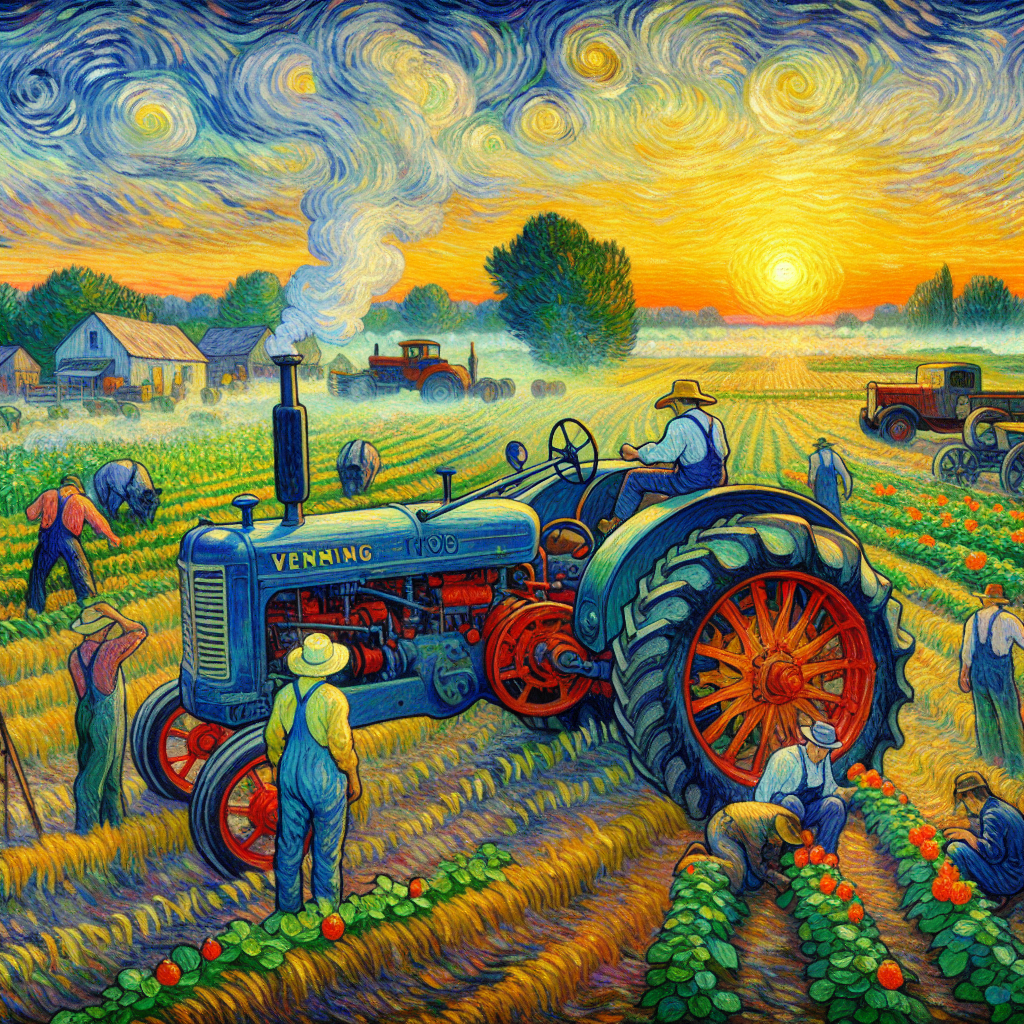
Imagine a tractor, sturdy and reliable, plowing the fields of a small town, long-established and steeped in tradition. This isn’t just machinery; it’s an extension of the community. You see, when folks rally around classic tools like tractors, they aren’t merely preserving outdated tech; they’re nurturing a connection to their roots. It’s about legacy. It’s about a sense of belonging that transcends the mundane.
Communities, after all, shape the narrative around these tools. When a group gathers to repair, restore, or even just reminisce about that old tractor sitting rusted behind the barn, something profound occurs. They bond over shared experiences, stories of hard work and harvests gone by. It’s where the heart finds resonance. Did you notice how the chatter becomes infectious? One person’s tale of overcoming a stubborn engine becomes another’s shared laughter about their own mechanical mishaps. And suddenly, the tractor isn’t just a piece of iron; it transforms into a symbol of collaboration and endurance.
On a rational level, community support also serves as a robust framework for knowledge sharing. In a world filled with rapidly changing technology, there’s invaluable wisdom embedded in the mechanics of classic tools. When people come together, an informal classroom emerges. Those who have spent years tinkering with their tractors offer their expertise to the curious and uninitiated. This exchange fosters confidence among peers, ensuring that the knowledge doesn’t just die with its last owner but lives on in the hands of the next generation. It’s a powerful legacy, and it’s ethical to pass it along, ensuring that the art of understanding these instruments isn’t lost in the rush of modernity.
But let’s not forget the social impact. Communities are the bedrock of support, encouraging individuals to utilize these classic tools. Visiting a local festival where old tractors are displayed, neighbors share a moment of pride in their craftsmanship. Those shiny metal machines become icons of hope and resilience, sparking interest among the younger crowd. Here’s the call to action: these gatherings energize a movement—a commitment to hold onto tradition amid an increasingly fleeting world.
So, embrace that tractor, that old tool. Participate in your community’s collective care. By doing so, you’re not just keeping machinery alive; you’re nurturing a narrative that continues to inspire, bond, and invigorate generations to come. It’s more than maintenance; it’s about making history together.
How Does Community Support Influence The Use Of Classic Tools?
How Does Community Support Influence The Use Of Classic Tools?
- Classic tools, like tractors, symbolize community legacy and connection to roots.
- Communities foster bonding through shared experiences and stories related to these tools.
- Community gatherings encourage knowledge sharing and informal learning about classic tools.
- Experienced individuals pass on their expertise to the next generation, preserving important skills.
- Local festivals featuring classic tools promote pride and interest among community members.
- The revival of such traditions encourages resilience and a commitment to heritage.
- Engaging with classic tools nurtures a shared narrative, inspiring future generations.
How Does Community Support Influence The Use Of Classic Tools?
How Does Using Classic Equipment Enhance Farmer Identity And Pride?
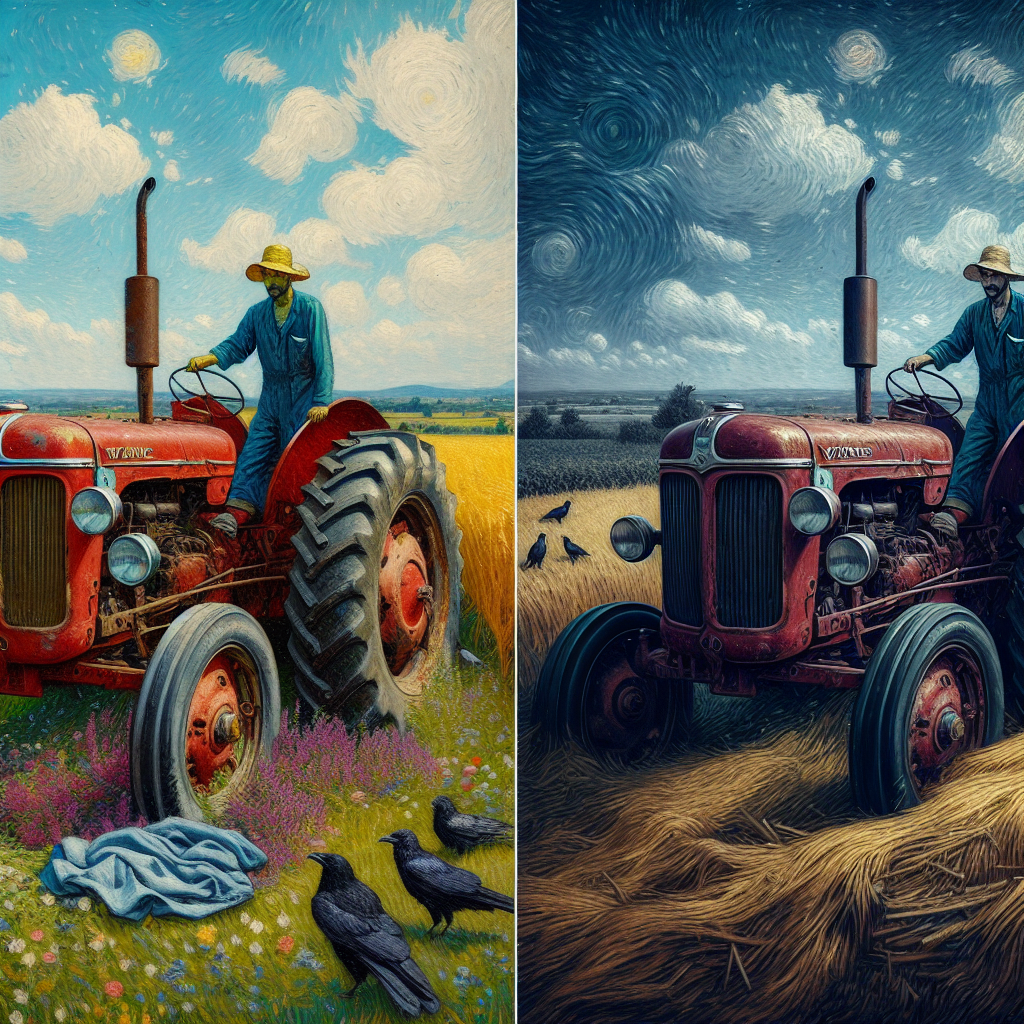
Picture the scene: a sun-drenched field, humming with the sounds of nature, where each blade of grass sways in unison with an invisible rhythm—the pulse of tradition. Now, imagine the old tractor rumbling along, its paint slightly faded but its spirit undiminished. There’s something about these classic machines that transcends mere utility; they embody the rugged ethos of farming itself. They tell stories of perseverance, of generations whose lives were etched into the very soil beneath their feet.
When a farmer climbs aboard that timeworn tractor, it isn’t just a vehicle; it’s a vessel of legacy. It whispers tales of ancestors who faced storms and droughts, who carved out a life from the earth with nothing but grit and determination. The simple act of plowing with a classic tractor isn’t just about preparing the land—it’s about honoring those who came before, who taught us the importance of sticking to our roots, both metaphorically and literally.
From a rational perspective, utilizing classic equipment offers undeniable benefits. These tractors are built to last, often requiring less technology and fewer resources for repairs than their modern counterparts. This practicality resonates deeply with farmers who value self-sufficiency and sustainability. By using such machines, they’re not just enhancing their productivity; they’re promoting an ethos that respects the land and its resources, everything being interconnected, much like the cycles of nature themselves.
Ethically, there’s a growing recognition of the importance of preserving agricultural heritage. In a world where everything seems to be moving at breakneck speed toward the latest technology, using classic tractors is an act of rebellion—not against progress, but against the loss of identity. It fosters community, inviting conversations among farmers who’ve shared experiences, victories, and trials—all revolving around the clank of a gear or the satisfaction of a well-timed harvest.
And then, there’s the social aspect. A farmer isn’t just sowing seeds; they’re planting their identity into the collective narrative of a rural community. When they gather at the town event, the sight of a classic tractor evokes pride, bridging generations and creating bonds that withstand the test of time. It says, “I belong here,” fortifying connections that inspire trust and confidence in one another.
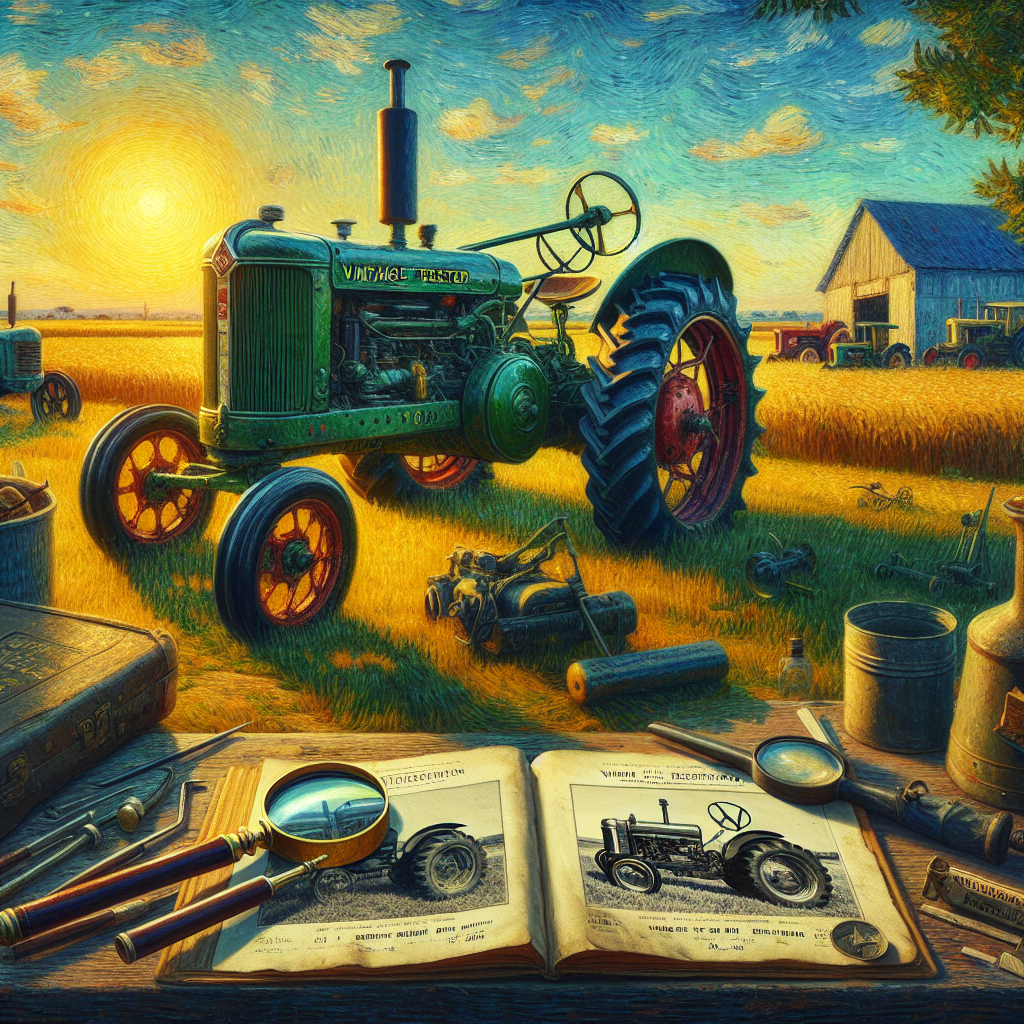
So, the next time you see a gleaming example of classic equipment granting a farmer the freedom to cultivate, remember—it’s not just a tractor; it’s a proud expression of who they are, and it’s a living testament to what it means to work the land with heart, soul, and purpose.
How Does Using Classic Equipment Enhance Farmer Identity And Pride?
How Does Using Classic Equipment Enhance Farmer Identity And Pride?
- The scene depicted is a sunlit field resonating with the sounds of nature, embodying the traditions of farming.
- Classic tractors are seen as more than just tools; they represent a legacy and the perseverance of generations of farmers.
- Climbing aboard an old tractor symbolizes an honor to ancestors who faced numerous challenges while cultivating the land.
- These tractors offer practicality, built for durability and easier repairs, aligning with values of self-sufficiency and sustainability.
- Using classic equipment is viewed as a way to preserve agricultural heritage amidst rapid technological advancement.
- Classic tractors foster community ties, encouraging shared experiences among farmers and enhancing rural identity.
- Ultimately, classic tractors embody pride and connection, symbolizing the deep relationship between farmers and the land they work.
How Does Using Classic Equipment Enhance Farmer Identity And Pride?
Conclusion
Conclusion: A Return to Roots in Modern Farming
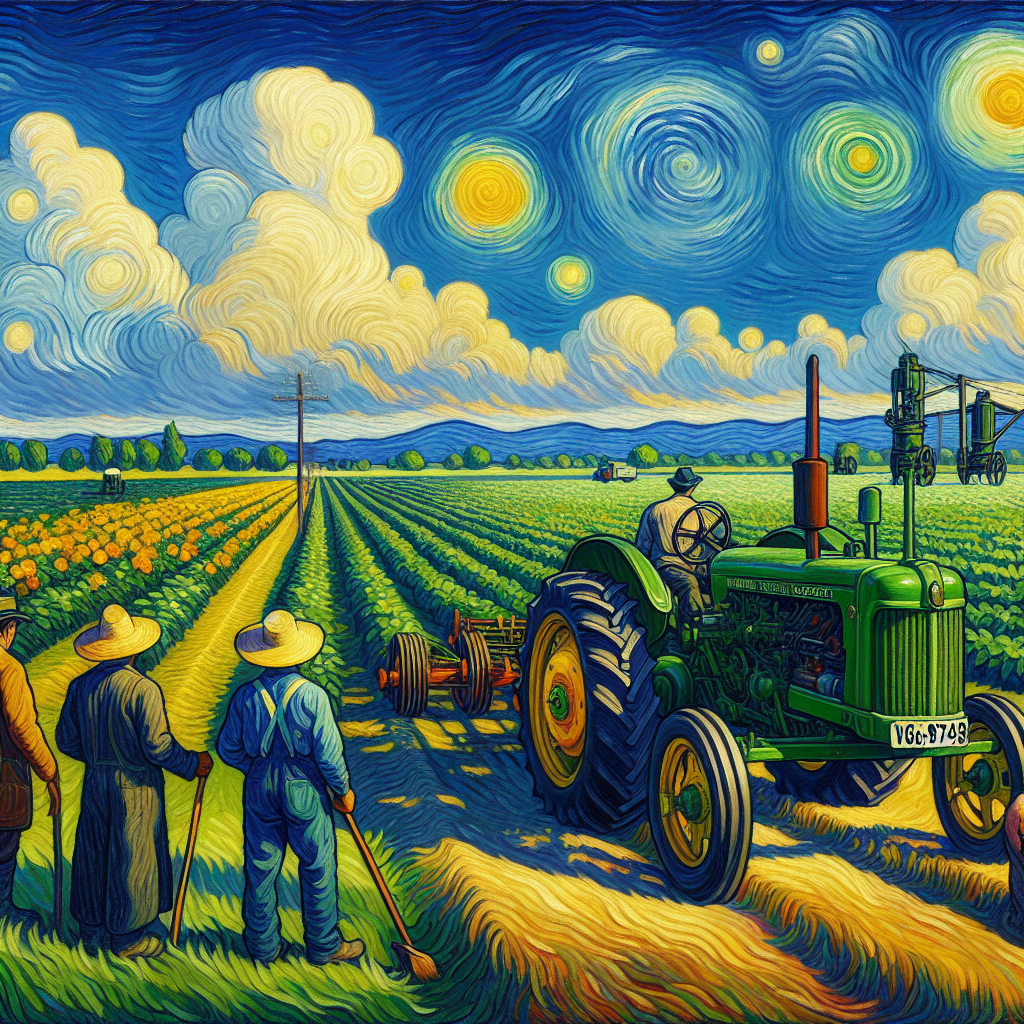
In the grand saga of agriculture, amid the race for precision in modern methods and the allure of flashy technology lies a profound truth: sometimes, the oldest stories are the most relevant. The revival of classic farming equipment is a movement grounded in deep emotion, rational thought, ethical choices, and a strong communal spirit, proving that tradition is not merely nostalgic—it’s essential.
When farmers dust off those vintage tractors, they aren’t just reviving machinery; they’re igniting a connection to their heritage. Each scratch and dent tells tales of perseverance through storms and droughts, echoing the struggles and triumphs of those who tilled the earth before them. This emotional bond is palpable as farmers feel the pulse of the land beneath their fingertips, reminding them that their work is not only about productivity but honoring generations of hard work.
From a practical standpoint, embracing classic equipment makes sense. Modern machinery comes with hefty price tags and intricate tech that can turn a breakdown into a full-blown crisis. In contrast, these older models offer simplicity and reliability, serving as a cost-effective alternative that empowers farmers to reinvest savings back into their land. It’s not just a gamble; it’s a reclamation of control over their farming destinies.
Ethically, this trend underscores a commitment to sustainability. By choosing to refurbish and maintain classic equipment, farmers embody a philosophy of stewardship that honors the legacy of farming, fostering a culture that values conservation over consumption. They aren’t merely working the land; they’re nurturing it, creating a responsible relationship with the earth that resonates through their communities.
This revival also strengthens social bonds. When communities rally around these tractors—repairing them, celebrating them at local events—they weave a rich tapestry of shared identity and mutual respect. It fosters collective stories, laughter, and wisdom, knitting together the fabric of rural life. Here, in the dirt and oil of those old machines, the unbreakable ties of camaraderie flourish, nurturing a next generation eager to learn amidst laughter and shared challenges.
So, as we stand on the brink of the future, let’s not forget the lessons from the past. Those classic tractors might not be as sleek as their high-tech counterparts, but they embody a legacy—one of heart, hard work, and community. In a world where the rush for innovation sometimes blurs our connection to our roots, let’s take the time to listen to what those old machines have to teach us. After all, the real journey in farming isn’t just about the yields; it’s about building a life worth cultivating, together.
Conclusion
Conclusion:
- The revival of classic farming equipment highlights the emotional, ethical, and communal aspects of agriculture.
- Farmers reconnect with their heritage through vintage tractors, embracing the struggles and triumphs of previous generations.
- Classic equipment provides a cost-effective alternative to expensive modern machinery, promoting control over farming practices.
- This trend emphasizes sustainability and stewardship, fostering a responsible relationship with the land.
- The community aspect is strengthened as people gather to repair and celebrate old tractors, enhancing social bonds.
- These classic machines embody a legacy of hard work and community spirit, offering valuable lessons from the past.
- The true essence of farming is about more than yields; it’s about cultivating meaningful lives together.
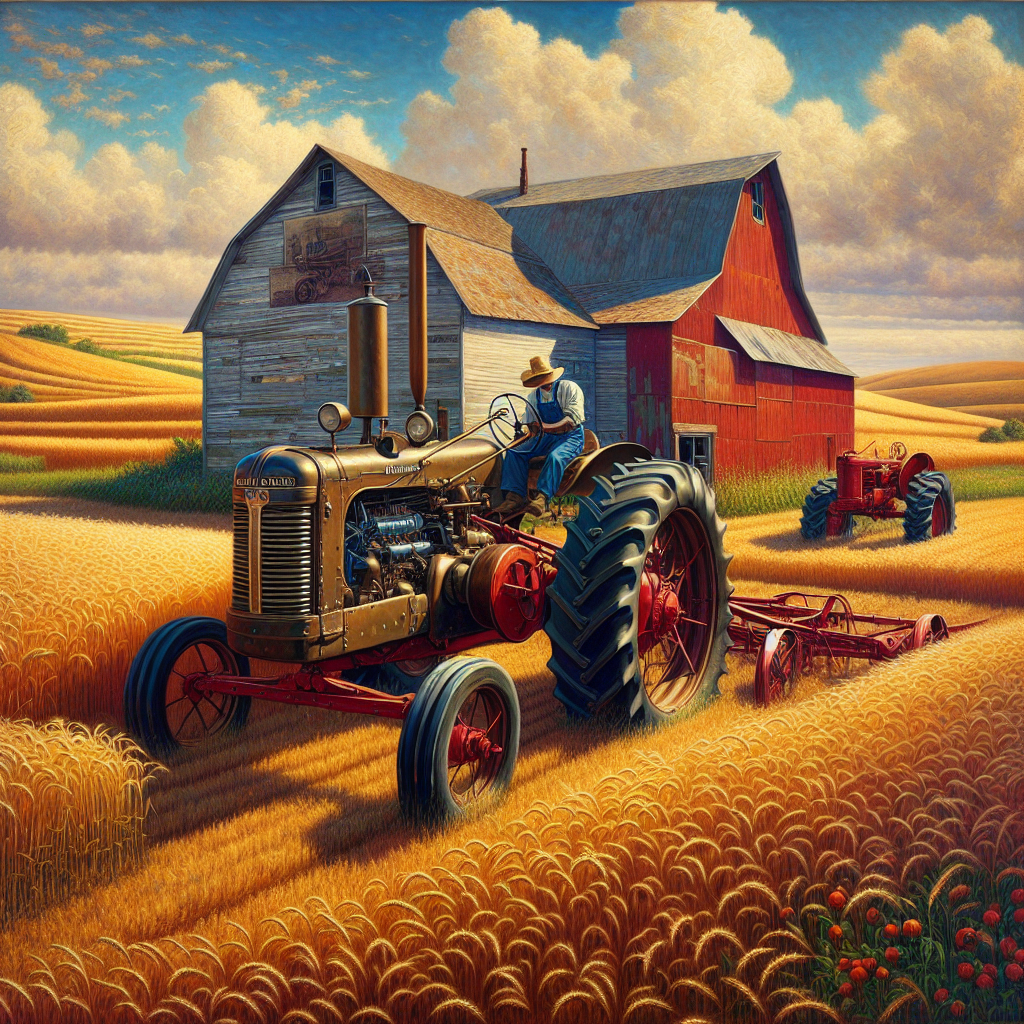
Conclusion
Other Resources
Other Resources
Here is a list of other resources you can review online to learn more:
- CAAntique Farm Equipment Show
- Waterloo Farm Museum
- The New England Antique Truck and Tractor Association
- Paquette Farmall Tractor Museum
- Terrion
- TYM
- Minneapolis-Moline
- Rome
- NM Farm & Ranch Heritage Museum
Use This Prompt To Get More Resources With Your Favorite Online AI Tool: Please provide me with a list of online articles with their URLs in a bulleted list that I can read regarding Are Farmers Finding Greater Success with Classic Equipment
Other Resources
Glossary Terms
Are Farmers Finding Greater Success with Classic Equipment – Glossary Of Terms
1. Classic Equipment: Agricultural machinery and tools that are vintage or older models, often valued for their durability and simplicity.
2. Sustainability: Farming practices that aim to maintain environmental health, economic viability, and social equity in agriculture.
3. Efficiency: The ability to achieve maximum productivity with minimum wasted effort or resource, often a key reason for using classic equipment.
4. Restoration: The process of renovating and repairing old agricultural machinery to restore it to operational condition.
5. Cost-Effectiveness: The overall economic benefit derived from using classic equipment, often related to lower repair costs and fuel efficiency.
6. Heritage Farming: Agricultural practices that honor traditional methods, often involving the use of classic equipment and techniques.
7. Nostalgia: A sentimental longing for the past, which can influence farmers to use classic equipment due to memories or family traditions.
8. Vintage Tractors: Tractors that are at least 20-30 years old, often restored and used by farmers for their reliability and simple mechanics.
9. Field Trials: Experiments conducted on farms to assess the practicality and performance of classic equipment versus modern machinery.
10. Fuel Efficiency: The effectiveness of a machine in using fuel, often a significant advantage of older, simpler engines.
11. Mechanical Knowledge: The understanding of how machines operate, traditionally necessary for using and maintaining classic farm equipment.
12. Labor Intensity: The amount of manual labor required to operate farm equipment, which can be higher with classic machinery.
13. Market Trends: Patterns and changes in the agricultural market that can indicate a growing interest in classic farming methods.
14. Agroecology: An integrated approach to farming that considers ecological principles, where classic equipment can play a role in sustainable practices.
15. Repair Culture: A growing trend among farmers to repair rather than replace equipment, particularly with classic machinery, reflecting a shift toward sustainability.
16. Farmers’ Markets: Local marketplaces where farmers sell their produce directly to consumers, often supporting those who use traditional methods.
17. Land Conservation: Practices aimed at protecting and preserving land resources, which can be enhanced through classic equipment that minimizes soil disturbance.
18. Farming Communities: Groups or networks of farmers who share knowledge, resources, and experiences, including insights about classic equipment.
19. Organic Farming: Agricultural practices that produce food without synthetic fertilizers or pesticides, often aligning with the use of classic equipment.
20. Soil Health: The condition of soil in terms of its biological, chemical, and physical properties, which can be positively influenced by traditional farming practices.
21. Custom Farming: Services provided by farmers using classic equipment to help others with planting, harvesting, and other agricultural tasks.
22. Resourcefulness: The ability to make the most of available resources, often a requirement for farmers using classic equipment due to limited technology.
23. Community Supported Agriculture (CSA): A farming model where consumers subscribe to receive fresh produce, often supporting local farmers who may use classic methods.
24. Crop Rotation: An agricultural practice that involves alternating the types of crops grown on a particular plot, often facilitated by traditional equipment.
25. Farm Diversification: A strategy where farmers grow various crops or raise different livestock to enhance economic stability, sometimes employing classic machinery.
26. Risk Management: Strategies and practices farmers use to minimize losses, where classic equipment may reduce financial risk through lower costs.
27. Educational Workshops: Programs designed to teach farmers about the benefits and maintenance of classic farming equipment.
28. Agricultural Revival: A movement focusing on returning to traditional methods and tools in agriculture, often inspiring the use of classic equipment.
29. Mechanized Agriculture: The use of machinery in farming, where the role of classic equipment is evaluated against modern alternatives.
30. Local Sourcing: The practice of using locally produced goods and materials, which may include locally restored or maintained classic farming equipment.
Glossary Of Terms
Other Questions
Are Farmers Finding Greater Success with Classic Equipment – Other Questions
If you wish to explore and discover more, consider looking for answers to these questions:
- What specific models of classic equipment are most favored by farmers today?
- How are farmers acquiring and refurbishing classic equipment?
- What skills are needed to maintain and repair classic farming equipment?
- Are there any downsides to using classic farming equipment?
- How does the use of classic equipment impact the environment compared to modern machinery?
- What are some success stories of farmers who have made the switch to classic equipment?
- How has community support for classic equipment influenced agricultural practices?
- Are there financial incentives or programs available to farmers using classic equipment?
- How do farmers balance the use of classic equipment with modern technology?
- What role does nostalgia play in the decisions of farmers to use classic equipment?
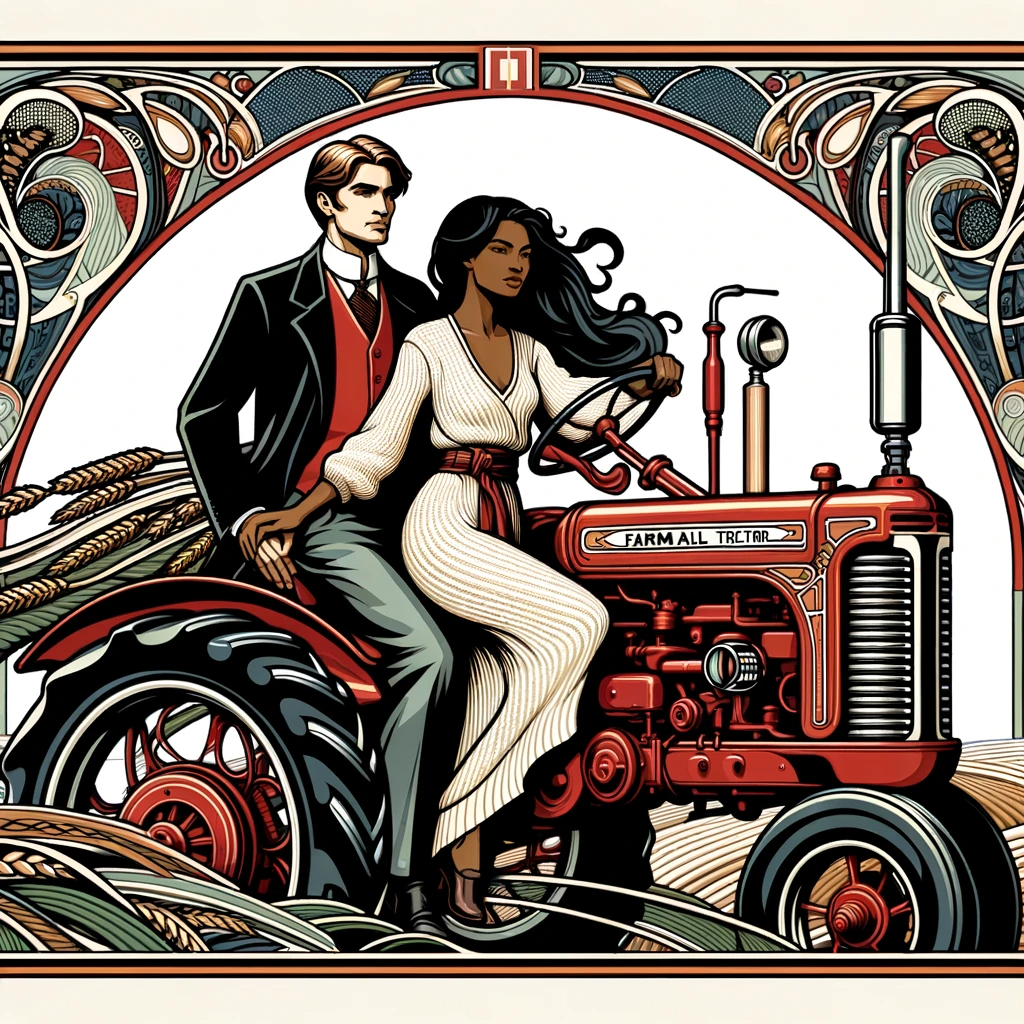
Other Questions
Haiku
Are Farmers Finding Greater Success with Classic Equipment – A Haiku
Old iron in the fields,
Tradition’s pulse runs deep here—
Roots, pride, and hard work thrive.
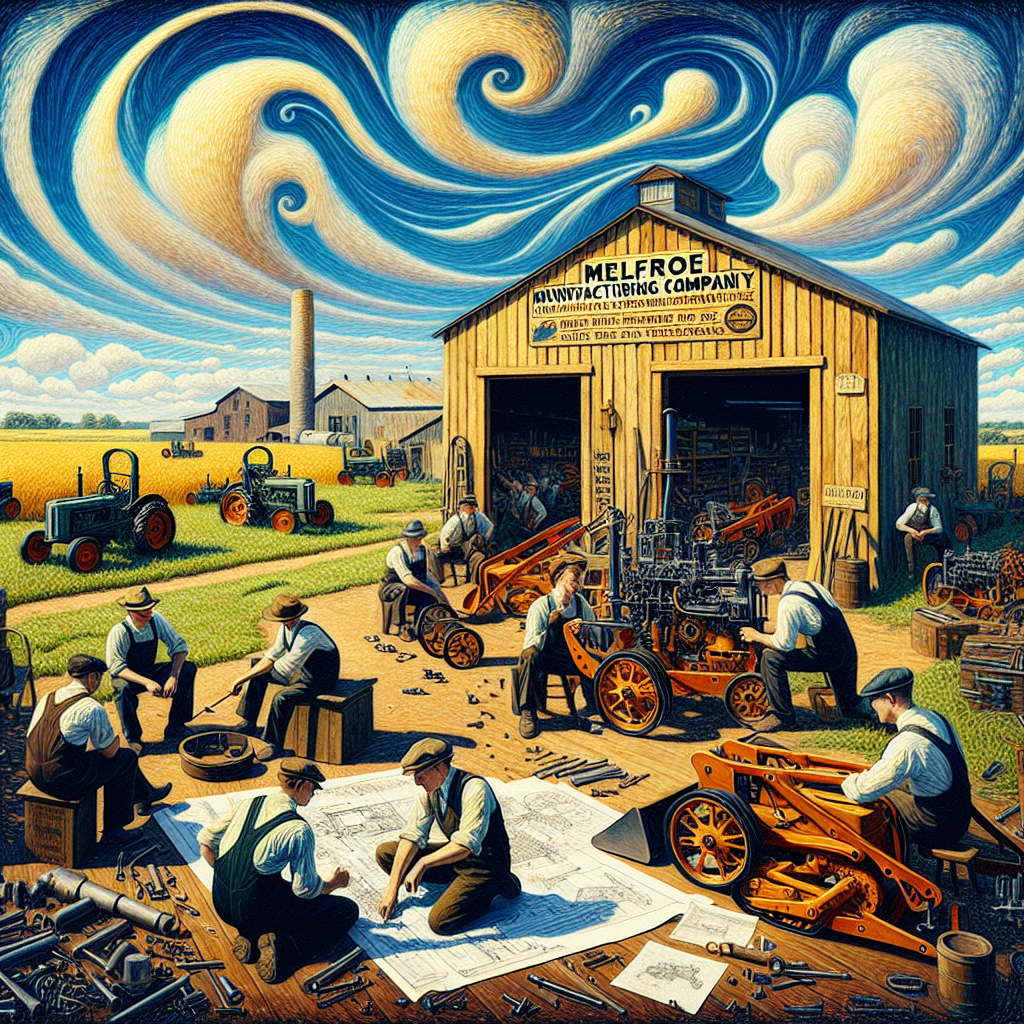
Haiku
Poem
Are Farmers Finding Greater Success with Classic Equipment – A Poem
Reviving Tradition: The Farmer’s Song
In fields aglow under the wide, open sky,
Where whispers of history in breezes sigh,
The heartbeat of farming, both steadfast and true,
Resides in old tractors, whose stories renew.
With rust on their bodies and engines that hum,
They speak of traditions and where we all come from.
Each dent is a chapter, each scratch holds a tale,
A legacy woven where dreams oft prevail.
In the clamor of gadgets that glint and entice,
Some farmers choose roots, suggesting the price
Of modern convenience can weigh heavy still,
For simplicity, resilience define their will.
With hands that can mend, with grit that won’t wane,
In rusted machines, their pride shall remain.
Not just a decision, but an ethical stand,
To honor the earth and the work of their hands.
Community gathers, each face rich with grace,
As laughter and stories fill up the space.
Through repairs and restorations, bonds intertwine,
Sharing wisdom through ages, their hearts ever shine.
In vintage machinery, they find their own voice,
A testament sacred, they’ve made their own choice.
For every old tractor that rolls through the rows,
Carries the spirit of where their pride flows.
So here’s to the farmers, to their steadfast ways,
Reviving traditions through labor and praise.
Together they till, through the toil and the strife,
Each turn of the wheel tells the glory of life.
With a nod to the past, they harness the earth,
Each crop that they yield is a symbol of worth.
Let’s cherish the old ways, where heart meets the ground,
For in honoring legacy, true strength can be found.
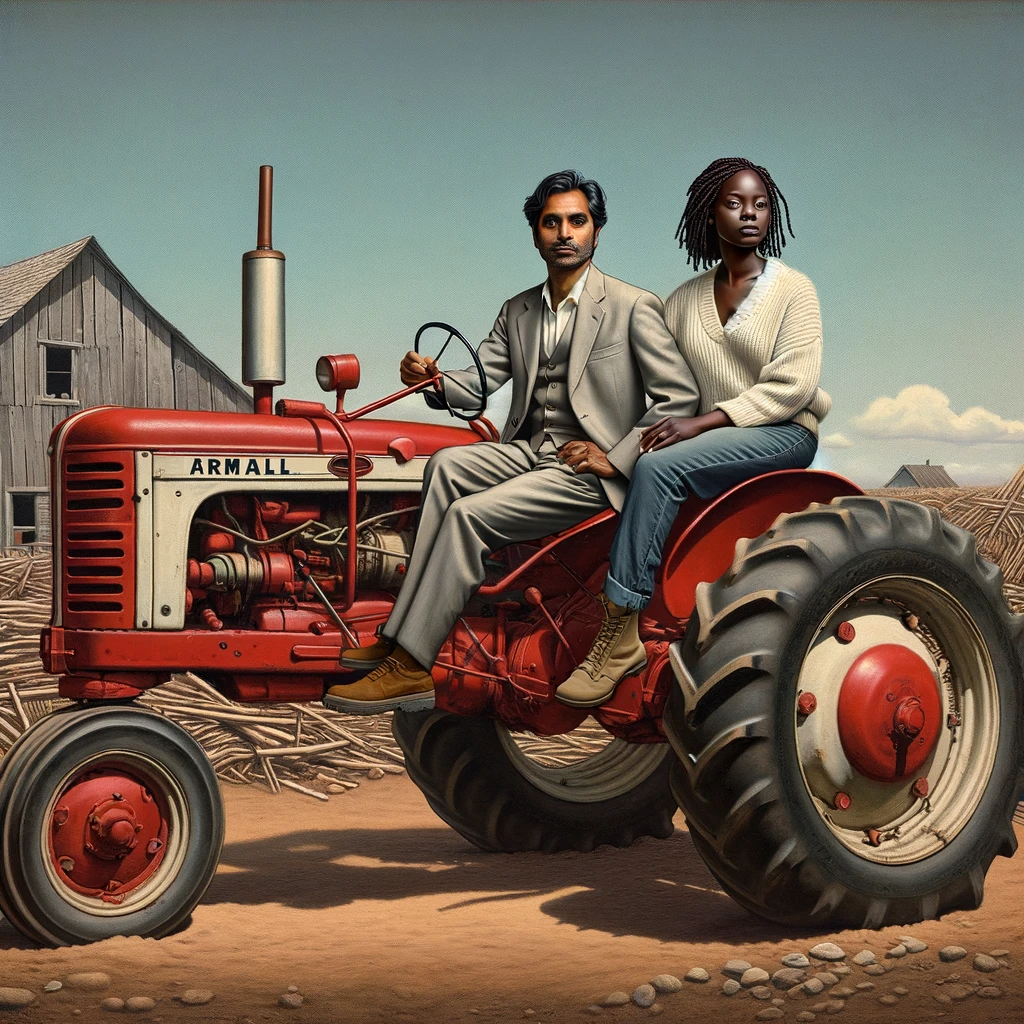
Poem
Checklist
Are Farmers Finding Greater Success with Classic Equipment – A Checklist
Reviving Tradition: Classic Equipment and Farmers Checklist
Emotional Appeals
_____ Reflect on Heritage: Take a moment to think about the family history tied to farming. What stories or values were passed down through generations?
_____ Experience Connection: Spend time with classic equipment to feel the bond between tradition and modern farming. How does it feel to work with tools that have a story?
_____ Celebrate Community: Join local farming events to share experiences and nostalgia with fellow farmers. How can these gatherings inspire you?
Rational Appeals
_____ Evaluate Cost-Effectiveness: Analyze the costs of maintaining classic equipment versus investing in new machinery. Have you calculated potential savings?
_____ Consider Practicality: Assess which tasks can be performed more efficiently with classic tools. Is there a task that a vintage tractor could handle better than modern machines?
_____ Think Long-Term: Understand the implications of reliance on modern technology. Are there risks associated with high-tech equipment that could disrupt your farming?
Ethical Appeals
_____ Reflect on Sustainability: Commit to practices that honor the environment and heritage. How does using classic equipment align with your values regarding sustainability?
_____ Support Legacy: Make efforts to restore or refurbish old machinery rather than discarding it. What steps can you take to preserve agricultural history?
_____ Share Knowledge: Engage in community education about classic tools. How can sharing your experience with others contribute to preserving farming traditions?
Authority Appeals
_____ Seek Out Experts: Connect with seasoned farmers who have experience with classic machines. What insights can they provide that haven’t been documented?
_____ Attend Workshops: Participate in events focused on classic farming methods and techniques. What skills can you gain from learning directly from experienced practitioners?
_____ Trust in Tradition: Review case studies or testimonials from farmers who have successfully used classic equipment. How can their stories guide your decisions?
Narrative Appeals
_____ Document Your Story: Write about your experiences growing up on a farm or your journey as a farmer. How does your personal narrative connect with the use of classic equipment?
_____ Create a Family Legacy: Start a scrapbook or digital archive that illustrates your farming history. How can showing this history strengthen your identity as a farmer?
_____ Share Farming Anecdotes: Discuss the challenges and triumphs associated with classic equipment with friends or family. What shared lessons emerge from these stories?
Social Appeals
_____ Engage in Peer Discussions: Attend community meetings to talk about the advantages of classic equipment. How can you advocate for a return to traditional practices among peers?
_____ Join Clubs: Become a member of clubs or online communities dedicated to classic farming enthusiasts. How can these connections enrich your farming experience?
_____ Support Local Events: Take part in local shows or fairs that showcase classic farming equipment. How does participating in these events strengthen your ties with the community?
Use this checklist as a guide to deepen your connection with the tradition of farming, evaluate the impact of classic equipment, and foster a sense of community and responsibility in this important conversation.
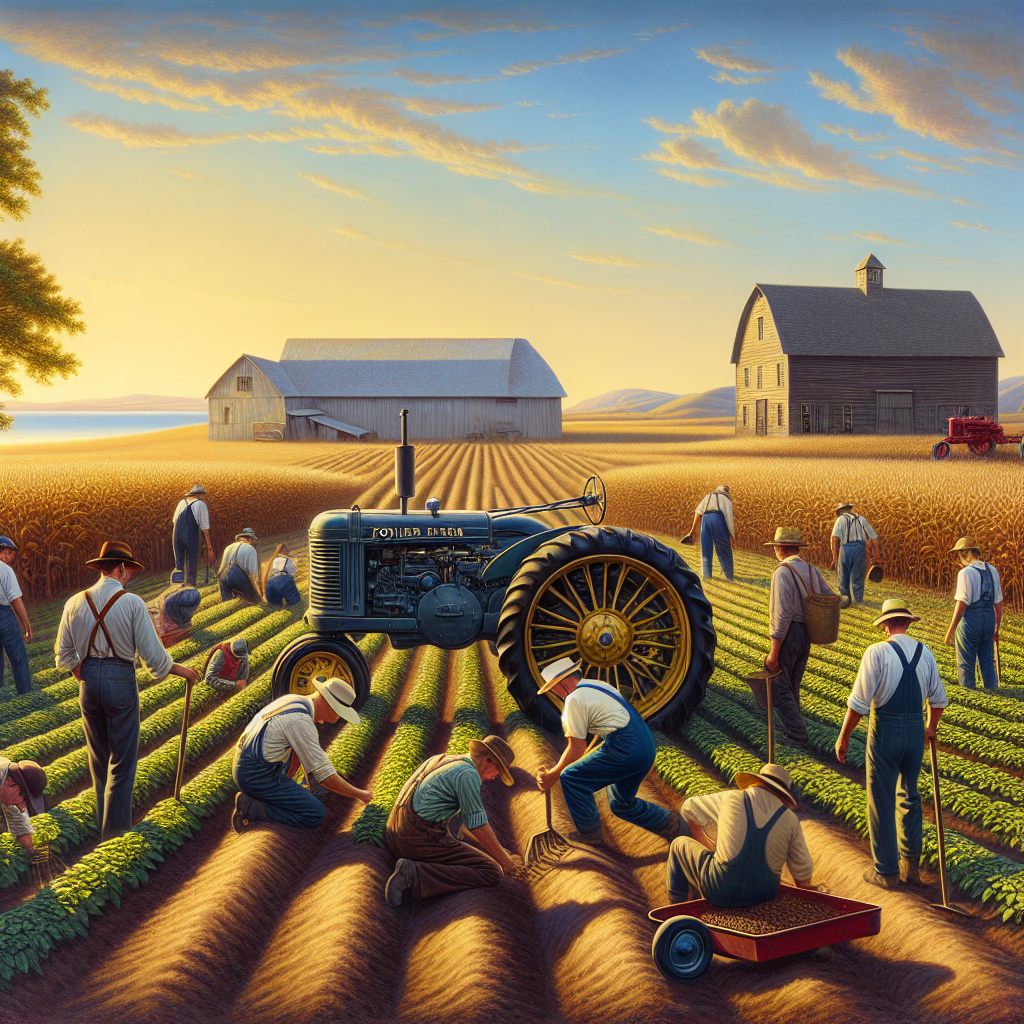
Checklist
At ClassicTractorNews, we help tractor lovers keep up with the latest news for classic and vintage tractors.
Please share this post with your friends, family, or business associates who may like old classic or vintage tractors.