


Nostalgic Efficiency: The Modern Farmer’s Vintage Tractor Revolution
By Tom Seest
At ClassicTractorNews, we help tractor lovers keep up with the latest news for classic and vintage tractors.
Please share this post with your friends, family, or business associates who may like old classic or vintage tractors.
Are Farmers Embracing Vintage Tractors for Practical Reasons
?
In the heart of America’s fields, where the soil holds stories as rich as the crops it yields, a quiet revolution is taking place. Farmers are dusting off old tractors—machines with battle scars etched into metal, many of which have been in the family for generations. But why are these rusting relics suddenly making a comeback? The answer lies not only in nostalgia but in practical, heart-driven decisions.
First, let’s talk about the emotional connection: the steady rumble of a vintage tractor evokes memories of simpler times. For many farmers, these machines are not just equipment; they are a legacy. They remind us of early morning sunrises and the smell of freshly tilled earth, moments shared with family that transcend generations. Imagine a father teaching his child how to drive a well-loved tractor, its worn-out seat cradling their hopes and dreams. This isn’t merely about farming; it’s about passing down traditions, creating bonds, and fostering a sense of belonging.
Now, let’s keep it real. Many modern tractors are outfitted with the latest technology and gadgets. They look slick and shiny, but they also come with hefty price tags and complex systems that can leave farmers scratching their heads when something goes awry. In contrast, those vintage machines are known for their reliability and simplicity. With fewer parts to malfunction, farmers can often fix them with a wrench and sheer willpower instead of a degree in engineering. It’s practical, it’s economical, and frankly, it feels like taking back control.
Ethically, choosing to restore vintage tractors also supports a culture of sustainability. These machines are often more fuel-efficient than their modern counterparts, and they promote a slower, more thoughtful way of life that contrasts sharply with today’s fast-paced consumerism. When farmers choose to use what they already have, they’re not just saving costs—they’re making an ethical decision that respects both the land they toil and the heritage they carry.
And let’s not overlook the social aspect. Embracing vintage tractors creates a community. Local shows and gatherings around these machines foster friendships and camaraderie among farmers and enthusiasts alike. Sharing knowledge, tools, and stories strengthens ties, creating networks of support that can weather any storm.
Vintage tractors represent much more than just machines. They embody resilience, tradition, and a commitment to sustainable farming that speaks to both the heart and the gut. As we glance back at our roots, let’s also look forward with the confidence that sometimes, old is indeed gold.

Are Farmers Embracing Vintage Tractors for Practical Reasons
Are Farmers Embracing Vintage Tractors for Practical Reasons
- A quiet revolution is occurring as farmers revive vintage tractors long held in their families.
- Emotional connections to vintage tractors evoke memories and traditions, fostering family bonds.
- Modern tractors, while technologically advanced, come with high costs and complexities, making vintage machines appealing for their reliability and simplicity.
- Restoring vintage tractors promotes sustainability by encouraging fuel efficiency and a slower lifestyle.
- Choosing vintage over modern equipment supports ethical farming practices and respects agricultural heritage.
- Engagement with vintage tractors fosters community through local shows and gatherings, strengthening relationships among farmers.
- Vintage tractors symbolize resilience and commitment to sustainable farming, bridging the past with a hopeful future.

Are Farmers Embracing Vintage Tractors for Practical Reasons
Table Of Contents
- Are Farmers Embracing Vintage Tractors for Practical Reasons
- What Emotional Connection Do Farmers Have With Vintage Tractors?
- How Do Vintage Tractors Improve Efficiency On Modern Farms?
- Are Vintage Tractors More Environmentally Sustainable Than New Models?
- Why Do Farmers Feel A Sense Of Pride Owning Vintage Machinery?
- Can Using Vintage Tractors Strengthen Community Bonds Among Farmers?
- What Stories Do Farmers Share About Their Vintage Tractor Experiences?
- Conclusion
- Other Resources
- Glossary Of Terms
- Other Questions
- Haiku
- Poem
- Checklist
What Emotional Connection Do Farmers Have With Vintage Tractors?
For many farmers, vintage tractors are more than just machinery; they are the steadfast companions of their laborious lives, weaving the fabric of a shared history and tradition. These old iron giants, often rusted and weathered, stand as monuments to resilience and hard work, each scratch and dent echoing tales of seasons past. Picture a farmer, grease-stained hands resting on the wheel of a vintage tractor, staring down the rows of corn. In that moment, the connection runs deeper than steel; it’s a bond built on memories and legacies, where each turn of the wheel resonates with stories told and retold around family dinner tables.
It’s easy to dismiss these machines as mere relics, but the emotional pull is undeniable. Many farmers have memories intertwined with their tractors—perhaps their grandfather taught them to plow the fields or their father made minor repairs in the barn on a chilly Sunday afternoon. These experiences create a sense of identity, a lineage that’s passed down through generations. When they fire up that old John Deere or Farmall, it’s not just about the job at hand; it’s about honoring those who came before them and ensuring that the way of life they cherish continues.
From a practical standpoint, vintage tractors symbolize durability and simplicity in an age of rapid technological change. While modern machines come equipped with flashy gadgets, there’s something reassuring about the straightforward mechanics of these older models. They remind farmers that, at their core, agriculture is about working with the land—no frills, just an honest day’s labor.
Ethically, embracing vintage tractors aligns with a growing movement toward sustainability. By restoring and using older tractors, farmers can reduce waste and diminish their ecological footprint. This choice fosters community pride and encourages a return to grassroots practices often overshadowed by industrialization.
Socially, owning a vintage tractor ties farmers to a network of enthusiasts. Whether at a local show or an online forum, there’s a camaraderie among those who appreciate the craftsmanship and effort that went into these machines. This shared passion fosters a sense of belonging and reinforces the notion that they are part of something greater than themselves—a community united by love for farming and respect for tradition.
In a world that can feel overwhelmingly fast-paced and disconnected, vintage tractors serve as a bridge to quieter, more meaningful moments. They invite us to slow down, appreciate our roots, and carry forward the stories that shaped us. Each tractor is a reminder that the past is not gone; it lives on through the hands and hearts of those willing to keep the legacy alive.

What Emotional Connection Do Farmers Have With Vintage Tractors?
What Emotional Connection Do Farmers Have With Vintage Tractors?
- Vintage tractors are seen as steadfast companions by many farmers, embodying shared history and tradition.
- Each scratch and dent on these machines tells stories of hard work and resilience from seasons past.
- Farmers often have cherished memories linked to their tractors, creating a sense of identity and lineage.
- Using vintage tractors honors previous generations and helps maintain valued agricultural traditions.
- They symbolize durability and simplicity, contrasting with modern machines laden with technology.
- Restoring and using older tractors supports sustainability, reducing waste and promoting grassroots practices.
- Owning a vintage tractor connects farmers with a community that appreciates craftsmanship and shared passion.

What Emotional Connection Do Farmers Have With Vintage Tractors?
How Do Vintage Tractors Improve Efficiency On Modern Farms?
When you think of a tractor, what comes to mind? A hulking piece of machinery, or perhaps the gentle rumble of an engine echoing across wide-open fields? For many, vintage tractors symbolize much more than just tools; they represent a deep connection to our agricultural roots, a living history that echoes the sweat and toil of generations past. These machines are not just relics; they embody a spirit of resilience that resonates with everyday farmers striving for efficiency in modern agriculture.
Today’s farms face monumental challenges: rising costs, unpredictable weather, and a growing demand for sustainable practices. In this context, vintage tractors can offer more than a charming nostalgia—they can bring about tangible efficiency. Take, for example, the simplicity and reliability of these machines. With fewer digital components, many vintage models are easier to repair and maintain. This means less downtime in the field, allowing farmers to focus on what truly matters—their crops and their livelihood.
Beyond the mechanics, there’s an ethical appeal in using these time-tested machines. Many of them were built with techniques that prioritize durability over disposability. By integrating vintage tractors into the mix, farmers can align their operations with a vision of sustainability and respect for the land. They are minimizing waste and reinforcing a bond with the earth that speaks to the heart and the gut. Each time that tractor rolls out of the barn, it’s not just a piece of equipment; it’s a declaration of intention to honor agricultural traditions while adapting to modern challenges.
Moreover, as we think about how vintage tractors fit into the modern landscape, we’re also reminded of their narrative power. Each scratch and dent carries a story—of farmers who faced adversity, who innovated, and who celebrated the harvests that fed families and communities. In a world overly focused on the latest technology, reconnecting with the past can inspire the confidence that we need to innovate responsibly.
Finally, there’s an undeniable social aspect—community. Vintage tractor shows and gatherings bring people together, fostering a sense of camaraderie among farmers, enthusiasts, and future generations. It’s a reminder that farming is not just a job, but a life shared with others who understand the struggles and triumphs of working the land. So, whether you’re tilling the soil or hauling produce, recognize the quiet fortitude of vintage tractors. They’re not just tools; they’re the heartbeat of modern farming, reminding us where we’ve been and guiding us toward where we can go.
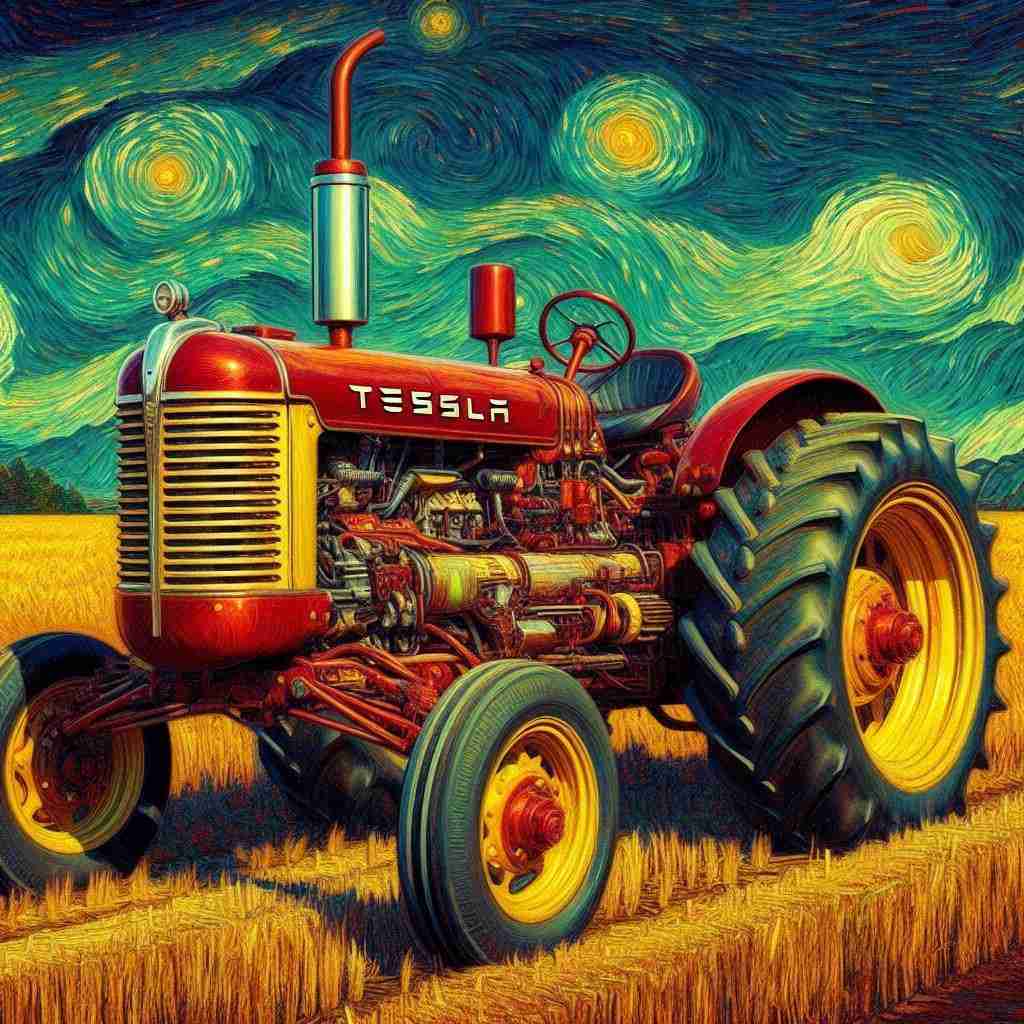
How Do Vintage Tractors Improve Efficiency On Modern Farms?
How Do Vintage Tractors Improve Efficiency On Modern Farms?
- Vintage tractors symbolize a connection to agricultural roots and a living history.
- They embody resilience and efficiency amidst modern agricultural challenges.
- Fewer digital components in vintage models make them easier to repair and maintain.
- Using vintage tractors promotes sustainability and durability in farming practices.
- Each vintage tractor has a story that connects to farmers’ experiences and challenges.
- Community events, such as tractor shows, foster camaraderie among farmers and enthusiasts.
- Vintage tractors are a reminder of agricultural heritage and inspire responsible innovation.

How Do Vintage Tractors Improve Efficiency On Modern Farms?
Are Vintage Tractors More Environmentally Sustainable Than New Models?
When you think of a tractor, what do you see? Is it the sleek lines of a modern machine, humming with technology, or the rugged silhouette of a vintage tractor, dusted with memories? While the latest models boast fancy bells and whistles, the heart of the debate lies deeper—beyond the metal and into the impact our choices have on the Earth.
Feel for a moment the weight of history. Vintage tractors, built in an era when things were made to last, tell stories of resilience and hard work. Many of these machines ran for decades without needing a plethora of expensive parts—simply because they were designed for longevity. When you restore a vintage tractor, you’re not merely bringing back a piece of agricultural history; you’re breathing new life into a sustainable mindset. This sentiment is not just nostalgic; it’s a call to action. Imagine a community gathered around the revival of these vintage wonders, sharing knowledge and skills. That’s sustainability at its finest.
Now, let’s engage our heads. It’s easy to be dazzled by shiny new options and the promises they make regarding fuel efficiency or emissions. But let’s look past the surface. New models often come with a carbon footprint that is anything but small. A vintage tractor, which may have seen generations of farmers toil beside it, can often be restored with existing parts, cutting down the need for new manufacturing—a process that itself can be resource-intensive. You save energy, reduce waste, and embrace circularity. Isn’t that something to think about?
Ethically, choosing to invest in vintage machines allows us to celebrate craftsmanship over consumerism. The importance of preserving our agricultural heritage speaks to our responsibility towards future generations. When we maintain these tractors, we’re not just preserving horsepower; we’re safeguarding stories, values, and practices that hold immense social significance.
Lastly, there’s camaraderie. Picture a group of enthusiasts connecting over a shared passion. They gather not just to admire the mechanics but to discuss sustainable practices, share resources, and bond over a common goal: cultivating a greener, more sustainable future.
So, whether you’re a farmer or just someone who’s passionate about the Earth, ask yourself: Do you want your tractor to be part of the problem or part of the solution? The choice seems clear, and it’s one rich with history and promise. So, dust off that vintage machine, get your hands dirty, and become part of the movement towards true sustainability.

Are Vintage Tractors More Environmentally Sustainable Than New Models?
Are Vintage Tractors More Environmentally Sustainable Than New Models?
- The debate between modern and vintage tractors goes beyond aesthetics, focusing on their environmental impact.
- Vintage tractors represent durability and sustainability, often running for decades with fewer repairs.
- Restoring vintage tractors promotes a sustainable mindset and fosters community engagement.
- New tractor models, while innovative, often have a large carbon footprint and require resource-intensive manufacturing.
- Investing in vintage machines values craftsmanship and preserves agricultural heritage for future generations.
- Enthusiasts of vintage tractors build camaraderie around shared interests in sustainability and resource sharing.
- The choice between vintage and modern tractors can significantly influence environmental outcomes and promote true sustainability.

Are Vintage Tractors More Environmentally Sustainable Than New Models?
Why Do Farmers Feel A Sense Of Pride Owning Vintage Machinery?
There’s something profound about the low rumble of a vintage tractor sputtering to life. It’s a sound steeped in history, embodying the spirit of generations who toiled under the sun, their hands calloused and hearts full. For many farmers, owning vintage machinery isn’t merely about having an old piece of equipment; it’s a tangible connection to the past, a relic that carries stories whispered through the fields. Each dent and scratch tells of battles fought against unpredictable weather and unyielding soil, and therein lies a sense of pride that stirs something fierce within the soul.
That pride isn’t just nostalgic. It’s rational, too. Vintage tractors often outlast their modern counterparts, built with a sturdiness that seems almost unshakeable. These machines were fashioned in an era when quality meant something, and farmers recognize the value in owning equipment that isn’t just designed to be replaced but to endure. There’s a certain reliability in vintage machinery that speaks volumes—this is a machine that has weathered storms, quite literally, and will continue to do so as long as there are fields to plow.
Ethically, many farmers advocate for sustainability and stewardship. By restoring and using vintage machinery, they champion a form of agricultural practice that respects both the land and the legacy of farming itself. In a world dominated by fast fashion and disposable culture, these farmers stand firm, making a statement about the importance of craftsmanship and the value of things that last. They invite others to join them in taking a step back, to appreciate the old ways that still hold relevance today.
Moreover, vintage tractors also cultivate a sense of community. Local farmers gather at shows, exchanging tips, sharing stories, and passing down knowledge rooted in respect for the craft. There’s an understanding that transcends words—a shared reverence for the grit and resilience woven into each bolt and wheel. That camaraderie is vital in a world that can sometimes feel isolating.
Ultimately, owning a vintage tractor is more than having a tool; it’s about embracing a heritage. It’s a declaration that, in farming, just as in life, we are shaped by the relationships we forge and the stories we carry forward. So, when farmers look at their vintage machinery, they don’t just see metal; they see history, pride, and a sustainable future set upon the foundation of a thriving past. And that, dear reader, is the heartbeat of agriculture.

Why Do Farmers Feel A Sense Of Pride Owning Vintage Machinery?
Why Do Farmers Feel A Sense Of Pride Owning Vintage Machinery?
- The sound of a vintage tractor represents a profound connection to farming history and the labor of past generations.
- Owning vintage machinery is a source of pride for farmers, as each mark tells a story of resilience against the elements.
- Vintage tractors often outlast modern machines due to their durable construction, emphasizing quality over disposability.
- Using vintage equipment promotes sustainable farming practices and respects agricultural legacy.
- Farmers who restore and use vintage tractors reject fast fashion and advocate for the importance of craftsmanship.
- Vintage tractors foster community among farmers who share knowledge and stories, creating bonds rooted in respect for their craft.
- Ultimately, owning a vintage tractor symbolizes a connection to heritage, history, and a sustainable future in agriculture.

Why Do Farmers Feel A Sense Of Pride Owning Vintage Machinery?
Can Using Vintage Tractors Strengthen Community Bonds Among Farmers?
Using vintage tractors can be more than just a nostalgic nod to the past; it can serve as a heartbeat of community connection among farmers. Picture this: the sun rising over a dew-kissed field, the earthy aroma of freshly turned soil lingering in the air, and the unmistakable sight of a vintage tractor rumbling down a rural road with pride. It’s more than just a machine; it represents years of hard work, a life steeped in tradition, and the labor of love that defines farming.
Now, let’s use our heads for a moment. Vintage tractors come with stories—stories of generations past, of trials and triumphs. When farmers gather to showcase their antique tractors, they’re not just sharing their passion for machinery; they’re exchanging history and knowledge that can inform our future. These gatherings often become workshops for learning, where seasoned farmers impart wisdom to novices, creating a cycle of mentorship that can enhance farming practices for years.
From an ethical standpoint, using vintage tractors underscores the values of sustainability and resourcefulness. These timeless machines serve as reminders that farming is not just about profit. It’s about stewardship of the land and respect for the craft. By repairing and maintaining these older tractors, farmers are actively engaging in practices that reduce waste and promote sustainability, a sentiment that resonates deeply in today’s fast-paced world.
As we settle into our hearts, consider how related these vintage machines can bring farming communities together. Think about the camaraderie fostered at local tractor shows—neighbors bonding over shared experiences, triumphs, and even those less-than-glamorous days in the field. These machines evoke an emotional connection that goes beyond the steel and wheels; they remind us of our shared struggles and collective victories.
Finally, there’s a societal aspect here. In an era dominated by technology and rapid change, vintage tractors provide a taste of authenticity. They invite farmers to celebrate their identity, share experiences, and develop a sense of belonging within their community. This simple act of sharing can foster deep, lasting relationships — the kind of connections that make our lives richer and our communities stronger.
So let’s keep those old tractors rolling. They symbolize more than just agriculture; they represent resilience, history, and the glue that binds communities together. When you see that classic machine roll by, remember: it’s not just about the work; it’s about the people who put their heart into it.

Can Using Vintage Tractors Strengthen Community Bonds Among Farmers?
Can Using Vintage Tractors Strengthen Community Bonds Among Farmers?
- Vintage tractors foster community connection among farmers, symbolizing hard work and tradition.
- They carry stories of past generations, sharing history and knowledge through gatherings and showcases.
- Such events serve as workshops for learning, creating a mentorship cycle that enhances farming practices.
- Using vintage tractors promotes sustainability and resourcefulness, emphasizing stewardship of the land.
- They build camaraderie among farmers, strengthening bonds through shared experiences and challenges.
- Vintage tractors provide authenticity and a sense of belonging in a technologically dominated era.
- They represent resilience, history, and the connections that unite and enrich farming communities.

Can Using Vintage Tractors Strengthen Community Bonds Among Farmers?
What Stories Do Farmers Share About Their Vintage Tractor Experiences?
Ask any farmer about their vintage tractor, and you’ll quickly discover that it’s more than just a piece of machinery; it’s a time capsule, a testament to hard work, palpable nostalgia, and cherished memories. Imagine a sun-drenched field, the sound of a rumbling engine, and the comforting aroma of freshly tilled soil. These tractors—the rusty, colorful relics of the past—carry stories deeper than the furrows they plow.
Each farmer’s tale speaks to a visceral connection. Take, for example, Joe, who lovingly restored his grandfather’s 1948 model, a deep red Mawson that was the heart of their family farm. As a kid, Joe watched his grandfather pilot the tractor with the same pride he felt when he rode his bike for the first time. Today, as he leans over the worn steering wheel, the memories flood back—laughter during breaks, heart-to-heart talks about life, and lessons that shaped his character. These narratives evoke profound emotional responses, connecting generations across time and space.
Beyond the emotional resonance lies a rational appreciation for these vintage machines’ reliability and craftsmanship. Every dent and scratch tells a story of toil and triumph; the tractors endure as symbols of the agricultural tenacity that has fed families and communities for decades. When farmers gather at local meets or fairs, you can see the sparks ignite as they share tips, tricks for maintenance, and perhaps tales of mishaps—like the time Sarah accidentally backed hers into the barn wall, which became a family joke that still echoes at holiday dinners.
Morally, farmers feel a duty to preserve these pieces of their heritage. Restoring, caring for, and sharing their vintage tractors is an ethical commitment to the past, honoring their roots while teaching the next generation about the value of hard work and craftsmanship. These experiences foster a sense of community, where respect is cultivated not only for agriculture but for the bonds that tie us to one another.
All the while, these stories create a sense of connection that is social in nature—farmers bonding over shared experiences, forming friendships forged in grease and grit. This kinship extends to neighbors who lend a hand or swap parts, reminding us that the real agricultural life isn’t just about the land or the tractors; it’s about the people who tend to them. In this shared narrative, we find inspiration, trust, and a reaffirmation of the power of community. So next time you encounter a vintage tractor, remember: it’s not just history; it’s a living story waiting to be told.

What Stories Do Farmers Share About Their Vintage Tractor Experiences?
What Stories Do Farmers Share About Their Vintage Tractor Experiences?
- Vintage tractors are more than machinery; they represent hard work, nostalgia, and cherished memories.
- Every tractor carries personal stories and evokes emotional connections across generations, like Joe’s memories of his grandfather’s 1948 Mawson.
- Farmers appreciate the reliability and craftsmanship of vintage tractors, viewing every dent as a symbol of toil and triumph.
- Local gatherings allow farmers to share maintenance tips and humorous mishaps, strengthening their community bonds.
- There is a moral obligation among farmers to preserve their heritage by restoring and caring for vintage tractors, teaching younger generations about craftsmanship.
- The stories of vintage tractors foster social connections among farmers, emphasizing the importance of community relationships.
- Encountering a vintage tractor is not just about history; it’s an invitation to engage with living stories and shared experiences.

What Stories Do Farmers Share About Their Vintage Tractor Experiences?
Conclusion
In the heart of America’s agricultural landscape, vintage tractors are more than mere relics of a bygone era; they are living symbols of resilience, heritage, and communal connections. As farmers breathe new life into these machines, they embrace a quiet revolution rooted in nostalgia and practicality. But let’s dig deeper — what makes this movement resonate so profoundly? It all begins with the emotional ties that bind these farmers to their vintage tractors. Each scratch and dent speaks volumes, telling stories of hard work, family legacies, and time-honored traditions. Picture a father and child sharing laughter while plowing a field on a well-loved tractor — it’s about so much more than farming; it’s about building bonds that transcend generations and nurturing a profound sense of belonging.
Now, let’s get real. Modern tractors may boast the latest tech wizardry, but they often come with price tags that leave farmers shaken and bewildered. In stark contrast, vintage tractors bring reliability and simplicity back to the forefront. These machines are easier to repair, allowing farmers to wield their own expertise and ingenuity instead of relying on expensive specialists. It’s about taking back control — embracing a spirit of self-sufficiency that fosters confidence in an unpredictable world.
Beyond the personal, there’s a more significant ethical consideration: restoring and using vintage tractors embodies a commitment to sustainability. By reducing waste and cherishing what they already possess, farmers honor the land they cultivate and the traditions they inherit. In doing so, they challenge the norms of consumer culture, opting instead for a slower, more thoughtful way of life.
Moreover, these tractors cultivate community. Local gatherings transform into vibrant hubs of shared knowledge and experiences. Farmers swap tips, forge friendships, and pass down stories — creating networks that lend strength and support during difficult times. Ultimately, vintage tractors are about building connections — not just with the land but with fellow farmers — reinforcing the notion that we’re all in this together.
So, let’s not just admire these machines from afar. Instead, let’s celebrate the heart, head, and gut behind this movement. Every time a vintage tractor engines to life, it’s a reminder of who we are, where we’ve come from, and where we can go — a testament to the enduring spirit of farming and the unbreakable ties of community. Embracing the past doesn’t mean we’re stuck there; it means we’re building a future grounded in hope, resilience, and shared purpose. So, dust them off, show them some love, and let’s keep this remarkable journey rolling.

Conclusion
Conclusion:
- Vintage tractors symbolize resilience, heritage, and community in America’s agricultural landscape.
- Emotional connections to vintage tractors reflect hard work, family legacies, and traditions.
- Modern tractors can be costly and complex, while vintage models offer reliability and easier repairs.
- Using vintage tractors promotes self-sufficiency and confidence among farmers.
- This movement emphasizes sustainability by reducing waste and honoring traditions.
- Vintage tractors foster community connections, allowing farmers to share knowledge and support each other.
- Celebrating vintage tractors connects us with our agricultural past while inspiring a hopeful future.

Conclusion
Other Resources

Other Resources
Here is a list of other resources you can review online to learn more:
- Wingin
- CLAAS
- Wilke’s Classic Tractors
- Zetor
- Cabelas
- Bolinder-Munktell
- Oliver
- Swaraj
- Waterloo Farm Museum
Use This Prompt To Get More Resources With Your Favorite Online AI Tool: Please provide me with a list of online articles with their URLs in a bulleted list that I can read regarding Are Farmers Embracing Vintage Tractors for Practical Reasons

Other Resources
Glossary Terms
Are Farmers Embracing Vintage Tractors for Practical Reasons – Glossary Of Terms
1. Vintage Tractors: Old tractors that were manufactured in the mid-20th century or earlier, often valued for their simplicity, reliability, and charm.
2. Restoration: The process of repairing and refurbishing vintage tractors to bring them back to working condition, often involving mechanical, aesthetic, and functional updates.
3. Mechanics: The branch of engineering dealing with the design, construction, and use of machines, particularly relevant in understanding older machinery like vintage tractors.
4. Durability: The ability of vintage tractors to withstand wear, pressure, or damage over time, often contributing to their continued use in farming.
5. Simplicity: The straightforward design and operation of vintage tractors make them easier to maintain compared to modern models with complex electronics.
6. Cost-Effectiveness: The ability of vintage tractors to provide a good return on investment through lower initial purchase costs and reduced maintenance expenses.
7. Heritage Farming: A farming approach that emphasizes traditional methods and tools, including the use of vintage tractors to maintain cultural practices.
8. Sustainability: The use of vintage tractors as a sustainable option for farming, promoting longevity and reduced carbon footprints compared to new, resource-intensive machinery.
9. Utility: The practicality and functional benefits of vintage tractors in farming operations, such as tilling, plowing, and pulling equipment.
10. Restoration Community: A network of enthusiasts and professionals dedicated to restoring and preserving vintage tractors, sharing knowledge and resources.
11. Collectibility: The quality that makes vintage tractors desirable to collectors and enthusiasts, often based on brand, model, and historical significance.
12. Fuel Efficiency: The amount of work output relative to fuel input; some vintage tractors can be surprisingly efficient for small-scale farming.
13. Market Demand: The interest and need for vintage tractors in various farming communities, influenced by trends and cultural appreciation.
14. Farm Equipment: Machines and tools, including vintage tractors, used in agricultural production for various tasks.
15. Mechanical Knowledge: The understanding and skills required to repair and maintain vintage tractors, often more accessible than for modern machinery.
16. Classic Models: Refers specifically to well-known and iconic vintage tractor models that are sought after for their historical significance and utility.
17. Field Trials: Practical tests of vintage tractors in real farming environments to assess their effectiveness and performance.
18. Agricultural History: The historical context and development of farming techniques, including the evolution of tractor technology.
19. Hands-On Learning: Gaining practical skills and knowledge through direct experience with vintage tractors, beneficial for farmers and hobbyists alike.
20. Mechanical Efficiency: The effectiveness of vintage tractors in performing farming tasks relative to time and energy consumed.
21. Workshop: A space where repairs and restorations of vintage tractors are performed, often equipped with hand tools and machinery.
22. Customization: The practice of modifying vintage tractors to suit specific farming needs or personal preferences, enhancing their functionality.
23. Community Events: Gatherings, such as tractor shows or plow days, where vintage tractor enthusiasts can showcase their machines and share knowledge.
24. Reliability: The consistent performance of vintage tractors over time, making them trusted equipment for everyday farming tasks.
25. Agrarian Lifestyle: A way of life focused on agriculture and farming, often embraced by those who prefer traditional methods like using vintage tractors.
26. Parts Availability: The accessibility of replacement components for vintage tractors, which can affect the longevity and usability of the machinery.
27. Nostalgia: A sentimental longing for the past, particularly regarding the aesthetic and historical significance of vintage tractors in farming culture.
28. Mechanical Restoration: The specific elements of restoring old tractors, focusing on engine, transmission, and mechanical component repairs.
29. Hands-On Farming: The active participation in agricultural tasks, often made feasible with the use of vintage tractors that are straightforward to operate.
30. Farmers’ Markets: Local venues where farmers sell their goods; vintage tractors may be used for transportation and display, enhancing the rural charm.

Glossary Of Terms
Other Questions
Are Farmers Embracing Vintage Tractors for Practical Reasons – Other Questions
If you wish to explore and discover more, consider looking for answers to these questions:
- What types of vintage tractors are most popular among modern farmers?
- How do farmers maintain and restore vintage tractors?
- Are there specific models that are considered the best choices for farming today?
- What challenges do farmers face when using vintage tractors?
- How do vintage tractors compare in cost to modern tractors over time?
- Are there any safety concerns associated with using older machinery?
- How has the trend of using vintage tractors impacted local farming communities?
- What resources are available for farmers looking to restore vintage tractors?
- How do vintage tractors contribute to educational programs for young farmers?
- What innovative adaptations are farmers making to integrate vintage tractors with modern technology?
- How do vintage tractors influence the marketing and branding of local farms?
- Are there any local or national organizations that promote vintage tractors?
- What personal stories have emerged from farmers regarding their experiences with vintage tractors?
- How does the use of vintage tractors affect crop yield and efficiency?

Other Questions
Haiku
Are Farmers Embracing Vintage Tractors for Practical Reasons – A Haiku
Rusty wheels turn slow,
Echoes of love, hard work grow;
Roots of pride still flow.

Haiku
Poem
Are Farmers Embracing Vintage Tractors for Practical Reasons – A Poem
Old Iron Giants: A Farmer’s Heartbeat
In fields of gold where stories grow,
Rusty giants, row by row,
Their engines hum a timeless tune,
Underneath the sun and moon.
Echoes linger from days of yore,
A father’s pride, a child’s rapport,
With grease-stained hands, they’ve labored long,
These tractors sing a legacy song.
Oh, the simplicity of their steel,
A farmer’s handshake, an honest deal,
No glossy screens, just raw delight,
In every turn, tradition takes flight.
With every scratch, a tale unfolds,
Of storms weathered, and hands that hold,
The weight of earth, their purpose clear,
Each dent, a whisper of yesteryear.
They call to minds a gentler pace,
Where family bonds have found their place,
Amidst the chaos, they root the heart,
As farmers thrive, a life apart.
Ethics woven in every thread,
Sustainable choices that lie ahead,
Restoring the past, beside the plow,
Their legacy sings—this is the now.
Meetings of minds where laughter’s shared,
Vintage shows, where none are spared,
In hand-me-down wisdom and shared toil,
From vintage roots, new dreams uncoil.
So to the fields, let’s steer again,
With rusty tractors, through pride and pain,
For in their rumble, the world we know,
A bond of hearts, forever aglow.
Old iron giants, steadfast and true,
Remind us of love, and what we can do,
In every row, through struggle and strife,
They are not mere machines; they are the pulse of life.

Poem
Checklist
Are Farmers Embracing Vintage Tractors for Practical Reasons – A Checklist
Vintage Tractor Engagement Checklist: Connect with Heart, Head, and Gut
Emotional Appeal: Connecting the Heart
1. Share Your Stories: Reflect on your memories connected to farming or vintage tractors. What moments stand out that shaped your sense of identity?
2. Engage in Legacy: Consider how your family’s history or traditions influence your connection to farming. What legacy do you wish to pass on?
3. Attend a Local Show: Participate in community gatherings focused on vintage tractors to experience the shared love and tradition firsthand.
4. Create New Memories: Spend time with family members—share a day on the farm and involve them in working with vintage machinery.
Rational Appeal: Engaging the Head
5. Evaluate Savings: Assess the cost-effectiveness of maintaining a vintage tractor versus investing in a new model. Keep a log of maintenance costs over time.
6. Understand Simplicity: Research the benefits of simple machinery. Consider how the reduced complexity of vintage tractors translates to easier repairs and maintenance.
7. Explore Fuel Efficiency: Investigate how vintage tractors compare to modern models in fuel efficiency and sustainability, considering their environmental impact.
Ethical Appeal: Addressing Key Values
8. Promote Sustainability: Commit to restoring and using vintage machinery as a way to support environmentally friendly practices in agriculture. Reflect on your footprint.
9. Educate Others: Share your knowledge on the importance of sustainable farming practices and the role of vintage tractors in supporting this movement.
10. Encourage Local Sourcing: Advocate for support of local craftsmen and repair shops for vintage tractors to bolster community and ethical consumption.
Authority Appeal: Learning from Experts
11. Connect with Experts: Join forums or groups where enthusiasts gather to discuss vintage tractors. Learn from their experiences and insights.
12. Attend Workshops: Participate in hands-on workshops about restoration and maintenance, learning directly from seasoned farmers and mechanics.
Narrative Appeal: Shaping Your Story
13. Document Your Journey: Capture your experiences of restoring or using a vintage tractor—take photos, keep a journal, and create a narrative around it.
14. Share Your Narrative: Consider writing articles or posts about your journey with vintage tractors and what they mean to you personally and within your community.
Social Appeal: Building Community Connections
15. Join Local Clubs: Become actively involved in local farming or vintage tractor clubs to foster connections with like-minded individuals.
16. Participate in Events: Attend local tractor shows, fairs, and community gatherings to share your passion and network with other farmers and enthusiasts.
17. Engage Online: Use social media platforms to connect with groups focused on vintage tractors, sharing stories, maintenance tips, and experiences.
By using this checklist, you can deepen your understanding and engagement with vintage tractors, fostering connections that resonate emotionally, rationally, and ethically while strengthening community bonds.

Checklist
At ClassicTractorNews, we help tractor lovers keep up with the latest news for classic and vintage tractors.
Please share this post with your friends, family, or business associates who may like old classic or vintage tractors.