

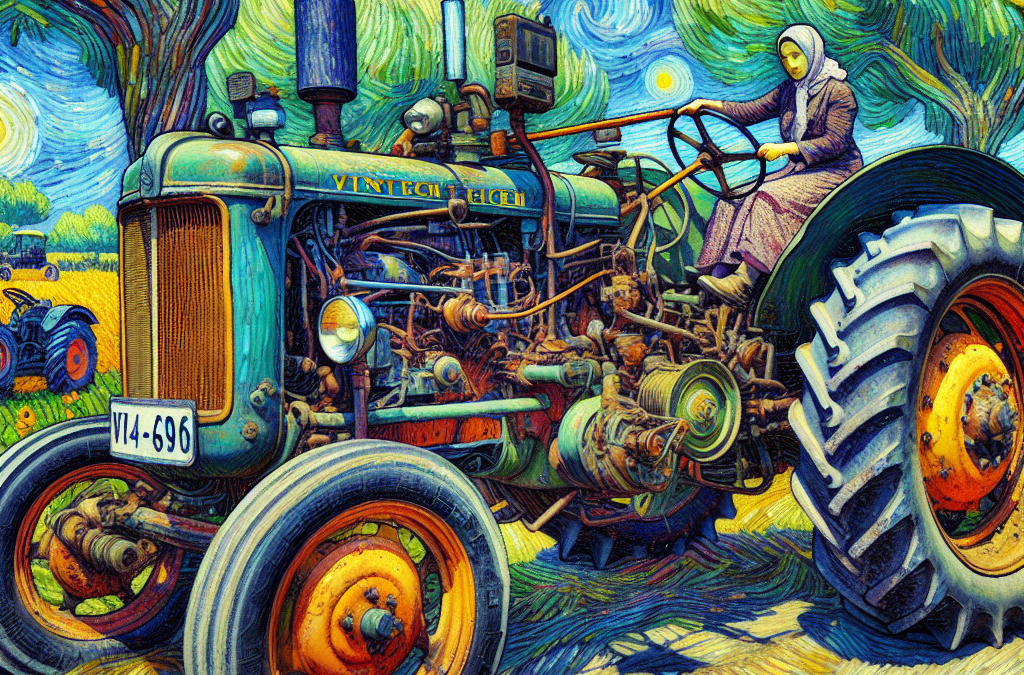
An Overview Of Are Diesel Conversions Worth It for Value
By Tom Seest
At ClassicTractorNews, we help tractor lovers keep up with the latest news for classic and vintage tractors.
Please share this post with your friends, family, or business associates who may like old classic or vintage tractors.
Are Diesel Conversions Worth It for Value?
When it comes to maximizing the value of your vehicle, few options spark as much debate as diesel conversions. Picture this: you’re on the farm, the sun rising over the horizon, a trusty tractor by your side. It does more than just plow the fields; it’s the heart of your operation. Yet, the question looms: should you flip the switch to diesel?
From an emotional standpoint, this decision is deeply rooted in connection—not just to your machinery, but to your work, your land, and your legacy. Diesel engines are robust, known for their longevity and efficiency. You want a tractor that can go the extra mile, endure through seasons, and be a reliable partner in your daily grind. There’s a certain pride in knowing that every drop of diesel translates into power, enabling you to tackle the toughest jobs with confidence.
Rationally, the numbers often tell a compelling story. Diesel engines, while initially more costly to convert, typically outperform their gasoline counterparts in fuel economy. This translates to significant long-term savings. The financial sense of investing in a diesel conversion lies in its enhanced power and torque, especially for heavy-duty tasks. A tractor that consumes less fuel while delivering more output isn’t just a smart financial choice; it’s a strategic move to ensure sustainability.
Ethically, consider the environmental impact. Diesel engines can be more efficient and produce fewer emissions when properly maintained. By choosing a diesel conversion, you’re not just enhancing the productivity of your equipment; you’re also contributing positively to the planet. With rising awareness around sustainability, there’s a growing community that values responsible farming practices.
Many successful farmers have shared stories of their diesel conversions, reinforcing the potential benefits. It’s not just about horsepower; it’s about transformation. They’ve done the math, felt the change in their workflow, and witnessed the difference in their bottom line. Engaging with these narratives fosters connection and trust—often, the best endorsements come from those who’ve lived it.
In a world that often prioritizes newer models, consider this: your current tractor has untapped potential. Converting to diesel is not merely an upgrade; it’s a commitment to preserving your roots. It’s a choice that echoes through your fields, aligning with both tradition and innovation. So, the question of whether diesel conversions are worth it takes on a new dimension. It’s not just about money; it’s about value—the value of hard work, legacy, and making every dollar count.

Are Diesel Conversions Worth It for Value?
Are Diesel Conversions Worth It for Value?
- Diesel conversions for tractors spark significant debate among farmers.
- Emotionally connected to their equipment, farmers see diesel as enhancing legacy and productivity.
- Diesel engines offer longevity, efficiency, and better fuel economy compared to gasoline.
- Initial conversion costs are offset by long-term savings and increased power and torque.
- Environmental benefits include greater efficiency and lower emissions when properly maintained.
- Successful farmers report positive transformations in workflow and financial performance from diesel conversions.
- Converting to diesel is viewed as a commitment to both tradition and innovation in farming practices.

Are Diesel Conversions Worth It for Value?
Table Of Contents
- Are Diesel Conversions Worth It for Value?
- Are Diesel Conversions the Future Of Sustainable Driving?
- What Savings Can You Expect From a Diesel Conversion?
- How Do Diesel Conversions Impact the Environment?
- Is the Upfront Cost Of Diesel Conversion Justified Long-Term?
- How Do Diesel Conversions Enhance Vehicle Performance?
- Can Diesel Conversions Save You Money on Fuel?
- Conclusion
- Other Resources
- Glossary Of Terms
- Other Questions
- Haiku
- Poem
- Checklist
Are Diesel Conversions the Future Of Sustainable Driving?
Are Diesel Conversions the Future of Sustainable Driving?
In the heart of America, nothing embodies hard work and resilience quite like the tractor. It’s a symbol of our dedication to the land and each other, a steadfast reminder of where we come from and where we’re headed. Yet, in an age where sustainability is no longer just a buzzword but a necessity, we’re standing at a crossroads, faced with an opportunity to rethink our relationship with these powerful machines.
Picture a farmer, rising before dawn, ready to plow the fields, engine humming, a reliable servant of the soil. Now, imagine that same farmer equipped with a newly converted diesel engine—cleaner, more efficient, less reliant on fossil fuels. The appeal lies not just in reducing emissions but in reawakening that industrious spirit which defines our communities. Diesel conversions represent a leap toward honoring our roots while embracing innovation, marrying tradition with forward-thinking solutions.
Rationally speaking, the benefits are compelling. Diesel engines are often more durable, and with the right conversions, they can operate on biofuels or even waste products. This shift decreases our carbon footprint and builds a circular economy—responsibly using resources that nature has already provided. The numbers speak volumes: improved fuel efficiency translates into lower operating costs, propelling farmers and workers alike into a realm of sustainability that also safeguards their livelihoods.
Ethically, the choice is clear. As stewards of the land, we bear the responsibility to preserve it for future generations. Diesel conversions represent an accessible means to journey toward that goal. Each successful conversion is a win, not just for the individual, but for the whole community. It inspires a sense of collective achievement, strengthening bonds as we recognize the impact of our choices on the environment.
This revolution in our approach to driving isn’t just about machinery; it’s about stories, the stories of families dependent on agriculture, the narrative of gritty determination to protect what we cherish. When we invest in diesel conversions, we invest in our heritage and the future we wish to cultivate.
Yet, this is more than an individual endeavor; it’s a movement. Each tractor rolling down the road transformed into a cleaner, more efficient workhorse is a testament to our collective can-do spirit. When we embrace diesel conversions, we are not just making a choice; we are igniting a chain reaction, calling upon everyone to participate in a sustainable future. Together, we can steer toward a cleaner horizon, ensuring that our relationship with the land remains as robust as the tractors that serve it.

Are Diesel Conversions the Future Of Sustainable Driving?
Are Diesel Conversions the Future Of Sustainable Driving?
- Tractors symbolize hard work and resilience, representing America’s agricultural dedication.
- Diesel conversions offer cleaner, more efficient engines, reducing reliance on fossil fuels.
- Converting diesel engines supports a circular economy by allowing the use of biofuels and waste products.
- Improved fuel efficiency from conversions leads to lower operating costs for farmers.
- Successful diesel conversions enhance community bonds and promote environmental stewardship.
- The movement toward diesel conversions emphasizes investment in heritage and sustainable futures.
- Each converted tractor signifies a collective commitment to a cleaner, sustainable future.

Are Diesel Conversions the Future Of Sustainable Driving?
What Savings Can You Expect From a Diesel Conversion?
When you think about your trusty tractor, what feelings does it stir up? The hard work it embodies, the summers spent in fields, and the way it has helped you build a life. Upgrading to a diesel engine isn’t just a financial decision; it’s about preserving that connection to your land and legacy while stepping into a new chapter of efficiency and reliability.
Diesel conversions can transform your beloved machine into a powerhouse, boosting fuel efficiency and cutting down on harmful emissions. Picture it: lower fuel costs translating into more money left in your pocket at the end of each season. That’s not just savings; it’s a reinvestment into your dreams—into equipment that works as hard as you do. The benefits aren’t just visible in your bank account; they ripple through every aspect of your operation.
When you switch to diesel, you’re embracing a fuel type known for its longevity and resilience. Diesel engines often outlast their gasoline counterparts, meaning fewer replacements and less downtime. This increased durability can lead to substantial savings over time. Think of it as safeguarding your investment, like a farmer tending to each crop with care, ensuring a bountiful harvest.
Beyond the tangible benefits, this conversion taps into a broader ethical story, one about sustainability and responsibility toward our environment. In a world increasingly focused on reducing our carbon footprint, a diesel conversion minimizes harmful emissions while maximizing fuel economy. It aligns your farming practices with an environmentally conscious mindset, demonstrating stewardship to future generations.
Moreover, consider the social aspect. When you invest in a diesel conversion, you’re not just impacting your own pocketbook—you’re participating in a community of like-minded individuals who prioritize innovation and practical solutions. You share knowledge, tips, and experiences with others on the same journey, fostering bonds that enrich lives and lands alike.
A diesel conversion for your tractor is more than just a modification; it’s a commitment to efficiency, sustainability, and durability. It’s a nod to tradition while embracing the future, merging the past with the promise of what’s to come. Experience the savings that do more than just add up—savings that resonate with every turn of the wheel and every inch of furrowed ground. Your tractor is more than machinery; it’s part of a legacy that fuels your heart, feeds your family, and drives your ambitions.

What Savings Can You Expect From a Diesel Conversion?
What Savings Can You Expect From a Diesel Conversion?
- Upgrading to a diesel engine enhances the connection to land and legacy.
- Diesel conversions improve fuel efficiency and reduce emissions.
- Lower fuel costs lead to increased savings and reinvestment into operations.
- Diesel engines typically offer greater longevity and durability than gasoline engines.
- Converting to diesel supports environmentally sustainable farming practices.
- Investing in diesel fosters community connections among like-minded individuals.
- A diesel conversion symbolizes a commitment to efficiency, sustainability, and tradition.

What Savings Can You Expect From a Diesel Conversion?
How Do Diesel Conversions Impact the Environment?
When we consider the world of diesel conversions, it’s easy to get lost in technical jargon and numbers. Yet, at the heart of it all lies a narrative we can all relate to, one that echoes from the engines of tractors plowing fields to the bustling streets of our towns.
Think about that sturdy tractor, its engine humming steadily while it tills the earth. The farmer, with dirt under their nails and sweat on their brow, depends on this machine not just for productivity but for the very way of life they cherish. Yet, the emissions produced by traditional diesel engines can tarnish this relationship with the environment, contributing to pollution and climate change. This is where diesel conversions come into play, offering a path towards a cleaner, greener future.
Many see the switch to cleaner-burning fuels as a responsible step, not just for the environment but for future generations. By converting to alternative diesel technologies, we’re reducing harmful particulate matter and greenhouse gases. This isn’t just an abstract concept; it’s a tangible change felt by families in rural communities, where air quality affects health and well-being. Picture children playing outside, lungs filled with fresh air rather than pollutants. This conversion isn’t merely a technical upgrade—it’s an act of stewardship, a commitment to preserving the beauty of the land for those who come after us.
Now, let’s get practical. Diesel conversions often lead to better fuel efficiency. This means fewer trips to the pump, a lighter financial load, and more time spent doing what we love—whether it’s farming, building, or simply enjoying the outdoors. Each gallon of clean fuel that powers a trusty tractor ensures that we’re making smart choices not just for the pocketbook, but for the planet. This requires a collective mindset, rooted in community values of sustainability and respect for the land.
By participating in the conversation around diesel conversions, we’re not only addressing environmental concerns but also affirming our role as responsible stewards of our communities. Decisions made today resonate through time, shaping the landscape of tomorrow. So, as we grapple with how to make our world a better place, embracing diesel conversions can serve as a powerful catalyst for change. In this story, we’re not just focused on machines; we’re forging a legacy, one driven by dreams of cleaner skies and healthier lives. It’s about harnessing the grit and determination that define us, and channeling that energy into solutions that nurture our planet and inspire confidence in our future.

How Do Diesel Conversions Impact the Environment?
How Do Diesel Conversions Impact the Environment?
- Diesel conversions address environmental issues by reducing harmful emissions.
- Traditional diesel engines can contribute to pollution and climate change.
- Switching to cleaner-burning fuels is seen as a responsible step for future generations.
- Diesel conversions improve air quality, positively impacting health in rural communities.
- These conversions lead to better fuel efficiency, resulting in lower costs and more time for essential activities.
- Participating in the diesel conversion discussion reaffirms community stewardship and sustainability values.
- Embracing diesel conversions can drive a legacy of cleaner environments and healthier lives.

How Do Diesel Conversions Impact the Environment?
Is the Upfront Cost Of Diesel Conversion Justified Long-Term?
When considering the diesel conversion for your trusty tractor, the upfront cost can feel daunting. However, the value of this investment often reveals itself as you look down the road—both literally and figuratively. Transitioning to diesel isn’t just about saving a few bucks at the pump; it’s about embracing a transformative change that can enhance your entire farming operation.
Let’s start with the heart. Picture the early morning sun breaking over your fields as you fire up your diesel tractor. The robust sound of that engine is a reminder of strength and dependability. You’re not just driving a piece of machinery; you’re steering your legacy, and every revolution of that engine is a promise to yourself and your family that you’re committed to doing things right, sustainably, and efficiently.
Now, let’s engage the head. Diesel engines are, quite simply, designed for efficiency. They generally consume less fuel than their gasoline counterparts, allowing you to cover more ground while saving money in the long haul. When you calculate the savings over time, it’s clear: the initial investment will pay dividends. Fewer fuel stops mean more time working the land you love, and that’s where real value lies.
On the ethical front, consider the environmental benefits of diesel. Modern diesel engines emit less CO2 per mile, which means that you’re contributing to a cleaner, more sustainable farming practice. In today’s world, being a steward of the land is not just admirable; it’s a necessity for future generations. Tailoring your operations to be more eco-friendly while enhancing productivity isn’t merely a choice; it’s a responsibility that every farmer should embrace.
The authority of experience can’t be overlooked either. Farmers who’ve made the switch often speak not just of fuel savings, but of the durability and long life of diesel engines. They tell stories of machinery that withstands the test of time, delivering results season after season. This reliability fosters confidence in the decision to convert, reassuring you that you’re making a smart move.
Finally, let’s tap into the social aspect. When you choose to invest in diesel conversion, you’re not alone. You’re part of a community of forward-thinking farmers who prioritize both performance and sustainability. You share knowledge and resources, creating a network that strengthens the agricultural community. By making this choice, you’re contributing to a movement toward better farming practices—all while ensuring the reliability of your equipment.
The question isn’t whether the cost is justified; it’s about what that cost brings into your life—pride, sustainability, efficiency, and a legacy that you can be proud of as you cultivate the land season after season.

Is the Upfront Cost Of Diesel Conversion Justified Long-Term?
Is the Upfront Cost Of Diesel Conversion Justified Long-Term?
- Upfront cost of diesel conversion can be intimidating but offers long-term value.
- Transitioning to diesel enhances farming operations and promotes efficiency.
- Diesel engines consume less fuel than gasoline engines, leading to cost savings over time.
- Modern diesel engines emit less CO2, supporting environmentally sustainable practices.
- Farmers report durability and longevity of diesel engines, fostering confidence in conversion decisions.
- Joining the diesel conversion community creates a network of resource-sharing amongst progressive farmers.
- The investment symbolizes pride, sustainability, and a legacy in farming.

Is the Upfront Cost Of Diesel Conversion Justified Long-Term?
How Do Diesel Conversions Enhance Vehicle Performance?
Imagine yourself behind the wheel of a rugged tractor, feeling the raw power as it deftly plows through fields, effortlessly tackling the toughest tasks. Diesel conversions can transform ordinary vehicles, breathing new life into them and enhancing their performance in ways that resonate deep within the soul of any gearhead or weekend warrior. This is not just about mechanics; it’s about rekindling that undeniable connection to the land, to work, and to creation.
When considering a diesel conversion, one must contemplate the sturdy efficiency of a diesel engine. Unlike gasoline counterparts, diesel engines deliver superior torque, which means your vehicle can handle heavier loads with ease. This transition doesn’t merely boost horsepower; it enhances driveability, ensuring that farmers, contractors, and adventurers alike can count on their machines to perform under pressure. Those who rely on their tractors for daily tasks understand the value of dependability, and diesel delivers on that promise consistently.
Yet, let’s not forget the environmental aspect. Today’s diesel engines are designed to be cleaner and more efficient than ever before. They tend to produce lower CO2 emissions, allowing eco-conscious individuals to feel a sense of pride in their machines. This marry of performance with responsibility fosters a deeper connection between vehicle owners and the earth they work on. It sends a message that efficiency and environmental stewardship can coexist.
The narrative around diesel conversions often touches on tradition and craftsmanship. There’s a generational aspect to working with these engine modifications. Many people have memories of their fathers or grandfathers tinkering with their tractors, sharing stories and knowledge. By converting to diesel, enthusiasts not only honor that legacy but also ensure they live on in robust, modernized versions of themselves. It draws a line of continuity, combining the wisdom of the past with the innovations of the present.
Lastly, think of the social implications. Diesel-powered vehicles can be more cost-effective in the long run. Whether transporting goods, attending a local farm fair, or contributing to a community project, a dependable diesel vehicle not only benefits the owner but also uplifts the surrounding community. When machines run more efficiently, operators spend less on fuel, investing that saved money back into what matters—a testament to resilience and resourcefulness.
Diesel conversions do more than enhance performance; they create a foundation for trust—trust in the machinery you operate, trust in the connections you make, and trust in the legacy you uphold. Embracing this transformation isn’t just a choice; it’s a commitment to enhancing not only vehicles but also the very soul that drives us forward.

How Do Diesel Conversions Enhance Vehicle Performance?
How Do Diesel Conversions Enhance Vehicle Performance?
- Diesel conversions enhance vehicle performance, connecting drivers to the land and their work.
- Diesel engines provide superior torque, allowing vehicles to handle heavier loads effectively.
- This transition improves driveability and reliability for farmers, contractors, and adventurers.
- Modern diesel engines are cleaner and produce lower CO2 emissions, supporting environmental stewardship.
- Converting to diesel honors traditional craftsmanship and generational legacies in agriculture.
- Diesel vehicles can be more cost-effective, benefiting both owners and local communities.
- Diesel conversions foster trust in machinery, connections, and the legacies upheld by enthusiasts.

How Do Diesel Conversions Enhance Vehicle Performance?
Can Diesel Conversions Save You Money on Fuel?
When you think about a tractor tearing up the field, the sound of that powerful engine churning through the dirt is music to the ears of anyone who’s ever plowed a field. Yet, behind that unmistakable growl lies a question that many farmers and enthusiasts are wrestling with: can diesel conversions translate to savings on fuel? The answer, often, is a resounding “yes,” but it’s not just about dollars and cents.
Consider the heart of the matter. For many, tractors represent not just machinery but a way of life—a connection to the land and the sweat that waters it. In hard times, every penny counts, and the rising cost of fuel can feel like a relentless foe. Converting to diesel isn’t just a financial decision; it’s a step toward reclaiming control over your operating costs. When you switch to diesel, you’re embracing an engine option known for efficiency and longevity.
Thinking rationally, diesel engines are built to last longer and use fuel more effectively than gasoline engines. In essence, they provide more torque, which can translate to better productivity on the farm. If you’ve wrestled with those stiff prices at the pump, replacing or converting your existing engine can actually lower your fuel costs in the long run, all while keeping your beloved tractor working hard.
Ethically, there’s a sustainability angle to consider. Diesel fuel has a higher energy content, which can help reduce the frequency of fill-ups. In a world that champions responsible practices, fewer trips to the gas station not only saves you money but also minimizes your environmental footprint. It’s about doing your part while maintaining the integrity of your operations.
The authority we find in stories of farmers who have made the switch cannot be understated. Those anecdotes resonate with shared experiences that inform our decisions as we navigate our skies filled with uncertainty. They give us the courage to think outside the box—or in this case, outside the gas tank.
On a social level, joining a community that discusses diesel conversions can be empowering. You’re tapping into a wealth of knowledge, bonding with individuals who share your journey, and building a network that encourages innovation and better practices.
So, when you fire up that diesel engine, remember: You’re not just saving money; you’re making a statement about resilience, resourcefulness, and the future of responsible farming. It’s about trusting that every change can lead to a fruitful harvest—both for your land and your pocketbook.

Can Diesel Conversions Save You Money on Fuel?
Can Diesel Conversions Save You Money on Fuel?
- Diesel conversions can lead to significant fuel savings for farmers.
- Tractors symbolize a connection to the land and represent a way of life for many.
- Switching to diesel enhances efficiency and longevity of engine use.
- Diesel engines provide more torque, resulting in better productivity on the farm.
- Higher energy content in diesel reduces the frequency of fill-ups, benefiting both finances and environment.
- Farmers’ stories about switching to diesel emphasize shared experiences and encourage innovation.
- Joining a community focused on diesel conversions fosters knowledge sharing and support.

Can Diesel Conversions Save You Money on Fuel?
Conclusion
Diesel conversions represent a profound decision that merges craftsmanship with a deep respect for the land and the legacy of hard work. For farmers, machinery isn’t merely a tool; it’s a lifeline—a steadfast partner through seasons of toil. When considering the switch to diesel, the emotional ties run deep. This isn’t just about machinery; it’s about continuity, about passing on the ability to thrive on the land to future generations. Diesel engines are known for their durability, and opting for a conversion can deepen that bond by enhancing the tractor’s performance, reliability, and overall output.
Rationally, the decision carries compelling financial benefits. Diesel engines generally offer superior fuel efficiency compared to gasoline engines. This means fewer stops at the pump and more time spent on the field—something any farmer can appreciate. While the upfront costs of conversion might be daunting, the long-term operational savings often outweigh initial investments. It’s not just about crunching numbers; it’s about ensuring that every drop of fuel translates into productivity and longevity.
Ethically, diesel conversions can align with contemporary values of sustainability. When done right, these engines can lower emissions and operate on renewable fuels, creating a ripple effect in the community. With each converted tractor, farmers are not just improving their practices but fostering a collective commitment to responsible stewardship of the land.
The narratives of those who’ve successfully made the switch resonate with authority, providing affirmations of the benefits of diesel conversions. These stories offer insights backed by real experience and inspire broader community engagement, emphasizing that this transformation is about more than individual gain—it’s about driving a movement toward sustainable practices.
The social landscape surrounding diesel conversions fosters a community dedicated to innovation in agriculture. Farmers are not alone in this journey; they are part of a larger network of individuals passionate about sustainable practices. This connection empowers transformation and supports a culture that values hard work, resourcefulness, and responsible management of resources.
Ultimately, the question of whether diesel conversions are worth it transcends financial considerations. It’s a choice grounded in the legacy of agriculture, the commitment to future generations, and the push for a greener tomorrow. By embracing diesel conversions, farmers honor their past while actively shaping a sustainable future that can sustain their way of life for years to come.

Conclusion
Conclusion:
- Diesel conversions blend craftsmanship with respect for land and hard work in agriculture.
- Machinery serves as a lifeline for farmers, symbolizing continuity and legacy to future generations.
- Diesel engines provide superior fuel efficiency, leading to fewer refueling stops and more field time.
- While conversion costs may seem high, long-term savings typically outweigh these initial investments.
- Ethically, diesel conversions can reduce emissions and promote the use of renewable fuels in agriculture.
- Successful conversion stories inspire community engagement and highlight the movement toward sustainable practices.
- The decision for diesel conversions is rooted in agricultural legacy, commitment to future generations, and sustainability.

Conclusion
Other Resources

Other Resources
Here is a list of other resources you can review online to learn more:
- New Holland
- Bruce County Heritage Farm Show
- Atlantic Farm Mechanization Show
- Agri-Power
- 1930’s Ag Museum
- McCulloch
- Tractor Models
- Mercedes-Benz
- Dongfeng
- Stihl
- Tytan
- Steiger
- Mmaine Antique Tractor Club
- Antique Tractor Supply
- McKee
- Antique Farm Equipment Museum
- Cub Cadet
- Toro
- Satoh
- McConnell-Marc
Use This Prompt To Get More Resources With Your Favorite Online AI Tool: Please provide me with a list of online articles with their URLs in a bulleted list that I can read regarding Are Diesel Conversions Worth It for Value?

Other Resources
Glossary Terms
Are Diesel Conversions Worth It for Value? – Glossary Of Terms
1. Diesel Conversion: The process of changing a vehicle’s engine from gasoline to diesel to potentially enhance its fuel efficiency and torque.
2. Fuel Efficiency: The distance a vehicle can travel per unit of fuel consumed, often measured in miles per gallon (mpg).
3. Torque: A measure of rotational force that affects a vehicle’s ability to accelerate and tow heavy loads.
4. Resale Value: The potential selling price of a vehicle after its initial purchase, influenced by factors like condition and modifications.
5. Emissions: Gases and pollutants released into the atmosphere from vehicle exhaust, which can differ based on engine type.
6. Performance: The overall capability of a vehicle, including speed, acceleration, and handling characteristics, often improved with diesel engines.
7. Cost-Benefit Analysis: A systematic approach to estimating the strengths and weaknesses of alternatives in making decisions regarding diesel conversions.
8. Initial Investment: The upfront cost associated with converting a gasoline engine to diesel, including parts and labor.
9. Maintenance Costs: Expenses associated with the upkeep of a vehicle, which can vary between gasoline and diesel engines.
10. Engine Longevity: The lifespan of an engine, with diesel engines often rated for longer durability compared to gasoline engines.
11. Towing Capacity: The maximum weight a vehicle can safely tow, often greater in diesel-powered vehicles due to higher torque.
12. Powertrain: The components of a vehicle that generate power and deliver it to the road, including the engine, transmission, and driveshaft.
13. Aftermarket: Parts or modifications made to a vehicle after its original manufacturing, often used in diesel conversions for enhanced performance.
14. Conversion Kit: A package consisting of necessary components and instructions for changing a gasoline engine to diesel.
15. Regulatory Compliance: Adherence to local laws and standards regarding emissions and safety, which can affect diesel conversions.
16. Fuel Type: The specific kind of fuel an engine uses, which can impact the vehicle’s performance, efficiency, and emissions.
17. Noise Level: The sound produced by the engine, often higher in diesel engines, which can be a consideration for conversions.
18. Cold Start: The difficulty of starting a diesel engine in low temperatures, potentially affecting usability in colder climates.
19. Injector Pump: A component in diesel engines responsible for delivering fuel to the engine cylinders at high pressure.
20. Combustion Chamber: The space within the engine where fuel-air mixture is ignited, influencing efficiency and power.
21. Turbocharger: A device used in some diesel engines to increase power output by forcing additional air into the combustion chamber.
22. Hybrid: A vehicle that uses both gasoline and diesel engines, potentially offering a compromise between efficiency and power.
23. Alternatives Fuel: Non-traditional fuels like biodiesel or renewable diesel that can be used in diesel engines.
24. Values Retention: The ability of a vehicle to maintain its worth over time, often influenced by demand for diesel engines.
25. Modification: Any change made to the vehicle’s original specifications, significant in determining the potential value post-conversion.
26. Operating Costs: Ongoing expenses related to running a vehicle, including fuel, maintenance, and insurance.
27. Fuel System: The components that store, deliver, and inject fuel into the engine, crucial for conversion efficiency.
28. Supply Chain: The network through which parts and services for conversion are obtained, impacting cost and availability.
29. Expertise: The necessary skills and knowledge required to perform a diesel conversion, affecting the quality of the work.
30. Market Demand: The degree of consumer interest and need for diesel vehicles, influencing their value and resale potential.

Glossary Of Terms
Other Questions
Are Diesel Conversions Worth It for Value? – Other Questions
If you wish to explore and discover more, consider looking for answers to these questions:
- How much does a diesel conversion typically cost (parts and labor) for different vehicle types?
- What is the expected payback period based on fuel savings?
- How much can I realistically save on fuel per year after conversion?
- Which vehicles and engine platforms are good candidates for diesel conversion?
- Are conversion kits universal or model-specific?
- Can I do the conversion myself or should I hire a professional?
- What certifications, inspections, or approvals are required after conversion?
- How does conversion affect the vehicle’s resale value?
- Are there warranties available for conversion kits and workmanship?
- How will a conversion impact maintenance frequency and costs?
- What new parts or systems (e.g., fuel pumps, injectors, filters) are required?
- Do converted engines require additional emissions equipment (DPF, SCR, DEF)?
- Are converted diesel engines compatible with biodiesel or other alternative fuels?
- How do conversions affect cold-weather starting and reliability?
- Will the conversion change vehicle weight distribution or towing/PTO performance?
- How long does a typical conversion take (downtime for the vehicle)?
- What common problems or failures occur after conversions?
- Is there a way to reverse a diesel conversion if needed?
- What are the environmental trade-offs compared with modern gasoline engines or EVs?
- Are there government incentives, tax credits, or grants for diesel conversions?
- How do local or national emissions regulations affect conversions?
- Will insurance premiums change after converting to diesel?
- Where can I find reputable installers or suppliers of conversion kits?
- Are there documented case studies or real-world ROI examples for specific use cases?
- How will the conversion affect engine noise, vibration, and operator comfort?
- What modifications are needed for the transmission, clutch, or drivetrain?
- How does running a diesel-converted vehicle change fuel storage, handling, and contamination risk?
- What special tools or diagnostic equipment are needed for maintenance?
- How does a diesel conversion impact the lifecycle emissions when accounting for manufacturing and disposal?
- What financing options are available to cover conversion costs?

Other Questions
Haiku
Are Diesel Conversions Worth It for Value? – A Haiku
Engines hum with pride,
Fields breathe life; costs now reduced,
Future rooted deep.

Haiku
Poem
Are Diesel Conversions Worth It for Value? – A Poem
In fields where sun and soil unite,
There lies a choice, a farmer’s plight.
To switch to diesel, robust and strong,
A question of worth where hearts belong.
Emotions tethered to trusted machinery,
Legacy and labor in sweet harmony.
With each drop of fuel, a promise to keep,
A bond with the land, where roots run deep.
Rational minds see savings align,
Efficiency dances in numbers divine.
More torque, less cost, productivity thrives,
In this dance of diesel, your farm survives.
Ethics whisper of a cleaner way,
Sustainable choices for future days.
Community stands, hand in hand,
With stories intertwined, we cultivate the land.
Tradition and progress, a path we tread,
Modern engines where the old ones led.
Investment in value, not just in a price,
Each conversion a lesson, a roll of the dice.
Embrace the change, let engines roar,
In every rev, hear the futures we score.
Together we rise, with grit and resolve,
In diesel’s embrace, our passions evolve.
So ask not just what the cost may be,
But value in legacy, in kinship, in glee.
For in every harvest, every sunset glow,
Diesel conversions—our roots, how they grow.

Poem
Checklist
Are Diesel Conversions Worth It for Value? – A Checklist
Checklist: Evaluating Diesel Conversions for Value
✅______ Reflect on your connection to your machinery and land.
✅______ Consider the pride and legacy associated with a reliable diesel engine.
✅______ Visualize the transformation of your tractor into a trustworthy partner.
Rational Appeal
✅______ Analyze potential fuel economy and long-term savings with diesel.
✅______ Assess performance improvements, including enhanced power and torque.
✅______ Calculate the upfront costs versus expected savings over time.
Ethical Appeal
✅______ Evaluate the environmental benefits of switching to cleaner diesel options.
✅______ Consider your role as a steward of the land and its future generations.
✅______ Reflect on how diesel conversions can align with sustainable practices.
Authority Appeal
✅______ Seek testimonials from farmers who have successfully converted to diesel.
✅______ Review expert opinions on the durability and efficiency of diesel engines.
✅______ Look for studies that illustrate the benefits of diesel conversions.
Narrative Appeal
✅______ Share stories of transformation from gasoline to diesel.
✅______ Consider the tradition of farming and machinery that informs the decision.
✅______ Invite discussions on personal experiences related to diesel conversions.
Social Appeal
✅______ Engage with a community of farmers who prioritize diesel conversions.
✅______ Share knowledge and tips with peers to enhance collective practices.
✅______ Explore local initiatives and networks that support environmentally friendly farming.

Checklist
At ClassicTractorNews, we help tractor lovers keep up with the latest news for classic and vintage tractors.
Please share this post with your friends, family, or business associates who may like old classic or vintage tractors.