

Uncovering The Timeless Truth Of Classic Tractor Reliability
By Tom Seest
At ClassicTractorNews, we help tractor lovers keep up with the latest news for classic and vintage tractors.
Please share this post with your friends, family, or business associates who may like old classic or vintage tractors.
Are Classic Tractors Truly More Reliable Than Modern Machines
When you think about a tractor, what comes to mind? Perhaps it’s the image of a well-worn machine, its metal glinting in the sunlight, dust swirling in the air as it hums steadily through the fields. There’s an undeniable romance in classic tractors, a palpable sense of history and purpose. But what if we peel back the layers and ask a different question: Are these vintage beauties truly more reliable than their modern counterparts?
On one hand, there’s the narrative we’ve all heard—classic tractors, the workhorses of their time, built to last with rugged simplicity and brute strength. Each one tells a story, weathered by years of toil on family farms, much like the farmers themselves. The emotional heartbeat of farming pulses in those machines—the laughter, the sweat, the hard-won successes that are etched into their frames. They remind us of a time when craftsmanship and dedication weren’t just buzzwords but a way of life.
Now, let’s engage the head. The engineering behind modern tractors is undeniably impressive. They’re packed with advanced technology designed to optimize performance and enhance efficiency. They can almost think for themselves! However, this complexity can mask a vulnerability. When technology is at the forefront, it’s easy to overlook the triumphs of simplicity. So let’s ask: When something goes wrong in a classic tractor, can’t we just grab a wrench and fix it? That gritty, hands-on engagement cultivates a deeper appreciation and connection between man and machine.
Ethically, there’s something to be said for the choice to invest in these legendary machines. Supporting classic tractors often means supporting local farmers and communities that embody that spirit of dependability and authenticity. It’s about fostering a sustainable legacy, preserving the values of hard work and ingenuity for future generations.
Now, let’s get real. Think of the sense of community that arises when farmers gather to share their experiences. Classic tractor shows and gatherings aren’t just about showcasing machinery; they’re a testament to shared histories, friendships, and the trials and tribulations that unite us.
Whether you favor the classic or the modern, what matters is the heart that drives these machines, the purpose they serve, and the stories they tell. So, the next time you’re out in the field—or simply reminiscing—take a moment to appreciate the legacy of the tractor, old or new. It’s more than a machine; it’s a lifeline to our past and a beacon for our future.
Are Classic Tractors Truly More Reliable Than Modern Machines
Are Classic Tractors Truly More Reliable Than Modern Machines
- Classic tractors evoke nostalgia, symbolizing history and purpose in farming.
- They are often viewed as reliable workhorses, built for durability and simplicity.
- Modern tractors feature advanced technology designed for performance and efficiency.
- This technological complexity can make repairs more challenging compared to classic models.
- Investing in classic tractors supports local farmers and communities, fostering a sustainable legacy.
- Classic tractor shows promote a sense of community and shared experiences among farmers.
- The emotional and historical significance of tractors enriches the farming experience, regardless of model.
Are Classic Tractors Truly More Reliable Than Modern Machines
Table Of Contents
- Are Classic Tractors Truly More Reliable Than Modern Machines
- Are Classic Tractors A Symbol Of Nostalgia And Heritage?
- How Do Classic Tractors Compare To Modern Machines In Performance?
- Do You Believe Classic Tractors Can Last Generations With Proper Care?
- Are Modern Machines Built To Outlast Classic Ones In Tough Conditions?
- Is The Simplicity Of Classic Tractors A Key To Their Reliability?
- How Do Mechanical Failures In Classic Tractors Compare To Modern Tech?
- Conclusion
- Other Resources
- Glossary Of Terms
- Other Questions
- Haiku
- Poem
- Checklist
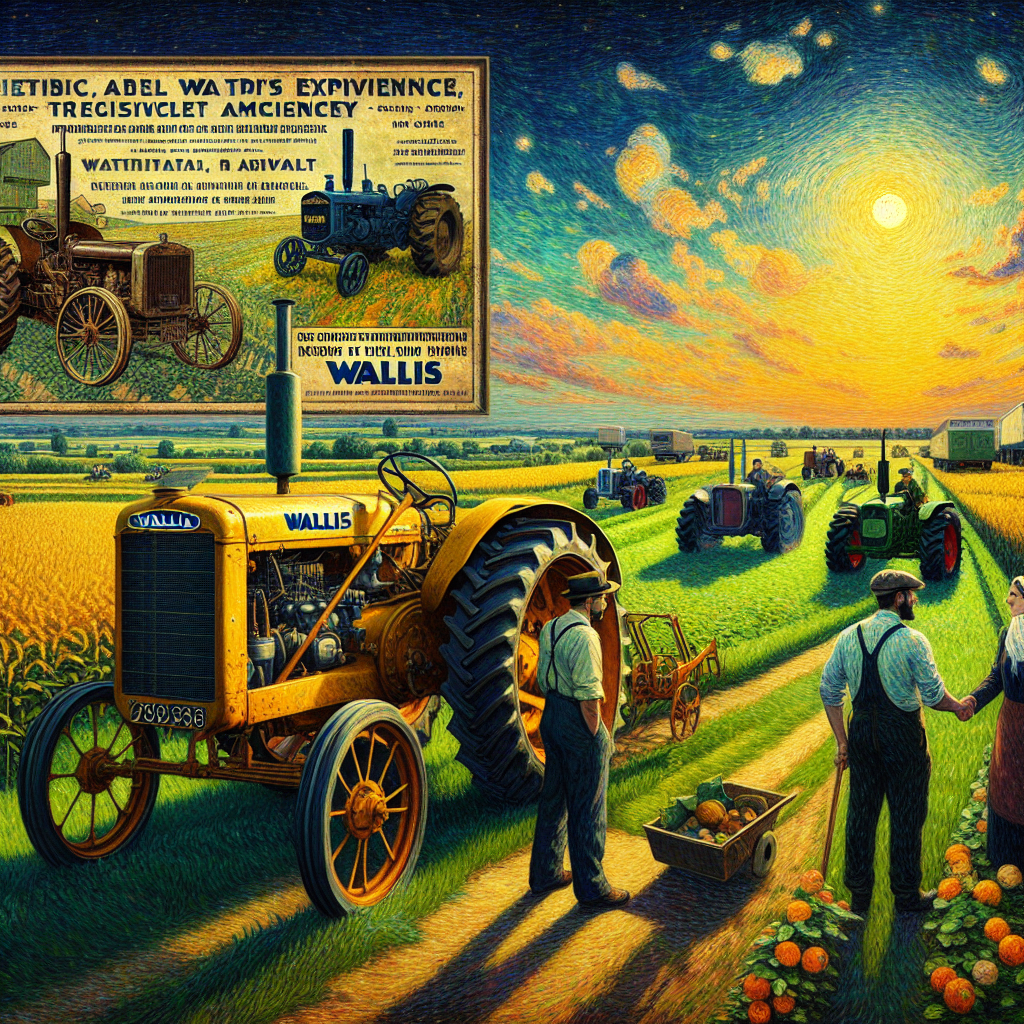
Are Classic Tractors A Symbol Of Nostalgia And Heritage?
When you hear the rumble of a vintage tractor rolling across a sun-kissed field, you can’t help but feel a wave of nostalgia wash over you. These machines are more than just a handful of steel and iron; they are time capsules that carry the weight of our agricultural heritage. Each dent, scratch, and layer of paint is a chapter in a story that embodies grit, hard work, and family ties. It’s not just about the tractor; it’s about what it represents—roots that run deep and the labor of love that sustains communities.
Now, let’s be real. These classic tractors represent a simpler time, a connection to our forebears who tilled the land with skill and dedication. In an age dominated by technology, there’s something grounding about working with machinery that doesn’t require a user manual thicker than a novel. It offers a sense of comfort—a reminder that progress, while crucial, doesn’t have to obliterate our past. Rationally, you may argue that newer models boast better efficiency and advanced features. However, there’s an intangible value in that old iron that modern machinery struggles to replicate; it’s an ethical choice to honor the traditions of sustainable farming that have served us for generations.
Beyond mere machinery, classic tractors invite us into a larger narrative. Whether it’s a father teaching his son how to plow the fields or a community gathering to celebrate a harvest festival, these icons of agriculture foster connection in ways few other things can. They spark conversations about our roots, inspiring trust in our shared history. That rusty beauty in the barn waits patiently for another chance to pull the plow in spring or plod along a country road with a new generation at its wheel. It’s a call to action—ignite that passion for our agricultural past, embrace the values that have shaped our lives, and remind ourselves that every field tells a story.
In today’s fast-paced world, there’s a yearning for authenticity. Classic tractors, with their unmistakable charm, fulfill that need by keeping us grounded in our past while driving us toward the future. They encourage us to roll up our sleeves, dig into the earth, and connect with the legacy that feeds our souls. So, the next time you spot one—a little weathered but undeniably proud—remember: it’s not just a tractor. It’s a symbol of who we are, what we’ve come from, and what we can build together.
Are Classic Tractors A Symbol Of Nostalgia And Heritage?
Are Classic Tractors A Symbol Of Nostalgia And Heritage?
- Classic tractors evoke nostalgia and represent agricultural heritage.
- Each tractor tells a story of hard work, family ties, and tradition.
- They symbolize a simpler time, connecting us to our ancestors who tilled the land.
- Old tractors offer comfort and remind us that progress doesn’t erase the past.
- Despite newer models boasting efficiency, classic tractors hold an intangible value and honor sustainable farming traditions.
- Classic tractors foster community connections and spark conversations about our roots.
- They fulfill a yearning for authenticity, reminding us of our legacy and shared history.
Are Classic Tractors A Symbol Of Nostalgia And Heritage?
How Do Classic Tractors Compare To Modern Machines In Performance?
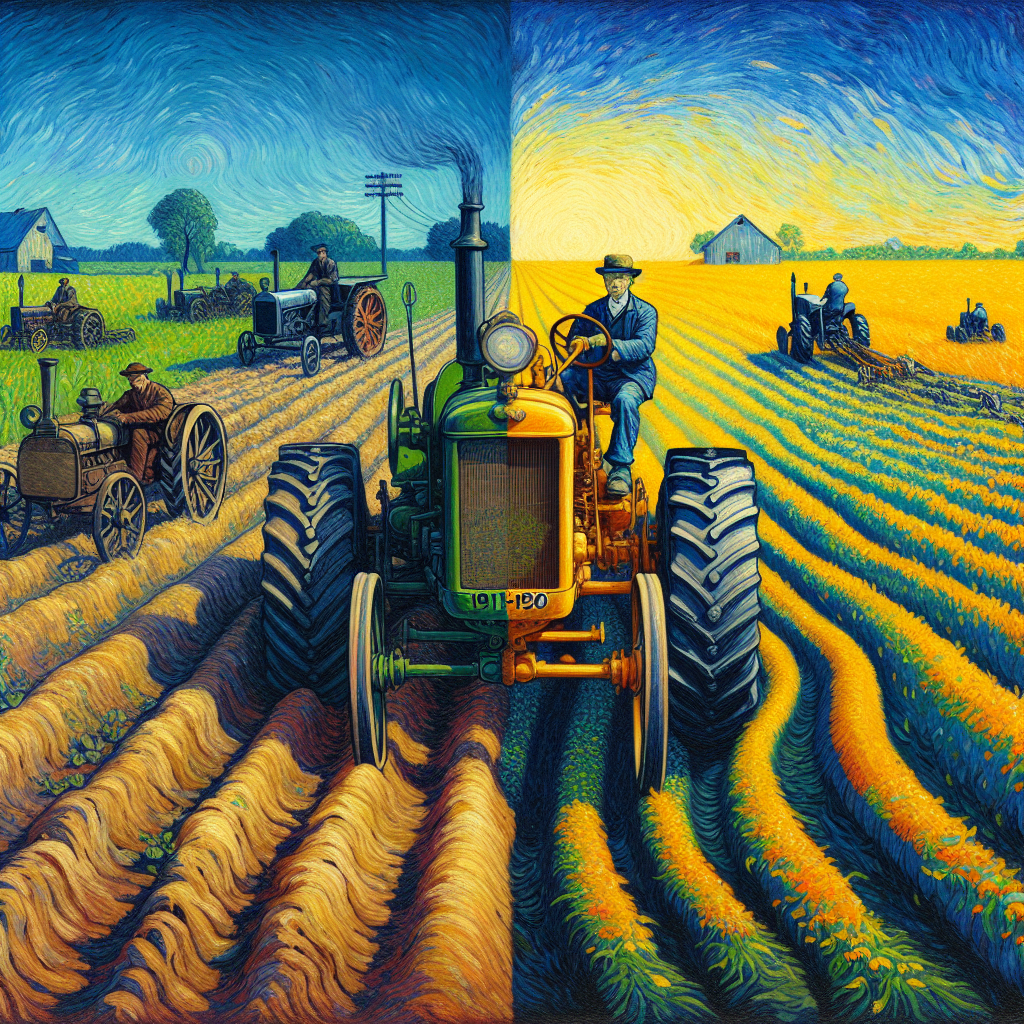
When you look at a classic tractor—those bulky, rugged machines that have plowed countless fields—you can’t help but feel a wave of nostalgia wash over you. There’s a story behind each dent, each scratch, and each proud, rusted bolt. These hulking pieces of machinery didn’t just help shape the agricultural landscape; they became symbols of hard work, tradition, and resilience. But as we dive into the world of modern farming, it’s vital we examine how these classic tractors stack up against their sleek, high-tech successors in terms of performance.
In their heyday, classic tractors were built to endure. They were powered by raw, mechanical might, dependable in the face of unpredictable weather or rocky terrain. Today’s machines, equipped with sophisticated electronics and precision engineering, often brag about their fuel efficiency, speed, and agility. The heart wants to sing the praises of new technology, but the gut knows there’s something special about those old iron giants—their simplicity, their ruggedness, the undeniable soul that speaks of an era when farming was done with sweat, grit, and a personal touch.
From a rational standpoint, modern tractors may boast GPS-guided navigation and advanced crop management tools that streamline farming like never before. Yet, there’s an innate sense of satisfaction in driving a classic tractor that transcends mere numbers and spreadsheets. The authority lies in lived experience—ask any seasoned farmer, and they’ll tell you about the pride that comes from coaxing a vintage tractor to life, feeling that raw power under your hands as you tackle the land that feeds us all.
Ethically, we must consider the role of sustainability. While modern machines promote efficiency, classic tractors foster a connection to the earth that is often lost in shiny new metal. They remind us of simpler times, when farming was about relationships—with the land, the community, and one another.
And let’s not forget the social fabric this debate weaves. The stories of farmers gathering to share tips, swapping parts, or simply reminiscing about the golden days reverberate through generations. Classic tractors remind us that farming isn’t just about cultivation; it’s about connection, legacy, and shared identity.
So, whether you’re behind the wheel of a classic beast or a modern marvel, it’s essential to honor both sides of the equation. After all, every farmer knows that it takes a sturdy tractor—whether old or new—to sustain the heart of agriculture. And that’s the real performance metric we should all care about.
How Do Classic Tractors Compare To Modern Machines In Performance?
How Do Classic Tractors Compare To Modern Machines In Performance?
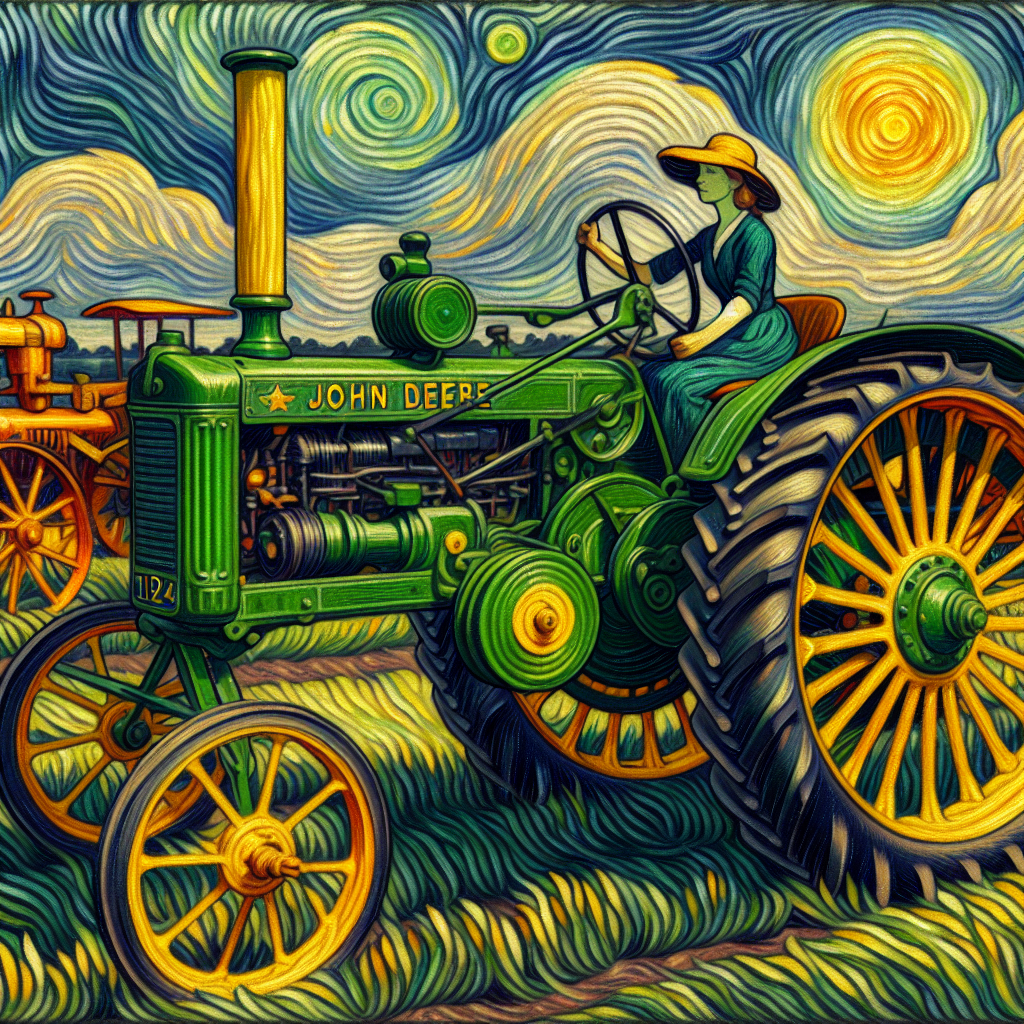
- Classic tractors evoke nostalgia, representing hard work, tradition, and resilience.
- They were known for durability and mechanical power, built to endure harsh conditions.
- Modern tractors feature advanced technology, including fuel efficiency and precision engineering.
- Driving a classic tractor provides a sense of satisfaction that goes beyond performance metrics.
- Classic tractors offer a connection to the earth, emphasizing relationships and community in farming.
- The stories and memories associated with classic tractors strengthen the social fabric of farming culture.
- Both classic and modern tractors are essential for sustaining agriculture and honoring farming’s legacy.
How Do Classic Tractors Compare To Modern Machines In Performance?
Do You Believe Classic Tractors Can Last Generations With Proper Care?
There’s something undeniably magical about a classic tractor. A rusty hunk of steel? Perhaps. But to the discerning eye, it’s a symbol of hard work, fierce determination, and lasting legacy. These machines aren’t just tools; they’re a testament to the old way of life, where a slow, steady rhythm kept families together and put food on the table. Picture it: your grandparents gathered around a weathered tractor, smiles stretching wide as they remember the long days in the fields. That example of grit and resilience can still be a part of your life—and with proper care, it can become an heirloom, passed down through generations.
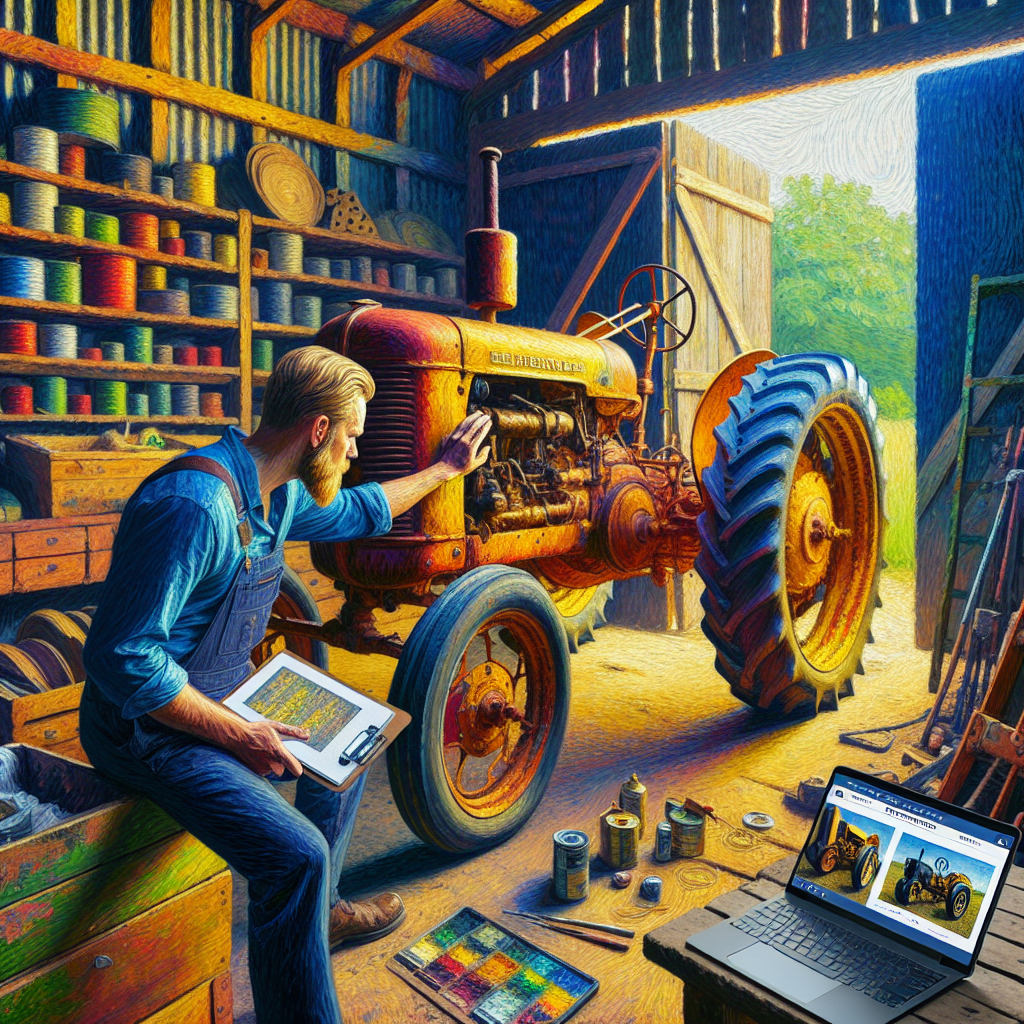
Now, let’s get pragmatic for a moment. A classic tractor, like any piece of machinery, requires attention. It’s not enough to shove it in the corner of the barn and hope for the best. Regular maintenance, oil changes, and the occasional tune-up are just the tip of the iceberg. A well-cared-for tractor can serve not just your needs, but also those of your children, and their children after them. It’s an investment—not just in metal and gears, but in family history. Think about that for a moment. When you lift that hood or grease those wheels, you’re not just maintaining steel; you’re nurturing a connection to your roots.
Ethically, ensuring that these tractors remain in working condition speaks to our responsibility as stewards of history. Isn’t it our duty to respect the craftsmanship and ingenuity of those who came before us? By preserving these machines, we honor the farmers who toiled under the sun, using them to cultivate not just crops, but entire communities.
And let’s not forget the social aspect of tractor care. There’s a community out there, folks—enthusiasts, collectors, and historians who are eager to share tips, stories, and techniques for keeping vintage machines alive. When you tend to these classic tractors, you’re not just working; you’re participating in a shared narrative. You become part of a dialogue that spans decades.
So, do you believe that with proper care, classic tractors can last generations? The heart says yes, the head says it’s practical, and the gut—well, it knows that good things endure. Invest in your tractor, and you invest in something much larger: a legacy that can be shared, celebrated, and cherished for years to come.
Do You Believe Classic Tractors Can Last Generations With Proper Care?
Do You Believe Classic Tractors Can Last Generations With Proper Care?
- Classic tractors symbolize hard work, determination, and legacy.
- They embody a traditional way of life, connecting families and communities.
- Proper maintenance, including regular oil changes and tune-ups, is essential for longevity.
- Well-cared-for tractors can become heirlooms, passed down through generations.
- Maintaining tractors honors the craftsmanship and efforts of past farmers.
- Community among enthusiasts fosters a shared narrative and exchange of knowledge.
- Investing in classic tractors supports a legacy that is celebrated and cherished.

Do You Believe Classic Tractors Can Last Generations With Proper Care?
Are Modern Machines Built To Outlast Classic Ones In Tough Conditions?
When we think of machines, especially those rugged beasts like tractors, our minds often wander to images of fields stretching endlessly under a blue sky, the hum of hard work echoing through the air. Whether it’s the classic models that have seen years of toil or the sleek, modern machinery rolling off the assembly line, there’s an innate desire to know: which are built to endure the grueling challenges of tough conditions?
Let’s face it; we love the classics—the charm of the vintage models speaks to something deep within us. Maybe it’s nostalgia or the assurance that they were constructed with a certain grit, often using parts that were tried and true, capable of withstanding the rigors of both sun and storm. There’s a visceral connection to these machines; they tell stories of farmers who’ve plowed through rain-soaked fields and those who’ve relied on them through generations. It’s that raw human experience, the sweat and dedication, that enriches every rusted bolt.
Yet, here we stand in a world littered with the technological wonders of today, asking if these modern machines are truly built to outlast the classics. High-tech sensors, precision engineering, and materials that promise durability and efficiency are impressive, no doubt. But do they hold that same spirit? Can they shoulder the weight of expectations that come with a legacy etched in soil? This isn’t just about metal and mechanics; it’s about trust and ethics. It’s a profound question of whether we are sacrificing heart for convenience.
Moreover, think about the choice we make as consumers. Do we opt for the new, cutting-edge solutions that boast efficiency, or do we find value in the character and stories behind older machines? Perhaps the answer lies in a synthesis of both. It’s about understanding that while modern tractors might bring innovation and advancement, they should also honor the tried-and-true ethos of endurance that has defined their predecessors.
As we engage with these machines, much like the communities building them, we forge connections that run deeper than performance metrics. Whether working the land with a timeworn tractor or embracing the future with a sleek model, we’re part of a narrative that spans generations. The wisdom lies not just in the hardware but in recognizing that true resilience—whether in machines or in our lives—often comes from both innovation and a respect for what has stood the test of time.
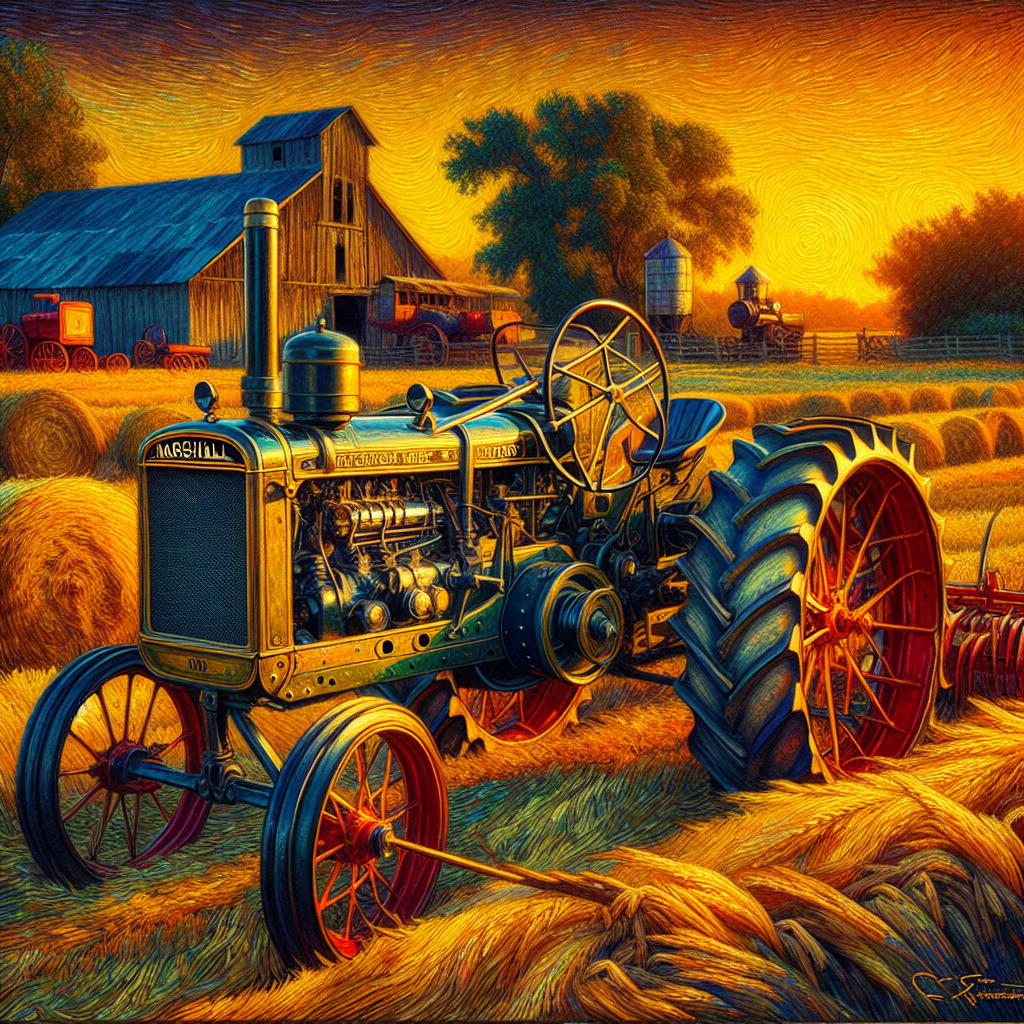
Are Modern Machines Built To Outlast Classic Ones In Tough Conditions?
Are Modern Machines Built To Outlast Classic Ones In Tough Conditions?
- Machines like tractors evoke images of hard work in expansive fields.
- Classic models hold nostalgia and are often built with durable, reliable parts.
- Vintage tractors share a connection to farmers’ experiences across generations.
- Modern machines feature advanced technology but may lack the spirit of tradition.
- Consumers face a choice between innovative solutions and the character of older models.
- True resilience in machinery comes from blending innovation with respect for tradition.
- Engaging with tractors connects us to a multi-generational narrative of endurance.
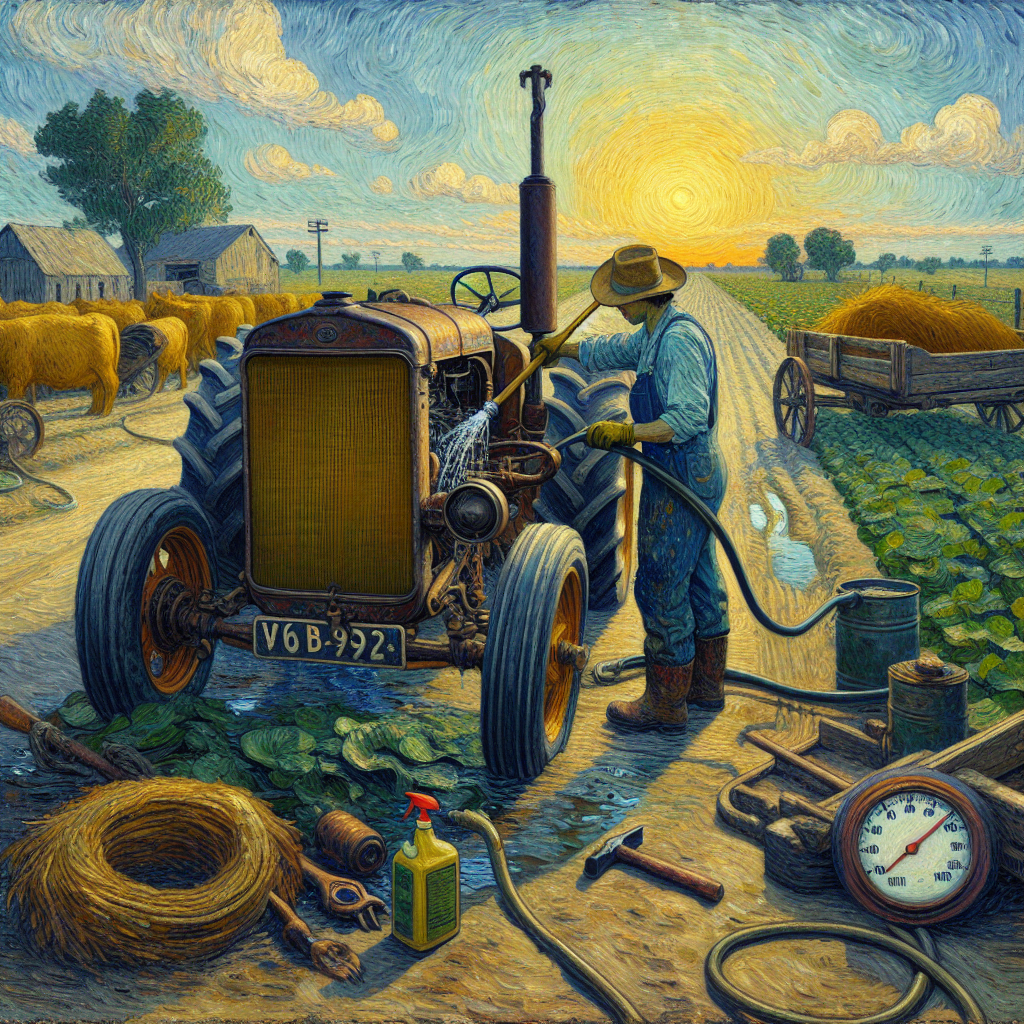
Are Modern Machines Built To Outlast Classic Ones In Tough Conditions?
Is The Simplicity Of Classic Tractors A Key To Their Reliability?
When you look at a classic tractor, there’s an unmistakable charm about it. These machines are like the old leather boots of the agricultural world—hard to find in today’s market but irreplaceable once you put them to work. The simplicity of classic tractors isn’t just a nostalgic throwback; it’s a crucial factor in their reliability. Simple designs mean fewer parts, fewer problems, and a whole lot less fuss.
Think about it. In a world that’s obsessed with tech and complexity, isn’t it refreshing to find a machine that does its job without all the bells and whistles? It’s almost like a conversation with a wise old farmer who knows the land better than anyone, teaching you the value of sweat and steel over silicon and circuit boards. This simplicity begs the question: Why do we feel a stronger bond with these machines? Maybe it’s because they remind us of a time when hard work didn’t come with a troubleshooting manual; it came from instinct and experience.
Rationally speaking, fewer parts mean fewer opportunities for failure. A classic tractor, with its straightforward mechanics, is like an old friend you can rely on. When you’re out in the field, you want something that won’t quit on you at the worst possible moment. These tractors have proven their worth for decades, often working just as hard for the next generation as they did for the previous one. They build a trust that transcends the marketplace—a relationship that evolves with every start, stall, and hard-earned harvest.
There’s an ethical layer to consider as well. In a time when sustainability is more critical than ever, classic tractors encourage us to reconnect with the earth. They remind us that progress doesn’t always need to be flashy; sometimes, it’s about honoring the past while moving forward. By maintaining and restoring these reliable machines, we cultivate an appreciation for craftsmanship that’s often lost in modern manufacturing. It’s not just machinery; it’s history—our shared heritage.
In every rivet and every rust spot, classic tractors tell stories of labor, resilience, and human spirit. They invite us into an enduring community of those who value the legacy of honest work. So, the next time you see one rolling through a field, take a moment to appreciate not just the beauty of the machine but what it represents: a connection to the land, the labor, and the lives woven into each turn of the wheel. That’s reliability rooted in simplicity, and it’s as reliable as they come.
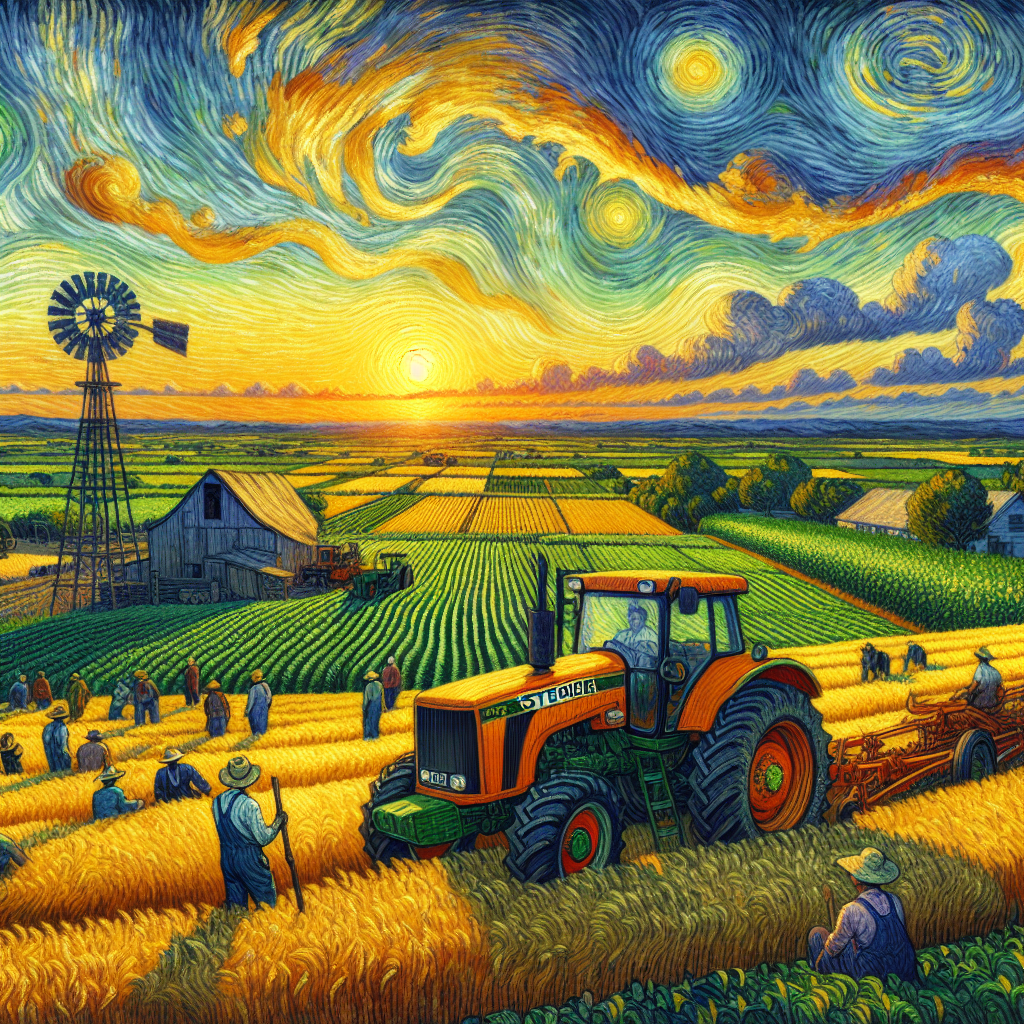
Is The Simplicity Of Classic Tractors A Key To Their Reliability?
Is The Simplicity Of Classic Tractors A Key To Their Reliability?
- Classic tractors possess a distinct charm, likened to old leather boots in their irreplaceability and functionality.
- The simplicity of their design contributes to reliability, with fewer parts leading to fewer problems.
- In a technology-driven world, classic tractors offer a refreshing return to straightforward functionality.
- They foster a connection to a time when hard work was built on instinct and experience rather than technology.
- Classic tractors build trust through years of reliable service across generations, reinforcing their value beyond market trends.
- These machines promote sustainability by reconnecting us with the earth and valuing craftsmanship over modern manufacturing.
- Each classic tractor embodies stories of labor and resilience, highlighting the human spirit and our shared heritage.
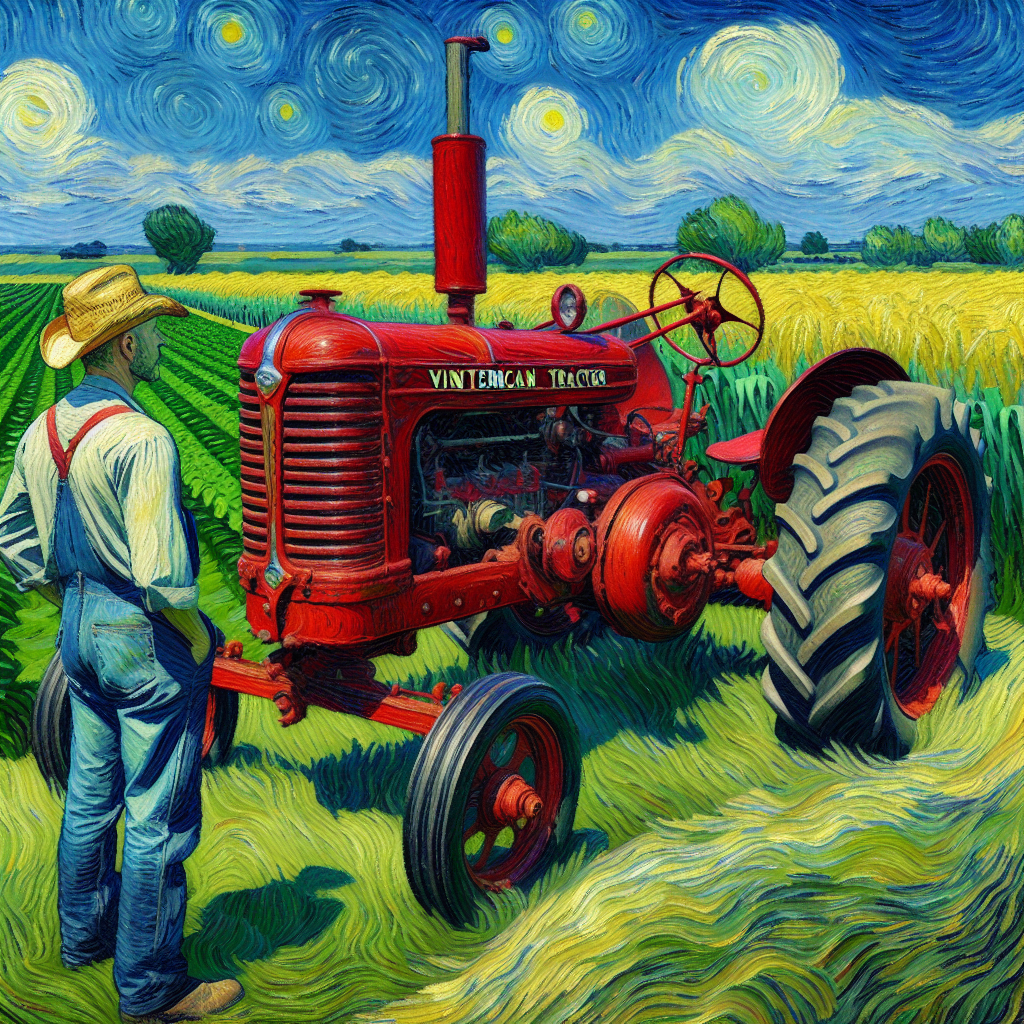
Is The Simplicity Of Classic Tractors A Key To Their Reliability?
How Do Mechanical Failures In Classic Tractors Compare To Modern Tech?
When we think of tractors, we often imagine the rhythmic thrum of a classic model rolling across a sun-kissed field, its steel chassis slowly weathering the seasons yet standing as a testament to human ingenuity. These machines have roots that run deep, their powerful engines and simple parts filling the hearts of farmers with a kind of reverence that is hard to articulate. But what happens when that metal giant fails? The truth is, mechanical failures in classic tractors, those monumental workhorses of yesteryear, often evoke a sense of nostalgia wrapped in a layer of vulnerability—a bittersweet reminder that even the most dependable machinery isn’t infallible.
Classic tractors, built from heavy iron and crafted with an eye toward durability, may lack the complex bells and whistles of modern technology, but they embody a straightforward, rugged charm and an ethical commitment to sustainability. Nowadays, we find ourselves surrounded by advanced tech, tractors that practically drive themselves—elegant white- and black-box solutions that can diagnose errors faster than you can say “fuel injector.” Yet, in the heart of it all, the fundamental nature of failure remains strikingly similar. Both old and new machines can succumb to negligence, or the slow decay of time. To trust a device, whether vintage or state-of-the-art, is to acknowledge its limitations.
It’s easy to feel invincible behind the wheel of the latest model, but the old-timers remind us that maintenance is not merely a factor of technology; it’s an ethic. It calls to mind the days spent elbow-deep in grease, the engine blues echoing through the air, and countless stories shared over coffee with fellow farmers eager to troubleshoot and swap tales of toil and triumph. This sense of community around maintaining a classic tractor breeds camaraderie and shared wisdom, harmonizing our mechanical failures with the very essence of our human experience.
Ultimately, whether you’re restoring a vintage beauty or servicing a high-tech marvel, we’re all in this together. The challenge of tackling those magical yet maddening mechanical issues transcends the type of tractor we drive. So, let’s foster that connection, learn from one another, and elevate our appreciation for these machines—old and new. There’s honor in understanding and a certain gravity in our shared journey toward a more effective future with the knowledge gleaned from the past. Let’s roll up our sleeves, share a laugh, and keep our tractors—and ourselves—running smoothly.
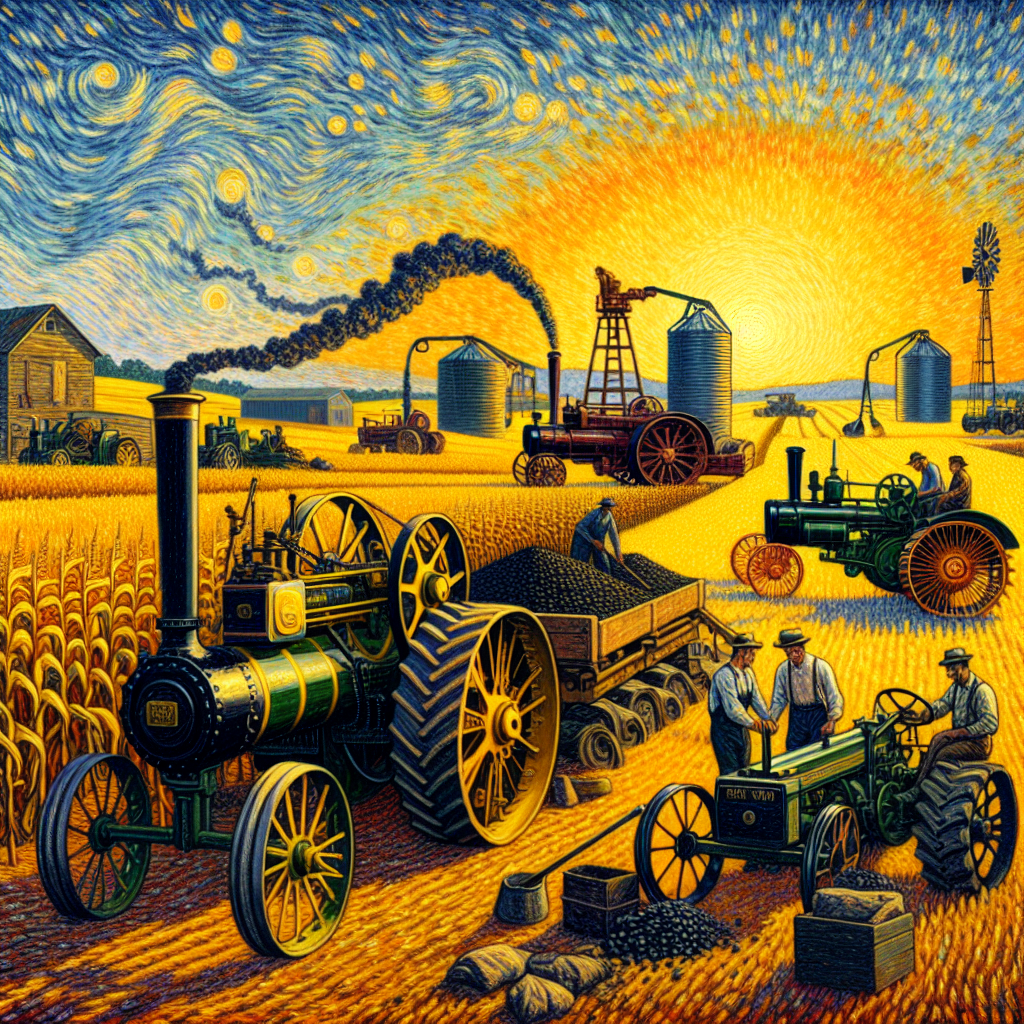
How Do Mechanical Failures In Classic Tractors Compare To Modern Tech?
How Do Mechanical Failures In Classic Tractors Compare To Modern Tech?
- Classic tractors evoke nostalgic feelings and represent human ingenuity through their enduring, rugged design.
- Mechanical failures in classic tractors serve as a bittersweet reminder of their vulnerability despite their reliability.
- While modern tractors contain advanced technology, the essence of mechanical failure is consistent across all machines.
- Maintaining tractors is viewed as an ethic and not merely a technological issue, emphasizing the importance of care and attention.
- A strong sense of community exists among farmers who share stories and troubleshooting experiences related to tractor maintenance.
- Restoring both vintage and modern tractors highlights the shared human experience in dealing with mechanical challenges.
- Collaborative efforts in tractor maintenance encourage appreciation for both old and new machines, promoting a more effective future.
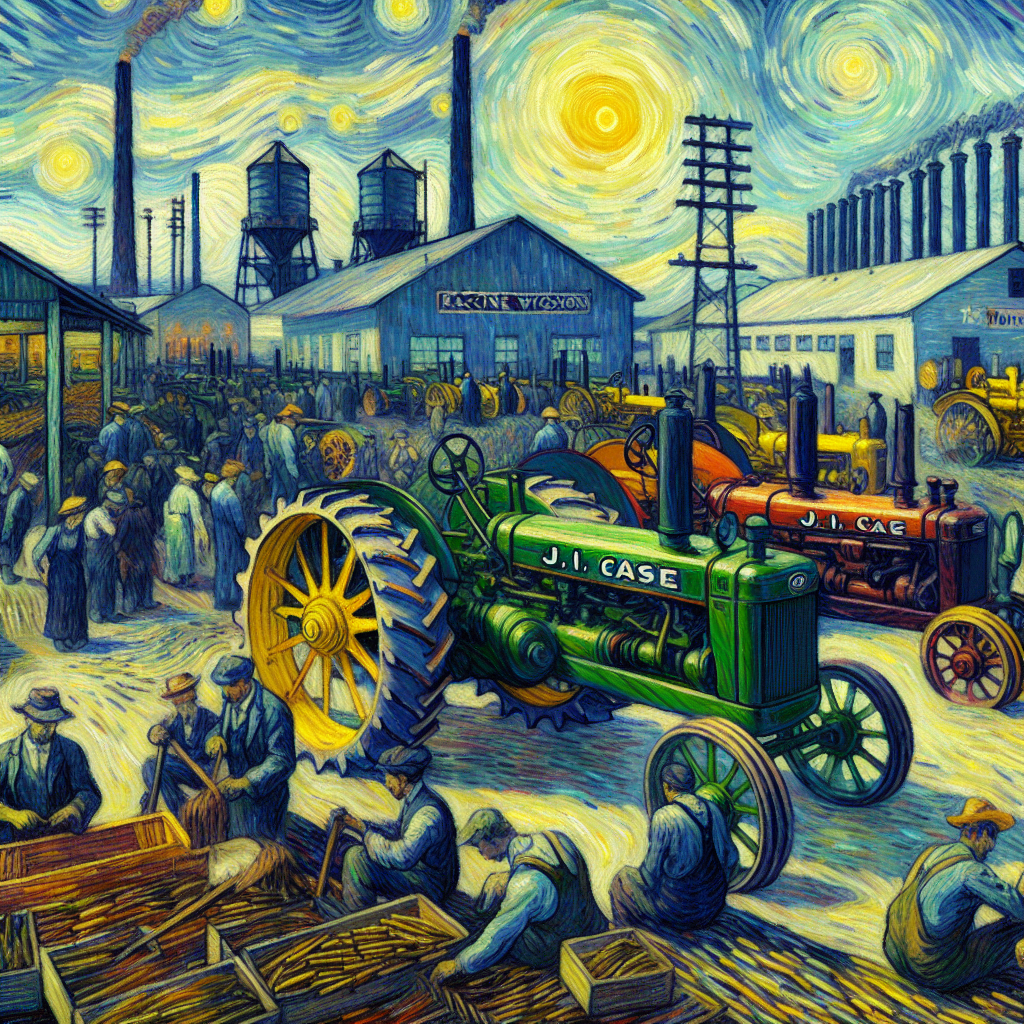
How Do Mechanical Failures In Classic Tractors Compare To Modern Tech?
Conclusion
When we gather around the farm, surrounded by the hum of tractors—both classic and modern—it’s natural to feel a rush of emotions, nostalgia, and pride. Classic tractors are more than just a collection of metal and bolts; they’re symbols of enduring legacy and steadfast reliability. They embody the story of agriculture—where every rusted bolt and scraped fender tells tales of hard work, sweat, and the legacy of generations. The romance of these vintage machines resonates with anyone who’s ever felt the sun on their back and the soil under their fingernails.
Yet, as we juxtapose these historical hard workers against their high-tech counterparts, a conflict arises. Modern tractors represent the pinnacle of engineering—sophisticated machinery designed to optimize performance and efficiency. They boast advanced capabilities that classic models could only dream of. However, this technological complexity can come at a cost. When a digital dashboard alerts you to a problem, the solution may not involve a simple wrench and elbow grease but rather a trip to a service center, where the relationship between man and machine feels disconnected.
And therein lies the rub. While modern machines often excel in performance, classic tractors remind us of the beauty in simplicity—machines you can fix without a computer manual. They foster a hands-on connection, a sense of community, and a narrative that champions resilience and authenticity. When farmers share stories about keeping their classic tractors alive, they’re sharing threads of history, bonding over a shared passion that technology can’t replicate.
Investing in classic tractors is also an ethical choice. It’s about celebrating the craftsmanship of yesteryears and preserving the values of sustainability and hard work that define farming culture. By choosing to restore and maintain these machines, we’re not just honoring the iron; we’re connecting with the people and the heritage that keep farming alive.
So, whether you’re at a tractor show with friends, online in a community forum, or simply reminiscing about your childhood rides on Grandpa’s farm, remember this: tractors—old or new—aren’t just metal. They are lifelines to our past, nudging us to confront our roots while planting seeds for the future. As we roll through fields, both nostalgic for the past and hopeful for what’s ahead, let’s appreciate the stories embedded in every turn of the wheel. They remind us that, ultimately, it’s not the machine itself but the heart and soul of the people who operate them that truly carries us forward.
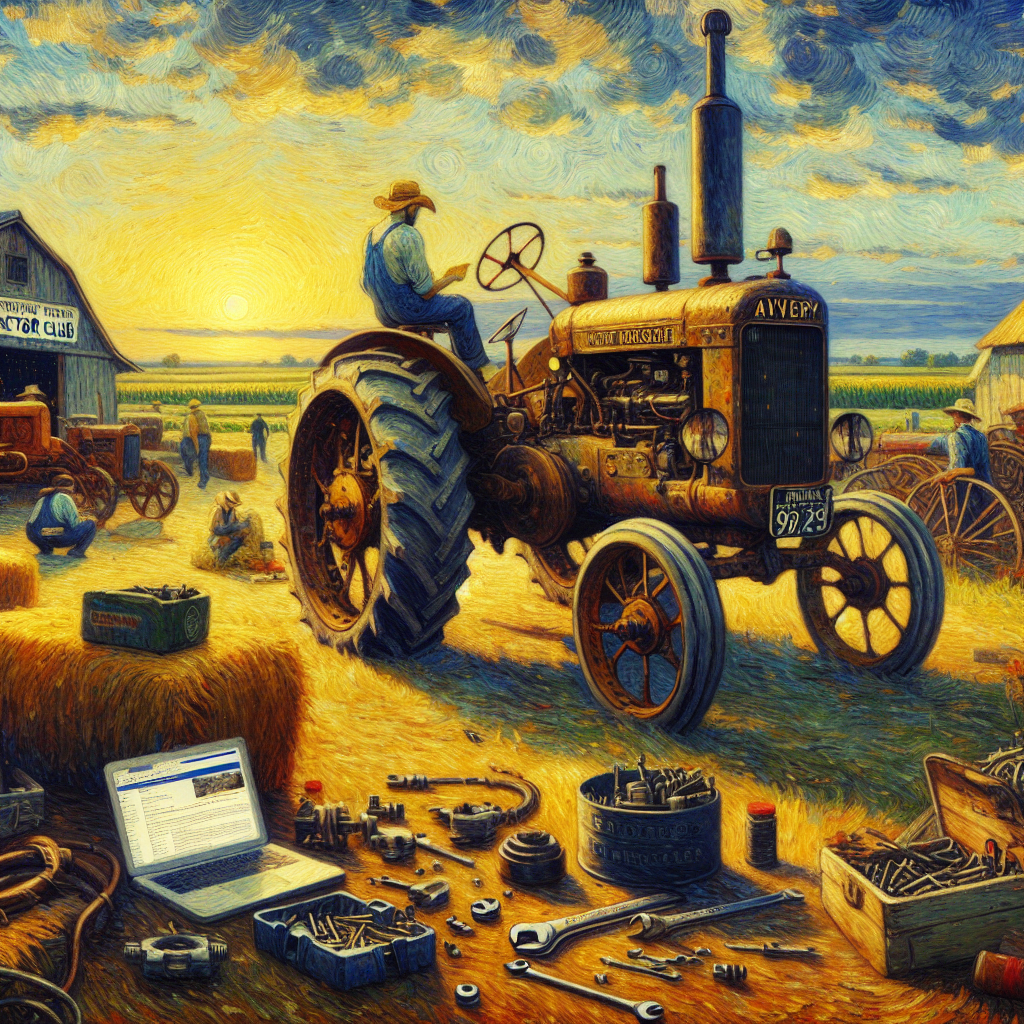
Conclusion
Conclusion:
- Gathering around tractors evokes emotions of nostalgia and pride.
- Classic tractors symbolize legacy and reliability in agriculture.
- Modern tractors represent advanced engineering and efficiency.
- Technological complexity can create a disconnect between man and machine.
- Classic tractors foster community and hands-on connection through shared stories.
- Restoring classic tractors supports sustainability and honors farming culture.
- Both old and new tractors serve as reminders of our past and future aspirations.
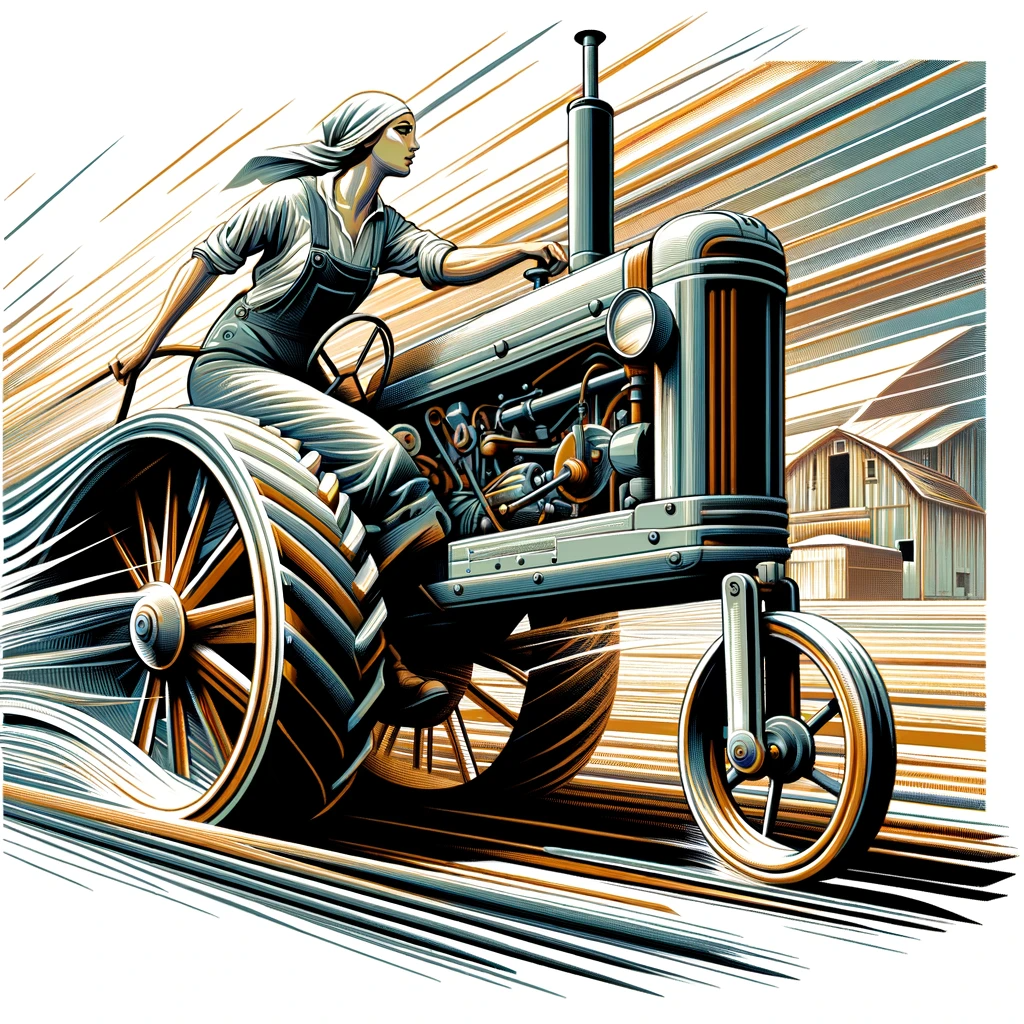
Conclusion
Other Resources
Other Resources
Here is a list of other resources you can review online to learn more:
- California Antique Farm Equipment Show
- Rock Island
- White
- Komatsu
- GBT
- Legacy of the Plains Museum
- Holt
- Bima
- Ferguson
Use This Prompt To Get More Resources With Your Favorite Online AI Tool: Please provide me with a list of online articles with their URLs in a bulleted list that I can read regarding Are Classic Tractors Truly More Reliable Than Modern Machines
Other Resources
Glossary Terms
Are Classic Tractors Truly More Reliable Than Modern Machines – Glossary Of Terms
1. Classic Tractor: A vintage agricultural vehicle typically built between the 1920s and 1980s, renowned for its simplicity and ease of repair.
2. Modern Tractor: A contemporary agricultural machine equipped with advanced technology, electronics, and integrated systems for increased efficiency.
3. Reliability: The consistency and dependability of a machine to perform its intended functions without failure over time.
4. Simplicity: Referring to the straightforward design and fewer components of classic tractors, making them easier to maintain and repair.
5. Technological Advancement: Improvements in tractors over time that incorporate digital systems, automated controls, and precision farming technologies.
6. Durability: The ability of a tractor to withstand wear, pressure, or damage, often a notable trait of classic models constructed with robust materials.
7. Maintenance: The routine care and repairs needed to keep a tractor operating efficiently, which can vary significantly between classic and modern machines.
8. Parts Availability: The ease of obtaining spare parts; classic tractors may have limited parts availability compared to modern machines with extensive support networks.
9. Fuel Efficiency: The ratio of output to fuel consumption, which may differ widely between classic and modern tractors due to advancements in engine design.
10. User-Friendly: Refers to how easy a tractor is to operate, with modern tractors often designed with intuitive controls and displays.
11. Legacy: The historical importance and continued appreciation for classic tractors, often cherished by collectors and enthusiasts.
12. Mechanical Systems: The components and mechanisms that make up a tractor’s operation; classic tractors rely heavily on mechanical systems without electronic assistance.
13. Electronic Control Unit (ECU): A modern machine’s central component that manages engine performance and efficiency through digital systems.
14. Hydraulics: A system that uses pressurized fluid to power machinery; essential for both classic and modern tractors but more advanced in newer models.
15. GPS Technology: A modern feature that provides precise positioning and navigation for farming tasks, enhancing efficiency and accuracy.
16. Operator Comfort: Features designed to make the operator’s experience better, such as improved seating, climate control, and reduced noise levels, which are more prevalent in modern tractors.
17. Longevity: The lifespan of a tractor, often linked to its brand, model, and how well it has been maintained over the years.
18. Vintage Restoration: The process of restoring classic tractors to their original condition, often involving significant time and resources.
19. Power-to-Weight Ratio: A measure of a tractor’s efficiency and performance, representing the power of the engine relative to the tractor’s weight.
20. Field Performance: The effectiveness of a tractor in agricultural tasks, which can be influenced by design, age, and technology.
21. Aftermarket Support: Availability of service, repairs, and parts provided by third-party vendors, which can vary significantly for classic versus modern tractors.
22. Innovation: The introduction of new ideas and technologies to improve tractor performance, which is constantly evolving in the modern era.
23. User Reviews: Feedback from operators regarding the performance and reliability of their tractors, often highlighting strengths and weaknesses.
24. Maintenance Costs: The total expenses associated with keeping a tractor operational, which can differ between classic and modern models.
25. Environmental Impact: The effect of tractor operations on the environment, where modern machines often meet stricter emissions standards.
26. Crop Yield: The amount of agricultural produce obtained from a given area, potentially influenced by the technology used in modern tractors.
27. Resale Value: The market value of a tractor when sold; classic tractors often maintain or appreciate in value, while modern machines may depreciate quickly.
28. Safety Features: Features designed to enhance operator safety, which are increasingly integrated into modern tractors but may be limited in classic models.
29. Customization: The ability to modify or upgrade tractors with additional features or attachments, more commonly done with modern machines.
30. Community Engagement: The involvement of enthusiasts and collectors who share a passion for classic tractors, contributing to their cultural significance and preservation.
Glossary Of Terms
Other Questions
Are Classic Tractors Truly More Reliable Than Modern Machines – Other Questions
If you wish to explore and discover more, consider looking for answers to these questions:
- What are some common issues faced by classic tractors compared to modern machines?
- How do repair costs for classic tractors compare to modern tractors?
- What steps can be taken to maintain a classic tractor for longevity?
- Are there specific brands of classic tractors known for better reliability?
- How do modern tractors integrate technology to improve agricultural efficiency?
- What are the most significant technological advancements in modern tractors?
- Do enthusiasts consider classic tractors to be more valuable than modern ones?
- How do the environmental impacts of classic tractors compare to modern ones?
- What role do classic tractor shows play in preserving agricultural history?
- Are there specific models of classic tractors that are particularly sought after?
- What are some tips for restoring vintage tractors?
- How can community support benefit the preservation of classic tractors?
- What future trends may affect the use and reliability of tractors?
- Are there community or online resources available for classic tractor enthusiasts?
Other Questions
Haiku
Are Classic Tractors Truly More Reliable Than Modern Machines – A Haiku
Old iron wheels turn slow,
Stories etched in rust and toil—
Hearts and fields entwined.
Haiku
Poem
Are Classic Tractors Truly More Reliable Than Modern Machines – A Poem
A Tractor’s Tale: Ode to Earth and Time
In fields where sunlit whispers sway,
The heartbeat of the past gives way,
To classic tractors, proud and stout,
With stories etched, of sweat and clout.
Rusty giants, with histories deep,
Foster bonds that time shall keep,
Each dent a memory, each scratch a song,
In the hands of farmers who’ve labored long.
Oh, the elegance of simple things,
Where loyalty blooms and nostalgia sings,
In those sturdy frames, both weathered and worn,
Lies a spirit unbroken, a legacy born.
Modern marvels glide with ease and flair,
Yet in their circuits, do they truly care?
Complex and clever, they promise a lot,
But can they evoke the love that old iron’s wrought?
Fewer parts in the classics mean fewer ails,
A connection to the ground where steadfastness prevails,
When things go awry, oh what joy it brings,
To turn a wrench, hear the engine’s familiar rings.
Ethics weave through our choices made,
Investing in stories that never fade,
Supporting small farmers, reviving the past,
In a world racing forward, where shadows are cast.
Gatherings of neighbors, sharing their pride,
Fostering friendships that never subside,
In those dusty barns, a community grows,
Where laughter and lessons like wildflowers flow.
What do we cherish, in the machines that we choose?
Efficiency’s glimmer or the wisdom we lose?
For every field tells a tale, of hardship and cheer,
In a dance with the future, let’s hold the past dear.
So here’s to the classics, their charm ever bright,
A testament to toil, to enduring light,
For whether new or old, it’s love that we seek,
In the heartbeat of tractors, where stories speak.
Let’s rev up the engines, let hands meet the wheel,
As we cultivate legacies our hearts can feel,
In the fields where we wander, through sunlit embrace,
Classic or modern, it’s our roots we must trace.
Poem
Checklist
Are Classic Tractors Truly More Reliable Than Modern Machines – A Checklist
Classic Tractor Reliability Checklist
This checklist is designed to enhance your experience with classic tractors and help you appreciate their unique value. It engages the heart, head, and gut through emotional, rational, ethical, authority, narrative, and social appeals.
Heart: Emotional Connections
_____ Reflect on the Stories: Think about the history your tractor represents. Write down a memory or story related to it or your family’s agricultural past.
_____ Embrace the Community: Attend local tractor shows or gatherings to connect with fellow enthusiasts and share stories about your experiences.
_____ Create a Tribute: Consider naming your tractor or painting a meaningful message on it to reflect its journey through your family.
Head: Rational Understanding
_____ Evaluate Performance: Compare your classic tractor’s performance metrics (fuel efficiency, durability) with modern machines to understand its advantages.
_____ Maintenance Checklist: Create a regular maintenance schedule. Include tasks like oil changes, greasing, and bolt tightening to ensure longevity.
_____ Document Repairs: Keep a record of any repairs or modifications made to your tractor to assess reliability over time and guide future maintenance.
Gut: Instinctive Connection
_____ Assess Simplicity: Reflect on how the simplicity of your classic tractor contributes to its reliability. List the parts that are easy to access and repair.
_____ Feel the Pride: When driving or working with your tractor, take a moment to appreciate the raw power and craftsmanship inherent in the machine.
_____ Connect with the Land:Spend time in the fields with your tractor, embracing its connection to the earth and the agricultural legacies it upholds.
Ethical Considerations
_____ Support Local Communities: Whenever possible, source parts or services from local businesses that specialize in classic tractors to promote sustainable practices.
_____ Preserve Heritage: Join or create a local group dedicated to the restoration and preservation of classic tractors to honor craftsmanship.
_____ Share Knowledge: Offer to mentor younger farmers or enthusiasts about the importance of classic tractors and the values they embody.
Authority and Expertise
_____ Engage with Experts: Attend seminars or workshops led by seasoned restorers and farmers to gain insights into the care of classic tractors.
_____ Follow Trusted Resources: Subscribe to magazines, blogs, or online forums focused on classic tractors to stay informed about best practices and innovations in restoration.
Narrative Value
_____ Write Your Tractor’s Story: Document the journey of your tractor (where you found it, its restoration, and its working life) to create a narrative that can be shared with future generations.
_____ Photograph Its Journey: Capture moments of your tractor in action—whether working in the field or during restoration—to build a photographic history.
Social Engagement
_____ Join a Club: Connect with local or online classic tractor clubs to share resources, tips, and camaraderie with like-minded individuals.
_____ Host a Gathering: Organize a meet-up with friends and fellow enthusiasts to showcase classic tractors, swap stories, and bond over a shared passion.
Feel free to customize this checklist to suit your specific interests and experiences with classic tractors!
At ClassicTractorNews, we help tractor lovers keep up with the latest news for classic and vintage tractors.
Please share this post with your friends, family, or business associates who may like old classic or vintage tractors.