


The Timeless Power And Legacy Of Classic Tractors
By Tom Seest
At ClassicTractorNews, we help tractor lovers keep up with the latest news for classic and vintage tractors.
Please share this post with your friends, family, or business associates who may like old classic or vintage tractors.
Are Classic Tractors The Unsung Heroes Of Modern Farming’success
When you think of farming today, what springs to mind? The sprawling fields, the cutting-edge machinery, the whistle-stop messengers of technology that seem to grow out of the land like the crops themselves? Sure, the flashy, big-brand tractors steal the headlines, but let’s take a moment to tip our hats to the classic tractors—the rugged, time-tested workhorses that paved the way for modern agriculture. These aren’t just machines; they are symbols of resilience and innovation, echoing the sweat and determination of generations before us.
Consider the classic tractor sitting idle in a barn. There’s a story behind every dent, every scratch on that paint. Each one carries with it the weight of a farmer’s dreams and sacrifices. Farmers didn’t just buy these tractors; they formed a bond, nurturing them like family members. This connection is what makes classic tractors more than mere tools; they embody a legacy, a commitment to the land, and an understanding of nature that transcends trends.
On a rational level, these machines are the backbone of practical farming wisdom. Classic tractors boast simplicity and durability that many modern models often lack. With fewer bells and whistles, they allow farmers to focus on what truly matters—getting the job done. Their straightforward mechanics make them easier to repair, which means less downtime and more time spent in the field. In a world obsessed with speed and efficiency, these workhorses remind us that sometimes, slowing down—relying on what’s been tried and true—leads to greater success.
Ethically, honoring these classic tractors supports a sustainable farming ethos. By working with older models, farmers demonstrate a commitment to reducing waste and celebrating resourcefulness. When we choose to keep these vehicles running, we send a message: Innovation doesn’t always mean discarding the past; sometimes, it’s about preserving the stories that made us who we are.
The truth is, classic tractors are the unsung heroes of modern farming success. They are tangible reminders of the values we need to carry forward—dedication, hard work, and respect for the earth. So, next time you see that old tractor in the field, don’t overlook it. Instead, pause and recognize the pride behind that engine, for it carries not just a farmer, but an entire legacy of innovation, grit, and heart.

Are Classic Tractors The Unsung Heroes Of Modern Farming’success
Are Classic Tractors The Unsung Heroes Of Modern Farming’success
- Modern agriculture is often associated with advanced machinery and technology.
- Classic tractors symbolize resilience, innovation, and the effort of previous generations.
- Each classic tractor has a unique story, reflecting a farmer’s dreams and sacrifices.
- Farmers form a bond with classic tractors, seeing them as family rather than mere tools.
- Classic tractors are valued for their simplicity, durability, and ease of repair, contrasting with many modern models.
- Using classic tractors promotes sustainability by reducing waste and preserving history.
- Classic tractors embody essential values such as dedication, hard work, and respect for the earth.

Are Classic Tractors The Unsung Heroes Of Modern Farming’success
Table Of Contents
- Are Classic Tractors The Unsung Heroes Of Modern Farming’success
- Are Classic Tractors A Testament To Agricultural Resilience?
- Do Vintage Tractors Represent The Soul Of Farming Heritage?
- How Do Classic Tractors Blend Tradition And Modern Efficiency?
- Can The Use Of Vintage Machinery Reduce Our Carbon Footprint?
- Are Classic Tractors More Reliable In Harsh Farming Conditions?
- What Stories Do Classic Tractors Tell About Our Farming History?
- Conclusion
- Other Resources
- Glossary Of Terms
- Other Questions
- Haiku
- Poem
- Checklist
Are Classic Tractors A Testament To Agricultural Resilience?
Are Classic Tractors A Testament to Agricultural Resilience?
When we think about the grit and grind of farming, it’s impossible not to picture a sturdy tractor, churning the soil beneath a vast sky. These remarkable machines are more than just workhorses; they are emblematic of an undying commitment to agriculture—a commitment that has weathered storms both literal and metaphorical. A classic tractor, like a faithful old friend, stands as a testament to generations of farming families who have poured their sweat, blood, and tears into the land.
Let’s take a moment to breathe in this narrative. Imagine a family who’s toiled in the same fields for decades, their hands calloused and their stories woven into the very fabric of their community. Each time a classic tractor roars to life, it echoes the trials and triumphs of those who came before. It symbolizes resilience—a reassurance that, even in the face of droughts, floods, or market fluctuations, the land can yield life. The sight of these machines, potholed and worn, stirs something deep inside us, reminiscent of our own struggles and victories in life.
But it’s not just nostalgia; there’s a rational case here too. Classic tractors represent a timeframe when things were built to last, when quality and durability reigned supreme over disposable culture. Their mechanical simplicity invites us to connect with the very essence of farming: hard work, meticulous care, and an unwavering resolve. In an age dominated by technology, there’s something beautifully grounding about the straightforward functionality of these machines. They remind us that the best solutions often lie in simplicity.
On an ethical level, preserving these tractors fosters a collective memory—a respect for the hard-won knowledge and tradition of farming. When we restore and cherish these machines, we aren’t just honoring the past; we are charting a course for future generations. By sharing stories of their resilience, we inspire younger farmers to appreciate where their food comes from and the sacrifices made to put it on their plates.
Ultimately, classic tractors are more than just metal and gears. They are a bridge between generations, a beacon of hope, and a call to action. Let’s embrace their stories, advocate for their preservation, and, most importantly, remind ourselves that the heart of agriculture beats strong, even in the toughest times. It’s time to ensure these symbols of resilience continue to inspire us all.

Are Classic Tractors A Testament To Agricultural Resilience?
Are Classic Tractors A Testament To Agricultural Resilience?
- Classic tractors symbolize a deep commitment to agriculture and resilience.
- They represent the hard work and sacrifices of generations of farming families.
- Each classic tractor encapsulates the history of trials and triumphs in farming communities.
- These machines highlight the era of durability and quality over modern disposable culture.
- Classic tractors’ mechanical simplicity connects us to the core values of farming.
- Preserving classic tractors fosters respect for agricultural traditions and collective memory.
- They serve as a bridge between generations, inspiring future farmers and honoring the past.

Are Classic Tractors A Testament To Agricultural Resilience?
Do Vintage Tractors Represent The Soul Of Farming Heritage?
When you stand before a vintage tractor, it’s more than just a piece of machinery; it’s a tangible connection to our shared farming heritage. Each scratch on the paint, each rusted bolt tells a story—not just of fields plowed, but of lives intertwined with the land, of generations who understood the earth’s rhythm. These tractors weren’t just tools; they were lifelines. From the gentle hum of their engines to the scent of oil mixed with dirt, they encapsulate the grit and grace of those who tilled the soil and reaped the rewards.
In a world dominated by sleek gadgets and robotic farming, there’s something profoundly reassuring about the raw, mechanical beauty of a vintage tractor. It calls to mind a simpler time when the relationship between man and machine was one of respect, hard work, and responsibility. You can almost hear the laughter of families gathered in the fields, the joy of hard days’ labor under a sun-soaked sky. They remind us that farming is not just an occupation; it’s an identity, rich with legacy.
Let’s be honest: we’ve all felt that yearning to belong to something bigger than ourselves. Visiting a tractor show or rally is like stepping into a living archive—each machine a chapter of a much larger narrative. You see farmers of all ages gathered side by side, sharing stories with a kind of camaraderie only found among those who respect the land and the tools that cultivate it. There’s a sense of tribe in those gatherings, a reminder that while technology changes, the core values of hard work, perseverance, and community remain timeless.
These vintage tractors represent the soul of farming heritage, bridging the gap between past and present. They beckon us to appreciate not only the technological advancements of today but also the sweat and sacrifice that laid the groundwork. By engaging in this rich history, we become part of a narrative that honors our predecessors while shaping the future of agriculture.
As we celebrate these remarkable machines, let’s also commit to preserving their legacy. Whether through restoration projects, educational workshops, or even just sharing your own stories, we have the power to ensure that the soul of our farming heritage is never forgotten. So, the next time you see a vintage tractor, don’t just pass by. Stop, listen, and feel every ounce of the history it carries. Embrace the connection.

Do Vintage Tractors Represent The Soul Of Farming Heritage?
Do Vintage Tractors Represent The Soul Of Farming Heritage?
- Vintage tractors symbolize a connection to farming heritage, telling stories of lives intertwined with the land.
- Each scratch and rusted bolt on a tractor reflects the history of hard work and respect for the earth.
- They represent a simpler time, emphasizing the relationship between man and machine built on responsibility.
- Tractor shows and rallies foster a sense of community and camaraderie among farmers across generations.
- These machines highlight the values of hard work, perseverance, and tradition amidst modern technological advancements.
- Engaging with vintage tractors allows us to honor our predecessors while shaping the future of agriculture.
- We should preserve the legacy of these tractors through restoration, education, and storytelling to ensure their history is remembered.

Do Vintage Tractors Represent The Soul Of Farming Heritage?
How Do Classic Tractors Blend Tradition And Modern Efficiency?
When you think of a classic tractor, what comes to mind? Perhaps it’s the rumble of an engine that has weathered decades, or the sight of vibrant red or green paint glistening under the sun, a symbol of strength and resilience. These machines are more than just tools; they’re embodiments of tradition, standing as timeless testaments to hard work and ingenuity. But how do these iconic machines blend the old with the new, turning nostalgia into modern efficiency?
Let’s take a step back and consider the heart of it all. Each classic tractor tells a story—stories of farmers rising before dawn, plowing fields, sowing seeds, and harvesting crops that nourish communities. It’s not just about pulling a plow; it’s about connection to the land, family legacies, and the sweat equity that built entire generations. When you hop onto a classic tractor, you’re stepping into a narrative that stretches across time, linking you to countless lives who have shared the same experience.
Now, let’s use our heads for a moment. Modern engineering has made it possible to retrofit these beloved machines with cutting-edge technology that enhances their efficiency without sacrificing their character. Picture this: a classic tractor equipped with fuel-efficient engines, GPS guidance systems, and precision farming tools. It’s like blending a heartwarming memoir with a thrilling sci-fi twist—suddenly, everything you love is paired with powers you never knew existed. This combination not only breathes new life into vintage machines but also proves that respect for tradition doesn’t come at the cost of progress.
Now, let’s talk ethics. In an age where sustainability is critical, classic tractors embody a spirit of responsible farming. They often require less fuel and can be maintained with fewer resources than their modern counterparts. By choosing to upgrade rather than replace, farmers embrace the classic tractor’s legacy while committing to environmental stewardship. It becomes not just a personal choice but a collective responsibility to honor the land we tend to and the communities we support.
Finally, think about the social impact. Owning and restoring a classic tractor fosters a sense of camaraderie among enthusiasts. From tractor shows to community gatherings, the passion for these machines brings people together, creating bonds that go deeper than just shared interests. It’s a tribute to the past that opens doors for discussions about innovation, sustainability, and the future of agriculture.
In celebrating the synergy of tradition and modern efficiency, we don’t just preserve history; we craft a future that respects the roots while reaching for the sky. It’s a testament rather than a trade-off—a journey worth embarking upon.
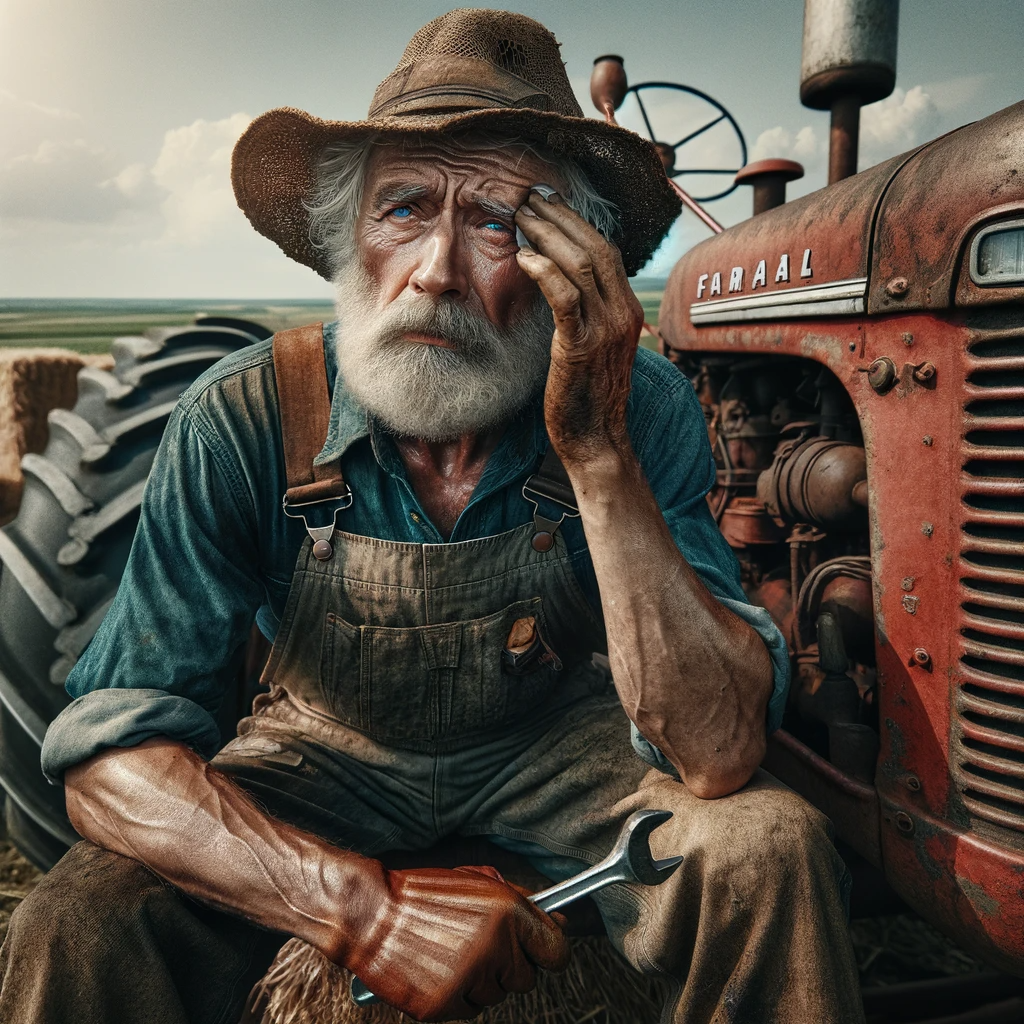
How Do Classic Tractors Blend Tradition And Modern Efficiency?
How Do Classic Tractors Blend Tradition And Modern Efficiency?
- Classic tractors symbolize strength and resilience, representing tradition and hard work.
- Each tractor tells a story of farmers and their connection to the land and family legacies.
- Modern engineering allows retrofitting with technology, enhancing efficiency while preserving character.
- This blend of old and new revitalizes vintage machines without compromising their history.
- Classic tractors promote sustainability, requiring less fuel and fewer resources than modern alternatives.
- Restoring classic tractors fosters camaraderie among enthusiasts and encourages community bonding.
- Celebrating the blend of tradition and innovation creates a future that honors agricultural roots.

How Do Classic Tractors Blend Tradition And Modern Efficiency?
Can The Use Of Vintage Machinery Reduce Our Carbon Footprint?
Picture this: a sprawling, sun-kissed farm, where the air is rich with the scent of freshly turned earth. Out in the field stands a well-loved vintage tractor, its paint chipped yet vibrant, a true testament to years of hard work and resilience. As the engine rumbles to life, it echoes the harmony of our connection to the land—a bond forged over generations. But beyond nostalgia, just how can this old beauty impact our modern concerns of carbon footprints and sustainability?
The answer lies not only in the sturdy steel of that vintage tractor but in the very essence of what it represents: a slow, deliberate approach to agriculture that the contemporary world often overlooks. These machines, built to last, were crafted with an ethos of durability and simplicity. Unlike today’s high-tech marvels, often designed for planned obsolescence, vintage machinery offers an ethical solution to the gluttonous consumption of resources we see today. They run on less fuel, emit fewer harmful emissions, and, with proper care, can keep running for decades with little waste.
From a cognitive standpoint, let’s crunch the numbers. According to some sustainability studies, a tractor that operates efficiently for a long lifespan contributes significantly less to carbon emissions than its modern counterparts that, despite their technological advancements, often rely on rare materials and complex manufacturing processes. The math is simple: less resource use translates into a smaller footprint.
Emotional connection plays a critical role, too. Think of the stories and experiences tied to vintage tractors—they resist the throwaway culture that has seeped into every facet of our lives. Owning and using these machines gives farmers—your neighbors, your friends—a sense of pride and responsibility, reminding us of our duty to care for both the earth and our shared history.
As community members, we must encourage one another to embrace this path. By choosing vintage over new, we join a growing movement of individuals dedicated to sustainability. It’s not just about saving the planet; it’s about reconnecting with our roots, literally and figuratively. It’s a call to action that resonates in our hearts and guts.
So, the next time you see that old tractor, remember: it’s more than machinery; it’s a vehicle for change. And in lifting it up, we lift ourselves, creating a legacy that inspires future generations to cultivate a healthier planet.

Can The Use Of Vintage Machinery Reduce Our Carbon Footprint?
Can The Use Of Vintage Machinery Reduce Our Carbon Footprint?
- A picturesque farm environment with a vintage tractor symbolizes a deep-rooted connection to the land.
- Vintage tractors personify a slow, durability-oriented approach to agriculture, contrasting with contemporary planned obsolescence.
- These tractors consume less fuel, emit fewer emissions, and can operate for decades with minimal waste.
- Efficiency studies show that older tractors contribute significantly less to carbon emissions compared to modern machines.
- The emotional ties to vintage tractors help resist a throwaway culture, fostering pride and responsibility among farmers.
- Choosing vintage machinery supports a growing sustainability movement and reconnects individuals to their agricultural roots.
- Vintage tractors embody a call to action for creating a healthier planet and inspiring future generations.

Can The Use Of Vintage Machinery Reduce Our Carbon Footprint?
Are Classic Tractors More Reliable In Harsh Farming Conditions?
Classic Tractors: A Testament to Reliability in Harsh Farming Conditions
When you think of a tractor, what comes to mind? For many, it’s not just a machine; it’s the backbone of a livelihood, standing resolutely against unforgiving weather, rocky terrain, and relentless demands. Classic tractors, those venerable workhorses of the farming world, have proven time and again their resilience in the toughest conditions. But why are they often seen as the gold standard in agriculture?
Let’s start with the heart. Picture an early morning on a sprawling farm—dew glistening, the sun just kissing the horizon. Farmers slip into the well-worn seat of a classic tractor. That’s where tradition meets tenacity. These machines embody years of craftsmanship, lovingly restored and kept alive by generations who respect their formidable reputation. There’s an emotional connection here; it’s not just about pulling weight; it’s about honoring a legacy.
Now, let’s engage the head. Classic tractors are designed with simplicity and durability at their core. In a world obsessed with cutting-edge technology, these machines remind us that sometimes, less is truly more. Fewer electronic parts mean fewer breakdowns in the field when the stakes are highest. Those classic engines, sometimes hand-cranked, boast reliability that modern electronics can’t always guarantee. Think about it: which would you trust more when the storm clouds gather—the tractor that requires a complex diagnostic check or one that starts with a solid thump and roars to life after a gentle pull?
Then there’s the ethical appeal. By choosing classic, you’re not just opting for longevity; you’re making a statement about sustainability. Restoring these machines and keeping them operational reduces waste and promotes a culture of reuse. By investing in a classic tractor, you’re not only safeguarding your operations but also advocating for responsible farming practices that respect our planet and its resources.
And let’s not forget the social influence. Classic tractors bring generations together—sharing stories, skills, and a deep respect for the land. That community bond is more than just talk; it’s action-based on trust and shared values. As the wheels turn in the field, so too do the connections among farmers who understand the sacrifices and joys this work demands.
In the world of agriculture, classic tractors stand not just as machines, but as symbols of resilience, hard work, and community. For those battling the elements head-on, their reliability is more than mere machinery; it’s an unwavering ally on the journey toward a fruitful harvest. So when the road gets tough, remember: sometimes, you need a classic to get the job done right.

Are Classic Tractors More Reliable In Harsh Farming Conditions?
Are Classic Tractors More Reliable In Harsh Farming Conditions?
- Classic tractors are essential workhorses in farming, known for their resilience in harsh conditions.
- They represent a legacy of craftsmanship, maintained by generations who honor their reputation.
- Designed with simplicity and durability, classic tractors have fewer electronic parts, leading to fewer breakdowns.
- They offer reliability that modern tractors may lack, especially under demanding circumstances.
- Opting for classic tractors reflects a commitment to sustainability and responsible farming practices.
- Classic tractors foster community bonds, bringing generations together through shared experiences and values.
- Ultimately, they symbolize resilience, hard work, and serve as steadfast allies for farmers in challenging conditions.

Are Classic Tractors More Reliable In Harsh Farming Conditions?
What Stories Do Classic Tractors Tell About Our Farming History?
There’s something undeniably magnetic about the sight of a classic tractor, isn’t there? Rusted paint, worn tires, and an engine that has more stories in it than most people have lived. These machines stand as monuments to hard work, perseverance, and a way of life that has shaped our communities for generations. They are more than mere implements of agriculture; they are links to our past, gateways to understanding the grit and resilience of farmers who toiled under the sun long before technology made their lives easier.
At the core, every tractor tells a story. It’s the story of a young farmer, clutching the steering wheel with calloused hands, while the winds of a season change swirl around him. It’s about the promise of a good harvest, the sheer joy of plowing a straight furrow, and the bittersweet moments of loss when the crops don’t come in as hoped. Each dent and scratch on these machines bears witness to countless days filled with hope, toil, and accomplishment. They remind us that farming isn’t just a business; it’s a legacy woven into the very fabric of our society.
Rationally, we can appreciate how these machines revolutionized agriculture. They brought unprecedented efficiency and productivity, transforming sprawling fields into a symphony of organized rows. They make it possible to feed growing populations and support entire communities. When we look at these vintage models, we gain a newfound respect for the ingenuity that drove their design—and the importance of innovation in the agricultural sector.
Ethically, there’s an underlying responsibility we share: to honor the struggles of those who worked the land before us. Our modern conveniences exist because of their dedication. As stewards of the earth, we owe it to future generations to understand and appreciate the sacrifices that came before. Classic tractors remind us of that ethic, inviting us to stay rooted in our agricultural truths while embracing necessary advancements.
Socially, these machines foster connection. When enthusiasts gather at tractor shows, exchanging stories and sharing knowledge, they recreate a bond that transcends generations. It’s in those moments—bonding over shared experiences and mutual admiration—that the full weight of our farming history becomes tangible.
So, the next time you catch a glimpse of a classic tractor, pause for a moment. Reflect on the labor, the stories, and the lives it has touched. It’s an invitation to reconnect with our roots, celebrate our history, and carry that spirit forward into the future. After all, we are all a little bit like those classic tractors—crafted by experience, resilient under pressure, and capable of creating bountiful legacies if we only keep moving forward.

What Stories Do Classic Tractors Tell About Our Farming History?
What Stories Do Classic Tractors Tell About Our Farming History?
- Classic tractors symbolize hard work, perseverance, and community heritage.
- Every tractor has a story, reflecting the hopes, joys, and struggles of farmers.
- These machines represent a legacy woven into society, not just a farming tool.
- Tractors revolutionized agriculture, increasing efficiency and helping feed growing populations.
- There is a moral responsibility to honor past farmers’ dedication and sacrifices.
- Tractor shows promote social connections and preserve farming history through shared experiences.
- Classic tractors inspire reflection on resilience and the importance of legacy in our lives.

What Stories Do Classic Tractors Tell About Our Farming History?
Conclusion
As we stand at the crossroads of agriculture’s past and future, it’s crucial to take a beat and pay some heartfelt homage to the classic tractors that have been the unsung heroes of modern farming’s success. These machines, seemingly simple with their worn-out paint and sturdy frames, are not just relics; they are the very backbone of our agricultural legacy, symbols of hard work, resilience, and unwavering commitment to the land. Each dent and scratch on their bodies tells a tale of grit and passion, encapsulating the dreams of farmers who relied on them to nurture the earth.
Let’s consider what these classic tractors represent not only emotionally but rationally too. While they might lack the fancy gadgets and shiny finishes of today’s high-tech models, they boast unparalleled durability and simplicity. In an age where complexity often leads to breakdowns and inefficiencies, these tractors stand as a testament that sometimes less is truly more. Their straightforward mechanics allow farmers to devote their time to what they love most—working the soil and growing crops that feed us.
Ethically, by choosing to preserve and utilize these vintage machines, we are making a profound statement about sustainability and respect for tradition. Keeping them alive is not merely a nostalgic endeavor; it’s a pledge to care for our planet, fostering a culture of reuse over the throwaway mindset that dominates today’s consumer landscape.
The social fabric of our farming communities is woven with the stories shared between generations as classic tractors roll out to the fields. They create bonds that connect old and young alike, reminding us that while technology is moving forward, the values of dedication and community remain timeless. Tractor shows and restoration projects ignite a passion that transcends mere hobby; it’s a celebration of our collective history and a call to genuinely appreciate the sacrifices that have laid the groundwork for modern successes.
So, the next time you see a classic tractor, don’t just glance over it. Stop. Take it in, and consider the legacies that reverberate through its engine. It embodies the spirit of resilience, a bridge connecting us to our agricultural roots while propelling us into a sustainable future. Here’s to the classics—let’s honor their stories and ensure they continue to inspire the generations of farmers to come. After all, in recognizing the past, we shape a future grounded in strength, purpose, and an enduring respect for the land we cultivate together.

Conclusion
Conclusion:
- Classic tractors are the unsung heroes of modern farming, representing hard work and resilience.
- They symbolize the agricultural legacy, with their wear reflecting the dedication of farmers.
- Despite lacking modern technology, classic tractors offer durability and simplicity that can reduce breakdowns.
- Preserving these machines emphasizes sustainability and respect for tradition in agriculture.
- Classic tractors foster community bonds and intergenerational connections in farming culture.
- Tractor shows and restoration projects celebrate agricultural history and inspire passion for farming.
- Honoring classic tractors connects us to our roots and shapes a sustainable future for agriculture.

Conclusion
Other Resources

Other Resources
Here is a list of other resources you can review online to learn more:
- Hefty
- Racine County Fair Antique Tractors
- J & MManufacturing
- Marshall
- Tractor Data
- Lindner
- SE Indiana F.A.R.M. Club’s Antique Machinery Show
- Minnesota’s Machinery Museum
- Ransomes
Use This Prompt To Get More Resources With Your Favorite Online AI Tool: Please provide me with a list of online articles with their URLs in a bulleted list that I can read regarding Are Classic Tractors The Unsung Heroes Of Modern Farming’success

Other Resources
Glossary Terms
Are Classic Tractors The Unsung Heroes Of Modern Farming’success – Glossary Of Terms
1. Classic Tractor: A well-maintained tractor model typically produced before the 1980s, renowned for its durability and simplicity in design.
2. Restoration: The process of bringing an old, often non-functioning, classic tractor back to its original condition through repairs and refurbishments.
3. Agricultural Heritage: The historical practices, tools, and machinery related to farming that have been passed down through generations, including classic tractors.
4. Mechanization: The use of machines to perform farming tasks, which has significantly transformed agricultural practices throughout history.
5. Reliability: The ability of classic tractors to consistently perform their intended functions, often with fewer breakdowns compared to modern, complex machines.
6. Simplicity: Refers to the straightforward design of classic tractors, which often makes them easier to repair and maintain than modern counterparts.
7. Fuel Efficiency: The ability of a tractor to utilize fuel effectively, often a notable feature of older models that can still deliver value in farming.
8. Legacy: The lasting impact of classic tractors on current farming practices, underscoring their contributions to agricultural development.
9. Cultivation: The agricultural practice of preparing soil for planting crops, often facilitated by the use of tractors.
10. Tractor Pulling: A competitive motorsport where modified tractors demonstrate their power by pulling heavy loads over a distance, popular among classic tractor enthusiasts.
11. Vintage Farming Equipment: Refers to older farming tools and machines, including classic tractors, which are valued for their historical significance and craftsmanship.
12. Sustainability: The practice of farming in a way that meets current needs without compromising future generations, often associated with the use of classic, slower-paced farming methods.
13. Community Revival: The resurgence of interest in classic tractor use within farming communities, fostering connections among farmers, collectors, and historians.
14. Preservation: The act of maintaining and protecting classic tractors and their associated history for future generations to appreciate.
15. Customization: The modification of classic tractors to suit specific farming needs, often enhancing performance or appearance for modern applications.
16. Trade Shows: Events where classic tractors are exhibited, allowing enthusiasts and farmers to showcase their machines and share knowledge.
17. Restoration Clubs: Organizations dedicated to the preservation and restoration of classic tractors, providing a community for hobbyists and collectors.
18. Heritage Farming: Farming practices that embrace traditional methods and equipment, including classic tractors, often emphasizing organic or local production.
19. Adaptability: The capacity of classic tractors to be used for various farming tasks, from plowing to hauling, making them versatile in different agricultural settings.
20. Collectibility: The desirability of classic tractors among collectors, often influenced by their condition, rarity, and historical significance.
21. Vintage Agriculture: A term encompassing the use and appreciation of older farming methods and machinery, promoting a return to the fundamentals of farming.
22. Local Economy: The economic system within a community that benefits from farming practices, often supported by traditional methods using classic tractors.
23. Workhorse: A term used to describe robust and reliable tractors known for their endurance and ability to handle heavy agricultural work.
24. Soil Conservation: Techniques employed in farming to protect soil health, often facilitated by the gentle tilling methods used by classic tractors.
25. Farming Innovation: The integration of new ideas and technologies into traditional farming practices, balancing modern techniques with classic equipment.
26. Land Stewardship: The responsible management and care of agricultural land and resources, encompassing sustainable practices often represented by classic tractors.
27. Biodiversity: The variety of species within a farming ecosystem, which can be supported by traditional farming practices associated with classic tractors.
28. Farm-to-Table Movement: A trend emphasizing direct sourcing of food from local farms, where classic tractors play a role in production and distribution.
29. Agritech: Short for agricultural technology, it refers to the use of technology in modern farming, often compared to the simplicity of classic tractor mechanics.
30. Generational Knowledge: The passing down of farming techniques, skills, and values from older to younger generations, often highlighted by the use of classic tractors in teaching practical skills.
These terms help provide insight into the significance of classic tractors in modern farming and illustrate their role as both historical icons and practical tools in agricultural success.

Glossary Of Terms
Other Questions
Are Classic Tractors The Unsung Heroes Of Modern Farming’success – Other Questions
If you wish to explore and discover more, consider looking for answers to these questions:
- What specific models of classic tractors are most recognized for their durability?
- How have classic tractors influenced modern agricultural practices?
- What maintenance tips are recommended for preserving classic tractors?
- Are there significant differences in fuel efficiency between classic and modern tractors?
- How do vintage tractors compare in cost-effectiveness with modern machinery?
- What role do classic tractors play in sustainable farming initiatives?
- How can farmers effectively integrate classic tractors with modern technology?
- What are the most popular tractor shows or gatherings for enthusiasts?
- How do classic tractors impact community identity and cultural heritage in farming?
- What stories and records exist about famous classic tractor models?

Other Questions
Haiku
Are Classic Tractors The Unsung Heroes Of Modern Farming’success – A Haiku
Rusty hearts still beat,
Old steel whispers of the past—
Roots in earth’s embrace.

Haiku
Poem
Are Classic Tractors The Unsung Heroes Of Modern Farming’success – A Poem
Ode to Classic Tractors: Unsung Heroes of the Fields
In fields that stretch ‘neath endless skies,
Where nature whispers, and hard work cries,
Rumble the giants with paint worn thin,
Classic tractors, where legends begin.
With every dent and scratch on their frame,
They tell the stories, each one a name.
Of farmers who dreamed in the early dawn light,
Churning the soil, preparing for fight.
These workhorses crafted from grit and grace,
Embodiments of toil, of our shared human race,
They whisper of seasons, both plentiful and lean,
Of harvests and heartaches, of sights seldom seen.
Oh, the heart beats strong in their rhythmic roar,
A symphony of labor, a connection to core,
In a world racing forward with tech’s bright gleam,
They remind us of roots, of the simple dream.
With wisdom of ages that few can define,
Their craftsmanship echoes, both sturdy and fine.
Simplicity shines, their mechanics so pure,
Each rusted bolt stands as a promise, secure.
Ethics entwined in their metal embrace,
Sustainability dances in their steady pace.
For every vintage whisper that calls to the land,
Is a pledge to the earth for the futures we’ve planned.
They gather us ‘round, in shows and discussions,
Sharing old tales, forging new connections.
Communities thrive where these machines stand tall,
In camaraderie’s spirit, we honor it all.
So let’s celebrate them—our unsung brigade,
These tractors, though classic, in modernity played.
For through them, we honor the struggle and sweat,
Each lap of the wheel, every harvest, beget.
Next time you see one, don’t just glance and flee,
Let the heart, head, and gut connect with glee.
Remember the legacy, the lives intertwined,
Classic tractors, forever enshrined.

Poem
Checklist
Are Classic Tractors The Unsung Heroes Of Modern Farming’success – A Checklist
Classic Tractors: A Legacy of Resilience Checklist
This checklist serves as a companion to the article “Are Classic Tractors The Unsung Heroes Of Modern Farming’success” by Tom Seest. It appeals to the heart, head, and gut using emotional, rational, ethical, authority, narrative, and social appeals.
Heartfelt Connection
_____ Reflect on Your Relationship with Agricultural Machinery: Take a moment to think about the memories you’ve shared with tractors or farming equipment in your life.
_____ Share a Story: Document a personal story or memory related to farming or family traditions that resonate with you.
_____ Visit a Vintage Tractor Show: Participate in a local tractor show and connect with other enthusiasts to share stories and experiences.
Rational Considerations
_____ Evaluate Maintenance Needs: Compare the upkeep and longevity of classic tractors versus modern models. Which one would be more sustainable in the long run?
_____ Research on Efficiency: Look into the statistics regarding the efficiency and durability of classic tractors within varying farming conditions.
_____ Assess Upgrading Options: Explore potential upgrades for a classic tractor to enhance its performance while preserving its character and reliability.
Ethical Responsibility
_____ Choose Sustainability: Make a conscious decision to favor vintage machinery that promotes longevity and resourcefulness over modern disposable equipment.
_____ Engage in Restoration Projects: Consider volunteering or participating in community efforts to restore classic tractors.
_____ Educate Others: Share the ethical implications of using classic tractors with friends and family, emphasizing their role in promoting sustainable farming practices.
Authority and Knowledge
_____ Read Books or Articles on Classic Tractors: Expand your knowledge by reading literature about the history and significance of classic tractors in agricultural advancements.
_____ Follow Experts in Agronomy: Subscribe to publications and blogs by agricultural professionals that focus on the importance of traditional farming practices and equipment.
_____ Attend Workshops: Look for seminars or workshops led by experts in vintage machinery restoration and maintenance.
Narrative Exploration
_____ Document Local Farming History: Create a narrative or visual project that highlights the role of classic tractors in your community’s farming history.
_____ Interview Local Farmers: Reach out to longstanding local farmers to record their stories about classic tractors and how these machines shaped their experiences.
_____ Create a Tribute: Design a tribute or display featuring classic tractors that showcases their importance in your locality.
Social Engagement
_____ Join a Local Tractor Enthusiast Group: Connect with other tractor lovers in your community to foster friendships and share your passion.
_____ Participate in Community Farming Events: Engage in community events that celebrate agriculture and promote awareness about vintage machinery.
_____ Advocate for Preservation: Use your social media platforms to advocate for the preservation of vintage tractors and their stories, eliciting community support.
Take this checklist with you as a guiding tool to delve deeper into the rich legacy of classic tractors, and become part of the movement that honors our agricultural past while cultivating a sustainable future.

Checklist
At ClassicTractorNews, we help tractor lovers keep up with the latest news for classic and vintage tractors.
Please share this post with your friends, family, or business associates who may like old classic or vintage tractors.