

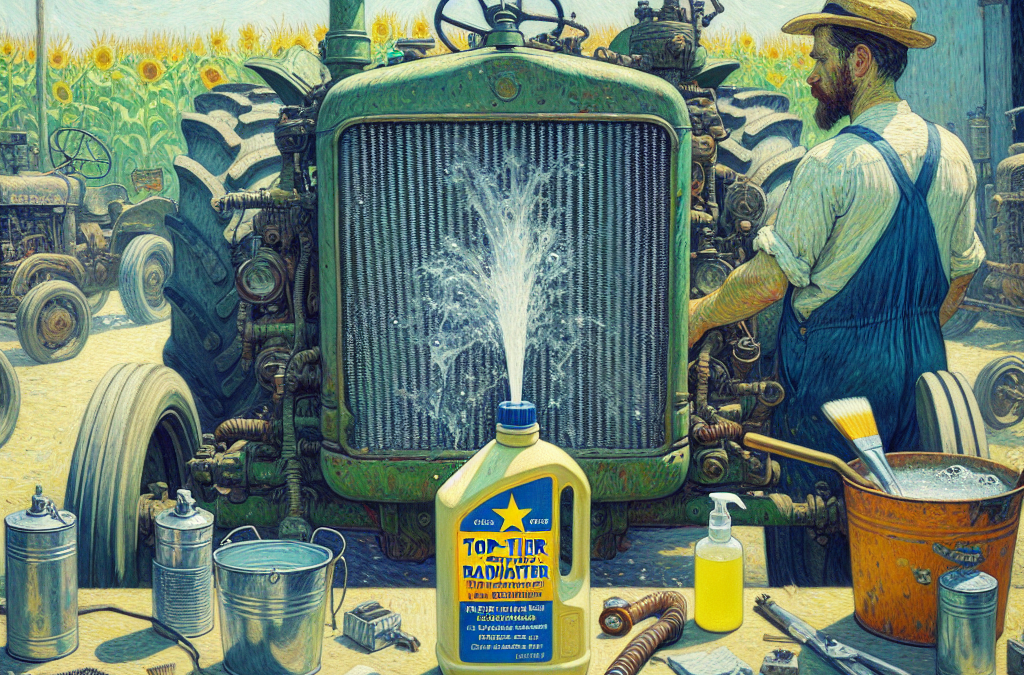
The Timeless Legacy Of Classic Tractors In Agro-Sustainability
By Tom Seest
At ClassicTractorNews, we help tractor lovers keep up with the latest news for classic and vintage tractors.
Please share this post with your friends, family, or business associates who may like old classic or vintage tractors.
Are Classic Tractors The Unsung Heroes In Sustainable Farming
In the quiet fields where the sun kisses the horizon, classic tractors stand as stalwart symbols of resilience and tradition, going far beyond their steel and iron exteriors. These machines, often painted in hues of vintage green or vibrant red, tell stories that echo through generations. They embody the spirit of hard work, the grit of our forebears, and a sustainable farming approach that is more relevant now than ever. In an era dominated by rapid technological advancements, it’s easy to overlook these unsung heroes, yet their legacy continues to shape our agricultural practices with authenticity and purpose.
Let’s take a moment to think about the impact of these classic tractors on the farming landscape. With their uncomplicated mechanics and reliable performance, these machines empower farmers to cultivate their land sustainably, using fewer chemicals and maintaining soil health. Picture a family farm, where a father teaches his son the ropes of plowing the earth, their laughter mixing with the rhythmic hum of an aging tractor. This is not just a fleeting image; it’s a powerful reminder of the connection between our food, our farms, and the values we hold dear. Classic tractors are not only tools; they are conduits of tradition, passing down not just agricultural skills but a deep respect for the land.
From a rational standpoint, the benefits are hard to ignore. Classic tractors often operate with lower emissions, requiring less energy for farming tasks compared to their modern counterparts. This energy efficiency plays a crucial role in combating climate change, addressing an urgent global challenge. As we lean into the future, the choice to embrace sustainable practices becomes not just an economic necessity but an ethical responsibility.
Imagine communities coming together, sharing resources, and reviving these classic tractors to foster local agriculture. The camaraderie, the stories shared over engine repairs, and the collective goal of nourishing our soil form bonds that echo beyond the fields. By cherishing these machines, we are actively participating in a movement, one that champions sustainability, local economies, and the preservation of our rich farming heritage.
So, as we consider where our food comes from, let’s celebrate the classic tractors that have weathered storms, both literally and figuratively. They remind us that sometimes the quietest heroes are the most impactful—inviting us to connect with our roots, our land, and each other in ways that are both tangibly and intangibly profound.
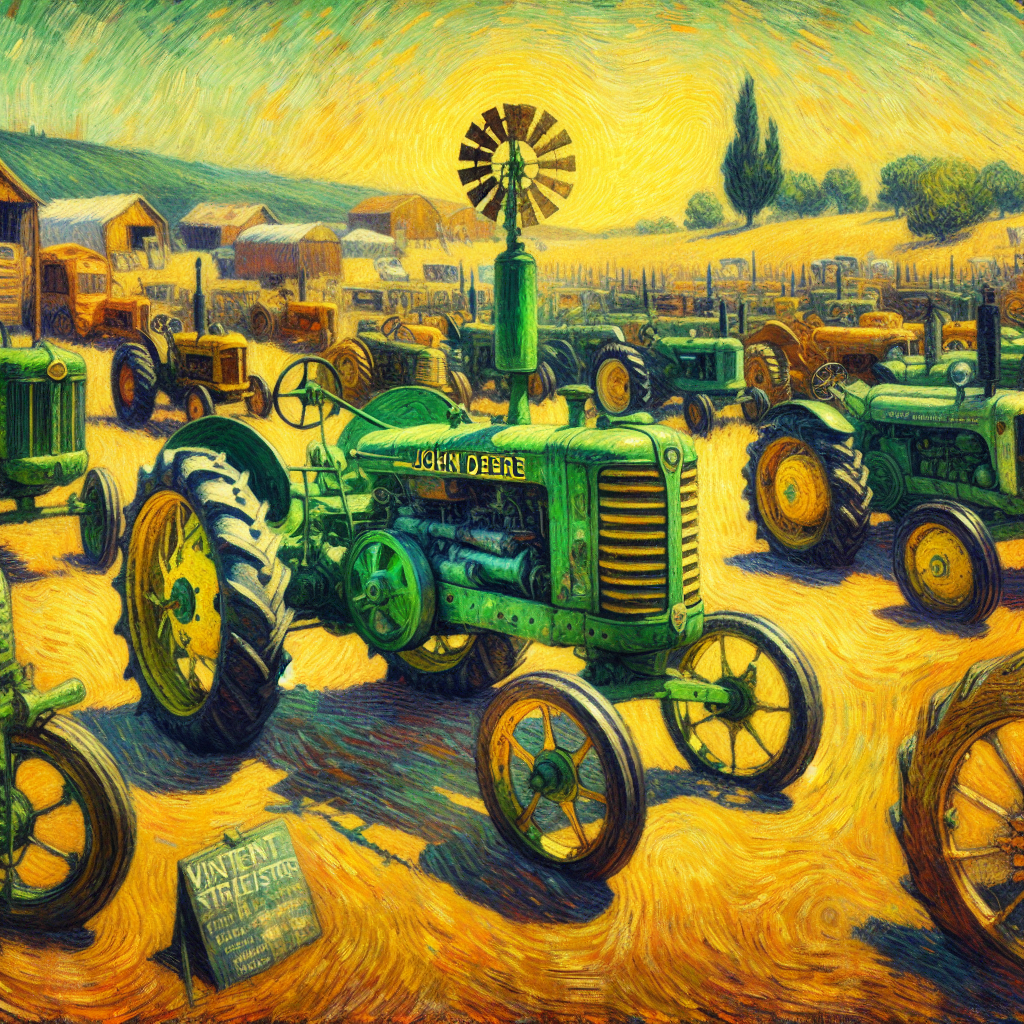
Are Classic Tractors The Unsung Heroes In Sustainable Farming
Are Classic Tractors The Unsung Heroes In Sustainable Farming
- Classic tractors symbolize resilience and tradition in agriculture, transcending their physical form.
- They represent the spirit of hard work and sustainable farming practices, relevant in today’s technological age.
- These machines support sustainable cultivation through uncomplicated mechanics and reliable performance.
- Classic tractors serve as conduits of tradition, passing down agricultural skills and a respect for the land.
- They operate with lower emissions and greater energy efficiency, contributing to climate change mitigation.
- Reviving classic tractors fosters community bonds and promotes local agriculture through shared resources and experiences.
- These tractors remind us of the importance of connecting with our roots, land, and each other in meaningful ways.
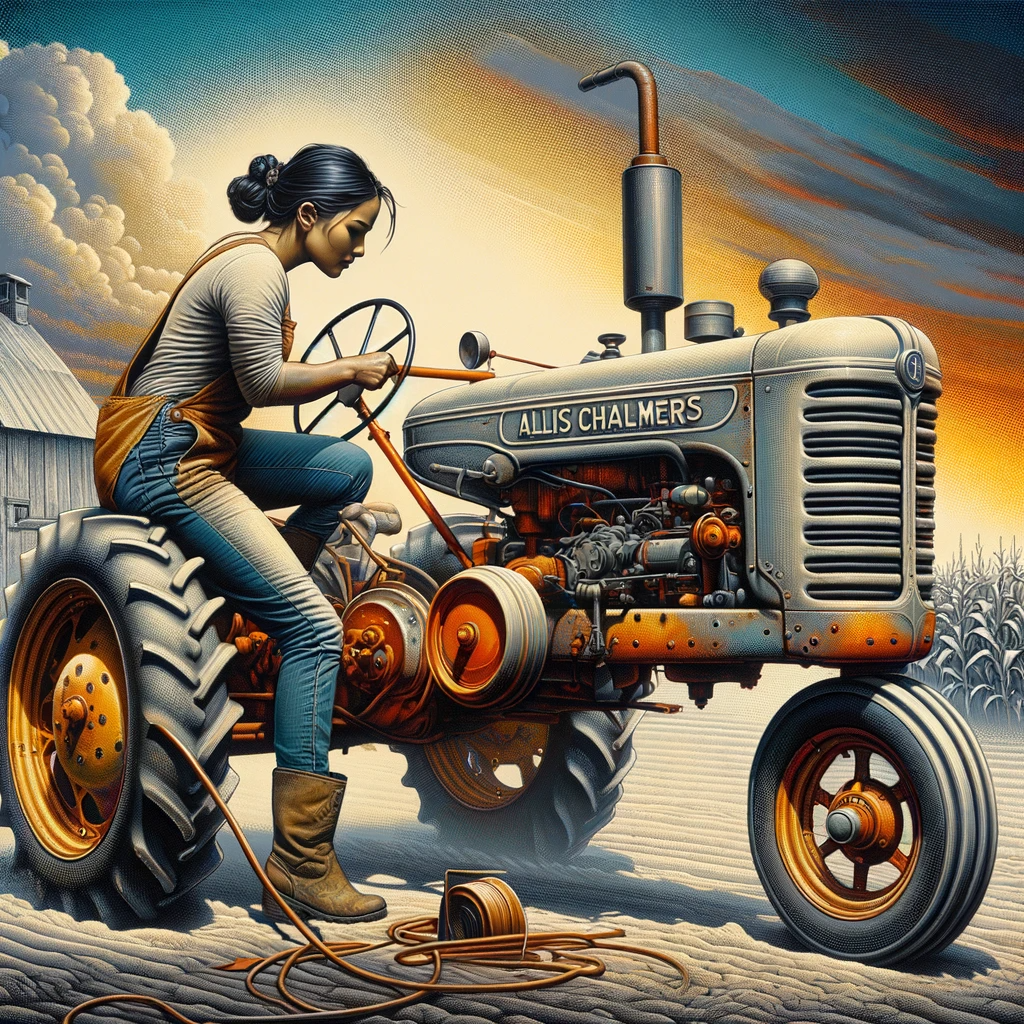
Are Classic Tractors The Unsung Heroes In Sustainable Farming
Table Of Contents
- Are Classic Tractors The Unsung Heroes In Sustainable Farming
- Are Classic Tractors Preserving A Legacy Of Sustainable Farming?
- How Do Classic Tractors Contribute To Ecological Farming Practices?
- What Stories Do Classic Tractors Tell About The Evolution Of Farming?
- Are Classic Tractors The Key To Reducing Our Carbon Footprint?
- What Makes Vintage Tractors More Sustainable Than Modern Machines?
- How Do Classic Tractors Contribute To Soil Health And Biodiversity?
- Conclusion
- Other Resources
- Glossary Of Terms
- Other Questions
- Haiku
- Poem
- Checklist
Are Classic Tractors Preserving A Legacy Of Sustainable Farming?
In the age of sleek electric machines and cutting-edge technology, it’s easy to overlook the humble tractor, a symbol of resilience and simplicity in agriculture. These timeless workhorses, often lovingly restored and cared for, do more than just till the earth—they embody a legacy of sustainable farming practices that deserve our attention and respect.
Picture a sun-soaked field, the rhythmic sound of a vintage tractor chugging along, stirring memories of a simpler time. Each rusted bolt, each crack in the paint tells a story of generations who relied on these mighty machines for farming, connecting them to the land and the cycles of nature. They remind us that farming is not just a business, but a way of life, rich with traditions that teach us to respect the earth.
From a practical standpoint, these classic tractors exemplify the true essence of sustainability. While modern farming can often become reliant on disposable technology and synthetic inputs, classic tractors promote a different ethos—one of conservation and stewardship. Restored machines are often powered by biofuels or even run on the very crops they help produce. Imagine a world where tractors are not just tools, but integral partners in a closed-loop farming system—a narrative that connects the past with a hopeful future.
Ethically, we owe it to ourselves and to future generations to consider how we cultivate our land. Classic tractors are equipped to work harmoniously with nature, fostering biodiversity and soil health, while minimizing excess. Each time we see one in action, it serves as a reminder of the balance we must strive to maintain—an ethical obligation to cherish and cultivate the resources that provide for us.
Yet, there’s a social thread that weaves through the use of these legacy machines. Communities often rally around the restoration of classic tractors, igniting conversations about farming history, local economies, and sustainable practices. When folks gather at tractor shows or community farm days, it’s more than just nostalgia; it’s a bonding experience that reaffirms our collective commitment to sustainable agriculture.
So, next time you see a classic tractor rolling across the fields, pause for a moment. Reflect on the legacy it carries, the stories it tells, and the importance of preserving both the machine and the principles it represents. By honoring these icons of sustainable farming, we take a step closer to fostering a world where agriculture marries tradition with innovation, and where the earth remains a vibrant source of life for generations to come.
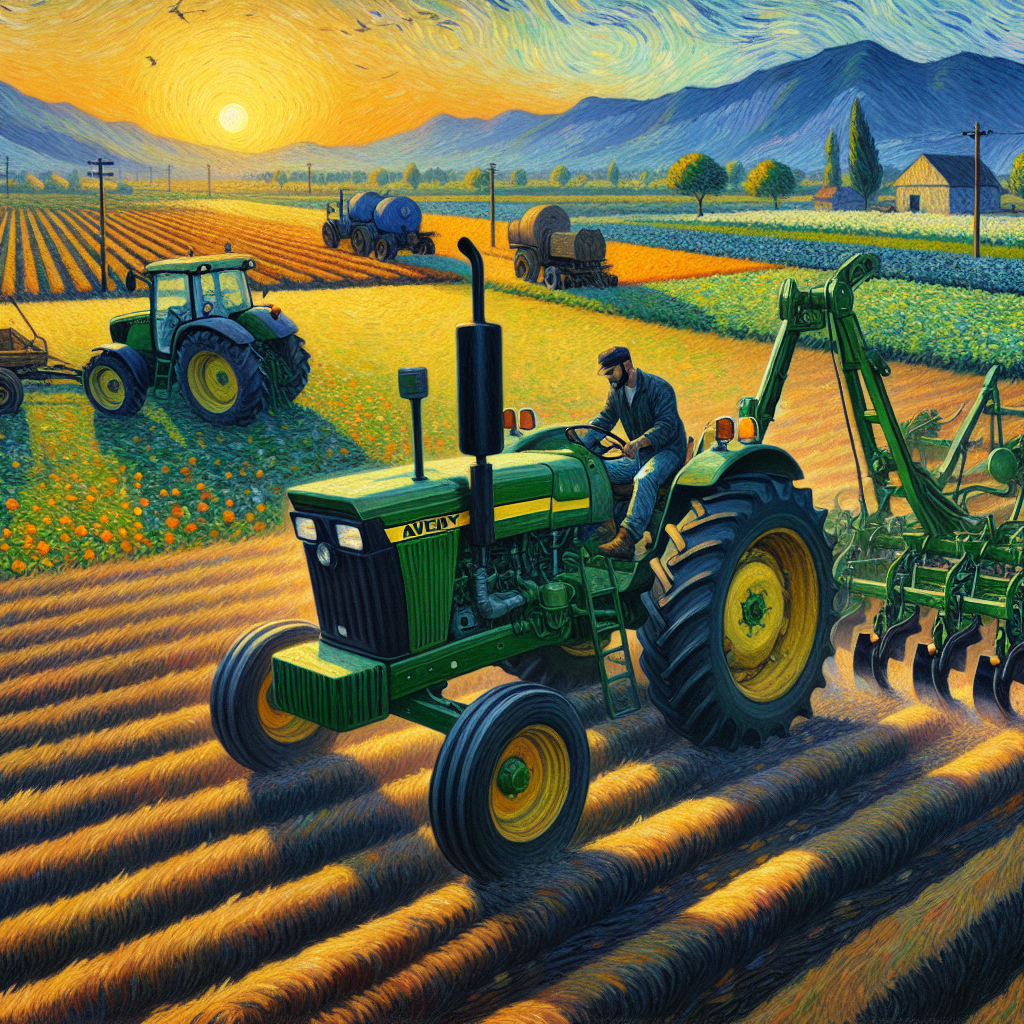
Are Classic Tractors Preserving A Legacy Of Sustainable Farming?
Are Classic Tractors Preserving A Legacy Of Sustainable Farming?
- Classic tractors symbolize resilience and simplicity in agriculture, representing a legacy of sustainable farming practices.
- Every vintage tractor has a story, reminding us of the connection between farming and the cycles of nature.
- These machines exemplify sustainability by promoting conservation and stewardship without reliance on disposable technology.
- Restored tractors often run on biofuels or the crops they help produce, highlighting their role in closed-loop farming systems.
- Classic tractors foster biodiversity and soil health, reminding us of our ethical obligation to cultivate land responsibly.
- The restoration and use of classic tractors promote community engagement and discussions about farming history and sustainable practices.
- Honoring classic tractors encourages a blend of tradition and innovation in agriculture, ensuring a vibrant future for the earth.
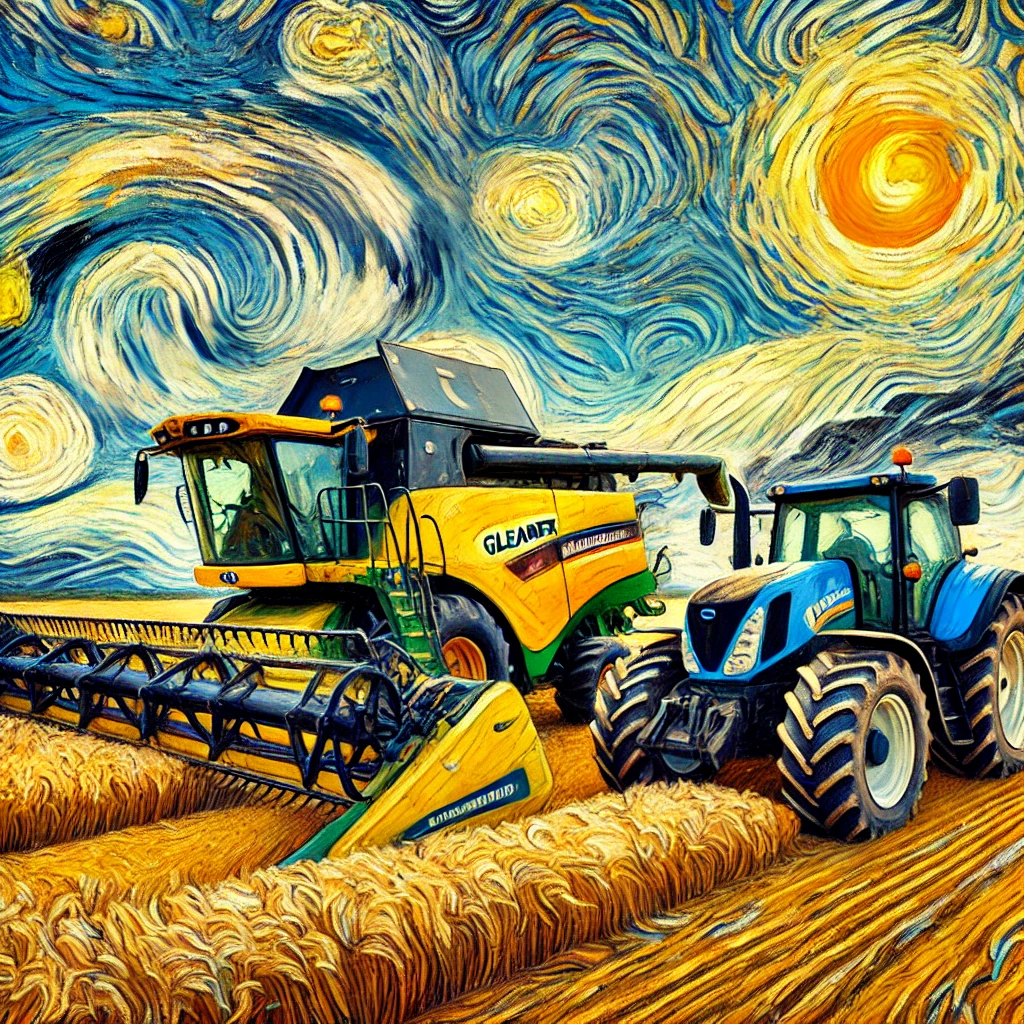
Are Classic Tractors Preserving A Legacy Of Sustainable Farming?
How Do Classic Tractors Contribute To Ecological Farming Practices?
Imagine standing on a sun-drenched field, the rhythmic hum of a vintage tractor echoing through the air like a memory you can’t quite place. It’s not just a machine; it’s a connection to a simpler time when farming was about harmony with nature rather than competition with it. These classic tractors are the unsung heroes of ecological farming practices, blending craftsmanship and sustainability into a potent mix that stirs the heart.
When you think of a tractor, what comes to mind? Often, it’s the shiny, new models that dominate the landscape, flaunting their tech-filled features. But let’s not forget that in the midst of innovation, the old school has lessons to impart. Classic tractors, with their straightforward mechanics and durability, offer a stark contrast to the complex, often wasteful machinery of today. These machines were built to last, serving generations and embodying a philosophy of sustainability that resonates deeply with the modern eco-minded farmer.
In a world increasingly focused on chemical solutions and rapid growth, classic tractors champion a return to ethical farming practices. They are designed for versatility—cultivating, planting, and harvesting without the heavy chemical loads that plague industrial farming. By using these machines, farmers lean into a more responsible way of working the land. It’s about treating the soil with respect, preserving it for future generations, and nurturing crops in a way that honors the earth’s cycles.
And let’s get to the gut of the matter—the financial benefits. Maintaining and using a classic tractor can often be cheaper than its modern counterparts. This is more than just a penny-pinching strategy; it speaks to a pragmatic approach to agriculture. It enables farmers to invest in other vital areas, like community outreach and environmental initiatives that promote biodiversity.
As we gather around a community table, sharing stories over freshly harvested produce, we feel a kinship—a social bond that these classic tractors help forge. They remind us of the roots of farming, where neighbors helped neighbors, and the land was revered. We’re called to ensure that our practices honor this legacy while navigating the challenges of modern farming.
So, the next time you hear the comforting sound of a classic tractor at work, remember: it’s more than just a tool; it’s a commitment to ecological stewardship that connects us to our past and paves the way for a sustainable future. Let’s celebrate these machines for the vital role they play in a movement that’s growing—one field, one farmer, and one tractor at a time.
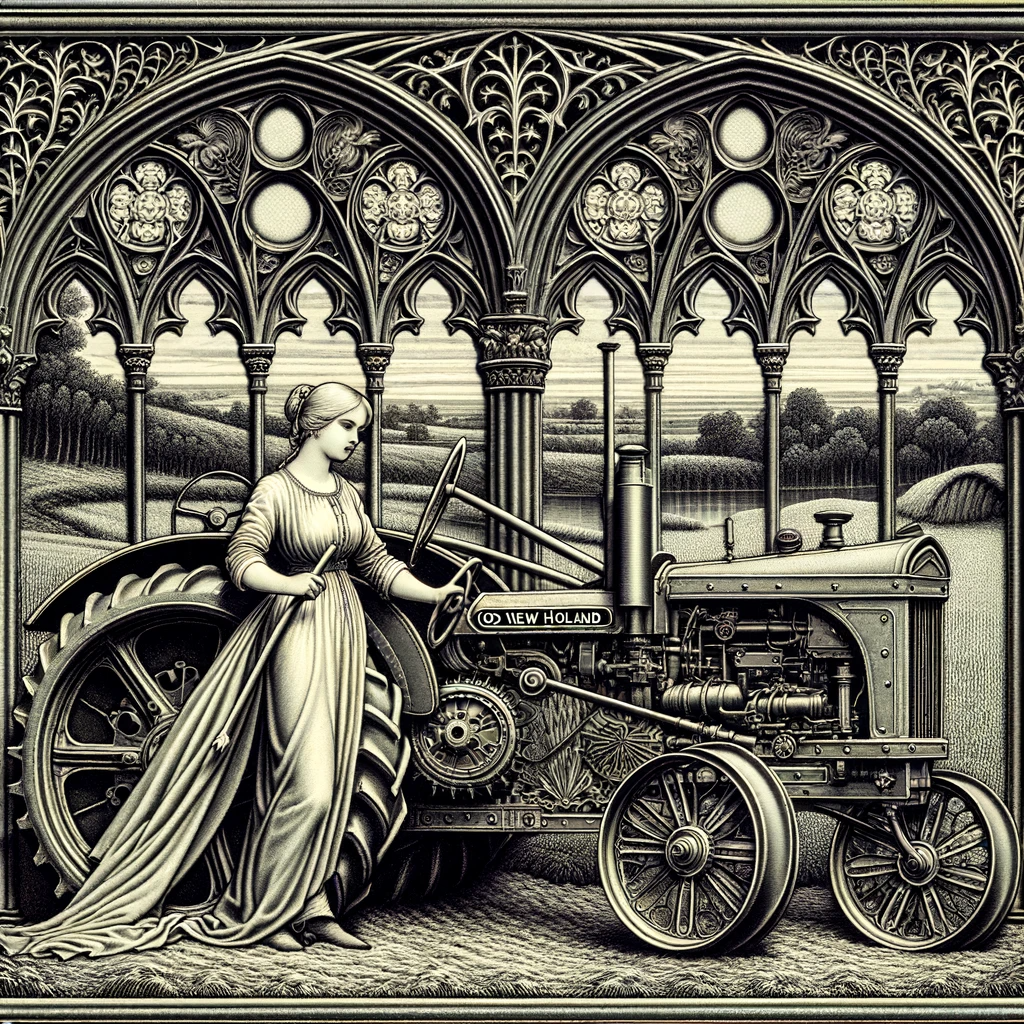
How Do Classic Tractors Contribute To Ecological Farming Practices?
How Do Classic Tractors Contribute To Ecological Farming Practices?
- Classic tractors evoke nostalgia and represent a connection to simpler farming times focused on harmony with nature.
- They stand in contrast to modern, tech-heavy tractors, emphasizing straightforward mechanics and durability.
- Classic tractors promote ethical farming practices by reducing reliance on chemicals and supporting sustainable agriculture.
- These machines offer versatility for various farming tasks while respecting the soil and honoring earth’s cycles.
- Financially, maintaining classic tractors can be more cost-effective, allowing farmers to invest in community and environmental efforts.
- The presence of classic tractors fosters community connections and reminds us of cooperative farming roots.
- Embracing classic tractors represents a commitment to ecological stewardship and a sustainable future in agriculture.
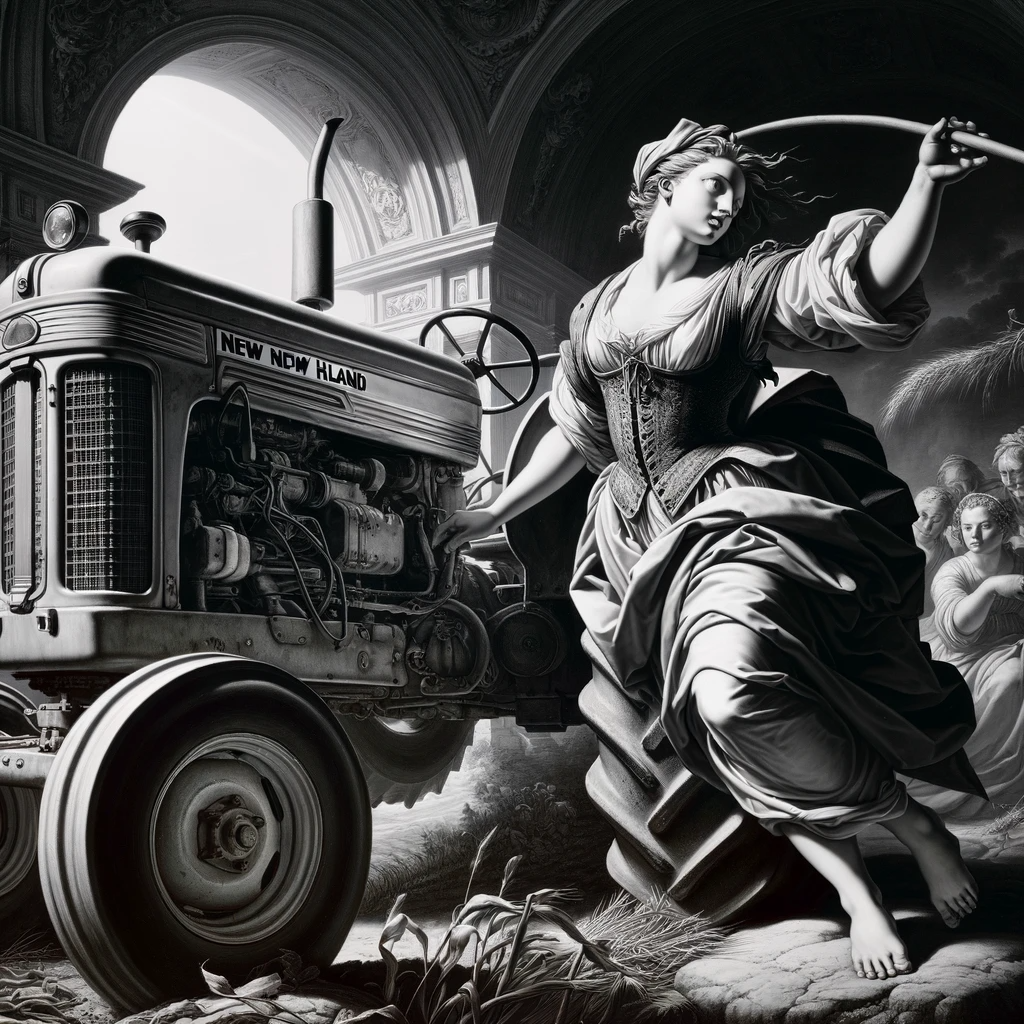
How Do Classic Tractors Contribute To Ecological Farming Practices?
What Stories Do Classic Tractors Tell About The Evolution Of Farming?
When we think of farming, we often envision wide fields kissed by the sun and the rhythmic dance of the seasons. But at the heart of this age-old craft is the tractor—a hulking marvel of engineering that tells tales steeped in toil and triumph. Picture a weathered farmer, his hands calloused yet tender, guiding his trusty tractor across the land. Every dent and scratch on that machine carries a story, each mark a testament to the struggles and victories of generations past.
These classic tractors are more than just rusting relics; they symbolize the relentless pursuit of progress. They remind us of a time when farming was grueling labor, performed by hand, and how innovation swept through the fields like a summer breeze. For every vintage Farmall and John Deere, there’s a narrative woven into the fabric of our agricultural heritage—of families coming together, of dreams birthed in the quiet of dawn, and of a commitment to nourish and sustain communities.
But let’s get rational for a moment. The introduction of tractors revolutionized farming by increasing efficiency and productivity. What once took weeks of back-breaking work could now be accomplished in days, all while minimizing strain on the land and its stewards. This shift paved the way for sustainable practices, emphasizing the ethical responsibility of modern farming. Farmers began to realize that cultivating the earth isn’t just about yields; it’s about stewardship, connection, and respect for the environment.
Yet, beneath the numbers and statistics lies an emotional landscape. Each classic tractor holds memories—perhaps of a father teaching his child the ropes or of a community rallying together to restore a neighbor’s pride and joy. These machines have given us moments of laughter, tears, and camaraderie, allowing farming to transcend beyond a mere job into a shared way of life.
Visiting an antique tractor show or a vintage farm machinery auction evokes a sense of nostalgia that transcends years. It’s a gathering that fosters connection, inviting people from all walks of life to appreciate the rich tapestry of agriculture and its evolution. Every gleaming engine showcases not just technology, but the enduring spirit of humanity—our shared values, hard work, and love for the land we call home.
So, as we admire these iconic tractors, let’s remember their stories. Let’s honor the past while inspiring the future. In the footprints left in the soil of history, we find motivation—the reminder that innovation and tradition can indeed coexist, shaping the fertile ground for tomorrow’s farmers.
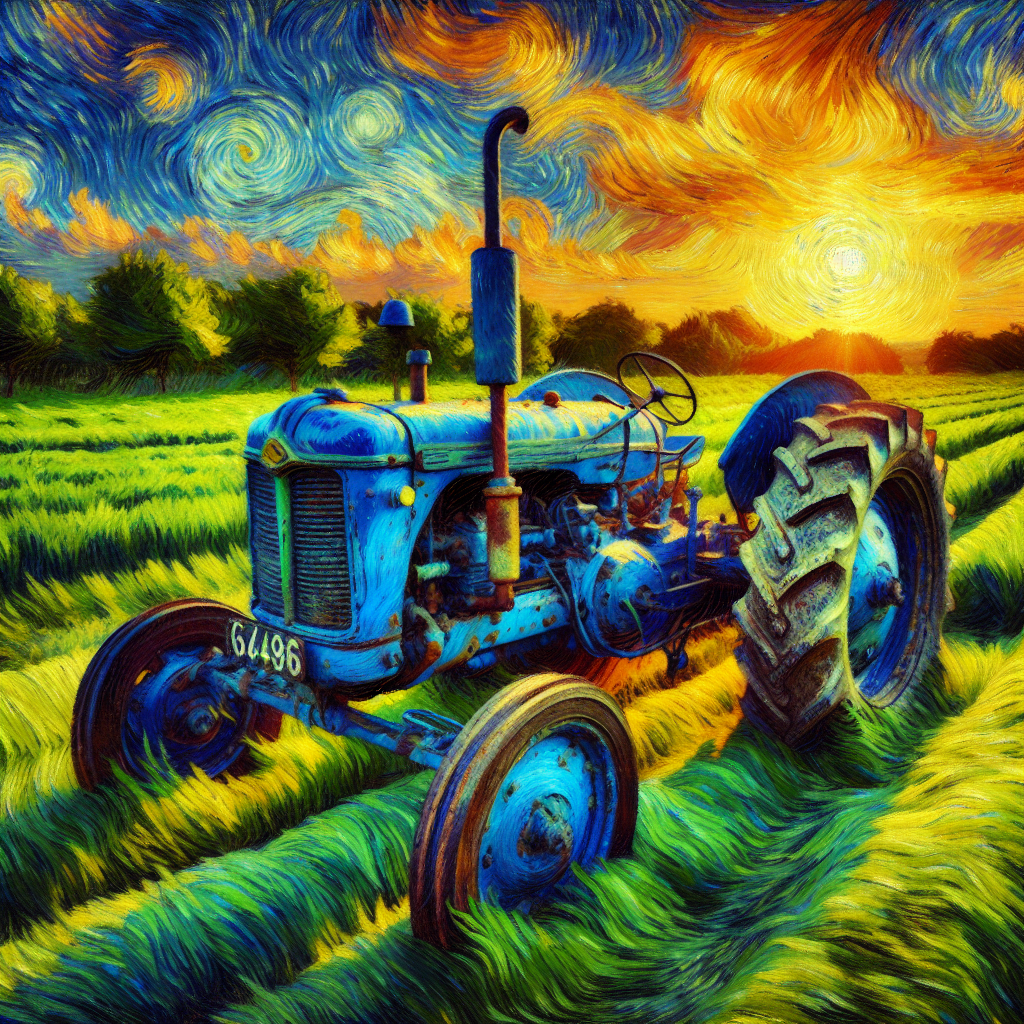
What Stories Do Classic Tractors Tell About The Evolution Of Farming?
What Stories Do Classic Tractors Tell About The Evolution Of Farming?
- Tractors are central to farming, symbolizing engineering marvels linked to toil and triumph.
- Classic tractors like Farmall and John Deere reflect agricultural heritage and community values.
- The introduction of tractors revolutionized farming, enhancing efficiency and reducing labor strain.
- This technological shift promotes sustainable practices and environmental stewardship in modern farming.
- Each tractor carries emotional memories, creating bonds between farmers and their families.
- Events like antique tractor shows foster connection and appreciation for agricultural evolution.
- Recognizing the stories behind these machines inspires a balance between tradition and innovation for future farmers.
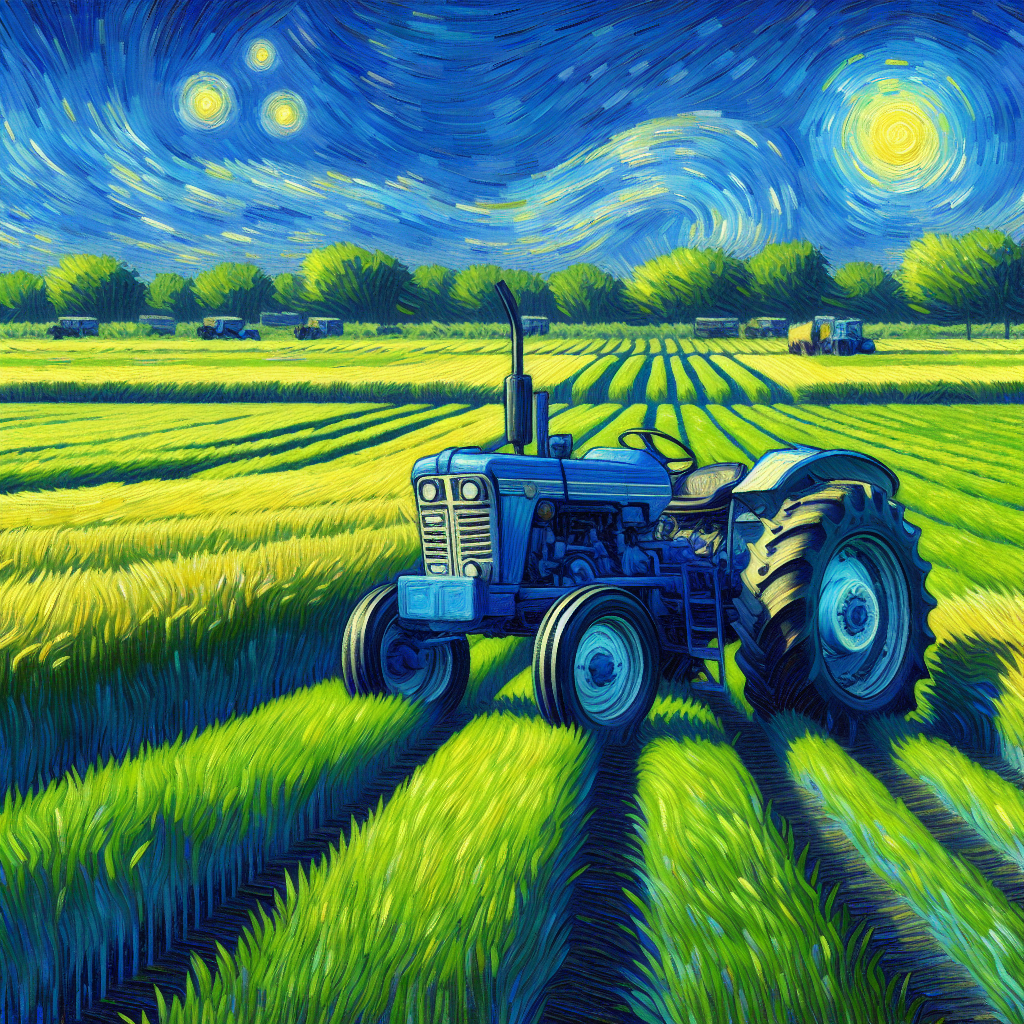
What Stories Do Classic Tractors Tell About The Evolution Of Farming?
Are Classic Tractors The Key To Reducing Our Carbon Footprint?
In a world racing towards modernity, it’s easy to overlook the quiet power of a classic tractor. Picture this: a sturdy piece of machinery, rusted yet glorious, standing resolute against the march of time. These tractors, with their vintage charm and mechanical simplicity, don’t just embody a bygone era; they represent a way of life that is worth both remembering and reviving. As we grapple with the looming threat of climate change, it’s time to embrace the idea that these traditional beasts might hold the key to reducing our carbon footprint.
Consider this: today, many farming operations rely on high-tech solutions that, while impressive, often come with an environmental cost that we can’t ignore. A classic tractor, on the other hand, runs on straightforward mechanics. It’s powered by diesel but often consumes far less than its modern counterparts, churning out no-nonsense work without the complicated electronics and fuel inefficiencies. Just think about it—less machinery means less energy expended, and that’s a move towards sustainability we can all get behind.
But let’s not just look at the data; let’s feel it too. Each scratch and dent on a vintage tractor tells a story—a story of hard work, resilience, and community. These machines were built by hand, in a time when humanity and the earth engaged in a deep, meaningful partnership. We can draw from these stories to inspire a new narrative about our relationship with nature. Remember your grandparents farming with pride? Those memories can fuel our collective resolve to be better stewards of the land.
Ethically, embracing classic tractors means rejecting the notion that progress must come at the expense of our planet. It’s about connecting with our roots, honoring the hands that built the very fabric of our society, and acknowledging our responsibility to future generations. Every time we choose to restore and utilize these age-old machines, we make a statement: we value sustainability and tradition over convenience and profit.
So, let’s share stories, swap restoration tips, and bring folks together around the fire to reminisce about simpler days. Our communities can unite behind these enduring symbols of hard work, finding common ground in the desire to leave a healthier planet for our children. Let’s awaken that old-school spirit, appreciating the grit of classic tractors while steering towards a greener tomorrow. They may just be the bridge between our past and the sustainable future we’re yearning for.
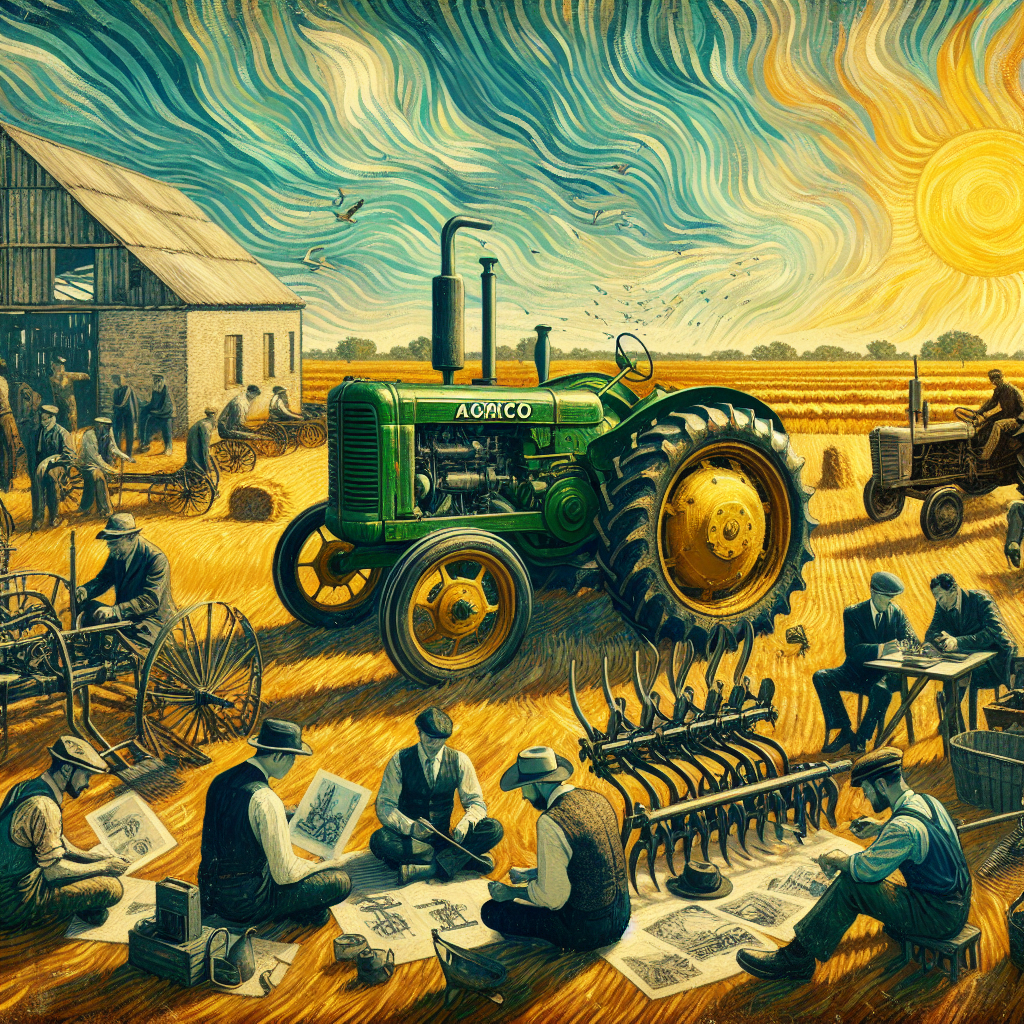
Are Classic Tractors The Key To Reducing Our Carbon Footprint?
Are Classic Tractors The Key To Reducing Our Carbon Footprint?
- Classic tractors symbolize a bygone era and represent a way of life worth reviving.
- They may help reduce carbon footprints compared to modern, high-tech farming solutions.
- Classic tractors consume less fuel and operate with simpler mechanics, promoting sustainability.
- Each vintage tractor tells a story of hard work, resilience, and community partnership with nature.
- Embracing these tractors honors our roots and showcases our responsibility to future generations.
- Restoration and use of classic tractors promote values of sustainability and tradition over convenience.
- Communities can unite through shared stories and experiences, fostering a collective commitment to a healthier planet.
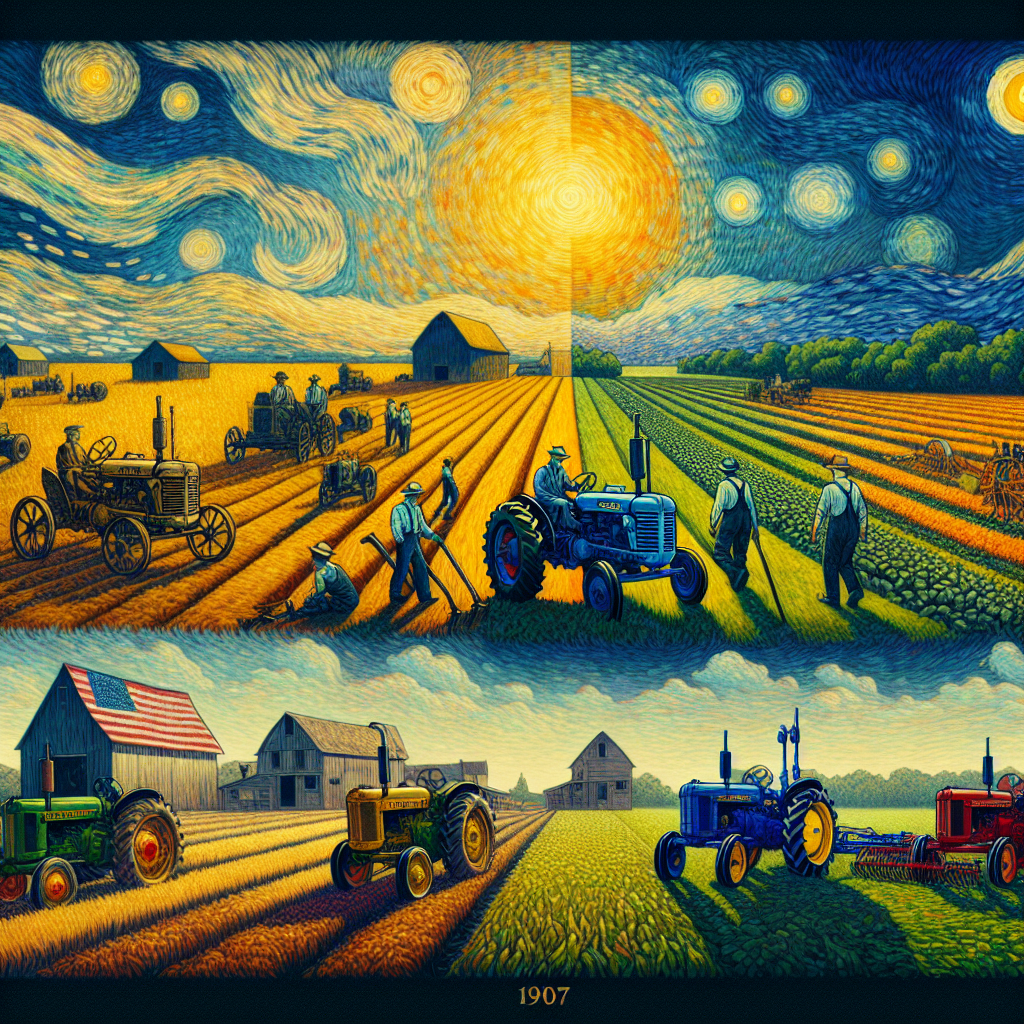
Are Classic Tractors The Key To Reducing Our Carbon Footprint?
What Makes Vintage Tractors More Sustainable Than Modern Machines?
When you think about a tractor, maybe you picture the rusted hulk of a classic machine sitting proudly in a field, its paint faded but its spirit intact. These vintage tractors are more than just relics of a bygone era; they are embodiments of resilience, sustainability, and a lifestyle deeply connected to the land. The juxtap of their sturdy form and age-old engineering speaks to a time when less was truly more.
Imagine a farmer, hands calloused from years of toil, dust swirling around as he revs up a trusty old tractor. There’s a pulse to it, a sense of continuity. Unlike modern machines, which are often built with an eye towards obsolescence, vintage tractors were crafted to last. These beasts of burden are often made from simple, durable materials that can be repaired rather than replaced—an ethical approach in our disposable culture.
From a rational stand point, vintage tractors shine in their fuel efficiency. Most of these machines run on straightforward diesel engines, which are not only easier to maintain but also require less intensive manufacturing processes. Limited parts, fewer electronics, and simpler mechanics mean they demand less energy to operate and are far easier on the wallet. That’s not just good sense; it’s smart economics.
Ethically, vintage tractors resonate with a yearning for authenticity in a world overflowing with synthetic experiences. Farming isn’t just a job; it’s a way of life steeped in tradition, community, and stewardship of the earth. Opting for these machines is a nod to a connectedness to the land and a responsibility toward a sustainable future. Each time that engine roars back to life, it demonstrates the importance of preserving our agricultural roots amid relentless modernity.
Narratively, there’s magic in every scar, every dent. Each vintage tractor carries the stories of generations who’ve relied on them, making them vessels of history and culture. Like a beloved family heirloom, they foster a sense of belonging and pride that resonates across time.
So, as you ponder the future of farming, consider the vintage tractor in all its rugged glory. Embrace the morals it instills, the wisdom it carries, and the sustainable path it presents. By choosing such machines, you’re not just preserving a piece of history; you’re championing a future that honors the earth and conserves our way of life. In a world racing towards modernization, let’s take a moment to appreciate the value of the time-tested and true, a reminder that sometimes, the best way to move forward is to look back.
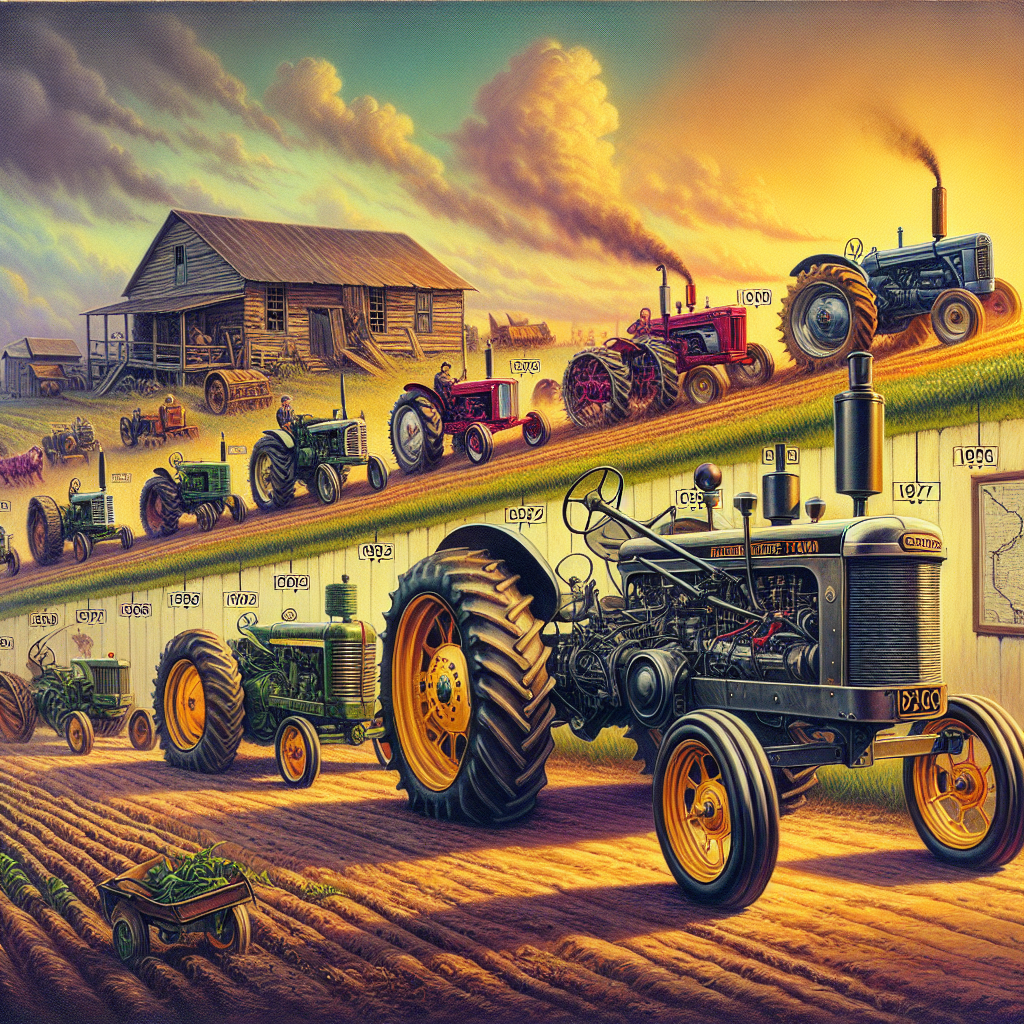
What Makes Vintage Tractors More Sustainable Than Modern Machines?
What Makes Vintage Tractors More Sustainable Than Modern Machines?
- Vintage tractors symbolize resilience, sustainability, and a deep connection to the land.
- They were built to last, contrasting modern machines designed for obsolescence.
- Constructed from simple, durable materials, vintage tractors emphasize repairability over disposability.
- They offer fuel efficiency with straightforward diesel engines that are cheaper to maintain.
- Choosing vintage tractors reflects a yearning for authenticity and stewardship in farming traditions.
- Each vintage tractor carries historical narratives, serving as vessels of culture and community pride.
- Embracing vintage tractors champions a future that honors sustainability and conserves agricultural heritage.
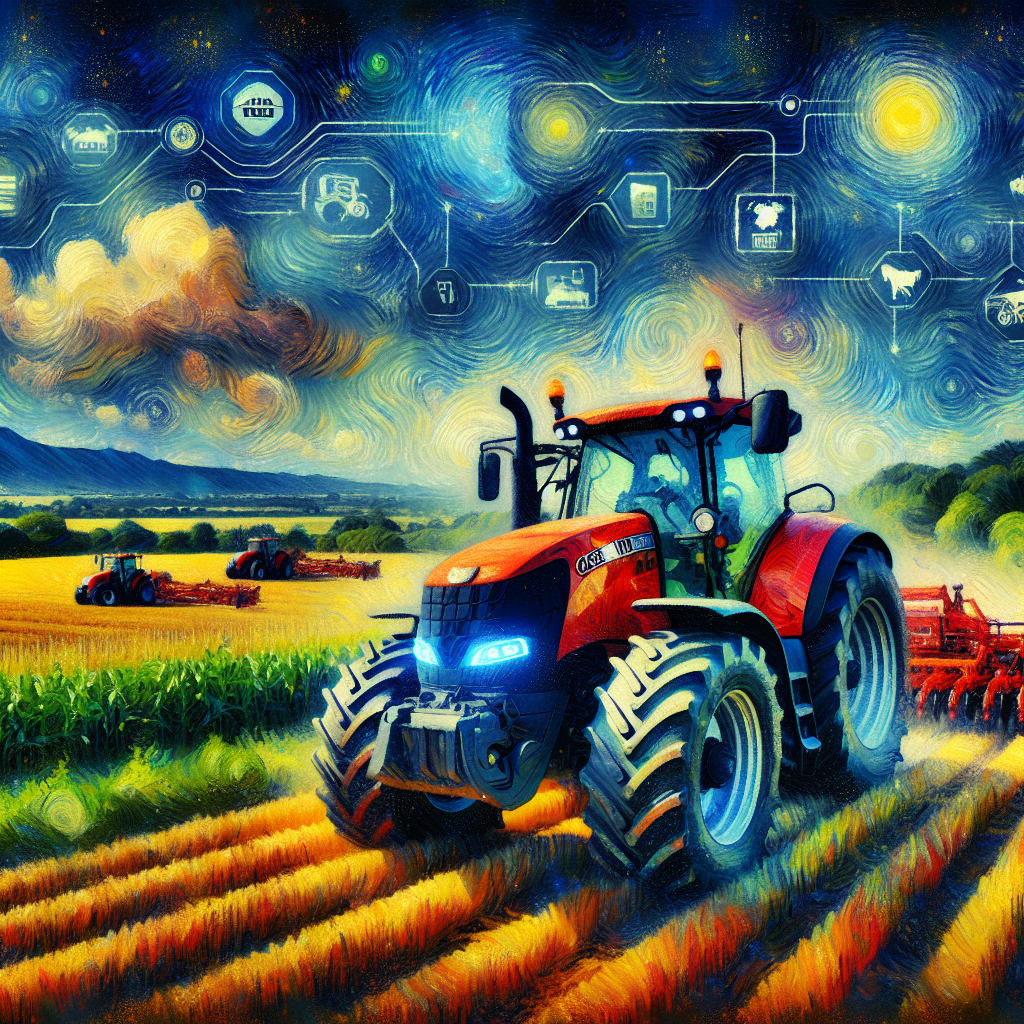
What Makes Vintage Tractors More Sustainable Than Modern Machines?
How Do Classic Tractors Contribute To Soil Health And Biodiversity?
Picture this: it’s an early morning, the sun just beginning to peek over the horizon, painting the fields in soft hues of gold. There stands an old tractor, its paint slightly chipped, yet it still hums with a vitality that resonates deep within the heart of farming heritage. This isn’t just a machine; it’s a link between generations, a humble workhorse on a journey to cultivate more than just crops.
Classic tractors are not merely relics of the past; they embody a philosophy that honors the land and its intricate ecosystems. By employing these vintage beasts, farmers often practice methods that enhance soil health and increase biodiversity. They leverage the power of mechanical tilling—gentler than modern alternatives—allowing them to maintain the soil’s structure while fostering essential microorganism activity. It’s not merely about turning over dirt; it’s about nurturing a living, breathing entity underfoot, one that sustains us all.
In our fast-paced world, where technology often overshadows tried-and-true practices, there’s an ethical responsibility to look back and learn from those who came before us. Using classic tractors often means employing organic farming techniques that reduce chemical usage, promoting healthier ecosystems. This is where the heart and head meet: understanding that healthy soil leads to vibrant crops and a resilient environment, ensuring food security for future generations.
Moreover, the social appeal of classic tractors is undeniable. They are symbols of community, often seen in local fairs and festivals, sparking conversations across ages. Tales of how a grandparent used the same tractor you now restore to its former glory create connections that transcend time. Farming is not just a profession; it’s a way of life that shapes identities and instills pride.
But beyond nostalgia and morals, there’s a bottom line to consider. Investing in classic tractors often leads to sustainable practices that can increase yields over time. Farmers using these machines can produce healthier crops that are more resistant to pests, ultimately reducing the need for harmful pesticides and fertilizers. That’s right—the tractor becomes an ally in the fight for our environment while simultaneously boosting productivity.
So, let’s appreciate the classic tractor not just as a mechanical marvel, but as a vital participant in the dance of nature. It’s about more than tilling earth; it’s about safeguarding our future and inspiring action, reminding us that sometimes, the best way forward is to look back.
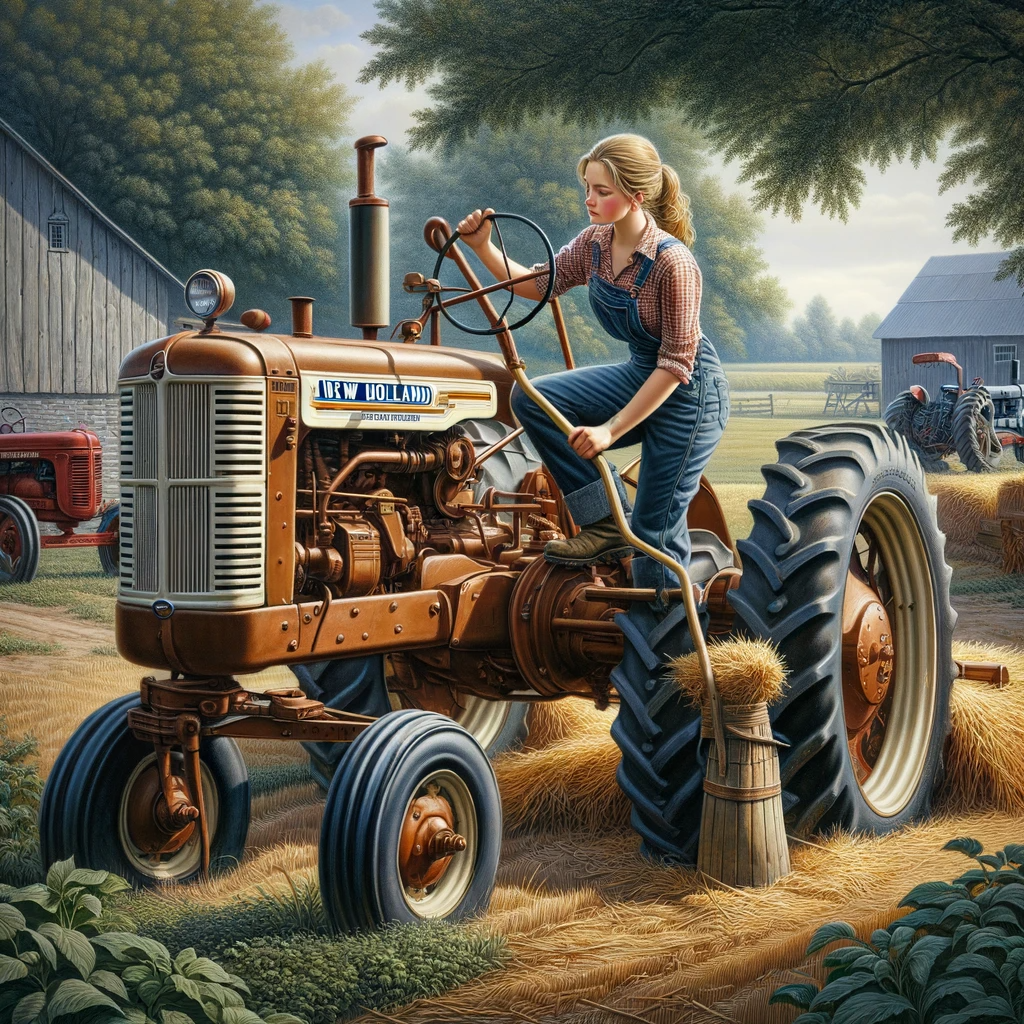
How Do Classic Tractors Contribute To Soil Health And Biodiversity?
How Do Classic Tractors Contribute To Soil Health And Biodiversity?
- The early morning scene features a classic tractor, symbolizing farming heritage and generational links.
- Classic tractors honor the land and its ecosystems, promoting soil health and biodiversity through gentle mechanical tilling.
- Farmers using vintage tractors often practice organic farming, reducing chemical usage and enhancing environmental health.
- Classic tractors foster community connections, seen in local fairs and evoking stories that transcend generations.
- Investing in classic tractors supports sustainable practices that can increase crop yields and pest resistance.
- These tractors serve as allies in environmental preservation while boosting agricultural productivity.
- Appreciating classic tractors means recognizing their role in safeguarding the future and inspiring sustainable action.
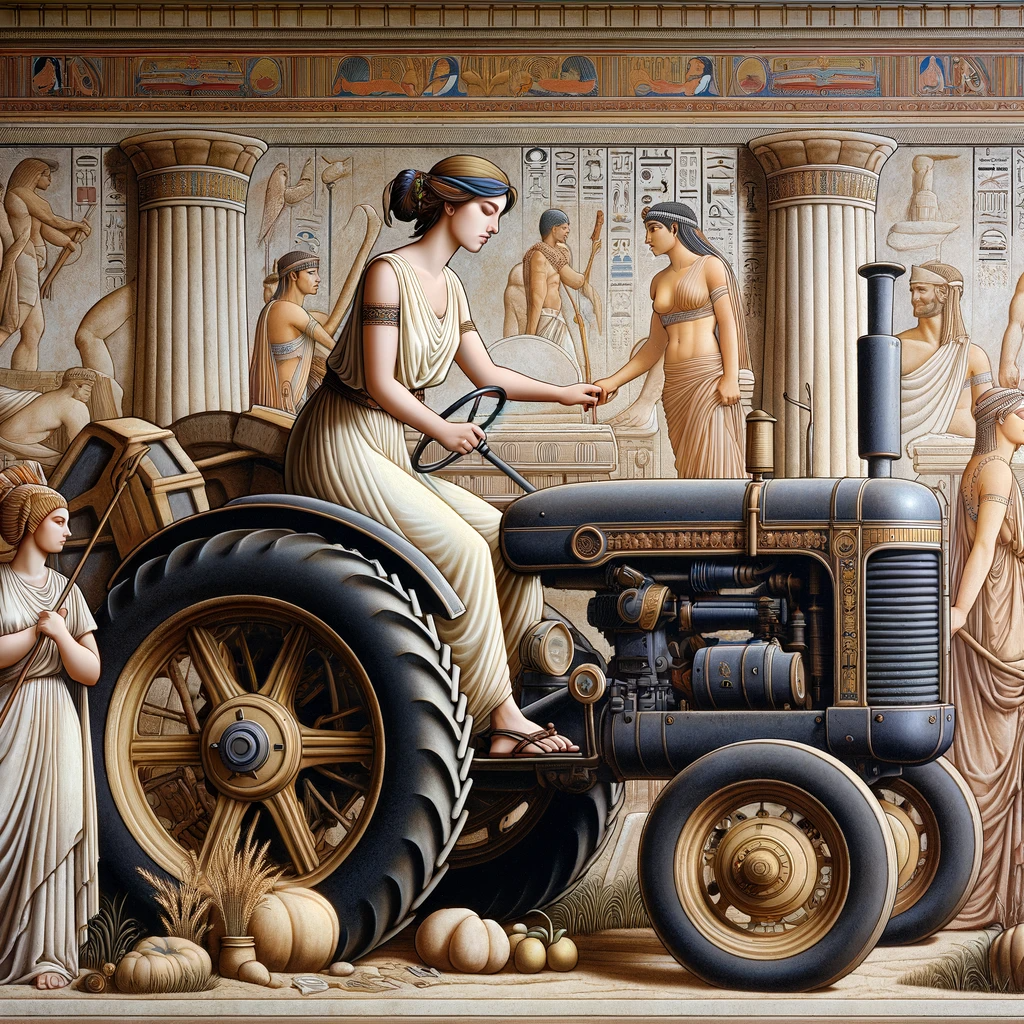
How Do Classic Tractors Contribute To Soil Health And Biodiversity?
Conclusion
Conclusion: Classic Tractors and the Heart of Sustainable Farming
In a world racing towards the future, it’s easy to forget about the machines that have shaped our agricultural past. Classic tractors—those hulking pieces of history—are more than just machinery. They represent a way of life, a legacy of hard work, community, and sustainability that reaches out to us from generations past. Picture a sun-drenched field, and hear the rhythmic chug of an old tractor. Each dent and scratch tells the story of its labor—stories of families working together, learning from one another, and nurturing the land.
These tractors don’t just offer nostalgia; they provide practical and ethical solutions for modern farming. They consume less energy than their high-tech counterparts, and their simple mechanics often mean lower emissions. In embracing these vintage machines, farmers adopt an ethos of sustainability, eschewing the disposability that often accompanies modern agricultural practices. The message is clear: we need to care for our soil and reduce our impact on the planet for the generations to come.
From a rational standpoint, investing in classic tractors is not just about nostalgia; it makes economic sense. Their straightforward design means reduced maintenance costs, and these machines can often run on biofuels, connecting farming practices with renewable resources. As communities gather to restore and preserve these tractors, they strengthen social bonds. Such grassroots efforts go beyond restoration—they are a testament to shared values and a collective commitment to sustainable agriculture.
The ethical implications are undeniable. Choosing to honor classic tractors means recognizing our responsibility to the land and to each other. As custodians of our agriculture, we owe it to ourselves to foster biodiversity and soil health by employing practices rooted in respect and patience instead of rapid convenience.
So, the next time you spot a classic tractor rumbling along the fields, take a moment to appreciate its legacy. It embodies a philosophy of farming that prioritizes coexistence with nature over competition with it. It stands as a reminder that sometimes the quietest heroes are the ones who have the most profound impact. Embrace the timeless wisdom they offer, and let’s continue to cultivate not just crops, but a sustainable future—one field, one story, and one classic tractor at a time.
Conclusion
Conclusion:
- Classic tractors symbolize a legacy of hard work, community, and sustainability.
- These vintage machines provide practical solutions by consuming less energy and producing lower emissions.
- Investing in classic tractors promotes sustainability and counters the disposability in modern agriculture.
- They offer economic benefits through reduced maintenance costs and the ability to run on biofuels.
- Restoration efforts for classic tractors strengthen community bonds and reflect shared values.
- Honoring classic tractors involves a commitment to biodiversity and responsible land stewardship.
- Classic tractors promote a farming philosophy that values coexistence with nature over competition.
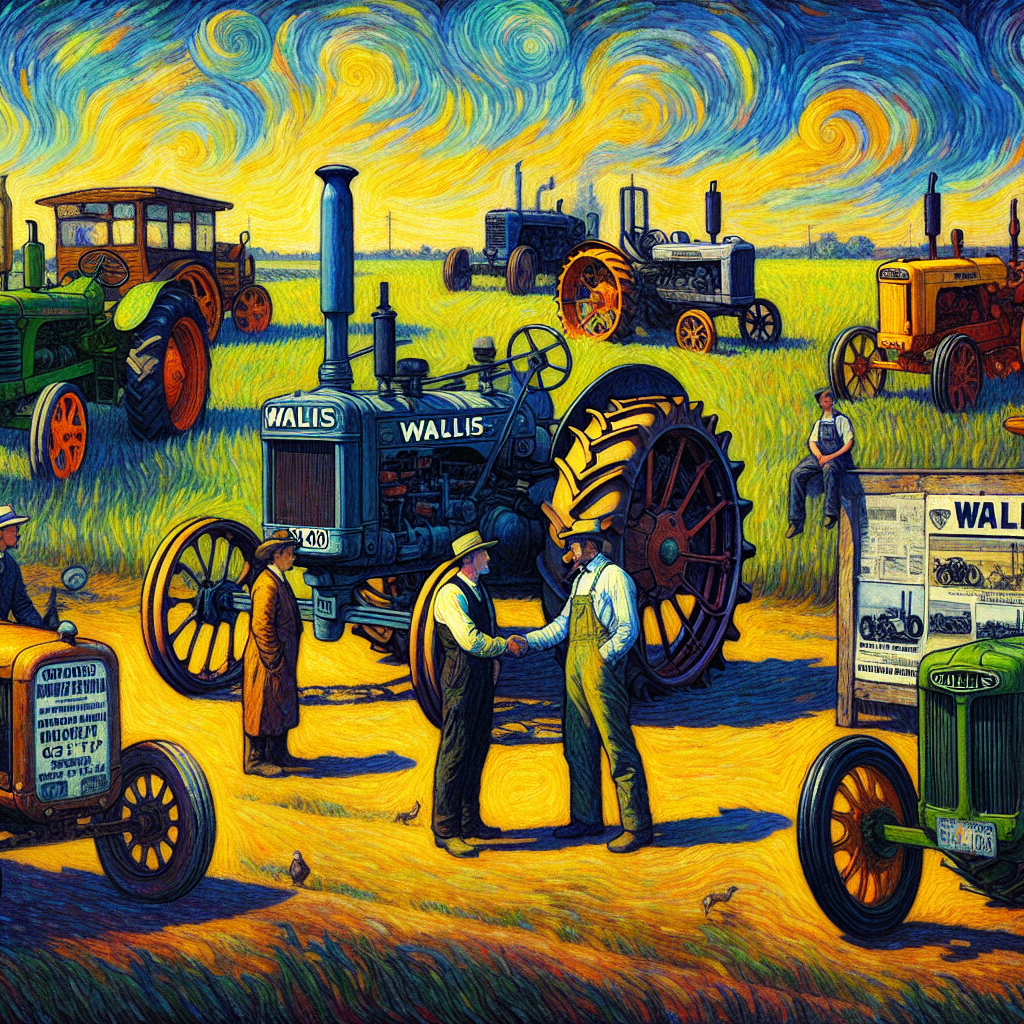
Conclusion
Other Resources
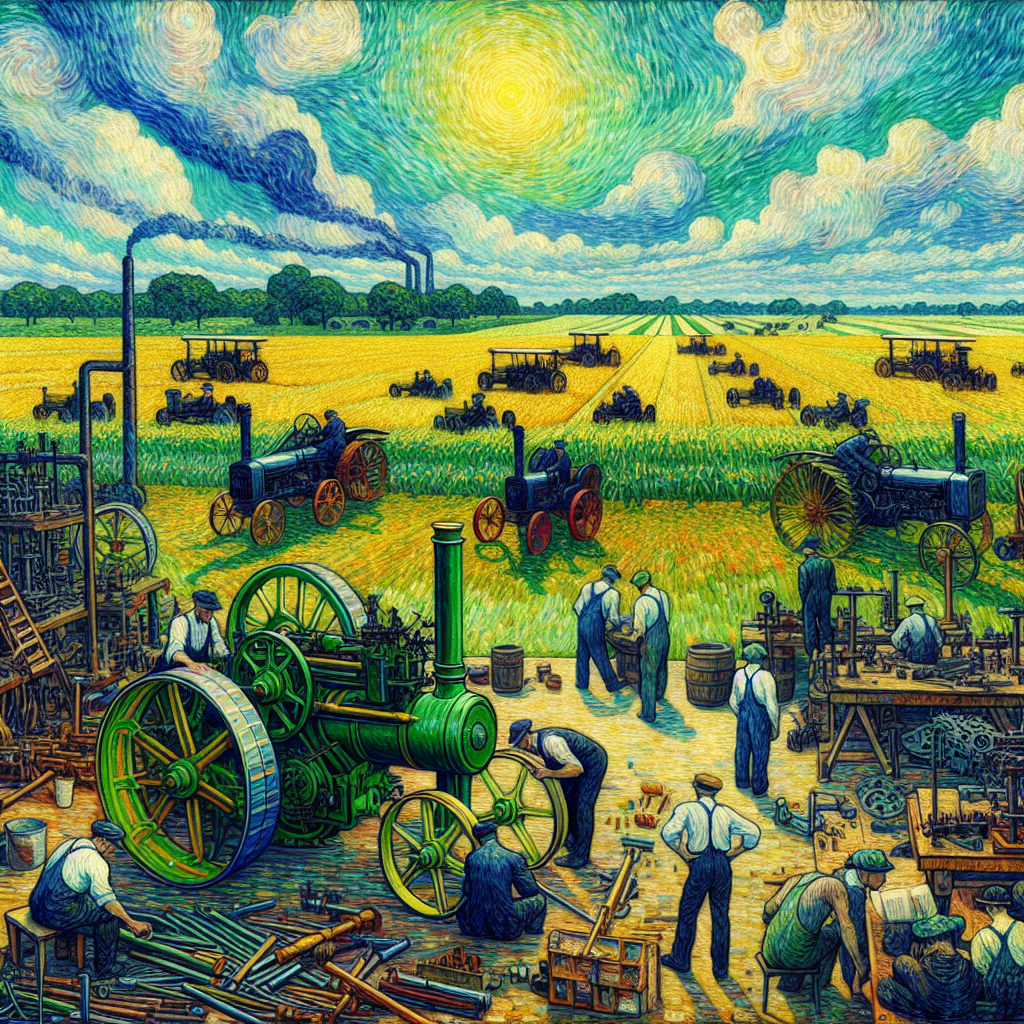
Other Resources
Here is a list of other resources you can review online to learn more:
Use This Prompt To Get More Resources With Your Favorite Online AI Tool: Please provide me with a list of online articles with their URLs in a bulleted list that I can read regarding Are Classic Tractors The Unsung Heroes In Sustainable Farming
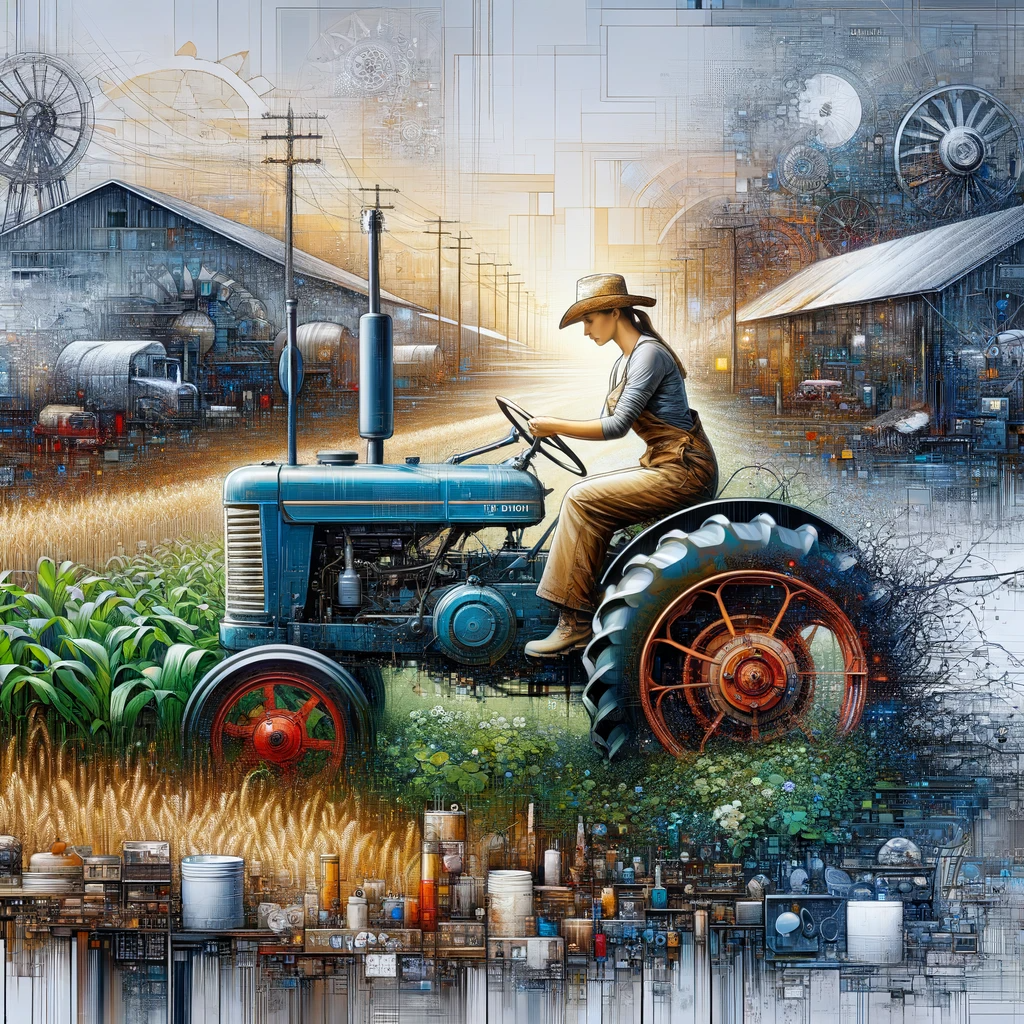
Other Resources
Glossary Terms
Are Classic Tractors The Unsung Heroes In Sustainable Farming – Glossary Of Terms
1. Classic Tractors: Vintage farming equipment manufactured before a certain year (often 1980) that is cherished for its reliability and simplicity.
2. Sustainable Farming: Agricultural practices designed to maintain the health of the land and environment while meeting current needs without compromising future resources.
3. Organic Farming: A method of farming that avoids synthetic pesticides and fertilizers, promoting biodiversity and ecological balance.
4. Regenerative Agriculture: Practices aimed at restoring soil health, increasing biodiversity, and improving ecosystem services on agricultural land.
5. Biodiversity: The variety of life in a particular habitat or ecosystem, crucial for resilience and sustainable agricultural practices.
6. Soil Health: The condition of soil, determined by its biological, chemical, and physical properties, critical for productive and sustainable farming.
7. Mechanical Efficiency: The effective use of machinery (like tractors) to minimize energy input while maximizing output in farming operations.
8. Fuel Efficiency: The ability of a tractor or farming equipment to operate using minimal fuel, reducing costs and environmental impact.
9. Crop Rotation: A sustainable farming practice where different crops are grown in succession on the same land to improve soil health and prevent pests.
10. Cover Crops: Plants grown to cover the soil, improving soil health, preventing erosion, and enhancing nutrient cycling.
11. Soil Erosion: The displacement of the topsoil due to factors like water, wind, or human activity, detrimental to crop growth and sustainability.
12. Conservation Tillage: Agricultural practices that minimize soil disturbance, enhancing soil structure and reducing erosion.
13. Agroecology: An approach that integrates ecological principles into agricultural practices for sustainable food production.
14. Precision Farming: Using technology and data analytics to optimize field-level management regarding crop and soil health.
15. Carbon Footprint: The total amount of greenhouse gases produced directly and indirectly by an entity, an important metric in evaluating sustainability.
16. Perennial Crops: Crops that grow back year after year without needing to be replanted, enhancing soil stability and agricultural sustainability.
17. Heritage Technology: Traditional tools and methods used in agriculture that promote sustainability and local practices.
18. Tractor Restoration: The process of refurbishing and updating classic tractors to make them operational again, often maintaining their environmentally friendly aspects.
19. Local Food Systems: Agriculture systems that prioritize local production and consumption to minimize transportation and increase sustainability.
20. Small-Scale Farming: Agricultural practices typically carried out on smaller plots of land, often prioritizing ecological practices and local markets.
21. Farm Diversification: The practice of growing various crops and raising animals to spread risk and improve sustainability.
22. Nitrogen Fixation: The process that captures atmospheric nitrogen and converts it into a form usable by plants, aided by certain crops like legumes.
23. Agroforestry: Integrating trees and shrubs into crop and animal farming systems, improving biodiversity and sustainability.
24. Water Management: Practices that optimize the use and protection of water resources within agricultural systems.
25. Permaculture: A holistic approach to agriculture that seeks to create sustainable and self-sufficient ecosystems.
26. Land Stewardship: The responsible management of land resources to maintain its health and productivity for future generations.
27. Green Manure: Crops grown specifically to be plowed back into the soil to enhance its nutrient content and structure.
28. Seed Sovereignty: The right of farmers to save, plant, and exchange seeds, promoting local biodiversity and control over food systems.
29. Organic Certification: A regulatory process through which producers can be certified to sell products as organic, supporting sustainable farming practices.
30. Ecosystem Services: The benefits provided by natural ecosystems, such as pollination, soil fertility, and water purification, which are crucial for sustainable agriculture.
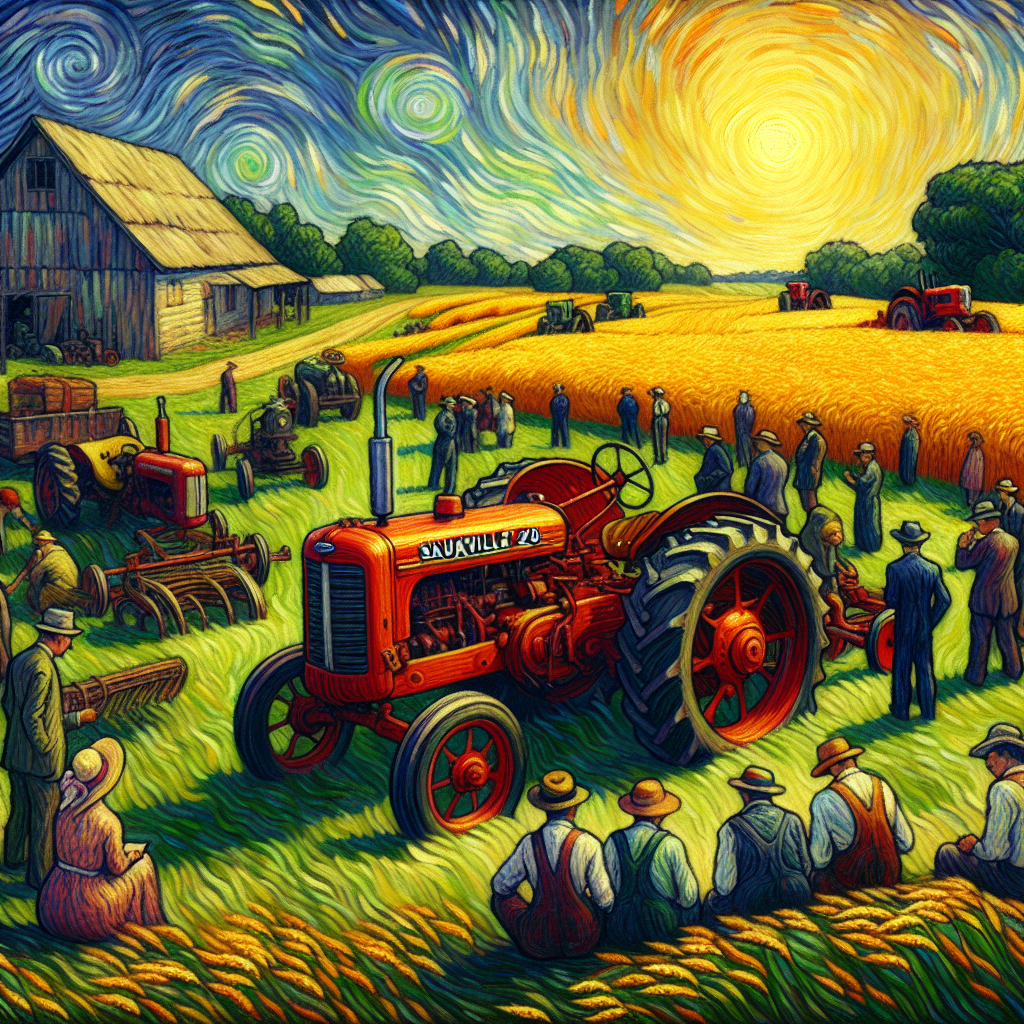
Glossary Of Terms
Other Questions
Are Classic Tractors The Unsung Heroes In Sustainable Farming – Other Questions
If you wish to explore and discover more, consider looking for answers to these questions:
- What specific sustainable farming practices are facilitated by classic tractors?
- How do classic tractors compare to modern tractors in terms of energy consumption?
- What are some examples of communities that have successfully restored classic tractors?
- What maintenance practices are best for preserving classic tractors?
- Can classic tractors be effectively powered by renewable energy sources?
- What role do classic tractors play in promoting biodiversity on farms?
- How does the use of classic tractors impact soil health compared to modern farming equipment?
- What historical impact have classic tractors had on agricultural productivity?
- What are some successful case studies of farmers using classic tractors for sustainable practices?
- How can the revival of classic tractors influence future farming practices and policies?
- What are the environmental benefits of using biofuels in classic tractors?
- How do classic tractors contribute to community bonding and cultural heritage in agriculture?
Other Questions
Haiku
Are Classic Tractors The Unsung Heroes In Sustainable Farming – A Haiku
Old iron chugs gently,
Roots deep in the earth’s embrace,
Life nurtured with heart.
Haiku
Poem
Are Classic Tractors The Unsung Heroes In Sustainable Farming – A Poem
Ode to the Classic Tractor: Unsung Heroes of the Field
In fields where golden sunbeams play,
Stands a classic tractor, aging but proud,
A sentinel of the past, come what may,
Whispering tales of a far-off crowd.
With tones of rust and painted dreams,
It chugs along, a steadfast friend,
A bridge through time where hope redeems,
Harnessing Earth, as spirits blend.
Oh vintage might, with hands that toil,
You teach us roots, respect, and care,
In humble soil, you nurture the soil,
Crafting lives, bold stories we share.
Beneath your hood, simplicity reigns,
A model of virtue in the frantic race,
You run with ease, avoiding the chains,
Of modern woes, you keep a steady pace.
For every dent and scratch you bear,
Deep histories echo in every whir,
Of laughter and sweat, a community’s flair,
A vibrant culture, where hearts confer.
With lower emissions, your gifts unfurl,
You offer sustainability, a light we seek;
In harmony with nature, let’s give it a whirl,
Farmers united, together we speak.
The conscious choice to embrace your might,
Moves us toward a greener tomorrow,
With shared resources and spirits alight,
We foster connection, lessen our sorrow.
So pause, dear friend, when the engines call,
Reflect on the legacy beneath the green sheen,
In tractors’ hum, hear the stories of all,
Empowered together, our futures convene.
A call to remember, to honor, to pause,
Classic tractors, unsung, yet profoundly wise,
In you we find lessons, a planting of cause,
Connecting the past with the future’s sunrise.

Poem
Checklist
Are Classic Tractors The Unsung Heroes In Sustainable Farming – A Checklist
Checklist: Celebrating the Unsung Heroes of Sustainable Farming _____ Classic Tractors
Heart Appeals
1. Share Your Story: Write down a cherished memory related to farming or a classic tractor. What feelings does it evoke?
2. Connect Generations: Plan a family activity where you teach someone younger about traditional farming methods using classic tractors.
3. Mindfulness Moment: Spend time in nature, reflecting on the connection between farming, the land, and community. How can classic tractors enhance that bond?
Head Appeals
4. Research Benefits: Investigate how classic tractors operate more sustainably. What specific environmental advantages do they offer compared to modern machinery?
5. Cost Analysis: Compare the long-term financial benefits of using a classic tractor versus modern machinery. What did you discover?
6. Soil Health Insights: Educate yourself on how classic tractors contribute to soil health and biodiversity. Write down key takeaways.
Gut Appeals
7. Feel the Connection: Find and visit a local farm that uses classic tractors. Note the emotional and sensory experiences during your visit.
8. Attend a Local Event: Participate in a tractor show or farm gathering. Engage with the community and share in the stories around classic tractors.
9. Practical Application: If you’re involved in farming, consider implementing at least one sustainable practice associated with classic tractors. Track its impact on your farming methods.
Ethical Appeals
10. Reflect on Responsibility: Write down your thoughts on the ethical responsibility of farming practices today. How do classic tractors align with your beliefs?
11. Identify Eco-Friendly Practices: List sustainable agricultural practices you currently use or could adopt, inspired by the legacy of classic tractors.
Authority Appeals
12. Expert Opinions: Seek out testimonials or studies from farmers who have transitioned to using classic tractors. What insights can you find?
13. Historical Context: Research the historical significance of classic tractors in agriculture. Write a brief summary for future reference.
Narrative Appeals
14. Story Time: Share a story about a classic tractor in your community. How did it impact the lives of those who used it?
15. Create a Vision: Imagine a sustainable farming future powered by classic tractors. Describe this vision in detail—what role do these tractors play?
Social Appeals
16. Join a Community Group: Find or establish a community group focused on the preservation of classic tractors and sustainable farming practices.
17. Social Media Awareness: Share a post celebrating classic tractors and their impact on sustainable farming. Include a call to action for your friends to learn more.
This checklist invites you to explore the multifaceted impact of classic tractors on sustainable farming through heartfelt connections, rational contemplation, ethical reflections, and social interactions, reinforcing their legacy as vital contributors to a sustainable future.
Checklist
At ClassicTractorNews, we help tractor lovers keep up with the latest news for classic and vintage tractors.
Please share this post with your friends, family, or business associates who may like old classic or vintage tractors.