

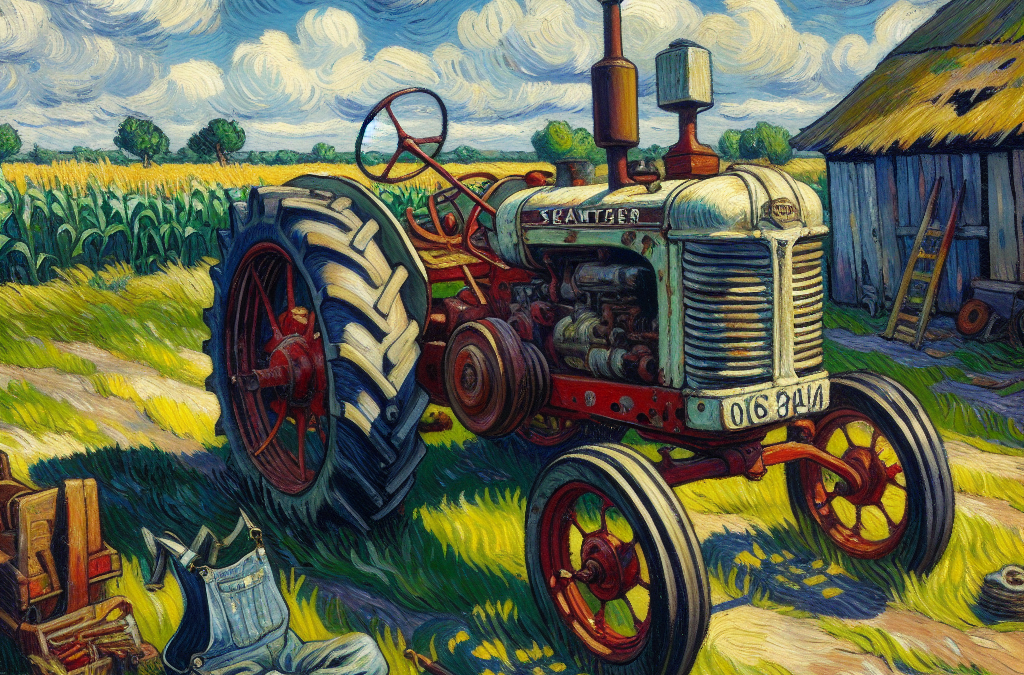
Uncovering The Timeless Impact Of Classic Tractors On Small Farms
By Tom Seest
At ClassicTractorNews, we help tractor lovers keep up with the latest news for classic and vintage tractors.
Please share this post with your friends, family, or business associates who may like old classic or vintage tractors.
Are Classic Tractors The Trustworthy Backbone Of Small Farms Everywhere
Are Classic Tractors the Trustworthy Backbone of Small Farms Everywhere?
When you drive through the countryside, you can’t help but notice them—classic tractors, steadfast sentinels of small farms, proudly standing as symbols of resilience. Each one carries a story etched into its metal frame, a chapter of life woven with the dust of the earth. In a world racing toward the latest technology, these machines remind us that sometimes, the past has much to teach us about the future.
At first glance, a classic tractor may seem like a relic, but its reliability is second to none. Designed not for flashy features or aesthetic appeal, but for grit and hard work, these tractors have become synonymous with trust. Farmers know what they are getting—unwavering performance, character, and a connection to a simpler, more honest time. In an age when many chase convenience without question, isn’t it refreshing to root for the underdog that perseveres, day in and day out?
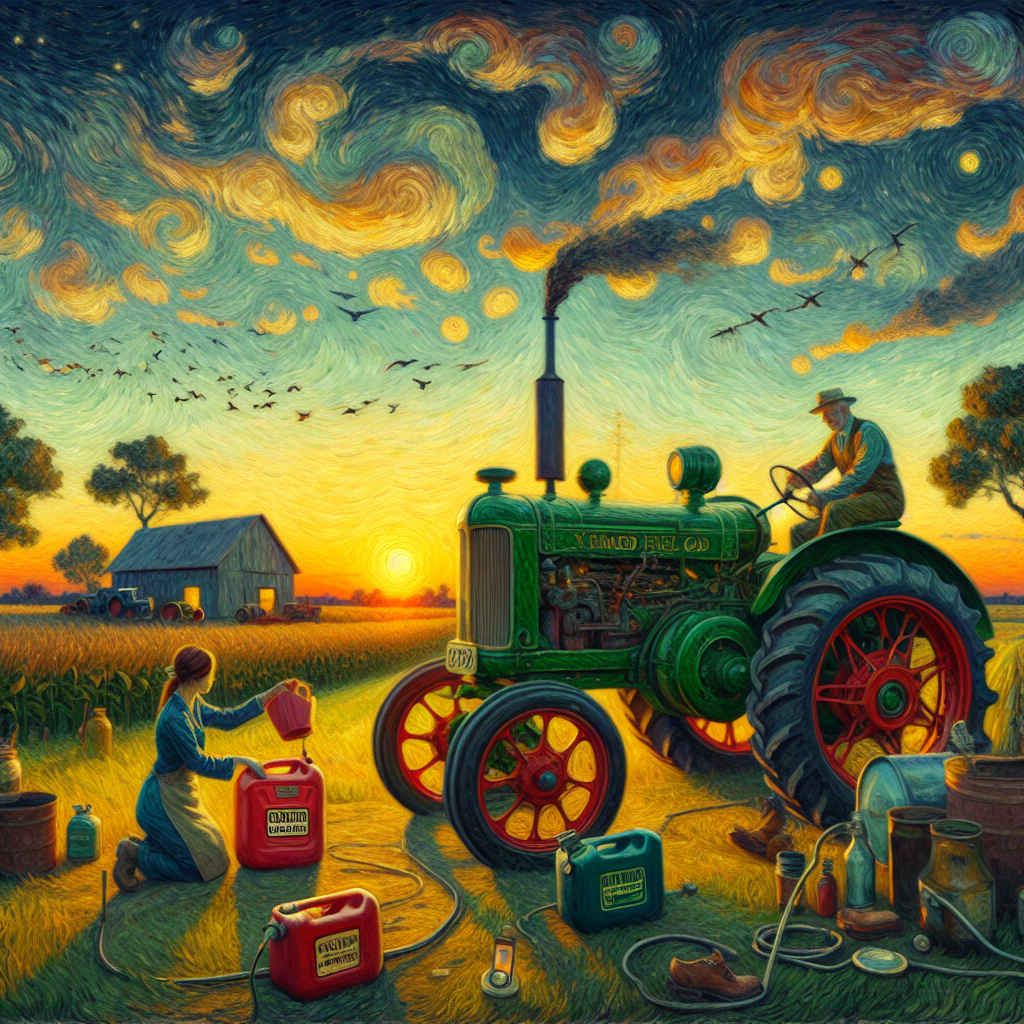
Let’s pause for a moment and think about it—a classic tractor isn’t just machinery; it’s part of a farmer’s family. Picture a father teaching his daughter how to till soil with a vintage tractor, imparting knowledge that transcends generations. This is more than just farming; it’s creating a legacy. Ethically, it’s about nurturing the land and celebrating sustainability instead of succumbing to quick fixes and fleeting trends.
Rationally, a classic tractor stands as an investment in both durability and economy. While flashy new models beckon with bells and whistles, there’s something reassuring about the simplicity of a classic machine. Fewer moving parts often translate to fewer repairs, and those who have spent long hours under the hood know that they can trust the mechanics behind these time-tested designs.
The narrative of small farms across the globe is interwoven with the stories of these tractors. They have plowed fields, harvested crops, and powered small endeavors through thick and thin. In an industry where the heart often beats louder than the cash register, these machines forge connections—not just between farmers and their land, but among communities that rally around shared values.
So, as we face the evolving challenges of modern agriculture, let’s not forget the wisdom rooted in these classic tractors. They teach us that sometimes, the most dependable backbone of small farms isn’t high-tech innovation, but the tried-and-true machines that have carried generations forward, stitch by stitch, field by field. Trust in them, and you’ll be investing in more than just a piece of equipment—you’ll be nurturing the soul of small farming itself.
Are Classic Tractors The Trustworthy Backbone Of Small Farms Everywhere
Are Classic Tractors The Trustworthy Backbone Of Small Farms Everywhere
- Classic tractors symbolize resilience and carry stories of small farms.
- They are known for their unmatched reliability and performance.
- Classic tractors represent a connection to a simpler, honest time in farming.
- They play a vital role in creating legacies and nurturing family traditions.
- Investing in classic tractors is economical, with fewer repairs due to simpler designs.
- They forge strong community connections and embody shared agricultural values.
- Classic tractors remind us that the backbone of small farms often lies in dependable, time-tested machinery.
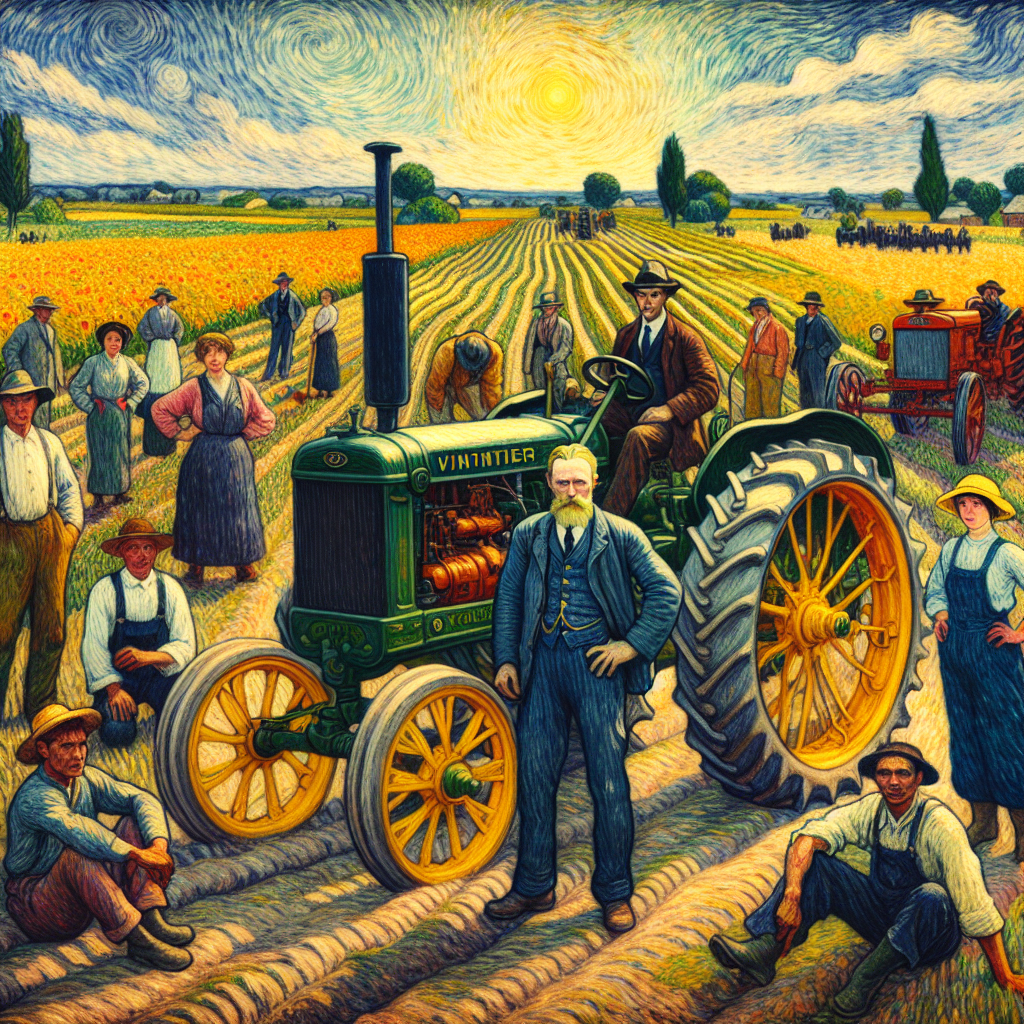
Are Classic Tractors The Trustworthy Backbone Of Small Farms Everywhere
Table Of Contents
- Are Classic Tractors The Trustworthy Backbone Of Small Farms Everywhere
- Are Classic Tractors A Symbol Of Tradition And Reliability?
- How Do Classic Tractors Enhance Farm Productivity Sustainably?
- Can The History Of Classic Tractors Inspire Modern Farmers?
- What Ethical Considerations Come With Using Vintage Farming Equipment?
- How Do Classic Tractors Foster A Sense Of Community Among Farmers?
- Are Classic Tractors A Wise Investment For Future Generations?
- Conclusion
- Other Resources
- Glossary Of Terms
- Other Questions
- Haiku
- Poem
- Checklist
Are Classic Tractors A Symbol Of Tradition And Reliability?
In a world racing toward modernization, classic tractors stand as steadfast sentinels of our agricultural past, embodying a profound tradition that resonates deeply. When you hear the rumble of a vintage tractor in the distance, it’s more than just an engine; it’s the heartbeat of generations. This isn’t merely metal and machinery; it’s a narrative, a story of resilience and hard work etched into the soil beneath its massive tires.
Think back to the first time you laid eyes on one of these contraptions: rusty but proud, reminiscent of the farms where our grandparents toiled. Remember the smell of engine oil mingled with fresh-cut hay? It conjures a nostalgic pull, making you feel connected to a way of life that embodies a simpler, yet profoundly significant, ethos. When these tractors hit the field, they don’t just churn up dirt—they till the soil of our history, grounding us in our roots while standing firm in the face of fleeting trends.
From a rational perspective, classic tractors represent reliability in their purest form. Built with sturdy components and simple mechanics, they require little beyond regular maintenance to keep their bellies full of fuel and their engines humming. Unlike their modern counterparts, stuffed with high-tech gadgets that can leave a farmer scratching their head, these machines strip discipline to its essence. You don’t need a degree in engineering to appreciate the art and science of a well-made tractor; you just need a pair of calloused hands and a willingness to get your boots a little dirty.
Ethically, preserving classic tractors means preserving the values they represent—hard work, authenticity, and the spirit of innovation through necessity. Each restoration project is not just about reviving an old piece of equipment; it’s a commitment to sustaining a lifestyle that prioritizes craftsmanship, stewardship, and community.
So, when we gather around at a local tractor show, turbocharged by the roar of these vintage engines, we’re not merely spectators—we’re a community, celebrating a shared legacy. Each tractor tells a different story, affirming our connection to the land and highlighting the values that bind us together.
In celebrating classic tractors, we uphold more than tradition; we transmit a legacy of reliability and respect for hard work. Whether you see it as a cherished family heirloom or a bond to the past, there’s an undeniable truth: these machines are more than just vehicles; they are the very soul of agriculture, and in that soul lies our enduring connection to each other and the land we cherish.
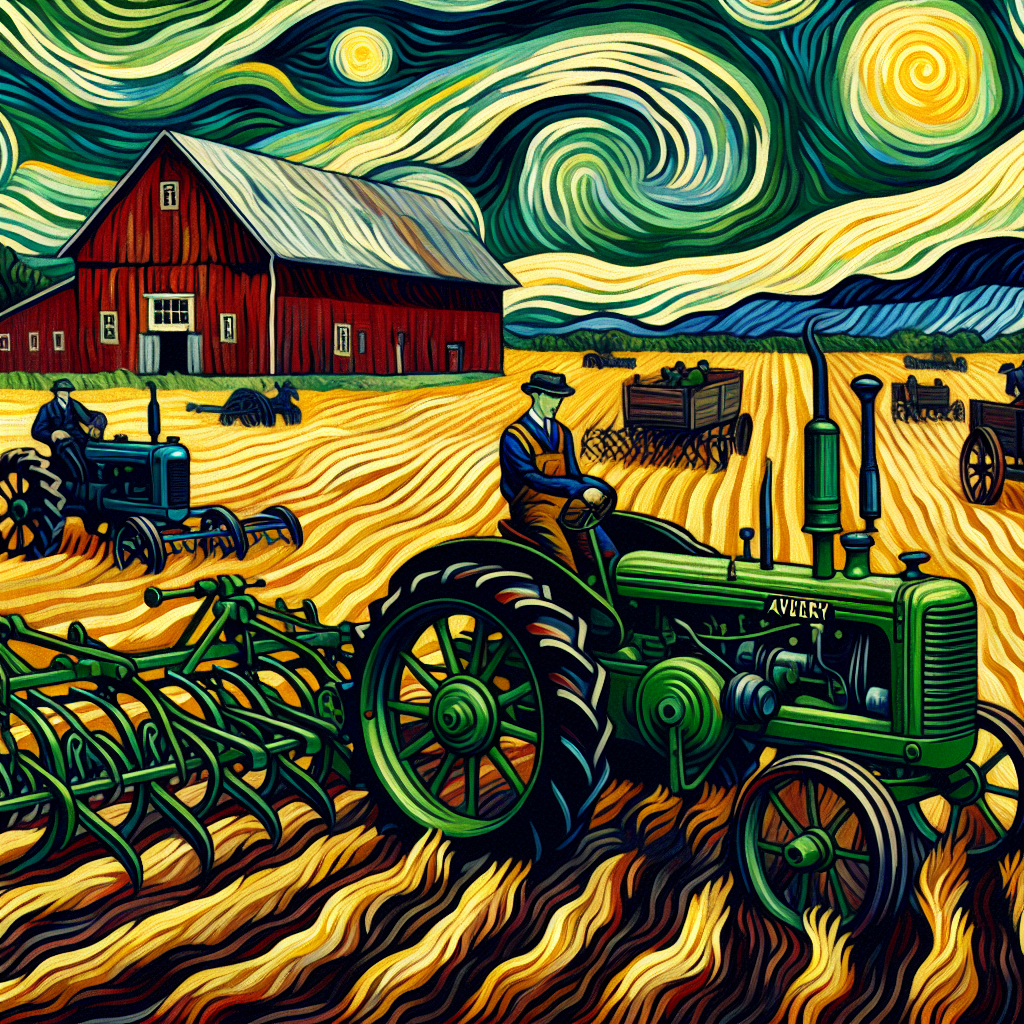
Are Classic Tractors A Symbol Of Tradition And Reliability?
Are Classic Tractors A Symbol Of Tradition And Reliability?
- Classic tractors symbolize the agricultural past and embody a profound tradition.
- They evoke nostalgia, recalling simpler times and connecting us to our roots.
- Classic tractors are reliable, built with sturdy components requiring minimal maintenance.
- They strip discipline to its essence, avoiding the complexity of modern machinery.
- Preserving classic tractors also means preserving values like hard work and authenticity.
- Tractor shows foster community, celebrating shared legacy and connection to the land.
- These machines represent more than vehicles; they are the soul of agriculture and a testament to our enduring connections.
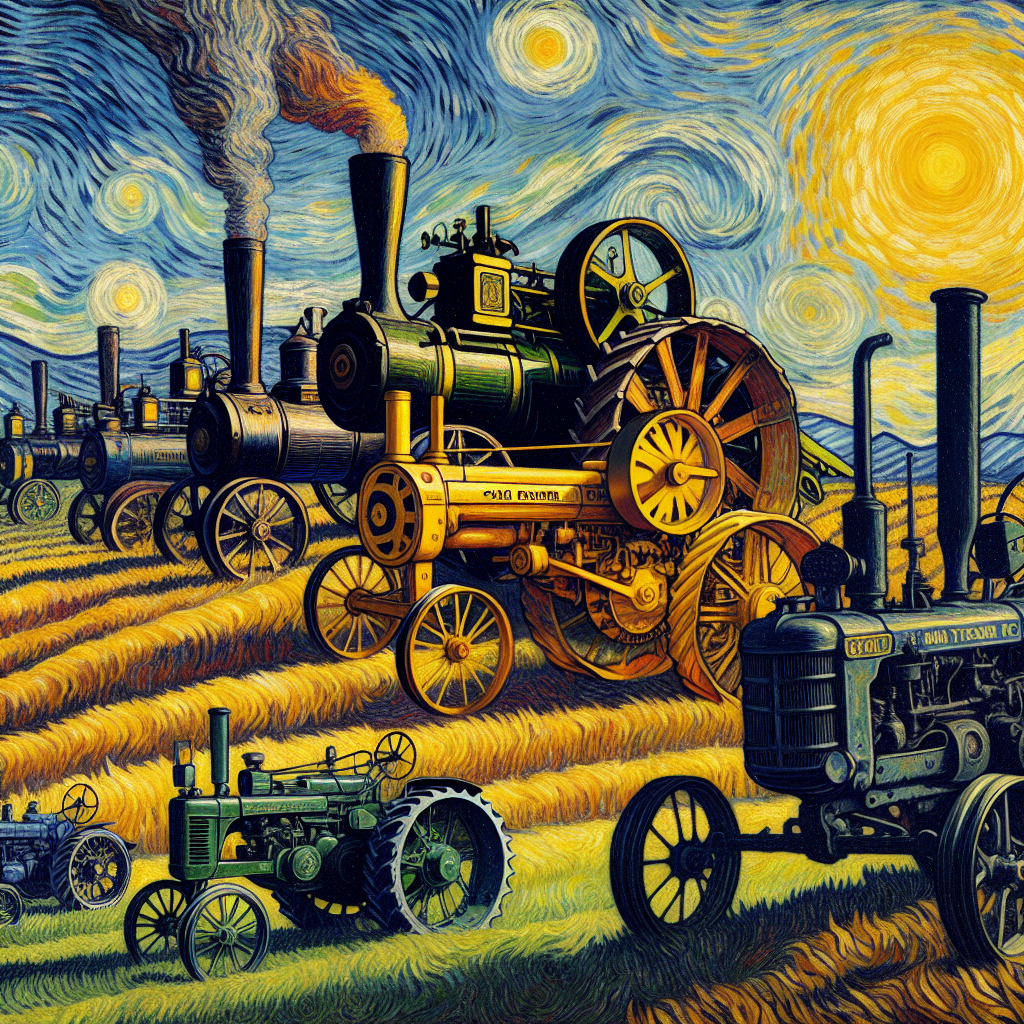
Are Classic Tractors A Symbol Of Tradition And Reliability?
How Do Classic Tractors Enhance Farm Productivity Sustainably?
When we think about tractors, we often picture the heart of the farm—those robust machines rumbling across fields, weathering sun, rain, and everything in between. But classic tractors, with their time-honored craftsmanship and storied past, bring so much more to our farms than mere horsepower. These magnificent machines enhance farm productivity sustainably, serving as a perfect blend of tradition and innovation.
Imagine stepping onto a field where generations of farmers have toiled. Each scratch and dent on those classic tractors tells a story, whispering tales of perseverance and commitment to the land. They may not have all the bells and whistles of modern machinery, but they embody reliability and simplicity. This is what makes these tractors resonate not just with the head, but with the heart. They remind us that farming isn’t just about maximizing yields; it’s about nurturing a bond with the earth and honoring the legacy of those who plowed before us.
Rationally, classic tractors are often easier to maintain and repair, which means fewer downtimes during an essential planting or harvesting season. They run on straightforward technology that doesn’t rely heavily on digital data, making them accessible to farmers who may not have the latest tech skills. But let’s be clear: this isn’t just an economical choice; it’s an ethical one too. By using classic tractors, farmers often reduce reliance on fossil fuels and contribute to less waste in a culture obsessed with new, shiny things.
From a narrative perspective, consider the community built around classic tractors. Local clubs and gatherings allow farmers to unite, sharing tips, techniques, and, most importantly, camaraderie. This social fabric strengthens our resolve to be stewards of the land, nurturing not just our crops but also each other.
And let’s talk about the gut feeling we get when we drive one of these machines. They connect us to the past and drive us toward a sustainable future—a future where farming preserves resources instead of depleting them. We’re not just plowing fields; we’re cultivating a mindset.
In a world increasingly dictated by fast-paced technology and fleeting trends, classic tractors remind us of a foundational truth: productivity intertwined with sustainability is not just possible; it’s imperative. They enhance farm productivity, not just for today but for tomorrow, inviting us to respect our roots while we seek innovative paths forward. So hop on, feel the rumble, and become part of a legacy that honors sustainability for generations to come.
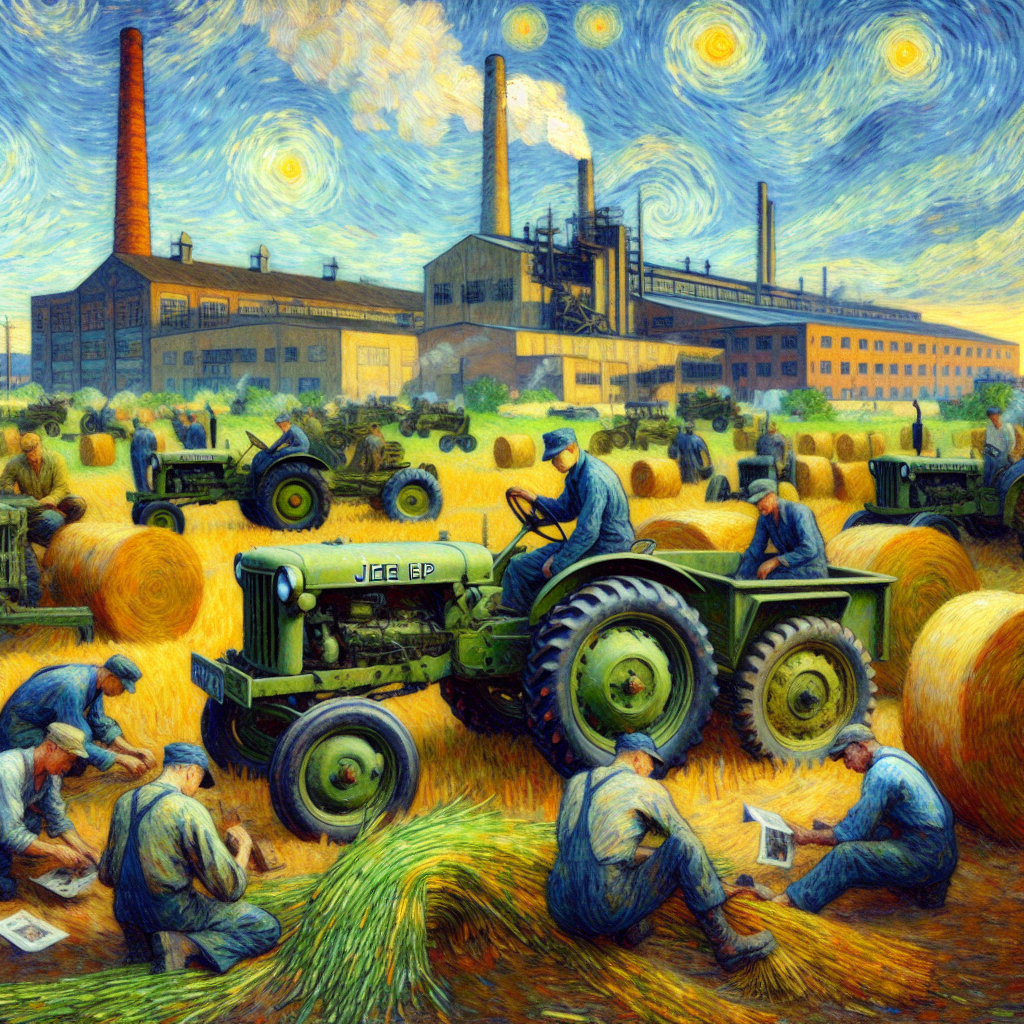
How Do Classic Tractors Enhance Farm Productivity Sustainably?
How Do Classic Tractors Enhance Farm Productivity Sustainably?
- Classic tractors symbolize the heart of farming, blending tradition and innovation.
- Each scratch and dent tells stories of perseverance, commitment, and a bond with the earth.
- These machines are reliable and simple, resonating with the emotional aspects of farming.
- Classic tractors are easier to maintain, leading to less downtime during critical seasons.
- Using classic tractors reduces reliance on fossil fuels, promoting sustainability and ethical farming.
- They foster community among farmers through clubs, sharing techniques and camaraderie.
- Classic tractors remind us that productivity and sustainability must coexist for future generations.
How Do Classic Tractors Enhance Farm Productivity Sustainably?
Can The History Of Classic Tractors Inspire Modern Farmers?
The story of classic tractors is a love letter to the land, a testament to innovation, and a call to arms for modern farmers. These storied machines, often seen rumbling across fields with their worn paint and weathered exteriors, carry a weight of history that transcends mere mechanics. When you stand beside a classic tractor, you’re not just gazing at an antique; you’re looking at a symbol of resilience, dedication, and the enduring bond between man and earth.
Picture the farmer of yesteryear, hand-cranking the engine of a rugged tractor as dawn breaks over the horizon. Their grit and determination reflect the heart of agriculture—a fight against nature’s whims, a commitment to nurturing the soil and feeding a growing population. That same spirit pulses through the veins of modern farmers today, who navigate the challenges of innovation, sustainability, and market demands. The history of classic tractors serves as a reminder that every time we engage with the soil, we stand on the shoulders of giants.
Rationally speaking, these classic machines illustrate a fundamental truth: ingenuity prevails. The methods and tools of the past paved the way for today’s precision agriculture. While sleek, computer-driven equipment defines our current landscape, it’s important to recognize that every modern advancement is built upon a legacy of trial and error, discovery and diligence. Understanding this history provides an ethical dimension, encouraging today’s farmers to root their practices in a well-charted legacy, instilling a sense of responsibility toward future generations.
Moreover, let’s not overlook the narrative these old tractors tell. They whisper tales of families working together through seasons of hardship and bounty, grounding us in a shared experience. Whether gathering for a harvest or repairing a worn tire, those moments create bonds that transcend time. As modern farmers face their own challenges, drawing on this narrative can foster community resilience, a reminder that the heart of agriculture beats strongest when we come together.
In a society grappling with environmental concerns and sustainability, reflecting on the classic tractor can spark an internal revolution. It invites us to ask: How do we honor our past while forging a sustainable future? By reconnecting with the values of perseverance and stewardship that these vintage machines evoke, modern farmers can redefine their purpose and inspire the next generation to embrace the ethos of land, labor, and legacy. Let the history of classic tractors remind us that every revolution starts with a single turn of the wheel.
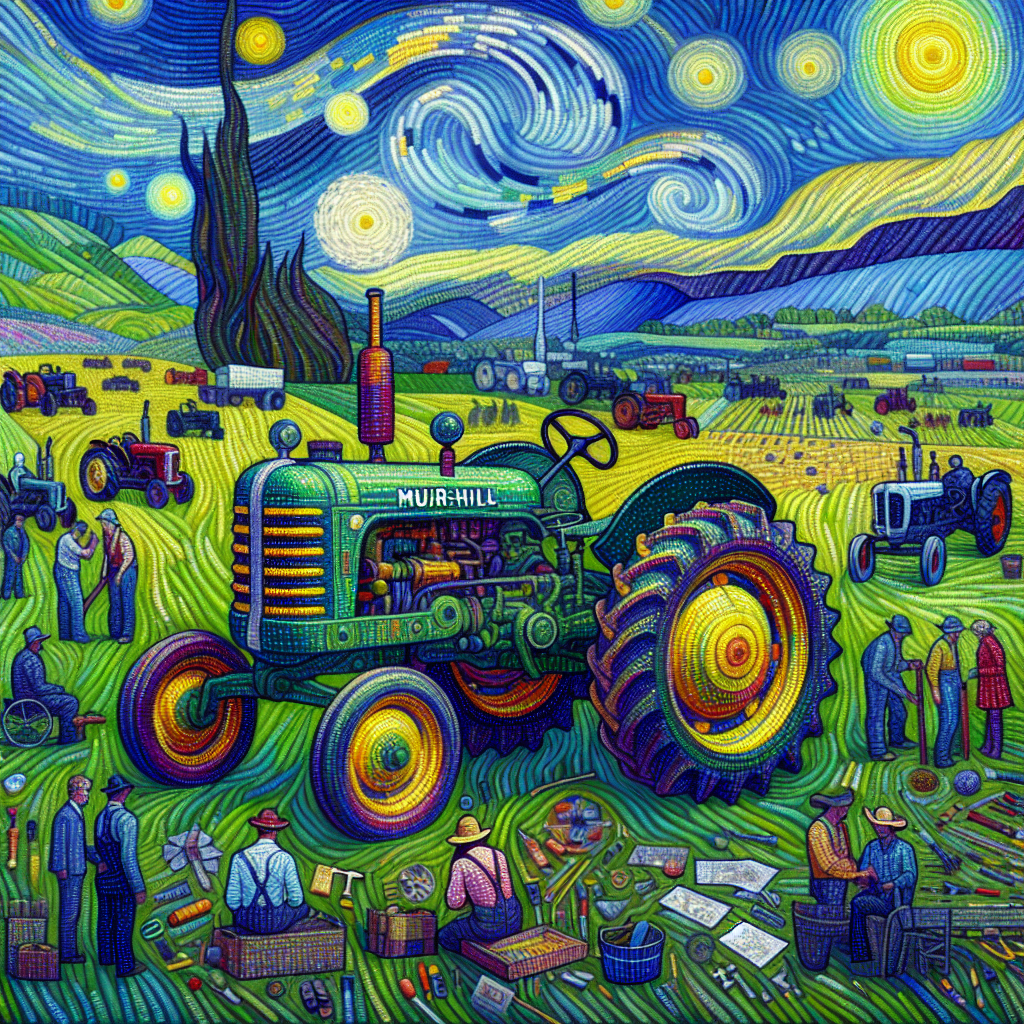
Can The History Of Classic Tractors Inspire Modern Farmers?
Can The History Of Classic Tractors Inspire Modern Farmers?
- The story of classic tractors highlights innovation, love for the land, and calls modern farmers to action.
- Classic tractors symbolize resilience and dedication, representing the strong bond between humans and the earth.
- Farmers of the past embodied grit and determination, reflecting the heart of agriculture amidst nature’s challenges.
- The history of classic tractors underscores that modern advancements stem from a legacy of ingenuity and trial-and-error.
- These machines narrate family stories and shared experiences, fostering community resilience in agriculture.
- Reflecting on classic tractors can inspire modern farmers to commit to sustainability while honoring their past.
- The legacy of classic tractors encourages a redefined purpose for farmers, reinforcing values of perseverance and stewardship.
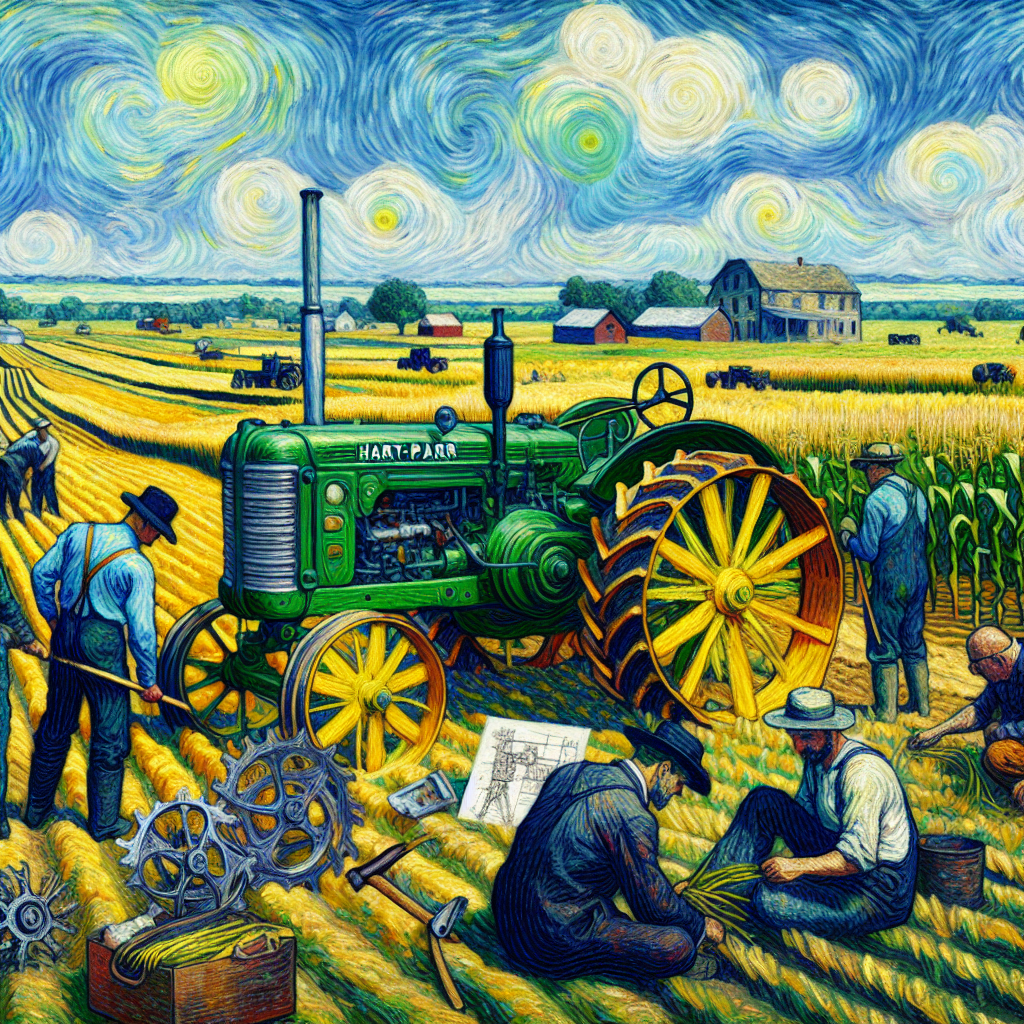
Can The History Of Classic Tractors Inspire Modern Farmers?
What Ethical Considerations Come With Using Vintage Farming Equipment?
When you fire up a vintage tractor, there’s an undeniable nostalgia that rumbles in the air—like a heartbeat pulsing through the soil. This isn’t just a machine; it’s a piece of history, often forged in the sweat and determination of those who tilled the land before us. But while that charm is compelling, it beckons us to consider what it means to keep these relics in motion today.
Let’s start with the emotional angle. Picture a family farm where the scent of fresh earth mingles with the chugging of an old tractor. You feel it in your bones; this is where tradition meets passion. Yet, along with this visceral connection comes a responsibility—a duty to honor the legacy of those who worked tirelessly with equipment built to last. The ethics of using vintage farming gear go beyond mere nostalgia; they summon a sense of stewardship. Are we preserving this heritage for future generations, or are we merely romanticizing it without regard for sustainable practices?
Now, let’s engage the head. Vintage equipment often lacks the efficiency and safety features of modern machinery. Each time you turn that ignition key, consider the potential inefficiencies and environmental impact. It’s a balancing act between love for craftsmanship and the reality of our current agricultural demands. Thinking critically about how we use these tractors—whether restoring them with eco-friendly practices or incorporating modern tech—can mitigate that gut-twist of guilt that sometimes surfaces when driving these old horses.
And speaking of guts, let’s not ignore the ethical considerations tied to sourcing and restoration. Who manufactured that tractor? What were their practices? Under what conditions did the original operators work? Being informed about the history of these machines fosters a connection that transcends generations and communities. We have the chance to connect the dots, transforming a simple piece of equipment into a narrative of resilience, ethics, and responsibility.
This is a conversation that should ripple through the farming community, inviting engagement. Let’s swap stories, share experiences, and encourage one another to think critically about how we integrate vintage technology into modern agriculture. The decisions we make in our fields—whether they’re with the latest high-tech tractor or an antique version—carry weight. They shape our identity as stewards of the land.
So, the next time you sit behind the wheel of that vintage tractor, reflect on the stories it carries and the choices that lie ahead. How will you honor this past while cultivating a better future?
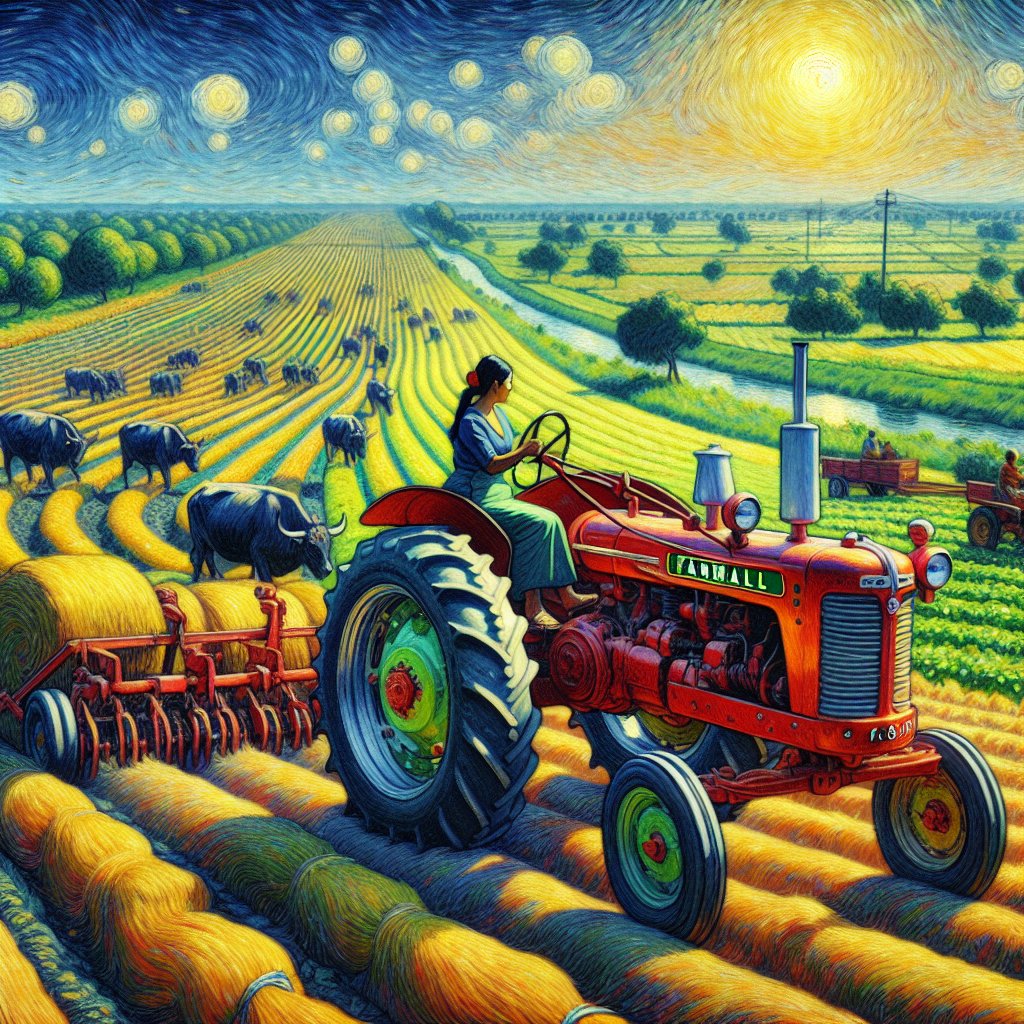
What Ethical Considerations Come With Using Vintage Farming Equipment?
What Ethical Considerations Come With Using Vintage Farming Equipment?
- Vintage tractors evoke nostalgia and represent a piece of agricultural history.
- Using these machines involves responsibility to preserve the legacy of past farmers.
- The ethics of vintage equipment challenge us to consider sustainable practices.
- Modern agricultural demands raise concerns about the efficiency and safety of vintage machinery.
- Restoration efforts can incorporate eco-friendly practices and modern technology.
- Understanding the history and ethics of sourcing vintage tractors deepens our connection to them.
- Engaging in discussions within the farming community fosters critical thinking about integrating vintage technology with contemporary agriculture.

What Ethical Considerations Come With Using Vintage Farming Equipment?
How Do Classic Tractors Foster A Sense Of Community Among Farmers?
How Do Classic Tractors Foster a Sense of Community Among Farmers?
Imagine driving down a winding dirt road lined with fields of golden wheat swaying in the breeze, when suddenly, you spot a stunning classic tractor parked under the shade of a sprawling oak tree. This isn’t just any tractor; it’s a piece of history, a link to the past that sparks conversations and ignites camaraderie among farmers.
In countless rural communities, these vintage machines represent more than just exemplary engineering; they embody a shared passion, a heartbeat that pulses through the agricultural landscape. When farmers gather for a local tractor show, it’s more than an event—it’s a celebration of their mutual love for the land and the hard work that sustains it. The roar of engines, the glint of polished paint jobs, and laughter echoing from the crowd to remind everyone that they are part of something larger.
On a rational level, the classic tractor stands as a testament to the durability and craftsmanship of a bygone era. Each metallic piece tells a story of resilience and ingenuity—a reminder that farming isn’t just a job; it’s a calling. Farmers share tips on maintenance and restoration, swapping stories about their tractors like kids trading baseball cards. These conversations not only foster knowledge but deepen bonds, transforming mere acquaintances into lifelong friends.
There’s an ethical dimension too; by preserving these tractors, farmers honor the legacies of their predecessors who toiled in the same fields, facing the same struggles and triumphs. It’s an acknowledgment that their work is a continuation of a rich heritage, one that deserves reverence. In preserving these machines, they protect the stories of their community’s past while simultaneously crafting a narrative for the future.
Social gatherings around classic tractors often serve as incubators for collaboration, where neighboring farmers can form alliances, share resources, and navigate the challenges of an ever-evolving industry together. When one farmer steps up to help another in need, it reinforces the notion that they’re not just individuals but part of a collective tribe that supports and uplifts one another.
So, next time you spot one of those iconic tractors, take a moment to appreciate the sense of community it represents. It’s more than just iron and steel; it’s a heartfelt connection that unites farmers across seasons, struggles, and triumphs—an unwavering bond forged through the sweat and toil of their shared craft.
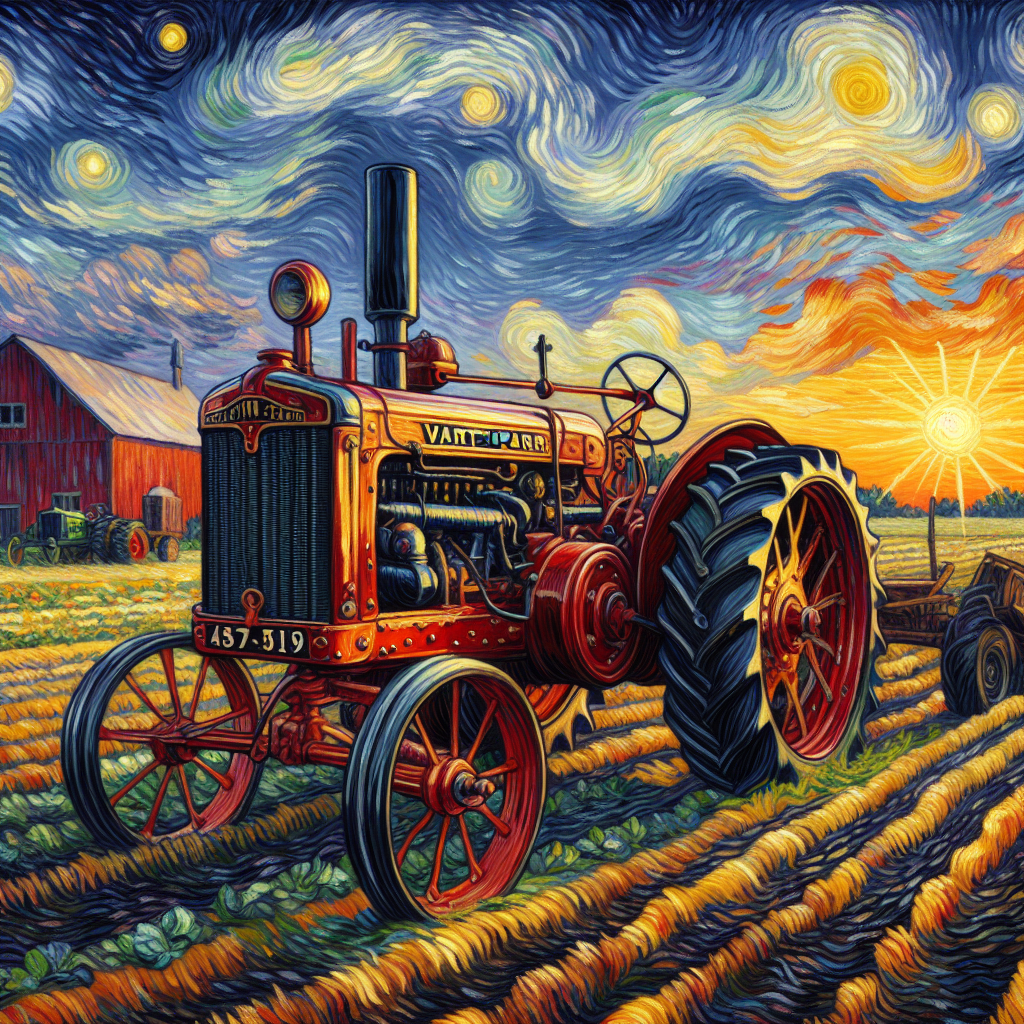
How Do Classic Tractors Foster A Sense Of Community Among Farmers?
How Do Classic Tractors Foster A Sense Of Community Among Farmers?
- Classic tractors are a historical link that fosters conversations and camaraderie among farmers.
- They symbolize a shared passion for agriculture, turning local tractor shows into celebrations of the farming community.
- The craftsmanship of these vintage machines serves as a testament to the durability and ingenuity of earlier farming practices.
- Farmers exchange tips and stories about tractor maintenance and restoration, deepening bonds and friendships.
- Preserving classic tractors honors the legacy of past farmers, reinforcing their connection to a rich heritage.
- Social gatherings around these tractors promote collaboration and resource-sharing among farmers facing industry challenges.
- Classic tractors represent a heartfelt connection that unites farmers, reflecting their collective struggles and successes.
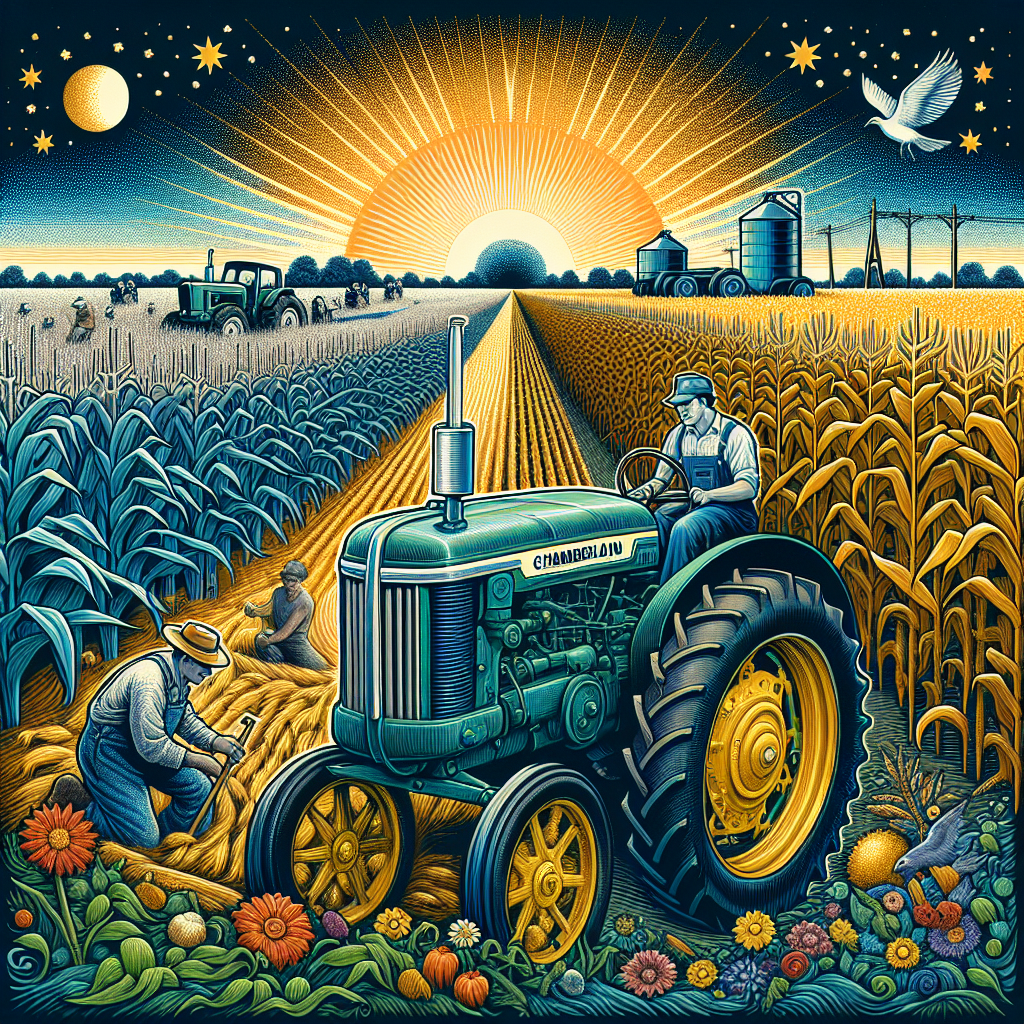
How Do Classic Tractors Foster A Sense Of Community Among Farmers?
Are Classic Tractors A Wise Investment For Future Generations?
When you think about a classic tractor, what comes to mind? It’s not just a piece of machinery; it’s a vessel of memories, a bridge between generations. Each scratch and dent tells a story—of long hours in the field, family gatherings, and a commitment to the land. Investing in a classic tractor is not just about the price tag; it’s about preserving a legacy.
Imagine a young child, wide-eyed and curious, standing next to a vibrant green tractor parked in a sun-dappled field. “Dad, what’s this?” they ask, pointing enthusiastically. That simple question opens the door to stories of hard work, resilience, and the grit it takes to cultivate the earth. These tractors are living histories, and passing them down inspires connection—what better way to educate your children about farming, community, and the value of hard work?
Financially, classic tractors can be wise investments. The market for vintage machinery has seen consistent growth, with some models appreciating significantly over the years. It’s not just a gamble; it’s a calculated risk, one rooted in a rich heritage of craftsmanship. These machines were built to last, often outliving modern counterparts. If you choose wisely, what might start as a passion project could blossom into a significant return on investment down the line.
Ethically speaking, owning a classic tractor can ignite meaningful conversations about sustainability and conservation. They serve as reminders of a time when farming was about nurturing the land instead of depleting it. By investing in these classic machines, you honor the principles of better stewardship, showing future generations the importance of maintaining our resources responsibly.
Connecting with communities around classic tractors can foster a sense of belonging. Whether at shows, fairs, or restoration workshops, enthusiasts share their expertise, skills, and love for these machines. You’re not just buying a tractor; you’re joining a network of individuals who appreciate the intricate relationships between machinery, history, and nature. This camaraderie offers support and shared knowledge, affirming that you’re part of something bigger than yourself.
So, when considering whether to invest in a classic tractor, don’t just look at the engine or the body. Think about the conversations, the lessons, and the traditions that tractor will carry into the future. Embrace the opportunity to cultivate not just crops, but lasting bonds with those who will inherit your passion and legacy.

Are Classic Tractors A Wise Investment For Future Generations?
Are Classic Tractors A Wise Investment For Future Generations?
- Classic tractors serve as vessels of memories and a bridge between generations.
- Each scratch and dent on a tractor tells stories of hard work, family, and commitment to the land.
- Investing in a classic tractor is about preserving a legacy, not just financial cost.
- Classic tractors can be wise investments, with potential for appreciation over time.
- Owning a classic tractor promotes conversations about sustainability and responsible stewardship of resources.
- Engaging with communities around classic tractors fosters a sense of belonging and camaraderie.
- Investing in a tractor includes the potential for teaching future generations valuable life lessons and traditions.
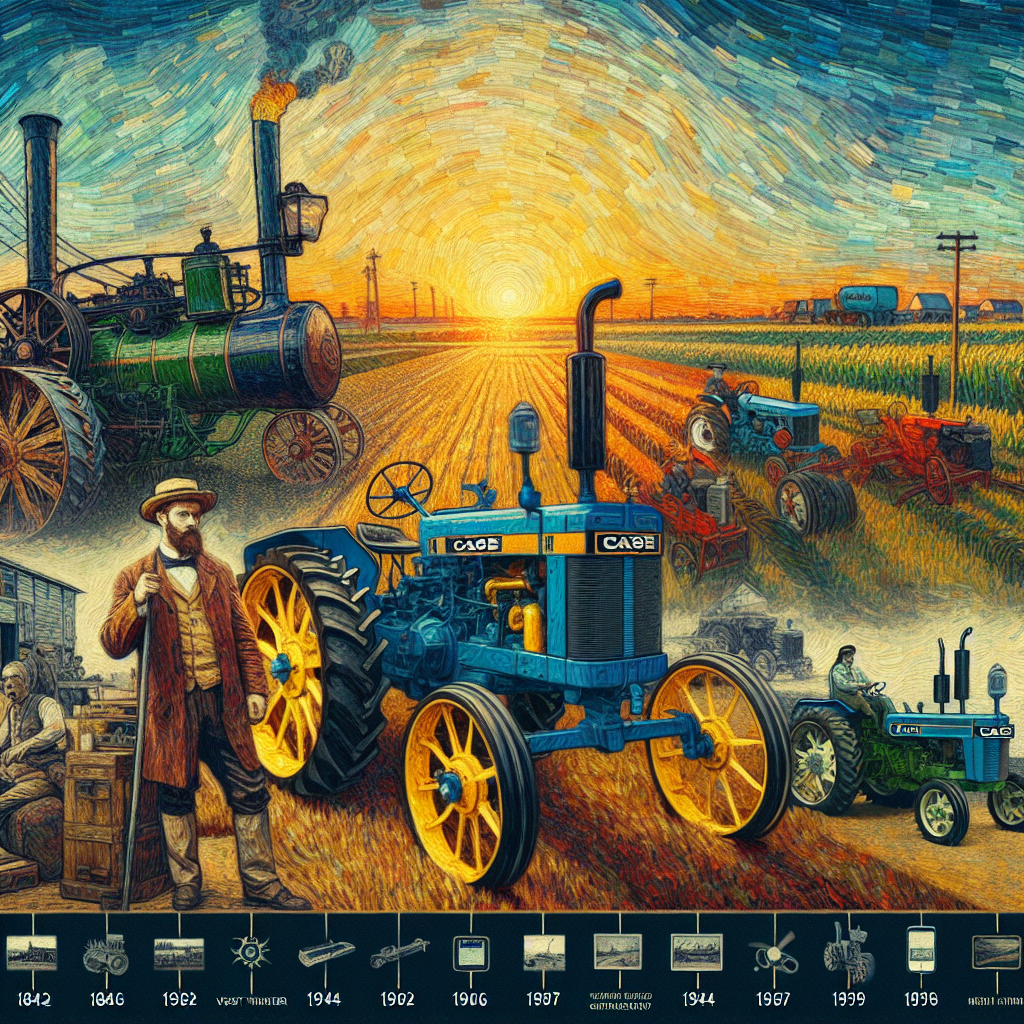
Are Classic Tractors A Wise Investment For Future Generations?
Conclusion
In the realm of agriculture, classic tractors emerge as more than mere machinery; they are emblematic of resilience, tradition, and community. Picture driving through the countryside and spotting these steadfast sentinels, their rusted frames whispered upon by generations of toil. Each dent and scratch carries a story of perseverance, reminding us that while the world races towards the latest technology, it is often the lessons from the past that bear the most wisdom.
Classic tractors are a symbol of trust, representing unwavering performance and simplicity in a time when complexity often reigns supreme. For farmers, these machines are like family members—reliable companions that do more than just assist in cultivation; they help weave the fabric of legacy and community. A simple scene unfolds—a father teaching his daughter the ropes amid the rumble of a vintage engine—transforming farming into a rich tapestry of stories shared across generations.
From a rational perspective, investing in these classics makes sense. Their straightforward mechanics lead to easier maintenance, resulting in fewer headaches during vital planting or harvesting seasons. Unlike high-tech gadgets that often baffle and hinder, these tractors stand firm, embodying an economy of effort. They reduce reliance on fossil fuels and celebrate a sustainable approach to agriculture that respects our finite resources.
Ethically, the use of classic tractors sparks a type of stewardship that pays homage to our agricultural forebears. It’s not merely nostalgia; it’s a commitment to nurturing the land. When farmers unite at local gatherings, sharing tips and experiences, it reinforces a bond more precious than a profit margin—community. These events celebrate not just machinery but a shared ethos of hard work, connection, and mutual respect.
As we face modern challenges in agriculture, let’s not lose sight of what classic tractors represent. They teach us that sometimes, the backbone of farming is not found in flashy innovations, but in the grounded simplicity of machines that embody integrity and hard work. They connect us to our roots and inspire future generations to honor the beautiful mosaic of farming life—one built on community, respect for the earth, and the enduring spirit of those who came before us.
Classic tractors remind us of these vital lessons as we drive toward a sustainable and connected future. By celebrating them, we nurture not just the craft of farming, but the very soul of the communities that depend on them. So let’s get out there and keep that engine running—because in the throaty roar of a classic tractor lies the heartbeat of history and hope.

Conclusion
Conclusion:
- Classic tractors symbolize resilience, tradition, and community in agriculture.
- Each dent and scratch on these machines represents a story of perseverance and teaches valuable lessons.
- They provide reliability and simplicity, standing in contrast to the complexity of modern technology.
- Classic tractors are seen as family members, integral to the farming experience and community storytelling.
- They offer easier maintenance compared to high-tech machinery, promoting efficiency during planting and harvesting.
- Using classic tractors fosters stewardship and connection to agricultural heritage, emphasizing community over profit.
- Classic tractors inspire future generations to respect the earth and appreciate the farming legacy.
Conclusion
Other Resources
Other Resources
Here is a list of other resources you can review online to learn more:
- Oklahoma City Farm Show
- Taishan-America
- Acremaster
- Agriculture Heritage Center & Museum
- Agriculture and the Environment
- Yanmar
- M-R-S
- Waterloo Manufacturing Company
- American Farm Tractor Museum
- Merlin
Use This Prompt To Get More Resources With Your Favorite Online AI Tool: Please provide me with a list of online articles with their URLs in a bulleted list that I can read regarding Are Classic Tractors The Trustworthy Backbone Of Small Farms Everywhere
Other Resources
Glossary Terms
Are Classic Tractors The Trustworthy Backbone Of Small Farms Everywhere – Glossary Of Terms
1. Classic Tractor: A vintage agricultural machine, typically built before the 1980s, known for its durability and simplicity.
2. Ag Machinery: Equipment used in farming, including tractors, harvesters, plows, and other implements.
3. Farmstead: The main buildings and surrounding land of a farm, often including barns, silos, and residences.
4. PTO (Power Take-Off): A device that transfers power from the tractor to attached equipment, enabling it to operate machinery.
5. Hydraulics: A system that uses pressurized fluid to drive machinery functions, enabling the movement of implements.
6. Cultivator: Implements attached to a tractor for tilling the soil and controlling weeds before planting.
7. Plowing: The process of turning over soil to prepare it for planting crops, often done with a plow attachment on a tractor.
8. Sustainability: Farming practices that maintain the health of ecosystems and the environment while providing food resources.
9. Torque: A measure of rotational force, essential for understanding a tractor’s pulling power and efficiency.
10. Implement: Tools or machinery that attach to a tractor to perform specific agricultural tasks, such as tilling or seeding.
11. Tractor Restoration: The process of repairing and refurbishing an old tractor to bring it back to working condition.
12. Small Farm: A farm that typically has a limited acreage and production capacity, often focusing on niche markets.
13. Fuel Efficiency: The ability of a tractor to perform agricultural tasks while using minimal fuel, an important consideration for budget-conscious farmers.
14. Field Capacity: The maximum area a tractor can efficiently cover in a given time while performing its tasks.
15. Precision Agriculture: The use of technology and data to improve crop yields and resource use, increasingly relevant even for small farms.
16. Mechanical Simplicity: The characteristic of classic tractors that emphasizes ease of repair and maintenance due to fewer electronic components.
17. Tractor Show: An event where enthusiasts display and celebrate vintage tractors, often including demonstrations and competitions.
18. Corn Planter: A specialized implement for sowing corn seeds into prepared soil, typically used in the planting season.
19. Baler: A machine that compresses cut hay or straw into bales, making it easier to transport and store.
20. Grasshopper Plow: A type of plow designed for breaking up compacted soil, often featured in classic tractors for its effective soil turnover.
21. Dirt Road: Unpaved roads commonly found on farms that may require a tractor for maintenance and transportation.
22. Agri-Tourism: A growing practice where farms welcome visitors for educational experiences, often showcasing classic tractors and farming techniques.
23. Harvesting: The process of collecting mature crops for consumption or sale, often performed using tractors and specialized equipment.
24. Livestock Handling: Techniques and equipment used to manage farm animals, where tractors may assist in transportation and feeding.
25. Soil Erosion: The removal of topsoil, which can be mitigated through responsible tractor use and sustainable farming methods.
26. Yield Estimate: A forecast of how much crop can be produced, informed by factors such as soil quality and equipment used.
27. Crops Rotation: A method of changing the type of crops grown in a field to improve soil health and prevent pests.
28. Tread: The pattern of the tires on a tractor, which affects traction and performance on various terrains.
29. Compact Tractor: A smaller, versatile tractor designed for tight spaces and multifunctional uses on small farms.
30. Tractor Safety: Practices and protocols aimed at ensuring safe operation of tractors and preventing accidents on farms.
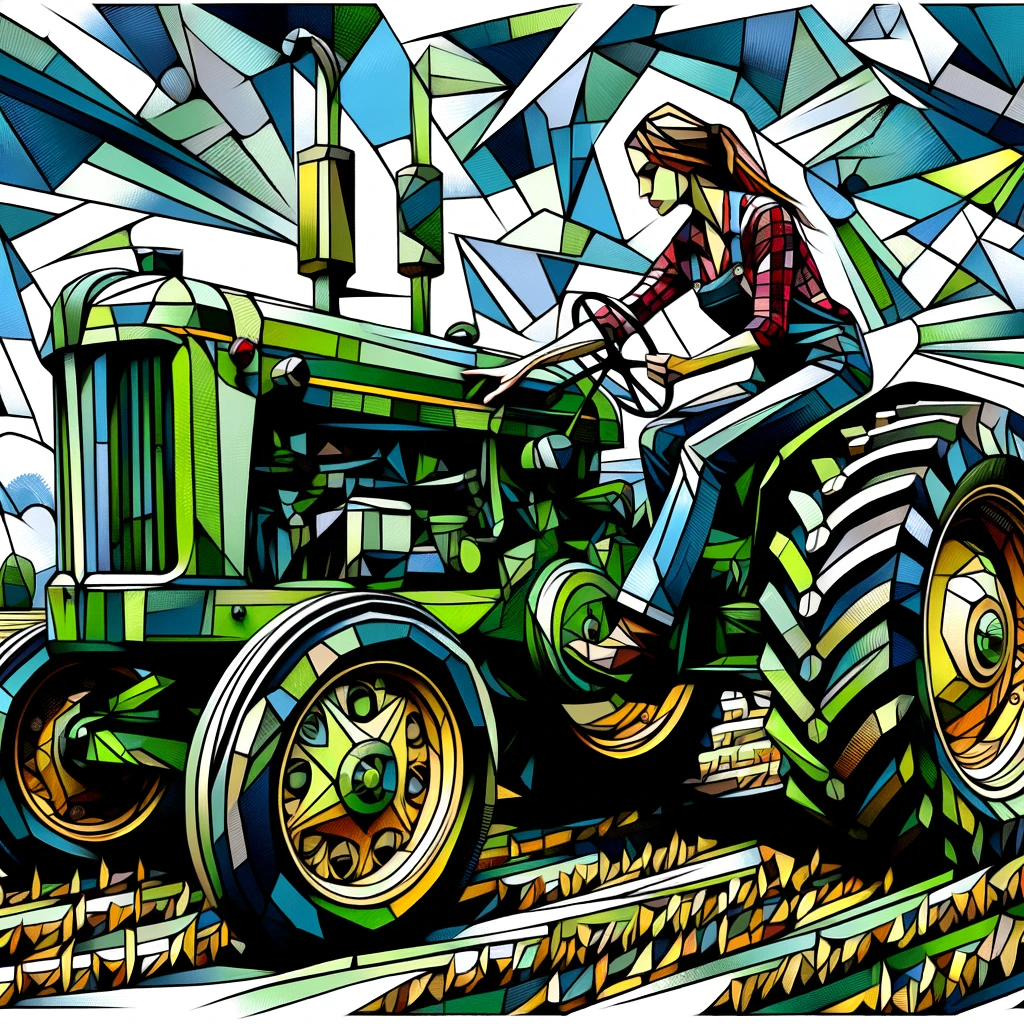
Glossary Of Terms
Other Questions
Are Classic Tractors The Trustworthy Backbone Of Small Farms Everywhere – Other Questions
If you wish to explore and discover more, consider looking for answers to these questions:
- What are the most popular models of classic tractors, and what makes them special?
- How do classic tractors compare in maintenance costs to modern tractors?
- What are the environmental impacts of using classic tractors versus modern machinery?
- How can new farmers benefit from using classic tractors?
- What are the best practices for restoring and maintaining classic tractors?
- How do classic tractors influence modern agricultural practices?
- What are some notable success stories of farmers who use classic tractors?
- How have classic tractors evolved over different farming eras?
- What is the significance of community events centered around classic tractors?
- Are there any challenges or drawbacks to using vintage farming equipment?
- How can someone get involved in the classic tractor community?
- What are the legal considerations for restoring and using vintage tractors?
- What role do classic tractors play in sustainable farming practices today?
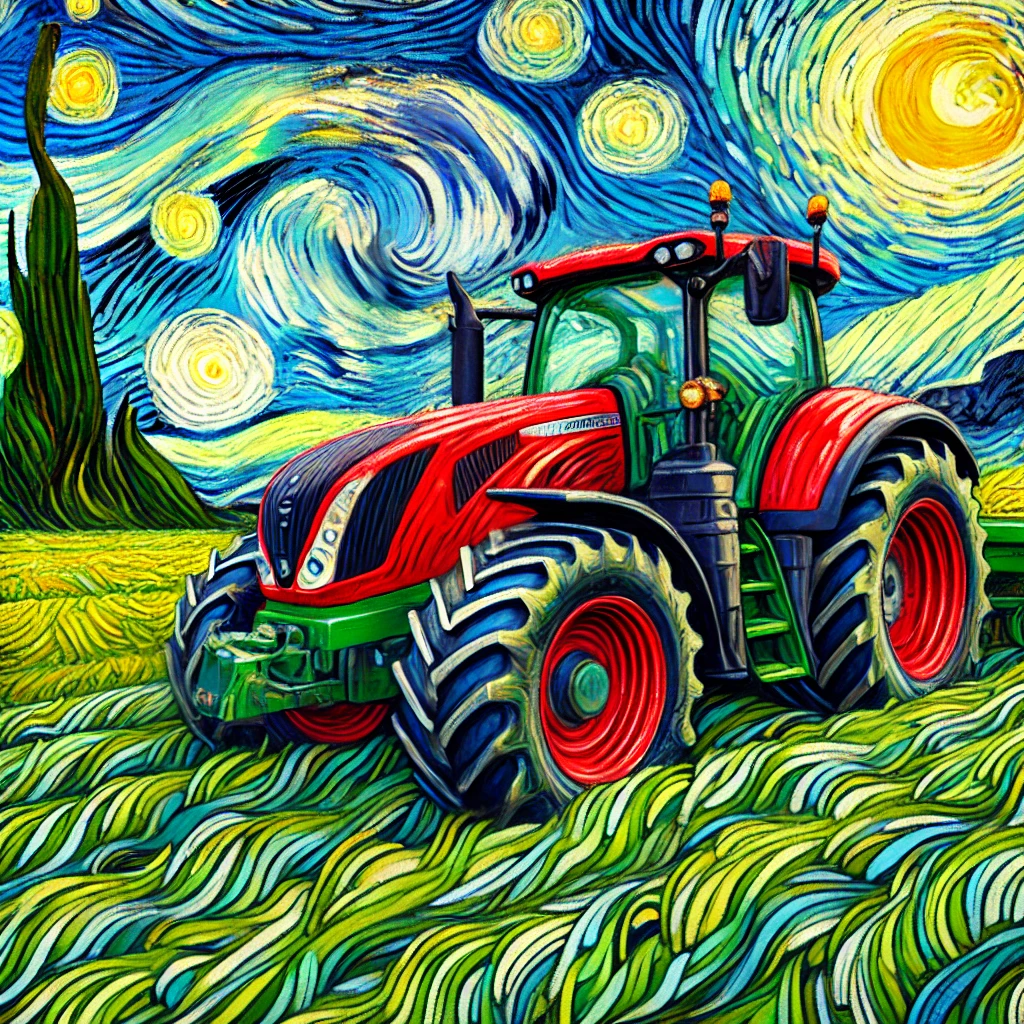
Other Questions
Haiku
Are Classic Tractors The Trustworthy Backbone Of Small Farms Everywhere – A Haiku
Iron wheels that turn,
Tales of soil, sweat, and trust,
Roots bind hearts and hope.
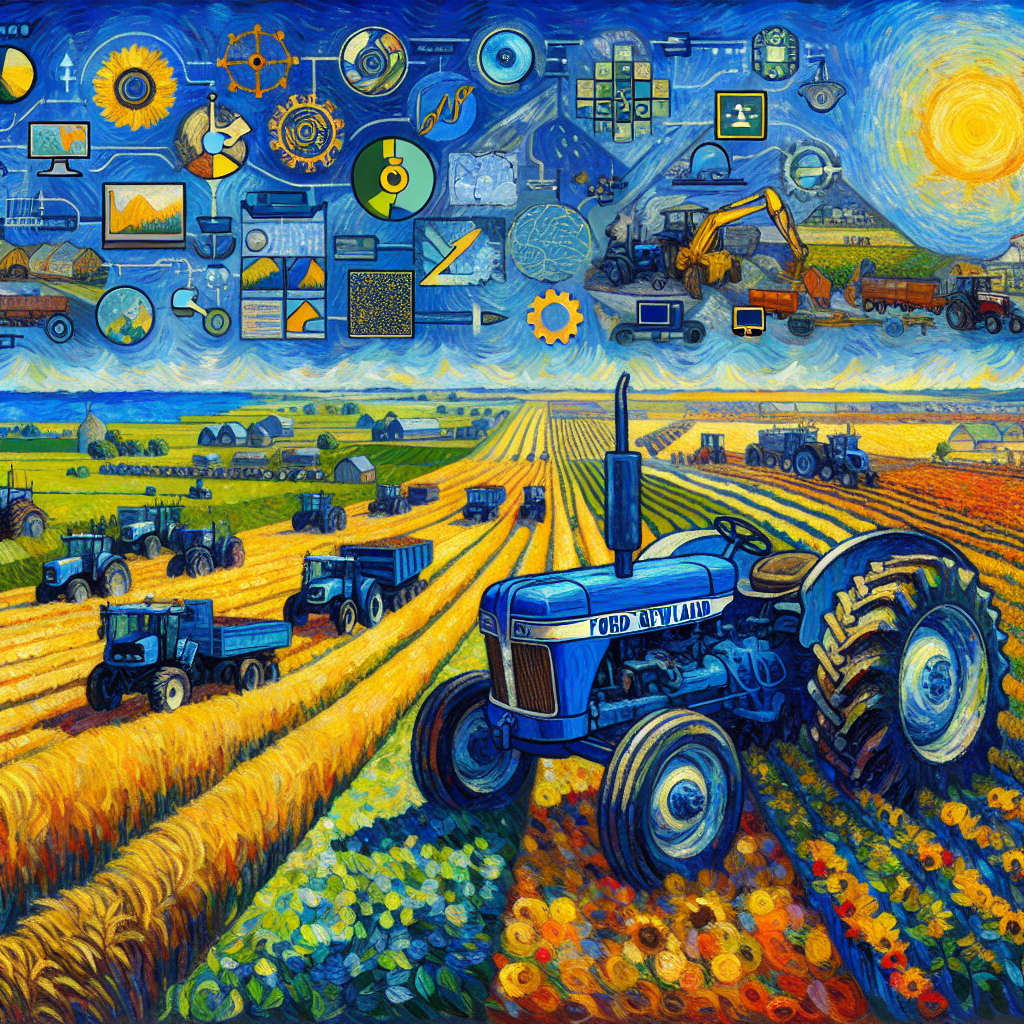
Haiku
Poem
Are Classic Tractors The Trustworthy Backbone Of Small Farms Everywhere – A Poem
Ode to the Classic Tractor
In fields where golden grains do sway,
Stands the vintage tractor, proud and gray,
Echoes of laughter, tales of the past,
Wrought from perseverance, built to last.
With gears worn but steadfast, it churns the ground,
A heartbeat of farming, a legacy profound.
Each scratch on its frame, a story unfolds,
Of toil and of triumph, of young and of old.
Through sun and through storm, it never sways,
A relic of wisdom in modern days.
While sleek gadgets beckon, as new dreams arise,
This simple machine holds the truest prize.
Trust is its name, reliability its creed,
Fostering roots while we plant every seed.
Beyond just machines, they nurture a clan,
Encouraging friendships, a united stand.
As hands grease the engine, hearts join in song,
In the symphony of soil, where we all belong.
From father to daughter, the lessons impart,
Hand-me-down wisdom, stitched deep in the heart.
With each rotation of wheels, communities knit,
Support flows in cycles, together we sit.
In this dance of tradition, we discover anew,
We’re not just tilling land, but each other, too.
So let the old tractors rumble and roll,
They drive more than just fields; they drive the soul.
An eco-friendly echo of a time we revere,
In investing in classics, we craft a path clear.
For generations to come, their stories will thrive,
As long as we cherish the heart that’s alive.
So stand by the tractor, let its wisdom be known,
In the soil of our labor, together we’ve grown.
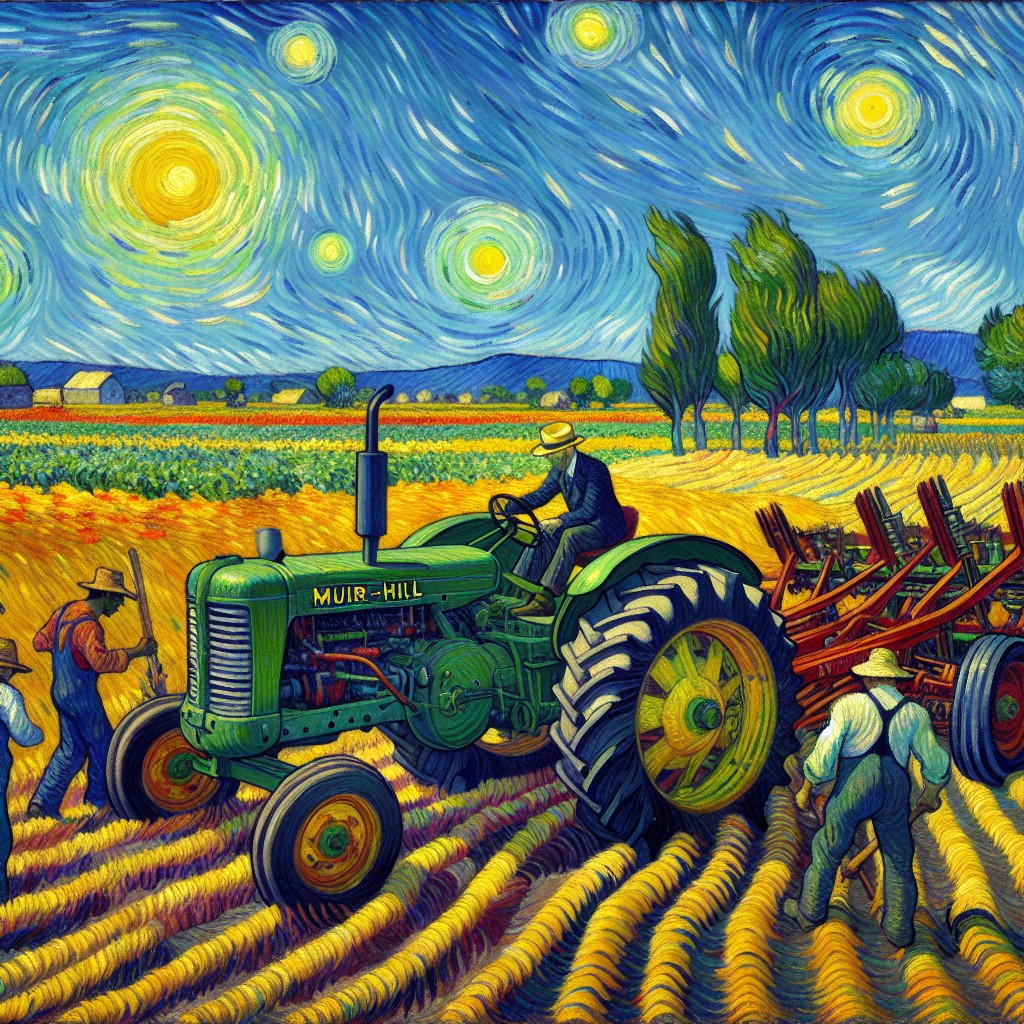
Poem
Checklist
Are Classic Tractors The Trustworthy Backbone Of Small Farms Everywhere – A Checklist
Classic Tractors: The Trustworthy Backbone of Small Farms _____ Giveaway Checklist
Emotional Appeals
_____ Nostalgia: Reflect on the historical significance of classic tractors in your family’s farming legacy.
_____ Connection: Consider personal stories or memories associated with classic tractors and how they strengthen family bonds across generations.
_____ Camaraderie: Join local tractor shows or events to share experiences with fellow farmers and enthusiasts.
Rational Appeals
_____ Reliability Assessment: Evaluate the maintenance costs and durability of classic tractors versus modern models.
_____ Investment Analysis: Research market trends on the appreciation of classic tractors and their long-term value.
_____ Operational Simplicity: Assess the ease of repairs on classic tractors due to their less complex mechanics.
Ethical Appeals
_____ Sustainability Practices: Investigate eco-friendly methods for restoring and operating classic tractors.
_____ Stewardship of Land: Commit to preserving agricultural traditions that respect and nurture the earth for future generations.
_____ Community Responsibility: Engage in discussions about the historical significance of farming practices and the importance of passing down ethical stewardship.
Authority Appeals
_____ Expert Reports: Seek insights from agricultural historians or experts on the role of classic tractors in modern farming.
_____ Testimonials: Collect stories from seasoned farmers about their experiences with classic tractors and the lessons learned.
_____ Maintenance Workshops: Attend or host events with professionals demonstrating the care and restoration of vintage tractors.
Narrative Appeals
_____ Personal Stories: Share or collect testimonials that highlight the journeys of farmers who have relied on classic tractors.
_____ Community History: Document the collective heritage and achievements of local farmers as illustrated through their classic tractors.
_____ Legacy Building: Create a family or community project to restore a classic tractor and tell its story to inspire future generations.
Social Appeals
_____ Networking Opportunities: Connect with local farm communities or online forums focused on classic tractors to share knowledge and experiences.
_____ Engagement with Youth: Involve younger generations in tractor restoration projects to foster interest in agriculture and farming heritage.
_____ Collaborative Events: Organize or participate in community events that celebrate classic tractors, fostering unity among local farmers.
Additional Actions
_____ Create a Family Tree: Map out your family’s agricultural history and the role classic tractors have played in it.
_____ Set Goals: Establish personal or community goals centered on the preservation and use of classic tractors in farming practices.
_____ Document Experiences: Start a blog, vlog, or photo journal to chronicle your journey with classic tractors and connect with a wider audience.
Conclusion
Use this checklist to deepen your appreciation for the legacy of classic tractors in farming, instill a sense of heritage in future generations, and reinforce community bonds among farmers.
Checklist
At ClassicTractorNews, we help tractor lovers keep up with the latest news for classic and vintage tractors.
Please share this post with your friends, family, or business associates who may like old classic or vintage tractors.