


The Timeless Answer To Contemporary Agricultural Stress
By Tom Seest
At ClassicTractorNews, we help tractor lovers keep up with the latest news for classic and vintage tractors.
Please share this post with your friends, family, or business associates who may like old classic or vintage tractors.
Are Classic Tractors The Solution to Modern Farming Anxiety
Are Classic Tractors the Answer to Modern Farming Anxiety?
In the heart of rural America, where the horizon is painted with the golden hues of ripening crops, the classic tractor stands as a beacon of resilience and nostalgia. These machines, with their rusted exteriors and time-worn engines, tell stories that resonate deeply within the soul of any farmer. They carry not just the load of plowing fields but also the weight of generations of hard work, sweat, and dreams. In a world that often feels overwhelming—where technology changes faster than the seasons—there’s a certain comfort found in the dependable hum of a classic tractor.
Let’s get real for a moment. Modern farming can feel like a high-stakes game, with precision agriculture and data analytics becoming the new norm, leaving many scratching their heads. The pressure to keep up can be suffocating. But here’s the thing: classic tractors remind us that we don’t have to conform to every new trend that rolls through town. They’re a testament to the wisdom of simplicity. These tractors are tools that, despite their age, have a track record of reliability and effectiveness. They connect us to the land in a raw, unfiltered way, proving that sometimes, sticking to your roots is the best way forward.
And it goes deeper. There’s an ethical choice in embracing the machinery of our past. Each classic tractor is a chapter in our agricultural history, a reminder that farming isn’t just a business—it’s a way of life steeped in respect for the land and its cycles. By choosing to restore and use these models, we’re not just preserving machines; we’re honoring the craftsmanship of those who came before us.
Moreover, think about the social fabric of farming. As communities rally around classic tractor shows or local restoration projects, they’re not just celebrating machinery—they’re fostering connections. And in a time when anxiety seems to stalk every farmer, rekindling ties to the past can be immensely healing. Classic tractors represent a shared heritage, a bond that can unite folks over a common mission: to cultivate the earth responsibly and sustainably.
So, as we navigate the complexities of modern agriculture, perhaps it’s worth asking ourselves: can classic tractors ease our modern farming anxiety? With their powerful engines still roaring, it might just be time to embrace old-school reliability and let the simplicity of tradition guide us into the future.

Are Classic Tractors The Solution to Modern Farming Anxiety
Are Classic Tractors The Solution to Modern Farming Anxiety
- Classic tractors symbolize resilience and nostalgia in rural America, connecting farmers to their heritage.
- They provide comfort amid the pressures of modern farming, characterized by precision agriculture and rapid technological changes.
- Classic tractors exemplify reliability and effectiveness, showing that simplicity can be a powerful asset in farming.
- Embracing these tractors honors agricultural history and craftsmanship, emphasizing the importance of respecting land and its cycles.
- Classic tractors foster community connections through shows and restoration projects, promoting social bonds among farmers.
- They serve as a source of healing in a high-pressure farming environment by rekindling ties to the past.
- Classic tractors may offer a path to navigate modern agriculture’s complexities by embracing tradition and reliability.

Are Classic Tractors The Solution to Modern Farming Anxiety
Table Of Contents
- Are Classic Tractors The Solution to Modern Farming Anxiety
- Can Vintage Tractors Bring Back The Joy Of Farming?
- How Do Classic Tractors Align With Sustainable Farming Goals?
- What Safety Benefits Do Classic Tractors Offer Modern Farmers?
- How Can Vintage Tractors Foster A Sense Of Community Among Farmers?
- Do Classic Tractors Symbolize A Connection To Our Agricultural Roots?
- Can Using A Classic Tractor Help Reduce The Carbon Footprint?
- Conclusion
- Other Resources
- Glossary Of Terms
- Other Questions
- Haiku
- Poem
- Checklist
Can Vintage Tractors Bring Back The Joy Of Farming?
In an era increasingly defined by technology—where automobiles drive themselves and grocery stores epitomize convenience—one can’t help but reminisce about the simple pleasures that once made farming an intimate dance with the earth. Enter the vintage tractor, a symbol of harder times and grounded values. A rusty relic of agricultural history, these machines hold stories of resilience, toil, and tremendous heart that resonate with the human spirit.
Picture this: the sun creeping over distant hills as the dew sparkles like gems on the grass. You hop onto a vintage tractor—its leather seat worn but welcoming—and, with a turn of the key, it roars to life. Unlike modern equivalents chock-full of electronics and gadgets that dull the senses, these tractors ask for engagement, offering a tactile connection to the land. It demands not just your attention but your intuition. With every turn of the wheel, you’re invited back to a time where farming wasn’t simply a profession; it was a way of life, steeped in a rhythm that feels like home.
There’s power in that kind of nostalgia, isn’t there? For those who have felt the weight of the world’s endless hustle, vintage tractors can remind you what it means to grow something with your own hands. Farming isn’t just about production; it’s about stewardship, respect for the land, and an understanding that you are part of something far greater than yourself. These machines carry the ethos of the farmers who came before us—their hopes, dreams, and sweat embedded in every bolt and beam.
Consider the connections that surface as you fire up an old tractor. Families, friendships, and even whole communities can come together around the shared experience of tilling the soil, planting seeds, and watching them flourish. In a society increasingly challenged by isolation, working alongside others—whether for a harvest festival or simply to learn the ropes of farming—can ignite a much-needed sense of belonging.
So, let’s lean into that call, shall we? Restore a vintage tractor, and in doing so, you take a step into a more meaningful lifestyle—one that values effort, relationships, and the satisfaction of cultivating not just the land, but also your life and those around you. Rediscover the joy of farming, and remind the world that sometimes, a little rust is the key to shining new hope in our hearts.

Can Vintage Tractors Bring Back The Joy Of Farming?
Can Vintage Tractors Bring Back The Joy Of Farming?
- Vintage tractors symbolize a nostalgic connection to agricultural history and simpler times.
- The tactile experience of operating a vintage tractor fosters a deeper connection with the land.
- Farming with vintage machinery emphasizes stewardship, respect for the environment, and community ties.
- These tractors embody the legacy of farmers, capturing their hopes and dreams through history.
- Engaging with vintage tractors can create strong bonds among families, friends, and communities.
- Restoring vintage equipment promotes a meaningful lifestyle centered on effort, relationships, and personal satisfaction.
- Rediscovering the joys of farming can inspire hope and connection in an increasingly isolated society.

Can Vintage Tractors Bring Back The Joy Of Farming?
How Do Classic Tractors Align With Sustainable Farming Goals?
When you picture a classic tractor, what comes to mind? Maybe it’s the rumble of a steel engine firing up early in the morning, the smell of fresh earth, or the sight of sprawling fields waiting to be tended. These machines, with their rugged charm and historical significance, are not just relics of a bygone era; they stand at the forefront of the sustainable farming movement, bridging tradition with environmental stewardship.
Why should we care about these towering steel giants? It’s simple. Classic tractors embody resilience and efficiency. Built with durability in mind, they often require fewer synthetic materials and resources for upkeep compared to their modern, tech-enhanced counterparts. By utilizing these time-tested machines, farmers can reduce their reliance on carbon-heavy manufacturing processes, significantly lowering their environmental footprint. It’s a pragmatic approach that resonates with the logic of sustainability and resource management. Farming isn’t just a profession; it’s a way of life that connects us to the land and our heritage.
When you think about it, it’s about ethics too. The sustainable farming practices that classic tractors encourage are fundamentally about respect—respect for the soil, the ecosystem, and future generations. Imagine a family farming tradition passed down through decades, where children learn from their parents not just the techniques of plowing or planting but the values of stewardship and responsibility. These tractors become symbols of that legacy, reinforcing an essential connection between mankind and nature.
And let’s talk community. In an age of mass production and industrial farming, classic tractors bring people together. They spark conversations at local county fairs, inspire shared restoration projects, and create excitement around the revival of small-scale farms. When you see a group of neighbors gathering to restore a vintage tractor, it’s not just a repair job; it’s a rallying cry for collective action toward sustainable practices and local food production. This shared effort fosters trust and camaraderie that can be hard to find in today’s fast-paced world.
So, the next time you see a classic tractor in a field, remember—it’s more than just a piece of machinery. It’s a powerful advocate for sustainable farming goals, a testament to our past, and a hopeful promise for our future. Let’s embrace these timeless machines, not just as a nod to nostalgia, but as vital partners in cultivating a better world for us all.

How Do Classic Tractors Align With Sustainable Farming Goals?
How Do Classic Tractors Align With Sustainable Farming Goals?
- Classic tractors symbolize resilience, efficiency, and durability in farming.
- They require fewer synthetic materials compared to modern tractors, reducing environmental impact.
- Utilizing classic tractors aligns with sustainability and resource management principles.
- They promote respect for soil, ecosystems, and future generations.
- These tractors embody family farming traditions, teaching stewardship and responsibility.
- Classic tractors foster community through shared restoration projects and local farming initiatives.
- They serve as a powerful symbol for sustainable farming and a hope for a better future.

How Do Classic Tractors Align With Sustainable Farming Goals?
What Safety Benefits Do Classic Tractors Offer Modern Farmers?
When you think of tractors, you might envision shiny, modern machines, brimming with technology and power. But for many farmers, their hearts still beat for classic tractors—the venerable workhorses that have weathered the storms of change and continue to perform with unyielding reliability. Imagine the sound of an old diesel engine rumbling to life, the gentle vibrations beneath your hands as you grip the steering wheel. There’s something reassuring and timeless about these machines that resonates deeply with those who depend on them daily.
Now, let’s get to the heart of the matter: safety. Classic tractors, though often less complex than their modern counterparts, come equipped with unique features that can offer impressive safety benefits. The slower speeds at which these tractors operate reduce the chances of catastrophic accidents on the farm. When you’re out in the fields, navigating through unpredictable terrain, it pays to have a machine that prioritizes steadiness over speed. The simplicity of a classic tractor means fewer electronic components to fail, resulting in fewer malfunctions that could lead to dangerous situations. Farmers can trust that these machines champion an old-school robustness that has helped generations till the soil.
But safety isn’t just about the machine; it’s about the connection to our roots. These tractors come with stories—stories of toil, laughter, and family gatherings on the land. When you sit on the seat of a classic tractor, you’re not just operating machinery; you’re engaging in a narrative that stretches back decades. That connection fosters a sense of responsibility, a commitment to preserving farming traditions while ensuring that the next generation stays safe.
Moreover, the ethical dimension of using classic tractors cannot be overlooked. The maintenance of these machines encourages sustainable farming practices, which not only protect the farmer but also the land we hold dear. While many modern industry giants promote high-tech solutions, there’s something powerful about choosing to value history and craftsmanship over disposable technology, creating a legacy built on trust and respect for the earth.
Lastly, consider the social aspect. When farmers rally around their classic tractors, they don’t just share a love for machinery. They share an understanding of the risks involved in their labor and support one another in cultivating safer farming practices. Each gathering at a tractor show or a local event fosters camaraderie, reminding us that we’re all united in the pursuit of nurturing our land, families, and communities. So, let’s honor the past, embrace the present, and safeguard our future—with classic tractors leading the charge.

What Safety Benefits Do Classic Tractors Offer Modern Farmers?
What Safety Benefits Do Classic Tractors Offer Modern Farmers?
- Classic tractors, while less complex than modern ones, offer enduring reliability and a sense of nostalgia for many farmers.
- They operate at slower speeds, which can reduce the likelihood of catastrophic accidents in unpredictable terrain.
- Simplicity in design means fewer electronic components, leading to fewer malfunctions and unsafe situations.
- Classic tractors come with rich histories, fostering a deep connection to farming traditions and a sense of responsibility.
- Maintaining classic tractors encourages sustainable farming practices, supporting both farmers and the land.
- Farmers bond over their shared appreciation for classic tractors, fostering community and a commitment to safer farming practices.
- Embracing classic tractors helps honor the past while ensuring a safer and sustainable future for farming.

What Safety Benefits Do Classic Tractors Offer Modern Farmers?
How Can Vintage Tractors Foster A Sense Of Community Among Farmers?
How Can Vintage Tractors Foster A Sense of Community Among Farmers?
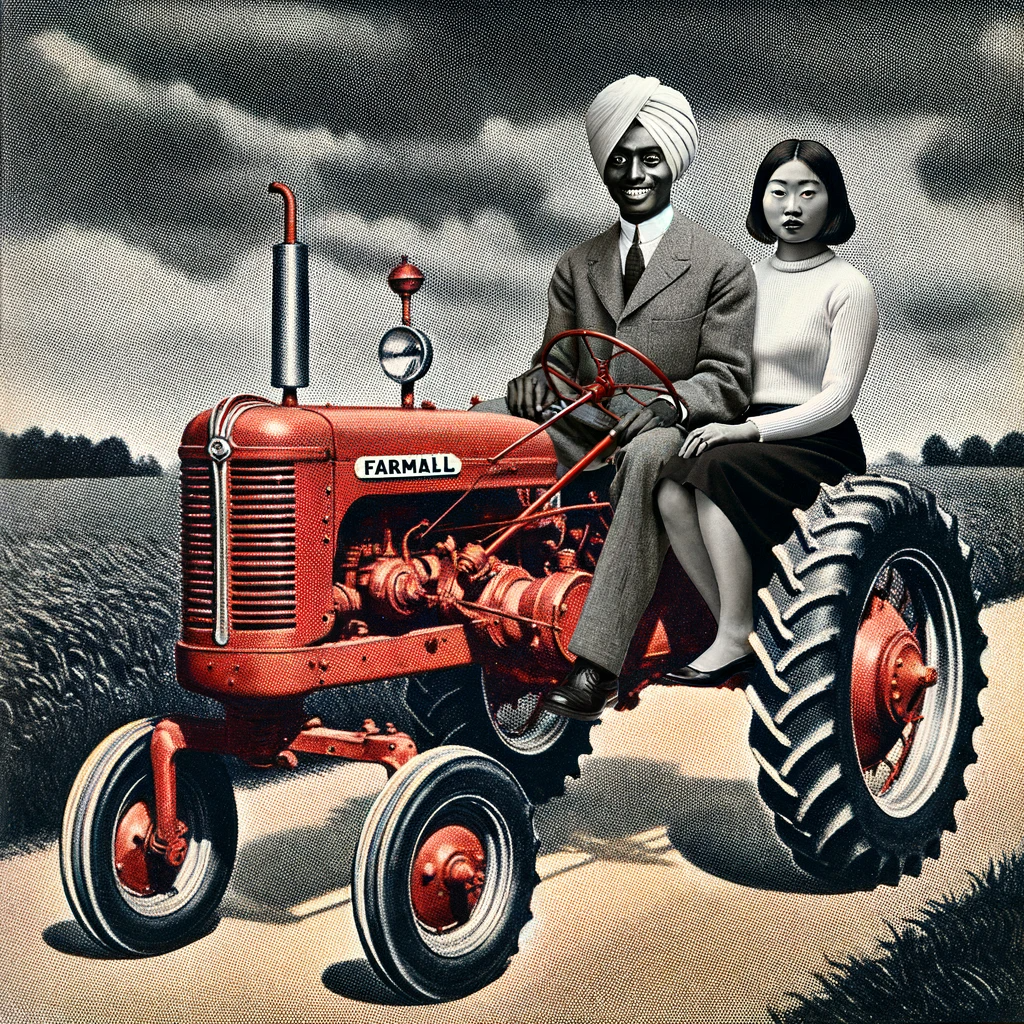
In a world where technology often seems to divide us more than it connects us, there’s something profoundly unifying about a vintage tractor rattling down a dusty road. Picture this: a group of farmers, weary from long hours of labor, gathering around a beautifully restored John Deere from the 1950s. It’s not just a piece of machinery; it’s a shared history, a tangible link to the grit and resilience that define their lives. In these moments, the tractor becomes a conversation starter, a catalyst for stories that echo through generations.
As we gather near these rustic machines, we’re reminded of our roots. Each scratch, dent, and faded paint speaks volumes—narratives of seasons past, triumphs, and hardships. These tractors aren’t merely equipment; they represent an ethos, a way of life that refuses to fade into oblivion. By reminiscing about the better days of farming, we nurture a sense of identity. It’s a reminder that the struggles we face today are not unique; they have been faced and conquered by those who came before us. The vintage tractor rally transforms into a storytelling event, illustrating the importance of community solidarity—sharing practical insights while igniting laughter over fond memories of stubborn engines and hitch mishaps.
Moreover, gathering around these classic machines cultivates trust. A vintage tractor does more than just farm; it fosters an ethical connection within the farming community. They remind us of the importance of sustainable practices that respect the land. When farmers come together to celebrate these machines, they’re also celebrating a commitment to responsible stewardship—an ethical responsibility as caretakers of the earth.
The camaraderie nurtured in these gatherings goes beyond mere nostalgia. It instills a confidence in collective action. Farmers share resources, from plowing techniques to best practices in soil conservation, creating a web of support that is crucial in today’s fast-paced agricultural world.
It’s not just about fixing up an old engine or polishing chrome; it’s about the relationships we build along the way. When that tractor rolls onto the field, it carries with it a spirit of connection and conversation. It says: “You’re not alone. We are in this together.” And that, dear reader, is the heartbeat of community—reminding us that while the work may be tough, the friendships we cultivate are worth every drop of sweat.
How Can Vintage Tractors Foster A Sense Of Community Among Farmers?
How Can Vintage Tractors Foster A Sense Of Community Among Farmers?
- Vintage tractors serve as a unifying symbol for farmers, bringing them together for connection and community.
- These machines carry shared histories that link generations, offering conversation starters and storytelling opportunities.
- Each vintage tractor embodies the resilience and grit of farming life, nurturing a strong sense of identity among participants.
- Gatherings around vintage tractors emphasize community solidarity through the sharing of practical insights and memories.
- These events foster trust and an ethical connection within the farming community, highlighting the importance of sustainable practices.
- Farmers collaborate and share resources, enhancing their collective action and support in the fast-paced agricultural environment.
- The relationships formed during these gatherings convey a message of solidarity, reminding farmers that they are not alone in their struggles.

How Can Vintage Tractors Foster A Sense Of Community Among Farmers?
Do Classic Tractors Symbolize A Connection To Our Agricultural Roots?
When you hear the word “tractor,” what comes to mind? For many, it’s not just a piece of machinery; it’s a symbol of hard work, resilience, and the simple beauty of agricultural life. The classic tractor, with its vintage lines and distinctive rumble, serves as a bridge back to a time when farming dictated our rhythms and routines. It’s a testament to the countless families who made their living off the land, those who understood the language of soil, sun, and seed.
These tractors, often passed down through generations, are more than just tools; they embody stories. Imagine a young farmer, standing alongside their grandfather in a sun-soaked field, the air thick with the scent of fresh earth. Together, they restore an old tractor, peeling back layers of neglect to reveal the hardworking heart beneath. With each turn of the wrench, this young soul learns not only about machinery but about perseverance, legacy, and pride—lessons grounded in the dirt of their ancestors’ fields.
Rationally speaking, these classic machines symbolize stability. They’re built to last, much like the values of diligence and community that have propelled agriculture forward. Vintage tractors evoke a sense of reliability that newer models simply can’t replicate. They represent an era when craftsmanship was prized, and innovation was forged through necessity rather than excess. They remind us that every scratch, dent, and faded paint line tells a story of a hard day’s work, a connection forged with the land, and an unwavering commitment to sustainability.
Ethically, reflecting on our agricultural roots calls us to respect the environment and our role within it. In a world marching towards urbanization and automation, these tractors encourage us to acknowledge the value of local farming practices. They invite us to think critically about the food we consume, emphasizing the importance of nurturing our land instead of exploiting it.
From a social perspective, classic tractors foster community. They bring people together in fields, barns, and local fairs, igniting friendships forged over shared experiences. Whether it’s a tractor pull or a restoration project, these gatherings remind us of the importance of roots—literal and metaphorical. They inspire a collective commitment to preserving not just old machinery but the deep connections formed through the sweat and toil of agriculture.
So the next time you spot a classic tractor, take a moment to appreciate what it represents. A reminder of hard-won battles, familial ties, and a future grounded in respect for the land that nurtures us all.

Do Classic Tractors Symbolize A Connection To Our Agricultural Roots?
Do Classic Tractors Symbolize A Connection To Our Agricultural Roots?
- Classic tractors symbolize hard work, resilience, and the beauty of agricultural life.
- They serve as a bridge to the past, connecting generations of families reliant on farming.
- Restoring vintage tractors teaches valuable lessons of perseverance, legacy, and pride.
- These machines embody stability and reliability, built to last and reflect craftsmanship.
- They encourage ethical reflection on local farming practices and environmental sustainability.
- Classic tractors foster community through gatherings and shared agricultural experiences.
- They remind us of the importance of respecting our land and the connections formed through agriculture.

Do Classic Tractors Symbolize A Connection To Our Agricultural Roots?
Can Using A Classic Tractor Help Reduce The Carbon Footprint?
When you think of a tractor, what comes to mind? For some, it’s the hum of a powerful engine, the sweeping fields under a wide sky, and an age-old bond between man and machine. But in this era of climate crisis, we need to think deeper. Can a classic tractor truly help reduce our carbon footprint? The answer is a resounding yes, and here’s why.
First, let’s connect the dots. Old tractors are built to last. They embody solid craftsmanship—heavy and robust, they operate with simplicity. Their engines, while seemingly old-fashioned, can be marvels of efficiency. Unlike today’s throwaway culture, these machines, built decades ago, remind us of a time when things were made to endure. This durability means they require less frequent replacement, lowering the overall resource footprint associated with manufacturing and disposal.
Now, let’s engage our rational side. Classic tractors often run on diesel, but many of today’s owners are converting them to run on biodiesel—an alternative fuel derived from renewable resources. By tapping into the power of locally sourced oils, farmers aren’t merely using tractors; they’re championing a sustainable cycle that helps ease our dependence on fossil fuels. That’s not just intelligent farming; that’s smart stewardship. Imagine not just plowing fields, but also cultivating a greener future!
On an ethical level, embracing classic tractors sends a message: It tells others we value tradition and sustainability over fleeting trends. It fosters an entire community of enthusiasts, farmers, and environmentalists who are united by a single goal—to tread lighter on this earth. When you join this movement, you’re not just a tractor owner; you’re a part of a narrative, a story of resilience and responsibility.
Furthermore, there’s an undeniable social appeal to it. Picture a local farmer reviving their grandfather’s tractor, gathering friends and family to lend a hand. Onlookers see the community in action, the laughter mingling with the sound of the engine, evoking a sense of unity and pride. People gather not just to work, but to connect, share tales, and forge bonds—all while reducing their carbon footprint.
So, if you’re seeking a way to make a difference, consider navigating the path of the classic tractor. It’s a path laden with purpose, nostalgia, and a commitment to future generations. Strap in and take a ride—it’s more than just farming; it’s a mission to cultivate a cleaner, greener world.

Can Using A Classic Tractor Help Reduce The Carbon Footprint?
Can Using A Classic Tractor Help Reduce The Carbon Footprint?
- Classic tractors are built to last, showcasing solid craftsmanship which reduces the need for frequent replacements.
- Older tractors often have efficient engines, contributing to a lower resource footprint compared to modern disposable machinery.
- Many owners are converting classic tractors to run on biodiesel, promoting sustainable farming and reducing dependence on fossil fuels.
- Embracing classic tractors reflects a commitment to tradition and sustainability, fostering a community of like-minded individuals.
- Using classic tractors enhances community spirit as families come together to work on restoring and operating these machines.
- Classic tractors symbolize a narrative of resilience and responsibility, connecting users to a larger mission of environmental stewardship.
- Engaging with classic tractors is not just about farming; it’s a commitment to cultivating a cleaner, greener world for future generations.

Can Using A Classic Tractor Help Reduce The Carbon Footprint?
Conclusion
Conclusion: Tractor Tales and Timeless Wisdom
So, what makes classic tractors more than just relics of the past? In a world where the complexity of modern farming can feel like a high-stakes game riddled with anxiety, these steadfast machines offer a much-needed sanctuary—a reminder that simplicity still holds power. Let’s be honest: whether you’re a lifelong farmer or a newcomer to the fields, modern agriculture’s technological labyrinth can drown out the very heart and soul of farming. Yet, there’s something undeniably grounding about the familiar rumble of an old tractor. Here, amidst rust and worn-out gears, lies resilience and history, breathing life into the very ground we tread on.
Imagine a scenario where farmers gather on sunny days, the scent of fresh earth mingling with laughter and stories passed down through generations. Vintage tractors serve as not only vehicles for plowing and planting, but also as conduits of community. When folks roll up their sleeves to restore these machines, they’re not just fixing metal; they are forging connections—of family ties, friendships, and shared experiences that give context to our daily toil. Each dent and scratch tells tales of perseverance, invoking a collective ethos that agriculture is about more than yield; it’s about nurturing the land, respecting the past, and, above all, supporting each other.
From an ethical standpoint, choosing to utilize classic tractors is a statement in and of itself. It’s about valuing craftsmanship and sustainability, recognizing that every old engine reflects decades of effort towards responsible stewardship of our resources. These machines challenge the narrative that newer is always better. They stand firm, bearing testament to the principle that sometimes, the old ways are the wisest ones.
Now, think about the environmental implications. While some might see modern tech as the *be-all and end-all*, there’s a path less traveled that leads through the fields of yesteryear. Classic tractors often run on biodiesel or even simpler fuels, generating a smaller carbon footprint than their sophisticated counterparts. They remind us, in tangible form, that preserving traditions and practicing sustainability can go hand in hand.
So, as we stand on the cusp of ever-evolving agricultural demands, it’s worth asking ourselves: could these classic workhorses offer a solution not only for our anxiety but for the future of farming itself? By embracing these timeless machines, we can cultivate more than just our crops; we can cultivate community, connection, and a renewed commitment to our earth. After all, in the grand story of agriculture, sometimes a bit of rust and nostalgia can indeed shine a hopeful light on our journey forward.

Conclusion
Conclusion:
- Classic tractors serve as a reminder of simplicity in an increasingly complex agricultural environment.
- They evoke a sense of nostalgia and community among farmers, fostering connections through shared experiences.
- Restoring vintage tractors creates bonds of family and friendship while honoring agricultural history.
- Using classic tractors emphasizes craftsmanship and sustainability, challenging the belief that newer is always better.
- These machines often utilize biodiesel or simpler fuels, resulting in a smaller carbon footprint.
- Classic tractors represent a blend of tradition and innovation, offering potential solutions for modern farming challenges.
- Embracing these timeless machines can enhance community ties and promote environmental stewardship in agriculture.

Conclusion
Other Resources

Other Resources
Here is a list of other resources you can review online to learn more:
- Schluter
- Foton
- Best
- Graham-Bradley
- Farm Collector Show Directory
- Earth Force
- South Dakota Tractor Museum
- M-R-S
- RK Tractors
- Vintage Tractor And Farm Festival
Use This Prompt To Get More Resources With Your Favorite Online AI Tool: Please provide me with a list of online articles with their URLs in a bulleted list that I can read regarding Are Classic Tractors The Solution to Modern Farming Anxiety

Other Resources
Glossary Terms
Are Classic Tractors The Solution to Modern Farming Anxiety – Glossary Of Terms
1. Classic Tractors: Vintage agricultural machines, typically built before the 1980s, celebrated for their simplicity and mechanical reliability.
2. Modern Farming: Contemporary agricultural practices involving advanced technology, innovative techniques, and commercialized methods for efficient crop production.
3. Farming Anxiety: The emotional or psychological stress experienced by farmers due to economic pressures, market volatility, and climate change.
4. Sustainability: Agricultural practices that focus on environmental health, economic viability, and social equity to ensure resources are available for future generations.
5. Economical Farming: Approaches to farming that prioritize cost-effectiveness, minimizing expenses without compromising productivity or quality.
6. Organic Farming: A method of farming that relies on natural processes and prohibits synthetic fertilizers and pesticides, promoting ecological balance.
7. Mechanization: The use of machinery to replace labor-intensive agricultural tasks, improving efficiency but often creating dependency on equipment.
8. Resilience: The ability of farmers and farming systems to recover from adverse conditions such as market fluctuations, natural disasters, or pest invasions.
9. Heritage Preservation: Efforts to maintain and restore traditional farming practices, equipment, and crops, often to honor cultural significance and history.
10. Agroecology: An ecological approach to agriculture that focuses on sustainable farming systems, combining traditional and modern practices.
11. Precision Agriculture: The use of technology to monitor and manage farming practices precisely, aiming to enhance crop yields and reduce waste.
12. Community Supported Agriculture (CSA): A model of farming in which consumers buy shares of a farm’s harvest in advance, providing farmers with upfront capital.
13. Diversification: The practice of growing a variety of crops and raising different livestock to mitigate risk and improve soil health.
14. Farm-to-Table: A movement promoting direct sales from farmers to consumers, emphasizing fresh, local produce and supporting local economies.
15. Soil Health: The condition of soil, determined by its physical, chemical, and biological properties, which supports plant growth and sustainability.
16. Biodiversity: The variety of plant and animal life in an ecosystem, which is essential for maintaining ecological balance and resilience.
17. Family Farming: Farming operations run by family units that often emphasize sustainable practices and traditional knowledge.
18. Pest Management: Strategies employed to control or eliminate pests in agriculture, including organic and integrated pest management techniques.
19. Crop Rotation: The practice of alternating the types of crops grown in a specific area to improve soil health and prevent pest buildup.
20. Rural Development: Initiatives aimed at improving the economy, quality of life, and infrastructure in rural areas, including support for farmers.
21. Agricultural Policy: Government policies designed to affect agricultural production, influence economic outcomes, and support farmers.
22. Climate Adaptation: Strategies that farmers adopt to cope with and reduce the impacts of climate change on their operations and yield.
23. Food Security: The availability and access to sufficient, safe, and nutritious food for all individuals, often linked to agricultural practices.
24. Regenerative Agriculture: Practices designed to improve and restore ecosystems, enhancing soil fertility and biodiversity while ensuring effective land use.
25. Cultural Identity: The representation of culturally significant farming practices and traditions that reflect the history and heritage of communities.
26. Networked Farming: The digital connectivity of farmers through online platforms for sharing resources, advice, and best practices.
27. Input Costs: The expenses associated with the resources needed for farming, including seeds, fertilizers, equipment, and labor.
28. Traditional Knowledge: The time-honored practices and wisdom accumulated by farmers, often passed down through generations, related to farming and the environment.
29. Local Economies: Economic systems that prioritize local production and consumption to strengthen community resilience and support farmers.
30. Mental Health in Agriculture: The focus on emotional well-being among farmers, addressing stress, anxiety, and mental health challenges related to farming life.

Glossary Of Terms
Other Questions
Are Classic Tractors The Solution to Modern Farming Anxiety – Other Questions
If you wish to explore and discover more, consider looking for answers to these questions:
- What are the main advantages of using classic tractors in modern farming?
- How do classic tractors compare to modern tractors in terms of maintenance costs?
- What specific models of classic tractors are most sought after for farming?
- Can classic tractors be retrofitted with modern technology for efficiency?
- What are the challenges faced by farmers using classic tractors today?
- How can farmers find support or resources for restoring classic tractors?
- Are there any government or local initiatives supporting the use of vintage tractors?
- What role do classic tractor shows play in agricultural communities?
- How does the use of classic tractors impact the overall sustainability of farming practices?
- Are there any health benefits associated with using classic tractors for farming?
- What training or skills are needed to operate and maintain classic tractors?
- How do classic tractors promote intergenerational knowledge transfer in farming?

Other Questions
Haiku
Are Classic Tractors The Solution to Modern Farming Anxiety – A Haiku
Rusty wheels turn slow,
Echoes of the earth’s heartbeat—
Roots bind hearts and hands.

Haiku
Poem
Are Classic Tractors The Solution to Modern Farming Anxiety – A Poem
Whispers of the Past: A Tractor’s Tale
In fields where golden grains do sway,
Amidst the winds of yesterday,
Classic tractors, with rusted beams,
Whisper soft of hopes and dreams.
Resilient souls of metal and might,
They carry stories, day and night,
Of toil and sweat, of hands that bled,
Each dent and scratch, a tale unsaid.
In modern farms where pressures rise,
Technology twinkles, but oh, how it lies!
The clamor of data, the silicon spark,
Can drown the heart’s pure, guiding arc.
Yet in that hum, the world slows down,
A vintage engine, the farmer’s crown.
With every turn of the sturdy wheel,
It beckons back the timeless real.
These relics of labor, of earth and pride,
Teach ethics in a world that divides,
Respect for soil, for kin, and for land,
An ethos of stewardship, a simple stand.
Gathered in community, neighbors find cheer,
Reviving old tractors, forging bonds dear.
With laughter and stories, as engines roar,
They connect through history, they yearn for more.
Sustainable paths through the air will flow,
When classic machines are tended with love,
Their heavy frames, in the dusk’s golden hue,
Remind us of what farming once knew.
So raise your voice, let your heart be spoken,
Embrace the past—let tradition be your token.
For in every rusted engine, life’s rhythm rings true,
A timeless promise to cherish anew.

Poem
Checklist
Are Classic Tractors The Solution to Modern Farming Anxiety – A Checklist
Checklist for Embracing Classic Tractors in Modern Farming
Emotional Appeal
1. Reflect on Your Roots: Take a moment to think about your agricultural heritage and how classic tractors symbolize your family’s values and traditions.
2. Nurture Connections: Reminisce about the stories and memories associated with vintage tractors that evoke feelings of nostalgia and belonging.
3. Celebrate Community: Attend a local tractor show or restoration project to forge new friendships and strengthen community bonds.
Rational Appeal
4. Analyze Reliability: Compare the reliability of classic tractors to modern counterparts; list the advantages of simplicity and durability.
5. Evaluate Sustainability: Research the carbon footprint of using classic tractors versus modern tractors and document potential environmental benefits.
6. Learn About Efficiency: Investigate how classic tractors can potentially reduce costs associated with farming and maintenance over time.
Ethical Appeal
7. Commit to Tradition: Decide to support sustainable farming practices that respect the land and its cycles, promoting responsibility and stewardship.
8. Honor Craftsmanship: Make an effort to restore a vintage tractor, valuing the handcrafted nature and historical significance of these machines.
Authority Appeal
9. Seek Guidance: Connect with local farming experts or historians who can provide insights into the importance of classic tractors in modern agriculture.
10. Follow Best Practices: Look for resources (books, online forums, workshops) that teach maintenance and restoration techniques for classic tractors.
Narrative Appeal
11. Share Your Story: Write down your personal experiences or those of your ancestors related to farming and vintage tractors, capturing the essence of your agricultural journey.
12. Create a Collective Narrative: Participate in community storytelling events related to farming to share and capture the community’s agricultural history.
Social Appeal
13. Join a Club: Become a member of a classic tractor or vintage farming organization to connect with like-minded individuals who share your passion.
14. Engage in Community Projects: Volunteer for local farming initiatives or restoration projects that focus on classic tractors and sustainable practices.
15. Host a Gathering: Organize a community gathering or event centered around classic tractors, fostering relationships and celebrating shared passions.
By utilizing this checklist, you can deepen your connection to classic tractors and their significant role in enriching modern farming, while promoting emotional, rational, ethical, authority-based, narrative, and social interactions within your agricultural community.

Checklist
At ClassicTractorNews, we help tractor lovers keep up with the latest news for classic and vintage tractors.
Please share this post with your friends, family, or business associates who may like old classic or vintage tractors.