

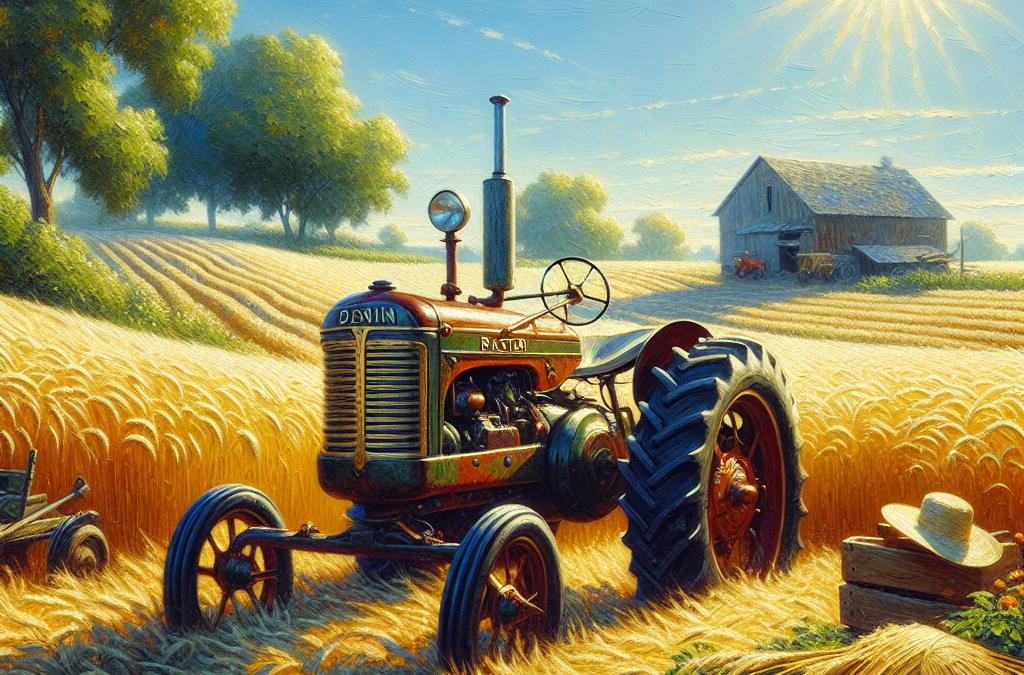
The Timeless Legacy Of Classic Tractors In Modern Farming
By Tom Seest
At ClassicTractorNews, we help tractor lovers keep up with the latest news for classic and vintage tractors.
Please share this post with your friends, family, or business associates who may like old classic or vintage tractors.
Are Classic Tractors The Missing Link to Farming’success Today
Classic Tractors: A Bridge Between Tradition and Modern Farming’success
In the ever-evolving landscape of agriculture, where cutting-edge technology often steals the spotlight, there’s a quiet power in the classic tractor that cannot be overlooked. These machines—rusted, rugged, yet resolute—are not mere relics of farming’s past; they are symbols of the enduring spirit of those who have tilled the land long before us. Just think about it: many of today’s farming challenges stem from a disconnect with our roots, a departure from the principles that sustained farms for generations. There’s something inherently reassuring about the sight of a vintage tractor, a testament to the grit and integrity of an industry built on hard work.
It’s easy to marvel at the latest GPS-guided equipment, but the heart of successful farming often lies in the wisdom of those who came before us. A classic tractor is more than just a machine; it embodies the stories and struggles of countless farmers who invested their blood, sweat, and tears to make a living from the soil. These tractors remind us of the simple, yet profound joys of working the land—of feeling the earth between our fingers and the wind at our backs. It’s a tactile experience that modern machinery, for all its efficiencies, can’t replicate.
From an ethical standpoint, there’s a compelling argument for embracing these classic beasts of burden. Each tractor tells a story of resilience and sustainability—a narrative woven into the fabric of our agricultural history. By restoring and maintaining these machines, we honor our commitment to the earth, understanding that true farming success is not solely about profits but also about stewardship. It’s about passing down not just equipment, but values, traditions, and a sense of responsibility toward future generations.
And let’s not forget the community aspect. Classic tractors often bring people together, whether at local tractor shows or through restoration clubs. This collective passion fosters connections that span generations and geography, creating mentorship opportunities for young farmers eager to learn. Imagine swapping stories with a neighbor whose fingers have traced the same steering wheel that guided their grandfather. There’s a kind of magic in that shared experience, a bridge that links the past with the present, reminding us that while technology can improve our efficiency, the heart of agriculture beats strongest within a community united by shared values.
So, as we face the challenges of modern farming, let’s not shy away from embracing our agricultural heritage. Classic tractors might just be the missing link to farming success today, guiding us back to the roots that nurtured our industry and will continue to sustain it for years to come.
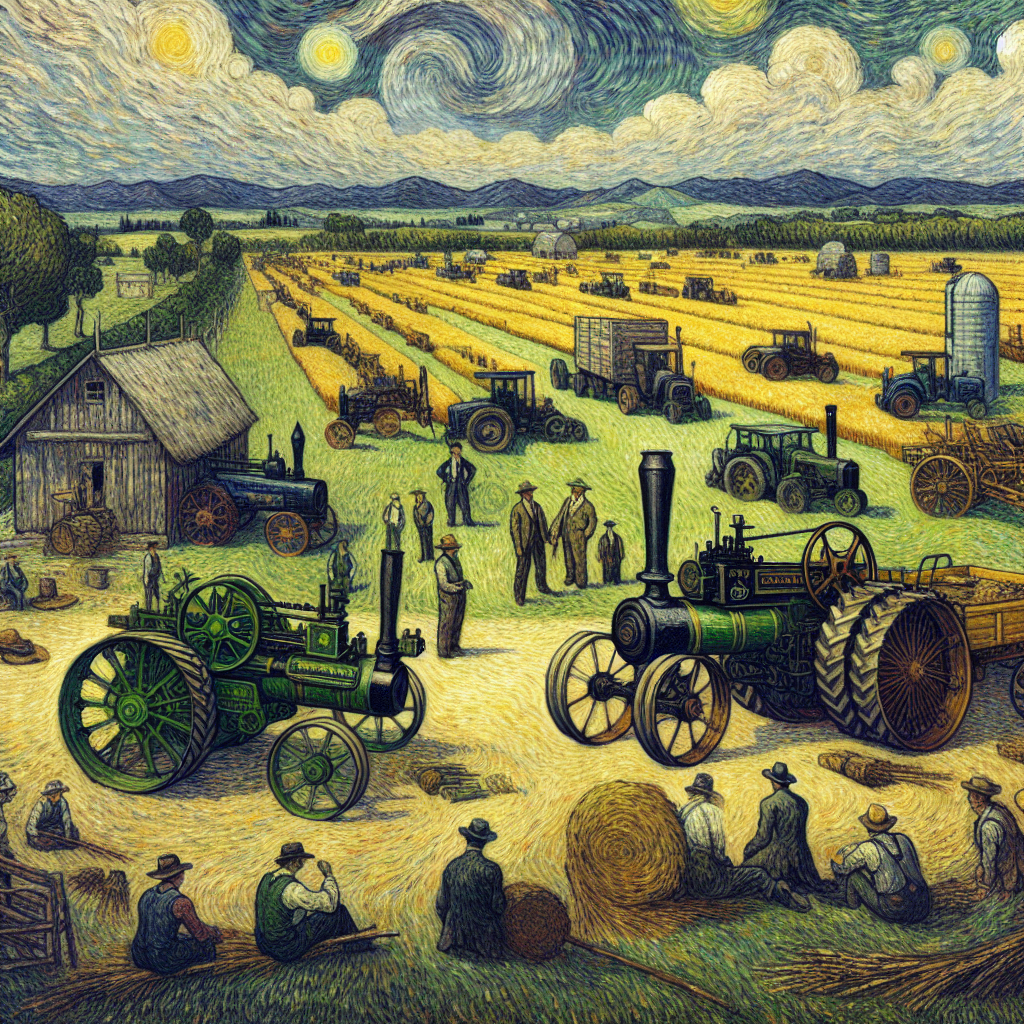
Are Classic Tractors The Missing Link to Farming’success Today
Are Classic Tractors The Missing Link to Farming’success Today
- Classic tractors symbolize the enduring spirit of traditional farming and serve as a reminder of agricultural roots.
- Amidst advanced technology, classic tractors represent the wisdom and struggles of past farmers.
- They offer a tactile experience of farming that modern machinery cannot replicate.
- Restoring and maintaining classic tractors promotes resilience and environmental stewardship.
- Classic tractors facilitate mentorship and community connection among farmers of different generations.
- These machines foster a sense of responsibility to preserve agricultural values and traditions.
- Embracing classic tractors may provide essential insights for achieving modern farming success.
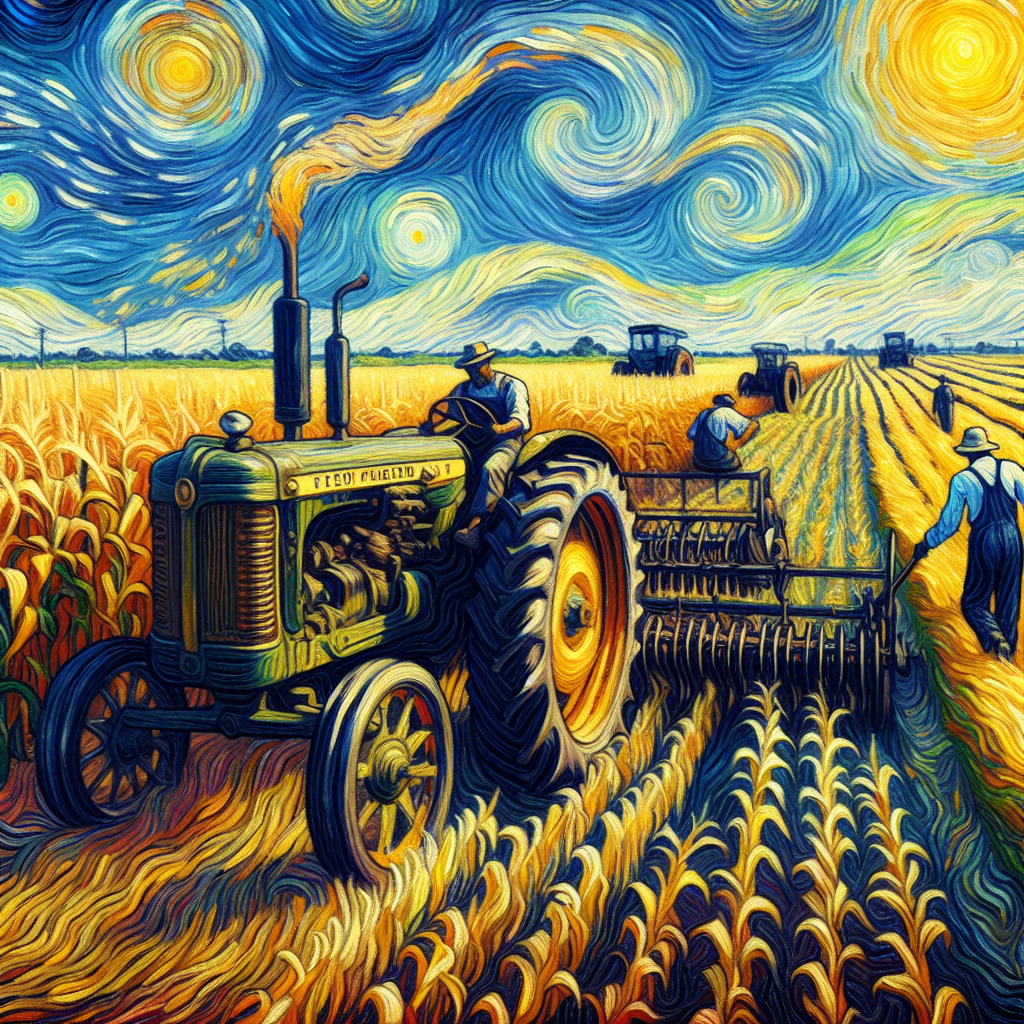
Are Classic Tractors The Missing Link to Farming’success Today
Table Of Contents
- Are Classic Tractors The Missing Link to Farming’success Today
- Are Classic Tractors A Symbol Of Enduring Agricultural Legacy?
- Can Vintage Machinery Boost Modern Farm Efficiency And Yield?
- How Do Classic Tractors Connect Us To Farming History And Culture?
- How Can Classic Tractors Contribute To Sustainable Farming Practices?
- Do Vintage Tractors Inspire A Sense Of Community Among Farmers Today?
- Are There Hidden Costs In Restoring Classic Tractors For Modern Use?
- Conclusion
- Other Resources
- Glossary Of Terms
- Other Questions
- Haiku
- Poem
- Checklist
Are Classic Tractors A Symbol Of Enduring Agricultural Legacy?
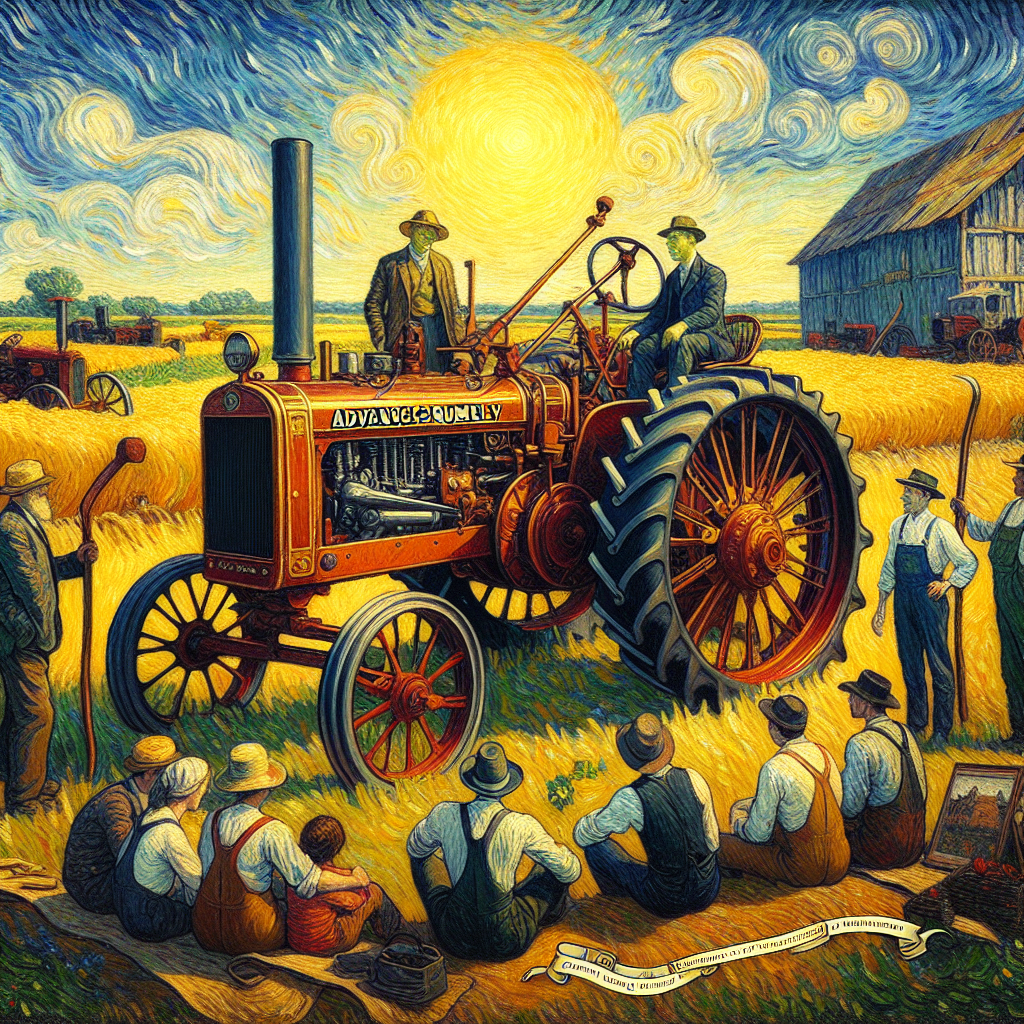
When you look at a classic tractor, what do you see? Is it just a hulking piece of machinery rusting in the barn, or is it the very heartbeat of a family legacy—one that tells stories of grit, struggle, and the sweat of countless generations? These tractors are more than mere tools; they are symbols of the enduring spirit of agriculture, each one a chapter in the grand narrative of American farming.
Let’s face it: farming isn’t just a job; it’s a way of life rooted in the soil. These machines were engineered to tackle the hard work that nurtures our land and feeds our nation. They embody strength, reliability, and an unwavering commitment to the earth. They were built to last and to serve, carrying the weight of responsibilities that often fall squarely on the shoulders of those who dare to till the land. In a world racing toward higher tech and quicker solutions, the classic tractor stands as a reminder of the roots we all need to honor.
On a rational level, we can appreciate the craftsmanship and ingenuity behind these machines. Designed during a time when farmers needed something they could depend on through thick and thin, classic tractors represent a time-tested solution to agricultural challenges. They are machines of efficiency, turning the soil, sowing the seeds, and harvesting the bounty, all while prompting us to reflect on the ethics of sustainability and land stewardship.
But it’s in the emotional appeal where these tractors truly shine. Picture a farmer, tired but proud, standing next to their rusted tractor after a long day’s work. It’s not just metal and paint; it’s a connection to ancestors who toiled in the same fields, their hands weathered and worn. It’s the laughter of children playing in the fields, the warmth of a summer sun, and the smell of fresh earth. These nostalgic connections foster a sense of community and loyalty, reminding us that we share this earth and the fruits of its labor with one another.
As we navigate an ever-changing world, let us reclaim our appreciation for the classic tractor. It’s not merely a relic of the past—it’s a message about our role in the future. Let’s keep the spirit alive, ensuring that the legacy of hard work, tradition, and love for our land endures. Grab hold of that steering wheel, and let’s keep moving forward—together.
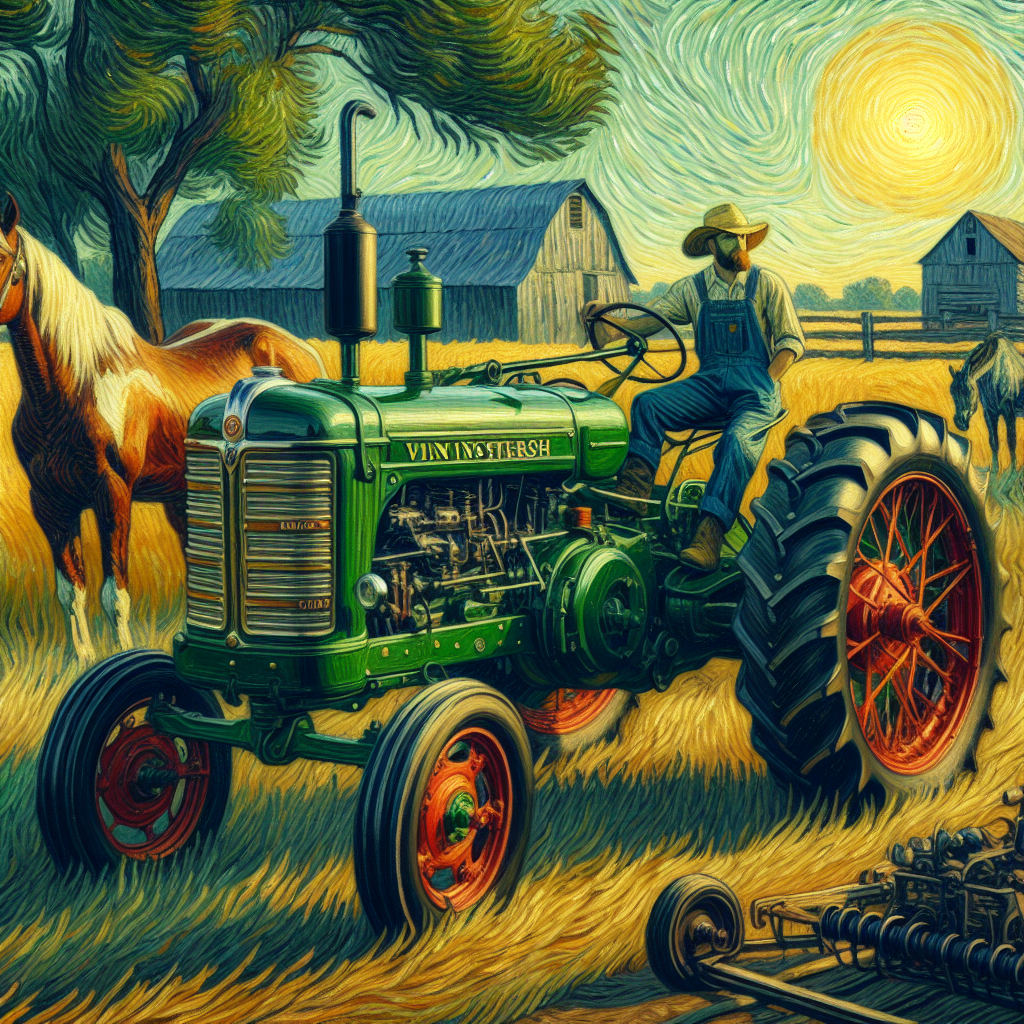
Are Classic Tractors A Symbol Of Enduring Agricultural Legacy?
Are Classic Tractors A Symbol Of Enduring Agricultural Legacy?
- Classic tractors symbolize family legacy, embodying generations of farming stories.
- They represent the enduring spirit of agriculture and the commitment to nurturing the land.
- Classic tractors are built for strength and reliability, serving vital roles in farming responsibilities.
- They reflect a time-tested solution to agricultural challenges, emphasizing craftsmanship and ingenuity.
- These machines connect us emotionally to our ancestors and foster community and loyalty.
- Classic tractors serve as reminders of our roots and the values of sustainability and land stewardship.
- They encourage us to appreciate hard work and tradition while looking forward to the future.
Are Classic Tractors A Symbol Of Enduring Agricultural Legacy?
Can Vintage Machinery Boost Modern Farm Efficiency And Yield?
When you think about tractors, what comes to mind? For many, the sight of a massive piece of machinery roaring to life, dust billowing as it journeys across undulating fields, evokes nostalgia. The farmers of yesterday relied on these rugged, vintage tractors, crafting a robust connection to the land that feels increasingly lost in the age of automation. But what if those beloved machines hold secrets that can elevate modern farming?
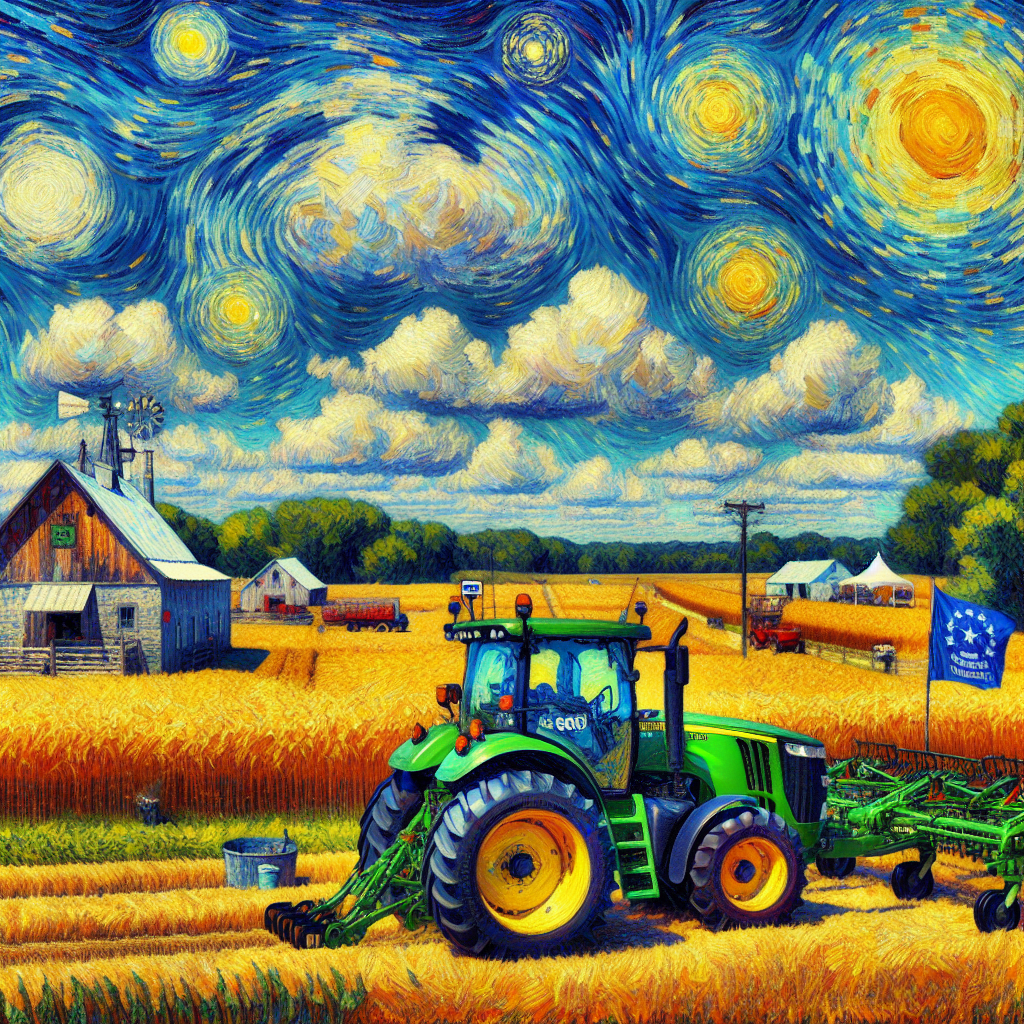
Imagine a farmer, standing proudly next to a vintage tractor, the sun warming their back as they survey their land—a patchwork of green and gold. That tractor represents not just a tool but a legacy: generations of hard work, grit, and farming know-how. But here’s where it gets interesting: these older machines were built to last, designed with simplicity that invites trust and reliability. When restored and repurposed, vintage tractors can perform astonishingly alongside their modern counterparts, blending tradition with innovation.
But let’s engage the head for a moment. The numbers speak volumes. Farms utilizing vintage technology often find lower operational costs and a smaller carbon footprint—a compelling argument for the ethical farmer concerned about sustainability. The efficiency of these machines, when properly harnessed, can yield impressive results. Studies indicate that older models use less fuel while delivering the power needed to perform essential tasks, and that leads directly to the heart of the matter: increased yield without compromising our values.
And don’t underestimate the emotional pull of community. Picture a group of farmers gathering to restore an old tractor, hands dirty, laughter echoing through the barn. That sense of camaraderie brings people together, fostering a culture of collaboration. It’s about sharing knowledge, exchanging stories, and preserving history. These old machines become symbols of unity and resilience within the farming community, teaching modern farmers the value of patience, persistence, and ultimate respect for the land.
So, what if we could breathe new life into these vintage tractors? What if we could tap into that agricultural heritage to cultivate a future that respects both innovation and tradition? The potential for increased efficiency is not just a convenient bonus; it’s an invitation to honor our past while empowering the future of farming. In a world where the wind often blows hot and cold, these vintage machines can remind us that sometimes, the best solutions lie in the heart of our history.
Can Vintage Machinery Boost Modern Farm Efficiency And Yield?
Can Vintage Machinery Boost Modern Farm Efficiency And Yield?
- Vintage tractors evoke nostalgia and a strong connection to the land for many farmers.
- These machines represent a legacy of hard work, grit, and farming know-how.
- Older tractors are built to last and can perform surprisingly well alongside modern machines when restored and repurposed.
- Utilizing vintage technology can lower operational costs and reduce carbon footprints, appealing to ethical farmers focused on sustainability.
- Older models tend to be more fuel-efficient while still delivering necessary power for farming tasks.
- Restoring tractors fosters community among farmers, promoting collaboration, knowledge-sharing, and preserving agricultural history.
- Investing in vintage tractors invites respect for tradition while providing opportunities for innovation in modern farming practices.
Can Vintage Machinery Boost Modern Farm Efficiency And Yield?
How Do Classic Tractors Connect Us To Farming History And Culture?
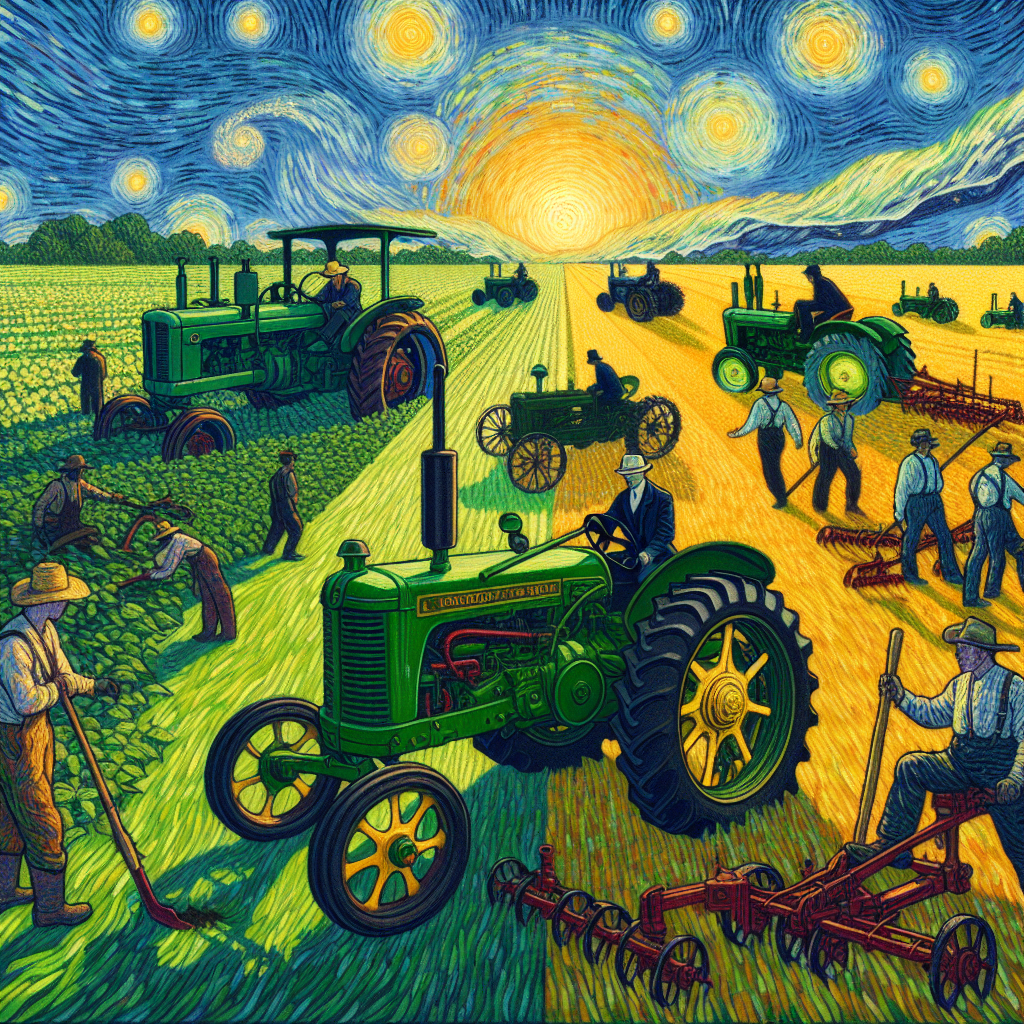
When you see a classic tractor rumbling down a dirt road or parked proudly in a field, you’re not just looking at a piece of machinery. You’re gazing into the soul of farming history. These robust machines represent an era when hands were calloused, sweat was plentiful, and the bond between man and land was sacred. They are more than steel and rubber; they are a living testament to a way of life that shaped our communities and cultures.
Take a moment to reflect on your own family roots. How many of us have tales of grandparents who rose with the sun, seizing the day with nothing but the power of a reliable tractor and sheer determination? These stories weave a rich tapestry that connects generations, reminding us of the values of hard work, resilience, and sustainability. It’s in these moments that we can truly appreciate how classic tractors serve as vessels of our collective memory, inspiring a sense of belonging that transcends time.
From a rational standpoint, consider the ingenuity behind these machines. Each rusty bolt and timeworn component showcases a commitment to practicality and efficiency that defined an era. They remind us of the agricultural revolution, where innovation met necessity, enabling farmers to cultivate more land and feed growing populations. Classic tractors symbolize not just our past, but also the promise of the future—raising questions about how we treat our land and champion sustainable practices today.
Yet, the appeal of these vehicles goes beyond function. Ethically, we are called to honor those who came before us and ensure that their legacies endure. As custodians of the land, we have the responsibility to cultivate not just crops, but an appreciation for the hard work involved in producing our food. Every scratch and dent on a classic tractor tells a story of struggle and triumph—a reminder that the fruits of our labor don’t come easy.
Socially, these machines can foster community. Car shows, tractor pulls, and fairs bring together people from diverse backgrounds, united by a shared appreciation for farming culture. When we gather around a classic tractor, we’re not just admiring metal; we’re acknowledging a history that binds us all.
So the next time you catch sight of a classic tractor, pause. Let it be a bridge connecting you to history, culture, and the values that have shaped generations. Embrace that connection—honor it, and let it inspire you to carry the legacy forward.
How Do Classic Tractors Connect Us To Farming History And Culture?
How Do Classic Tractors Connect Us To Farming History And Culture?
- Classic tractors symbolize farming history and represent a strong connection between man and land.
- They evoke memories of hardworking grandparents and stories that connect generations through shared values.
- These machines showcase ingenuity and practicality, highlighting their role during the agricultural revolution.
- Classic tractors remind us of the responsibility to honor past legacies while promoting sustainable practices today.
- Their wear and tear reflect the struggles and triumphs of farmers, emphasizing the effort behind food production.
- These vehicles foster community, bringing people together through events that celebrate farming culture.
- Seeing a classic tractor can inspire appreciation for history and encourage carrying forward its legacy.
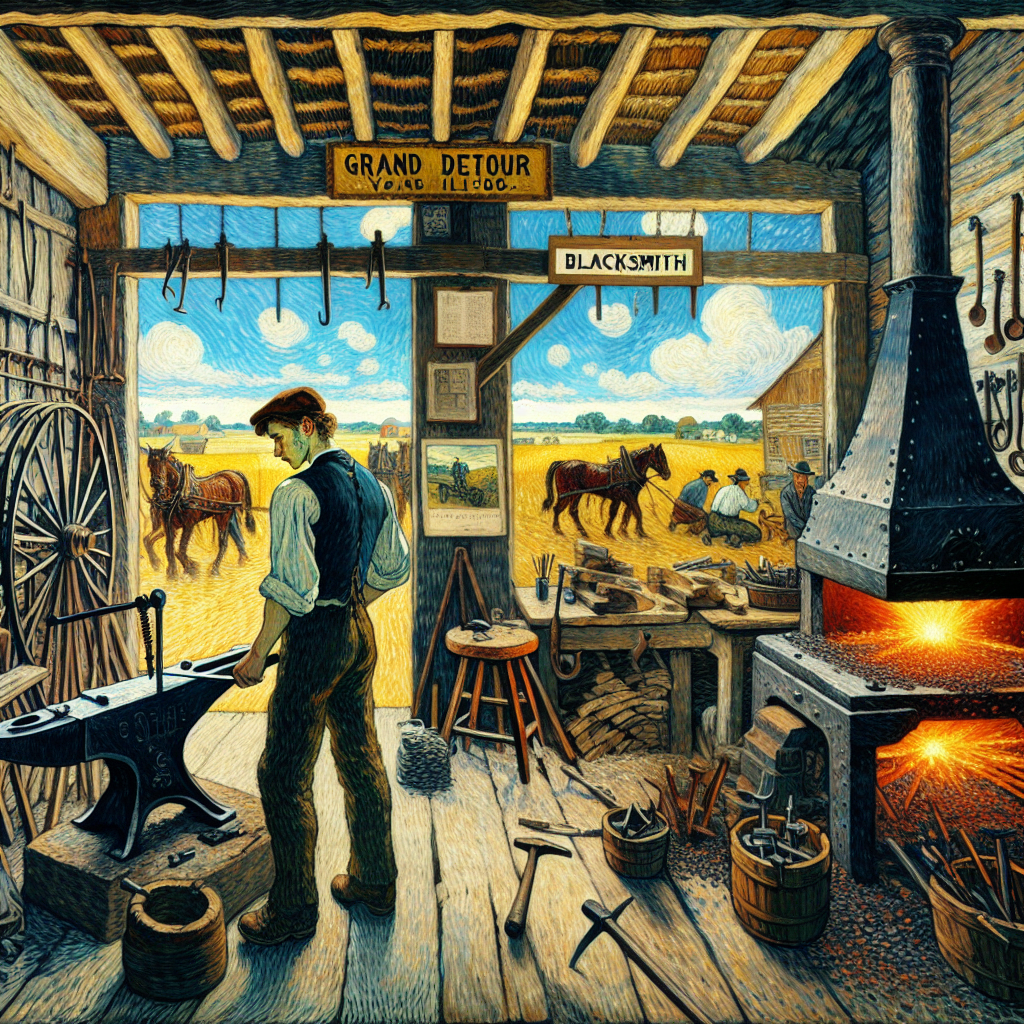
How Do Classic Tractors Connect Us To Farming History And Culture?
How Can Classic Tractors Contribute To Sustainable Farming Practices?
In the grand tapestry of our agricultural landscape, classic tractors proudly occupy a cherished corner, embodying both nostalgia and practicality. As we ponder the future of sustainable farming practices, it’s essential to recognize the role these timeless machines play in shaping a more responsible food system.
Think about it: the earth beneath our feet is fragile, and it needs care. Modern farming often prioritizes productivity over preservation, employing high-tech machinery that can sometimes trample the very soil we rely on. Enter the classic tractor. These machines, often built like tanks, are designed with a respect for the land that more modern equipment sometimes lacks. Their simpler mechanics can lead to less soil compaction and erosion, preserving the life-giving nutrients vital for healthy crops.
Now, let’s get into the numbers. Classic tractors tend to use less fuel than their modern counterparts, especially when outfitted with updated, eco-friendly modifications. That fuel savings doesn’t just lighten the ecological footprint; it also keeps dollars in your pocket. It’s rational, isn’t it? A classic tractor can help the farmer maintain profitability while promoting better environmental practices. Consider the sense of satisfaction that comes with knowing your efforts are nurturing the earth, not draining it.
But beyond the numbers lies a deeper, more emotional connection. There’s a palpable sense of responsibility that comes from operating a classic tractor—a belief that we’re not just steering metal; we’re holding the lineage of our agricultural past and promise for the future. Each time you pull that lever, you connect with generations of farmers who’ve faced the same sun and rain, who’ve dedicated their lives to the nourishment of their communities. It’s a reminder that farming is not just a job; it’s a commitment.
Then there’s the social aspect. In a world that can often feel disconnected, classic tractors evoke a sense of collaboration among farmers—an unspoken understanding of shared values. Embracing these vintage machines fosters community, reinforcing the idea that sustainable practices are less about individual success and more about collective health. It’s about ensuring that future generations inherit land that flourishes.
So, as we forge ahead into the era of sustainable practices, let’s not overlook the classic tractor. These robust machines stand as guardians of tradition, wisdom, and an ethical pathway to farming that isn’t just about profit, but about stewardship. When we honor the past, we embrace a hopeful future—one that’s ready to thrive in harmony with the land we love.
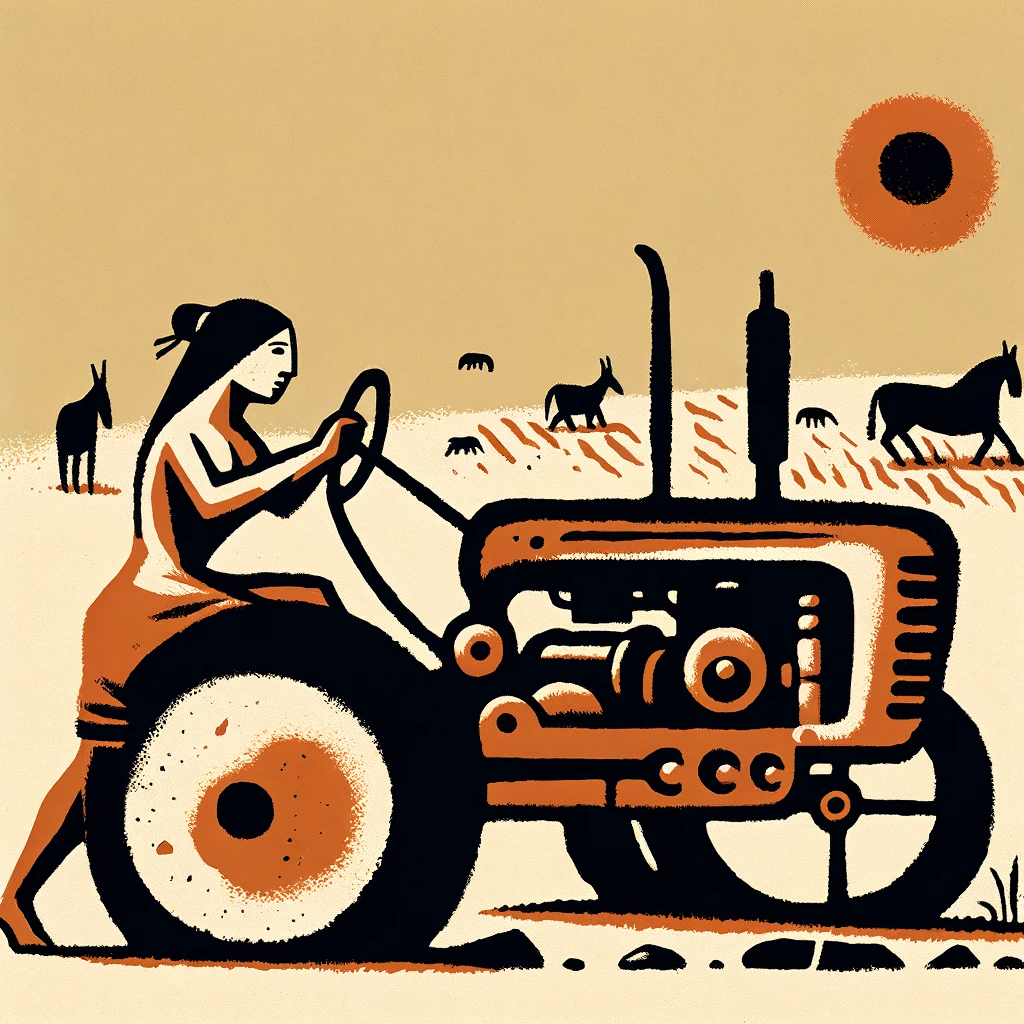
How Can Classic Tractors Contribute To Sustainable Farming Practices?
How Can Classic Tractors Contribute To Sustainable Farming Practices?
- Classic tractors symbolize nostalgia and practicality in agriculture.
- They support sustainable farming by minimizing soil compaction and erosion.
- Classic tractors often consume less fuel and can be modified for eco-friendliness, benefiting both the environment and farmers’ wallets.
- Operating a classic tractor fosters a connection to agricultural heritage and community commitment.
- They encourage collaboration among farmers, reinforcing shared values and collective health.
- Classic tractors are seen as guardians of tradition and ethical farming practices.
- Embracing these machines promotes a sustainable future that honors the land.
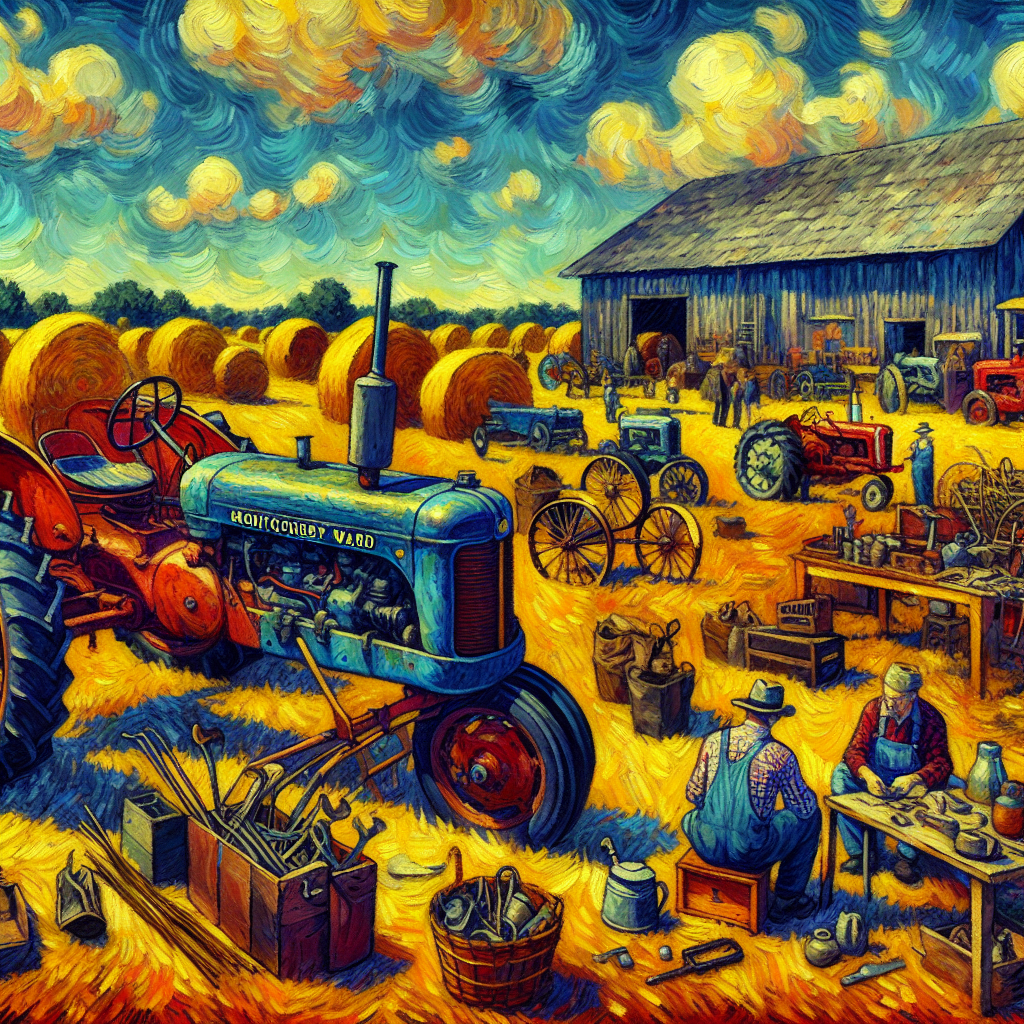
How Can Classic Tractors Contribute To Sustainable Farming Practices?
Do Vintage Tractors Inspire A Sense Of Community Among Farmers Today?
In a world that often feels divided, vintage tractors stand as a testament to a simpler time—an era when the land was cared for by hands that knew it intimately. These machines, often painted in the colors of nostalgia, whisper stories of hard work and perseverance. They are not just relics; they are symbols of a shared journey that connects farmers across generations.
When farmers gather at local fairs or restoration events, they don’t just share in the admiration of steel and horsepower; they engage in conversations laden with history and mutual respect. The sight of a well-maintained tractor sparks reminiscence, evoking memories of childhood days on the farm or the lessons learned from parents and grandparents. These gatherings become more than simply a showcase of machinery; they transform into a living quilt of stories and experiences stitched together by a common bond.
On a rational level, these vintage tractors remind farmers of their roots—the traditions and practices that have shaped the industry for decades. In a landscape increasingly dominated by high-tech equipment and automated farming, these machines serve as a grounding force. They echo the values of hard work, sustainable practices, and community reliance. Farmers can look at these tractors and see the sweat and grit of those who farmed before them, creating an ethical imperative to honor that legacy while forging ahead.
But there’s something deeper at play here. The unique beauty of vintage tractors provides a bridge between the old and the new. When farmers share their experiences restoring an old implement or the thrill of plowing a field with a machine that has seen decades of seasons, they forge connections that transcend simple acquaintance. It fuels an emotional conviction of belonging—where the roar of engines and the smell of engine oil are not merely about mechanics, but rather, about camaraderie and unity in a challenging profession.
Ultimately, vintage tractors invite us into the fold. They remind us that at the heart of agriculture lies community, one that embraces shared stories, resilience, and the noble pursuit of tending to the land. So, the next time you see a vintage tractor, remember—it’s more than just a piece of machinery; it’s a heartbeat of community, resilience, and belonging for the farmers who celebrate it. Together, we cultivate not only crops but relationships that last a lifetime.

Do Vintage Tractors Inspire A Sense Of Community Among Farmers Today?
Do Vintage Tractors Inspire A Sense Of Community Among Farmers Today?
- Vintage tractors symbolize a simpler time, connecting farmers through shared history and experiences.
- Local fairs and restoration events foster conversations filled with mutual respect and nostalgia.
- Well-maintained tractors evoke memories of childhood and lessons from earlier generations.
- They remind farmers of their roots and the traditions that have shaped the agricultural industry.
- In a world dominated by technology, these tractors serve as a grounding force reflecting values of hard work and community reliance.
- Restoring and using vintage tractors fosters deep connections and a sense of belonging among farmers.
- Overall, vintage tractors embody community, resilience, and the shared journey of agriculture.
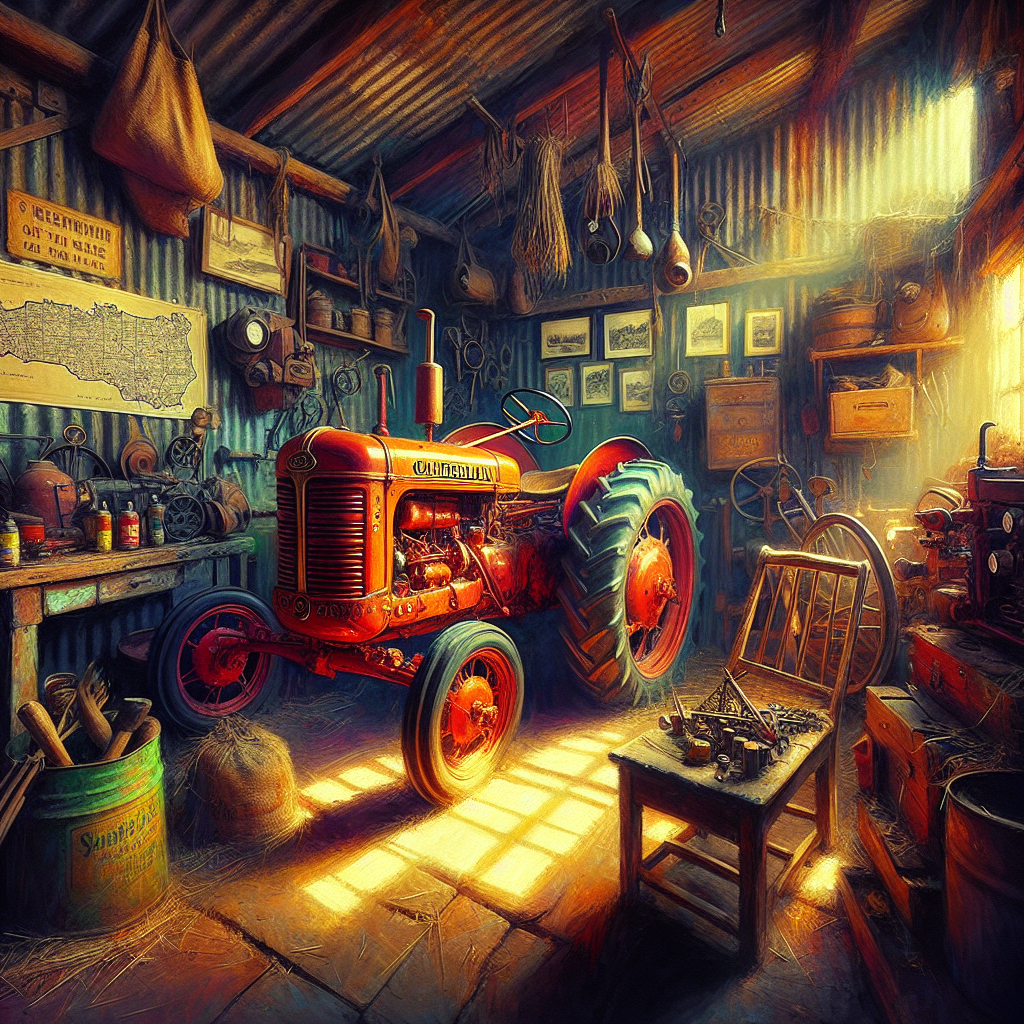
Do Vintage Tractors Inspire A Sense Of Community Among Farmers Today?
Are There Hidden Costs In Restoring Classic Tractors For Modern Use?
Hidden Costs of Restoring Classic Tractors for Modern Use
When you think of a classic tractor, what comes to mind? Maybe it’s the comforting rumble of an engine that once tilled the earth, or perhaps the nostalgia of summers spent on a family farm. Restoring one of these beauties is more than just a project; it’s about honoring our heritage, embracing tradition, and connecting generations. But don’t be fooled. Underneath that charming exterior lies a world of hidden costs that can catch even the most seasoned mechanic off guard.
First and foremost, let’s talk about the heart. The allure of bringing a vintage tractor back to life often overlooks the emotional toll that can accompany the restoration process. Imagine investing countless hours, sweat, and ultimately, money into a machine that holds personal significance, only to discover a multitude of repairs lurking beneath the surface. It can feel like navigating a minefield of frustrations and setbacks, leaving you questioning whether the emotional investment was worth it.
Now, let’s engage the head. Economically speaking, restoring a classic tractor has its dividends if approached with the right mindset. However, many newcomers underestimate the costs of parts and skilled labor. You might find yourself faced with unexpected expenses: outdated technology requiring modernization, rare components that require scouting flea markets, or even those pesky safety regulations that feel like a necessary evil. It’s a balance between keeping the authenticity of the machine while adapting it for practical use—a delicate dance that requires both insight and foresight.
Then, there’s the gut instinct. Sure, you want that tractor running smoothly; you want it to help you with your daily tasks and perhaps even generate income. But does the price of restoration align with your values? Are you making choices that honor the legacy of those who operated these machines before you? Each decision carries weight, from choosing eco-friendly parts to sourcing materials ethically, connecting you not just to the machine but to a greater community of those who value sustainability and craftsmanship.
In this journey, you’re not just a restorer; you’re a steward of history. The challenge lies not only in the numbers but in the stories, the connections, and the pride that come from reviving these mechanical marvels. So, before you dive in, take a moment to reflect on what this classic tractor means to you and weigh the hidden costs against both the joy and responsibilities of restoration. It’s a labor of love, and it’s one worth every ounce of effort—if approached with your heart, head, and gut firmly in place.

Are There Hidden Costs In Restoring Classic Tractors For Modern Use?
Are There Hidden Costs In Restoring Classic Tractors For Modern Use?
- Restoring classic tractors connects individuals to heritage, tradition, and family memories.
- The emotional investment can be significant, as restorers face unexpected repairs and setbacks.
- Economic considerations include the costs of parts, skilled labor, and potential for unexpected expenses.
- Restorers must balance authenticity with the need for modernization and compliance with safety regulations.
- Choices made during restoration should reflect personal values, including sustainability and ethical sourcing.
- Restoration is about more than mechanics; it involves connecting to history and community.
- It’s essential to reflect on the meaning of the tractor and the responsibilities of restoration before starting the project.
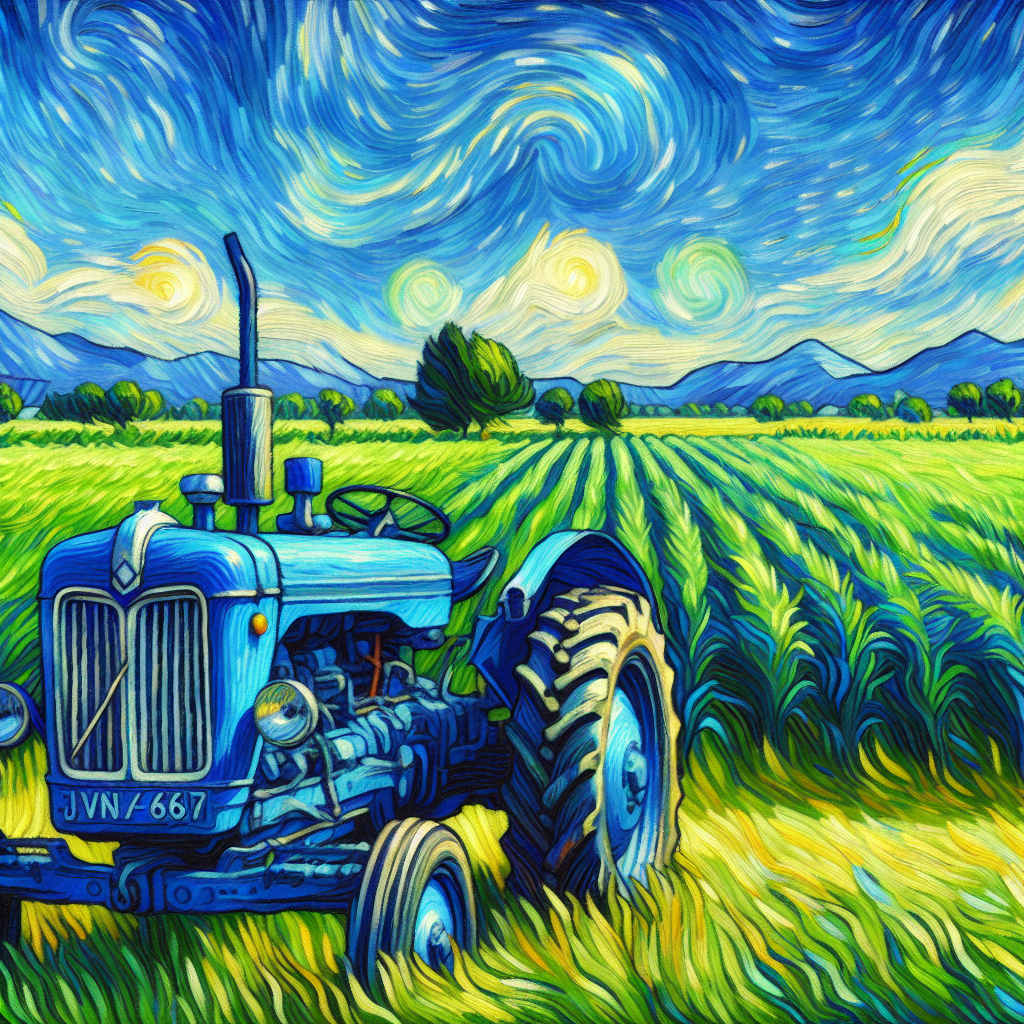
Are There Hidden Costs In Restoring Classic Tractors For Modern Use?
Conclusion
Conclusion: The Heartbeat of Agriculture
As we stand on the cusp of modern farming, grappling with challenges that seem as tough as the soil we till, it’s crucial we don’t forget where we came from. Classic tractors, those rusted relics of a bygone era, embody not only a commitment to the land but also a bridge to our roots. They represent the grit and resilience of the farmers who came before us, each scratch and dent on their frames telling stories of hard work and determination.
Today, with technology racing forward at an unprecedented speed, it’s easy to overlook the enduring wisdom that these vintage machines carry. They remind us that successful farming isn’t just about the latest gadgets or high-tech efficiency; it’s rooted in the time-honored traditions of stewardship, connection, and community. They serve as a touchstone, reminding us that the path to sustainable farming lies in honoring both innovation and legacy. When we choose to preserve and restore these classic tractors, we embrace not only their practicality but also nurture the values behind them—values that future generations should treasure.
Emotionally, the sight of a classic tractor sparks more than just nostalgia; it evokes shared memories—a sense of belonging that reminds us we’re part of something larger than ourselves. Whether we gather at fairs or tractor shows, we share stories and laughter, knitting together a community that binds us in purpose. When we stand shoulder-to-shoulder with fellow farmers, our hands soiled from work, we’re united by more than machinery; we’re part of an ongoing narrative that stretches back generations.
Rationally, the elegance of vintage tractors is undeniable. They manifest a spirit of sustainability, showing us how less can sometimes achieve more. With lower fuel consumption and less soil compaction, vintage machines encourage practices that respect the earth, ensuring we don’t just farm for today but also plant seeds for tomorrow. Ethically, it’s our duty to share knowledge, to embrace collective traditions, and to foster an environment that values historical contexts while navigating the demands of contemporary agriculture.
So, as we face the uncertainties of modern farming, let’s not set aside our agricultural heritage. Let’s use classic tractors not just as tools, but as a guiding light, illuminating a path toward a future nurtured in tradition. Let’s roll up our sleeves, turn the key in that rusted ignition, and reconnect with the heartbeat of agriculture—a heartbeat that invites us to cultivate, cherish, and sustain the land we love, together.
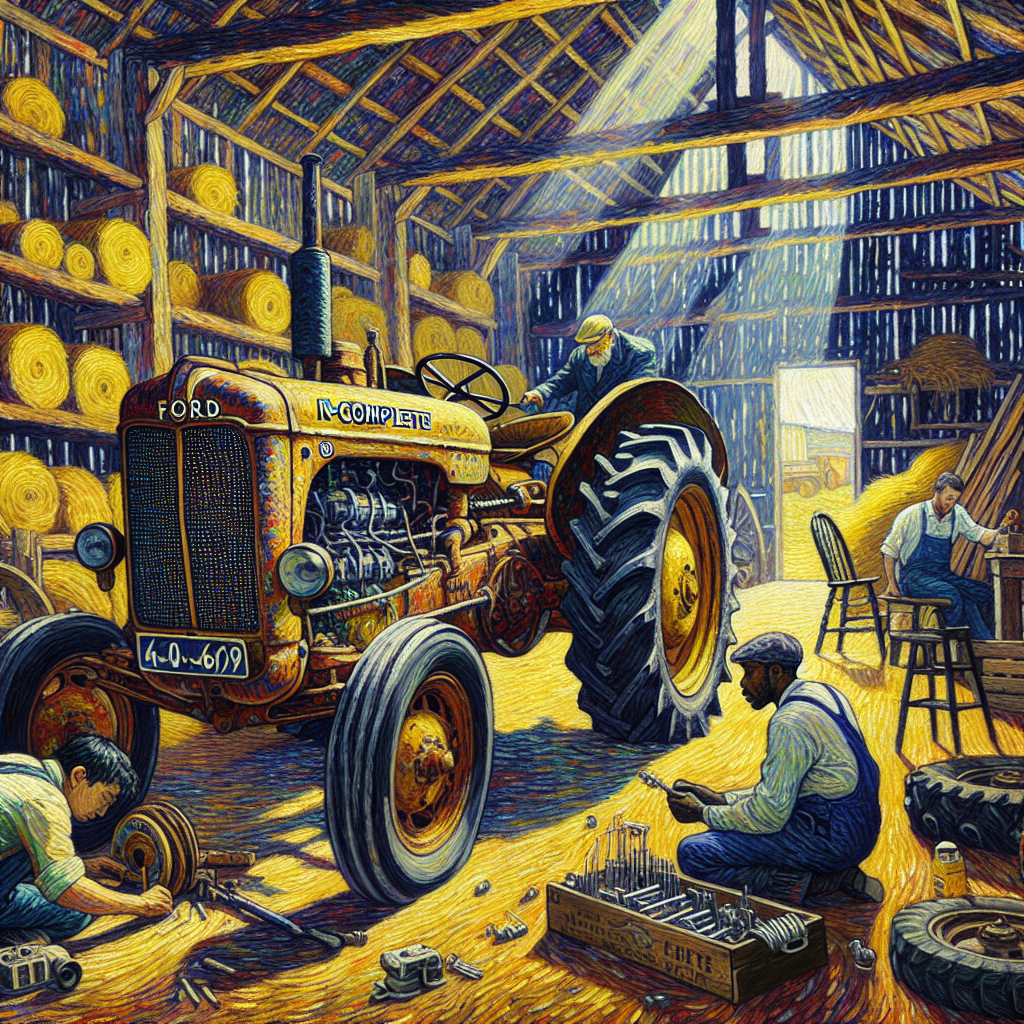
Conclusion
Conclusion:
- Classic tractors symbolize a commitment to the land and the resilience of past farmers.
- They serve as a reminder that successful farming combines tradition with modern technology.
- Preserving vintage machines nurtures values of stewardship, connection, and community.
- Classic tractors evoke nostalgia and shared memories, fostering a sense of belonging.
- They promote sustainable practices through lower fuel consumption and reduced soil compaction.
- It is our duty to uphold historical contexts while addressing contemporary agricultural challenges.
- Classic tractors can guide us towards a future grounded in tradition and community engagement.
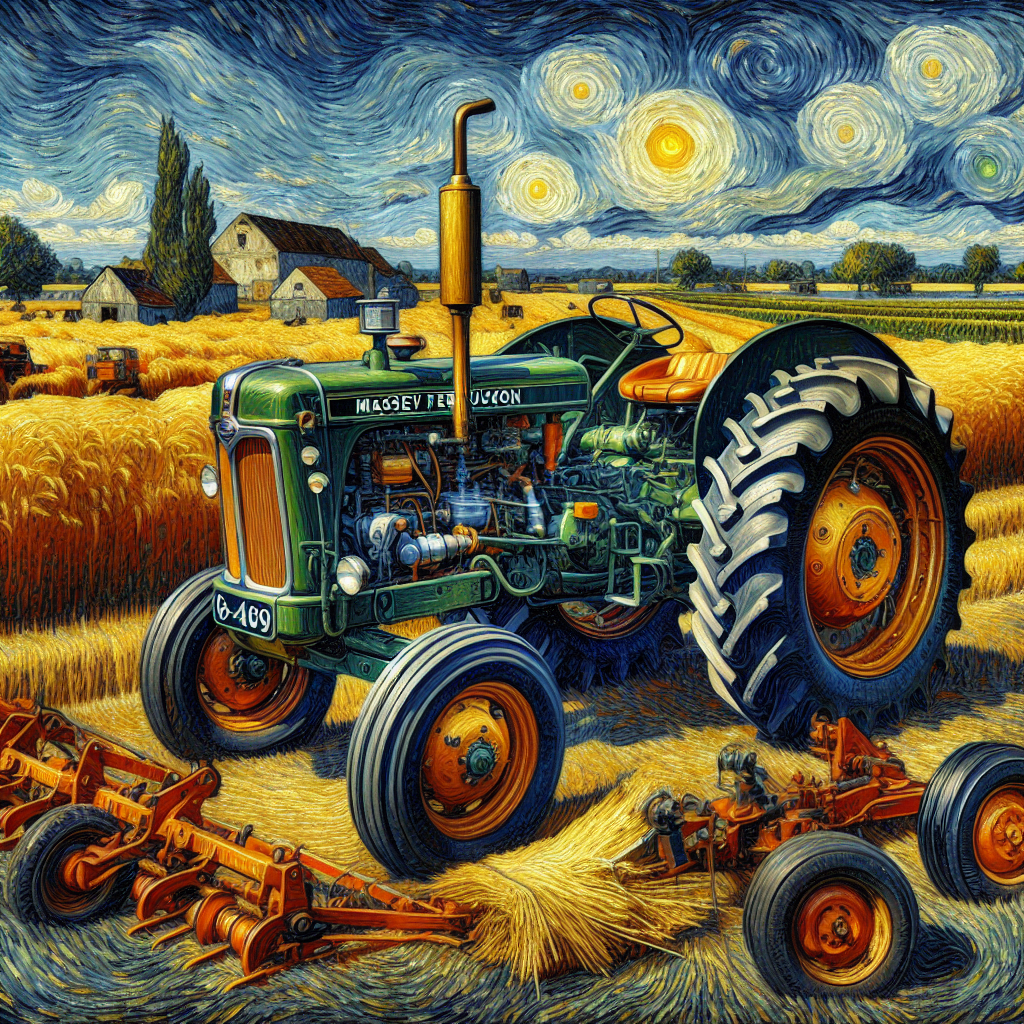
Conclusion
Other Resources
Other Resources
Here is a list of other resources you can review online to learn more:
- Solis
- Porsche
- General Ordnance
- Mercedes-Benz
- Suzue
- Classic Tractor Calender
- Kioti
- Classic Old Tractors
- The New England Antique Truck and Tractor Association
- Lamborghini
Use This Prompt To Get More Resources With Your Favorite Online AI Tool: Please provide me with a list of online articles with their URLs in a bulleted list that I can read regarding Are Classic Tractors The Missing Link to Farming’success Today

Other Resources
Glossary Terms
Are Classic Tractors The Missing Link to Farming’success Today – Glossary Of Terms
1. Classic Tractor: A vintage agricultural machine, typically manufactured before the 1980s, known for its durability and simplicity in design.
2. Agronomy: The science of soil management and crop production, integrating various disciplines to improve farming practices.
3. Sustainability: Farming practices that maintain ecological balance, allowing for productive agriculture without depleting resources.
4. Vintage Equipment: Farming machinery from earlier eras that often exemplify craftsmanship and mechanical simplicity, valued for both utility and nostalgia.
5. Mechanical Restoration: The process of repairing and refurbishing old machinery to restore functionality and aesthetic appeal.
6. Soil Health: The condition of soil in terms of its biological, chemical, and physical properties, crucial for supporting plant life.
7. Efficiency: The measure of a tractor’s performance in terms of energy use and time required for tasks, impacting overall farm productivity.
8. Heritage Farming: Agricultural practices that embrace traditional methods and equipment, emphasizing a connection to the history of farming.
9. Biodiversity: The variety of life in agricultural systems, which can enhance resilience and sustainability on the farm.
10. Farm Mechanization: The use of machinery to perform agricultural tasks that were traditionally done by hand, increasing speed and productivity.
11. Ergonomics: The study of designing equipment and workspaces to fit users’ needs, enhancing comfort and efficiency when operating tractors.
12. Pest Management: Strategies and practices used to control pest populations, crucial for maintaining crop health and yields.
13. Crop Rotation: A farming practice where different crops are planted in the same area in sequential seasons to improve soil health and reduce pests.
14. Diversification: The practice of growing a variety of crops or raising different livestock to reduce risk and improve farm resilience.
15. Fuel Efficiency: The ability of a tractor to perform work using less fuel, which is increasingly important for cost management in modern farming.
16. Restoration Projects: Initiatives aimed at bringing old tractors back to working condition, often involving community and educational aspects.
17. Community Engagement: The involvement of local populations in agricultural practices, fostering a sense of shared responsibility and knowledge exchange.
18. Technology Integration: The incorporation of modern technology into traditional farming practices to improve productivity and efficiency.
19. Farm-to-Table Movement: A social and political movement advocating for local food systems and the direct connection between producers and consumers.
20. Agricultural Heritage: The history and traditions of farming practices, equipment, and knowledge passed down through generations.
21. Land Stewardship: The responsible management of land resources, ensuring long-term productivity and environmental health.
22. Nostalgia Value: The emotional attachment that farmers and collectors may have to classic tractors, which can enhance their perceived value.
23. Restoration Economy: Economic activities focused on the restoration of old machinery, often involving skilled labor and local craftsmanship.
24. Holistic Farming: An approach that considers the farm as an interconnected ecosystem, prioritizing balance and sustainability.
25. Resourcefulness: The ability to use minimal resources effectively, often associated with practices seen in traditional farming.
26. Farm Innovation: New ideas and technologies applied in agriculture, which can enhance productivity and sustainability.
27. Cultural Preservation: The effort to maintain and promote traditional farming techniques and equipment as part of a community’s heritage.
28. Organic Farming: A method of farming that uses natural inputs and practices to enhance soil and crop health without synthetic chemicals.
29. Agri-Tourism: The practice of attracting visitors to agricultural areas, offering experiences related to farming, including the showcasing of classic tractors.
30. Tractor Show: An event where enthusiasts gather to display and celebrate vintage tractors, fostering community spirit around agricultural heritage.
Glossary Of Terms
Other Questions
Are Classic Tractors The Missing Link to Farming’success Today – Other Questions
If you wish to explore and discover more, consider looking for answers to these questions:
- What specific challenges do modern farmers face that classic tractors can help address?
- How do classic tractors compare to modern machinery in terms of fuel efficiency?
- What are some examples of classic tractors that have been successfully restored for modern farming?
- What maintenance is needed to keep classic tractors functional for daily use?
- Are there financial advantages to using classic tractors over modern equipment?
- How can farmers integrate classic tractors into a high-tech farming operation?
- What are the best practices for obtaining replacement parts for classic tractors?
- How do vintage tractors influence current agricultural education and practices?
- What are community resources available for farmers interested in classic tractor restoration?
- Are there environmental benefits to using classic tractors in modern agricultural practices?
Other Questions
Haiku
Are Classic Tractors The Missing Link to Farming’success Today – A Haiku
Rusty wheels rumble on,
Roots of our farming spirit—
Old tractors unite.
Haiku
Poem
Are Classic Tractors The Missing Link to Farming’success Today – A Poem
The Legacy of Rust and Grit
In fields where dreams like seeds are sown,
A classic tractor stands, its story known.
Not just machines clad in dust and rust,
They whisper of resilience, of dreams and trust.
Each dent and scratch a tale unfolds,
Of farmers strong, their spirits bold.
They plowed through storms, their backs worn thin,
With every turn of the wheel, the bond with the earth grew within.
In a world that races, chasing speeds anew,
These timeless giants remind us to pursue
A heartful balance where values reside,
Where innovation meets legacy, side by side.
The sun-warmed metal calls to hands once calloused,
Their engines echoing truths, timeless and honest.
In local fairs, the laughter rings clear,
A community united; together we steer.
For as harvests come and seasons shift,
It’s connection, not profit, that’s the greatest gift.
With every restored tractor comes stewardship’s pride,
A commitment to nurture the land far and wide.
But hidden beneath the charming veneer,
Are costs that may stir both doubt and fear.
For every bolt mended, each engine restored,
A deeper investment in stories ignored.
Yet still we grasp that wheel with conviction,
Knowing that farming’s more than mere function.
It’s a heart, a soul, a lineage to honor,
Connecting the past with the dreams we’ll someday foster.
So here’s to the vintage, the basic, the bold,
To tractors that teach us the value of old.
In every rut, every field’s gentle sway,
Lies the promise of success, the farming way.
Embrace their tales, with hearts open wide—
Through classic machines, let tradition be our guide.
For in every rumble, every ribbon of smoke,
Lies the unity of farmers, and the love that we’ve woke.
Poem
Checklist
Are Classic Tractors The Missing Link to Farming’success Today – A Checklist
Classic Tractors: Checklist for Embracing the Legacy of Farming
Heart: Emotional and Narrative Appeals
1. Reconnect with Your Roots
_____ Reflect on your family’s farming history and the stories tied to classic tractors.
_____ Share a story about a memorable experience with a family member on a classic tractor.
2. Celebrate Community Connections
_____ Attend local tractor shows or restoration clubs to connect with others who share your passion.
_____ Organize a gathering or potluck for local farmers and their classic tractors.
3. Create a Nostalgia Project
_____ Document your own classic tractor journey: personal reflections, photographs, and stories from the past.
_____ Consider writing a letter to future generations about the importance of classic tractors and their legacy.
Head: Rational and Authority Appeals
4. Evaluate the Benefits of Vintage Tractors
_____ List the practical advantages of classic tractors (e. g. , lower operational costs, fewer emissions).
_____ Research and include statistics on the efficiency of classic tractors versus modern machinery.
5. Plan Your Restoration
_____ Create a detailed budget for restoring a classic tractor, including potential hidden costs.
_____ Seek expert advice or connect with seasoned restorers to understand what to expect.
6. Assess Sustainability Practices
_____ Reflect on how restoring classic tractors contributes to sustainable farming.
_____ Identify eco-friendly options for updates and modifications to your vintage tractor.
Gut: Ethical and Social Appeals
7. Make Ethical Decisions
_____ Choose restoration materials and parts that align with sustainable practices.
_____ Consider the ethical implications of your farming practices—how can classic tractors enhance your stewardship of the land?
8. Build a Supportive Network
_____ Join online communities or social media groups focused on classic tractor restoration and farming.
_____ Share your restoration journey and insights with others to inspire a sense of shared purpose.
9. Mentor and Share Knowledge
_____ Offer mentorship to younger farmers or those new to classic tractors.
_____ Host workshops or tutorials on restoration techniques for your community.
Action Steps
10. Celebrate Your Journey
_____ Kick off your classic tractor journey with a community event—maybe a “tractor day” where you showcase your tractor and share stories.
_____ Incorporate classic tractor education into local farming community activities or events for broader reach.
By following this checklist, not only do you honor the legacy of classic tractors, but you also actively engage your heart, head, and gut in nurturing the future of farming while fostering a sense of community and shared history.
Checklist
At ClassicTractorNews, we help tractor lovers keep up with the latest news for classic and vintage tractors.
Please share this post with your friends, family, or business associates who may like old classic or vintage tractors.