

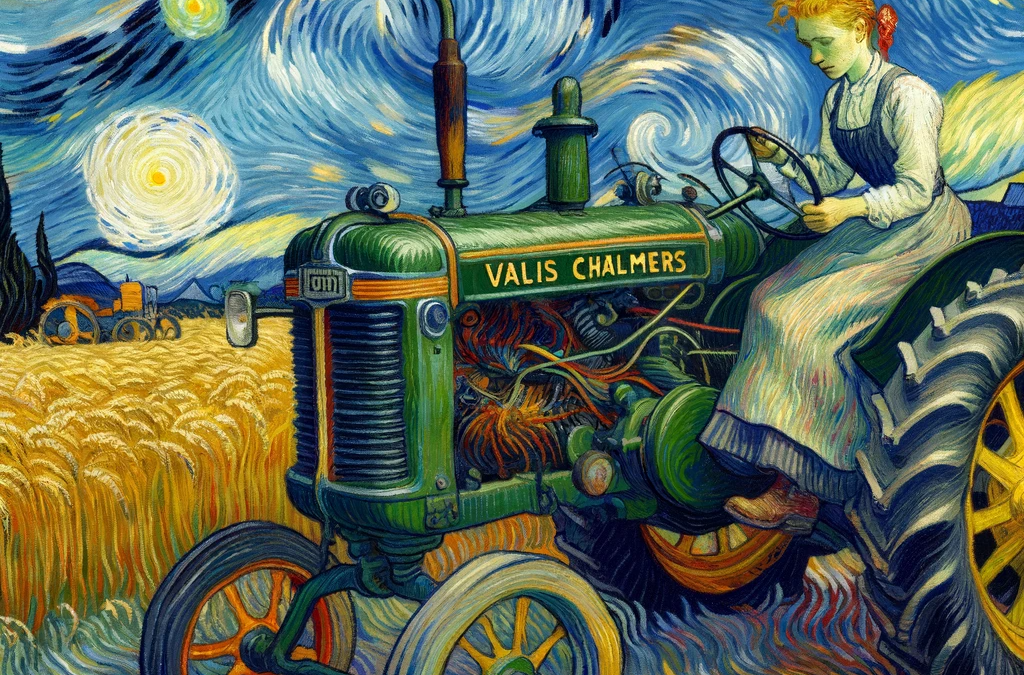
Reviving Small-Scale Agriculture With Classic Tractors
By Tom Seest
At ClassicTractorNews, we help tractor lovers keep up with the latest news for classic and vintage tractors.
Please share this post with your friends, family, or business associates who may like old classic or vintage tractors.
Are Classic Tractors The Key to Thriving Small Farms
?
In a world dominated by fleeting trends and rapid technological changes, it’s easy to overlook the steadfast spirit of small farms that operate on generations of hard work and commitment. Picture a classic tractor, its paint faded and wheels slightly worn, chugging proudly across fields of rich soil. This machine isn’t just a relic; it’s a symbol of resilience—a connection to our agrarian roots that still holds immense value in modern farming.
Now, let’s think about what a tractor symbolizes beyond its functionality. It represents the relentless beat of life on a farm; a rhythm that’s been the cornerstone of communities for centuries. These machines have a story to tell, each scratch and dent bearing witness to the toil of those who came before us. They embody a work ethic that can inspire not just farmers, but anyone striving for success through hard labor and dedication.
From a practical standpoint, classic tractors often outperform their more modern counterparts in terms of simplicity and ease of repair. Their straightforward mechanics appeal to small farm owners who may not have the resources for advanced technology. Choosing a trusty tractor of the past equips these farmers with tools that don’t just plow soil but cultivate a deeper bond with their land. Investing in such machinery can yield incredible returns, both in economic savings and the satisfaction of nurturing a thriving farm.
But let’s pause for a moment, and consider the ethical implications. In an age of flashy consumerism, holding on to a classic tractor serves a higher purpose. It’s about preserving the values of sustainability and self-sufficiency. By choosing to maintain and utilize these machines, farmers aren’t just making a statement—they’re championing a legacy of agricultural stewardship.
Socially, the allure of classic tractors fosters connection within farming communities. These timeless machines can inspire gatherings, whether at county fairs or in those rusty old barns where farmers share tips, stories, and laughter over the sputter of an engine. In doing so, they reinforce a sense of belonging—where every dented tractor in the field feels like a friend.
So, is a classic tractor the key to thriving small farms? Perhaps. It represents more than just a tool; it embodies the heart, soul, and history of farming itself. In embracing these machines, we embrace a story worth living—a journey familiar to us all, one that calls us to nurture the land, one furrow at a time.
Are Classic Tractors The Key to Thriving Small Farms
Are Classic Tractors The Key to Thriving Small Farms
- Small farms embody resilience and commitment through generations of hard work.
- Classic tractors symbolize the enduring spirit and rhythm of farming communities.
- These machines carry a history of toil, inspiring dedication and a strong work ethic.
- Classic tractors are often simpler and easier to repair than modern alternatives, appealing to small farm owners.
- Using classic tractors promotes sustainability and self-sufficiency in modern agriculture.
- Classic tractors foster social connections and community among farmers during gatherings.
- They represent the heart and soul of farming, urging an embrace of the agricultural legacy.
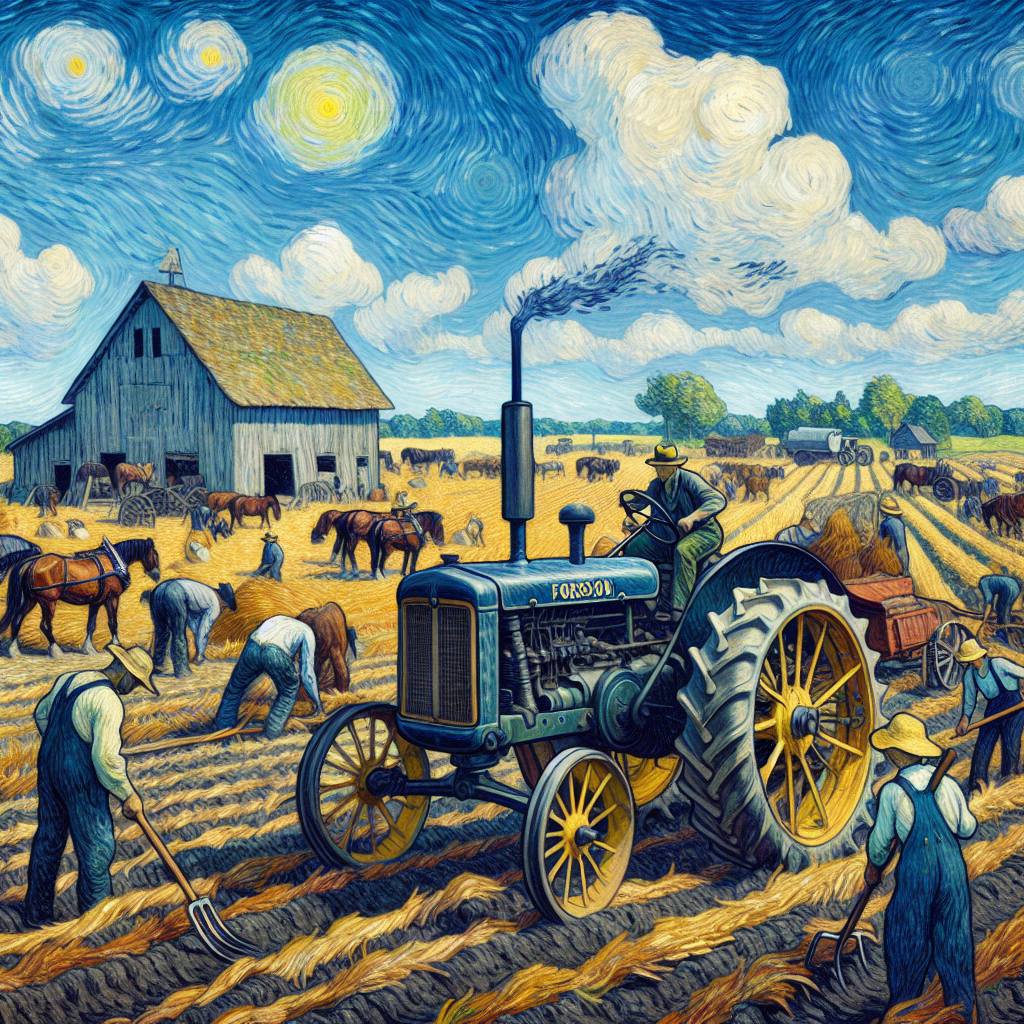
Are Classic Tractors The Key to Thriving Small Farms
Table Of Contents
- Are Classic Tractors The Key to Thriving Small Farms
- Are Classic Tractors Preserving Our Farming Heritage?
- How Do Classic Tractors Affect Farm Efficiency?
- What Are The Environmental Benefits Of Classic Tractors?
- Can Classic Tractors Improve Soil Health On Small Farms?
- Do Classic Tractors Foster A Sense Of Community Among Farmers?
- How Do Classic Tractors Compare In Cost To Modern Machinery?
- Conclusion
- Other Resources
- Glossary Of Terms
- Other Questions
- Haiku
- Poem
- Checklist
Are Classic Tractors Preserving Our Farming Heritage?
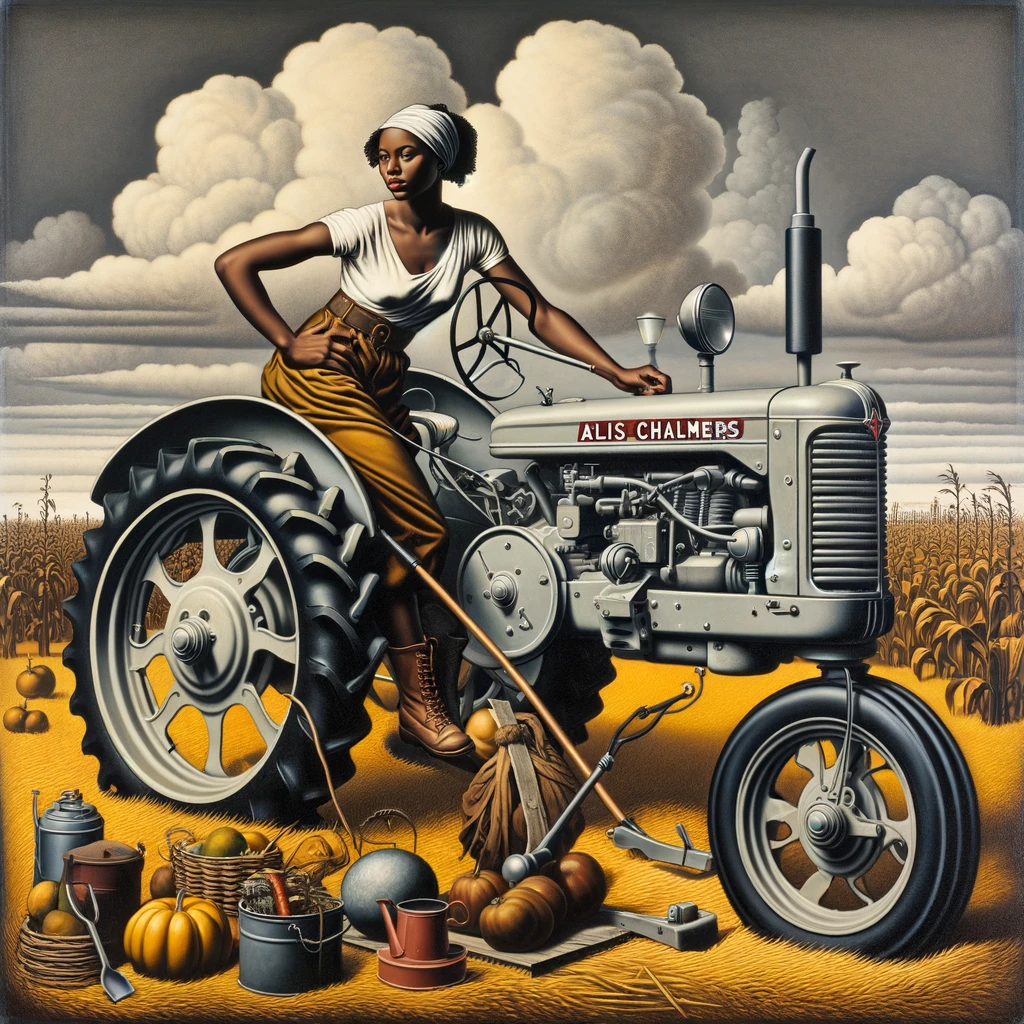
There’s something deeply stirring about the sight of a classic tractor, its paint a little faded but its spirit as vibrant as the day it rolled off the assembly line. These machines aren’t just pieces of machinery; they’re the embodiment of hard work, grit, and the evolving story of our agricultural heritage. As we stand in fields that have nurtured generations, the tractor becomes a bridge connecting the past with the future.
Think about it for a moment. When you picture a farmer, what do you see? Often, it’s the silhouette of a person driving a beloved old tractor, plowing the land, the hum of the engine a soundtrack to their daily grind. That tractor represents not just productivity, but resilience—a steadfast companion through storms, droughts, and a rapidly changing world. These machines are knotted into the very fabric of farming, reminding us that there’s a human touch behind every meal on our tables.
But it’s not just about nostalgia. The stories we inherit from those who’ve come before us are treasures in their own right. Each scratch on the fender, every dent in the hood carries tales of triumph and hardship. We owe it to future generations to keep those stories alive. Classic tractors serve as a visual reminder of the land’s labor, offering lessons in sustainability and stewardship that transcend time. By preserving these mechanical marvels, we also advocate for the values they represent—responsibility, perseverance, and community.
Ethically, it beckons us to consider our role in this ongoing story. As custodians of the land, we must recognize the footprints left by those who dedicated their lives to its care. Keeping these tractors in running condition is more than just tuning an engine; it’s about honoring legacies and ensuring the lessons of the land are not lost.
Socially, the resurgence of classic tractor gatherings and restorations fosters connection. Enthusiasts and farmers alike come together, united by a shared passion, sparking conversations that deepen our understanding of farming’s history. It’s a beautiful dance of community spirit—old timers teaching the young and exchanging wisdom through hands-on experience.
So, let’s cherish these old tractors. They’re not merely relics; they’re vital chapters in the unfolding narrative of agriculture. Preserving them is an act of love for our roots and a promise to nurture the soil for years to come. We can honor the past while sowing hope for the future—one classic tractor at a time.
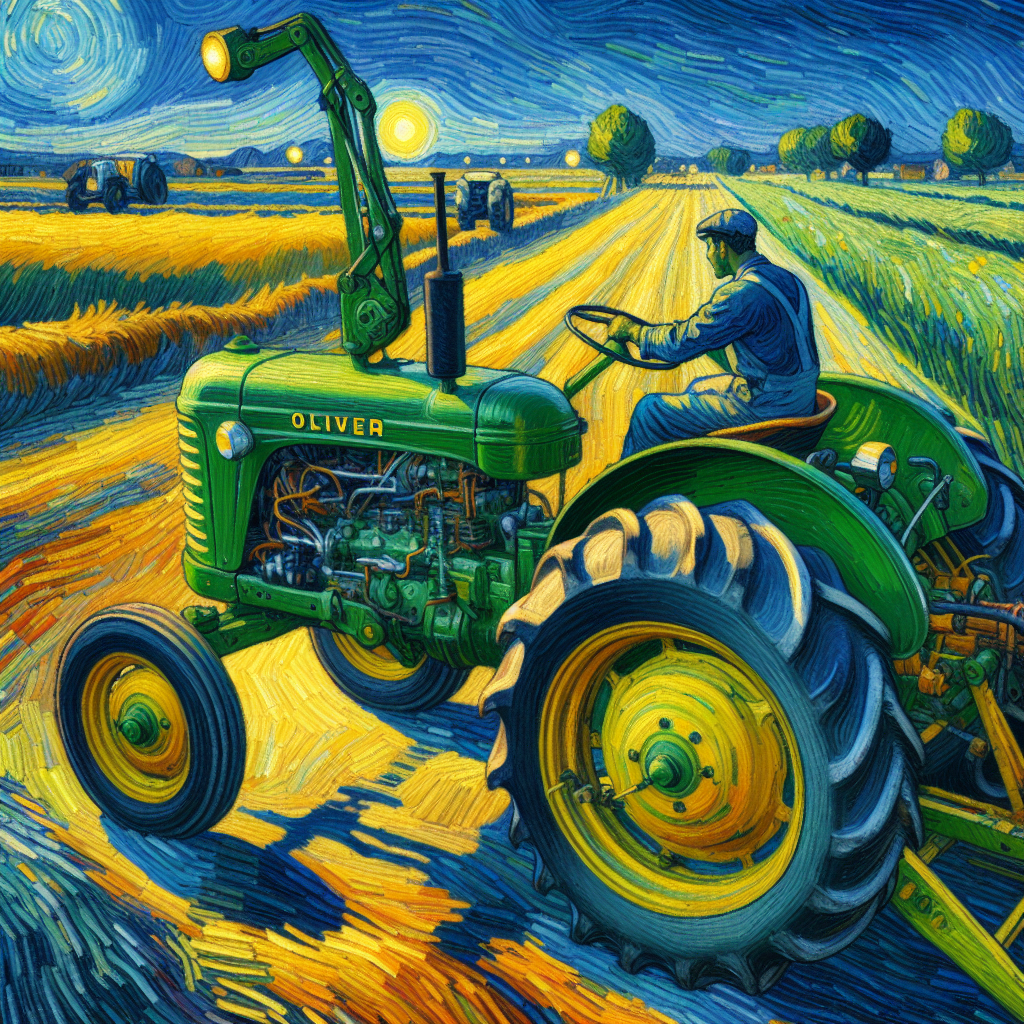
Are Classic Tractors Preserving Our Farming Heritage?
Are Classic Tractors Preserving Our Farming Heritage?
- Classic tractors symbolize hard work, grit, and agricultural heritage.
- They connect the past and future, embodying resilience in farming.
- Each tractor tells stories of triumph and hardship, reminding us of human effort behind our food.
- Preserving classic tractors advocates for values like responsibility, perseverance, and community.
- Maintaining these machines honors the legacies of those who cared for the land.
- Classic tractor gatherings foster community spirit and facilitate the exchange of wisdom.
- Preserving tractors is an act of love for our agricultural roots and future sustainability.
Are Classic Tractors Preserving Our Farming Heritage?
How Do Classic Tractors Affect Farm Efficiency?
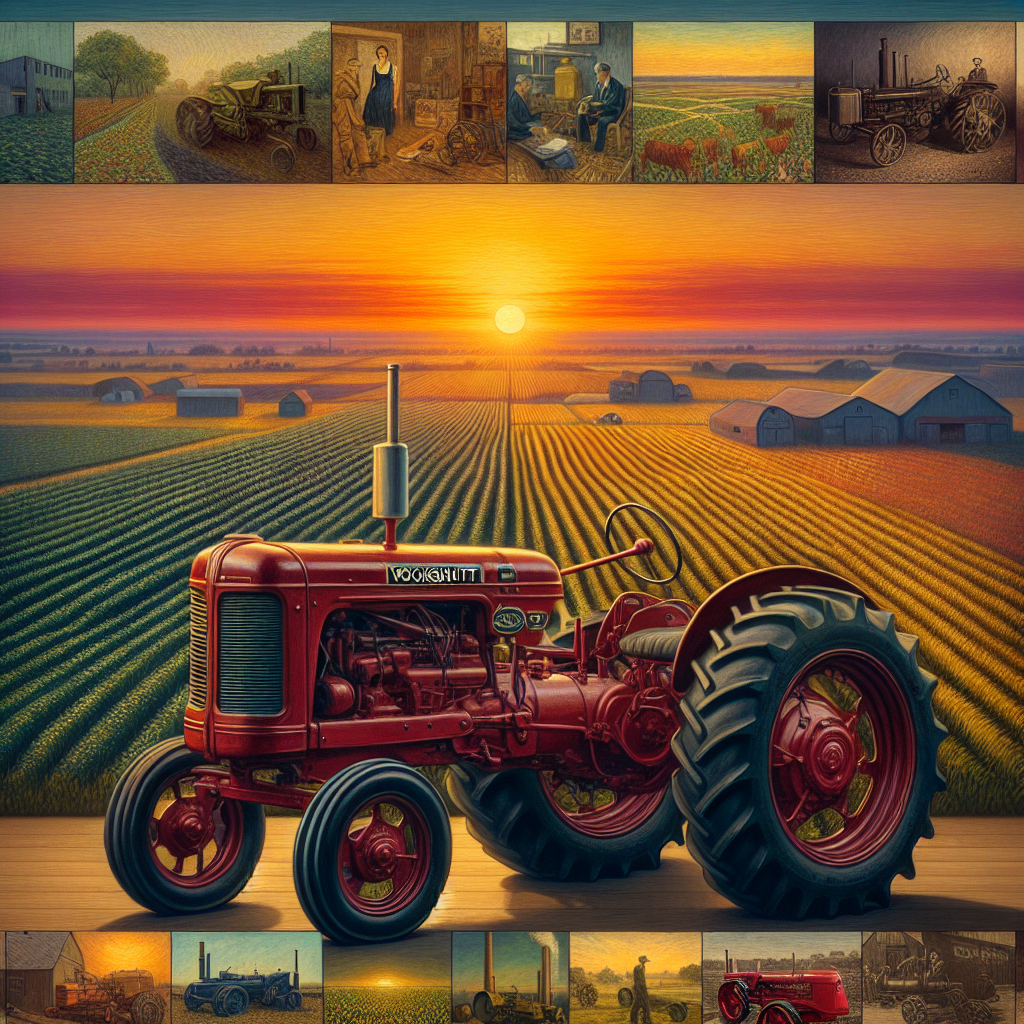
Picture this: A bright morning on a sprawling farm, the sun’s rays catching the dewy blades of grass as a classic tractor approaches, its engine rumbling with a heartwarming familiarity. It’s not just any machine; it’s a piece of history, a testament to the hard work and innovation of those who came before us. This isn’t just about horsepower; it’s about endurance, commitment, and a way of life that has driven America’s agricultural heart for generations.
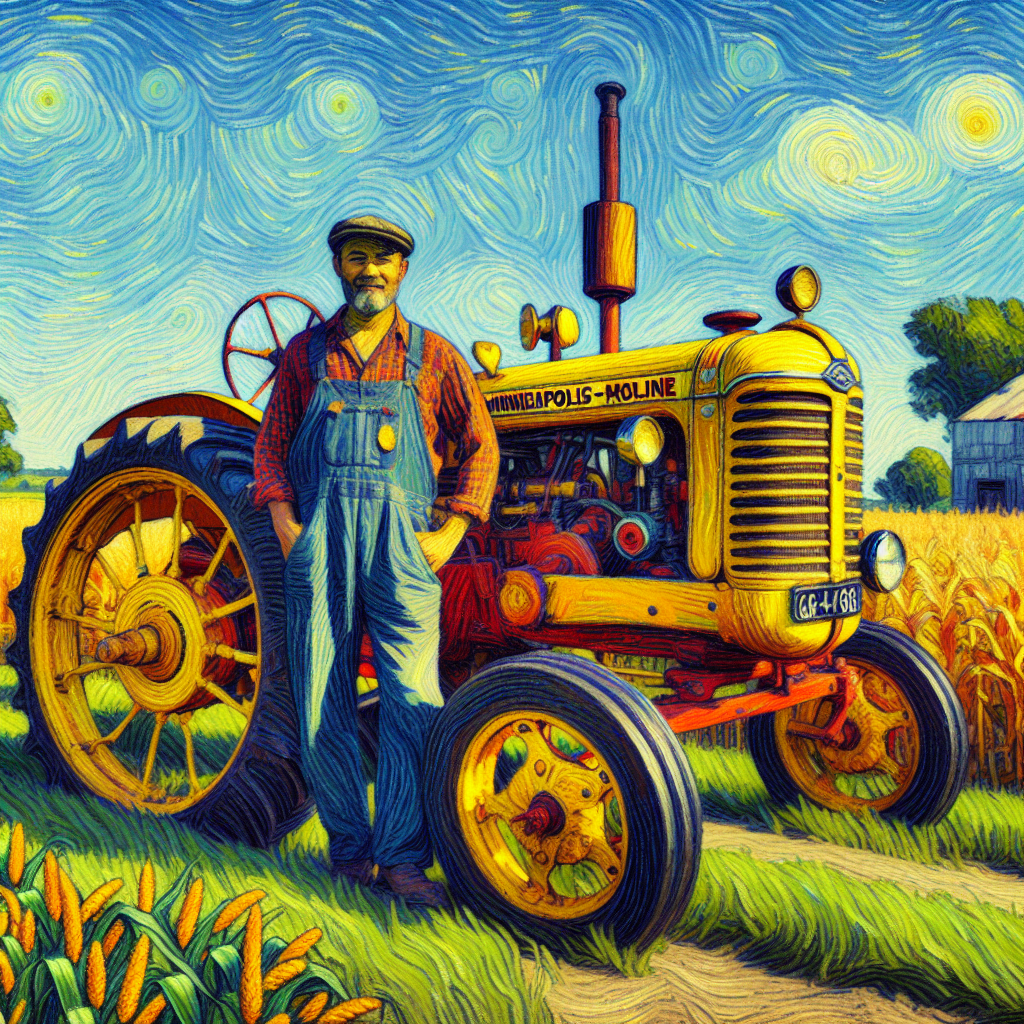
Classic tractors have an unparalleled charm, but their impact on farm efficiency runs deeper than mere nostalgia. When you hop onto the seat of a well-maintained vintage tractor, you’re not just operating a machine; you’re connecting with a legacy of reliable design and craftsmanship that modern equipment sometimes can’t match. These workhorses might lack the high-tech features of cutting-edge models, but many farmers will argue that their simplicity is what makes them so dependable. In an age marked by rapid change and complexities, the straightforward mechanics of these classic tractors can lead to fewer breakdowns and less time spent in the repair shop.
But let’s think about this from a practical standpoint. A farmer using classic equipment often finds a familiar rhythm on their land. The torque is there, just like that unbreakable bond between a farmer and their field. With less time spent on troubleshooting advanced technology, farmers can focus on what truly matters—nurturing their crops and building relationships within their community.
Ethically, using classic tractors aligns with a sustainable mindset. Many of these machines were designed to last decades, reducing the cycle of production and waste that often comes with newer models. For the environmentally conscious farmer, embracing these old-school machines isn’t just practical; it’s a responsible choice that honors the land and its resources.
Moreover, when you see a classic tractor puttering along the rows, it’s more than just machinery; it’s a conversation starter and a symbol of pride. Neighbors bond over tales of harvests past and share tips on keeping these beloved beasts of burden running. The classic tractor serves as a bridge within the farming community, fostering a sense of unity and belonging.
In an era of constant change, classic tractors remind us of the enduring values of hard work, craftsmanship, and connection. So, the next time you spot that vintage beauty in the field, remember: it’s not just a vehicle; it’s a legacy of efficiency, heart, and connection, driving us forward, one furrow at a time.
How Do Classic Tractors Affect Farm Efficiency?
How Do Classic Tractors Affect Farm Efficiency?
- The scene portrays a classic tractor on a farm, symbolizing history and agricultural heritage.
- Classic tractors blend charm with practical benefits, enhancing farm efficiency through reliable design.
- These machines offer simplicity and fewer breakdowns compared to modern equipment, minimizing repair time.
- Using classic tractors fosters a familiar rhythm for farmers, allowing them to focus on crops and community relationships.
- Classic tractors promote sustainability by lasting decades and reducing production cycles and waste.
- They serve as conversation starters and symbols of pride, fostering community bonds among farmers.
- Ultimately, classic tractors embody hard work, craftsmanship, and connection in a rapidly changing world.
How Do Classic Tractors Affect Farm Efficiency?
What Are The Environmental Benefits Of Classic Tractors?
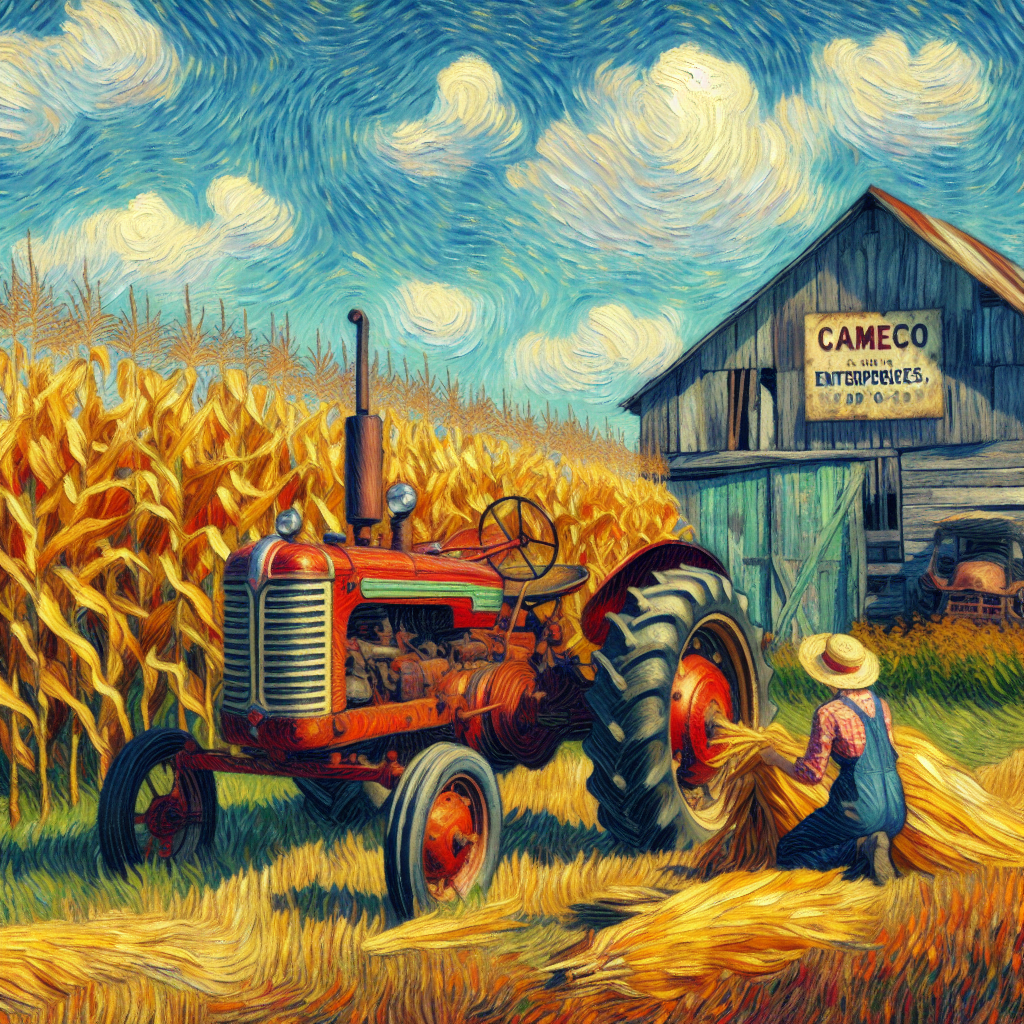
When you think about tractors, what comes to mind? The power? The ruggedness? Sure, a tractor has always been seen as a workhorse on the farm, but classic tractors bring with them an environmental harmony that modern machines often overlook. These vintage marvels aren’t just relics of the past; they’re beacons of a sustainable future that resonates with our spirit.
At first glance, it’s easy to dismiss these older machines as outdated or impractical. But every time that engine purrs to life, it signals a connection back to simpler farming practices that prioritized the land and the community over mere profits. Classic tractors often boast lower emissions than their newer counterparts. Yes, you heard that right. While the latest models might come with shiny technology, many classic tractors were built to last without relying heavily on electronics and synthetic components. They embody the principle that less can be more, showing us that efficiency doesn’t have to come from the newest tech—sometimes, it comes from embracing a time-tested design.
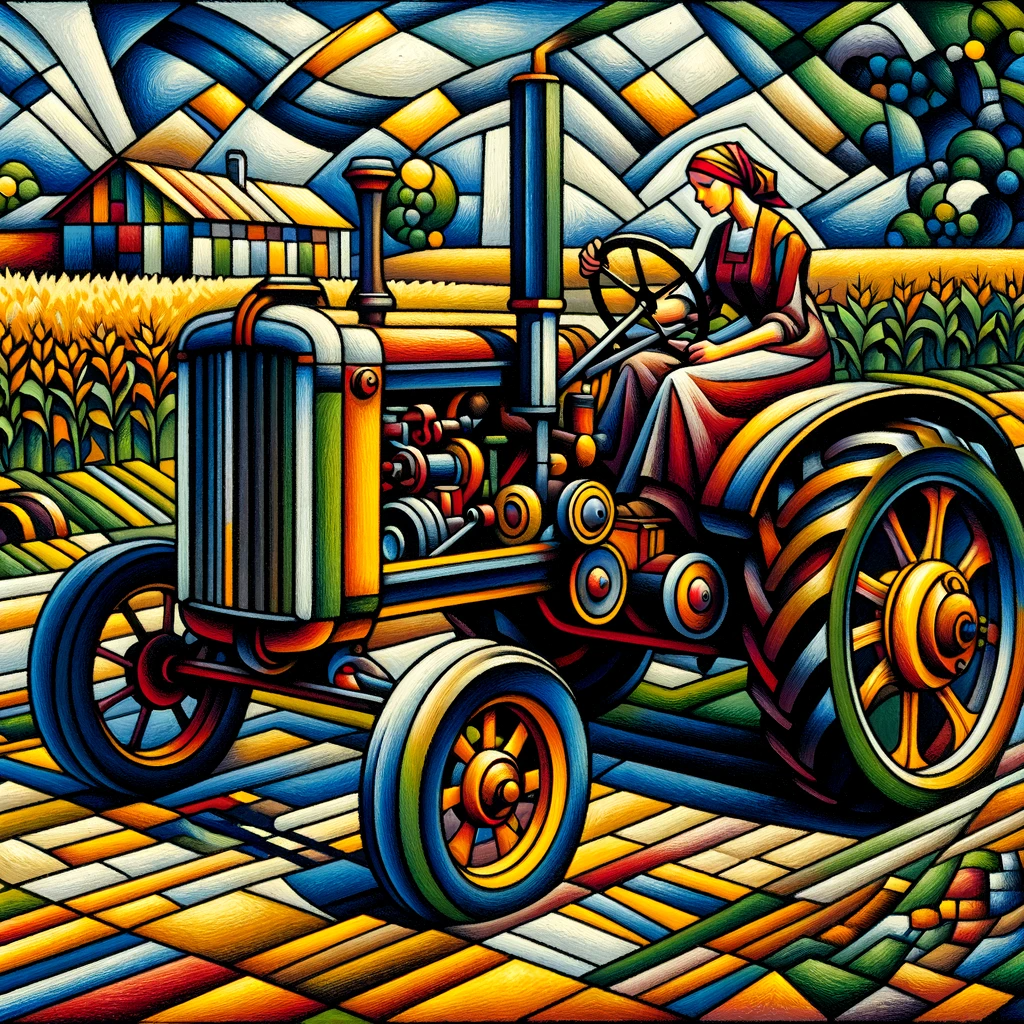
Picture this: You’re in the fields, the sun is rising, casting golden hues across the landscape, and there’s a classic tractor chugging along, quietly tilling the soil. It’s a beautiful sight, isn’t it? This is exactly what we mean when we talk about working in harmony with nature. Classic tractors are often better suited for sustainable practices like crop rotation and organic farming. Their versatility means they can be used without depleting soil health, fostering an ecosystem that’s not just productive but also viable for generations to come.
And let’s get real for a moment. Choosing to work with classic tractors is not just a nod to nostalgia. It’s a statement about being responsible stewards of the land. By championing these machines, you’re part of a movement that values tradition while also addressing modern environmental challenges. You’re alleviating anxiety about agricultural practices that often over-rely on chemical inputs and mechanization driven by profit motives. You’re standing with a community that believes that good stewardship of our land leads to healthier produce and sustainable landscapes.
As we face increasing environmental challenges, remembering the roots of responsible farming—and the principles embedded in classic tractors—just might lead us toward a balance that supports our planet instead of exploiting it. Let’s put our hands in the dirt and drive forward the environmental movement that these classic machines represent. Embrace the journey; it’s a ride worth taking.
What Are The Environmental Benefits Of Classic Tractors?
What Are The Environmental Benefits Of Classic Tractors?
- Classic tractors represent a sustainable approach to farming, contrasting with modern machinery.
- These vintage machines prioritize the land and community over profit, reflecting simpler farming practices.
- Many classic tractors have lower emissions compared to newer models, promoting environmental harmony.
- They embody the principle that efficiency can come from time-tested designs rather than new technology.
- Classic tractors support sustainable practices like crop rotation and organic farming, preserving soil health.
- Using classic tractors is a commitment to responsible land stewardship and healthier agricultural practices.
- Embracing these machines can lead towards a sustainable balance, supporting the planet amidst environmental challenges.
What Are The Environmental Benefits Of Classic Tractors?
Can Classic Tractors Improve Soil Health On Small Farms?
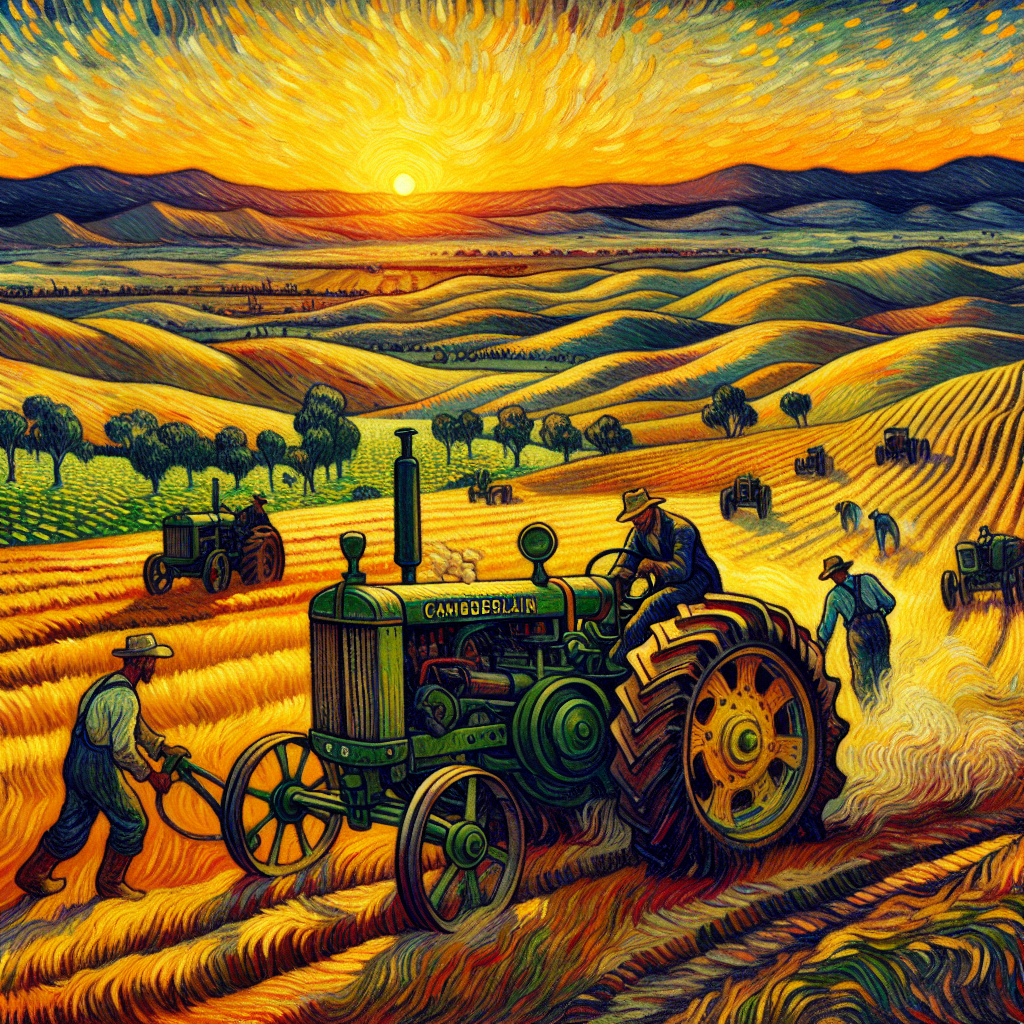
Picture a warm, sun-drenched morning on a small farm, the scent of freshly tilled earth wafting through the air as a trusty tractor hums in the background. It’s not just any tractor; it’s a classic model, perhaps a vintage Ford or a charming Allis-Chalmers, that has stood the test of time. This old workhorse is more than just machinery; it’s a legacy of resilience and hard-earned knowledge, embodying the spirit of farming itself.
The Heart of the Matter
Think of the generations who have relied on such tractors to shape their land. These machines carry stories of farmers who produced food for their communities, preserving traditions passed down like heirloom seeds. Using classic tractors isn’t merely about nostalgia; it’s about connection—connecting ourselves to our roots, to the soil we nurture, and to the rich history of agriculture that has defined our landscapes.
Rational Relevance
Now, let’s get to the science. Soil health is paramount for sustainable agriculture. A classic tractor can play a pivotal role in this endeavor by deploying techniques that promote biodiversity, such as reduced tillage and cover cropping. With the right attachments and implements, classic tractors can aerate, mix, and condition the soil without the destructive intensity of modern, larger machinery. By investing time and care into caring for your land, you’re not just improving yields; you’re establishing a balance that nurtures diverse ecosystems. Think about it: the earth’s health is inextricably tied to our own.
Ethical Considerations
Choosing to use classic equipment speaks to a commitment to sustainability. We’ve all heard the statistics about the dwindling health of our soil, but seeing is believing. Farmers who invest in their fields with the thoughtful application of age-old practices are fostering stewardship, respecting the land, and ensuring that future generations inherit a vibrant, productive environment.
A Call to Action
So, let’s create a wave of change. Talk to your neighbors, take a hard look at your own practices, and perhaps find a classic tractor that speaks to you. It might just be the catalyst you need to breathe new life into your land. Use the appeal of community, tradition, and sustainable farming to inspire others. Let’s put those old tractors back to work—not just in the fields, but in the hearts and minds of those who cultivate our world. After all, when we care for our soil, we cultivate something far more profound: a legacy that enriches us all.
Can Classic Tractors Improve Soil Health On Small Farms?
Can Classic Tractors Improve Soil Health On Small Farms?
- A warm morning on a small farm evokes the charm of vintage tractors like Ford and Allis-Chalmers.
- Classic tractors symbolize resilience, hard-earned knowledge, and the spirit of farming.
- Generations of farmers have relied on these tractors to produce food and preserve agricultural traditions.
- Classic tractors promote soil health through sustainable practices like reduced tillage and cover cropping.
- Investing time in land care with classic tractors enhances biodiversity and ecosystem balance.
- Using traditional equipment demonstrates commitment to sustainability and land stewardship for future generations.
- An appeal for farmers to adopt classic tractors can inspire community engagement and sustainable farming.
Can Classic Tractors Improve Soil Health On Small Farms?
Do Classic Tractors Foster A Sense Of Community Among Farmers?
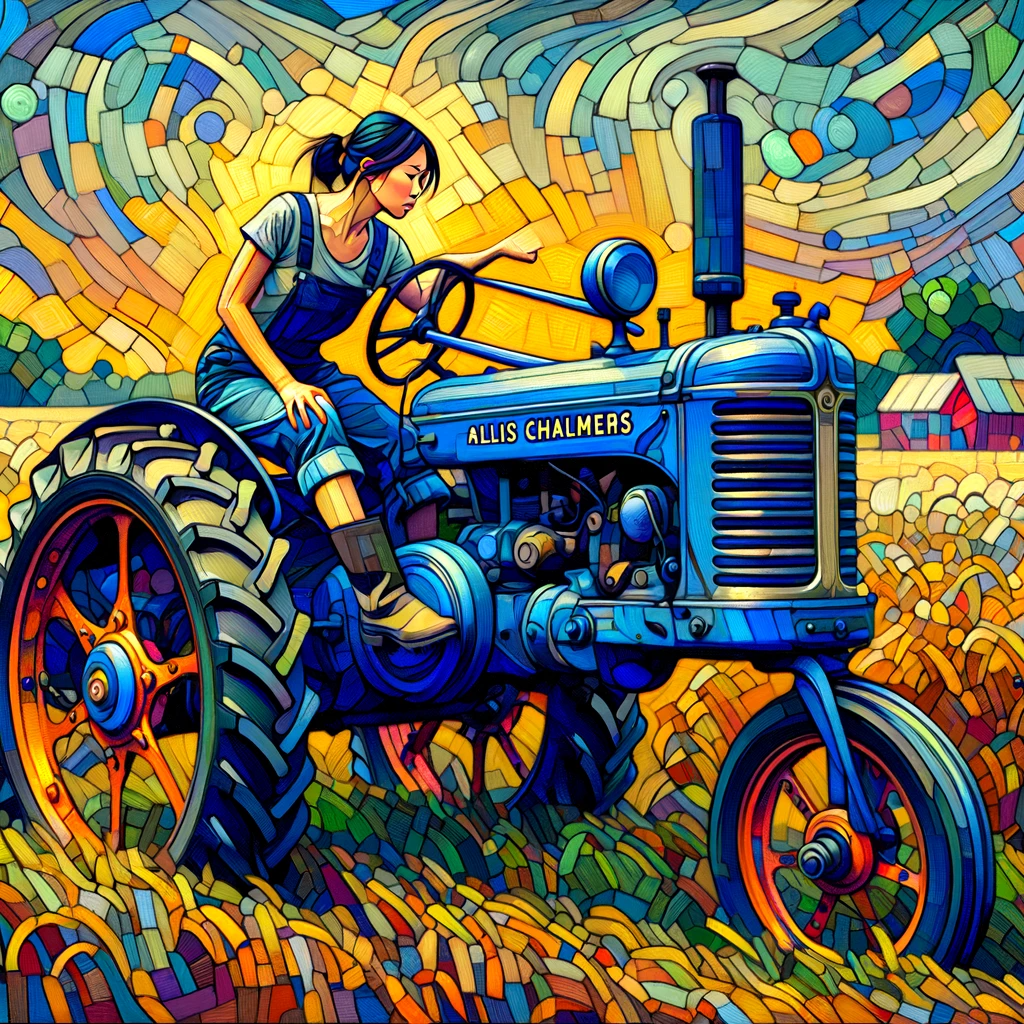
In the heart of rural America, where wide-open fields stretch beyond the horizon and the rhythm of life is dictated by the seasons, there exists a unique bond forged through the hum of an engine and the warm glow of nostalgia. Classic tractors, those rugged symbols of agricultural heritage, are more than just machines; they are a testament to hard work, perseverance, and community spirit.
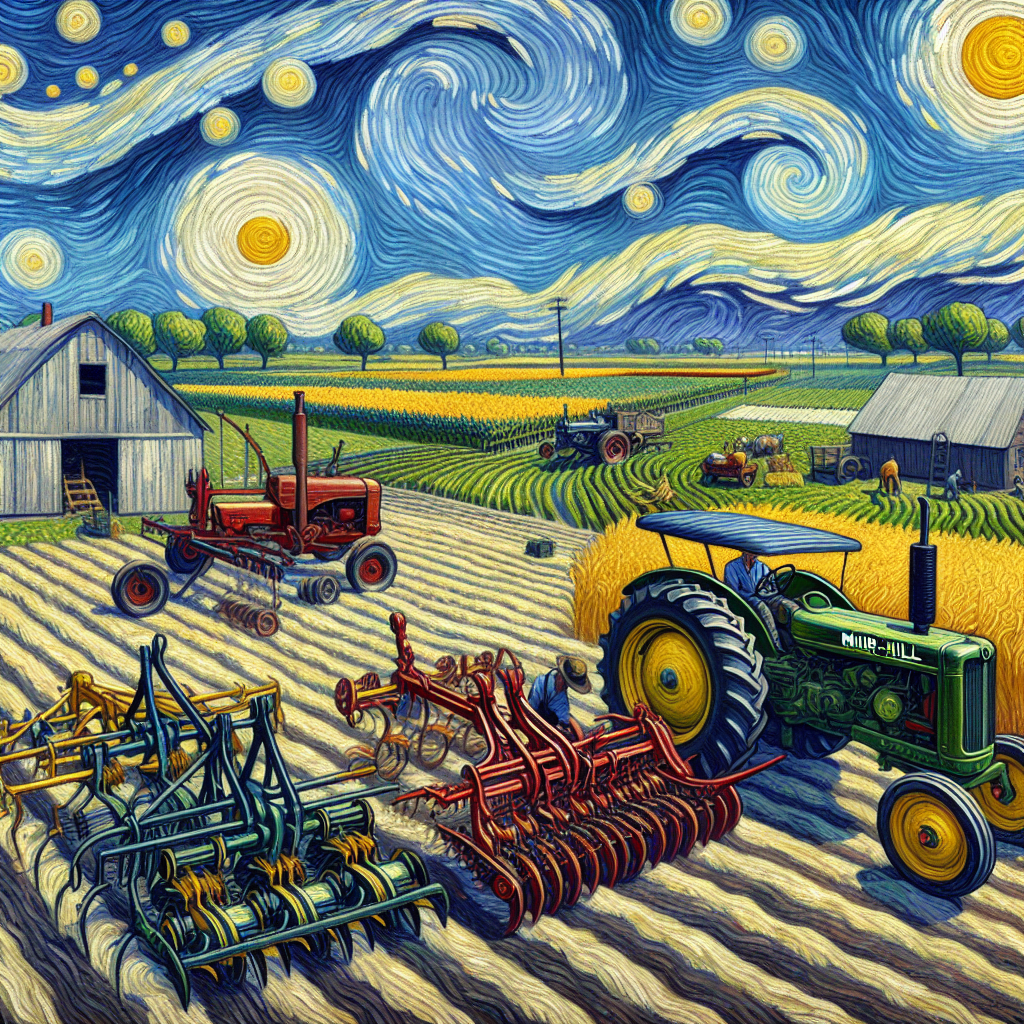
Imagine an old tractor,its once-bright paint now worn but still proud, rumbling down a dirt road, its engine singing a familiar tune. Farmers gather at local fairs or during harvest season, their laughter mingling with the engine’s roar. When they see a classic tractor, they don’t just see metal and gears; they see stories shared over barnyard fences and days spent plowing fields under a brilliant blue sky. This shared experience fosters a community, where each farmer knows not just the backstory of their own life, but the lives of those around them.
When we talk about a classic tractor, we must consider the values it represents—tradition, craftsmanship, and resilience. These machines often serve as a bridge connecting generations. Older farmers pass down the care of their cherished tractors to their children, instilling in them the same respect for the land and hard work that shaped their own lives. This legacy isn’t just about farming; it’s about creating a sense of belonging. The yardsticks of success in agriculture often measure miles rather than dollar signs; the most valuable currency is the relationships built along the way.
Now, let’s get practical: classic tractors can evoke pride and foster cooperation among farmers. When a neighbor’s engine sputters, others are quick to lend a hand, often rallying around a common love for these machines. The act of repairing a tractor with another farmer strengthens bonds and cultivates a spirit of camaraderie and mutual aid.
Ethically, owning and operating these tractors continues the narrative of sustainability and responsibility. It represents a commitment to farming practices that respect both people and the planet. Classic tractors, with their low emissions and robust build, honor traditions while ensuring a future that’s worth nurturing.
So, the next time you see a classic tractor parked proudly in a field, remember: it’s more than just a way to get from point A to point B. It’s a life lesson in community, resilience, and pride, reminding us that in this vast landscape of agrarian life, we are indeed better together.
Do Classic Tractors Foster A Sense Of Community Among Farmers?
Do Classic Tractors Foster A Sense Of Community Among Farmers?
- Classic tractors symbolize agricultural heritage, hard work, and community spirit in rural America.
- Farmers share stories and experiences tied to these machines at local fairs and during harvest season.
- Classic tractors represent values of tradition, craftsmanship, and resilience, bridging generations.
- Older farmers pass down the care of their tractors, teaching respect for the land and work ethic.
- The shared experience of owning tractors fosters cooperation and camaraderie among farmers.
- Owning classic tractors promotes sustainable farming practices, demonstrating responsibility to people and the planet.
- Classic tractors remind us of the importance of community, resilience, and pride in agrarian life.
Do Classic Tractors Foster A Sense Of Community Among Farmers?
How Do Classic Tractors Compare In Cost To Modern Machinery?
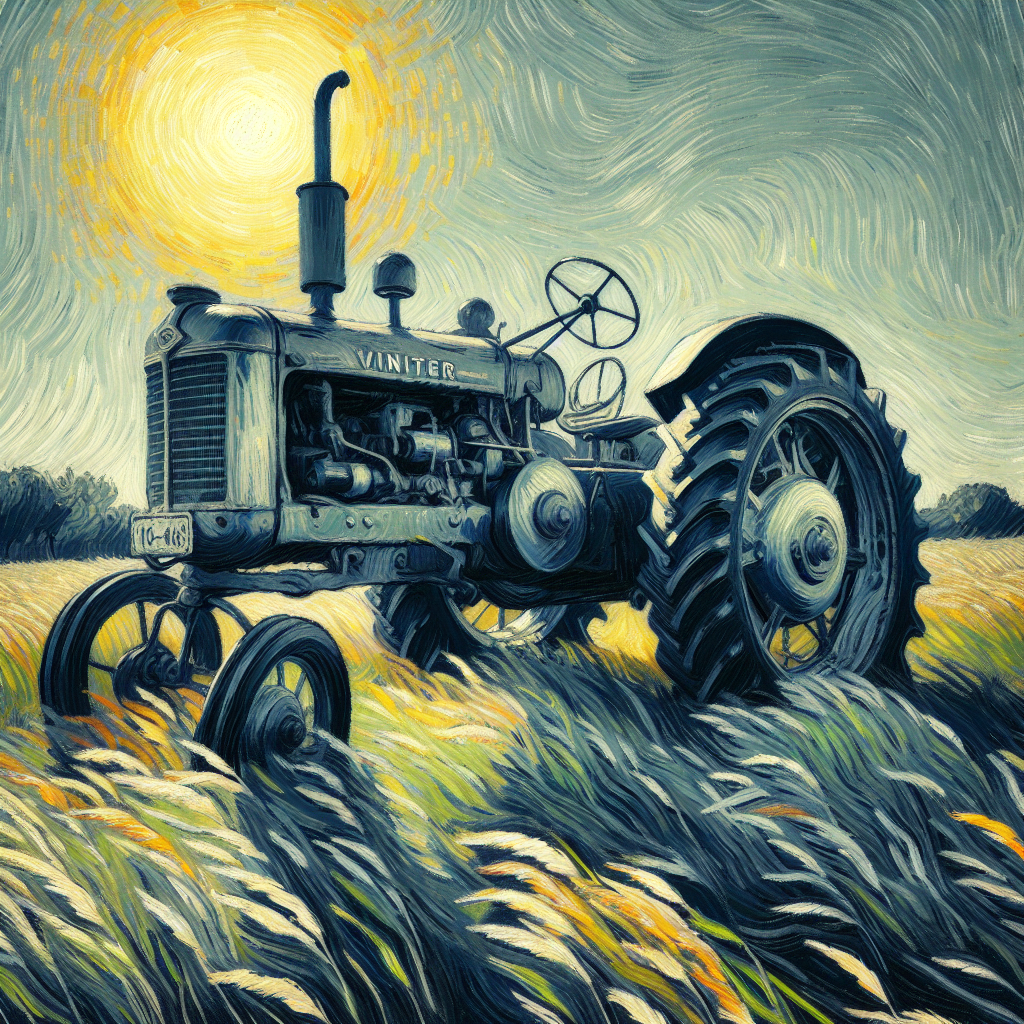
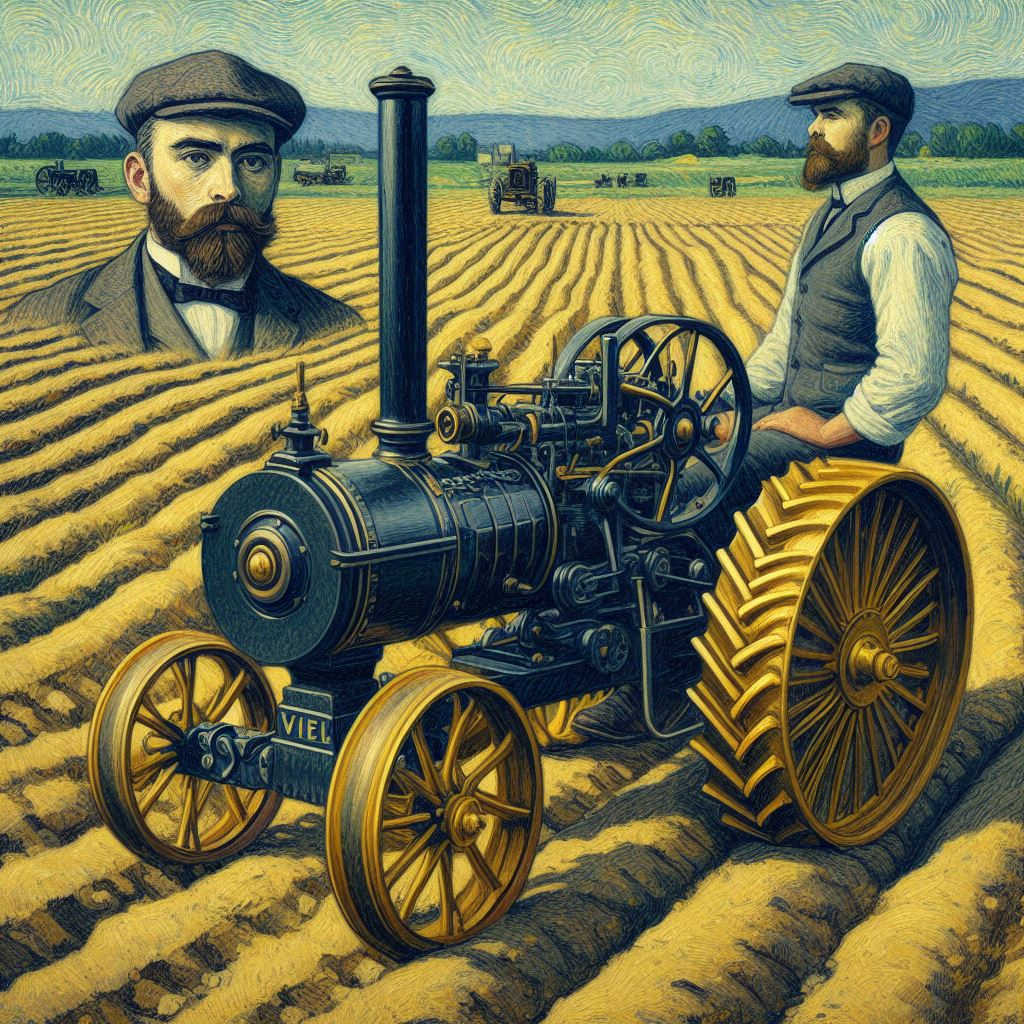
When we think about tractors, we often picture vast fields under the sun, the rhythmic hum of machinery, and the satisfaction of a job well done. Classic tractors, those sturdy workhorses, carry with them a legacy that connects us to our roots and the farmers who tilled the land long before the latest models rolled off the assembly line. But as we ponder how these timeless machines compare in cost to modern machinery, it’s essential to consider not just the numbers, but the stories they tell and the feelings they evoke.
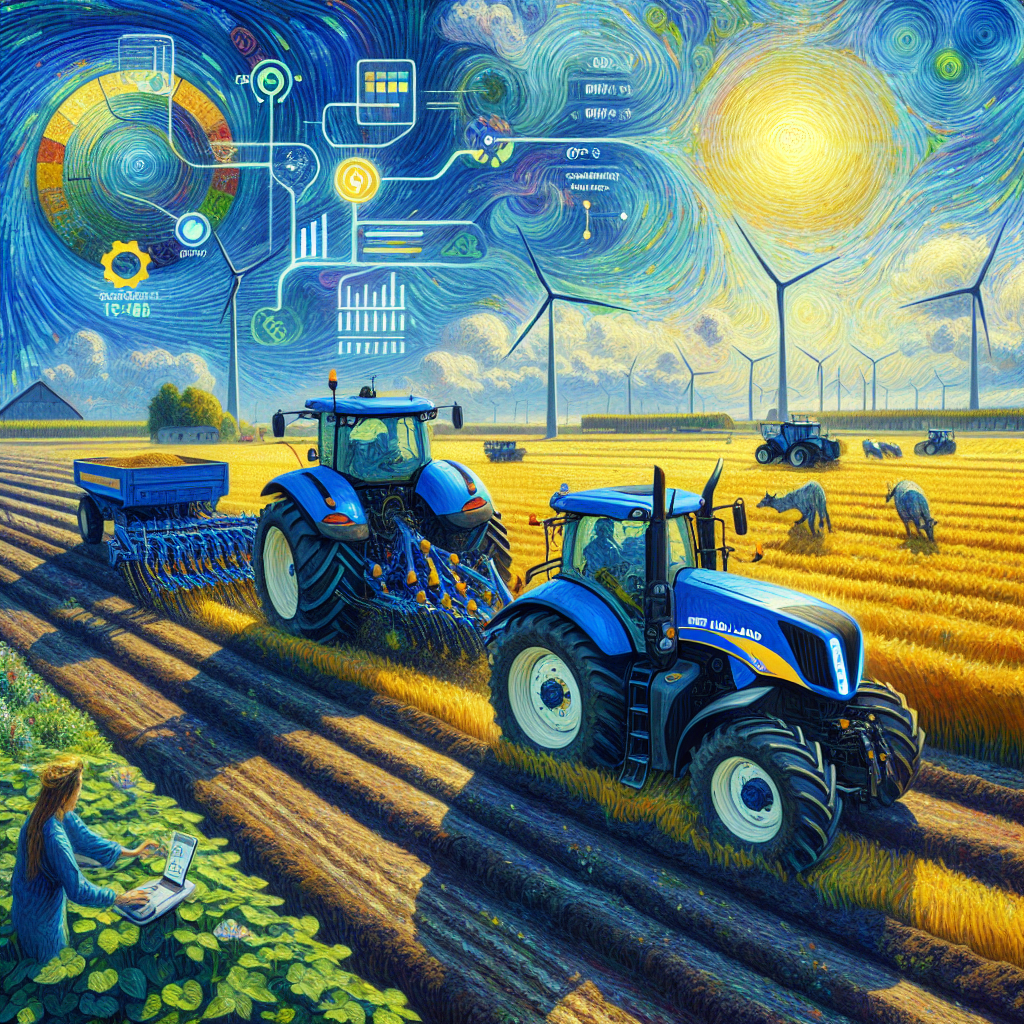
At first glance, the price tag of modern machinery can be jaw-dropping. Purchasing a brand-new tractor often means taking out significant loans and abandoning the old iron that’s served you faithfully. These modern machines come packed with the latest technology—GPS, automated steering, and advanced diagnostics that streamline farming like never before. But let’s pause and reflect. What’s the real cost of that convenience? The soul of farming is in the connection between man and machine. A classic tractor may require a bit more elbow grease and some tinkering, but it can offer a farmer the chance to become intimately acquainted with every bolt and belt, achieving a level of understanding that a touchscreen interface simply can’t replicate.
Now, there’s an ethical dimension to this discussion. Supporting the economy by investing in classic tractors not only keeps a piece of history alive but can also benefit local mechanics, parts suppliers, and small businesses. It’s about investing in your community and fostering relationships that reach beyond the transaction at the dealership. Classic tractors often come at a fraction of the cost of their modern counterparts, making them accessible for those beginning their farming journey or for seasoned veterans who prefer the simplicity of a bygone era.
Let’s not forget the social aspect. Owning a classic tractor often brings people together—farmers sharing tips and tricks, nostalgia triggering stories of days gone by, and local shows celebrating the pride of generations. In a world that often emphasizes speed and efficiency, there’s a profound beauty in the slower pace of restoring and maintaining a classic machine, a satisfying connection tethered to tradition and perseverance.
So, whether you’re drawn to the romance of classic tractors or tempted by the gleam of modern machinery, consider this: the true value lies not just in dollars and cents, but in the heartbeat of farming—the stories, the community, and the resilience of those who dare to work the land.
How Do Classic Tractors Compare In Cost To Modern Machinery?
How Do Classic Tractors Compare In Cost To Modern Machinery?
- Classic tractors embody a legacy that connects us to farming history and tradition.
- Modern machinery offers advanced technology but comes at a high price, often requiring significant loans.
- Classic tractors foster a deeper understanding of farming through hands-on experience with the machinery.
- Investing in classic tractors supports local economies, mechanics, and small businesses.
- Classic tractors are generally more affordable, making them accessible for new and seasoned farmers alike.
- Owning a classic tractor promotes community through shared experiences and nostalgia among farmers.
- The true value of farming lies in stories, community connections, and the heritage of resilience.
How Do Classic Tractors Compare In Cost To Modern Machinery?
Conclusion
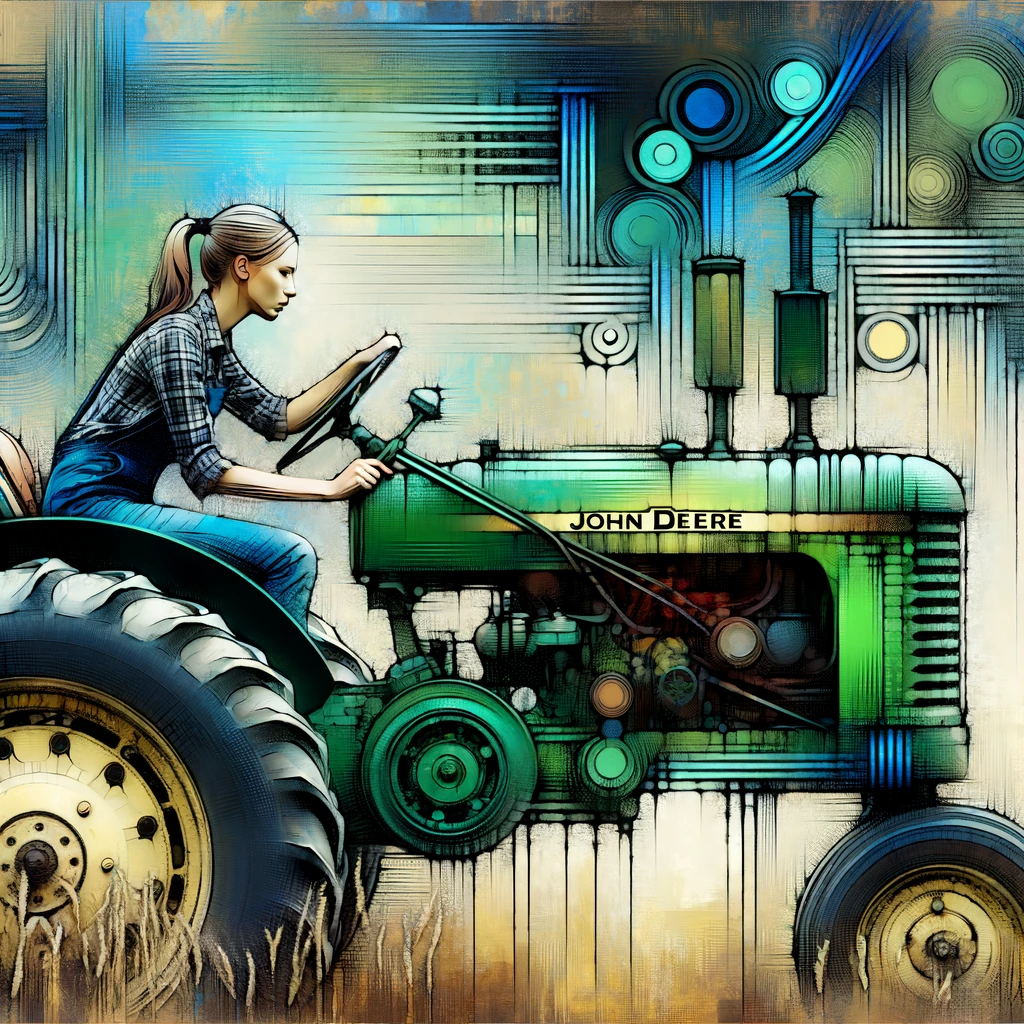
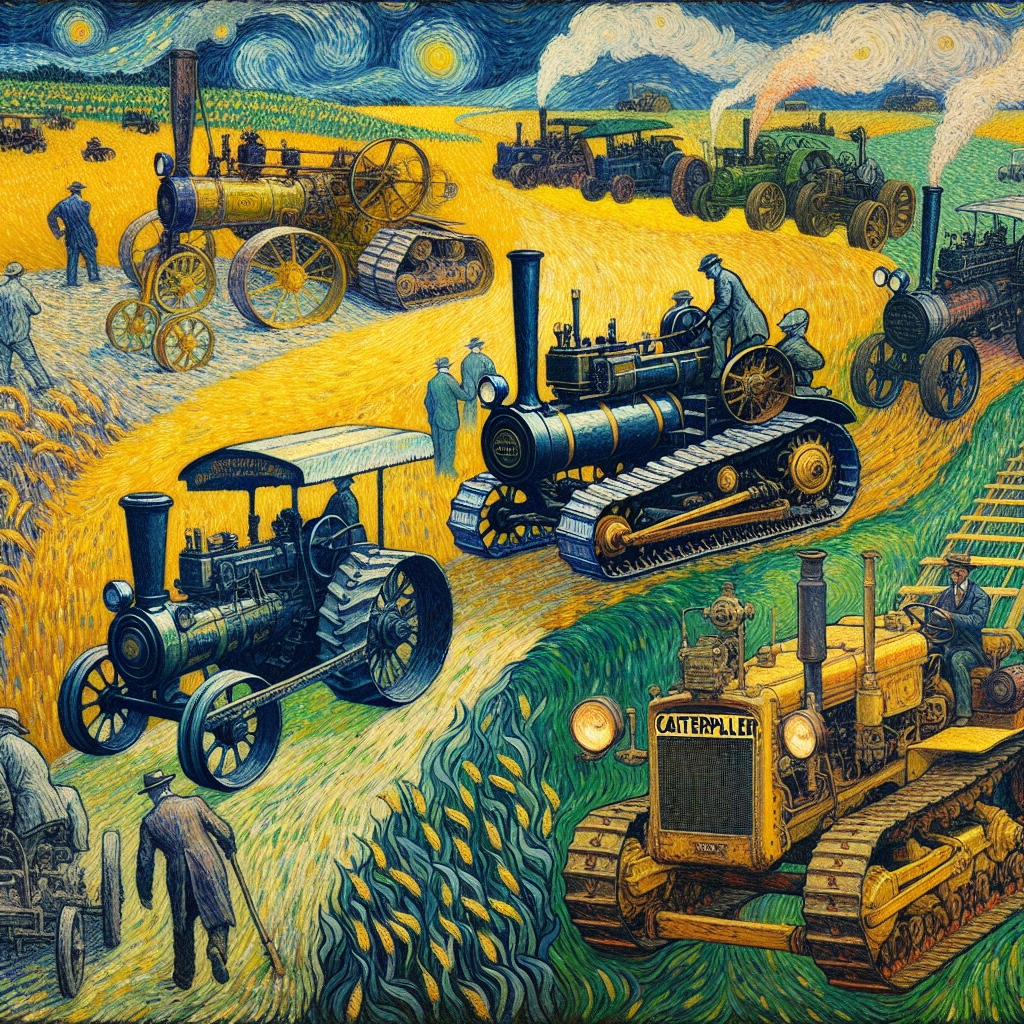
As we wrap up this exploration of classic tractors and their essential role in the revival of small-scale agriculture, it’s crucial to reflect on what these machines represent. In a fast-paced world where modernity often overshadows tradition, classic tractors stand as steadfast symbols of resilience, hard work, and community spirit. They’re not just tools; they are historical bridges, connecting us to the generations of farmers who dedicated their lives to nurturing the land.
Each scratch and dent on a classic tractor tells a story—much like the farmers who have relied on them through thick and thin. This isn’t just nostalgia; it’s a deep-rooted connection to sustainable practices and a commitment to stewardship of our environment. These vintage workhorses often outperform their modern counterparts in terms of durability and ease of repair. When a farmer hops onto the seat of a classic tractor, they’re not just operating machinery—they’re engaging in a timeless bond with their land, working with it rather than against it.
Let’s consider the broader implications. Choosing to invest in classic tractors goes beyond mere functionality; it embodies ethical farming practices that emphasize sustainability and self-sufficiency. In an era where consumerism reigns, dedicating ourselves to preserving and utilizing these machines is a statement about our values—about nurturing our agricultural heritage for future generations.
Moreover, classic tractors foster a sense of community among farmers. Picture gatherings where farmers swap stories, repair techniques, and share advice over the sound of these vintage beasts, creating bonds that go beyond the business of farming. Every encounter around a classic tractor reinforces a collective identity enriched by shared passions and experiences, reminding us that we’re stronger together.
Now, as we stand at the crossroads of agricultural tradition and modernity, let’s not simply dismiss our past. Let’s embrace it, celebrate it, and learn from it. By reviving classic tractors, we’re reviving the very heartbeat of farming—a rhythm built on hard work, resilience, and an unwavering connection to the land. It’s a journey worth pursuing, one that nurtures not just fields, but the communities and stories that make up the tapestry of our agricultural landscape. So, let’s continue to honor our roots and sow seeds of hope for the future, one classic tractor at a time.
Conclusion
Conclusion:
- Classic tractors symbolize resilience, hard work, and community spirit amidst modernity.
- Each scratch and dent on a classic tractor tells a story linked to generations of dedicated farmers.
- These vintage machines often outperform modern tractors in durability and ease of repair.
- Investing in classic tractors promotes sustainable practices and ethical farming.
- Classic tractors help foster a sense of community among farmers through shared experiences.
- Reviving classic tractors honors agricultural heritage and the connection to the land.
- This journey nurtures not just agriculture but the communities surrounding it.
Conclusion
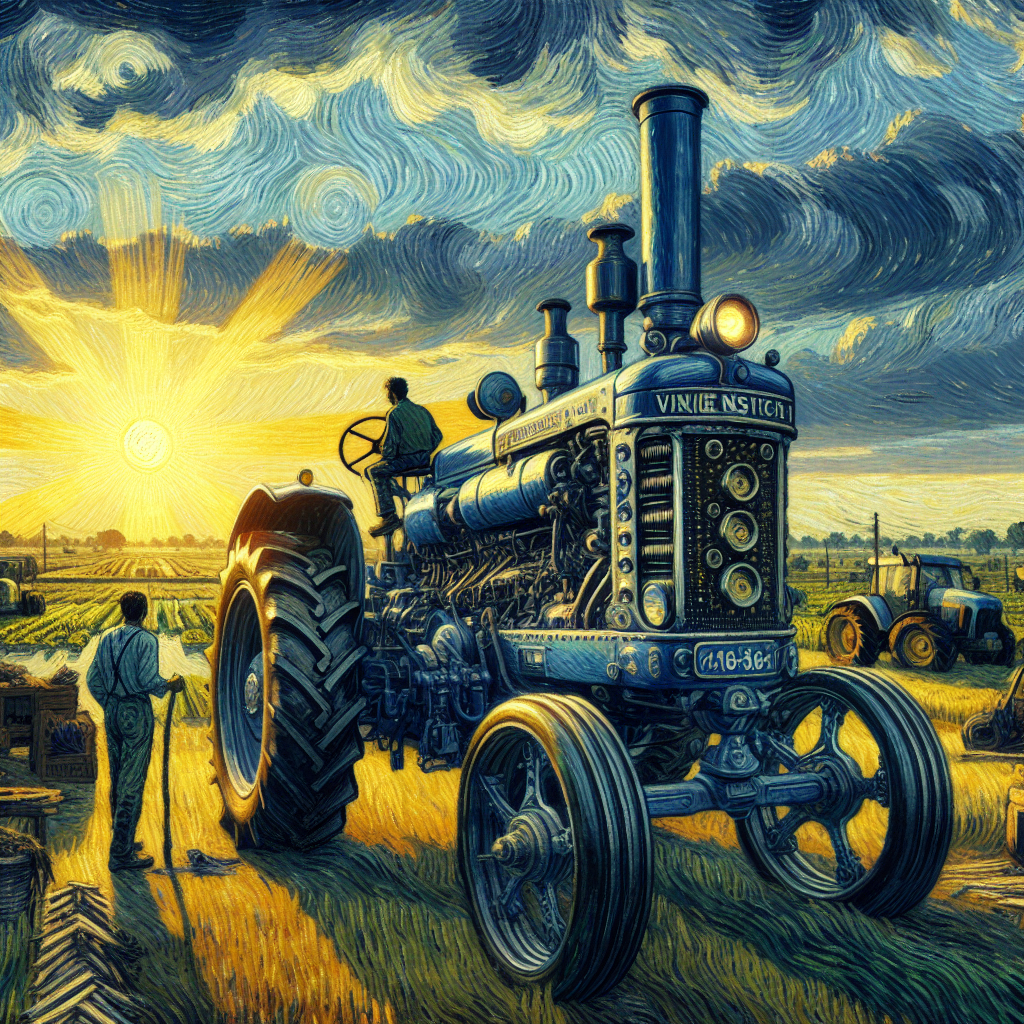
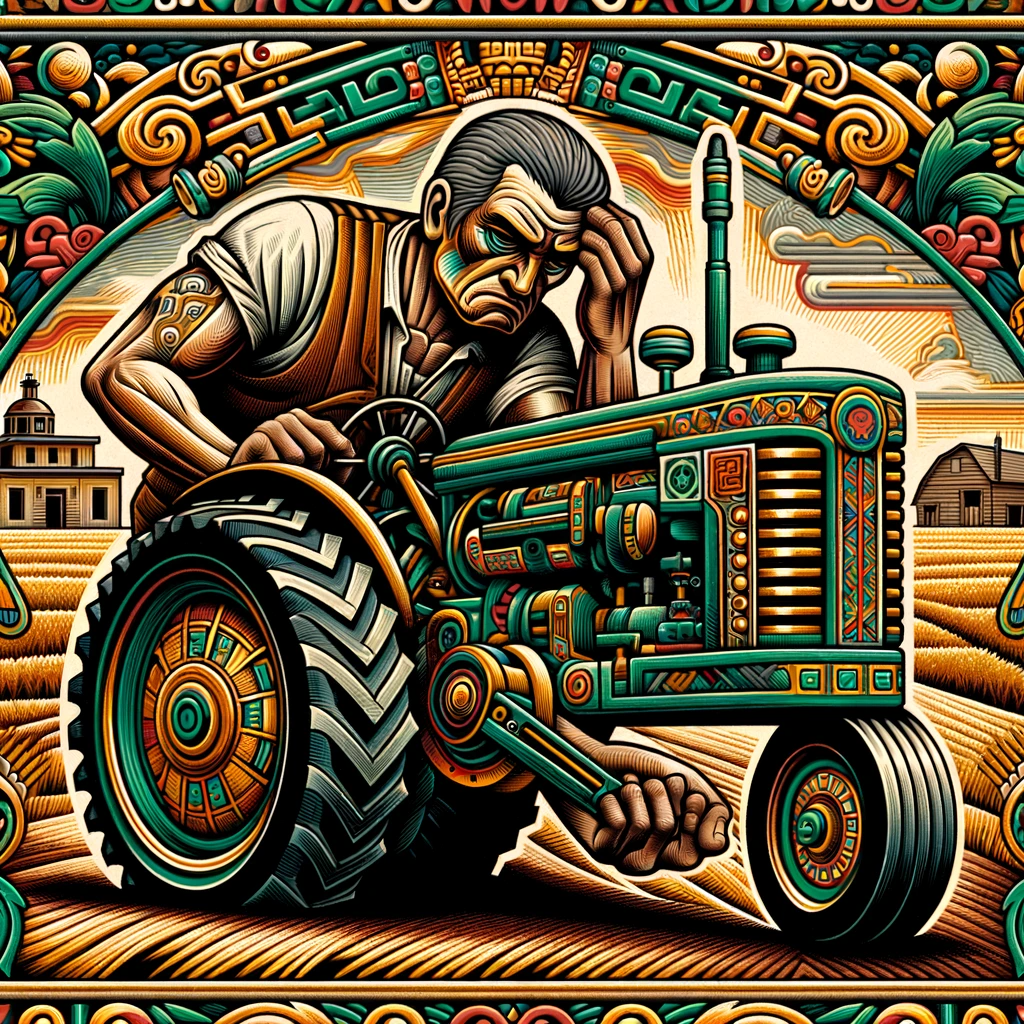
Other Resources
Other Resources
Here is a list of other resources you can review online to learn more:
- Mahindra
- Paquette Farmall Tractor Museum
- Woods & Copeland
- The New England Antique Truck and Tractor Association
- YANMAR
- International Harvestor
- Keystone Tractor Museum
- Wagner
- Unitrak
- Arma Trac Tractors
Use This Prompt To Get More Resources With Your Favorite Online AI Tool: Please provide me with a list of online articles with their URLs in a bulleted list that I can read regarding Are Classic Tractors The Key to Thriving Small Farms
Other Resources
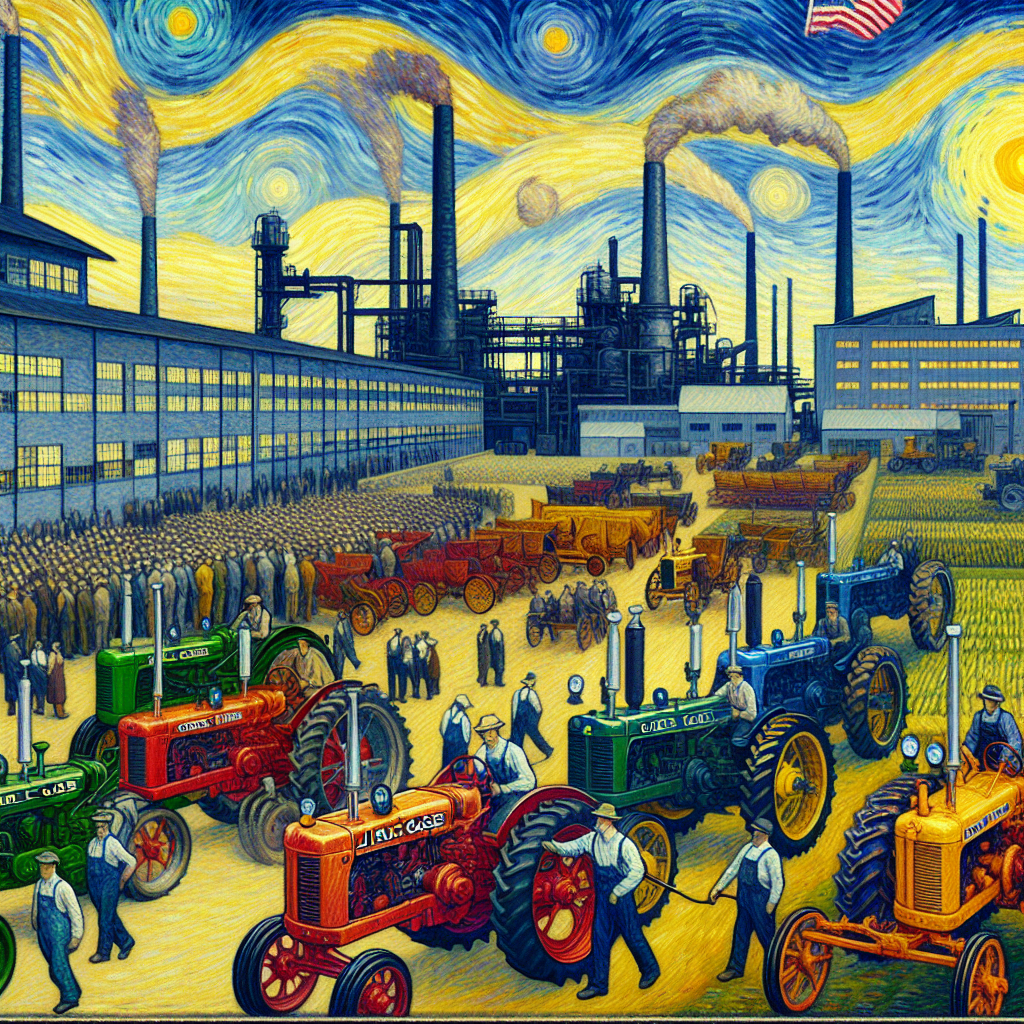
Glossary Terms
Are Classic Tractors The Key to Thriving Small Farms – Glossary Of Terms
1. Classic Tractor: A vintage or historically significant tractor, typically manufactured before the 1980s, often valued for its durability and simplicity.
2. Small Farm: A farming operation that typically spans 50 acres or less, focusing on sustainable practices, local markets, and diversified crops.
3. Sustainability: Agricultural practices that maintain the ecological balance and enhance soil health, ensuring long-term productivity without depleting resources.
4. Restoration: The process of repairing and refurbishing classic tractors to return them to working condition, often preserving historical aspects.
5. Crop Rotation: A farming practice where different types of crops are planted in the same area across seasons to improve soil health and reduce pests.
6. Heritage Farming: Farming methods that prioritize traditional techniques, heirloom varieties, and respecting historical practices.
7. Agroecology: A holistic approach to farming that integrates ecological principles into agricultural production, promoting biodiversity and resilience.
8. Mechanization: The use of machinery, like tractors, to perform agricultural tasks, increasing efficiency and reducing labor costs.
9. Soil Health: The overall condition of soil, including its biological, chemical, and physical properties, which impacts crop yield and sustainability.
10. Local Food Systems: Food production and distribution networks that prioritize local produce, benefiting community economies and reducing carbon footprints.
11. Tractor Implements: Tools and attachments used with tractors, such as plows, seeders, and cultivators, enhancing their functionality for various farming tasks.
12. Organic Farming: A method of farming that avoids synthetic fertilizers and pesticides, using natural inputs to promote healthy ecosystems.
13. Biodiversity: The variety of life within a given ecosystem, including different species of plants, animals, and microorganisms that support ecological balance.
14. Community Supported Agriculture (CSA): A model of food production and distribution that allows consumers to buy shares of a farm’s harvest in advance.
15. Farm-to-Table: A movement promoting the direct supply of food from local farms to consumers, enhancing freshness and supporting local economies.
16. Soil Conservation: Practices aimed at preventing soil erosion and degradation to maintain soil fertility and health.
17. Tractor Collection: The practice of gathering vintage tractors for display, preservation, or personal use, often reflecting a passion for agricultural history.
18. Permaculture: A design philosophy emphasizing sustainable agriculture by mimicking natural ecosystems, promoting efficient use of resources.
19. Seed Saving: The practice of collecting and storing seeds from crops for future planting, fostering genetic diversity and self-sustainability.
20. Farm Efficiency: The optimization of resources and practices to maximize productivity while minimizing waste and input costs.
21. Integrated Pest Management (IPM): An ecological approach to controlling pests that combines biological, cultural, and mechanical methods to reduce reliance on chemicals.
22. Agri-tourism: A sector of tourism that involves visiting agricultural areas to experience farming activities, which can provide supplementary income to small farms.
23. Farming Cooperatives: Organizations formed by farmers to pool resources, share equipment, and market their products collaboratively.
24. Precision Agriculture: The use of technology and data analytics to manage field variability for improved crop management and resource use.
25. Organic Certification: A designation confirming that a farm meets specific standards for organic farming, allowing it to market products as organic.
26. Offset Greenhouse Gas Emissions: Practices that reduce carbon footprints, such as sustainable farming methods, reforestation, and soil carbon sequestration.
27. Soil Fertility: The capacity of soil to provide essential nutrients to plants, critical to ensuring robust crop growth and yield.
28. Community Resilience: The ability of a community to adapt and thrive despite challenges, such as economic hardship or climate change, often bolstered by local food systems.
29. Diversified Farming: A strategy where a farm grows multiple types of crops and raises various livestock, reducing risk and enhancing income stability.
30. Vintage Farming: The appreciation and practice of utilizing traditional farming methods and equipment, focusing on historical techniques and heritage crops.
Glossary Of Terms
Other Questions
Are Classic Tractors The Key to Thriving Small Farms – Other Questions
If you wish to explore and discover more, consider looking for answers to these questions:
- What specific models of classic tractors are best for small farms?
- How can farmers maintain classic tractors to ensure their longevity?
- What are the costs associated with restoring a classic tractor?
- Are there any government incentives for using classic tractors in agriculture?
- How do modern farmers integrate classic tractors with advanced farming techniques?
- What are some success stories of farmers using classic tractors?
- What communities or groups exist for classic tractor enthusiasts?
- What are the best practices for using classic tractors sustainably?
- How do classic tractors perform in comparison to modern tractors in different weather conditions?
- Can classic tractors be adapted for contemporary agricultural practices?
Other Questions
Haiku
Are Classic Tractors The Key to Thriving Small Farms – A Haiku
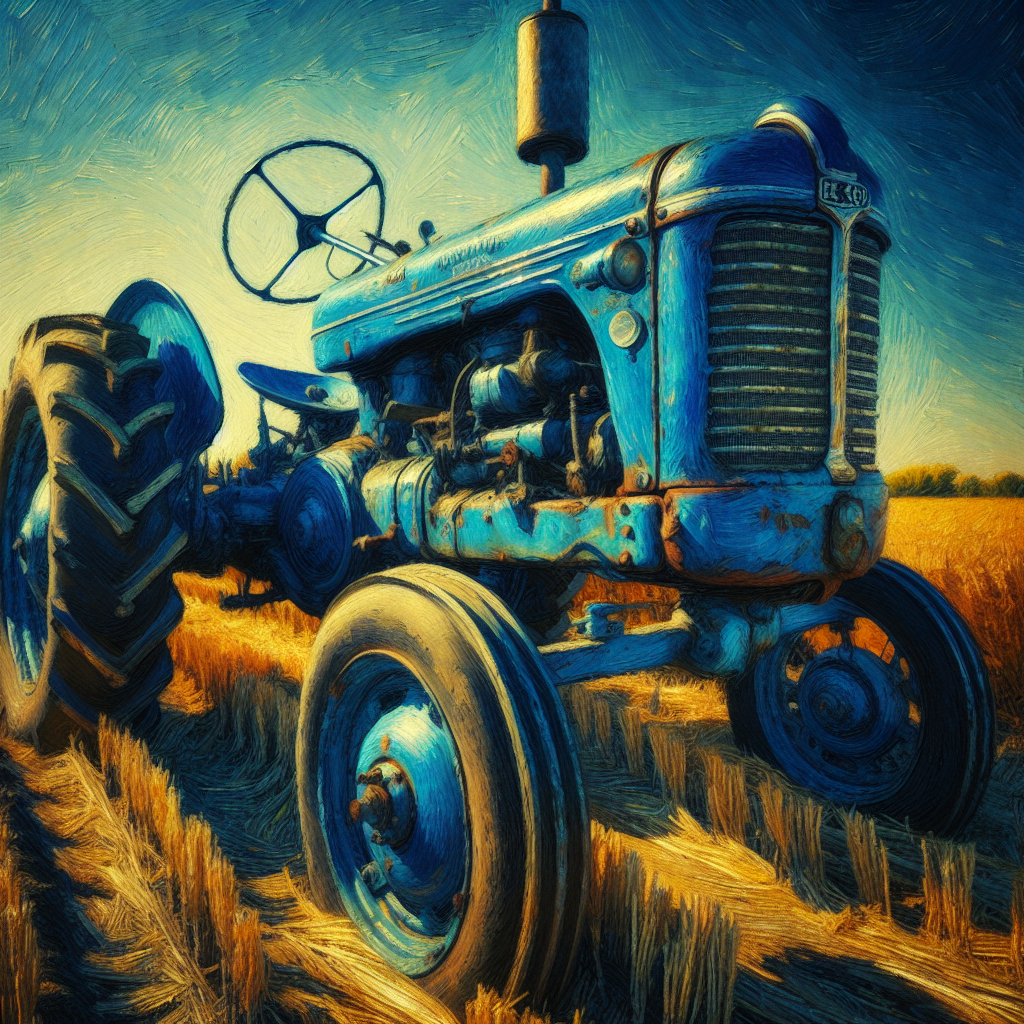
Old iron chugs along,
Stories woven in the soil—
Roots of hope endure.
Haiku
Poem
Are Classic Tractors The Key to Thriving Small Farms – A Poem
A Heartfelt Ode to Classic Tractors
In fields where time whispers the tales of old,
Stands a classic tractor, steadfast and bold.
Its paint, though faded, tells stories anew,
Of farmers whose hands shaped the soil we pursue.
Through storms and droughts, with grit it has plowed,
A connection to roots that makes farmers proud.
Not just a machine with a rumble and roar,
But a heartbeat of life, a community core.
Oh, how it hums on a sun-dappled morn,
Echoing laughter where neighborly bonds are born.
Each scratch and dent a testament fair,
To resilience and toil, the love we all share.
With simple mechanics, it patiently leads,
Through cycles and seasons, it nurtures our needs.
In a world of quick fixes, it teaches us grace,
Sustainability woven into every trace.
A bridge to the past, yet a beacon for hope,
In classic tractors, we find ways to cope.
As stewards of land, we crave legacy’s call,
To honor the soil, we must nourish it all.
So gather your neighbors, let stories collide,
In the spirit of farming, stand side by side.
Let’s cherish these marvels, not just for their worth,
But for the love they inspire and the life of the earth.
For in classic tractors, we find more than steel,
A soulful reminder of the bonds that we feel.
Together we cultivate not just land, but a dream,
A vibrant community—more than it may seem.
So, raise up those engines, let their legacy shine,
For in every furrow, they’re a lifeline divine.
With classic tractors, let’s journey and strive,
In the heart of our farms, together alive.
Poem
Checklist
Are Classic Tractors The Key to Thriving Small Farms – A Checklist
Classic Tractors: A Checklist for Thriving Small Farms
Emotional Appeals (Heart)
1. Connect with Tradition: Reflect on the stories of past farmers and how classic tractors symbolize their hard work and perseverance.
2. Nurture Community: Consider how owning a classic tractor can foster bonds with neighbors and cultivate a sense of belonging.
3. Celebrate Resilience: Acknowledge the spirit of endurance represented by classic tractors in the face of modern challenges.
Rational Appeals (Head)
4. Evaluate Cost Efficiency: Compare the acquisition and maintenance costs of classic tractors with modern machinery.
5. Consider Simplicity: Understand how the straightforward mechanics of classic tractors can reduce breakdowns and troubleshooting time.
6. Analyze Productivity: Investigate how classic tractors can support sustainable farming practices and promote soil health without advanced technology.
Ethical Appeals (Ethic)
7. Embrace Sustainability: Commit to responsible farming practices by choosing machines that minimize environmental impact.
8. Honor History: Recognize the value in preserving agricultural heritage and the environmental benefits of classic tractors.
9. Support Local Economies: Make choices that bolster local mechanics and parts suppliers by investing in timeless machinery.
Authority Appeals (Authority)
10. Learn from Experts: Seek insights from veteran farmers who have successfully integrated classic tractors into their operations.
11. Research Proven Benefits: Delve into studies showcasing the advantages of classic tractors in promoting farm health and community connectedness.
Narrative Appeals (Narrative)
12. Share Your Story: Document your experiences with classic tractors, reflecting on their impact on your farming journey.
13. Gather Tales of the Past: Collect and share anecdotal evidence from family or community members about their experiences with classic tractors.
Social Appeals (Social)
14. Join Local Tractor Clubs: Engage with other enthusiasts at fairs and gatherings to strengthen community ties.
15. Participate in Restorations: Involve yourself in projects that restore classic tractors, creating a shared sense of achievement and camaraderie.
16. Promote Educational Workshops: Offer or attend workshops that showcase the use of classic tractors in modern farming, bridging generational knowledge.
This checklist is designed to guide you in harnessing the benefits of classic tractors, encouraging both personal reflection and community engagement for a thriving small farm.
Checklist
At ClassicTractorNews, we help tractor lovers keep up with the latest news for classic and vintage tractors.
Please share this post with your friends, family, or business associates who may like old classic or vintage tractors.