


Reviving Tradition For Modern Agriculture
By Tom Seest
At ClassicTractorNews, we help tractor lovers keep up with the latest news for classic and vintage tractors.
Please share this post with your friends, family, or business associates who may like old classic or vintage tractors.
Are Classic Tractors The Key to Sustainable Small Farm Success
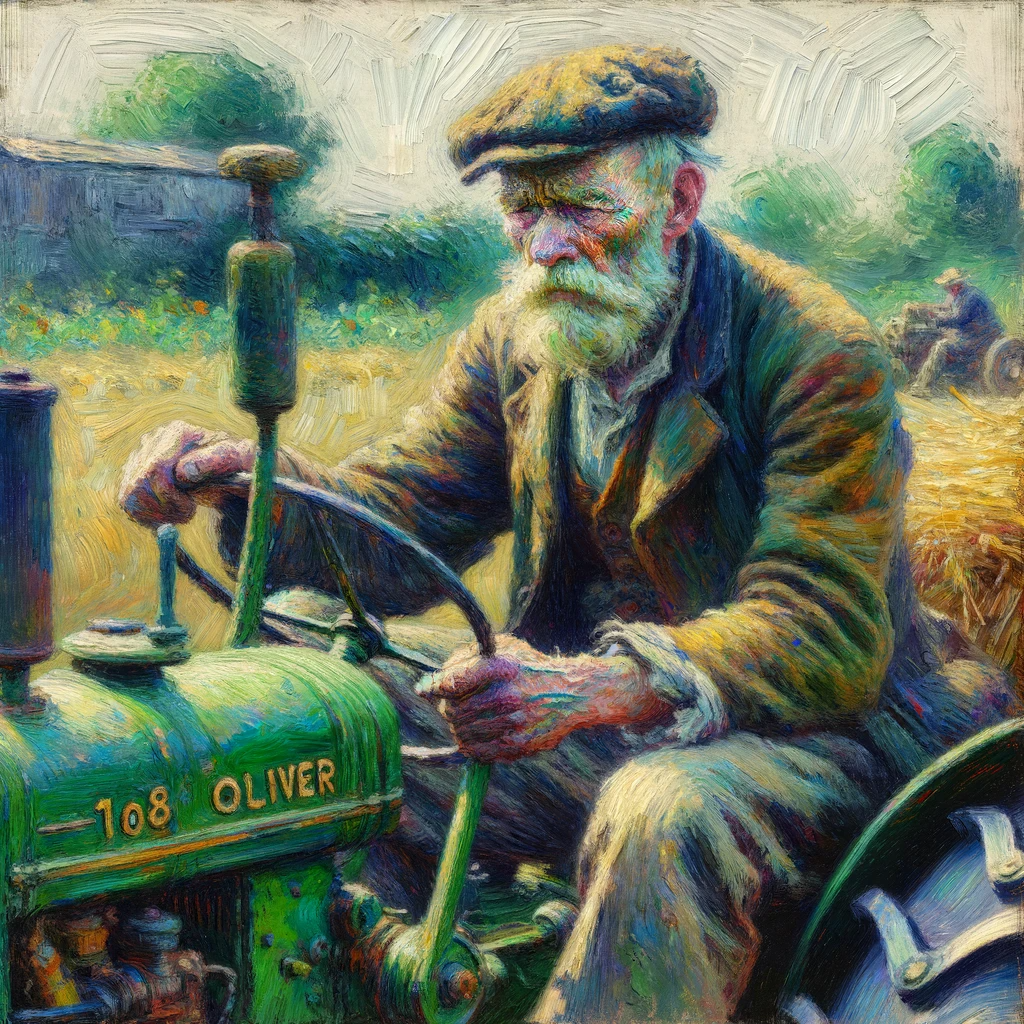
In the dust of a sun-soaked field, where the dawn chorus greets a new day, a classic tractor stands steadfast. Its paint may be chipped, the engine might rumble a bit — but it’s not just any old machine; it’s a bridge to a simpler time, a link between generations of farmers who poured sweat and soul into the land. On small farms, these tractors are more than tools; they’re symbols of resilience and sustainability.
Imagine a farmer, clad in weathered overalls, cranking the engine of a vintage tractor. The familiar roar ignites a sense of purpose, a connection to the earth beneath their feet. This isn’t just nostalgia; it’s the heartbeat of a sustainable future. These creatures of steel and iron carry with them the wisdom of ages — strategies for soil conservation, efficient energy use, and multi-crop planting. Relying on classic machinery often means less reliance on the latest flashy technologies that quickly become obsolete, forgotten, or downright impossible to repair.
But let’s get real. Riding down those furrows, the smell of freshly turned soil wafting through the air, you can’t help but feel the powerful pull of this lifestyle. Each churn of the tire symbolizes a commitment to nurturing the land while honoring our ancestors’ practices. It’s a reminder that sustainability is rooted in community and longevity — principles that resonate in our hearts as strongly as they do in our heads.
Beyond the mechanics, there’s a profound ethical imperative. Surrounding every vintage tractor is a story. Stories of families who have farmed the same land for generations. Stories of neighbors helping neighbors, of local markets thriving due to small-scale farming. In an age of mass production, choosing classic tractors is a stand for authenticity, for preserving not just a way of life but a vital ecosystem that supports our communities and our children.
Moreover, maintaining these classic beasts fosters connection — growing networks where farmers mentor one another, share resources, and exchange ideas. Each repair, each tweak, is an opportunity for collaboration, reinforcing the bonds that form around shared values and visions for a greener future.
So, as you gaze upon that trusty tractor, think about what it represents. It’s not merely a machine; it’s a lifeline to sustainability, an invitation to a community waiting for you to take the leap into the rich, fulfilling world of small farming. Embrace that connection, sow the seeds of change, and let the past fuel your future.

Are Classic Tractors The Key to Sustainable Small Farm Success
Are Classic Tractors The Key to Sustainable Small Farm Success
- A classic tractor in a sun-soaked field symbolizes resilience and sustainability in farming.
- Vintage tractors connect generations of farmers and embody the heartbeat of a sustainable future.
- They promote strategies for soil conservation, efficient energy use, and multi-crop planting.
- The lifestyle of using classic tractors fosters a commitment to nurturing the land and honoring ancestral practices.
- Stories surrounding vintage tractors reflect community ties, local markets, and the ethics of small-scale farming.
- Maintaining classic machinery encourages collaboration and resource-sharing among farmers.
- Classic tractors are a lifeline to sustainability, inviting newcomers to embrace small farming’s rich community.

Are Classic Tractors The Key to Sustainable Small Farm Success
Table Of Contents
- Are Classic Tractors The Key to Sustainable Small Farm Success
- Are Classic Tractors More Reliable Than Modern Options?
- How Do Classic Tractors Reduce Our Carbon Footprint?
- Can Investing In Classic Tractors Save Small Farmers Money Long-Term?
- Are Classic Tractors Easier To Maintain And Repair Than Newer Models?
- How Do Classic Tractors Contribute To A Sustainable Farming Narrative?
- Can Classic Tractors Foster Community Among Local Farmers?
- Conclusion
- Other Resources
- Glossary Of Terms
- Other Questions
- Haiku
- Poem
- Checklist
Are Classic Tractors More Reliable Than Modern Options?
When we talk about tractors, a debate emerges—classic versus modern, reliability versus novelty. At first glance, classic tractors may seem like just relics from a bygone era, yet beneath their timeworn exteriors, they tell a story of simplicity and unwavering reliability. Imagine a rugged machine, built in a time when engineers favored function over frills. These tractors weren’t adorned with touchscreens or GPS; they demanded a connection—the kind of connection that can’t be replicated with flashy technology.
Now, let’s lean into the headspace for a moment. Classic tractors are often built from fewer complicated parts, making them easier to repair and maintain. The logic is straightforward: fewer bells and whistles mean fewer things that can break down. Picture a farmer, hands calloused and heart full, working the fields with a trusty old tractor that’s seen generations of planting and harvesting. Each groove and dent on that hood tells a story, a tale of triumphs, struggles, and late nights. It’s not just a machine; it’s part of the family legacy.
But, don’t dismiss the modern tractors outright. They come equipped with technology that can boost productivity, save fuel, and even offer real-time data on crop health. Still, many folks find themselves questioning whether all those enhancements result in true reliability. When breakdowns occur, it’s often the simplest problems that leave you stranded—a disconnected sensor or a software glitch, quite the opposite of the down-to-earth reliability of a classic.
Ethically, one must consider the commercial impacts as well. A classic tractor can be restored, a labor of love that revitalizes not just the engine, but also the community ties that come with it. Think about local mechanics, farmers sharing tools, and neighbors lending a hand; it fosters a sense of solidarity that no modern tractor can replicate. By restoring a classic, you’re not only preserving a piece of machinery but also reviving a slice of community heritage.
The choice between classic and modern is personal. It’s a journey that speaks to our hearts and our values, tied deeply to who we are. Whether you favor the sturdy presence of a classic or the sleek efficiency of the latest model, both paths lead back to one undeniable truth: tractors—old or new—are not just machines; they are symbols of persistence, hard work, and connection to the earth we all share. So, whether you’re restoring an old family heirloom or plowing ahead with the latest technology, remember: every tractor has a story, and it’s up to us to make it a good one.

Are Classic Tractors More Reliable Than Modern Options?
Are Classic Tractors More Reliable Than Modern Options?
- The debate between classic and modern tractors centers around reliability versus novelty.
- Classic tractors emphasize simplicity and dependability, built with fewer complicated parts.
- They offer a stronger connection to the past, serving as a part of family legacy and history.
- Modern tractors incorporate advanced technology for enhanced productivity and crop management.
- Reliability issues in modern tractors often stem from complex systems and potential software glitches.
- Restoring classic tractors supports local communities and revives shared heritage and solidarity.
- The choice between classic and modern is deeply personal, reflecting individual values and connections to agriculture.

Are Classic Tractors More Reliable Than Modern Options?
How Do Classic Tractors Reduce Our Carbon Footprint?
When you think of a classic tractor, what comes to mind? For many, it’s the image of a sturdy machine rolling through sunlit fields, kicking up dust, and embodying the timeless spirit of hard work. But these venerable machines do more than just till the Earth; they offer a compelling path toward sustainability and a reduced carbon footprint.
Let’s start with the heart of the matter. Classic tractors symbolize our connection to the past. They remind us of simpler times when farming was a community effort, done with care and respect for the land. Each scratch and dent on their metal bodies tells a story—stories of families gathering for harvest, of seasons tagged by the rhythm of plowing, planting, and reaping. By embracing classic tractors, we are not just preserving agriculture’s legacy; we are also making an ethical stand. These machines often require less energy to operate, and in many cases, they can run on biofuels sourced from the very crops they help harvest. This creates a circular economy that honors both tradition and innovation, showing that sustainability doesn’t have to be severed from nostalgia.
Moving up to the head level, let’s examine the numbers. Older tractors often have simpler mechanics, meaning fewer parts that require manufacturing and less energy consumed. They’re frequently repaired and maintained by skilled hands rather than discarded. This lifespan doesn’t just save us resources; it reduces the emissions associated with building and transporting new tractors, helping us all breathe a little easier.
From a social perspective, maintaining classic tractors fosters community engagement. Farmers, mechanics, and enthusiasts come together to share knowledge, fix machines, and contrast the virtues of old versus new. Every time a neighbor lends a hand to restore a beloved model, it stitches tighter the fabric of local networks, reminding us of the collective responsibility we share in caring for the planet.
So, what does this all mean? By supporting the use of classic tractors, we are actively participating in a slower, more thoughtful form of agriculture that respects the Earth. It’s time to put our hands on the wheel of change and steer toward a future that honors the past. Every classic tractor on a field is a testament to the power of simplicity and the importance of community in our journey toward sustainability. As we rally around these machines, let’s drive together toward a greener future—one furrow at a time.

How Do Classic Tractors Reduce Our Carbon Footprint?
How Do Classic Tractors Reduce Our Carbon Footprint?
- Classic tractors represent a connection to the past and the spirit of hard work.
- They contribute to sustainability by operating on less energy and often using biofuels from harvested crops.
- Each tractor carries a history, symbolizing community efforts in agriculture.
- Older tractors feature simpler mechanics, resulting in fewer resources needed for manufacturing and maintenance.
- Repairing classic tractors fosters community engagement and knowledge sharing among farmers and enthusiasts.
- Supporting classic tractors promotes a thoughtful approach to agriculture, emphasizing respect for the Earth.
- Classic tractors embody the values of simplicity and community in the quest for sustainability.

How Do Classic Tractors Reduce Our Carbon Footprint?
Can Investing In Classic Tractors Save Small Farmers Money Long-Term?
In a world where technology races ahead at breakneck speed, there’s something romantic and reassuring about a classic tractor. Picture it: the weathered paint gleaming under the afternoon sun, the sound of the engine sputtering to life, the years of stories etched into its steel frame. For small farmers, these machines aren’t just tools; they represent a connection to the land, to hard work, and to generations that have farmed before. But can they truly save money in the long run? Let’s dig deeper.
First, consider the heart. Farming is more than a job; it’s a calling. A classic tractor, passed down from a parent or grandparent, carries emotional weight. It’s not merely about the machine itself; it’s about the legacy, the values of resilience and dedication, and fostering a relationship with the soil that feeds us. Trust your gut—there’s a profound sense of pride in knowing that each furrow you plow or seed you sow was carried out by a piece of history that has stood the test of time.
Then there’s the head, where rationality comes into play. Many modern tractors come with flashy gadgets and endless bells and whistles, but their high maintenance costs can leave a dent in any small farmer’s budget. Classic tractors, on the other hand, often use simpler technology. Less complexity means fewer repairs and lower costs, allowing farmers to allocate resources elsewhere—like improving crop quality or expanding their pasture.
Ethically speaking, investing in classic tractors aligns with the growing movement towards sustainability. These machines often require fewer resources to maintain and repair, reducing the carbon footprint associated with farming. By embracing vintage machinery, farmers not only save money but also contribute to a more sustainable future for the agriculture industry.
Socially, consider the connection these tractors foster within local communities. Imagine meeting up with neighboring farmers for a tractor pull or joining a classic tractor revival event. That shared passion creates bonds, sparks conversations, and fosters collaboration, revitalizing the agriculturally rooted relationships that can empower entire communities.
Investing in classic tractors isn’t just a financial decision; it’s about embracing a lifestyle, a connection to heritage, and a pathway to a sustainable future. So, before you dismiss those older models as relics, take a moment to consider the heart, head, and gut—because they might just lead you to a path that saves money, fosters community, and keeps the farming spirit alive for generations to come.

Can Investing In Classic Tractors Save Small Farmers Money Long-Term?
Can Investing In Classic Tractors Save Small Farmers Money Long-Term?
- Classic tractors symbolize a connection to the land and the farming legacy.
- These machines evoke nostalgia, representing hard work and dedication passed down through generations.
- Classic tractors often have lower maintenance costs due to simpler technology.
- Investing in vintage machinery aligns with sustainable farming practices, reducing environmental impact.
- Community engagement is enhanced through events like tractor pulls and classic tractor revivals.
- Choosing classic tractors is both a financial and lifestyle decision that honors heritage.
- Consideration of classic tractors supports saving money and nurturing community ties in agriculture.
Can Investing In Classic Tractors Save Small Farmers Money Long-Term?
Are Classic Tractors Easier To Maintain And Repair Than Newer Models?
Are Classic Tractors Easier to Maintain and Repair Than Newer Models?
When it comes to tractors, there’s something undeniably charming about the classics. Picture a quiet afternoon in the countryside, the gentle rumble of an old tractor echoing across a sun-soaked field. These machines, with their sturdy frames and straightforward mechanics, evoke a sense of nostalgia, but they also stand as a testament to a time when things were built to last.
From a maintenance perspective, classic tractors often hold a special appeal. There’s a simplicity that resonates deeply—fewer sensors, less computerization. For many, this simplicity translates to an easier experience when things go bump in the night. A worn-out part? A sticky throttle? With a bit of elbow grease and a good manual in hand, you can often fix it yourself. Remember that satisfying “clunk” when the engine roars back to life? That sense of accomplishment is something you can’t put a price on.
On the flip side, newer models come equipped with high-tech features designed to enhance efficiency. But with that innovation comes complexity. Think about it: how often have you found yourself staring at a flashing warning light, scratching your head, desperately wishing for an old friend who could walk you through fixing it? The effort is sometimes bogged down in a quagmire of jargon, and repairs become an expensive endeavor rather than a satisfying afternoon.
On a deeper level, caring for a classic tractor often fosters a strong sense of community. You’re not just a tractor owner; you’re part of a tradition. Think back to those spirited conversations at the county fair or local farmers’ markets, where enthusiasts swap tips over grease-stained manuals and stories of triumph or disaster. It’s about more than just the repair—it’s about the relationships built around a shared passion for hard work and authenticity.
Ethically speaking, there’s also value in preserving the old. It’s a nod to sustainability; every classic tractor saved from oblivion is one fewer new machine churning out emissions and contributing to a disposable culture. In our fast-paced world, embracing the durability and repairability of these machines can lead to a deeper satisfaction that resonates through generations.
So, as you consider what’s in your barn—classic or modern—think about the legacy you want to cultivate. Whether it’s an old trusty tractor or a shiny new model, the right choice is the one that reflects not only your needs but also your values. Choose wisely; the heart of farming beats where the roots of tradition meet the drive for progress.

Are Classic Tractors Easier To Maintain And Repair Than Newer Models?
Are Classic Tractors Easier To Maintain And Repair Than Newer Models?
- Classic tractors offer a nostalgic charm with straightforward mechanics and sturdy frames.
- Maintenance is simpler on classic tractors due to fewer sensors and less computerization.
- Repairs on classic tractors can often be DIY projects, fostering a rewarding sense of accomplishment.
- Newer tractor models feature high-tech enhancements, but their complexity can complicate repairs.
- Caring for classic tractors can create a strong sense of community among enthusiasts.
- Preserving classic tractors contributes to sustainability by reducing emissions and the culture of disposability.
- Choosing between classic and modern tractors involves considering personal values and the legacy you wish to cultivate.

Are Classic Tractors Easier To Maintain And Repair Than Newer Models?
How Do Classic Tractors Contribute To A Sustainable Farming Narrative?
In a world where the pace of modern life seems to outstrip our connection to the land, classic tractors stand as sturdy sentinels of a time when farming was as much about relationships as it was about crops. Picture this: a weathered farmer, hands cradling the steering wheel of a bright-red vintage tractor, reaping rewards not just from his fields, but from a legacy that speaks to sustainability and stewardship of the earth.
These time-honored machines are more than just tools; they represent a philosophy that honors the soil, the seasons, and the cycles of life. They evoke a sense of purpose as they plow through rich earth, leaving a trail of optimism behind them. The rumble of that engine, the scent of fuel mixing with fresh soil—it’s a reminder that the connection we have to our land is rooted in tradition, resilience, and responsibility.
By choosing classic tractors, farmers advocate for a sustainable farming narrative that often gets lost in the heartless hum of modern machinery. These tractors consume less energy, are often easier to repair, and involve fewer complex electronics that can fail. This practicality resonates in farming communities where every dollar counts, making them a wise investment that champions not only financial sustainability but environmental health.
And let’s be frank; there is a certain charm in these machines—a tangible link to our past that fosters connection across generations. Whether it’s an old Ford or a John Deere, each tractor carries stories etched into its frame, stories of farmers breaking new ground, setting up homesteads, and teaching their children about the land. In today’s world, where corporate farming often prioritizes profit over planet, embracing classic tractors is a rallying cry for those who believe that ethical farming is possible.
Moreover, when we support farmers who rely on these steadfast machines, we’re also investing in local economies, reducing our carbon footprint, and promoting biodiversity. The social implications are powerful; they inspire a culture of sustainability that extends beyond the barnyard to our dinner tables, forging a new understanding of where our food comes from.
Classic tractors aren’t just mechanical relics; they embody a commitment to sustainable farming that feeds our bodies and nourishes our spirits. They remind us that true innovation can sometimes mean looking backward to rediscover what really matters. As we embrace this way of life, we can cultivate a thriving future, rooted in the rich soil of our past.

How Do Classic Tractors Contribute To A Sustainable Farming Narrative?
How Do Classic Tractors Contribute To A Sustainable Farming Narrative?
- Classic tractors symbolize a time when farming emphasized relationships alongside crop production.
- These machines reflect a philosophy valuing sustainability, stewardship, and the cycles of life.
- Using classic tractors promotes a sustainable farming narrative amidst the dominance of modern machinery.
- Classic tractors are energy-efficient, easier to repair, and involve fewer complex electronics.
- They foster intergenerational connections and embody stories of farmers and their legacies.
- Supporting classic tractors contributes to local economies and promotes biodiversity.
- These tractors remind us that true innovation can emerge from revisiting and cherishing our past.

How Do Classic Tractors Contribute To A Sustainable Farming Narrative?
Can Classic Tractors Foster Community Among Local Farmers?
In a world buzzing with technology and progress, it’s easy for farmers to feel isolated, laboring away in their fields, tethered to their routines. But there’s something timeless and grounding about classic tractors. These machines are more than just heavy equipment; they are symbols of hard work, tradition, and community. Picture a Sunday afternoon at a local farm fair. The sun is shining down, laughter echoes across the ground, and standing proudly among generations of farmers is a classic tractor—a testament to the grit and perseverance of those who have used it to cultivate the land.
When farmers from different backgrounds gather around these tractors, it sparks conversations rich with shared stories and experiences. The weather-beaten paint and rusted frames don’t just tell tales of labor; they carry the weight of family histories and milestones. Farmers exchange advice on restoration, reminisce about vintage farming techniques, and even trade tools and tips. These machines become conversation starters, bridges connecting fellow farmers who otherwise might never cross paths. In a way, each tractor becomes a thread in the fabric of the community, weaving together the individual stories of those who put in the hard, often thankless work of farming.
Rationally, investing time in restoring and showcasing these classic tractors can pay dividends beyond the nostalgia they invoke. They can attract visitors, both young and old, to local events, fostering economic growth in rural areas. A tractor show or a community farming day can draw crowds and encourage local entrepreneurship. Farmers can sell produce, crafts, and homemade goods, helping the economy flourish, while simultaneously promoting sustainable practices.
But let’s not forget the ethical dimension—a shared passion for preserving agricultural history stands as a reminder of our responsibility to honor the land and those who work it. By fostering connections through these classic machines, local farmers can embody and promote ethical farming practices that respect both the environment and community.
So, whether you’re a seasoned farmer or someone just dipping a toe into the world of agriculture, consider dusting off that old tractor in the barn. Join together with fellow farmers, share in the joy of restoring these relics, and watch as a community blossoms around you. Your tractor isn’t just a machine; it’s a catalyst for connection and camaraderie in a world that often feels disconnected.

Can Classic Tractors Foster Community Among Local Farmers?
Can Classic Tractors Foster Community Among Local Farmers?
- Classic tractors serve as symbols of hard work, tradition, and community for farmers.
- Farm fairs create a nostalgic environment where tractors are focal points for shared stories among farmers.
- Farmers exchange advice, reminisce about vintage farming techniques, and connect while gathered around tractors.
- Restoring classic tractors can attract visitors to local events and foster economic growth in rural areas.
- Tractor shows encourage local entrepreneurship by providing a marketplace for produce, crafts, and homemade goods.
- Preserving agricultural history through classic tractors emphasizes the importance of ethical farming practices.
- Engaging with fellow farmers over tractors can promote connection and camaraderie in an increasingly disconnected world.

Can Classic Tractors Foster Community Among Local Farmers?
Conclusion
As we conclude our journey into the heart and soul of classic tractors, we stumble upon an incredible realization: these machines are much more than mere relics of a bygone era; they’re the lifeblood of sustainable small farming. Picture that weathered farmer, the sun painting their back as they turn the crank of an old tractor, its engine rumbling to life—a stark difference from the cold, sterile hum of modern machinery. Here lies a connection that runs deeper than technology; it’s steeped in generations of wisdom, resilience, and hard-earned lessons about stewardship of the earth.
Classic tractors are powerful symbols of tradition, embodying values that resonate with our hearts. They stand as a testament to an ethic that prioritizes community, durability, and authenticity over the ever-shifting sands of contemporary industry. With each furrow they carve into the soil, these machines evoke memories of families coming together, working side-by-side, sharing joy and burdens alike. It’s a reminder that farming is not just a profession—it’s a calling, where human hands shape life from earth, respecting the land that feeds us all.
From a logical standpoint, classic tractors make sense. Their simplicity means they’re generally easier to repair and maintain, saving small farmers precious dollars that can be reallocated towards quality crops and sustainable practices. The less complicated mechanics create fewer points of failure, a stark contrast to their modern counterparts laden with high-tech gadgets that often leave farmers scrambling for expertise and parts when things go awry.
Ethically, choosing to invest in these older machines is a nod to sustainability. Far from being relics, they challenge us to think critically about consumer culture, encouraging practices that honor both tradition and the environment. By restoring these tractors, we’re not just preserving history; we’re fostering community, creating networks where resources, knowledge, and labor are shared freely. This collaboration nurtures resilience in the face of modern challenges, proving that the strength of relationships will always outshine the allure of the latest technology.
So as you reflect upon this conversation around classic tractors, consider taking the leap. Dust off that vintage model, gather your fellow farmers, and revive the spirit of community that is ripe for renewal. Because at the end of the day, it’s not just about farming; it’s about cultivating connections, preserving our heritage, and sowing the seeds for a sustainable future—one furrow at a time. Join us in celebrating this vivid tapestry of agriculture, where the past and present entwine to fuel a promising tomorrow. Let’s hit the fields together!

Conclusion
Conclusion:
- Classic tractors are more than relics; they are essential to sustainable small farming.
- They symbolize tradition and embody community values, prioritizing authenticity over modern industry trends.
- Farming with classic tractors fosters a connection among families, reinforcing the idea that it’s a calling, not just a profession.
- From a practical standpoint, classic tractors are easier to repair and maintain, saving money for small farmers.
- Investing in older tractors promotes sustainability and challenges consumer culture, honoring both tradition and the environment.
- Restoration of classic tractors fosters community collaboration, sharing resources, knowledge, and labor.
- Reviving classic tractors encourages the cultivation of connections, preservation of heritage, and a sustainable future in agriculture.

Conclusion
Other Resources

Other Resources
Here is a list of other resources you can review online to learn more:
- Empire
- NEATTA
- Antique Engine & Tractor Association
- Minnesota’s Machinery Museum
- TwinCity
- Wilke’s Classic Tractors
- Suzue
- Interstate Tractor
- Farmtrac
- Big Bud
Use This Prompt To Get More Resources With Your Favorite Online AI Tool: Please provide me with a list of online articles with their URLs in a bulleted list that I can read regarding Are Classic Tractors The Key to Sustainable Small Farm Success

Other Resources
Glossary Terms
Are Classic Tractors The Key to Sustainable Small Farm Success – Glossary Of Terms
1. Classic Tractors: Older tractor models, typically manufactured before the 1980s, known for their durability, simplicity, and ease of repair.
2. Sustainability: Farming practices that meet present needs without compromising future generations’ ability to meet their own needs, often focusing on environmental health, economic viability, and social equity.
3. Small Farms: Agricultural operations with limited acreage, often family-owned and focused on diverse crops or livestock for local markets.
4. Organic Farming: A method of farming that avoids synthetic fertilizers and pesticides, relying instead on natural processes to enhance soil health and biodiversity.
5. Permaculture: A design system for creating sustainable agricultural ecosystems that mimic natural ecosystems and focus on integrating plants, animals, and people.
6. Soil Health: The condition of the soil in natural and agricultural environments, characterized by its biological, chemical, and physical properties that affect its capacity to function.
7. Biodiversity: The variety of life in a particular habitat or ecosystem, important for resilient farming systems that can withstand pests and climate fluctuations.
8. Crop Rotation: The practice of alternating the types of crops grown in a particular area from season to season to improve soil health and reduce pest and weed pressures.
9. No-till Farming: An agricultural practice that minimizes soil disturbance by not tilling the land, thereby preserving soil structure, moisture, and beneficial organisms.
10. Cover Crops: Plants grown primarily to cover the soil rather than for the purpose of being harvested, helping to prevent erosion, improve soil health, and suppress weeds.
11. Agroecology: A holistic approach to farming that applies ecological concepts to agricultural production, promoting sustainability and social justice.
12. Fuel Efficiency: The performance of tractors in terms of the amount of fuel consumed relative to the work performed, important for reducing costs and environmental impact.
13. Restoration Agriculture: A farming practice that focuses on restoring ecosystems through regenerative practices while producing food and other products.
14. Microfarm: A small-scale farm that produces food, herbs, or flowers, often on less than an acre and frequently employing sustainable practices.
15. Heritage Seeds: Non-hybrid, open-pollinated seeds that are preserved for their historical significance, taste, and adaptability to local growing conditions.
16. Agroforestry: The integration of trees and shrubs into agricultural landscapes, enhancing biodiversity and soil health while providing additional products like timber or fruit.
17. Composting: The process of recycling organic matter, such as food scraps and yard waste, into a rich soil amendment that improves soil health and reduces waste.
18. GMO (Genetically Modified Organism): Organisms whose genetic material has been altered through biotechnology, often a controversial topic in discussions of sustainability.
19. Local Food Systems: Agricultural systems that focus on growing and distributing food within a specific local area, contributing to community resilience and reducing carbon footprints.
20. Nutrient Cycling: The movement and exchange of organic and inorganic matter back into the production of living matter, key for maintaining soil health and fertility.
21. Direct Marketing: Selling products directly to consumers, often seen on small farms through farmers’ markets, CSAs (Community Supported Agriculture), or farm stands.
22. Resource Conservation: Practices aimed at preserving natural resources, such as water, soil, and biodiversity, crucial for sustainable farming.
23. Mechanical Simplicity: Refers to classic tractors’ straightforward designs, which make them easier to maintain and repair without advanced technology.
24. Community Supported Agriculture (CSA): A system where consumers buy shares of a farm’s harvest in advance, providing farmers with income and consumers with fresh produce.
25. Resilience: The ability of farming systems to withstand and recover from challenges like climate change, pests, and market fluctuations.
26. Third Place: Spaces outside of home and work where community members gather, emphasizing local food systems and social interconnectedness.
27. Farm-to-Table: A movement promoting the direct supply of food from local farms to restaurants and consumers, reducing transportation emissions and promoting fresh eating.
28. Integrated Pest Management (IPM): An environmentally friendly approach to pest control that balances economic, health, and environmental considerations.
29. Sustainable Practices: Methods of farming that prioritize environmental stewardship, economic viability, and social equity for long-term success.
30. Tractor Restoration: The process of refurbishing and preserving classic tractors to extend their usable life, often involving mechanical repairs and aesthetic enhancements.

Glossary Of Terms
Other Questions
Are Classic Tractors The Key to Sustainable Small Farm Success – Other Questions
If you wish to explore and discover more, consider looking for answers to these questions:
- What are the environmental benefits of using classic tractors?
- How do classic tractors compare to modern tractors in terms of fuel efficiency?
- What specific maintenance practices are recommended for classic tractors?
- Are there specific brands or models of classic tractors that are considered better for sustainability?
- How has the perception of classic tractors changed over time among farmers?
- What resources are available for farmers interested in restoring classic tractors?
- Are there any government incentives or programs for farmers using classic tractors?
- How do classic tractors influence crop yields compared to newer alternatives?
- What community events or organizations exist for classic tractor enthusiasts?
- Can classic tractors be used effectively in organic farming practices?
- What are some success stories of small farms thriving with classic tractors?
- How do classic tractors impact the economics of small-scale farming?
- What challenges do farmers face when using classic tractors?
- How does using classic tractors align with modern agricultural trends?
- What training is available for new farmers to learn about classic tractor maintenance and usage?

Other Questions
Haiku
Are Classic Tractors The Key to Sustainable Small Farm Success – A Haiku
Classic tractors hum,
Worn tales of earth and heart shared—
Roots of community.

Haiku
Poem
Are Classic Tractors The Key to Sustainable Small Farm Success – A Poem
In The Fields of Time: A Poem of Classic Tractors and Community
In sunlit fields where dreams reside,
Stands a timeless gift, a farmer’s pride.
A classic tractor, worn yet true,
Whispers tales of the toil and dew.
With every chug, it sings a song,
Of heritage, where we all belong.
Beneath its paint, chipped by the sun,
Are echoes of battles fought and won.
Nostalgia wrapped in steel and strife,
A bridge connecting generations of life.
For in its rumble lies a call,
To nurture the soil, to stand tall.
Oh, the heart beats stronger with every turn,
As farmers gather, sharing what they learn.
Amidst the dust and laughter shared,
Communities flourish, deeply cared.
A tale of resilience, simple yet grand,
The old machines still help us understand:
Sustainability isn’t a fleeting trend,
But a legacy we honor and defend.
In a world racing forward, these relics remind,
That value lies not in the latest design.
With fewer parts and less complex,
Classic tractors banish modern stress.
For in their simplicity, they pave the way
To a greener future, come what may.
Each turn of the wheel, each seed that we sow,
Fosters connections that continue to grow.
So heed the wisdom of the past,
And find in tradition a future steadfast.
With every furrow plowed, every harvest reaped,
It’s a promise made, a legacy we keep.
Invest in connection, embrace the old—
A classic tractor, a story retold.
Together we rise, united and strong,
These timeless machines—a community’s song.

Poem
Checklist
Are Classic Tractors The Key to Sustainable Small Farm Success – A Checklist
Classic Tractors: Sustainable Farming’success Checklist
Emotional Appeals (Heart)
_____ Reflect on Legacy: Think about the generations of farmers who have used tractors like yours. What values and traditions do you want to uphold?
_____ Connect with Nature: Spend quality time with your tractor in the field, appreciating the relationship between machinery, land, and produce.
_____ Engage with Community: Share your passion and stories regarding classic tractors with neighbors and fellow farmers to foster a sense of belonging.
Rational Appeals (Head)
_____ Evaluate Cost Efficiency: Compare the long-term maintenance costs of classic tractors versus modern machinery. Are you investing wisely?
_____ Consider Simplicity in Design: Analyze the mechanical simplicity of classic tractors. Can you manage repairs more easily than with complex modern machines?
_____ Assess Environmental Impact: Calculate the reduced carbon footprint associated with maintaining and using older tractors over producing new models.
Ethical Appeals (Gut)
_____ Commit to Sustainability: Consider how using classic tractors contributes to local economies and reduces waste. How can your choices reflect your values about sustainability?
_____ Embrace Responsible Practices: Decide on practices that resonate with ethical farming. How can you ensure your agricultural methods respect the environment and your community?
_____ Support Local Economies: Seek opportunities to buy parts or support mechanics who specialize in classic equipment to keep local industries thriving.
Authority Appeals
_____ Learn from Experts: Attend workshops or seminars focused on classic tractor maintenance. Who in your community can provide guidance and expertise?
_____ Share Knowledge: Join local farming groups or online forums to exchange information about best practices and repair techniques.
Narrative Appeals
_____ Document Your Journey: Start a blog or journal about your experiences with classic tractors. What stories do you want to tell about your farming journey?
_____ Share Your Value: Consider how the stories behind classic tractors resonate in local culture. How do they connect generations and promote sustainable practices?
Social Appeals
_____ Engage in Community Events: Attend or host tractor shows or local farming fairs to showcase your classic tractor and strengthen community bonds.
_____ Mentor Others: Offer to teach less experienced farmers about the advantages of classic tractors and sustainable farming practices.
Call to Action
_____ Reflect on Your Choices: As you consider your farming practices, think about how classic tractors can enhance not just your agricultural output but your connection to the land and community.
_____ Get Involved: Take steps today—whether through repair, conversation, or community engagement—to embrace the legacy of classic tractors and their role in a sustainable farming future.
Use this checklist as a guide to enhance your agricultural practices, foster community ties, and honor the past while cultivating a sustainable future!

Checklist
At ClassicTractorNews, we help tractor lovers keep up with the latest news for classic and vintage tractors.
Please share this post with your friends, family, or business associates who may like old classic or vintage tractors.