


Reviving Tradition: Classic Tractors For Sustainable Farming
By Tom Seest
At ClassicTractorNews, we help tractor lovers keep up with the latest news for classic and vintage tractors.
Please share this post with your friends, family, or business associates who may like old classic or vintage tractors.
Are Classic Tractors The Key to Sustainable Farming Practices?
Let’s take a moment to appreciate those classic tractors sitting proudly on farms across the nation. Now, I know what you’re thinking: “What could a vintage piece of machinery possibly do for modern farming?” Well, let me tell you, there’s a certain magic in those well-worn wheels that might just hold the answer to sustainability.
Imagine a dusty field, the sun rising on another day of hard work. You mount your trusty tractor, its paint chipped but its heart still robust, and as it roars to life, you feel a connection to generations of farmers who have come before you. This isn’t just a piece of equipment; it’s a lifeline to a bygone era when farming was more about the Earth and less about machinery. Classic tractors are often simpler, requiring less energy and fewer resources to operate. In a world focused on speed and power, these aged beauties not only get the job done but also encourage us to slow down, take stock, and consider our impact on the land.
Think about it. Many of these older machines are built to last, designed for easy repairs and maintenance. By choosing a classic tractor, you’re embracing a culture of longevity, a far cry from the disposable mindset we see today. There’s less reliance on complex technology that can fail just when you need it, and more of an ability to adapt and improvise with what you have—an essential skill in sustainable farming.
Plus, using classic tractors aligns with the growing movement toward local and organic farming. As consumers become increasingly aware of where their food comes from, farmers who utilize these time-tested machines embody a commitment to environmental stewardship. It’s more than just nostalgia; it’s a philosophy, one that advocates for a farming approach that respects our soils and resources.
So, the next time you see a classic tractor navigating a field of crops, think about the stories it could tell—the hands it’s been under, the seeds it’s sown. Embracing these vehicles of the past is not just a way to pay homage; it’s an invitation to rethink our practices and reconnect with the land. So why not take the plunge? Dust off those keys and rev up that engine. The future of sustainable farming might just depend on those classic wheels—a bridge between our agricultural past and a greener tomorrow.

Are Classic Tractors The Key to Sustainable Farming Practices?
Are Classic Tractors The Key to Sustainable Farming Practices?
- Classic tractors symbolize a connection to historical farming practices.
- They are simpler machines that require less energy and fewer resources, promoting sustainability.
- Embracing classic tractors encourages a culture of longevity and easy repair over disposable machinery.
- Older tractors can adapt and improvise, essential skills for sustainable farming.
- Using classic tractors aligns with the local and organic farming movement and environmental stewardship.
- They tell stories of past generations, connecting farmers to the land and their heritage.
- Embracing classic tractors invites a re-evaluation of farming practices for a greener future.

Are Classic Tractors The Key to Sustainable Farming Practices?
Table Of Contents
- Are Classic Tractors The Key to Sustainable Farming Practices?
- What Are The Benefits Of Using Classic Tractors In Farming?
- How Do Classic Tractors Compare To Modern Tractors?
- What Makes Classic Tractors More Sustainable?
- Can Classic Tractors Reduce Carbon Footprints In Agriculture?
- How Do Maintenance Costs Of Classic Tractors Compare To New Machines?
- What Role Do Classic Tractors Play In Soil Health?
- Are Classic Tractors Easier To Repair And Maintain?
- Conclusion
- Other Resources
- Glossary Of Terms
- Other Questions
- Haiku
- Poem
- Checklist
What Are The Benefits Of Using Classic Tractors In Farming?
What Are The Benefits Of Using Classic Tractors in Farming?
When you think about farming, a vision of rolling fields and hard work comes to mind, doesn’t it? Now, let’s throw a classic tractor into that picture—an iconic piece of machinery that whispers tales of tradition and robust performance. You might wonder, in an age filled with rapid technological advancements, why would anyone choose to wield a vintage piece of iron instead of something sleeker and equipped with all the bells and whistles? Well, here’s the thing: classic tractors come with a treasure trove of benefits that are as timeless as the soil itself.
First off, let’s talk about reliability. There’s comfort in knowing that your tractor, built in an era where everything was designed to last, is ready to head out to the fields day after day. These tractors have been tried and tested; they’ve weathered storms, plowed through mud, and conquered fields for decades. So when you’re out there at sunrise, knowing your machine has a history of hard work behind it adds a layer of confidence to your day. You can count on it—just like your own two hands.
Then there’s the simplicity of design. Classic tractors often come with fewer complicated electronics and systems, making them easier to understand and repair. For the DIY farmer or those who appreciate rolling up their sleeves, there’s a profound satisfaction in maintaining your machinery. You can get your hands dirty repairing them without needing a degree in engineering, which fosters a deeper connection between you and your work. It’s not just about farming; it’s about cultivating a skill set and understanding the heart of your operation.
Another big plus is the cost-effectiveness. Classic tractors can often be less expensive to purchase and maintain compared to their modern counterparts. Plus, they have a reputation for being fuel-efficient. In a world where every dollar counts—especially for farmers—this aspect can’t be overlooked. It’s about making smart choices that respect both your wallet and the environment.
Finally, let’s not forget the community aspect. Classic tractors have a way of bringing people together. They spark conversations, encourage gatherings, and celebrate shared experiences among farmers who cherish their past. In a landscape that can often feel isolating, these machines remind us that we’re part of something bigger—an enduring legacy of hard work and tradition.
So, whether you’re pulling a plow or simply admiring the roar of an engine that’s powered through generations, classic tractors represent more than just farming tools. They embody a connection to the land, the joy of simplicity, and a commitment to values that resonate through time. So go ahead, jump on that vintage tractor and roll into your fields with pride! Your hands, and legacy, will thank you.

What Are The Benefits Of Using Classic Tractors In Farming?
What Are The Benefits Of Using Classic Tractors In Farming?
- Reliability: Classic tractors are built to last and have a proven track record of performance, providing farmers with confidence in their machinery.
- Simple Design: With fewer electronics and complicated systems, classic tractors are easier to understand, repair, and maintain, fostering a deeper connection between farmers and their work.
- Cost-Effective: These tractors are often less expensive to purchase and maintain while being fuel-efficient, making them a smart choice for budget-conscious farmers.
- Community Building: Classic tractors encourage conversations and gatherings among farmers, creating a sense of community and shared experiences rooted in tradition.
- Cultivating Skills: Working on classic tractors allows farmers to develop hands-on skills and understand the mechanics of their machinery better.
- Connection to Tradition: These tractors symbolize a timeless connection to farming heritage and values that have endured through generations.
- Legacy of Hard Work: Using classic tractors represents a commitment to a legacy of hard work and the importance of preserving the past in modern farming.

What Are The Benefits Of Using Classic Tractors In Farming?
How Do Classic Tractors Compare To Modern Tractors?
How Do Classic Tractors Compare to Modern Tractors?
When you think about a tractor, what comes to mind? Maybe you picture a classic model puffing along the fields, churning up soil under a vast sky, or perhaps it’s the sleek, high-tech machines of today, equipped with all the bells and whistles. Both types of tractors have their charm and utility, but how do they really stack up against each other?
Let’s dig in, shall we? Classic tractors, those timeless workhorses, often embody a simplicity that modern models sometimes lack. You can practically hear the hum of history in their engines—the stories they could tell if only they had a voice. With fewer moving parts and straightforward mechanics, these tractors are much easier to repair. Picture yourself in the barn, tools in hand, connecting with machinery that seems almost alive. There’s a level of trust and confidence to be found here, a sense of accomplishment that comes from working not just on a simple machine, but on a piece of history.
On the flip side, modern tractors are all about efficiency and innovation. They come loaded with technology—GPS systems for precision farming, automated controls for ease of use, and powerful engines that can tackle larger fields quicker. If you’re someone who values productivity, these machines can make short work of even the most daunting agricultural tasks. However, with that complexity comes a price. If you ever find yourself in a bind, troubleshooting those systems might feel more like deciphering ancient hieroglyphs than fixing a flat tire on a classic.
Now, let’s consider comfort. Modern tractors often come with air-conditioned cabs, music systems, and ergonomic designs that could rival a luxury car. But therein lies the dilemma: in their pursuit of comfort and bells and whistles, have we lost that genuine connection to the land and the work we’re doing? A classic tractor, with its no-frills setup, fosters a hands-on relationship with farming, reminding us of what it means to get your hands dirty and sweat a little for your rewards.
So, whether you’re rolling through the fields in an aged classic or a cutting-edge machine, both tractors have a role to play. It’s not just about choosing one over the other; it’s about embracing the unique experiences they each offer. The best tractor is the one that resonates with you, that inspires confidence in your work, and fulfills your connection to the land. Now that’s something to rev your engine about!

How Do Classic Tractors Compare To Modern Tractors?
How Do Classic Tractors Compare To Modern Tractors?
- Classic tractors embody simplicity and easier repairs due to fewer moving parts.
- They offer a sense of history and accomplishment when working on them.
- Modern tractors focus on efficiency and innovation, equipped with advanced technology like GPS and automation.
- They can handle larger fields faster, enhancing productivity for agricultural tasks.
- Comfort features in modern tractors (e.g., air conditioning, music systems) create a luxury experience.
- There is a potential loss of connection to land and work in modern farming due to increased comfort.
- The choice between classic and modern tractors is about personal preference and the unique experiences each offers.

How Do Classic Tractors Compare To Modern Tractors?
What Makes Classic Tractors More Sustainable?
When you think about sustainability, vintage tractors might not be the first thing that comes to mind. But it’s time to reassess that notion, because classic tractors are not just relics of agricultural history; they’re shining examples of how embracing the old can lead to a greener future.
Now, let’s dig a little deeper. Classic tractors were built to last. These sturdy machines were designed with simplicity at their core, often constructed with robust materials and fewer complex systems than modern counterparts. That means they can often be repaired and maintained by the average farmer or DIY enthusiast, rather than requiring specialized parts and service. The result? Less waste and fewer trips to the landfill. Imagine a farmer tinkering away in the barn, armed with just a few essential tools and a little bit of elbow grease, keeping their machine running for decades. That’s sustainable in the truest sense!
Moreover, these vintage tractors are often powered by engines that run on cleaner, simpler fuel options. With their straightforward designs, they can be converted to run on alternative fuels, like biodiesel, which can be produced from agricultural waste. This adaptability reduces our reliance on fossil fuels and showcases how sustainable practices can be integrated into farming without sacrificing productivity. And let’s be honest—there’s something undeniably charming about seeing a bright-red tractor puffing along, powered by clean-burning fuel.
Another key aspect is the connection between the operator and the machine. Classic tractors often foster a sense of pride and stewardship among their owners. When you own a piece of history, there’s an inherent motivation to treat it well and keep it functioning efficiently. This mindset reflects in the way we think about farming itself—you start to see the land as a partner in your work, not just a resource to be exploited. This transformation of mindset is crucial in moving towards a sustainable future.
Lastly, classic tractors can serve as the perfect bridge between old-fashioned farming techniques and modern sustainability practices. They remind us that progress doesn’t always mean moving forward with new gadgets and gizmos; sometimes, it’s about honoring our roots and learning from the past. By understanding the value inherent in these machines, we can inspire a new generation of farmers to embrace sustainable practices, ensuring that the wheels of agriculture keep turning for years to come. So, let’s roll up our sleeves and keep those classic tractors alive, embodying the spirit of sustainability one furrow at a time!

What Makes Classic Tractors More Sustainable?
What Makes Classic Tractors More Sustainable?
- Classic tractors embody sustainability by being durable and easier to repair.
- They are constructed from robust materials and have simpler systems compared to modern tractors.
- Vintage tractors can be maintained by farmers without specialized parts or services, reducing waste.
- Many vintage tractors can be converted to run on cleaner fuels like biodiesel from agricultural waste.
- They promote a connection and sense of stewardship between owners and their machines.
- Classic tractors bridge traditional farming practices with modern sustainability efforts.
- Embracing these machines fosters sustainable agricultural practices for future generations.

What Makes Classic Tractors More Sustainable?
Can Classic Tractors Reduce Carbon Footprints In Agriculture?
When you picture a tractor working tirelessly in a sun-drenched field, what comes to mind? It’s likely the engine’s deep rumble, the rhythmic sway of the tires through rich, brown soil, and the long lines of neatly turned earth that tell a story of hard work and dedication. But beyond the nostalgia and grit, classic tractors can play an integral role in shaping a greener future for agriculture.
Now, let’s talk about carbon footprints. We live in a time when every step, every choice matters—whether that’s planting a garden or harvesting grains on a larger scale. Traditional farming practices often come under fire for their environmental impact, primarily due to heavy machinery that guzzles fuel and emits pollutants. But classic tractors—those hardy relics of farming history—may hold the solution we didn’t know we needed.
These vintage machines were built to last, designed with simplicity and efficiency in mind. Unlike their modern counterparts, many classic tractors are powered by less complex engines, which can be modified for better fuel efficiency. By making them more eco-friendly, farmers can reduce reliance on fossil fuels, mitigating that pesky carbon footprint without sacrificing productivity. Imagine taking a stroll through a vintage tractor show, marveling at these iron workhorses, and knowing that one of them could be your ticket to sustainable farming.
Furthermore, there’s an undeniable community aspect that comes with classic tractors. Farmers who restore and maintain these machines often share their experiences, pooling knowledge on sustainable practices and techniques. This camaraderie creates a collective well of wisdom—a farmer’s network focused not just on productivity, but also on preserving the land for future generations. Investing in these classic models can enhance your operation while fostering a sense of connection to the greater agricultural community.
Sure, modern tractors boast high-tech features and cutting-edge efficiency, but let’s not overlook the charm and utility of the classics. In the right hands, they could become invaluable tools for reducing carbon footprints on our farms. It’s time to embrace the ingenuity of past generations, leveraging their lessons to inspire a new era of eco-conscious agriculture.
So, if you’re out there contemplating your next purchase or thinking about how to make a positive impact, consider taking a closer look at those time-tested tractors. They’re not just machines; they represent a bridge to a sustainable future that honors our rich farming heritage while nurturing the earth for those who will come after us. Let’s put a classic twist on modern agriculture, shall we?
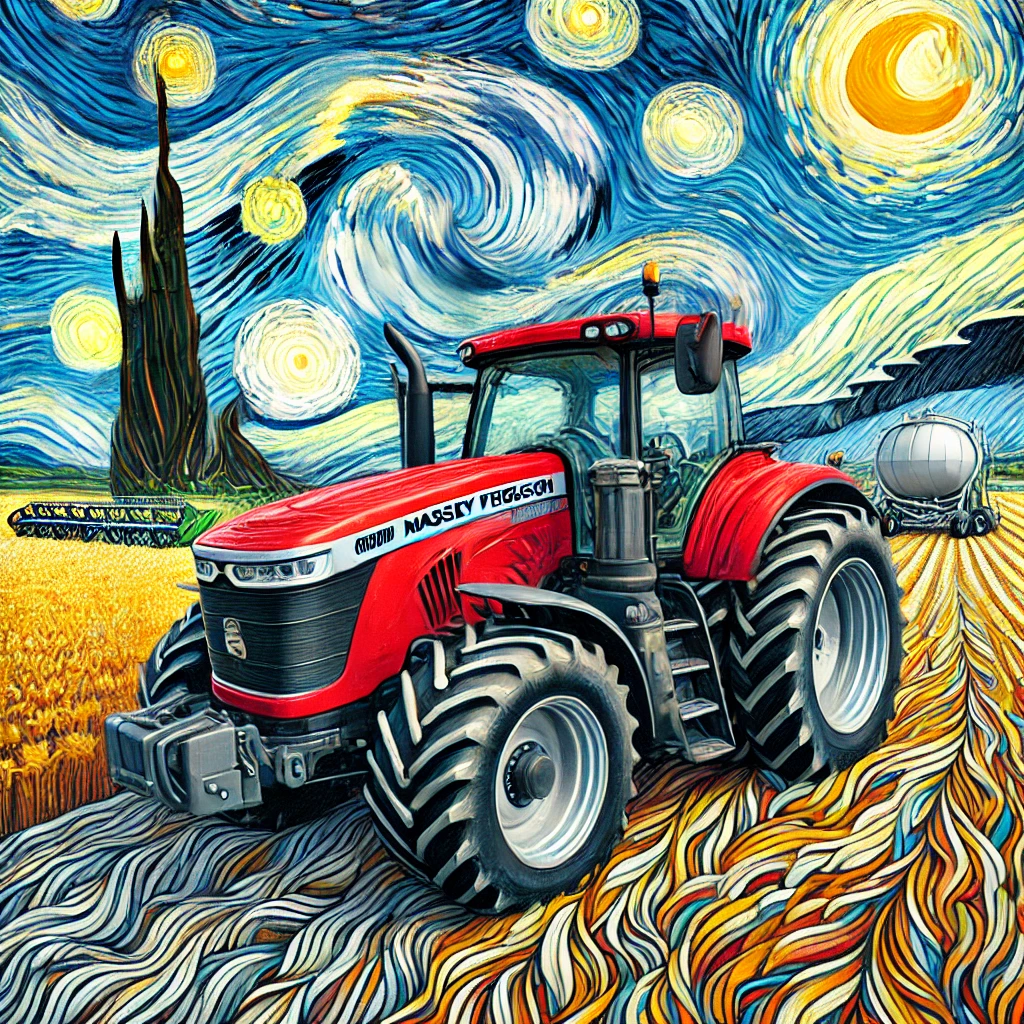
Can Classic Tractors Reduce Carbon Footprints In Agriculture?
Can Classic Tractors Reduce Carbon Footprints In Agriculture?
- Classic tractors embody the hard work and dedication of traditional agriculture.
- They can significantly reduce carbon footprints compared to modern machinery.
- Vintage tractors often feature simpler engines, allowing for modifications that enhance fuel efficiency.
- Restoring classic tractors fosters a community that shares knowledge on sustainable farming practices.
- Investing in these machines promotes connection within the agricultural community and sustainable land stewardship.
- Despite modern tractors’ high-tech advantages, classic models offer charm and practicality for eco-conscious farmers.
- Classic tractors represent a sustainable future while honoring agricultural heritage.

Can Classic Tractors Reduce Carbon Footprints In Agriculture?
How Do Maintenance Costs Of Classic Tractors Compare To New Machines?
When you think about tractors, whether they’re classic beauties from a bygone era or shiny new models rolling off the assembly line, one thing that’s often overlooked is the maintenance cost. Now, you might imagine that a shiny new tractor would be a walk in the park when it comes to upkeep. After all, it’s got the latest technology, warranties, and fluid dispensers straight out of a sci-fi novel. But let’s take a moment to peel back those flashy paint jobs and get into the nitty-gritty of what really keeps these machines rolling—and how their maintenance costs stack up.
First off, classic tractors have a charm that can’t be beat. They’ve got character, history, and stories etched into their metal frames. However, they also come with quirks. Parts might be hard to come by, and that restoration project you started might turn into a full-blown archaeological dig if you’re not careful. Sure, it can be a labor of love, but when it comes to maintenance costs, you might find yourself reaching for that wallet more than you thought. And don’t get me started on those aftermarket parts—what was once a simple fix can quickly spiral into a treasure hunt for the right component that could run you hundreds of dollars.
On the flip side, new machines are like the Swiss Army knives of farming. They come equipped with all the latest gadgets, and their maintenance generally sticks to a well-oiled schedule laid out by the manufacturer. But let’s not kid ourselves. Newer tractors can have sky-high repair costs—especially when you factor in electronic systems that seem more like an episode of “Wired and Tired” rather than a simple engine tune-up. And heaven forbid you encounter software glitches! That phone call to tech support can take you from being a farmer to an unpaid intern in a tech support center faster than you can say “service update.”
So, where does that leave us? It’s all about weighing the scales. Classic tractors offer that nostalgic touch and hands-on experience that can form a bond between man and machine. On the other hand, new tractors promise efficiency and ease—albeit at a price. Whichever route you choose, keep those maintenance costs in mind. Because whether you’re rolling through the field in a classic that roars with personality or a modern marvel gliding smoothly over the soil, knowledge is the best tool you’ve got in your shed.

How Do Maintenance Costs Of Classic Tractors Compare To New Machines?
How Do Maintenance Costs Of Classic Tractors Compare To New Machines?
- Maintenance costs for tractors are often overlooked when considering classic versus new models.
- Classic tractors have charm and character but may require costly restoration and hard-to-find parts.
- Aftermarket parts for classic tractors can lead to unexpected expenses and lengthy searches.
- New tractors feature advanced technology and manufacturers provide structured maintenance schedules.
- Repair costs for newer tractors can be high, especially with complex electronic systems.
- Software glitches in new tractors may require tech support, potentially complicating maintenance.
- Choosing between classic charm and modern efficiency requires consideration of overall maintenance costs.

How Do Maintenance Costs Of Classic Tractors Compare To New Machines?
What Role Do Classic Tractors Play In Soil Health?
Picture this: a sun-drenched field, the hum of a classic tractor working tirelessly against the backdrop of wide-open skies. These timeless machines, with their rugged build and powerful engines, do more than just plow through dirt—they are the unsung heroes of soil health. When you step back and take a closer look, you’ll see that these old faithfuls are not just relics of farming history; they’re a crucial part of nurturing the very earth that sustains us.
Classic tractors were designed with sturdiness in mind, often solely focused on getting the job done without extra fluff. This simplicity is their strength. They allow farmers to work the land in a way that promotes soil aeration, which increases the soil’s ability to retain moisture and nutrients. When soil is compacted, it struggles to breathe, much like we do when we can’t catch a breath. But classic tractors, with their weight and power, can till the ground gently yet effectively, breaking up hard soil and allowing it to flourish.
But wait, there’s more! Using these tractors often opens the door to sustainable practices. Responsible farmers are increasingly turning to crop rotation and reduced tillage methods—practices that work in harmony with their trusty tractors. This isn’t just about nostalgia; it’s about preserving the land for future generations. Classic tractors help facilitate these methods by giving farmers the flexibility to adapt their practices while minimizing disruption to the soil ecosystem.
What about the community? The connection between a farmer and his or her tractor runs deep. Each scratch and dent tells a story, creating an emotional bond that fosters a sense of responsibility for the land. It’s that same responsibility that drives a farmer to care for the soil—the heart of farming. Those glimmering paint jobs and vintage logos remind everyone that what happens on that soil today directly influences what our children will see tomorrow.
In essence, classic tractors do more than just pull plows; they empower farmers to be stewards of the land. By embracing these durable machines, farmers are not just tilling the earth; they’re crafting a sustainable future. So the next time you see a classic tractor rolling through the fields, recognize it for what it truly is: a protector of soil health and a champion of our agricultural heritage. In this dance between man and machine, we find hope and a call to action — to honor the soil beneath our feet.

What Role Do Classic Tractors Play In Soil Health?
What Role Do Classic Tractors Play In Soil Health?
- Classic tractors are essential for soil health and sustainability in farming.
- Designed for sturdiness, they promote soil aeration and enhance moisture retention.
- They effectively break up compacted soil, allowing it to flourish.
- Support sustainable practices like crop rotation and reduced tillage methods.
- Foster a deep emotional bond between farmers and their machines, enhancing stewardship of the land.
- Each tractor tells a story with scars that reflect the history and responsibility for the earth.
- Classic tractors symbolize hope for a sustainable agricultural future while honoring our heritage.

What Role Do Classic Tractors Play In Soil Health?
Are Classic Tractors Easier To Repair And Maintain?
When you think about the heart of a farm, it’s hard not to picture a trusty old tractor brimming with character, grit, and stories to tell. Classic tractors have an appeal that goes beyond their vintage look; they embody a hands-on era when machines were built to last. But the real question isn’t just about aesthetics or nostalgia—are these classic marvels genuinely easier to repair and maintain?
Let’s break it down. Unlike the high-tech machinery that’s become prevalent today, a classic tractor offers a simpler, more straightforward design. When you pop the hood, you’re greeted by a mechanical wonder that doesn’t require a degree in computer science to understand. The simpler engineering means fewer parts to fuss about with, making repairs feel more manageable. Imagine standing beside a tractor, tools in hand, recognizing each component as if it were an old friend. It’s a rewarding experience that builds confidence and instills a sense of accomplishment.
And let’s talk about parts availability. There’s something comforting about knowing that many classic tractors share a lineage with components still in production today. Whether you’re on a treasure hunt at a local equipment auction or browsing online vintage parts stores, finding what you need is often far less daunting than for a modern machine with proprietary parts and technology. The robust community of enthusiasts supporting classic tractors means you’ve got allies in your corner, sharing tips and tricks, and potentially easing that repair process.
Let’s not forget about the labor of love that comes with maintaining these machines. Putting in the effort to keep a classic tractor running isn’t just about the mechanics; it builds a connection. Each grease fitting you service or every bolt you tighten becomes part of your journey with that tractor. In a world increasingly driven by disposable technology, there’s something deeply gratifying about knowing that your work contributes to the longevity of a reliable piece of equipment.
So, if you’re on the fence about diving into the world of classic tractors, consider this your call to action. Embrace the challenge of repair and maintenance—it fosters a bond with the machine and a deeper appreciation for its history. Whether you’re a seasoned farmer or a curious newcomer, classic tractors promise not just ease of upkeep but an entirely new experience steeped in heritage and connection. Trust in yourself and the process; after all, every classic tractor has its own story, and what better way to keep it alive than by becoming a part of it?

Are Classic Tractors Easier To Repair And Maintain?
Are Classic Tractors Easier To Repair And Maintain?
- Classic tractors represent an era of durability and hands-on mechanics.
- Their simpler design makes them easier to repair and maintain compared to modern machines.
- Familiarity with mechanical components enhances the repair experience and builds confidence.
- Parts for classic tractors are often easier to find due to shared components still in production.
- A supportive community of classic tractor enthusiasts offers valuable resources and advice.
- Maintaining classic tractors fosters a personal connection and contributes to the longevity of the equipment.
- Embracing the challenge of working with classic tractors enhances appreciation for their history and functionality.

Are Classic Tractors Easier To Repair And Maintain?
Conclusion
In closing, let’s take a moment to recognize the role of classic tractors as more than just quaint relics of an agrarian past. These sturdy machines, with their character and uncomplicated designs, have much to offer in the realm of sustainable farming. Sure, the shiny, high-tech tractors of today come with all the modern bells and whistles, but there’s an undeniable charm—and practicality—in choosing a vintage model that speaks to the heart of farming.
First up on the list of benefits: reliability. Classic tractors were designed in simpler times, built to endure the trials of earth and weather and to keep on chugging along. They aren’t just machines; they’re trusted companions that can weather the storms—both literally and metaphorically. Their straightforward mechanics allow you to connect with them on a personal level. You can get your hands dirty, learn the nuances of repair, and foster a sense of accomplishment that simply can’t be matched with a modern machine that requires high-tech troubleshooting.
Let’s face it: in today’s world of rapid replacements and planned obsolescence, a vintage tractor embodies a philosophy of longevity and responsibility. Each time you opt to rev that classic engine instead of the latest model, you embrace a mindset that prioritizes sustainability. These machines encourage responsible practices like crop rotation and reduced tillage, directly enhancing the health of our soils. They remind us that farming is about stewardship—it’s an obligation to nurture the land we depend on.
And let’s not overlook the financial aspect. Classic tractors can often prove less expensive to maintain than their modern counterparts, making them an attractive option for savvy farmers looking to keep their expenses in check while still being part of the sustainable farming movement. By converting them to run on alternative fuels, farmers can further reduce their carbon footprints.
In the end, choosing a classic tractor is about more than nostalgia—it’s about weaving together the threads of our agricultural history with the promise of a sustainable future. When we respect the past and harness the simplicity of these machines, we create a powerful bridge to fostering a healthier relationship with the land. So, as we look towards the future of farming, don’t underestimate the wisdom hidden in those time-tested wheels. Strap on your work boots, hop in the seat, and let’s honor the tradition while cultivating the land for generations to come. Because in the heart of every classic tractor, there lies both history and hope for tomorrow.

Conclusion
Conclusion:
- Classic tractors serve as more than nostalgic artifacts; they play a vital role in sustainable farming.
- These machines offer reliability and straightforward mechanics, allowing for personal connection and hands-on learning.
- Choosing vintage models embodies a philosophy of longevity and responsibility against a backdrop of modern planned obsolescence.
- Classic tractors promote sustainable practices like crop rotation and reduced tillage, enhancing soil health.
- These tractors can be less expensive to maintain, appealing to farmers looking to manage costs while supporting sustainability.
- Converting classic tractors to alternative fuels can further reduce carbon footprints, aligning with eco-friendly practices.
- Opting for a classic tractor honors agricultural history while fostering a sustainable future for farming.

Conclusion
Other Resources

Other Resources
Here is a list of other resources you can review online to learn more:
Use This Prompt To Get More Resources With Your Favorite Online AI Tool: Please provide me with a list of online articles with their URLs in a bulleted list that I can read regarding Are Classic Tractors The Key to Sustainable Farming Practices?

Other Resources
Glossary Terms
Are Classic Tractors The Key to Sustainable Farming Practices? – Glossary Of Terms
1. Classic Tractor: An older model of agricultural vehicle, typically built before the 1980s, known for its durability and simplicity.
2. Sustainable Farming: Agricultural practices that meet current food and textile needs without compromising the ability of future generations to meet their needs.
3. Biodiversity: The variety of life in a given ecosystem, which supports resilience and productivity in sustainable agriculture.
4. Soil Erosion: The removal of the top layer of soil, which can be mitigated through the careful use of classic tractors and their associated tilling practices.
5. Permaculture: An approach to land management that mimics natural ecosystems, promoting sustainability and biodiversity.
6. Organic Farming: A method of farming that avoids synthetic chemicals, promoting soil health and sustainable practices.
7. Carbon Sequestration: The process of capturing and storing atmospheric carbon dioxide, which can be enhanced by sustainable farming practices.
8. Mechanical Efficiency: The effectiveness of a tractor or piece of equipment in performing its intended tasks with minimal fuel consumption and resources.
9. Heritage Farming: Agricultural methods and practices based on traditional approaches that often prioritize sustainability and local biodiversity.
10. Crop Rotation: The practice of alternating the types of crops grown in a particular area to improve soil health and reduce pest buildup.
11. Integrated Pest Management (IPM): A holistic approach to pest control using a combination of biological, cultural, and mechanical practices.
12. Agroecology: A scientific discipline that promotes sustainable agriculture through the principles of ecology and environmental stewardship.
13. Minimal Tillage: A farming practice that involves minimal disturbance of the soil to preserve soil structure and health, often compatible with classic tractors.
14. Cover Crops: Crops planted primarily to manage soil erosion, enhance soil health, and promote biodiversity during off-seasons.
15. Fuel Efficiency: The relationship between the amount of fuel consumed by a classic tractor and the agricultural output achieved.
16. Precision Farming: An agricultural management approach that uses technology to monitor and optimize field variability in crops.
17. Ecosystem Services: The benefits provided by ecosystems that support human life, including pollination, nutrient cycling, and water purification.
18. Crop Diversity: The practice of growing a variety of plants in agriculture, which can enhance resilience against pests and diseases.
19. Local Food Systems: Food production and distribution networks that emphasize local sourcing to reduce carbon footprints and support local economies.
20. Farm Biodiversity: The variety of species cultivated on a farm, including plants, animals, and microorganisms, contributing to a healthy ecosystem.
21. Composting: The process of recycling organic material into a nutrient-rich soil amendment, fostering soil health in sustainable farming.
22. Holistic Management: A systems-thinking approach to managing resources that considers social, economic, and environmental factors.
23. Regenerative Agriculture: Farming practices aimed at regenerating soil health and ecosystems while improving productivity and sustainability.
24. Sustainable Energy: Energy sources that are renewable and non-polluting, which can be integrated into modern farming practices.
25. Water Conservation: Practices aimed at reducing water usage and improving irrigation efficiency in agricultural systems.
26. Historical Equipment: Agricultural machinery, such as classic tractors, that reflect traditional farming practices and efficient methods of the past.
27. Community Supported Agriculture (CSA): A system where consumers buy shares of a farm’s harvest in advance, promoting local farming and sustainability.
28. Field Trials: Controlled experiments conducted on farms to test the effectiveness of agricultural practices, including the use of classic tractors.
29. Organic Matter: Decomposed plant and animal materials that contribute to soil fertility, often enhanced by sustainable farming techniques.
30. Agricultural Resilience: The ability of a farming system to recover from disruptions and maintain productivity, a quality that can be supported by the use of classic tractors and sustainable methods.

Glossary Of Terms
Other Questions
Are Classic Tractors The Key to Sustainable Farming Practices? – Other Questions
If you wish to explore and discover more, consider looking for answers to these questions:
- What are some common models of classic tractors used in sustainable farming?
- How can I find parts for classic tractors?
- What is the average cost of maintaining a classic tractor?
- Are there any grants or subsidies available for using classic tractors in farming?
- How do classic tractors impact soil quality compared to modern tractors?
- Can classic tractors be adapted for modern farming practices?
- What are some success stories of farmers using classic tractors sustainably?
- How can I learn more about restoring and maintaining classic tractors?
- What skills do I need to maintain a classic tractor effectively?
- What environmental benefits do classic tractors offer beyond carbon footprint reduction?

Other Questions
Haiku
Are Classic Tractors The Key to Sustainable Farming Practices? – A Haiku
Classic tractors shine,
Bridging past and future’s path—
Roots in soil, they thrive.

Haiku
Poem
Are Classic Tractors The Key to Sustainable Farming Practices? – A Poem
In Praise of Classic Tractors
Upon the fertile earth they stand,
Classic tractors, strong and grand,
With wheels that turned through time and toil,
A bridge to nature, nurtured soil.
In fields where sun and shadows play,
Their gentle hum begins the day,
Each rusted bolt and painted line,
Holds tales of patience, care, divine.
They thrive in simplicity’s embrace,
A faithful friend through every trace,
Less power-hungry, crafted to last,
With easy hands, we mend the past.
For in their engines, wisdom’s thrall,
Responding well to each farmer’s call,
No need for gadgets, just sturdy might,
They teach us to ponder our earthly plight.
Oh, the cost-effectiveness they bring,
In wisdom’s churn, where hard work sings,
They anchor dreams where crops abide,
And nurture bonds, and community wide.
Together we conserve the earth,
Through care and respect respawning worth,
From vintage iron comes lessons unmissed,
Of legacy cherished, of progress kissed.
So let us embrace these ageless tools,
For in those wheels, tradition rules,
In every furrow, a brighter lore,
Classic tractors—our path to restore.

Poem
Checklist
Are Classic Tractors The Key to Sustainable Farming Practices? – A Checklist
Checklist: Embracing Classic Tractors for Sustainable Farming
This checklist accompanies the article “Are Classic Tractors The Key to Sustainable Farming Practices?” and outlines key benefits and considerations for using classic tractors in sustainable farming.
1. Evaluate the Condition of Classic Tractors
_____ Inspect mechanical components for wear and tear.
_____ Check for availability of replacement parts.
_____ Assess fuel efficiency capability.
2. Understand Maintenance Requirements
_____ Familiarize yourself with basic repairs and common issues.
_____ Gather necessary tools for DIY repairs.
_____ Create a maintenance schedule to ensure longevity.
3. Review Financial Considerations
_____ Compare initial purchase price of classic vs. modern tractors.
_____ Estimate long-term maintenance costs.
_____ Calculate potential savings on fuel consumption.
4. Consider Sustainability Practices
_____ Research how classic tractors can be adapted for alternative fuels.
_____ Explore crop rotation and reduced tillage compatible with classic tractors.
_____ Evaluate the impact of classic tractors on soil health.
5. Promote Community Engagement
_____ Join local classic tractor clubs or online forums for support.
_____ Participate in vintage tractor shows or agricultural fairs.
_____ Share experiences and tips with fellow farmers.
6. Reflect on Your Farming Philosophy
_____ Assess your connection to tradition and agricultural heritage.
_____ Determine how classic tractors align with your sustainability goals.
_____ Keep a journal of experiences and lessons learned from using classic tractors.
7. Make Informed Purchasing Decisions
_____ Research the history and reputation of specific classic tractor models.
_____ Test drive potential purchases to assess comfort and performance.
_____ Seek advice from seasoned classic tractor owners.
8. Embrace Hands-On Learning
_____ Plan for hands-on time to work on repairs and maintenance.
_____ Consider taking a workshop or class on vintage machinery upkeep.
_____ Document your learning process and share it with others.
By following this checklist, farmers and enthusiasts can embrace the benefits of classic tractors and contribute to more sustainable farming practices.

Checklist
At ClassicTractorNews, we help tractor lovers keep up with the latest news for classic and vintage tractors.
Please share this post with your friends, family, or business associates who may like old classic or vintage tractors.