


The Timeless Allure Of Classic Tractors In Modern Farming
By Tom Seest
At ClassicTractorNews, we help tractor lovers keep up with the latest news for classic and vintage tractors.
Please share this post with your friends, family, or business associates who may like old classic or vintage tractors.
Are Classic Tractors The Key to Simplicity In Farm Operations
When you think of a classic tractor, you might not just see an old piece of machinery; you see the heart and soul of agriculture. There’s something about the rumble of a vintage engine that doesn’t just fuel a field, but also fuels a sense of pride. Each tractor tells a story—a narrative of toil, triumph, and tradition that connects generations of farmers who’ve relied on their dependable machines to cultivate life from the soil.
In today’s fast-paced world, where technology often gets confused with progress, classic tractors remind us that simplicity is a powerful tool. With fewer bells and whistles, they stand as enduring symbols of efficiency. They teach us that what truly matters isn’t the gadgetry, but rather the grit and determination behind every farming operation. Think about it: when you hop on the seat of a classic tractor, the controls are intuitive, and the maintenance is accessible. That simplicity turns everyday tasks into an authentic experience, bringing us closer to the land we love.
Emotionally, these tractors inspire a bond between farmer and machine that modern tech often fails to replicate. Picture a farmer waking at dawn, his breath rising in the crisp morning air, and as he turns the key, that old engine roars to life. It’s not just about planting seeds—it’s about planting hope and dreams. Each row tilled and each seed sown is a testament to a farmer’s life journey—a complex tapestry of hard work and belief in something greater.
Of course, there’s a rational side to all this. Classic tractors are built to last, with sturdy frames and straightforward mechanics that anyone with a bit of know-how can repair. The expense over time? Negligible compared to the bills associated with high-tech replacements. This brings us to the ethical angle. Investing in classic machinery minimizes resource consumption and aligns with a sustainable mindset. It’s a step back toward farm operations grounded in stewardship—taking care of the land and machinery while respecting their interconnectedness.
Moreover, in a world where social connections are more important than ever, these tractors foster a sense of community. Local clubs and gatherings spring up around the appreciation of these workhorses, creating networks of support and shared knowledge, proving that sometimes, the best modern solution is a little age and appreciation in our farming practices.
So, the next time you see a classic tractor rumbling along, know that its true power lies not just in the mechanics, but in its capacity to bring us back to what farming is all about: simplicity, community, and a connection to the Earth.

Are Classic Tractors The Key to Simplicity In Farm Operations
Are Classic Tractors The Key to Simplicity In Farm Operations
- Classic tractors symbolize the heart and soul of agriculture, representing pride and tradition.
- Each tractor tells a unique story of farmers’ toil, triumph, and reliance on dependable machinery.
- They embody simplicity and efficiency, reminding us that grit and determination matter more than gadgetry.
- Classic tractors create an emotional bond between farmer and machine, fostering hope with each task.
- Built to last, these tractors feature straightforward mechanics that are easy to repair, making them cost-effective.
- Investing in classic machinery promotes sustainability and stewardship, minimizing resource consumption.
- These tractors encourage community building through local clubs and gatherings, reinforcing support networks.
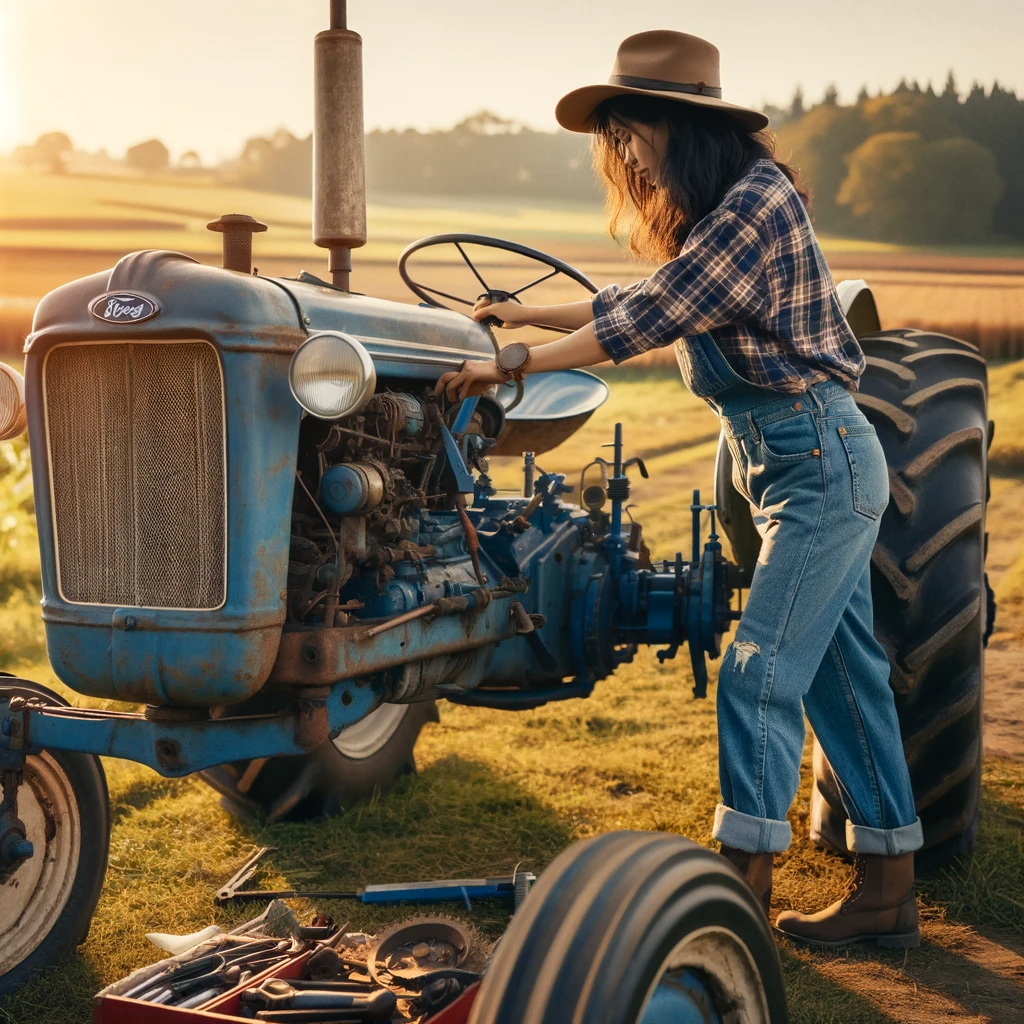
Are Classic Tractors The Key to Simplicity In Farm Operations
Table Of Contents
- Are Classic Tractors The Key to Simplicity In Farm Operations
- Are Classic Tractors A Nostalgic Solution For Modern Farmers?
- How Can Classic Tractors Reduce Operational Costs On A Farm?
- Do Classic Tractors Foster A Stronger Connection To Farming Heritage?
- Could Using Classic Tractors Simplify Your Farming Tasks Effectively?
- Is The Reliability Of Classic Tractors Worth The Investment?
- How Do Classic Tractors Support Sustainable Farming Practices Today?
- Conclusion
- Other Resources
- Glossary Of Terms
- Other Questions
- Haiku
- Poem
- Checklist
Are Classic Tractors A Nostalgic Solution For Modern Farmers?
When you step onto a classic tractor, there’s an instant connection—a bond that transcends time. Picture it: the sun rising over well-tended fields, the familiar rumble of an antique engine, and the comforting scent of soil and fresh grass. This is not just machinery; it’s a piece of farming history, a symbol of hard work passed down from one generation to the next. These tractors hold stories, memories wrapped in rust and paint—a tribute to the labor and dedication of those who tilled the earth before us.
But let’s not romanticize too quickly. What is it about these vintage machines that continues to resonate with modern farmers? The answer lies not just in nostalgia but in resilience. Classic tractors, designed with durability in mind, often boast simple mechanics that can be repaired with little more than a wrench and some elbow grease. In contrast to today’s high-tech machines that seem to require a Ph.D. to operate, these bygone models can be maintained by anyone intimately familiar with their inner workings. This practicality aligns with a critical facet of modern farming: sustainability. The choice to restore or invest in a classic tractor makes an ethical statement—it says you are committed to preserving resources, opting for repair over disposal, and valuing the wisdom of the past.
Moreover, diving into the world of classic tractors fosters a sense of community. Enthusiasts gather at fairs, swap meets, and local shows, sharing tips, stories, and perhaps a few laughs over the quirks of their machines. This camaraderie reminds us that farming is as much about relationships as it is about crops and equipment. As you connect with fellow farmers, whether they’re seasoned veterans or newcomers, you embrace the mentorship and solidarity that fuels this vital profession.
Using a classic tractor is more than just an operational decision; it’s a leap into a narrative filled with pride, labor, and lineage. This nostalgia isn’t a retreat from progress; it’s a way to ground ourselves in our heritage while powering forward into an uncertain future. So perhaps, the next time you contemplate your fleet, consider that classic tractor not just as a tool, but as a bridge between the past and the promise of tomorrow—a legacy that might just inspire the heart and the gut, guiding modern farmers towards a path that reconciles innovation with tradition.

Are Classic Tractors A Nostalgic Solution For Modern Farmers?
Are Classic Tractors A Nostalgic Solution For Modern Farmers?
- Classic tractors create a deep connection and bond, representing pieces of farming history.
- They symbolize hard work and dedication, embodying stories and memories of past generations.
- Classic tractors offer resilience with durable, simple mechanics, allowing for easy repairs.
- They align with sustainable farming practices, promoting repair over disposal and resource conservation.
- Owning a classic tractor fosters a sense of community among farmers through shared experiences.
- The nostalgia tied to classic tractors represents a bridge between heritage and modern farming.
- Using classic tractors inspires a balance between innovation and tradition for future generations.

Are Classic Tractors A Nostalgic Solution For Modern Farmers?
How Can Classic Tractors Reduce Operational Costs On A Farm?
When we think about tractors, we often envision hulking machines of modern ingenuity: shiny, high-tech behemoths boasting the latest gadgetry. But what if we took a step back and looked at the charm and practicality of classic tractors? These old-school marvels aren’t just relics of our agricultural past — they’re pragmatic tools that can help reduce operational costs on a farm, all while fostering a deeper connection to the land we cultivate.
Classic tractors, with their timeless design and rugged simplicity, resonate with the heart of farming. They symbolize a heritage of toil and perseverance, harking back to an era when farming was more about resourcefulness than reliance on the latest tech. Using these machines isn’t just about saving a few bucks; it’s about rekindling a spirit of hard work and care for the land. When we choose to maintain and operate these tractors, we’re not just preserving history — we’re actively engaging with it, creating a story that intertwines with our own lives.
From a financial perspective, the vintage tractor is a shrewd investment. Many of these machines, when properly maintained, boast remarkable durability and longevity. They don’t require expensive computer diagnostics or specialized repair services, making minor maintenance tasks manageable for even the most novice farmer. Classic tractors often have simpler mechanics, meaning fewer repairs and less downtime. It’s the kind of practical wisdom that those who’ve walked the fields understand: invest in the straightforward, and you’ll reap the rewards.
Ethically speaking, choosing a classic tractor promotes sustainability. The act of repurposing and revitalizing older machinery not only reduces waste but also diminishes the carbon footprint associated with manufacturing new equipment. It’s a nod to our collective responsibility towards the environment. By keeping these machines running, we’re making a conscientious decision to honor our resources and tread lightly on the Earth.
Socially, embracing classic tractors creates a bond among farmers. Picture a local farm show, where stories of restoration and amazing feats of functionality meld into one another, sparking camaraderie and pride. It’s not just about the tractor itself; it’s about the community that thrives around these steadfast machines.
In a world racing towards the new and shiny, it’s time to celebrate the old and trusted. It’s time to return to our roots, fostering a connection to our land and our past, all while saving money and working smarter, not harder. Classic tractors can empower farmers to not only survive but flourish in an ever-evolving agricultural landscape.

How Can Classic Tractors Reduce Operational Costs On A Farm?
How Can Classic Tractors Reduce Operational Costs On A Farm?
- Classic tractors offer charm and practicality, serving as pragmatic tools for modern farming.
- These machines symbolize a heritage of perseverance, emphasizing resourcefulness over reliance on technology.
- Maintaining and operating classic tractors creates a personal connection to farming history.
- Vintage tractors are durable and require less expensive maintenance and repairs, making them cost-effective.
- Using classic tractors promotes sustainability by reducing waste and lessening carbon footprints.
- Classic tractors foster community bonds among farmers through shared stories and experiences.
- Celebrating classic tractors encourages a return to roots in an evolving agricultural landscape while saving money.

How Can Classic Tractors Reduce Operational Costs On A Farm?
Do Classic Tractors Foster A Stronger Connection To Farming Heritage?
There’s something undeniably magnetic about a classic tractor. The way it lumbered across fields years ago, plowing through dirt and time, carries stories that transcend generations. These machines are not just tools; they are vessels of memories, intimately woven into the very fabric of farming heritage. They whisper the tales of farmers who rose with the sun and toiled under open skies, blending sweat with soil. Every scratch and rust mark speaks of hard work, resilience, and triumph.
Emotionally, classic tractors conjure warmth and nostalgia. Ever see an older farmer light up when he spots an antique Fordson or an International Harvester parked in a dusty barn? Those gleaming orange fenders can spark smiles as wide as the horizon. But it’s more than fond memories; it’s the unspoken bond they share with their ancestors. These machines are not relics of the past; they’re reminders of who we are and where we come from, helping us understand our roots and the values that come with them.
On a rational level, classic tractors also symbolize durability and simplicity—a stark contrast to today’s tech-heavy, gadget-filled machinery. They are a testament to robust engineering, built to last with minimal fuss. For those who appreciate the skill of watching gears mesh and engines roar without relying on computer diagnostics, these tractors represent knowledge, craftsmanship, and a profound connection to one’s work. With every turn of the wrench and each scrape of a tire on the dirt, a farmer feels involved in a vital legacy—a shared, collective effort to cultivate the land.
Ethically, preserving culture through classic tractors challenges us to respect our environment. Observing how sustainable farming practices were a necessity rather than a trend fosters a deeper appreciation for the earth and its resources. These tractors serve as constant reminders that good stewardship was the norm long before it became a buzzword.
Socially, when classic tractor enthusiasts gather for events, it turns into a family reunion of sorts. The shared laughter, stories, and smiles—those connections foster a community built on trust and common understanding, linking individuals across generations. There’s genuine power in this gathering of souls, awkwardly navigating the imbalance of work and leisure, all bound by one remarkable machine.
Whether you’re plowing a field or restoring an old tractor, you’re participating in a timeless tradition. With every rev of the engine, you join the dance of farmers past and present, cultivating not just crops, but a deeper sense of belonging.

Do Classic Tractors Foster A Stronger Connection To Farming Heritage?
Do Classic Tractors Foster A Stronger Connection To Farming Heritage?
- Classic tractors carry stories that transcend generations and are woven into farming heritage.
- They evoke nostalgia and warmth, creating bonds between current farmers and their ancestors.
- Classics symbolize durability and simplicity, contrasting with modern tech-heavy machinery.
- They represent knowledge, craftsmanship, and a connection to the land and work.
- Preserving classic tractors fosters respect for the environment and sustainable farming practices.
- Enthusiasts gather at events, creating a community built on trust and shared experiences.
- Participating in the use or restoration of tractors connects individuals to a timeless tradition.

Do Classic Tractors Foster A Stronger Connection To Farming Heritage?
Could Using Classic Tractors Simplify Your Farming Tasks Effectively?
There’s something undeniably nostalgic about the sound of a classic tractor rumbling to life—its engine purring like a satisfied cat after a hearty meal. This isn’t just any piece of machinery; it’s a testament to the toil, grit, and resilience of those who came before us. When you climb onto the weathered seat of a vintage tractor, you’re not just starting an engine; you’re stepping into a story, rich with labor and love. Remember the first time you helped your grandfather on his farm? That lingering scent of fresh soil and sun-baked hay connected you to something bigger than yourself. Each turn of the wheels feels like a nod to that history, threading your present back to generations of farmers who relied on robust machines to cultivate their land—and their dreams.
Now, let’s talk turkey—or, in this case, practicality. Classic tractors are often simpler machines, built to withstand the test of time. With fewer electronic components and a more straightforward design, they come with a remarkable ease of maintenance. For the farmer against a ticking clock, reaching for tools, not trouble, makes all the difference. A quick tune-up can have your classic beauty back in the fields faster than you can say “bale of hay.” And let’s not kid ourselves: there’s an ethical angle to consider, too. Embracing these machines means honoring sustainable farming practices. With their durability, classic tractors often require less energy than their modern counterparts, reducing your carbon footprint and conserving resources.
Let’s face it—farming can feel isolating, like a solitary lighthouse keeper battling the relentless tide. But when you drive that classic tractor down the dusty roads of your land, you’re not just tending to crops; you’re igniting a conversation. Just think of all the neighbors who’ll nod in recognition, sharing a smile and a wave, reminding you that you are part of a larger community—a collective of heart, soul, and sweat. By reviving classic tractors, you’re also reinvigorating that sense of togetherness and mutual respect among fellow farmers, all united by the same rust-stained passion.
So, the next time you’re faced with the choice between the shiny allure of a modern machine and the rugged charm of a classic tractor, consider what matters most. It’s about more than just saving time—it’s about forging a connection with your land and your community, one turn of the wheel at a time. Choose wisely, and let tradition lead the way.

Could Using Classic Tractors Simplify Your Farming Tasks Effectively?
Could Using Classic Tractors Simplify Your Farming Tasks Effectively?
- The sound of a classic tractor evokes nostalgia and symbolizes the hard work and resilience of past generations.
- Climbing onto a vintage tractor connects one to a rich history of labor and love in farming.
- Classic tractors are simpler, more durable machines that offer ease of maintenance compared to modern models.
- Using classic tractors supports sustainable farming practices and reduces energy consumption.
- Driving a classic tractor fosters a sense of community among farmers, encouraging connection and shared experiences.
- Reviving classic tractors reinforces communal respect and passion within the farming community.
- Choosing classic over modern machinery involves valuing tradition, connection to the land, and community ties.

Could Using Classic Tractors Simplify Your Farming Tasks Effectively?
Is The Reliability Of Classic Tractors Worth The Investment?
When you think about a tractor, what comes to mind? For many, it’s not just a machine; it’s a symbol of hard work, resilience, and tradition. Investing in a classic tractor isn’t merely a financial decision—it’s a connection to the past, a commitment to craftsmanship, and a nod to the values that have shaped our lives and communities.
Imagine the stories these old machines could tell if they could talk. They’ve plowed fields, towed heavy loads, and weathered countless storms, all while standing sturdy in the face of adversity. Their reliability isn’t just about metal and mechanics; it’s about the countless families who relied on them day in and day out. These tractors represent the sweat and toil of generations who understood the value of hard work, and to own one is to inherit a bit of that legacy.
From a rational perspective, classic tractors are remarkably simple in design, making them easier to repair and maintain. Unlike modern machines that can sometimes feel like a complex puzzle, these vintage workhorses can often be fixed with just a few basic tools and a lot of elbow grease. A well-maintained classic tractor can outlast many of today’s high-tech models—sometimes at a fraction of the cost. Imagine the satisfaction of rolling up your sleeves, tinkering with the engine, bringing a piece of history back to life while saving money that could be better utilized elsewhere.
Ethically, supporting classic tractors means preserving a piece of our agricultural heritage. Every time you revive and restore one of these machines, you’re engaging in an act of sustainability, diminishing the carbon footprint that comes with producing new models. Plus, it fosters a sense of community among enthusiasts who share a passion for keeping these legendary machines running.
And let’s not forget the social aspect. There’s a unique camaraderie that exists among classic tractor owners. Whether at fairs, shows, or local meetups, you’ll find a community of shared experiences and stories, where each classic tractor sparks conversations that link strangers through a shared appreciation for simplicity and reliability.
So ask yourself—is the reliability of a classic tractor worth the investment? If you value connection, history, and a genuine relationship with the earth, the answer is a resounding yes. These machines aren’t just tractors; they’re markers of our journey, testaments to our persistence, and beacons of reliability in a world that often feels anything but.

Is The Reliability Of Classic Tractors Worth The Investment?
Is The Reliability Of Classic Tractors Worth The Investment?
- A classic tractor symbolizes hard work, resilience, and tradition.
- Owning a classic tractor connects individuals to the past and the craftsmanship of previous generations.
- These machines have served countless families, representing their struggle and dedication.
- Classic tractors are simpler to repair and maintain compared to modern machines.
- Investing in a well-maintained classic tractor can offer durability at a lower cost.
- Restoring classic tractors contributes to sustainability and preserves agricultural heritage.
- An active community exists among classic tractor owners, fostering shared experiences and camaraderie.

Is The Reliability Of Classic Tractors Worth The Investment?
How Do Classic Tractors Support Sustainable Farming Practices Today?
From the dusty backroads of America to the sun-kissed fields of rural landscapes, the rumble of a classic tractor isn’t just a sound; it’s the heartbeat of sustainable farming. Picture this: a weathered farmer, hands calloused by years of toil, greets the dawn by firing up his trusty old tractor. It might not win any speed contests, but it symbolizes a connection to the land and a deep respect for the roots of agriculture. These machines whisper stories of resilience, tradition, and a commitment to nurturing the earth.
In an age increasingly dominated by flashy technology and accelerated production, classic tractors remind us of the values that have stood the test of time: simplicity, durability, and efficiency. With less reliance on advanced electronics and software, these machines offer farmers the chance to maintain a direct relationship with their tools. This simplicity fosters a deeper understanding of the land’s needs, echoing sentiments of stewardship that resonate in our gut. When farmers know their equipment inside-out, they can make more thoughtful decisions that prioritize sustainable methods, preserving resources for future generations.
Moreover, the emotional connection to these classic tractors is undeniable. Each scratch, dent, and worn-out seat tells a story of hard work and shared memories. When farmers restore these tractors, they aren’t just fixing equipment; they’re nurturing a legacy, often passing down wisdom and a sustainable ethos to their children. This familial bond instills a sense of responsibility. It’s a powerful reminder of the importance of sustainable practices, not just for family farms but for the whole community.
From a rational standpoint, classic tractors can also be cost-effective. Their simpler mechanics mean less chance of costly breakdowns and repairs, a relief for any farmer worried about balancing the books. But more than that, these tractors encourage practices that are in harmony with the environment, such as crop rotation and reduced tillage. When a farmer uses a classic tractor to prepare the soil, they’re empowered to go beyond profit margins, promoting soil health and biodiversity, essential for the planet’s future.
The resurgence of interest in classic tractors also sparks a movement among farmers. Communities gather to share knowledge, engage in swapping parts, and participate in restoration projects that reinforce a culture of sustainability. As more people connect with this tradition, the narrative of farming shifts towards a collective responsibility, echoing through generations.
In a world where everything feels fleeting, classic tractors remind us of the enduring spirit of agriculture. They inspire action—not just in our fields, but within our hearts, minds, and communities. When we embrace these timeless machines, we are choosing to cultivate a sustainable future together.

How Do Classic Tractors Support Sustainable Farming Practices Today?
How Do Classic Tractors Support Sustainable Farming Practices Today?
- Classic tractors symbolize the heartbeat of sustainable farming, connecting farmers to their land.
- They embody values of simplicity, durability, and efficiency amid modern technological advancements.
- Farmers gain a deeper understanding of soil needs and sustainable practices through their familiarity with these machines.
- Classic tractors foster emotional connections and legacy-building within farming families.
- They are cost-effective due to simpler mechanics, reducing the likelihood of expensive repairs.
- Tractors promote eco-friendly practices such as crop rotation and reduced tillage, enhancing soil health and biodiversity.
- The resurgence of interest in classic tractors strengthens community bonds around sustainability and shared knowledge.

How Do Classic Tractors Support Sustainable Farming Practices Today?
Conclusion
In the realm of farming, the importance of classic tractors cannot be overstated. They embody the essence of agriculture, connecting us to our roots while offering practical benefits in a modern world that often equates complexity with progress. Picture a farmer at dawn, the vintage engine rumbling to life—this isn’t just machinery; it’s a bridge to generations past, a testament to resilience, lineage, and a way of life grounded in hard work. Every scratch and dent narrates a history of sweat and dedication, creating an emotional resonance that high-tech alternatives simply can’t replicate.
The allure of classic tractors extends beyond nostalgia. These rugged beasts are built with simplicity and durability in mind, making maintenance straightforward and accessible. Gone are the days when repairs required advanced degrees in computer science; here, it’s about tools and know-how. This practicality doesn’t just save money—it reinforces a culture of sustainability. By choosing to maintain these machines, farmers are making eco-friendly choices, reducing waste and carbon footprints while simultaneously preserving a piece of agricultural heritage.
Furthermore, these tractors foster community ties that modern machinery often overlooks. Gatherings of enthusiasts, whether at fairs or local meet-ups, ignite camaraderie. Farmers swap tips, share stories, and deepen connections that are essential in a field often feels isolating. In these settings, classic tractors serve as social connectors, nurturing relationships among seasoned farmers and newcomers alike, reminding everyone that farming is about much more than crop yields; it’s about shared experiences, mentorship, and unity.
But let’s talk brass tacks: investing in a classic tractor isn’t just about emotional investment. It’s a rational choice. With fewer breakdowns and lower repair costs, these machines often shine as economically savvy options compared to their tech-laden counterparts. They promote sustainable practices that prioritize soil health, biodiversity, and responsible resource use—actions vital for future generations.
So, as you ponder your next farming investment, consider the classic tractor not as an antiquated relic, but as a powerful symbol—a tool that can reduce operational costs while fostering a deeper connection to the land and the community. Each rev of the engine is more than just sound; it’s a call to honor tradition, embrace simplicity, and cultivate a sustainable future. In the enduring dance of plow and soil, classic tractors invite us all to reconnect with what truly matters in farming: the joy of hard work, the strength of community, and a profound respect for the Earth. Let’s carry that legacy forward together.

Conclusion
Conclusion:
- Classic tractors embody the essence of agriculture, connecting us to our roots.
- They offer practical benefits and emotional resonance that high-tech alternatives lack.
- The simplicity and durability of classic tractors make repairs and maintenance accessible.
- Choosing to maintain these machines supports sustainability, reducing waste and carbon footprints.
- Classic tractors foster community ties and social connections among farmers.
- Investing in classic tractors is economically savvy with fewer breakdowns and lower repair costs.
- They symbolize tradition, simplicity, and a sustainable future in farming.

Conclusion
Other Resources

Other Resources
Here is a list of other resources you can review online to learn more:
Use This Prompt To Get More Resources With Your Favorite Online AI Tool: Please provide me with a list of online articles with their URLs in a bulleted list that I can read regarding Are Classic Tractors The Key to Simplicity In Farm Operations

Other Resources
Glossary Terms
Are Classic Tractors The Key to Simplicity In Farm Operations – Glossary Of Terms
1. Antique Tractors: Farm machinery built before a specific year, often valued for their historical significance and simplicity in design.
2. Agriculture: The practice of cultivating soil, growing crops, and raising livestock for food, fiber, and other products.
3. Operational Efficiency: A measure of how effectively a farm utilizes its resources in carrying out farming tasks.
4. Simplicity: The quality of being easy to understand or do, particularly in reference to machinery that requires less technology.
5. Mechanization: The use of machinery to perform tasks in agriculture, potentially improving productivity.
6. Torque: A measure of rotational force in engines, vital for understanding how tractors operate when pulling heavy loads.
7. Transmission: The mechanism that transmits power from the tractor’s engine to the wheels, affecting speed and strength.
8. Fuel Efficiency: A measure of how effectively a tractor converts fuel into work, crucial for operational cost management.
9. Maintenance: Regular tasks carried out to keep machinery in good working order, often simpler with classic tractors due to fewer complex components.
10. Restoration: The process of returning a classic tractor to its original state, often a popular hobby among enthusiasts.
11. Hydraulics: A system used in tractors for lifting and moving implements, enhancing operational versatility.
12. Compatibility: The ability of classic tractors to work with various attachments and implements, contributing to operational efficiency.
13. Field Operations: Tasks performed on agricultural land, such as planting, harvesting, and soil preparation.
14. Heritage Farming: A farming style that values traditional methods and older technologies, emphasizing sustainability and simplicity.
15. Implement: Any tool or device used in farming, such as plows or seeders, which can be easily attached to tractors.
16. Ergonomics: The science of designing equipment that fits the users, critical in ensuring comfort and efficiency in manual and tractor-assisted farming.
17. Power Take-Off (PTO): A feature on tractors that allows implements to draw power directly from the tractor’s engine.
18. Cultivation: The agricultural preparation of soil for planting crops, often performed with tractors for efficiency.
19. Reliability: The ability of classic tractors to perform consistently over time without frequent breakdowns.
20. Workhorse: A term used to describe a sturdy and reliable tractor that can handle intensive farm tasks.
21. Crop Rotation: An agricultural practice of alternating the species of crops grown in a particular area, benefitting soil health over time.
22. Self-Sufficiency: The ability of farmers to produce everything they need for their operations through their own means.
23. Sustainable Farming: Agricultural practices that cause minimal environmental harm and maintain productivity for future generations.
24. Cost-Effectiveness: The measure of an operation’s productivity balanced against its costs, particularly relevant for classic tractors.
25. Field Capacity: The maximum amount of work a tractor can perform in a given time period, crucial for optimizing farming operations.
26. Mechanical Advantage: A concept referring to using machines to enhance physical force and ease labor, significant in tractor design.
27. Soil Health: The state of a soil’s biological, chemical, and physical properties, which can be influenced by agricultural practices.
28. Multi-Functionality: The ability of classic tractors to perform various tasks with minimal attachment changes, promoting simplicity.
29. Community Engagement: Involvement of farmers in local networks or events that emphasize agriculture, often centered around classic machinery.
30. Innovation: The introduction of newer methods or technologies, contrasted with the traditional operation of classic tractors, often sparking discussions on simplicity.

Glossary Of Terms
Other Questions
Are Classic Tractors The Key to Simplicity In Farm Operations – Other Questions
If you wish to explore and discover more, consider looking for answers to these questions:
- What are the most popular classic tractor models among modern farmers?
- How does the cost of maintaining a classic tractor compare to a modern tractor?
- What are some common repairs that classic tractors might need?
- How can farmers find parts for classic tractors?
- What resources are available for learning about classic tractor maintenance?
- Are there specific types of crops that are better suited for cultivation with classic tractors?
- How can classic tractors be integrated into modern farming practices?
- What are the environmental benefits of using classic tractors versus modern ones?
- What role do classic tractors play in agricultural history and heritage events?
- Are there local clubs or organizations for classic tractor enthusiasts and owners?

Other Questions
Haiku
Are Classic Tractors The Key to Simplicity In Farm Operations – A Haiku
Rusty engines hum low,
Stories of toil and kinship,
Roots in earth, we grow.

Haiku
Poem
Are Classic Tractors The Key to Simplicity In Farm Operations – A Poem
An Ode to the Classic Tractor
In fields where memories weave like the morning’s mist,
Classic tractors rumble softly, their whispers persist.
Each scratch on their frame, a story untold—
Of farmers whose hands have nurtured the gold.
They rise with the sun, engines purring in time,
Binding tradition and toil in a rhythm sublime.
With fewer gadgets, they speak a language so clear,
Simplifying the toil, drawing loved ones near.
Ode to the grit, the journeys once paved,
For every row tilled, a community saved.
In the heart of each farmer, a legacy burns,
Roots deep in the soil, awaiting their turns.
A rational choice, with value that lasts,
For repairs are a dance, no complexities passed.
Built on resilience, sturdily made,
In each rusted bolt, the dreams never fade.
An ethical anchor in sustainable practices,
Preserving our Earth with wise, honest maxims.
As we turn the wheels of history anew,
These classic machines summon a bond tried and true.
A gathering place for camaraderie’s spark,
Where stories are shared, lighting up the dark.
From fairs to the fields, laughter fills the air,
Fostering connections, a community rare.
So let us honor the machines of our past,
In their humble engines, our futures are cast.
With each turn of the wheel, we embrace our role,
Cultivating the earth, nourishing the soul.
In every rev and rumble, let’s take heart,
For classic tractors teach us, they play a vital part.
They remind us of roots, of what farming can be—
A legacy of love, of simplicity, and unity.

Poem
Checklist
Are Classic Tractors The Key to Simplicity In Farm Operations – A Checklist
Checklist: Embracing the Simplicity of Classic Tractors in Modern Farming
Heart Appeals
_____ Connect with Tradition: Reflect on the stories your classic tractor has witnessed. How does it embody the values and experiences of past generations?
_____ Create Emotional Bonds: Share experiences with friends and family about your time spent on vintage tractors. How do they evoke nostalgia and stronger family connections?
_____ Foster Pride: Take pride in maintaining and operating classic machinery. How does this pride translate into your farming practice?
Head Appeals
_____ Assess Practicality: Evaluate the repair and maintenance simplicity of classic tractors. Do you find it easier to manage compared to modern machinery?
_____ Calculate Long-Term Costs: Analyze the cost-effectiveness of using classic tractors versus modern models. Are maintenance and operational costs significantly lower?
_____ Understand Sustainability: Review how choosing classic tractors aligns with sustainable farming practices. How do they contribute to minimizing your carbon footprint?
Gut Appeals
_____ Trust Your Instincts: Trust in the durability and reliability of classic tractors. Do you feel a stronger assurance in their performance compared to high-tech options?
_____ Engage in Stewardship: Consider how using classic tractors allows for a deeper connection with your land. What actions can you take to ensure you’re respecting and caring for your resources?
_____ Participate in Community: Get involved with local classic tractor clubs. How does being part of a community that shares your passion benefit your emotional and social well-being?
Ethical Appeals
_____ Commit to Responsibility: Reflect on the ethical implications of reviving old machinery. Are you making a conscious choice to prioritize sustainability over modern consumer trends?
_____ Honor Heritage: Engage with the cultural heritage of farming. How can you promote the values of hard work and resilience in your local farming community?
Authority Appeals
_____ Learn from Experts: Attend workshops or community gatherings where classic tractor enthusiasts share knowledge. What insights or skills can you take away from these experiences?
_____ Trust Proven Practices: Research testimonials from veteran farmers who successfully operate classic tractors. How do their experiences inform your equipment choices?
Narrative Appeals
_____ Cultivate Your Own Story: Document your journey with classic tractors. How does this story resonate with your personal farming experience and the broader agricultural narrative?
_____ Share Experiences: Connect with others who appreciate classic tractors. What stories or lessons can you exchange to strengthen your understanding and collective memory of farming?
Social Appeals
_____ Engage Locally: Participate in local tractor shows or swap meets. How can these events enhance your sense of community?
_____ Establish Relationships: Foster connections with fellow farmers. In what ways can shared experiences with classic tractors amplify your farming practices and build camaraderie in your network?
Use this checklist as a guide to explore the profound impact of classic tractors on your farming operations, encouraging reflection on emotional connections, practical implications, and community engagement.

Checklist
At ClassicTractorNews, we help tractor lovers keep up with the latest news for classic and vintage tractors.
Please share this post with your friends, family, or business associates who may like old classic or vintage tractors.