


Sustaining Tradition: The Emotional, Ethical, And Social Impact Of Classic Tractors
By Tom Seest
At ClassicTractorNews, we help tractor lovers keep up with the latest news for classic and vintage tractors.
Please share this post with your friends, family, or business associates who may like old classic or vintage tractors.
Are Classic Tractors The Heart Of a Sustainable Farming Community
In the quiet hum of a farm, there exists a rhythm that ties us to the very essence of sustainability. It’s not just the sound of a classic tractor plowing the fertile earth, but the pulse of a community anchored in timeless values. These machines, often gleaming under the sun, carry stories as deep as the soil they till, linking generations of farmers who have dedicated their lives to nourishing our world.
Imagine the farmer, weathered and wise, gripping the wheel of a trusted tractor that’s been passed down like a family heirloom. This isn’t just a piece of machinery; it’s a testament to hard work, resilience, and sustainability. With every turn of the wheel, it sends a message: that we have the power to cultivate life, care for our land, and utilize resources wisely. In an age of fleeting trends and disposable culture, these tractors remind us that true value comes from enduring quality and purpose.
Let’s not forget the environmental ethics—classic tractors often embody sustainable practices better than their modern counterparts. They stand as symbols of low-impact farming, operating on principles that respect the land and biodiversity. By employing these vintage machines, we honor the delicate balance of nature that so many industrial methods overlook. The wisdom embedded in their design speaks volumes; they were built to last and to serve, minimizing waste while maximizing output.
But beyond their practical and ethical benefits, classic tractors foster connection. Picture a freshly plowed field, the sun setting, casting a warm glow as neighbors gather for a community potluck. Conversations flow, laughter fills the air, and the heart of the community beats strong. In that moment, the tractor isn’t just a tool; it’s a bridge connecting hearts, minds, and efforts, reminding us we are all in this together.
As we navigate the challenges of modern agriculture, let’s look to the heart of our farming communities. Let’s reclaim the heartiness of classic tractors, recognizing their power not just as machines but as embodiments of our commitment to sustainability, education, and shared values. Each one is a reminder that these sturdy old friends can lead us into a more sustainable future, one furrow at a time. It’s time to cultivate a future where community and sustainability aren’t just ideals but lived realities—connected through the roar of a beloved tractor.

Are Classic Tractors The Heart Of a Sustainable Farming Community
Are Classic Tractors The Heart Of a Sustainable Farming Community
- The rhythm of a farm embodies the essence of sustainability and community values.
- Classic tractors serve as symbols of dedication, resilience, and quality through generations of farmers.
- These machines promote environmental ethics and low-impact farming practices.
- Classic tractors minimize waste while maximizing agricultural output.
- Beyond practicality, they foster community connections during shared gatherings and events.
- They symbolize a commitment to sustainability, education, and collective values in agriculture.
- Reclaiming classic tractors can lead to a sustainable future in farming, connecting community and agriculture.

Are Classic Tractors The Heart Of a Sustainable Farming Community
Table Of Contents
- Are Classic Tractors The Heart Of a Sustainable Farming Community
- Are Classic Tractors A Bridge To Sustainable Farming Practices?
- How Do Vintage Tractors Embody The Spirit Of Local Farming?
- Can Using Classic Tractors Help Preserve Agricultural Heritage?
- What Role Do Classic Tractors Play In Community Bonding And Identity?
- Do Vintage Tractors Boost Ecological Awareness In Farming?
- In What Ways Can Classic Tractors Be Both Functional And Ethical?
- Conclusion
- Other Resources
- Glossary Of Terms
- Other Questions
- Haiku
- Poem
- Checklist
Are Classic Tractors A Bridge To Sustainable Farming Practices?
Picture this: a sun-drenched field dotted with vintage tractors, their paint slightly weathered but their spirit intact. These machines are more than mere relics; they represent a philosophy that merges the past with the future—a bridge to sustainable farming practices that echoes across generations. As they rumble to life, they carry the weight of tradition, reminding us that sustainable farming isn’t just a modern fad; it’s an age-old practice reimagined.
When you see a classic tractor in action, you can feel the heartbeat of a community that values the earth and its resources. Farmers who embrace these timeless machines often embody a deep-seated respect for their craft. These tractors symbolize a connection to the land, a commitment to working with nature rather than against it. In the hands of these dedicated individuals, classic tractors aren’t just machinery; they’re a testament to a philosophy that balances productivity with environmental stewardship.
To the rational thinker, the case for classic tractors is compelling. Many modern farming equipment options, designed for efficiency and speed, demand hefty inputs of fuel and resources—often at the expense of our environment. In contrast, vintage tractors, built with simplicity and durability in mind, have a smaller ecological footprint. Their lower fuel consumption and ease of repair mean that they practice sustainability without a hefty price tag. It’s a marriage of efficiency and responsibility that fosters a nuanced understanding of agriculture—one that respects both the land and the farmer.
Ethically, there’s something beautiful about choosing a path that protects our planet. Using classic tractors not only promotes sustainable farming but also celebrates craftsmanship and legacy. It invites us to rethink consumer culture, encouraging a shift toward quality over quantity. It’s a movement built on trust—trust in our ancestors’ wisdom and in the earth’s ability to rejuvenate.
As communities rally around these time-honored machines, we foster connections that defy age and circumstance. Farmers working together, sharing tips, stories, and, yes, their love for these iconic tractors, sustain a culture of collaboration. This camaraderie extends beyond the farming community, reminding us all that our land is precious and requires collective care.
So, the next time you see a classic tractor chugging through the fields, remember: it’s more than a piece of equipment; it’s a cornerstone of sustainable farming practices—a bridge to a future that honors both our heritage and our planet. It’s a call to action, inviting us to cherish our resources and reconnect with the land, one turn of the wheel at a time.
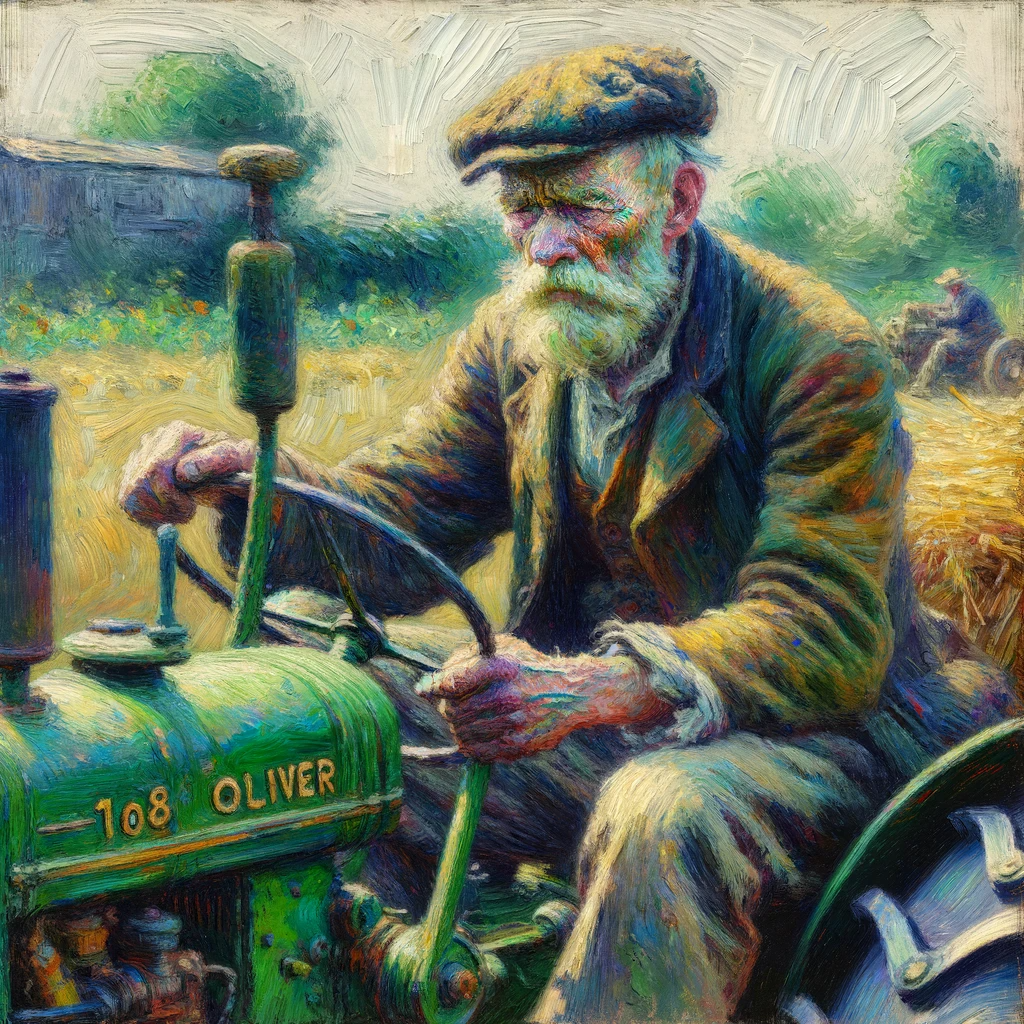
Are Classic Tractors A Bridge To Sustainable Farming Practices?
Are Classic Tractors A Bridge To Sustainable Farming Practices?
- Classic tractors represent a philosophy merging past traditions with future sustainable farming practices.
- They symbolize a community’s commitment to working harmoniously with nature and valuing the earth’s resources.
- Vintage tractors have a smaller ecological footprint due to their simplicity, durability, and lower fuel consumption.
- Using classic tractors promotes sustainability while celebrating craftsmanship and agricultural legacy.
- This approach encourages a cultural shift from consumerism to prioritizing quality over quantity in farming equipment.
- Communities around these tractors foster collaboration, sharing tips and stories, and reinforcing the importance of caring for the land.
- Classic tractors serve as a reminder of our farming heritage and inspire a collective responsibility toward sustainable practices.

Are Classic Tractors A Bridge To Sustainable Farming Practices?
How Do Vintage Tractors Embody The Spirit Of Local Farming?
In the heart of rural America, where the soil is as rich as the stories that spring from it, vintage tractors stand as proud sentinels of a bygone era. These machines are more than just hunks of metal; they are the lifeblood of local farming— vessels of resilience and tradition that embody the spirit of a community. When you see a classic tractor rumbled to life, it’s not just the roar of a powerful engine; it’s a heartbeat echoing in sync with generations of farmers before us.
Picture this: a farmer, rugged and worn from hours under the sun, mounts a tractor that once belonged to his grandfather. Each rusted bolt tells a tale, a testament to hard work and determination. Every scratch and dent holds a memory, binding families to the land they have cultivated for decades. This connection is palpable—it’s the embodiment of legacy and commitment, reminding us all that farming is not just a job; it’s a way of life grounded in values that run deep.
Now, let’s engage the mind for a moment. While modern equipment may boast efficiency and speed, vintage tractors invite us to slow down, to appreciate the craftsmanship that built the backbone of agriculture. They remind us of simpler times when farming was not merely a cog in an industrial machine. Rather, it was a dance between man and nature, a relationship founded on trust, respect, and sustainability.
Conversely, as we navigate the complexities of modern life and agriculture today, we must ethically engage with the past. Vintage tractors symbolize sustainable farming practices, serving as a reminder that our actions today impact the earth for future generations. By nurturing local farms and supporting the craftspeople who restore these machines, we invest in a future where farming remains rooted in community and tradition.
Finally, community trust is cultivated in the collective respect for those who harnessed these vintage tractors to feed us. Share stories of your own local farming legends; invite the younger generations to connect with the roots of their heritage. Let’s keep the spirit alive, not just for us but for everyone who will sow, reap, and drive those same dusty paths on a tractor, long after we’ve passed the torch. Because in the end, vintage tractors aren’t just relics; they are the threads woven into the very tapestry of local farming that connects us all.

How Do Vintage Tractors Embody The Spirit Of Local Farming?
How Do Vintage Tractors Embody The Spirit Of Local Farming?
- Vintage tractors represent a proud heritage in rural America, embodying resilience and community spirit.
- Each classic tractor carries stories of hard work and dedication, often linking current farmers to their ancestors.
- The connection to vintage tractors emphasizes that farming is a lifestyle rooted in deep values and legacy.
- While modern machinery offers efficiency, vintage tractors encourage appreciation for traditional craftsmanship and slower, sustainable practices.
- These tractors symbolize sustainable farming, reminding us of our responsibility to the earth for future generations.
- Supporting local farms and craftsmen who restore vintage tractors fosters community and preserves agricultural heritage.
- Encouraging younger generations to share farming stories helps maintain the connection to our roots and the importance of agriculture.

How Do Vintage Tractors Embody The Spirit Of Local Farming?
Can Using Classic Tractors Help Preserve Agricultural Heritage?
Picture a crisp morning on a sprawling farm, the sun still yawning over the horizon as the hum of a trusty tractor sputters to life. There’s something inherently soulful about these classic machines. They’re not just tools; they’re symbols of a rich agricultural heritage echoing generations of hard work and dedication. Each dent, rust mark, and faded paint tells a story—a narrative woven into the very fabric of our communities.
We, as a society, often rush toward the future, seeking the latest and greatest. Yet, in that pursuit, we risk losing sight of the rich tapestry of our past. Classic tractors stand as a bridge between tradition and innovation. They embody the spirit of farm life, offering a tangible connection to the land and the people who nurture it. When farmers choose these vintage vehicles over their modern counterparts, it’s more than just a preference for aesthetics; it’s about honoring the values of sustainability and resilience.
From a rational standpoint, these older machines can often be more reliable and simpler to repair. They remind us that sometimes, less is indeed more. The mechanics are straightforward, allowing farmers to gain a deeper understanding of their equipment—something that’s becoming increasingly rare in our digitized world. This reliance on simplicity doesn’t just make sense; it fosters a sense of empowerment that resonates deeply through the entire farming community. When folks can actually fix their equipment rather than relying on a high-tech solution, they’re not just working the land—they’re reclaiming their independence.
Ethically, we must ask ourselves: What kind of legacy do we want to leave our children? By preserving classic tractors, we’re not just maintaining machinery; we’re preserving a way of life, a commitment to stewardship. Each time an engine roars back to life, we pass down traditions, stories, and values to the next generation, connecting them to their roots while inspiring them to cultivate their own path.
This movement isn’t just about nostalgia; it’s about fostering connection—among farmers, artisans, and consumers. As we band together in support of these time-honored tractors, we create a community bound by shared values and collective responsibility. In an age where technology often alienates, let’s embrace these machines that unite us across time, reminding us that every field plowed and every crop harvested is a testament to the hands that worked tirelessly before us. Together, by keeping this legacy alive, we don’t just preserve agricultural heritage; we cultivate hope for the future.

Can Using Classic Tractors Help Preserve Agricultural Heritage?
Can Using Classic Tractors Help Preserve Agricultural Heritage?
- Classic tractors symbolize rich agricultural heritage, embodying hard work and dedication.
- They serve as a bridge between tradition and innovation, connecting us to the land and its stewards.
- Older machines are often more reliable and simpler to repair, highlighting the value of straightforward mechanics.
- This simplicity fosters empowerment among farmers, allowing them to maintain their independence.
- Preserving classic tractors is about maintaining a way of life and instilling values in future generations.
- This movement fosters community among farmers, artisans, and consumers, reinforcing shared values and responsibility.
- By keeping this legacy alive, we not only preserve agricultural heritage but also cultivate hope for the future.

Can Using Classic Tractors Help Preserve Agricultural Heritage?
What Role Do Classic Tractors Play In Community Bonding And Identity?
In a world that often feels more disconnected than ever, classic tractors stand as proud symbols of our communities, firmly rooted in the rich soil of shared history and hard work. Whether it’s the weathered paint, the rumble of the engine, or the scent of engine oil mixed with freshly turned earth, these machines evoke memories that bind us together. They’re not just vehicles; they’re vessels of identity that shape who we are as communities.
Picture this: a local farm show, where aging tractors line the fields, their chrome shining brightly under the sun. Each one tells a story, whispering of generations laboring side by side. As farmers gather around these relics, chests swell with pride and nostalgia. It’s a collective experience, one that transcends the individual and fosters a sense of belonging. You can almost hear the laughter shared over a few wrench turns or the camaraderie built during long years of tilling the same fields. For many, that connection to classic tractors is akin to an unbreakable thread weaving through the fabric of local identity.
Rationally, classic tractors represent resilience. They symbolize the agricultural backbone of society, reminding us that food doesn’t just appear on our tables; it comes from the sweat and toil of those who work the land. In a sense, maintaining these machines is about more than just keeping history alive; it’s about preserving the values of hard work, dedication, and craftsmanship that still resonate today. These values can inspire new generations to appreciate the importance of agriculture and community, understanding that their roots are nurtured by the very soil their forebears once tilled.
Ethically, engaging with classic tractors is a proclamation of respect for those who came before us. It’s about honoring craftsmanship and the stories etched into the metal and wood, telling us what it meant to labor day in and day out. As communities gather to show off, restore, or simply admire these machines, they do more than just celebrate their heritage; they cultivate new traditions, inviting young hearts to learn from the past while paving the way for the future.
When you pull into a town’s annual tractor parade, you see more than just a procession of machines; you witness a tapestry of community spirit. Each tractor is a thread, interwoven and rich with meaning, inviting conversations and sparking friendships. It’s a reminder that amidst the noise of modernity, there exists a powerful bond, anchored in shared experiences and values—a bond that classic tractors continue to strengthen.

What Role Do Classic Tractors Play In Community Bonding And Identity?
What Role Do Classic Tractors Play In Community Bonding And Identity?
- Classic tractors symbolize community connection and shared history.
- Their presence evokes nostalgia through sights, sounds, and smells associated with farming.
- Local farm shows showcase the pride and stories associated with generations of labor.
- They represent resilience and the agricultural backbone of society, highlighting hard work.
- Maintaining classic tractors preserves values of dedication and craftsmanship for future generations.
- Engaging with these tractors honors past craftsmanship and cultivates new traditions.
- Annual tractor parades embody community spirit, fostering friendships and shared values.

What Role Do Classic Tractors Play In Community Bonding And Identity?
Do Vintage Tractors Boost Ecological Awareness In Farming?
There’s something profoundly stirring about the sight of a vintage tractor rolling through a golden field, the sun glinting off its weathered frame, each scrape and dent telling a story of hard work and dedication. For many, these machines are more than just tools; they represent a connection to the land that is both emotional and elemental. With every turn of the wheel, they remind us of our roots, our history in agriculture, and our responsibility towards the earth.
When we think of modern farming, it’s easy to get lost in the buzzwords of technology and efficiency. But let’s take a step back—those vintage tractors symbolize a time when farming was about understanding the land, not just maximizing yield. Their simplicity invites us to reconnect with the basics of agriculture, to think critically about how we cultivate and care for our environment. Each tractor is a relic of an era where farming practices were defined by what worked with nature, not against it, fostering a deeper ecological awareness in today’s farmers.
On a rational level, embracing vintage machinery can inspire a shift in our farming practices. These tractors, often restored with care, represent a movement towards sustainability. Farmers who incorporate older models frequently find themselves choosing methods that are gentler on the land—less reliance on chemical fertilizers and pesticides, for example. It’s a beautiful contradiction: by looking back at the past, we can forge a path forward in harmony with modern ecological awareness.
Ethically speaking, our relationship with the environment isn’t just pragmatic; it’s personal. Each farmer becomes a steward of the land, embodying values that prioritize soil health, biodiversity, and ecological balance. Vintage tractors inject a sense of responsibility into the farming community, transforming farmers into guardians of the earth—a role that carries a profound weight. It fosters a shared narrative among farmers who appreciate the journey, struggles, and triumphs laden in each furrow.
Socially, the resurgence of vintage tractors encourages connections among communities. Farming events, local shows, and tractor parades bring people together, igniting conversations and fostering collaboration. Farmers share tips not just about maintenance but also about conservation, setting a precedent that resonates across generations.
So, the next time you see a vintage tractor rumbling down a dirt road, remember this: each one is a reminder of our duty to the earth, an inspiration to innovate sustainably, and a call to action to nurture our ecological awareness. In honoring these machines, we honor the land itself. And that connection? It could very well change the way we farm.

Do Vintage Tractors Boost Ecological Awareness In Farming?
Do Vintage Tractors Boost Ecological Awareness In Farming?
- Vintage tractors symbolize a connection to the land, representing hard work and dedication.
- They evoke nostalgia for a simpler time in farming, focusing on understanding the land rather than just maximizing yield.
- Embracing vintage machinery encourages sustainable farming practices, often leading to reduced use of chemical fertilizers and pesticides.
- Farmers who use vintage tractors embody ethical values prioritizing soil health, biodiversity, and ecological balance.
- These tractors transform farmers into stewards of the land, fostering a shared narrative of struggles and triumphs.
- The resurgence of vintage tractors promotes community connections through events, fostering collaboration and knowledge sharing.
- Ultimately, honoring vintage tractors inspires a commitment to nurturing our ecological awareness in modern farming.

Do Vintage Tractors Boost Ecological Awareness In Farming?
In What Ways Can Classic Tractors Be Both Functional And Ethical?
Classic tractors are more than mere machines; they embody the spirit of hard work and the quiet power of a simpler time. These enduring mighties—often infused with stories of harvests past and family gatherings—remind us of the boundless connection between man and land. Picture this: a weathered farmer, hands roughened by time, driving a vintage tractor through sprawling fields, the sun setting on a horizon that seems eternal. That image isn’t just nostalgia; it’s a testament to the enduring emotional bond we have with both our history and our environment.
Functionally, classic tractors hold their own in an age dominated by modern technology. They are rugged, reliable, and often simpler to repair than their high-tech counterparts. Think about it—there’s something reassuringly straightforward about a tractor that runs on principles rather than pixels. It makes you feel like you could fix it yourself, which stirs a sense of empowerment that’s hard to come by in our high-speed, throwaway culture. And let’s not gloss over the fuel efficiency—these machines were built to withstand the rigors of farm life without guzzling gasoline like it’s going out of style.
Now, if we tilt our heads toward the ethical side of things, classic tractors shine even brighter. They often boast longevity that makes a sustainable statement in a world hungry for consumption and waste. Purchasing and restoring a classic tractor instead of opting for the latest model isn’t just a choice—it’s a commitment to responsible living. Restorers often share tips and tricks, generating a community that fosters sustainability and crafts a narrative around preservation rather than disposability. These tractors become ambassadors for a life that values resourcefulness and respect for the earth.
The unassuming allure of these tractors can even bridge social divides. From small-town grassroots farmers to urban dwellers looking for a weekend project, these machines have a way of making us all feel like part of something bigger. They pull us together in a shared joy for hard work and tangible results.
In a world clamoring for authenticity, classic tractors offer the perfect marriage of function and ethics—a blend that nourishes the soul and beckons us to a lifestyle that celebrates our roots while nurturing the planet. So, whether you’re a farmer, a restoration enthusiast, or simply someone who admires a grit that comes with age, embracing these tractors is embracing a way of life that is as enriching as it is practical.

In What Ways Can Classic Tractors Be Both Functional And Ethical?
In What Ways Can Classic Tractors Be Both Functional And Ethical?
- Classic tractors represent the spirit of hard work and a deep connection between man and land.
- They evoke nostalgia through imagery of farmers and vintage machinery in expansive fields.
- Functionally, classic tractors are rugged, reliable, and easier to repair than modern counterparts.
- They offer fuel efficiency and are built to endure the demands of farm life.
- Owning and restoring classic tractors symbolizes a commitment to sustainability and responsible living.
- These tractors unite diverse communities through a shared appreciation for hard work and tangible results.
- Classic tractors blend function and ethics, encouraging a lifestyle that values roots and environmental respect.

In What Ways Can Classic Tractors Be Both Functional And Ethical?
Conclusion
As we roll down the dirt road of life, it’s easy to forget how the machinery of our past can guide us into a sustainable future. Classic tractors aren’t just rusted relics of yesteryear; they are robust symbols of tradition, resilience, and community—machines that bridge generations while fostering a genuine connection to the earth. Imagine the roaring engines bringing to life the stories of farmers who have come before us. Each dent and scratch is a testament to decades of hard work, echoing the sweat, laughter, and sacrifice that built our agricultural heritage. These tractors serve as more than just tools; they are the lifeblood of local farming, breathing life into communities anchored in shared values.
Now, let’s engage our heads for a moment. In a world fixated on rapid progress, these vintage machines remind us that efficiency and simplicity can be a righteous path. Unlike modern behemoths that guzzle resources, classic tractors are crafted with the wisdom of their times. With lower fuel consumption and straightforward mechanics, they stimulate a practical approach to farming—where ingenuity reigns over excess. Each time a farmer repairs one of these machines, they’re reclaiming independence and self-reliance, fostering an invaluable skillset that enhances their connection to the land.
But beyond the practical, there’s an ethical commitment at play. By preserving these tractors, we’re not just holding onto machinery; we’re embracing a way of life that prioritizes sustainability and stewardship. Every time an engine starts, it reverberates through communities, invoking shared responsibility and a collective narrative. The act of farming transforms from a solitary endeavor into a community-driven initiative that nurtures ecological awareness. It’s a call to honor our past while shaping a future that respects our fragile planet.
And what’s more, classic tractors build bridges between us and our neighbors. Picture a farm show buzzing with energy—a gathering born from shared passions, where stories are exchanged, and friendships are forged. Farmers from neighboring fields unite in a celebration of craftsmanship and commitment to their land, nurturing an identity that thrives on cooperation and mutual respect.
So, as we confront the challenges of modern agriculture, let’s embrace the heart and soul of the classic tractor. It’s a rallying cry for sustainability, a celebration of community, and a clarion call to honor the legacy that nourishes us. Together, we can cultivate a future where these timeless machines lead the way, reminding us that sustainability isn’t just a buzzword—it’s a commitment to our shared roots, echoing through the chorus of engines that drive our farming heritage forward. Let’s rev up the engines; it’s time to plow ahead into a sustainable tomorrow.

Conclusion
Conclusion:
- Classic tractors symbolize tradition, resilience, and community, connecting generations and fostering a bond with the earth.
- Each scratch and dent tells the story of agricultural labor, embodying decades of hard work, sweat, and sacrifice.
- Classic tractors promote efficiency and simplicity in farming, contrasting with modern, resource-heavy machinery.
- Repairing vintage tractors empowers farmers with independence and self-reliance, enhancing their skills and connection to land.
- Preserving classic tractors embodies an ethical commitment to sustainability and stewardship, nurturing communal responsibility.
- The culture of classic tractors fosters community through events like farm shows, where passion, stories, and friendships flourish.
- Embracing classic tractors represents a commitment to acknowledging our agricultural heritage while working towards a sustainable future.

Conclusion
Other Resources

Other Resources
Here is a list of other resources you can review online to learn more:
- Park Rapids Antique Tractor & Engine Club
- Escorts
- McKee
- The National Farm Machinery Show
- Unitrak
- Siromer
- Muller
- Wingin
- Summit Tractors
Use This Prompt To Get More Resources With Your Favorite Online AI Tool: Please provide me with a list of online articles with their URLs in a bulleted list that I can read regarding Are Classic Tractors The Heart Of a Sustainable Farming Community

Other Resources
Glossary Terms
Are Classic Tractors The Heart Of a Sustainable Farming Community – Glossary Of Terms
1. Agriculture: The science and practice of farming, including the cultivation of soil and the rearing of animals for food, fiber, and other products.
2. Sustainability: Practices that meet the needs of the present without compromising the ability of future generations to meet their own needs, particularly in agriculture.
3. Classic Tractors: Tractors produced in earlier decades, often valued for their mechanical simplicity, durability, and historical significance in farming.
4. Organic Farming: A method of farming that emphasizes the use of natural processes and materials, avoiding synthetic fertilizers and pesticides.
5. Biodiversity: The variety of life in a particular habitat or ecosystem, which is essential for resilience and sustainability in farming.
6. Soil Health: The state of soil as a living ecosystem, where it supports plant growth, water filtration, and nutrient cycling crucial for sustainable agriculture.
7. Agroecology: An approach that applies ecological principles to agricultural systems, focusing on sustainability, biodiversity, and resilience.
8. Local Economy: An economic system focused on local production and consumption, which can be supported by sustainable practices and classic machinery.
9. Permaculture: A design philosophy that integrates land, resources, and people in an ethical manner, often promoting agricultural diversity and sustainability.
10. Responsibility: The accountability of farmers and agricultural communities to manage natural resources sustainably and ethically.
11. Mechanization: The use of machines (like tractors) in farming to increase efficiency and production, while often also improving sustainability practices.
12. Heritage: The history and cultural significance of farming practices and equipment, highlighting the role of classic tractors in community traditions.
13. Community Supported Agriculture (CSA): A system where consumers support local farms through subscriptions or partnerships, promoting sustainability and local economy.
14. Carbon Footprint: The total greenhouse gas emissions caused directly and indirectly by human activities, which sustainable farming practices aim to reduce.
15. Regenerative Agriculture: Farming practices designed to improve soil health and increase biodiversity, impacting sustainability positively.
16. Farm-to-Table: A movement advocating for locally sourced food directly from farms to consumers, enhancing community relations and sustainability.
17. Crop Rotation: The practice of alternating the types of crops grown on a particular land to maintain soil fertility and reduce pests.
18. Composting: The process of recycling organic waste into nutrient-rich soil amendments, which supports sustainable farming practices.
19. Tractor Restoration: The act of refurbishing vintage tractors to restore them to working condition, preserving agricultural heritage and promoting sustainability.
20. Fuel Efficiency: Measures the economic use of energy in tractors and other machinery, contributing to lower emissions and reduced environmental impact.
21. Smallholder Farms: Farms that operate on a small scale, often relying on traditional methods and local resources, promoting community and sustainability.
22. Sustainable Practices: Techniques and methods aimed at protecting environmental resources while ensuring economic viability in farming.
23. Nutrient Cycling: The natural process of recycling nutrients in ecosystems, which is crucial for maintaining healthy soil and sustainable crops.
24. Holistic Management: A system of management that considers the interconnectedness of environmental, economic, and social factors in farming.
25. Food Sovereignty: The right of people to define their own food systems, emphasizing local control over food production and sustainability.
26. Zero Waste: A philosophy promoting the reduction of waste in farming processes, striving for a circular economy within agricultural practices.
27. Traditional Knowledge: Indigenous and local farming practices that have been passed down through generations, often promoting sustainability and resilience.
28. Environmental Stewardship: The responsible management of natural resources to prevent degradation and ensure long-term sustainability in farming.
29. Agritourism: A business model that allows visitors to experience farm life while supporting local agriculture and economy, often tied to heritage tractors.
30. Land Conservation: Efforts and policies aimed at protecting and managing land resources sustainably, crucial for the future of farming communities.

Glossary Of Terms
Other Questions
Are Classic Tractors The Heart Of a Sustainable Farming Community – Other Questions
If you wish to explore and discover more, consider looking for answers to these questions:
- How do classic tractors compare to modern equipment in terms of environmental impact?
- What are the benefits of restoring vintage tractors?
- How can classic tractors promote intergenerational connections in farming communities?
- What types of sustainable practices are often associated with classic tractors?
- Are there any community events dedicated to classic tractors?
- What role do classic tractors play in education about sustainable farming?
- How have vintage tractors influenced modern farming techniques?
- What challenges do farmers face when using classic tractors today?
- Can classic tractors be used effectively in large-scale farming operations?
- How do different communities around the world view classic tractors?

Other Questions
Haiku
Are Classic Tractors The Heart Of a Sustainable Farming Community – A Haiku
Rusty wheels turn slow,
Legacy in each furrow—
Heart, land unite here.

Haiku
Poem
Are Classic Tractors The Heart Of a Sustainable Farming Community – A Poem
The Heart of the Earth: An Ode to Classic Tractors
In fields where golden grains do sway,
Among rusting bolts of yesterday,
The classic tractors hum their tune,
A legacy beneath the moon.
With weathered hands, the farmers steer,
These vessels echo wisdom near,
Their worn-out frames, a tale retold,
Of toil, of love, of lives bold.
Each engine’s roar, a heartbeat found,
Connecting souls to sacred ground,
They carry whispers through the air,
Of heritage, of earth laid bare.
In the dance of plow and seed,
Resilience blooms, a noble creed,
Against a tide of modern haste,
They nurture roots, embrace the past.
Oh, ponder now, the grand design,
Where function meets the ethical line,
These trusted friends consume less fuel,
Teach us that simple is a tool.
Together ’round the vintage wheels,
Communities forge, their spirit feels,
A potluck shared by sunlit fields,
Where laughter and connection yield.
For nature cradles the wisdom dear,
In the hands of those who persevere,
To honor earth, each turn of the wheel,
A promise made, a pact we seal.
So let us rally, revere the old,
In classic tractors, stories unfold,
A bridge to futures, sustainability’s mate,
In every scrape, a chance to create.
With each plow’s furrow, we plant our hope,
From past to present, together we cope,
In unity’s force, through time entwined,
A legacy of love for the earth, defined.
So lift your voice, let the tractors sing,
A chorus of tradition, old and spring,
For in their hum, our hearts align,
Classic tractors, where futures shine.

Poem
Checklist
Are Classic Tractors The Heart Of a Sustainable Farming Community – A Checklist
Here’s a comprehensive checklist titled “Embracing Sustainability Through Classic Tractors: A Heartfelt Guide”. This checklist is designed to appeal to emotional, rational, ethical, authority, narrative, and social aspects, encouraging readers to engage with the concepts discussed in the article:
Embracing Sustainability Through Classic Tractors: A Heartfelt Guide
Emotional Appeal
_____ Reflect on Your Connection: Think about how classic tractors remind you of family, tradition, or your roots in agriculture. What stories do they evoke?
_____ Share Experiences: Join conversations with friends and family about their memories related to farming and classic tractors.
Rational Appeal
_____ Assess Your Equipment Choices: Consider the environmental impact of your farming practices. Can classic tractors offer a more sustainable alternative?
_____ Evaluate Repair Options: Look into the practicality of maintaining vintage tractors versus modern equipment. What cost savings can you identify through simplicity and ease of repair?
Ethical Appeal
_____ Consider the Legacy: What values do you want to promote for future generations? Reflect on how using classic tractors supports sustainability and preserves agricultural heritage.
_____ Make Responsible Choices: When purchasing agricultural equipment, prioritize options that embody longevity and resourcefulness over disposability.
Authority Appeal
_____ Research Local Experts: Seek out local farmers or vintage tractor restoration experts—what insights can they share about the benefits of classic machinery?
_____ Attend Workshops: Explore community events, farm shows, or workshops focused on classic tractors and sustainable practices.
Narrative Appeal
_____ Capture Stories: Document stories from your community about classic tractors and their importance to local farming identity. How do these narratives contribute to a sense of belonging?
_____ Create a Community Archive: Consider starting a blog or social media page focusing on stories and photos of classic tractors in your area.
Social Appeal
_____ Get Involved in Community Events: Participate in local tractor shows or farm potlucks. How can these gatherings strengthen community bonds?
_____ Join or Form a Group: Create a community group dedicated to classic tractors and sustainable farming practices. Engage in collective projects that promote local agriculture.
Feel free to modify or expand upon any elements of this checklist depending on your specific audience or the context in which you plan to distribute it!

Checklist
At ClassicTractorNews, we help tractor lovers keep up with the latest news for classic and vintage tractors.
Please share this post with your friends, family, or business associates who may like old classic or vintage tractors.