

The Timeless Solution For Modern Small Farms
By Tom Seest
At ClassicTractorNews, we help tractor lovers keep up with the latest news for classic and vintage tractors.
Please share this post with your friends, family, or business associates who may like old classic or vintage tractors.
Are Classic Tractors The Game Changer Small Farms Need Now
In the world of small farming, where every decision counts and the stakes can feel impossibly high, it’s easy to overlook the power of a good, old-fashioned tractor. But here’s the thing: these machines are more than mere tools; they are the beating hearts of our small farms, the engines of our aspirations, and sometimes the key to unlocking a future that is as vibrant as the fields we cultivate.
Why classic tractors, you ask? Let’s start with the emotional pull. There’s a connection that runs deeper than the mechanical whir of engines—it’s about heritage. Generations have relied on these sturdy workhorses, and when you turn the ignition of a classic tractor, you breathe life back into a legacy. The rust and scratches tell stories of long, sun-soaked days spent tilling the earth, and the smell of diesel is reminiscent of those first steps into independence that many aspiring farmers take. People aren’t just farming; they are becoming part of a community that values hard work, tradition, and resilience.
But it’s not just about feelings; the numbers back it up. Classic tractors often represent a more economical choice for small farms. With farm equipment prices soaring to astronomical heights, these vintage machines offer reliability without the budget-busting price tag. They’re often simpler to repair, requiring less specialized knowledge and fewer expensive parts, making them a logical choice for many farmers looking to stretch every dollar.
Ethically speaking, the resurgence of classic tractors taps into a growing desire among consumers for sustainability. By bringing these older machines back to life, we reduce waste and promote a culture of reuse—an idea that resonates as farmers increasingly engage with responsible practices.
And let’s not forget the inspiration behind their stories. Think about the farmer down the road who revamped his grandfather’s classic tractor, turning it into a blend of old-world charm and modern efficiency. His success, born of a connection to the past, reflects a broader movement: small farms rising together, united by the promise of innovation and tradition working hand in hand.
So, the next time you see a classic tractor rolling across the field, remember it’s more than just a piece of machinery. It’s a symbol of grit, determination, and the hopeful spirit of small farms everywhere. It’s a call to recognize that, together, by embracing these timeless machines, we might just be sowing the seeds for our own future.
Are Classic Tractors The Game Changer Small Farms Need Now
Are Classic Tractors The Game Changer Small Farms Need Now
- Classic tractors are vital for small farming, serving as more than just machines but as the heart of farms and aspirations.
- They carry emotional significance and heritage, connecting farmers to traditions and stories of the past.
- Classic tractors are generally more economical compared to modern equipment, offering reliability without high costs.
- These vintage machines are easier to repair, requiring less specialized knowledge and cheaper parts.
- The resurgence of classic tractors aligns with consumer desires for sustainability and promotes a culture of reuse.
- Stories of revitalization, like updating older tractors with modern efficiencies, reflect innovation and tradition in farming.
- Classic tractors symbolize grit, determination, and hope for small farms, fostering a community committed to the future.
Are Classic Tractors The Game Changer Small Farms Need Now
Table Of Contents
- Are Classic Tractors The Game Changer Small Farms Need Now
- Are Classic Tractors The Key To Reviving Small Farm Dreams?
- How Can Classic Tractors Enhance The Sustainability Of Small Farms?
- Do Classic Tractors Offer Cost-Effective Solutions For Small Farmers?
- What Makes Classic Tractors A Trusted Choice For Farming Communities?
- Are Classic Tractors An Ethical Choice For Reducing Farming Emissions?
- Do Classic Tractors Provide The Reliability Farmers Need In A Crisis?
- Conclusion
- Other Resources
- Glossary Of Terms
- Other Questions
- Haiku
- Poem
- Checklist
Are Classic Tractors The Key To Reviving Small Farm Dreams?
When you think about a classic tractor, what comes to mind? The rumble of its engine as it rumbles to life, the sturdy frame that has weathered storms and seasons, and the scent of freshly turned soil that fills the air. These machines aren’t just metal and mechanics; they are the heartbeat of countless small farms, each one carrying stories of dreams, determination, and community.
In today’s world, where mass production often overshadows personal connection, small farms offer a sanctuary—a place where one can feel the earth between their fingers, breathe in the fresh air, and cultivate something meaningful. But the rising costs, tight margins, and overwhelming choices can make it daunting for anyone to consider stepping into this realm. Herein lies the beauty of classic tractors; these mechanical marvels are not just tools; they are symbols of resilience and possibility.
With a classic tractor, you’re not merely buying a piece of equipment. You’re entering into a legacy—a chance to connect with your roots, to cultivate a piece of land that tells a story greater than yourself. The gut instinct to nurture and grow is primal. We all crave a connection to our food, to our land, and to our neighbors. Imagine waking up each morning to the sight of your own green fields, plowing with a tractor that has a history as rich as the soil it tills. It’s about more than crops; it’s about community and contribution.
From an ethical standpoint, supporting small farming through classic equipment encourages sustainable practices and local economies. Unlike big agricultural machinery that promotes a corporate farming model, classic tractors allow individuals to farm without losing the soul of their operation. More importantly, as we make conscious decisions about where our food comes from, we’re also making ethical choices that support local businesses and reduce our carbon footprint.
So, can classic tractors revive small farm dreams? Absolutely. They are an invitation to reclaim our stories, our land, and our independence. They’ve seen generations of farmers rise and fall, but they stand as reminders that hard work and determination never go out of style. Let’s dust off those classics, fuel up that passion, and inspire a new wave of small-scale farming that we can all be a part of—because the future is built on the foundation of our past.
Are Classic Tractors The Key To Reviving Small Farm Dreams?
Are Classic Tractors The Key To Reviving Small Farm Dreams?
- Classic tractors symbolize the heart of small farms, representing stories of dreams and community.
- Small farms provide a personal connection to nature in a world dominated by mass production.
- Rising costs and tight margins can discourage new entrants into farming, making classic tractors essential for resilience.
- Owning a classic tractor signifies joining a legacy and connecting with agricultural roots.
- Supporting small farming through classic tractors fosters sustainable practices and bolsters local economies.
- Classic tractors promote ethical food sourcing and reduce carbon footprints compared to corporate farming machinery.
- They encourage a revival of small-scale agriculture, inspiring future generations through a rich history of hard work.
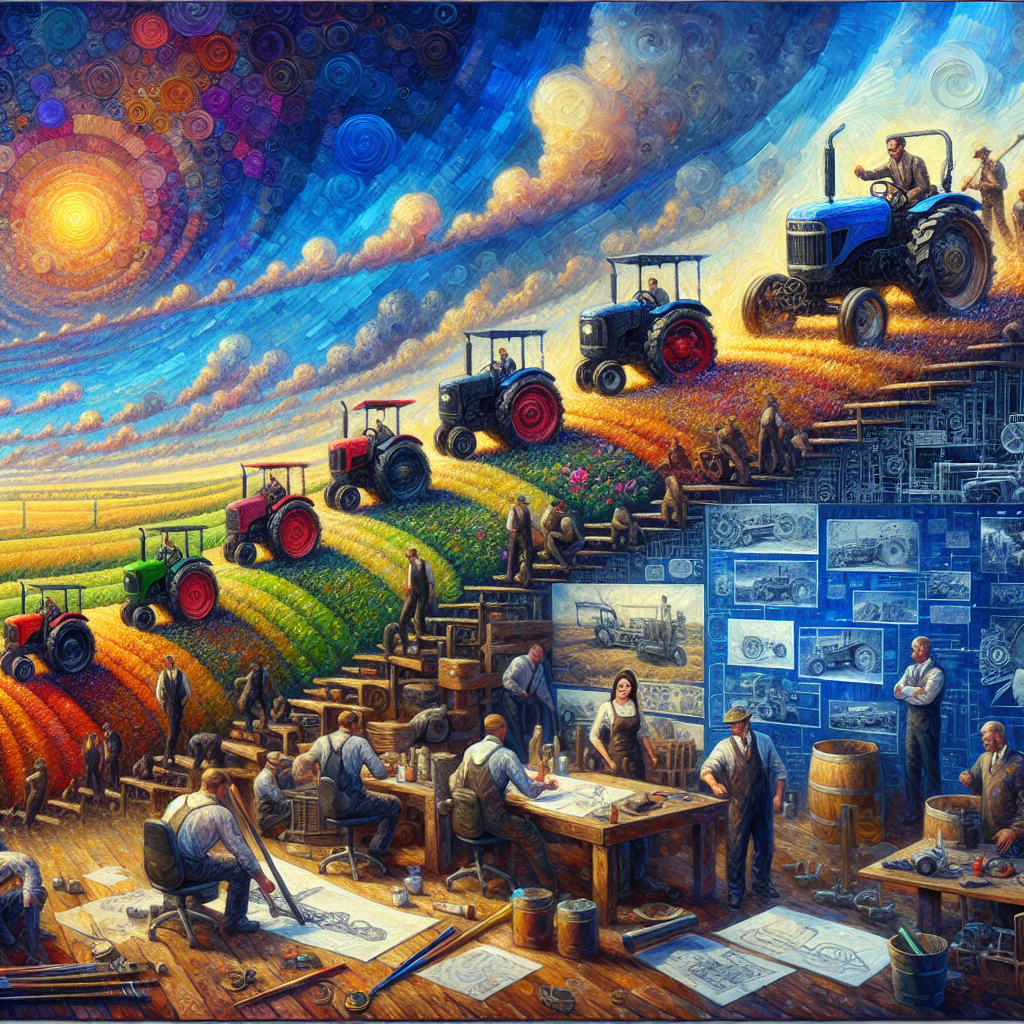
Are Classic Tractors The Key To Reviving Small Farm Dreams?
How Can Classic Tractors Enhance The Sustainability Of Small Farms?
In the world of modern agriculture, it’s easy to get caught up in the latest high-tech gadgets and flashy machinery that promise to revolutionize farming. But let’s take a step back and consider an often-overlooked hero of the small farm—the classic tractor. These sturdy machines are more than just a reliable tool; they embody a way of life that connects us to our roots, and they can play a significant role in enhancing the sustainability of small farms.
Imagine standing in a field, dirt under your fingernails, with the sun setting behind you, casting a golden hue over the landscape. The rhythmic sound of a classic tractor, its engine humming with a comforting growl, becomes a source of solace and strength. This isn’t just machinery; it’s a piece of history, a workhorse that knows the land and has helped generations cultivate it. That connection we feel with these vintage tractors fosters a deeper appreciation for the heritage of farming, reminding us why we do what we do and the legacy we leave behind.
From an environmental standpoint, classic tractors can be champions of sustainability. These machines, often simpler in design and craftsmanship, can be easier to maintain and repair, reducing the need for new parts and the waste that comes along with them. Many small farmers find that older tractors require less energy to operate, providing an eco-friendly alternative to their modern counterparts. This means when it comes time to plow, plant, or harvest, you aren’t just getting the job done; you’re doing your part to protect the earth.
Ethically, investing in a classic tractor is investing back into the local economy. Supporting the revival of older agricultural machinery can spur job creation and skill development within the community. By choosing to restore and use these machines, farmers are not only showcasing their commitment to sustainable practices but also sending a powerful message that simplicity and tradition still hold value in our fast-paced world.
Sharing stories about how a classic tractor has transformed your farming experience creates an emotional tapestry that others can connect with. It’s about building a community, strengthening bonds through collective challenges and victories. When you’re out there, shoulder to shoulder with your fellow farmers, the roar of those vintage engines blaring in the background, a sense of camaraderie grows, reminding us all that we’re in this together.
So, embrace the classic tractor. It’s not merely about farming; it’s about honoring the past while nurturing a sustainable future. Let’s cultivate our soil and our spirits, one turn of the wheel at a time.
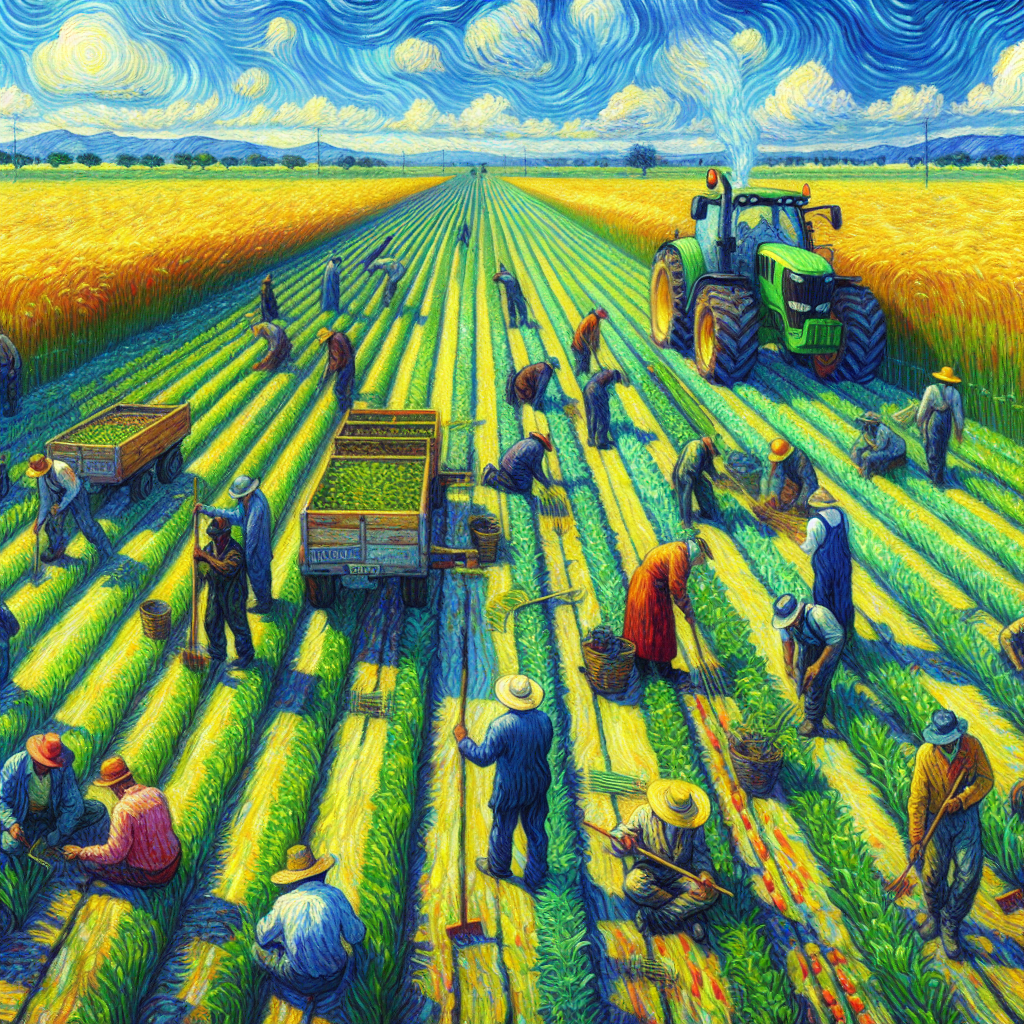
How Can Classic Tractors Enhance The Sustainability Of Small Farms?
How Can Classic Tractors Enhance The Sustainability Of Small Farms?
- Classic tractors are more than tools; they symbolize a connection to farming heritage and sustainability.
- They offer a comforting and nostalgic experience, enhancing the emotional connection to agriculture.
- Older tractors are easier to maintain, reducing waste and promoting environmental sustainability.
- Classic tractors require less energy, making them eco-friendly alternatives to modern machinery.
- Investing in these tractors supports local economies by creating jobs and promoting skill development.
- Using classic tractors fosters community, sharing experiences and building bonds among farmers.
- Embracing traditional tractors honors past farming practices while cultivating a sustainable future.
How Can Classic Tractors Enhance The Sustainability Of Small Farms?
Do Classic Tractors Offer Cost-Effective Solutions For Small Farmers?
When the sun creeps over the horizon and the dew clings to the blades of grass, a small farmer knows it’s time to embrace the day’s endless possibilities. Many stare across their fields and wonder: Could that old tractor in the barn still have something to offer? As we delve into the world of classic tractors, we find that for small farmers, these robust machines aren’t just relics of nostalgia, but gateways to cost-effective solutions.
Let’s face it—farming isn’t for the faint-hearted. It’s a grind filled with hard work, late nights, and sometimes gut-wrenching uncertainty. Yet, the sight of a reliable tractor, even one with a few battle scars, can ignite a sense of hope and connection. These machines carry with them a legacy of toil and triumph. They’ve plowed fields, transported livestock, and made dreams tangible. Each dent tells a story; each rust spot whispers of years gone by. Owning a classic tractor is like possessing a piece of history, a testament that durability doesn’t just vanish with time.
Now, let’s engage our heads with some cold hard facts. Classic tractors are often simpler to maintain than their modern counterparts. With fewer complex components and gadgets, they can be serviced by farmers themselves, which can lead to significant savings! Imagine how the money saved on repairs could be reinvested in seeds, livestock, or even a well-deserved break.
Ethically speaking, there’s something profoundly satisfying about reviving these machines. By choosing to restore and use classic tractors, small farmers contribute to sustainability and a culture of resourcefulness. You’re not just investing in agriculture; you’re investing in the planet and future generations.
Take heart from those who have walked this path. Many small farmers have turned to classic tractors, reclaiming their independence from big agriculture and the overwhelming debt that can ensue. They share tales of not just survival but thriving—a community built on resilience and collaboration.
Join that conversation! Join your fellow farmers who’ve felt the warmth of that engine rumbling to life. They’ve walked alongside their ancestors, teeth gritted against the elements, proving that sometimes the best solutions come from yesterday. A classic tractor can be more than just iron and wheels; it’s a bond to the land, a connection to the community, and a solid answer to the question that plagues us all: How can we navigate this journey together while keeping our costs low and our spirits high?
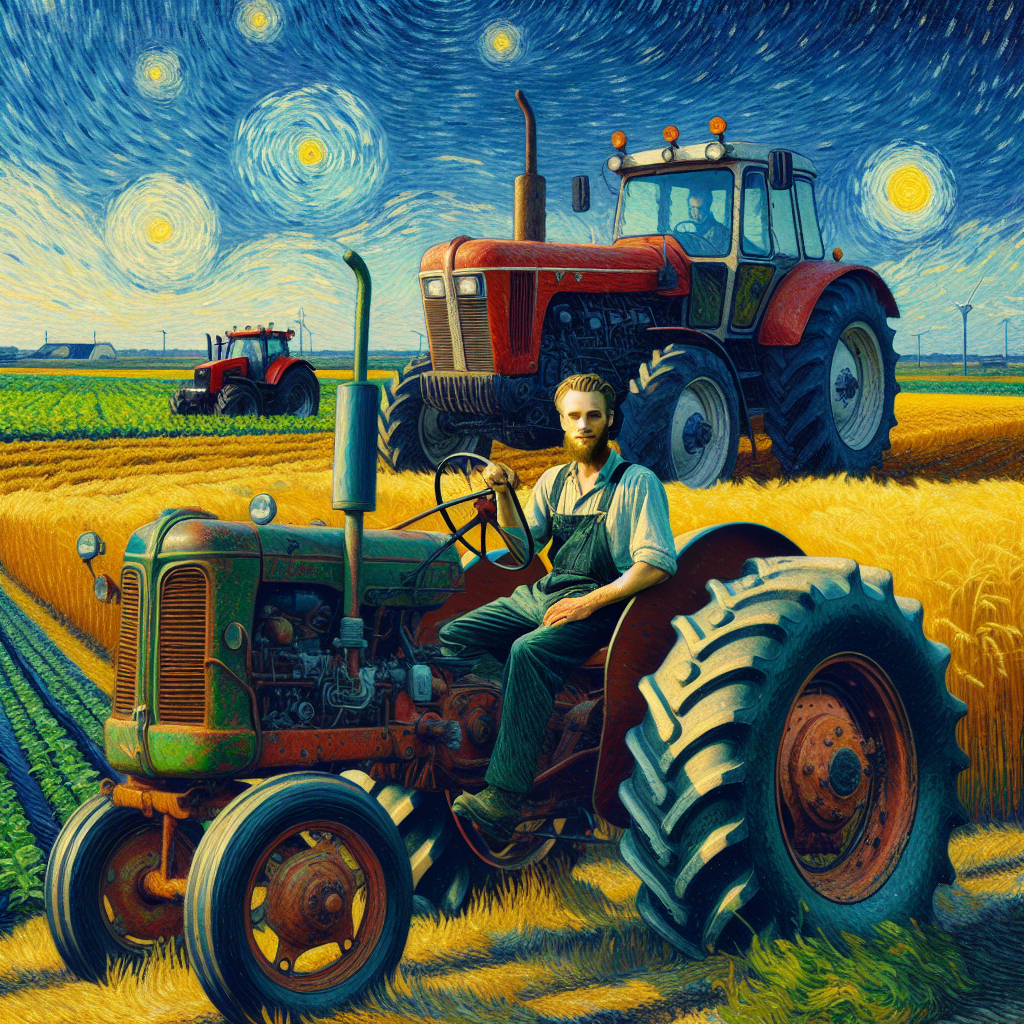
Do Classic Tractors Offer Cost-Effective Solutions For Small Farmers?
Do Classic Tractors Offer Cost-Effective Solutions For Small Farmers?
- Classic tractors symbolize hope and connection for small farmers, representing a legacy of hard work.
- These robust machines are seen as cost-effective solutions rather than mere relics of nostalgia.
- Owning a classic tractor serves as a testament to durability and the stories of agricultural toil.
- Classic tractors are simpler to maintain, offering potential savings on repairs for farmers.
- Restoring and using classic tractors contributes to sustainability and resourcefulness in agriculture.
- Many small farmers reclaim their independence from big agriculture by turning to classic tractors, fostering community resilience.
- Classic tractors connect farmers to their land and community while providing practical solutions to farming challenges.
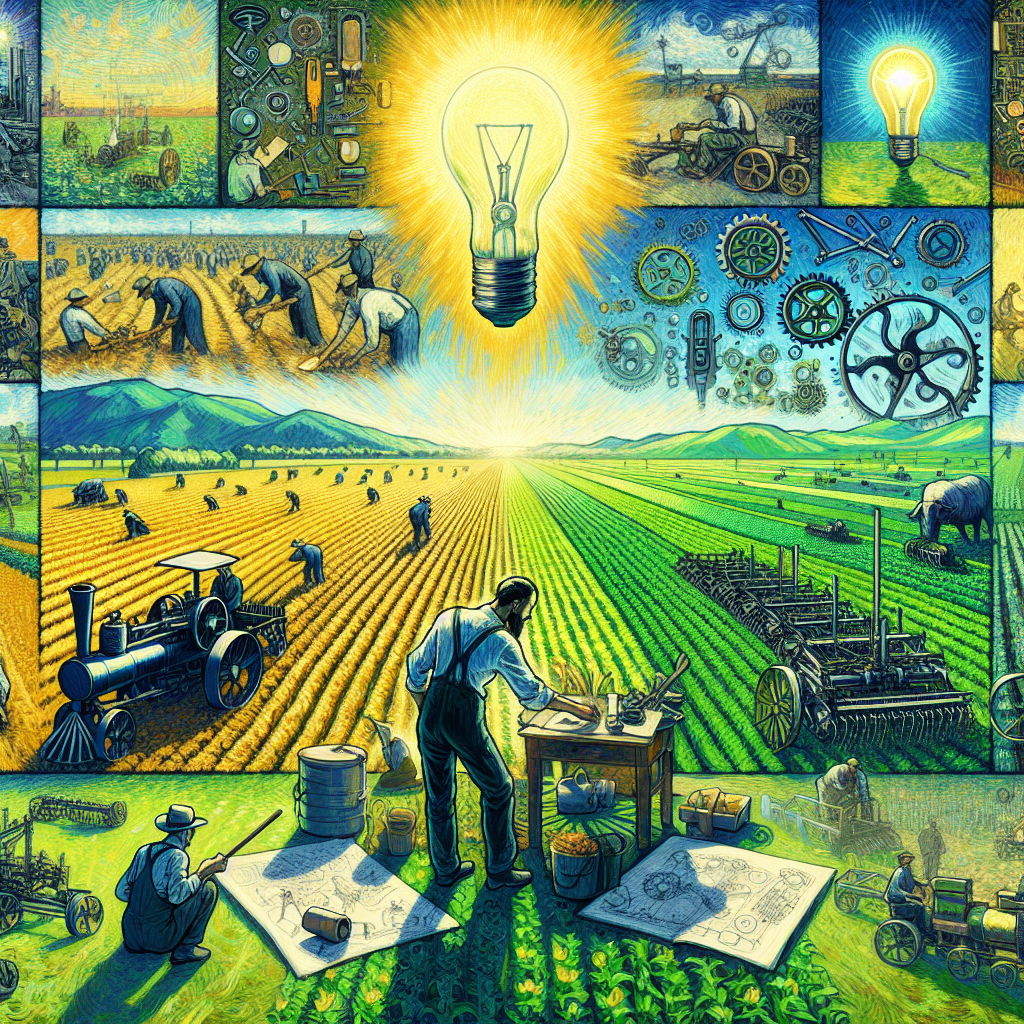
Do Classic Tractors Offer Cost-Effective Solutions For Small Farmers?
What Makes Classic Tractors A Trusted Choice For Farming Communities?
In the ever-evolving landscape of agriculture, where cutting-edge technology clamors for attention, classic tractors hold a timeless charm that resonates deeply with farming communities. These machines are not just metal and gears; they are symbols etched with the toil and triumph of countless seasons, reminding us of the heart and soul of farming.
Imagine walking through a field, where the familiar thrum of a classic tractor reverberates through the earth, unearthing a bounty of memories. For many, these sturdy, dependable machines represent not just tools, but heartfelt connections to family legacies, where stories are shared over coffee, recalling harvests of past years. There’s something inherently emotional about witnessing a grandparent joyfully operating the same tractor that nurtured their dreams. It connects generations, fostering an unbreakable bond between the old and the young, a bridge of knowledge held together by grease and grit.
On a practical level, classic tractors are robust. They’ve earned their stripes through decades of service, proving their mettle time and again in the field. When the sun rises over the horizon, and the day beckons with labor, it’s these heavyweights that farmers trust to get the job done—unfailing, reliable, and resilient. The sound of an engine starting up—a grunt, a roar, a reassuring promise—evokes a confidence that modern machines, swathed in complex technology, sometimes fail to muster.
Ethically, classic tractors reflect a culture of sustainability. In an age where disposability reigns, these machines remind us of the virtue of longevity. Each scratch and dent tells a story of hard work, a testament to craftsmanship that defies the whims of the latest fads. When farmers choose these classics, they consciously opt for a legacy of preservation, affirming a commitment not only to their land but to the planet.
Moreover, the camaraderie forged in farming communities often revolves around these enduring devices. Saturday mornings are spent swapping repairs, sharing tips, and nurturing friendships that span the generations. In these moments, classic tractors become more than mere tools; they are catalysts for connection, anchors in a community that believes in working hard, playing fair, and leaning on one another.
It’s not just about the horsepower; it’s about the heart. Classic tractors embody a tradition that promises trust, inspires confidence, and evokes a passion for the land. They remind us why we cultivate it in the first place—out of love, endurance, and an unwavering commitment to the future.
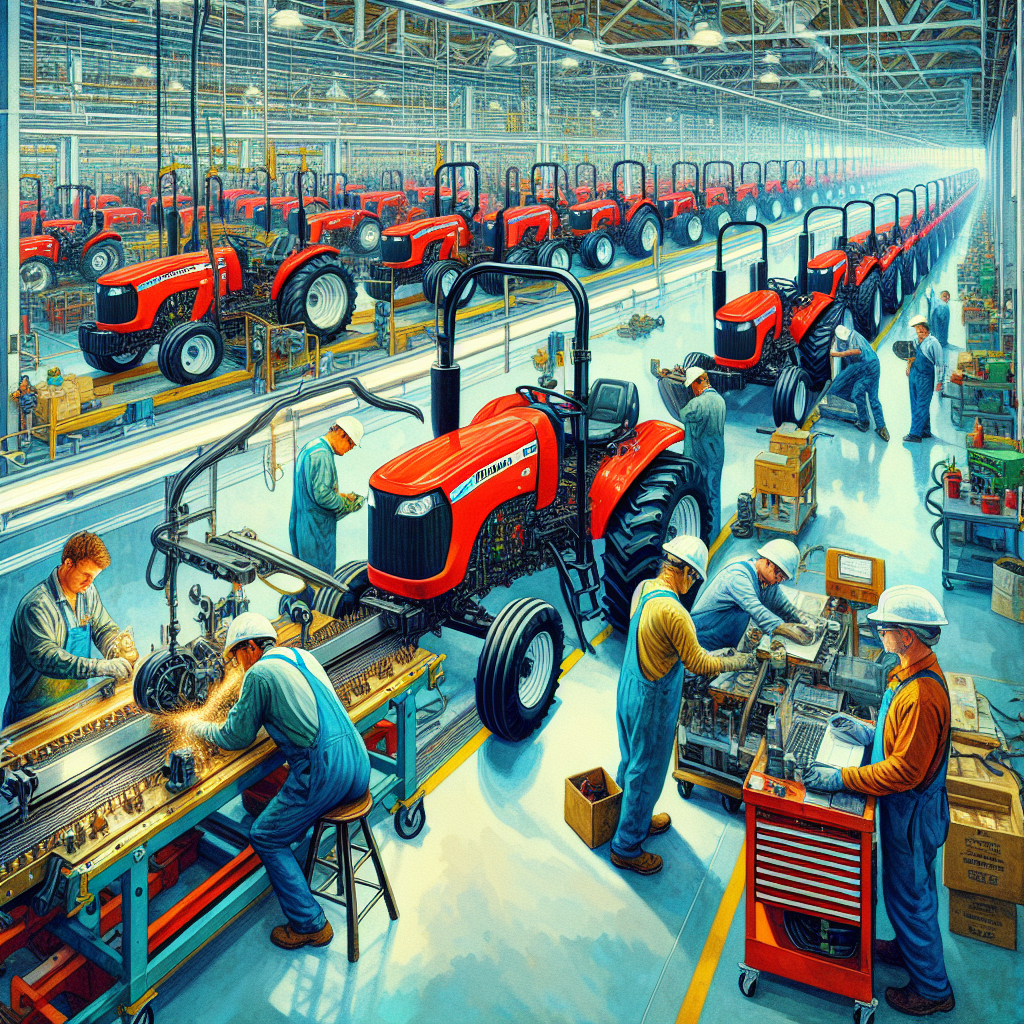
What Makes Classic Tractors A Trusted Choice For Farming Communities?
What Makes Classic Tractors A Trusted Choice For Farming Communities?
- Classic tractors possess a timeless charm that resonates with farming communities, symbolizing the toil and triumph of farming.
- These machines facilitate emotional connections to family legacies, sharing stories across generations and fostering bonds between the old and young.
- Robust and dependable, classic tractors are trusted by farmers for their reliability and resilience in the field.
- They evoke confidence with their straightforward mechanics, contrasting with the complexity of modern machines.
- Classic tractors promote sustainability and longevity, reminding us of craftsmanship over disposability.
- They serve as catalysts for community connections, enabling the sharing of repairs and tips among farmers and strengthening friendships.
- Ultimately, classic tractors embody a tradition rooted in love for the land, endurance, and a commitment to the future.
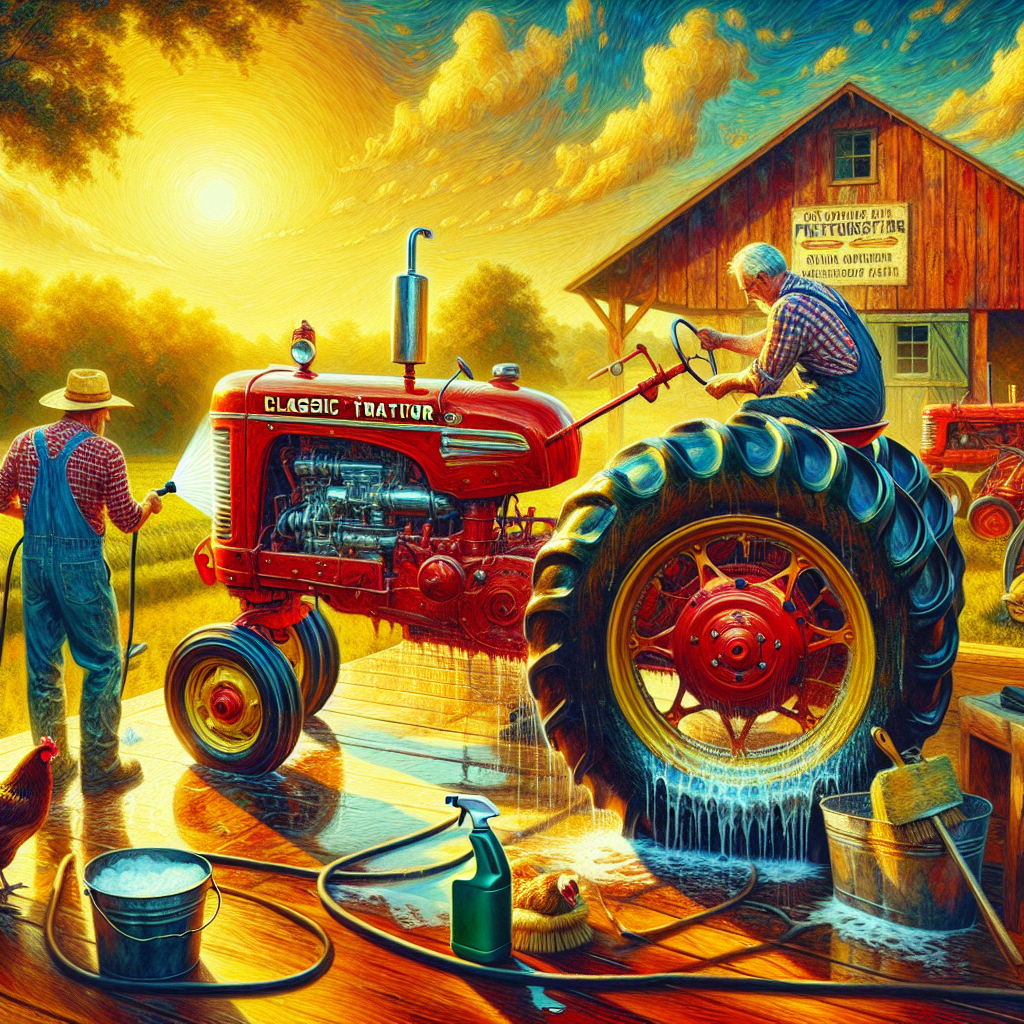
What Makes Classic Tractors A Trusted Choice For Farming Communities?
Are Classic Tractors An Ethical Choice For Reducing Farming Emissions?
When we think of classic tractors, it’s easy to get lost in nostalgia. They’re more than mere machines; they’re symbols of hard work, resilience, and the indomitable spirit of those who tamed the land before us. For many, a tractor isn’t just a piece of equipment; it’s a connection to generations of farmers who poured sweat and soul into every furrow turned. But as we grapple with the growing burden of farming emissions, one question rises: are these nostalgic giants an ethical choice for a sustainable future?
At first glance, it might appear that the answer swings on the pendulum of environmental impact. Classic tractors—often seen chugging away on fields—don’t churn out emissions like their modern counterparts. This can make them seem like an easy answer to the pressing issue of farming emissions. But let’s pause to reflect. Is it that simple? These machines, rooted in tradition, come with their own carbon footprints and environmental concerns. We must consider the entirety of their life cycle, from production to operation.
Now, let’s factor in the emotional component. For many farmers, using a classic tractor feels like stepping into a legacy. Picture a farmer, the proud owner of a 1970s tractor, calling out to their kids to learn the ropes. There’s an irreplaceable bond that forms on that seat, a story that melds the old with the new. It’s about handing down knowledge, values, and a deep-seated respect for the earth—an ethos that young, aspiring farmers can carry into a more sustainable future.
Rationally speaking, while classic tractors can reduce immediate emissions compared to newer models, they also represent a disconnect from advancements in technology that enhance efficiency and environmental stewardship. Modern tractors are designed with cutting-edge solutions to minimize waste and maximize yield, holding the potential to reduce the agricultural footprint even further.
However, the story doesn’t just hinge on numbers or fuel types. Ethically, it’s about what we choose to embrace as we move forward. Utilizing a classic tractor can be a bridge that connects traditional methods with innovative practices. It invites new generations to respect the land while also encouraging them to think critically about sustainable farming.
As we stand at this crossroads, we must acknowledge both the heart and the mind. The truth is, classic tractors can hold a cherished place in our farming community—if we embrace them as part of a broader conversation on sustainability. That leads us to one undeniable reality: the choice we make today will echo for generations. Let’s make it a choice we can all be proud of.
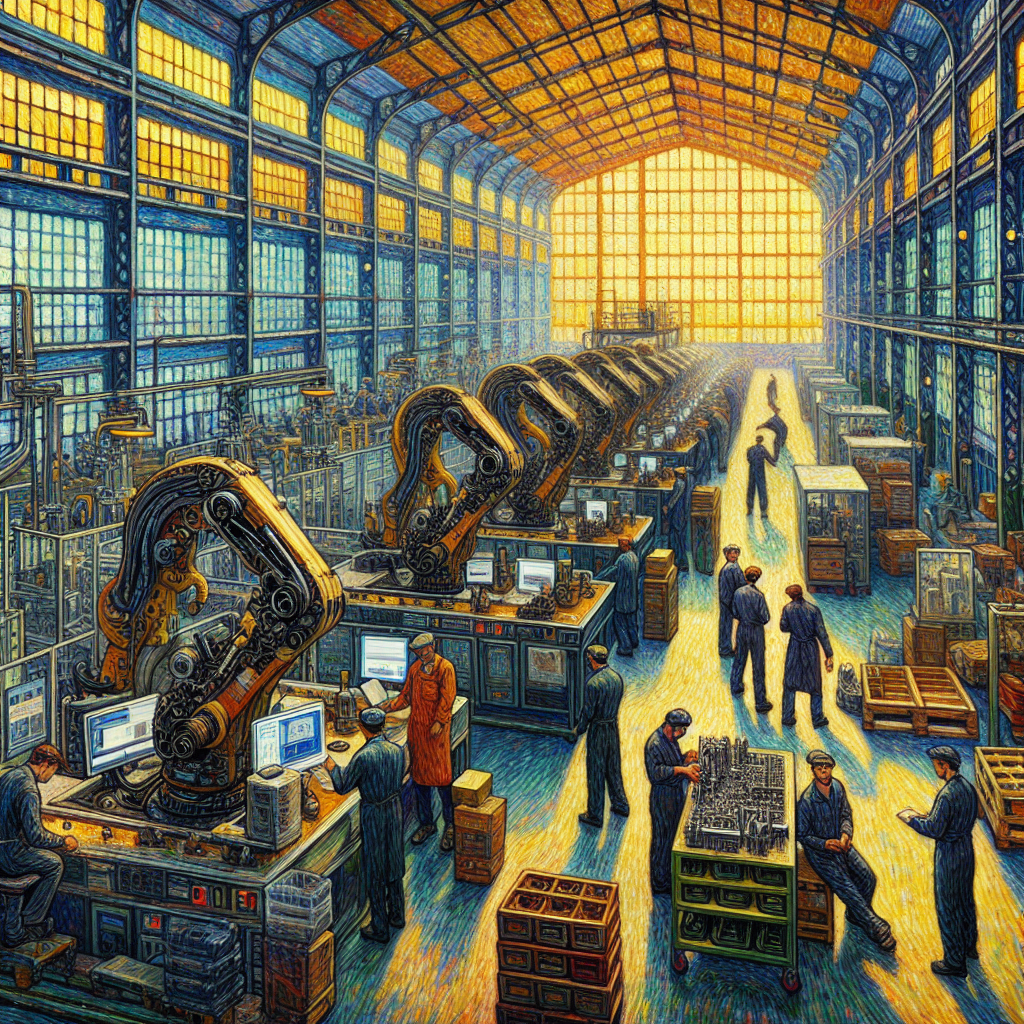
Are Classic Tractors An Ethical Choice For Reducing Farming Emissions?
Are Classic Tractors An Ethical Choice For Reducing Farming Emissions?
- Classic tractors symbolize hard work and the spirit of generations of farmers.
- There is a growing concern about the environmental impact and emissions of farming.
- While classic tractors may seem more environmentally friendly, they have their own carbon footprints.
- Classic tractors foster emotional connections and passed-down knowledge among farmers.
- Modern tractors offer advancements in efficiency and environmental stewardship.
- Using classic tractors can bridge traditional methods with innovative practices in farming.
- The choices made today regarding tractors will impact future generations and sustainability.
Are Classic Tractors An Ethical Choice For Reducing Farming Emissions?
Do Classic Tractors Provide The Reliability Farmers Need In A Crisis?
In the world of farming, there’s a deep, unshakable bond between a farmer and their equipment. Years of toil etch a story into the metal of a tractor, as each scratch and dent tells a tale of long hours in the fields and the relentless battle against nature’s fickle temperament. When times get tough, and crisis looms like a dark cloud over the horizon, that bond becomes even more critical.
Classic tractors are more than just machines; they are symbols of resilience and reliability—the steadfast companions farmers can count on when crops are at stake. Imagine standing in the early morning mist, the soft hum of an old tractor pulling to life under your hand, the smell of fresh earth filling the air. This moment isn’t just mechanical; it’s sacred.
From a rational perspective, classic tractors, often built with simplicity and durability in mind, have fewer electronic components that can fail when the pressure is on. This means when a storm is whipping through or market pressures are mounting, these workhorses can remain steadfast. Farmers know that they can fix a classic machine with basic tools and a little ingenuity—a skill that’s been passed down through generations. This ability to repair instead of replace fosters not just independence but an invaluable sense of control in chaotic times.
Ethically speaking, choosing to restore and rely on classic tractors is a nod to sustainability. It represents a commitment not only to the land but to the community—the very essence of farming. You’re not just preserving your operation; you’re honoring the legacy of those who plowed the fields before you. Each revive means less waste, a smaller carbon footprint, and an investment in local economies.
On a social level, the tractor is a conversation starter at the local diner or the county fair. It’s the centerpiece of stories exchanged among neighbors, a testament to the shared struggles and triumphs of farming life. In a crisis, it becomes a catalyst for community support, where farmers rally around one another, drawn together by the universal truth that agriculture is a collective effort.
So, as we navigate through uncertain times, let’s hold onto the classics—the tractors that have proven their worth, that feel like the heartbeat of the farm. They embody reliability in a world that often demands otherwise, inspiring confidence in the dark. Farming isn’t just about a livelihood; it’s a legacy, and those classic tractors carry it forward, one field at a time.
Do Classic Tractors Provide The Reliability Farmers Need In A Crisis?
Do Classic Tractors Provide The Reliability Farmers Need In A Crisis?
- A deep bond exists between farmers and their equipment, reflecting years of hard work and challenges.
- Classic tractors symbolize resilience and reliability, becoming essential during crises.
- These tractors are cherished for their simplicity, durability, and ease of repair with basic tools.
- Restoring classic tractors promotes sustainability and honors the legacy of previous generations.
- Their presence fosters community, sparking conversations and shared stories among farmers.
- In times of crisis, classic tractors act as a catalyst for community support and collaboration.
- Classic tractors are seen as the heartbeat of the farm, embodying the legacy and spirit of farming.
Do Classic Tractors Provide The Reliability Farmers Need In A Crisis?
Conclusion
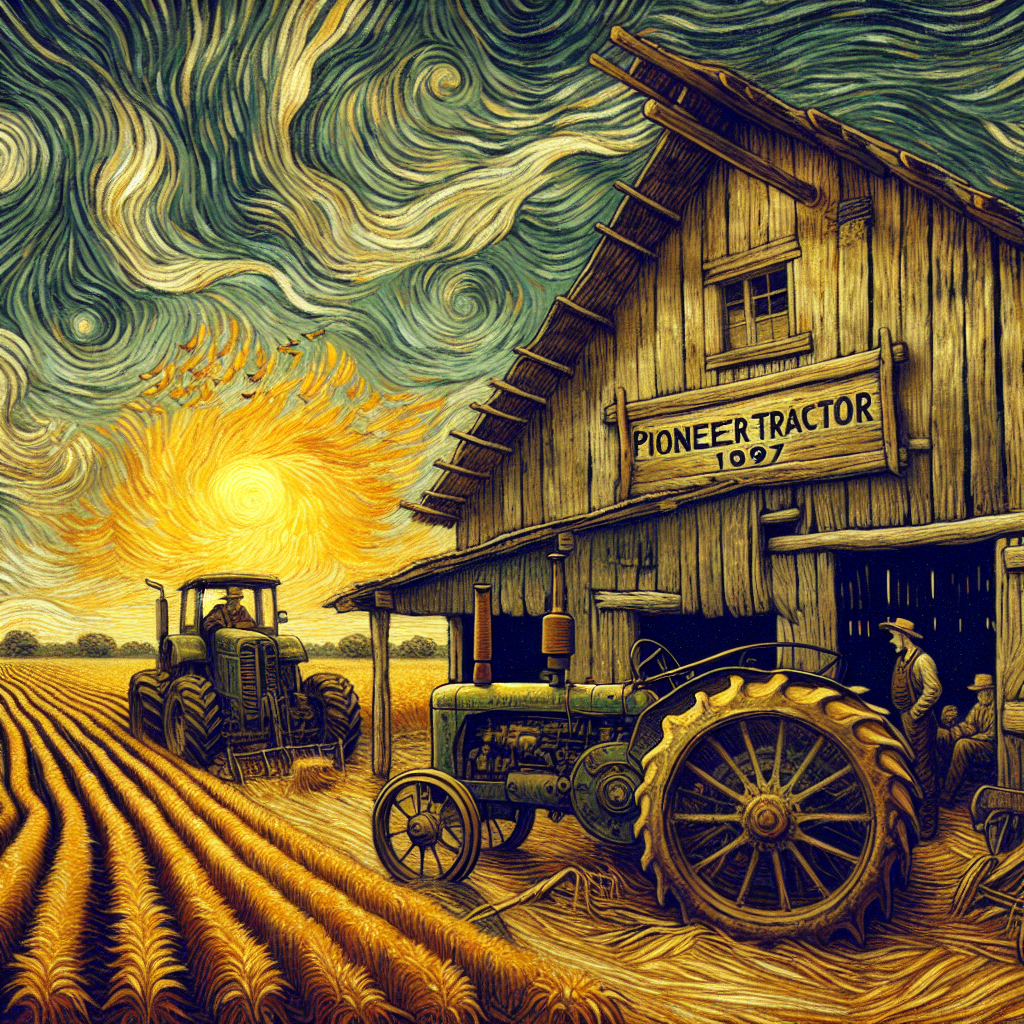
As we step back to survey the landscape of modern agriculture, it’s clear that classic tractors stand as more than just echoing remnants of the past; they symbolize resilience, community, and sustainability that small farmers need now more than ever. These sturdy machines, lovingly maintained or aptly restored, are not mere metal relics; they represent the heartbeat of countless small farms—spaces where dreams are cultivated as much as crops.
Let’s talk about the emotional connection: for generations, farmers have turned the ignition on these classics, igniting not just engines but legacies steeped in tradition. The sight of a classic tractor plowing a field evokes visceral memories—echoes of toil, commitment, and spirit that inspire farmers to rise early and face whatever challenges may lie ahead. In a time where mass production often overshadows the personal touch of farming, these tractors remind us of the bonds we share with our land, our heritage, and each other.
Rationally, the practicality of classic tractors can’t be understated. They often command simpler designs, making them cost-effective both in purchase and maintenance. In an environment where budgets are tight, relying on a machine that can be repaired rather than replaced empowers farmers, allowing them to allocate precious resources to their mission rather than to expensive new equipment. Remember—every dollar saved is a seed planted in the future.
On an ethical level, embracing classic tractors is a nod toward sustainability. These machines harness the principles of reuse and repair, aligning with a growing consumer desire for greener practices. By reviving older tractors, farmers aren’t just reducing waste—they’re breathing new life into a culture of responsibility, fostering innovations that respect our planet.
Community is key here. Think about the farmer down the road who has breathed new life into his grandfather’s classic tractor. His story is part of a collective narrative that spans generations—an inspiration for local farmers who are seeking their path in today’s changing agricultural landscape. When farmers gather, sharing tales over a cup of coffee while discussing repairs and innovations, those tractors are focal points that strengthen their bonds.
So, as we face the realities of modern farming, let’s honor the past while cultivating a sustainable future. Classic tractors embody grit and determination, offering us connections to our roots while guiding us toward new horizons. Let’s dust them off, fuel them with renewed passion, and together sow the seeds for a thriving tomorrow. Because the future of small farms is not just about farming—it’s about community, legacy, and above all, hope.
Conclusion
Conclusion:
- Classic tractors symbolize resilience, community, and sustainability crucial for small farmers today.
- They represent the heartbeat of small farms, where dreams and crops are cultivated.
- Farmers share an emotional connection with these machines, embodying tradition and commitment.
- Classic tractors offer practical benefits with simpler designs, making them cost-effective and repairable.
- Embracing classic tractors promotes sustainability by aligning with principles of reuse and repair.
- Stories of restoring classic tractors create a sense of community among local farmers.
- Classic tractors connect the past to the future, fostering hope and collaboration in modern agriculture.
Conclusion
Other Resources
Other Resources
Here is a list of other resources you can review online to learn more:
- Sheppard Diesel
- Froelich Tractor Museum
- Case IH
- Dillon Farm Museum
- AGCO
- Schilter
- Antonio Carraro
- Siromer
- Apollo
- Shaktimaan
Use This Prompt To Get More Resources With Your Favorite Online AI Tool: Please provide me with a list of online articles with their URLs in a bulleted list that I can read regarding Are Classic Tractors The Game Changer Small Farms Need Now
Other Resources
Glossary Terms
Are Classic Tractors The Game Changer Small Farms Need Now – Glossary Of Terms
1. Classic Tractor: A vintage agricultural vehicle that is typically more than 20 years old, often characterized by simplicity, reliability, and a mechanical design that invites repairs and restoration.
2. Small Farms: Agricultural operations that are limited in size, often family-run, and produce a variety of crops or livestock, typically operating on less than 200 acres.
3. Sustainability: Agricultural practices that meet current needs without compromising the ability of future generations to meet their own needs, often involving eco-friendly methods.
4. Mechanical Simplicity: The straightforward design of older machines, which allows for easier repairs and maintenance compared to modern, complex machinery.
5. Retrofitting: The process of adding new technology or features to older equipment, enhancing performance, efficiency, or adaptability without replacing the entire machine.
6. Fuel Efficiency: The measure of how effectively a tractor converts fuel into work, which can be an essential consideration for small farms to reduce operating costs.
7. Hydraulic Systems: Mechanisms in tractors that use liquid fluid under pressure to perform various functions, often used for lifting and operating implements.
8. Crop Rotation: An agricultural practice whereby different types of crops are planted sequentially in the same area across multiple seasons to improve soil health and reduce pest viability.
9. Agricultural Implements: Tools and equipment, such as plows, harrows, and seeders, that are used with tractors to assist in various farming operations.
10. Land Stewardship: The responsible management of land resources, aimed at maintaining the ecological health and productivity of the farming environment.
11. Labor Efficiency: The productivity achieved by workers during the farming process, which can be enhanced through effective machinery use.
12. Pest Management: Strategies and practices used to control or eliminate pests that threaten crops, which can impact yield and quality of harvests.
13. Resilience: The capacity of a farm to withstand adverse conditions like weather extremes, market fluctuations, and pest invasions, often supported by diverse practices and equipment.
14. Community Supported Agriculture (CSA): A system where consumers buy shares of a farm’s harvest in advance, providing farmers with upfront capital and consumers with fresh produce.
15. Vintage Restoration: The process of renovating old machinery to bring it back to working condition, often combining nostalgia with practical use.
16. Traditional Farming Techniques: Age-old methods of agricultural production that prioritize organic practices, local knowledge, and community engagement.
17. Value-Added Products: Goods that have been enhanced or processed to increase their market value, such as turning milk into cheese or fruits into jams.
18. Soil Health: The condition of soil in terms of its biological, chemical, and physical properties, critical for crop productivity and ecological balance.
19. Local Economy: Economic activities that are based within a specific locality, often strengthened by small farms that provide produce and jobs to the community.
20. Implement Compatibility: The ability of various agricultural tools to work seamlessly with specific tractors, which is important for maximizing utility and performance.
21. Grafting: A horticultural technique that involves joining parts from different plants to create a new plant with desirable characteristics, often used in sustainable farming.
22. Organic Farming: A method of farming that eliminates synthetic fertilizers and pesticides, focusing on natural inputs to maintain ecological balance.
23. Precision Agriculture: Utilizing technology and data to improve farming practices and optimize yields, often in contrast to traditional measures.
24. Harassment of Heritage: The ongoing difficulty of older tractor models and farming practices to adapt in modern agricultural contexts that rely on newer technologies.
25. Smallholder Farmers: Farmers who cultivate smaller plots and often rely on family labor, typically having limited access to resources and technology.
26. Tractor Market: The economic environment surrounding the buying, selling, and trading of both new and used tractors, including models for small and large farms.
27. Environmental Impact: The effect that farming practices and equipment have on the surrounding ecosystem, including factors like pollution, soil erosion, and biodiversity.
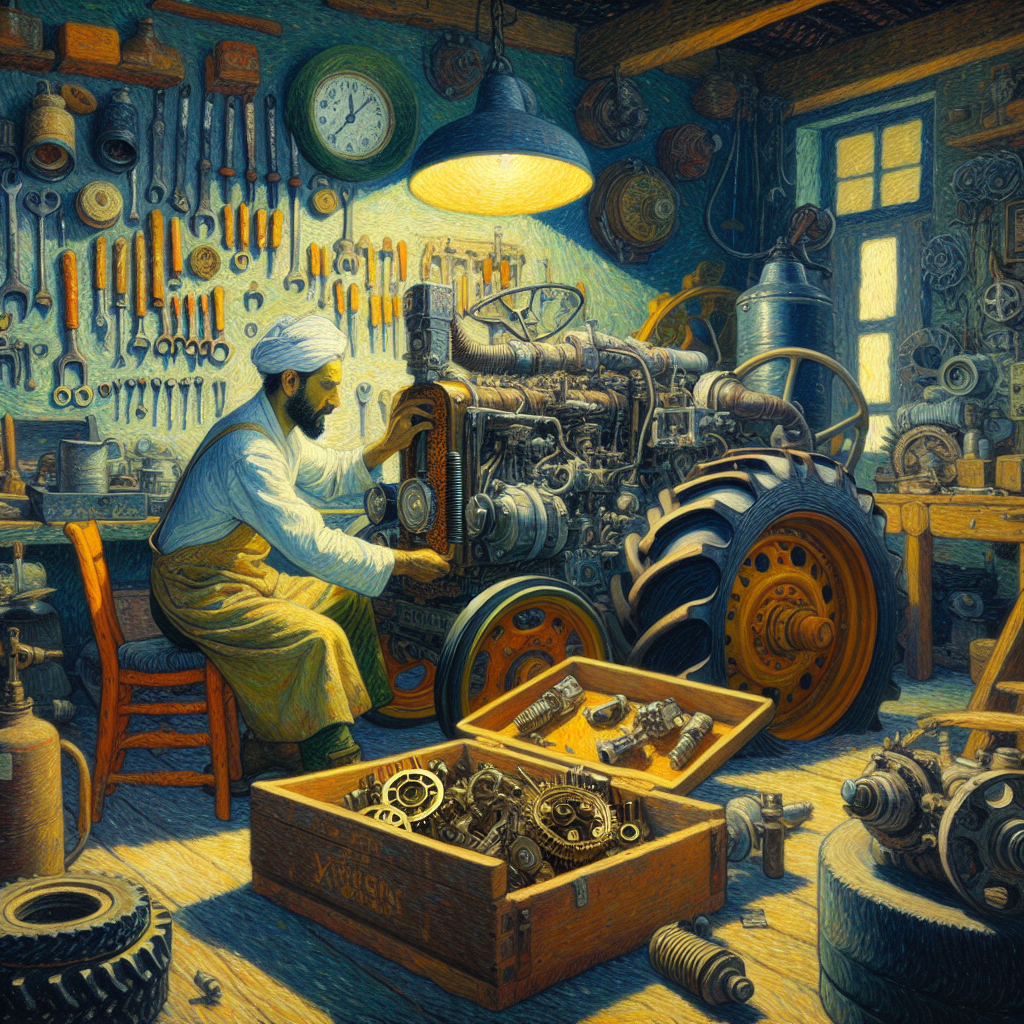
28. Restoration Workshops: Facilities where classic tractors are repaired and restored, often fostering a community of enthusiasts and offering resources for small farmers.
29. Tractor Shows: Events where vintage tractors are displayed, often promoting community engagement, education, and preservation of farming heritage.
30. Diversification: The practice of increasing the variety of crops or livestock on a farm, which can serve as a buffer against market fluctuations and climate challenges.
Glossary Of Terms
Other Questions
Are Classic Tractors The Game Changer Small Farms Need Now – Other Questions
If you wish to explore and discover more, consider looking for answers to these questions:
- What specific benefits do classic tractors offer over modern machinery?
- How do small farmers go about sourcing classic tractors?
- What are some common challenges faced when restoring classic tractors?
- Are there particular models of classic tractors that are more favored by small farmers?
- How does the maintenance of classic tractors compare to modern counterparts?
- What role do classic tractors play in promoting local farming communities?
- How can classic tractors contribute to reducing carbon footprints in agriculture?
- What resources are available for farmers interested in classic tractor restoration?
- How do classic tractors impact the overall economics of small farming?
- Are there any grants or programs that support farmers using classic tractors?
- What success stories exist of farmers revitalizing their operations with classic tractors?
- How can the use of classic tractors influence consumer perceptions of small farms?
- What safety considerations should be taken into account when using classic tractors?
- What innovations have been made to improve classic tractors for modern use?
Other Questions
Haiku
Are Classic Tractors The Game Changer Small Farms Need Now – A Haiku
Rusty heartbeats roar,
Fields tell tales of toil, dreams bloom—
Legacies endure.
Haiku
Poem
Are Classic Tractors The Game Changer Small Farms Need Now – A Poem
The Heartbeat of Fields: A Tribute to Classic Tractors
In the morning mist, where dreams arise,
Classic tractors hum, ‘neath wide-open skies.
More than mere metal, they cradle our past,
Each rusted frame tells of legacies cast.
With every turn of the wheel, history flows,
From grandfathers’ hands to the crops that we sow.
They whisper of toil, of laughter and tears,
Of sun-soaked days and the weight of our fears.
A symbol of grit, of communities bound,
Together we rise, where our roots are profound.
In the face of the storm, when crises loom near,
It’s these sturdy machines that silence our fear.
Economical choices, wise with our gold,
Old workhorses cheaper, with stories untold.
They’re easier to mend, with simplicity’s grace,
A savior for farmers in each heartfelt race.
The call for sustainability rings clear and true,
As we breathe life anew into engines once blue.
Reclaiming the past, we weave a new dance,
In the cycle of farming, we seize our chance.
With every engine’s roar, community thrives,
Neighbors and friends share their struggles and drives.
Together we plow, together we reap,
In these classic machines, our histories keep.
So let’s dust off those classics, ignite the old flame,
For the future we build can carry their name.
In fields rich with promise, where the heartstrings entwine,
Classic tractors remind us: our legacies shine.
Poem
Checklist
Are Classic Tractors The Game Changer Small Farms Need Now – A Checklist
Checklist: Embracing Classic Tractors for Modern Small Farms
Emotional Appeals (Heart)
_____ Reflect on Heritage: What stories of past generations can your classic tractor reveal? Take a moment to appreciate the legacy you’re inheriting.
_____ Connect with Community: How can you share your experiences with neighbors? Consider joining or forming a local farming group where you can share stories and tips about classic tractors.
_____ Visualize Your Dream: Picture yourself plowing your fields with a classic tractor. What does that look and feel like? Write down your vision and the emotional benefits it brings.
Rational Appeals (Head)
_____ Assess Cost-Effectiveness: Calculate potential savings from maintaining a classic tractor versus purchasing new equipment. Create a budget for repair costs and compare.
_____ Evaluate Simplicity: Research the ease of repairs and maintenance for classic tractors. Can you handle simple fixes yourself?
_____ Analyze Sustainability: Consider how using a vintage tractor impacts your farm’s carbon footprint. Are you contributing to a culture of reuse and sustainability?
Ethical Appeals (Gut)
_____ Make Conscious Choices: Reflect on the ethical implications of your farming practices. How does choosing a classic tractor support local economies and sustainable farming?
_____ Consider Longevity: Think about the importance of choosing durable, reliable machines for the environment. Does your decision to restore a classic tractor influence your sustainability goals?
Authority Appeals
_____ Learn from Experts: Seek out testimonials or case studies from farmers who have successfully implemented classic tractors into their operations. What insights can you gain?
_____ Join Workshops or Classes: Look for local workshops focused on maintaining and restoring classic tractors. Gain knowledge from seasoned mechanics or farmers.
Narrative Appeals
_____ Document Your Journey: Start a blog or journal about your experience with classic tractors. How does this journey reflect broader themes in farming and community?
_____ Share Your Story: Find a platform to share your story about your connection to classic tractors. Encourage others to do the same.
Social Appeals
_____ Engage with the Farming Community: Attend local fairs or agricultural shows where classic tractors are showcased. Network and learn from fellow farmers.
_____ Participate in Online Forums: Join social media groups focused on classic tractors. Exchange ideas, tips, and experiences with like-minded individuals.
_____ Support Local Businesses: Whenever possible, source parts and services for your classic tractor from local shops. How does supporting local businesses enhance your community ties?
By working through this checklist, you can harness the emotional, rational, ethical, authority, narrative, and social aspects of classic tractors, unlocking their full potential as a game-changing solution for modern small farms.
Checklist
At ClassicTractorNews, we help tractor lovers keep up with the latest news for classic and vintage tractors.
Please share this post with your friends, family, or business associates who may like old classic or vintage tractors.