


Reviving Nostalgia With Classic Tractors
By Tom Seest
At ClassicTractorNews, we help tractor lovers keep up with the latest news for classic and vintage tractors.
Please share this post with your friends, family, or business associates who may like old classic or vintage tractors.
Are Classic Tractors The Emotional Link Between Past and Present
When you think about a tractor, what typically comes to mind? A rusted piece of machinery sitting idle in a field, or perhaps the gentle rumble of a faithful workhorse forging ahead through the long days of harvest? Classic tractors are more than just metal and gears; they are the beating heart of farming history, connecting our present to a vibrant past that shaped our landscapes, our traditions, and ultimately, ourselves.
These rugged machines embody stories of resilience and hard work, stories that resonate deep within us. Imagine a farmer, weathered by seasons, tending to his father’s fields, the same fields where his grandfather had plowed with pride. Each dent and scratch on that classic tractor tells a story, a testament to long days under the sun and challenges overcome. It’s a visceral reminder that people before us wrestled with the land using these powerful machines, and their triumphs and hardships echo in the gentle whir of the engine.
But there’s more to these iconic tractors than nostalgia. They represent a rational connection to our agricultural roots, signifying the importance of sustainable practices and a commitment to preservation. In a world racing toward automation, classic tractors urge us to remember the value of craftsmanship, the dignity found in hard labor, and the ethics of maintaining our heritage. The ethos these machines bring forward implores us to appreciate the past while embracing a future that doesn’t forget where we’ve come from.
Imagine yourself standing next to a lovingly restored tractor at a local fair, the bright sun glinting off its well-worn body. Suddenly, you’re surrounded by kindred spirits—all ages, united by a shared passion for history and the tactile love of farming. Conversation flows easily; stories are exchanged, laughter erupts, and within that community, bonds are formed. Here, among the thrumming engines and earnest smiles, there’s a sense of belonging—a reminder that every generation has a role to play in this rich tapestry of life.
Classic tractors are not just relics but vessels of identity, connection, and commitment. As we celebrate these enduring machines, let’s feel the emotional pull, recognize the rational truths they symbolize, and inspire future generations to cherish their own links to the past. Just as that old tractor rolls forward, so too can we—grounded in respect for our heritage, driven by the promise of tomorrow.
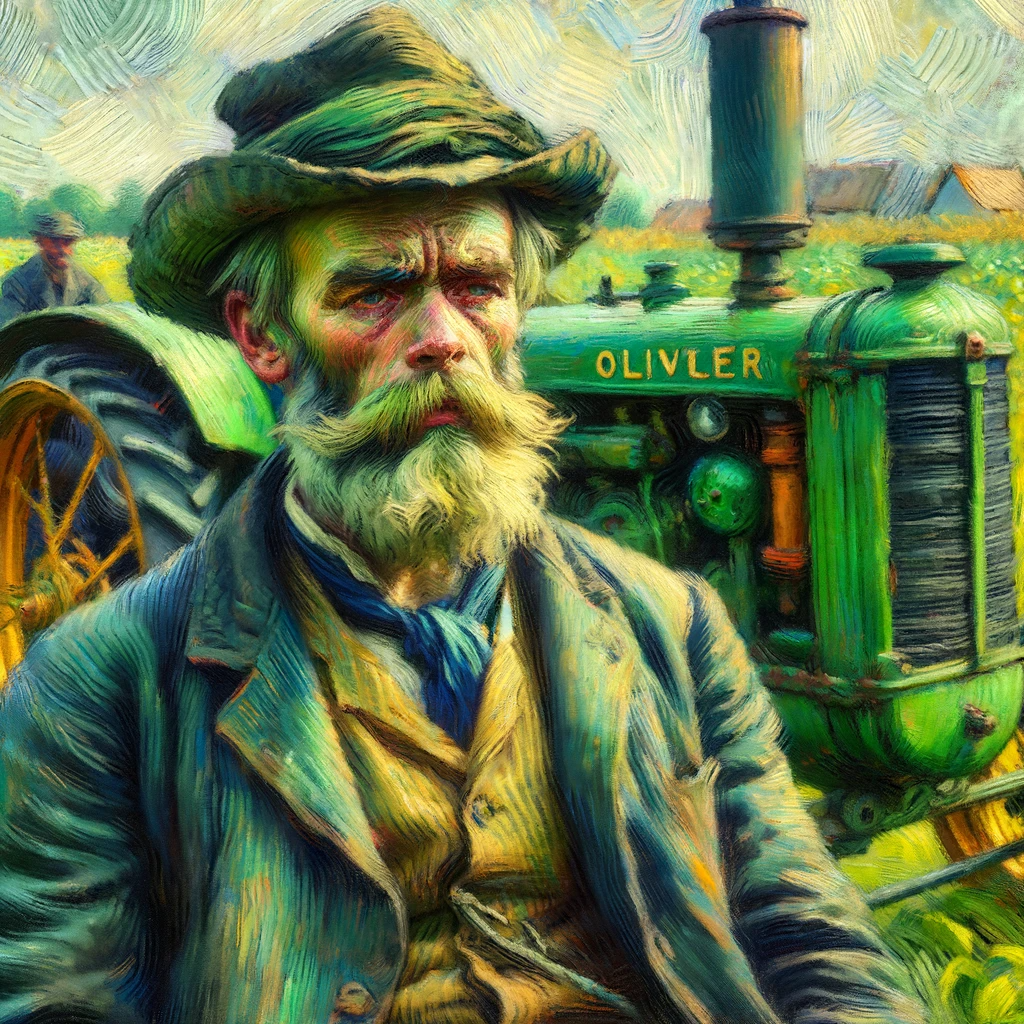
Are Classic Tractors The Emotional Link Between Past and Present
Are Classic Tractors The Emotional Link Between Past and Present
- Classic tractors symbolize the deep connection between our present and agricultural past.
- They embody resilience and hard work, telling stories of farmers and their legacy.
- Each dent and scratch on these machines signifies challenges overcome in farming.
- Classic tractors highlight the importance of sustainable practices and craftsmanship amidst modern automation.
- The experience of being around restored tractors fosters community and shared passion for farming history.
- These machines serve as vessels of identity, connection, and commitment to heritage.
- Celebrating classic tractors encourages appreciation for the past while inspiring future generations.

Are Classic Tractors The Emotional Link Between Past and Present
Table Of Contents
- Are Classic Tractors The Emotional Link Between Past and Present
- How Do Classic Tractors Represent Our Connection To Farming History?
- What Memories Do Classic Tractors Evoke From Your Childhood?
- Can Restoring A Classic Tractor Bridge The Gap Between Generations?
- How Do Classic Tractors Symbolize Hard Work And Dedication In Farming?
- How Do Classic Tractors Carry The Stories Of Our Ancestors?
- What Role Do Community Events Play In Celebrating Classic Tractors?
- Conclusion
- Other Resources
- Glossary Of Terms
- Other Questions
- Haiku
- Poem
- Checklist
How Do Classic Tractors Represent Our Connection To Farming History?
In every field, beneath the sun-drenched sky, lies the heart of farming history—a classic tractor. These hulking machines, with their well-worn frames and faded paint, carry more than just crops; they embody a legacy, a story that connects us to generations of farmers who toiled day in and day out. Each tractor is a testament to a pursuit—it’s the rhythm of cultivation, the sweat of labor, and the unwavering optimism that springs from working the land.
Think about it. Before the rise of modern technology, these mighty machines transformed labor, enabling farmers to break the soil, plant seeds, and harvest the fruits of their labor. They stood as the faithful companions of countless families. In those quiet moments, after the dust settles and the sun dips below the horizon, you can almost hear their stories whispering through the rusted metal. Each scratch and dent is a chapter in a narrative that resonates with our collective experience, a reminder of the struggles and triumphs that define us.
Rationality speaks, too. Classic tractors represent a paradox of simplicity and complexity; while they may appear straightforward, their engineering encapsulates the ingenuity and resourcefulness of human creativity. They remind us that innovation doesn’t always come cloaked in high tech; sometimes, it’s as simple as a sturdy frame and a stout engine. These machines fought battles against nature, persevering through rainstorms and droughts, teaching us about resilience, the same qualities we must embrace today in the face of modern challenges.
From an ethical perspective, preserving these tractors is an act of respect towards those who came before us. It’s about honoring the farmers who bled, cried, and triumphantly celebrated in the fields. By keeping their legacy alive, we invite others to witness the transformation of agriculture and remind ourselves of the values we stand by: hard work, perseverance, and stewardship of the land.
As we gather around these mechanical giants—whether at a local tractor show or in a neighbor’s barn—we forge connections with our community. We share stories, we laugh, and we reminisce. We aren’t just looking at machines; we are holding onto our roots, the very fabric of our identity. So, next time you see a classic tractor, take a moment to appreciate the spirit and dedication it represents. It’s not just steel and wheels; it’s a bridge to our past and a rallying cry for our future in farming. Together, let’s keep this essential connection alive—because every story deserves to be told, and every tractor has a voice.

How Do Classic Tractors Represent Our Connection To Farming History?
How Do Classic Tractors Represent Our Connection To Farming History?
- Classic tractors embody a rich farming history and connect us to generations of dedicated farmers.
- They transformed labor by allowing farmers to efficiently break soil, plant seeds, and harvest crops.
- Each tractor holds a narrative of struggle and triumph, marked by scratches and dents from years of use.
- Classic tractors illustrate a paradox of simplicity and complexity, representing human ingenuity in design.
- Preserving these machines honors the legacy of farmers and their values of hard work and perseverance.
- Gathering around classic tractors fosters community connections, as we share stories and celebrate our roots.
- Each classic tractor serves as a bridge to the past, emphasizing the importance of keeping agricultural history alive.

How Do Classic Tractors Represent Our Connection To Farming History?
What Memories Do Classic Tractors Evoke From Your Childhood?
For many of us, the mere mention of a tractor conjures a vivid tapestry of memory, interwoven with the scent of freshly turned earth and the warm glow of late summer sun. It’s not just a machine; it’s a gateway to simpler times, when the world moved at a different pace, powered by the relentless hum of those iron giants.
Remember the feeling of climbing onto the warm metal seat, the rough surface beneath your legs, and the thrill of holding onto the steering wheel as your dad or grandpa guided the tractor down straight rows of corn? Each bounce and jolt sparked laughter and a sense of adventure that was nothing short of exhilarating. This wasn’t just about farming; it was about bonding—sharing stories with every chug and rumble, while the landscape zipped by in a blur of green and gold.
Think back to the lessons learned: patience as you plowed the fields, responsibility as you filled the gas tank, and respect for the land that was entrusted to you. A classic tractor isn’t just a workhorse; it embodies values that stick with us long after the day is done. It teaches us the importance of hard work, the beauty of persistence, and the satisfaction of seeing something truly flourish under our care. These lessons, rooted in the earth and echoed in our hearts, fortify our resolve to carry them into our futures.
Let’s not overlook the stories woven through generations. Those days spent in the fender of a tractor, heart racing with joy, are now the threads that bind families. They speak of resilience, triumph, and the unbreakable link between man and machine. Classic tractors remind us that these connections matter; they’re a reminder of who we are, where we’ve come from, and what we can overcome together.
And as we gather around a campfire, sharing tales of those summer days, we don’t just revive the memories—they become living artifacts of our heritage. These powerful machines connect us to our roots and to each other, whether we’re reminiscing with family, sharing stories with friends, or maybe even teaching the next generation how to drive the very same tractor that once pulled us along.
So the next time you see a classic tractor, stop for a moment. Let the sound and sight of it take you back. Allow those memories to wash over you, igniting a spark of nostalgia that calls you to reflect on your past and embrace the values that will continue to drive you forward.

What Memories Do Classic Tractors Evoke From Your Childhood?
What Memories Do Classic Tractors Evoke From Your Childhood?
- Tractors evoke memories tied to the scents and sights of farmland, symbolizing simpler times.
- Climbing onto the warm metal seat brings feelings of adventure and bonding with family.
- Lessons of patience, responsibility, and respect for the land are learned while using tractors.
- Classic tractors embody values like hard work, persistence, and fulfillment of seeing growth.
- Stories shared over generations connect families and reflect resilience and triumph.
- Tractors serve as reminders of heritage, reinforcing bonds among family and friends.
- Seeing a classic tractor invites nostalgia and prompts reflection on past experiences and values.

What Memories Do Classic Tractors Evoke From Your Childhood?
Can Restoring A Classic Tractor Bridge The Gap Between Generations?
Restoring a classic tractor isn’t just an act of preservation; it’s a bridge—one connecting the wisdom of the past to the enthusiasm of the future. Picture this: a rusty old tractor, long forgotten in the back of a barn. Resurrecting it isn’t simply a mechanical endeavor; it’s an emotional journey that threads through generations. It calls to mind the stories shared over campfires and family gatherings, where values like hard work and craftsmanship were passed down like heirlooms.
Emotionally, restoring a classic tractor anchors us in a shared heritage. The worn-out metal beneath your hands tells tales of labor, perseverance, and love—stories that resonate with anyone who’s ever felt the pride of hard work. Each scrape of the metal and turn of the wrench reconnects us with the smell of fresh-cut hay or the deep hum of an engine pulling its weight through fields, rekindling memories of loved ones who once farmed with such dedication.
On a rational level, this restoration journey is as practical as it is noble. In a world racing toward automation and disposable culture, choosing to revive a classic tractor is a decision steeped in sustainability. It’s recognition that we can preserve our planet while also honoring the craftsmanship of the past. By investing our time and resources into these machines, we foster a respect for durability and long-lasting value that too often eludes modern consumerism.
From an ethical standpoint, restoring a classic tractor offers a chance to teach younger generations the importance of responsibility and maintenance. Understanding how to fix, improve, or even just cherish something old encourages a sense of accountability. It teaches them to value the grit that goes into making something work, something that transcends mere functionality—but instead becomes a labor of love.
Finally, there’s a powerful social dimension at play. Share a cup of coffee with fellow enthusiasts down at the local diner or at a restoration shop, and you’ll find camaraderie rooted in experience and respect. The joy of reminiscing about the first time you felt the rumble of an engine or the satisfaction of seeing that gleaming paint reflects a shared human connection.
Restoring a classic tractor isn’t merely a pastime; it’s an invitation to embrace tradition, forge bonds, and celebrate the simple beauty of what it means to create and connect. So grab that wrench, roll up your sleeves, and let’s bridge that gap—because in doing so, we might just find ourselves along the way.

Can Restoring A Classic Tractor Bridge The Gap Between Generations?
Can Restoring A Classic Tractor Bridge The Gap Between Generations?
- Restoring a classic tractor connects the past’s wisdom with the future’s enthusiasm.
- It is an emotional journey that preserves stories of hard work and craftsmanship.
- The act of restoration reconnects individuals with memories of labor and loved ones.
- This journey promotes sustainability by valuing durability over disposable culture.
- Restoration teaches younger generations about responsibility and the value of maintenance.
- It fosters social bonds and camaraderie among enthusiasts through shared experiences.
- Ultimately, restoring a classic tractor is an invitation to celebrate tradition and connection.

Can Restoring A Classic Tractor Bridge The Gap Between Generations?
How Do Classic Tractors Symbolize Hard Work And Dedication In Farming?
Classic tractors stand as enduring symbols of hard work and dedication in farming, embodying a rich tapestry of stories that connect generations of agricultural laborers. These machines, with their vibrant colors and timeless designs, don’t just pull plows; they pull the weight of our history, serving as mechanical representatives of the sweat and toil that shape our land and livelihoods.
Consider the farmer who wakes up before dawn, his hands rugged from years of labor. As he steps into the cab of his classic tractor, it’s not just a machine—it’s a trusty companion that knows the fields like an old friend. The throaty rumble of the engine is a reminder of the promise made with every sunrise: to nurture the earth, to bring forth life, and to ensure that food reaches our tables. This is about more than just progress; it’s a reflection of commitment, a testament to the values that have been passed down through families for generations.
In the landscapes where these tractors work, you’ll find stories rich in tradition and ethics woven through every furrow and field. Each dent and scratch tells a tale of perseverance, highlighting the grit required to cultivate the land. These farmers embody a noble pursuit—their hands in the soil, their eyes set on the horizon—creating not just crops but a legacy. This is where heart and purpose intersect; it’s about sustaining communities and upholding a way of life that nourishes both body and spirit.
Moreover, the authority of vintage tractors resonates deeply within local cultures, fostering an appreciation of the hard work and expertise required to run a successful farm. They serve as reminders of a time when labor was rooted in physical strength and intimate knowledge of the land. The community ties that farmers forge, often over shared experiences of farming and hardship, resonate with those who understand that every harvest harvested is a testament to years of dedication.
So, the next time you see a classic tractor like a beacon of progress against fields of gold, remember: it represents not just farming, but a lifestyle steeped in hard work, commitment, and the unwavering bond between people and the land they cherish. Let these machines inspire us all—not just to admire their beauty but to dig deep into our own convictions, fostering a connection to where our food comes from and the hands that bring it to life.

How Do Classic Tractors Symbolize Hard Work And Dedication In Farming?
How Do Classic Tractors Symbolize Hard Work And Dedication In Farming?
- Classic tractors symbolize hard work and dedication in farming, connecting generations of agricultural laborers.
- These machines represent history and labor, pulling the weight of tradition alongside their physical function.
- For farmers, classic tractors are trustworthy companions, embodying commitment to nurturing the earth and food production.
- Every dent and scratch on a tractor tells a story of perseverance and the grit required to cultivate the land.
- Vintage tractors foster appreciation for hard work and expertise in farming, emphasizing physical strength and knowledge of the land.
- Community ties formed among farmers highlight shared experiences and dedication during the farming process.
- Classic tractors inspire admiration and a deeper connection to our food sources and the hardworking individuals behind them.

How Do Classic Tractors Symbolize Hard Work And Dedication In Farming?
How Do Classic Tractors Carry The Stories Of Our Ancestors?
When you look at a classic tractor, it’s hard not to feel a surge of emotion. These machines are more than just metal and motor; they represent an era, a lifestyle, and a connection to the past that deserves our respect. Each scratch on the surface tells a story, revealing the hard work and dedication of those who came before us. Think about it. Every dent and rust spot marks a moment in time—a crop harvested in the blazing sun or a family relying on that very tractor to make ends meet. It’s a symbol of resilience, a testament to the trials and triumphs of our ancestors.
Rationally speaking, the simple design of these tractors stands as a counterpoint to our increasingly digital world. They remind us that sometimes the best solutions are grounded in the basics, where efficiency meets durability. There’s no need for fancy gadgets when you have a machine designed to withstand the elements and keep working, day in and day out. By preserving these tractors, we’re not just celebrating their mechanics; we’re honoring a philosophy of hard work and reliability that many feel is being lost today.
Ethically, keeping classic tractors alive is a nod to sustainability. In a world overloaded with waste, restoring these machines offers a valuable perspective on repurposing and respecting our resources. It’s an active choice to cherish the craftsmanship and sacrifice that built our communities, a form of stewardship that makes sense for both our environment and our cultural history.
But let’s not forget the narratives these tractors carry. They’re often the centerpiece of family gatherings, where stories of granddad’s first plow or grandma’s tractor rides with her siblings come alive. These tales weave generations together, crafting a rich tapestry of identity that binds us to our roots. For many, a classic tractor represents a lineage of agricultural heritage, a physical touchstone that connects us to our ancestors’ struggles and achievements.
So, the next time you pass by a classic tractor, take a moment to appreciate what it stands for. It’s an invitation to pause, reflect, and engage with the stories that swirl around it. These machines call us to remember where we came from, nudging us to consider the values of hard work, community, and tradition that stand the test of time. In that respect, every classic tractor truly carries the spirit of our ancestors, urging us to keep their stories alive for future generations.

How Do Classic Tractors Carry The Stories Of Our Ancestors?
How Do Classic Tractors Carry The Stories Of Our Ancestors?
- Classic tractors evoke emotion, representing an era, lifestyle, and connection to the past.
- Every scratch, dent, and rust spot tells a story of hard work and dedication from previous generations.
- Their simple design contrasts with the digital world, emphasizing efficiency and durability.
- Preserving classic tractors honors a philosophy of hard work and reliability that feels increasingly rare today.
- Restoring these machines promotes sustainability and respect for resources in a waste-heavy world.
- Classic tractors are symbols of family heritage, bringing to life stories from previous generations.
- They serve as reminders of values like hard work, community, and tradition, urging us to keep ancestral stories alive.

How Do Classic Tractors Carry The Stories Of Our Ancestors?
What Role Do Community Events Play In Celebrating Classic Tractors?
Picture this: a sprawling field, perhaps under an azure sky, dotted with rows of gleaming classic tractors, each one a testament to craft, nostalgia, and a way of life that many are striving to preserve. These community events serve as more than just showcases; they become vibrant living histories, breathing life into the stories that these magnificent machines carry with them—a tangible connection to our agricultural roots.
Now, let’s unpack this. From a visceral standpoint, classic tractors are not just machines; they are symbols—embodiments of hard work, sweat, and the relentless spirit of generations past. They provoke a sense of belonging that resonates with many. Each tractor tells its own story, perhaps of a farmer who toiled from dawn till dusk, or a family that relied on that very machine to put food on their table. These stories, shared among friends and neighbors at a community gathering, invoke an emotional kaleidoscope—laughter, tears, and memories—all swirling together to create a rich tapestry of shared experiences.
Rationally speaking, these events unite enthusiasts and promote understanding of the craftsmanship that goes into restoring and maintaining these machines. Workshops and exhibitions teach valuable skills, elevating the knowledge base of both young and old. This transfer of wisdom is crucial—ensuring that a new generation develops an appreciation for agricultural heritage and the integrity of the machines that helped shape it.
Ethically, community events foster a sense of responsibility. They remind us of our commitment to preserving history, highlighting the importance of sustainable practices within agriculture. As we gather around these tractors, we are reminded of our duty to honor the past while engaging with the present.
Moreover, the authority of these gatherings cannot be overstated. Experts, restorers, and historians often attend, lending their voices and expertise to the conversations. Their presence not only educates but inspires confidence in our collective ability to keep this heritage alive.
Ultimately, it’s about connection—both to our past and to each other. The joy, laughter, and camaraderie found at these events strengthen community bonds, reminding us that we’re all part of something larger. As we celebrate classic tractors, we celebrate our stories—the grit, the labor, the triumphs—and isn’t that what community is truly about? So, roll up your sleeves, grab your family, and get ready to rev your engines; history is waiting to be honored, and the stories of classic tractors are just the beginning.

What Role Do Community Events Play In Celebrating Classic Tractors?
What Role Do Community Events Play In Celebrating Classic Tractors?
- Classic tractors are symbols of hard work, representing the agricultural roots and history of communities.
- They provoke feelings of belonging by sharing the stories of farmers and families tied to these machines.
- Community events serve as vibrant living histories, blending emotions like laughter and tears into shared experiences.
- These gatherings unite enthusiasts, promoting appreciation for the craftsmanship and knowledge of restoring tractors.
- Workshops help transfer skills to younger generations, ensuring the preservation of agricultural heritage.
- Community responsibility is emphasized, highlighting the importance of sustainable practices in agriculture.
- Experts at these events inspire confidence and educate attendees, strengthening community bonds through shared stories.

What Role Do Community Events Play In Celebrating Classic Tractors?
Conclusion
As we pull into the final stretch of this journey through the world of classic tractors, it’s clear that these machines serve as more than just agricultural implements—they’re the emotional linchpins that connect us to our roots and to each other. Each scratch and dent tells a story, a testament to both struggles and celebrations, whispering to us reminders of our history as intertwined with the land we cultivate. Picture yourself standing next to a well-worn tractor at a local fair, where strangers become neighbors and stories flow as freely as the laughter that bounces off its sturdy frame. These interactions foster a sense of belonging, reminding us we’re part of a larger narrative—a community celebrating shared values.
Rationally, our obsession with restoring these mechanical giants taps into something fundamental: a recognition of sustainability and respect for craftsmanship often lost in our fast-paced, throwaway culture. By choosing to invest in classic tractors, we’re making a stand against disposability. We’re saying that hard work, durability, and heritage are worth preserving. It’s a nod to our ancestors who toiled in fields we may now only see through the glow of memory, urging us to embrace the lessons they imbued within these machines—the essence of perseverance, responsibility, and the rewards of hard labor.
Ethically, tending to this legacy is a form of stewardship, a commitment to the land and its history, preserving not just the tractors but the values upon which they were built. These timeless machines act as ambassadors of our agricultural ethos, bridging the gap between generations—reminding us that we all have a role to play in this unfolding story.
The heart of these classic tractors resonates deeply within us, shaping our identity as individuals and as a community. They remind us that behind every tractor, there’s a family story, a sweat-soaked memory, and unbreakable bonds forged in the grit and determination of farming life.
So, let’s continue to celebrate these machines—not just for what they are, but for everything they represent. As we rev our engines and share our stories, we invite the next generation to carry this spirit forward. Together, let’s honor our past while plowing toward the future, ensuring that every tract of land tells a story, and that every classic tractor continues to roar to life. In doing so, we not only revive nostalgia but fuel connection, unity, and purpose. This is a legacy worth cherishing—a timeless ride worth taking together.

Conclusion
Conclusion:
- Classic tractors are emotional connections that link us to our roots and communities.
- Each scratch and dent tells a story of struggles and celebrations intertwined with our agricultural history.
- Interactions around these tractors foster a sense of belonging and shared values within the community.
- Restoring classic tractors highlights sustainability and respect for craftsmanship in a throwaway culture.
- Tending to this legacy serves as stewardship, preserving values and the agricultural ethos for future generations.
- Classic tractors resonate deeply, shaping our identities and reminding us of familial stories and hard work.
- We celebrate these machines not only for their history but also to inspire the next generation and ensure a connected future.

Conclusion
Other Resources

Other Resources
Here is a list of other resources you can review online to learn more:
- Cecil County Farm Museum
- J & MManufacturing
- Shaktimaan
- Rome
- Central Washington Agricultural Museum
- Bolinder-Munktell
- Zetor
- Rock Island
- Brockway
- C.O.D. Tractor Company
Use This Prompt To Get More Resources With Your Favorite Online AI Tool: Please provide me with a list of online articles with their URLs in a bulleted list that I can read regarding Are Classic Tractors The Emotional Link Between Past and Present

Other Resources
Glossary Terms
Are Classic Tractors The Emotional Link Between Past and Present – Glossary Of Terms
1. Antique Tractors: Older tractors often built before 1970, symbolizing agricultural history and vintage craftsmanship.
2. Heritage: The legacy and cultural significance tied to agricultural practices and machinery passed down through generations.
3. Restoration: The process of repairing and preserving classic tractors to their original condition, often connecting owners with their past.
4. Nostalgia: A sentimental longing for the past, often evoked by classic tractors within families and communities.
5. Collectibility: The value of classic tractors as collectibles, driven by their historical significance and emotional ties.
6. Farm Life: The everyday reality of agricultural work, often romanticized through the lens of classic tractors.
7. Community: The bonds formed among enthusiasts and collectors of classic tractors who share a common interest.
8. Mechanics: The study of how classic tractors function, often requiring knowledge of historical engineering practices.
9. Rallies: Events where classic tractor owners come together to showcase their machines, fostering a sense of community and shared passion.
10. Vintage: Referring to items, including tractors, that are at least 20 years old and evoke a sense of craftsmanship and history.
11. Family Traditions: Practices involving classic tractors that are passed down through generations, creating emotional ties within families.
12. Farm Equipment: Tools and machinery used in agriculture, with classic tractors being a key component in historical farming practices.
13. Legacy: The enduring impact of classic tractors on family history and agricultural culture, shaping identities and narratives.
14. Sustainability: The appreciation for traditional farming methods that classic tractors represent, advocating for sustainable agricultural practices.
15. Craftsmanship: The quality of work that goes into building classic tractors, often viewed as art forms in themselves.
16. Industrial Revolution: A period that transformed agricultural practices through mechanization, paving the way for classic tractors as pivotal machinery.
17. Personal Connection: The emotional bond individuals feel toward classic tractors, often linked to family histories or personal experiences.
18. Agri-History: The study of agricultural practices and technologies, with classic tractors serving as key artifacts.
19. Restoration Community: A network of enthusiasts dedicated to preserving classic tractors, sharing knowledge, and fostering emotional connections.
20. Cultural Identity: The way classic tractors embody regional farming traditions and contribute to local identities.
21. Mechanization: The use of machinery in agriculture, with classic tractors representing a significant shift in farming practices.
22. Cross-Generational Connection: The bonds formed between different generations through shared experiences with classic tractors.
23. Innovation: Advances in tractor design and functionality over the years, tracing the evolution of agricultural technology.
24. Tinkering: The process of hands-on experimentation and repair of classic tractors, fostering a deeper understanding and appreciation.
25. Preservation: The act of maintaining classic tractors as historical artifacts to ensure their stories and significance are not lost.
26. Iconic Models: Specific makes and models of classic tractors that hold particular emotional or cultural significance.
27. Enthusiast: A person who passionately collects or restores classic tractors, often participating in events and discussions.
28. Historical Context: The background and significance of classic tractors within the framework of agricultural development and societal changes.
29. Storytelling: The narrative element tied to classic tractors, where each machine often has its own unique history and emotional resonance.
30. Emotional Attachment: The strong feelings individuals develop for classic tractors based on personal or familial connections to the past.

Glossary Of Terms
Other Questions
Are Classic Tractors The Emotional Link Between Past and Present – Other Questions
If you wish to explore and discover more, consider looking for answers to these questions:
- What are some popular brands of classic tractors?
- How can one start restoring a classic tractor?
- What are the most common challenges faced during tractor restoration?
- Where can I find parts for classic tractors?
- What are the best practices for maintaining a classic tractor?
- Are there clubs or communities for classic tractor enthusiasts?
- What are some famous classic tractor shows or events to attend?
- How do classic tractors compare to modern tractors in terms of performance?
- What are some notable stories associated with specific classic tractors?
- What impact do classic tractors have on the agricultural community today?

Other Questions
Haiku
Are Classic Tractors The Emotional Link Between Past and Present – A Haiku
Echoes of the past,
Iron giants hum their tales,
Roots bind us through time.

Haiku
Poem
Are Classic Tractors The Emotional Link Between Past and Present – A Poem
Of Iron Giants and Golden Fields
In the whispering fields where memories lie,
Classic tractors hum, reaching deep to the sky.
Beneath rusted paint, a story is bound,
Echoes of labor, where pride can be found.
Each dent and each scratch, a badge worn with grace,
Reminds us of ancestors, their toil and their pace.
From sunrise to sunset, through sweat and through toil,
These iron giants nurture the heart of the soil.
The farmer awakens, the world still asleep,
With hands rough and ready, their promises keep.
Steering through rows, where corn reaches high,
In these simple machines, our legacies lie.
Nostalgia’s embrace in the rumble we feel,
Each turn of the engine, a powerful reel.
They carry our history, where past meets today,
A living reminder of the honest way.
Restore, repair, let the gears spin anew,
In every small act, our roots we pursue.
With each wrench that turns, with each bolt that’s set tight,
We bridge any gap, from the darkness to light.
Gather, rejoice, let community sing,
In partnerships forged, the joy that we bring.
At fairs and at shows, where laughter ignites,
We celebrate labor and share in our rights.
Rational choices echo through fields wide and vast,
Sustainability whispered by tractors of the past.
An ethos of honor woven through time,
In the tales that we tell, there’s a rhythm, a rhyme.
So pause, take a moment, let memories merge,
In the heart of the tractor, feel a deep surge.
For in these old machines, our spirits entwine,
With each story retold, we’re forever aligned.
Through iron and wheels, through sweat and through pride,
Classic tractors lead us, together we ride.
Embrace what they offer—the lessons, the grace,
For in keeping them close, we preserve our place.

Poem
Checklist
Are Classic Tractors The Emotional Link Between Past and Present – A Checklist
Classic Tractors: Emotional, Rational, and Ethical Connection Checklist
Emotional Appeals
_____ Share Your Story: Reflect on a memorable experience involving a classic tractor. What emotions does it evoke?
_____ Create a Memory Jar: Write down memories related to classic tractors and have family members contribute their own.
_____ Nostalgia Day: Plan a day where you reconnect with family traditions tied to agriculture or farming.
_____ Gather for a Conversation: Organize a gathering with friends or family to share stories about farming and tractors.
Rational Appeals
_____ Educate Yourself: Read books or articles about the engineering and history of classic tractors.
_____ Attend a Workshop: Sign up for a workshop focused on restoring or maintaining classic tractors.
_____ Sustainable Practices: Explore how classic tractors relate to modern sustainable agricultural practices.
_____ Create an Inventory: List local events or workshops that focus on preserving farming history and classic machinery.
Ethical Appeals
_____ Commit to Preservation: Pledge to support local initiatives aimed at preserving agricultural heritage through classic tractors.
_____ Volunteer: Offer your time to community events that promote agricultural history and sustainability.
_____ Share Knowledge: Mentor someone interested in the world of classic tractors and farming techniques.
_____ Support Local Farms: Purchase from farms that emphasize traditional methods and sustainable practices.
Authority Appeals
_____ Learn from Experts: Follow blogs or social media accounts of vintage tractor restorers or historians.
_____ Attend Events: Go to local fairs, shows, or exhibits that feature classic tractors to gain insights from enthusiasts and experts.
_____ Invite a Speaker: Organize a community event where experts discuss the importance of classic tractors in our agricultural history.
_____ Document Your Findings: Create a guide or pamphlet summarizing key insights about classic tractors for your community.
Narrative Appeals
_____ Write a Family History: Document your family’s connection to farming and tractors, highlighting important figures and stories.
_____ Create a Storyboard: Develop a visual collage of photos or drawings that narrate the history of classic tractors in your family.
_____ Film a Short Documentary: Capture stories from family or community members about their experiences with classic tractors.
_____ Share Online: Post your stories on social media or a blog to connect with others who share similar experiences.
Social Appeals
_____ Join a Club: Become a member of a local or online group dedicated to classic tractors and farming history.
_____ Host a Gathering: Organize a community event that celebrates classic tractors and farming traditions, inviting enthusiasts to share stories.
_____ Social Media Challenge: Start or participate in a social media challenge that revolves around sharing tractor experiences or photos.
_____ Create a Community Project: Collaborate with others to restore a local classic tractor for educational purposes or community pride.
This checklist encourages a multifaceted exploration of the significance of classic tractors, fostering emotional connections, intellectual engagement, ethical considerations, a sense of authority and legacy, storytelling, and community spirit.

Checklist
At ClassicTractorNews, we help tractor lovers keep up with the latest news for classic and vintage tractors.
Please share this post with your friends, family, or business associates who may like old classic or vintage tractors.