


The Timeless Impact Of Classic Tractors On Sustainable Agriculture
By Tom Seest
At ClassicTractorNews, we help tractor lovers keep up with the latest news for classic and vintage tractors.
Please share this post with your friends, family, or business associates who may like old classic or vintage tractors.
Are Classic Tractors Reshaping Sustainability In Modern Farming
When you hear the low, rumbling hum of a classic tractor on the farm, it’s more than just a machine; it’s a melody of hard work, tradition, and the promise of sustainability. For generations, these steadfast pieces of equipment have not only plowed fields and harvested crops but have also nurtured a deep connection between land and farmer. They embody a spirit that’s often lost in today’s fast-paced world—a connection that invites both reflection and action.
Take a moment to imagine a sun-soaked field, the rich, dark soil breaking like a crusted loaf of bread under the steady pull of a vintage tractor. Each pass brings with it not just the promise of sustenance but a careful stewardship of the earth. In an age where farming often feels industrialized and detached, these classic machines offer a lifeline—a powerful reminder that efficiency doesn’t have to come at the expense of the planet. Here, the heart finds resonance with history, reminding us that real agriculture has always been about balance and respect for the environment.
Now, let’s engage our heads. Classic tractors tend to be simpler, often relying on mechanical ingenuity rather than the latest digital tech. This simplicity makes them easier to repair, reducing waste and the need for constant replacements. They stand as a testament to a bygone era, when resourcefulness was key. These machines can still tackle the toughest farming challenges today, proving that old-school durability has a place in our future. By using parts that can be repaired or refurbished rather than disposed of, farmers embody a commitment to sustainability that new models rarely match.
And yes, let’s not overlook the ethical responsibility we have towards future generations. Choosing to work with classic tractors also means engaging with local economies, sourcing parts and support from nearby communities rather than relying on multinational corporations. Each decision to repair rather than replace cultivates not just crops, but relationships.
So when you hear that familiar sound—the comforting growl of a tractor behind a farmstead—take heart. It’s a call to arms for anyone who believes in a sustainable future. Classic tractors remind us that sometimes, going back to our roots isn’t just nostalgic; it’s a pragmatic step forward. In embracing what has stood the test of time, we can shape a future that values the land, our communities, and the legacy we leave behind.

Are Classic Tractors Reshaping Sustainability In Modern Farming
Are Classic Tractors Reshaping Sustainability In Modern Farming
- Classic tractors symbolize hard work, tradition, and sustainability on farms.
- They create a deep connection between the land and farmers, promoting reflection and action.
- Vintage tractors offer stewardship of the earth, balancing efficiency with environmental respect.
- These machines are simpler and easier to repair, reducing waste and the need for replacements.
- Using classic tractors supports local economies and fosters community relationships.
- They remind us that choosing the past can lead to a sustainable future.
- Classic tractors encourage a commitment to preserving the land for future generations.

Are Classic Tractors Reshaping Sustainability In Modern Farming
Table Of Contents
- Are Classic Tractors Reshaping Sustainability In Modern Farming
- Are Classic Tractors The Key To Sustainable Farming Practices?
- How Do Classic Tractors Contribute To Reducing Carbon Footprints?
- Are We Overlooking The Benefits Of Traditional Farming Methods?
- How Can Classic Tractors Enhance The Narrative Of Modern Agriculture?
- Are Vintage Machines The Authority In Efficient Farming Today?
- How Does Community Support Impact The Use Of Classic Tractors?
- Conclusion
- Other Resources
- Glossary Of Terms
- Other Questions
- Haiku
- Poem
- Checklist
Are Classic Tractors The Key To Sustainable Farming Practices?
Imagine standing in a field of golden corn, the sun rising over the horizon, casting soft light on the earth that’s nurtured generations of farmers. Now, picture a classic tractor rumbling to life, its engine purring like a cat as it stretches its steel frame toward the sky. It’s not just machinery; it’s history, heart, and a promise to the land. These trusty icons offer more than nostalgia—they underpin a philosophy of sustainable farming that’s both deeply personal and profoundly impactful.
Farmers have long viewed tractors as tools for efficiency and productivity. But when it comes to sustainable practices, the conversation shifts. Classic tractors, often designed with simplicity and durability in mind, remind us of an era when farming was about stewardship, not just surplus. They operate on fewer resources, burn less fuel, and require less complex maintenance. This isn’t mere practicality; it’s a statement about respect for our planet. Each rotation of those wheels is a commitment to nurturing the soil, preserving natural ecosystems, and reducing harmful emissions.
Think about it: when we embrace the wisdom of classic tractors, we also embrace a way of farming that’s intertwined with community. Local farmers can share parts, skills, and advice in ways that mass-produced machinery cannot foster. The old ways encourage collaboration over competition, building a sense of social responsibility that stretches beyond the farm gate. In contrast, modern farming often feels like a solitary pursuit, a race toward higher yields and lower costs, often at the expense of our environment.
Moreover, the ethical implications are undeniable. Choosing to work with older tractors connects us to the land and to the generations before us. You aren’t just driving a vehicle; you’re carrying forth a legacy—one that values quality over quantity and tradition over the spark of the latest tech. You stand as part of a lineage, a society that has fought to cultivate the earth in harmony with nature.
So the next time you see a classic tractor nestled in a field, remember: it’s not just a machine; it’s a beacon of sustainable farming practice that echoes with the wisdom of the past. It’s an invitation to reconsider how we tend to our land, touching not just our heads with logic, but our hearts and guts with a sense of purpose. It’s time to rev up those engines and drive toward a sustainable future, one field at a time.

Are Classic Tractors The Key To Sustainable Farming Practices?
Are Classic Tractors The Key To Sustainable Farming Practices?
- Classic tractors symbolize history, heart, and a commitment to sustainable agriculture.
- They prioritize simplicity and durability, reflecting a philosophy of stewardship over surplus.
- These tractors operate more efficiently, using fewer resources and reducing emissions.
- They foster community collaboration among local farmers, unlike modern machinery.
- Working with classic tractors connects farmers to their legacy and the land.
- Embracing classic farming methods values quality and tradition over modern technology.
- Classic tractors represent a pathway to a sustainable future, encouraging mindful farming practices.

Are Classic Tractors The Key To Sustainable Farming Practices?
How Do Classic Tractors Contribute To Reducing Carbon Footprints?
When you think about classic tractors, it’s easy to picture a bygone era—wide-open fields, the sun setting over golden corn stalks, and the rumble of a trusty machine that has weathered the years. But these magnificent machines aren’t just nostalgic relics; they stand as powerful symbols of sustainable farming that contributes to reducing carbon footprints across our communities.
Let’s break it down. In an age where the hustle and bustle of modern technology often overshadows our connection to the land, classic tractors can remind us of a simpler, more purposeful way of farming. Many of these vintage beauties run on less complex engines, using fuel more efficiently than their high-tech counterparts, and often relying on less mechanically intensive methods. This isn’t just about nostalgia; it’s about practicality and efficiency, and that’s where the head and gut come into play. When you observe how a classic tractor can manage a vast field with minimal emissions, it’s hard not to feel a sense of pride in preserving the earth’s resources.
From an ethical standpoint, these machines have deeper roots in the farming community, representing generations of knowledge, tradition, and sustainability. They epitomize the ethos of stewardship—caring for our land while being able to feed our families and communities. Every farmer who chooses to restore a vintage tractor is opting for a method that minimizes waste and maximizes usefulness. It’s a conscious decision to embrace what was once old and make it new again, forging a relationship with the land that feels vibrant and harmonious.
Moreover, beyond just carbon footprints, classic tractors also foster community connection. Think of family gatherings around the old farm, the stories shared over freshly harvested produce, and the respect for craftsmanship. It’s amazing how such a simple machine can become the catalyst for relationships that strengthen the social fabric of rural life. Together, those who appreciate these tractors are forming a movement—one that champions not just environmental responsibility but also a unified community dedicated to farming that honors both tradition and innovation.
So, the next time you hear the hum of a classic tractor in the distance, remember: it’s not just about plowing fields, but about fostering a legacy of sustainability that resonates through our lives and into the future. Embrace it, just as so many have before you. After all, the path to a greener world might just be driven by the wheels of history.

How Do Classic Tractors Contribute To Reducing Carbon Footprints?
How Do Classic Tractors Contribute To Reducing Carbon Footprints?
- Classic tractors symbolize sustainable farming and reduce carbon footprints.
- They evoke nostalgia while showcasing a simpler, more efficient way of farming.
- Vintage tractors often have less complex engines, using fuel more efficiently.
- They represent generations of knowledge, tradition, and ethical stewardship in farming.
- Restoring classic tractors minimizes waste and maximizes usefulness.
- These machines foster community connections and strengthen rural social fabric.
- Classic tractors represent a legacy of sustainability and invite us to embrace a greener future.

How Do Classic Tractors Contribute To Reducing Carbon Footprints?
Are We Overlooking The Benefits Of Traditional Farming Methods?
When we think about farming, many of us picture the sleek outline of a tractor cutting through endless fields, a gleaming symbol of modernity and efficiency. But what if we’re too quick to admire the shine and overlook the grit? Traditional farming methods, with their time-honored practices passed down through generations, reveal a world teeming with benefits that modern technology often obscures.
At first glance, it’s easy to assume that tractors and high-tech gadgets are the ultimate solutions to feeding a growing population. However, dig a little deeper, and you’ll find that the heartbeat of agriculture lies not in the engine hum, but in the stories of farmers who’ve cultivated relationships with the land. They’ve learned to listen—to the soil, to the seasons, and, most importantly, to their communities. These are the individuals who understand that the health of their crops is intricately linked to the health of their ecosystem.
Imagine a barn filled with laughter as children learn to plant seeds alongside their grandparents, hands deep in the earth, not just learning about farming, but about life. When we embrace traditional methods, we’re not only fostering a robust local food system; we’re also bridging generations, instilling values of sustainability, and providing nourishment beyond just calories. It’s about heritage, and it’s about heart.
Think of the bees buzzing busily, enriching our food supply, thanks to landscapes that prioritize biodiversity over monoculture. There’s an ethical call to action to preserve these practices. It’s not just about farming; it’s about caring. It’s a responsibility to ensure that future generations inherit more than just technology; they deserve to inherit wisdom—a foundational link to who we are, and who we can become.
Research signals a growing global awareness—consumers are hungry for more than products; they are craving stories, connections, and authenticity. As neighbors rally together to support local farmers, we recognize a simple truth: our communities thrive when local agriculture flourishes.
Let’s challenge ourselves to honor the legacy of traditional farming methods, to share their merits, and to redefine productivity beyond mere machinery. By nurturing these practices, we cultivate not just our crops, but a future rich with possibility, poised to remind us all of what truly matters. Together, we can champion a movement that isn’t merely about feeding the world, but about nourishing our souls and reaffirming our bonds to one another.

Are We Overlooking The Benefits Of Traditional Farming Methods?
Are We Overlooking The Benefits Of Traditional Farming Methods?
- Modern farming often emphasizes technology like tractors, overshadowing the value of traditional methods.
- Farmers’ deep connections with the land and communities play a crucial role in sustainable agriculture.
- Traditional farming practices help bridge generations and instill values of sustainability and nourishment.
- Promoting biodiversity enriches food supply and supports the ecosystem over monoculture choices.
- There is a growing consumer desire for authenticity, stories, and connections in food production.
- Supporting local agriculture strengthens communities and promotes a thriving local economy.
- Honoring traditional farming practices can redefine productivity and cultivate a future that values relationships and sustainability.

Are We Overlooking The Benefits Of Traditional Farming Methods?
How Can Classic Tractors Enhance The Narrative Of Modern Agriculture?
How Can Classic Tractors Enhance the Narrative of Modern Agriculture?
When you think about tractors, images of shiny, cutting-edge machinery may come to mind. But let’s not forget the charm and grit of classic tractors—those steadfast iron horses that have cultivated our fields and our memories for generations. They’re not just machines; they’re symbols of hard work, tradition, and the unbreakable bond between a farmer and the land. There’s something profoundly satisfying about seeing a classic tractor dig into the earth, reminding us all of the deep roots of agriculture that modern innovations can sometimes overshadow.
Every scar on a vintage tractor speaks of countless hours spent tilling fields, sowing seeds, and weathering storms. It’s not just a piece of equipment; it’s a storyteller, linking past generations of farmers with today’s pioneers of sustainability and innovation. In a world that often feels disconnected from its agricultural roots, these machines serve as a bridge, inspiring new ways of thinking about how we can integrate tradition with modern techniques to nurture the land we rely upon.
Take a moment to reflect on the hands that once gripped that worn steering wheel, the legacy of toil and triumph they imparted. Classic tractors remind us that agriculture is not just about efficiency; it encompasses values like perseverance and respect for the land. This sense of ethics is crucial as we face modern challenges, such as climate change and food insecurity. Embracing these nostalgic machines can galvanize a community around a shared commitment to sustainable practices while evoking an emotional connection to farming.
Moreover, showcasing classic tractors can foster a sense of pride among farmers and an appreciation from the public. Imagine local farmers gathering at events, showcasing both their vintage equipment and contemporary methods. You’re not just viewing a tractor; you’re witnessing a narrative of evolution—how the lessons of the past inform the future. Such gatherings can inspire a new generation to take the reins, promoting stewardship for the land while respecting the hard-earned wisdom of those who came before.
So the next time you see a classic tractor plowing through a field, remember that it carries more than just dirt; it’s a testament to resilience and innovation. It beckons us to reflect on how we can harmonize the past with the future, nurturing the soil while honoring the roots of our agrarian heritage. With each turn of the wheel, these machines push us forward—not just in agriculture but in a shared, enriching story that speaks to our hearts, our minds, and our very being.

How Can Classic Tractors Enhance The Narrative Of Modern Agriculture?
How Can Classic Tractors Enhance The Narrative Of Modern Agriculture?
- Classic tractors symbolize hard work, tradition, and the bond between farmers and the land.
- Every vintage tractor carries stories of labor and resilience, linking past and present agricultural practices.
- They serve as a bridge between traditional farming values and modern sustainable techniques.
- Classic tractors evoke respect for the land and emphasize the importance of perseverance in agriculture.
- Showcasing classic tractors can foster community pride and public appreciation for farming heritage.
- Events featuring both vintage and modern farming equipment can inspire the next generation of farmers.
- These machines encourage us to harmonize past traditions with future innovations in agriculture.
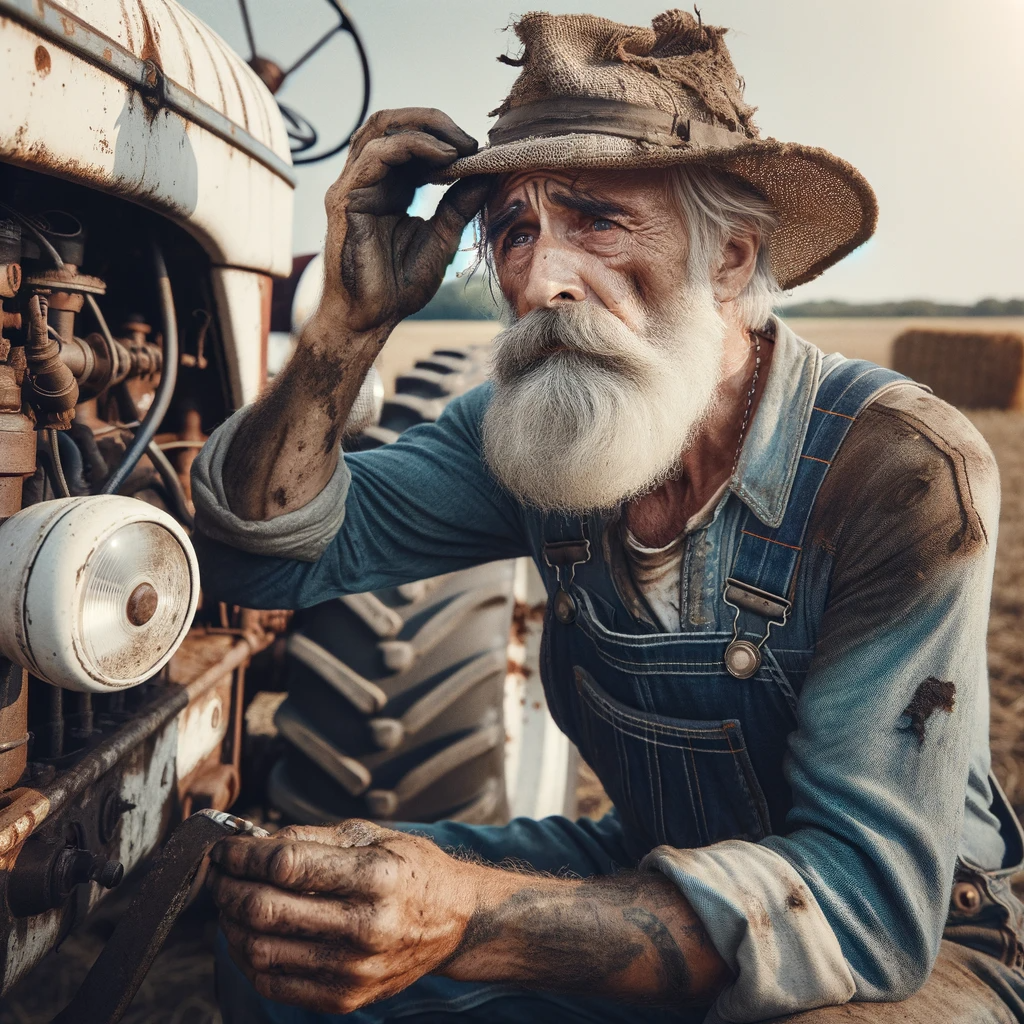
How Can Classic Tractors Enhance The Narrative Of Modern Agriculture?
Are Vintage Machines The Authority In Efficient Farming Today?
In the world of modern farming, it’s easy to dismiss vintage machines as relics of a bygone era, gathering dust in a barn while sleek tractors parade across the fields. But let’s take a moment to step back, breathe in that earthy scent of freshly turned soil, and consider what these old iron giants can teach us about the very heart of efficient farming today.
Trust the Stories They Tell
When you roll up to a vintage tractor, you’re not just looking at an old piece of machinery; you’re witnessing a story that spans generations. Each dent tells a tale of hard labor and perseverance—of farmers who rose with the sun and labored through the day to put food on our tables. There’s an emotional weight in those stories, a connection to the very roots of our agricultural heritage, and a deep-seated respect for the land. By embodying this history, we tap into a well of knowledge that can guide us through contemporary challenges.
Rethinking Efficiency
Now, let’s engage the rational side of this conversation. Vintage tractors, often crafted with simplicity and durability, encourage a fundamental question: What does it mean to be efficient? Today’s high-tech farming comes with impressive bells and whistles, yet it can overshadow essential principles such as soil health, resource conservation, and minimalism. These classic machines remind us that efficiency isn’t always about speed; sometimes, it’s about being mindful and intentional in our actions. When you see a farmer lovingly tending to their land with a vintage tractor, it is a beautiful reminder of sustainable practices that respect our planet.
Ethical Farming and Connection
Furthermore, there’s something inherently ethical about embracing these machines. They represent a way of farming that prioritizes craftsmanship over mass production. When farmers choose to restore and use vintage tractors, they’re also choosing a lifestyle—one that fosters a deeper connection with their community and the environment. By nurturing the soil, conserving resources, and valuing local over global, these farmers become stewards of the earth, bridging the gap between tradition and innovation.
Building a Community of Trust
Ultimately, the conversation around vintage machines isn’t just about farming efficiency; it’s about building a resilient community. Engaging with these tractors brings people together. It cultivates a sense of pride in local heritage and encourages knowledge-sharing that benefits everyone involved. So, whether you’re a seasoned veteran in the field or just beginning your journey, take a cue from those vintage machines. Embrace the past, engage with your surroundings, and remember that sometimes, the old ways offer the most profound insights into crafting a sustainable future.

Are Vintage Machines The Authority In Efficient Farming Today?
Are Vintage Machines The Authority In Efficient Farming Today?
- Vintage tractors embody the stories of generations of farmers and their hard work.
- Each dent and mark on these machines reflects perseverance and connection to agricultural heritage.
- They encourage a rethinking of what efficiency means in modern farming, focusing on soil health and resource conservation.
- The simplicity and durability of vintage tractors promote mindfulness and intentional farming practices.
- Restoring and using these machines fosters a sense of community and environmental stewardship.
- Emphasizing craftsmanship over mass production supports ethical farming practices.
- Engaging with vintage machines cultivates local pride and knowledge-sharing within farming communities.

Are Vintage Machines The Authority In Efficient Farming Today?
How Does Community Support Impact The Use Of Classic Tractors?
When we think about classic tractors, we often envision dusty fields, the rhythmic hum of machinery, and the sweat of hardworking hands that have shaped our rural landscapes. But beneath the rust and nostalgia lies a vibrant community bound not just by love for these machines but by the stories and connections they inspire. Community support for classic tractors doesn’t just keep the engines running; it keeps the heart of agriculture pumping, weaving a tapestry of stories that connect generations.
At its core, a classic tractor represents more than just a piece of equipment; it symbolizes tradition, heritage, and the values we hold dear. Each tractor carries with it a narrative—be it the family farm that’s been in place for decades or the restoration project that brings friends together over a shared love for craftsmanship. This is where community support becomes essential. When individuals gather to restore a vintage tractor, it’s not merely about reviving metal and bolts; it’s about breathing life into history, building camaraderie, and fostering a sense of belonging.
Engagement within the community happens in many forms. From swap meets where enthusiasts exchange parts and stories to online forums buzzing with tips and repair advice, the collective knowledge is a treasure trove for both seasoned veterans and budding enthusiasts. This isn’t just about fixing tractors; it’s about triumphing over challenges together, sharing joys, and learning from failures. It’s an exchange that stimulates the mind and nourishes the spirit, reminding us that we’re not just fixers of machinery; we’re builders of bridges.
Moreover, the environmental ethics behind preserving and restoring classic tractors are formidable. In an age where sustainable practices are at the forefront of agricultural conversation, these vintage machines often embody principles of durability and longevity, encouraging us to respect our resources and embrace craftsmanship over disposability. Staying connected with these values reinforces a sense of responsibility to our land and our communities.
But there’s more. When a local tractor show rolls into town, it’s not just a celebration of machinery; it’s a rallying point for families and friends, fostering pride in our roots and reconnecting us with our neighbors. The gleam of freshly polished tractors serves as a beacon of nostalgia, sparking joy and reminding us of simpler times.
So, whether you’ve spent countless hours tinkering under the hood or you’re simply exploring what this community has to offer, remember: your involvement matters. Engage, share, and celebrate. The stories we create and the connections we nurture today will ripple through our communities tomorrow, ensuring that the legacy of classic tractors lives on in more ways than one.

How Does Community Support Impact The Use Of Classic Tractors?
How Does Community Support Impact The Use Of Classic Tractors?
- Classic tractors evoke nostalgia, representing hard work and shaping rural landscapes.
- They symbolize tradition, heritage, and community connections through shared stories and values.
- Community support is essential for restoration efforts, fostering camaraderie and a sense of belonging.
- Engagement includes swap meets, online forums, and sharing knowledge among enthusiasts.
- Preserving classic tractors promotes environmental ethics and sustainable practices in agriculture.
- Local tractor shows serve as community events that foster pride and reconnect neighbors.
- Every community member’s involvement enriches the legacy of classic tractors for future generations.

How Does Community Support Impact The Use Of Classic Tractors?
Conclusion
As we pull together the threads of this exploration on classic tractors and their role in sustainable agriculture, let’s take a moment to reflect—not just with our heads, but with our hearts and guts. That rumbling sound you hear in the distance isn’t just an engine; it’s the heartbeat of a farming tradition that connects us to the land, to one another, and to the values of stewardship and sustainability. Picture this: a sun-drenched field in harvest, where vintage tractors traverse with grace. These machines, embodying resilience and history, remind us that sometimes the path forward lies in honoring the past.
Emotionally, classic tractors represent a bridge between generations. They evoke memories of hands in the soil, family gatherings, and stories shared on porches. They symbolize a simpler time, when farming was less about mass production and more about responsible stewardship—an ethos that resonates deeply in today’s efforts to foster sustainable practices that respect our environment. Rationally, we can appreciate that these tractors are built to last—crafted with mechanical ingenuity over digital complexity, they demand less in terms of repairs and replacements. By choosing vintage over the mass-produced, farmers are not only lessening waste, but also laying the groundwork for a future that upholds a relationship—an ethical dedication—to both their communities and the environment.
This brings us to the ethical dimension of our farming decisions. Each time a farmer opts to restore rather than replace, they’re not just making a choice about machinery; they’re investing in the health and integrity of their local ecosystem, fostering a sense of community, and embracing a sustainable approach to agriculture. Classic tractors encourage collaboration over competition, transforming farming into a collective effort rather than a solitary race, thereby reestablishing bonds that have frayed in modernity’s relentless chase for efficiency.
So, let’s rally around these storied machines—not as relics of a bygone era, but as sturdy vessels of hope, community, and commitment to a sustainable future. We have the power to reshape the narrative of modern agriculture. A future rich with authenticity, connection, and ecological responsibility beckons us forward. Each time we hear the hum of a classic tractor, let’s treat it not just as a call to nostalgia but as an urgent invitation to engage with our land and each other, nurturing the roots of tradition while powering the culture of innovation. Together, let’s drive this message home: sustainability is not just achievable; it can be beautifully cultivated with the wisdom of those who came before us.

Conclusion
Conclusion:
- Classic tractors embody a rich farming tradition, connecting us to the land and values of stewardship.
- They represent a bridge between generations, evoking memories and simpler times of responsible farming.
- Built to last, vintage tractors require fewer repairs, promoting sustainability by reducing waste.
- Restoring classic tractors supports local ecosystems and fosters a sense of community among farmers.
- These machines encourage collaboration over competition, reinforcing bonds in the farming community.
- Classic tractors symbolize hope and commitment to a sustainable future in agriculture.
- Embracing these machines can reshape modern agriculture to be more authentic and ecologically responsible.

Conclusion
Other Resources

Other Resources
Here is a list of other resources you can review online to learn more:
Use This Prompt To Get More Resources With Your Favorite Online AI Tool: Please provide me with a list of online articles with their URLs in a bulleted list that I can read regarding Are Classic Tractors Reshaping Sustainability In Modern Farming

Other Resources
Glossary Terms
Are Classic Tractors Reshaping Sustainability In Modern Farming – Glossary Of Terms
1. Classic Tractor: A vintage or historically significant tractor model, often appreciated for its design and durability, which can be used efficiently in modern agricultural practices.
2. Sustainability: The ability to maintain ecological balance by using natural resources without depleting them, ensuring that farming practices support future generations.
3. Regenerative Agriculture: Farming practices aimed at restoring soil health, enhancing biodiversity, and improving ecosystem functions, often integrating traditional methods with modern innovation.
4. Biodiversity: The variety of life in a particular habitat or ecosystem, which is crucial for resilience and sustainability in farming systems.
5. Carbon Footprint: The total greenhouse gas emissions caused directly or indirectly by an individual, organization, or product, which traditional tractors can help mitigate when used efficiently.
6. Soil Erosion: The removal of topsoil by wind or water, often exacerbated by modern farming practices; traditional tractors can minimize disturbance to the soil.
7. Agroecosystem: A system of agricultural practices and their interactions with the environment, incorporating both biological and ecological dimensions to promote sustainability.
8. Permaculture: A holistic design system for creating agricultural ecosystems that are sustainable and self-sufficient, often drawing from traditional farming techniques.
9. Fuel Efficiency: A measure of how effectively a tractor converts fuel into usable power, with classic tractors often designed for durability rather than high fuel consumption.
10. Organic Farming: A method of farming that avoids synthetic fertilizers and pesticides, focusing instead on natural processes to enhance sustainability.
11. Mechanical Advantage: The benefit gained from using machinery, such as classic tractors, to perform agricultural tasks more efficiently than manual methods.
12. Local Foods: Food that is produced near where it is consumed, reducing transportation emissions and fostering local economies; classic tractors can support local farming initiatives.
13. Agroforestry: The integration of agriculture and forestry practices to create more diverse and sustainable land-use systems, which can be aided by classic farming machinery.
14. Restoration Agriculture: Farming techniques aimed at rehabilitating degraded land and ecosystems, leveraging the reliability of classic tractors in less intensive farming.
15. Precision Agriculture: The use of advanced technologies to monitor and manage farming practices, potentially complementing the traditional techniques used with classic tractors.
16. Conservation Tillage: A farming practice that reduces soil disruption, maintaining soil structure and health; old tractors can facilitate this method effectively.
17. Net Zero Agriculture: A farming approach aiming to achieve net-zero greenhouse gas emissions, where classic tractors can contribute through efficient operations.
18. Crop Rotation: The practice of alternating the types of crops grown on a particular piece of land, which can be facilitated by reliable older tractors.
19. Sustainable Practices: Methods implemented to ensure agriculture remains viable and environmentally friendly, often inspired by or utilizing classic machinery.
20. Smallholder Farms: Farms operated by small-scale farmers, which can benefit from the reliability and efficiency of classic tractors in sustainable farming efforts.
21. Organic Matter: Decomposed plant and animal residues in soil that enhance fertility, which can be preserved through careful cultivation with tractors.
22. Holistic Management: A decision-making framework that considers the entire ecosystem, potentially integrating classic tractors for sustainable land use.
23. Water Conservation: Practices aimed at reducing water use in farming, where traditional tractors can help implement techniques such as mulch farming.
24. Climate Resilience: The ability of farms to withstand and adapt to climate change, which can be supported by the reliability and simplicity of classic tractors.
25. Grassland Restoration: Efforts to restore and enhance grassland ecosystems, often supported by traditional farming equipment that minimizes soil disturbance.
26. Resource-Efficient Farming: Practices focused on maximizing output while minimizing inputs, where classic tractors play a role in optimizing farm operations.
27. Rural Livelihoods: Economic activities and ways of life in rural areas, often supported by sustainable farming practices utilizing classic tractors.
28. Farm Machinery Restoration: The process of restoring old agricultural equipment for use in modern farming, combining sustainability with tradition.
29. Sustainable Supply Chain: An agricultural supply chain that prioritizes sustainable practices at every level, potentially incorporating classic tractors for minimal environmental impact.
30. Tractor Restoration: The practice of repairing and rehabilitating vintage tractors, allowing them to be utilized sustainably in today’s farming context.
These terms provide a foundation for understanding how classic tractors can influence sustainability in modern agriculture.

Glossary Of Terms
Other Questions
Are Classic Tractors Reshaping Sustainability In Modern Farming – Other Questions
If you wish to explore and discover more, consider looking for answers to these questions:
- What specific vintage tractor models are best for sustainable farming?
- How can new farmers get started with classic tractors?
- What are the environmental benefits of using classic tractors over modern ones?
- What resources are available for restoring classic tractors?
- Are there any organizations dedicated to classic tractors and sustainable farming?
- How do classic tractors compare in terms of cost-effectiveness with modern machinery?
- What role does community play in the maintenance and restoration of classic tractors?
- Can classic tractors be retrofitted with modern technology?
- What are some success stories of farmers using classic tractors in sustainable practices?
- How does the use of classic tractors affect soil health and ecology?
- What training or skills are needed to operate and maintain classic tractors?
- Are there risks or drawbacks associated with using classic tractors today?
- How do classic tractors impact the emotional and cultural aspects of farming?
- What are the best practices for integrating classic tractors into modern farming systems?
- How does fuel efficiency vary among classic tractor models?

Other Questions
Haiku
Are Classic Tractors Reshaping Sustainability In Modern Farming – A Haiku
Rusty wheels turning,
Hearts, soil, and stories entwined,
Farming’s roots reborn.

Haiku
Poem
Are Classic Tractors Reshaping Sustainability In Modern Farming – A Poem
Poem: “The Heart of a Tractor”
In fields where golden corn does sway,
A classic tractor hums, come what may,
Its engine purrs, a soulful song,
A legacy of labor, where we belong.
Oh, sturdy machine with stories wide,
You’ve weathered storms, you’ve turned the tide,
Each dent, each scar, tells of hands that toiled,
In harmony with earth, true riches unspoiled.
In a fast-paced world, you remind us still,
That true farming’s heart beats with patience and skill,
With simplicity woven into your frame,
You teach us that progress and old ways can name.
When fuel burns low, and machines run high,
It’s the wisdom of yesteryears that helps us fly,
Embracing tradition, we gather and share,
Friends and neighbors, all knowing we care.
With locally mended parts, our roots intertwine,
Each repair a promise, our futures align,
In the soil where crops meet the whispers of old,
Ethical choices are stories retold.
Beneath rusted exteriors, deep morals abide,
A community’s heartbeat, its pride, its guide,
For every child learning ‘neath the summer sun,
Is a lesson in farming, in joining as one.
Oh, the warmth of a gathering, of laughter and cheer,
A tractor show’s joy brings us all near,
As we polish and shine, reflect on our past,
We weave history’s threads, ensuring they last.
So let’s rev those engines, both heart and gut,
In the rhythm of farming, let’s pull together, let’s cut,
For with each pass of the wheel on our earth’s sacred breast,
A legacy blooms, reminding us:
To nurture is our truest quest.

Poem
Checklist
Are Classic Tractors Reshaping Sustainability In Modern Farming – A Checklist
Checklist: Embracing Classic Tractors for a Sustainable Future
Heart
1. Reflect on Tradition
_____ What stories have been passed down through generations in your farming community?
_____ How do classic tractors symbolize the values and traditions of your family?
2. Connect with Nature
_____ Step outside and appreciate the connection between the land, crops, and classic machinery.
_____ Take a moment to experience the sounds and sights of a classic tractor in action.
3. Celebrate Community
_____ Participate in local events or gatherings where classic tractors are featured.
_____ Share your personal experiences or stories related to classic tractors with friends or family.
Head
4. Evaluate Efficiency
_____ Analyze how classic tractors may reduce resource consumption compared to modern machinery.
_____ Research the simplicity and mechanical advantages of vintage tractors.
5. Assess Environmental Impact
_____ Consider how using classic tractors contributes to lower carbon footprints and sustainable practices.
_____ Explore ways to maintain and repair tractors using local resources instead of opting for replacement parts.
6. Understand Economic Value
_____ Investigate local businesses that support vintage tractor services and parts.
_____ Evaluate the cost benefits of restoring classic tractors versus acquiring new high-tech models.
Gut
7. Practice Stewardship
_____ Commit to engaging in responsible farming practices that favor sustainability and resource conservation.
_____ Make a conscious choice to repair rather than replace when it comes to machinery.
8. Embrace Ethical Responsibility
_____ Think about how your farming choices affect future generations and local ecosystems.
_____ Reflect on the importance of fostering a sense of community over competition in agriculture.
9. Honor Heritage
_____ Recognize and commit to preserving traditional farming practices that work hand-in-hand with nature.
_____ Engage in hands-on activities that share knowledge about classic tractors with younger generations.
Narrative
10. Share Personal Experiences
_____ Write or talk about your experiences with classic tractors and the lessons learned from them.
_____ Document and share the history of your family’s classic tractors and their impact on your farming practices.
Authority
11. Seek Expert Knowledge
_____ Attend workshops or seminars focused on the care and operation of classic tractors.
_____ Consult local farming or vintage machinery clubs to learn about best practices and restoration methods.
Social
12. Foster Community Connection
_____ Join or form a local group dedicated to classic tractor restoration or sustainable farming practices.
_____ Encourage collaboration among local farmers to share parts, knowledge, and support related to classic tractors.
By implementing these checklist items, you can embrace the rich heritage of classic tractors while contributing to a sustainable and connected farming community.

Checklist
At ClassicTractorNews, we help tractor lovers keep up with the latest news for classic and vintage tractors.
Please share this post with your friends, family, or business associates who may like old classic or vintage tractors.