


Reviving Roots: The Legacy Of Classic Tractors In Heritage Programs
By Tom Seest
At ClassicTractorNews, we help tractor lovers keep up with the latest news for classic and vintage tractors.
Please share this post with your friends, family, or business associates who may like old classic or vintage tractors.
Are Classic Tractors Part Of Any Heritage Programs?
In communities across the country, classic tractors symbolize more than just machinery; they embody a connection to our agricultural roots and a way of life that’s increasingly at risk of being forgotten. Heritage programs dedicated to these marvels of engineering serve as vital conduits, bridging the past with the present.
These tractors, with their rugged frames and timeless designs, tell stories that resonate deeply—stories of hard work, innovation, and the very essence of farming. For those who grew up on family farms, the sight of a classic tractor evokes memories of summer days spent in the fields, dust swirling, engines rumbling, and family bonds strengthening over shared labor. Each dent and scratch on these machines not only marks their longevity but also holds the weight of countless experiences that shaped individual lives and communities alike.
Heritage programs that celebrate classic tractors recognize the emotional ties that people hold to these machines. They invite generations to come together, fostering a sense of belonging and continuity. Through exhibitions, restoration projects, and community events, these programs nurture a collective memory, ensuring that the legacy of farming—and the tractors that made it possible—remains vibrant and relevant. This isn’t merely nostalgia; it’s a commitment to preserving the ethical duty to remember where we came from and to honor the sacrifices of those who worked the land.
Moreover, these programs often emphasize education, providing workshops and demonstrations that reveal the intricacies of machinery maintenance and restoration. This practical knowledge cultivates a deep respect for the craftsmanship involved in tractor production and maintenance. When individuals engage with these classic machines, they gain an appreciation for the history and significance behind every bolt and wheel, creating a rational understanding of their importance in our culture.
Finally, the social aspect of classic tractors can’t be overlooked. They connect people, sparking conversations among enthusiasts and casual observers alike. Local fairs and tractor shows become gathering places, celebrating shared interests and reviving a sense of community spirit. Through these interactions, trust is formed—not just in the machines, but in the shared values of hard work and resilience that they represent.
In every rusty fender and faded paint job, classic tractors stand as beacons of our agricultural heritage, reminding us to honor the past while inspiring future generations to keep the wheels of tradition turning. Let’s stand together, recognize their significance, and support the heritage programs that ensure these powerful symbols remain an integral part of our narrative.

Are Classic Tractors Part Of Any Heritage Programs?
Are Classic Tractors Part Of Any Heritage Programs?
- Classic tractors symbolize a connection to agricultural roots and a way of life at risk of being forgotten.
- Heritage programs serve as vital conduits, bridging the past with the present.
- These tractors showcase stories of hard work, innovation, and the essence of farming.
- They evoke memories for those who grew up on family farms, strengthening family bonds through shared labor.
- Heritage programs foster belonging and continuity through exhibitions, restoration projects, and community events.
- The educational aspect emphasizes machinery maintenance and restoration, building respect for craftsmanship.
- Classic tractors spark social connections, creating community spirit at local fairs and tractor shows.

Are Classic Tractors Part Of Any Heritage Programs?
Table Of Contents
- Are Classic Tractors Part Of Any Heritage Programs?
- Are Classic Tractors Recognized In Local Heritage Programs?
- How Do Classic Tractors Connect Us to Our Agricultural Roots?
- What Stories Do Classic Tractors Tell About Our Farming History?
- Are There Community Events Celebrating Classic Tractor Restoration?
- How Do Classic Tractors Uphold Our Cultural Farming Practices?
- What Ethical Benefits Come From Preserving Classic Tractors?
- Conclusion
- Other Resources
- Glossary Of Terms
- Other Questions
- Haiku
- Poem
- Checklist
Are Classic Tractors Recognized In Local Heritage Programs?
In communities across the nation, classic tractors symbolize more than just a tool for farming; they represent a piece of our collective history. These machines, crafted in an era where grit and hard work defined the agricultural landscape, stand as remnants of an industrious past that deserve recognition. Heritage programs at the local level often see these tractors not merely as relics but as storytellers, each one echoing the sweat and determination of those who operated them.
Consider the families that have relied on these tractors for generations. Families who have grown crops, nurtured livestock, and built legacies—each tractor holding the memories of harvests, fairs, and celebrations. When local heritage programs include classic tractors, they’re tapping into the heart of the community, creating connections between past and present. This isn’t just about machinery; it’s about honoring the pioneers of farming who shaped our landscapes.
Rationally, recognizing these classic tractors in heritage programs brings various benefits. It promotes natural tourism, drawing visitors eager to witness the evolution of agriculture. These programs often serve as a platform for education, enlightening future generations about sustainable practices and the importance of agriculture in our economy. By placing classic tractors in the spotlight, communities reinforce their commitment to preserving agricultural history, fostering a sense of pride that unites residents.
Ethically, heritage programs must acknowledge the role that these tractors played in driving local economies. When we celebrate these icons, we also recognize the labor of farmers, whose hard work has nourished us. It’s a calling for stewardship—not just to maintain history but to inspire current and future generations to appreciate the roots of our society.
From an authoritative perspective, think of the veterans and community leaders who advocate for these programs. They understand that recognizing classic tractors fosters a culture of respect for agriculture, showcasing how vital these machines are to our heritage. Their advocacy strengthens community ties and builds a shared narrative that can serve to inspire future efforts.
Furthermore, as social creatures, we crave connection. Heritage events showcasing classic tractors provide an opportunity for families to gather, share stories, and reminisce. They instill a sense of belonging and reinforce the values of camaraderie and shared history. When classic tractors are celebrated, they remind us of the hard work and dedication that bind us together.
Recognizing classic tractors in local heritage programs enriches our understanding of who we are as a community, creating a legacy that honors the past while inspiring future generations to cultivate a connection to their roots.

Are Classic Tractors Recognized In Local Heritage Programs?
Are Classic Tractors Recognized In Local Heritage Programs?
- Classic tractors symbolize a vital part of agricultural history and community identity.
- They serve as storytellers, reflecting the hard work of past generations of farmers.
- Inclusion in heritage programs fosters connections between the past and present.
- These programs promote tourism and educate about sustainable agricultural practices.
- Recognizing tractors acknowledges the labor of farmers and their economic impact.
- Advocacy by veterans and community leaders enhances respect for agriculture and community ties.
- Heritage events centered around tractors encourage family gatherings and shared histories.

Are Classic Tractors Recognized In Local Heritage Programs?
How Do Classic Tractors Connect Us to Our Agricultural Roots?
Classic tractors stand as more than just machines on fields; they embody the very essence of our agricultural heritage. This connection to our roots isn’t merely mechanical; it resonates deeply within us, stirring emotions and memories tied to the land. For many, a tractor represents hard work, resilience, and an unwavering commitment to sustaining life from the soil. Each scratch, dent, and rust spot tells a story of perseverance, connecting generations of farmers who have relied on these powerful machines to bring forth the fruits of their labor.
Think about the smell of freshly tilled earth, the sound of a tractor’s engine rumbling to life, and the sight of fields stretching out under a wide-open sky. These images evoke a sense of nostalgia, reminding us of simpler times when families gathered to share the harvest, celebrating not just the yield but the effort that went into producing it. Classic tractors, often restored and maintained by enthusiasts, symbolize a way of life that many hope to preserve—showcasing both pride and commitment to the agricultural community.
Rationally, tractors played a pivotal role in revolutionizing farming practices. They allowed families to expand their operations and improve productivity, transforming agriculture into what it is today. The evolution from horse-drawn plows to powerful tractors represents advancements in technology that have enabled us to feed growing populations. By appreciating these machines, we honor the ingenuity and dedication of those who came before us, understanding that our modern comforts are built upon their hard work.
On an ethical level, preserving these classic tractors becomes a responsibility. It’s about respecting the legacy of our farmers, ensuring that future generations understand the hard-won lessons of agriculture and connection to nature. When we restore a classic tractor, we’re not just engaging in a hobby; we’re participating in a cultural preservation, a nod to the struggle and triumph of those who cultivated the land.
Socially, classic tractors foster a sense of community. Enthusiasts unite, sharing knowledge, experiences, and a passion for farming, creating bonds that go beyond machinery. They gather at shows and events, where stories are exchanged and friendships formed, refreshing the spirit of togetherness rooted in our agrarian past. Each encounter reminds us that these tractors are not just relics but enduring symbols of our shared journey through the trials and triumphs of agriculture. By embracing these classic machines, we honor our past and inspire future generations to appreciate the land and the hard work that sustains us all.

How Do Classic Tractors Connect Us to Our Agricultural Roots?
How Do Classic Tractors Connect Us to Our Agricultural Roots?
- Classic tractors symbolize agricultural heritage, connecting us emotionally to the land.
- They represent hard work, resilience, and commitment to sustaining life from the soil.
- Nostalgic imagery associated with tractors evokes memories of family gatherings and harvest celebrations.
- Tractors transformed farming practices, improving productivity and enabling us to feed growing populations.
- Preserving classic tractors is an ethical responsibility, honoring the legacy of farmers.
- Classic tractors foster community among enthusiasts, who share knowledge and experiences.
- These machines serve as enduring symbols of the agricultural journey, inspiring future generations.

How Do Classic Tractors Connect Us to Our Agricultural Roots?
What Stories Do Classic Tractors Tell About Our Farming History?
When we think about farming, we often picture sprawling fields and the gentle rise of the sun—a testament to hard work and resilience. At the core of that image lies the humble tractor, a machine that has been the backbone of agriculture for generations. Each classic tractor cradles stories of sweat, struggle, and triumph, a tangible connection to the land and its people.
Take a moment to imagine the roar of a vintage tractor’s engine, its paint chipped but proud. This isn’t just a vehicle; it’s a symbol of dedication and innovation. Born out of necessity, tractors revolutionized farming. Before their advent, farmers relied on sheer manpower and horses—grueling work that demanded every ounce of strength and patience. With a tractor, entire families could harvest crops faster and more efficiently, transforming their lives and communities.
A classic tractor serves as a vessel of memory, holding within its frame the tales of farmers who woke before dawn and returned home after dusk, their hands caked in dirt and their hearts full of dreams. These machines have seen generations grow up alongside them, learning the values of perseverance, respect, and responsibility. The connection between a farmer and their tractor is an unspoken bond—a partnership forged in the face of tough seasons and bountiful harvests.
Think of the farmers who made sacrifices to own these tractors, overcoming obstacles with sheer grit. These stories remind us of our shared history, illustrating that farming is more than a profession; it’s a lineage. Each tractor carries the echoes of laughter and tears, of family gatherings amid hay bales and the satisfaction of a completed day’s work. The rust on the wheels and the worn-out seat tell tales of labor, love, and a deep-seated commitment to the land.
As we gaze upon these classic tractors, we acknowledge not just the machines, but the people behind them—their struggles, their hopes, and their unwavering spirit. They remind us that farming is a communal effort, one that nourishes not only our bodies but also our souls. In a world that can feel disconnected, these tractors serve as a bridge, bringing us together in appreciation of our shared heritage. So, the next time you spot one of these relics, take a moment. Listen closely; the stories of our farming history are alive and waiting to be heard.

What Stories Do Classic Tractors Tell About Our Farming History?
What Stories Do Classic Tractors Tell About Our Farming History?
- Farming is often visually associated with fields and sunrise, symbolizing hard work and resilience.
- The tractor is a crucial element in agriculture, representing stories of dedication and hard-earned success.
- Tractors transformed farming by replacing manual labor and horses, increasing efficiency for families.
- Classic tractors embody the memories of farmers who dedicated their lives to agriculture, emphasizing perseverance and responsibility.
- Tractors symbolize a deep bond between farmers and their equipment, forged through challenges and rewards.
- Each tractor reflects the sacrifices made by farmers, highlighting the lineage and shared history of farming.
- Classic tractors connect us to the stories, struggles, and spirit of the farming community, serving as a bridge to our shared heritage.

What Stories Do Classic Tractors Tell About Our Farming History?
Are There Community Events Celebrating Classic Tractor Restoration?
Community events celebrating classic tractor restoration are more than mere gatherings; they are heartfelt celebrations of craftsmanship, camaraderie, and a shared passion for the past. Picture a sun-drenched field, where gleaming machinery stands testament to decades of hard work and dedication. Each tractor tells a story—a narrative woven from the sweat of those who restored it, an emblem of resilience and ingenuity that connects generations.
These gatherings attract a diverse crowd. You’ll find life-long enthusiasts who remember their first ride on grandpa’s tractor, alongside curious newcomers eager to learn the ropes. This blend fosters a unique atmosphere, where knowledge flows as freely as the laughter shared over a well-worn engine. Here, the act of restoration becomes a communal effort, reinforcing bonds of friendship and mutual respect among those who appreciate the artistry behind these machines.
Rationally, classic tractor restoration is more than a hobby; it’s a testament to sustainability and preservation. In an age of rapid technological change, these events remind us of the importance of maintaining our history. Restored tractors serve as functional pieces of agricultural heritage, bridging the gap between the old ways and the new. Attendees leave each event not just with a deeper appreciation for machinery but with an understanding of their role in perpetuating stories that deserve to be told and preserved.
Ethically, the love for these tractors embodies a commitment to keeping craftsmanship alive in a world increasingly dominated by automation. It’s about honoring the hands that shaped this equipment and acknowledging the labor that went into every nut and bolt. When we gather to celebrate these machines, we’re affirming the values they represent—hard work, perseverance, and the undeniable human connection to the land.
The authority of experienced restorers and collectors shines brightly at these events. Their wisdom guides newcomers, igniting a spark of curiosity and passion that can transform a simple interest into a lifelong pursuit. And as the roaring engines come to life, so does a sense of pride that unites everyone present—a reminder that we are all part of a larger community that values history, heritage, and the thrill of creation.
So, when you hear about a local community event celebrating classic tractor restoration, consider attending. Engage with fellow enthusiasts, learn the intricacies of restoration, and connect with others who share your passion. It’s not just about the tractors; it’s about embracing a way of life that honors tradition while looking forward to the future. Come for the tractors, stay for the stories.
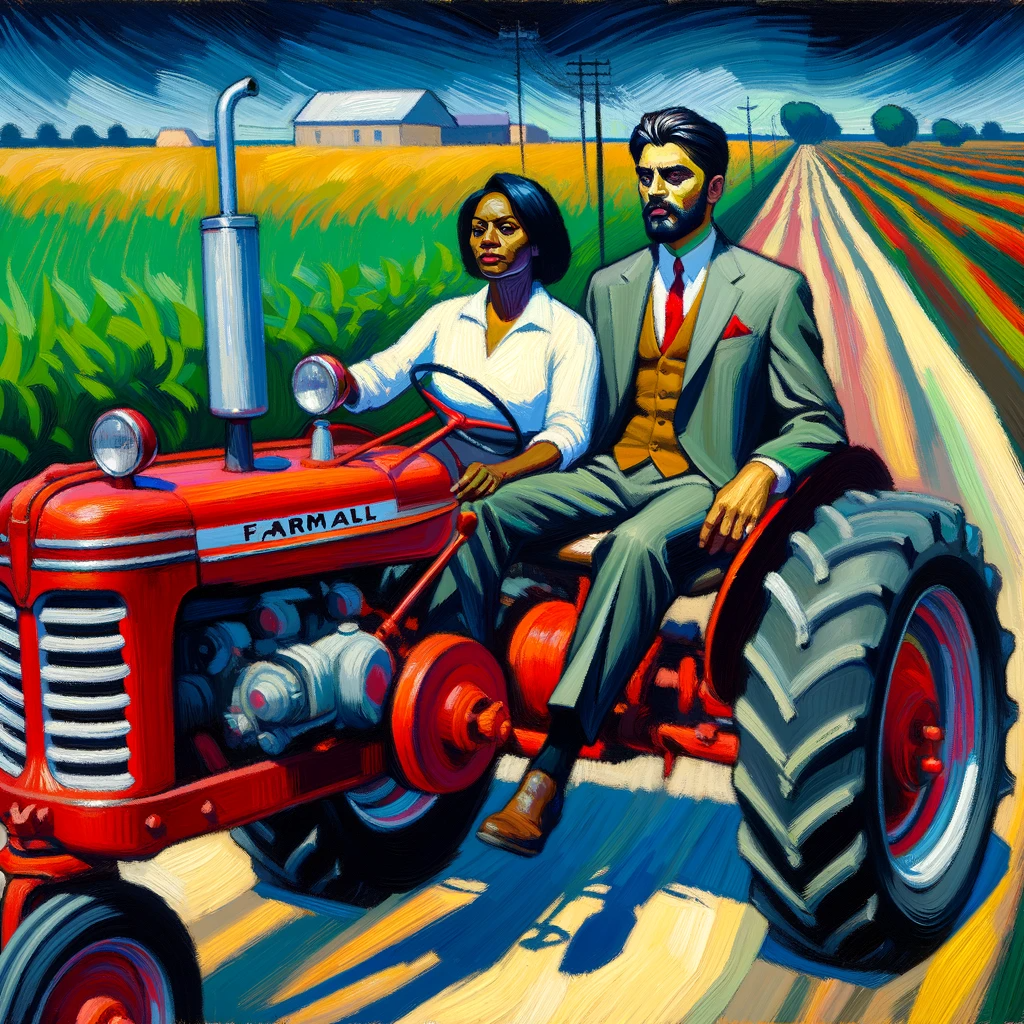
Are There Community Events Celebrating Classic Tractor Restoration?
Are There Community Events Celebrating Classic Tractor Restoration?
- Community events for classic tractor restoration celebrate craftsmanship, camaraderie, and shared history.
- Gleaming tractors symbolize decades of hard work, each with its own unique story.
- Diverse attendees include lifelong enthusiasts and curious newcomers, fostering knowledge sharing and friendships.
- Restoration is seen as a testament to sustainability and preserving agricultural heritage.
- The events honor traditional craftsmanship against a backdrop of increasing automation.
- Experienced restorers guide newcomers, sparking passion and curiosity about restoration.
- Attendees gain appreciation for both the machines and the stories they represent, reinforcing community values.

Are There Community Events Celebrating Classic Tractor Restoration?
How Do Classic Tractors Uphold Our Cultural Farming Practices?
Classic tractors are more than just machines; they are the backbone of our agricultural heritage, connecting generations of farmers through a shared commitment to land and labor. These sturdy workhorses embody the spirit of those who tilled the soil long before us, each rusted bolt and worn tire telling a story of perseverance, labor, and pride. When we think of a tractor, it’s easy to picture the iconic image of a farmer, worn straw hat perched firmly on their head, plowing fields under a wide-open sky. This is not just about farming; it’s about sustaining a culture rooted in hard work, family values, and community.
At the heart of farming lies the emotional connection to the land. Classic tractors were often bought with the sweat of one’s brow, a symbol of the dreams and aspirations of countless families. They represent the fierce determination of individuals who have poured their lives into nurturing the earth. Think of the farmers who have knelt in their fields, hands deep in the soil, using these tractors to forge a livelihood. The tractor becomes a part of their identity, a reliable partner in the age-old dance between man and nature.
Rationally, classic tractors are emblematic of efficiency and practicality. Their simple mechanics allow for straightforward repairs, often performed by those who know their machines inside and out. This accessibility fosters a culture of innovation and learning, where knowledge is passed down through family lines. Every time a farmer fires up a classic tractor, they are not just relieving the past; they are often more effective with less environmental impact than many modern alternatives, embodying sustainability.
Ethically, our relationship with classic tractors encourages us to preserve our agricultural practices. These machines remind us of the importance of supporting local farming, which in turn supports community resilience and sustainability. By maintaining these tractors, we honor the ethic of stewardship that has sustained our land for generations.
Socially, classic tractors bring people together. Local fairs, tractor shows, and farm markets serve as gathering spots where stories are exchanged, and friendships are forged. In these moments, a shared deep respect for the land, the labor, and the legacy of farming comes alive, fostering a sense of belonging within communities.
Ultimately, as we ensure that classic tractors remain a part of our agricultural narrative, we are not merely preserving history; we are actively engaging with the future of farming. Each tractor stands as a testament to resilience, a promise to uphold the values that define our connection to the earth and to one another.

How Do Classic Tractors Uphold Our Cultural Farming Practices?
How Do Classic Tractors Uphold Our Cultural Farming Practices?
- Classic tractors connect generations of farmers, symbolizing agricultural heritage.
- They embody the spirit of perseverance and labor, each with its own story.
- They represent the emotional bond between farmers and the land, symbolizing dreams and aspirations.
- Classic tractors are efficient and practical, with simple mechanics allowing for easy repairs.
- Maintaining these machines supports local farming and community resilience.
- They foster community through gatherings like fairs and tractor shows, promoting shared values.
- Classic tractors are a testament to resilience and a promise to uphold agricultural values for the future.

How Do Classic Tractors Uphold Our Cultural Farming Practices?
What Ethical Benefits Come From Preserving Classic Tractors?
Preserving classic tractors is more than just a nostalgic nod to simpler times; it’s an act of stewardship that embodies our commitment to sustainability, heritage, and community. These machines, once the backbone of American agriculture, are symbols of hard work and grit. They tell stories that resonate deeply, bridging generations and connecting us to our roots.
When we maintain these tractors, we’re not just defending our past but also championing a future where craftsmanship and quality prevail over disposability. In a world obsessed with the new and the shiny, there’s profound value in the enduring nature of these machines. Each restoration project is a lesson in patience and skill, demanding respect for the craftsmanship that builds not only a tractor but a legacy. The heartfelt connection we forge with these pieces of history can ignite a sense of responsibility. By choosing to restore rather than replace, we send a powerful message about the importance of tending to our environment and reducing waste.
Moreover, classic tractors foster community. Think of the local shows, the gatherings where enthusiasts share stories, knowledge, and camaraderie. These events aren’t just about the machines; they’re dynamic showcases of human connection. They remind us that there’s beauty in shared endeavors, in coming together to celebrate a common passion. In a society that often feels disconnected, these gatherings offer a chance to rekindle relationships, reminding us that we belong to something greater than ourselves.
Beyond social connections, the ethical benefit of preserving classic tractors stretches to educating the next generation. As children learn about these enduring machines, they also absorb lessons about hard work, the value of history, and the mechanics behind their operation. By teaching young people how to take care of and respect these tractors, we instill a sense of pride and responsibility—qualities that will serve them well in every facet of life.
Lastly, there’s an authoritative aspect to preserving classic tractors. The expertise required to maintain and restore these machines is a testament to tradition and knowledge passed down through the years. This expertise is invaluable, grounding us in our agricultural roots and proving that sometimes, looking back can lead us forward.
In every rusted bolt and painted surface, classic tractors remind us of who we are and where we came from. By preserving them, we honor not only a pivotal piece of our agricultural history but also the values of resilience, community, and respect for the earth that these tractors represent.

What Ethical Benefits Come From Preserving Classic Tractors?
What Ethical Benefits Come From Preserving Classic Tractors?
- Preserving classic tractors signifies a commitment to sustainability, heritage, and community.
- These tractors symbolize hard work and connect generations, bridging our roots.
- Restoration projects emphasize craftsmanship and the value of enduring quality over disposability.
- Classic tractors nurture community through local events that encourage connection and shared interests.
- They serve an educational purpose, teaching young people about hard work and respect for history.
- The expertise involved in maintaining these machines reflects tradition and agricultural knowledge.
- Preserving classic tractors honors our agricultural history and values of resilience and environmental respect.

What Ethical Benefits Come From Preserving Classic Tractors?
Conclusion
Classic tractors serve as powerful symbols of our agricultural heritage, embodying stories of hard work, resilience, and the profound connection generations of farmers have with the land. These machines, with their rugged frames and historic designs, do more than till fields; they evoke memories tied to family farms, where summer days were spent amidst the rumble of engines and the scent of freshly tilled soil. Every dent and scratch is a testament to their longevity, echoing the experiences of those who dedicated their lives to farming.
Heritage programs highlighting classic tractors bridge past and present, nurturing communal bonds and fostering a sense of belonging. They celebrate the emotional ties people have with these machines, positioning them as conduits for shared memories and values. Events centered around classic tractors unite communities, providing spaces for connection and storytelling—a reminder of the struggle and triumph of agricultural life that shaped our society.
From a practical standpoint, these programs promote education and understanding of agricultural practices. Workshops highlight the intricacies of maintenance and restoration, imparting valuable skills and knowledge that deepen respect for craftsmanship. Through engaging with classic tractors, individuals cultivate an appreciation for the history and significance of these vehicles, reinforcing their role in our cultural narrative.
On an ethical level, recognizing classic tractors in local heritage programs honors the sacrifices of farmers who have shaped our landscapes and economies. Celebrating these machines calls for stewardship—an acknowledgment of our responsibility to preserve the past while ensuring its relevance for future generations. The advocacy of community leaders strengthens this narrative, illustrating that preserving our agricultural roots enriches our collective identity.
Socially, classic tractors create a sense of community, bringing enthusiasts together at fairs and shows. These gatherings become festive occasions celebrating shared values of hard work and determination, helping to forge friendships and connections. By honoring these machines, we not only cherish our agricultural history but also invigorate a culture that appreciates teamwork and resilience.
Classic tractors stand as beacons, reminding us to celebrate our heritage while inspiring future generations to appreciate the ongoing journey of agriculture. By supporting programs dedicated to preserving these icons, we ensure that the stories they tell continue to resonate, bridging gaps between past and present, and fostering a lasting connection to our roots.

Conclusion
Conclusion:
- Classic tractors symbolize agricultural heritage, representing hard work and resilience among farmers.
- These machines evoke memories linked to family farms and the agricultural lifestyle.
- Heritage programs connect past and present, fostering communal bonds through shared experiences.
- Events centered on classic tractors allow for storytelling and celebration of agricultural struggles and triumphs.
- Workshops on maintenance and restoration promote education on agricultural practices and craftsmanship.
- Recognizing classic tractors honors farmers’ sacrifices and emphasizes the importance of preservation for future generations.
- Classic tractors bring communities together, celebrating shared values and creating connections through events.

Conclusion
Other Resources

Other Resources
Here is a list of other resources you can review online to learn more:
- Racine County Fair Antique Tractors
- Memo
- Pioneer Farm Days
- Oklahoma City Farm Show
- Fahr
- Haas
- Paquette Farmall Tractor Museum
- NorTrac
- Stihl
- Fairfield County Antique Tractor Club
- Allis Chalmers
- Dillon Farm Museum
- CLAAS of America
- Aultman & Taylor
- Farm Equipment Manufacturers Association
- Eagle
- Kubota
- TYM
- Central Washington Agricultural Museum
Use This Prompt To Get More Resources With Your Favorite Online AI Tool: Please provide me with a list of online articles with their URLs in a bulleted list that I can read regarding Are Classic Tractors Part Of Any Heritage Programs?

Other Resources
Glossary Terms
Are Classic Tractors Part Of Any Heritage Programs? – Glossary Of Terms
1. Classic Tractor: An agricultural vehicle built primarily between the 1920s and 1980s, often valued for its historical significance and craftsmanship.
2. Heritage Programs: Initiatives designed to preserve and celebrate historical artifacts and practices, including classic tractors, within a cultural context.
3. Restoration: The process of repairing and refurbishing classic tractors to restore them to their original condition or appearance.
4. Preservation: Maintaining classic tractors in their current state to protect them from deterioration over time.
5. Collecting: The act of acquiring classic tractors for personal enjoyment, investment, or preservation purposes.
6. Agricultural History: The study of the development and evolution of farming practices and equipment, including tractors.
7. Exhibitions: Events where classic tractors are showcased, allowing the public to view and appreciate their historical significance.
8. Museums: Institutions that house classic tractors and other agricultural heritage items for educational and display purposes.
9. Clubs: Organizations dedicated to enthusiasts of classic tractors, often providing a community for sharing knowledge and experiences.
10. Field Days: Events where classic tractors are demonstrated in agricultural settings, showcasing their functionality and history.
11. Vintage: Referring to items from a particular era that are considered valuable due to their age and rarity, often applied to classic tractors.
12. Antique: A term often used to describe tractors over 100 years old, recognized for their historical importance.
13. Documentation: The collection of historical records and materials related to classic tractors, including manuals, photographs, and manufacturer’s details.
14. Restoration Quality: The level of detail and authenticity achieved in restoring classic tractors, impacting their value and recognition.
15. Participatory Heritage: Involving communities in the preservation of classic tractors, promoting active engagement with cultural heritage.
16. Sustainability: The practice of maintaining classic tractors in a manner that respects historical value while adapting to modern environmental considerations.
17. Workshops: Educational sessions focused on the maintenance, repair, and restoration of classic tractors.
18. Agricultural Shows: Events that gather farmers and collectors to display classic tractors alongside demonstrations of modern agricultural practices.
19. Legacy: The historical impact and significance of classic tractors on farming, culture, and the economy.
20. Trade Shows: Venues for manufacturers, collectors, and enthusiasts to buy, sell, or showcase classic tractors and related equipment.
21. Documentation Standards: Criteria used to assess the authenticity and accuracy of information regarding classic tractors.
22. Research: The process of studying classic tractors to uncover their history, design, and impact on agriculture.
23. Community Engagement: Involvement of local populations in heritage programs relating to classic tractors, fostering connection and pride.
24. Interpretive Programs: Educational initiatives designed to communicate the significance of classic tractors to the public.
25. Cultural Significance: The importance of classic tractors within the social and historical fabric of agricultural communities.
26. Adaptive Reuse: The practice of repurposing classic tractors for modern uses while maintaining their historical integrity.
27. Volunteering: Community members offering their time and skills to assist in heritage programs and restoration projects.
28. Heritage Trails: Designed routes that take enthusiasts through areas rich in agricultural history, often featuring classic tractors.
29. Enthusiast: A person who has a passionate interest in classic tractors, often involved in restoration, collecting, or advocacy.
30. Public Awareness: Efforts aimed at increasing knowledge and appreciation of classic tractors within society, promoting their preservation.

Glossary Of Terms
Other Questions
Are Classic Tractors Part Of Any Heritage Programs? – Other Questions
If you wish to explore and discover more, consider looking for answers to these questions:
- Which national or regional heritage programs officially recognize classic tractors?
- How can an owner register or nominate a tractor for inclusion in a heritage program?
- What criteria do heritage programs use to evaluate classic tractors for recognition?
- Are there formal preservation or conservation standards for classic tractors?
- What resources and training exist for learning restoration techniques?
- How much does it typically cost to restore and maintain a classic tractor?
- Where can owners find authentic replacement parts and manuals?
- Are there grants, funding, or tax incentives available for preservation projects?
- How do community events and tractor shows operate, and how can I participate or attend?
- Can restored tractors be insured, and what types of coverage are available?
- How are tractors appraised and documented for historical significance and value?
- What legal or safety regulations apply when operating or displaying classic tractors?
- How do heritage programs involve youth and support educational outreach?
- Are there museums or permanent exhibits dedicated to classic tractors and agricultural machinery?
- How do programs balance restoration with preserving a tractor’s original authenticity?
- What environmental considerations are involved in maintaining and running older engines?
- How do heritage programs support local economies and promote agritourism?
- Can tractors be donated to heritage organizations, and how are donations managed?
- Are there clubs, networks, or online communities for classic tractor enthusiasts and how do you join?
- How do restorers research a tractor’s provenance and historical background?
- What roles did specific tractor models or manufacturers play in shaping farming history?
- How do heritage programs collect and preserve oral histories and personal stories linked to tractors?
- What are best practices for storing, protecting, and preventing deterioration of classic tractors?
- How can someone start a local heritage program or tractor restoration group in their community?
- Are there certification programs or recognized qualifications for professional restorers or restoration shops?

Other Questions
Haiku
Are Classic Tractors Part Of Any Heritage Programs? – A Haiku
Rusty wheels turn slow,
Tales of toil in dust and sun—
Heritage preserved.

Haiku
Poem
Are Classic Tractors Part Of Any Heritage Programs? – A Poem
In fields where whispers of old engines sing,
Classic tractors stand, our heritage’s wings.
Rust and paint tell tales of sweat and strife,
Symbols of a timeless, agrarian life.
These machines, with their iron embrace,
Convey stories of toil, in every dented trace.
From sunrise to dusk, in the warm, dusty air,
They bind families together, their legacy rare.
In community gatherings, their voices unite,
Sharing laughter and memories, igniting the night.
Each restoration a pledge, a promise to share,
The skills of the past, for the future we care.
Think of the fields where their engines once roared,
Transforming the earth, every harvest adored.
They embody our roots, a moral refrain,
Nurturing the promise that still shall remain.
Educating hearts, drawing bridges anew,
Fostering connections, both faithful and true.
Classic tractors, not just relics of lore,
They teach us of unity and so much more.
With each turn of a wheel, and every crank recalled,
We honor the stories within them enthralled.
Preserving their legacy, we hold history tight,
A testament of resilience, guiding our sight.

Poem
Checklist
Are Classic Tractors Part Of Any Heritage Programs? – A Checklist
Checklist for Engaging with Classic Tractors and Heritage Programs
✅______ Recall personal memories associated with tractors and farming.
✅______ Share stories of family traditions connected to agricultural practices.
✅______ Attend local tractor shows or heritage events to feel community spirit.
Rational Appeals
✅______ Understand the historical significance of classic tractors in improving farming efficiency.
✅______ Learn about the advances in agricultural technology that these tractors represent.
✅______ Consider the practical benefits of maintaining and using classic tractors over modern machinery.
Ethical Appeals
✅______ Reflect on the responsibility to preserve agricultural history for future generations.
✅______ Engage in sustainable practices by restoring rather than discarding old tractors.
✅______ Support local farms and communities that rely on classic machinery for their livelihoods.
Authority Appeals
✅______ Seek expert knowledge from seasoned restorers and enthusiasts during events and workshops.
✅______ Recognize the role that community leaders play in advocating for heritage programs.
✅______ Follow guidelines from organizations dedicated to preserving agricultural history.
Narrative Appeals
✅______ Discover the stories behind individual tractors and their owners.
✅______ Participate in community storytelling events to share and hear farming narratives.
✅______ Contribute to local archives or blogs documenting classic tractor tales.
Social Appeals
✅______ Join clubs or online forums focused on classic tractors for networking with like-minded individuals.
✅______ Attend restoration workshops to foster community and learn collaboratively.
✅______ Volunteer at local heritage events to connect with others who appreciate agricultural traditions.

Checklist
At ClassicTractorNews, we help tractor lovers keep up with the latest news for classic and vintage tractors.
Please share this post with your friends, family, or business associates who may like old classic or vintage tractors.